19 photos of historical occupations in American towns
Walk down Main Street a century ago and you’d spot workers few of us see today: someone trimming wicks atop a ladder, a teen dodging bowling balls to reset pins, and a messenger weaving through traffic with a telegram. Many of these roles rose with 19th‑ and early 20th‑century technologies — gaslight, iceboxes, manual switchboards — and faded as electrification, refrigeration, and automation spread after the 1930s. The 1936 Rural Electrification Act, for instance, helped bring power to farms, dragging entire job categories toward obsolescence.
These weren’t fringe curiosities; they were the social glue of small-town life. Switchboard operators knew voices by name, the milkman’s clink of bottles marked the morning, and projectionists timed perfect reel changes by cue marks. As devices gained buttons — and then lost them to software — occupations that required steady hands and local know-how thinned out. What remains are great stories, a few ceremonial holdouts, and a clearer view of how quickly work reshapes when tools change.
The Lamplighter: Streetlights by Hand, One Glow at a Time
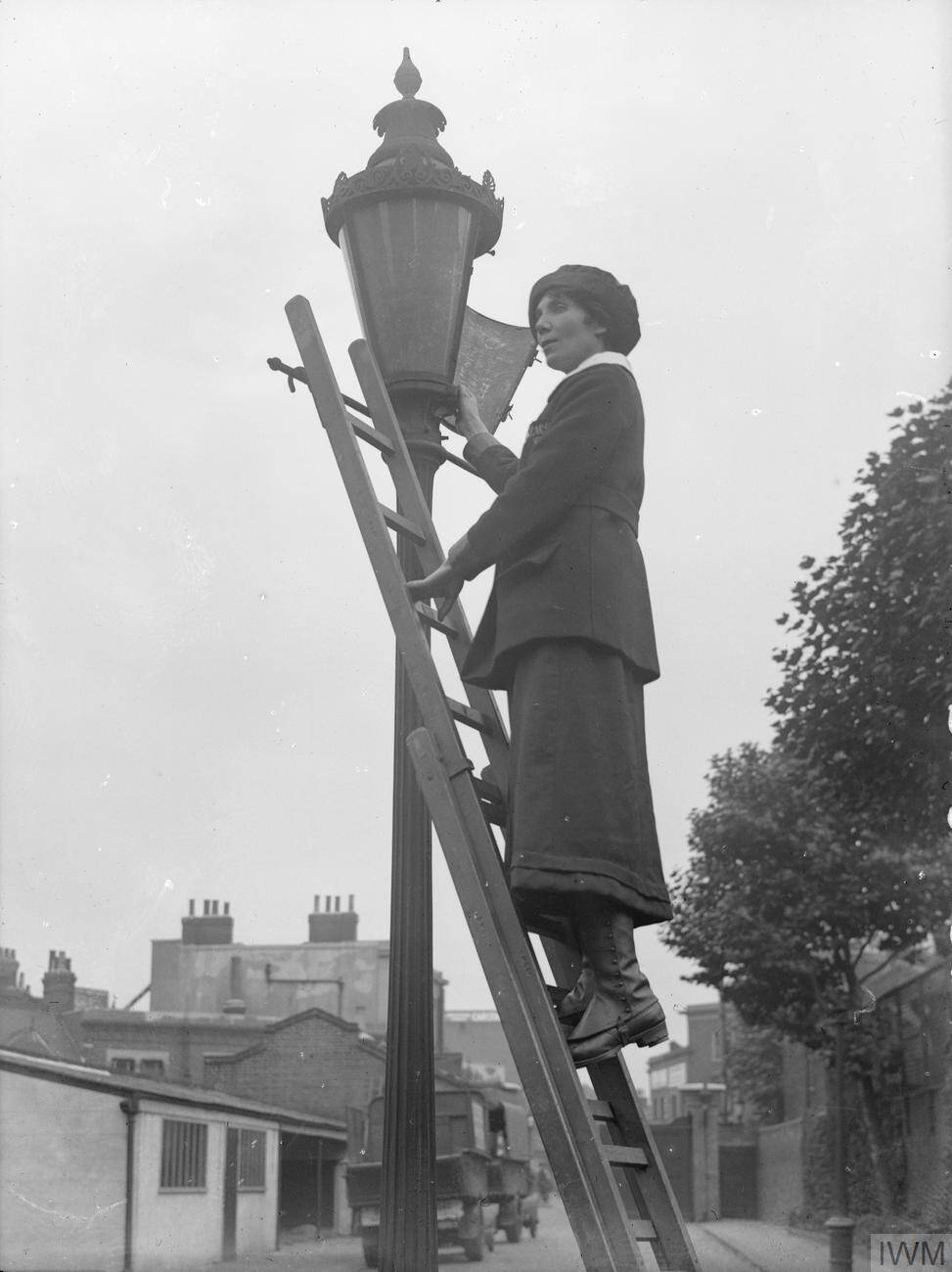
Before electric bulbs took over, lamplighters made nightfall feel safe. Baltimore installed the first U.S. gas streetlights in 1817, and generations of workers followed, carrying long poles to open valves, light mantles, and trim wicks. The Welsbach mantle, introduced in the 1880s, made gas lamps brighter and more efficient, but still needed daily tending. A lamplighter’s round included cleaning glass chimneys and extinguishing flames at dawn — work as regular as sunrise and as visible as the glow it left behind.
By the early 20th century, electric streetlighting began sweeping cities, and lamplighters started disappearing with it. Some neighborhoods kept their charm — Boston’s Beacon Hill and parts of New Orleans still glow with gas lamps — though today utility crews, not nightly rounds, keep them alive. The craft’s legacy is everywhere: purpose-built ladders, hinged lamp posts, and meticulous maintenance routines that feel downright analog compared with photocells and LEDs quietly clicking on by themselves.
The Iceman: Delivering Frost Before Fridges
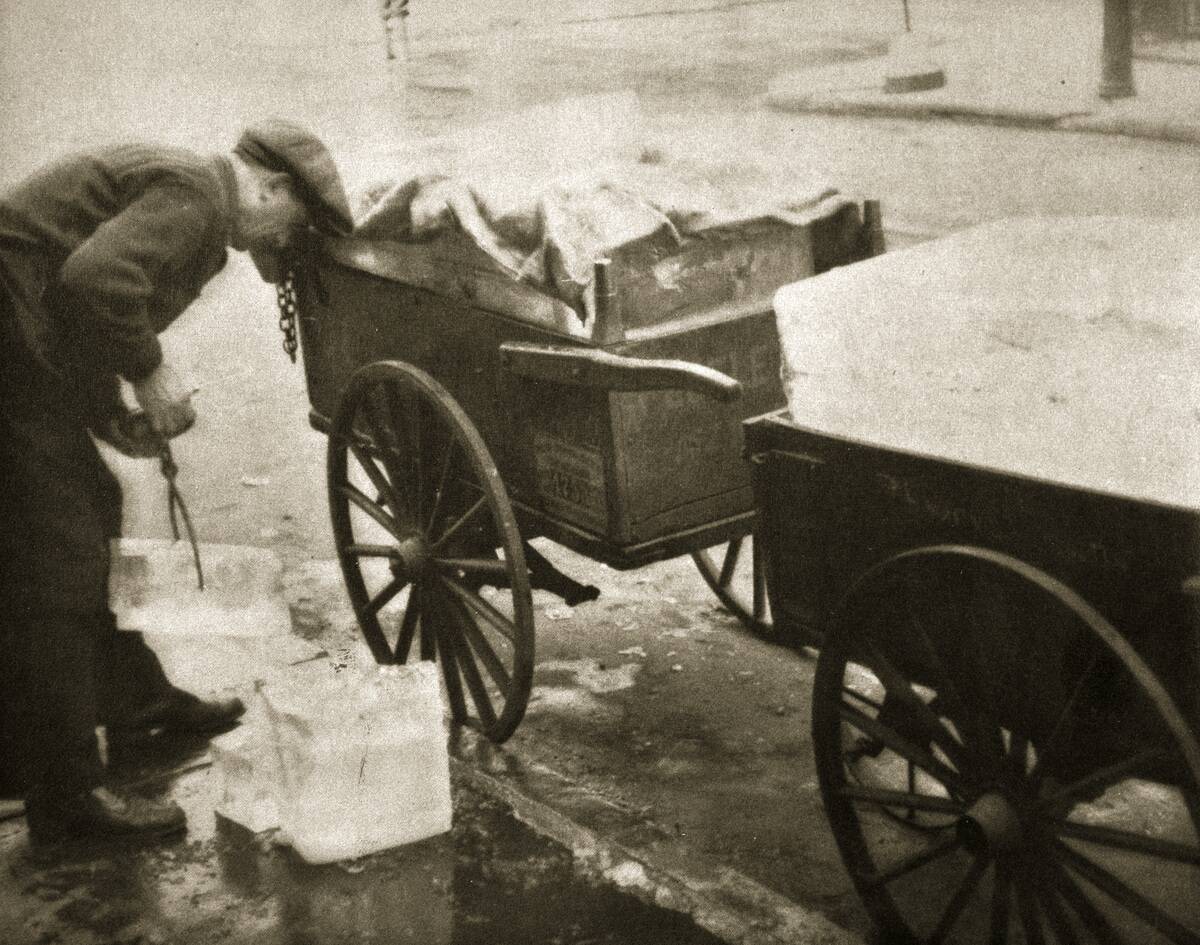
When kitchens ran on iceboxes, the iceman was as essential as morning coffee. Harvested from frozen lakes or made in early ice plants, 25‑, 50‑, or 100‑pound blocks arrived by wagon and, later, truck. Families propped an “ICE” card in the window to signal the size they needed, and deliverymen shouldered tongs and canvas pads up stoops to restock the insulated chest. The 19th‑century ice trade — built by figures like Frederick Tudor, the “Ice King” — once shipped millions of tons along rails and sea lanes.
Mechanical refrigerators nudged the iceman off the porch step.
By 1940, about 56% of U.S. households had a refrigerator, and adoption accelerated after World War II as prices fell and reliability rose. Still, ice routes held on in some towns and for commercial customers — think fishmongers and soda fountains — well into the 1950s. The romance lingers in the clink of cube trays, but the daily dance of dripping blocks and melted pans has long since thawed.
The Milkman: Dawn Routes and Doorstep Bottles
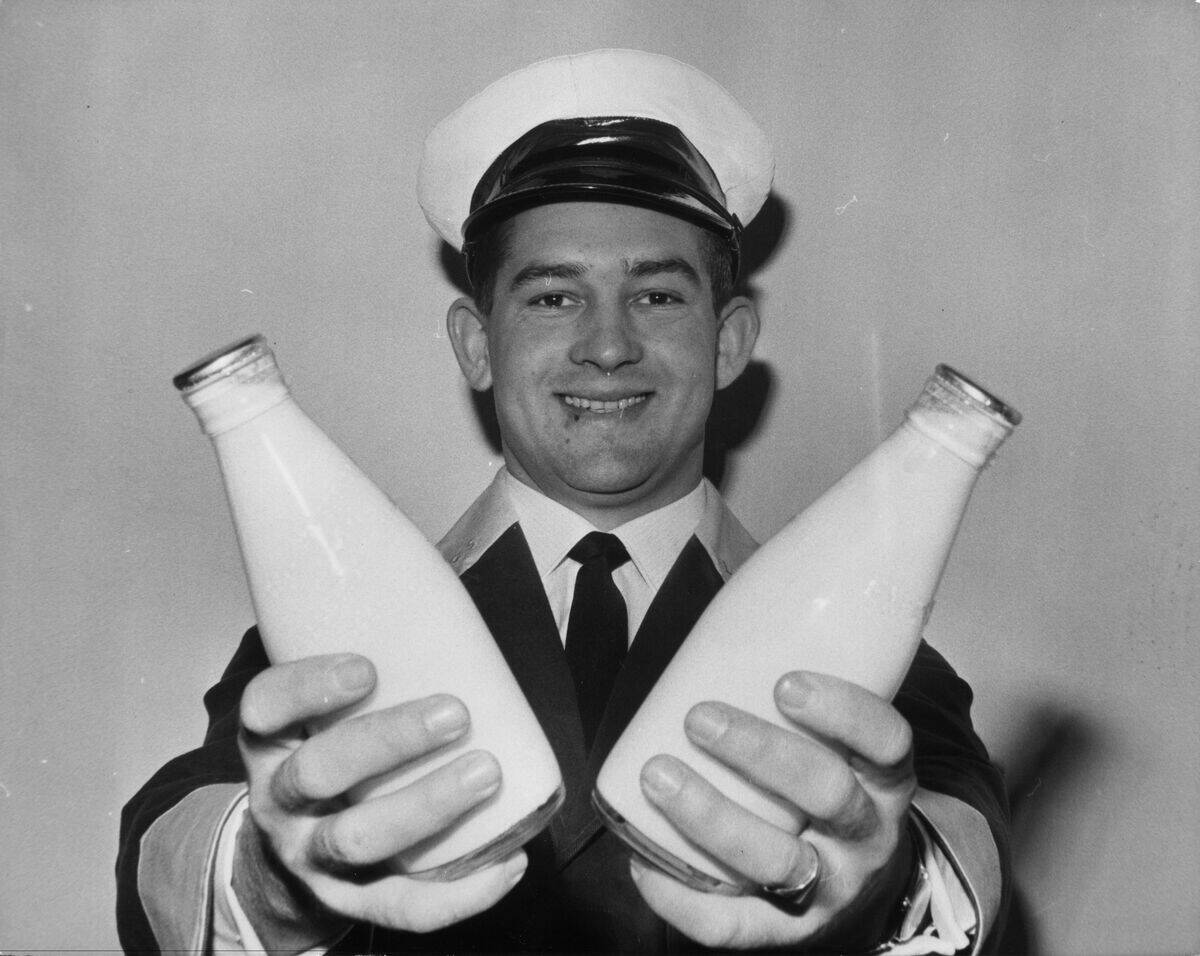
Clinking glass at dawn once meant breakfast was on the way. Home milk delivery grew with urbanization in the late 1800s, and safer handling followed pasteurization’s spread in the early 20th century. Hervey Thatcher’s 1884 “Thatcher Milk Protector” popularized the sealed glass bottle, while reusable wire carriers and stamped caps kept routes humming. Customers left notes or tokens for butter and cream, and empties went back for sterilization — an efficient circular system decades before we started calling it “zero waste.”
The peak arrived mid‑century, then faded as supermarkets, cheaper cars, and lightweight cartons took over. In 1963, roughly 30% of U.S. households still got milk at the door; by the mid‑1970s, that share had plunged to single digits. Yet the format endures in pockets — some dairies still swap glass for glass each week — and the idea of ultra-fresh, local delivery has roared back through modern CSA boxes and porch coolers, now ordered by app instead of fridge-top note.
Switchboard Operator: “Number, Please?” in a Cord-and-Clip World
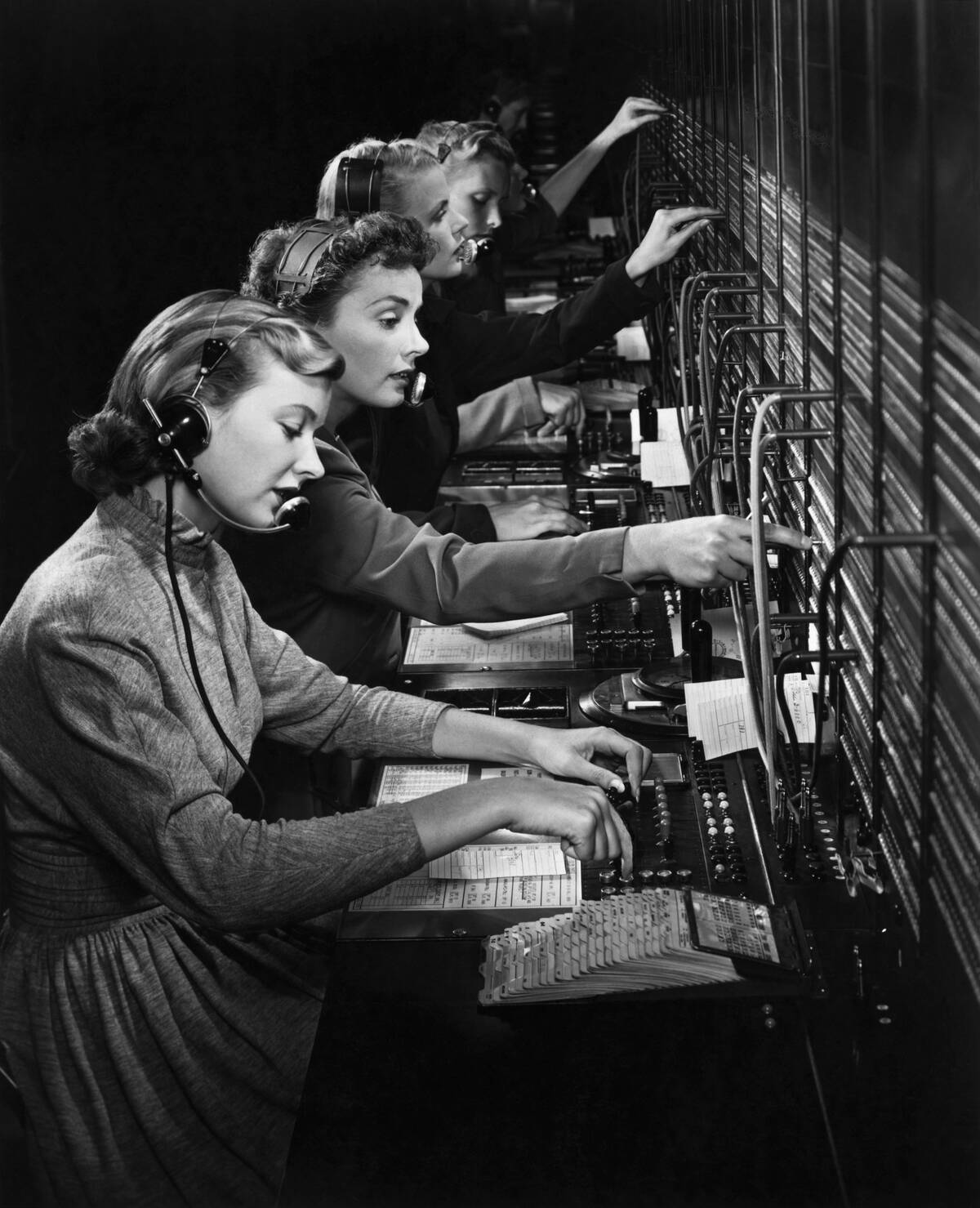
Before dialing direct, you asked a human. Operators — mostly women by the early 1900s — listened for a line’s click, then patched calls with cords and plugs across a glowing board. On party lines, they knew who shared your circuit; in small towns, they often recognized your voice. The occupation peaked around the mid‑1940s, with roughly 350,000 operators working for AT&T alone, keeping businesses stitched together and relaying urgent messages faster than the post could dream.
Automation crept in through step‑by‑step and crossbar switches, then electronics. The last hand‑cranked magneto exchange in the continental U.S., in Bryant Pond, Maine, didn’t retire until 1983 — a charming lag in a rapidly modernizing network. Operators’ precision — reading lamp signals, tracking trunk availability, and handling emergencies — set expectations for service long before call centers or chatbots existed. Their catchphrase, “Number, please?” was equal parts utility and community bulletin board.
Telegraph Operator: Tapping Out the Town’s Hottest News
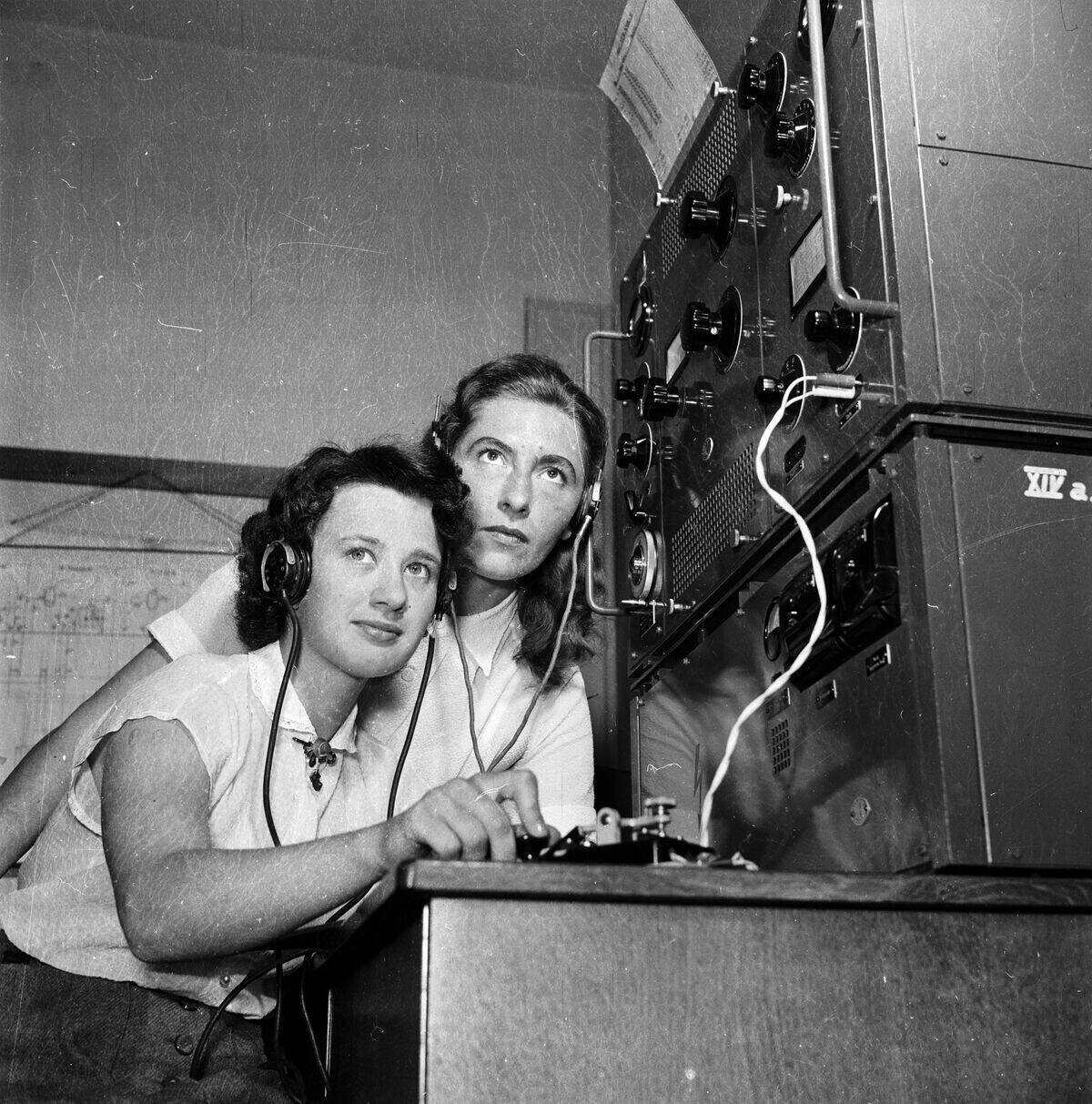
The nation’s first long‑distance electronic chat began in dots and dashes. After Samuel Morse sent “What hath God wrought” in 1844, operators spread across rail depots and newspaper offices. They mastered Morse code by ear, reading clicks from a sounder to route railway orders, commodity prices, and breaking news. The 1861 transcontinental telegraph shrank coast‑to‑coast communication to minutes, even as punctuation could cost extra — hence the famous use of STOP to mark sentences.
Western Union wove the densest web, adding niceties like the 1933 “singing telegram.” Yet the telephone slowly siphoned business from conversational wires, and later teletype and data networks finished the job. Western Union ended U.S. telegram service in 2006, a quiet finale for a loud invention. Still, the operator’s skill — converting language to rhythm and back again — lives on in ham radio shacks and the muscle memory of anyone who’s ever learned to listen first, then speak.
Bowling Alley Pinsetter: Human Reset Behind the Lanes
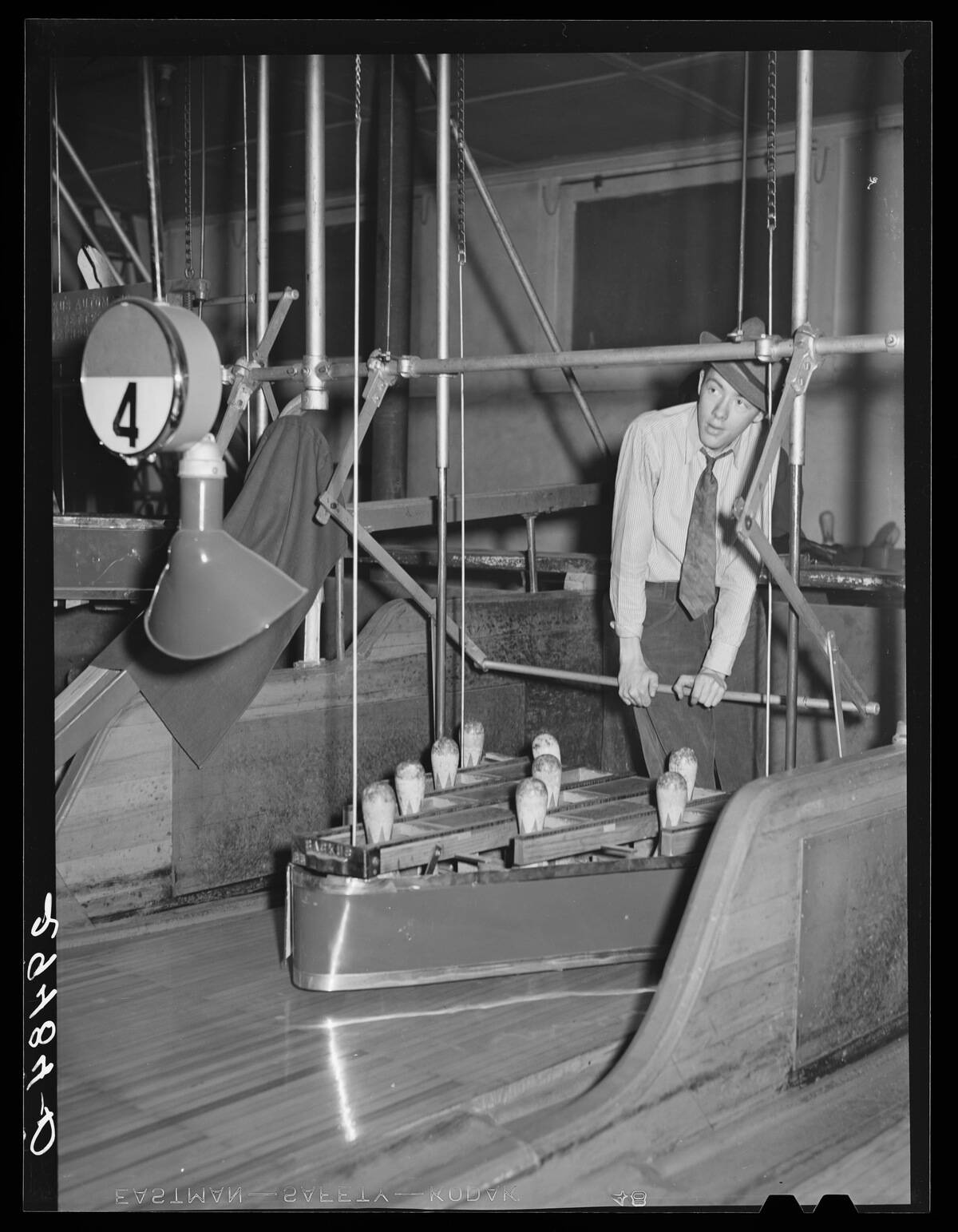
Set ’em up, dodge the strike. Early bowling alleys relied on “pin boys,” often teenagers, who scrambled onto decks to clear pins, return balls, and rebuild the ten‑pin triangle by hand. The job demanded quick feet and steady timing; a mistimed hop could mean a bruised shin or worse. Pay was small, tips mattered, and long nights under smoky lights made for an initiation into the working world that today would trigger a dozen safety lectures.
Automation changed the cadence. Gottfried Schmidt patented a successful automatic pinsetter design (sold to AMF in 1941), and AMF’s post‑war machines spread quickly in the 1950s, standardizing scoring speed and reopening alleys to leagues at scale. The pin boy disappeared, replaced by a thrum of belts, sweeps, and lifts. Modern bowlers rarely think about the choreography humming behind the masking unit — proof that once‑visible labor can vanish into the background buzz of a good Friday night.
Elevator Operator: Buttons, Banter, and Perfect Timing

Before elevators felt like giant vending machines with floors for buttons, they felt more like streetcars — with a driver. Operators eased starting and stopping with a lever, aligned floors to a fraction of an inch, and handled doors so no hems or hatboxes got caught. Safety roots run deep: Elisha Otis’s 1853 demonstration of a fail‑safe brake made passenger elevators believable, and for decades, buildings trusted humans more than early automation to keep riders calm and cargo unruffled.
Self‑service push‑button controls spread after World War II, but many cities kept operators into the 1960s — and beyond in prestige co‑ops and hotels — because courtesy and security were features, not extras. Unions negotiated staffing in bigger buildings; training covered etiquette, load limits, and what to do when the car stopped between floors. Today’s destination systems do the routing with software, but none can manage small talk like “Weather’s better above the 10th.”
Soda Jerk: Sundaes, Sodas, and Small-Town Scoop
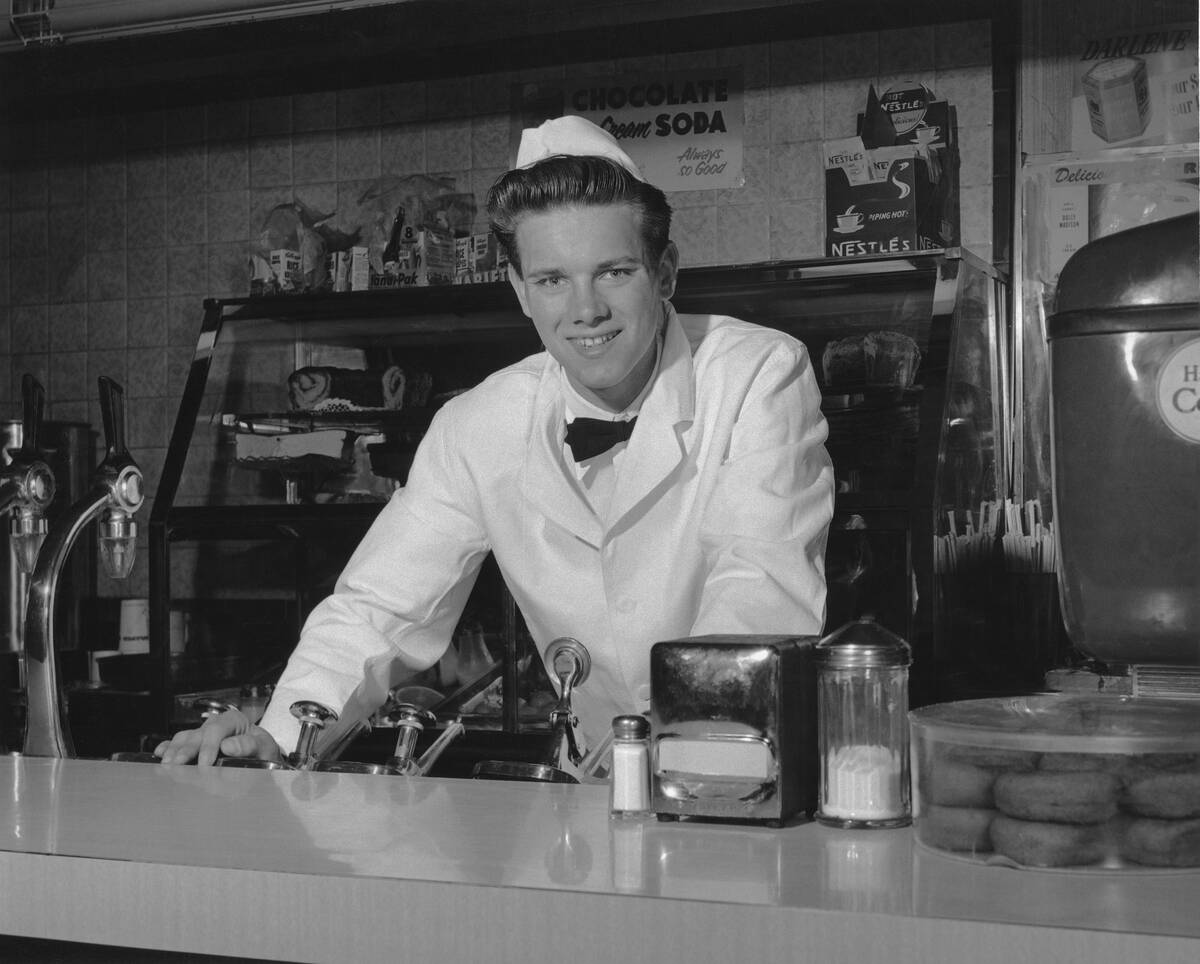
At the drugstore fountain, the soda jerk was part chemist, part showman. The nickname came from the jerking motion on the seltzer tap, which they mixed with flavored syrups to build phosphates, egg creams, and sundaes crowned in maraschino red. Hamilton Beach mixers whirred malted milks smooth, and a well‑practiced jerk could stack a perfect “black and white” or float a root beer with an inch of head that held through half a conversation.
Soda fountains boomed from the 1890s through the 1950s, serving as teen hangouts and date spots long before the mall. Prohibition even nudged sales upward as saloons vanished and soft drinks filled the social void. The format ebbed with suburbanization, bottled sodas, and fast food, though a few counters still pull seltzer the old way. The menu feels timeless: chocolate, vanilla, strawberry — and one loud blender drowning out the latest town rumor.
Linotype Typesetter: Casting Lines for the Morning Paper
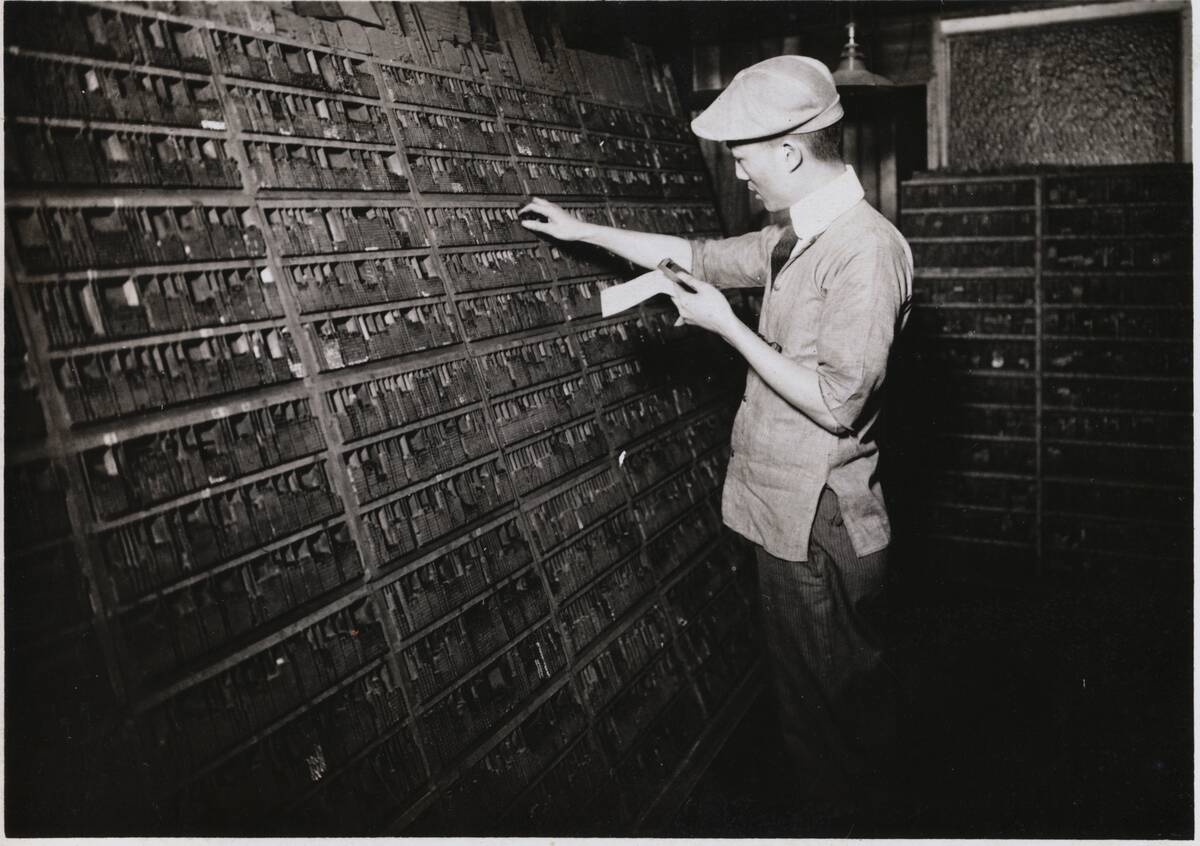
Ottmar Mergenthaler’s 1884 Linotype machine let one operator do the work of a roomful of hand compositors. Typists assembled matrices from a keyboard; the machine cast each line as a molten lead “slug,” then returned the molds to a magazine for reuse. This hot‑metal ballet slashed production time and costs, fueling the explosion of daily newspapers and thick Sunday editions that hit porches with the heft of a small dog.
You could hear a composing room before you saw it: clatter, hiss, and the sweet‑sharp tang of hot type metal. Papers clung to Linotypes well into the 1970s; The New York Times famously retired hot metal in 1978 as phototypesetting and later digital pagination took over. The craft lives on in letterpress shops and museums, where a properly adjusted Linotype still feels like a miracle — words made literal, one line at a time, no loading bar required.
Film Projectionist: Reels, Cues, and Movie Magic
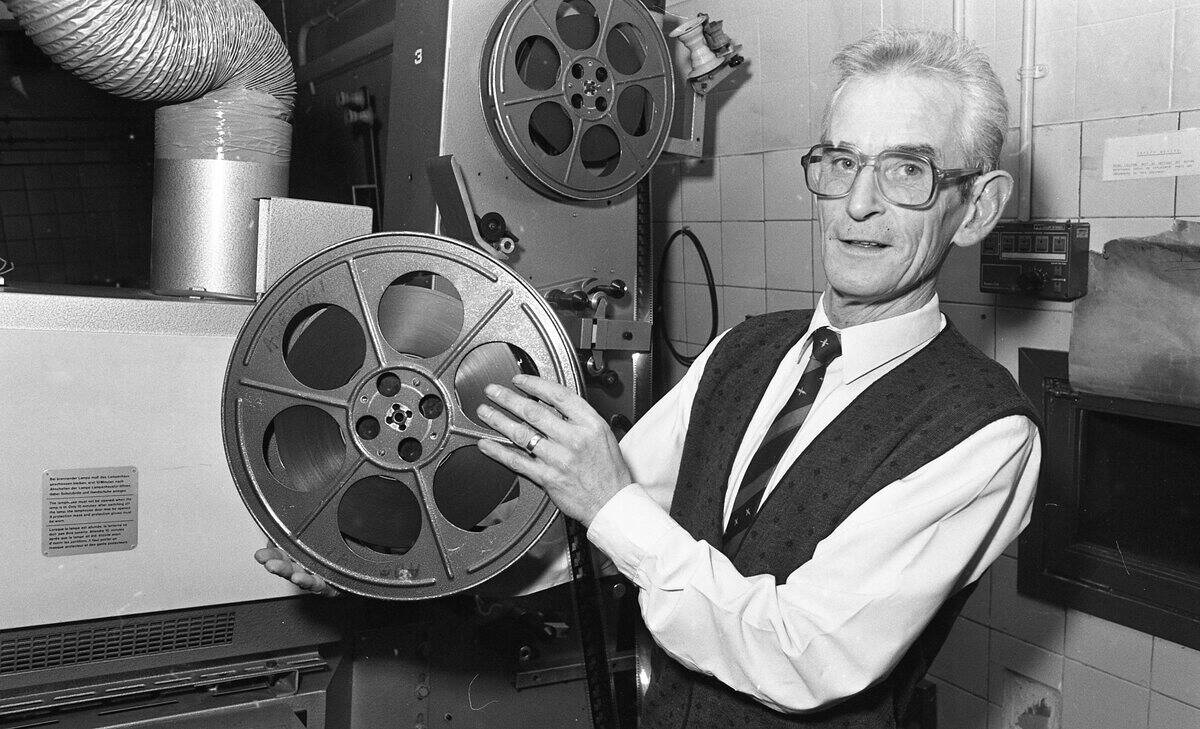
For decades, a good projectionist made film feel seamless. Standard 35mm reels — about 2,000 feet each — ran roughly 20 minutes at 24 frames per second, so features arrived in multiple parts. Cue marks (those nicknamed “cigarette burns”) signaled the changeover to the next projector, ideally invisible to the audience. Early nitrate film stock was dangerously flammable, prompting fireproof booths and strict procedures until safer acetate stocks replaced nitrate in the early 1950s.
Union projectionists kept prints clean, frames steady, and sound in sync, juggling focus, aperture plates, and bulb adjustments to flatter each title. The 2010s brought a rapid digital conversion; by mid‑decade, most U.S. screens ran DCP files off servers, and a single person could babysit multiple auditoriums. Still, repertory houses and archives thread film for the same reason fans show up: There’s nothing quite like seeing real grain dance through light.
Town Crier: Headlines Before Headphones
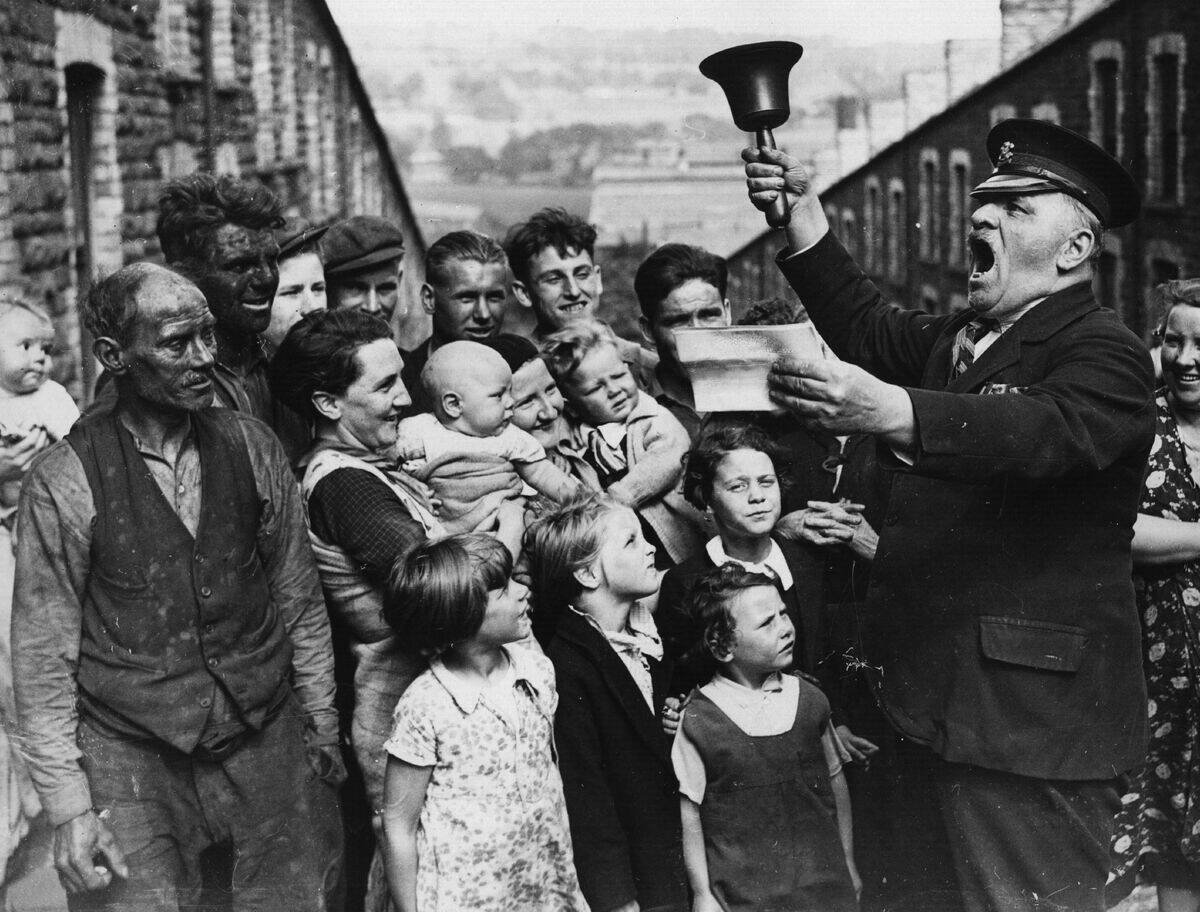
Before broadsheets reached every doorstep, the town crier did. Bell in hand, scroll tucked beneath an arm, they announced council decisions, market hours, lost property, and wartime dispatches. The traditional opener — “Oyez! Oyez!” — comes from Norman French, meaning “hear ye,” a reminder that local government once traveled by voice. In colonial America and well into the 1800s, criers functioned as public notice boards for those who couldn’t read or couldn’t afford a newspaper.
Printing and post gradually quieted the role, but not everywhere at once. Some New England towns kept ceremonial criers alive for parades and special announcements, the uniform bright as a banner. The job description — make news audible, gather the crowd, keep a memory of events — now belongs to alerts and social feeds. Yet the idea that big news deserves a bell and a breath between sentences still feels right on courthouse steps.
Lighthouse Keeper: Watching the Waves So We Didn’t
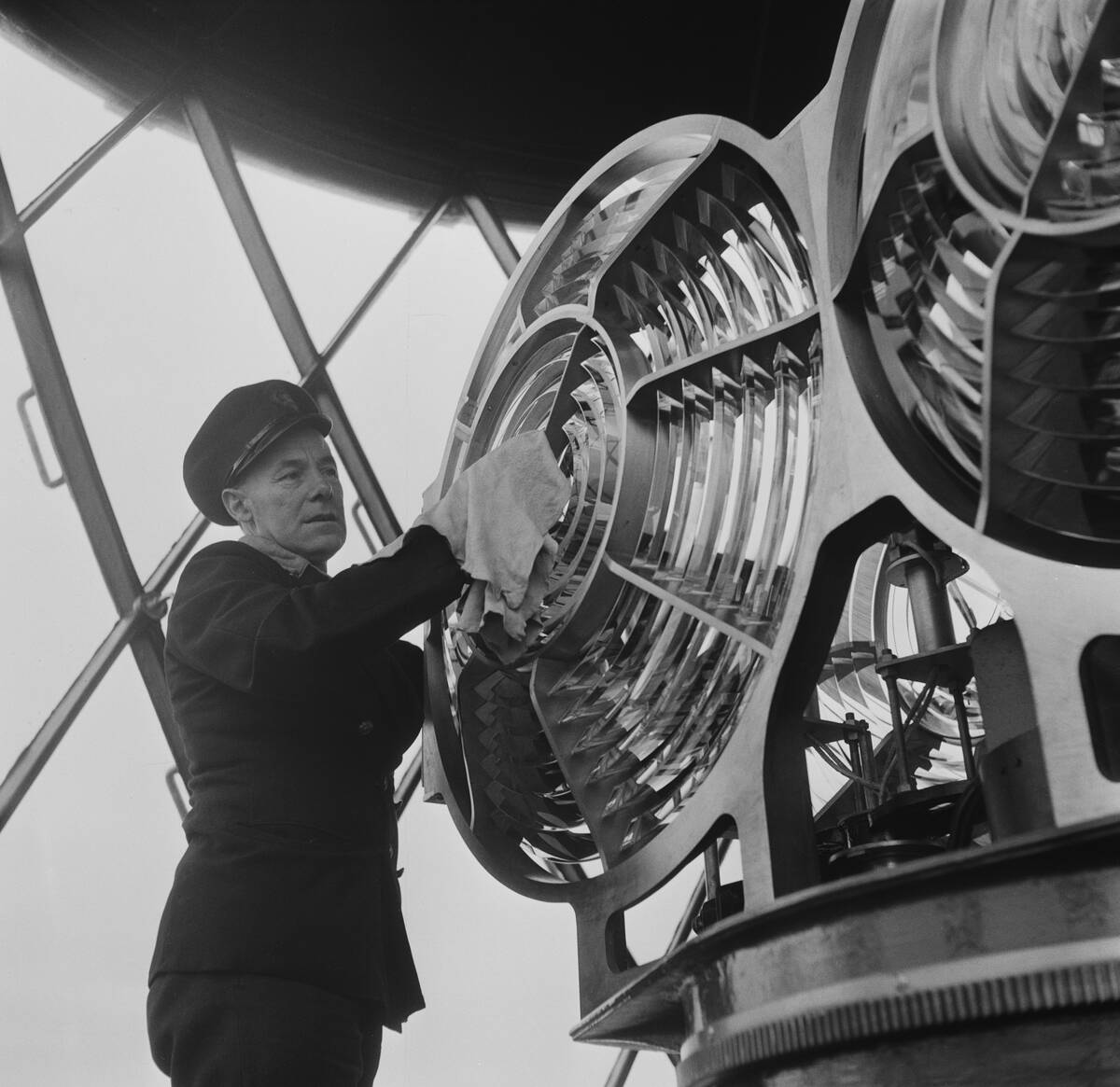
America’s lights began in 1789 under federal care, later formalized as the U.S. Lighthouse Service, which merged into the Coast Guard in 1939. Keepers trimmed wicks, wound clockworks, and polished Fresnel lenses — ingenious prisms first devised in 1822 — that turned modest flames into beams sailors could trust. Fog meant extra duty: firing up horns or diaphones and logging visibility, wind, and sea state, night after night, storm after storm.
Automation rolled in across the 20th century, accelerating after the 1960s. Boston Light, long staffed by law, was automated in 1998, marking the end of regularly manned U.S. lighthouses for navigation, though caretakers and historians still tend some sites. Solar panels and LEDs now keep the flash codes steady. The keepers’ routines — meticulous, lonely, essential — survive in weathered logbooks and in the simple miracle that a fixed point of light can move ships safely home.
Blacksmith and Farrier: Horseshoes, Hinges, and Hot Iron
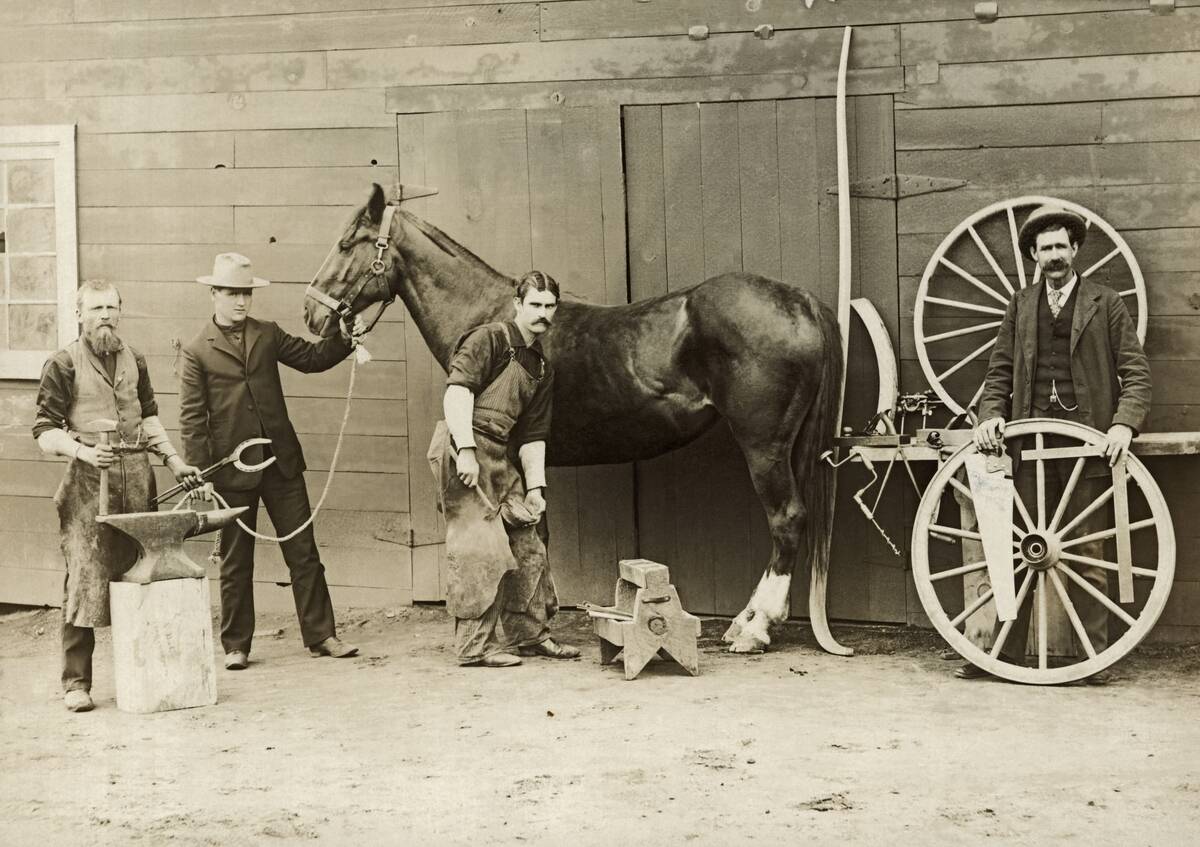
The town blacksmith was the original custom shop. With a coal or coke forge heating steel to roughly 1,500–2,000°F, smiths hammered out hinges, nails, tools, and wagon hardware while neighbors swapped news in the doorway. Farriery — trimming hooves and fitting shoes— was a specialty then and remains one now, with the American Farrier’s Association founded in 1971 to certify skills.
Nails go into the hoof wall, a tough, insensitive tissue, not the living quick — a detail that calmed many a bystander.
Industrial mills and catalog houses shrank the smith’s to‑order backlog; factory parts could be bought cheaper than a one‑off bar of steel. Yet the forge never fully went cold. Farms, horse owners, and restoration carpenters still seek out handmade brackets and a good farrier’s eye for gait and balance. Today’s blacksmith shops mix tradition with MIG welders and plasma cutters, a blend of sparks old and new.
Tinsmith and Tinker: The Original Repair Pros
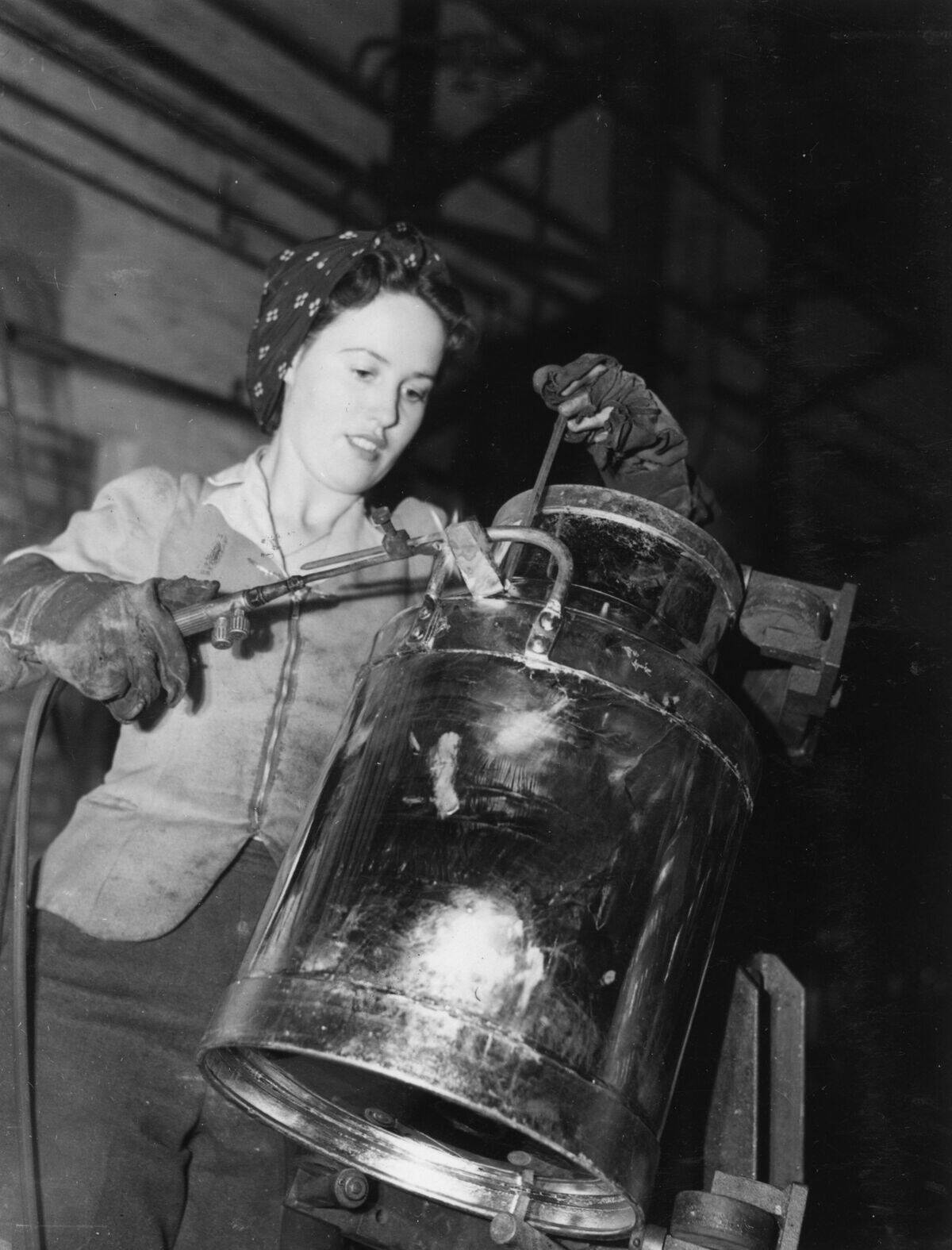
Before disposable ruled, tinplate reigned — thin iron or steel sheet coated with tin to resist rust. Tinsmiths cut, folded, and soldered it into cups, lanterns, and flour bins; a good seam and a neat rolled edge were calling cards. The itinerant version, the tinker, roamed from farm to farm patching kettles, sharpening shears, and giving cookware another lease on life. A lead‑tin soldering iron and a box of patches could keep a household humming for years.
Aluminum, stainless steel, and plastics muscled in through the 20th century, and mass production made replacement cheaper than repair. Health rules curbed lead solders for food containers, too. By mid‑century, the village tinker had nearly vanished, his role inherited by hardware counters and warranty desks. Yet the ethos is back in maker spaces and repair cafés, where a spot of flux and a steady hand still feel like superpowers.
Door-to-Door Salesmen: From Fuller Brushes to Encyclopedias
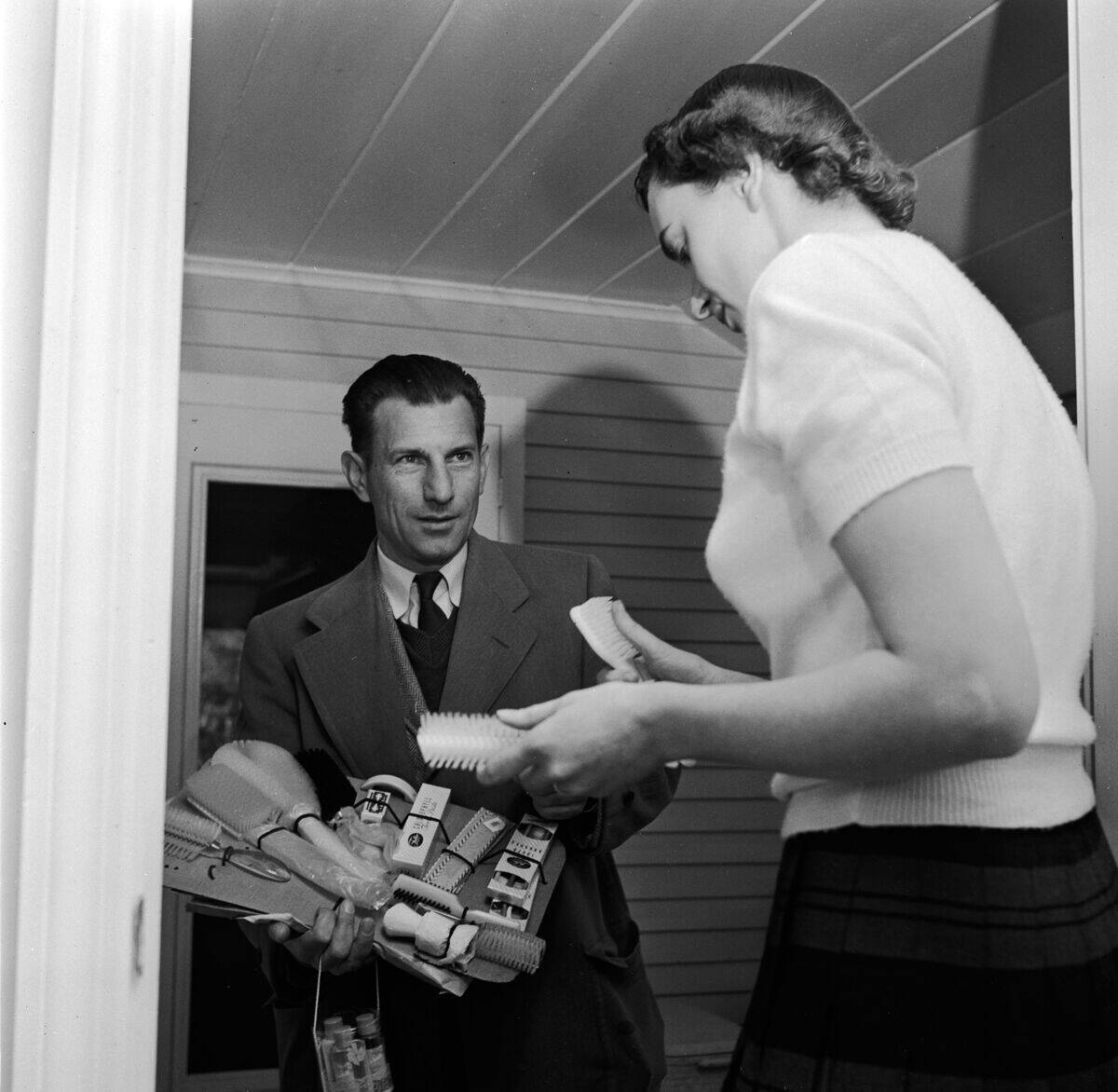
Knock, smile, sample — repeat. Fuller Brush reps started in 1906 with a case of brooms and boar‑bristle wonders; Avon traces roots to 1886, when the California Perfume Company sold fragrances by calling card. Encyclopedias rode the model, too, with polished pitches and installment plans that parked Britannica sets on living‑room shelves nationwide. Towns responded with “Green River” ordinances — named for a 1931 Wyoming law — requiring peddler permits or limiting solicitation hours to keep the dinner hour sacred.
The arc bent toward malls, then websites. Credit cards, big‑box aisles, and later e‑commerce hollowed out the footpath. Britannica ended its print edition in 2012, a tidy symbol of door‑knock to download. The playbook, however — demonstrate, overcome objections, close with service — migrated online. Influencers run the new routes; referral links replaced the leather sample case. Even so, a certain kind of sturdy brush and friendly chat have proved oddly timeless.
Meter Reader: Footsteps on the Side Yard
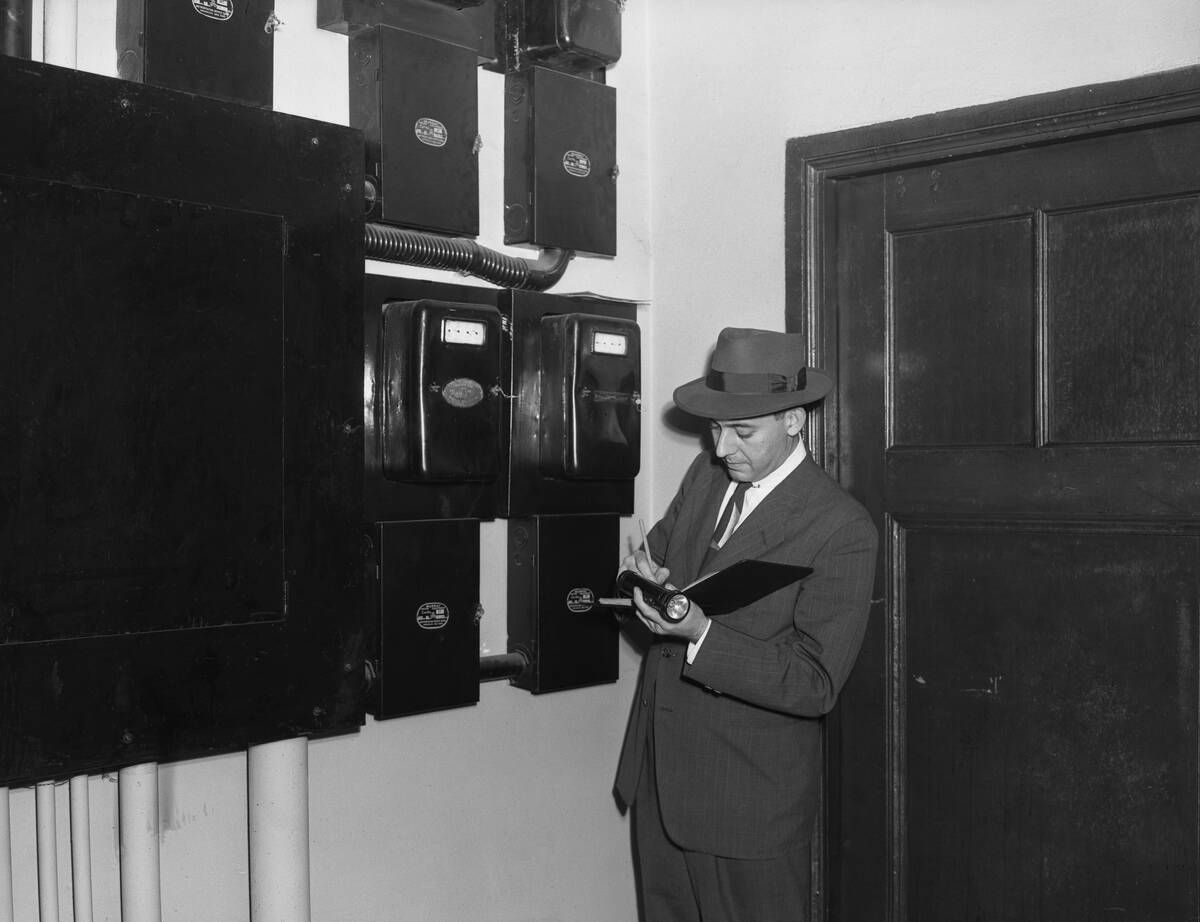
For generations, utilities learned your usage the old‑fashioned way: By walking past the rosebush. Meter readers followed paper routes, swung gates, and copied dials into handhelds —gas, water, electric — rain or shine. Dog treats became unofficial PPE, and a muddy side yard was an occupational hazard. Accuracy mattered; a skipped read could mean an estimated bill and customer headaches, so seasoned readers developed a sixth sense for finding meters behind hedges and under decades of paint.
Automation came in waves. First, drive‑by AMR systems pinged meters with radio, shrinking routes. Then smart meters went two‑way, reporting data in intervals and flagging outages without a phone call. By 2020, the U.S. had installed over 100 million smart electric meters, according to the Energy Information Administration. Fewer footsteps, more dashboards — but also new work: data analysis, cybersecurity, and explaining why your Tuesday at 6 p.m. always spikes like clockwork.
Photomat Attendant: One-Hour Photo, Big Personality
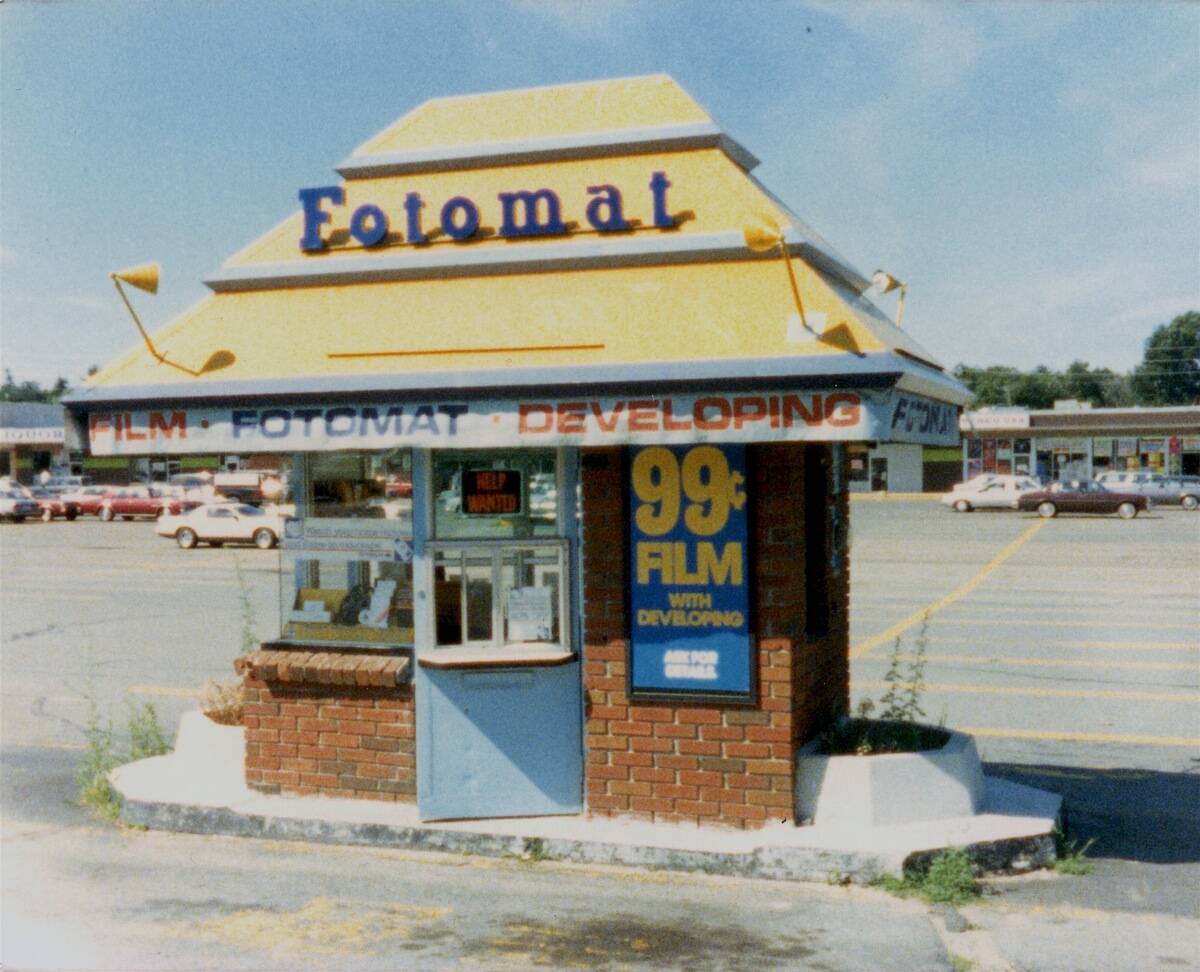
The iconic blue‑and‑gold Fotomat kiosks, launched in 1965, sprouted in parking lots across America. Attendants took in 12‑, 24‑, or 36‑exposure rolls — 110 and 126 cartridges, too — and handed back glossy envelopes, sometimes the same day, often overnight. The booth was a tiny stage: radios low, name tags high, and a smile that could turn a nervous vacationer into a regular.
Fotomat peaked at thousands of kiosks by the 1980s, but one‑hour minilabs inside drugstores, then digital cameras, undercut the value of a drive‑through hut. Prints and slides gave way to memory cards and clouds. Even so, the ritual of an envelope reveal — good shots, red‑eye, and mysteries from frame 19 — still has fans. Today’s equivalents live in apps and in-store kiosks, but the booth’s personality remains a high‑water mark for small‑space customer service.
Video Store Clerk: Be Kind, Rewind Your Weekend
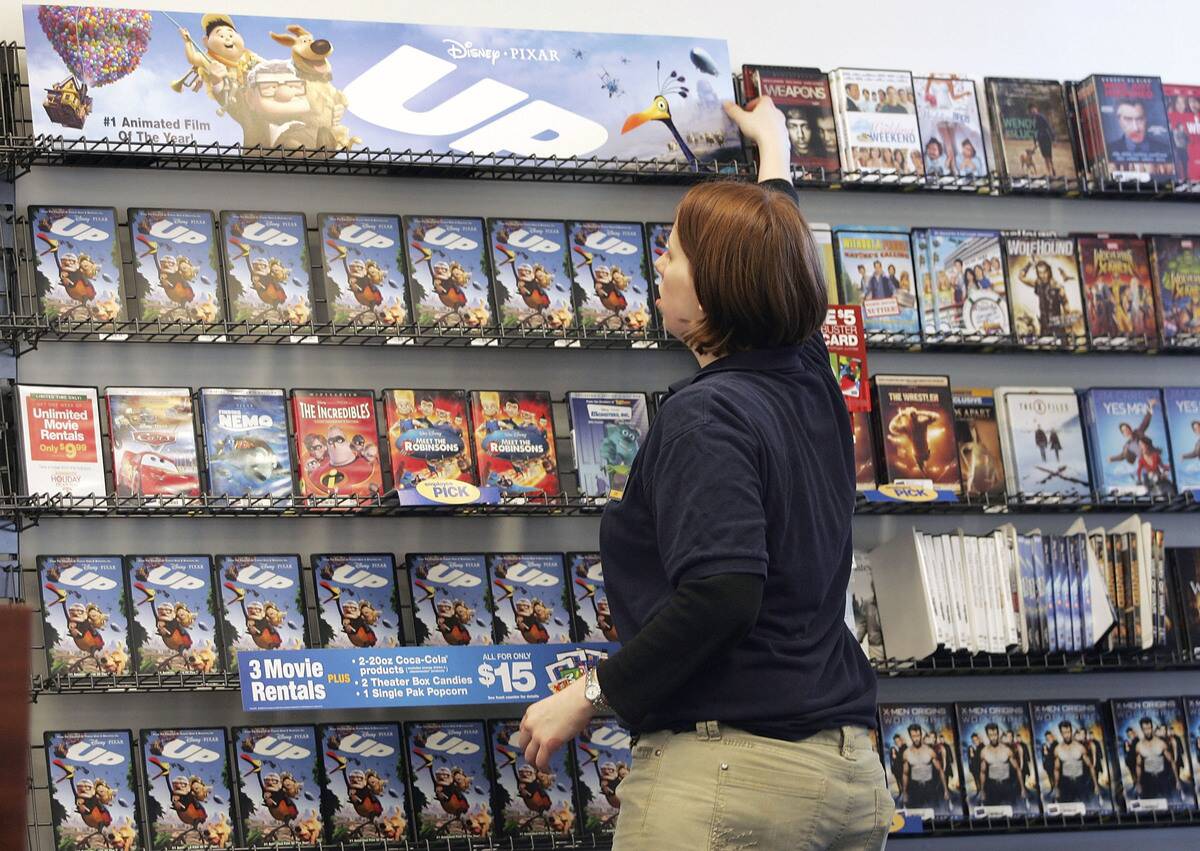
VHS landed in the late 1970s, and suddenly Friday night needed a card on file. Clerks juggled new releases, staff picks, and shelf logic — drama by alpha, horror by franchise, kids’ tapes at eye height. Stickers pleaded “Be kind, rewind” to save tape heads and late‑night patience. Blockbuster, founded in 1985, scaled the model to thousands of stores; by 2004 it operated roughly 9,000 worldwide, the carpet as memorable as the wall of candy.
DVDs slimmed the box; streaming erased it. Netflix scrapped late fees in 2005 and nudged the industry toward mail and then on‑demand queues. Most chains shuttered in the 2010s, though the last Blockbuster in Bend, Oregon, still checks out discs with a wink to analog loyalty. The clerk’s curatorial role persists online — recommendation engines do the sorting now— but no algorithm has mastered “You’ll love this, trust me” quite like a human.
Western Union Messenger: Telegrams on Two Wheels
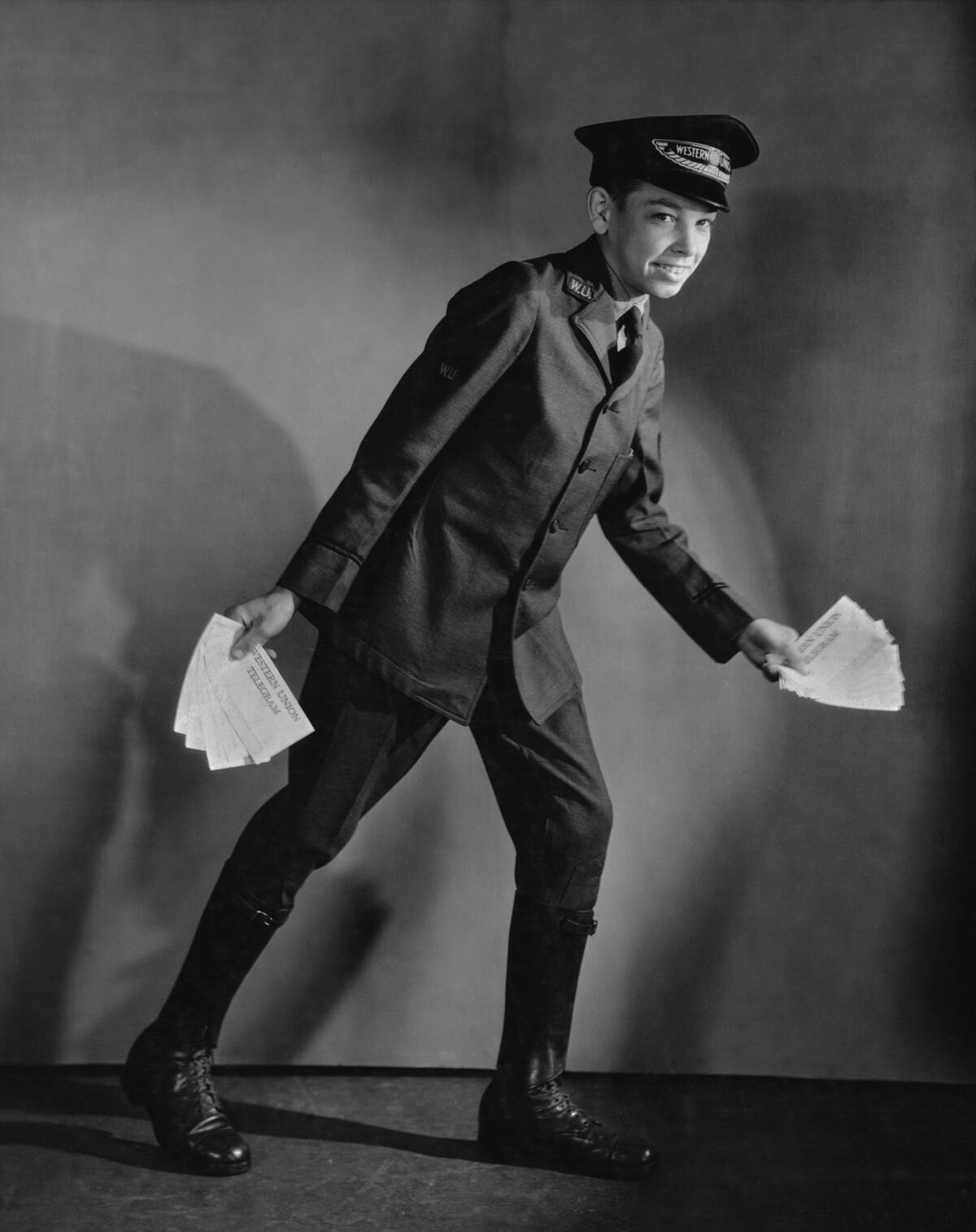
A short knock, a cap, and sometimes life‑changing words. Western Union messengers ferried telegrams on foot, streetcar, and bicycle from the late 1800s through much of the 20th century. The company, formed from mergers and taking the Western Union name in 1856, built a network where a few paid words traveled fast — and landed with a signature. Uniforms and leather pouches were standard; speed and discretion, mandatory.
Not all deliveries were grim.
In 1933, Western Union launched the singing telegram to soften news and sell smiles. Phones, then email, made point‑to‑point paper feel quaint, and in 2006 Western Union ended U.S. telegram service. Bicycle messengers live on for parcels and takeout, but the yellow envelope’s aura — urgent, official, portable drama — belongs to another era. The job’s heartbeat, though, endures: carry the message, read the moment, and ring just loud enough.