Forgotten explorers who mapped unknown lands
Exploration has always been about pushing boundaries and venturing into the unknown. While many explorers are household names, there are countless others who have yet to receive their due recognition.
These unsung heroes have made significant contributions to our understanding of the world. Their stories are filled with adventure, courage, and the spirit of discovery, and it’s time we brought their achievements to light.
The Intrepid Travels of Ibn Battuta
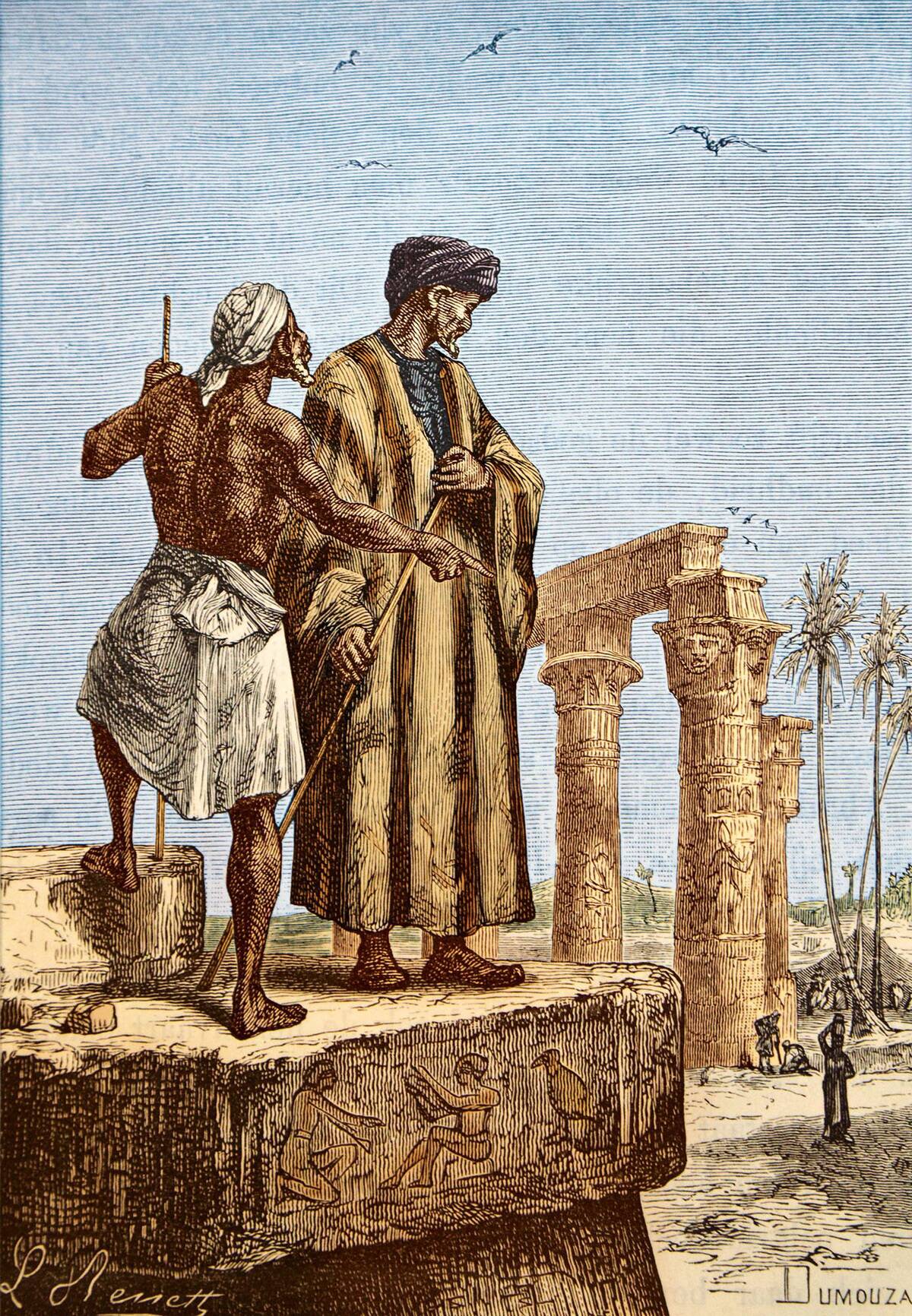
Ibn Battuta was a Moroccan explorer who traveled over 75,000 miles across the Islamic world in the 14th century. His journeys took him to North Africa, the Middle East, India, and even China.
Battuta’s detailed travel accounts provide valuable insights into the cultures and societies he encountered. His legacy as one of the greatest travelers of all time is still celebrated in many parts of the world today.
Jeanne Baret: The First Woman to Circumnavigate the Globe
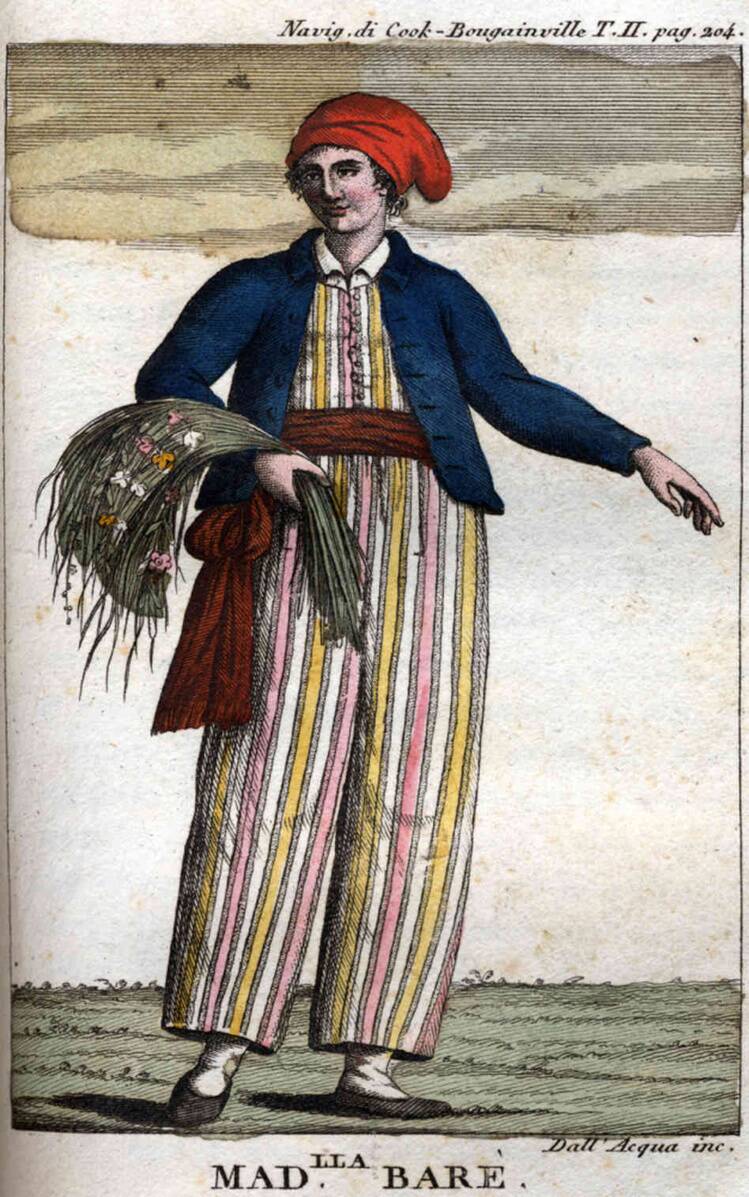
Jeanne Baret disguised herself as a man to join a French expedition in the 18th century. As an assistant to the botanist Philibert Commerson, she collected and documented plant species across the globe.
Despite the challenges she faced, Baret’s determination and keen botanical skills earned her a place in history as the first woman to circumnavigate the earth. Her story is a testament to the power of passion and perseverance.
Matthew Henson: The African American Pioneer of the Arctic
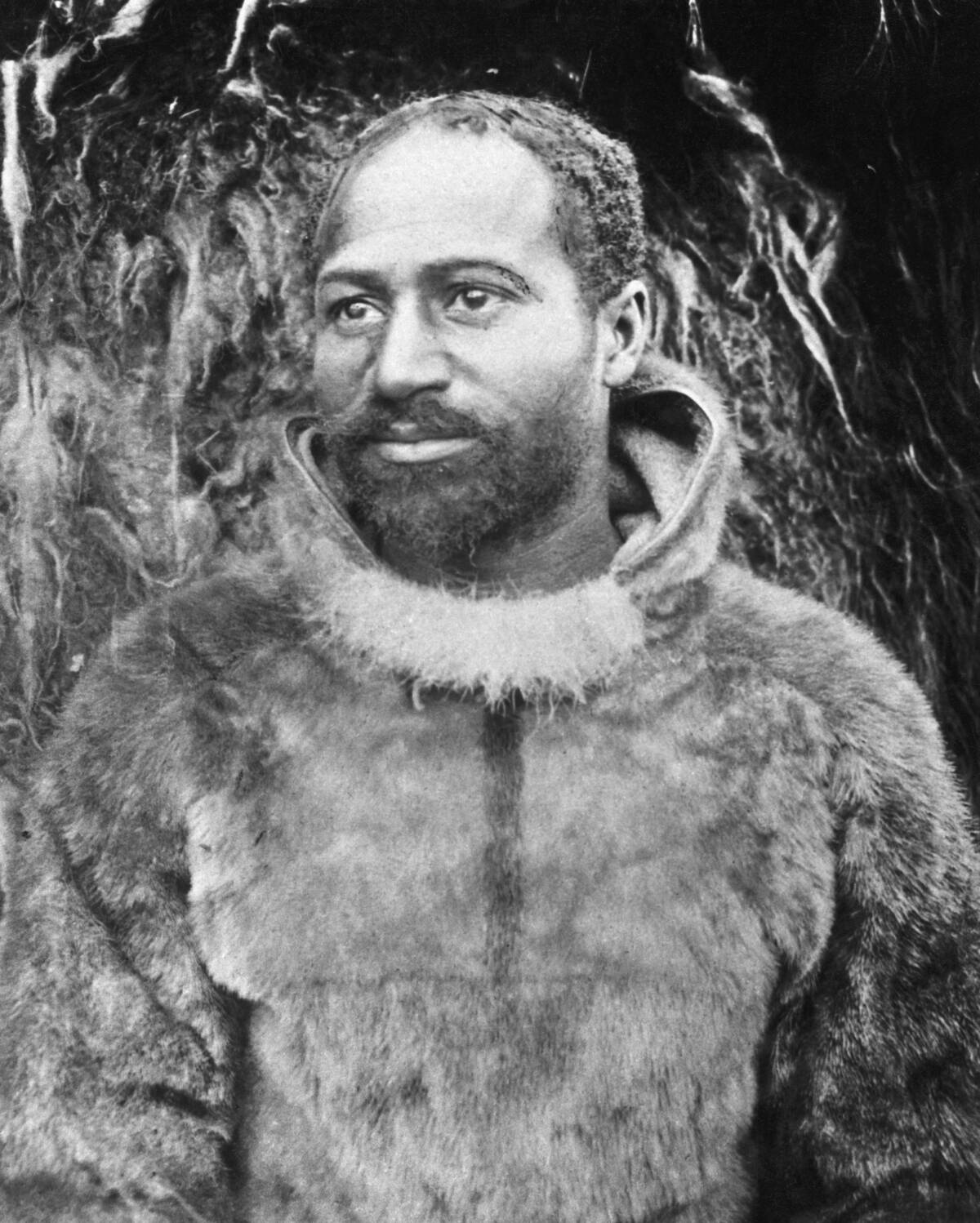
Matthew Henson accompanied Robert Peary on several expeditions to the Arctic, including the first successful journey to the North Pole in 1909. Henson’s expertise in survival skills and his ability to communicate with the Inuit people were crucial to the mission’s success.
Despite facing racial discrimination, Henson’s contributions to Arctic exploration are now widely recognized and celebrated.
The Lesser-Known Journeys of Alexander von Humboldt
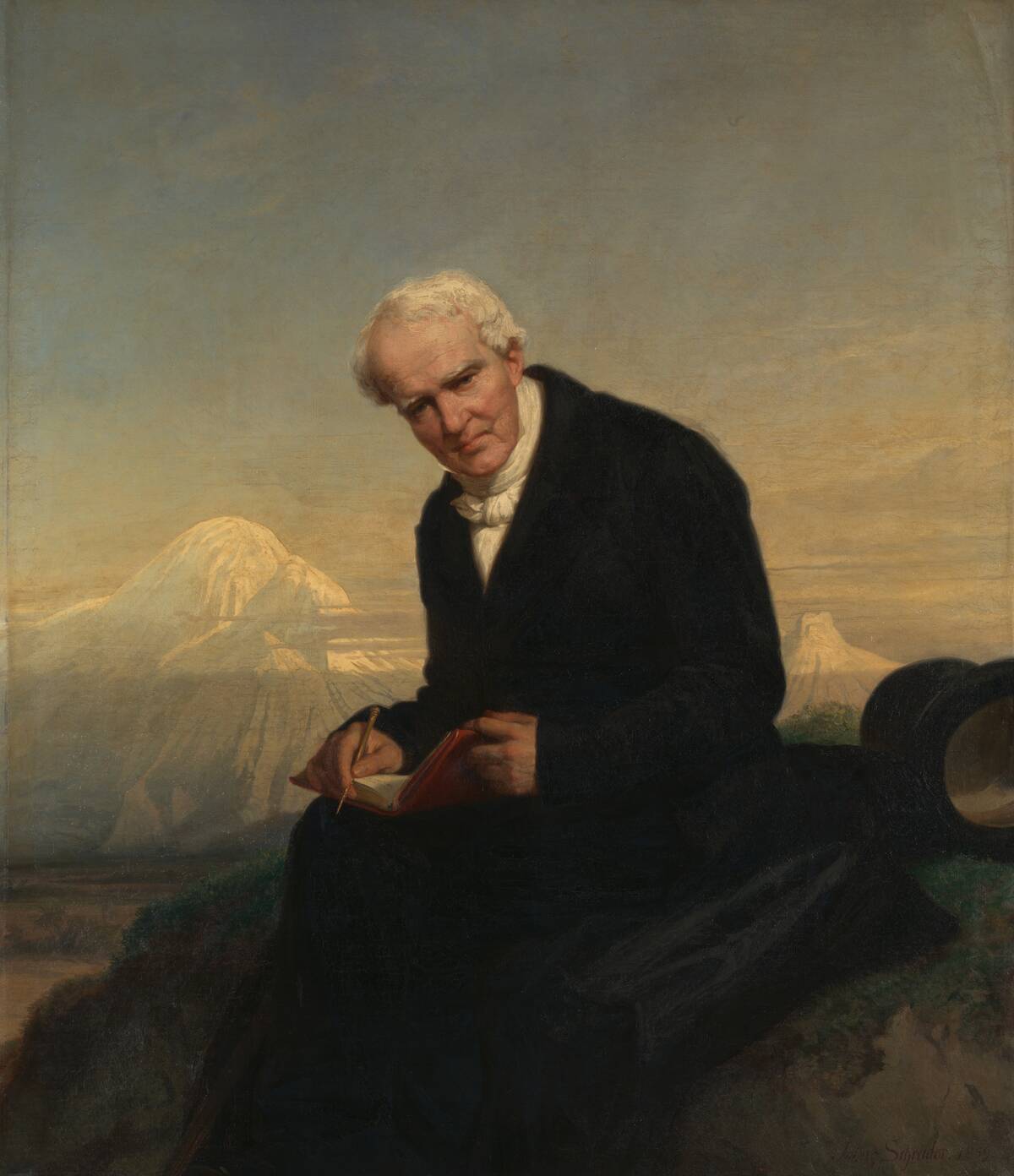
Alexander von Humboldt was a Prussian polymath who explored Latin America in the early 19th century. His observations on geography, flora, and fauna laid the groundwork for modern environmental science.
Humboldt’s travels through the Amazon and the Andes provided valuable data on climate, biodiversity, and geology. His work inspired generations of scientists, including Charles Darwin.
John Rae: The Forgotten Arctic Pathfinder
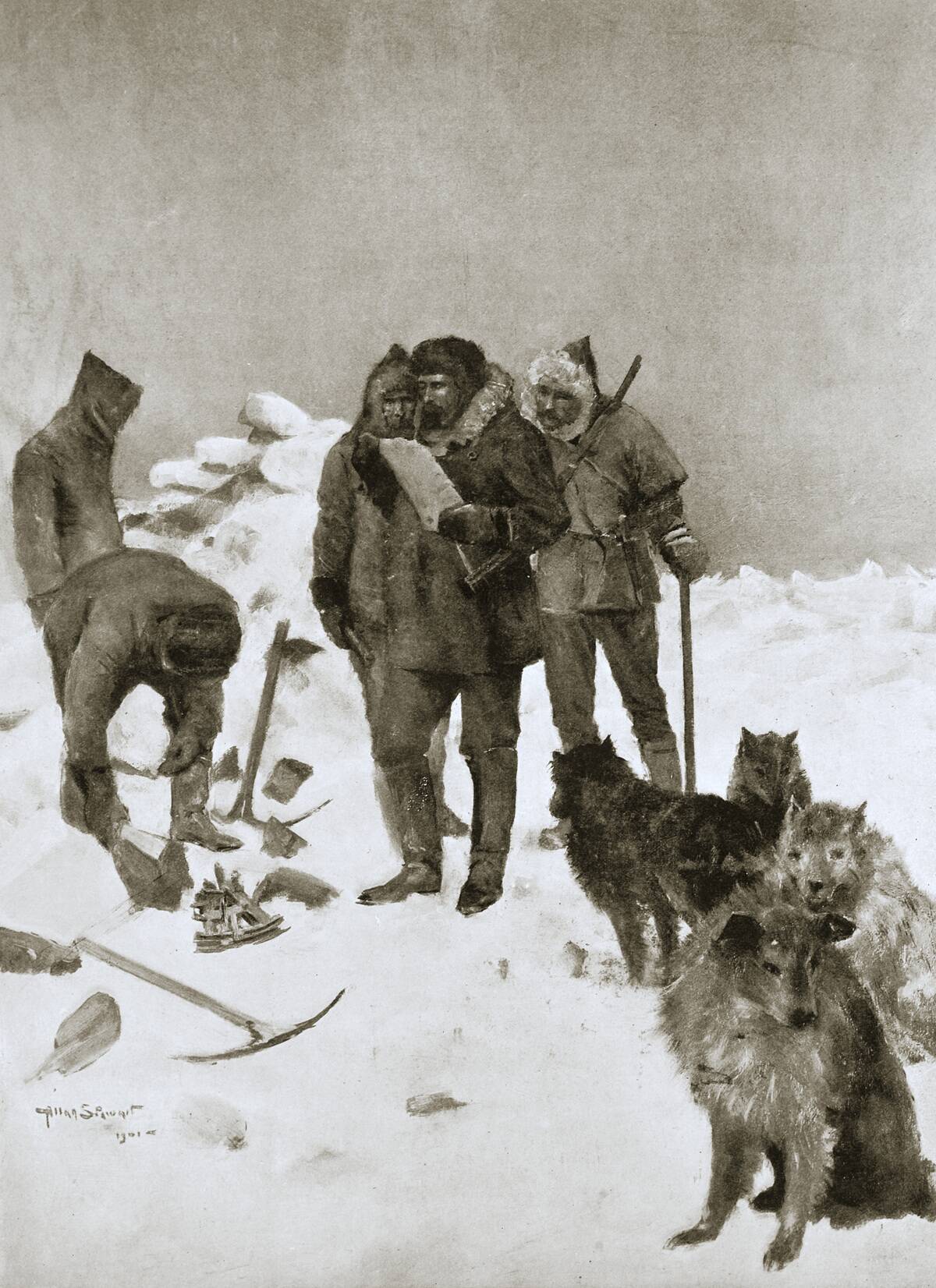
John Rae was a Scottish explorer who mapped parts of the Canadian Arctic in the mid-1800s. He was the first to discover the fate of the lost Franklin Expedition, thanks to his strong relationships with the indigenous Inuit.
Rae’s findings were initially dismissed, but he was later recognized for his accurate reports and his contributions to Arctic exploration. His story highlights the importance of collaboration and respect for local knowledge.
The Adventurous Expeditions of Isabella Bird
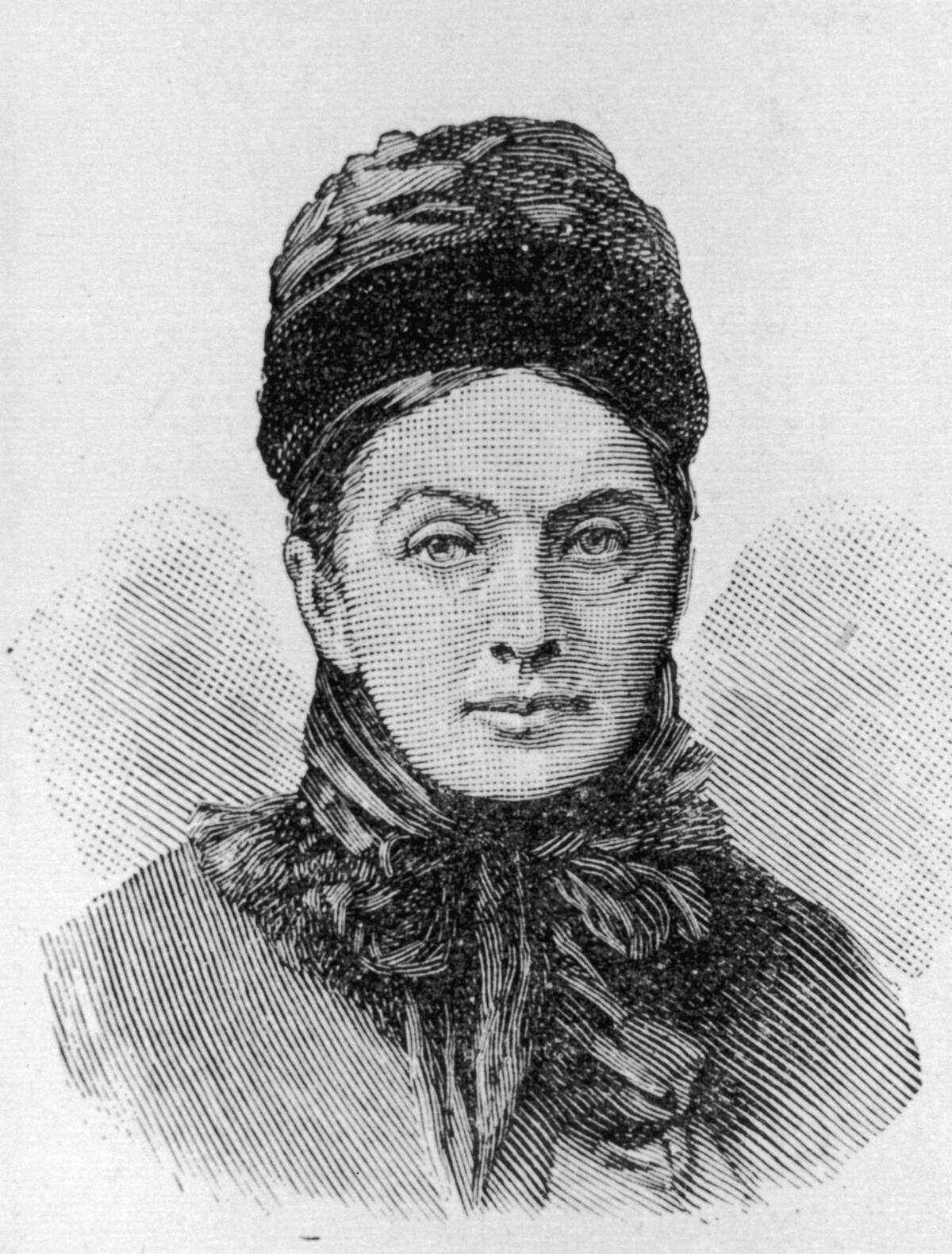
Isabella Bird was a Victorian-era explorer who traveled extensively despite her poor health. Her journeys took her to the Rocky Mountains, Japan, China, and Tibet. Bird was a prolific writer, and her travel books provided vivid descriptions of the places she visited.
Her fearless spirit and curiosity made her one of the most celebrated female explorers of her time.
Mary Kingsley: The Victorian Explorer of West Africa
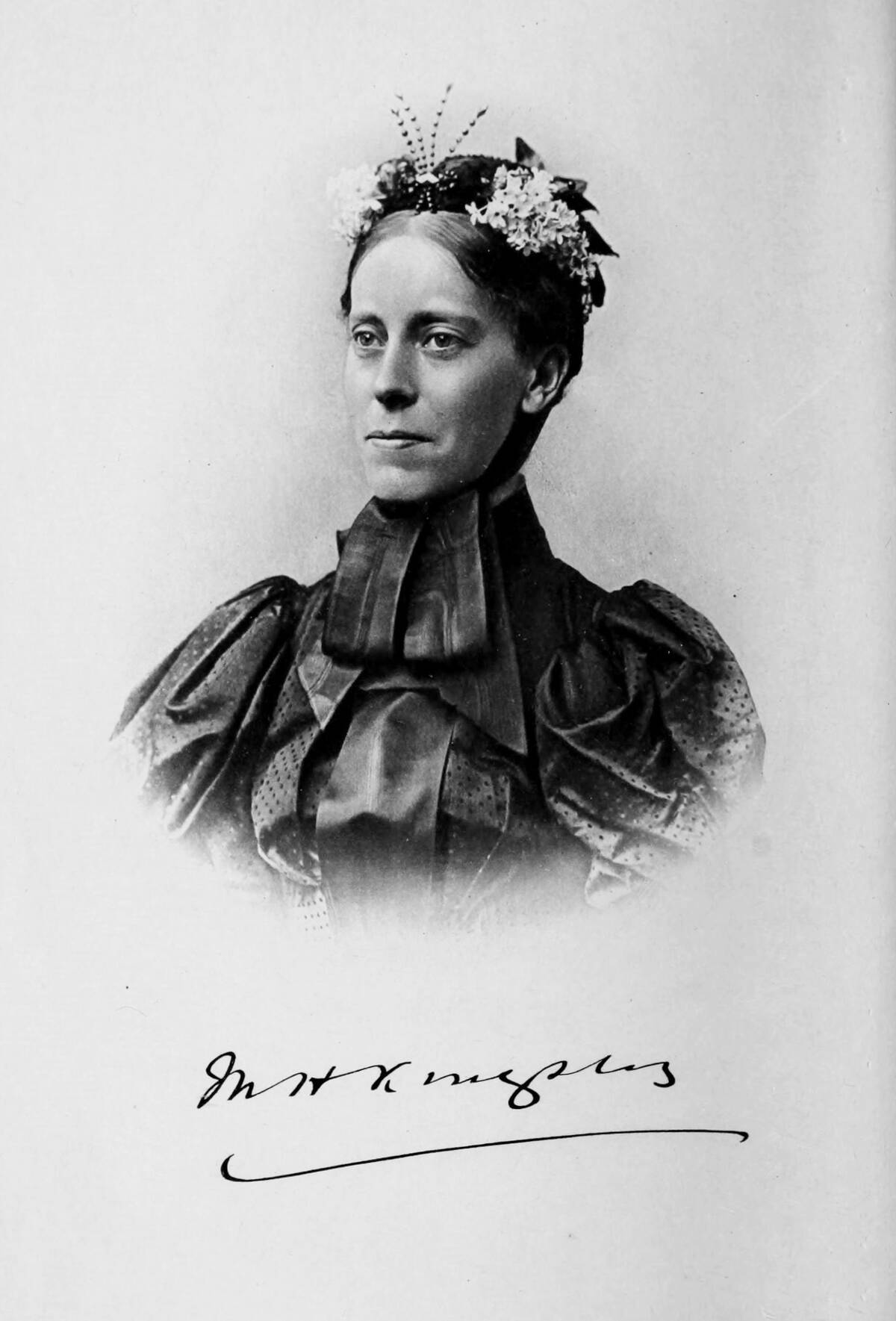
Mary Kingsley ventured into West Africa in the late 19th century, defying societal norms for women of her time. She studied the cultures and customs of the indigenous peoples and made significant contributions to the field of ethnography.
Kingsley’s writings challenged stereotypes and provided a more nuanced understanding of African societies. Her legacy continues to inspire those who seek to bridge cultural divides.
The Epic Endeavors of Pytheas the Greek
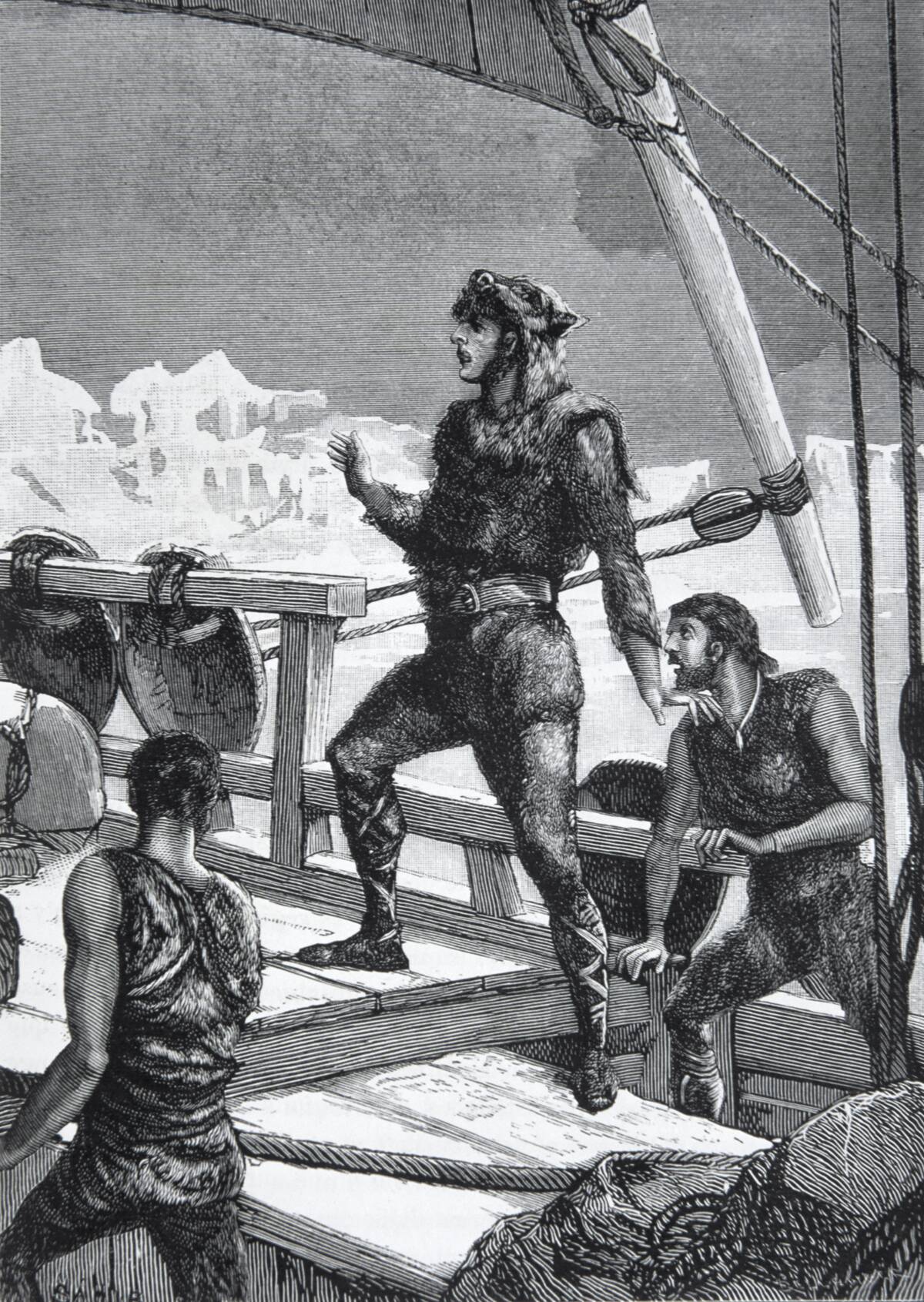
Pytheas was an ancient Greek explorer who sailed beyond the Mediterranean in the 4th century BCE. His journey to the British Isles and possibly Iceland expanded the Greek world’s geographical knowledge.
Pytheas’s accounts of the northern seas and the phenomenon of the midnight sun intrigued his contemporaries. Though some doubted his reports, modern historians acknowledge the significance of his explorations.
Louise Arner Boyd: The Arctic’s Ice Queen
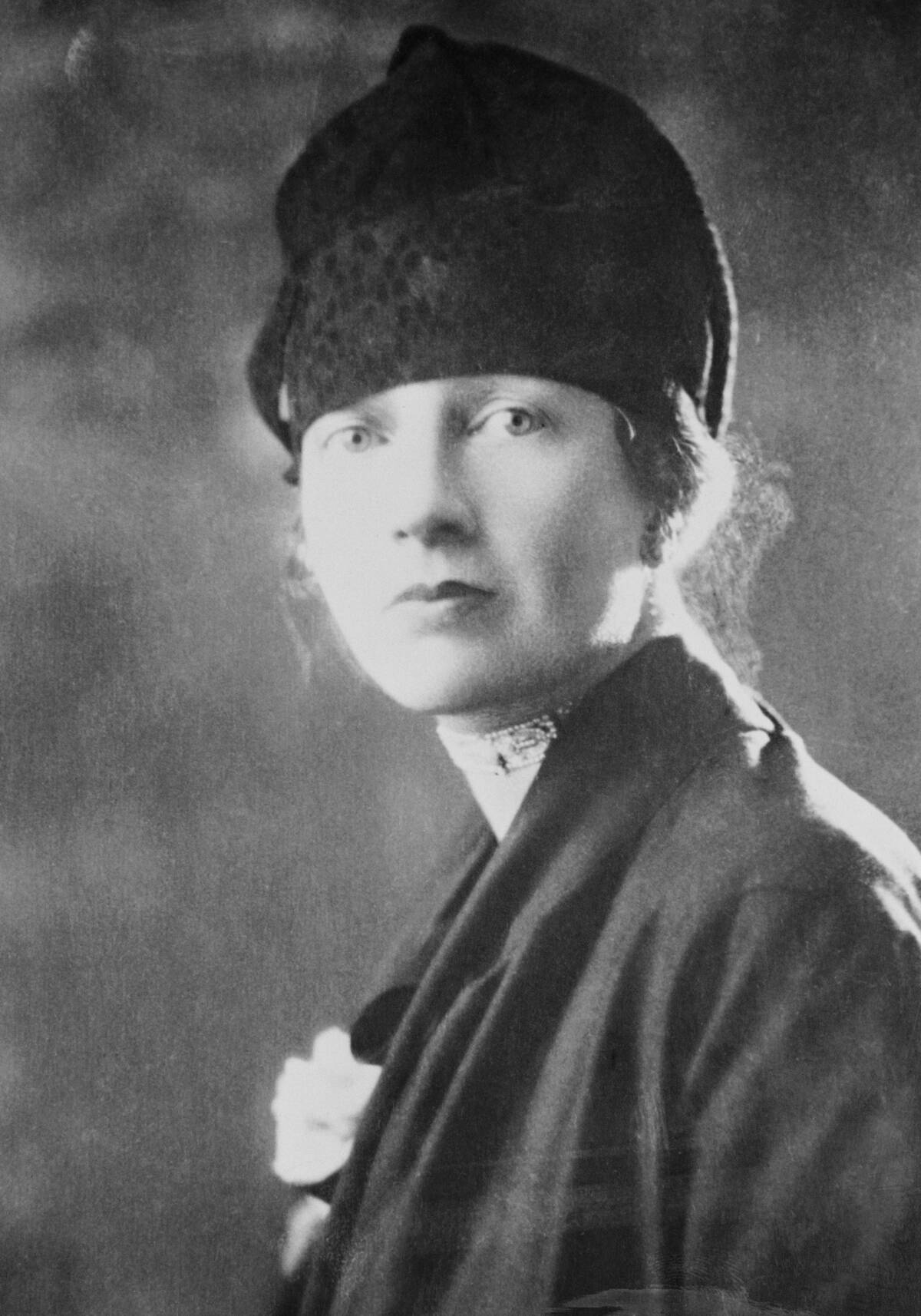
Louise Arner Boyd was an American explorer who led several Arctic expeditions in the early 20th century. Her work in mapping and photographing Greenland’s coastline was invaluable to polar research.
Boyd’s dedication to Arctic exploration earned her the nickname ‘The Ice Queen.’
The Unheralded Discoveries of Pedro Páez
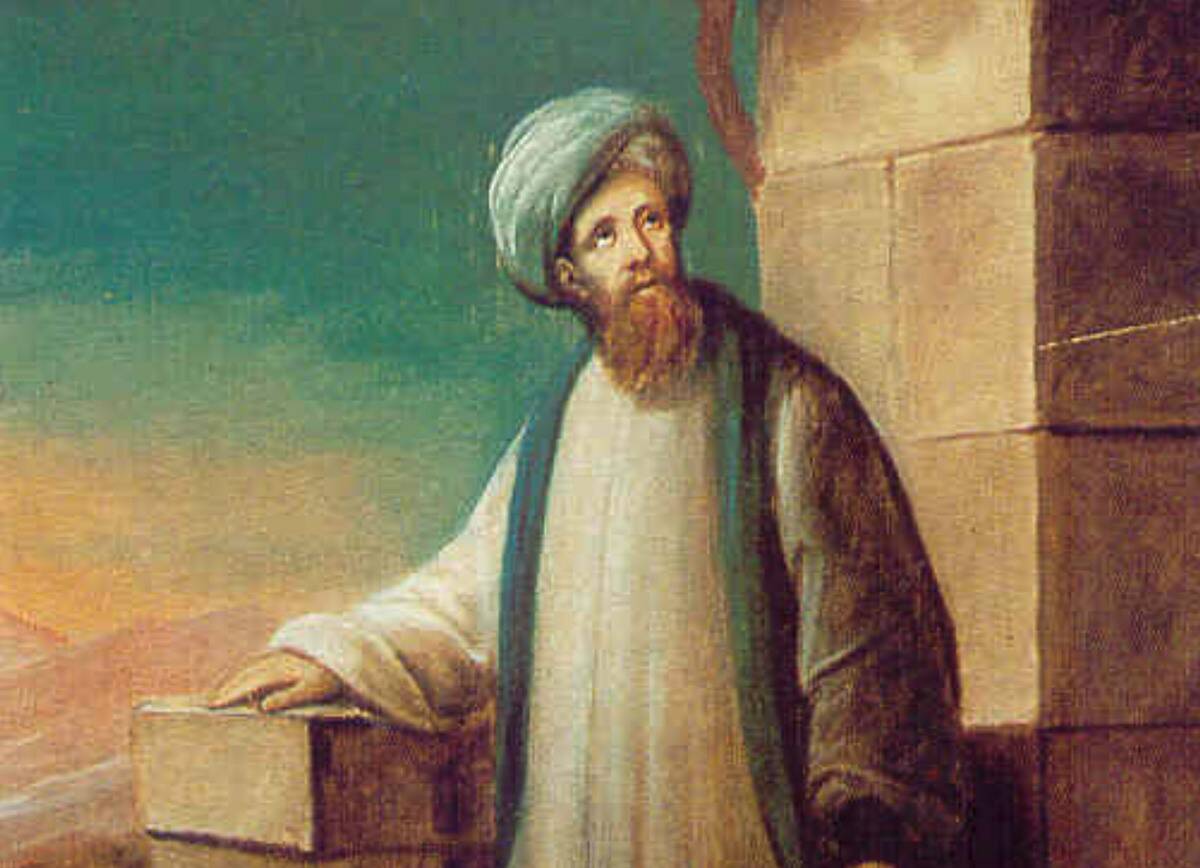
Pedro Páez was a Spanish missionary and explorer in the 17th century. He is credited with being the first European to see the source of the Blue Nile in Ethiopia. Páez’s detailed writings about Ethiopian culture and geography provided a rare glimpse into the region during his time.
His contributions remained largely unrecognized until recent years, when historians began to appreciate the value of his observations.
The Elusive Travels of Nikolay Przhevalsky
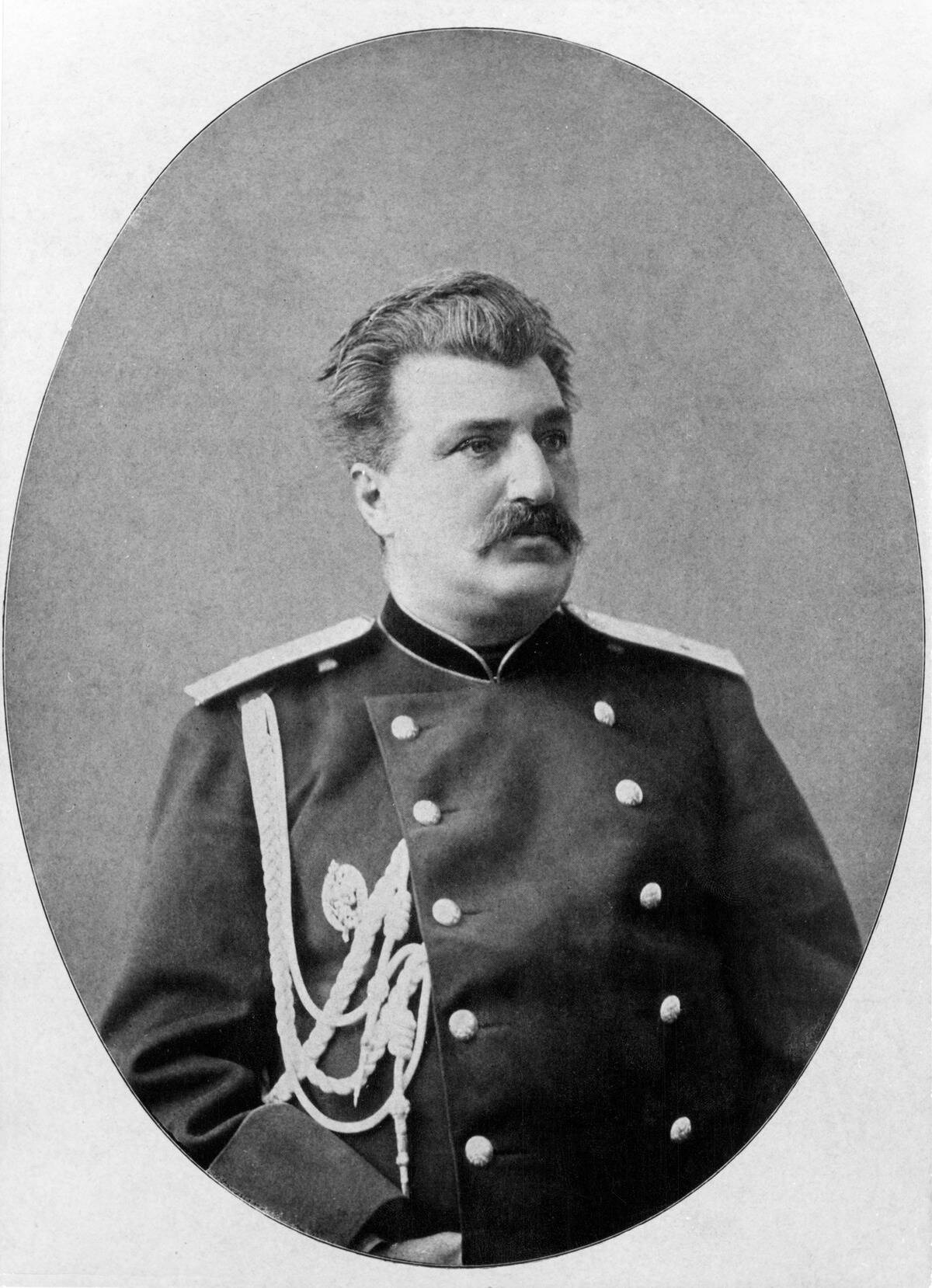
Nikolay Przhevalsky was a Russian explorer known for his expeditions in Central Asia during the 19th century. He mapped vast areas of Mongolia, Tibet, and Xinjiang, contributing significantly to the geographical knowledge of the region.
Przhevalsky’s work laid the foundation for future explorers, although his interactions with local populations were often controversial due to his imperialist views.
The Pioneering Ventures of Richard Francis Burton
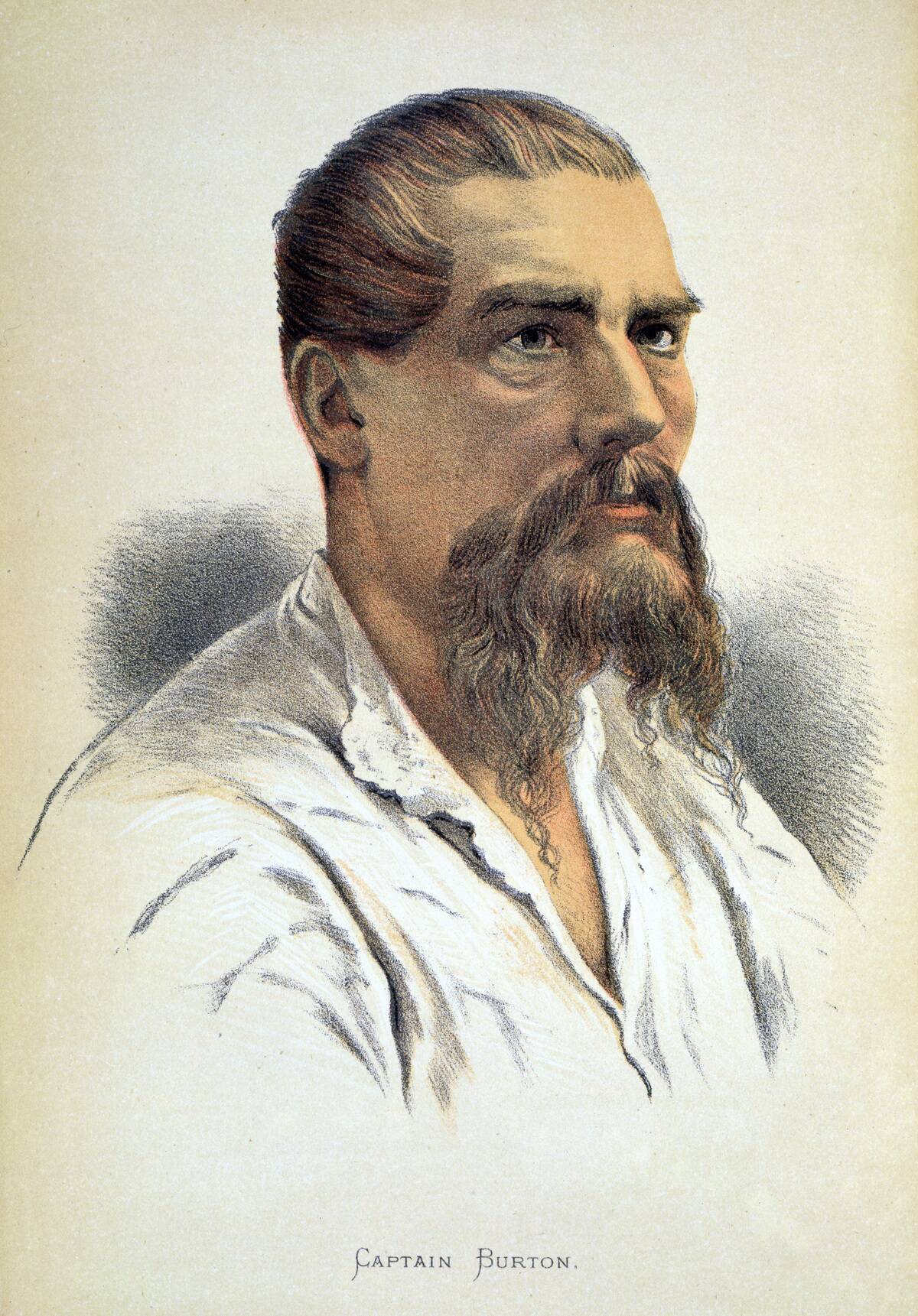
Sir Richard Francis Burton was a British explorer, linguist, and writer who traveled extensively in Africa and Asia. His most famous expedition was his journey to Mecca, which he undertook in disguise.
Burton’s translations of ‘The Arabian Nights’ and ‘Kama Sutra’ introduced Western audiences to these cultural treasures. His adventurous spirit and scholarly pursuits made him a legendary figure in the annals of exploration.
The Brave Undertakings of Sacagawea
![[redacted] Guiding the Lewis And Clark Expedition by Alfred Russell](https://media.tellmebest.com/wp-content/uploads/2023/08/sacajawea-guiding-the-lewis-and-clark-expedition-by-alfred-russell-17252.jpeg)
Sacagawea was a Shoshone woman who played a crucial role in the Lewis and Clark Expedition. Her knowledge of the terrain and languages helped guide the explorers through uncharted territories.
Sacagawea’s presence also signaled peace to other Native American tribes they encountered. Her contributions were vital to the expedition’s success, and she remains a symbol of courage and resourcefulness.
Zheng He: The Chinese Admiral Who Sailed the Seas
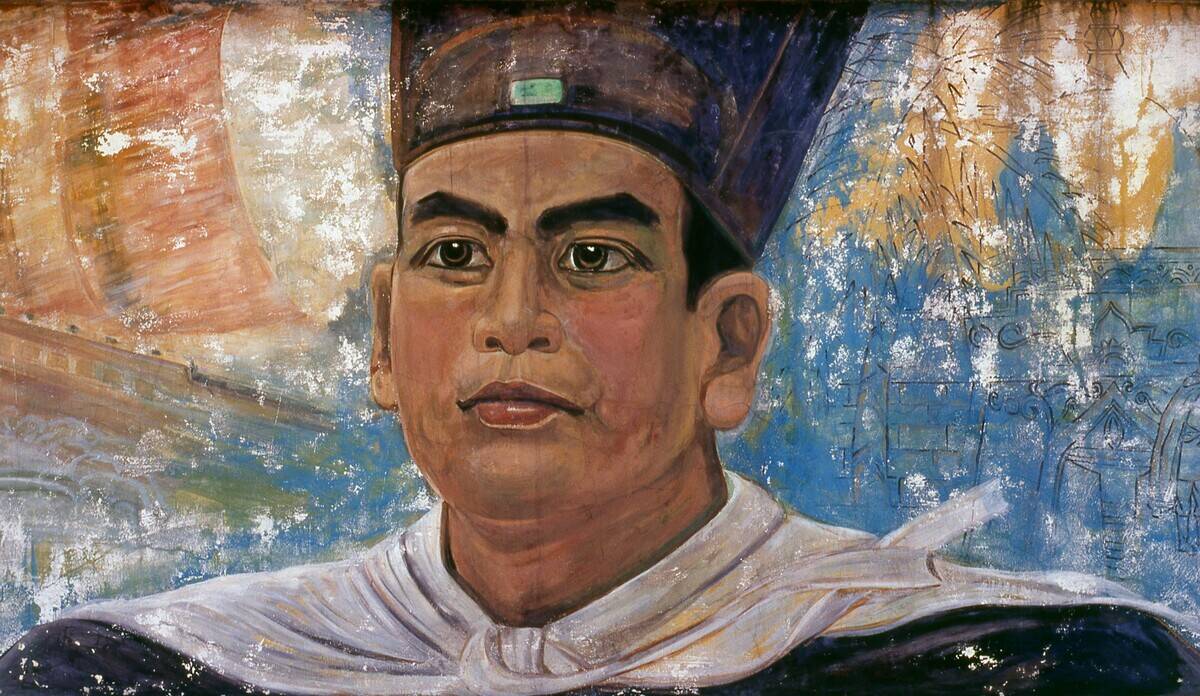
Zheng He was a Chinese admiral who led seven naval expeditions during the early 15th century. His fleet traveled as far as Africa, showcasing China’s maritime capabilities. Zheng He’s voyages established trade routes and diplomatic relations with various countries.
His achievements demonstrated the power and reach of the Ming Dynasty, and he is celebrated as one of history’s greatest navigators.
The Trailblazing Expeditions of Freya Stark
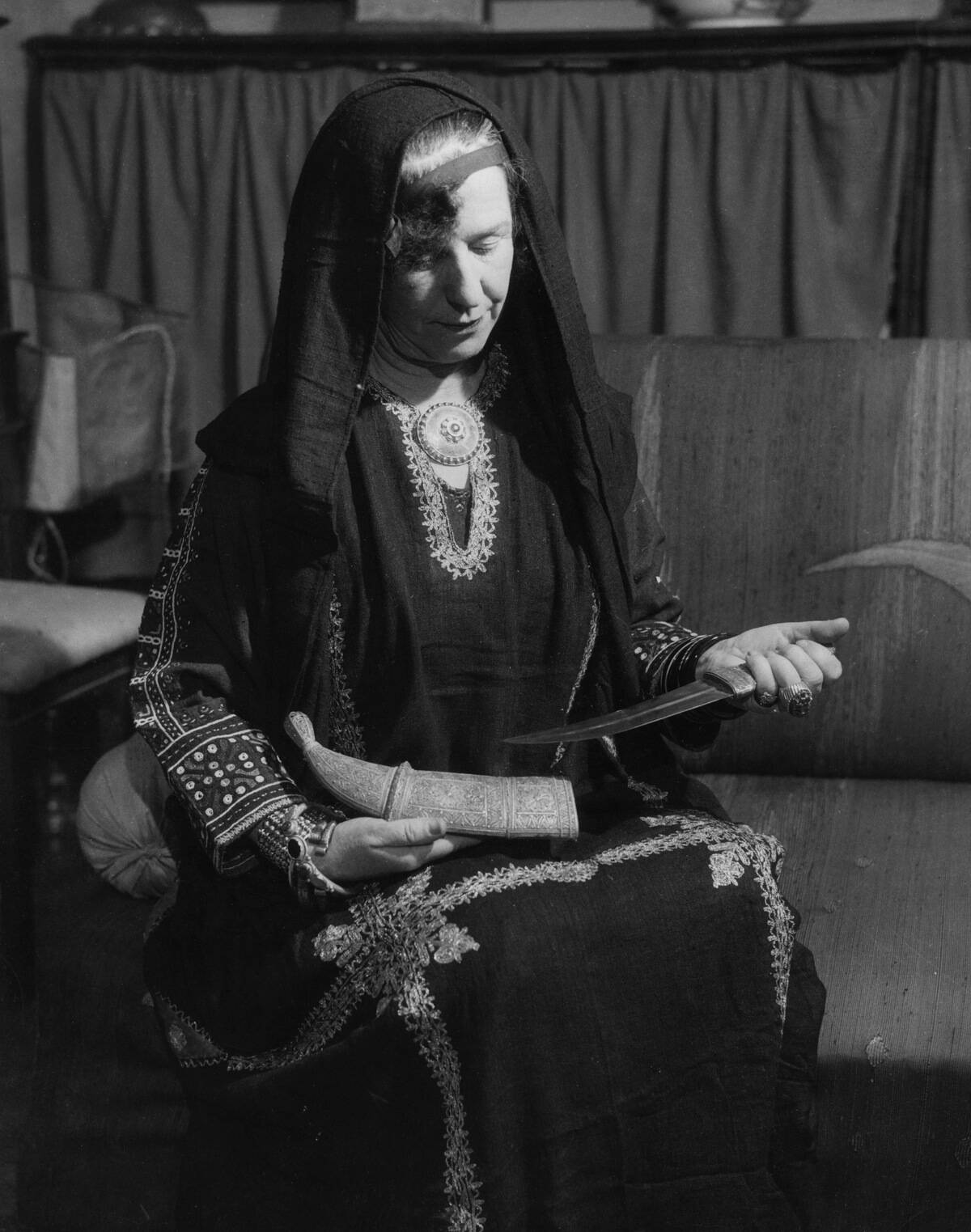
Freya Stark was a British explorer and travel writer known for her journeys in the Middle East. In the 1930s, she mapped uncharted regions of Iran and Yemen. Stark’s travel books captivated readers with their vivid descriptions and cultural insights.
Her work paved the way for future explorers, and her ability to connect with local communities earned her their respect and admiration.
The Overlooked Achievements of William Baffin
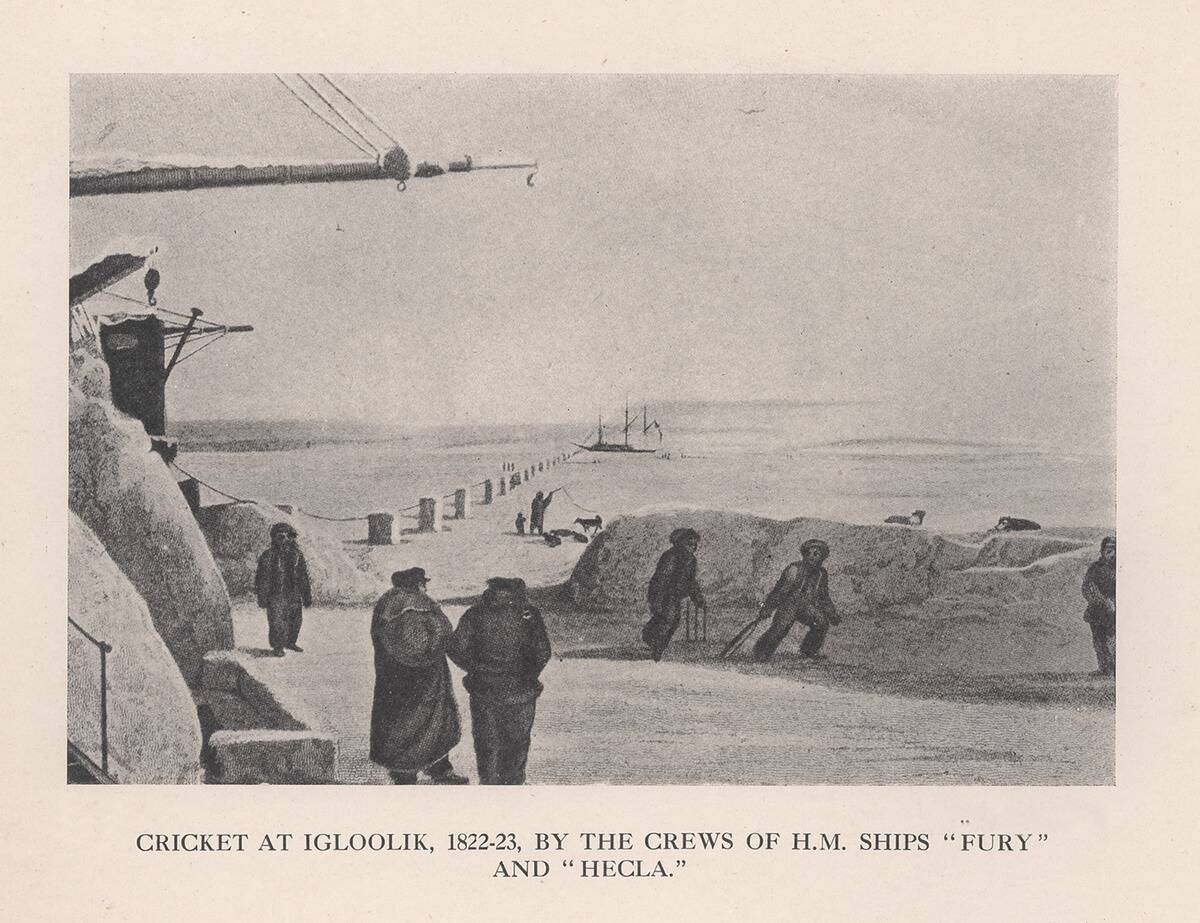
William Baffin was an English navigator and explorer in the early 17th century. He is best known for his attempts to find the Northwest Passage. Although he did not succeed, Baffin made significant contributions to the mapping of the Arctic.
His detailed records of lunar observations helped improve navigation techniques, and Baffin Bay in Canada is named in his honor.
The Unforgettable March of Cabeza de Vaca
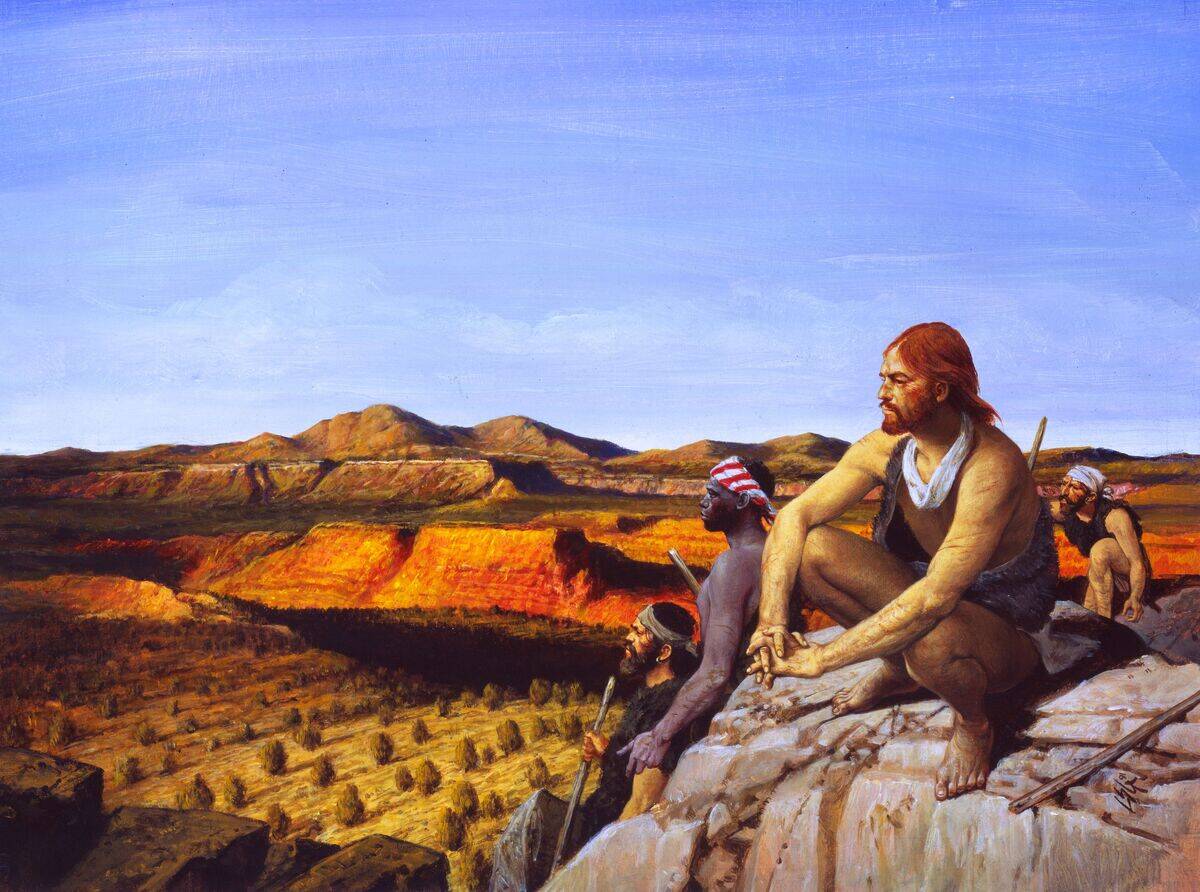
Álvar Núñez Cabeza de Vaca was a Spanish explorer who survived a harrowing journey across the American Southwest in the 16th century. Shipwrecked off the coast of Texas, he and a small group of survivors traveled thousands of miles on foot.
Cabeza de Vaca’s detailed accounts of his interactions with indigenous peoples provide valuable historical insights. His resilience and adaptability are hallmarks of his incredible expedition.
The Adventurous Spirit of Gertrude Bell
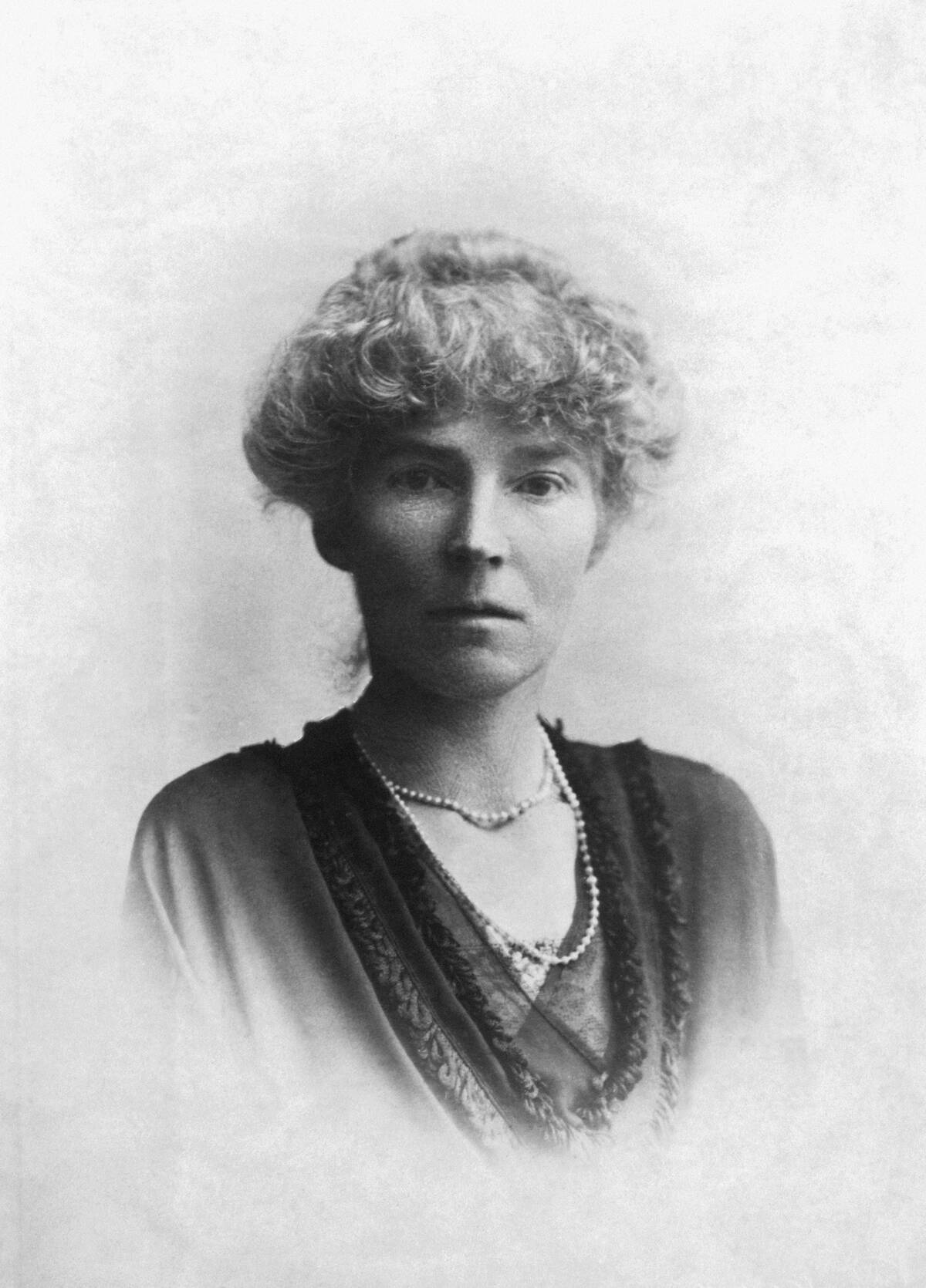
Gertrude Bell was a British archaeologist, diplomat, and explorer whose work in the Middle East shaped modern-day Iraq. Known as the ‘Queen of the Desert,’ Bell’s extensive knowledge of the region’s tribes and cultures earned her the respect of both locals and British officials.
Her influence in the political landscape of the Middle East was profound, and her legacy as a pioneering adventurer endures.
The Uncharted Realms Explored by Sven Hedin
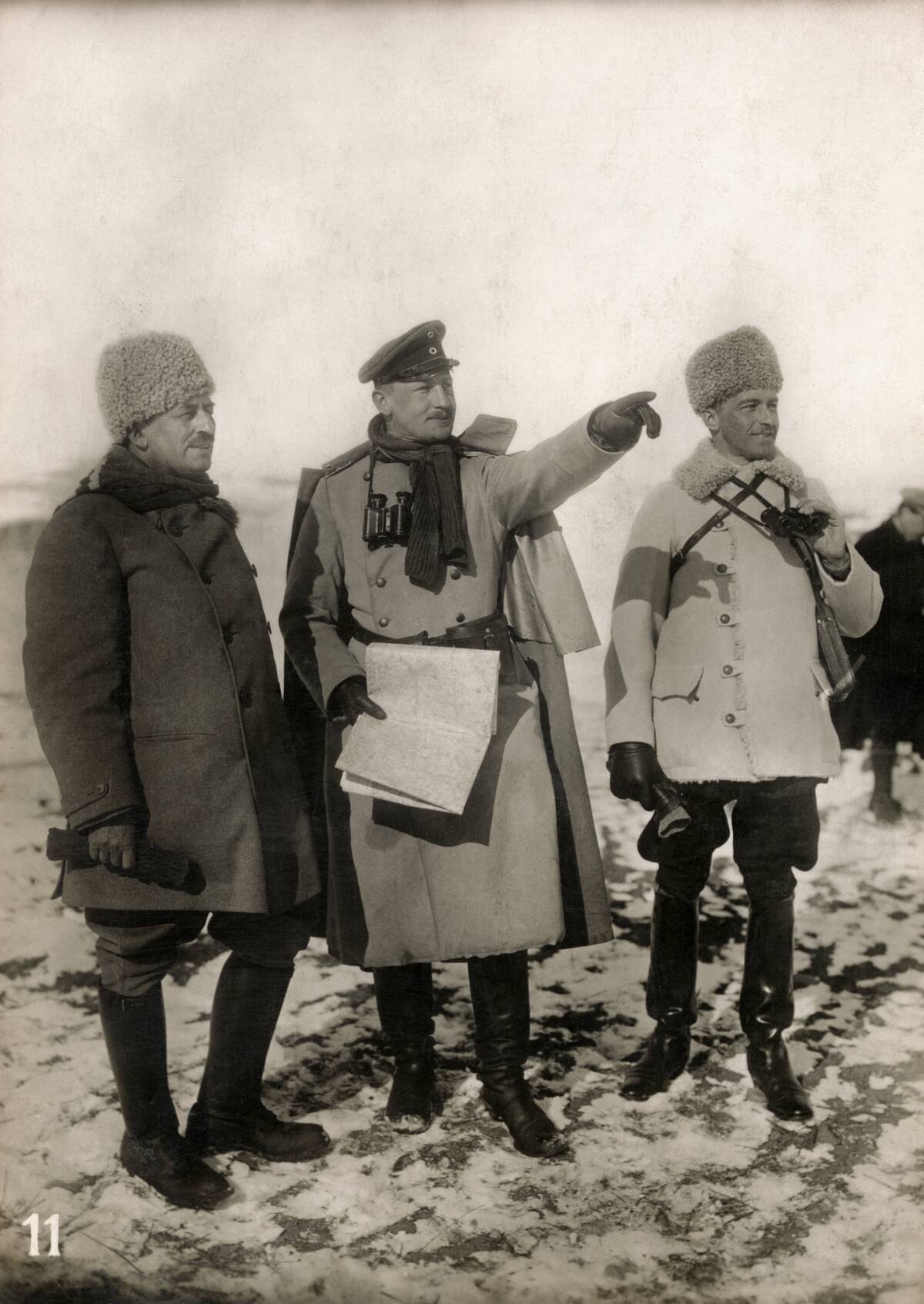
Sven Hedin was a Swedish explorer known for his expeditions in Central Asia and the Himalayas. In the late 19th and early 20th centuries, he mapped previously uncharted territories and documented the cultures he encountered. Hedin’s work contributed significantly to the understanding of Asia’s geographical features. Despite controversies surrounding his political affiliations, his contributions to exploration remain influential.




