Famous technologies once deemed useless
It’s fascinating how technologies we now consider indispensable were once viewed with skepticism and doubt. As we journey through the evolution of these game-changing innovations, we’ll see how each has reshaped our world in profound ways.
From simple beginnings to becoming integral parts of our daily lives, these technologies have defied initial criticisms to become essential. Let’s delve into some of these once-dismissed marvels and celebrate their transformative impacts.
The Telephone: “An Electrical Toy”
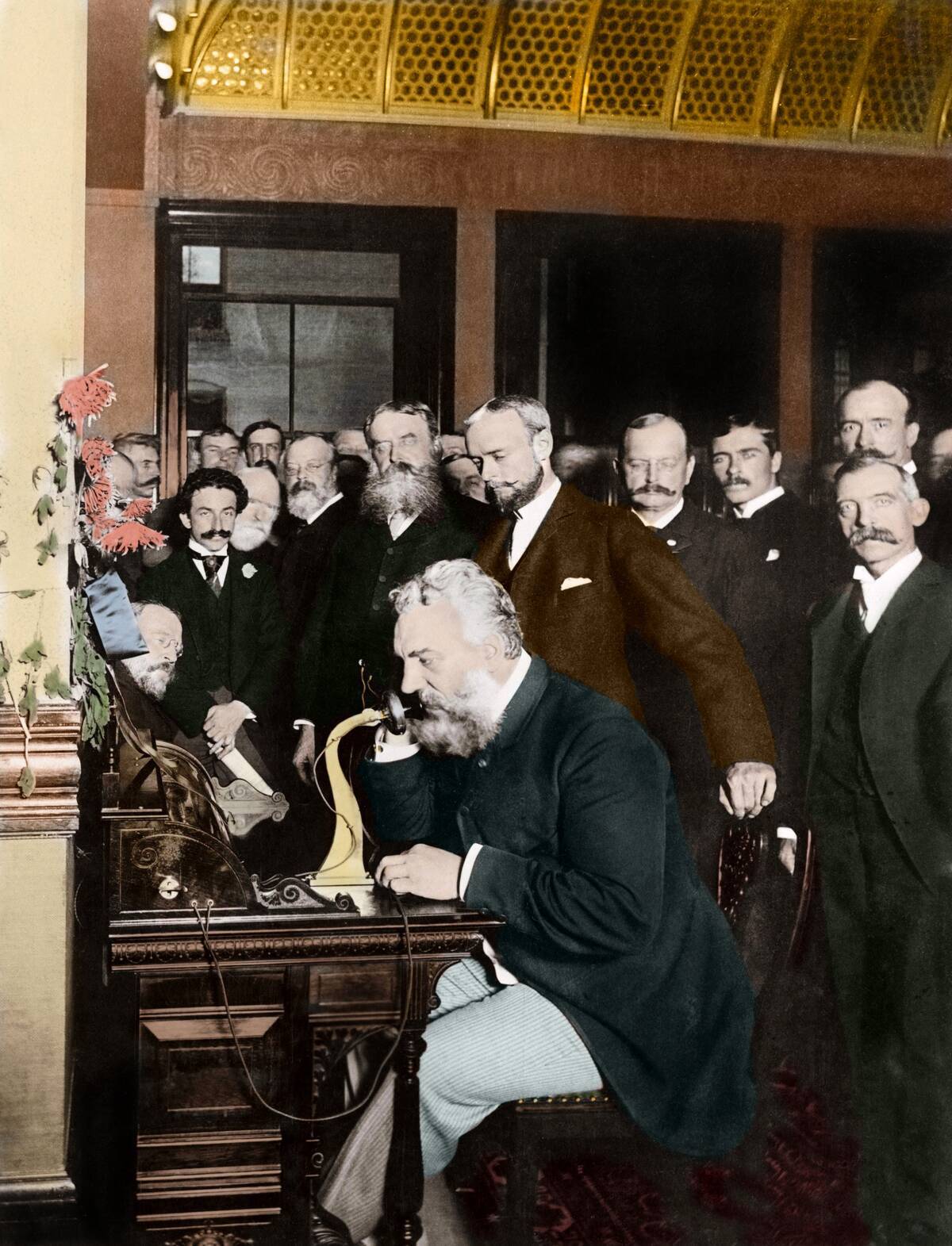
When Alexander Graham Bell invented the telephone in 1876, critics dismissed it as an “electrical toy.” They couldn’t fathom why anyone would want to speak to someone they couldn’t see.
Yet, it quickly became evident that the telephone was more than a novelty. By the early 20th century, it was connecting people across vast distances, revolutionizing communication. Today, it’s hard to envision a world without the ability to instantly reach out to friends, family, and colleagues.
The Internet: A “Passing Fad” We Can’t Live Without
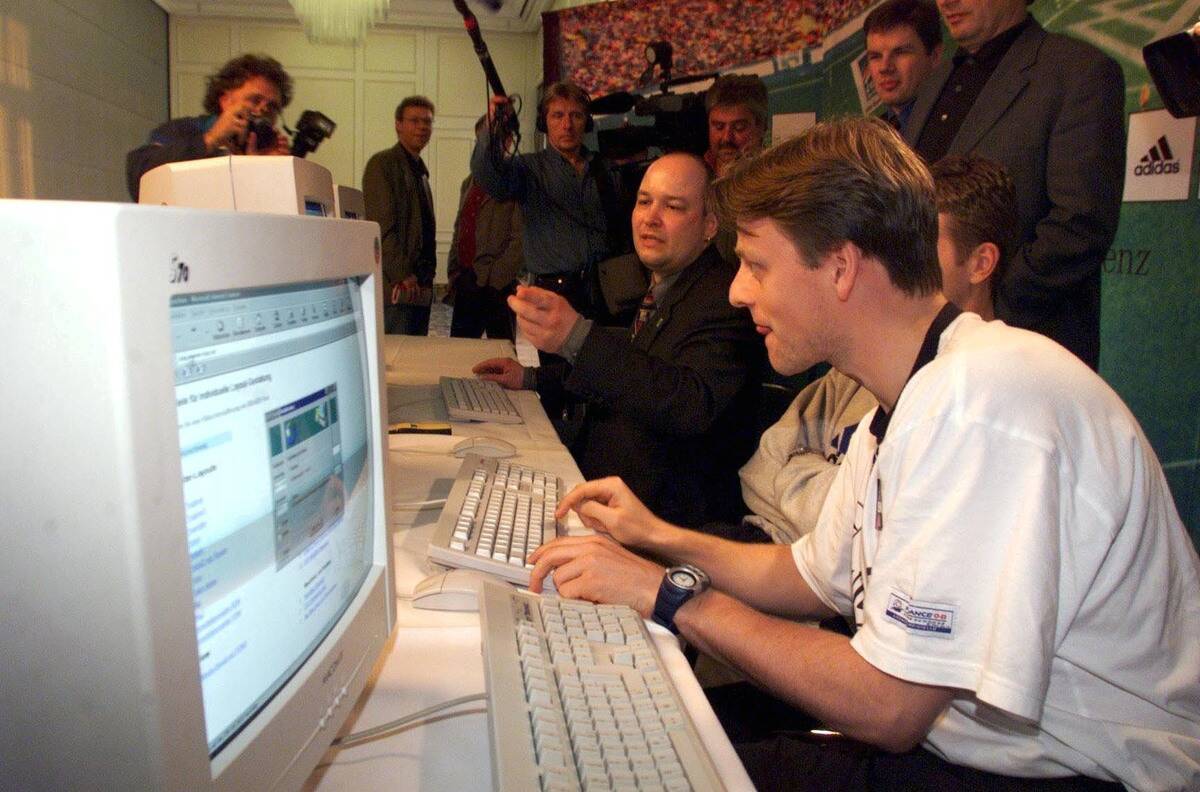
In its infancy, the internet was dismissed by some as a “passing fad.” Skeptics questioned its practicality and longevity, unsure of its potential. Fast forward to today, and the internet has become the backbone of modern society.
It’s transformed communication, commerce, entertainment, and information sharing. From social media to e-commerce, the internet permeates every aspect of our lives, proving that early dismissals were wildly off the mark.
The Personal Computer: “Who Needs a Computer at Home?”
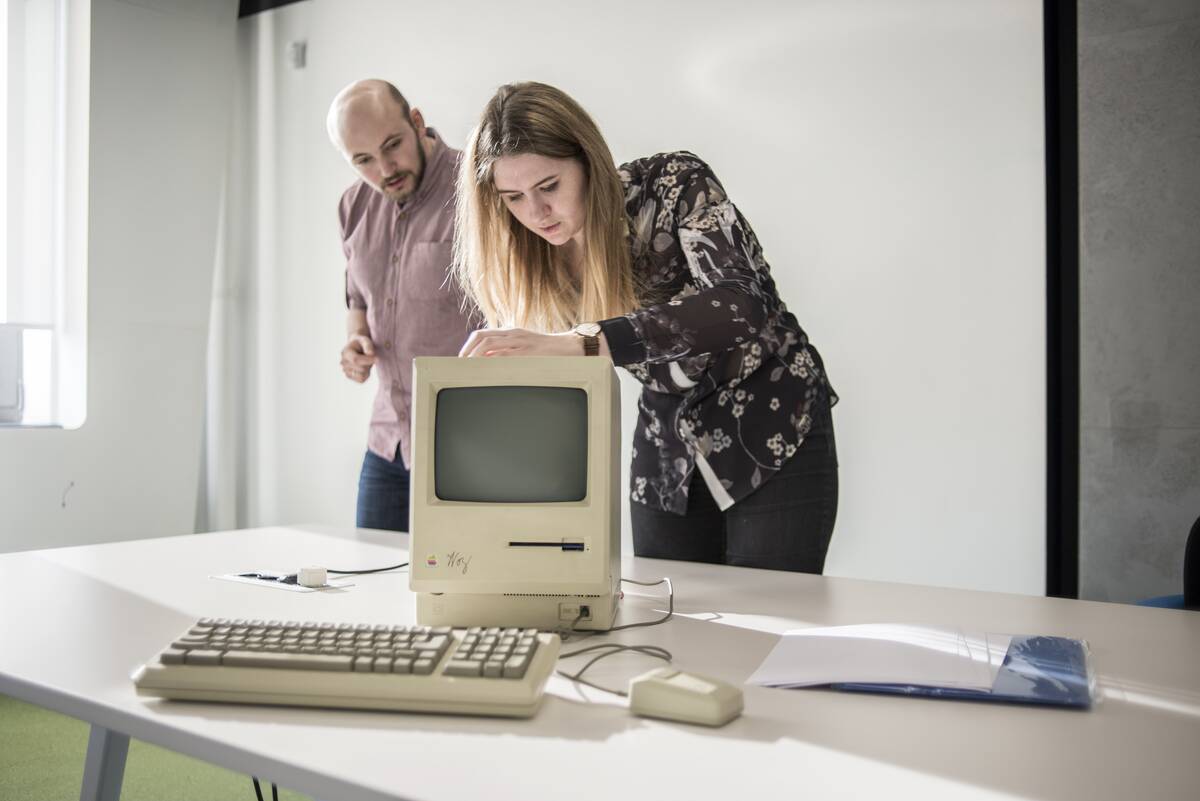
When personal computers first entered the market, many doubted their necessity outside of business environments. Who would need a computer at home, they wondered? Yet, as the technology advanced, PCs became invaluable for education, entertainment, and work.
They’ve evolved from basic machines to powerful devices that fit in our laps, making them indispensable in households worldwide. The personal computer’s journey from luxury to essential tool is a testament to its profound impact.
The Television: The Box that Changed Entertainment
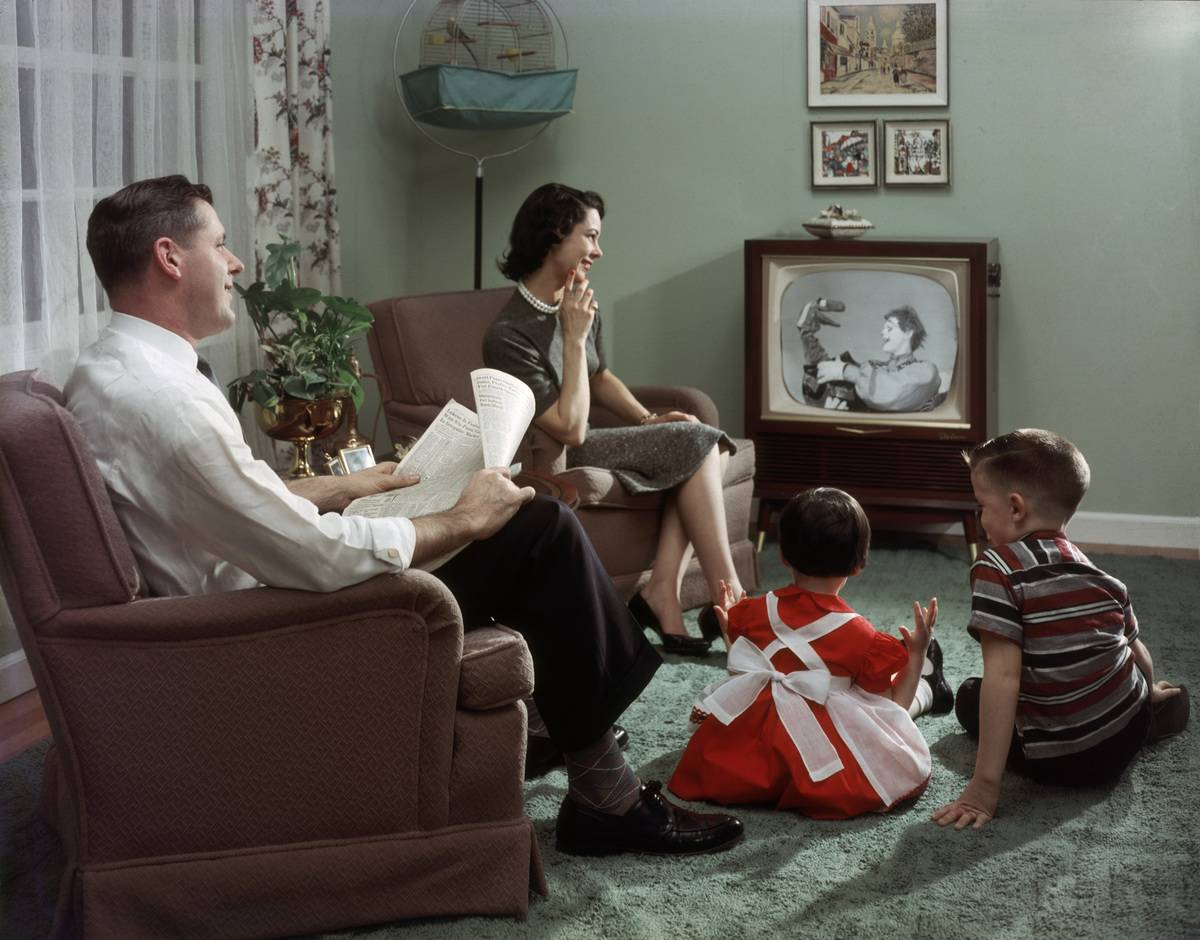
Television, introduced in the early 20th century, was initially seen as a gimmick with limited appeal. Critics doubted its longevity, but the TV quickly became the centerpiece of family entertainment.
It brought news, sports, and entertainment into living rooms, uniting viewers across the world. Innovations from color broadcasts to streaming services have kept it relevant, ensuring that the “box” remains a powerful force in shaping culture and media consumption.
The Microwave Oven: From Science Fiction to Kitchen Staple
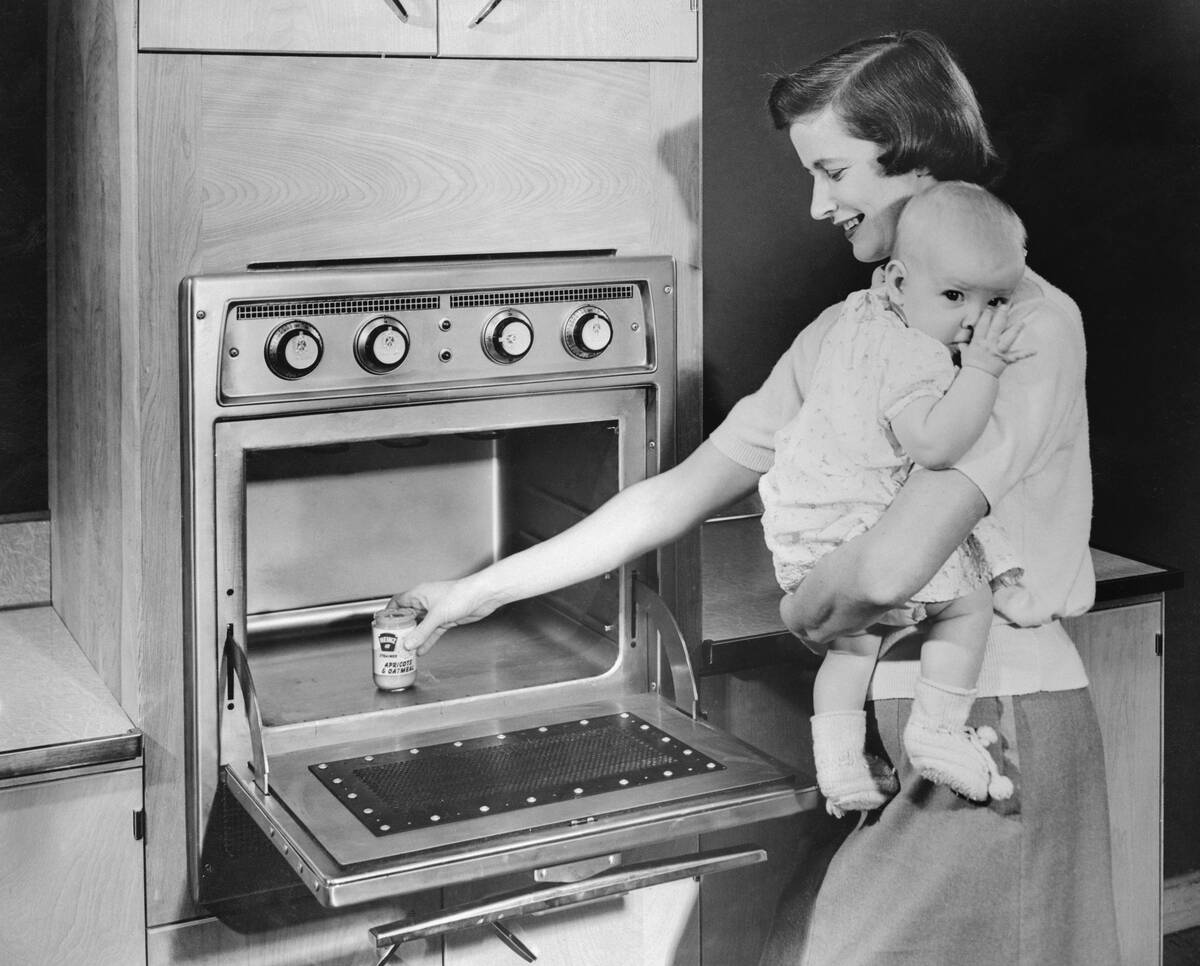
The introduction of the microwave oven in the mid-20th century was met with skepticism. Initially seen as a novelty, it was expensive and misunderstood. However, as prices fell and convenience became a priority, the microwave transformed cooking.
It offered speed and simplicity, making meal preparation easier than ever. Today, it’s a staple in kitchens worldwide, proving that sometimes futuristic devices can become everyday essentials.
The Airplane: From Impossible Dream to Everyday Reality
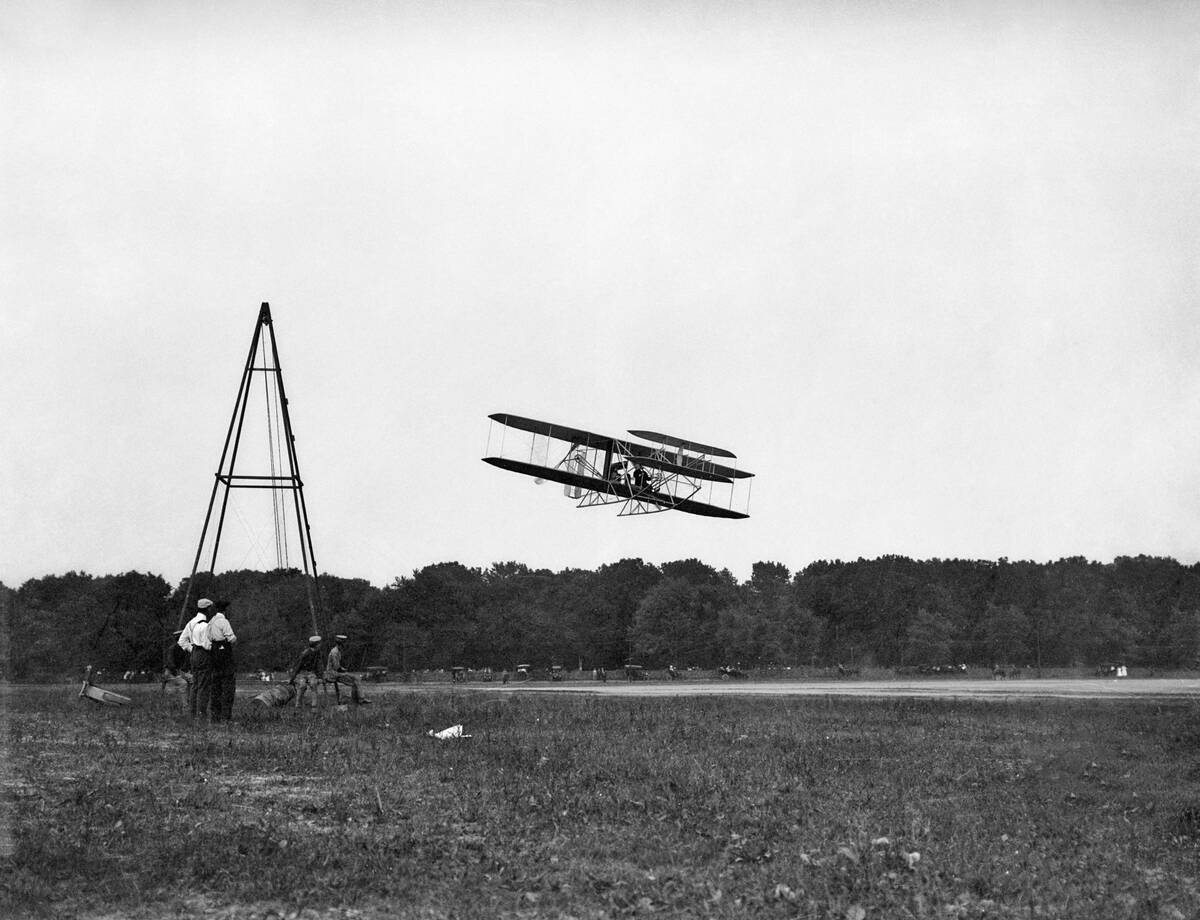
When the Wright brothers took flight in 1903, many thought aviation was impractical and dangerous. The idea of flying thousands of feet above the ground seemed ludicrous. Yet, the airplane has revolutionized travel, shrinking the globe and making international journeys commonplace.
Today, aviation is a crucial part of global connectivity, supporting tourism, trade, and cultural exchange. The airplane’s ascent from skepticism to essentiality showcases human ingenuity.
The Mobile Phone: A Luxury Gadget Turned Essential

The first mobile phones in the 1980s were bulky, expensive, and limited in functionality, leading some to see them as luxury items rather than necessities. However, as technology advanced, mobile phones became sleeker, more affordable, and packed with features.
Today, they are indispensable tools for communication, navigation, and entertainment. The mobile phone’s evolution from a status symbol to a daily essential highlights its transformative impact on society.
The Digital Camera: “No Match for Film”
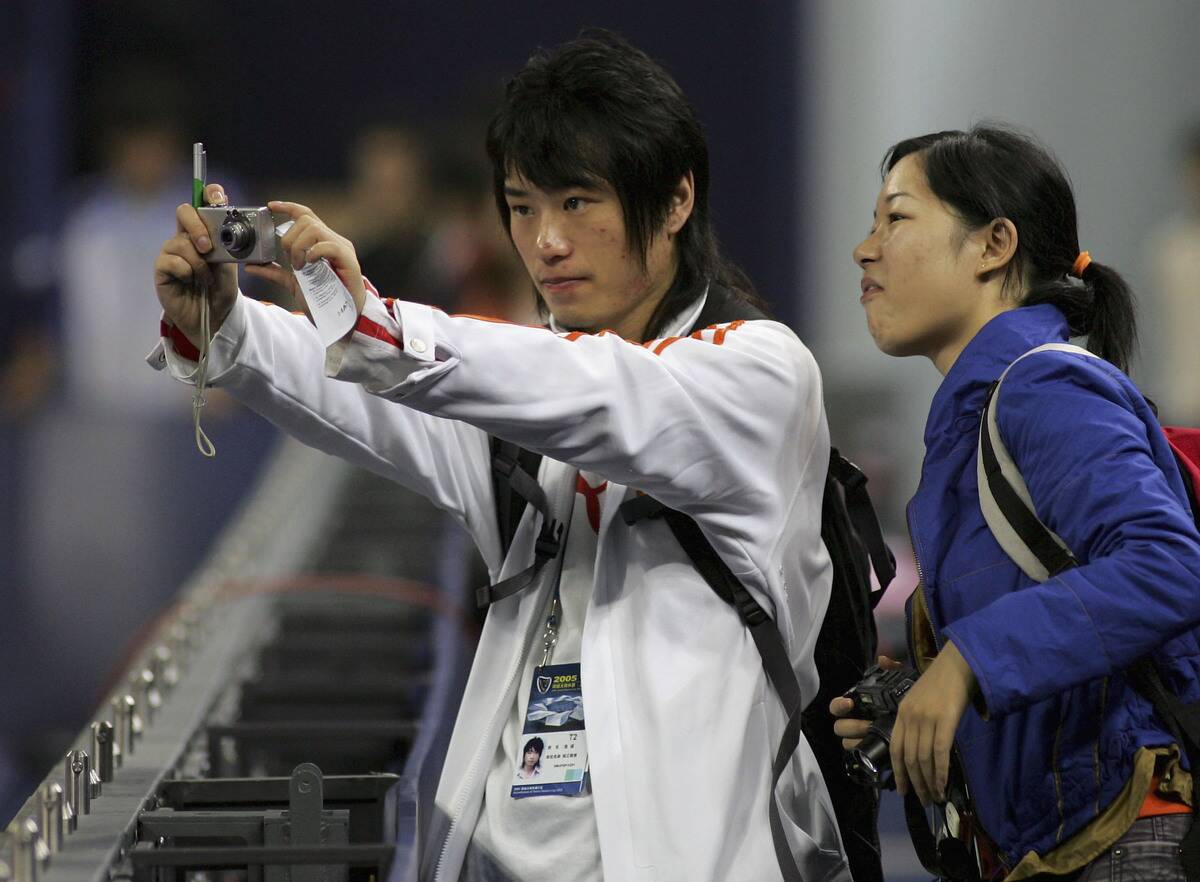
When digital cameras first emerged, many photographers dismissed them as inferior to traditional film. They couldn’t match the quality or depth of film, critics claimed.
But as technology advanced, digital cameras surpassed these limitations, offering convenience and versatility. Today, they dominate the photography world, from professional shoots to everyday snapshots. The digital camera’s rise from skepticism to supremacy demonstrates the power of technological innovation.
The Tablet: Bridging the Gap Between Phones and Computers
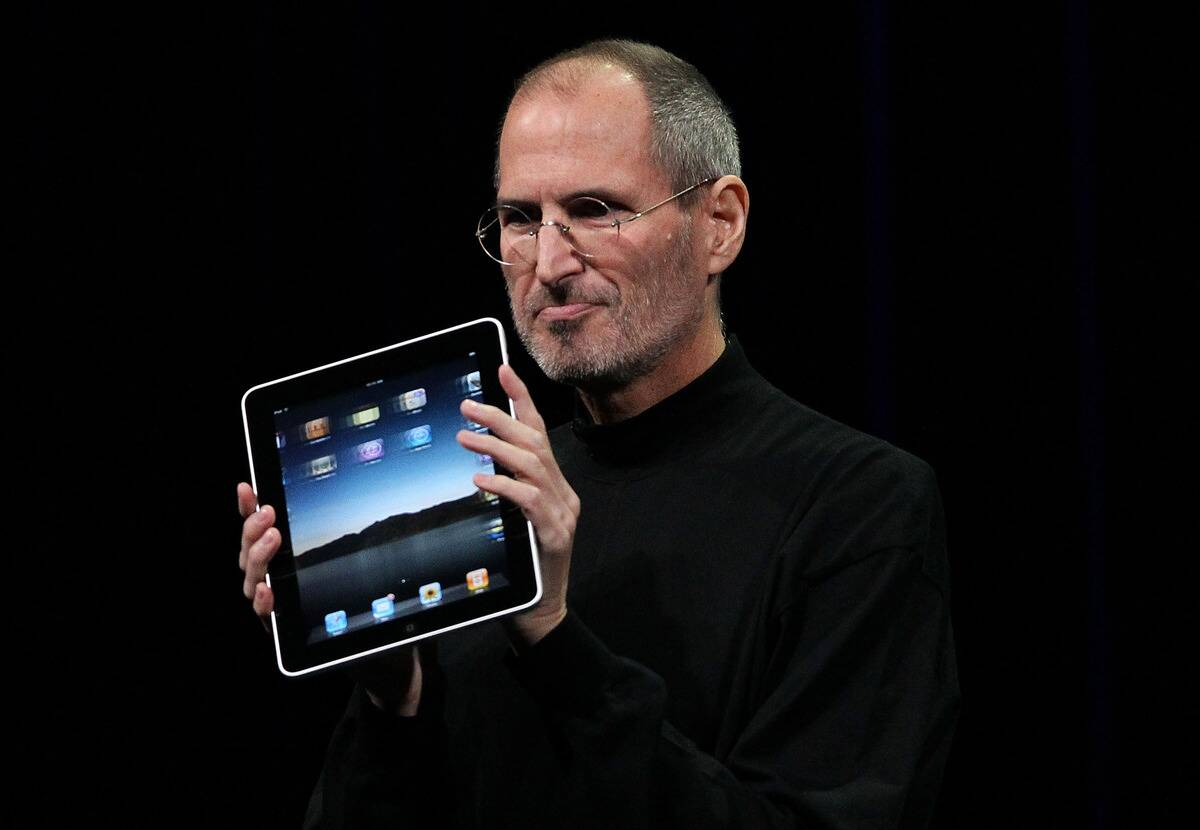
Tablets, when first introduced, were seen as unnecessary. Critics questioned their place between smartphones and laptops. Yet, tablets have carved out a niche, offering portability and functionality that appeal to a wide audience.
They’re perfect for reading, streaming, and browsing, becoming educational tools and creative outlets. The tablet’s ability to bridge the gap between devices highlights its versatile role in our digital world.
Streaming Services: The Death Knell for Traditional TV
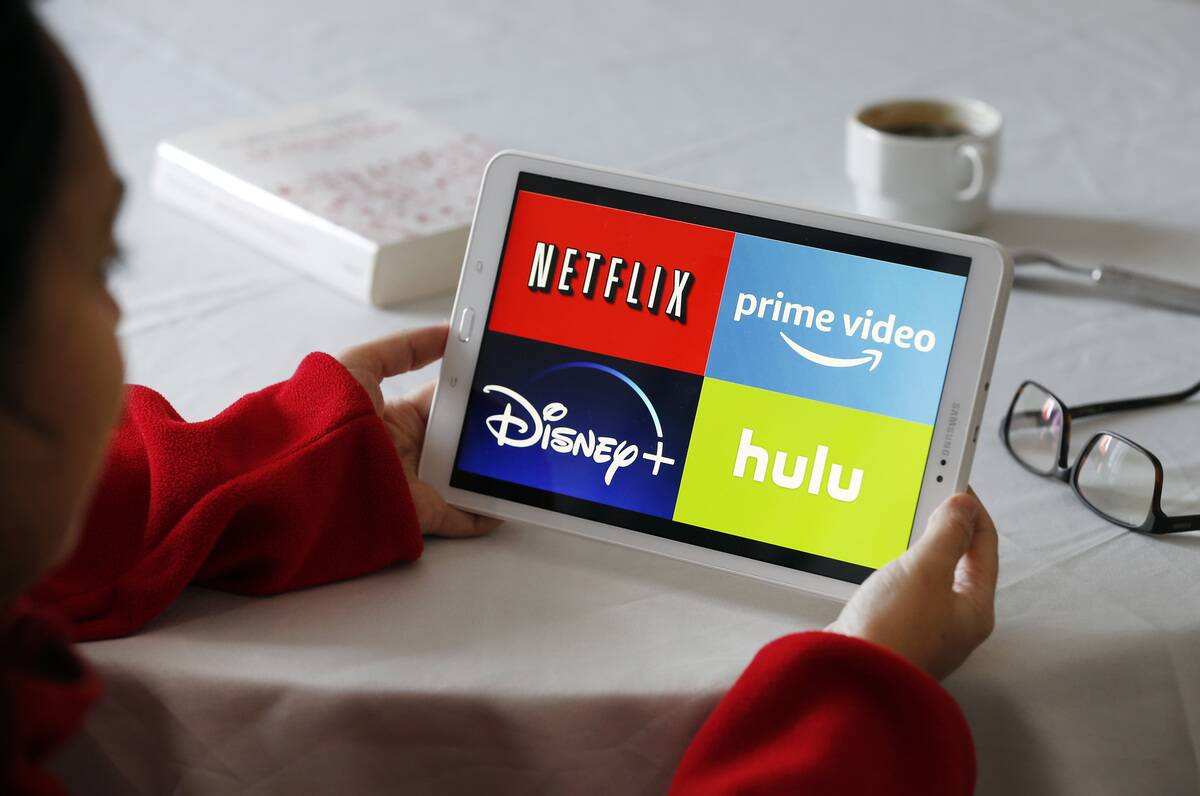
When streaming services like Netflix and Hulu emerged, some doubted they could challenge traditional TV. Yet, their on-demand nature and vast libraries quickly attracted viewers.
Today, streaming dominates the entertainment landscape, allowing audiences to watch what they want, when they want. This shift has forced traditional networks to adapt, highlighting the power of digital disruption in reshaping media consumption.
Video Games: From “Mindless Entertainment” to Cultural Phenomenon
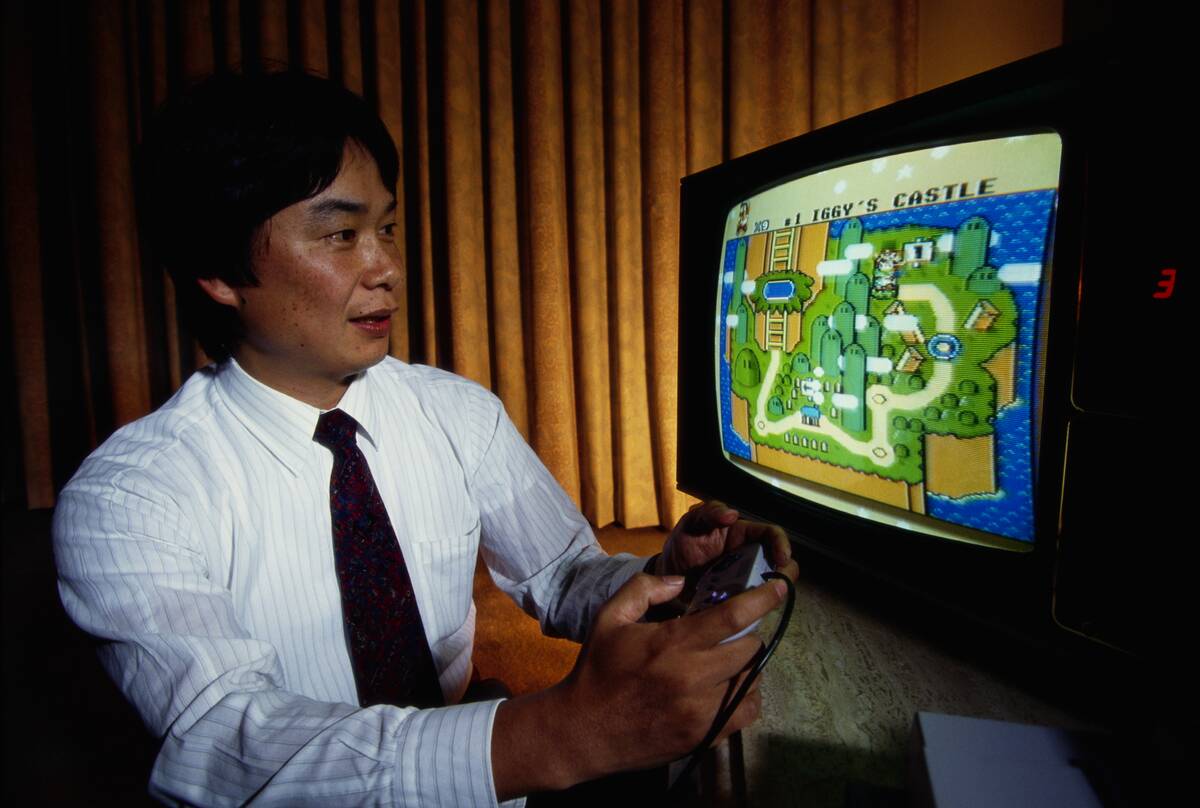
Video games were once dismissed as “mindless entertainment” with little cultural value. However, they’ve become a multi-billion dollar industry, influencing art, storytelling, and even education.
Games like The Legend of Zelda and Minecraft have captured imaginations, while esports have turned gaming into a spectator sport. The evolution of video games from niche hobby to cultural powerhouse highlights their significant impact on society.
Online Shopping: From Skepticism to Consumer Staple

Online shopping, once met with skepticism about security and reliability, is now a cornerstone of global commerce. Concerns about credit card fraud and product quality have been largely addressed, leading to widespread adoption.
Platforms like Amazon have revolutionized how we shop, offering convenience and variety from the comfort of home. Online shopping’s ascent to consumer staple demonstrates its profound influence on retail landscapes.




