13 inventions born from science fiction ideas
Science fiction has long been a playground where the imagination runs wild, painting pictures of futures yet to come. It’s a genre that offers not just entertainment but a glimpse into possible realities.
With technological advancements accelerating at an unprecedented pace, many ideas once considered pure fantasy are now becoming part of our everyday lives. From flying cars to robotic companions, the boundary between fiction and reality is increasingly hard to define.
H.G. Wells and His Time Machine: Inspiring Temporal Travel Concepts
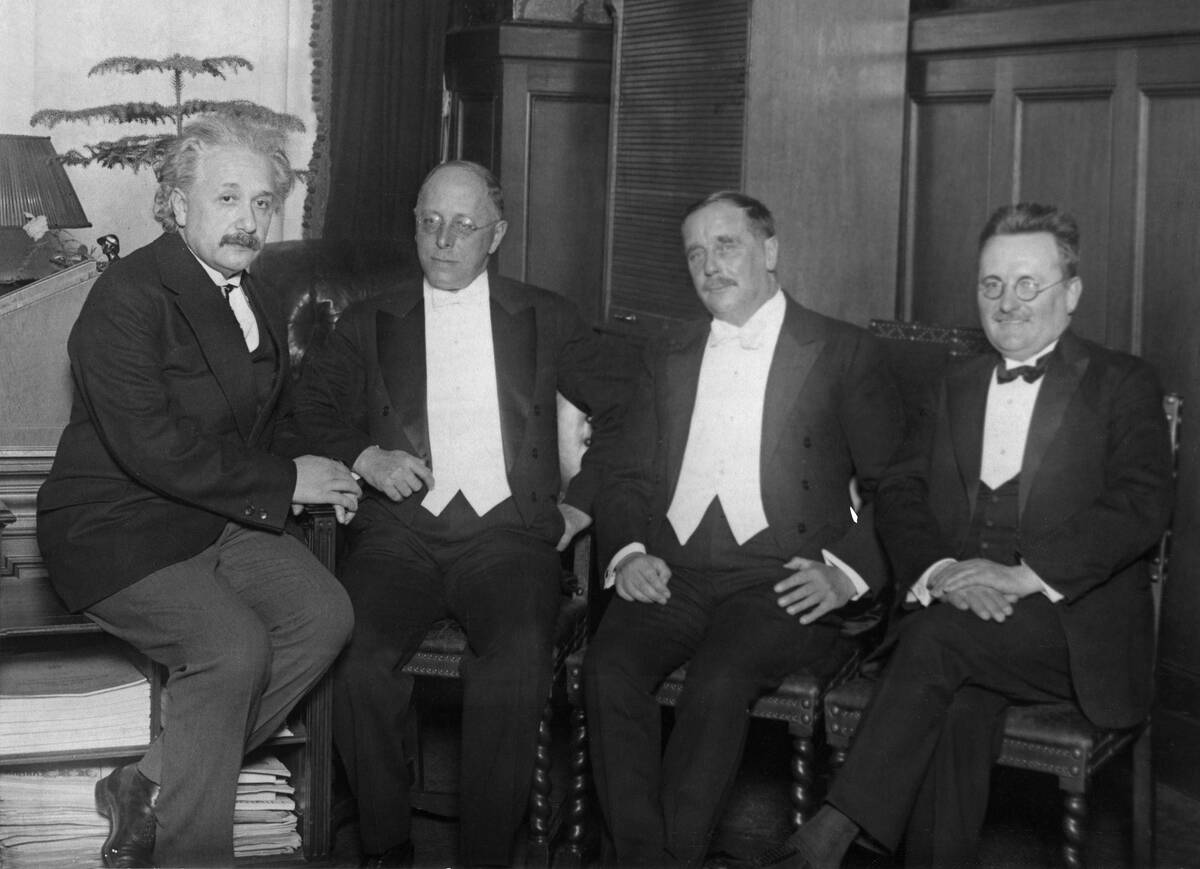
H.G. Wells, the father of science fiction, introduced the concept of time travel with The Time Machine in 1895. While we haven’t cracked the code for time travel just yet, Wells’ ideas have inspired countless scientists and storytellers to explore the possibilities of manipulating time.
His work has spurred discussions in theoretical physics and inspired films and series that keep the dream of temporal travel alive.
Jules Verne’s Influence on Submarine Technology
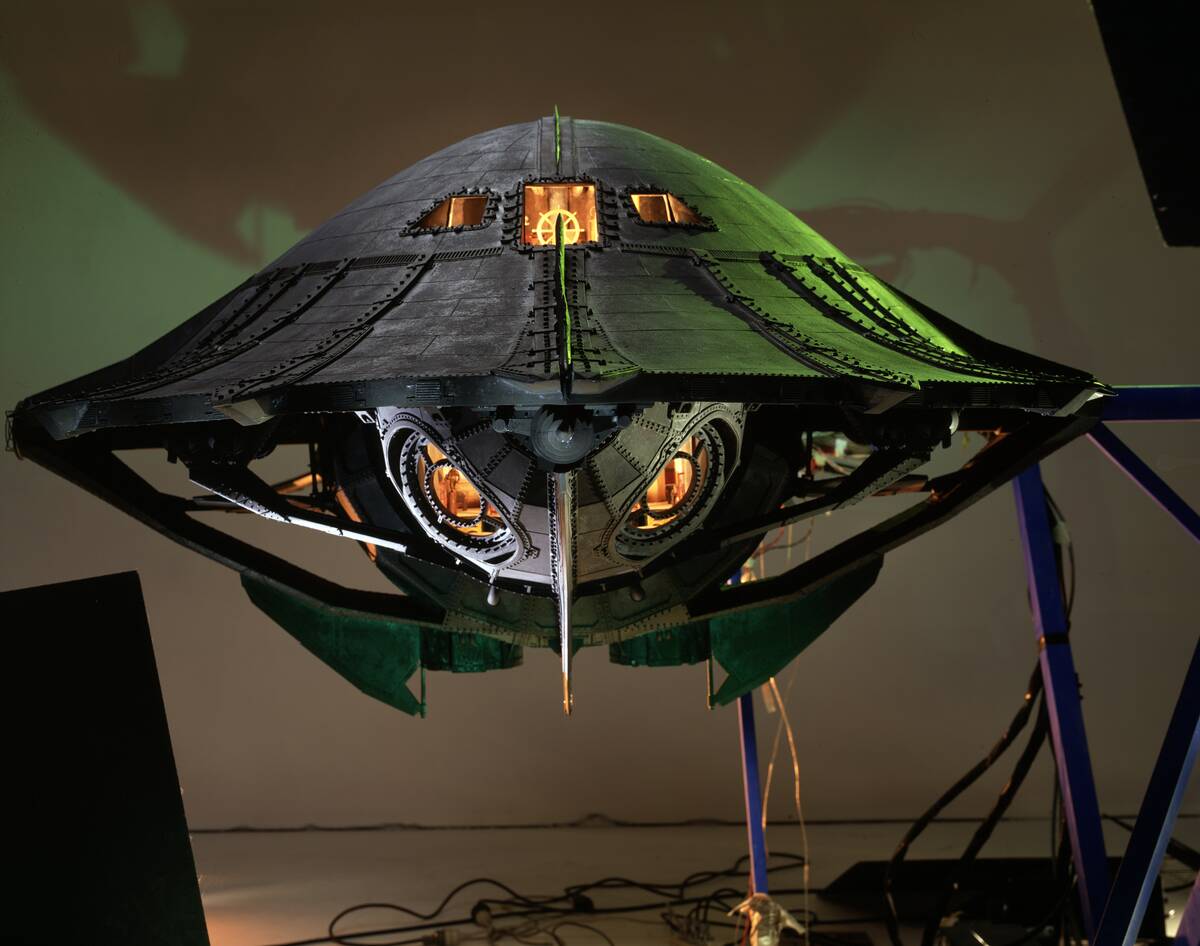
Jules Verne, another visionary author, described a submersible vessel in 20,000 Leagues Under the Sea long before submarines became a reality. His depiction of the Nautilus inspired naval engineers to create the first functional submarines.
Verne’s detailed descriptions and imaginative foresight have left a lasting impact on marine technology, proving that fiction can indeed shape the future of engineering.
Star Trek Communicators: The Birth of the Mobile Phone
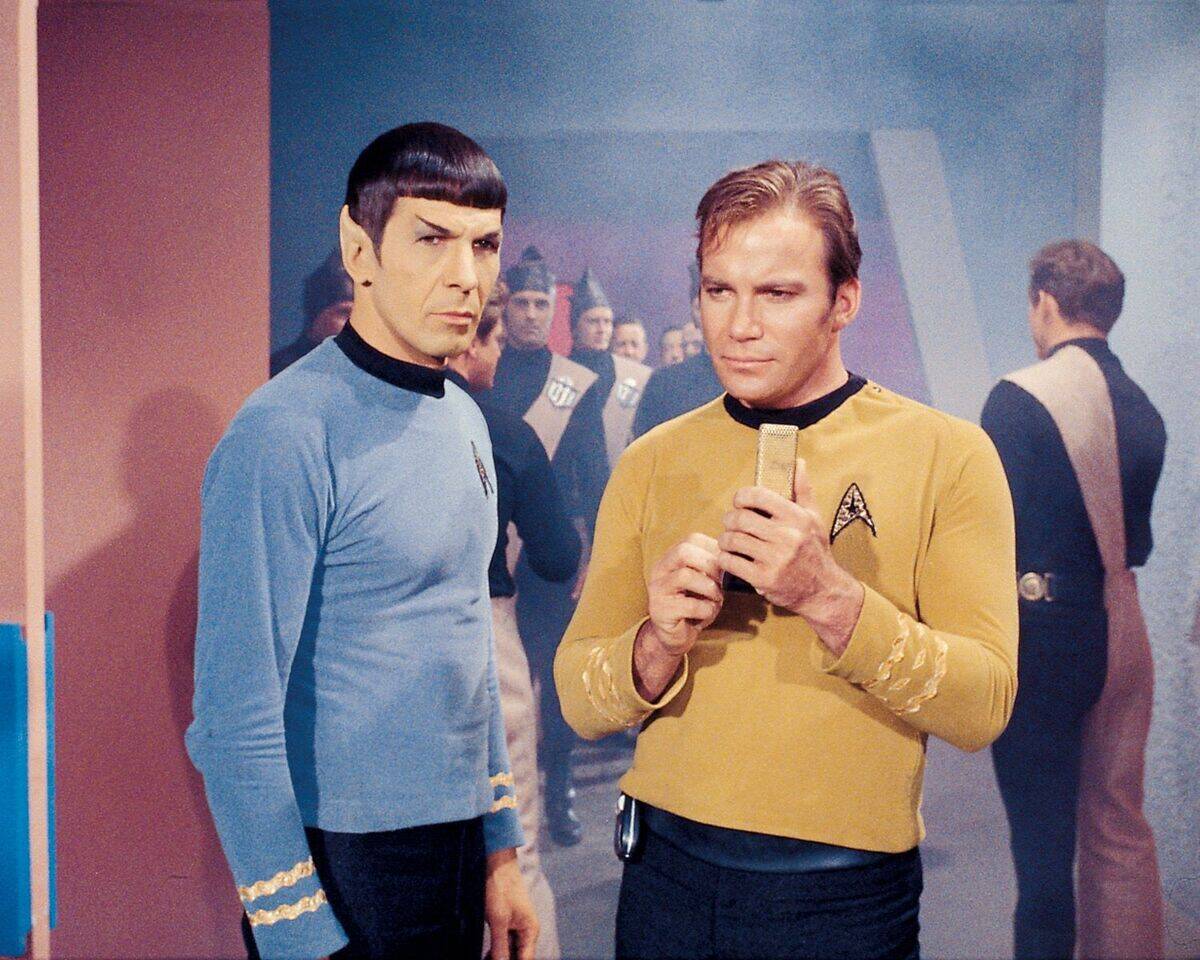
The iconic communicator from Star Trek served as a direct inspiration for the development of the mobile phone. Martin Cooper, a lead engineer at Motorola, credited the show for inspiring his work on the first handheld mobile device.
This piece of fiction has not only become a reality but has evolved into the smartphones we now can’t live without, showcasing the profound impact of sci-fi on technology.
The Hoverboard: From Back to the Future to Real Life
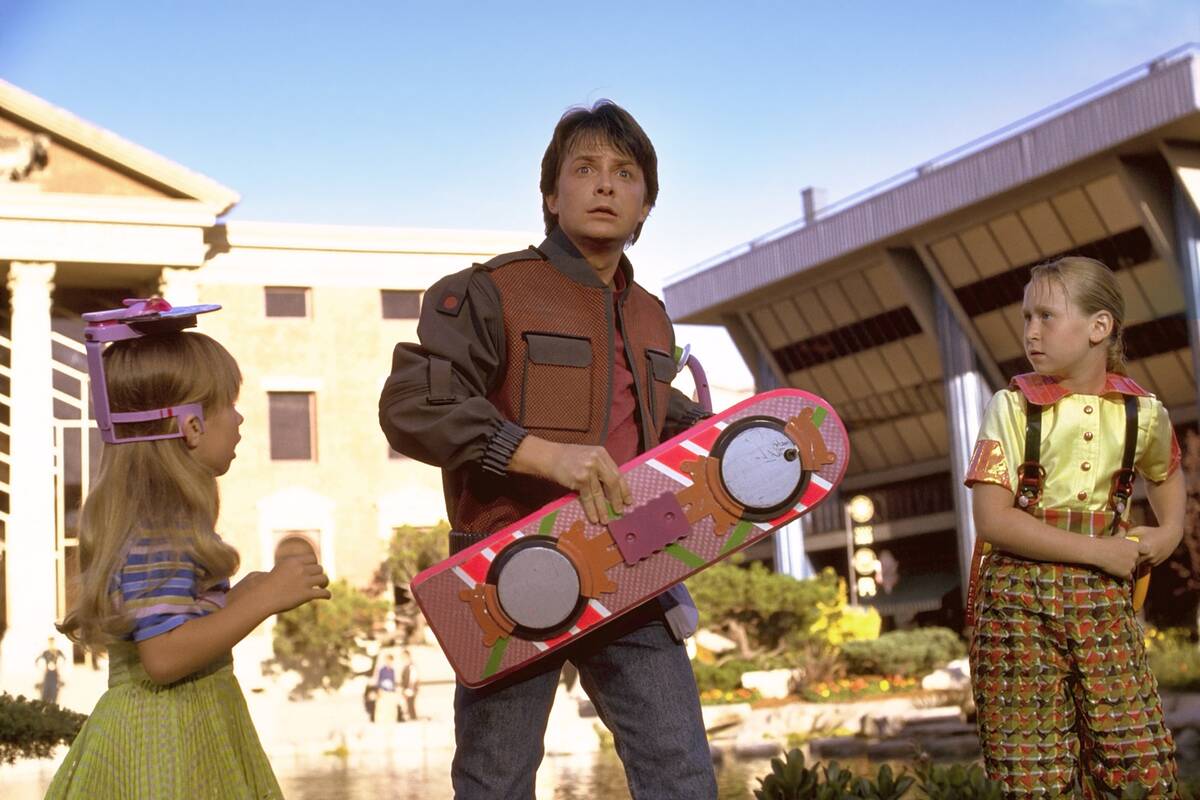
The hoverboard from Back to the Future Part II captured the imagination of millions. Fast forward to today, and while true hoverboards aren’t quite there yet, self-balancing scooters and magnetic levitation technologies are stepping stones in that direction.
Engineers and inventors continue to dream of making Marty McFly’s futuristic ride a practical reality, proving that sci-fi can be a catalyst for cutting-edge technology.
Isaac Asimov’s Robots and the Rise of AI

Isaac Asimov’s I, Robot introduced us to a world of intelligent machines governed by the Three Laws of Robotics. While we haven’t reached the level of sophistication depicted in his stories, AI technology is advancing rapidly.
Asimov’s work laid the groundwork for ethical discussions around AI, influencing both technological developments and the way we think about human-robot relationships.
The Jetsons and the Concept of Video Calling
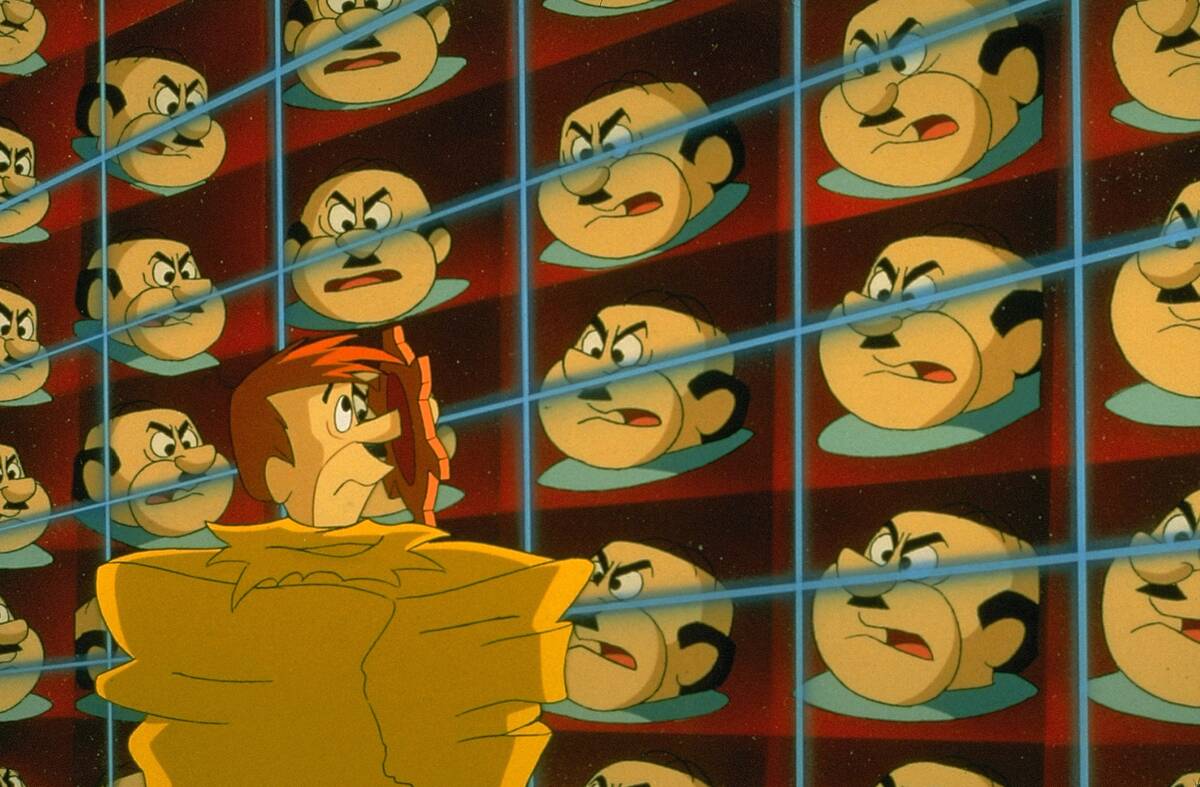
Long before Zoom meetings became the norm, ‘The Jetsons’ introduced audiences to the idea of video calling. This animated sitcom from the 1960s imagined a world where people could communicate face-to-face through screens.
Fast forward to the 21st century, and video conferencing has become an essential part of our daily lives, showing how fiction can foresee technological advancements.
Arthur C. Clarke’s Satellite Predictions
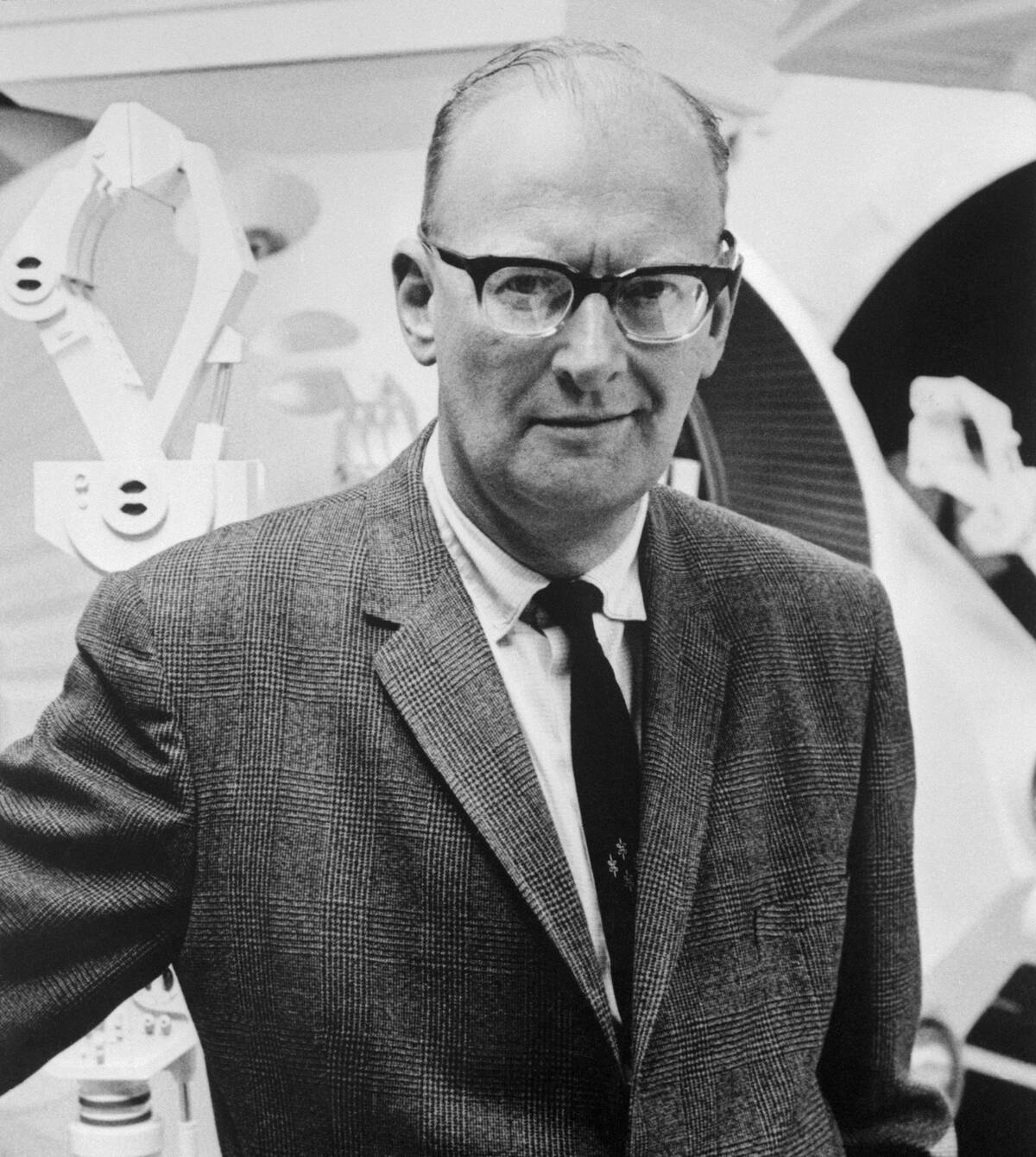
Arthur C. Clarke, one of the most influential science fiction writers, famously predicted the use of satellites for global communication. In a 1945 paper, he envisioned geostationary satellites that could relay signals worldwide.
Clarke’s vision became a reality with the launch of the first communication satellite, Syncom 3, in 1964, highlighting the role of science fiction in shaping real-world technology.
From Dick Tracy’s Wrist Radio to Smartwatches
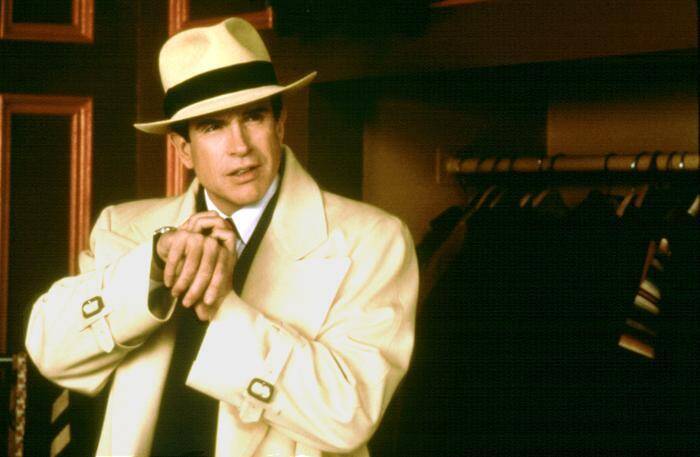
The wrist radio worn by Dick Tracy in the comic strip inspired the development of wearable technology. Today, smartwatches like the Apple Watch and Fitbit are ubiquitous, providing users with a range of functionalities beyond just telling the time.
This evolution from fictional gadget to everyday accessory demonstrates how fiction can lead to practical innovations that enhance our lives.
Ray Bradbury and the Creation of E-Readers

Ray Bradbury’s Fahrenheit 451 envisioned a world where books were illegal and digital screens dominated. This dystopian vision indirectly anticipated the rise of e-readers like the Kindle.
While Bradbury’s world was bleak, the convenience of digital reading devices has revolutionized how we consume literature, allowing us to carry entire libraries in our pockets.
Replicators from Star Trek and 3D Printing
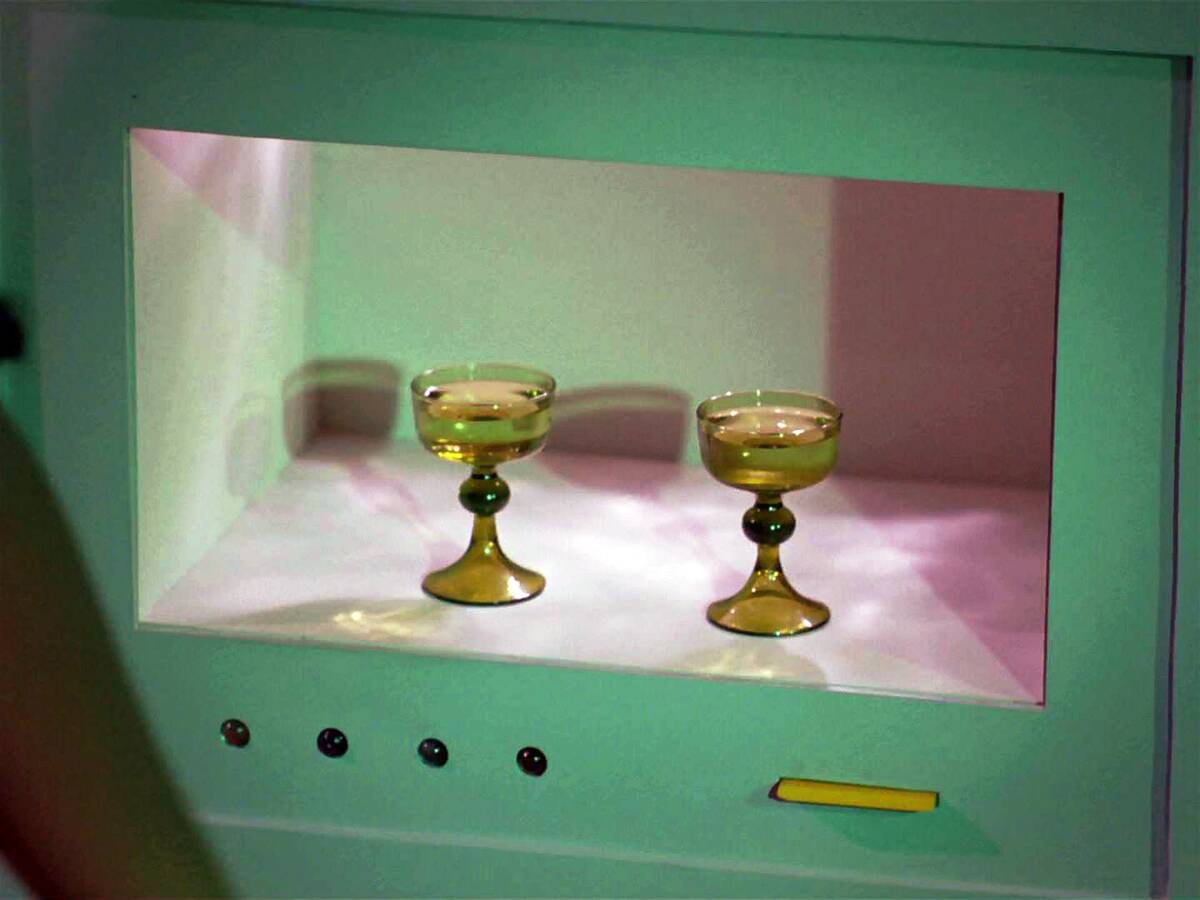
The replicators in Star Trek were capable of creating food and objects on demand, a concept that has inspired the development of 3D printing technology.
While we’re not able to conjure meals out of thin air just yet, 3D printing has made significant strides, allowing for the creation of everything from prosthetics to automobile parts. This technology continues to revolutionize manufacturing and holds promise for future innovations.
Minority Report and the Advent of Gesture-Based Technology
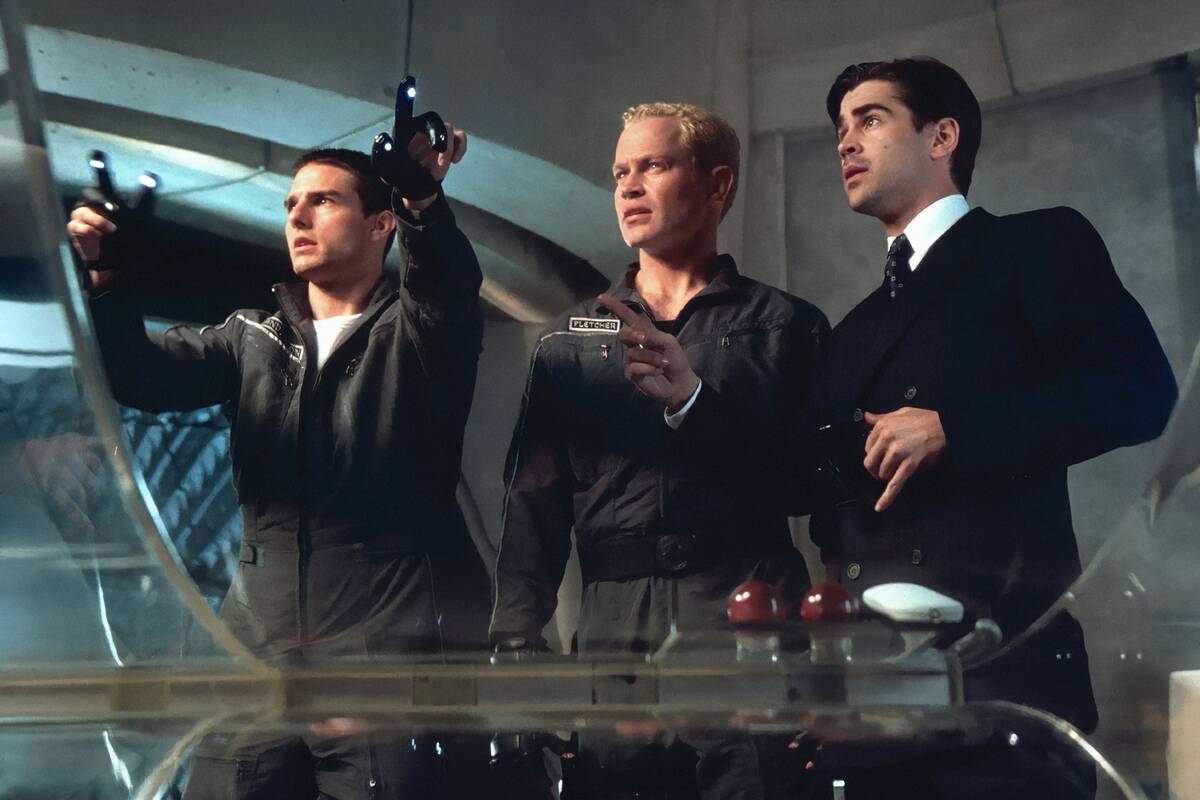
Minority Report, a film set in a near-future world, showcased the use of gesture-based interfaces. Today, we see this technology in action with devices like the Microsoft Kinect and Leap Motion.
These advancements allow users to interact with digital environments through physical gestures, echoing the film’s vision and highlighting sci-fi’s influence on the development of intuitive user interfaces.
The Influence of 1984 on Surveillance Technology
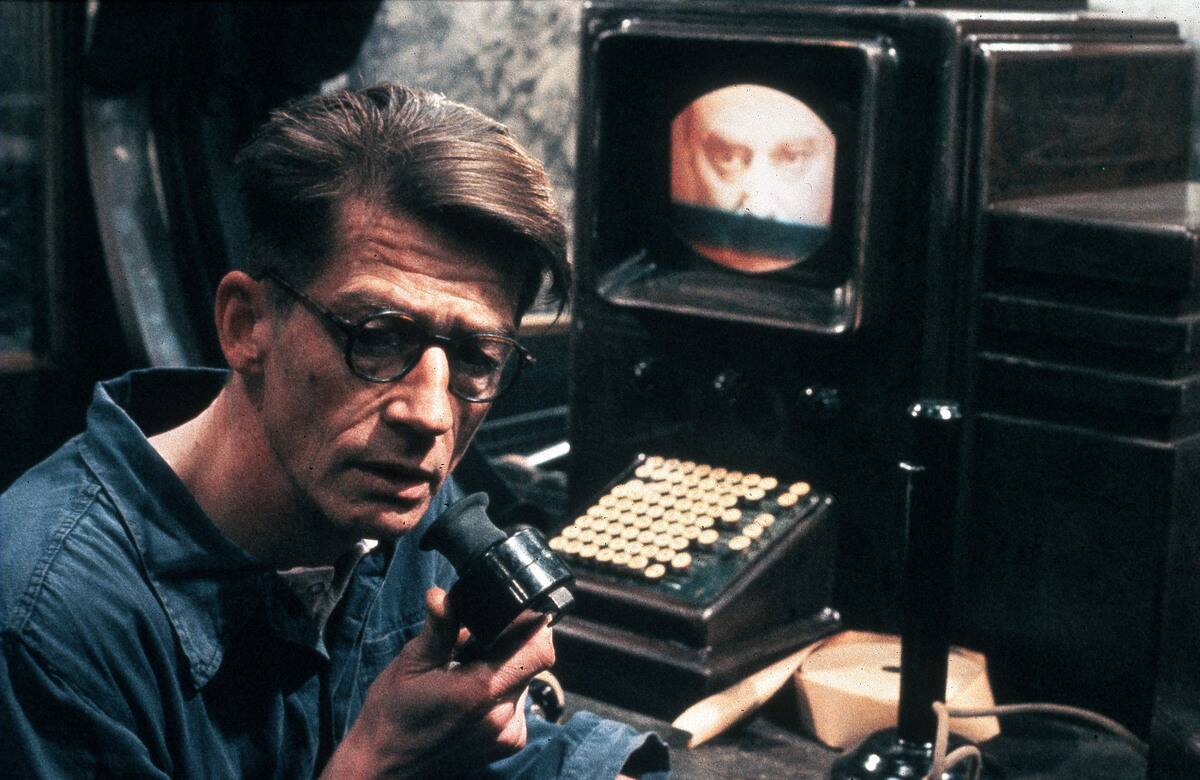
George Orwell’s 1984 presented a chilling vision of a surveillance state, where Big Brother watched every move. This dystopian narrative has sparked discussions about privacy and surveillance in our modern world.
With the advent of CCTV, GPS tracking, and data mining, we find ourselves navigating the delicate balance between security and privacy, a concept that Orwell’s work brought to the forefront.
The Matrix and Virtual Reality Developments
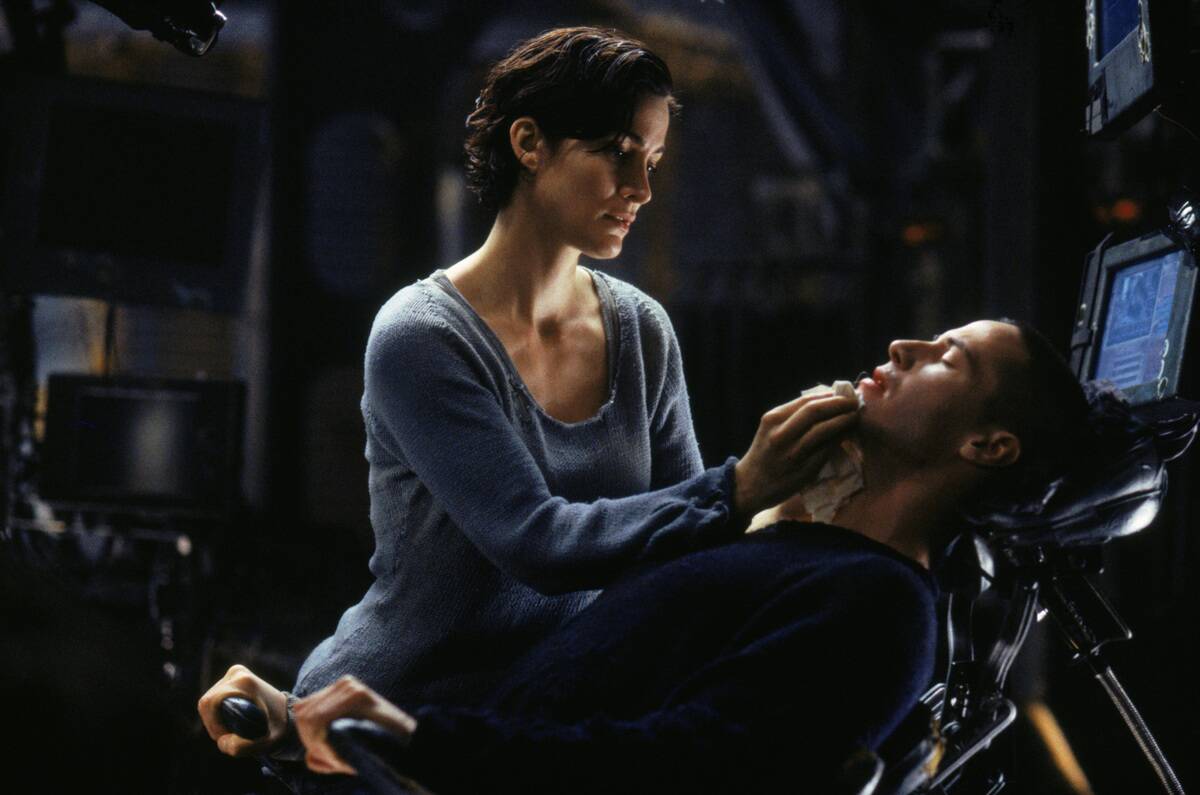
The Matrix introduced audiences to a simulated reality that questioned the nature of existence. Today, virtual reality technology is advancing rapidly, with applications in gaming, education, and training.
While we haven’t reached the level of immersion depicted in the film, VR continues to evolve, offering new ways to experience digital worlds and challenging our perceptions of reality.




