Lost continents supported by fossil evidence
Welcome to the intriguing world of lost continents, where myths blend with scientific inquiry and imagination runs wild. Stories of these mythical lands have fascinated explorers and scientists alike.
From ancient civilizations to modern-day researchers, the allure of discovering a land hidden beneath the ocean’s waves is irresistible. While some tales are purely fictional, others hold a kernel of truth that sparks the quest for understanding Earth’s geological past.
Atlantis: The Most Famous Lost Continent
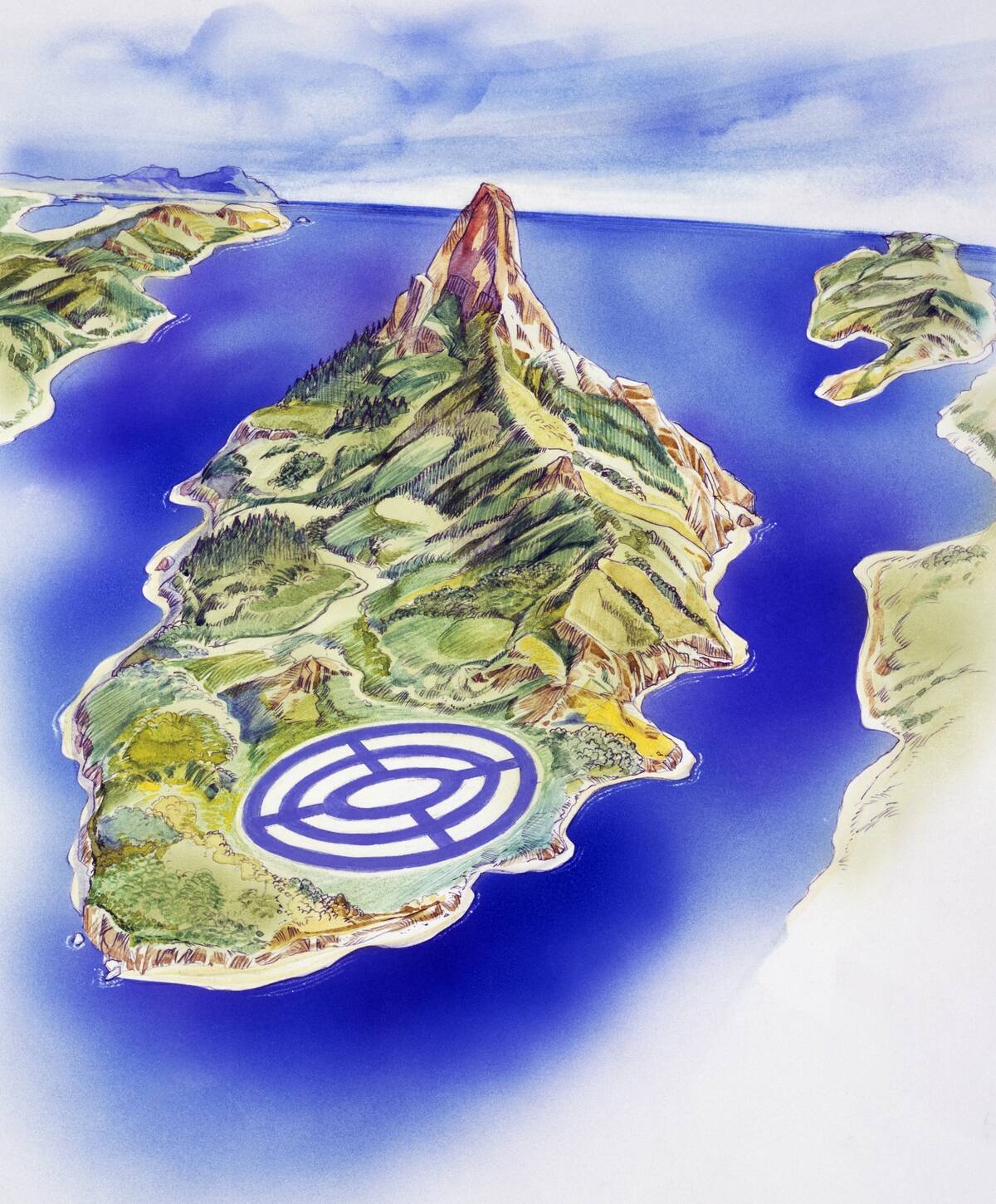
Atlantis, the most celebrated of all lost continents, has captured the imagination since Plato first mentioned it around 360 BC. Described as a powerful and advanced civilization, Atlantis supposedly sank into the ocean ‘in a single day and night of misfortune.’
Despite countless expeditions, its location remains a mystery. From the Mediterranean to the Caribbean, various theories have surfaced, yet the true Atlantis continues to elude us, fueling endless speculation and storytelling.
Lemuria: A Land of Lemurs and Lore
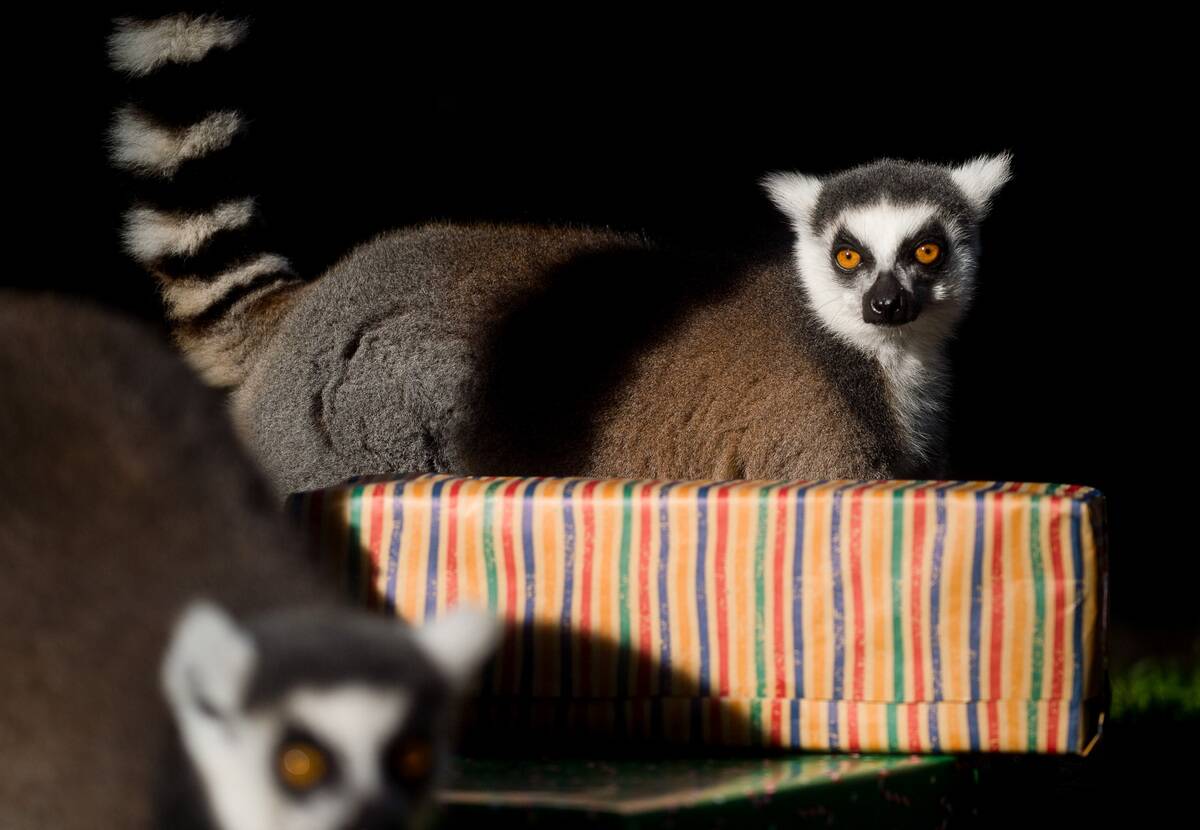
Lemuria, a hypothetical continent, was proposed in the 19th century to explain the distribution of lemurs across Madagascar and India. Scientists speculated that a land bridge once connected these regions, allowing lemurs to migrate.
While the theory of Lemuria has been debunked by plate tectonics, it led to significant scientific inquiry and remains a popular topic in esoteric circles. Today, Lemuria is more myth than reality, but its legacy continues in the realm of science fiction.
Mu: The Pacific’s Sunken Mystery
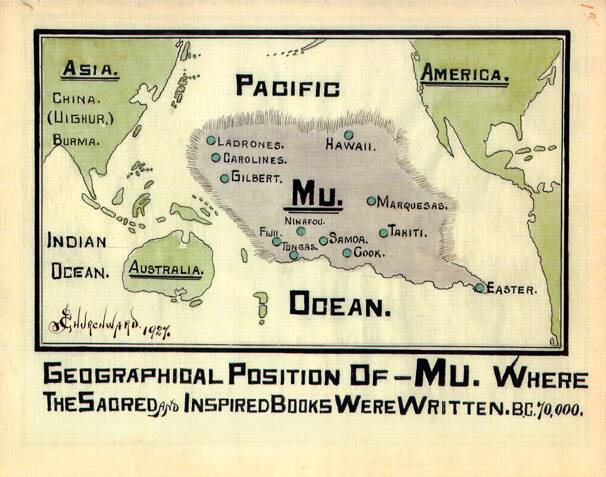
Mu, another legendary lost continent, is said to have existed in the Pacific Ocean. First popularized by James Churchward in the early 20th century, Mu was described as a sprawling civilization that vanished beneath the waves.
Unlike Atlantis, there is little historical evidence supporting Mu’s existence, yet it has inspired countless books and theories. While the Pacific holds many geological secrets, the fabled Mu remains an enigma that beckons the curious and adventurous.
Fossils as Clues to Ancient Worlds
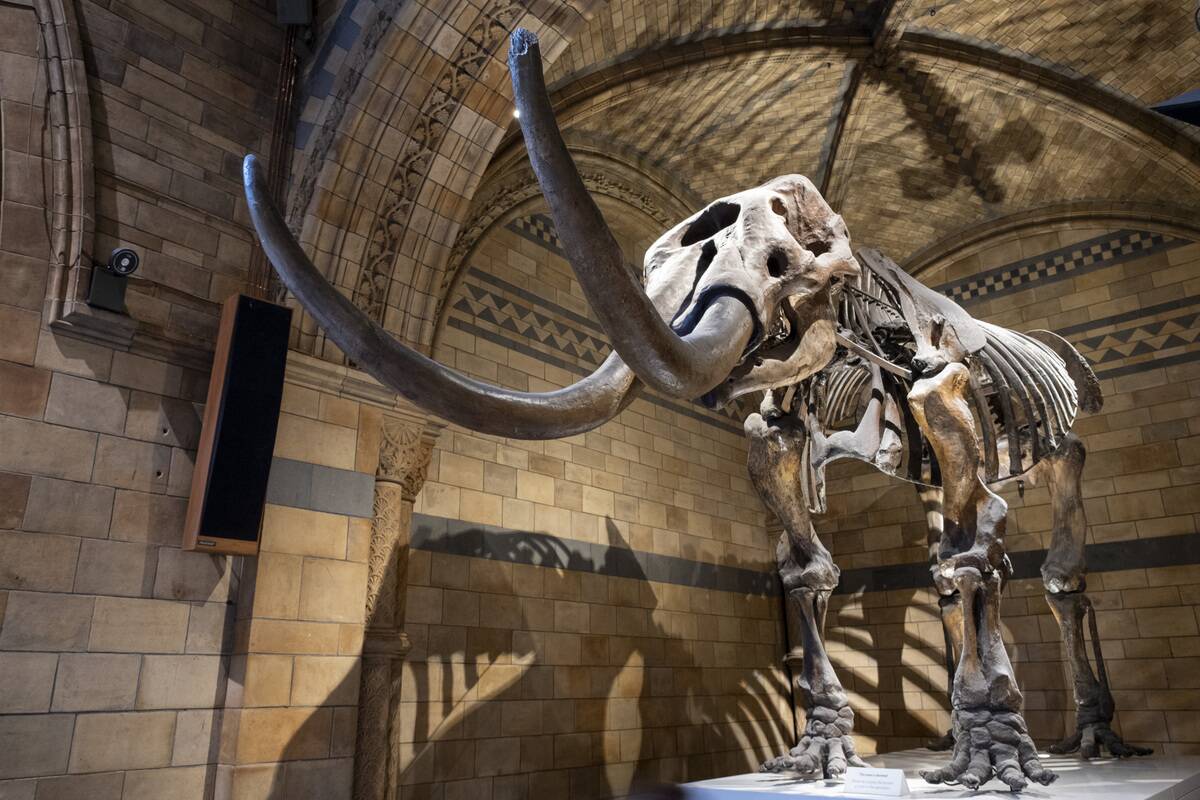
Fossils are time capsules, offering glimpses into ancient worlds long gone. They serve as crucial evidence for reconstructing Earth’s history, revealing past climates, landscapes, and ecosystems.
Fossils have helped scientists identify extinct species and understand evolutionary processes. They also play a key role in piecing together the puzzle of continental drift and the existence of land bridges. By studying fossils, we can trace the movement of continents and the life they once supported.
The Role of Plate Tectonics in Shaping Continents
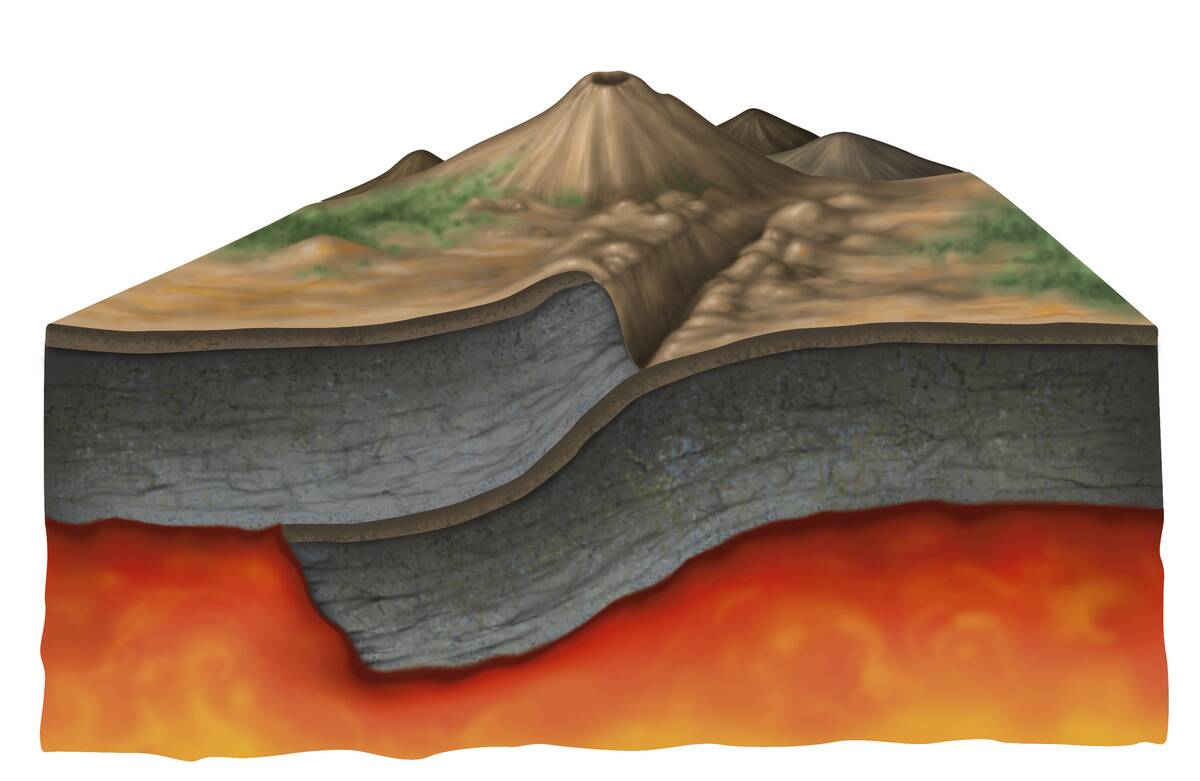
Plate tectonics is the driving force behind the ever-changing face of our planet. The Earth’s crust is divided into several plates that float on the semi-fluid mantle beneath. As these plates move, they reshape continents, create mountains, and trigger earthquakes.
This dynamic process explains the separation of supercontinents like Pangaea and the formation of ocean basins. Understanding plate tectonics is essential for unraveling the mysteries of lost continents and the ancient landscapes they once formed.
The Curious Case of Gondwana
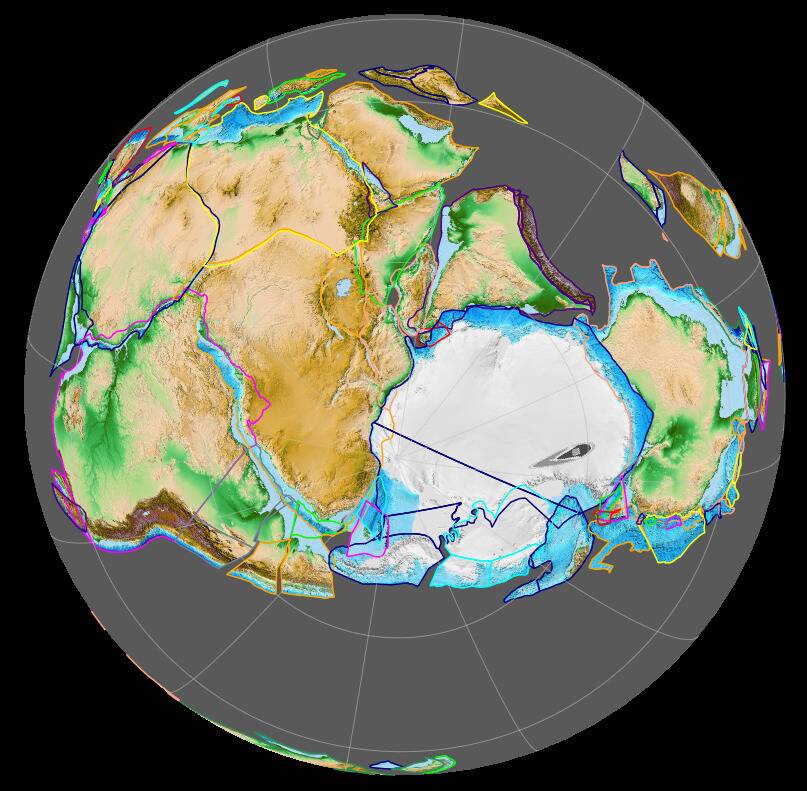
Gondwana was a massive supercontinent that existed from the Neoproterozoic to the Jurassic period. It included present-day South America, Africa, Antarctica, Australia, and the Indian subcontinent.
The breakup of Gondwana around 180 million years ago led to the continents we recognize today. Fossil evidence, such as the distribution of the plant Glossopteris, supports the existence and configuration of Gondwana. This ancient landmass is a key piece in the puzzle of Earth’s geological history.
Pangaea: The Supercontinent That Wasn’t So Lost
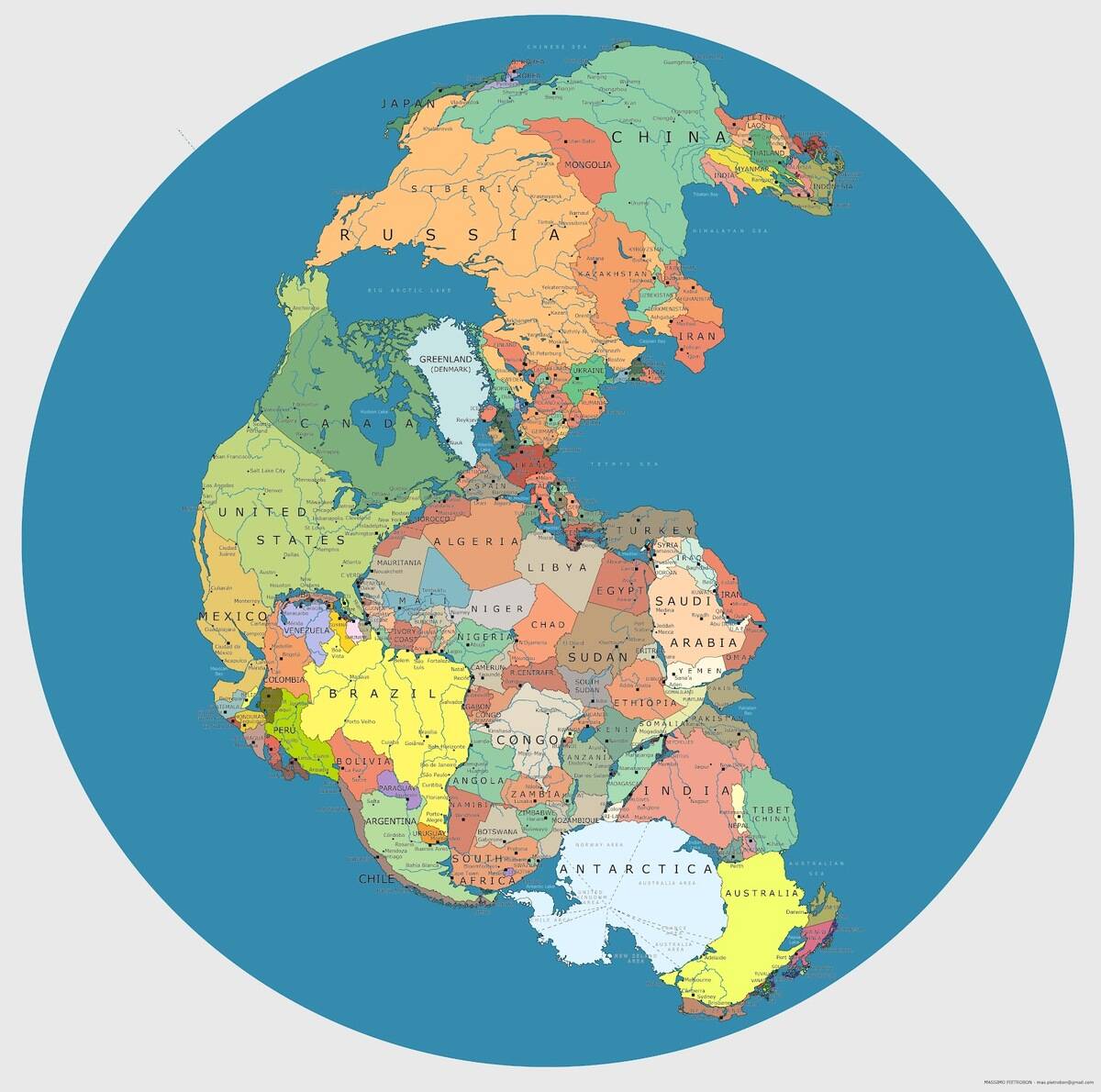
Unlike Atlantis or Lemuria, Pangaea is a scientifically verified supercontinent that existed around 335 million years ago. It began breaking apart about 175 million years ago, leading to the formation of the continents we know today.
The concept of Pangaea was pivotal in developing the theory of plate tectonics. Fossil distribution across continents supports its existence, highlighting how landmasses once connected. While not lost, Pangaea’s story offers insights into Earth’s dynamic geological history.
The Mesosaurus Mystery: A Fossil Tale
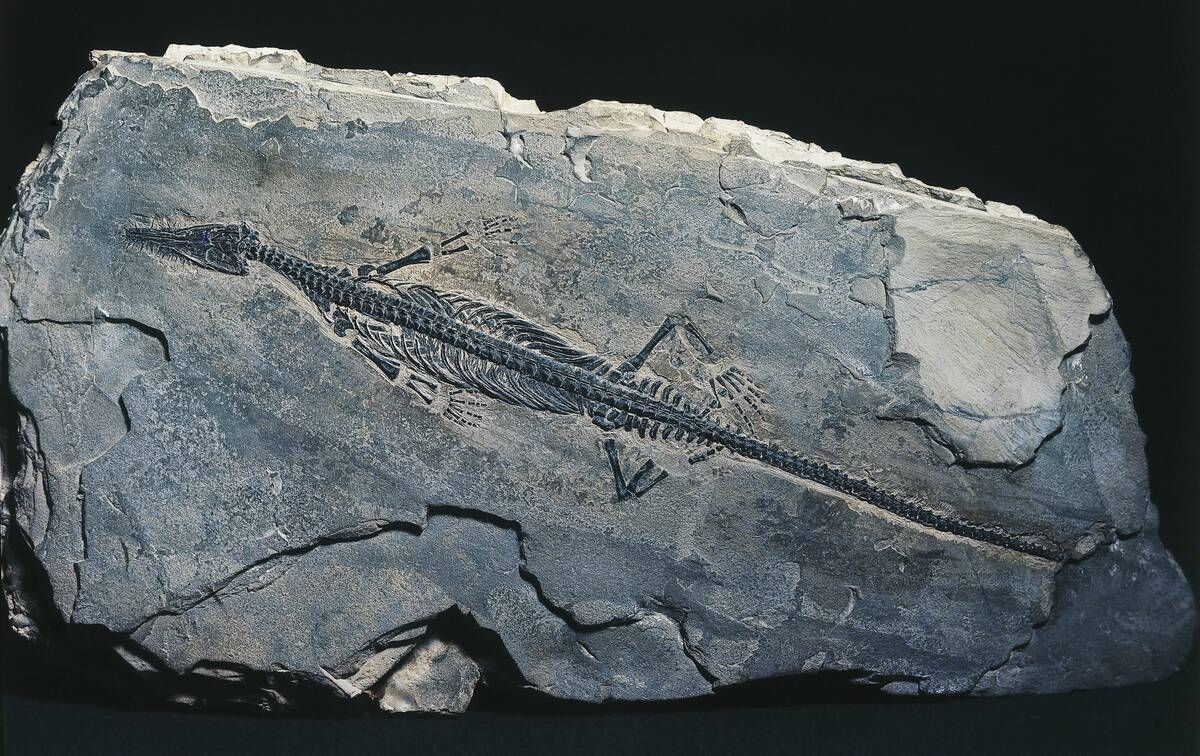
The Mesosaurus fossil is a fascinating clue in the study of continental drift. This small, aquatic reptile lived during the early Permian period and has been found in both South America and Africa.
Its presence on these distant continents suggests they were once joined, supporting the theory of Pangaea. Mesosaurus couldn’t have crossed the vast Atlantic Ocean, making it a critical piece of evidence for continental drift. This fossil tale highlights the interconnectedness of Earth’s geological past.
The Story of Lystrosaurus and Continental Drift
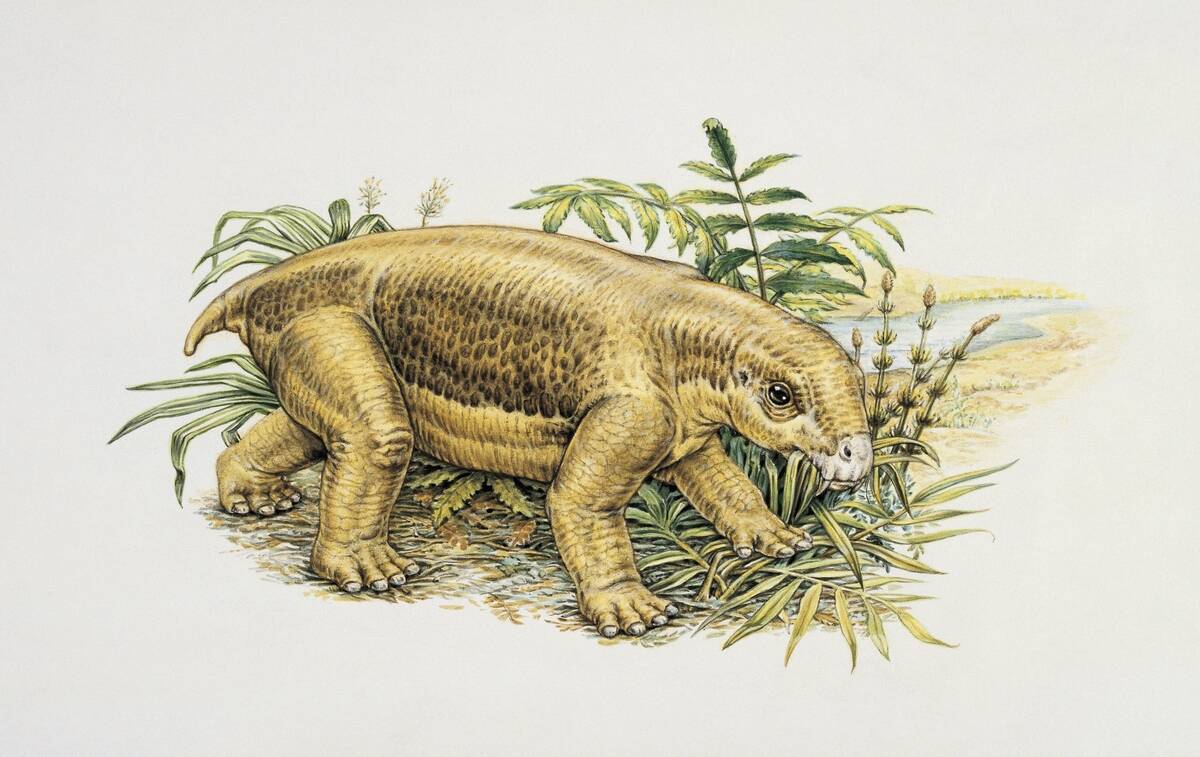
Lystrosaurus was a dicynodont therapsid that lived from the Late Permian into the Early Triassic. Its fossils have been found in places such as Antarctica, India, and South Africa, suggesting these landmasses were once connected.
Lystrosaurus thrived during the Early Triassic period, and its widespread distribution provided key evidence for the existence of Pangaea. This story underscores how fossils can illuminate past connections between continents, leading to groundbreaking scientific discoveries.
How Fossils Help Trace Ancient Land Bridges
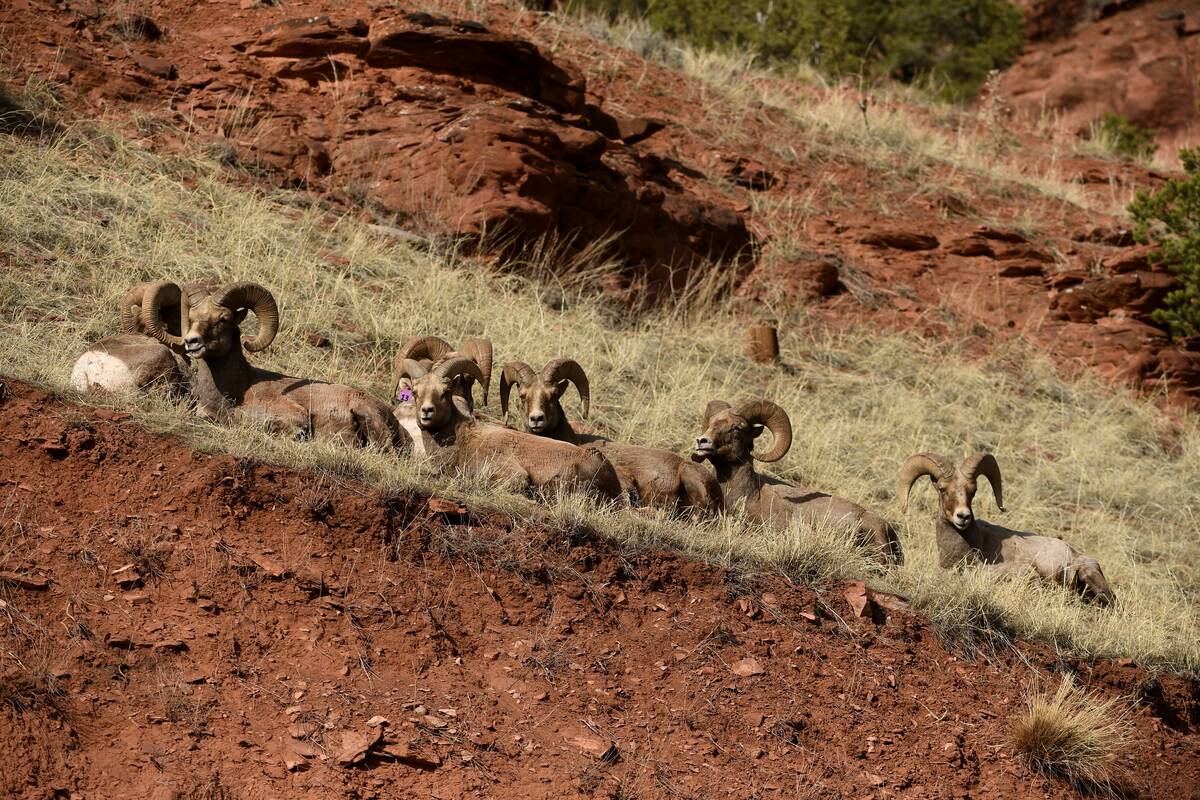
Fossils are essential for identifying ancient land bridges that once connected continents. For instance, the presence of similar species on distant landmasses suggests a historical link. Land bridges like the Bering Land Bridge enabled the migration of animals and humans between Asia and North America.
By studying fossil records, scientists can reconstruct these connections, revealing patterns of migration and evolution. These insights help us understand how species dispersed across the globe throughout Earth’s history.
Real-Life “Lost Continents” Discovered Beneath the Waves
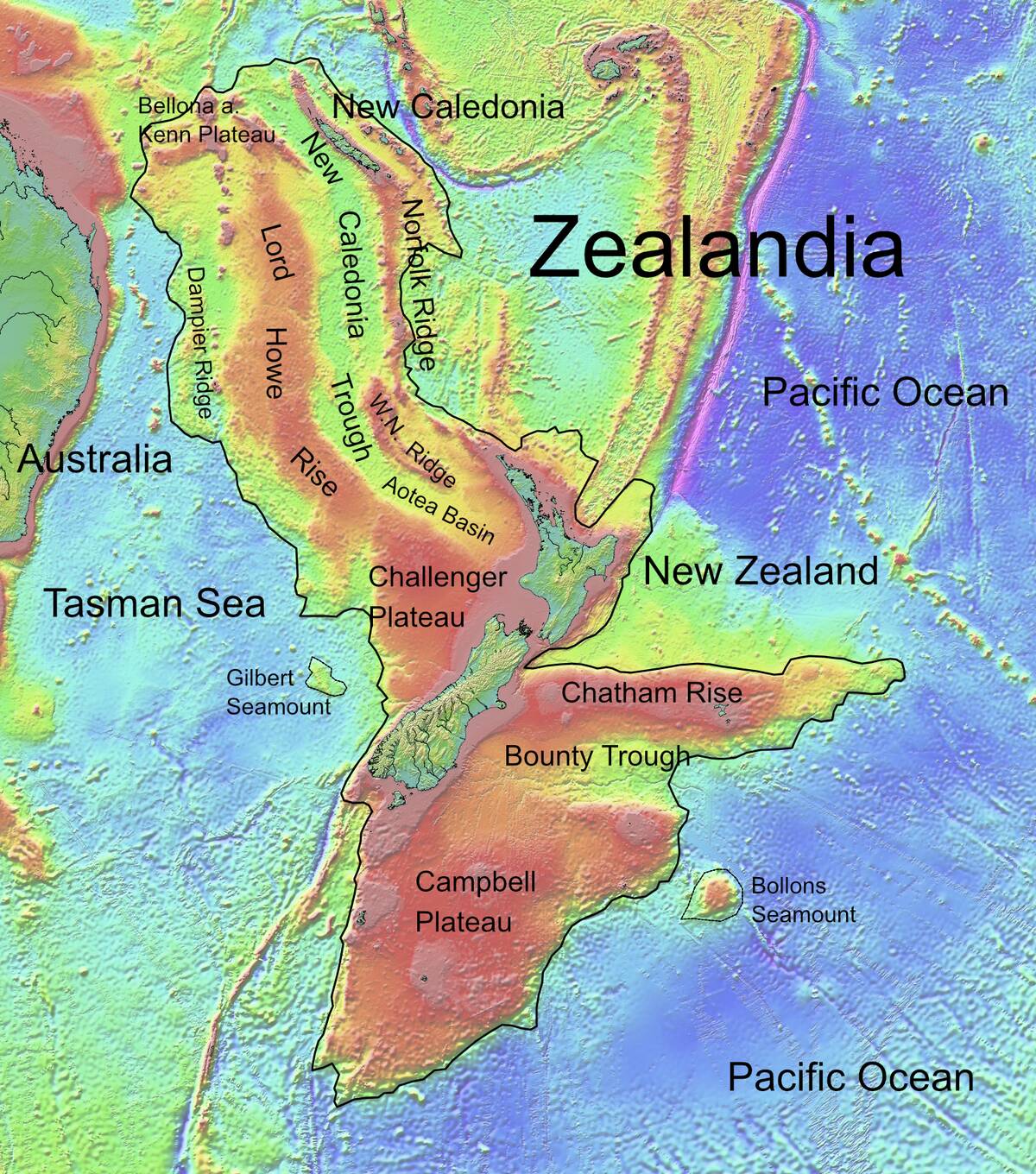
While mythical continents like Atlantis remain elusive, real submerged landmasses have been discovered. Zealandia, for example, is a nearly submerged continent beneath the southwest Pacific Ocean. It broke away from the supercontinent Gondwana millions of years ago.
Scientists widely recognized Zealandia as a continent in 2017, highlighting how Earth’s surface is more dynamic than previously thought. These discoveries show that the idea of lost continents isn’t entirely fictional and continues to intrigue researchers.