Early inventions that worked better than expected
In the tapestry of human history, certain machines have woven themselves into the fabric of society, reshaping how we live, work, and communicate. These early inventions, although primitive by today’s standards, laid the groundwork for modern technology.
From simple contraptions to complex devices, these machines were the pioneers of innovation, sparking revolutions in various industries. Their impact was profound, signaling the dawn of an era where human ingenuity knew no bounds.
The Spinning Jenny: Revolutionizing the Textile Industry
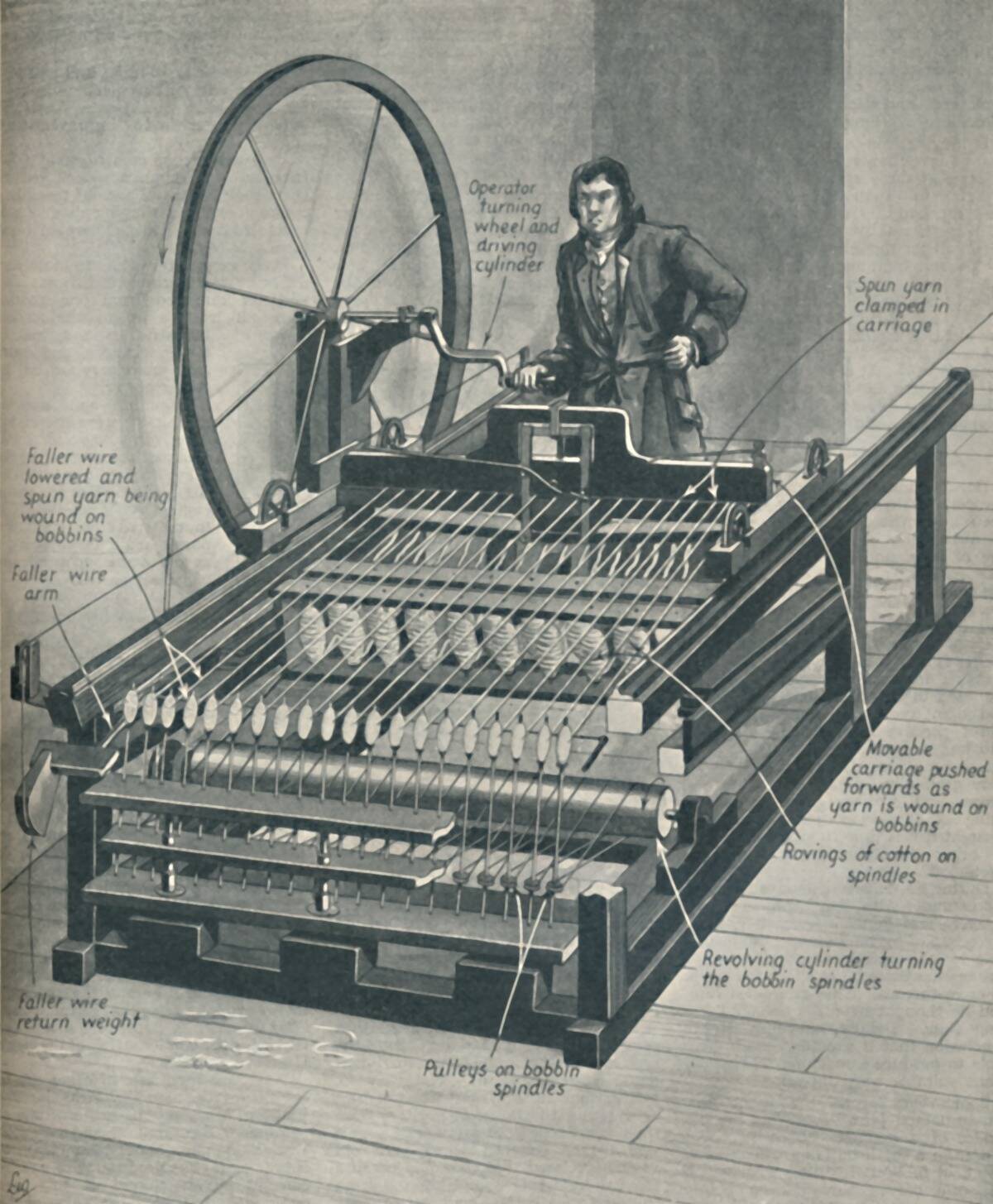
Meet the Spinning Jenny, an ingenious creation by James Hargreaves in 1764. This multi-spindle spinning frame transformed the textile industry by enabling workers to spin multiple threads simultaneously.
Before its invention, spinning was a labor-intensive task, but the Spinning Jenny changed the game, increasing productivity and reducing labor costs. It was a crucial step in the industrialization of textile manufacturing, setting the stage for future advancements.
The Cotton Gin: A Game-Changer for Cotton Processing
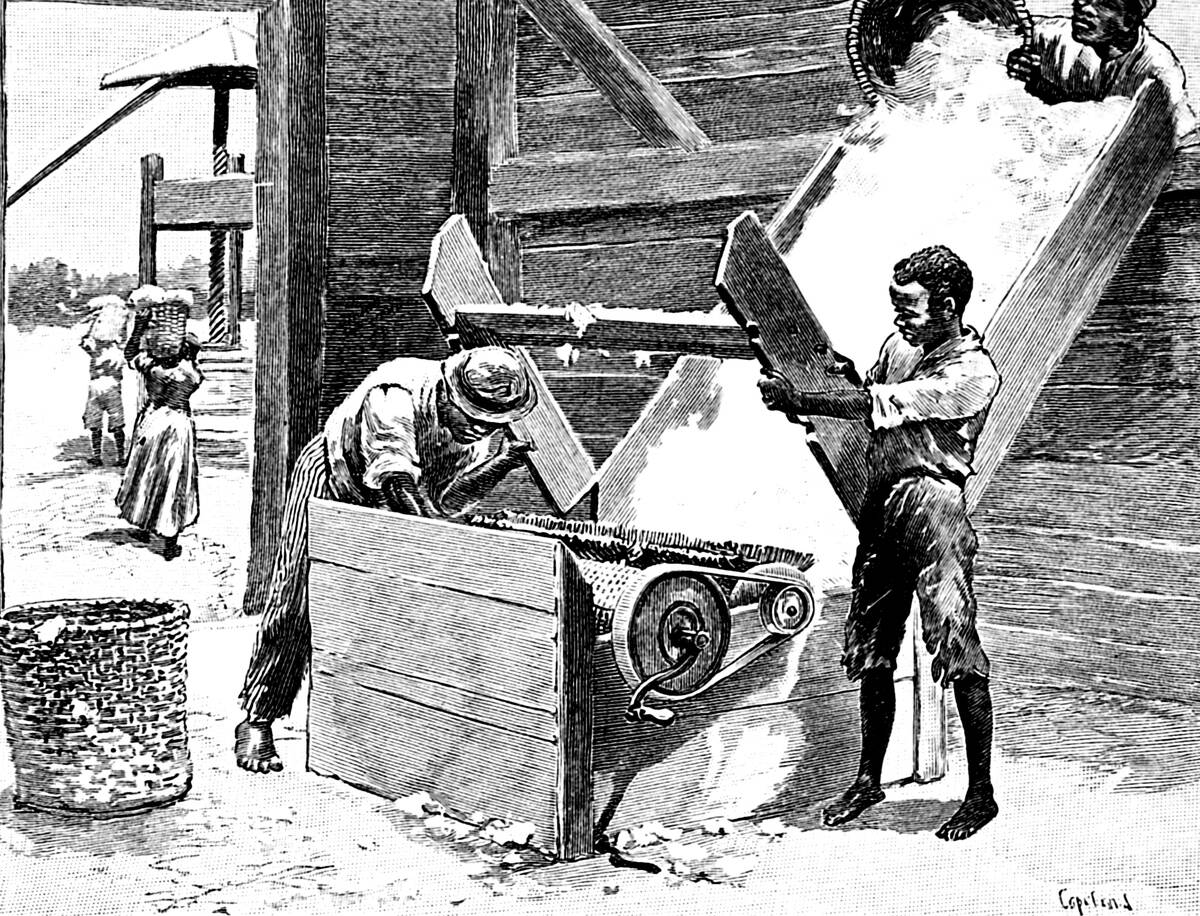
Invented by Eli Whitney in 1793, the cotton gin was a pivotal breakthrough in cotton processing. This machine efficiently separated cotton fibers from their seeds, a task that was previously arduous and time-consuming.
The cotton gin drastically increased the amount of cotton that could be processed, fueling the growth of the cotton industry in the United States. However, it’s important to note that it also inadvertently bolstered the institution of slavery, as the demand for cotton and, consequently, slave labor increased.
The Power Loom: Weaving the Future
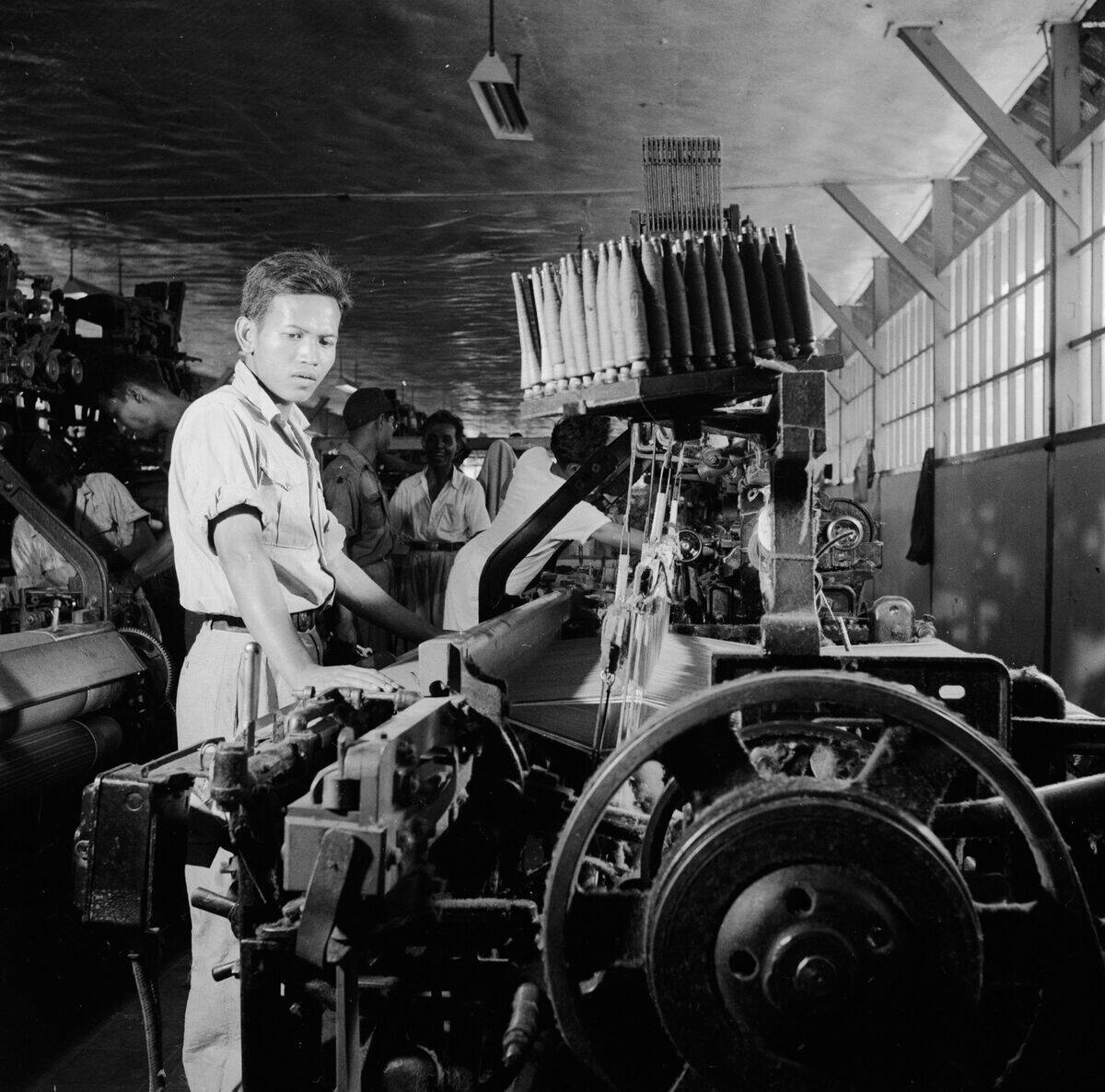
The power loom, first designed by Edmund Cartwright in the late 18th century, was another milestone in textile manufacturing. This mechanized loom automated the weaving process, significantly boosting production speed and fabric quality.
The power loom’s efficiency brought textiles within reach of the masses, democratizing fashion and fostering new trends. Its adoption marked a shift toward factory-based production, a hallmark of the Industrial Revolution.
The Steam Engine: Full Steam Ahead into the Industrial Age
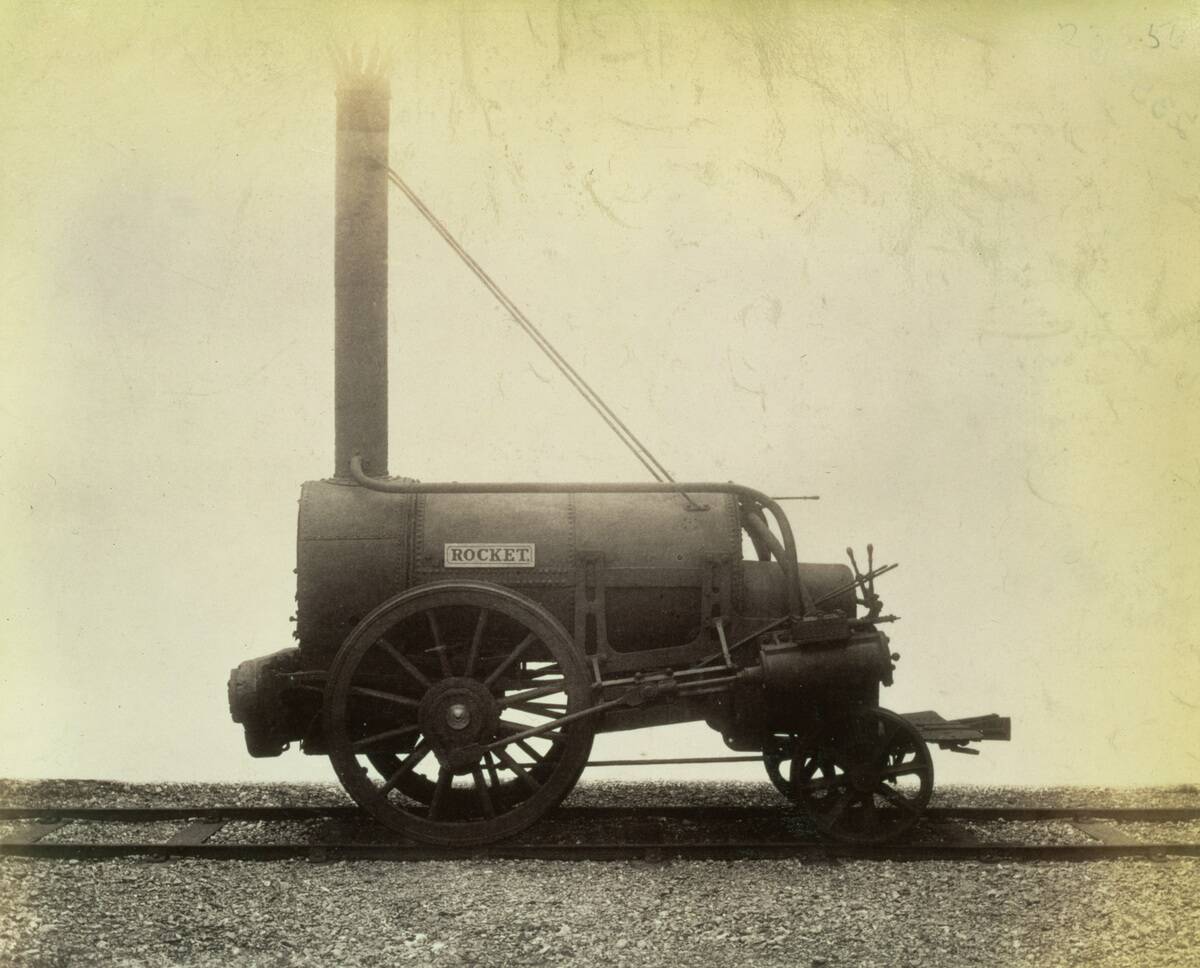
The steam engine, perfected by James Watt in the late 1700s, was the powerhouse behind the Industrial Revolution. By converting steam into mechanical energy, it powered factories, locomotives, and ships, reshaping transportation and manufacturing.
This innovation was key in shifting economies from agrarian to industrial, accelerating urbanization and economic growth. Its versatility and power set the stage for the modern world, making it one of history’s most influential inventions.
The Telegraph: Connecting the World One Message at a Time
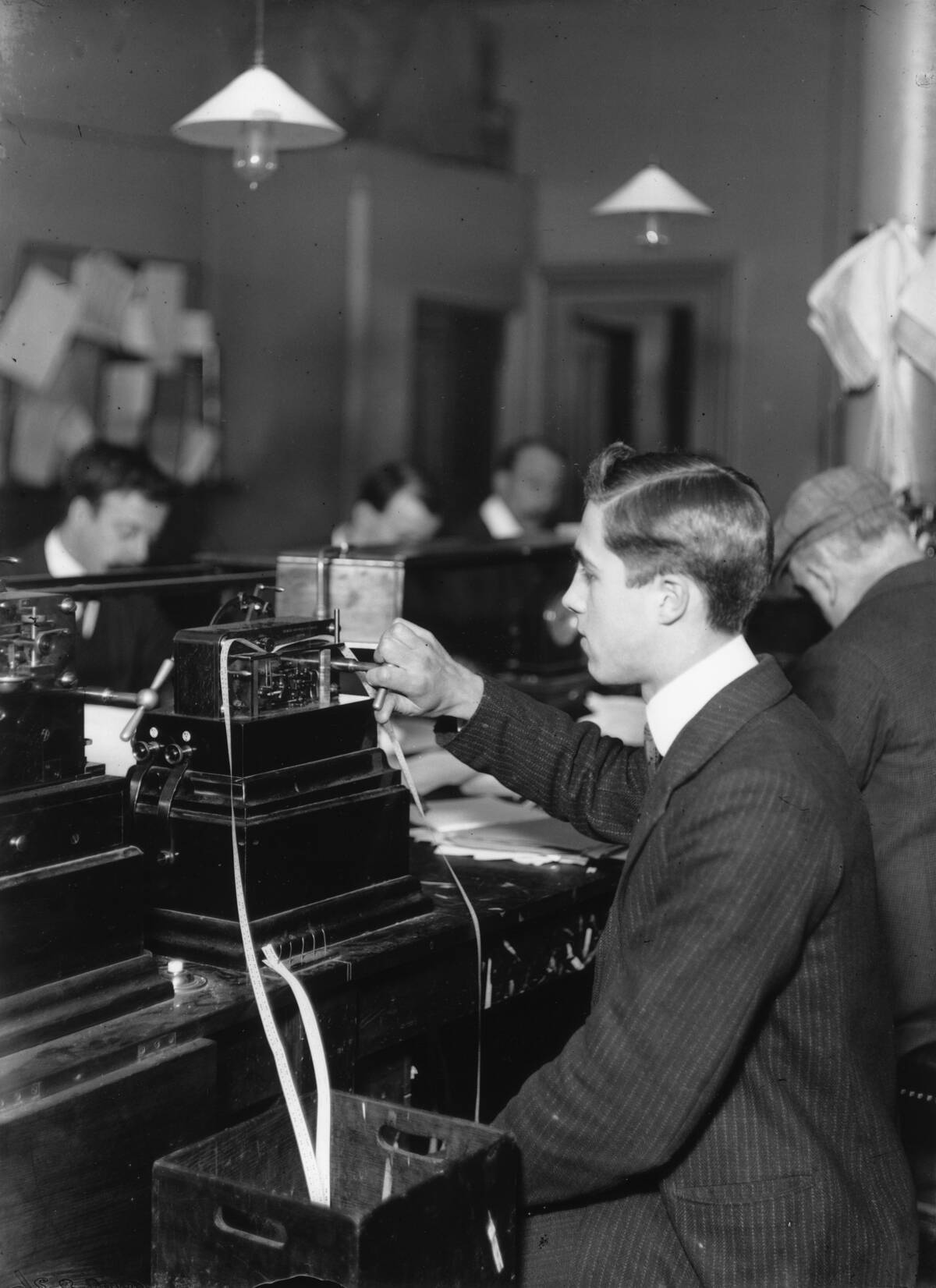
Before the internet, there was the telegraph—an invention that revolutionized long-distance communication. Samuel Morse’s development of the Morse code and the electric telegraph in the 1830s enabled messages to be sent swiftly across continents.
This breakthrough shrank the world, allowing for instant communication across great distances. It facilitated international diplomacy, commerce, and personal connections, fundamentally altering the pace and nature of information exchange.
The Printing Press: The Original Information Superhighway
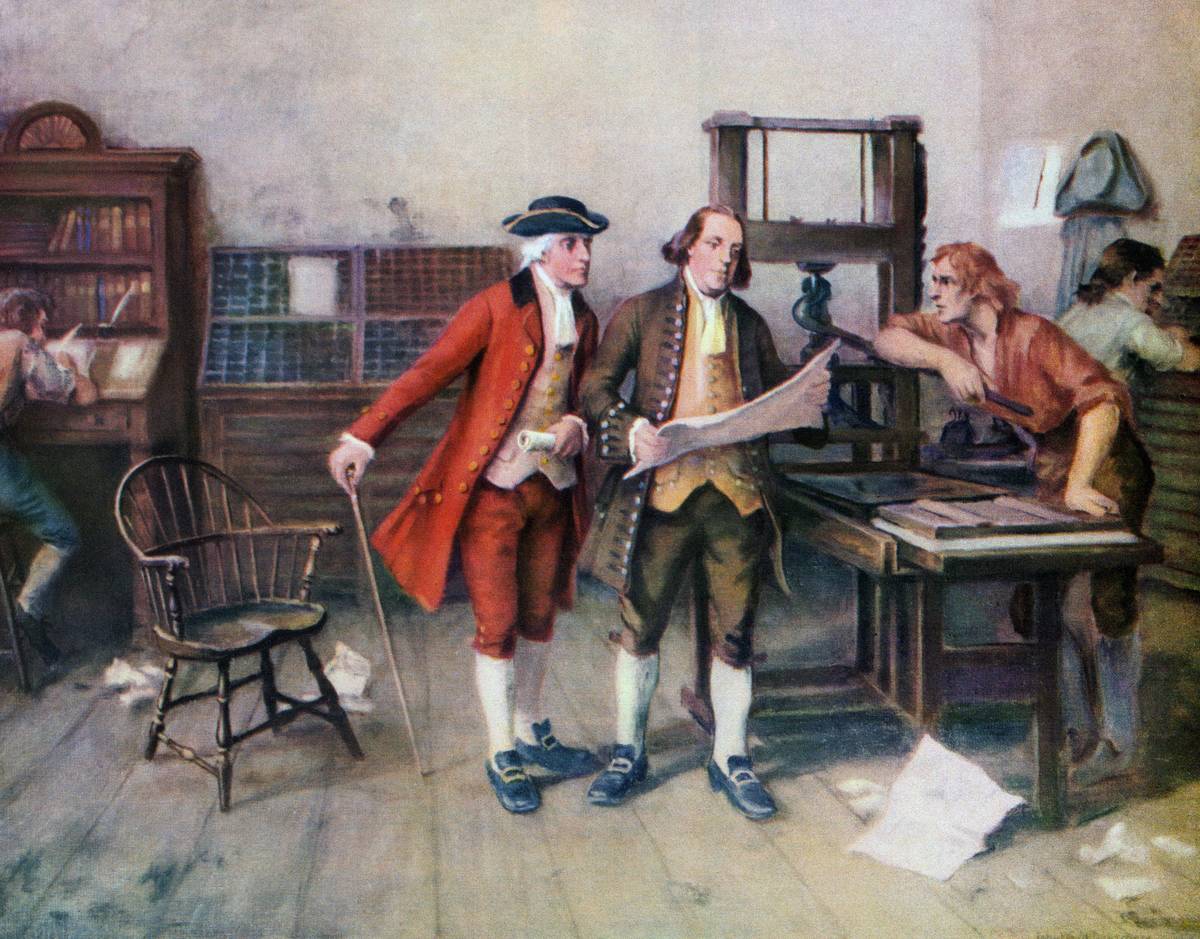
Johannes Gutenberg’s printing press, introduced around 1440, was a catalyst for the dissemination of knowledge. By making books more accessible and affordable, it spurred the spread of ideas and literacy.
The printing press played a crucial role in the Renaissance, Reformation, and the Scientific Revolution, empowering individuals with knowledge and fostering critical thinking. It was, in essence, the internet of its time, breaking the monopoly of information held by the elite.
The Sewing Machine: Stitching Together the Fabric of Society
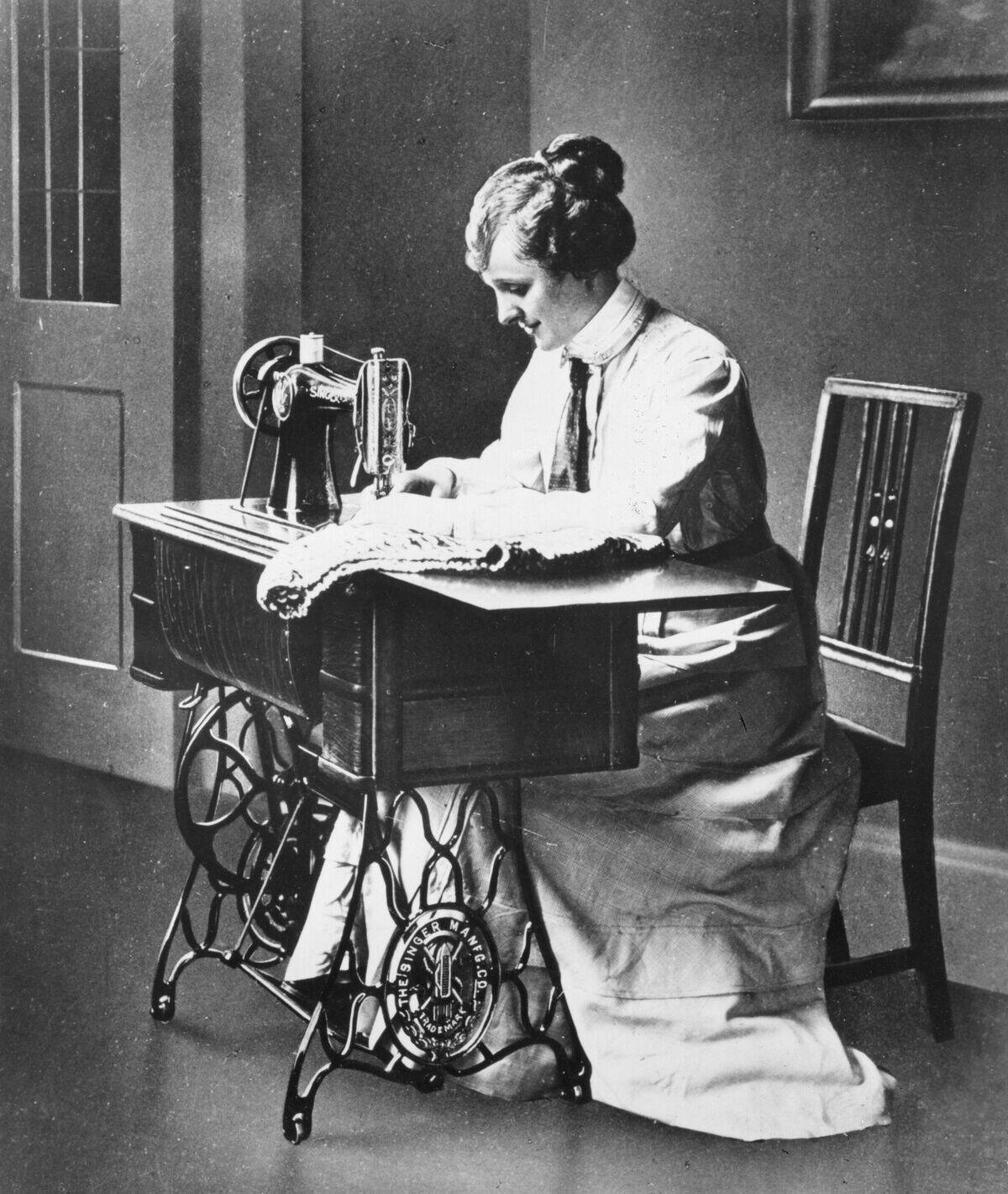
The sewing machine, with its first patent by Elias Howe in 1846, revolutionized garment production. By automating the sewing process, it drastically reduced the time required to produce clothing.
This innovation was particularly significant for women, who were the primary seamstresses at the time, offering them new opportunities for employment and entrepreneurship. The sewing machine not only transformed the textile industry but also played a role in shaping social dynamics.
The Typewriter: Typing Its Way into Homes and Offices
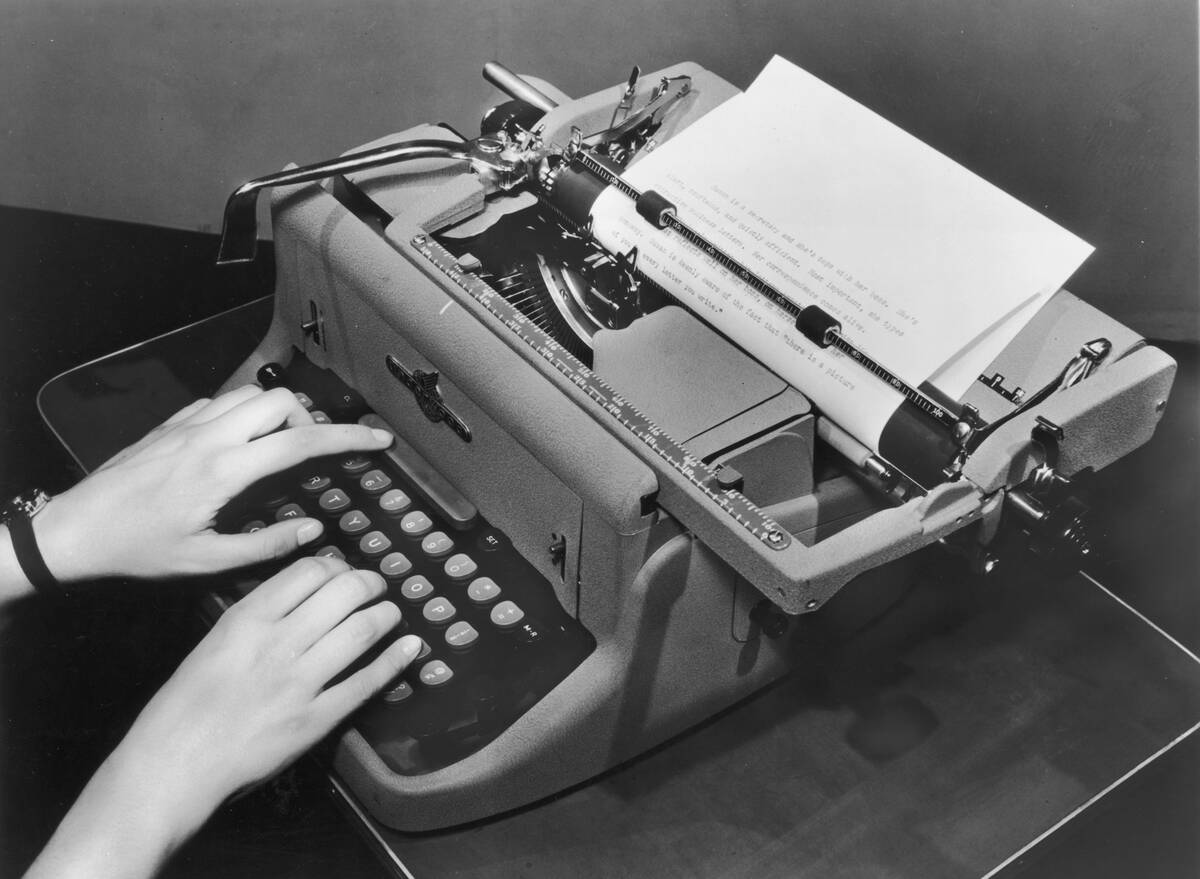
The typewriter, patented by Christopher Latham Sholes in 1868, brought about a new era of written communication. It standardized the appearance of documents and increased the speed of writing, making it an indispensable tool in offices worldwide.
The typewriter also opened up new job opportunities for women as typists, contributing to the changing gender roles in the workplace. It paved the way for future advancements in communication technology, leading to the computers we use today.
The Phonograph: Bringing Music to the Masses
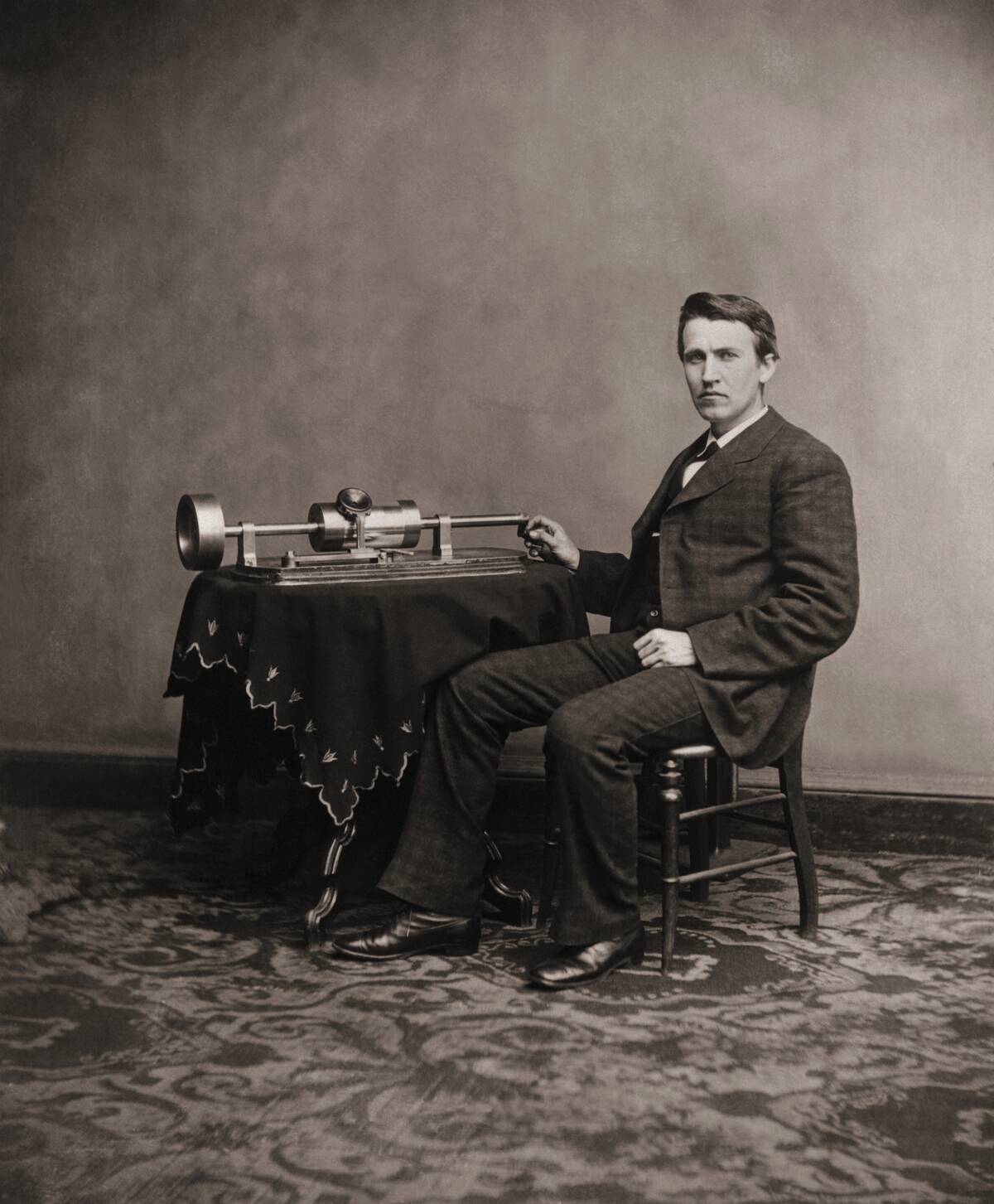
Invented by Thomas Edison in 1877, the phonograph was the first device capable of recording and reproducing sound. This innovation transformed the music industry by enabling people to enjoy music at home.
It democratized access to music, allowing a broader audience to experience a wide range of genres and artists. The phonograph laid the foundation for the development of the music player devices we know today, revolutionizing how we consume and appreciate music.
The Bicycle: Pedaling Into a New Era of Transportation
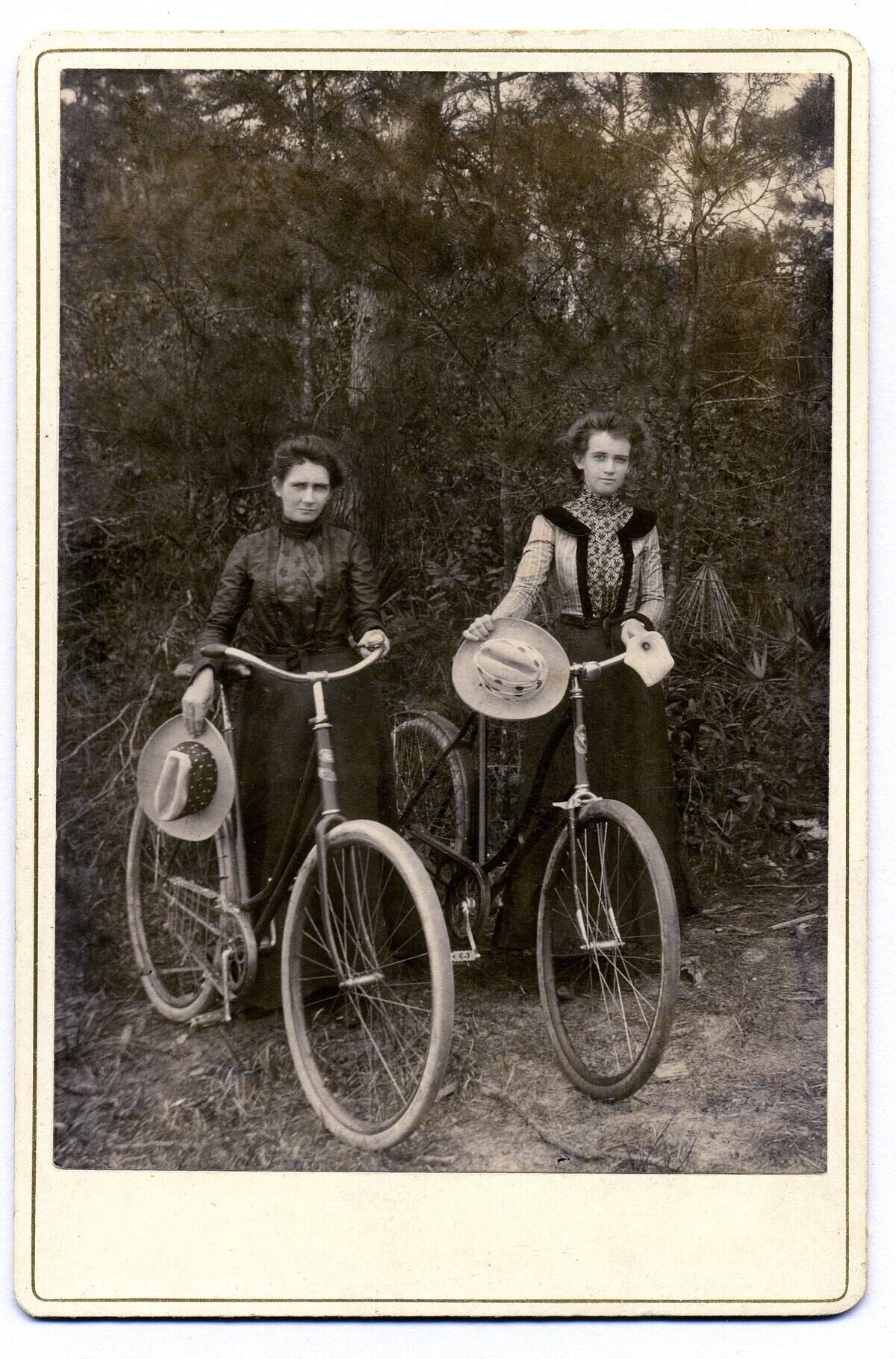
The bicycle, with its modern design developed in the late 19th century, became a symbol of freedom and mobility. It was an affordable and efficient mode of transportation, offering independence to people of all ages.
The bicycle also played a significant role in social changes, particularly in promoting gender equality, as it allowed women more freedom of movement. Its popularity triggered a cultural shift, influencing everything from fashion to urban planning.
The Light Bulb: Illuminating the Path Forward
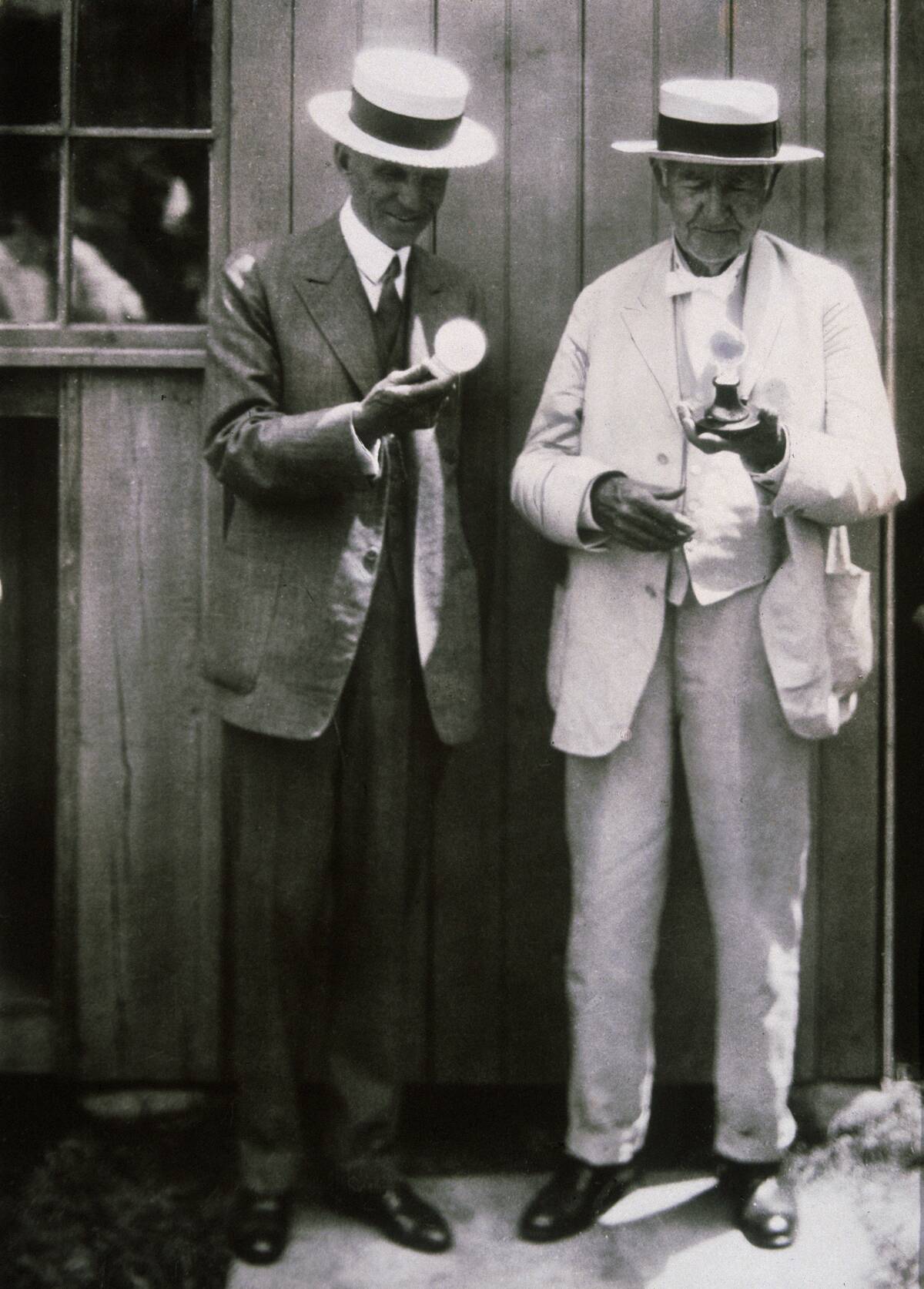
Thomas Edison’s practical incandescent light bulb, developed in 1879, was a beacon of innovation that illuminated the world. By providing a reliable and long-lasting source of light, it extended productive hours and transformed everyday life.
The light bulb’s impact was profound, ushering in an era of electrification that powered homes, streets, and industries. It symbolized human progress, lighting the way for future technological advancements and inspiring a brighter future.
The Telephone: Ringing in a New Era of Communication
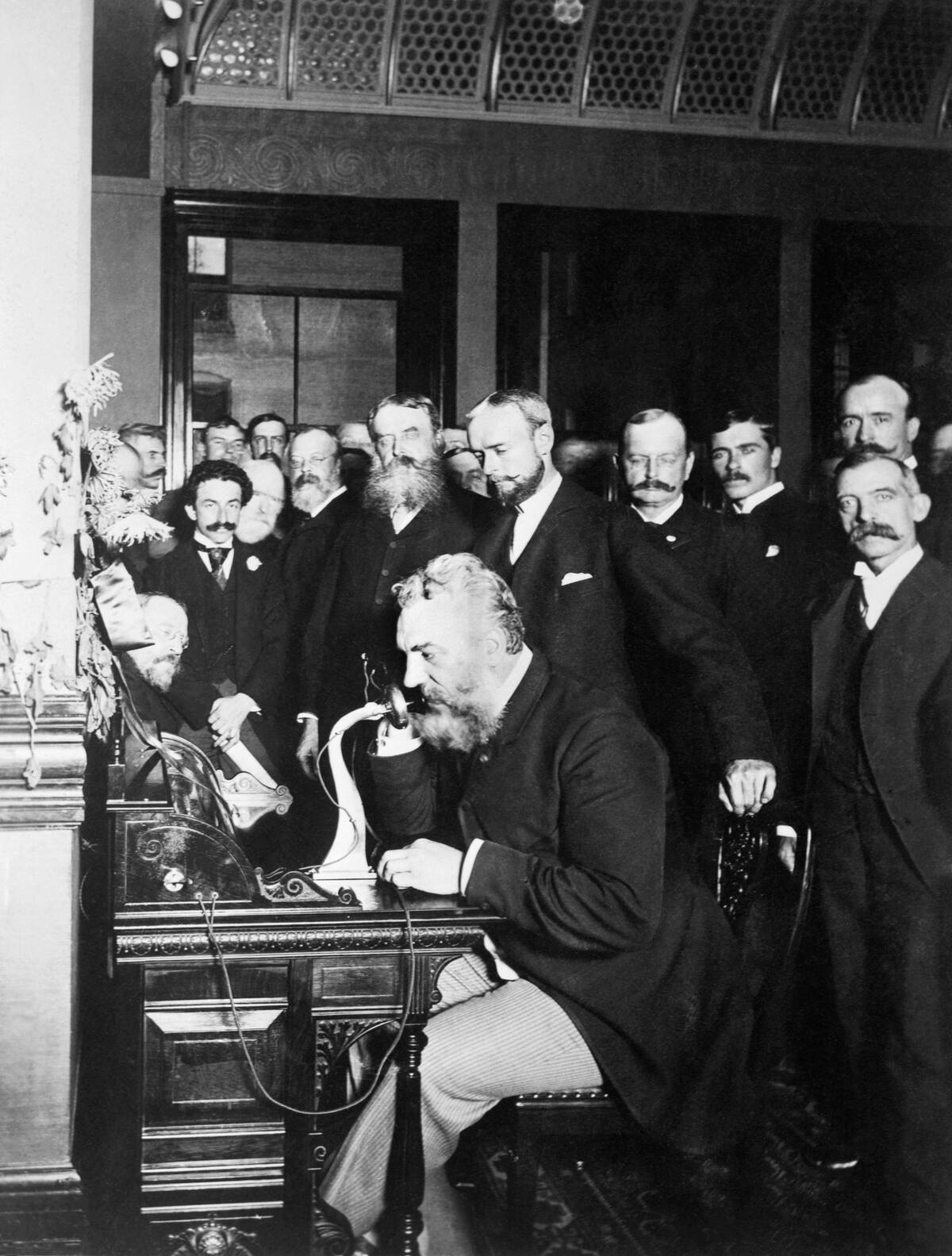
Alexander Graham Bell’s invention of the telephone in 1876 forever changed how we communicate. It allowed people to talk directly over long distances, breaking down barriers of time and space.
The telephone revolutionized personal and business communication, establishing a framework for the global communications network we rely on today. It was a significant leap forward from the telegraph, setting the stage for more advanced communication technologies.
The Radio: Tuning into the Airwaves
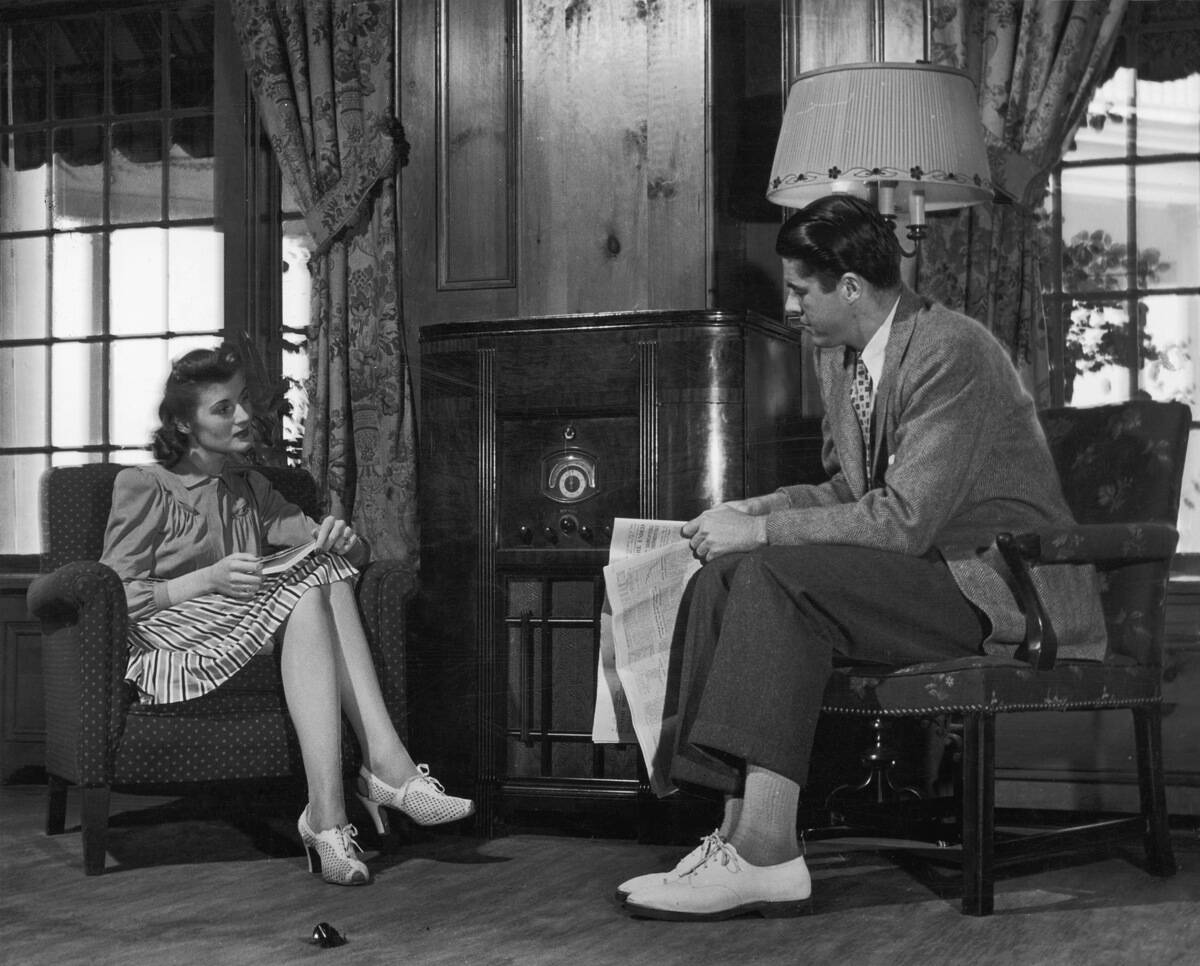
The radio, with its ability to broadcast sound wirelessly, was a groundbreaking invention in the early 20th century. It quickly became a staple in households, providing entertainment, news, and education. Radio broadcasts connected communities, offering a shared experience that transcended geographic boundaries.
It played a crucial role during pivotal moments in history, such as World War II, serving as a vital communication tool. The radio’s legacy continues today, evolving into podcasts and digital streaming.
The Camera: Capturing Moments and Memories
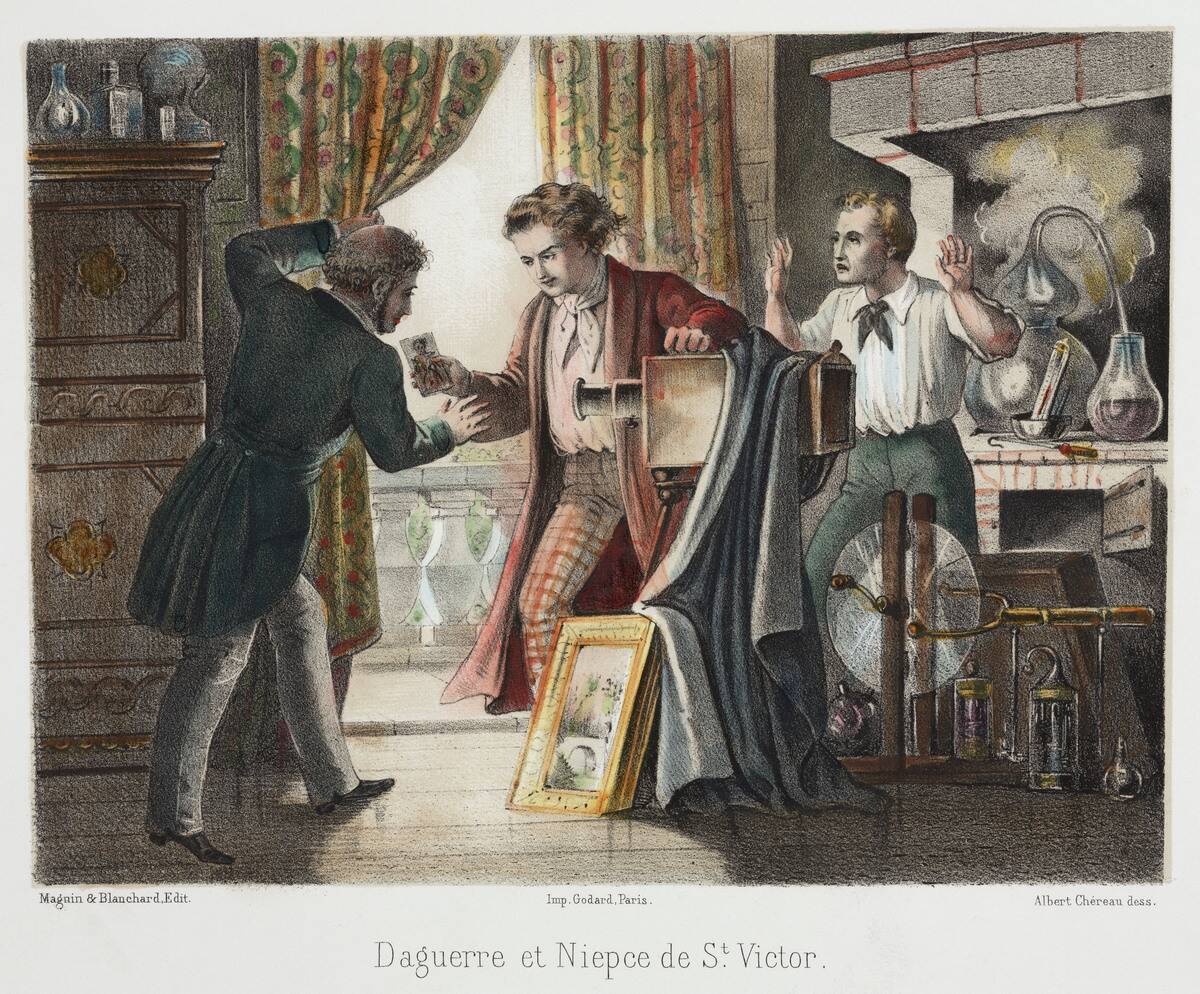
The camera, with its origins in the early 19th century, transformed how we capture and preserve memories. Innovations by pioneers like Louis Daguerre and George Eastman made photography accessible to the masses.
The camera allowed people to document their lives, share experiences, and tell stories through images. It has evolved significantly over the years, from bulky apparatuses to digital devices, becoming an integral part of our daily lives and shaping the way we see the world.