Decisions that altered the course of history
Every day, we make countless decisions, often unaware of how they might shape the future. From trivial choices like what to have for breakfast, to monumental ones that alter the course of history, the power of a single decision is undeniable.
In this journey, we’ll explore fascinating moments where a simple choice led to groundbreaking outcomes, illustrating how one decision can echo through time, leaving an indelible mark on the world.
The Butterfly Effect: Small Choices with Big Consequences
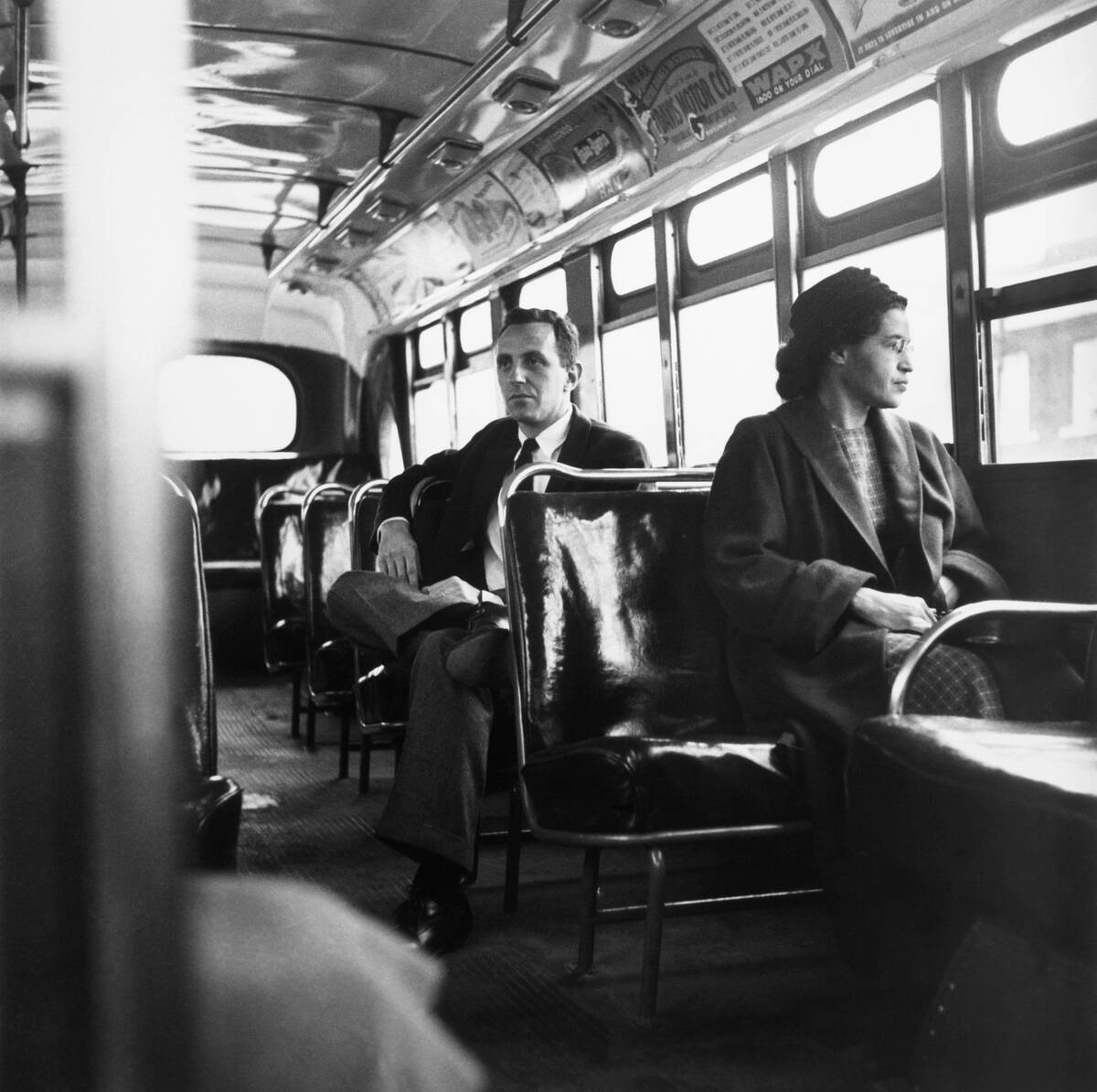
The term ‘butterfly effect’ comes from chaos theory, suggesting that small changes can lead to significant impacts. This idea was popularized by meteorologist Edward Lorenz, who found that tiny changes in a weather model could lead to vastly different forecasts.
Similarly, history is full of examples where minor decisions have created ripple effects, such as Rosa Parks refusing to give up her bus seat, which sparked the Civil Rights Movement in the U.S.
The Beatles’ Decca Records Rejection: A Wrong Turn to Stardom

In 1962, Decca Records infamously passed on signing The Beatles, declaring that ‘guitar groups are on the way out.’ Instead, they signed Brian Poole and the Tremeloes, believing them to be the better choice. This decision pushed The Beatles to sign with EMI’s Parlophone label, leading to unprecedented global success.
As a result, Decca’s rejection became one of the greatest missed opportunities in music history, illustrating the unpredictable nature of the industry.
Steve Jobs Returns to Apple: The Comeback That Saved a Company

In 1997, Apple was struggling, teetering on the brink of bankruptcy. Steve Jobs, who had been ousted from the company he co-founded, made a dramatic return. His decision to streamline Apple’s product line and focus on innovation led to the creation of the iMac, iPod, and eventually the iPhone.
This comeback not only revitalized Apple but also transformed it into one of the world’s most valuable companies, demonstrating the power of visionary leadership.
Rosa Parks and the Montgomery Bus Boycott: A Seat That Changed History
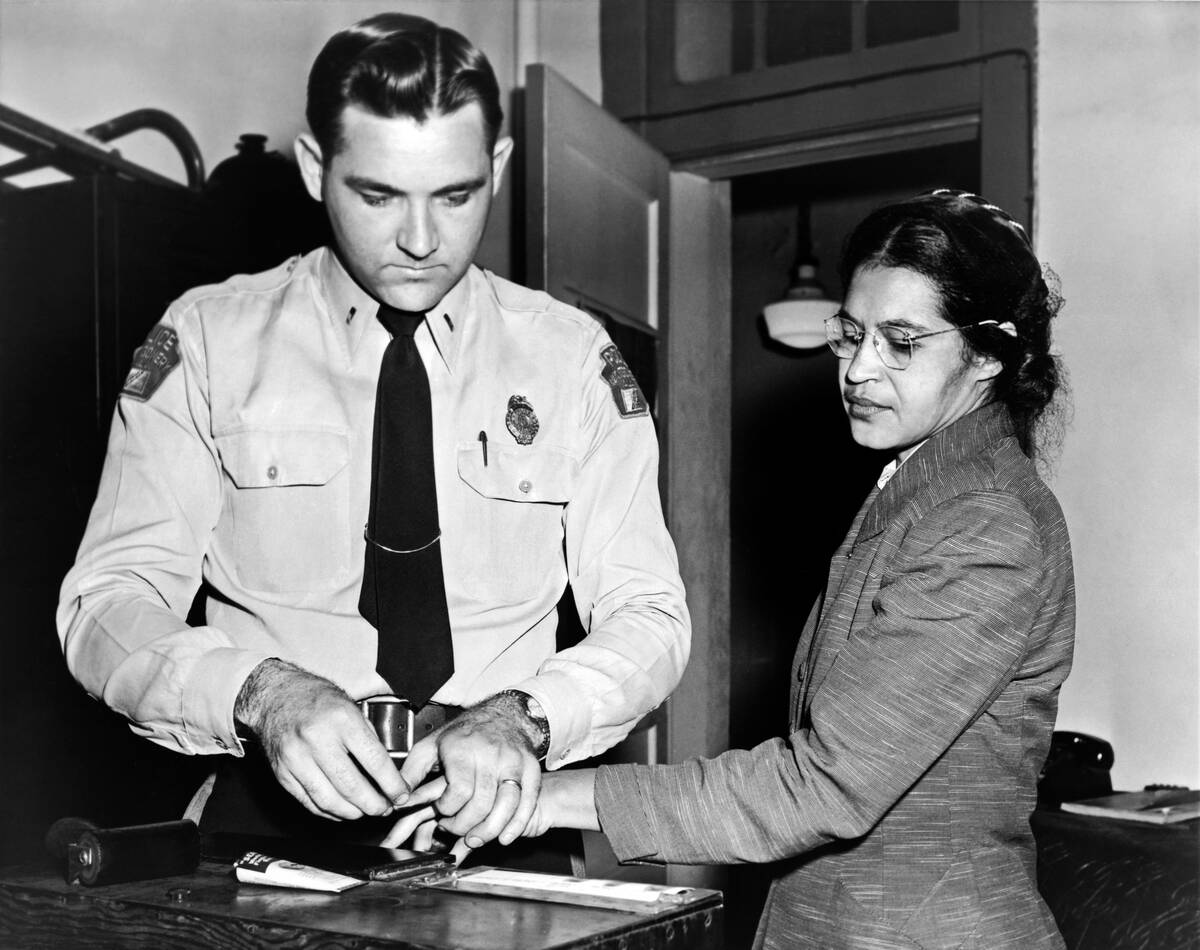
On December 1, 1955, in Montgomery, Alabama, Rosa Parks refused to give up her bus seat to a white man, defying the segregation laws of the time.
Her arrest sparked the Montgomery Bus Boycott, a pivotal event in the Civil Rights Movement that lasted over a year and led to a Supreme Court ruling that segregation on public buses was unconstitutional. Parks’ courage highlighted how a single act of defiance could ignite a mass movement for change.
J.K. Rowling’s Decision to Keep Writing: From Rags to Riches

Before J.K. Rowling became a household name, she faced numerous rejections from publishers for her Harry Potter manuscript. Living on welfare and struggling as a single mother, she made the crucial decision to persevere with her writing.
Eventually, Bloomsbury Publishing took a chance on her story, leading to a best-selling series that captivated readers worldwide. Rowling’s journey from poverty to literary fame underscores the importance of resilience and belief in one’s creative vision.
The Purchase of Marvel by Disney: A Billion-Dollar Decision

In 2009, Disney made a strategic decision to acquire Marvel Entertainment for around $4 billion. At the time, the move seemed risky, as superhero films were not the guaranteed blockbusters they are today. Fast forward, and the Marvel Cinematic Universe has generated over $29 billion in worldwide box office revenue.
This acquisition not only expanded Disney’s portfolio but also revolutionized the superhero genre, proving the value of strategic partnerships in entertainment.
The 2000 U.S. Presidential Election: Hanging Chads and History
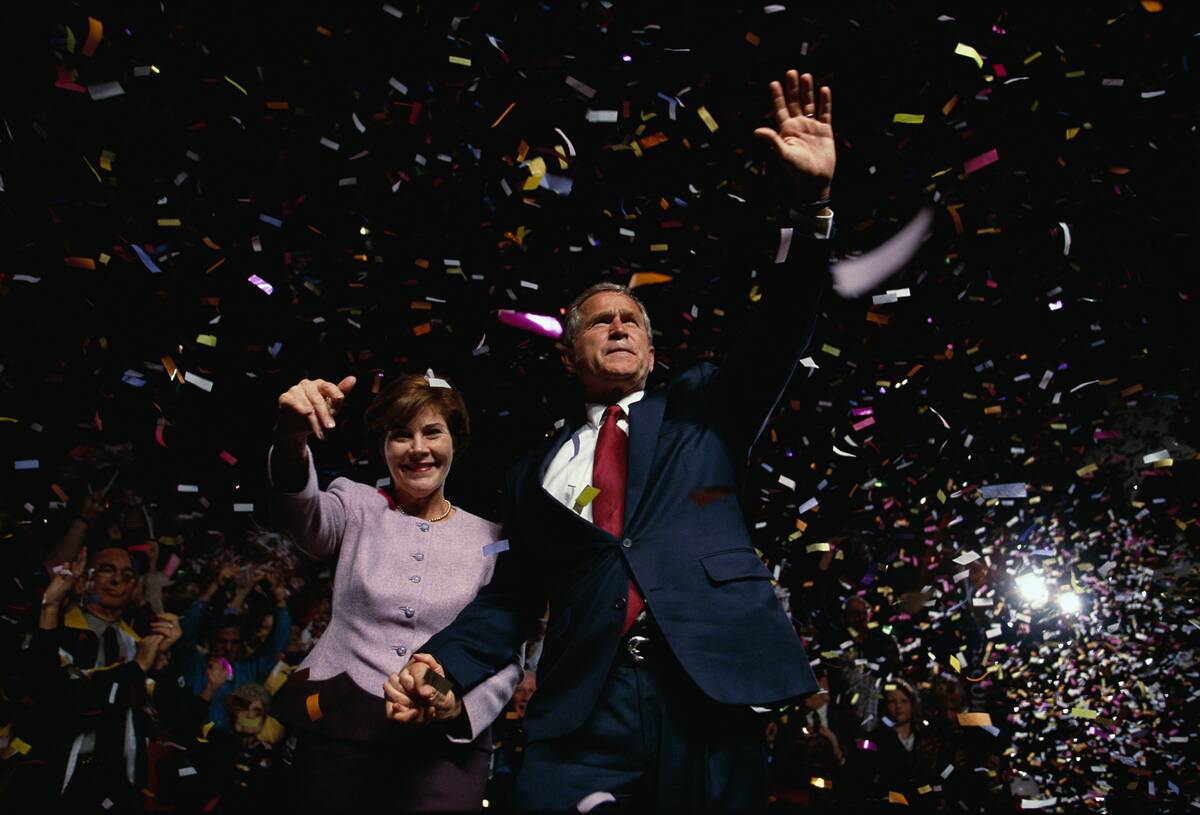
The 2000 U.S. Presidential Election between George W. Bush and Al Gore was one of the closest and most controversial in American history. It all came down to Florida, where the infamous ‘hanging chad’ ballots led to a Supreme Court decision that effectively awarded the presidency to Bush.
This decision highlighted the intricacies of the electoral process and sparked debates on voting technology and election reform, shaping the political landscape for years to come.
Facebook’s Pivot to Mobile: How a Strategic Shift Paid Off

When Facebook first launched, it was primarily a desktop platform. However, as mobile internet usage soared, the company faced a critical decision. In 2012, Facebook shifted its strategy to prioritize mobile development, leading to the acquisition of Instagram and WhatsApp.
This pivot proved successful, with mobile advertising now accounting for over 90% of Facebook’s ad revenue, demonstrating how adapting to technological trends can ensure a company’s continued growth and relevance.
The Launch of Netflix Streaming: Transforming Home Entertainment

In 2007, Netflix made a bold decision to launch its streaming service, transitioning from its original DVD rental model. This move came at a time when internet speeds were improving, and digital content consumption was on the rise.
By embracing streaming, Netflix not only survived the decline of physical media but also pioneered the on-demand entertainment revolution, setting the stage for today’s binge-watching culture and redefining how audiences access content worldwide.
Albert Einstein’s Career Change: From Patent Clerk to Icon
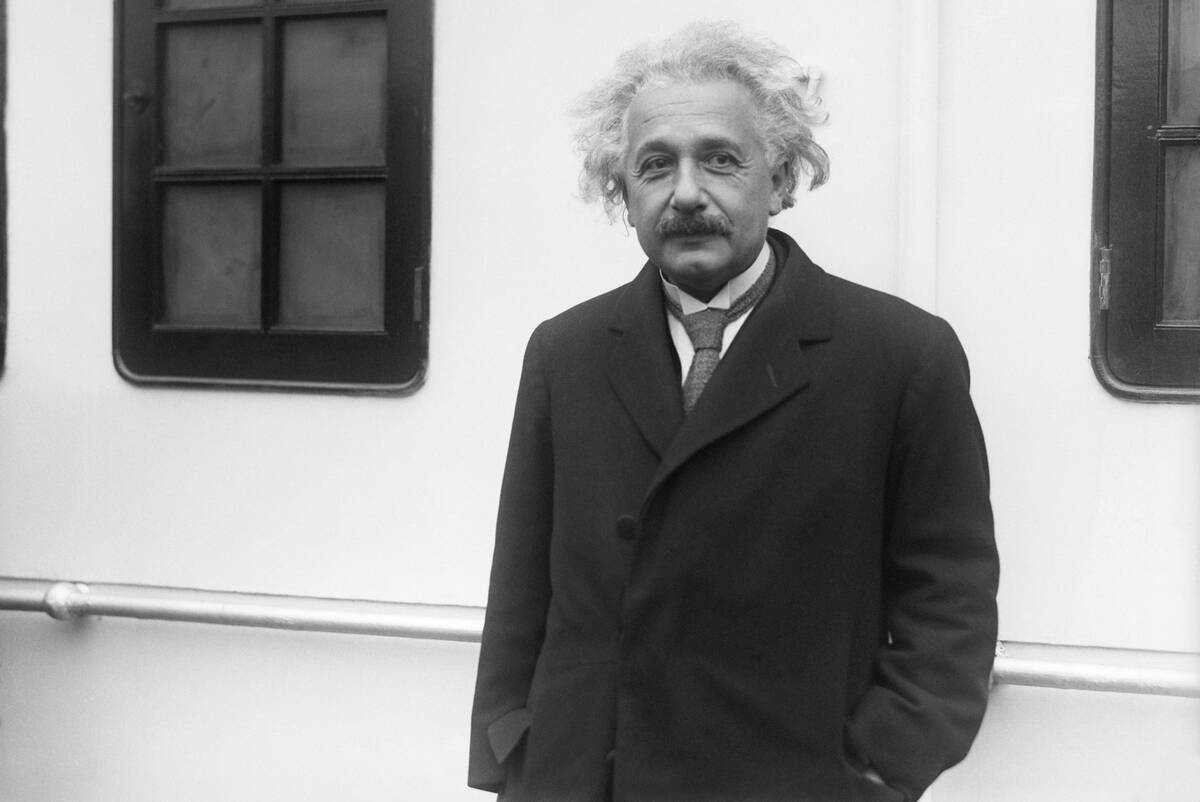
Before becoming a renowned physicist, Albert Einstein worked as a patent clerk in Switzerland. Despite the humble beginnings, he continued to pursue his passion for science. In 1905, he published four groundbreaking papers, including his theory of relativity, which transformed the field of physics.
Einstein’s decision to follow his intellectual curiosity, despite his day job, not only changed his life but also altered our understanding of the universe, cementing his legacy as an icon.
The Assassination of Archduke Franz Ferdinand: A Decision That Sparked World War
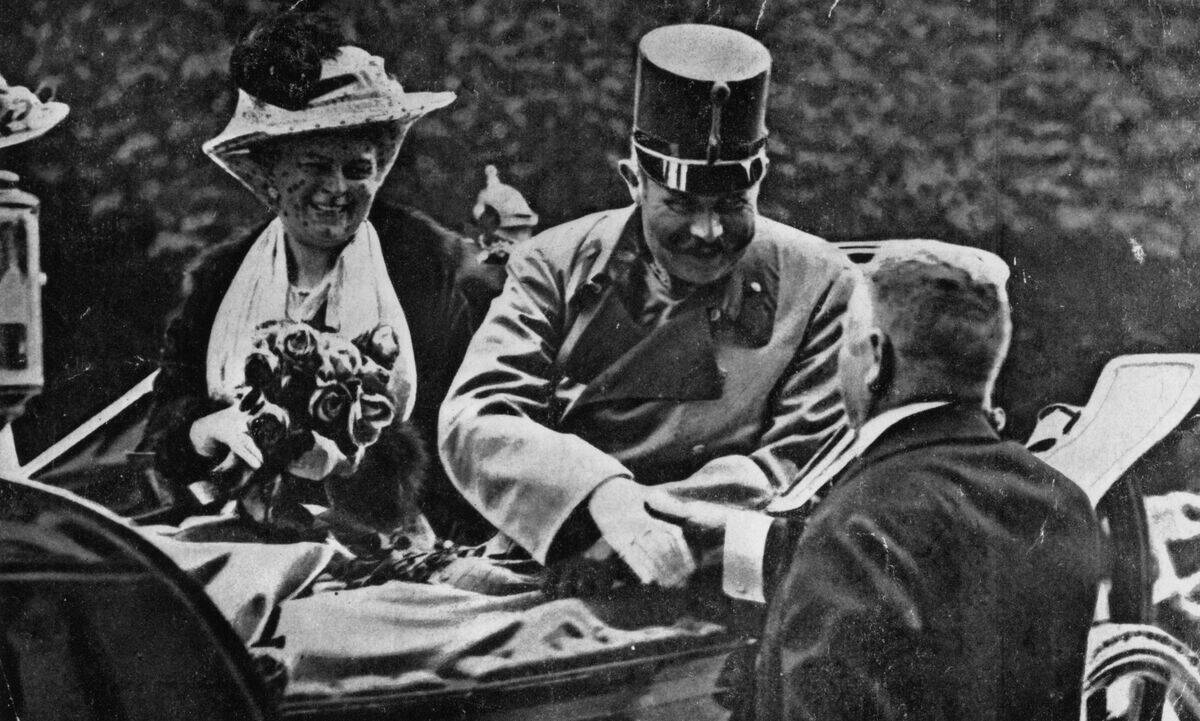
On June 28, 1914, the assassination of Archduke Franz Ferdinand of Austria by Gavrilo Princip set off a chain reaction of events that led to World War I. This single, violent act prompted a web of alliances and treaties to unravel, plunging much of the world into a devastating conflict.
The assassination highlighted the fragility of international relations and the far-reaching consequences that a single decision, made in a moment of anger, can have on global history.
The Atomic Attacks: A Decision That Ended a War

In August 1945, the United States made the momentous decision to drop atomic bombs on the Japanese cities of Hiroshima and Nagasaki. This action, although controversial, was credited with hastening the end of World War II, as Japan announced its surrender shortly afterward.
The decision underscored the devastating power of nuclear weapons and ushered in the nuclear age, raising ethical questions about warfare and highlighting the profound impact of military decisions on global peace.
Serena Williams’ Tennis Career: Choosing to Continue Amid Challenges

Serena Williams, one of the greatest tennis players of all time, faced numerous challenges throughout her career, including injuries and personal setbacks. Yet, her decision to keep competing and pushing her limits has led to 23 Grand Slam singles titles, the most in the Open Era.
Williams’ resilience and determination not only defined her career but also inspired countless athletes worldwide, showing the immense power of perseverance and passion in the face of adversity.
The Release of “Thriller” by Michael Jackson: A Music Industry Game-Changer

In 1982, Michael Jackson released ‘Thriller,’ an album that would become the best-selling record of all time, with over 70 million copies sold worldwide. The decision to produce elaborate music videos, like the iconic ‘Thriller’ video, revolutionized the music industry and set a new standard for pop artists.
Jackson’s album not only broke racial barriers on MTV but also demonstrated the power of visual storytelling in music, cementing his status as the ‘King of Pop.’
The Choice of Gandhi’s Nonviolent Resistance: A Path to Independence
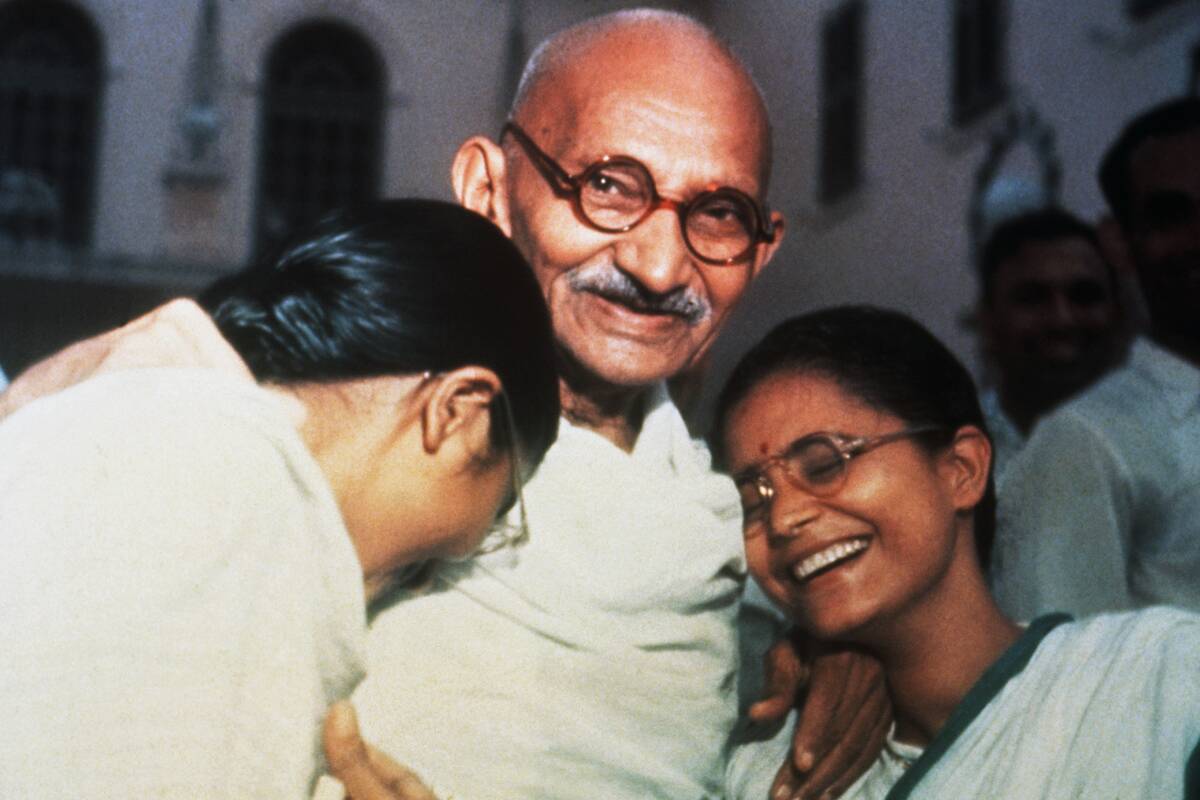
Mahatma Gandhi’s decision to adopt nonviolent resistance as a strategy for India’s independence from British rule was groundbreaking. Influenced by his beliefs in truth and nonviolence, Gandhi led peaceful protests and civil disobedience campaigns that gained international attention.
This approach not only weakened British authority but also inspired future civil rights movements around the world. Gandhi’s legacy illustrates how a commitment to peace and justice can lead to profound social and political change.




