The most powerful royal families in history
Royal families have long captivated our imaginations, with their tales of power, intrigue, and grandeur. From the ancient Pharaohs of Egypt to the modern Windsors of Britain, these dynasties have shaped the course of history in profound ways.
Their legacies are etched in the architecture, culture, and politics of their respective eras, offering a fascinating glimpse into the past.
The Egyptian Pharaohs: Masters of the Ancient World
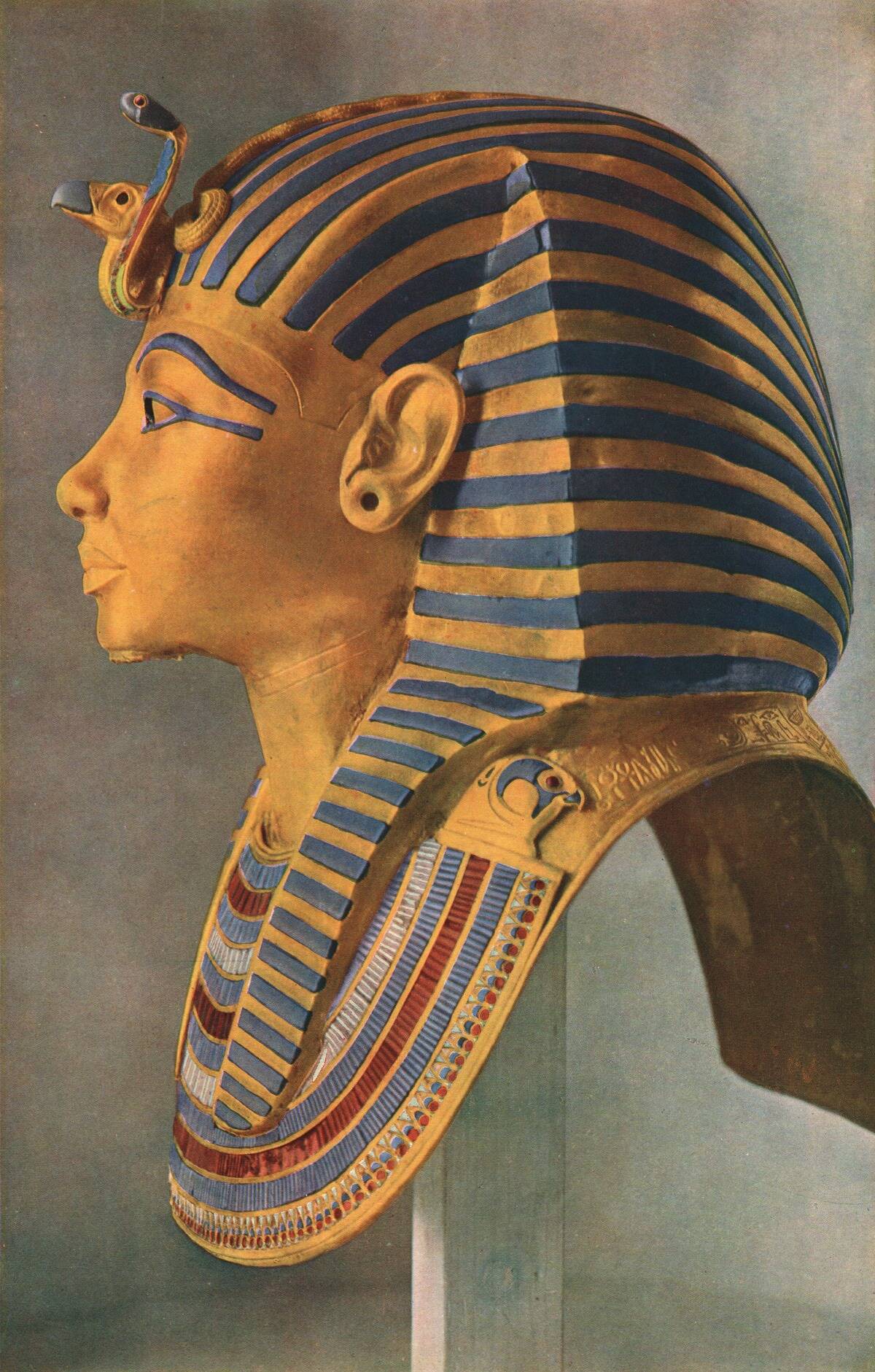
The Egyptian Pharaohs were more than rulers; they were regarded as divine figures who served as intermediaries between the gods and the people. Reigning over the Nile Valley, they commissioned the construction of monumental pyramids, which served as royal tombs and symbols of their power.
The Great Pyramid of Giza, built during the reign of Pharaoh Khufu, remains one of the Seven Wonders of the Ancient World. Their influence extended beyond architecture, as pharaohs supported the use of hieroglyphic writing and helped preserve and spread Egyptian culture throughout their reigns.
The Ming Dynasty: Architects of Chinese Grandeur
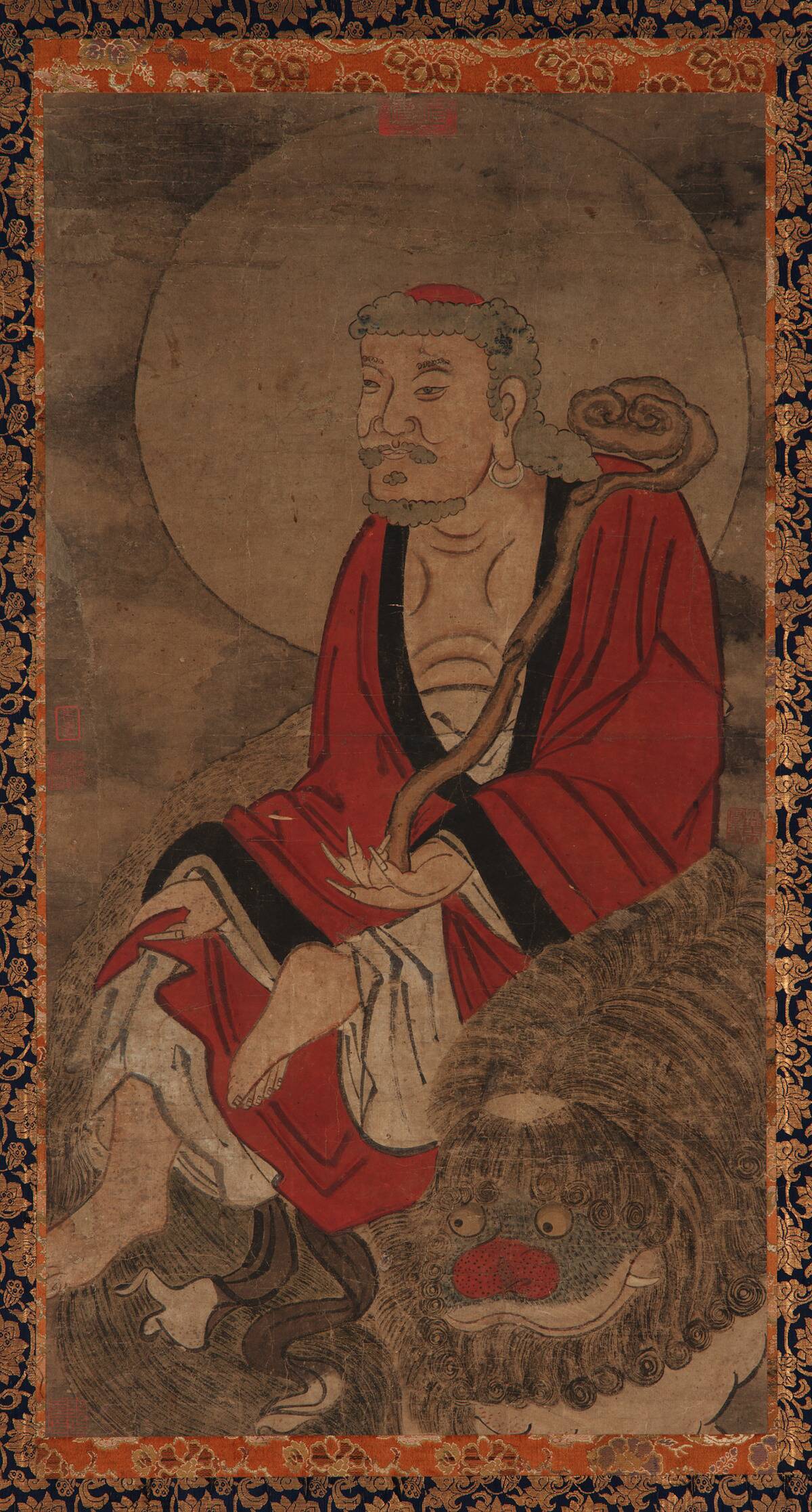
The Ming Dynasty, ruling China from 1368 to 1644, is renowned for its cultural and architectural achievements. The construction of the Forbidden City in Beijing, a sprawling imperial palace complex, stands as a testament to the dynasty’s architectural prowess.
The Ming era also saw the extensive reconstruction and fortification of the Great Wall of China, which was strengthened to defend against invasions. Additionally, the dynasty is celebrated for its exquisite porcelain, which became a highly sought-after commodity in international trade.
The Romanovs: Russia’s Last Imperial Dynasty
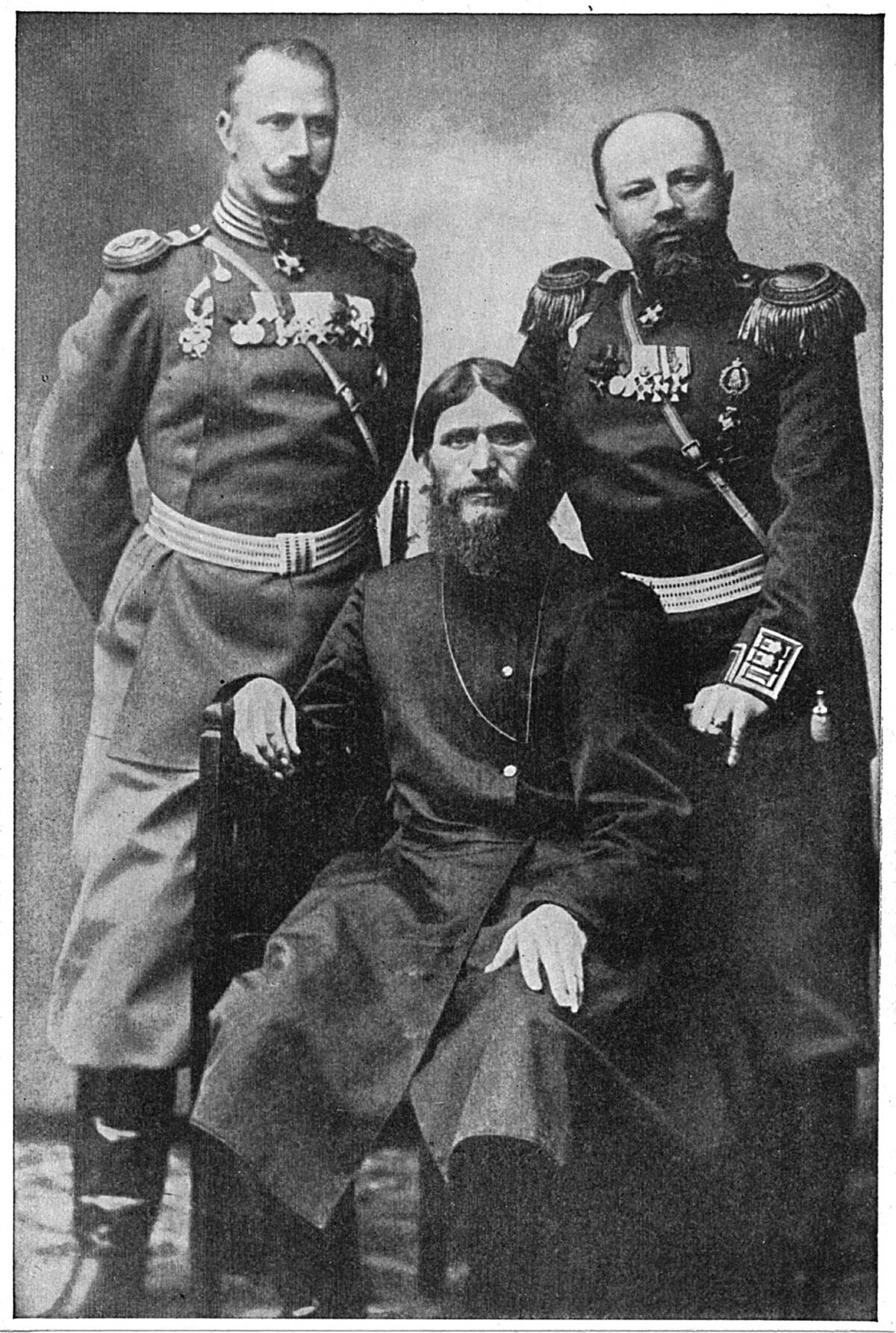
The Romanov dynasty ruled Russia for over 300 years, from 1613 until the Russian Revolution in 1917. Under their reign, Russia expanded its territory significantly, becoming a major European power.
The opulent Winter Palace in St. Petersburg, with its stunning Baroque architecture, reflects the grandeur of their rule. However, the dynasty’s end was marked by tragedy, as the last Tsar, Nicholas II, and his family were executed by Bolshevik forces in 1918, after the fall of the monarchy, bringing a tragic conclusion to imperial rule in Russia.
The Habsburgs: Europe’s Unstoppable Powerhouse
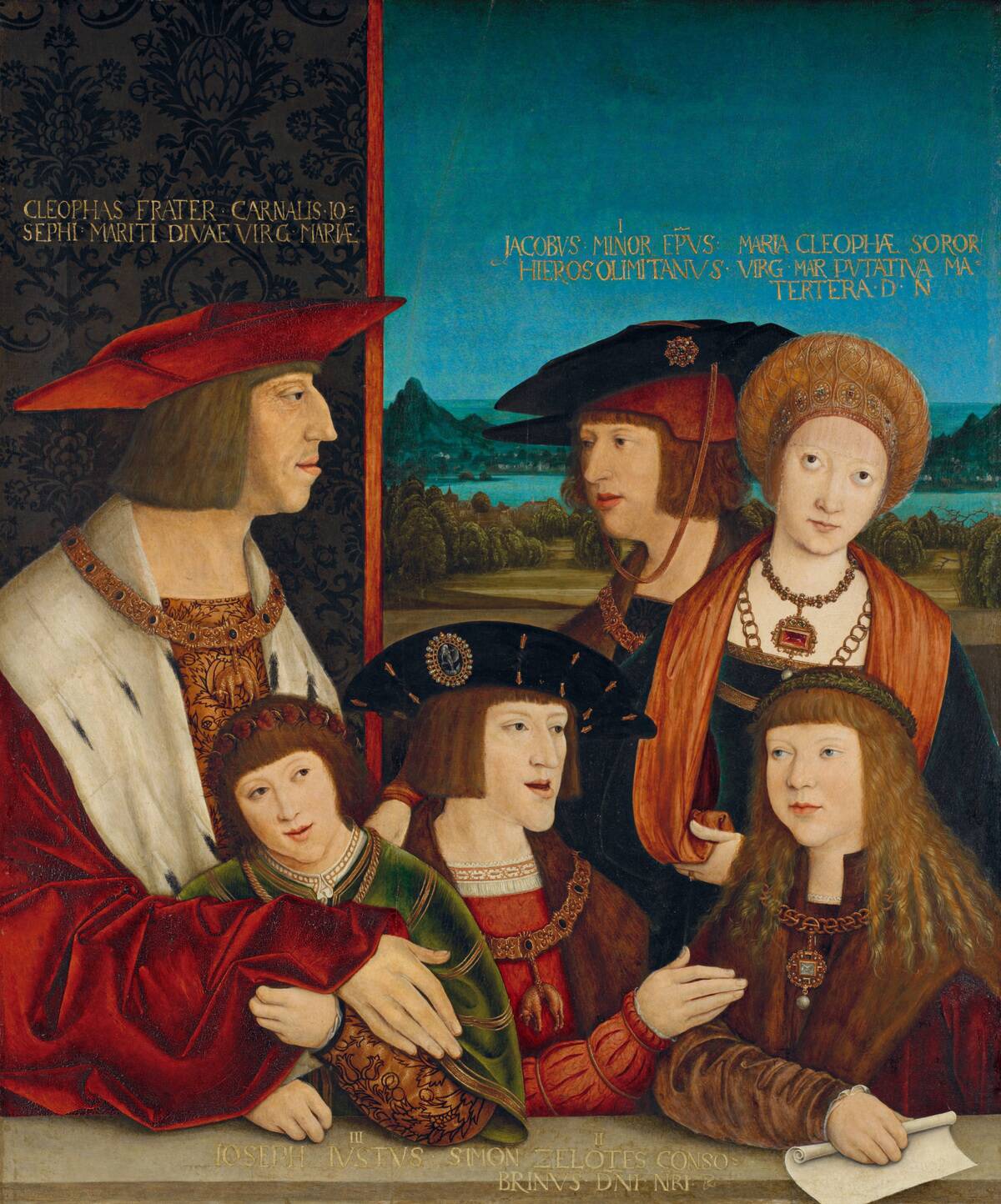
The Habsburg dynasty was one of the most influential in European history, holding power in Central Europe for centuries. They were known for their strategic marriages, which helped expand their influence across the continent. The Habsburgs ruled Austria, held the imperial title of the Holy Roman Empire for centuries, and established a powerful Spanish branch that ruled Spain for nearly two centuries.
Their legacy includes architectural landmarks such as Schönbrunn Palace in Vienna and major historical events involving their European territories. Despite their power, the dynasty eventually declined, leading to the dissolution of the Austro-Hungarian Empire after World War I.
The Tudors: England’s Iconic Dynasty
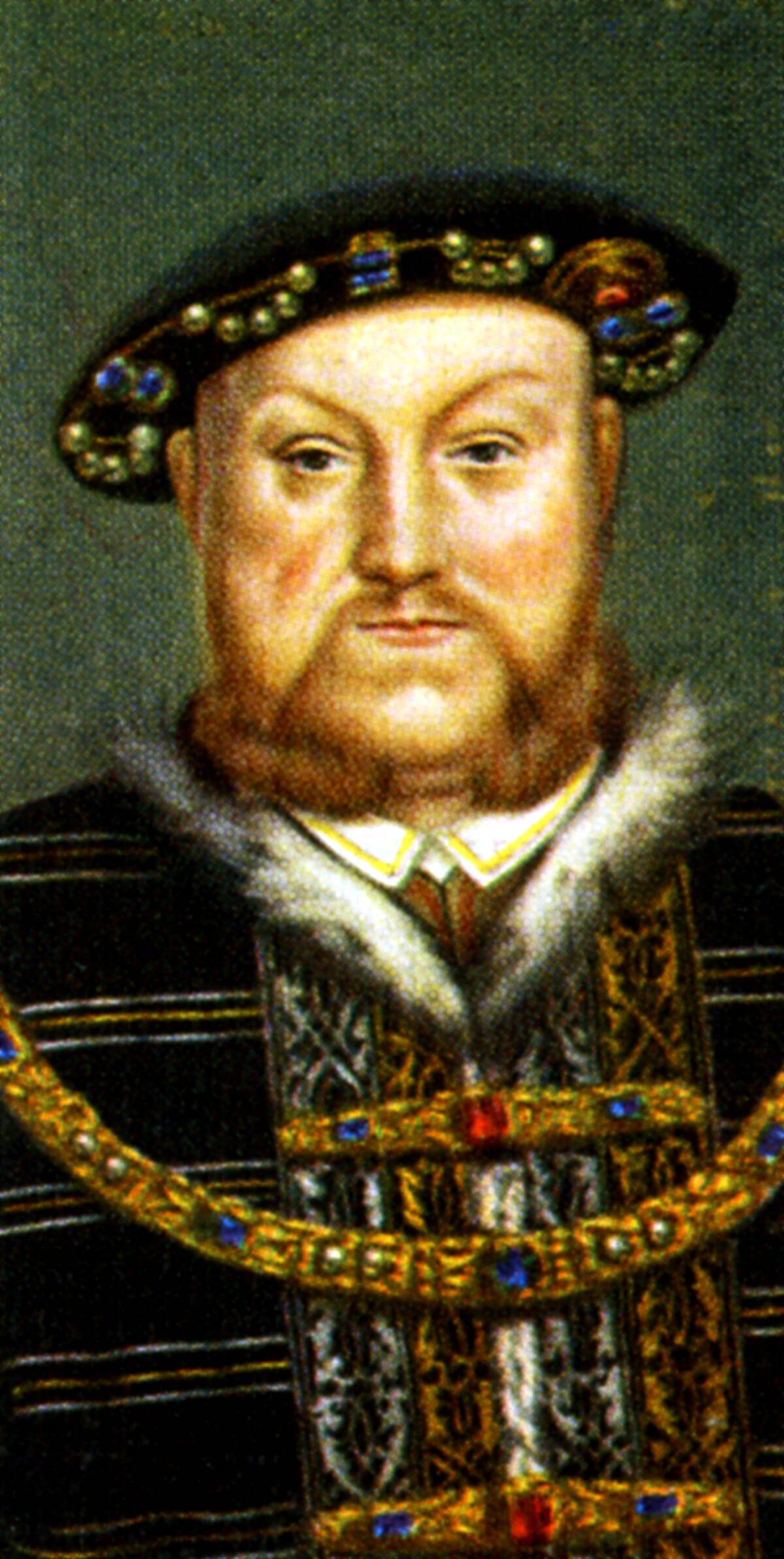
The Tudor dynasty is perhaps best known for its colorful monarchs, including Henry VIII and Elizabeth I. Henry VIII’s reign played a central role in the English Reformation, leading to England’s break with the papacy and the development of the Church of England.
Elizabeth I, the “Virgin Queen,” presided over the Elizabethan Era, a golden age of exploration and the arts. The Tudors left a lasting impact on English culture and politics, with their legacy still evident in the country’s religious and cultural landscape today.
The Capetians: Founders of Modern France
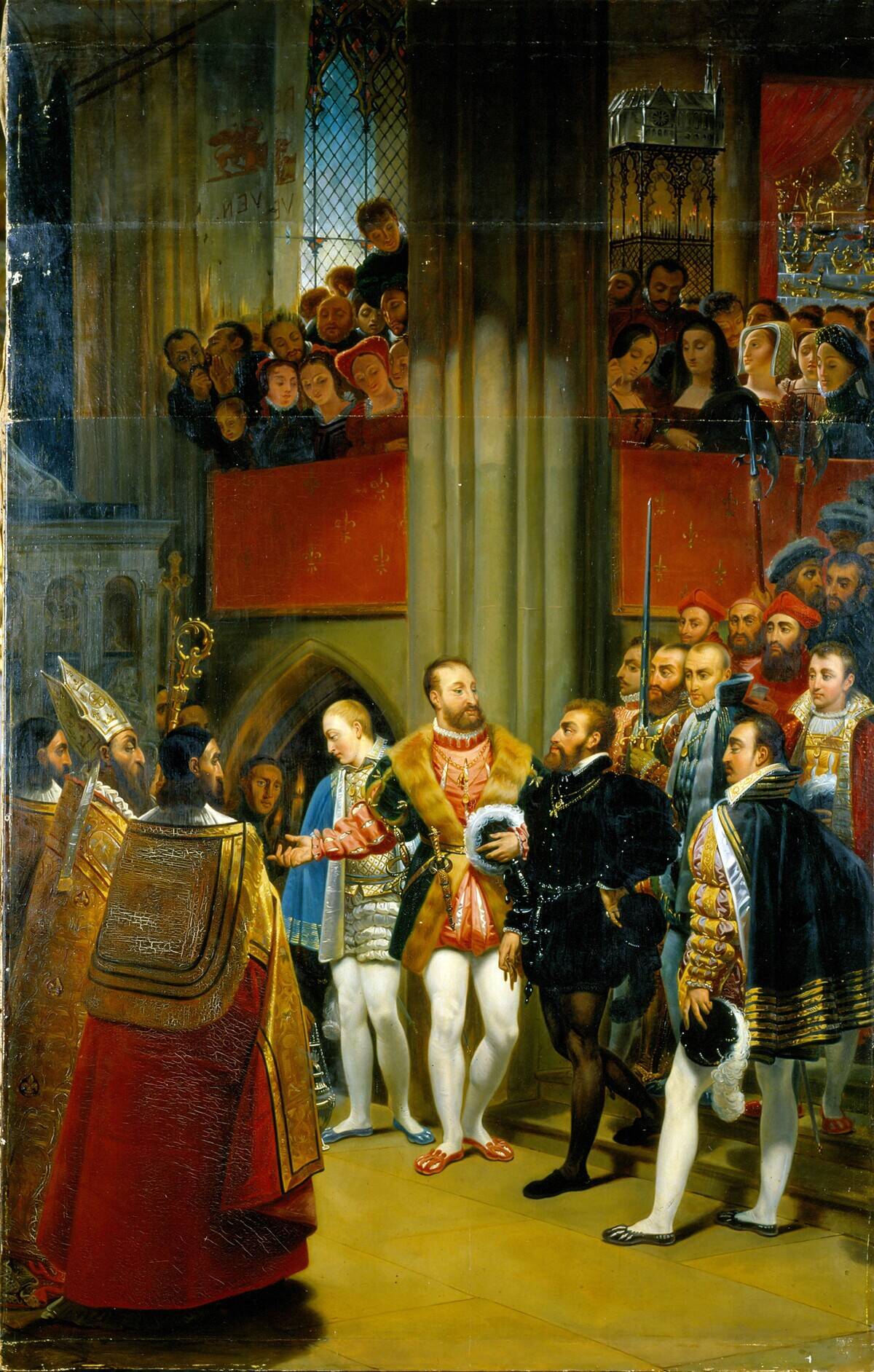
The Capetian dynasty, ruling France from 987 to 1328, played a crucial role in strengthening the French monarchy and shaping the development of the kingdom. Through gradual expansion of royal authority, they helped transform France from a collection of powerful feudal territories into a more centralized state.
Under their rule, Paris became a major center of culture and learning. The Capetians also played important roles in the Crusades, with several monarchs participating in these religious campaigns. Their legacy is visible in architectural marvels such as Notre-Dame Cathedral and the Sainte-Chapelle in Paris.
The Ottomans: Rulers of a Vast Empire
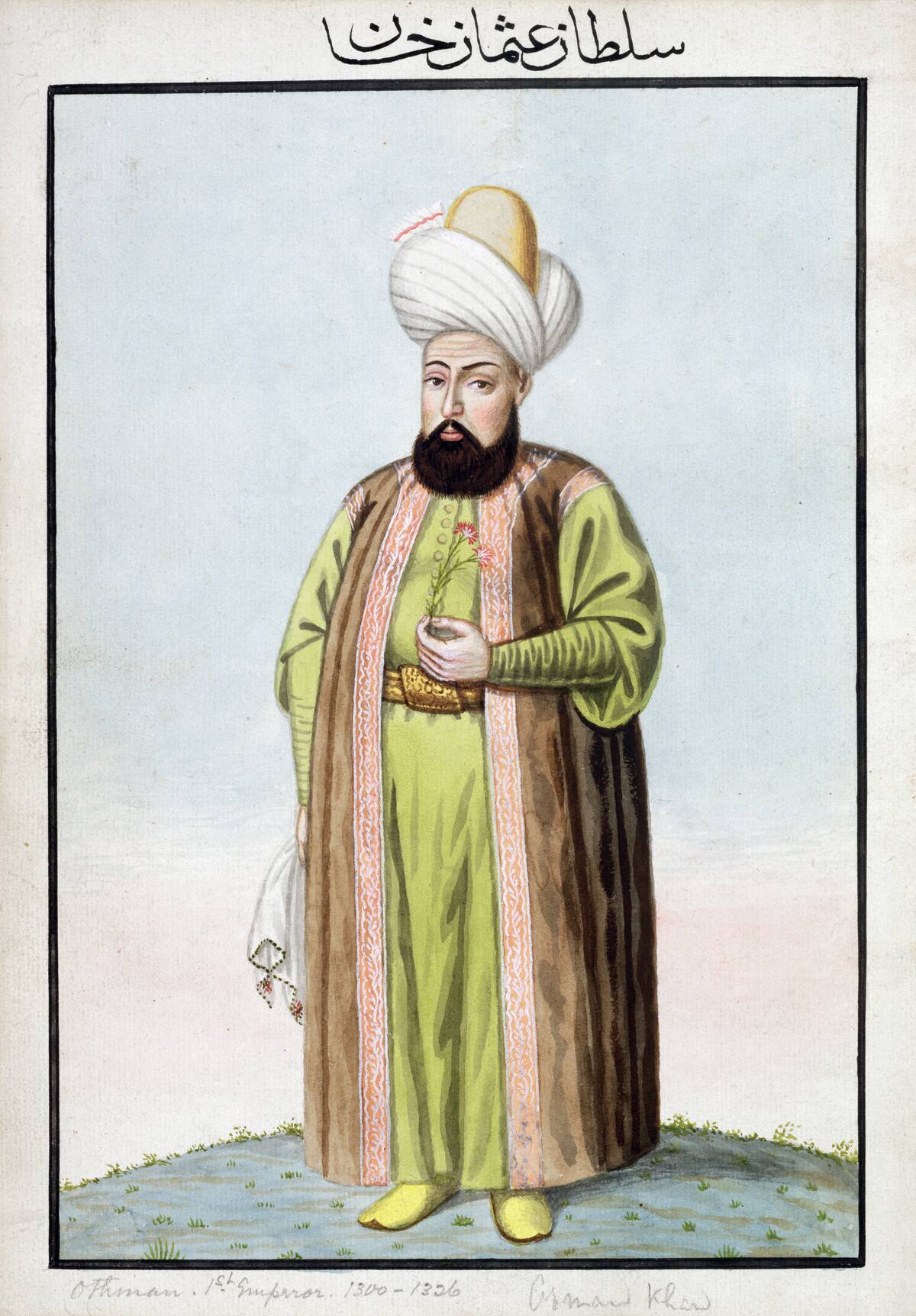
The Ottoman Empire, founded by Osman I around the late 13th century, grew to become one of the most powerful empires in history. At its height, it spanned three continents, controlling territories across Europe, Asia, and Africa.
The Ottomans were known for their remarkable architectural achievements, including the Blue Mosque and the Süleymaniye Mosque in Istanbul. They also became a major center of Islamic culture and scholarship, contributing to advancements in art, science, literature, and architecture while leaving a lasting cultural legacy across their vast territories.
The Medici Family: Patrons of the Renaissance
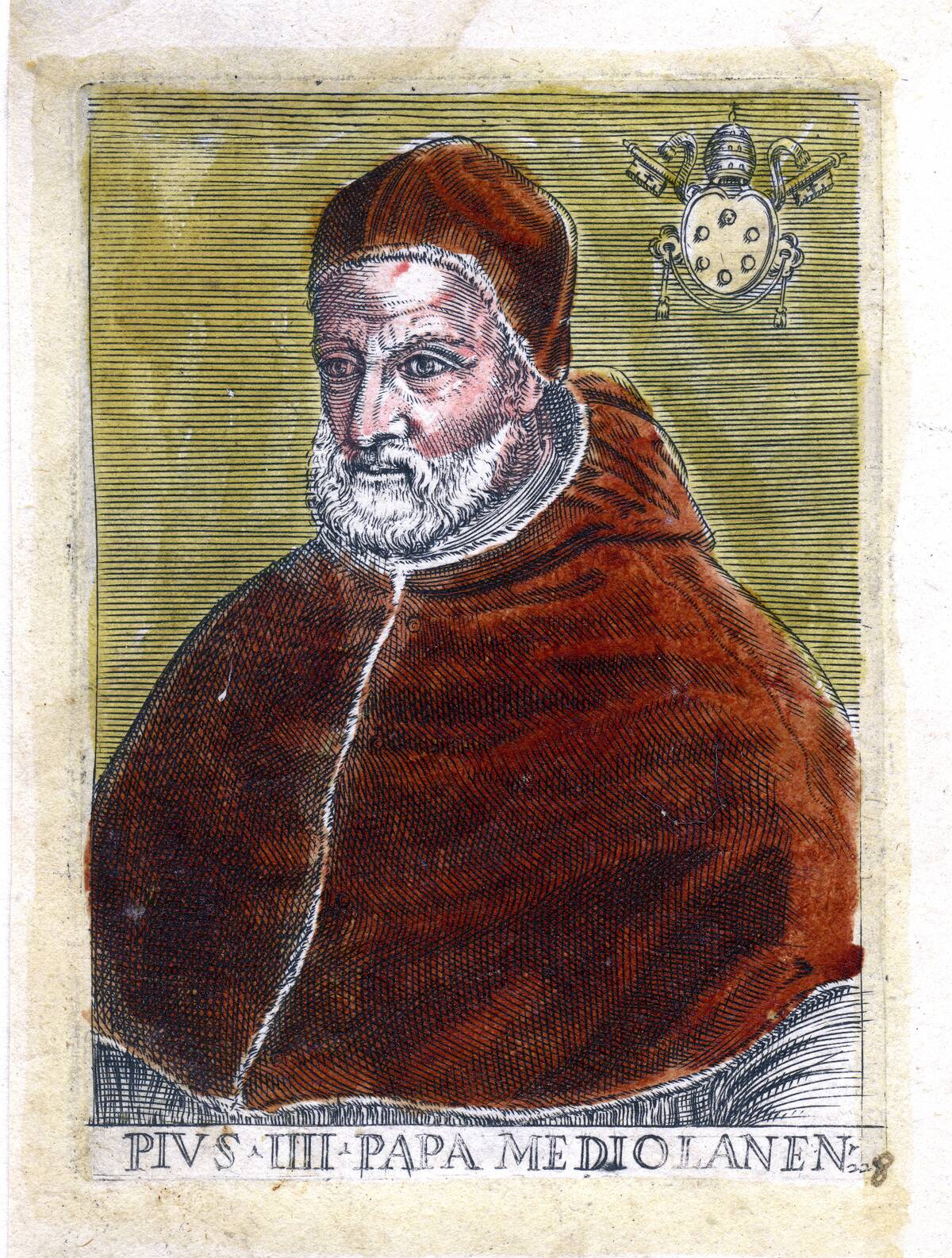
The Medici family, though not a royal dynasty in the traditional sense, wielded immense power in Renaissance Italy. As influential patrons of the arts, they supported artists such as Michelangelo and helped foster the cultural rebirth of Europe.
Their influence extended to politics, with members of the family becoming popes and rulers of Florence. Their legacy remains visible in the art and architecture of Florence, including landmarks such as the Uffizi Gallery and the Medici Chapels.
The House of Saud: Guardians of the Arabian Peninsula
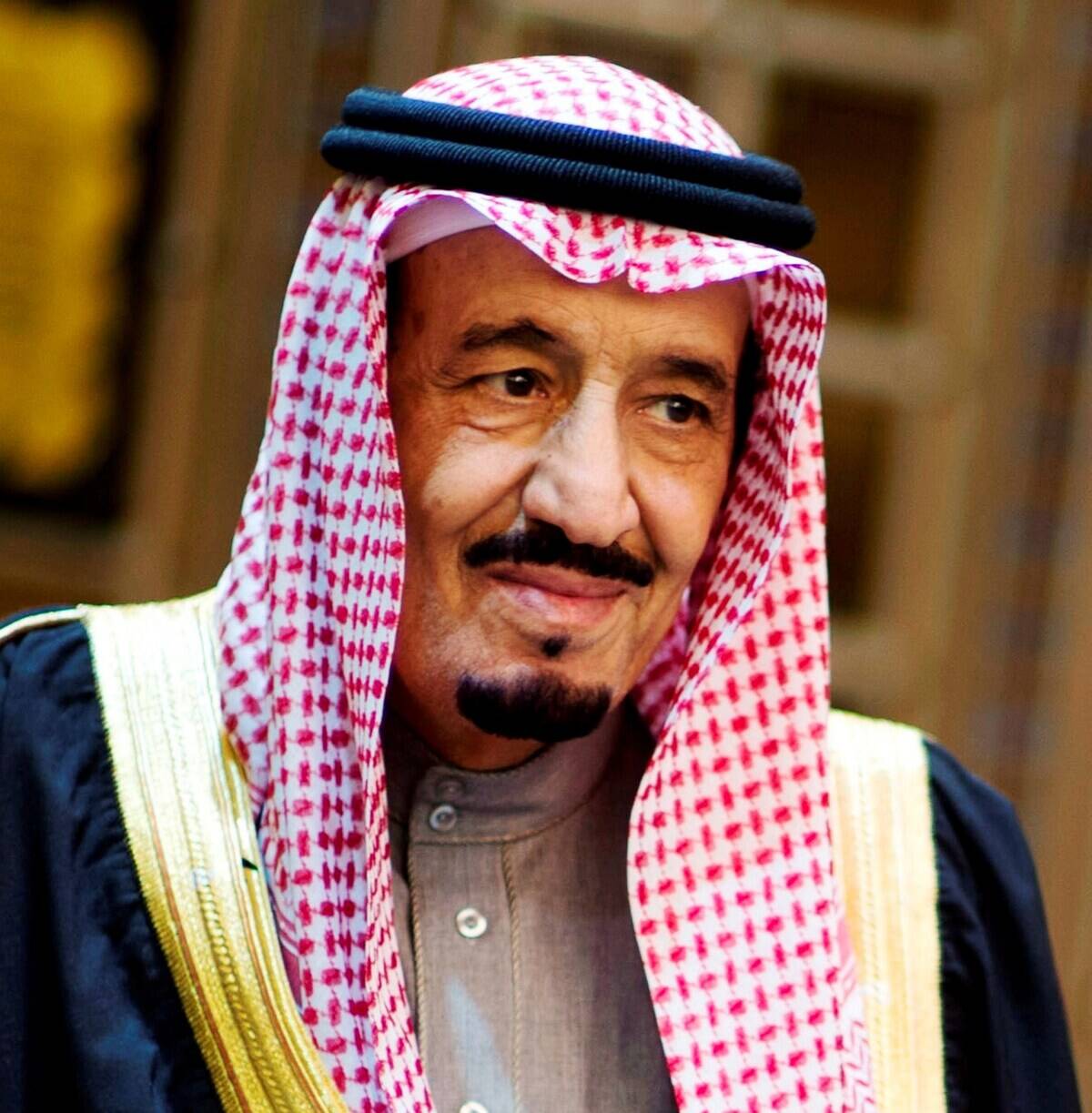
The House of Saud, the ruling family of Saudi Arabia, has played a pivotal role in the modern history of the Arabian Peninsula. Tracing its origins to the 18th century, the dynasty established the modern Kingdom of Saudi Arabia in 1932 under Abdulaziz Ibn Saud.
The discovery and development of oil transformed the kingdom into a global economic powerhouse. The Saudi royal family also serves as the custodian of Islam’s two holiest cities, Mecca and Medina, giving the country significant religious influence. Their rule continues to shape the region’s politics and economy.
The Windsors: Britain’s Resilient Monarchy
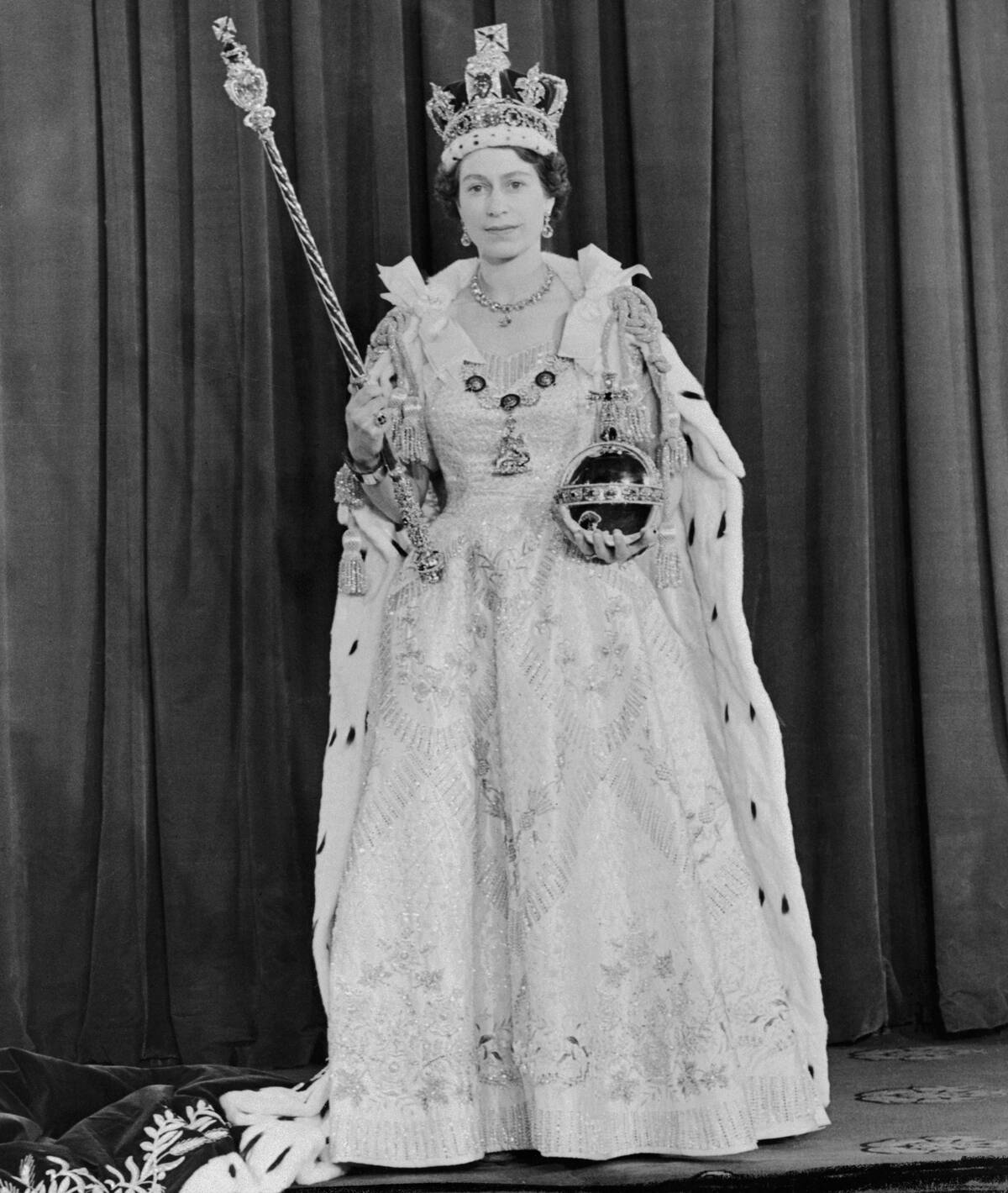
The House of Windsor, established in 1917, has weathered numerous challenges to remain a symbol of continuity in Britain. Queen Elizabeth II, the longest-reigning British monarch, presided over a period of significant change, including the decolonization of Africa and the Caribbean and the transformation of Britain’s relationship with the Commonwealth.
The Windsors have adapted to modernity while maintaining traditions, with events like royal weddings capturing global attention. Their enduring appeal is evident in the worldwide fascination with the British royal family and its role in contemporary society.
The Mughal Empire: Builders of a Magnificent Legacy
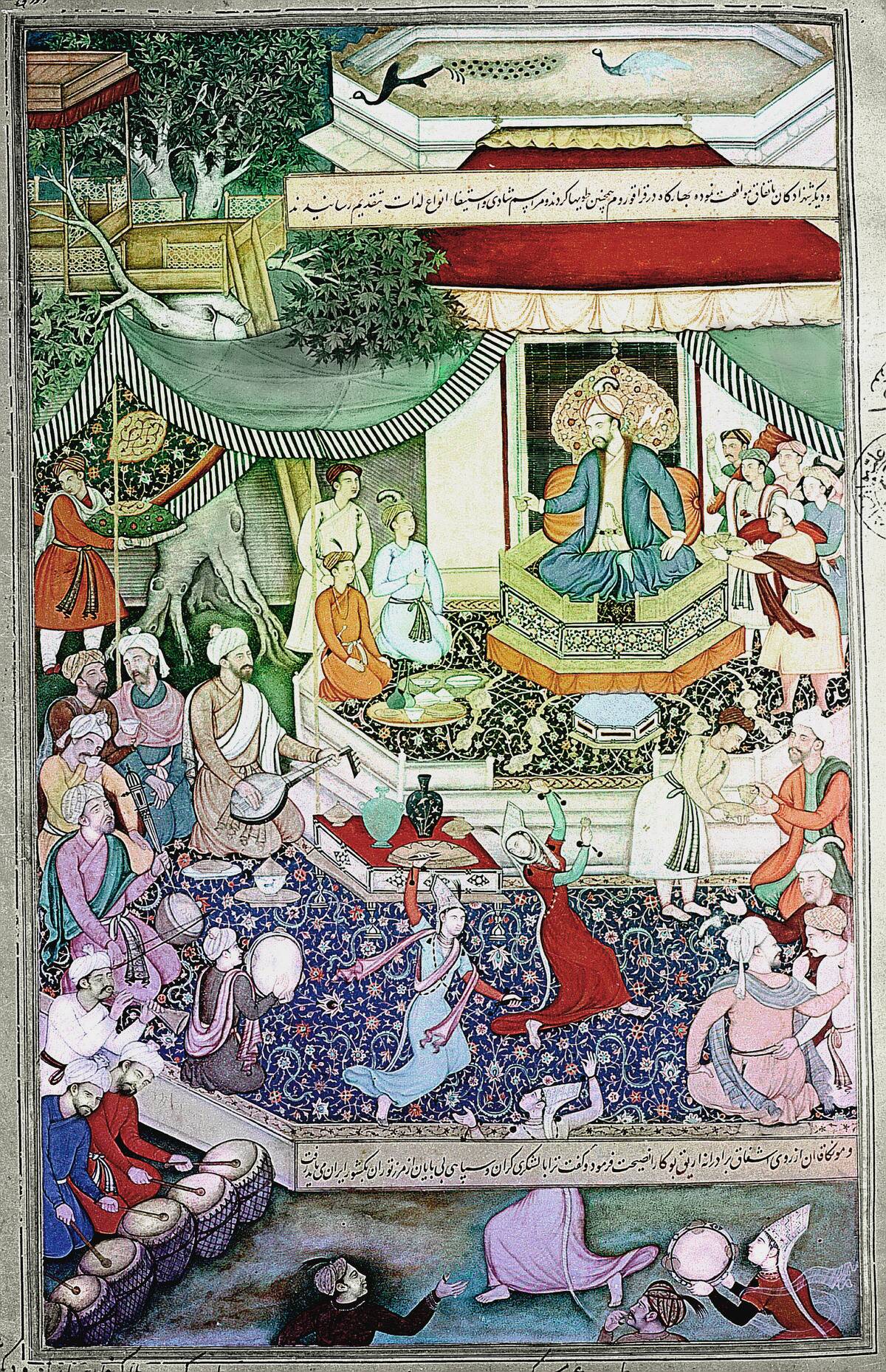
The Mughal Empire, which ruled much of the Indian subcontinent from the early 16th to the mid-19th century, is renowned for its architectural and cultural achievements. The Taj Mahal, a UNESCO World Heritage Site, exemplifies their architectural brilliance.
The Mughals fostered a rich cultural synthesis, blending Persian, Indian, and Islamic influences. Their legacy remains evident in the region’s art, cuisine, and language, with Urdu developing into a major cultural and literary language during the later Mughal period.
The Bonapartes: Napoleon’s Ambitious Lineage
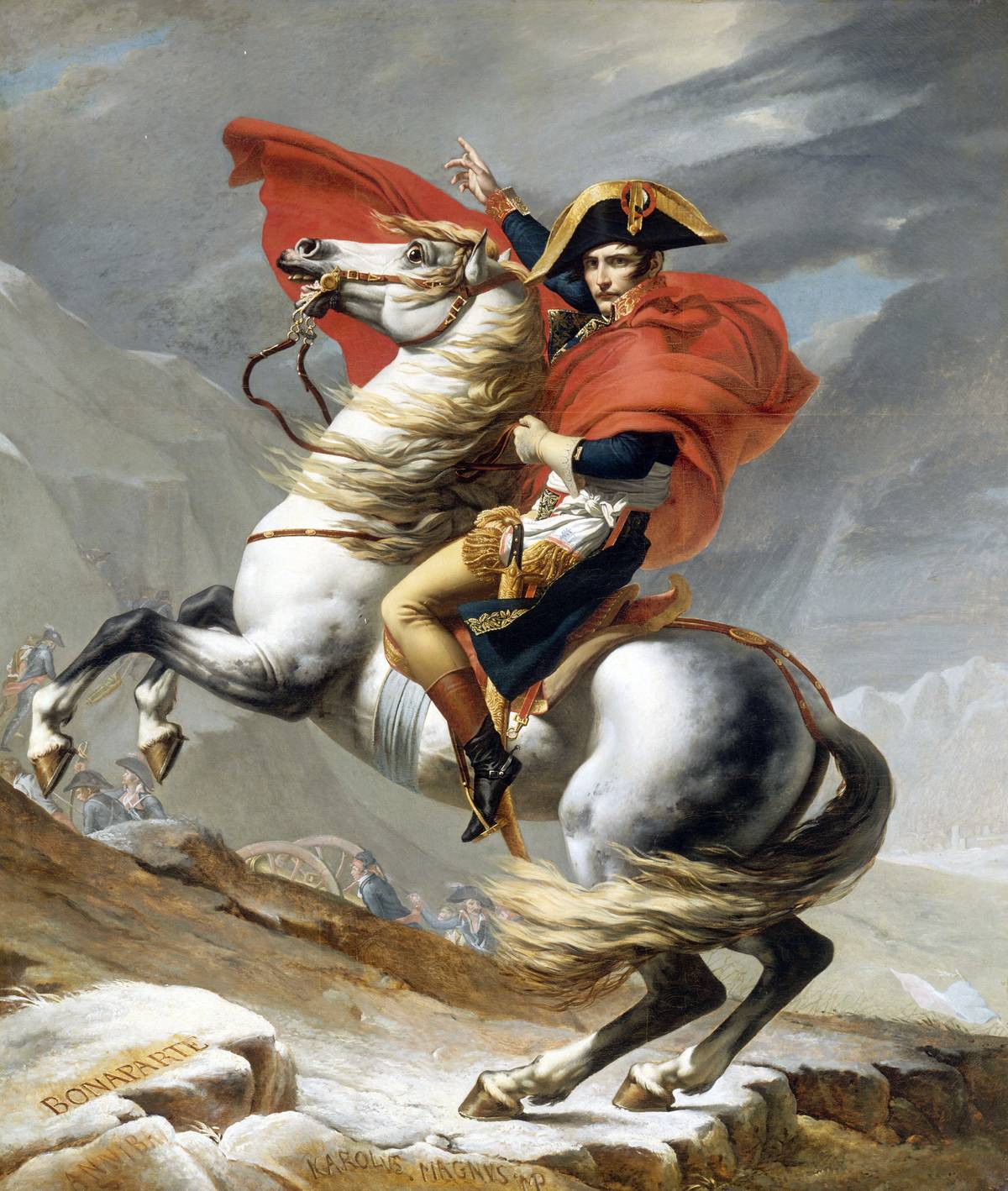
The Bonaparte family rose to prominence with Napoleon Bonaparte, who became Emperor of the French in 1804. Napoleon’s military skill and ambition reshaped Europe, leading to the Napoleonic Wars. His legal reforms, known as the Napoleonic Code, influenced legal systems around the world.
Despite his eventual defeat in 1815, Napoleon’s legacy endured, and members of the Bonaparte family continued to hold political roles, most notably Napoleon III, who ruled France in the 19th century. The Bonaparte name remains associated with ambition and military achievement, marking a significant chapter in French history.
The Yamato Dynasty: Japan’s Unbroken Line
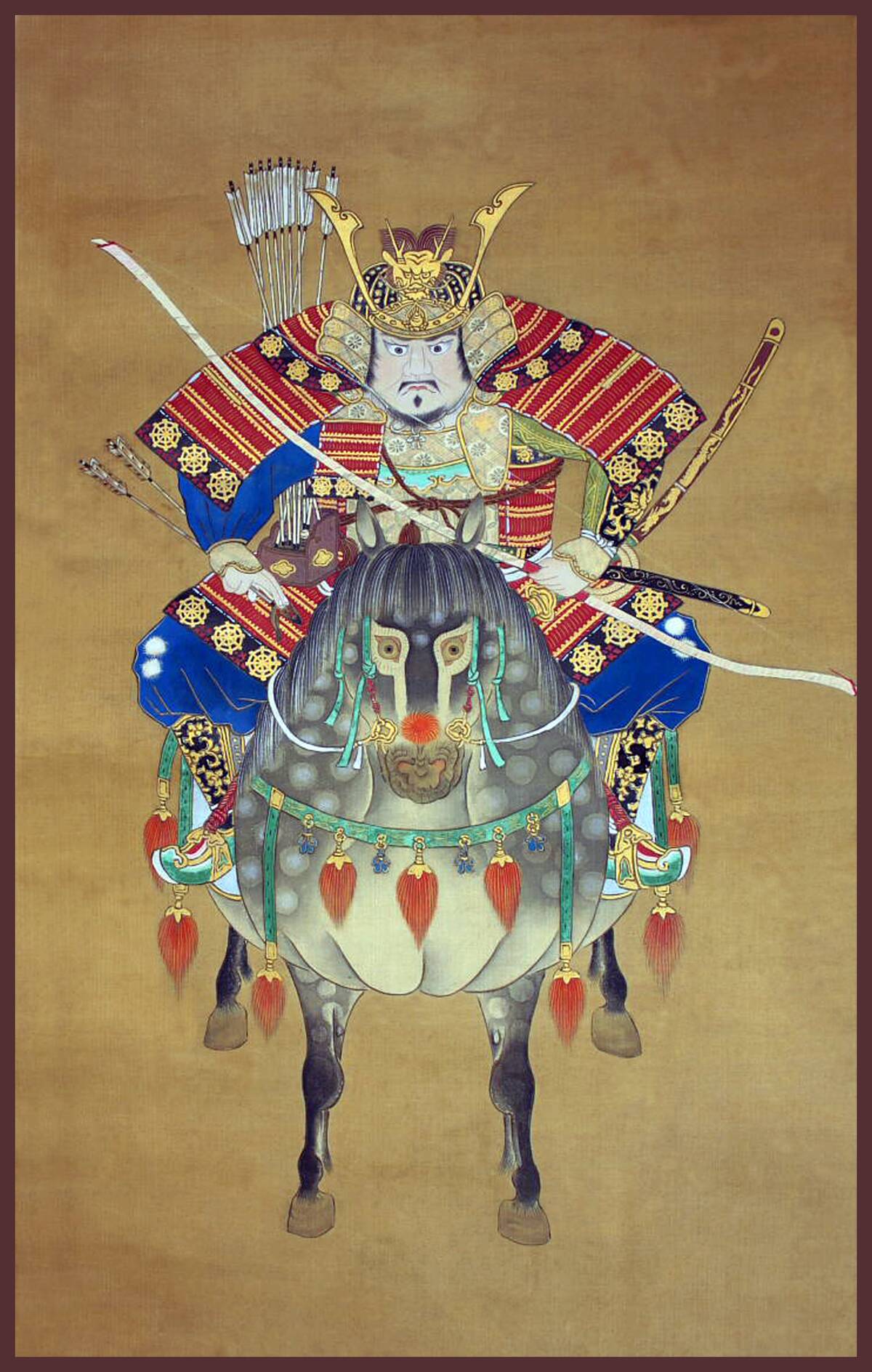
The Yamato dynasty, Japan’s imperial family, is widely regarded as the world’s oldest continuing hereditary monarchy, with a traditional lineage that stretches back thousands of years. However, the earliest origins of the imperial line are based largely on mythology rather than fully documented history. According to Shinto tradition, the imperial family descends from the sun goddess Amaterasu, a key figure in Japanese belief.
The Yamato rulers have played a central role in shaping Japanese culture and identity. Despite periods of reduced political power, the imperial family remains a symbol of national unity and continuity, with Emperor Naruhito serving as the ceremonial head of state.
The Bourbon Dynasty: French Influence Across Europe
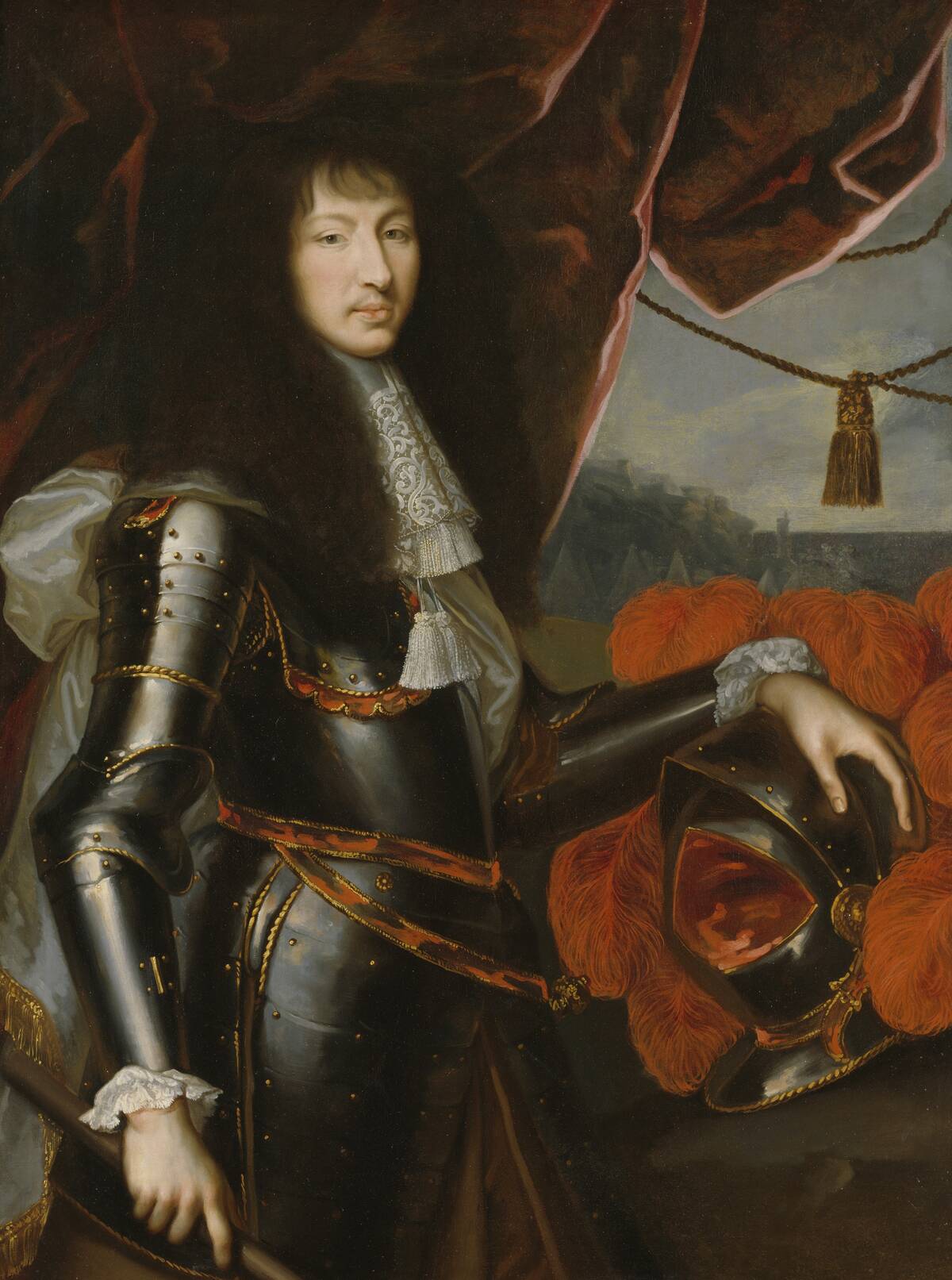
The Bourbon dynasty, originating in France, became one of Europe’s most influential royal houses. They ruled France from 1589 until the French Revolution and were later restored to the throne in the 19th century. Bourbon branches also held thrones in Spain, Naples, and Sicily, extending their influence across Europe.
Their reign in France is closely associated with the expansion of the Palace of Versailles, a symbol of absolute monarchy. Despite revolutions and upheavals, the Bourbon legacy continues to hold an important place in European history and culture.
The Hohenzollerns: Prussian Kings and German Emperors
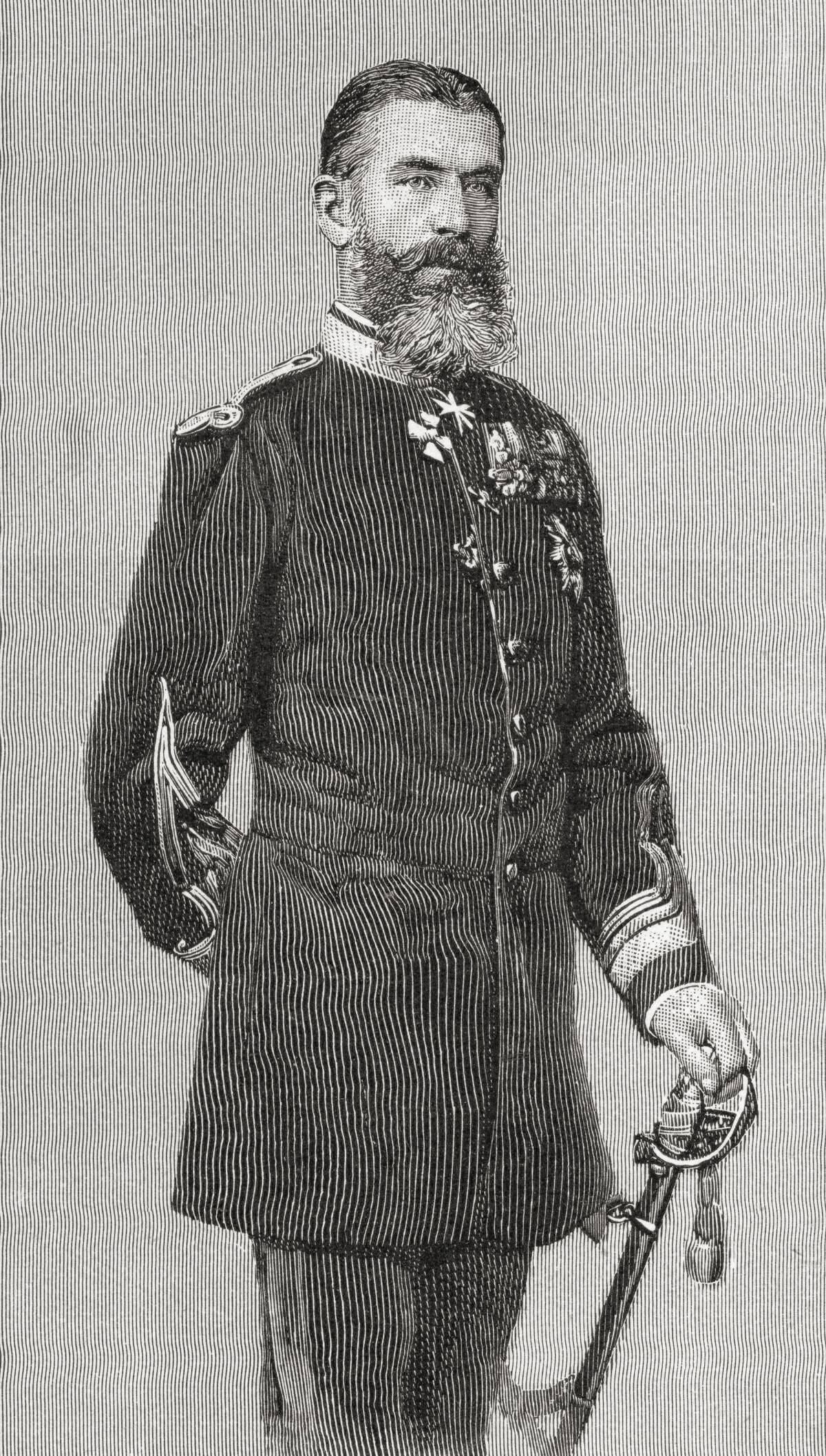
The Hohenzollern dynasty rose to prominence as the rulers of Prussia, eventually becoming the imperial family of Germany in 1871. Under their leadership, Prussia became a leading European power, known for its military strength and efficient bureaucracy.
The dynasty played a crucial role in the unification of Germany, with Wilhelm I becoming the first German Emperor. The Hohenzollerns’ influence declined after World War I, leading to the abdication of Kaiser Wilhelm II in 1918 and the end of the German monarchy.