Innovations outliving their original purpose
The landscape of innovation is always evolving, constantly rendering yesterday’s marvels obsolete. Remember when pagers were the pinnacle of communication technology?
Or when maps meant unfolding a crinkly paper behemoth in the car? As technology advances, we find ourselves nostalgically looking back at these relics of a bygone era, each with their own stories and contributions to the tapestry of innovation. Let’s take a journey down memory lane and explore some of these past marvels.
The Telephone Switchboard: A Relic of Communication
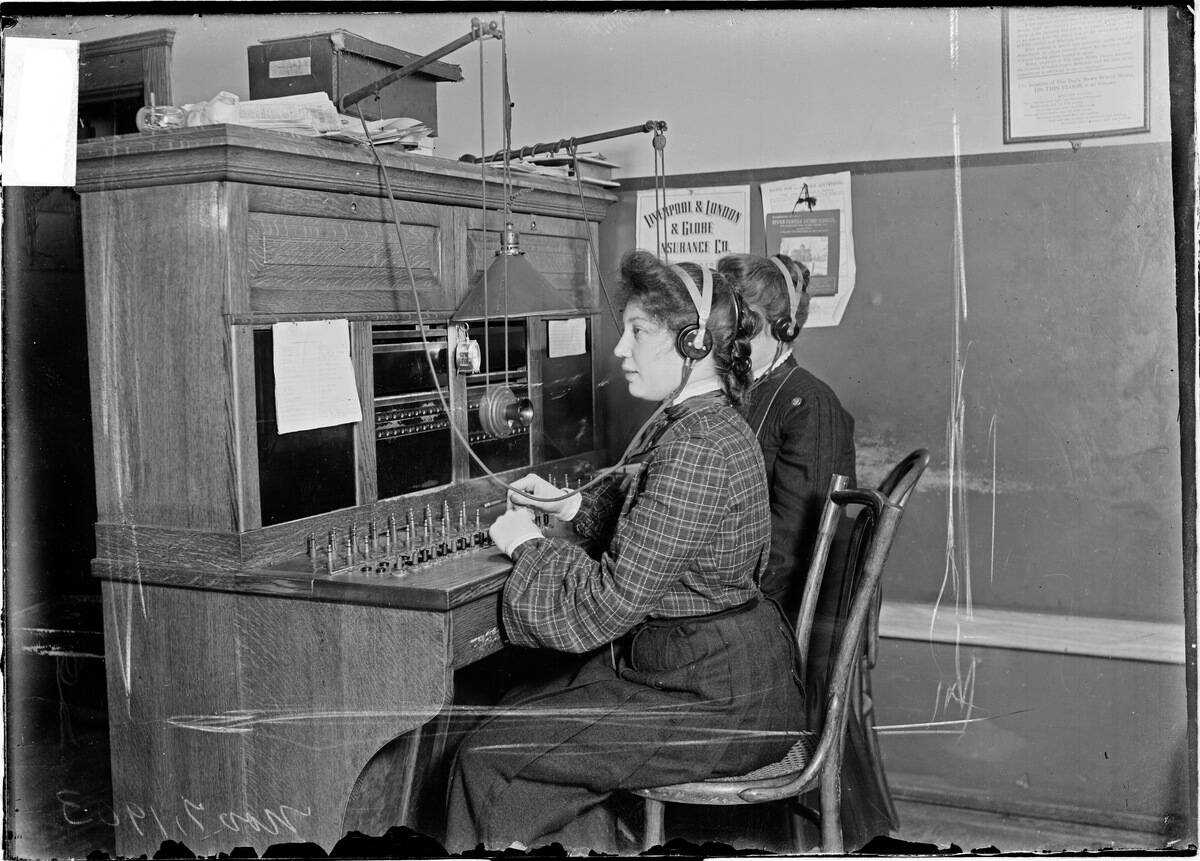
Telephone switchboards were once the heart of communication networks, operated by nimble-fingered switchboard operators connecting calls manually. This system, which began in the late 19th century, was essential for long-distance communication.
It wasn’t until the advent of automated switching in the mid-20th century that these operators began to fade into history. The evolution from switchboards to digital networks has paved the way for the seamless communication we enjoy today.
The Fax Machine: Yesterday’s Fastest Messenger
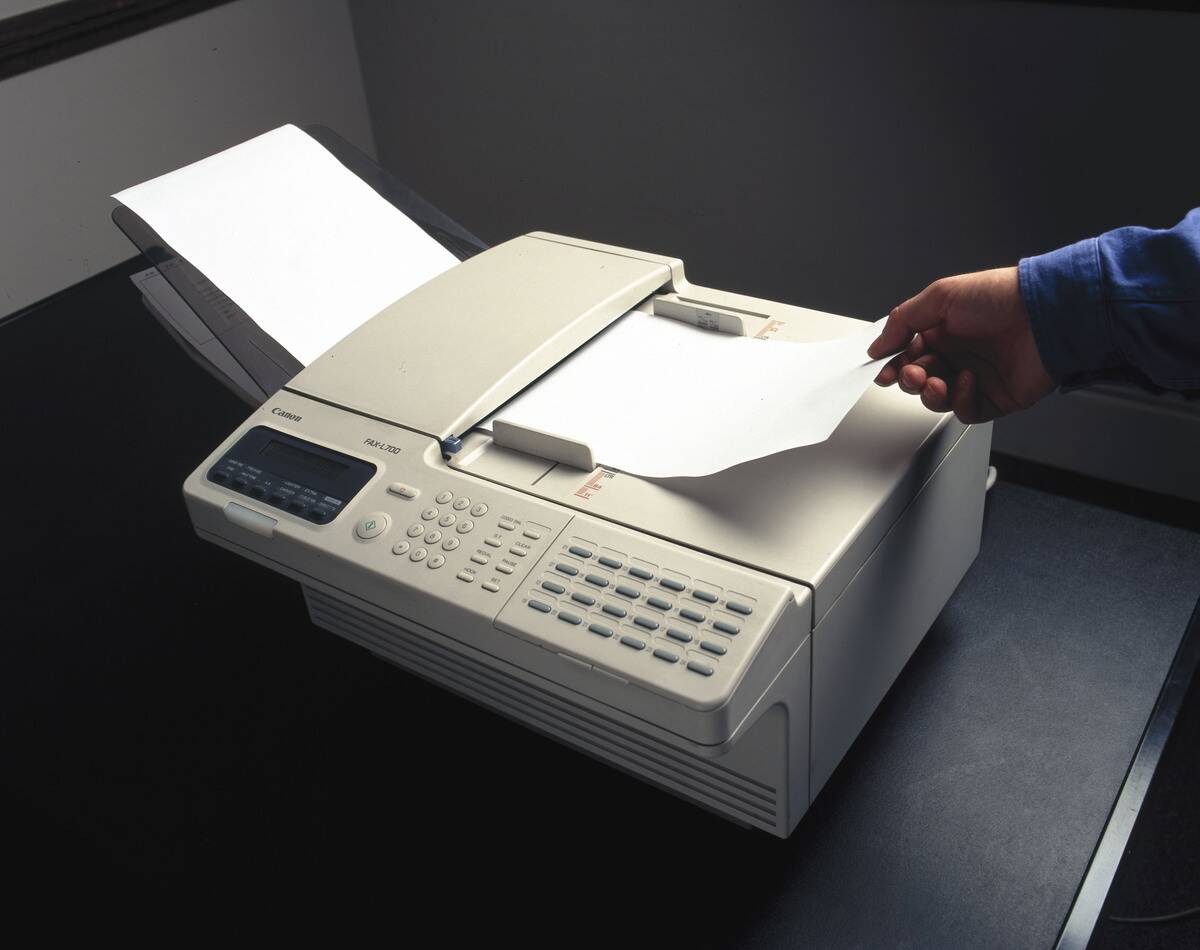
The fax machine was once the fastest way to send documents over long distances, peaking in popularity in the 1980s and 1990s. It worked by scanning a document, converting it into a bitmap, and transmitting it via telephone lines.
With the rise of email and internet-based communication, fax machines have largely been relegated to niche uses. Yet, for many businesses, they were a vital tool, bridging the gap between the paper and digital worlds.
Floppy Disks: The Storage Solution of the Past
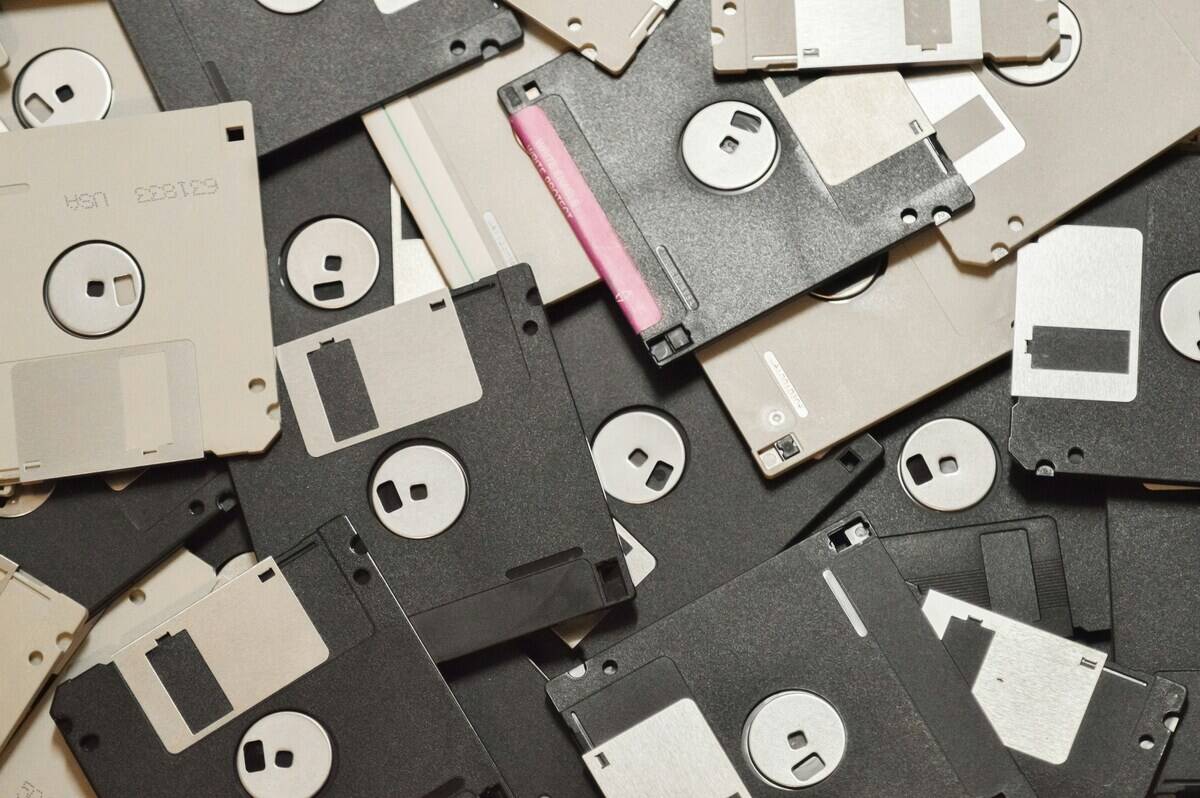
Floppy disks were once the go-to medium for storing and transferring data, with the first 8-inch floppy disk introduced by IBM in 1971. These disks evolved into smaller sizes, with the 3.5-inch version becoming a staple of the 1980s and 1990s.
Despite their low storage capacity by today’s standards, they were revolutionary at the time. Now, they serve as a nostalgic symbol of early personal computing, often remembered for their distinctive save icon.
Pager Craze: Once a Status Symbol
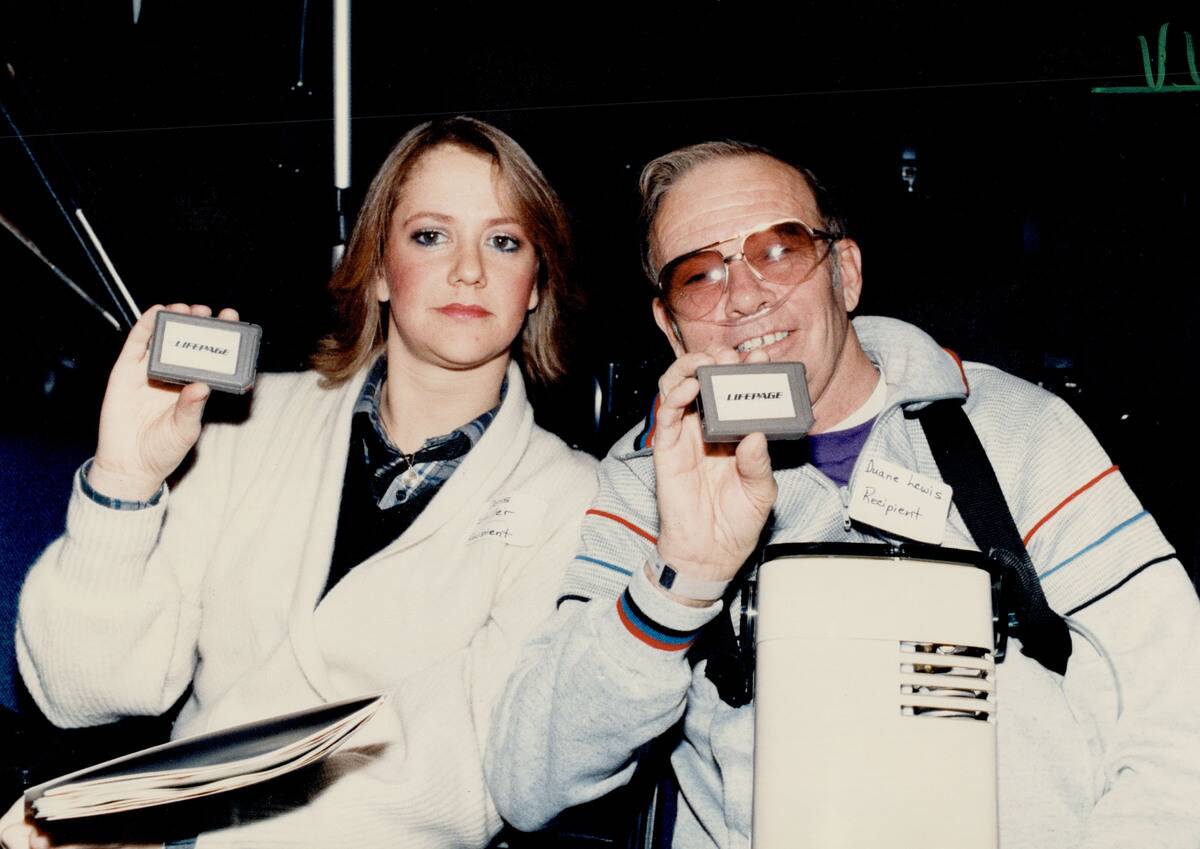
In the 1980s and 1990s, pagers were a status symbol, especially among professionals like doctors. These small devices allowed users to receive text messages or alerts, a revolutionary concept at the time.
Today, with smartphones offering far more sophisticated communication capabilities, pagers are mostly used in specific professional settings where reliability is crucial. However, for a time, having a pager clipped to your belt meant you were in the know and on the go.
Car Phone: The Original Mobile Communication
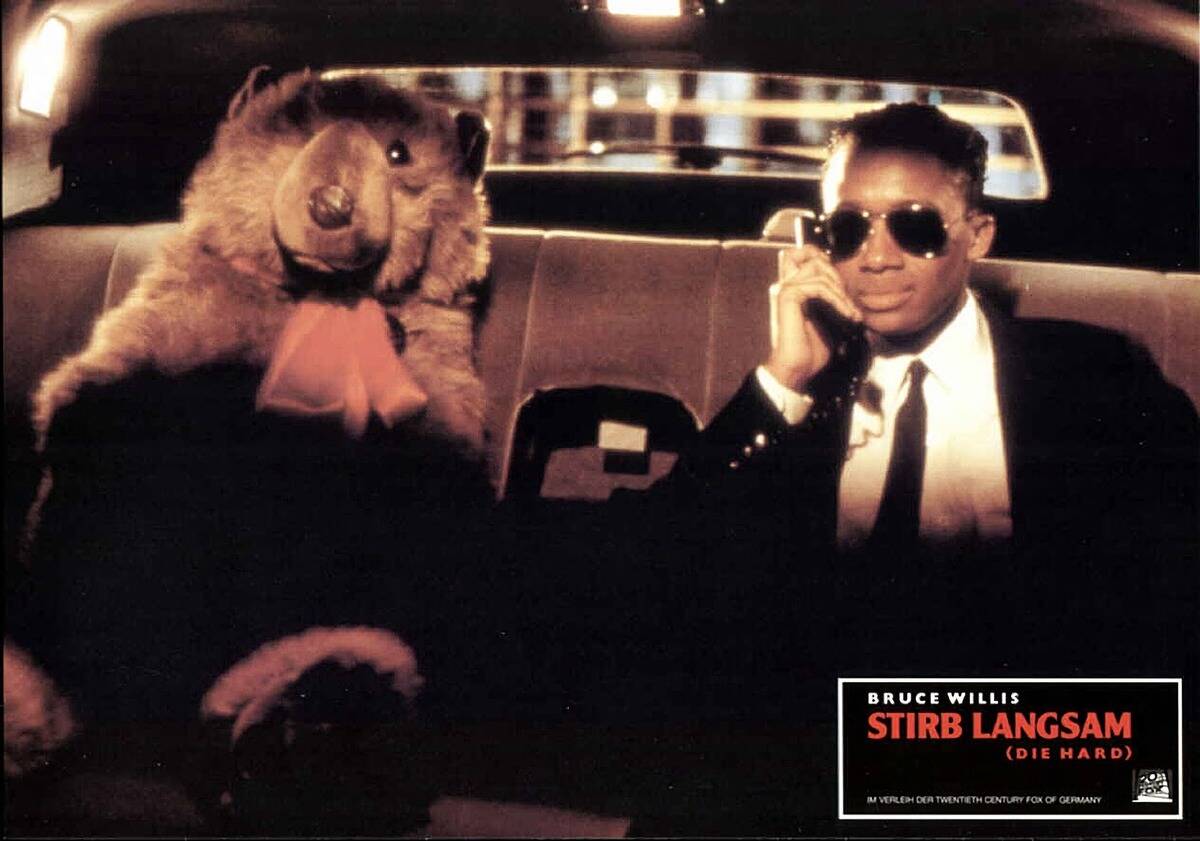
The car phone was a precursor to the modern mobile phone, allowing users to make calls from their vehicles. Introduced in the mid-20th century, these phones were large and expensive, often seen as a luxury for the wealthy.
As mobile technology advanced, they were replaced by more portable cell phones. Despite their clunky beginnings, car phones laid the groundwork for the mobile communication revolution, making them a significant milestone in tech history.
Manual Icebox: Before the Refrigerator Revolution
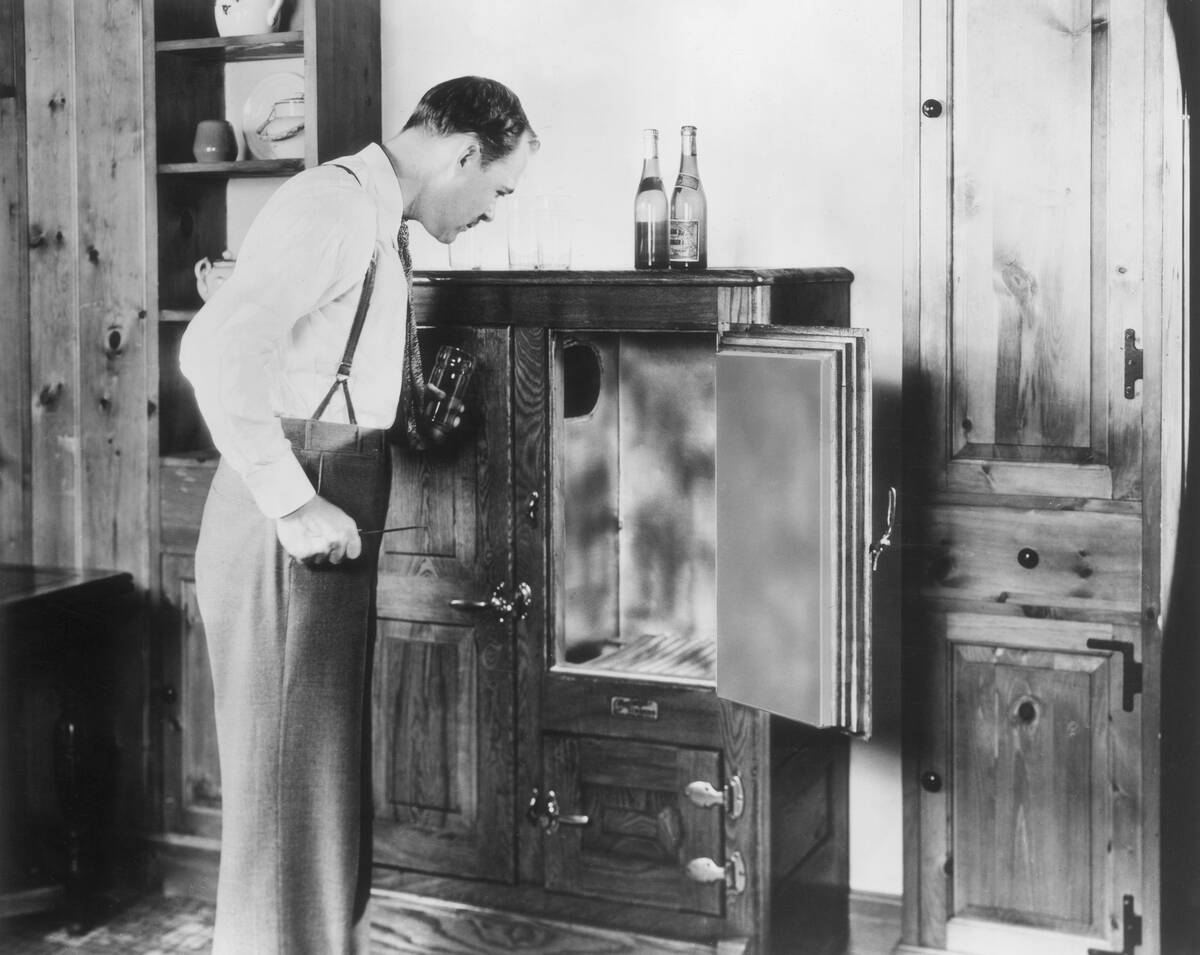
Before refrigerators became a household staple, the manual icebox was the primary method for keeping food cool. These insulated boxes required regular deliveries of ice blocks to maintain low temperatures.
The transition to electric refrigerators in the early 20th century made food storage more convenient and reliable. While the icebox may seem primitive today, it was an essential step in the journey toward modern refrigeration technology, highlighting the evolution of kitchen convenience.
The Rise and Fall of the Yellow Pages
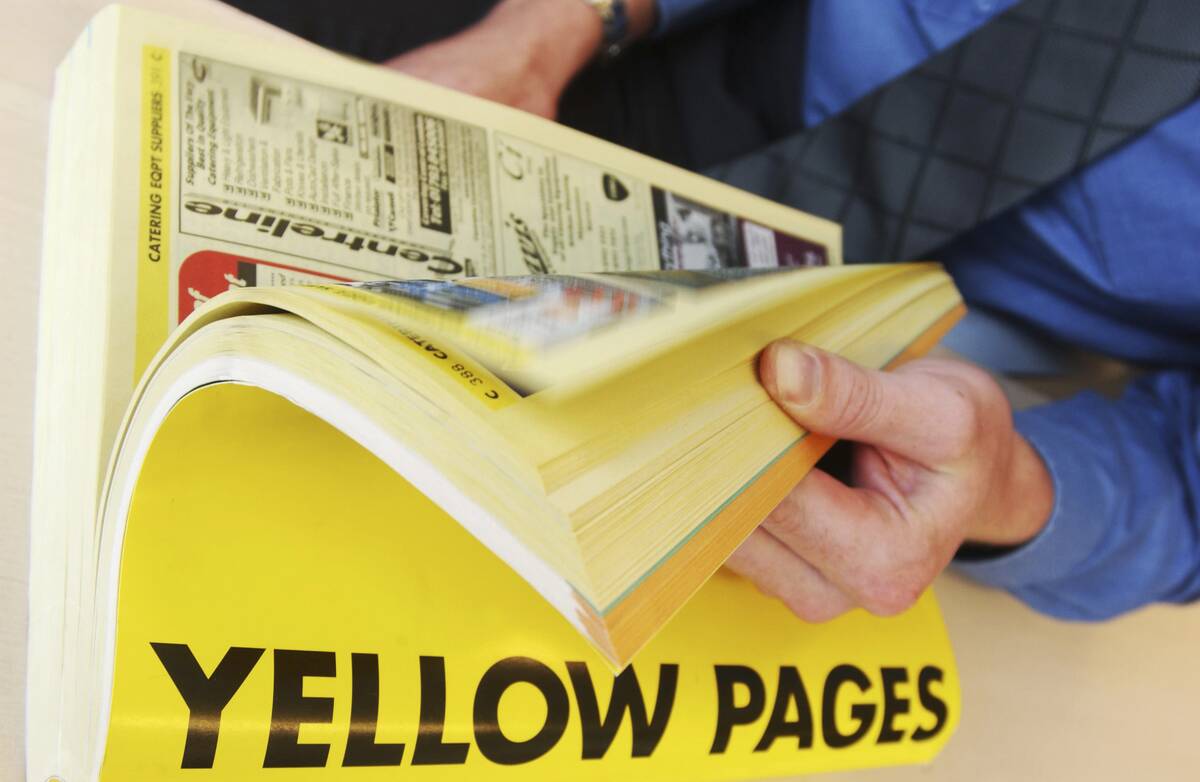
The Yellow Pages were once the definitive directory for finding local businesses and services, a staple in homes across the world. First published in 1886, they grew to become a massive printed resource.
The digital age, however, saw the decline of these hefty tomes as online search engines offered more immediate and comprehensive access to information. Today, the Yellow Pages still exist in digital form, but their printed versions are mostly relegated to history.
The Typewriter: Before the Age of Word Processors
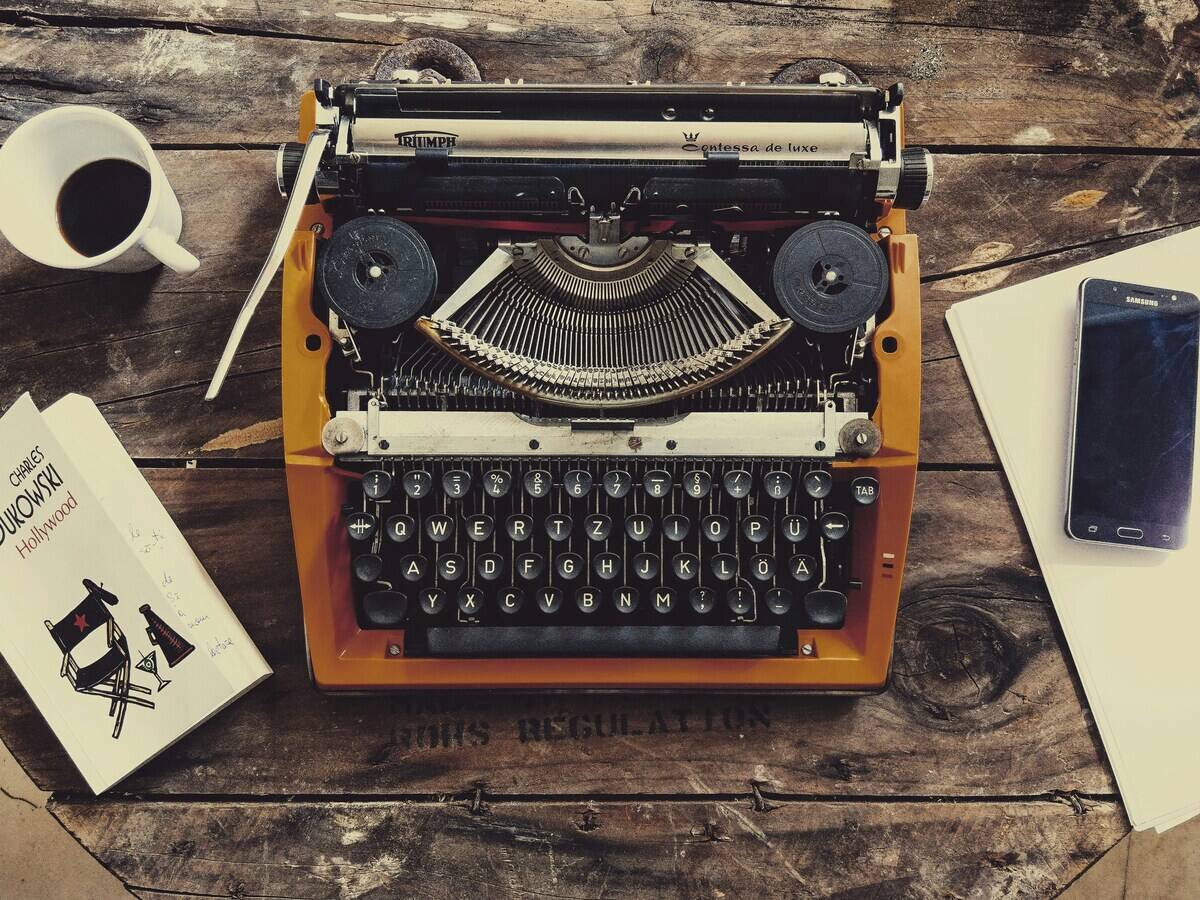
The typewriter was once the cornerstone of professional and home offices, revolutionizing the way people wrote. Invented in the 19th century, it allowed for faster and more legible writing than handwriting.
The transition to computers and word processors in the late 20th century rendered typewriters nearly obsolete. Yet, they remain a beloved piece of technology for many, often appreciated for their tactile feel and the satisfying clack of keys striking paper.
Tube Televisions: The Bulky Beginning of Entertainment
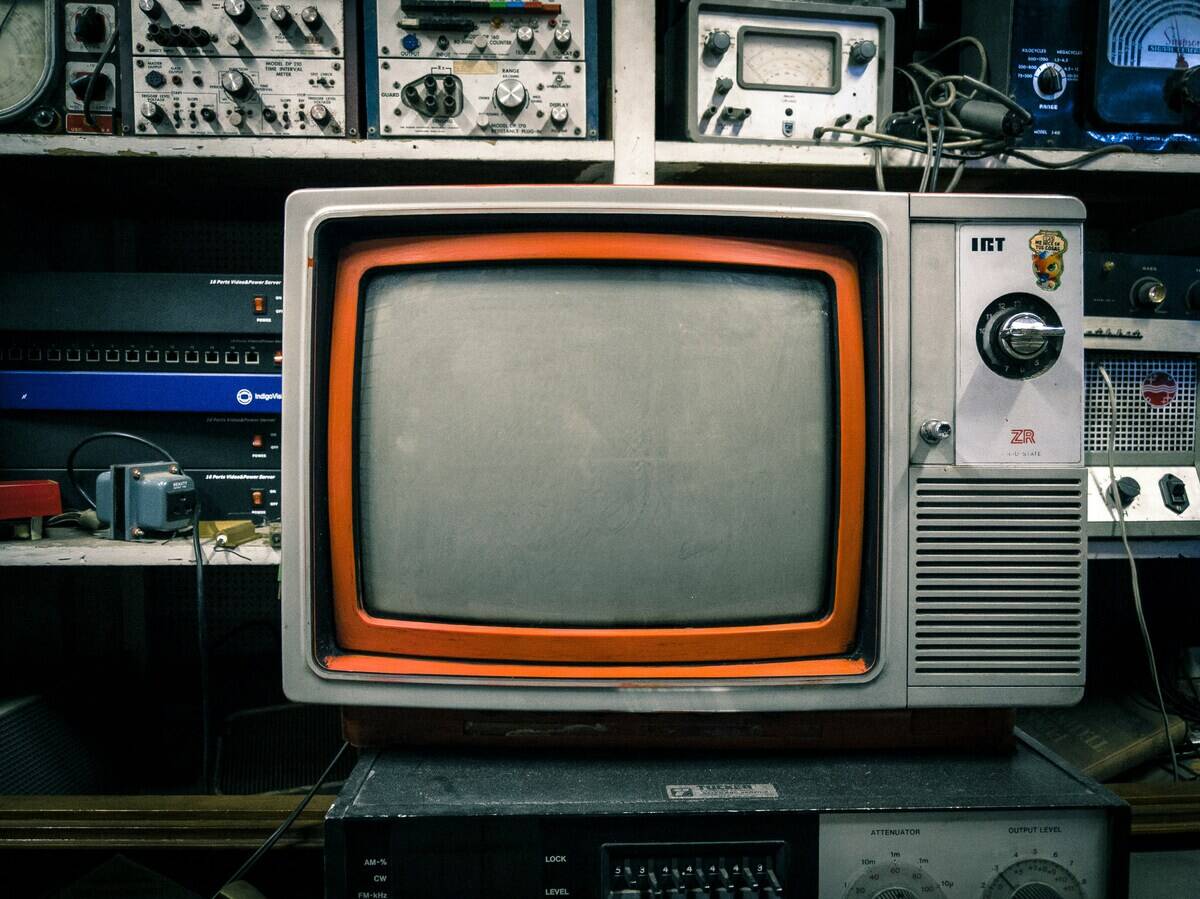
Tube televisions, with their cathode ray tubes and bulky designs, were once cutting-edge technology in the realm of home entertainment. From the 1930s through the late 20th century, they dominated living rooms worldwide.
The shift to flat-screen technology in the early 2000s marked their decline. Despite their size and weight, tube TVs paved the way for the high-definition, slim displays that are now standard, marking a significant evolution in visual media technology.
The Rolodex: Organizing Contacts the Old-School Way
Before digital contact lists, the Rolodex was the ultimate tool for organizing business contacts. Introduced in the 1950s, it allowed users to flip through cards, each containing contact information.
Despite its simplicity, it was an efficient way to keep track of important connections. As digital address books and smartphones became popular, the Rolodex became more of a nostalgic office accessory, a reminder of a time when managing contacts involved a tactile experience.
Map Reading: The GPS Before GPS

Before GPS systems transformed navigation, travelers relied on paper maps and their own sense of direction. Unfolding a map in the car was a common sight, often accompanied by heated discussions about the correct route.
The introduction of GPS technology in the late 20th century revolutionized travel, offering real-time directions and eliminating much of the guesswork. While paper maps may seem outdated now, they were once an essential tool for explorers and everyday drivers alike.
Manual Film Cameras: Capturing Memories in a Pre-Digital World
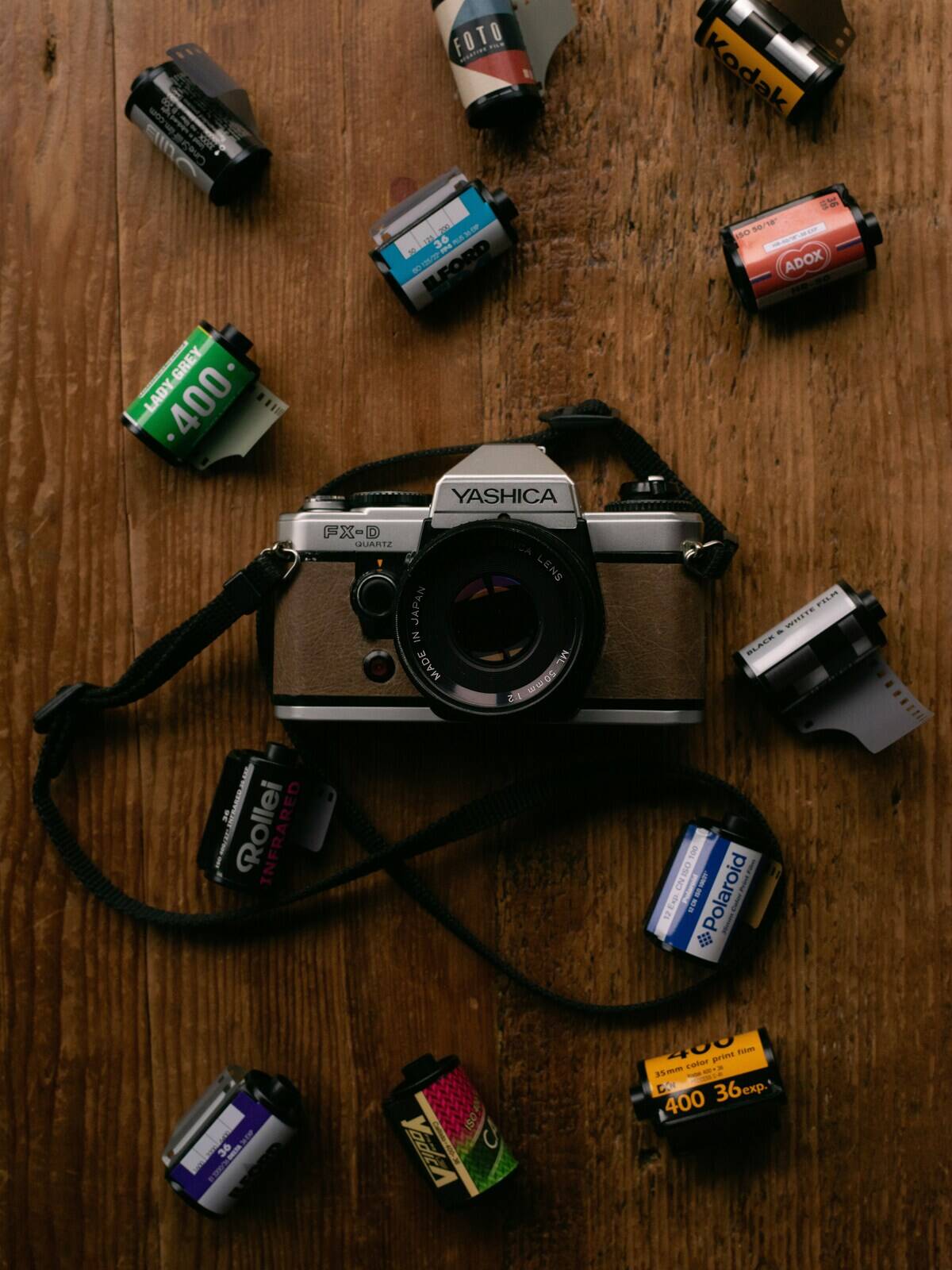
Manual film cameras were once the standard for capturing life’s moments, requiring skill and patience to master. Each shot counted, as film rolls limited the number of photos one could take.
The digital revolution in photography, starting in the late 20th century, made capturing and sharing images easier than ever. However, many photographers still appreciate the aesthetic and intentionality of film, keeping the art form alive even in a predominantly digital age.
The Walkman: Music on the Move Before Streaming
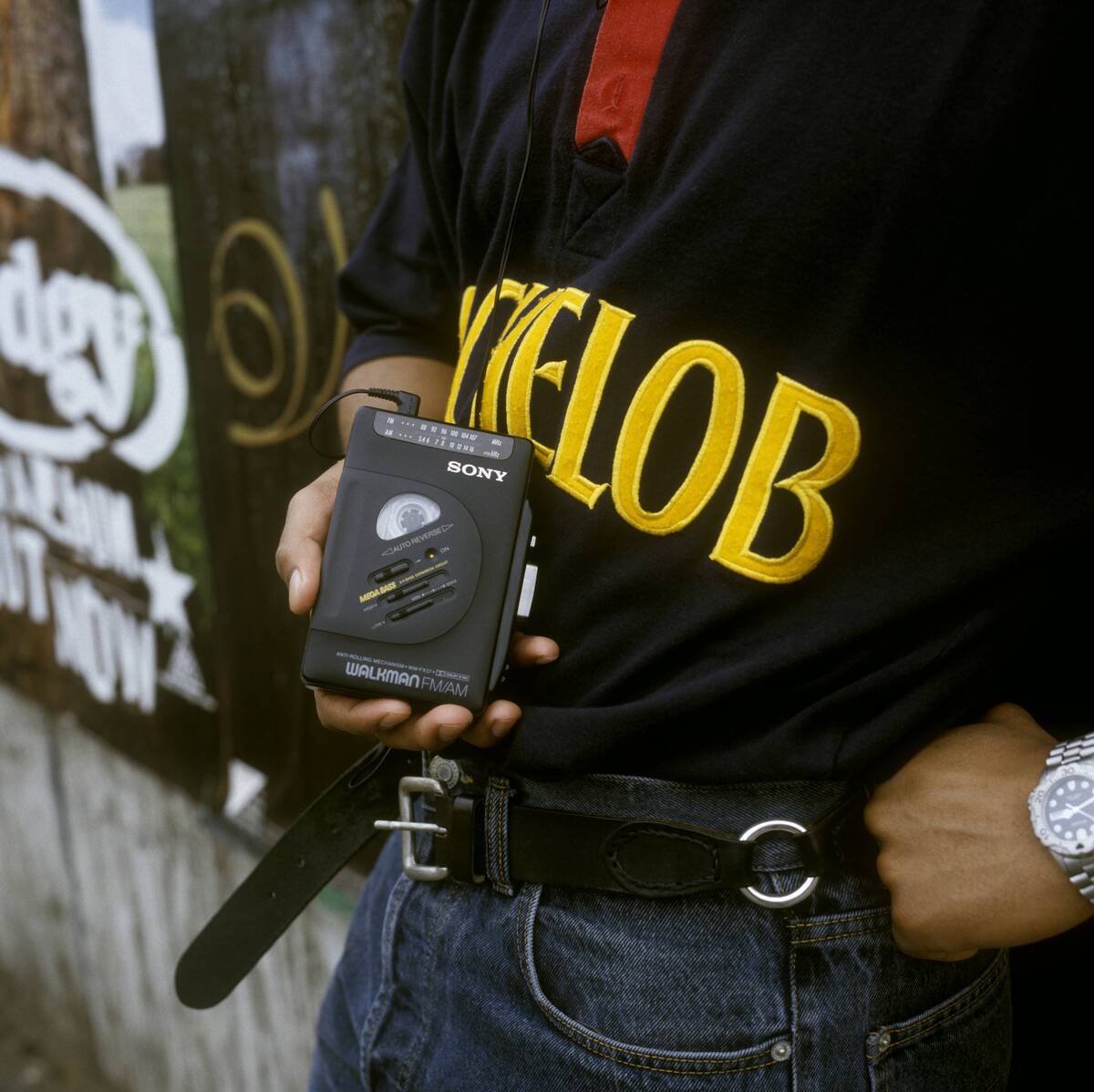
The Sony Walkman was a game-changer in how people consumed music, introduced in 1979. It allowed for personal, portable listening, a novelty at the time. Users could carry cassette tapes and listen on the go, a precursor to today’s streaming services.
While digital music has largely replaced cassettes, the Walkman remains an iconic piece of tech history, symbolizing the beginning of personal music experiences that have evolved into today’s vast online libraries.
Rotary Phones: Dialing in a Digital Age
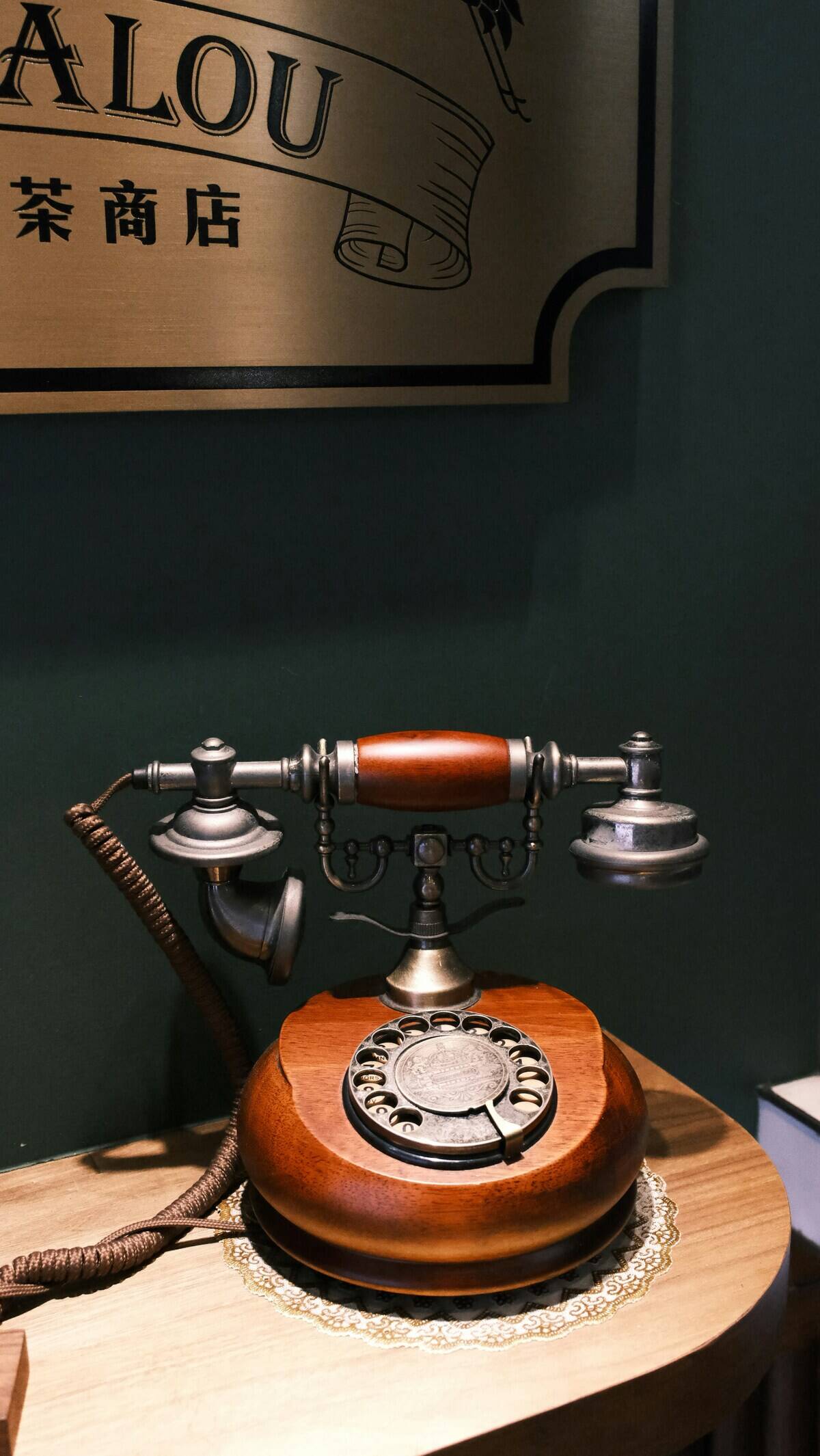
Rotary phones, with their distinct circular dials, were once the standard in households worldwide. Introduced in the early 20th century, they required users to rotate a dial for each number.
As touch-tone phones and digital communication emerged, rotary phones became a relic of the past. Yet, they still hold a certain charm, often celebrated for their design and as a symbol of simpler times in telecommunication history.
The Day of the Dial-Up Modem
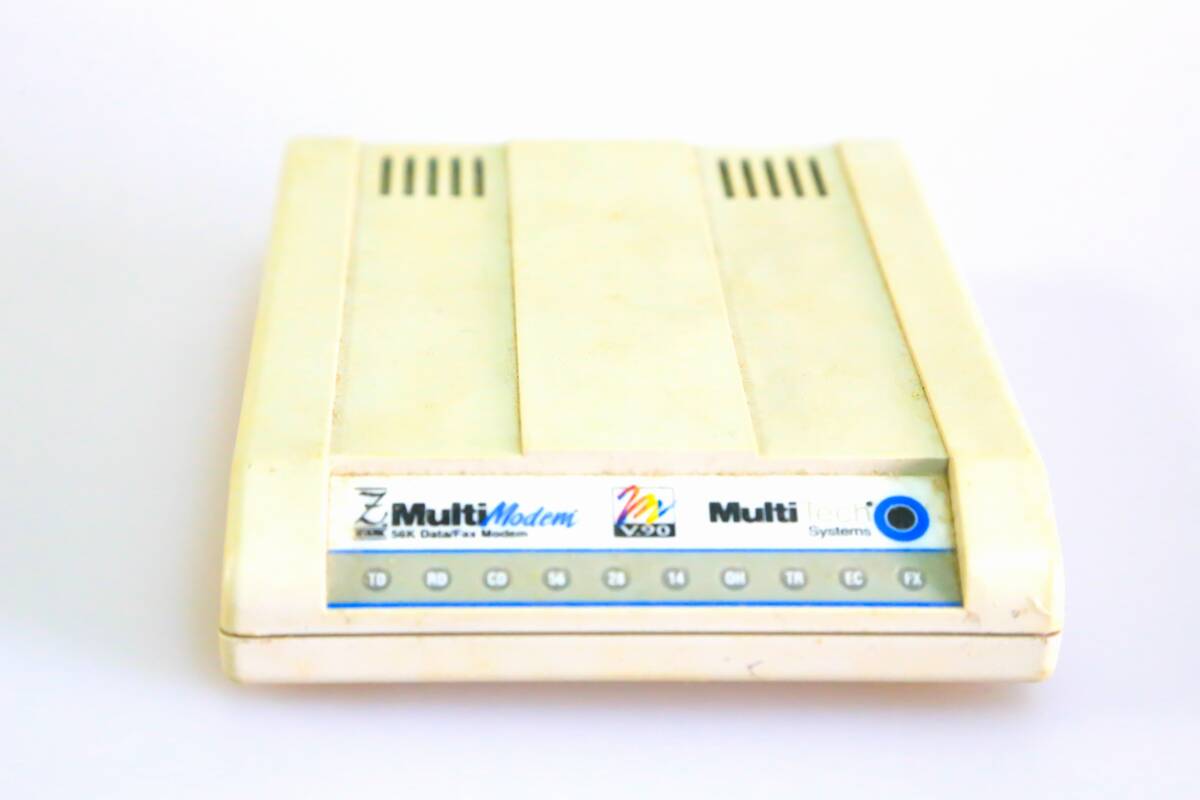
Dial-up modems were the gateway to the internet in the 1990s, recognizable by their iconic connection sound. They operated over telephone lines, offering speeds that seem glacial by today’s standards.
As broadband internet became more widely available, dial-up modems quickly became obsolete. Despite the slow speeds, they were crucial in bringing the internet into homes and businesses, marking the beginning of the digital age we now take for granted.
VHS Tapes: Movie Nights Before Streaming Services
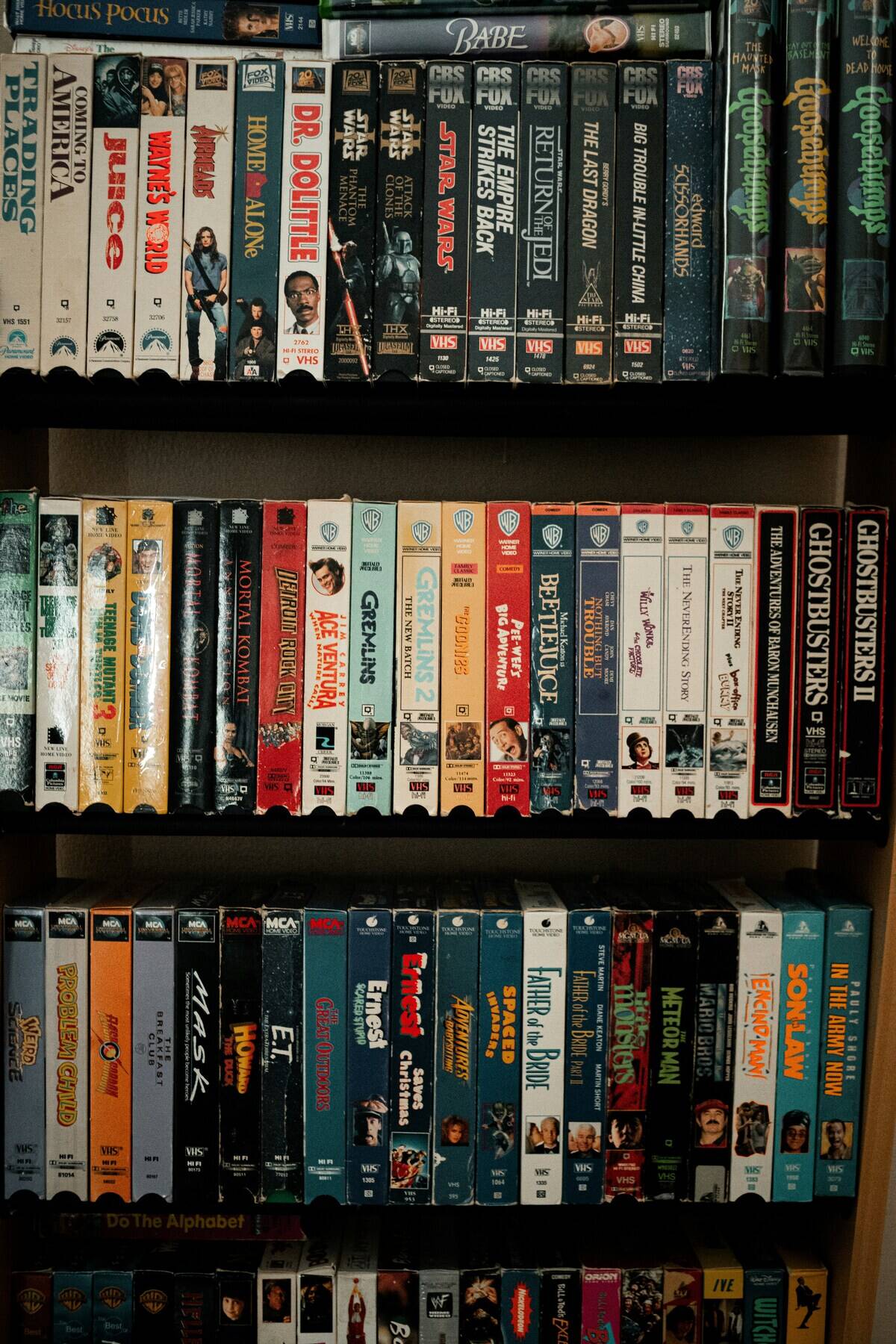
VHS tapes were once the cornerstone of home entertainment, allowing people to watch and record movies and shows at home. Introduced in the late 1970s, they became a staple of the 80s and 90s.
The rise of DVDs and later, streaming services, eventually overshadowed VHS technology. Yet, for many, VHS tapes evoke a sense of nostalgia, harkening back to a time when renting a movie meant a trip to the local video store.
The Slide Rule: Calculations Before Calculators
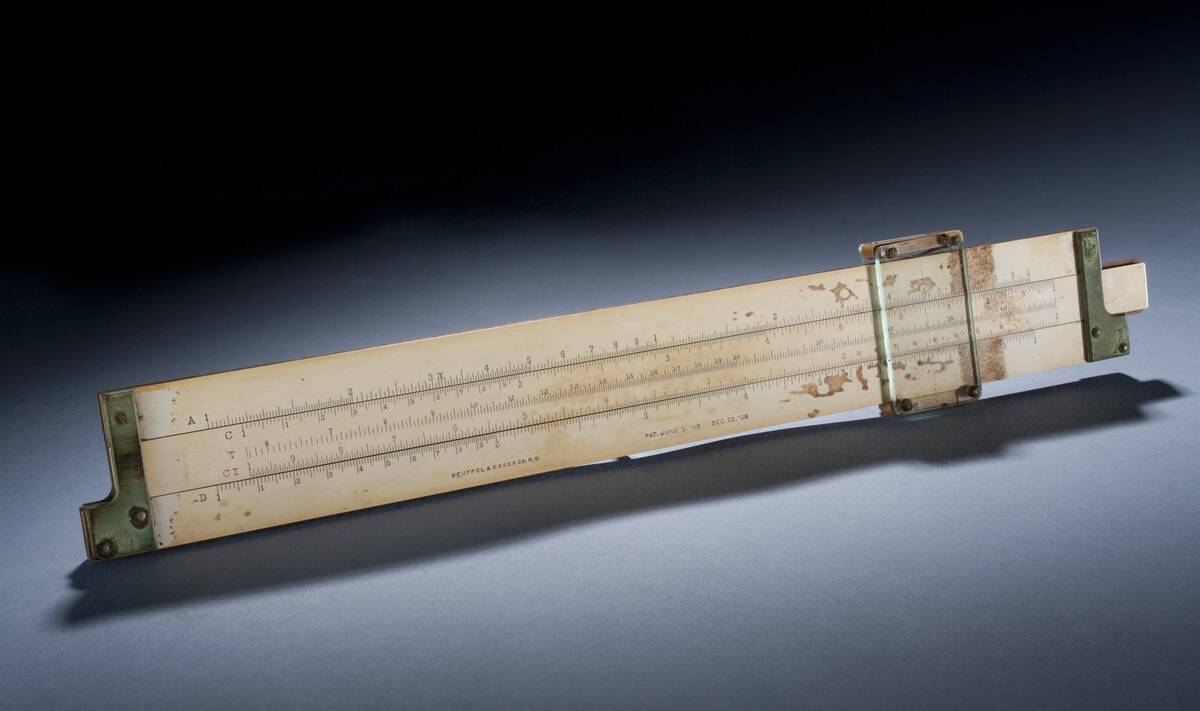
Before electronic calculators, the slide rule was the tool of choice for engineers and scientists. Invented in the 17th century, it allowed for complex calculations using logarithmic scales.
Despite its complexity, it was an essential tool for decades, even used in early space missions. The advent of pocket calculators in the 1970s rendered slide rules obsolete, but they remain a fascinating example of pre-digital ingenuity in mathematics and engineering.