Ancient Egyptian beliefs about death and the afterlife
Ancient Egyptians held a deep fascination with death and the afterlife, believing it was a continuation rather than an end. Their beliefs were rooted in the idea that life on Earth was merely a part of a grander journey.
This journey was governed by a series of rituals and beliefs that ensured a safe passage to the afterlife. The Egyptians viewed death as a transition to another realm where one could achieve immortality if properly prepared.
The Egyptian View of the Soul: Ba, Ka, and Akh
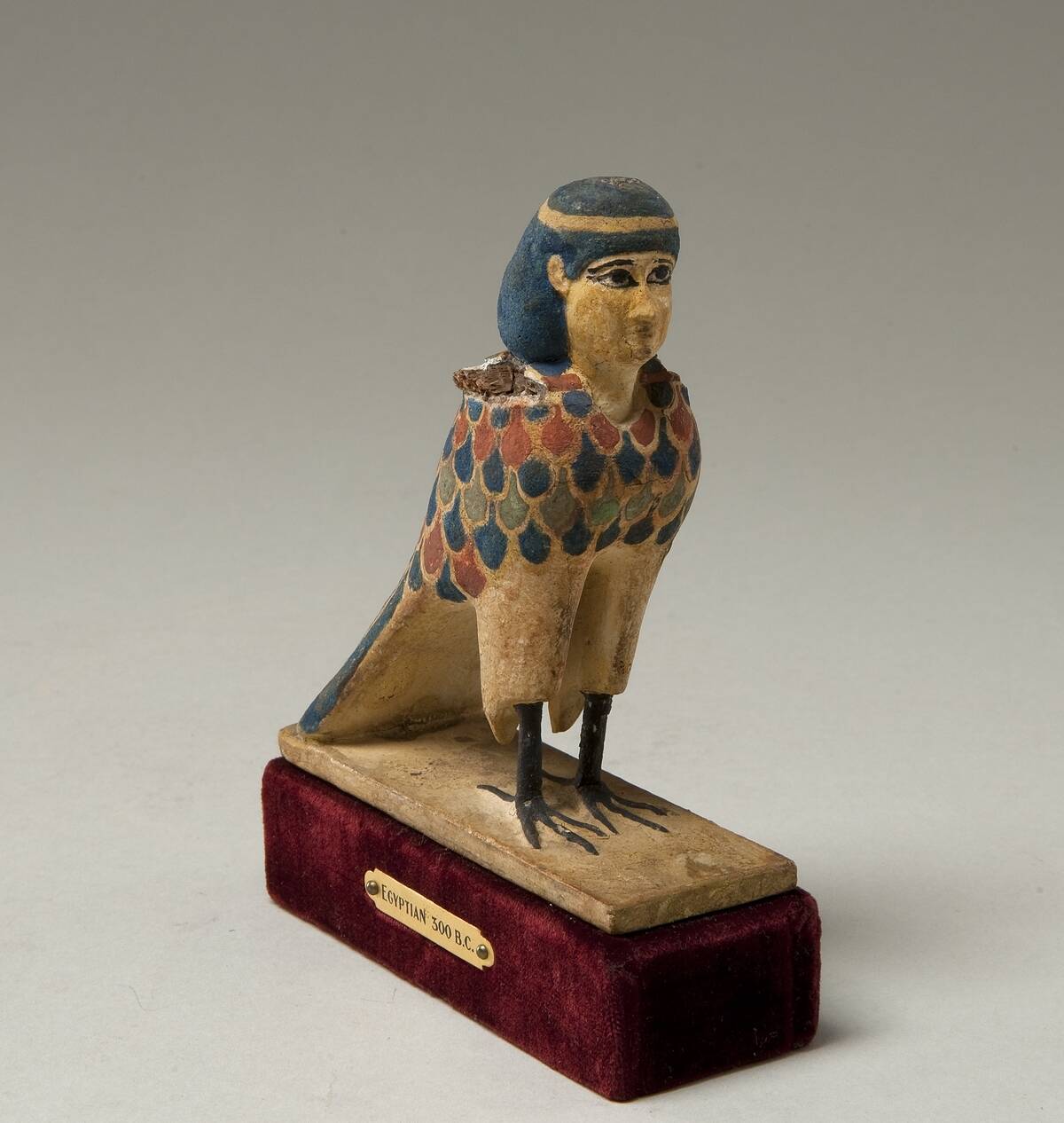
The Egyptian concept of the soul was complex, comprising three main elements: Ba, Ka, and Akh. The Ba was depicted as a bird with a human head, representing the personality and mobility of the deceased.
The Ka was the life force, needing sustenance from offerings. The Akh was the transformed spirit, achieved through proper burial rites. Together, these elements ensured the deceased’s existence in the afterlife, allowing them to interact with both the living and the divine.
Mummification: The Art of Preserving the Body for Eternity
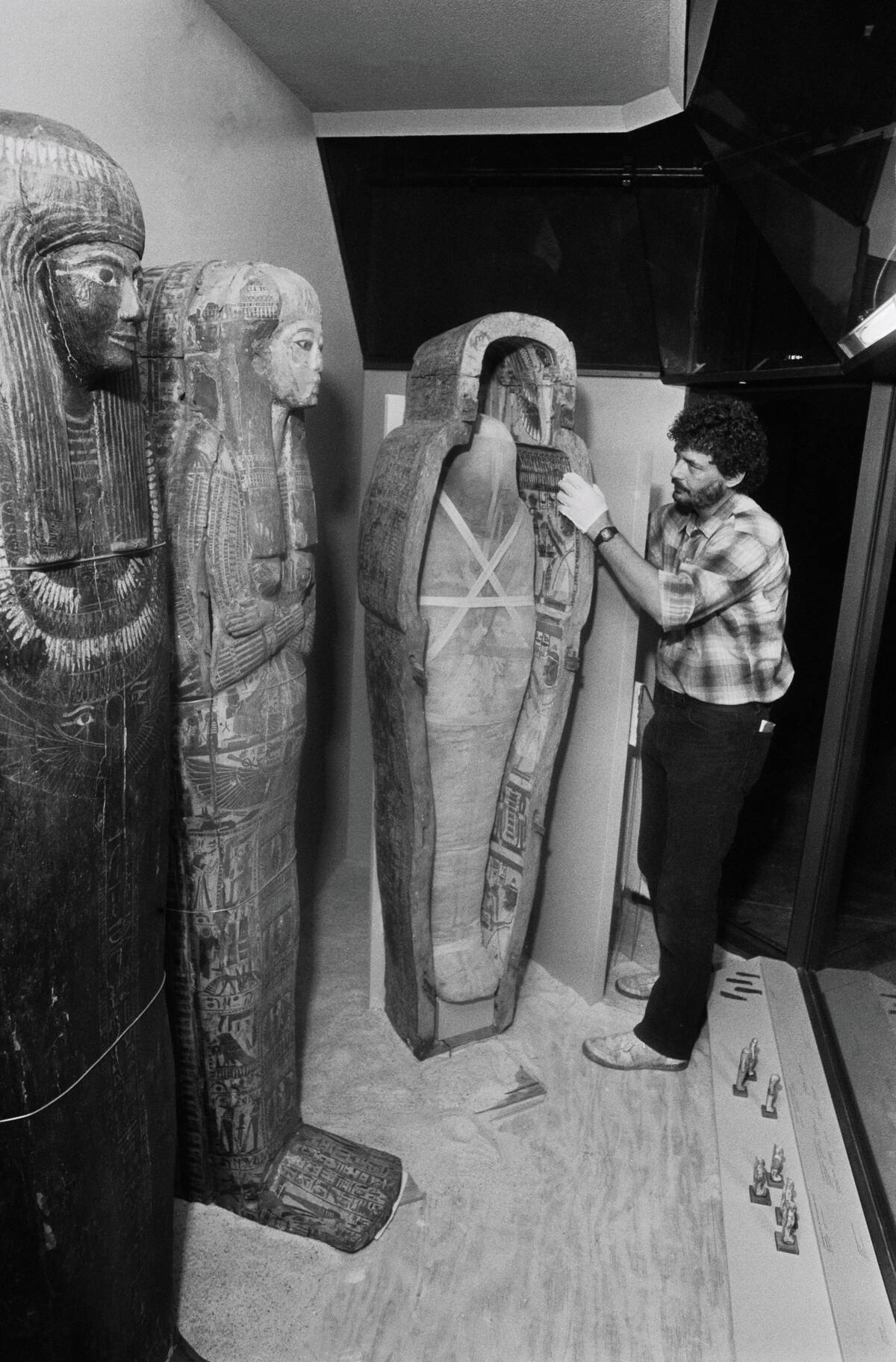
Mummification was a meticulous process aimed at preserving the body for eternity, reflecting the Egyptian belief in physical resurrection. The process involved removing internal organs, which were stored in canopic jars, and drying the body with natron.
This preservation was crucial as the Egyptians believed the soul needed a physical form to inhabit in the afterlife. Over time, mummification techniques evolved, becoming more sophisticated and accessible to various social classes.
The Role of the Pharaoh in the Afterlife
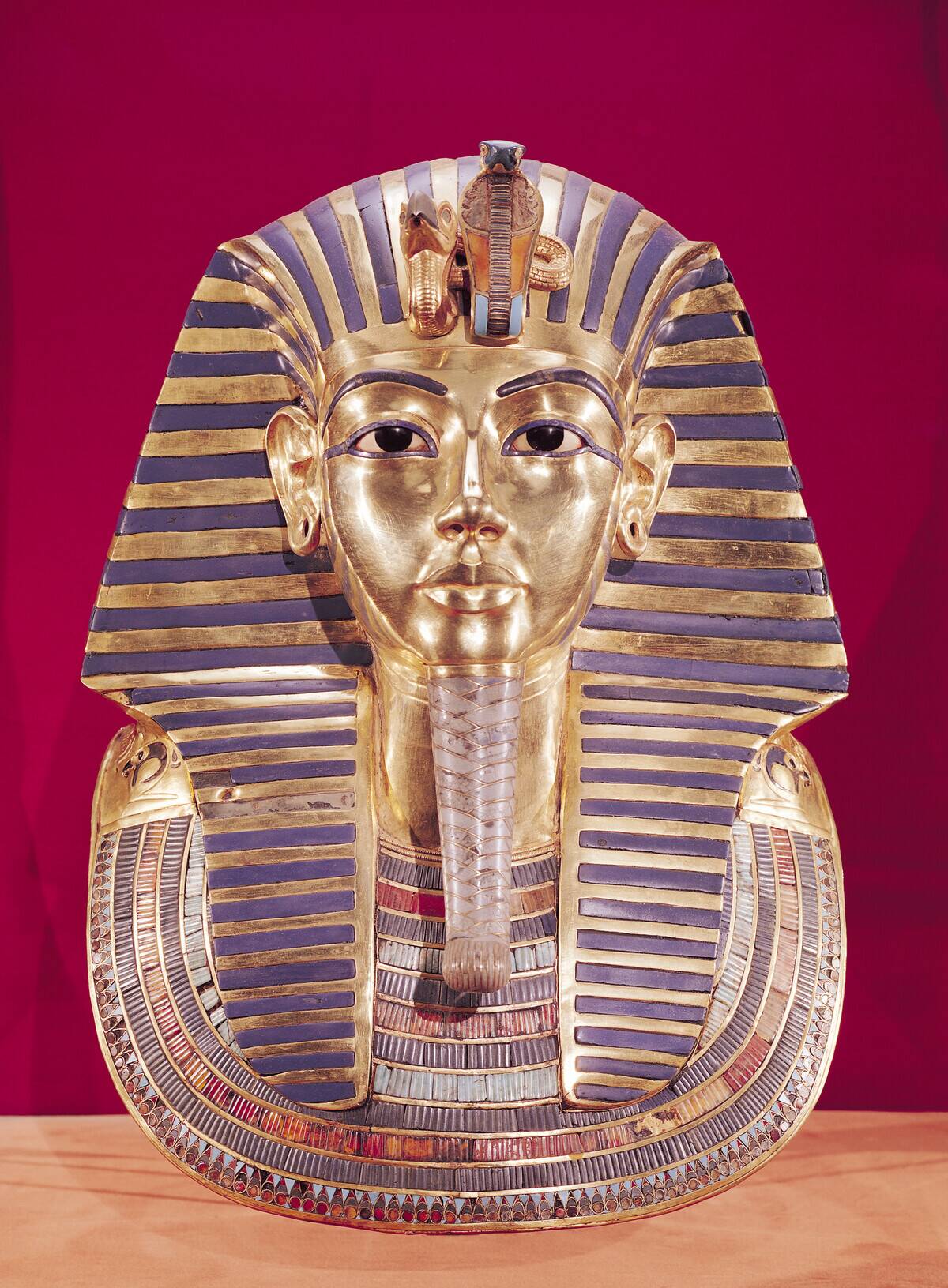
Pharaohs were considered divine rulers, and their role extended beyond death. They were seen as intermediaries between the gods and humans, ensuring the prosperity of the land. In the afterlife, pharaohs were believed to ascend to the heavens, becoming one with the gods.
Their tombs were elaborate, filled with treasures and inscriptions to aid their journey. The pharaoh’s successful transition to the afterlife was thought to guarantee the continued hamony and order of the universe.
Tombs and Pyramids: Eternal Homes for the Dead
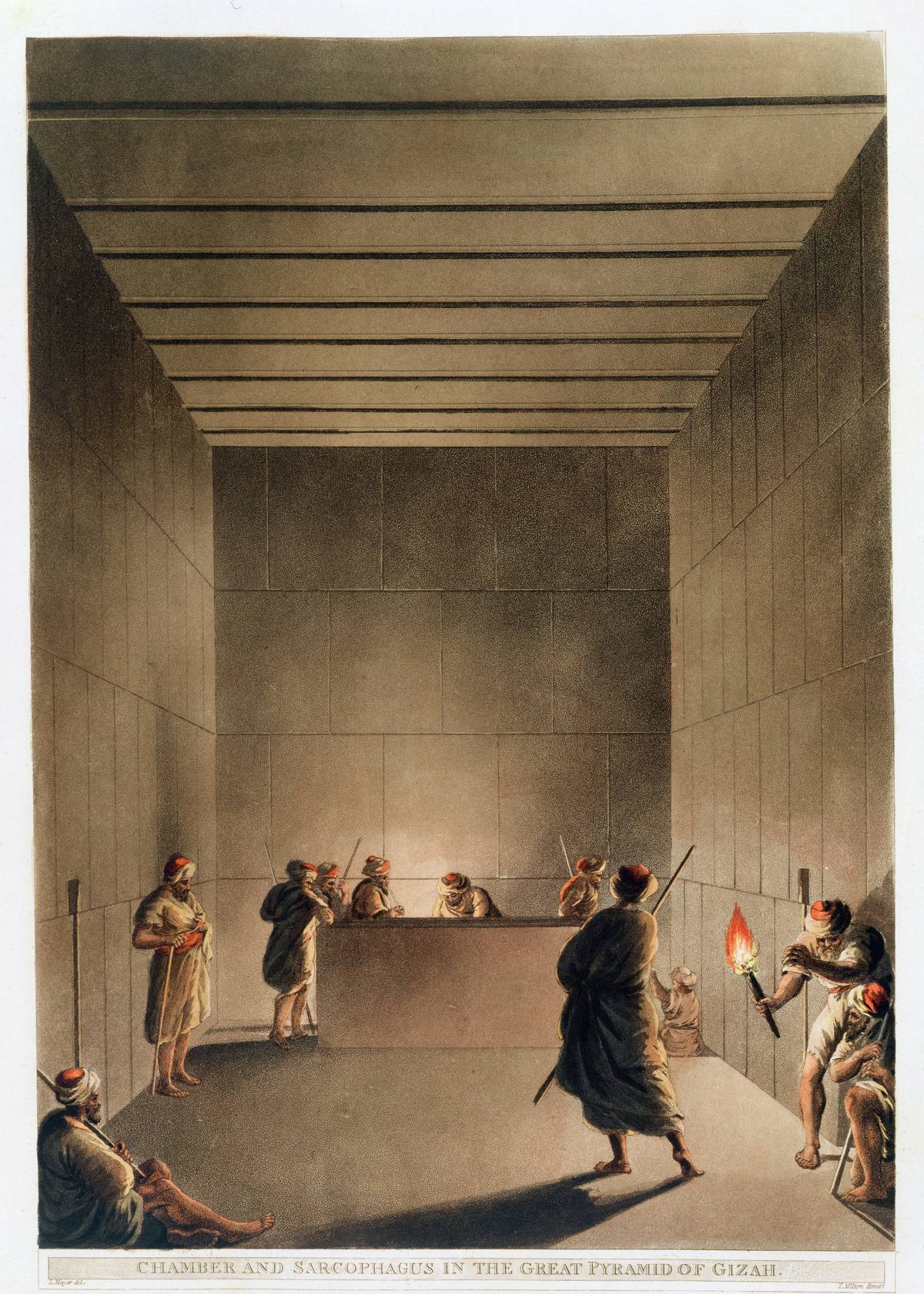
Tombs and pyramids were built to protect the deceased and support their existence in the afterlife. Pyramids were primarily associated with royal burials, especially those of pharaohs, although queens and other members of the royal family also received pyramids.
Their form has often been linked to solar symbolism and the king’s ascent to the heavens, though the exact symbolism is debated. Tomb walls were decorated with religious texts, offerings, and scenes of daily life intended to sustain and assist the deceased in the afterlife.
The Book of the Dead: A Guide to the Afterlife
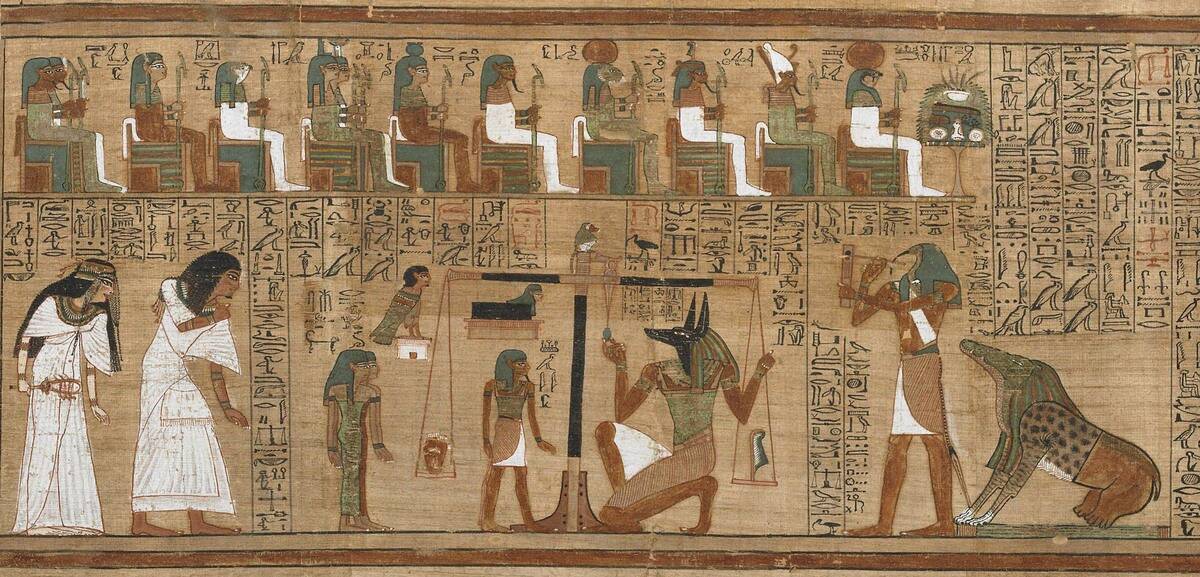
The Book of the Dead was a collection of spells and incantations intended to guide the deceased through the afterlife. It was not a single book but a compilation of texts customized for each individual.
These texts were often inscribed on papyrus and placed in tombs. The spells provided protection against dangers in the afterlife, ensuring a safe passage to the Field of Reeds. The Book of the Dead was essential for navigating the afterlife’s challenges and achieving eternal peace.
Funerary Practices: From Processions to Offerings
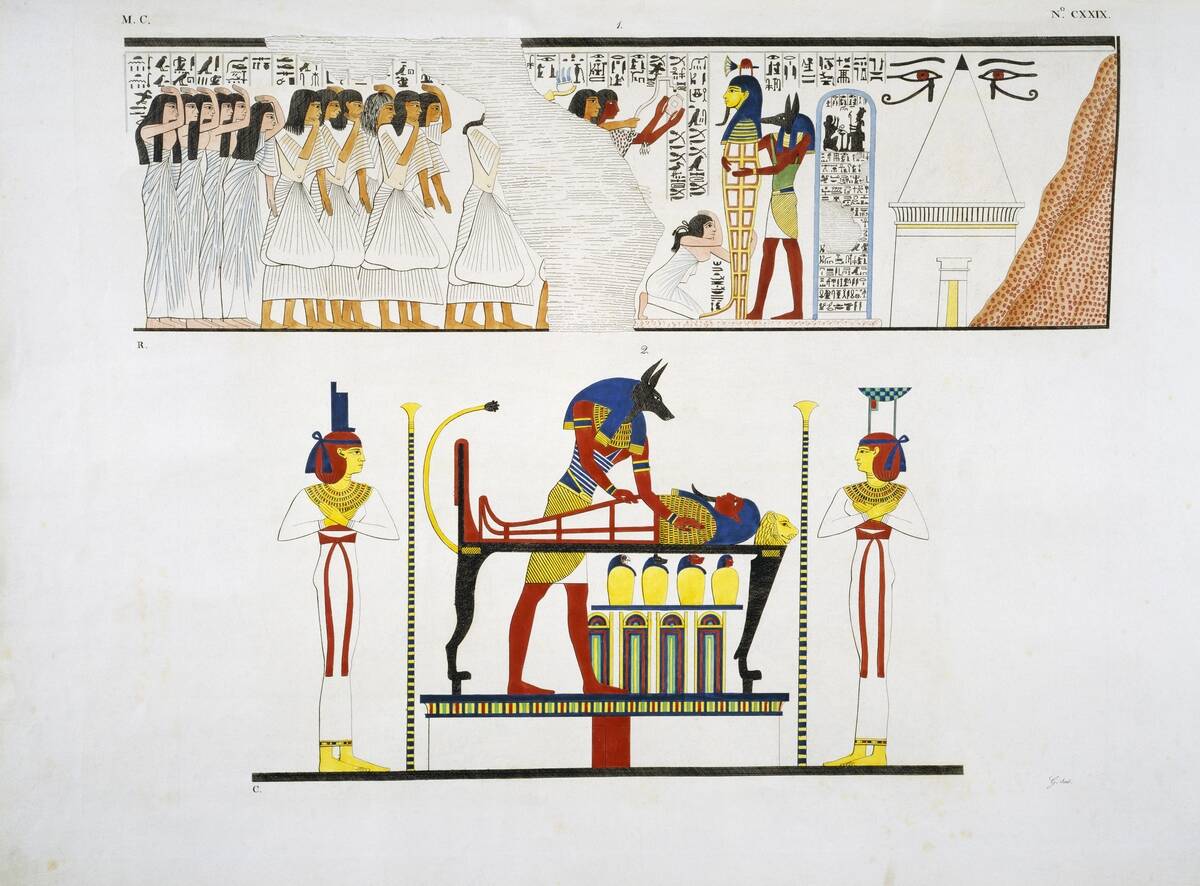
Funerary practices in ancient Egypt were elaborate, beginning with a procession to the tomb. The deceased was accompanied by mourners, priests, and musicians. Offerings of food, drink, and goods were made to sustain the Ka.
These rituals were vital for ensuring the deceased’s well-being in the afterlife. Funerary practices varied based on social status, with the wealthy enjoying more elaborate ceremonies. However, the core belief in the importance of these rites was universal across all classes.
The Weighing of the Heart: Judgment in the Afterlife
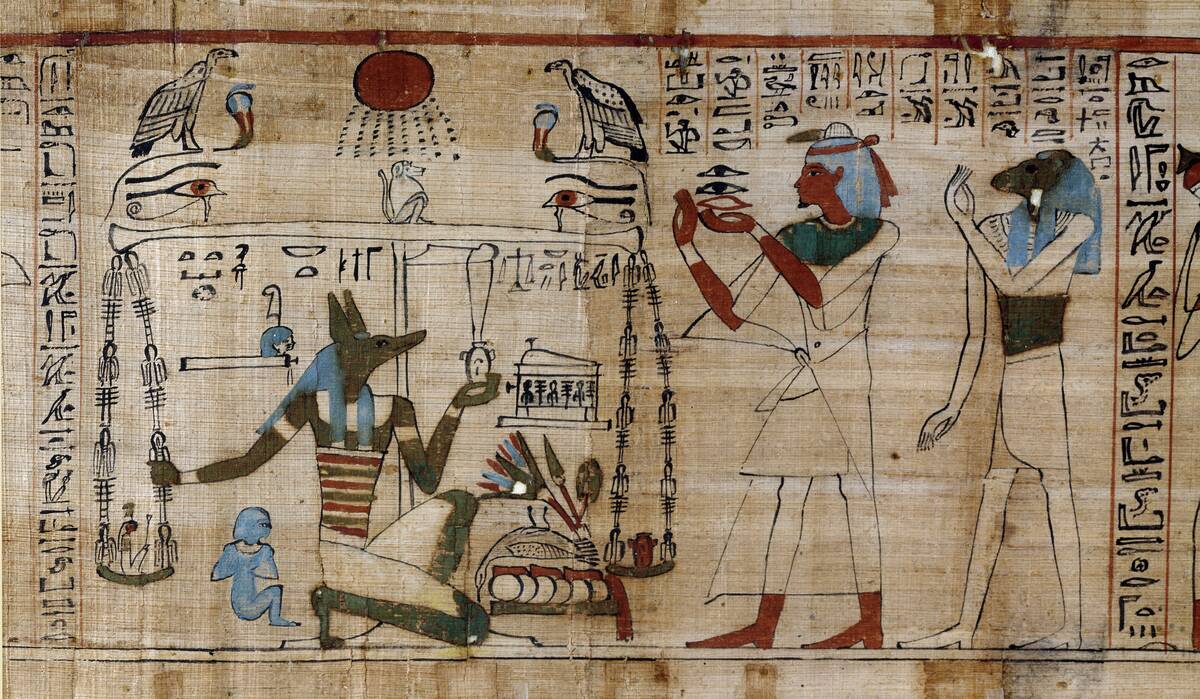
The Weighing of the Heart was a pivotal moment in the Egyptian afterlife journey. It was believed that the heart, symbolizing the individual’s moral character, was weighed against the feather of Ma’at, the goddess of truth and justice.
If the heart balanced with the feather, the deceased was judged worthy and could proceed to a blessed afterlife, often associated with the Field of Reeds. If it failed the test, the heart was devoured by Ammit, resulting in the destruction of the deceased’s afterlife existence
Osiris: The God of the Underworld and Resurrection
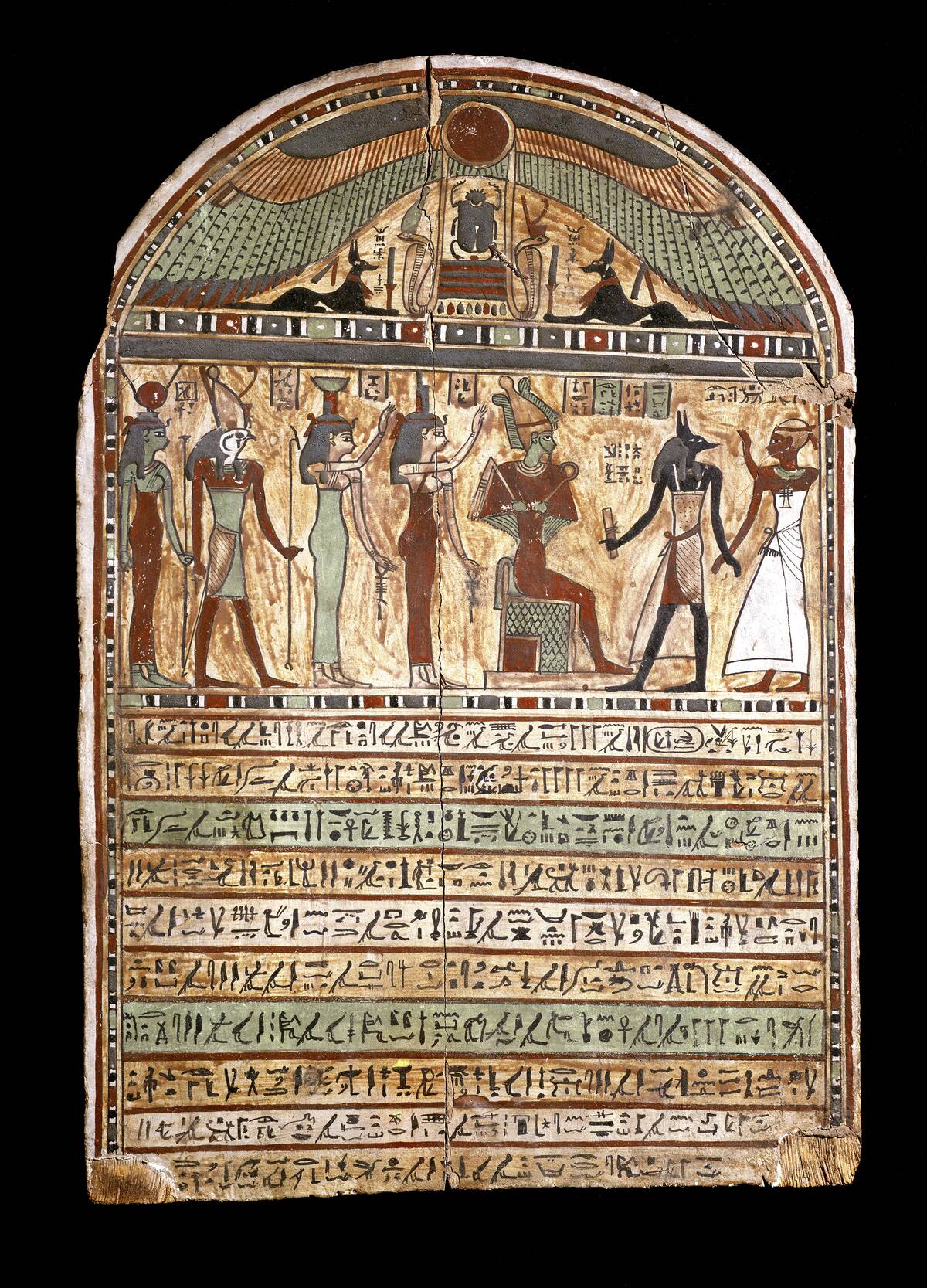
Osiris was a central figure in ancient Egyptian religion, associated with the dead, the afterlife, and regeneration. According to myth, he was killed by Seth and restored to a new form of existence, becoming ruler of the realm of the dead.
His story became closely connected with Egyptian hopes for rebirth and continued existence after death. Osiris presided over the judgment of the deceased, while Anubis typically operated the scales during the Weighing of the Heart and Thoth recorded the result.
Anubis: Guardian of the Dead and Embalming
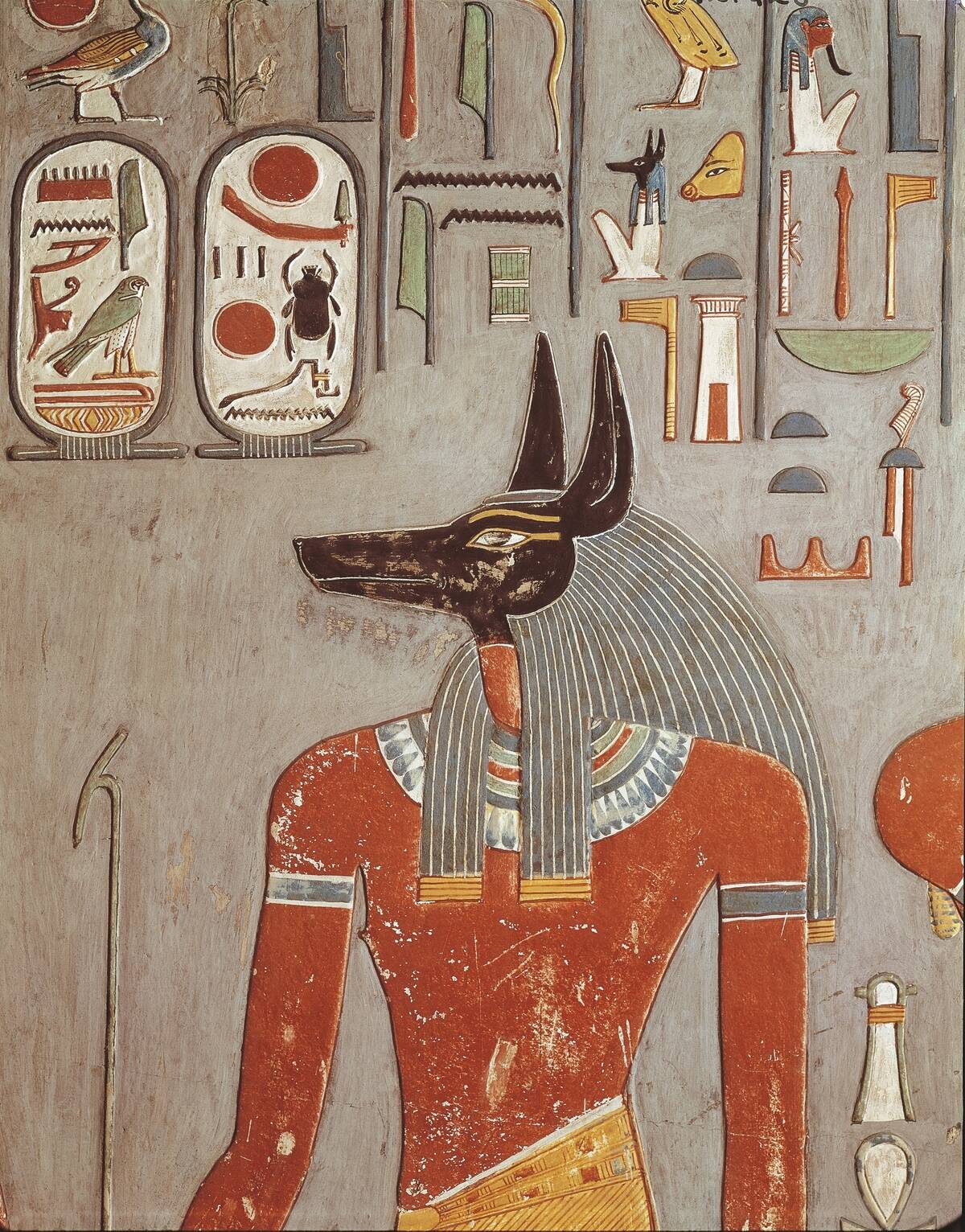
Anubis, depicted as a jackal-headed deity, was the guardian of the dead and overseer of embalming. He was believed to guide souls to the afterlife and protect graves from desecration. As the patron of embalmers, Anubis was invoked during mummification rituals to ensure the body’s preservation.
His role in the Weighing of the Heart, where he led the deceased to judgment, highlighted his importance in the journey to the afterlife. Anubis’s presence ensured a safe and respectful passage for the dead.
Amulets and Spells: Magical Aids for the Journey Beyond
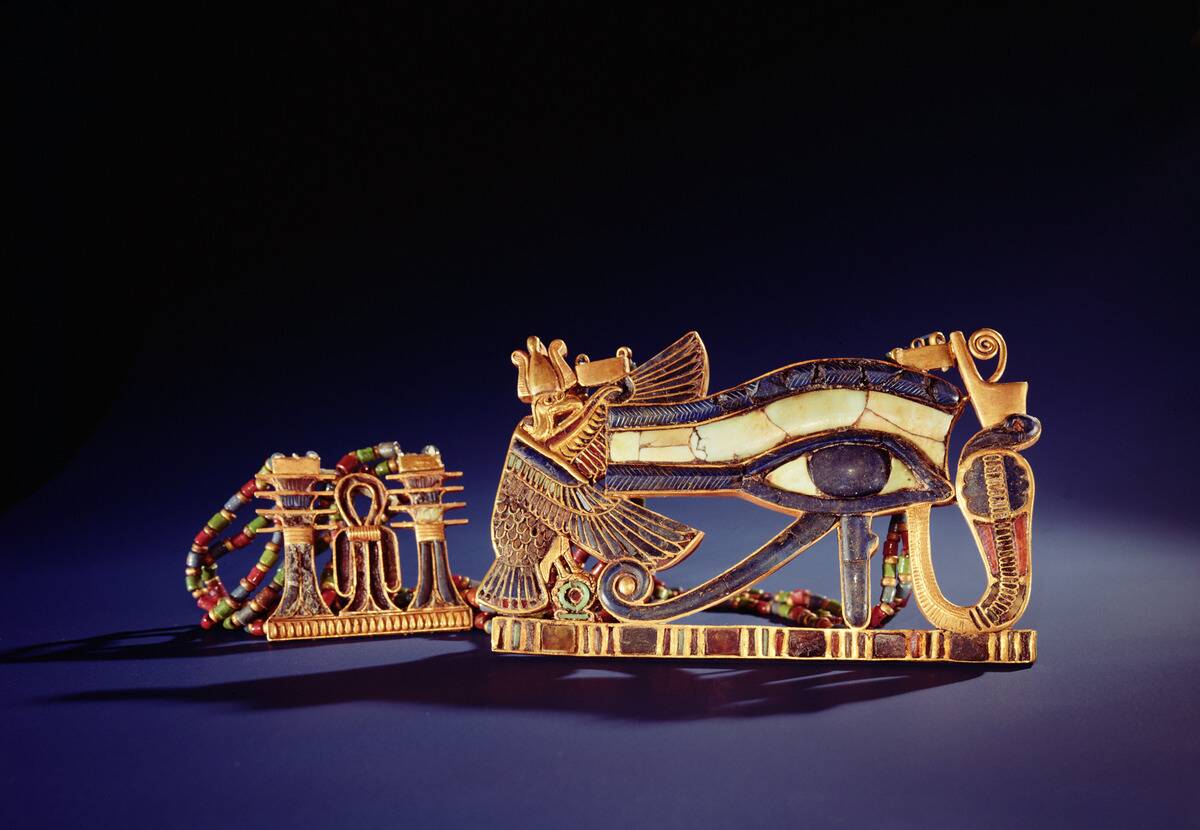
Amulets and spells were essential components of the Egyptian afterlife journey, providing magical protection and assistance. Amulets, often shaped like sacred symbols or gods, were placed on the mummy or worn by the living.
They were believed to ward off evil and bring good fortune. Spells, inscribed on tomb walls or papyrus, offered guidance and protection against the perils of the afterlife. These magical aids reflected the Egyptians’ deep belief in the power of magic to influence their fate beyond death.
The Role of Family and Community in Funerary Rites
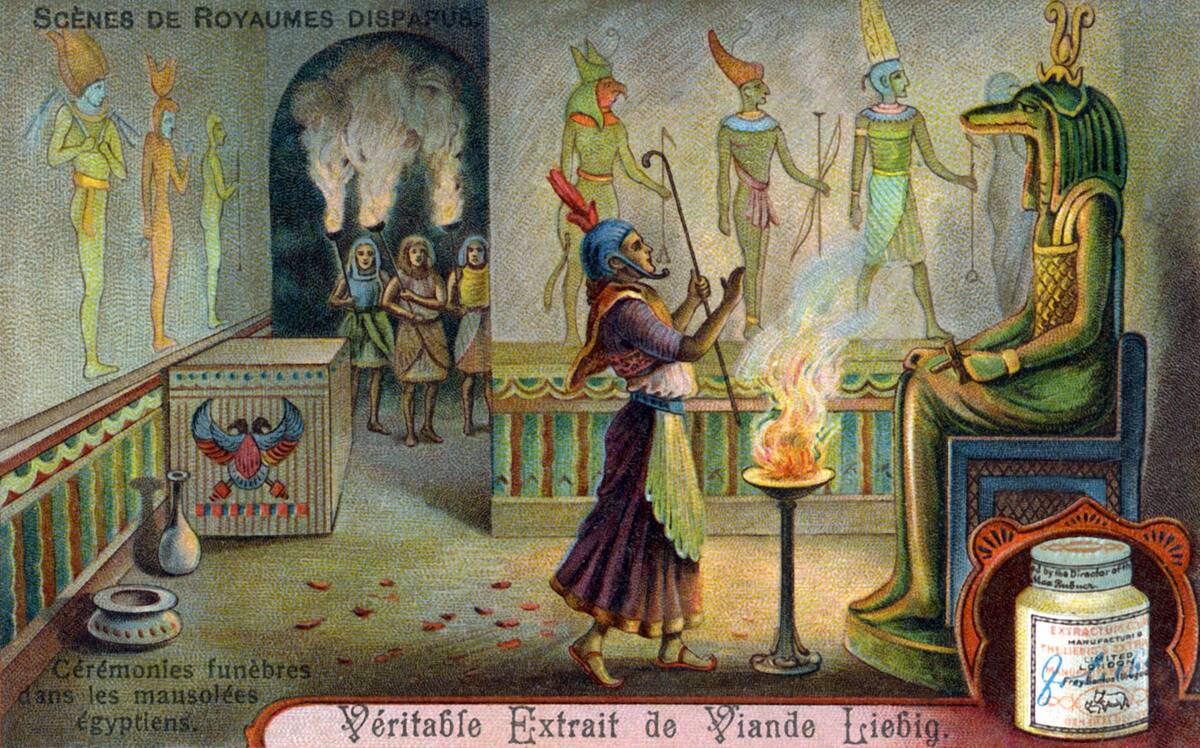
Family and community played crucial roles in Egyptian funerary rites, ensuring the deceased’s successful transition to the afterlife. Relatives were responsible for organizing and performing rituals, providing offerings, and maintaining the tomb. These acts of devotion were believed to sustain the Ka and honor the deceased’s memory.
Community participation in funerary processions and ceremonies reinforced social bonds and shared beliefs. The collective effort in these rites highlighted the interconnectedness of life, death, and the afterlife in Egyptian culture.
Animal Mummies: Pets and Sacred Creatures in the Afterlife
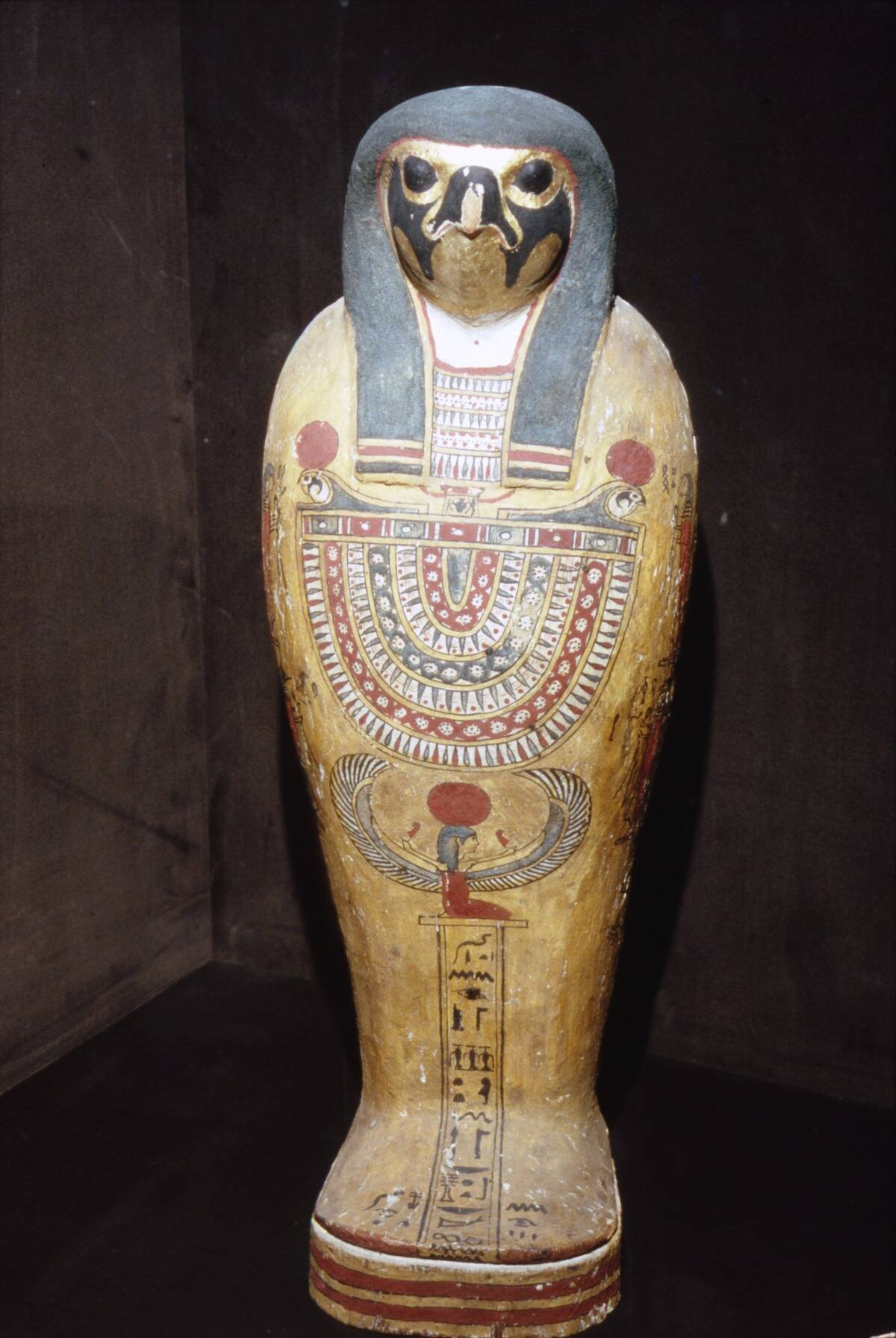
Animal mummies were a fascinating aspect of Egyptian funerary practices, reflecting the belief in animals’ roles in the afterlife. Pets were often mummified and buried with their owners, symbolizing companionship beyond death.
Sacred animals, such as cats and ibises, were mummified as offerings to gods, believed to carry messages to the divine. These practices underscored the Egyptians’ reverence for animals and their belief in the interconnectedness of all life forms in the journey to the afterlife.