How people traveled long distances before modern roads
Travel has always been a fundamental aspect of human life, even in ancient times. Early civilizations were constantly on the move, seeking new lands, resources, and connections with other cultures.
This journey through time shows how innovative our ancestors were in overcoming the challenges of travel. From foot journeys to advanced road systems, ancient travel methods laid the foundation for modern transportation. So, buckle up as we explore the fascinating world of ancient travel!
The Art of Walking: The Original Mode of Transportation
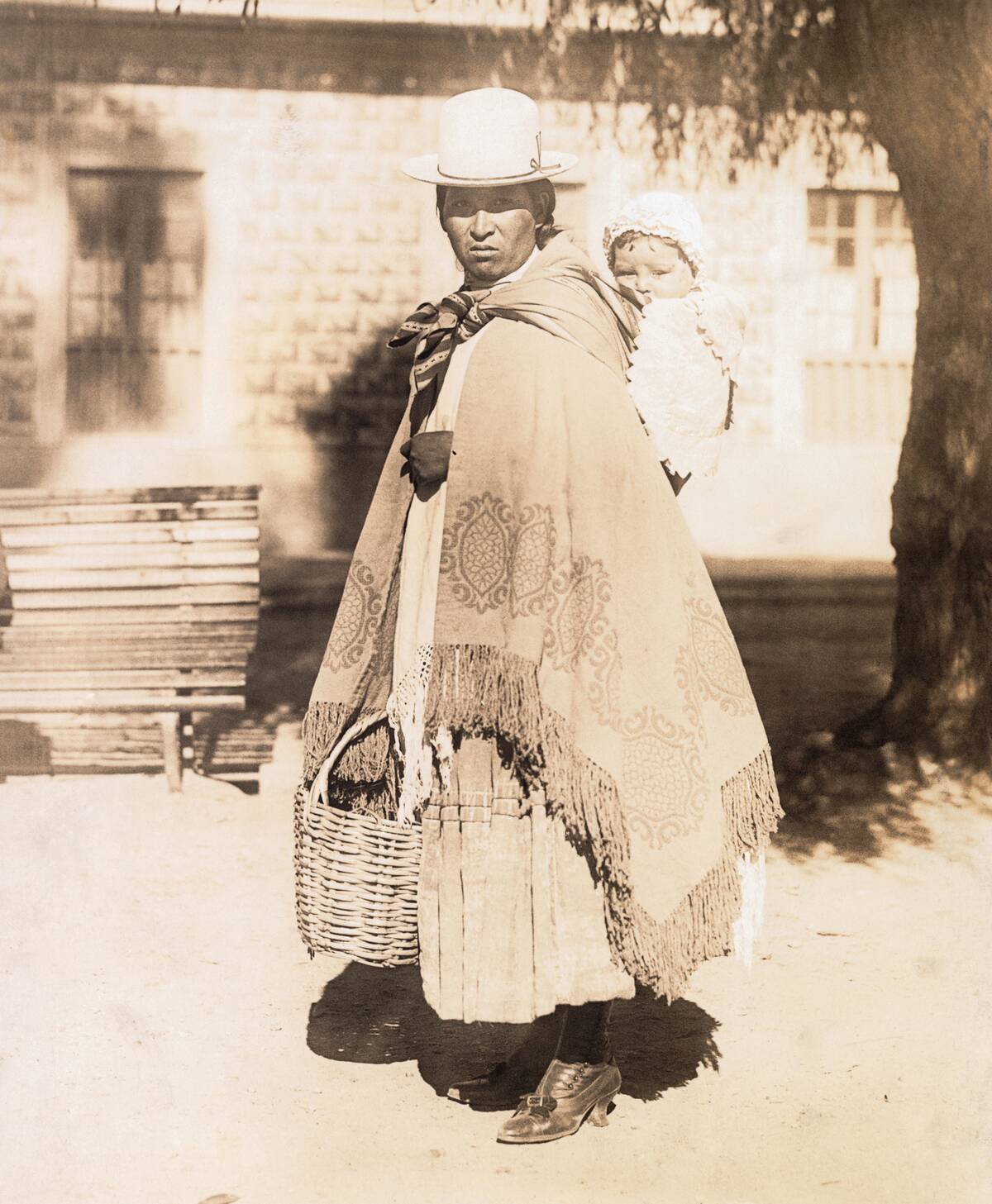
Walking was the earliest form of travel and remains the most accessible mode of transportation even today. Early humans relied on their feet to traverse vast distances in search of food and shelter.
Anthropologists have discovered that our ancestors walked thousands of miles across continents during migrations. The endurance and adaptability required for these long journeys played a crucial role in human evolution, shaping us into the resilient travelers we are today.
Horseback Riding: Galloping Across Continents
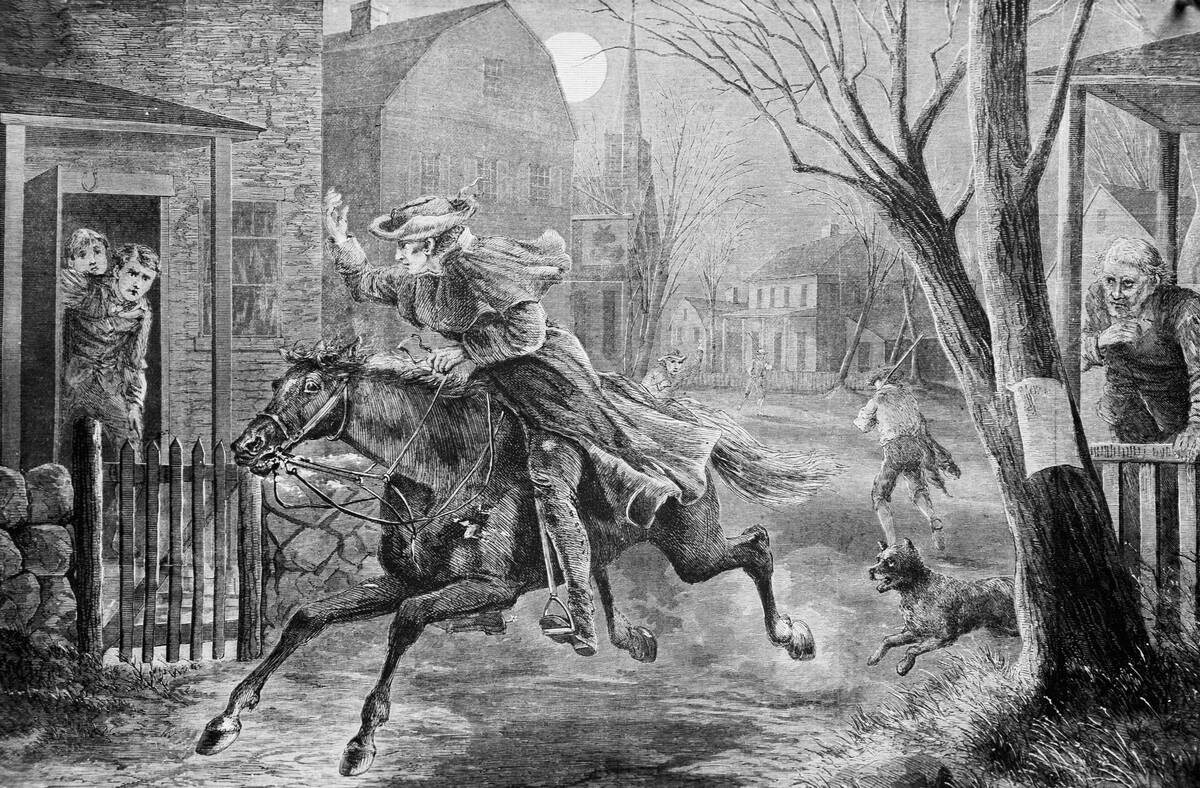
The domestication of horses revolutionized travel, offering speed and endurance to early travelers. Historians believe that horseback riding emerged around 3500 BCE on the steppes of Central Asia.
This innovation allowed for faster communication and expanded trade networks. In fact, the Scythians, known for their horsemanship, relied heavily on horses for their nomadic lifestyle, covering vast territories across Europe and Asia. Horses became indispensable companions, symbolizing power and freedom for many cultures.
Chariots and Carriages: The Wheels of History
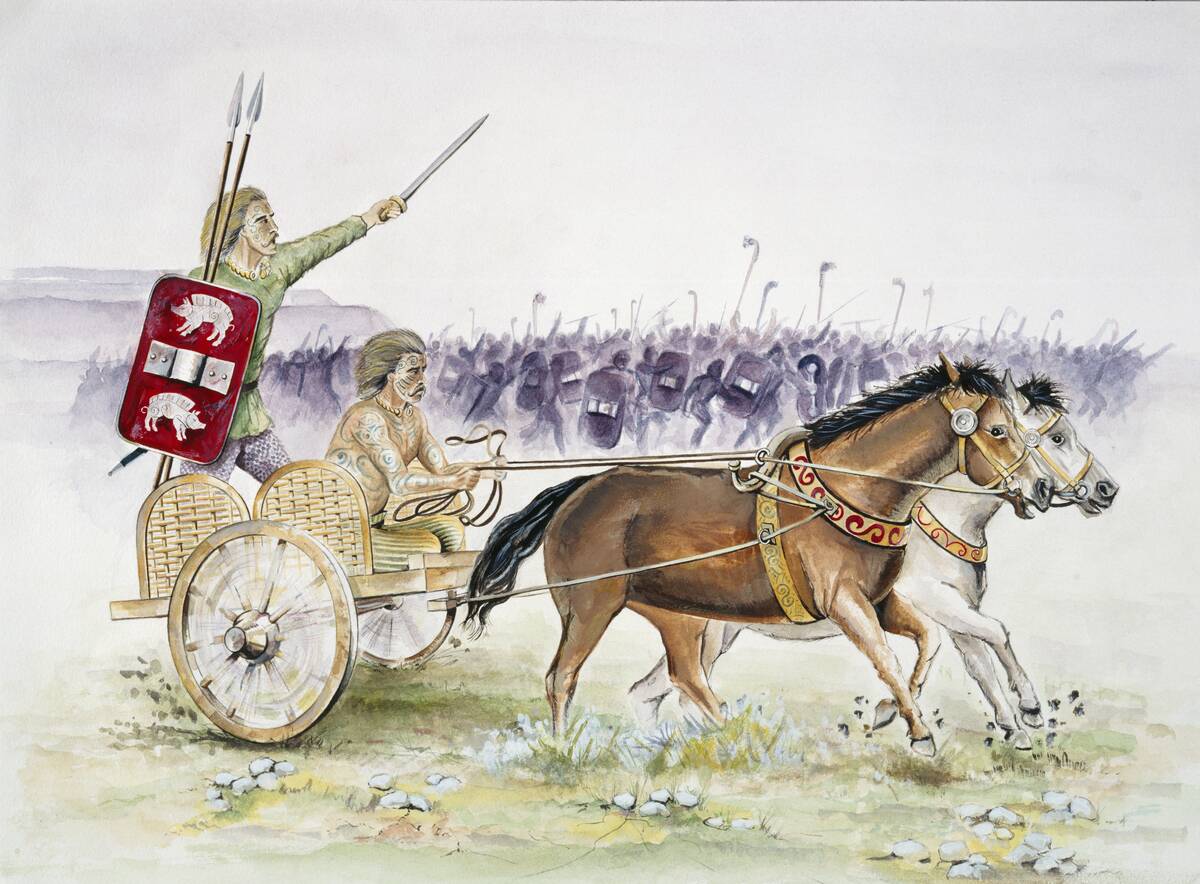
Chariots were game-changers in warfare and transportation, first appearing around 2000 BCE in Mesopotamia. These two-wheeled vehicles, typically drawn by horses, allowed for swift movement on battlefields and within city-states.
The Egyptians, Greeks, and Romans further developed chariot technology, using them in races and parades. Carriages, an evolution of chariots, became popular in the 16th century as a comfortable means of travel for the European elite, paving the way for modern automobiles.
Sailing the Seas: Early Maritime Adventures
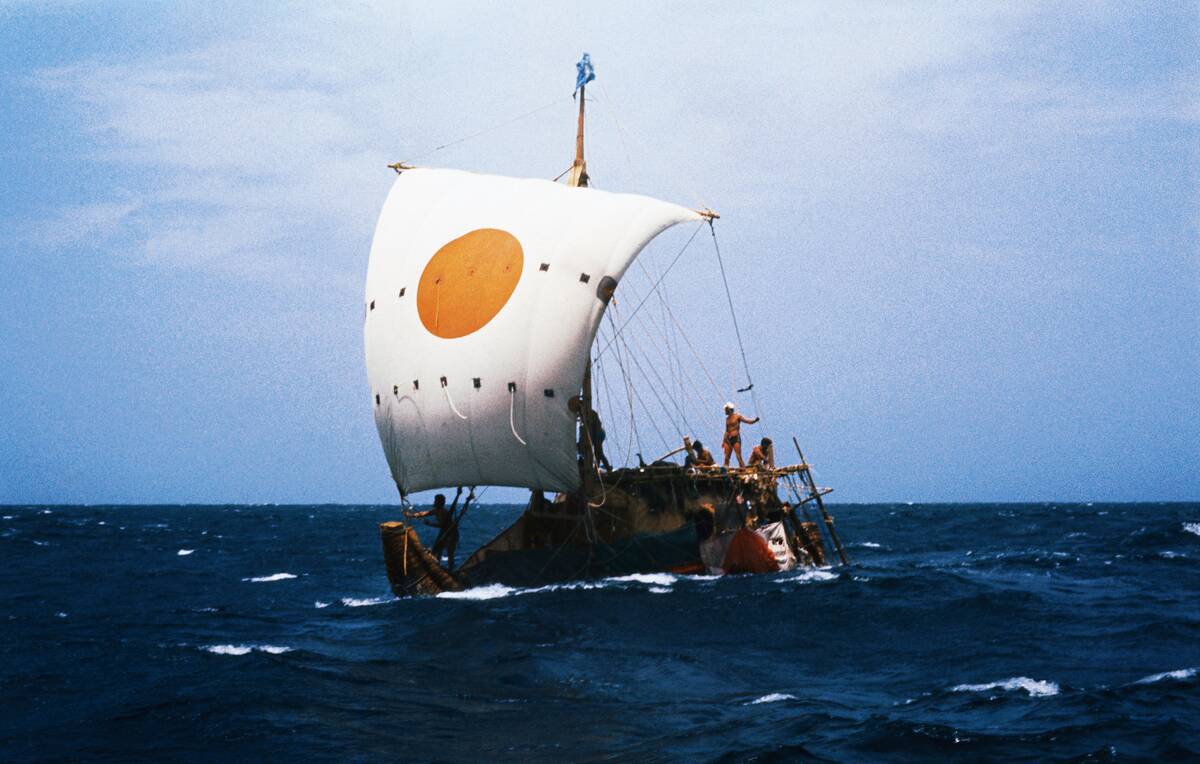
Early sailors braved the open seas to explore new worlds and establish trade routes. The Phoenicians, renowned for their seafaring skills, dominated Mediterranean trade around 1200 BCE, using sturdy ships to navigate treacherous waters.
Meanwhile, the Polynesians embarked on epic voyaging canoes, colonizing islands across the vast Pacific Ocean. These early maritime adventures not only facilitated cultural exchanges but also contributed to the spread of technologies and ideas across continents.
River Journeys: Canoes and Rafts
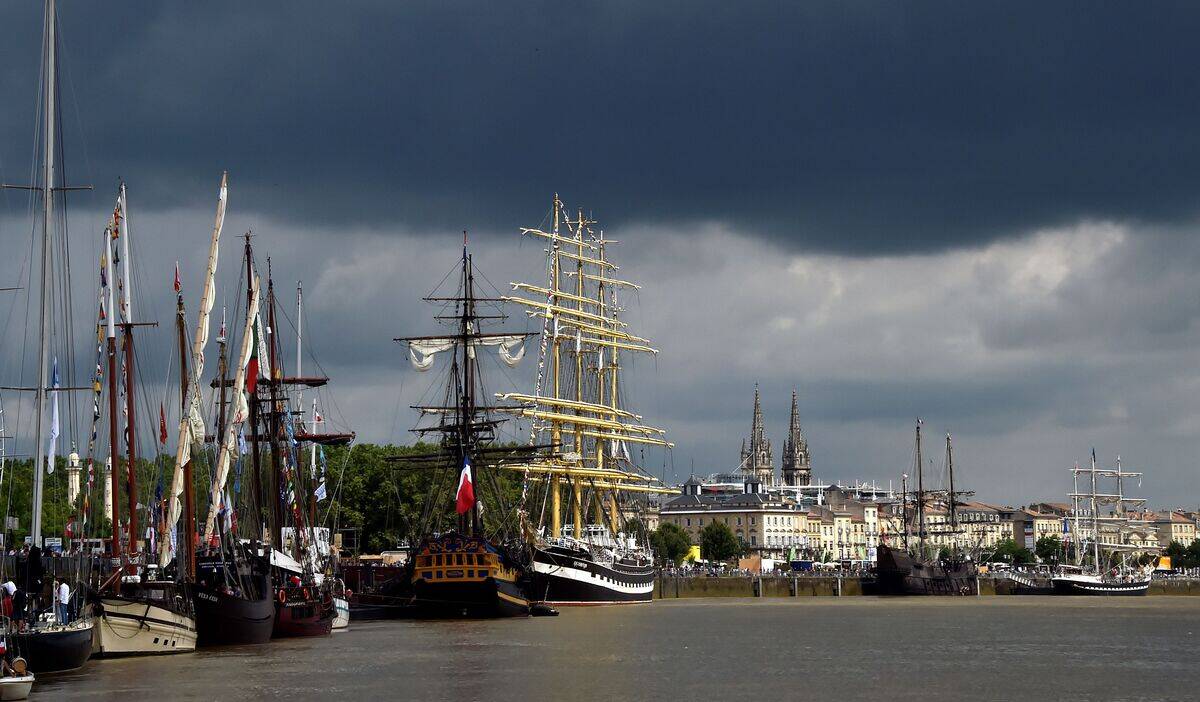
Rivers served as vital highways for ancient civilizations, with canoes and rafts being the primary vessels. Indigenous peoples in North America crafted birchbark canoes, which were lightweight and perfect for navigating narrow waterways.
The ancient Egyptians utilized reed rafts to transport goods along the Nile, contributing to their civilization’s prosperity. These river journeys enabled trade, communication, and cultural exchange, playing a significant role in the development of early societies.
The Camel Caravan: Ships of the Desert
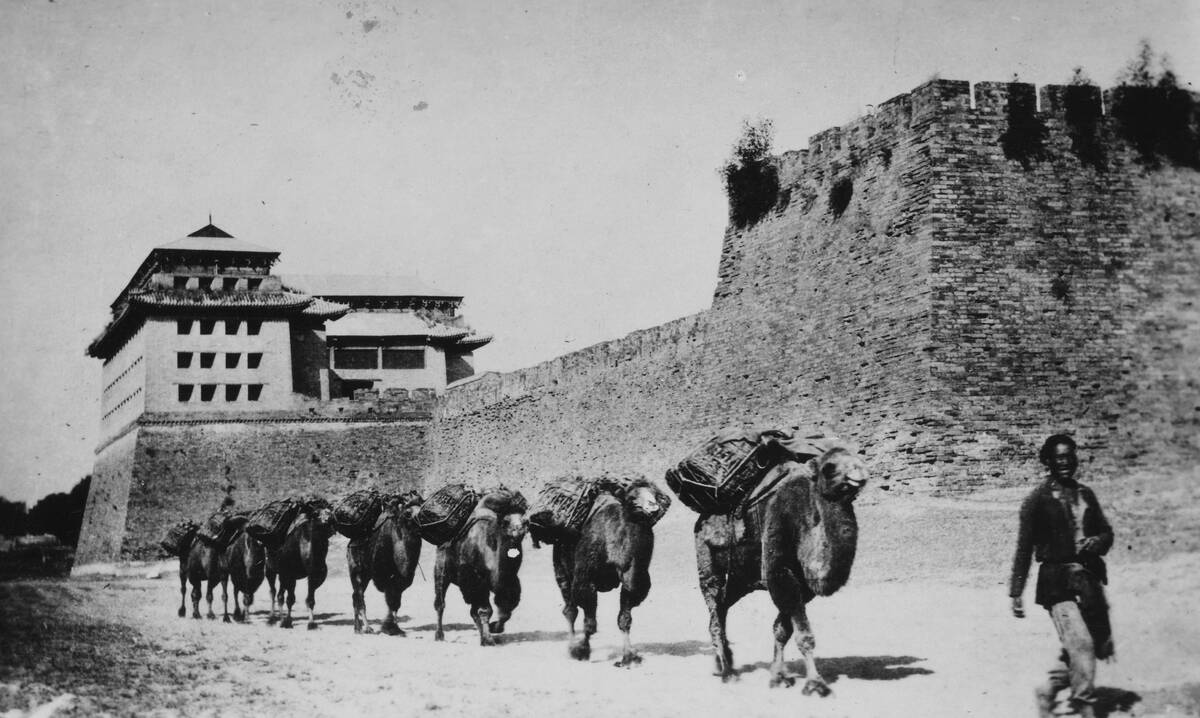
Camels, often called the “ships of the desert,” were crucial for traversing arid landscapes. Domesticated around 3000 BCE, these resilient animals could travel long distances without water, making them ideal for desert trade routes.
The Arabian Peninsula and North Africa saw thriving camel caravans, facilitating the exchange of goods like spices, textiles, and precious metals. These caravans connected distant cultures, fostering economic and cultural ties across vast desert expanses.
Dog Sledding: Navigating the Frozen Tundra
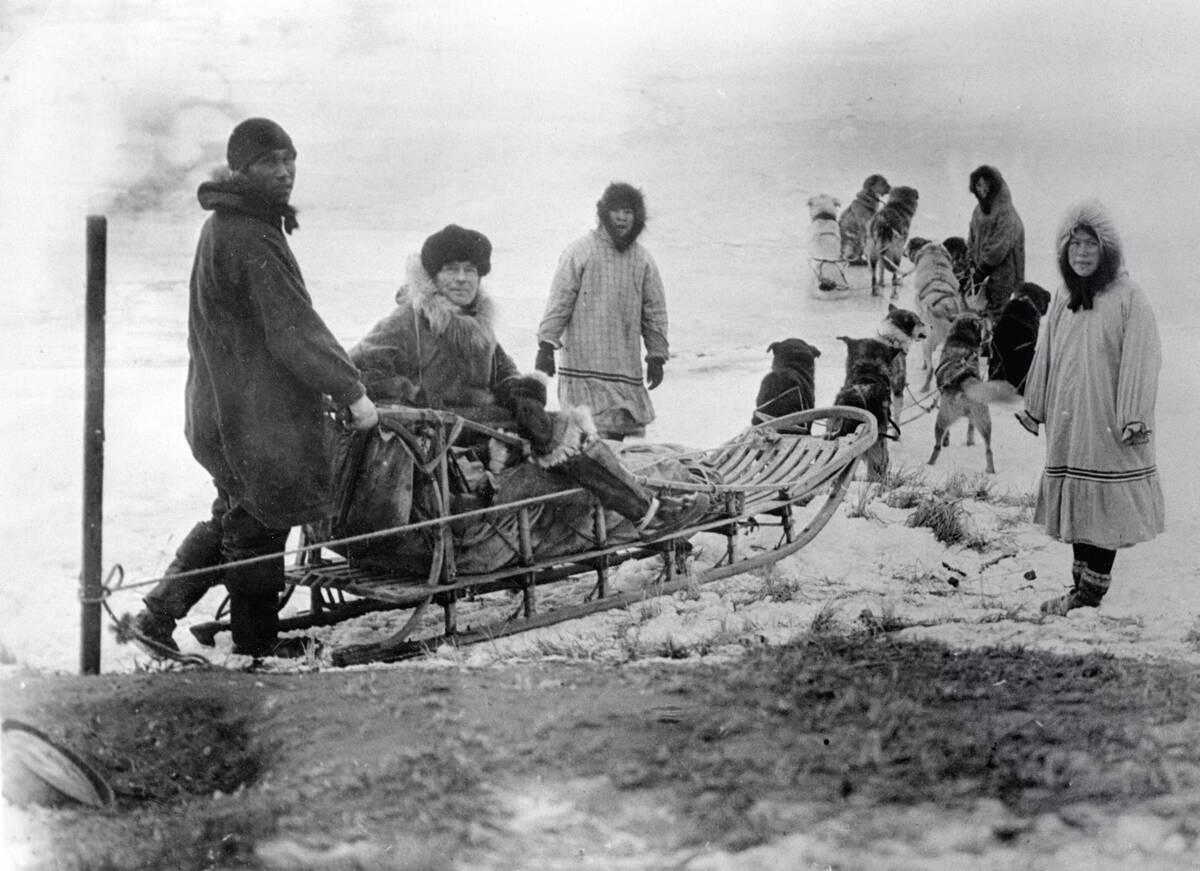
Dog sledding, a traditional mode of transport in Arctic regions, showcases the incredible bond between humans and animals. Indigenous peoples like the Inuit relied on sled dogs for hunting and travel across icy landscapes.
These canine companions, known for their strength and endurance, were integral to survival in harsh climates. The iconic Iditarod Trail in Alaska, today a celebrated race, traces its origins back to the critical role dog sledding played in early exploration and medicine delivery.
The Role of Elephants in Asian Travel
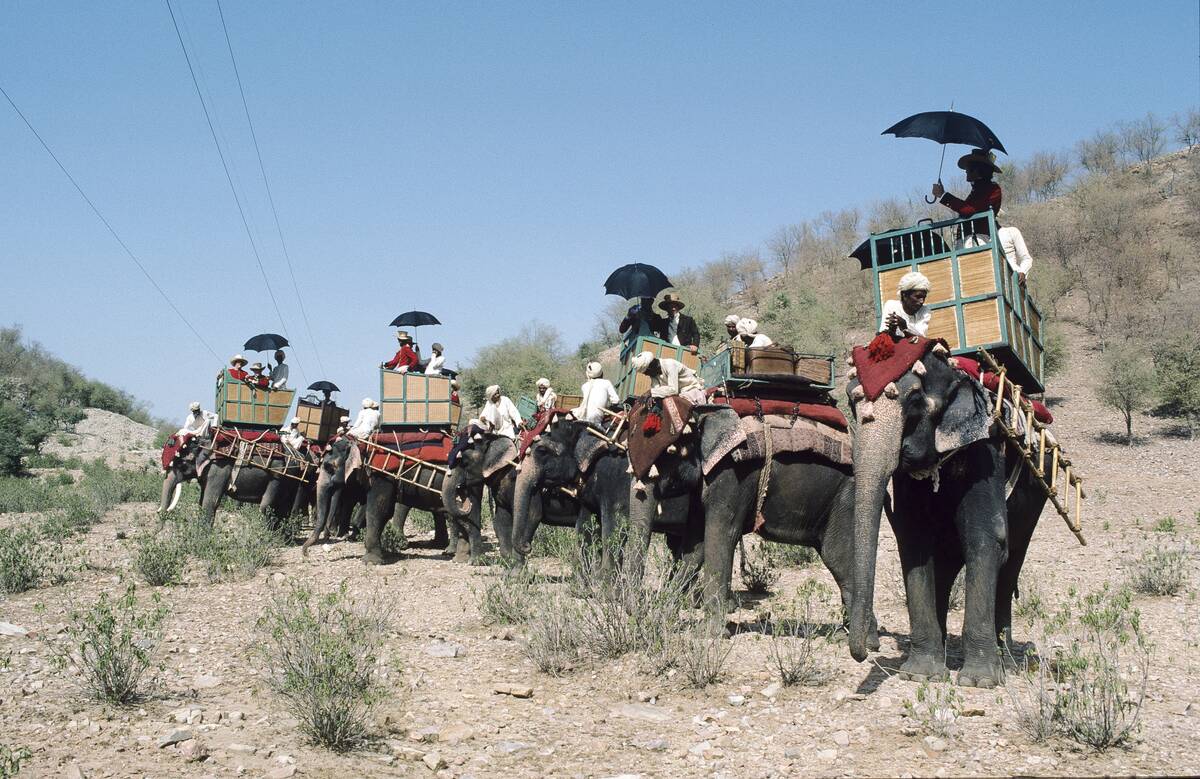
In Asia, elephants have been invaluable for travel and labor, especially in regions with dense forests. Used for centuries by various civilizations, elephants could carry heavy loads and navigate difficult terrains.
In India, they were essential for logging and construction, while in Southeast Asia, they played a crucial role in warfare and ceremonial occasions. The majestic creatures also contributed to tourism and trade, symbolizing strength and intelligence in many Asian cultures.
The Silk Road: A Network of Paths and Passages
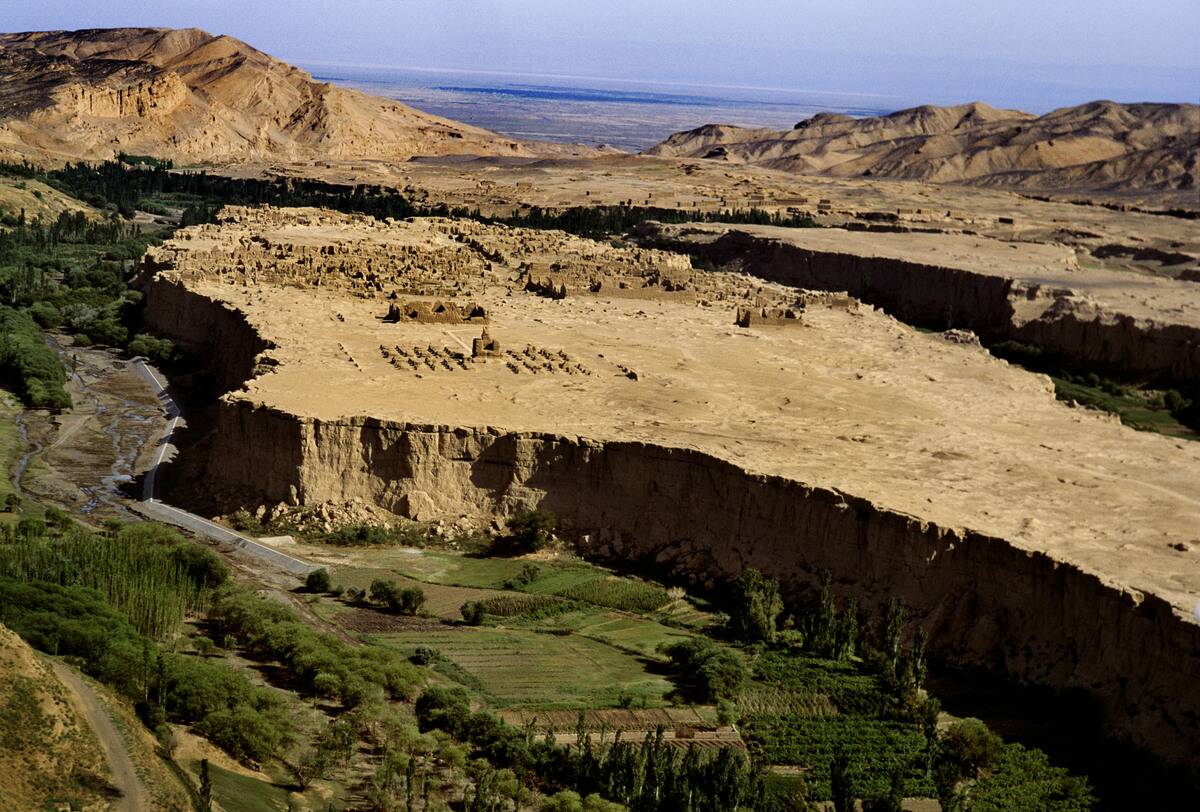
The Silk Road was a vast network of trade routes connecting the East and West, facilitating the exchange of goods, ideas, and cultures for centuries. Spanning 4,000 miles, it linked China with the Mediterranean, passing through Central Asia.
Merchants traded silk, spices, and precious metals, while also transmitting scientific knowledge, religion, and art. The Silk Road’s significance in shaping global history is immense, as it laid the groundwork for the interconnected world we know today.
The Inca Road System: Engineering Marvels of the Andes
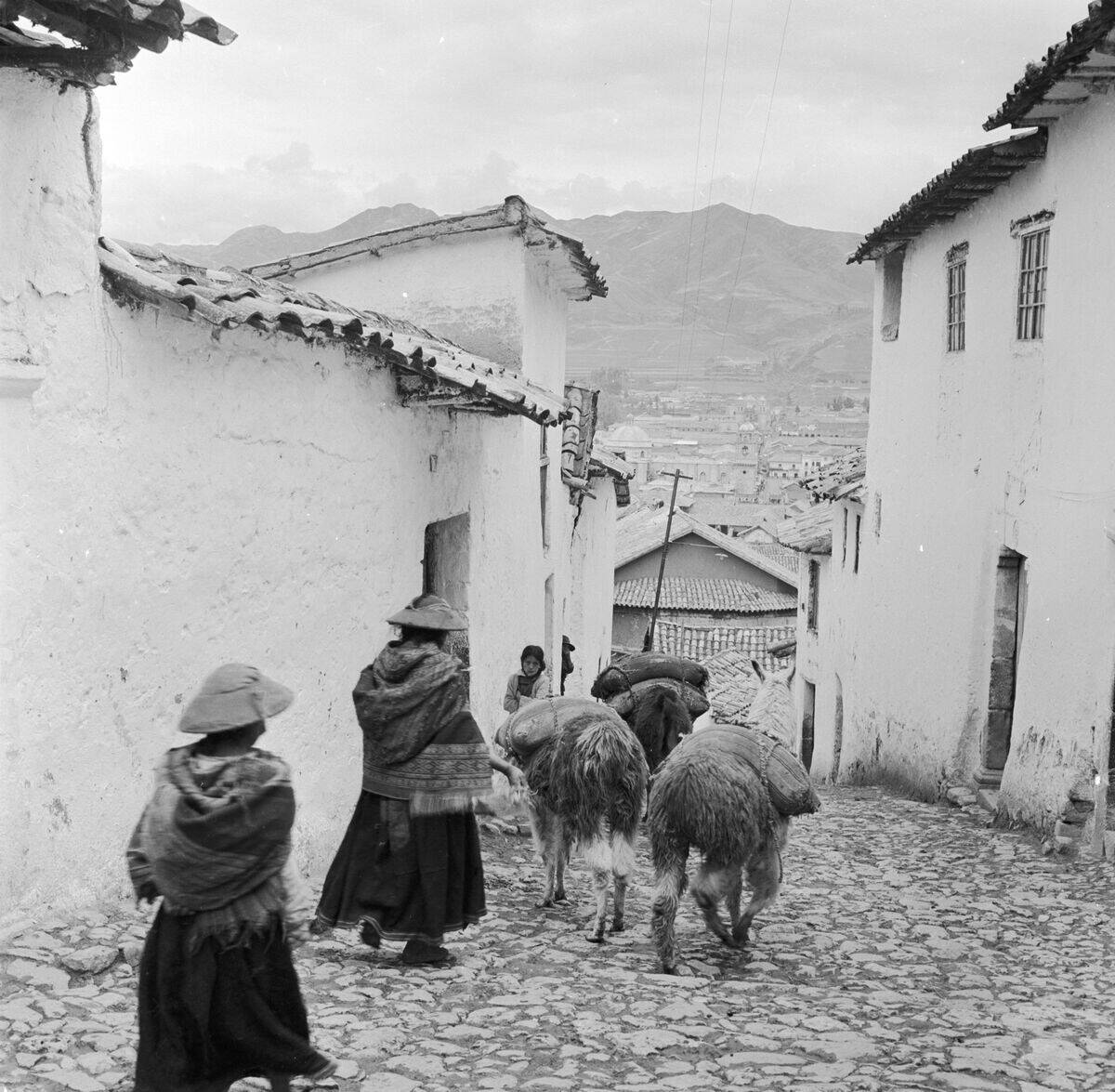
The Incas were master engineers, constructing an extensive road system across the Andes Mountains. Covering over 24,000 miles, these roads connected the vast Inca Empire, facilitating communication, trade, and military movement. Built with precision, the roads featured stone paving, staircases, and suspension bridges.
The famous Qhapaq Ñan, or Royal Road, exemplifies their engineering prowess. This network not only supported the empire’s administration but also showcased their ability to adapt to challenging terrains.
Roman Roads: Paving the Way for Empire Expansion
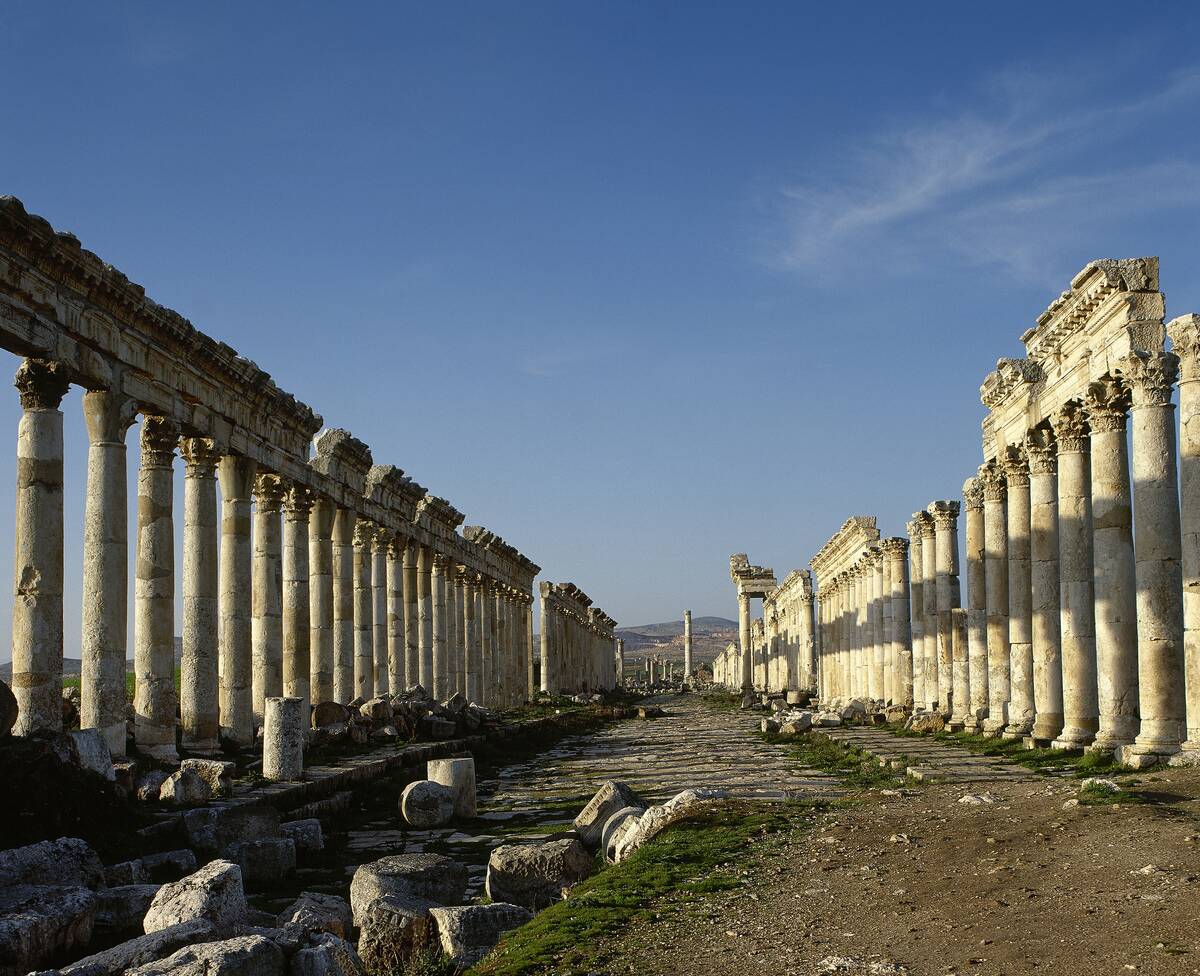
Roman roads were the backbone of the Roman Empire, allowing for efficient movement of armies, trade, and information. Over 250,000 miles of roads crisscrossed the empire, with the famous Via Appia being one of the earliest and most significant.
These roads were meticulously constructed with layers of stone, gravel, and sand, ensuring durability. The Roman road network facilitated the empire’s expansion, enabling control over vast territories and contributing to Rome’s legacy as a superpower.
Medieval Pilgrimages: Spiritual Journeys Across Europe
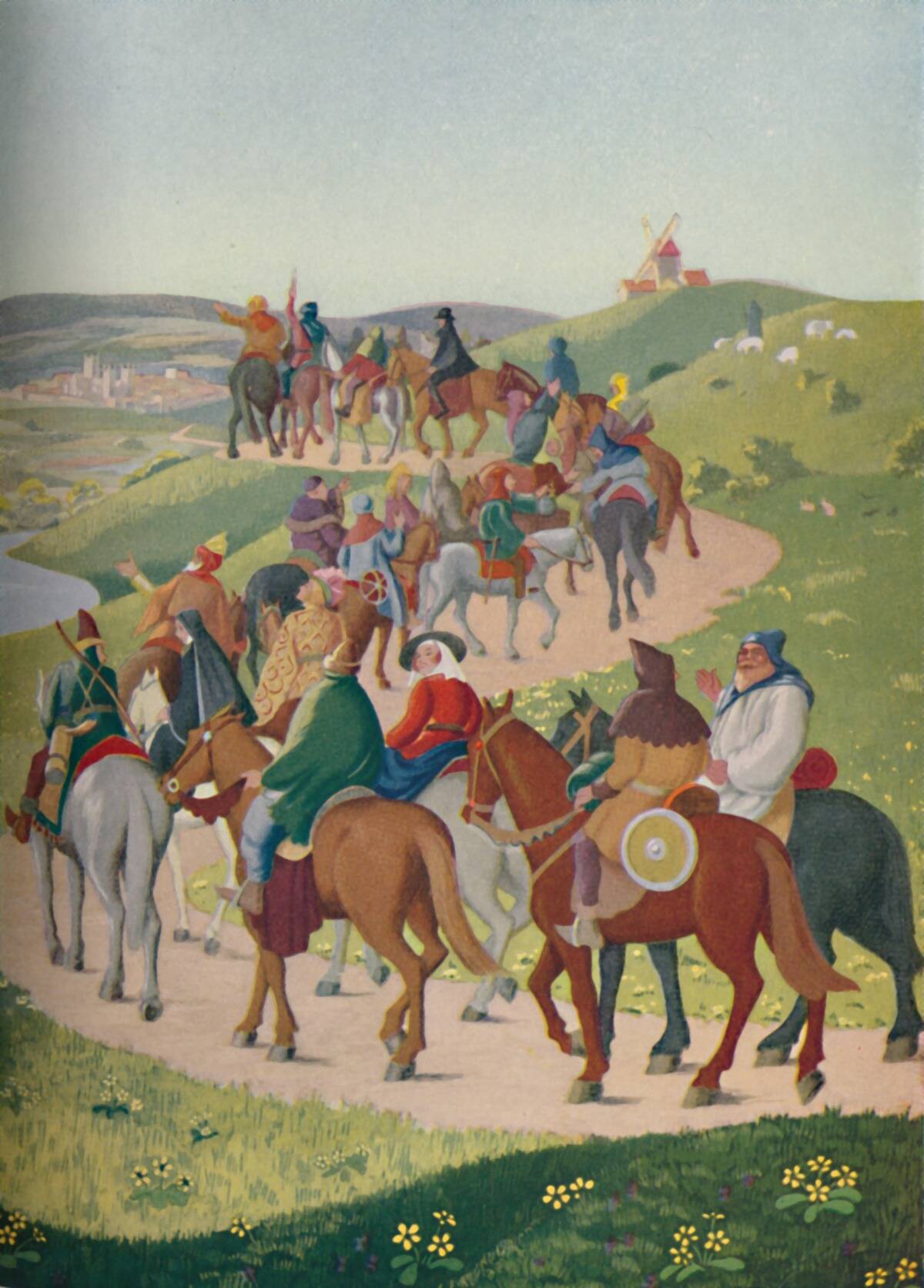
Medieval pilgrimages were spiritual quests that saw thousands travel across Europe to holy sites. Destinations like Santiago de Compostela, Canterbury, and Rome attracted pilgrims seeking penance or miracles.
These journeys were arduous, often taking months to complete, and required navigating challenging terrains. Pilgrimages fostered a sense of community among travelers and contributed to the cultural and economic vitality of the regions they passed through. They also led to the development of infrastructure like inns and hospitals along popular routes.
Nomadic Lifestyles: Following the Herds
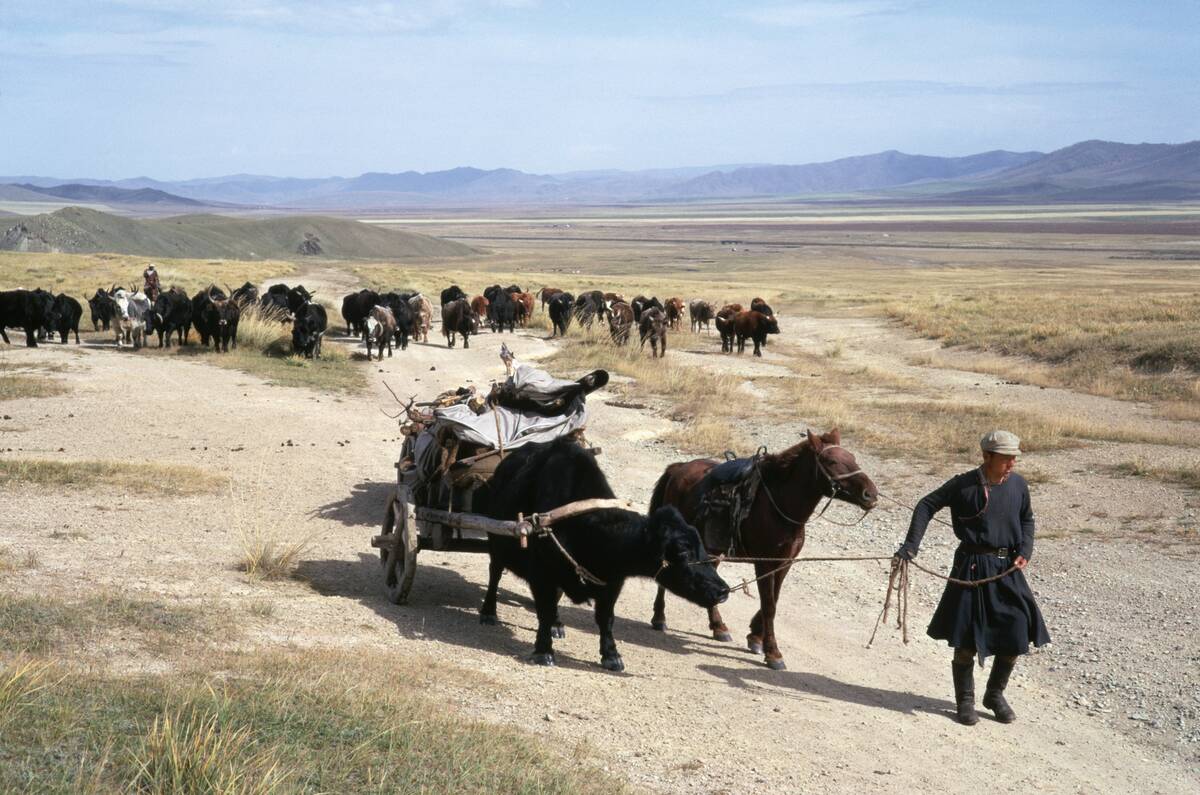
Nomadic lifestyles have been a cornerstone of many cultures, especially in regions where resources are scarce or seasonal. Groups like the Mongols and Bedouins adapted to their environments by following herds of animals, ensuring a steady food supply.
This way of life fostered resilience and adaptability, with nomads developing intricate knowledge of their landscapes. Their migratory patterns facilitated cultural exchanges and trade, influencing the development of civilizations they interacted with along their routes.
Indigenous Trails: Pathways Through the Wilderness

Indigenous trails were vital for navigation and trade before modern roads. Native American tribes, for example, used intricate trail systems to connect communities and access resources. These trails were often based on animal paths and followed natural features like rivers and mountain passes.
They played a crucial role in the cultural and economic exchange among tribes. Today, many modern highways in North America follow the routes of these ancient trails, highlighting their enduring significance.
The Post Riders: Early Postal Systems on Horseback
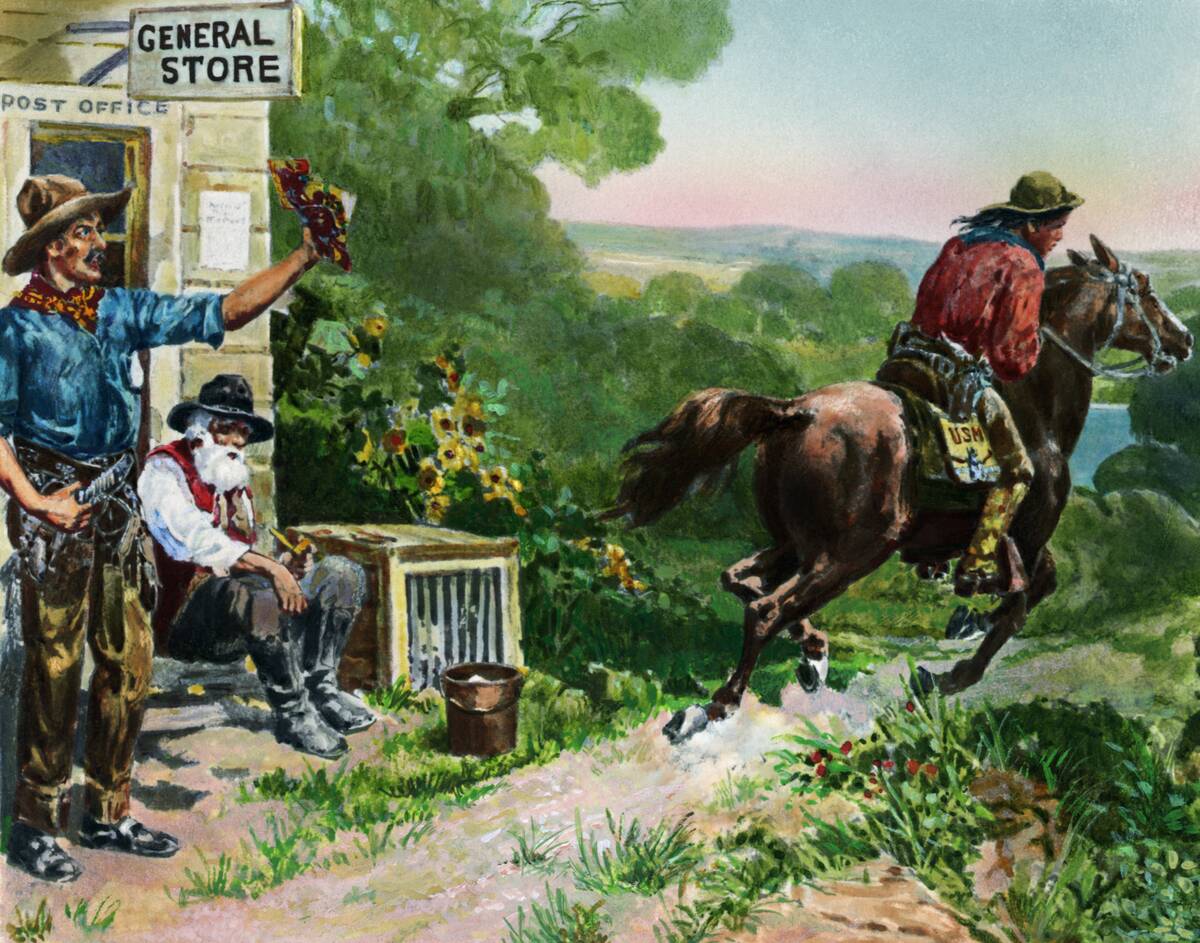
The concept of postal systems dates back to ancient times, with post riders being among the earliest mail carriers. In Persia, the Achaemenid Empire established a relay system called the Angarium, using horse riders to deliver messages across vast distances.
Similarly, the Pony Express in the 19th century United States employed riders to carry mail swiftly across the frontier. These early postal systems were crucial for communication and administration, setting the stage for modern mail delivery services.
Stagecoaches: The Predecessors of Modern Buses
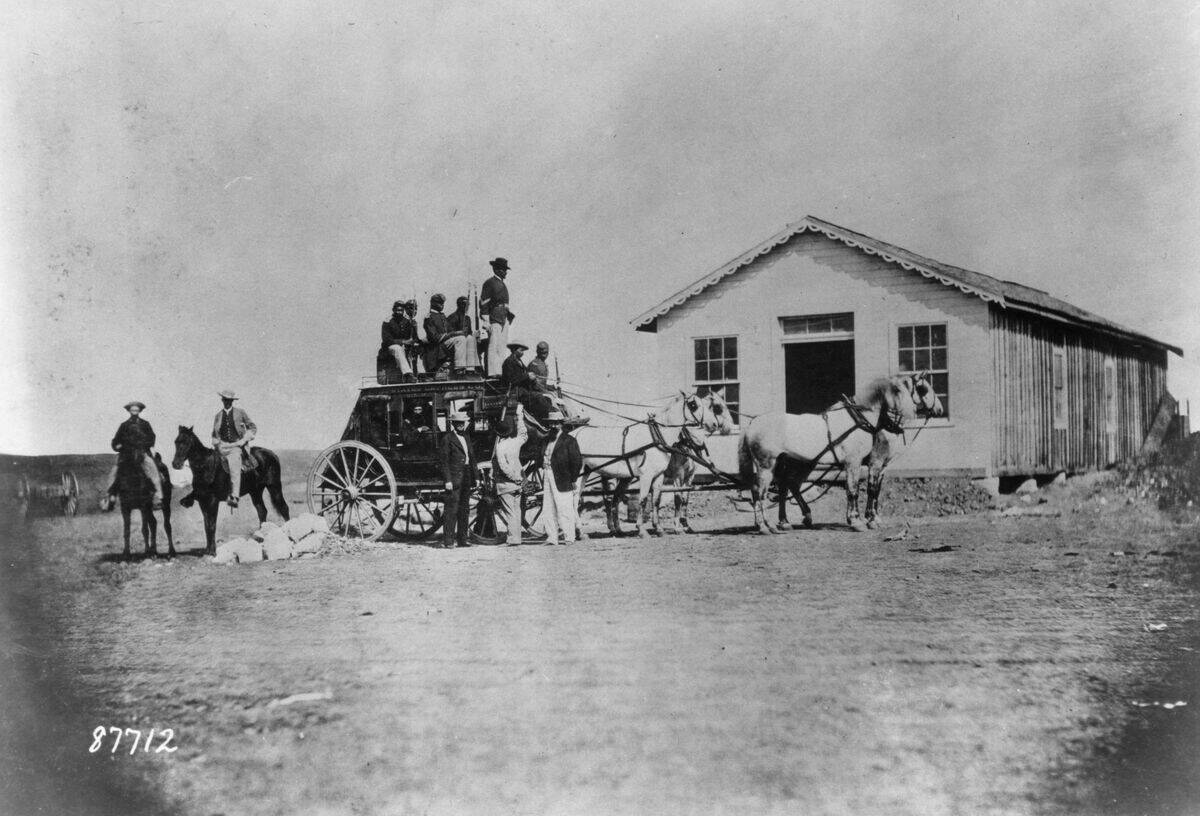
Stagecoaches were a popular means of public transportation from the 1600s to the 1800s. These horse-drawn vehicles operated on fixed routes, carrying passengers and mail across countries. In England, stagecoaches connected major cities, while in the United States, they played a key role in westward expansion.
Travelers endured long, bumpy rides, often stopping at coaching inns for rest. Stagecoaches laid the groundwork for modern bus services, providing a template for scheduled, long-distance travel.
The Advent of Railways: Steam-Powered Revolution
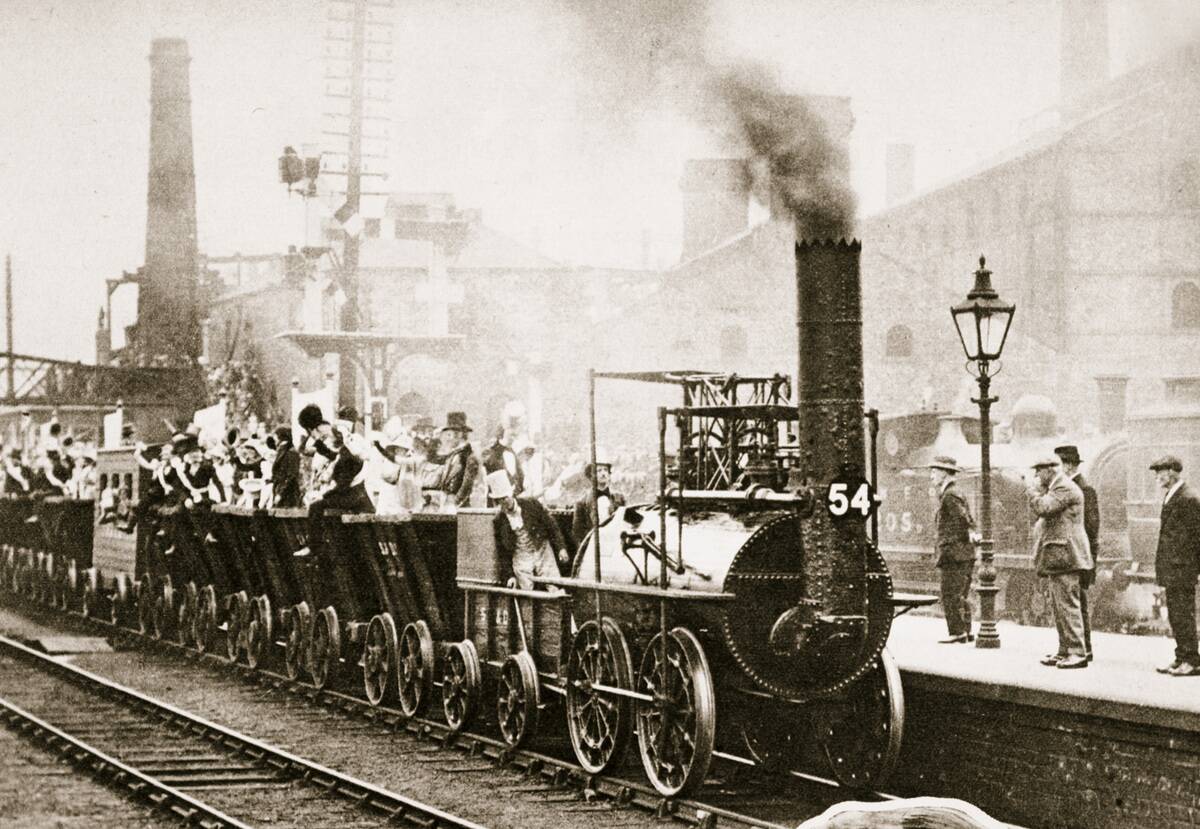
The railway revolutionized transportation in the 19th century, with steam-powered locomotives transforming how people and goods moved. Railways offered unprecedented speed and capacity, shrinking travel times and connecting distant regions.
The Stockton and Darlington Railway in England, opened in 1825, was the first public railway to use steam engines, heralding a new era in travel. Railways spurred industrial growth, urbanization, and globalization, profoundly shaping the modern world and setting the stage for future transportation innovations.




