Hidden details in famous works of art
Art has a way of speaking to us, often revealing secrets that are hidden in plain sight. Famous paintings are no exception, with many containing hidden gems that add layers of intrigue and depth.
These subtle elements can range from cleverly disguised figures to symbolic objects, each with its own story to tell.
The Mysterious Letter in Vermeer’s “The Love Letter”
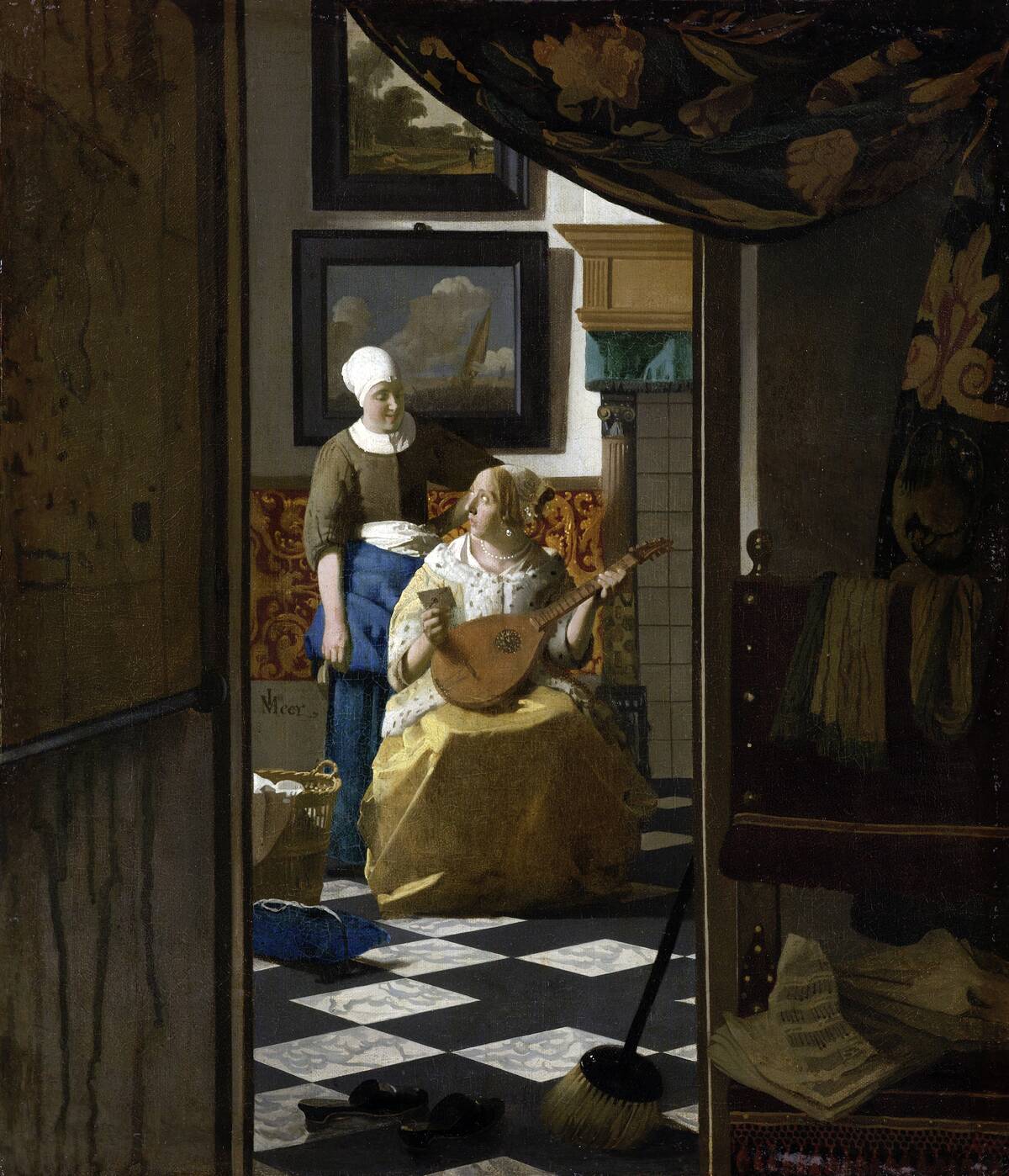
In Vermeer’s “The Love Letter,” a seemingly innocuous piece of paper holds the key to the painting’s narrative. A maidservant has just handed a letter to an elegantly dressed woman, who holds it while looking toward the maid. The letter strongly suggests romantic correspondence, an interpretation reinforced by the seascape on the wall.
Vermeer was known for his meticulous attention to detail, and this letter adds an element of mystery and intrigue, inviting viewers to ponder the story behind it. The painting’s use of light and shadow further enhances the enigmatic atmosphere.
The Hidden Skull in Holbein’s “The Ambassadors”
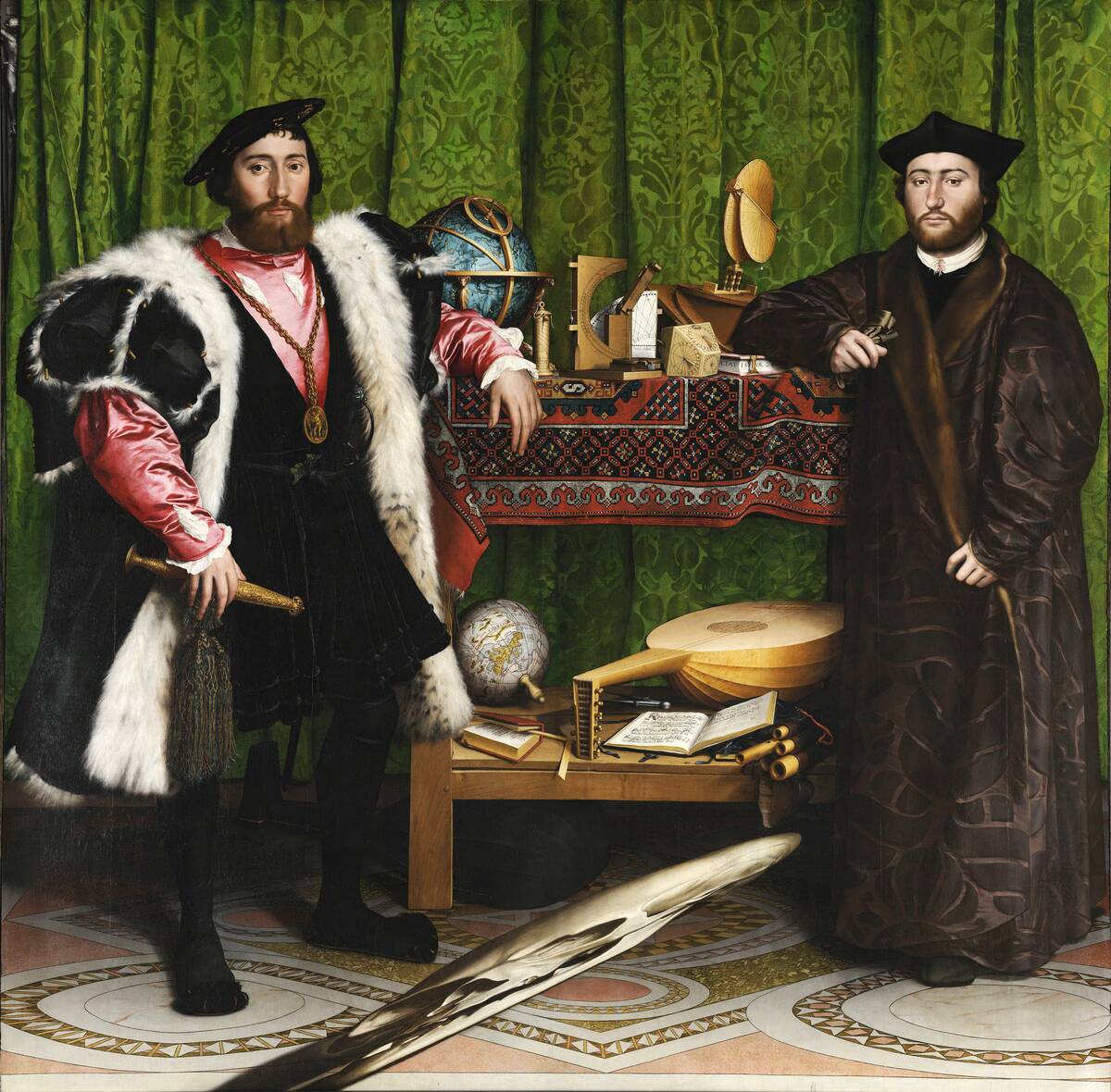
Holbein’s “The Ambassadors” is famous for its anamorphic skull, a distorted image that appears normal only when viewed from a specific angle. This hidden skull serves as a memento mori, a reminder of mortality amidst the opulence depicted in the painting.
Holbein’s clever use of perspective challenges viewers to look beyond the surface and consider the deeper meaning of life and death.
The Unnoticed Dog in Velázquez’s “Las Meninas”
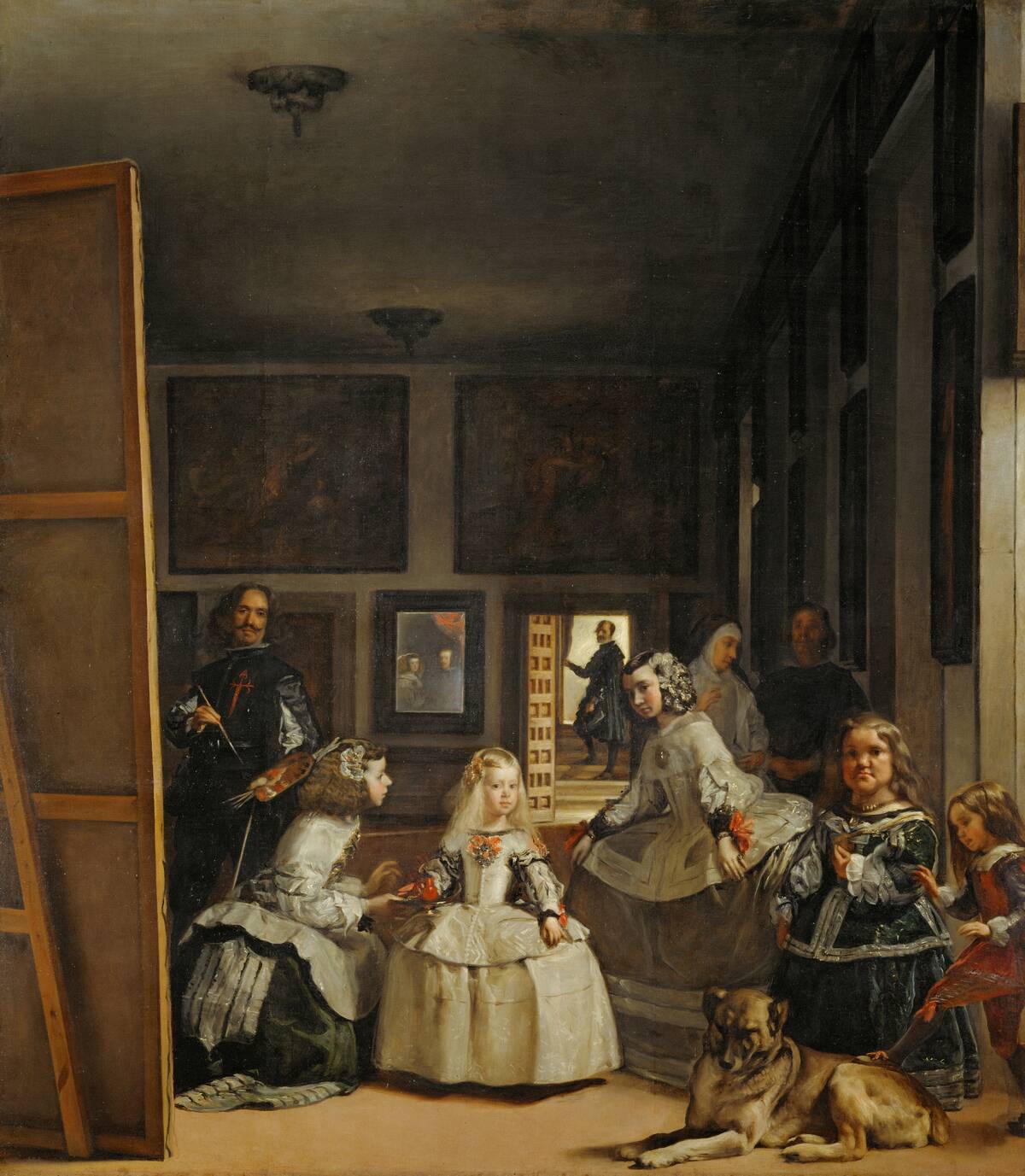
In Velázquez’s “Las Meninas,” a large dog lies calmly in the foreground, often overlooked amidst the complex interplay of figures. This canine companion adds a sense of domesticity and warmth to the royal setting.
Velázquez’s masterful composition draws the viewer’s eye to the central figures, yet the presence of the dog subtly balances the scene, grounding it in everyday reality.
The Secret Portrait in Da Vinci’s “The Last Supper”
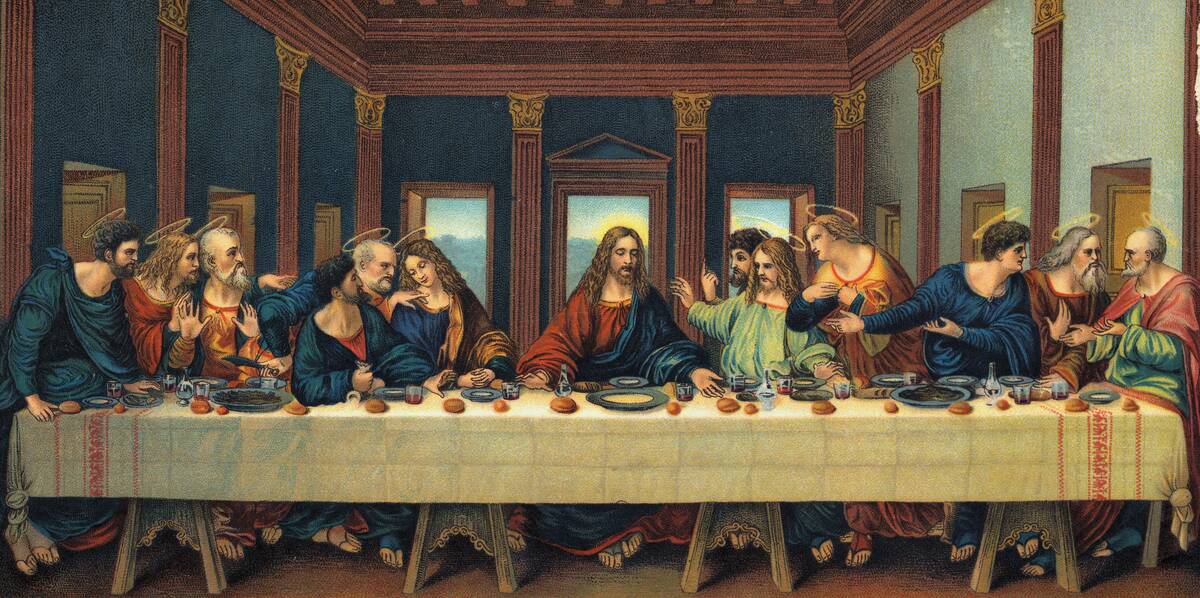
Da Vinci’s “The Last Supper” is renowned for its depiction of the moment Jesus reveals his betrayal. However, a lesser-known detail is the possible self-portrait of Da Vinci himself, hidden among the apostles.
Some art historians suggest that the figure of Thaddeus bears a striking resemblance to the artist. This hidden portrait adds a personal touch to the iconic scene, reflecting Da Vinci’s connection to his work.
The Disguised Self-Portrait in Michelangelo’s “The Creation of Adam”
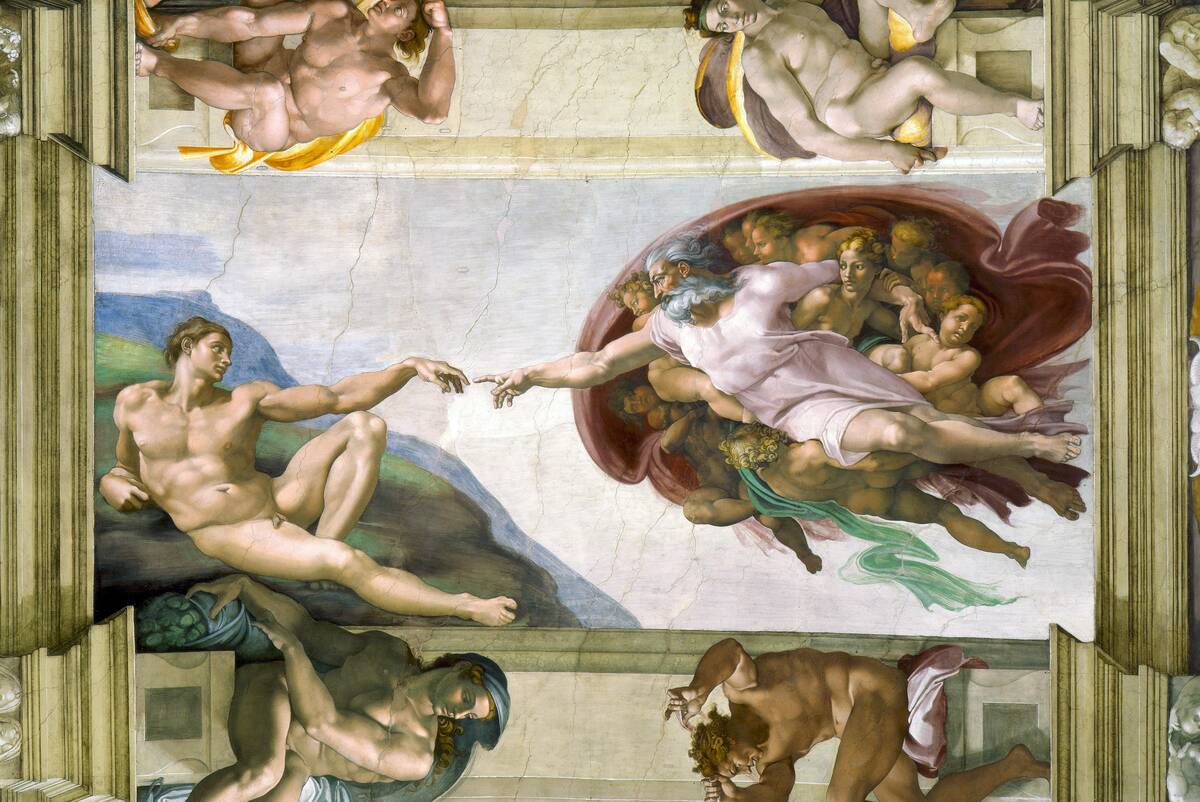
Michelangelo’s “The Creation of Adam” is celebrated for its depiction of divine creation. Yet, hidden within the folds of God’s cloak is a shape resembling a human brain, possibly symbolizing intellect or consciousness.
Some scholars believe Michelangelo included a disguised self-portrait in the form of the brain, reflecting his fascination with anatomy and the human mind. This subtle detail adds a layer of complexity to the iconic fresco.
The Peculiar Footwear in Van Eyck’s “The Arnolfini Portrait”
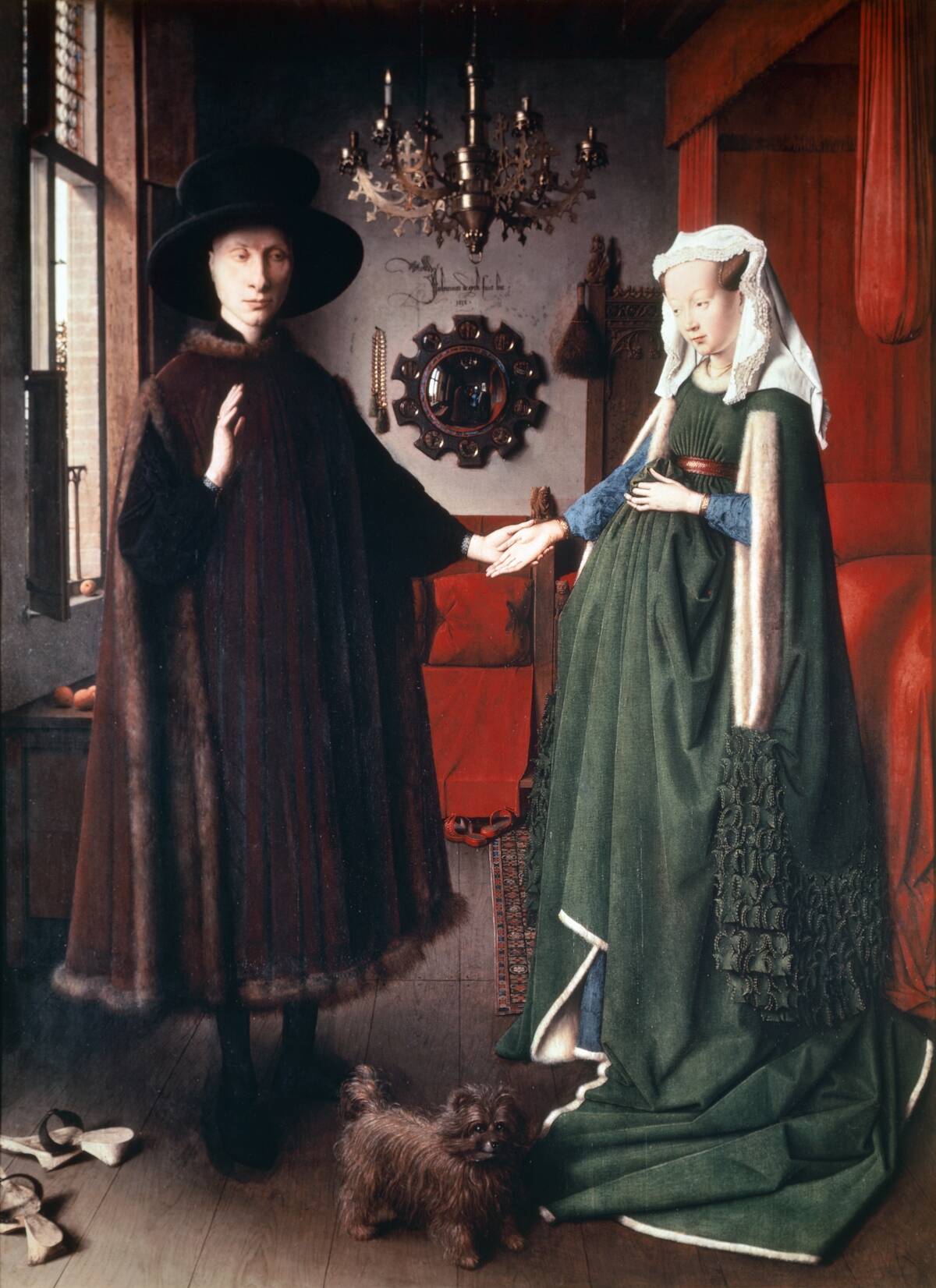
Van Eyck’s “The Arnolfini Portrait” is rich with symbolism, including the peculiar footwear scattered on the floor. The presence of clogs and slippers suggests a domestic setting, while also symbolizing sacred ground, as removing shoes was a sign of respect.
Van Eyck’s attention to detail and use of symbolism invites viewers to explore the deeper meanings embedded in the seemingly mundane elements of the scene.
The Subtle Political Commentary in Goya’s “The Third of May 1808”
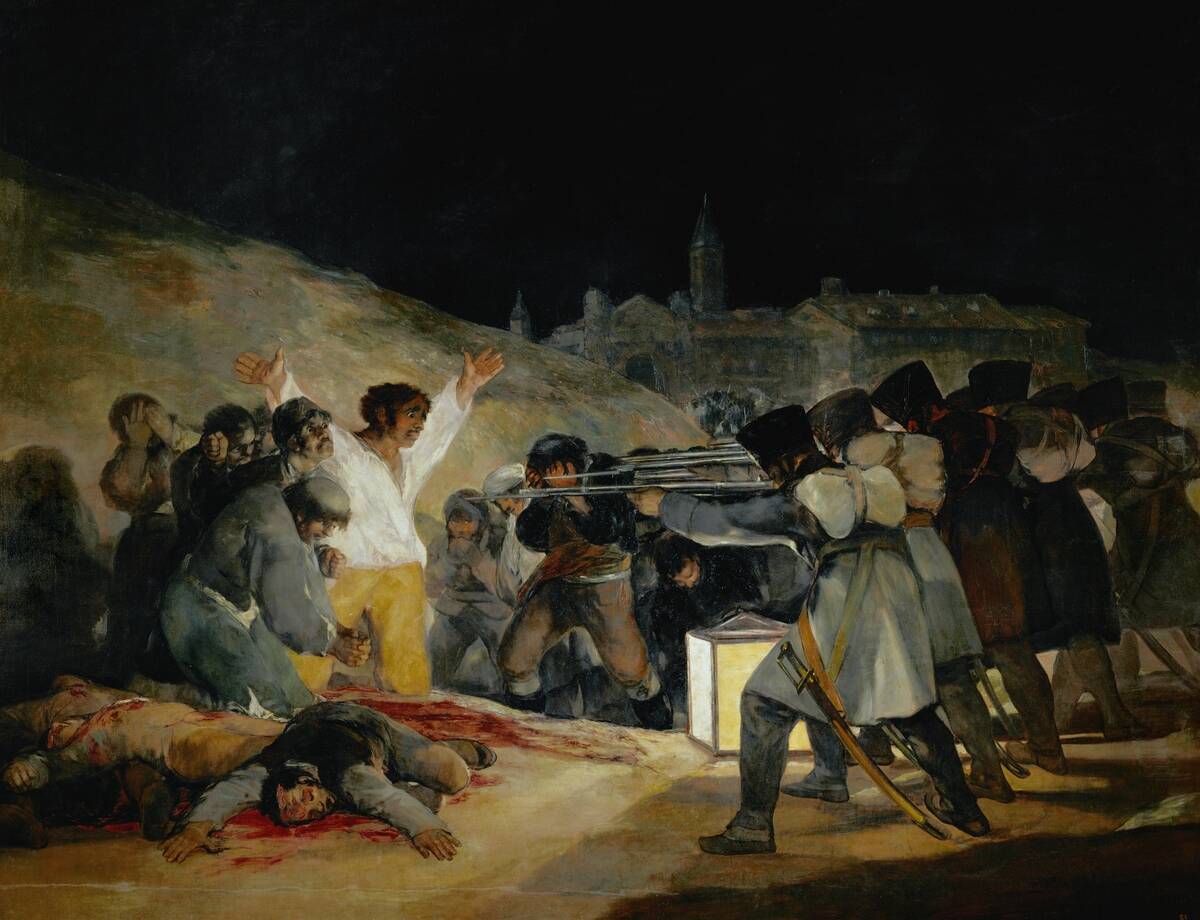
Goya’s “The Third of May 1808” is a powerful depiction of the horrors of war, yet it also contains subtle political commentary. The central figure, with arms raised in surrender, resembles a crucified Christ, symbolizing innocence and sacrifice.
Goya’s use of light and shadow emphasizes the brutality of the executioners, critiquing the oppressive forces of the time. This painting serves as a poignant reminder of the human cost of conflict.
The Overlooked Cat in Manet’s “Olympia”
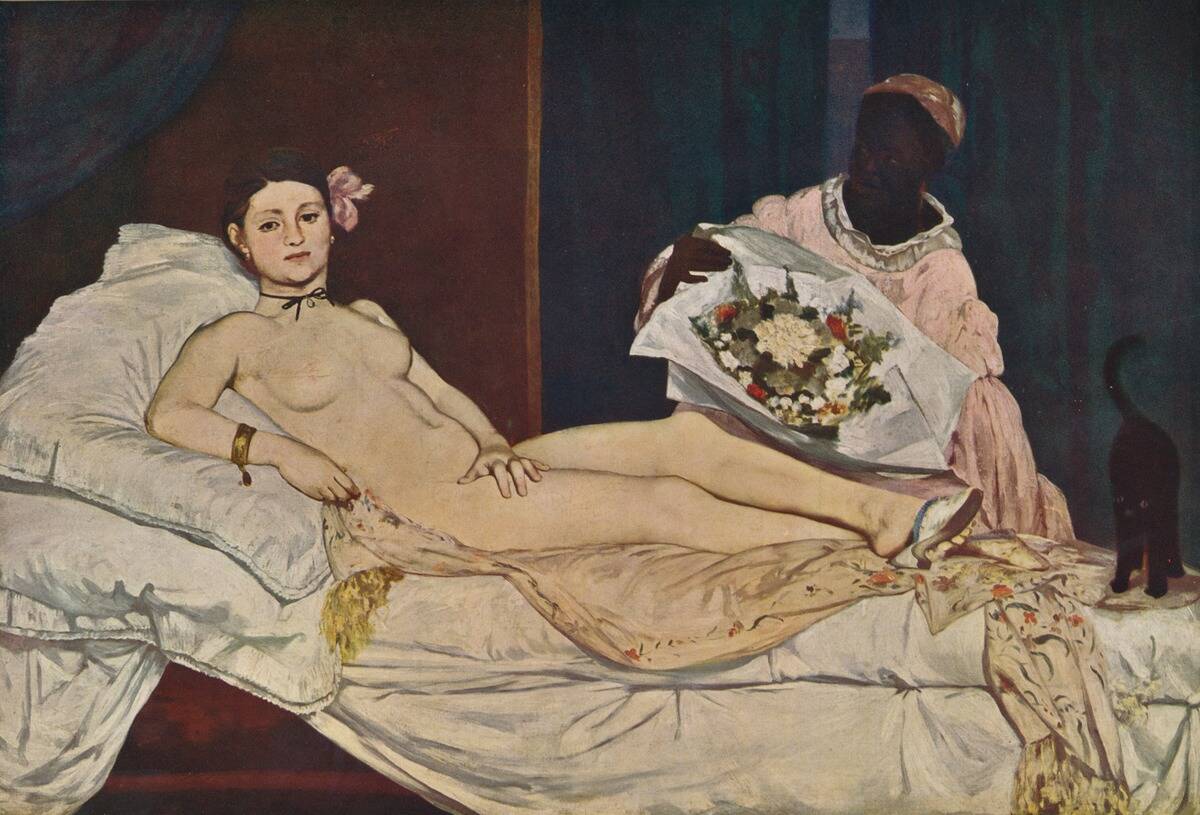
In Manet’s “Olympia,” a black cat perches at the foot of the bed, often overshadowed by the painting’s controversial subject. The cat contributes to the painting’s provocative rejection of traditional idealized nudes: unlike Titian’s Venus of Urbino, which includes a sleeping dog associated with fidelity and domesticity, Manet substitutes an alert black cat.
This contrast has often been interpreted as reinforcing Olympia’s independence, sexuality, and modernity, while her direct gaze further challenges the passive role traditionally assigned to the female nude.
The Concealed Message in Botticelli’s “The Birth of Venus”
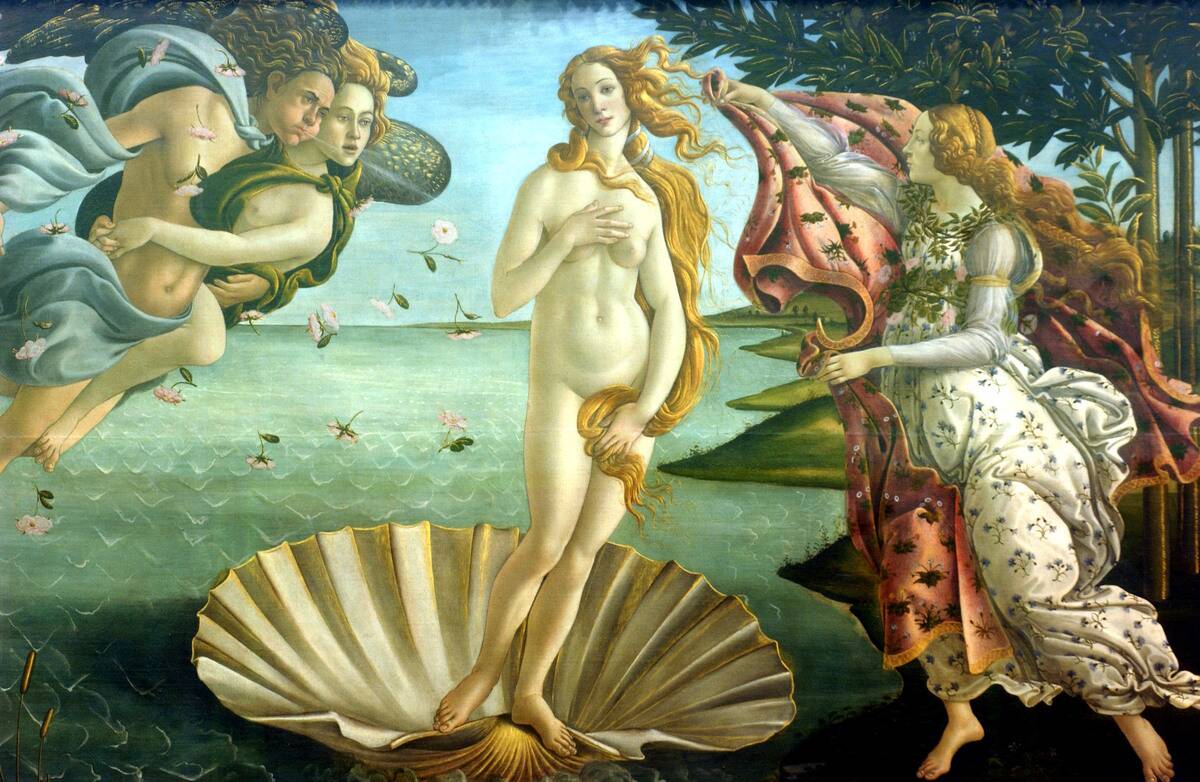
Botticelli’s “The Birth of Venus” is celebrated for its ethereal beauty, yet it also contains a concealed message. Some art historians suggest that the painting reflects Neoplatonic ideals, with Venus symbolizing divine love and beauty.
The composition’s harmonious balance and graceful figures convey a sense of spiritual transcendence. Botticelli’s masterful use of symbolism invites viewers to explore the philosophical underpinnings of this iconic work.
The Intriguing Symbolism in Klimt’s “The Kiss”
![The Kiss By [redacted]](https://media.tellmebest.com/wp-content/uploads/2023/09/the-kiss-by-gustav-klimt-45642.jpeg)
Klimt’s “The Kiss” is renowned for its opulent depiction of love and intimacy, yet it also contains intriguing symbolism. The man’s robe is dominated by rectangular, angular patterns, while the woman’s features softer circular and floral motifs.
Art historians have interpreted this contrast as emphasizing masculine and feminine forms, while the enveloping gold and shared ornament visually unite the couple. Klimt’s extensive use of gold leaf removes the figures from an ordinary setting and gives the scene an almost timeless, sacred quality.
The Overlooked Details in Seurat’s “A Sunday Afternoon on the Island of La Grande Jatte”
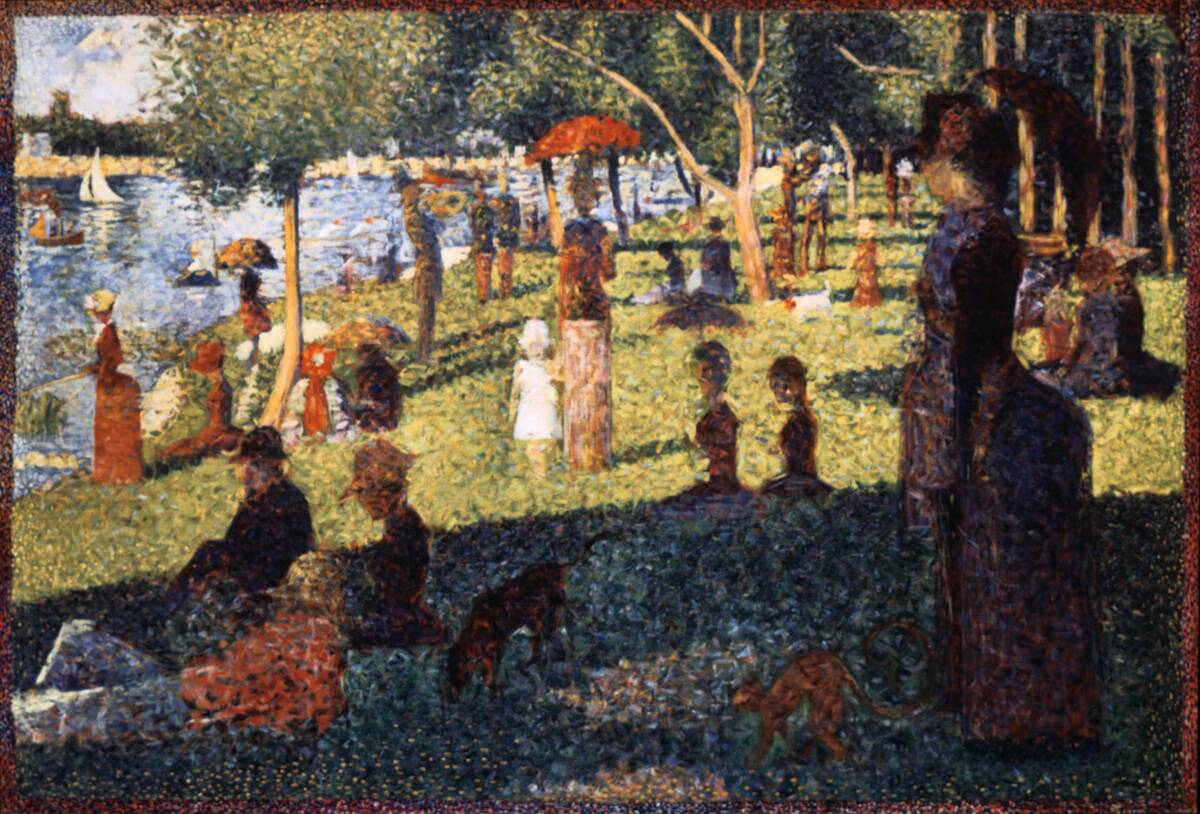
Seurat’s A Sunday Afternoon on the Island of La Grande Jatte appears at first to be a peaceful celebration of Parisian leisure, yet it may contain a more critical view of modern society. Despite the crowded setting, many of the figures seem stiff, isolated, and disconnected from one another, suggesting the growing anonymity of urban life.
The carefully arranged social groups also hint at class divisions and the importance of appearances in late 19th-century Paris. Strikingly, the child near the center appears to be the only figure looking directly toward us, creating an unusual connection with the viewer.