Famous artists who destroyed their own work
Art has always been a medium of expression, but what happens when artists choose to destroy their own creations? Self-destructive art is a fascinating realm where creators blend creation with destruction, challenging the permanence of their work.
This intriguing concept forces us to question the value and purpose of art. Is it the physical piece that matters, or the fleeting experience it provides?
Banksy: The Shredding Heard Around the World
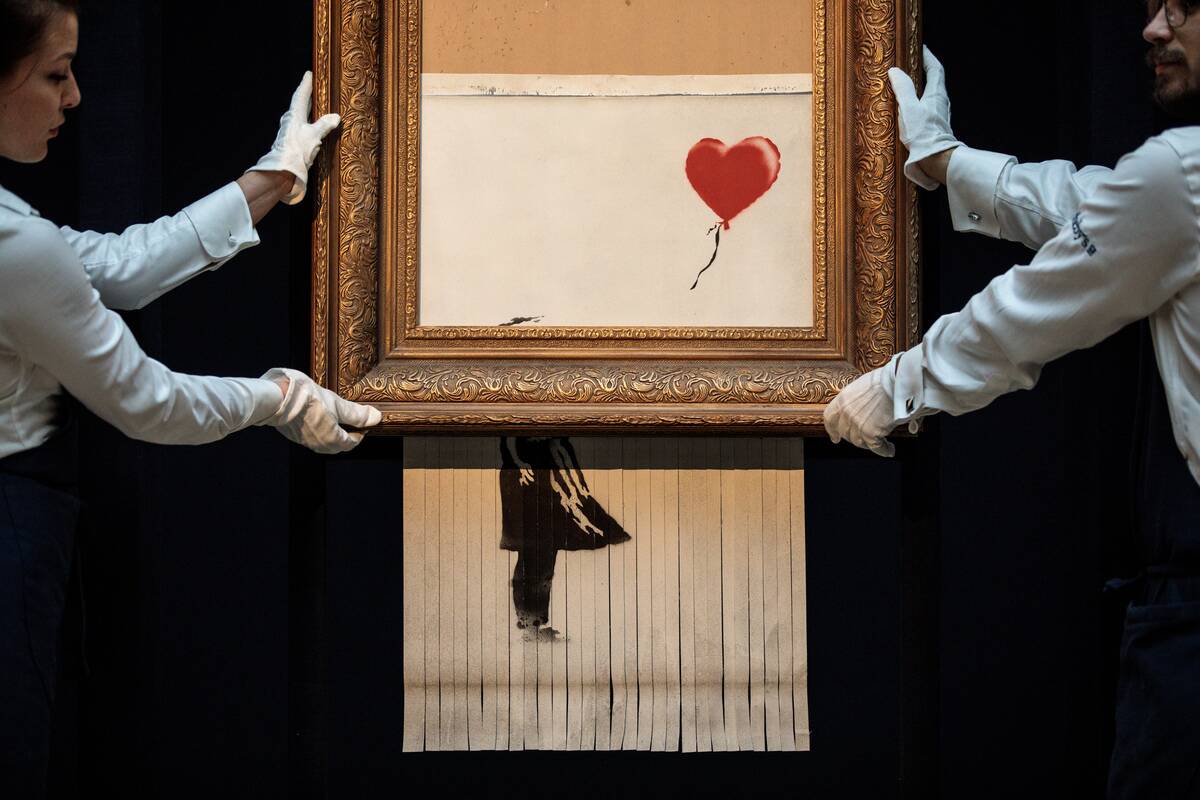
In 2018, Banksy shocked the art world when his artwork “Girl with Balloon” self-destructed moments after being sold at auction. The piece, which partially shredded itself, became an instant sensation, raising questions about the value of art and the artist’s intentions.
Banksy’s audacious act not only increased the artwork’s worth but also highlighted the upredictable nature of art in the modern era. This event remains a pivotal moment in the conversation about art and destruction.
Jasper Johns and the Art of Erasure
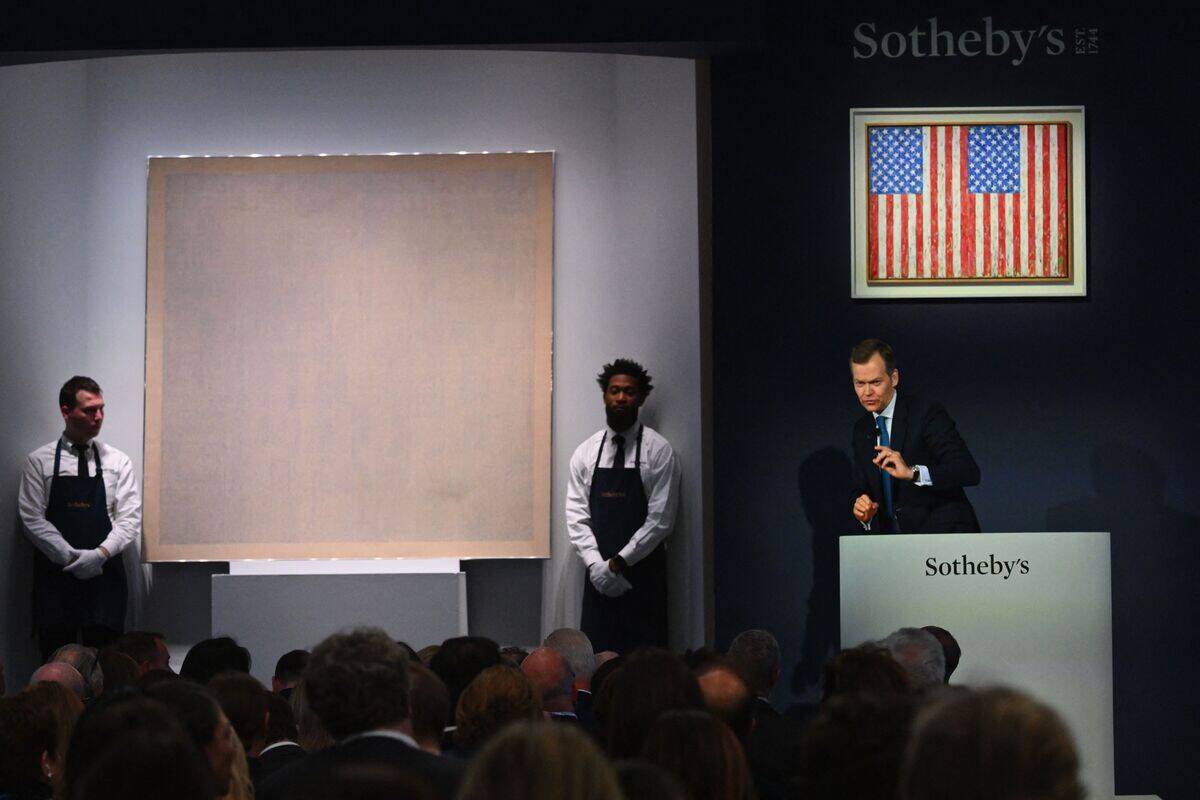
Robert Rauschenberg turned destruction itself into an artistic act with Erased de Kooning Drawing in 1953. After obtaining a drawing from Willem de Kooning, Rauschenberg carefully erased it, transforming the absence of the original image into the artwork’s central idea.
The piece challenged traditional notions of authorship, permanence, and artistic value, asking whether removing an image could be as creative as making one. Jasper Johns later helped frame and label the work, adding another layer to its unusual history.
Agnes Martin: The Pursuit of Perfection

Agnes Martin was known for her restrained abstract paintings of grids, lines, and delicate bands of color. She was highly selective about her work, frequently discarding compositions that failed to match her vision and reworking paintings until she felt they were right.
Yet Martin distinguished between artistic perfection and literal technical perfection, describing her paintings as attempts to express an ideal that could never be perfectly realized. Her rigorous process reflects her search for clarity, beauty, tranquility, and emotional resonance rather than simple flawlessness.
Francis Bacon’s Reluctant Ruins
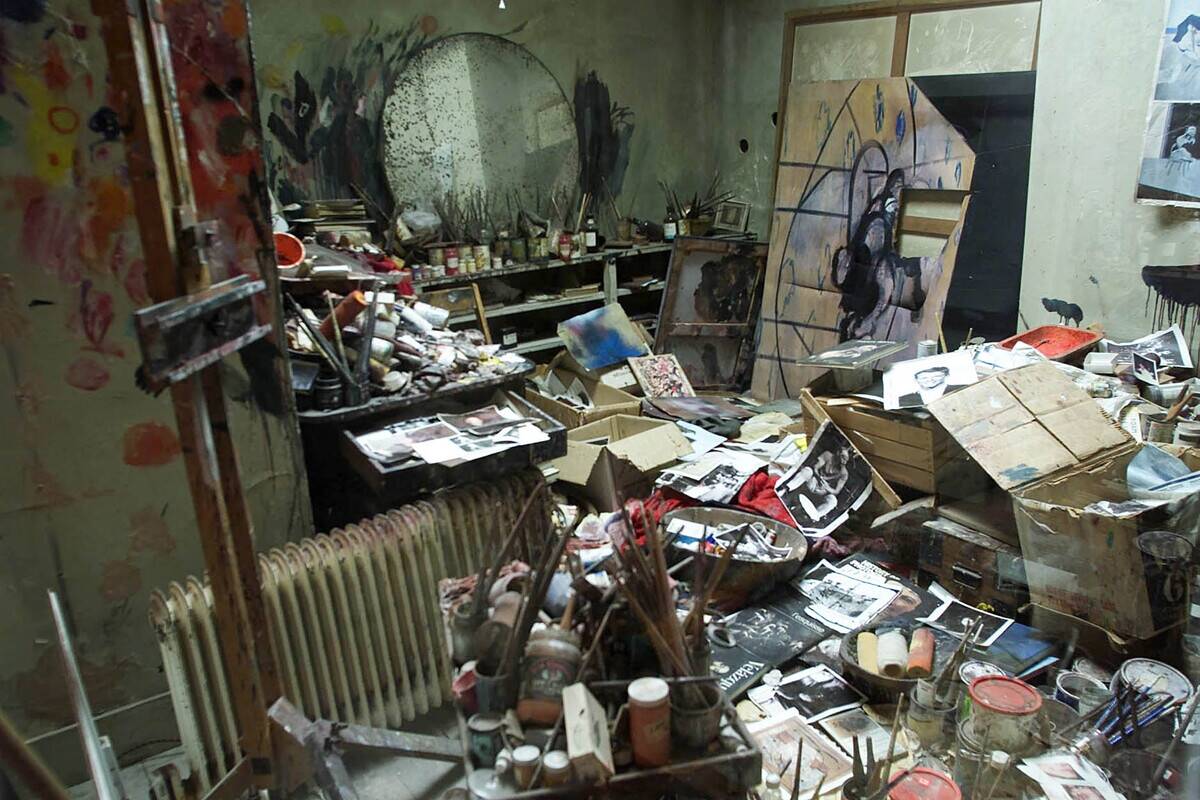
Francis Bacon frequently destroyed paintings he considered unsuccessful, sometimes cutting out faces or slashing entire canvases. After his death, numerous damaged and discarded works were found in his famously cluttered studio, revealing how ruthlessly he edited his own output.
Bacon’s destruction of failed images blurred the boundary between creation and destruction and prevented works he rejected from circulating. These surviving fragments now offer a rare glimpse into his working process and the paintings he never intended the public to see.
Jean-Michel Basquiat’s Unseen Paintings
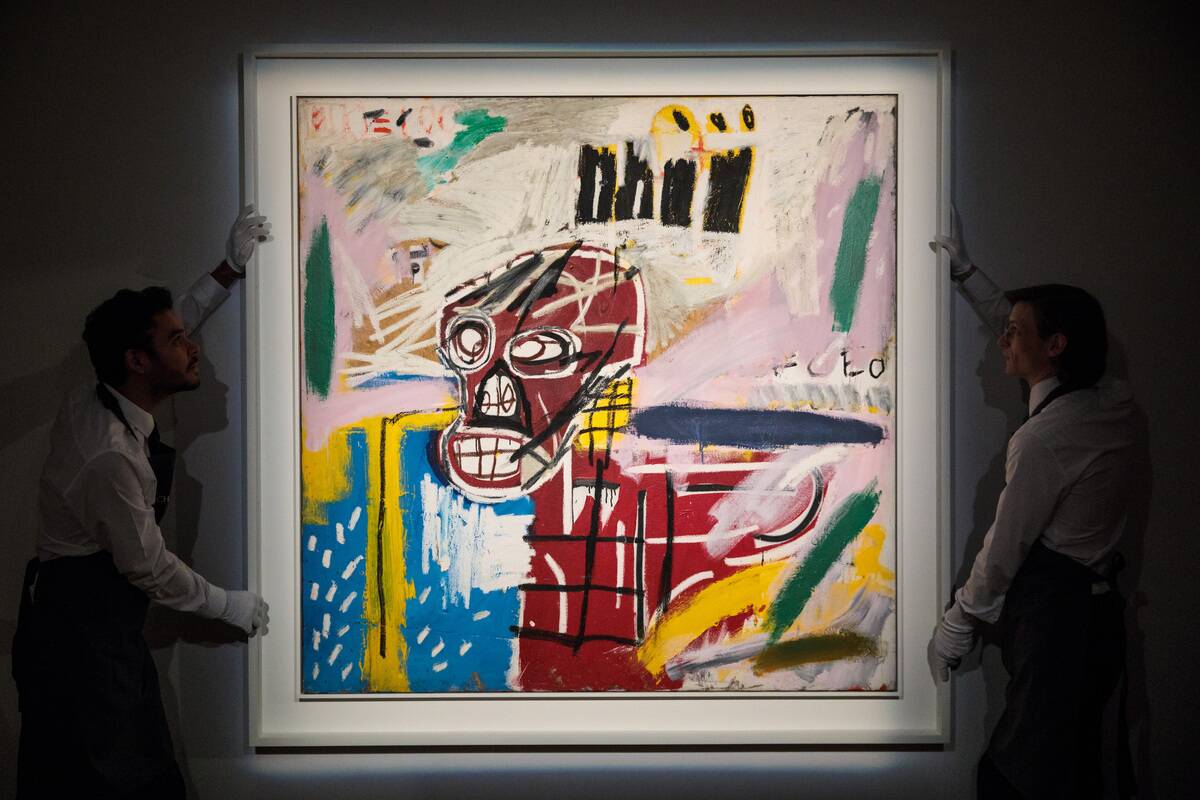
Jean-Michel Basquiat, the influential neo-expressionist, was known for his prolific output and intense creativity. However, many of his works were never seen by the public, as Basquiat often painted over or discarded them.
This practice reflects his restless energy and desire to continually evolve as an artist. The unseen paintings of Basquiat add a layer of intrigue to his legacy, inviting speculation about the themes and ideas that might have been explored. His work remains a testament to the vibrant and transient nature of creativity.
John Baldessari Burning His Artistic Past
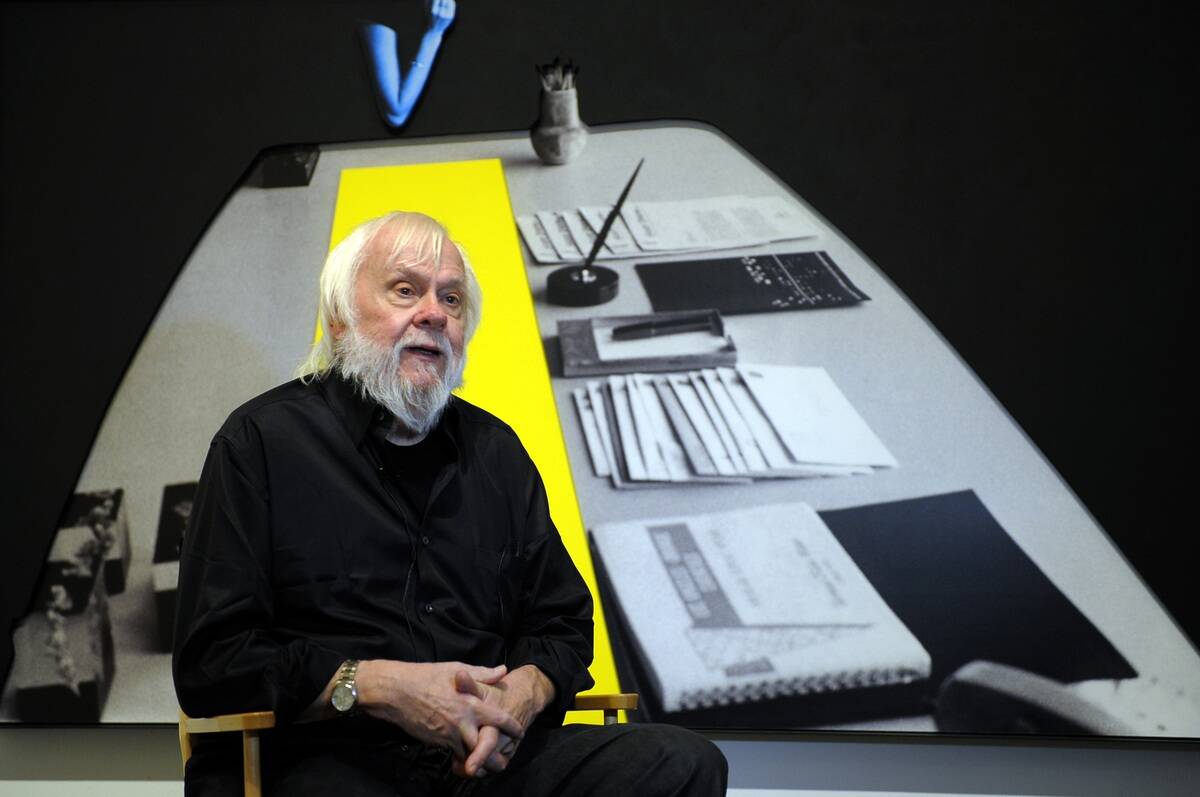
In 1970, conceptual artist John Baldessari deliberately destroyed much of the artwork he had produced between 1953 and 1966. For his Cremation Project, the paintings were taken to a crematorium and burned, with some of the resulting ashes later incorporated into an artwork.
The dramatic gesture marked Baldessari’s rejection of his earlier approach to painting and the beginning of a new phase centered on photography, language, and conceptual art. By destroying his past work, Baldessari effectively turned its disappearance into a new work of art.
Yves Klein’s Fire Paintings: A Fiery Farewell
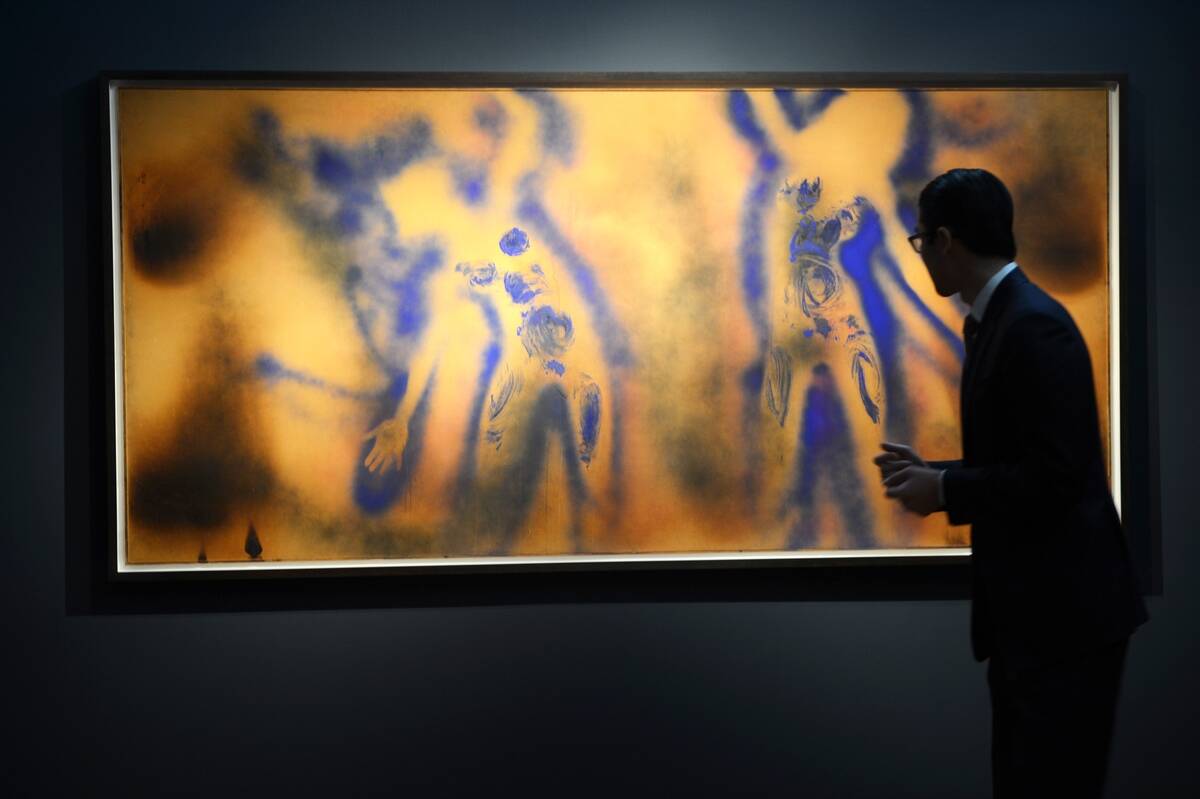
Yves Klein, a pioneer of performance art, famously used fire as a medium in his “Fire Paintings.” By applying flame to his canvases, Klein created unique textures and patterns, embracing the destructive power of fire as a creative force.
These works challenge traditional notions of painting, highlighting the transformative potential of destruction. Klein’s fire paintings remain a testament to his innovative spirit, inviting viewers to appreciate the beauty and unpredictability of art born from chaos.
A Sculpture Built to Destroy Itself By Jean Tinguely
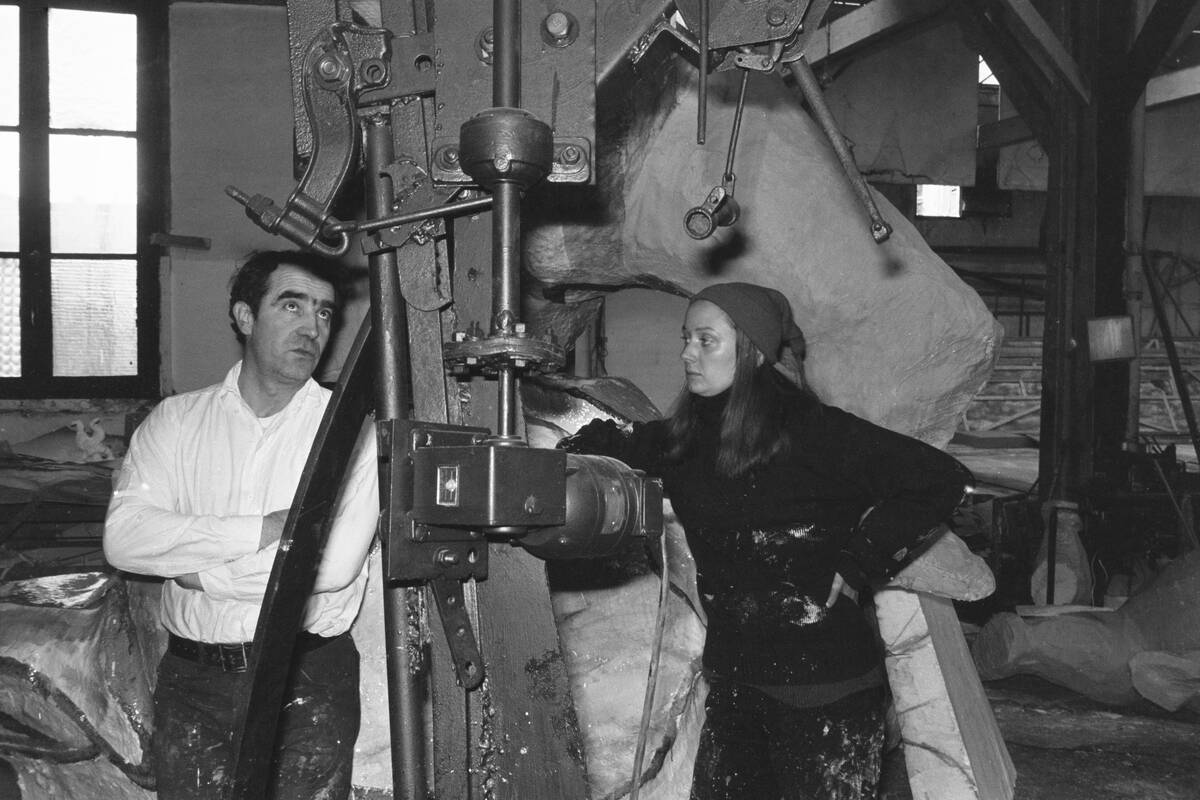
Swiss artist Jean Tinguely created a sculpture whose destruction was part of its design. His enormous 1960 work Homage to New York, assembled from motors, bicycle wheels, a player piano, metal parts, and discarded objects, was activated in the sculpture garden of New York’s Museum of Modern Art.
As spectators watched, the machine moved, produced noises and smoke, broke apart, and partially caught fire. The work was never supposed to survive intact. Tinguely transformed the destruction of the artwork into the artwork itself, questioning the assumption that art should be permanent.
The Unpredictable Nature of Performance Art Destruction

Performance art often incorporates elements of destruction, creating unpredictable and ephemeral experiences for audiences. Artists like Marina Abramović and Chris Burden have used destruction as a tool to challenge viewers’ perceptions and provoke emotional responses.
This dynamic form of art emphasizes the transient nature of life, inviting audiences to engage with the present moment. The unpredictable nature of performance art destruction adds an element of surprise and spontaneity, making each experience unique and memorable.
Gustav Metzger’s Art Designed to Disappear
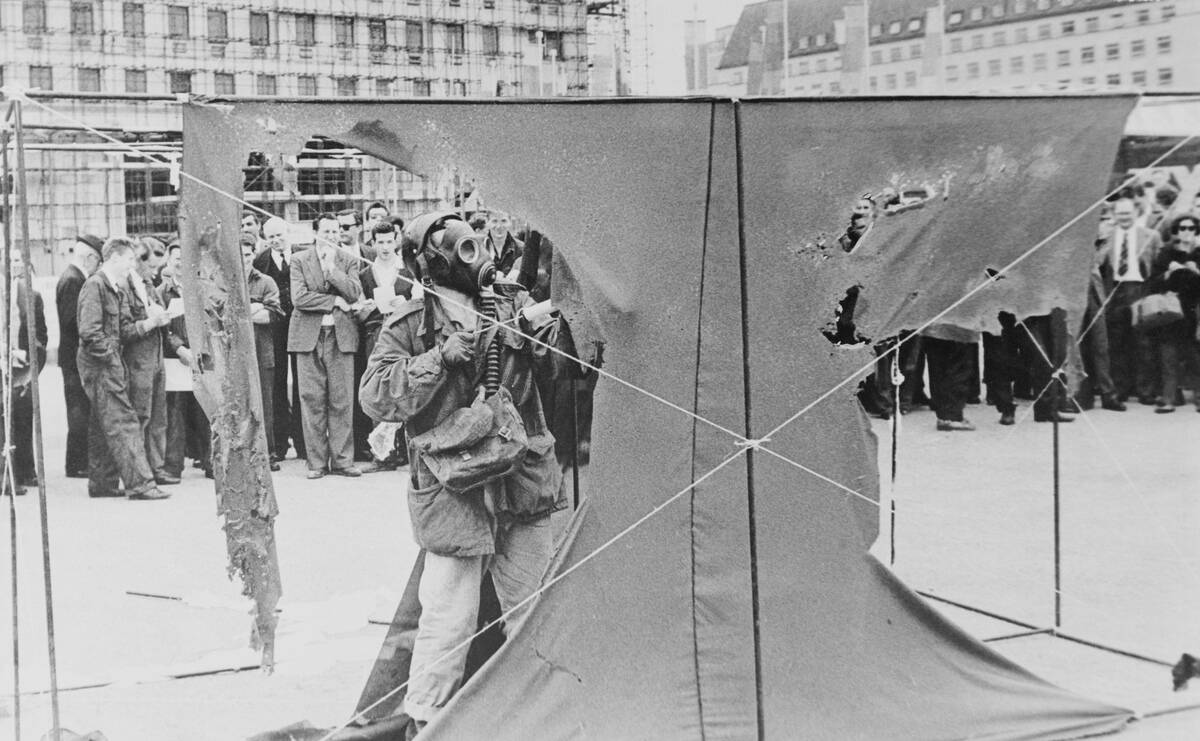
Artist Gustav Metzger went even further by developing the idea of “Auto-Destructive Art.” Beginning in the late 1950s, Metzger argued that artworks could be deliberately designed to decay or destroy themselves.
In his famous acid-painting demonstrations, he applied hydrochloric acid to sheets of nylon, causing the material to dissolve and disappear before the audience. For Metzger, destruction was not simply a spectacle: it was connected to his criticism of war, nuclear weapons, industrial power, capitalism, and society’s ability to destroy itself.