Sports that disappeared from the Olympic Games
The Olympic Games have always been a reflection of the times, showcasing a diverse array of sports that capture the spirit of competition. Over the years, many unique events have come and gone, leaving behind fascinating stories and intriguing histories.
From the early days of the modern Olympics to the present, the lineup of sports has evolved significantly, often influenced by cultural trends and technological advancements.
Tug of War: A Test of Strength and Teamwork
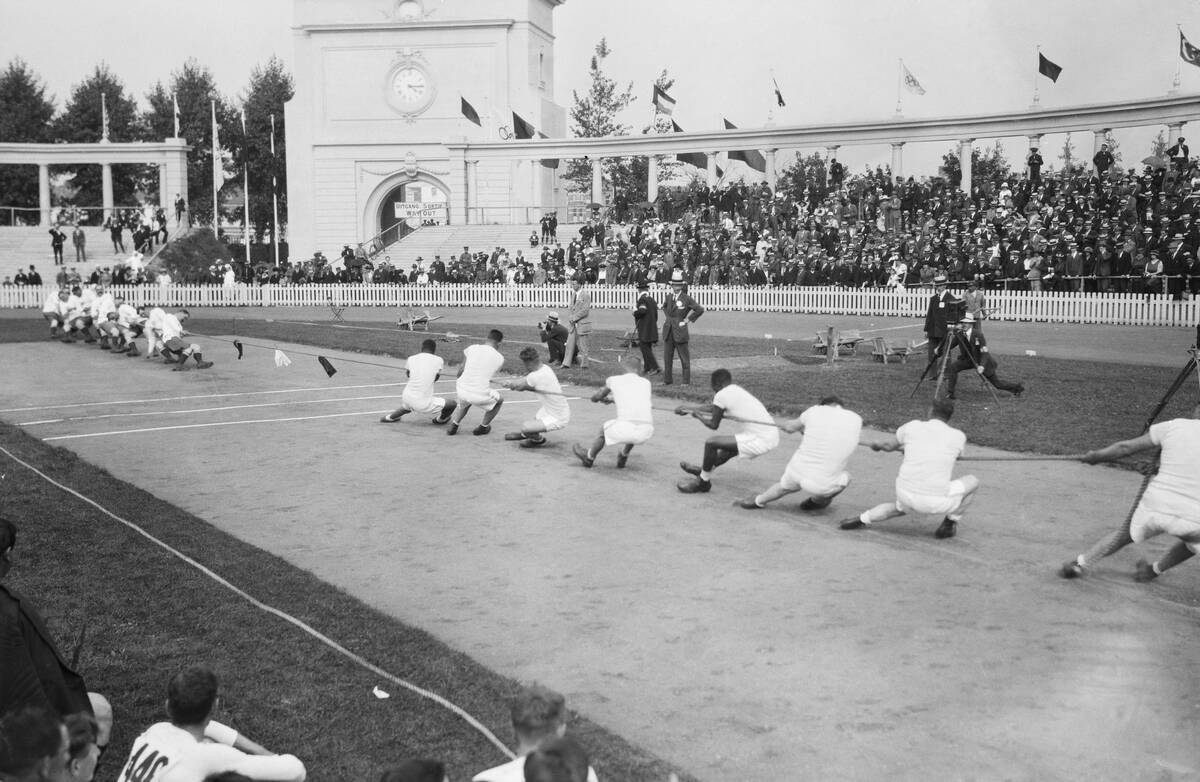
Tug of War was once part of the Olympic Games, appearing on the official program from 1900 to 1920. The event pitted teams against each other in a test of strength, endurance, and coordinated teamwork. Team sizes and rules varied during its Olympic history, although eight-member teams became standard in later competitions.
The objective was to pull the opposing team a specified distance, making strategy and collective effort just as important as individual strength. Despite its simplicity, the event showcased the physical power and teamwork required in competitive sport.
Croquet: A Gentleman’s Game at the Olympics
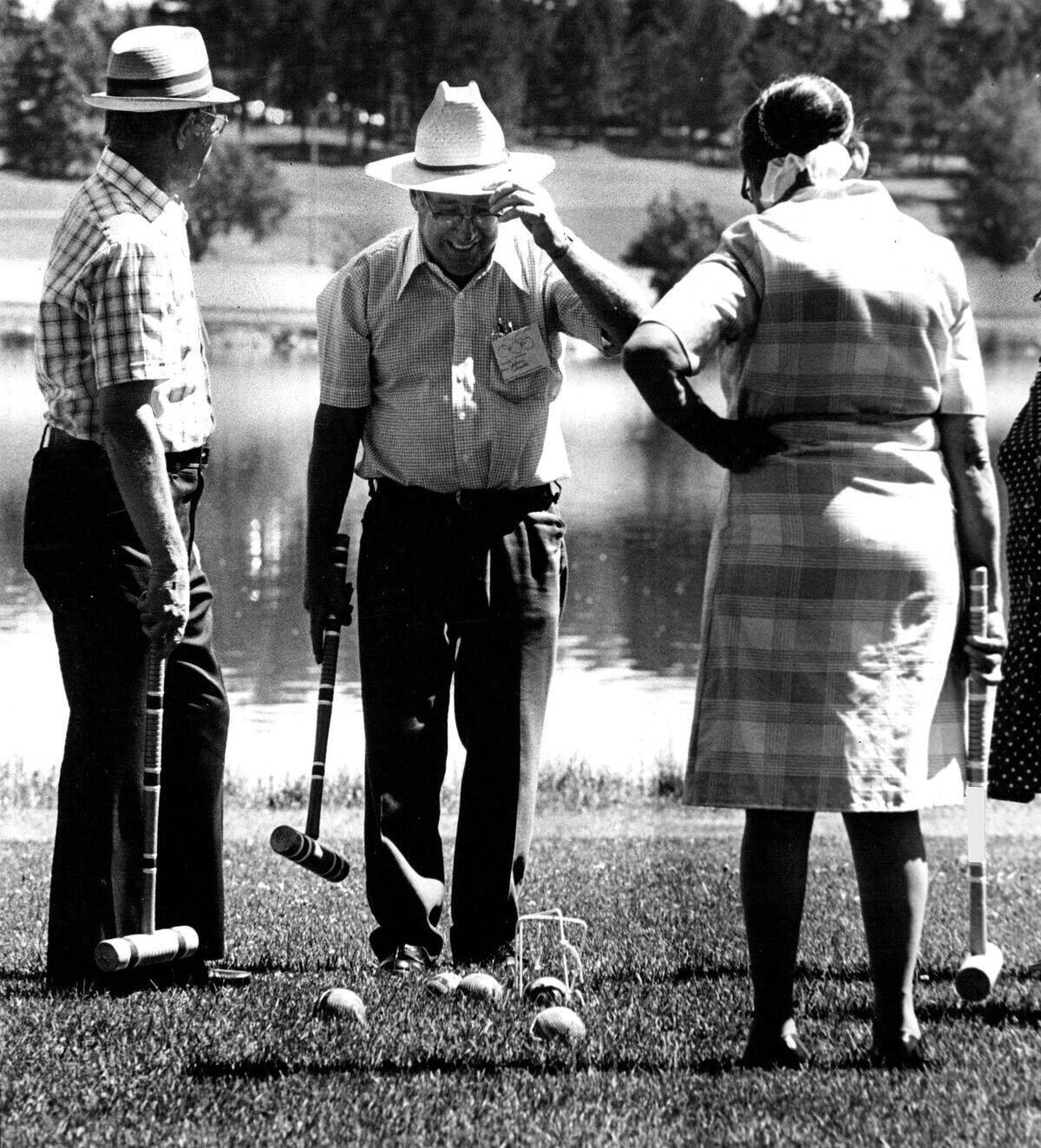
Croquet made a brief appearance at the 1900 Paris Olympics, where the sport was contested in a small competition dominated by French players. Historical accounts commonly report that only one paying spectator attended the matches, making the event one of the least-attended in Olympic history.
Croquet was not included in subsequent Olympic Games, but it remains a recreational sport known for its precision, strategy, and leisurely pace.
Plunge for Distance: Diving’s Forgotten Cousin
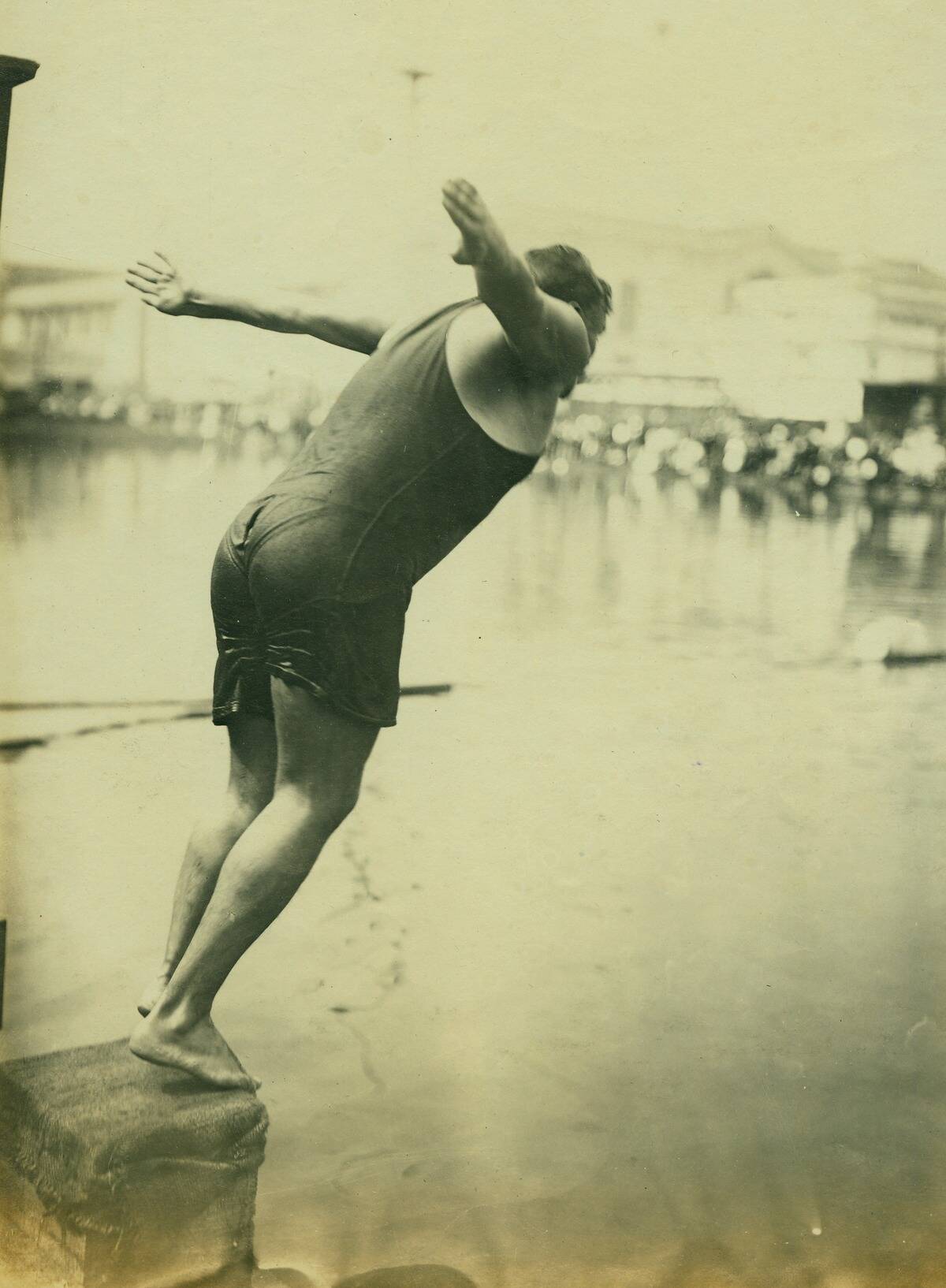
Plunge for Distance was part of the 1904 St. Louis Olympics, a unique swimming event in which competitors aimed for maximum distance rather than speed. Athletes dove into the water and then glided as far as possible without using swimming strokes or otherwise propelling themselves.
The event tested diving technique, streamlining, and the ability to maintain momentum underwater. It was contested only at the 1904 Olympics and was never included in the Olympic program again, making it one of the Games’ most unusual discontinued events.
Rope Climbing: Scaling Heights in the Early Games
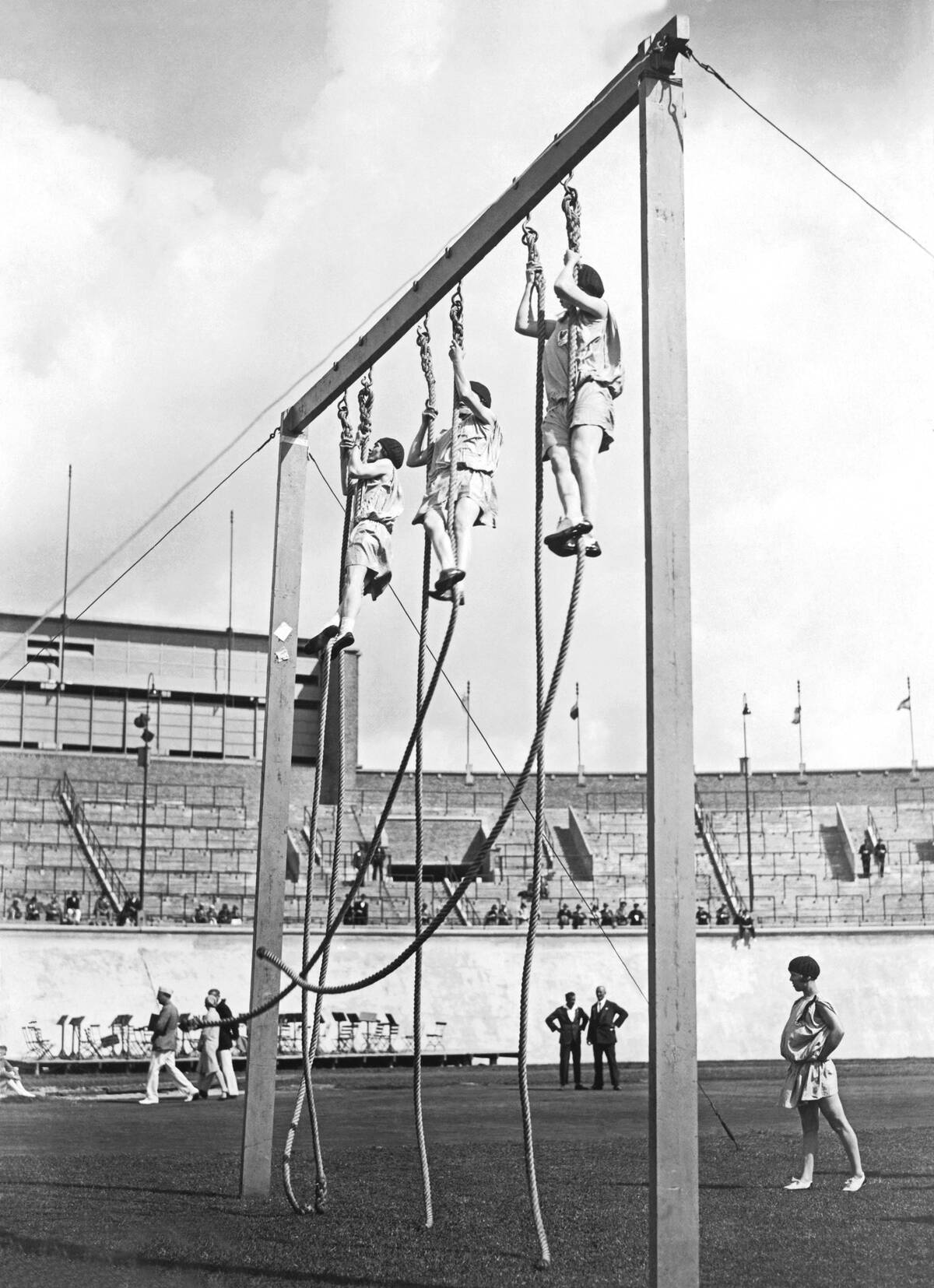
Rope Climbing was featured in several Olympic Games, including 1896, 1904, 1924, and 1932, challenging athletes to ascend a vertical rope as quickly as possible. The event tested upper-body and grip strength, coordination, and climbing technique, with competitors racing to reach the top in the shortest time.
Rope climbing was last contested at the 1932 Los Angeles Olympics and was subsequently discontinued from the program. The activity nevertheless remains popular in gymnastics, physical education, and fitness training.
Solo Synchronized Swimming: A Paradoxical Sport
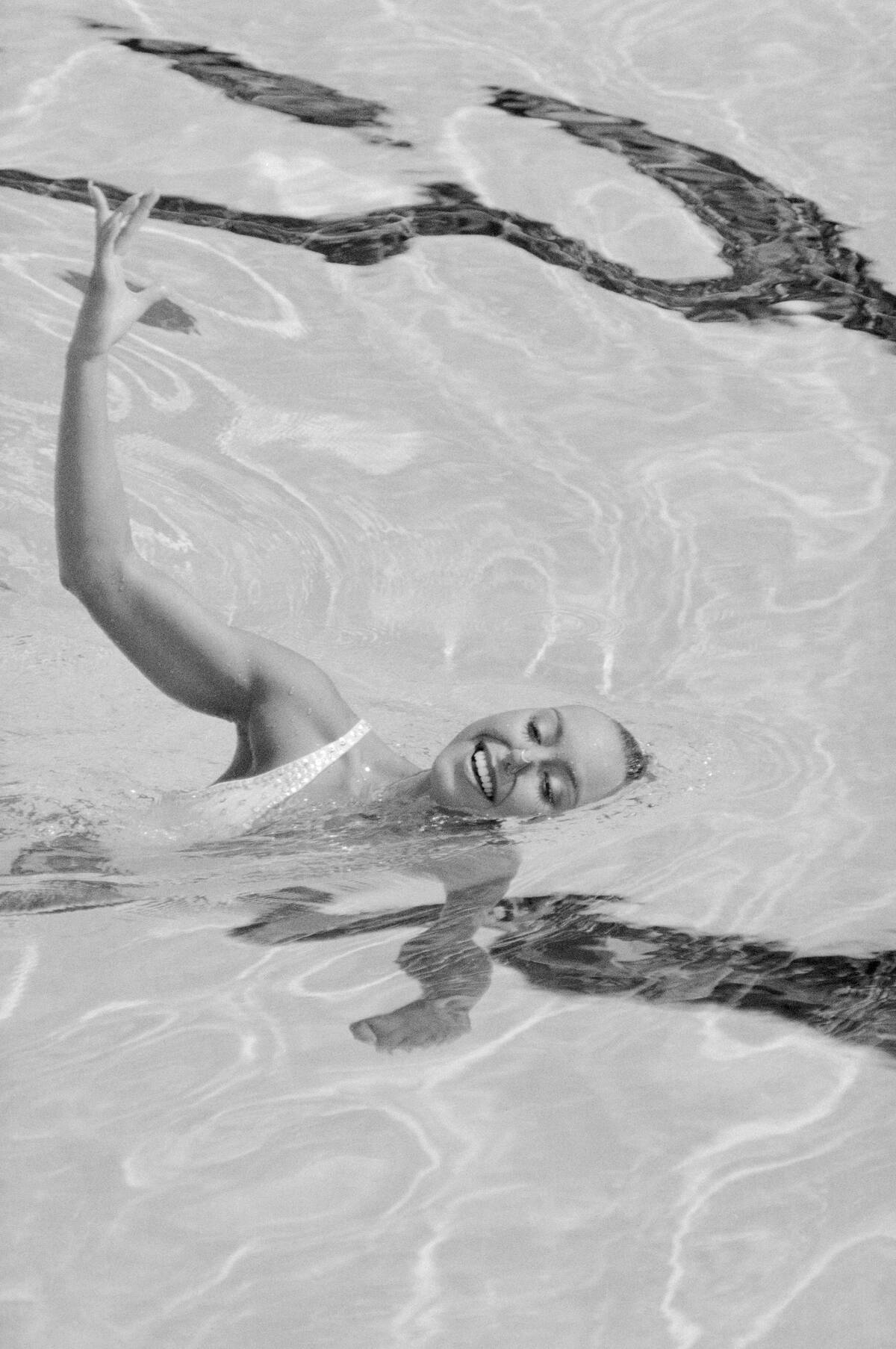
Solo synchronized swimming, introduced at the Olympics in 1984, puzzled many with its seemingly contradictory name. Despite being a solo performance, swimmers synchronized their movements to music while demonstrating technical and artistic skills.
The solo event was discontinued after the 1992 Olympics, while duet and team competitions continued to feature in subsequent Games. The event remains an unusual chapter in Olympic history and an example of how the sport’s competitive format has evolved over time.
Live Pigeon Shooting: A Controversial Olympic Event
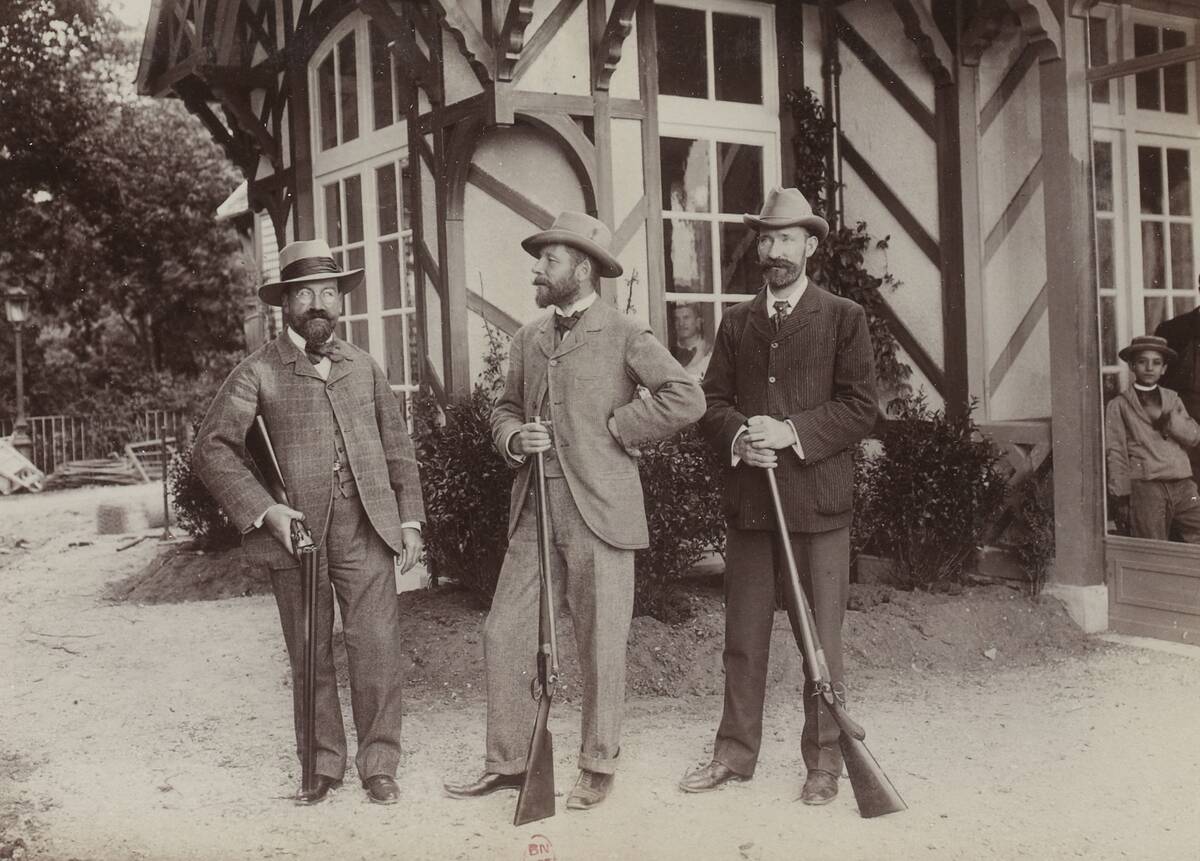
Live Pigeon Shooting was held at the 1900 Paris Olympics as a one-time event in which competitors attempted to shoot as many live pigeons as possible. The competition resulted in roughly 300 birds being killed, although historical estimates vary.
The event was never repeated, and live-animal shooting disappeared from the Olympic program. Clay-target shooting, which had already been developed as an alternative to live birds, subsequently became the standard form of Olympic shooting competition.
Lacrosse: The Native American Sport’s Olympic Journey
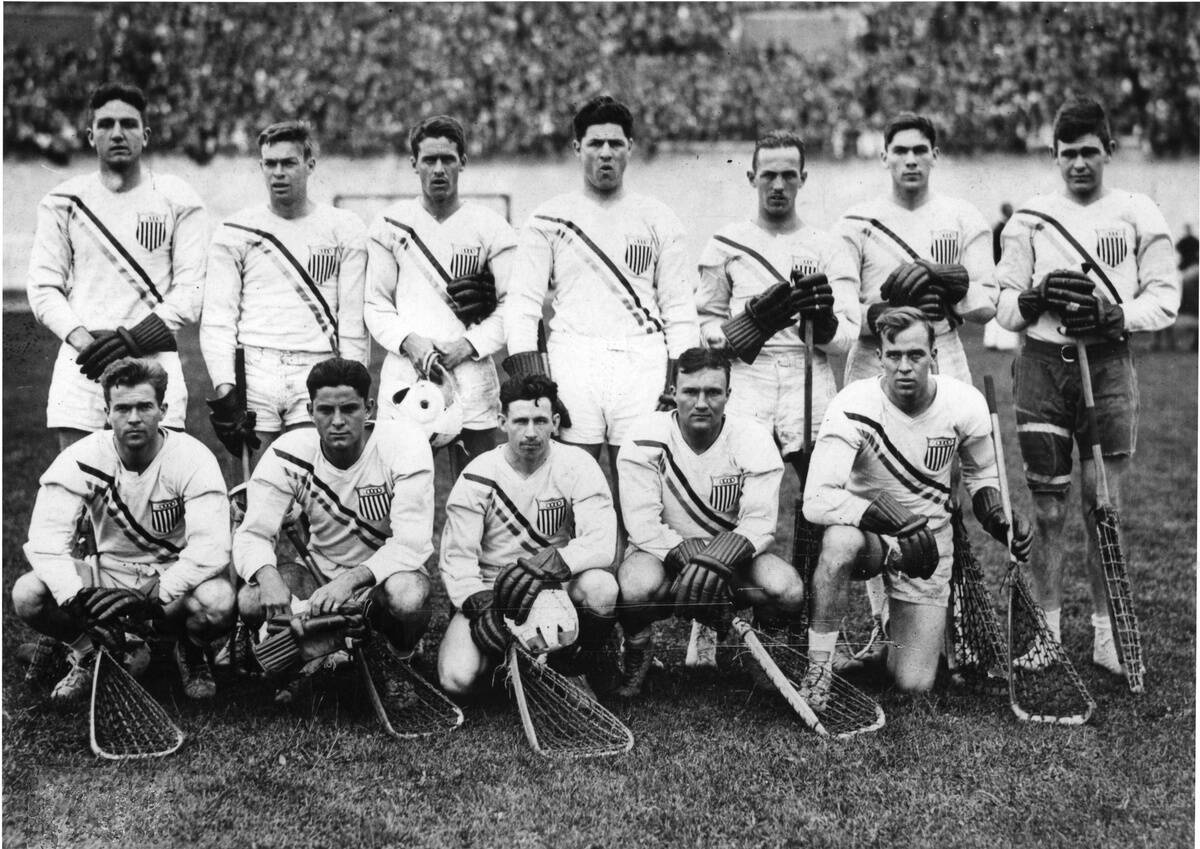
Lacrosse, a sport with deep roots in Indigenous North American culture, was an official medal sport at the 1904 Olympics and appeared as a demonstration sport at the 1908 Games. In 1904, Canadian and American teams competed for the medals, with Canada winning gold and the United States taking silver and bronze.
In 1908, Canada defeated Great Britain in the demonstration match. Although lacrosse has not been an Olympic medal sport since 1904, it has continued to grow internationally and remains a popular sport in several countries.
Motorboating: Racing on Water with a Twist
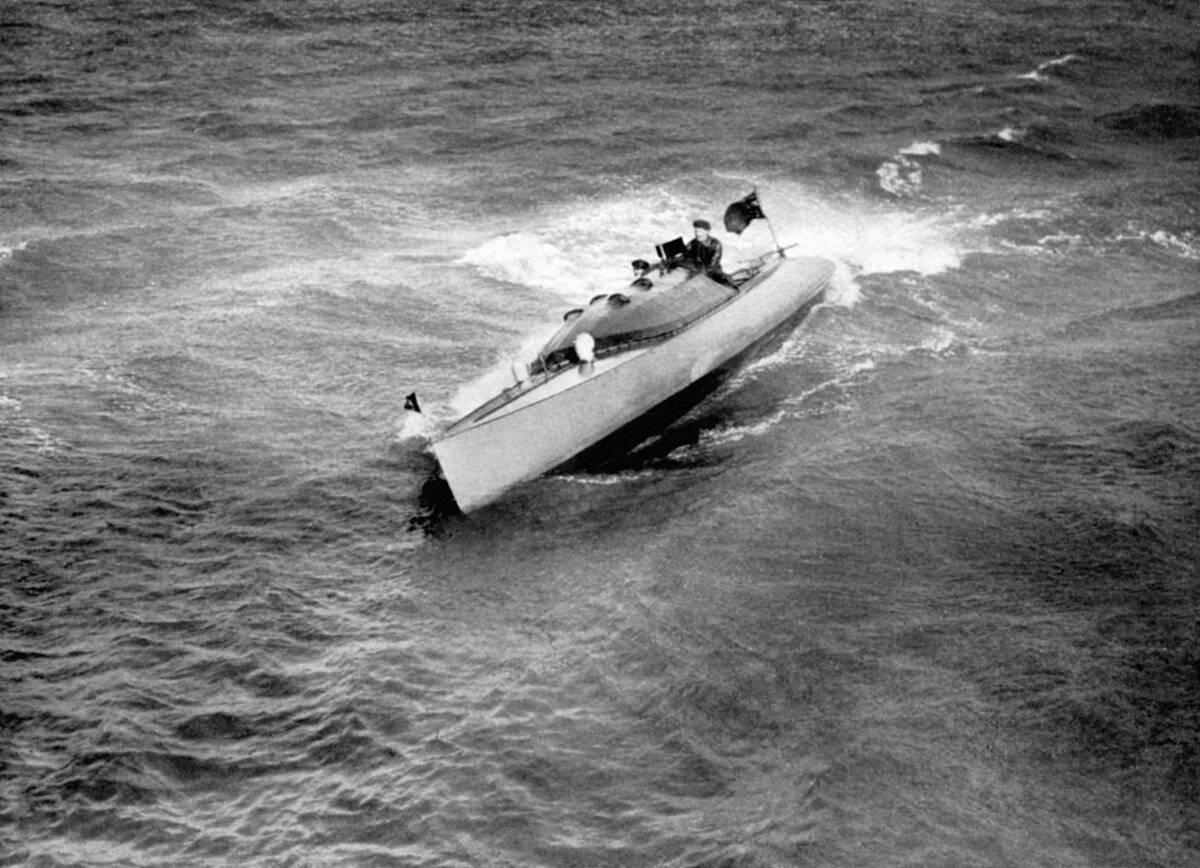
Motorboating was part of the 1908 London Olympics, offering a test of speed, engineering, and endurance. The competition consisted of three classes based on boat specifications, with races held on Southampton Water.
Poor weather severely disrupted the events, with heavy seas causing many boats to withdraw or fail to finish, while participation was limited to competitors from two nations. Motorboating never returned to the Olympic program, and its reliance on mechanical propulsion contributed to its disappearance from the Games.
Basque Pelota: A Regional Sport on the World Stage
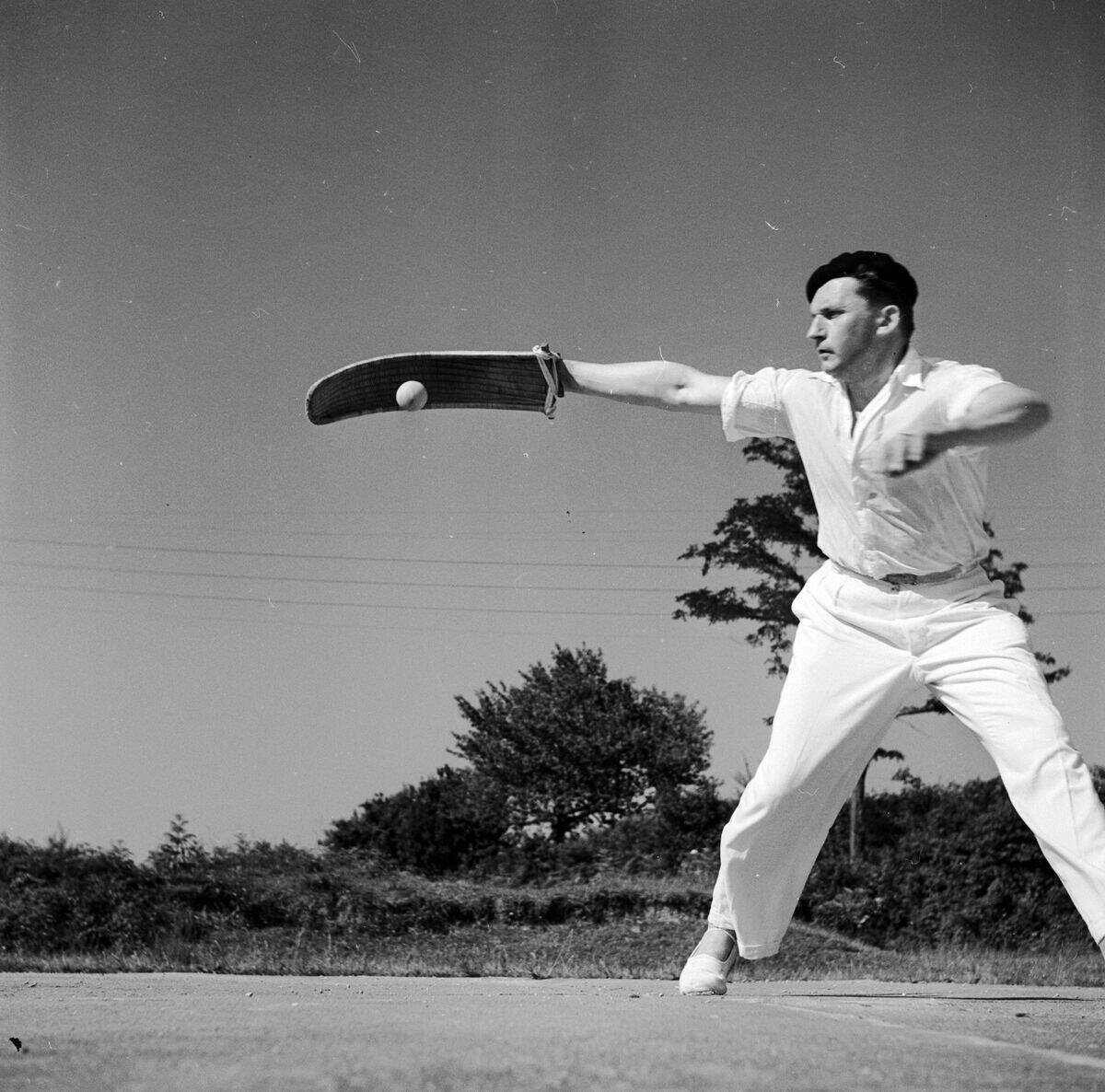
Basque Pelota, included as an Olympic sport at the 1900 Paris Games, is a traditional sport with deep roots in the Basque regions of Spain and France. The sport encompasses several forms played with the bare hand or equipment such as paddles and baskets; the 1900 Olympic competition specifically used a cesta, a curved basket for catching and throwing the ball.
The scheduled amateur match was not actually played after the French team withdrew, but the Spanish pair was awarded the gold medal. Basque pelota later returned as a demonstration sport and remains an important cultural pastime in its regions of origin.
Cricket: The Bat-and-Ball Game’s Brief Olympic Stint
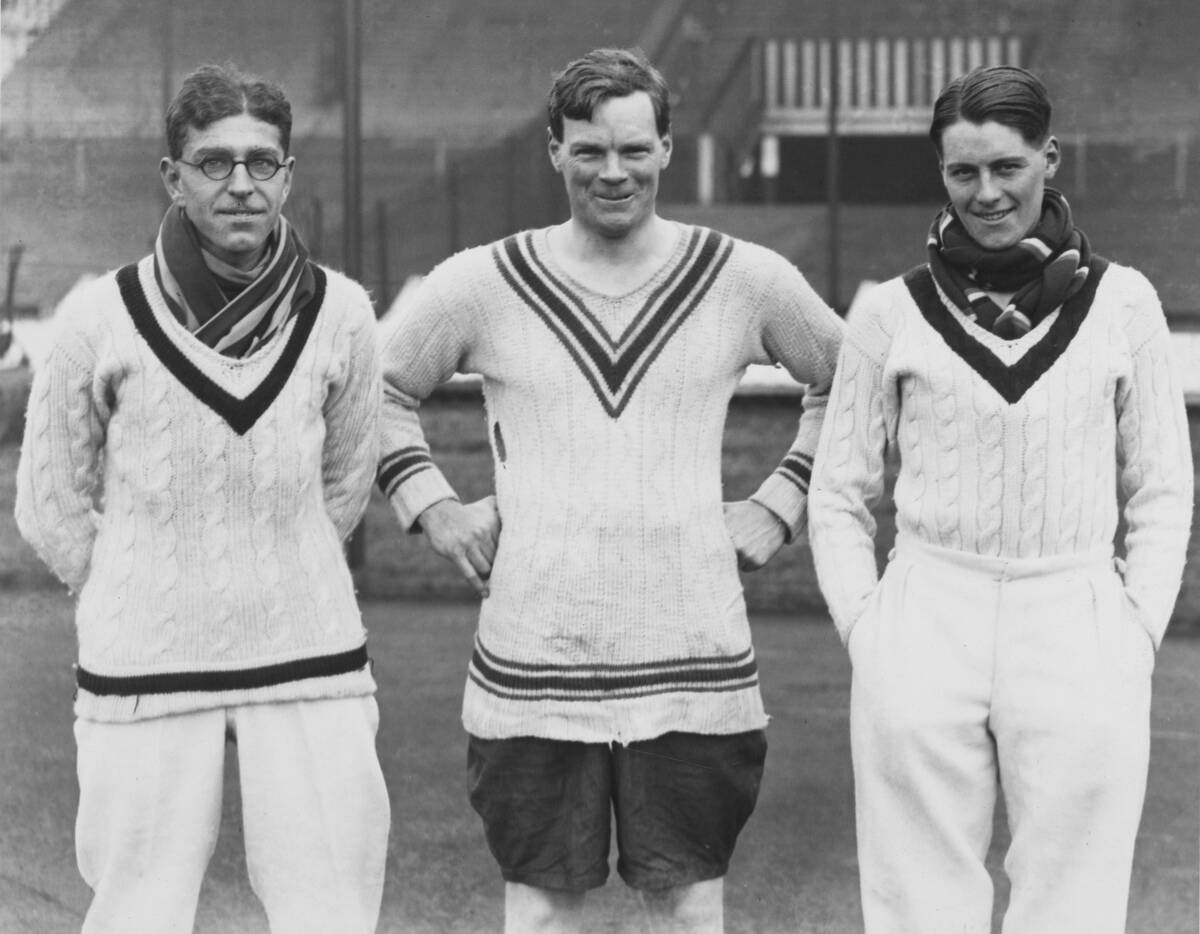
Cricket made its only Olympic appearance before 2028 at the 1900 Paris Games, where just two teams ultimately competed: Great Britain and France. The two-day match was played over August 19–20, with Great Britain represented by the Devon and Somerset Wanderers and the French side largely composed of players from Paris clubs.
Great Britain won by 158 runs. Although cricket had a limited Olympic history for more than a century, the sport has become a global phenomenon and is scheduled to return to the Olympic program at Los Angeles 2028.
Polo: The Sport of Kings and Its Olympic History
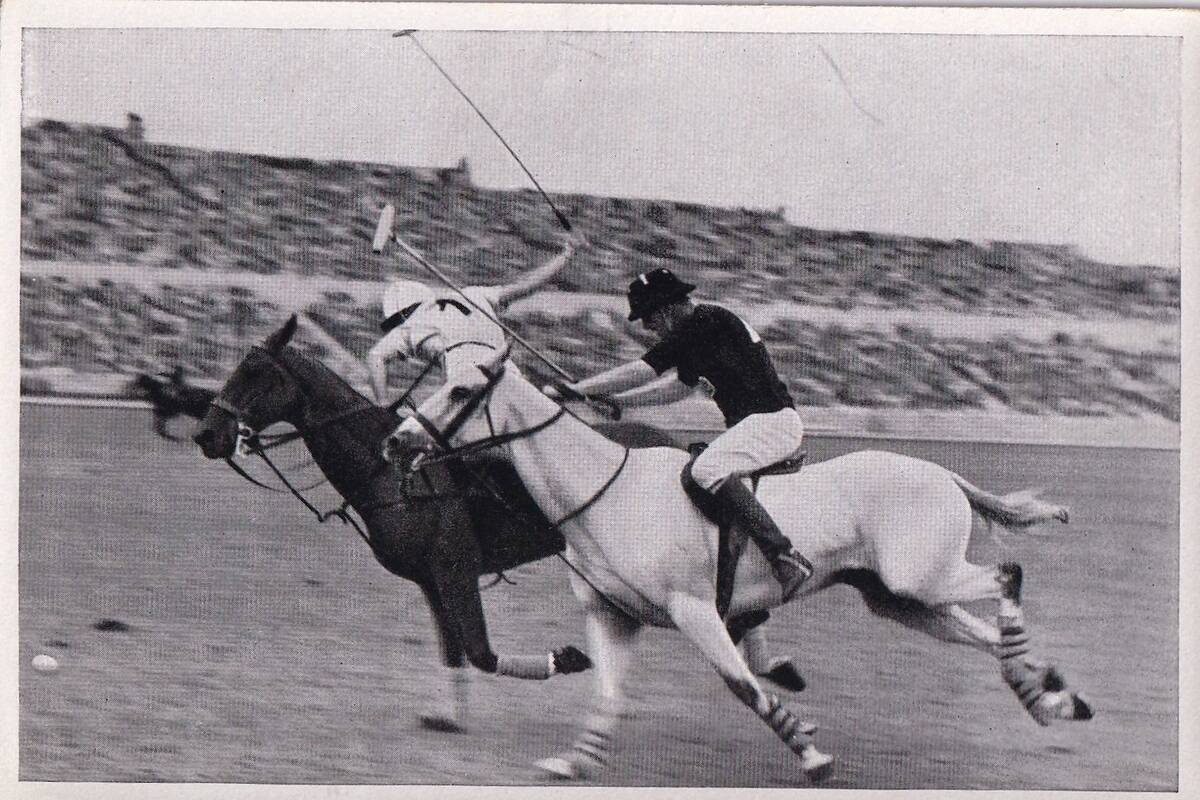
Polo was contested at the Olympics in 1900, 1908, 1920, 1924, and 1936, attracting skilled riders and teams from a relatively small number of countries. Often called the “sport of kings,” polo requires exceptional horsemanship, coordination, and teamwork.
Its Olympic competitions generally had limited international participation, with only five teams competing in the final 1936 tournament. Polo was removed from the Olympic program after the Berlin Games and has not returned as an Olympic sport.
Rackets: A Fast-Paced Game Lost to Time
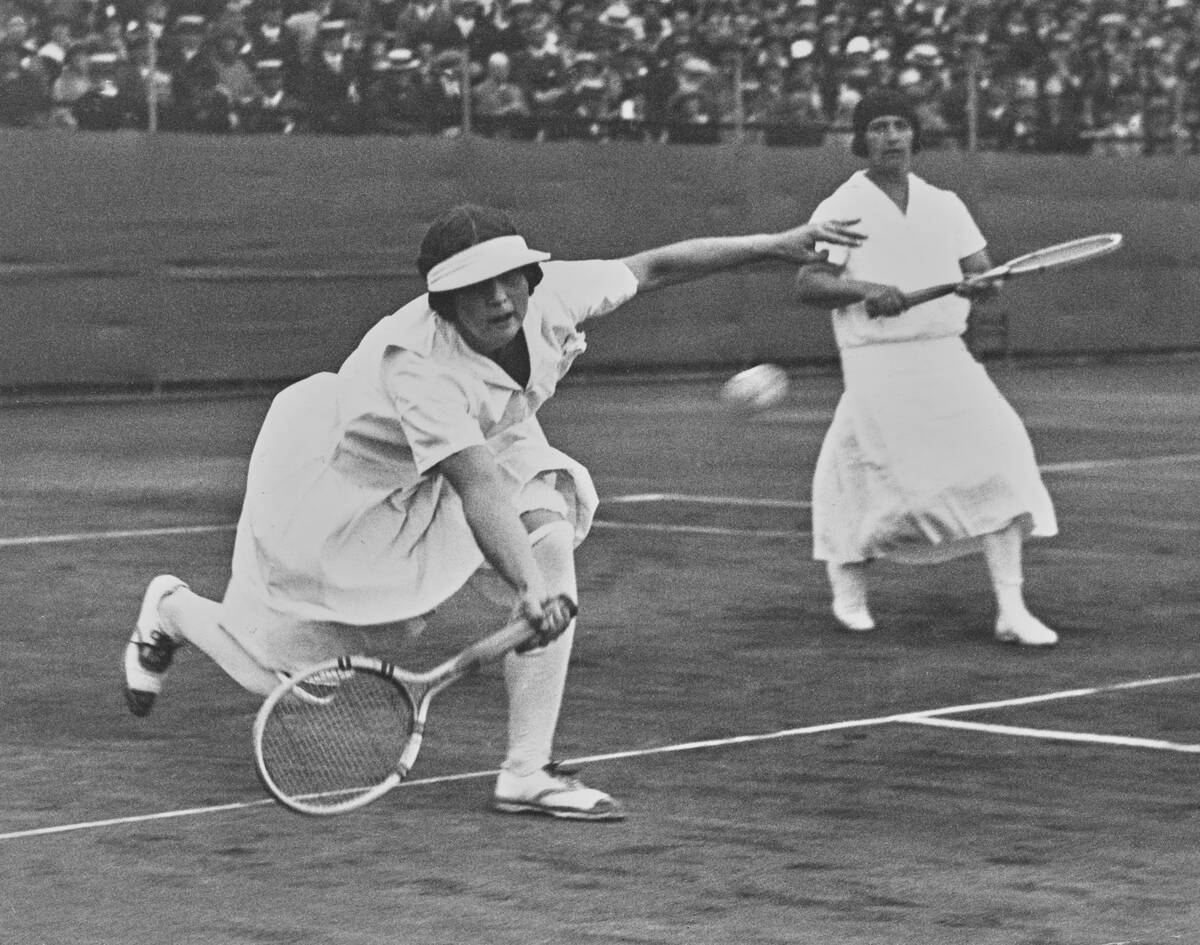
Rackets, featured in the 1908 London Olympics, is a fast-paced indoor game played with a hard ball and long-handled rackets. The sport demands quick reflexes, precise shot-making, and strategic play.
Rackets appeared only at the 1908 Games, where all competitors were British. Its high cost and limited international participation were cited as possible reasons it was not included in future Olympic programs, while its related offshoot, squash, went on to become far more popular worldwide.
Tandem Bicycle Sprint: Double the Riders, Double the Fun
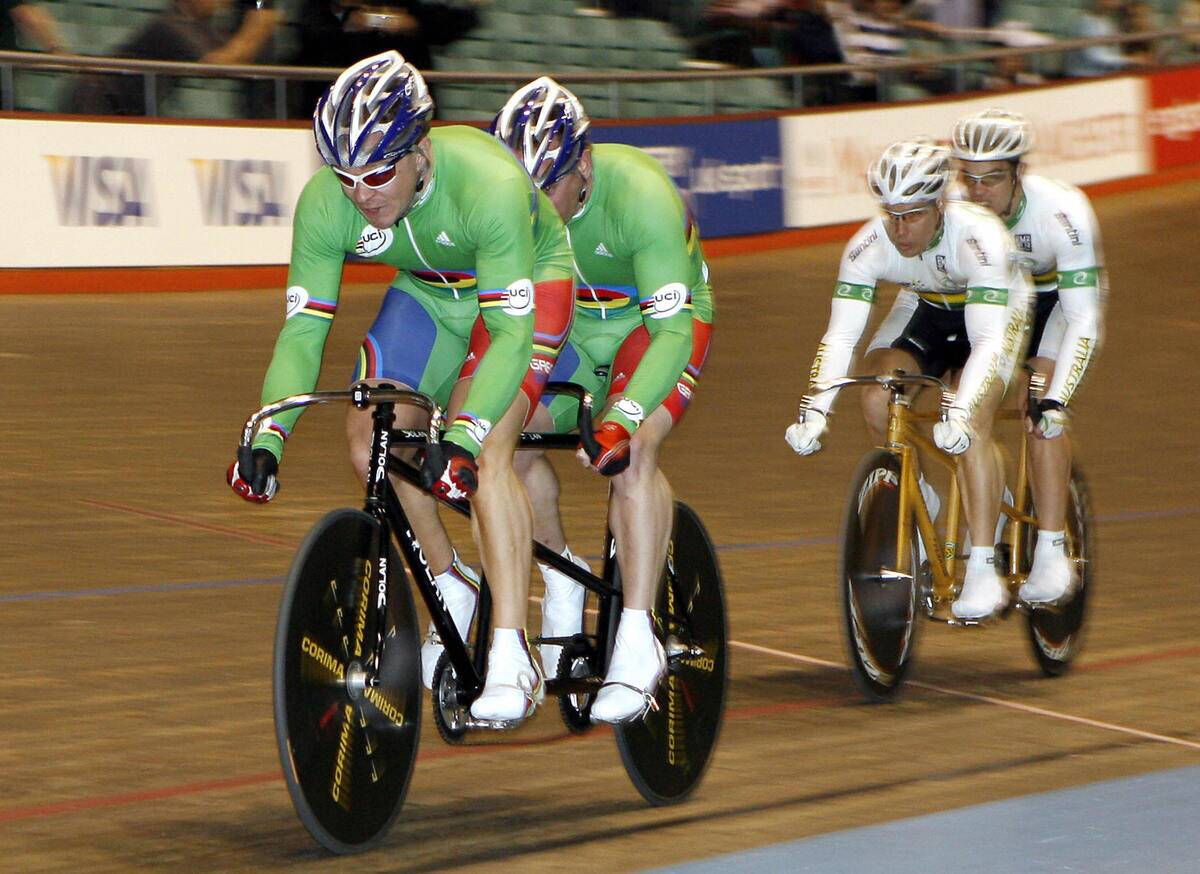
The Tandem Bicycle Sprint was an Olympic cycling event contested from 1908 to 1972, with the exception of 1912 when no track cycling events were held. Two cyclists raced together on a tandem bicycle in a 2,000-meter sprint, competing head-to-head through successive rounds.
The event required both speed and precise coordination between teammates. After appearing at 13 Olympic Games, the tandem sprint was discontinued following the 1972 Munich Olympics, with its lack of popularity cited as a factor in its removal.
Underwater Swimming: An Aquatic Oddity in the Olympics
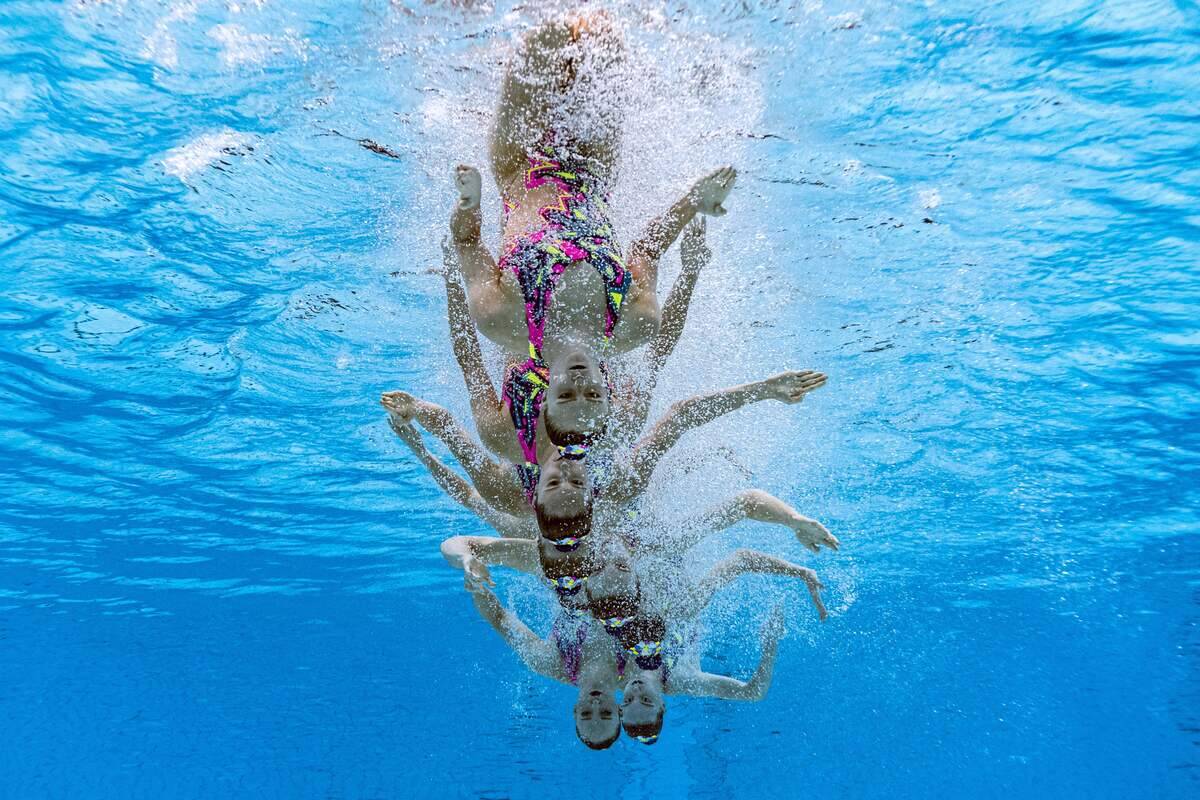
Underwater Swimming was featured in the 1900 Paris Olympics, challenging athletes to travel as far as possible while remaining underwater. Competitors earned points based on both the distance they covered and the amount of time they remained submerged.
The unusual event tested underwater endurance and control, but it was difficult for spectators to follow because much of the competition took place beneath the surface. It was contested only at the 1900 Games and was subsequently removed from the Olympic program because of its limited spectator appeal.




