Little-known truths about the lives of these famous scientists
Sometimes, the stories of legendary scientists are stranger than fiction! These brilliant minds have lived lives filled with surprising twists, peculiar habits, and adventurous endeavors.
From befriending pigeons to playing bongos, their tales captivate and intrigue. As we delve into the lives of these scientific icons, prepare yourself for an entertaining exploration of their eccentricities and the extraordinary contributions they made to the world of science.
Carl Sagan: The Scientist Who Loved to Engage with the Paranormal
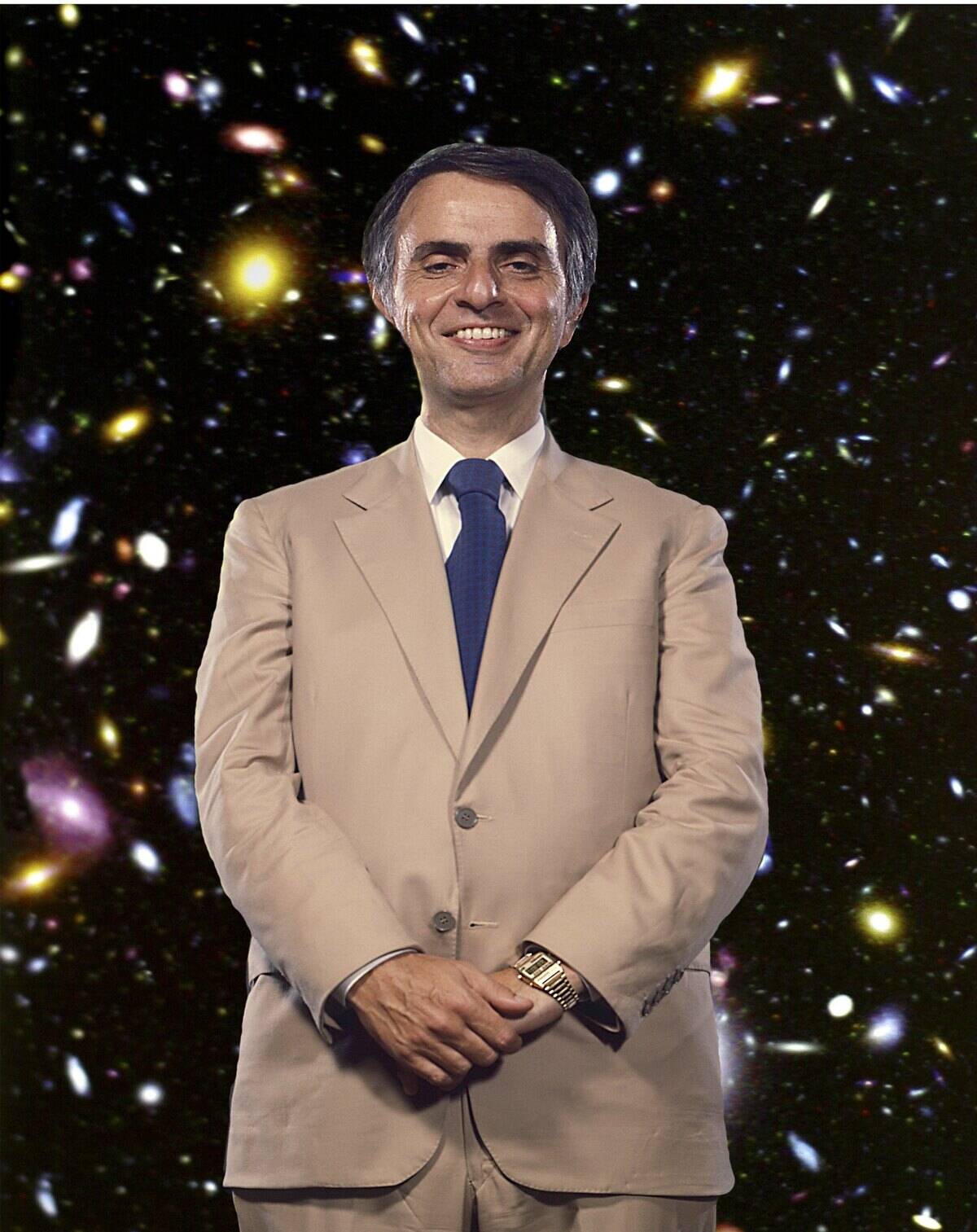
Carl Sagan, renowned for popularizing science with Cosmos, had a curious relationship with the paranormal. While a skeptic, he remained open to exploring the unknown, often engaging with topics like extraterrestrial life and UFOs. Sagan’s approach was rooted in scientific inquiry, emphasizing the importance of evidence and critical thinking.
His ability to bridge the gap between science and the mystical captured the public’s imagination and encouraged a generation to look at the stars with wonder and skepticism.
Isaac Newton: The Alchemist Who Predicted the Apocalypse
![Sir [redacted] in painted portrait](https://media.tellmebest.com/wp-content/uploads/2022/04/sir-isaac-newton.-38394.jpeg)
Isaac Newton, renowned for his laws of motion and universal gravitation, also dabbled in alchemy. He believed in the possibility of transmuting base metals into gold and sought the philosopher’s stone. Newton’s interests extended beyond the physical world; he was deeply religious and spent considerable time interpreting biblical texts.
He famously predicted that the world could end in 2060, a claim based on his meticulous study of the Bible’s prophecies, though he cautioned against taking his prediction as definitive.
Richard Feynman: The Bongo-Playing Nobel Laureate
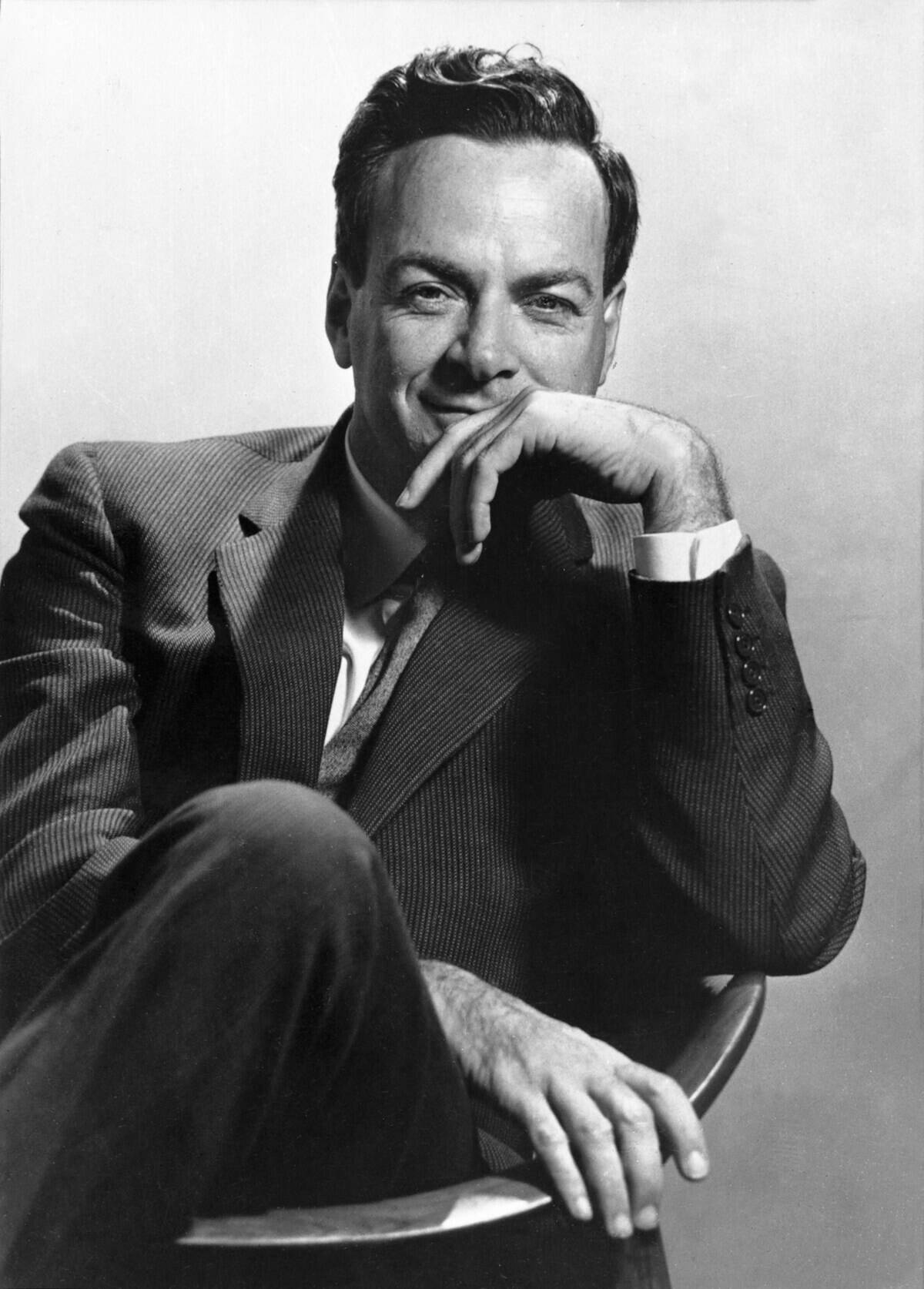
Richard Feynman, a Nobel laureate in physics, was as famous for his playful personality as he was for his scientific achievements. An enthusiastic bongo player, he often entertained friends and colleagues with his musical talents.
Feynman’s curiosity knew no bounds; he explored diverse interests, from lock-picking to drawing. His book Surely You’re Joking, Mr. Feynman! offers a candid glimpse into his lively adventures, showcasing his belief that life, much like science, should be approached with curiosity and joy.
Nikola Tesla: The Man Who Befriended Pigeons
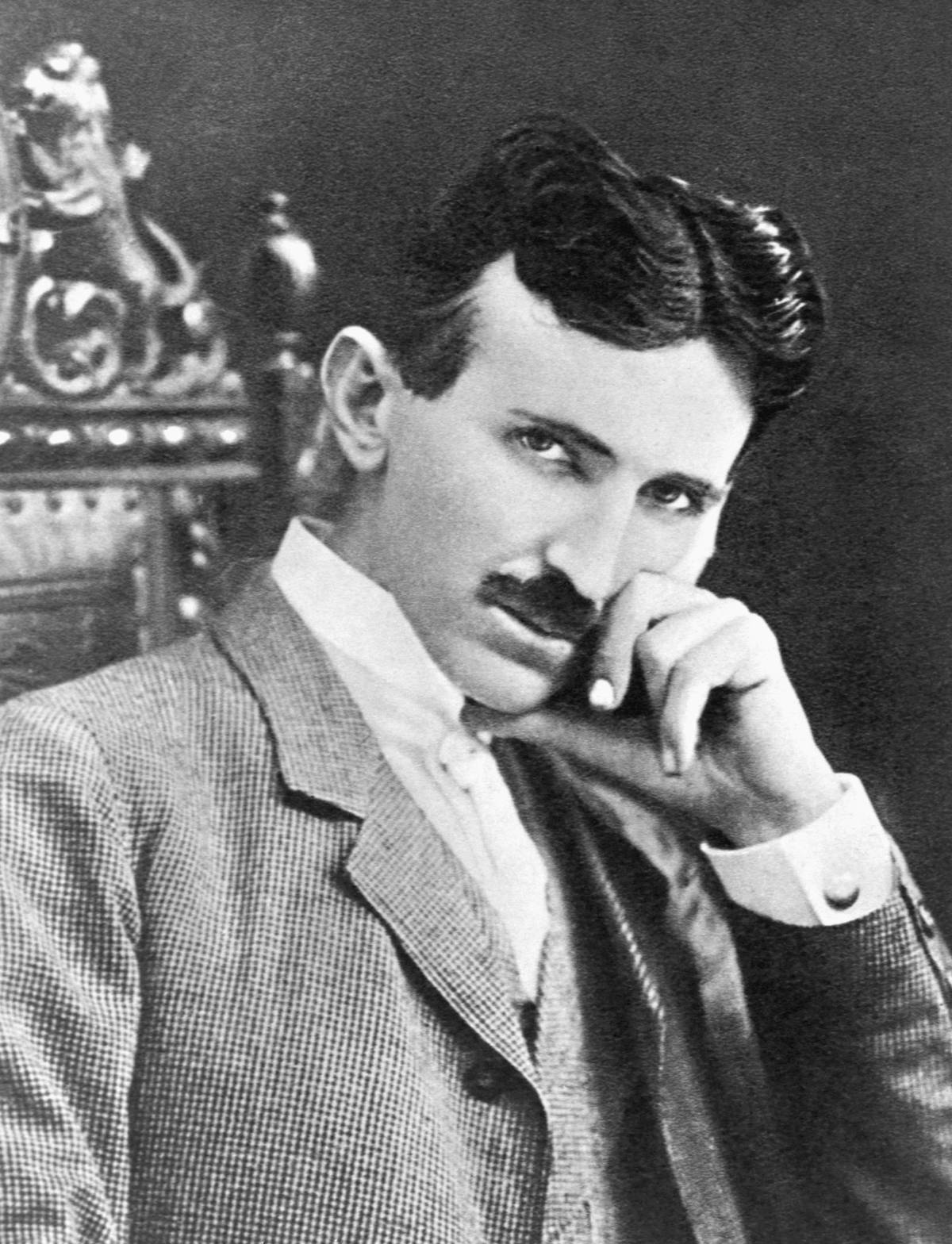
Nikola Tesla, celebrated for his groundbreaking work in electromagnetism, had a curious friendship with pigeons. Living in New York, he frequently visited parks to feed them and even formed a special bond with a particular white pigeon.
Tesla claimed that this pigeon was his friend and that he loved her as a man loves a woman. While his inventions electrified the world, his avian companionship provided him with comfort and companionship in his later years.
Ada Lovelace: The Mathematician with a Penchant for Poetry
![Portrait Of [redacted]](https://media.tellmebest.com/wp-content/uploads/2023/08/portrait-of-ada-byron-24732.jpeg)
Ada Lovelace, celebrated as the world’s first computer programmer, had a flair for both mathematics and poetry. The daughter of poet Lord Byron, she inherited his creative spirit, which she channeled into her work with Charles Babbage on the Analytical Engine.
Lovelace envisioned complex algorithms, foreseeing the potential of computers beyond mere calculations. Her poetic imagination allowed her to conceptualize the future of technology, a vision that continues to inspire generations of computer scientists today.
Galileo Galilei: The Astronomer Who Clashed with the Church
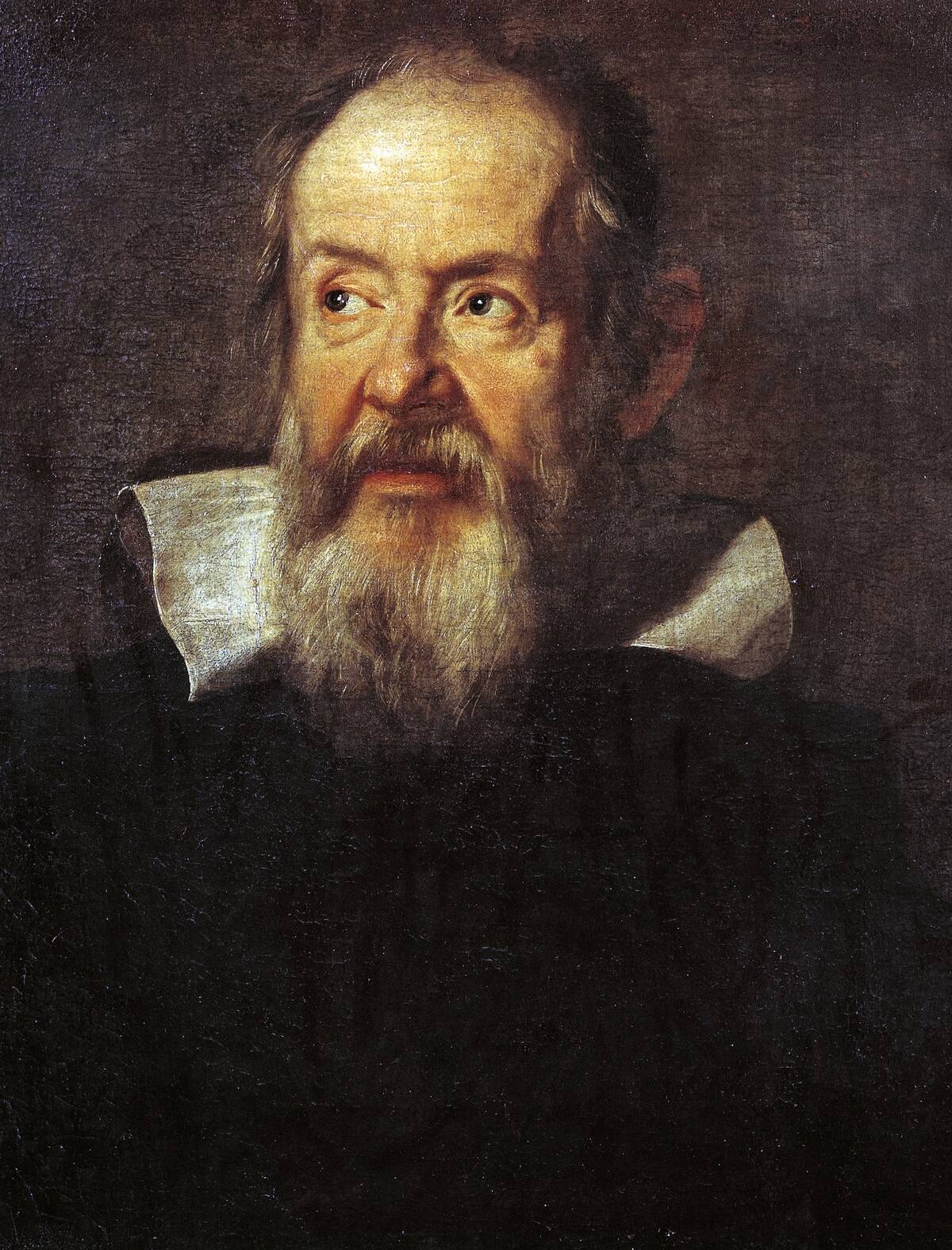
Galileo Galilei, often hailed as the father of modern science, made groundbreaking observations that challenged the geocentric view held by the Catholic Church. His support of the heliocentric model, which placed the Sun at the center of the universe, led to a dramatic clash with religious authorities.
In 1633, Galileo was tried by the Inquisition and forced to recant his views. Despite this setback, his work laid the foundations for modern astronomy, and his story remains a testament to the eternal struggle between science and dogma.
J. Robert Oppenheimer: The Father of the Atomic Bomb with a Poetic Soul
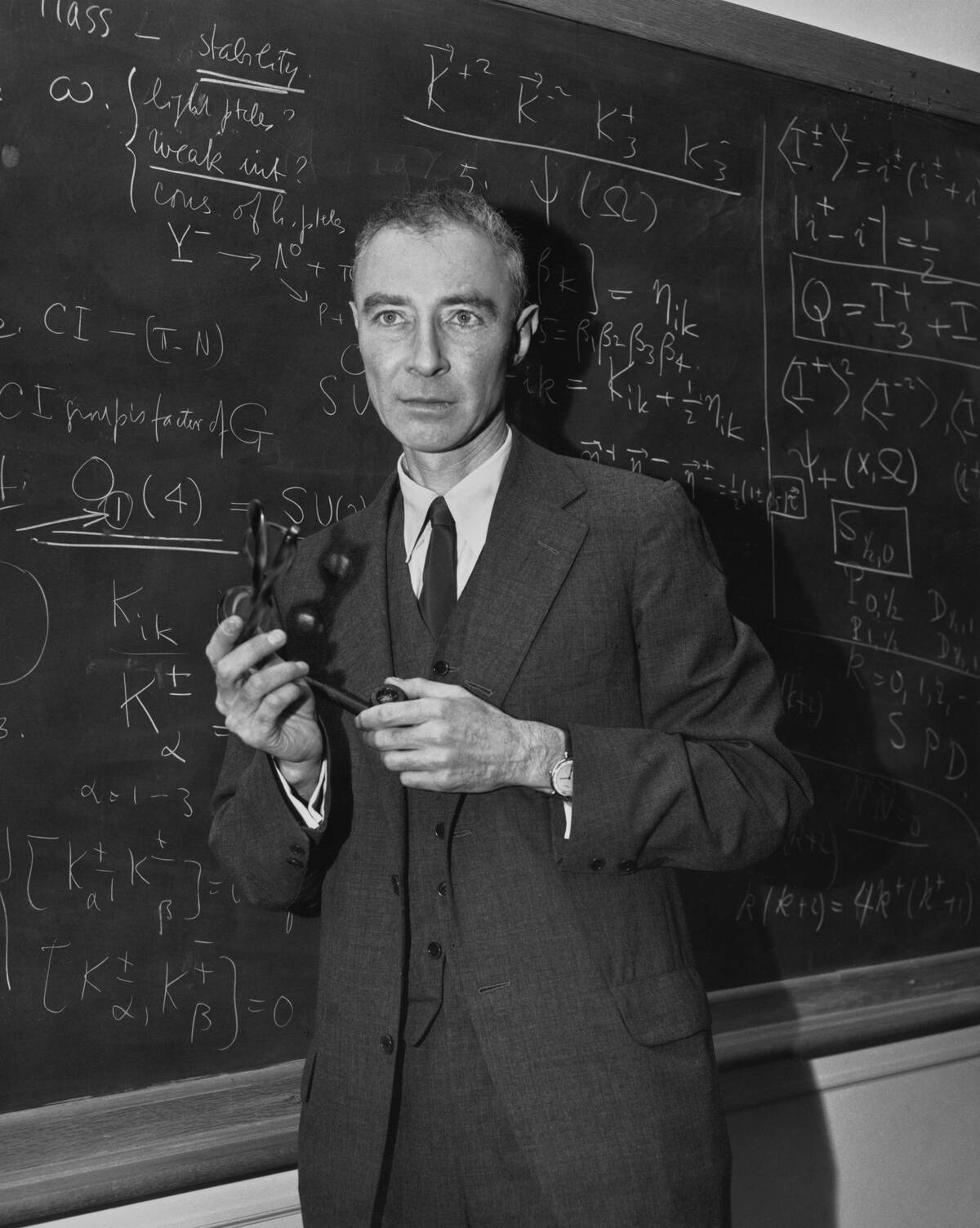
J. Robert Oppenheimer, known for leading the Manhattan Project, was a man of many contradictions. While he played a pivotal role in developing the atomic bomb, he later became an advocate for nuclear disarmament.
A lover of poetry, Oppenheimer often quoted works by T.S. Eliot and other poets, reflecting his deep appreciation for the arts. His complex legacy as a scientist and humanist continues to spark discussions on the ethical implications of scientific advancements.
Rosalind Franklin: The Uncredited Pioneer of the DNA Double Helix
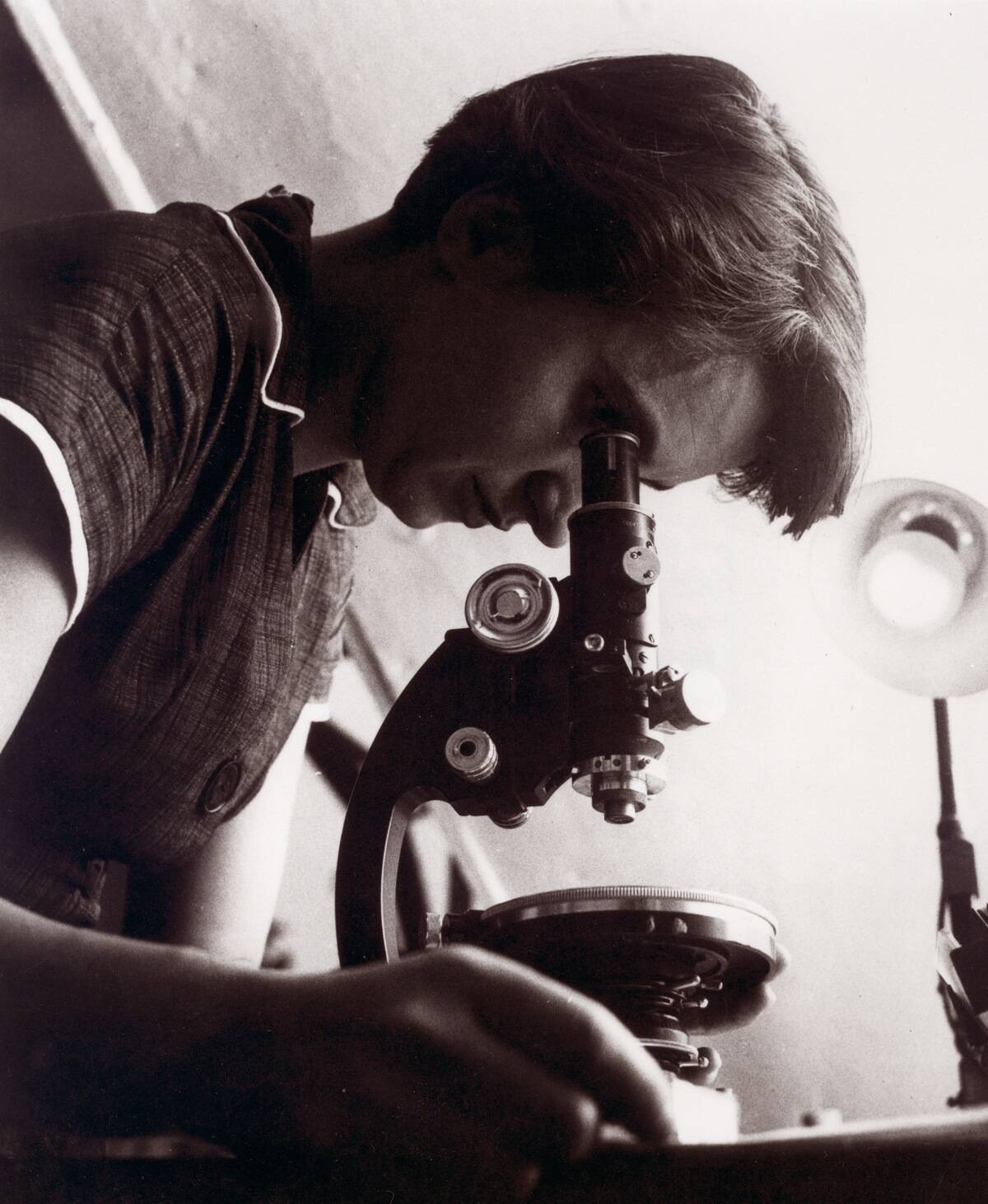
Rosalind Franklin’s meticulous X-ray diffraction work was crucial to discovering the DNA double helix structure. However, her contributions were largely unrecognized during her lifetime. While Watson and Crick received the Nobel Prize for the discovery, Franklin’s pivotal role was only acknowledged posthumously.
Her dedication to precision and clarity in her research has left a lasting impact on the scientific world. Franklin’s story highlights the need for proper recognition of contributions, regardless of gender, in scientific achievements.
Marie Curie: A Double Nobel Prize Winner with a Radioactive Legacy
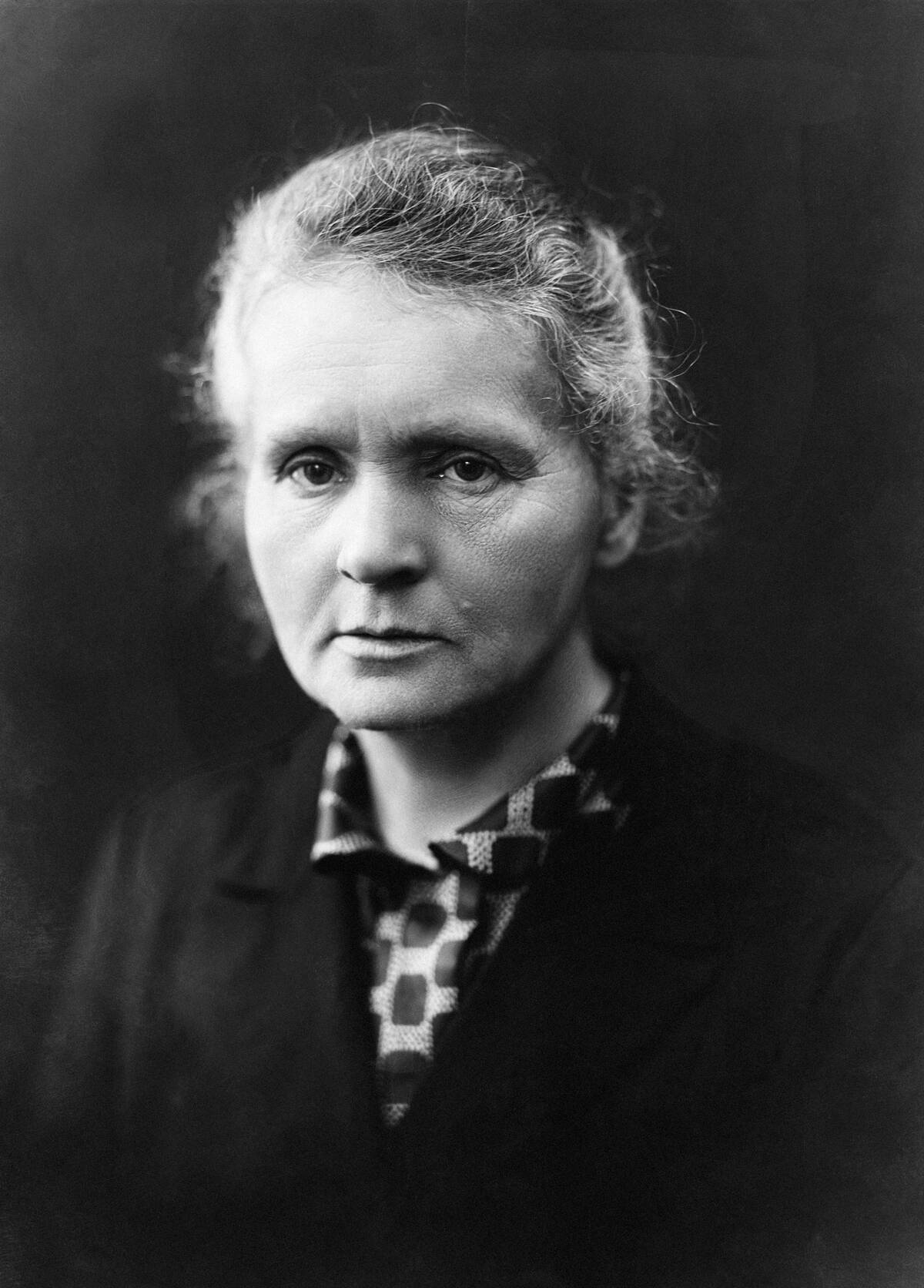
Marie Curie’s groundbreaking research on radioactivity earned her not one but two Nobel Prizes, making her the first woman to achieve this feat. Her work laid the foundation for modern medical treatments and nuclear energy.
However, her dedication to science came at a cost — prolonged exposure to radiation ultimately led to her demise. Curie’s notebooks remain radioactive to this day, a testament to her enduring legacy and the sacrifices she made in the pursuit of knowledge.
Albert Einstein: The Free-spirited Violinist and Pacifist
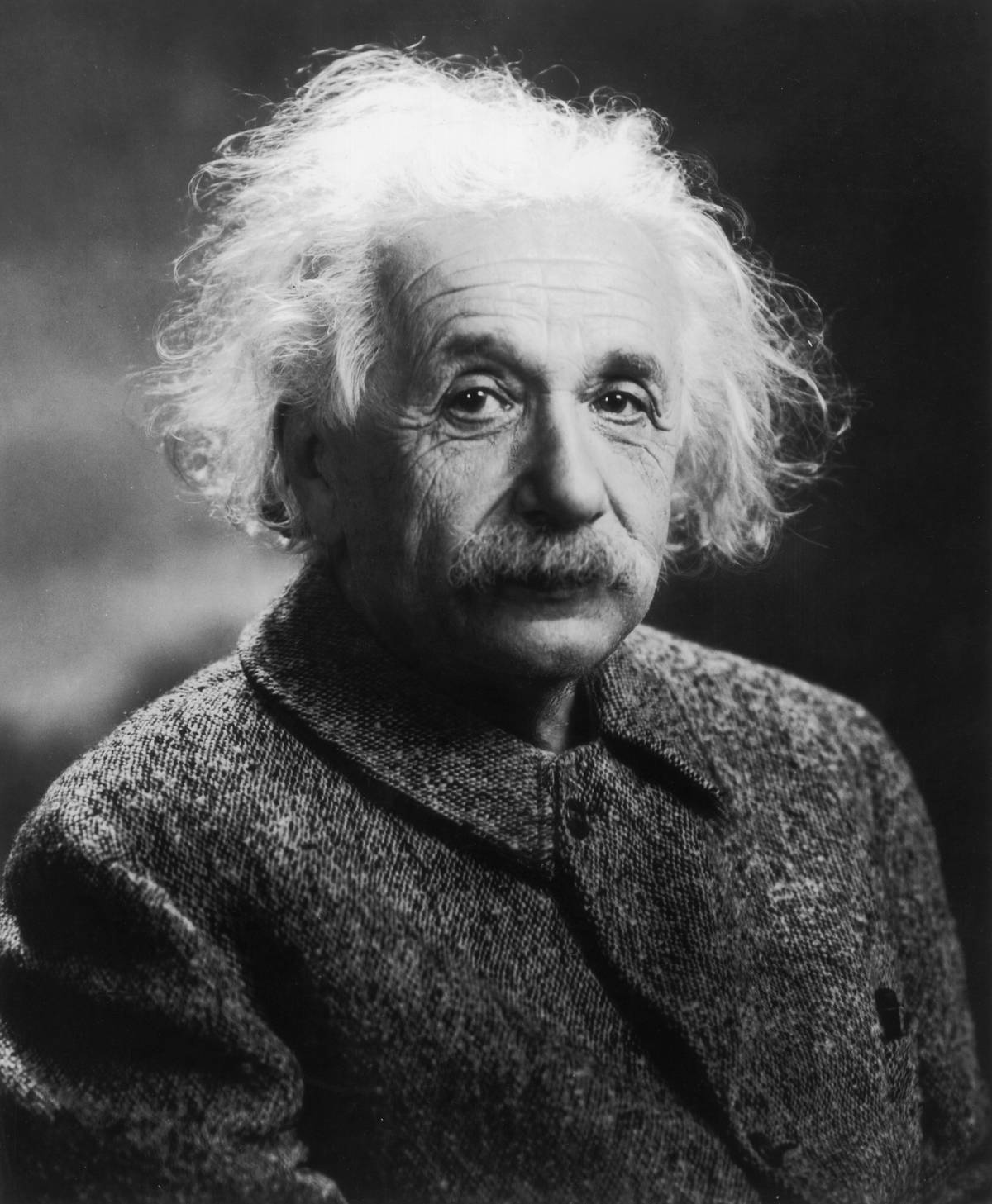
Albert Einstein’s genius was matched only by his free-spirited nature. Known for his iconic equation E=mc², he was also an accomplished violinist who found solace in music. He once said, “Life without playing music is inconceivable for me.”
Besides his musical passion, Einstein was a pronounced pacifist, advocating for peace in troubled times. He publicly opposed the use of atomic weapons, despite his role in the theoretical groundwork that led to their development.
Katherine Johnson: The “Human Computer” Who Calculated the Path to the Stars
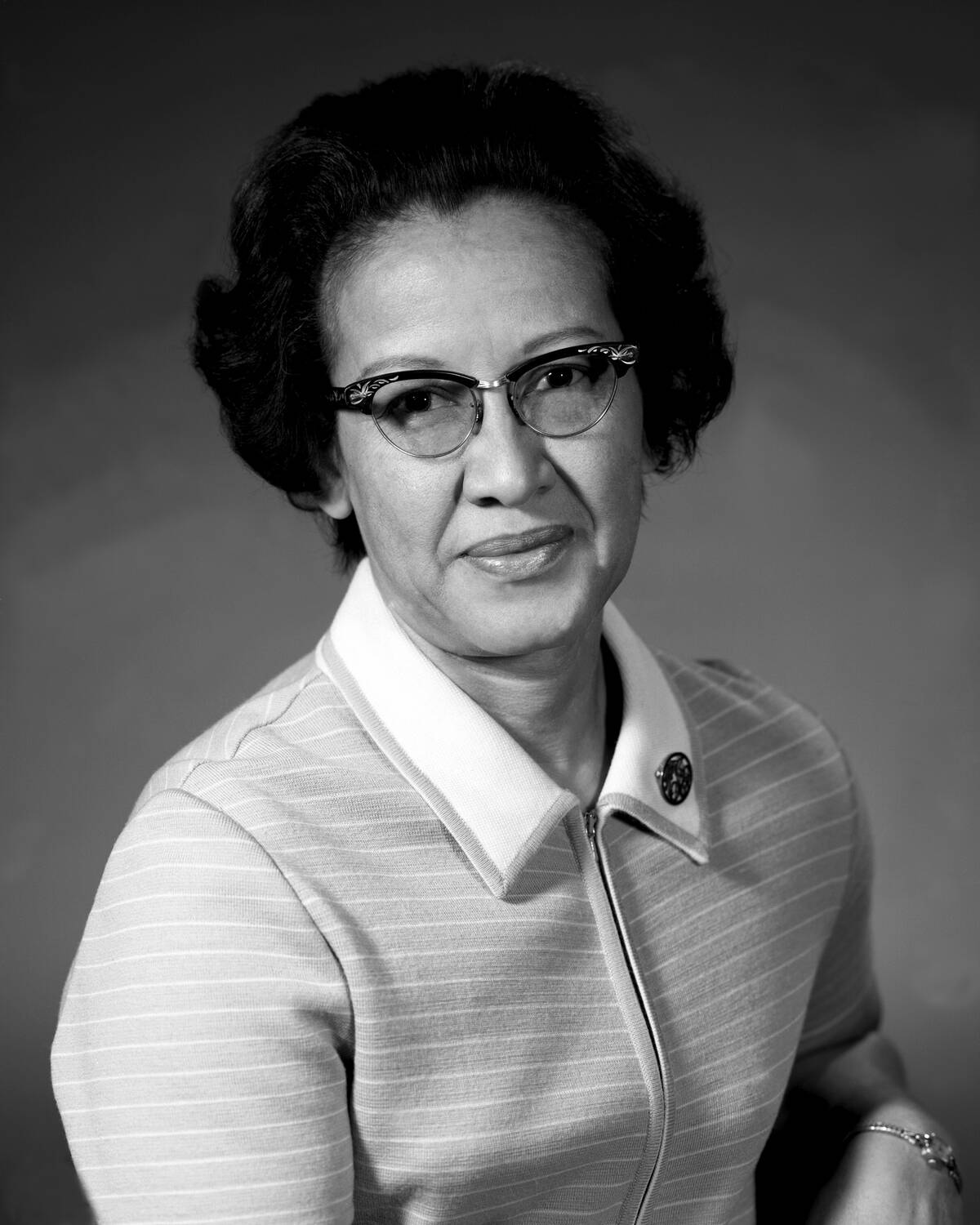
Katherine Johnson, an African American mathematician, played a crucial role in NASA’s early space missions. Her calculations ensured the success of John Glenn’s orbit around Earth and the Apollo moon landings.
Johnson’s precision and expertise earned her the nickname “human computer,” and she broke racial and gender barriers in a predominantly male field. Her story, highlighted in the film Hidden Figures, serves as an inspiring testament to the power of perseverance and talent in achieving extraordinary goals.
Hypatia of Alexandria: The Philosopher Who Became a Martyr for Science
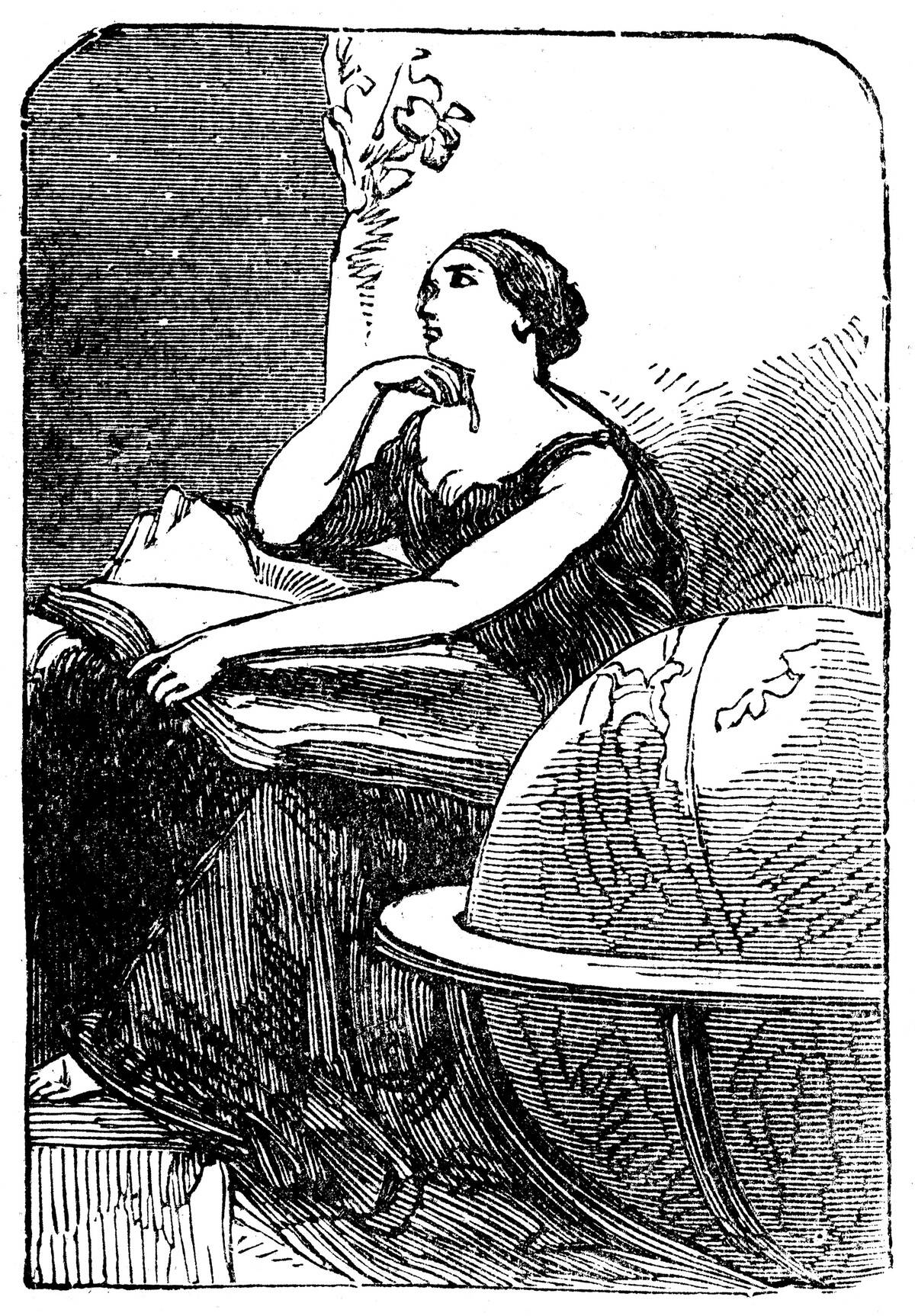
Hypatia of Alexandria, a philosopher and mathematician in ancient Egypt, was a pioneer in a male-dominated field. Known for her teachings on Neoplatonism, she attracted students from across the Mediterranean.
Her tragic death at the hands of a mob in 415 AD marked her as a martyr for science and reason. Hypatia’s legacy as a symbol of intellectual courage and the pursuit of knowledge endures, inspiring those who challenge societal norms in their quest for truth.