Household items that defined each generation
Household items have evolved dramatically over the decades, each era marked by iconic inventions that transformed daily life. From the humble beginnings of the radio to the sophisticated smart speakers of today, these items not only served practical purposes but also reflected the cultural zeitgeist of their times.
Join us as we journey through the decades, exploring how these household staples have shaped and been shaped by the society around them.
The Roaring Twenties: The Rise of the Radio
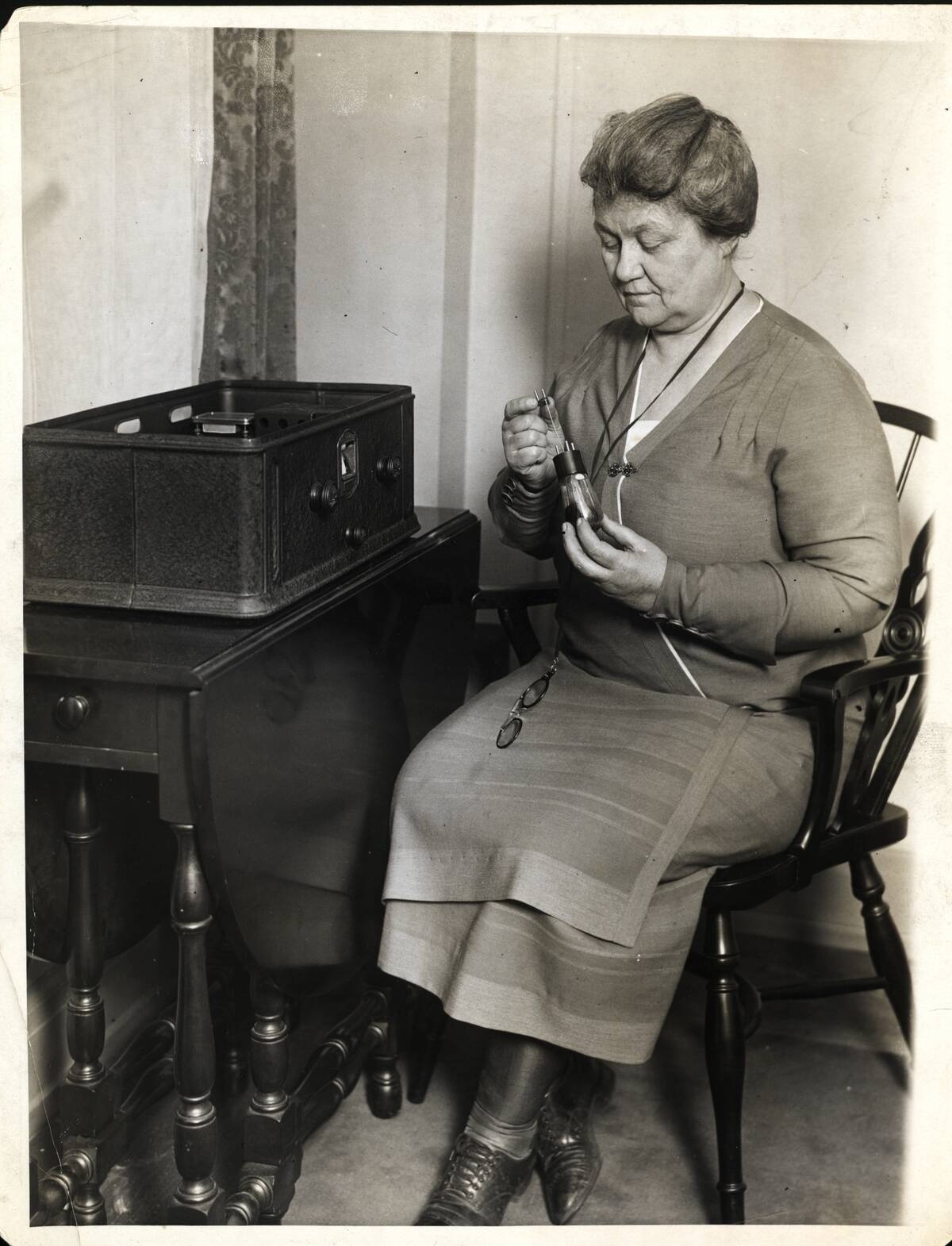
The 1920s saw the radio become a centerpiece in American homes, revolutionizing how people consumed news and entertainment. By the end of the decade, roughly 40–45% of U.S. households owned a radio, tuning in for everything from jazz music to presidential addresses.
This era marked the rise of modern broadcast mass media, connecting people in ways previously unimaginable and setting the stage for future technological advancements.
The 1930s: The Comfort of the Electric Refrigerator
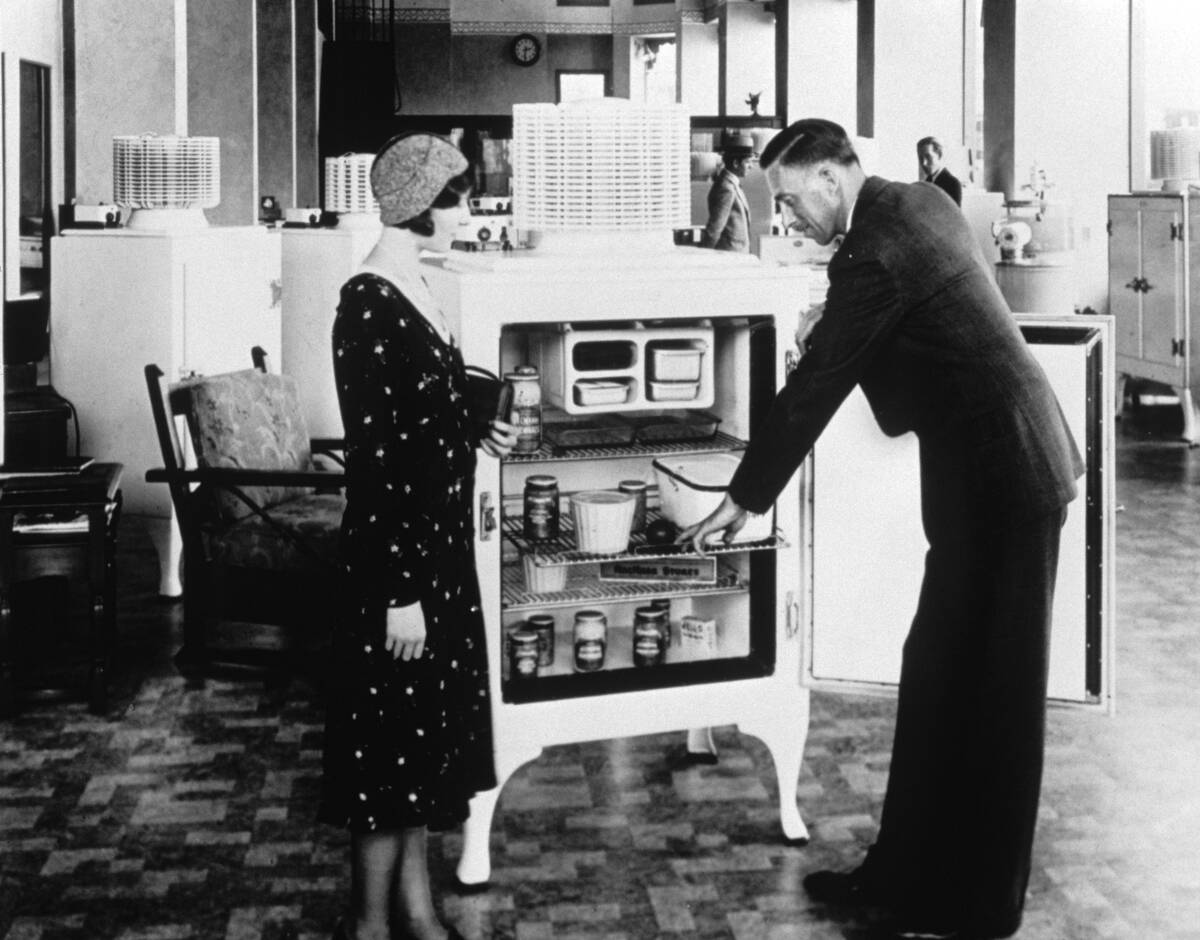
In the 1930s, the electric refrigerator became increasingly common, gradually replacing the icebox and transforming food storage. This innovation not only improved food safety but also changed shopping habits, allowing families to buy larger quantities of food and store perishables for longer.
During the Great Depression, refrigerators represented a modern convenience that many families aspired to own, eventually becoming an essential part of the modern kitchen.
The 1940s: The Sewing Machine’s Role in Wartime
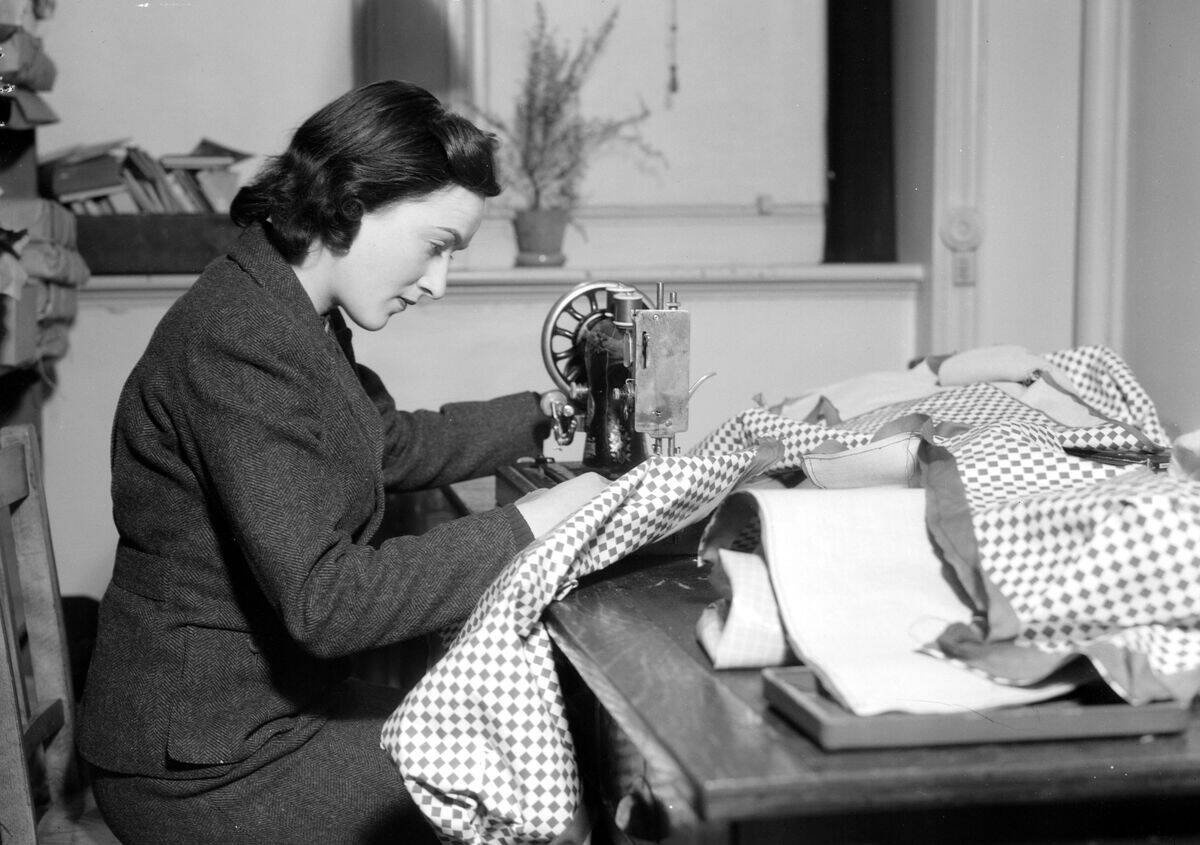
During the 1940s, sewing machines played a crucial role in supporting everyday life during World War II. With fabric rationing and clothing shortages, many households turned to sewing machines to mend and make do.
Women across the country used these machines to make and repair garments for their families and often volunteered to sew items such as bandages, hospital gowns, and other supplies for the war effort, showcasing their resilience and resourcefulness during challenging times.
The 1950s: Television Takes Center Stage
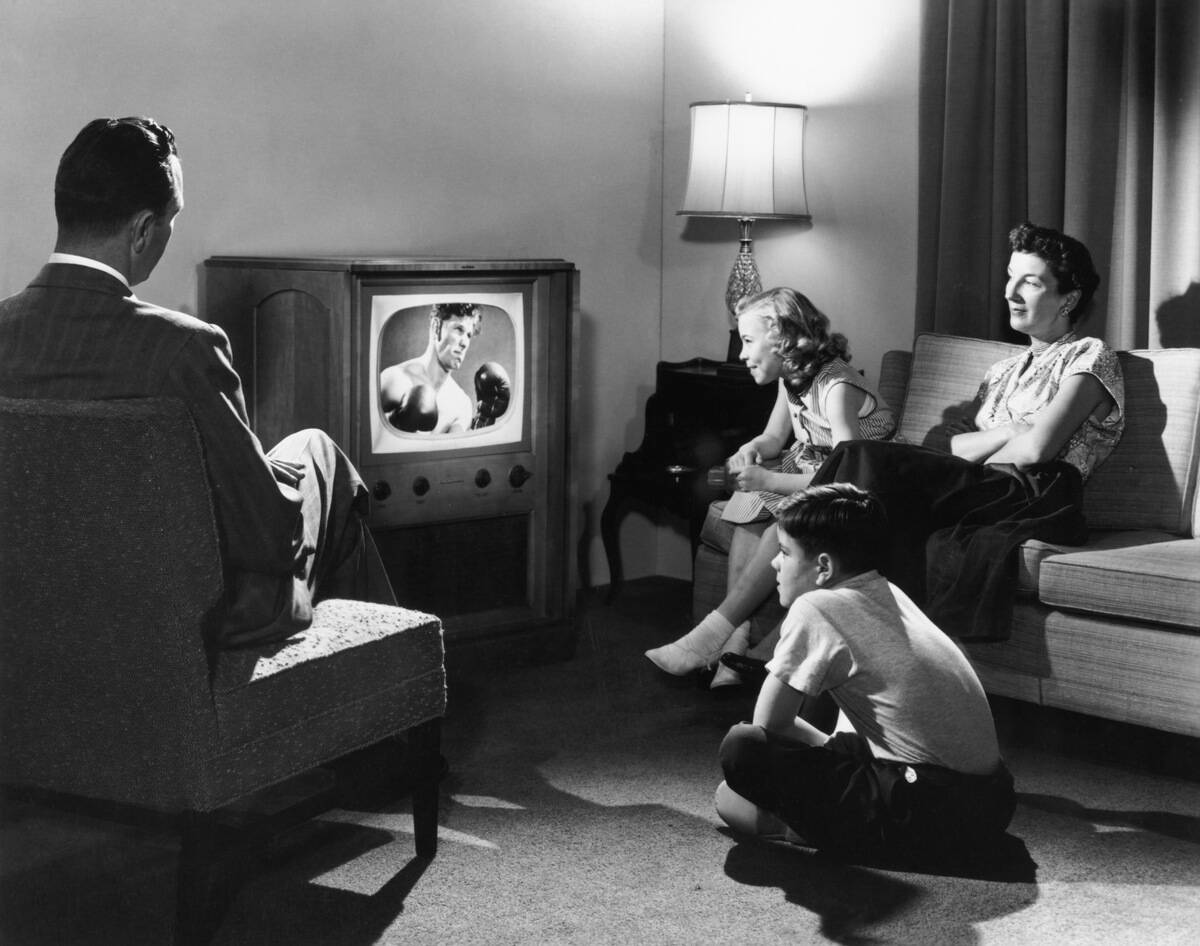
The 1950s marked the dawn of the television age, with TVs becoming the focal point of family living rooms. By the end of the decade, nearly 90% of American households owned a TV, tuning in for popular shows like “I Love Lucy” and “The Ed Sullivan Show.”
Television not only entertained but also shaped public opinion, becoming a powerful medium for advertising and cultural influence.
The 1960s: The Revolution of the Home Telephone

The 1960s brought significant advances in communication technology with the continued expansion of home telephone service. This decade saw the introduction of touch-tone dialing, making phone calls faster and more convenient than ever before.
The telephone became an essential part of everyday family life, connecting people with loved ones and the outside world while helping pave the way for the global communication networks we rely on today.
The 1970s: The Microwave Oven’s Convenience
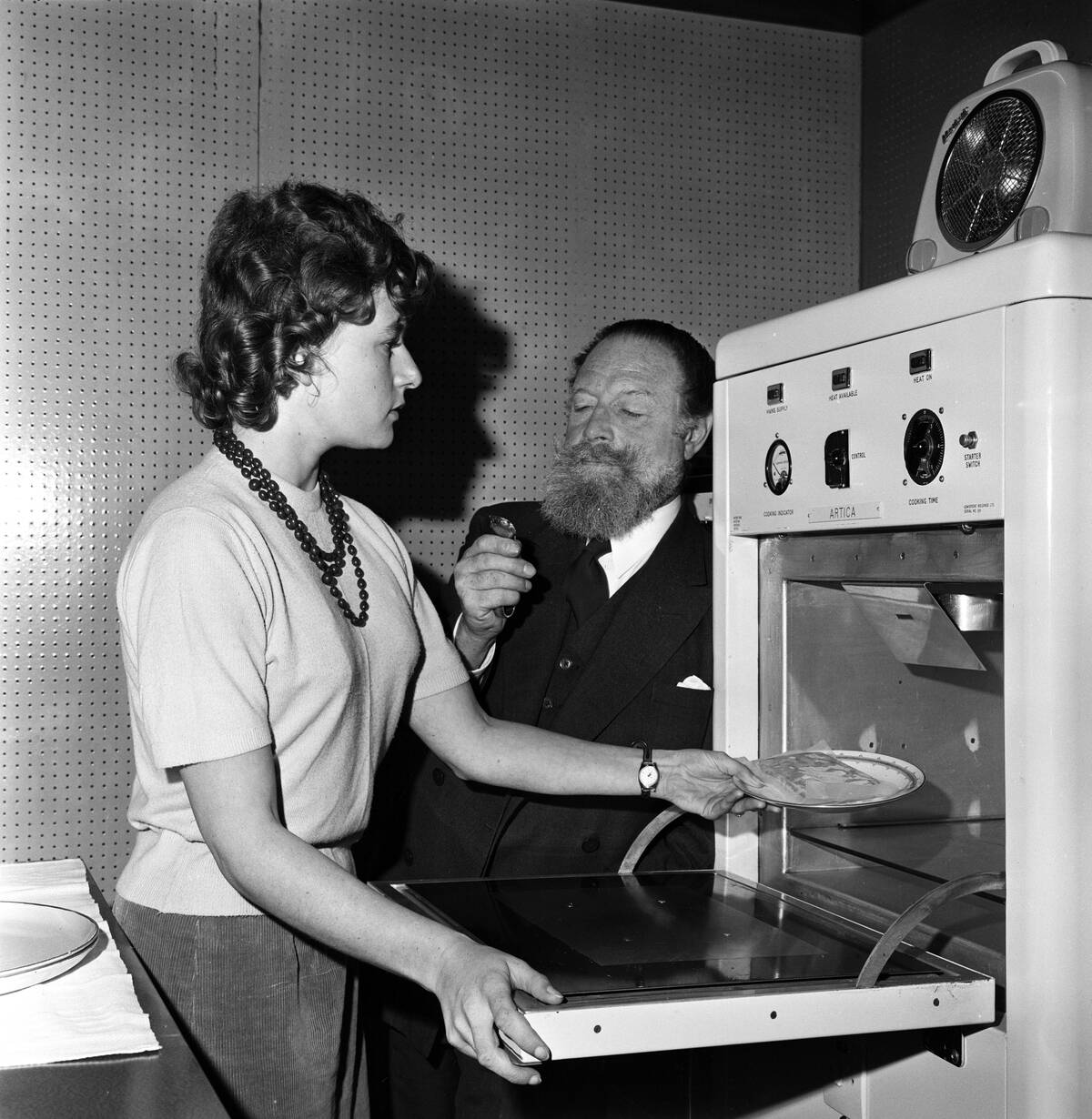
The 1970s saw the widespread adoption of the microwave oven, revolutionizing cooking with its speed and convenience. By the end of the decade, microwaves were becoming a common fixture in kitchens, allowing families to prepare and reheat meals in minutes.
This innovation not only changed cooking habits but also reshaped the food industry, encouraging the development of microwave-ready frozen meals and snacks that catered to the fast-paced lifestyle of modern families.
The 1980s: The Boom Box and Cassette Culture
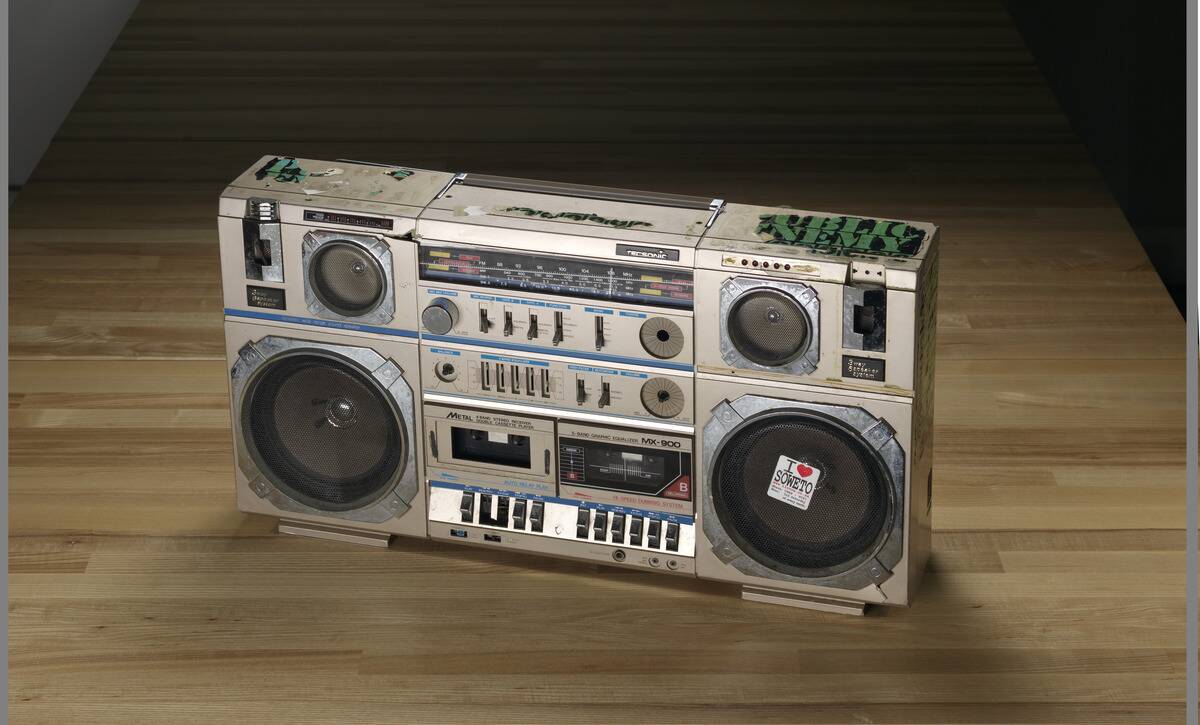
The 1980s were defined by the boom box, a portable stereo system that became a symbol of urban culture and musical expression.
With its ability to play cassette tapes, the boom box allowed people to take their music on the go, fueling the popularity of genres like hip-hop and punk. This era celebrated individuality and creativity, as mixtapes became a personal form of artistic expression.
The 1990s: The Personal Computer’s Home Invasion
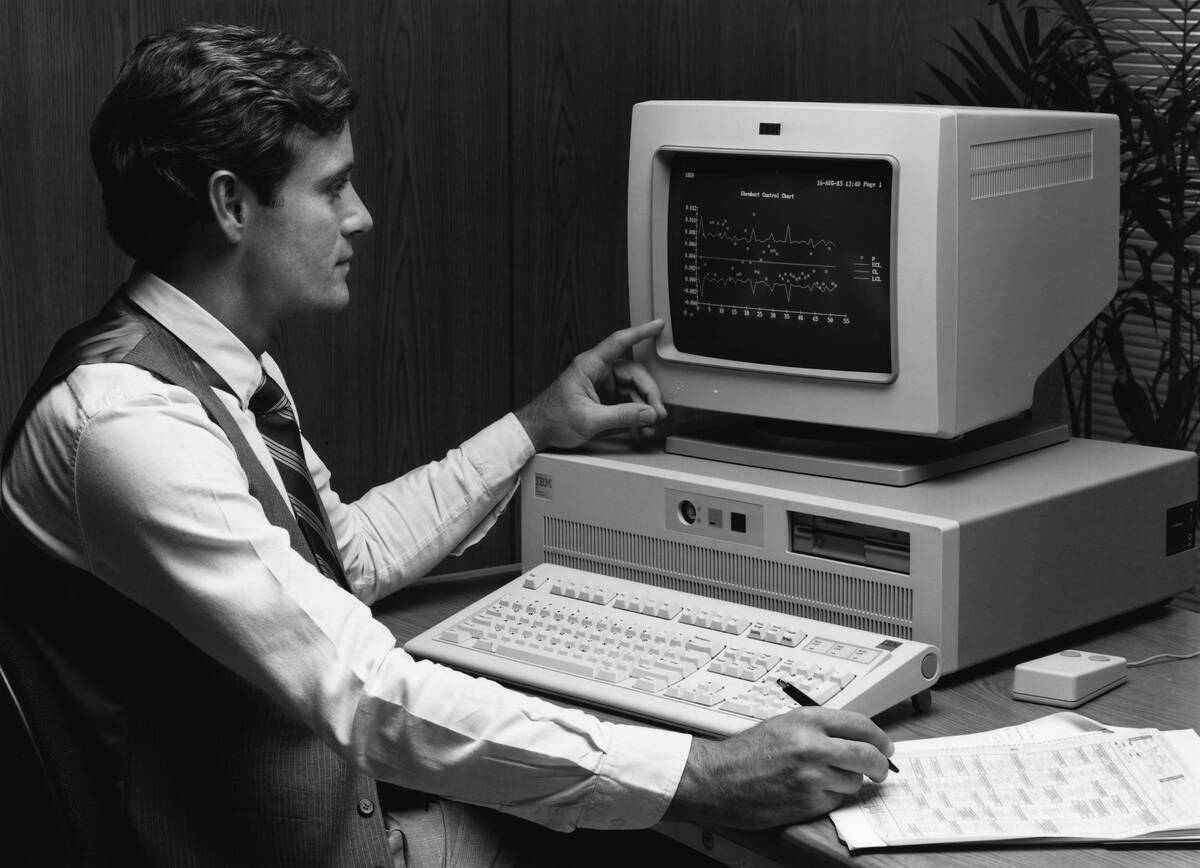
The 1990s saw the personal computer become a common fixture in homes, transforming how people worked, learned, and played. With the rapid growth of the internet, PCs became essential for accessing information and connecting with others.
This decade marked the widespread adoption of the digital age, as families embraced technology that would soon become indispensable in everyday life, from word processing to online gaming.
The Early 2000s: The DVD Player and Movie Nights
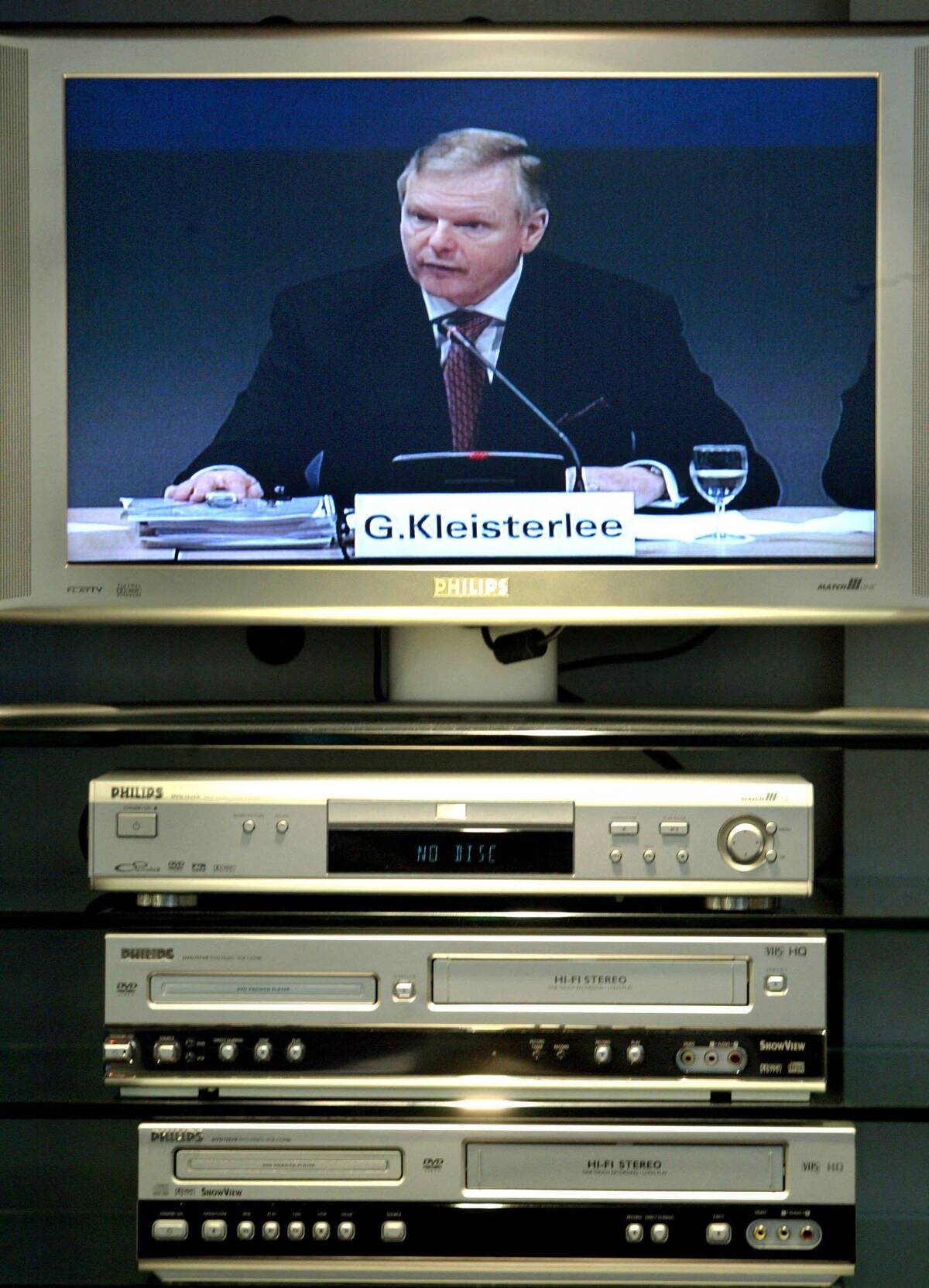
In the early 2000s, the DVD player revolutionized home entertainment, offering superior picture quality and interactive features. Families gathered for movie nights, enjoying a vast selection of films without leaving their living rooms.
The DVD format also made it easier to watch entire television seasons through box sets, helping popularize binge-watching and changing how audiences consumed media and interacted with their favorite shows.
The 2010s: The Smart TV and Streaming Services
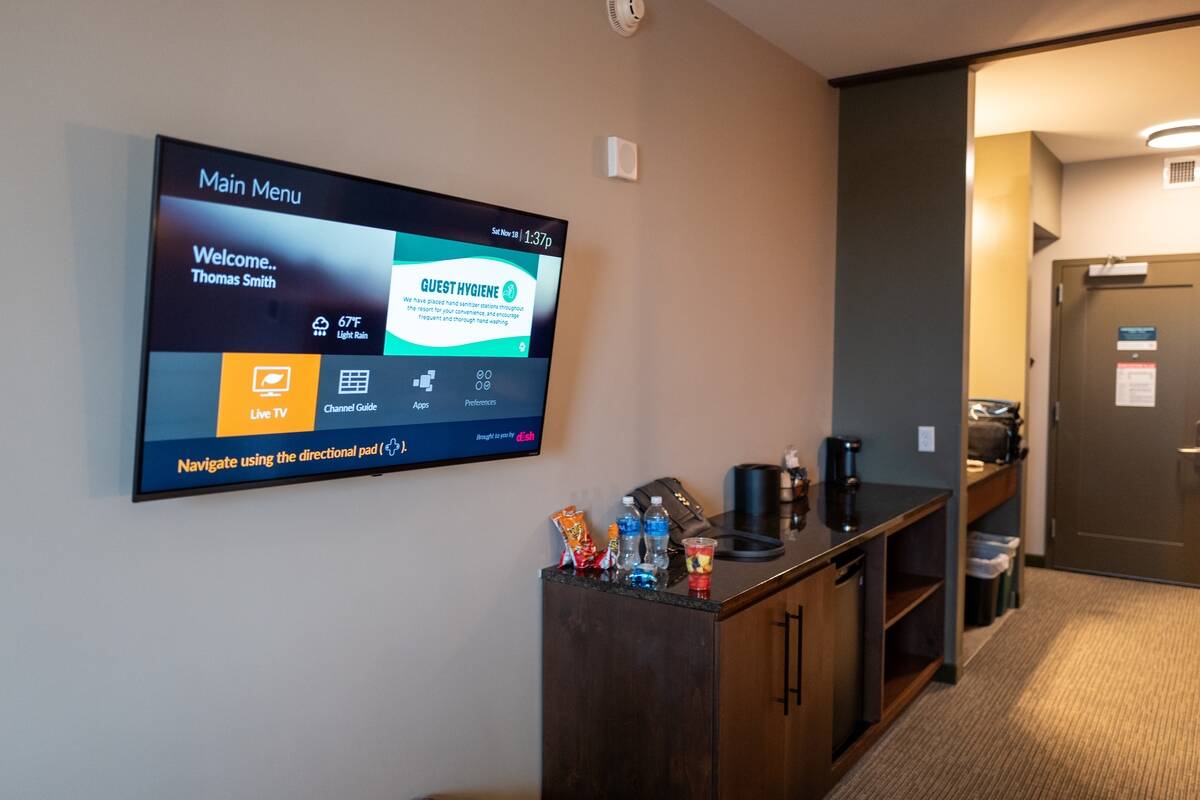
The 2010s saw smart TVs become mainstream, transforming how people watched content by integrating internet connectivity and streaming services. Platforms like Netflix and Hulu became household names, offering on-demand access to a vast library of shows and movies.
This shift not only changed viewing habits but also disrupted traditional broadcasting, as audiences embraced the convenience and variety of streaming entertainment.
The 2020s: The Smart Speaker and Voice Assistants
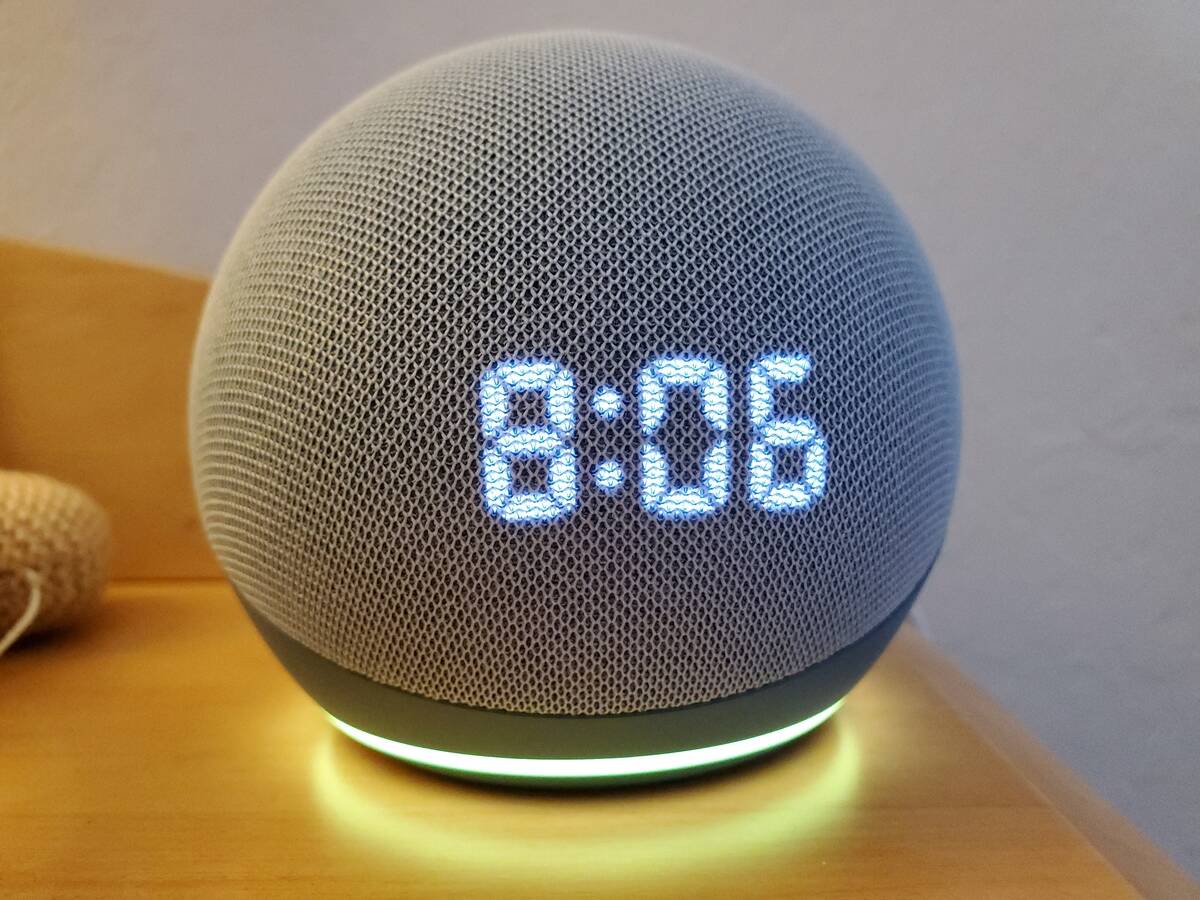
The 2020s have seen the continued growth of smart speakers, like Amazon’s Alexa and Google Home, as part of the expanding smart home ecosystem. These devices, equipped with voice assistants, perform tasks from playing music to controlling smart home devices, all through simple voice commands.
As artificial intelligence continues to advance, smart speakers are becoming increasingly capable, offering greater convenience and connectivity in modern households.
The Evolution of Kitchen Gadgets Through the Decades
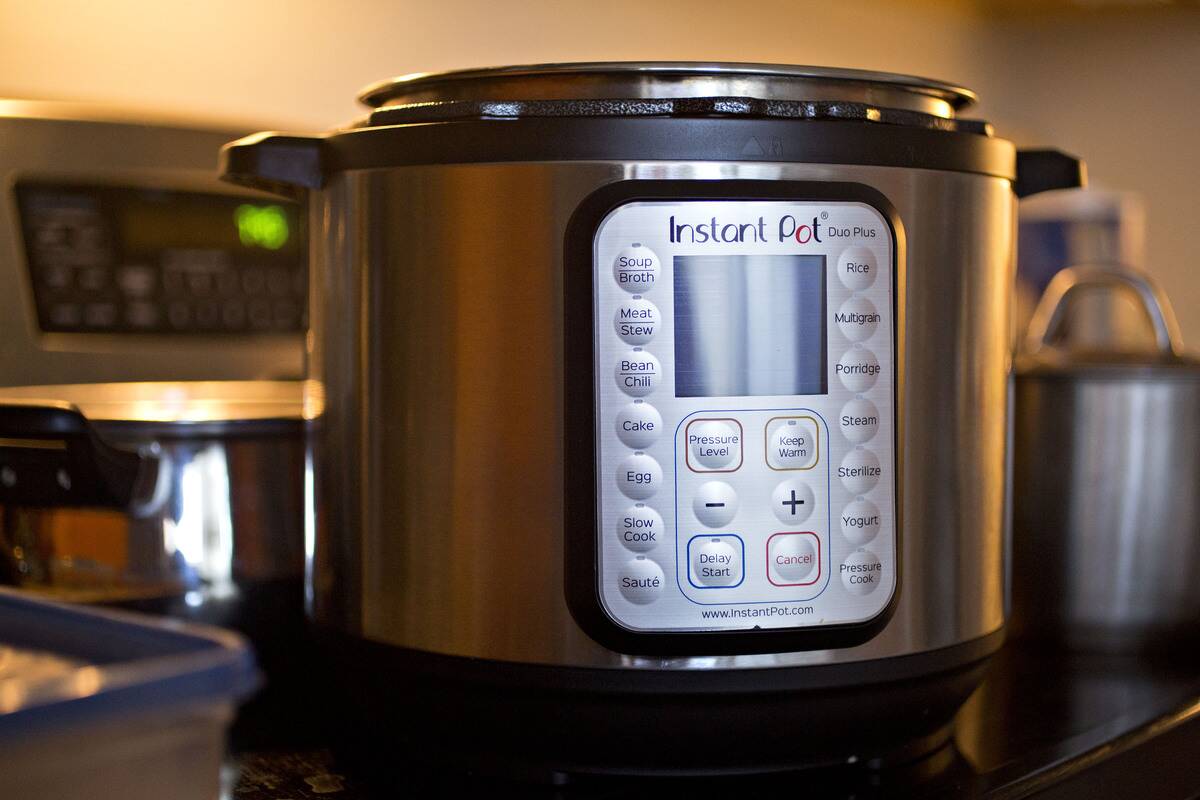
Kitchen gadgets have evolved significantly over the decades, reflecting changes in technology and lifestyle. From the manual egg beater of the early 20th century to today’s multifunctional Instant Pot, these tools have made cooking more efficient and enjoyable.
Each generation has seen innovations that cater to its unique needs, from the electric mixer to the food processor, transforming the culinary experience and inspiring home chefs everywhere.
Cleaning Innovations: From Brooms to Robotic Vacuums
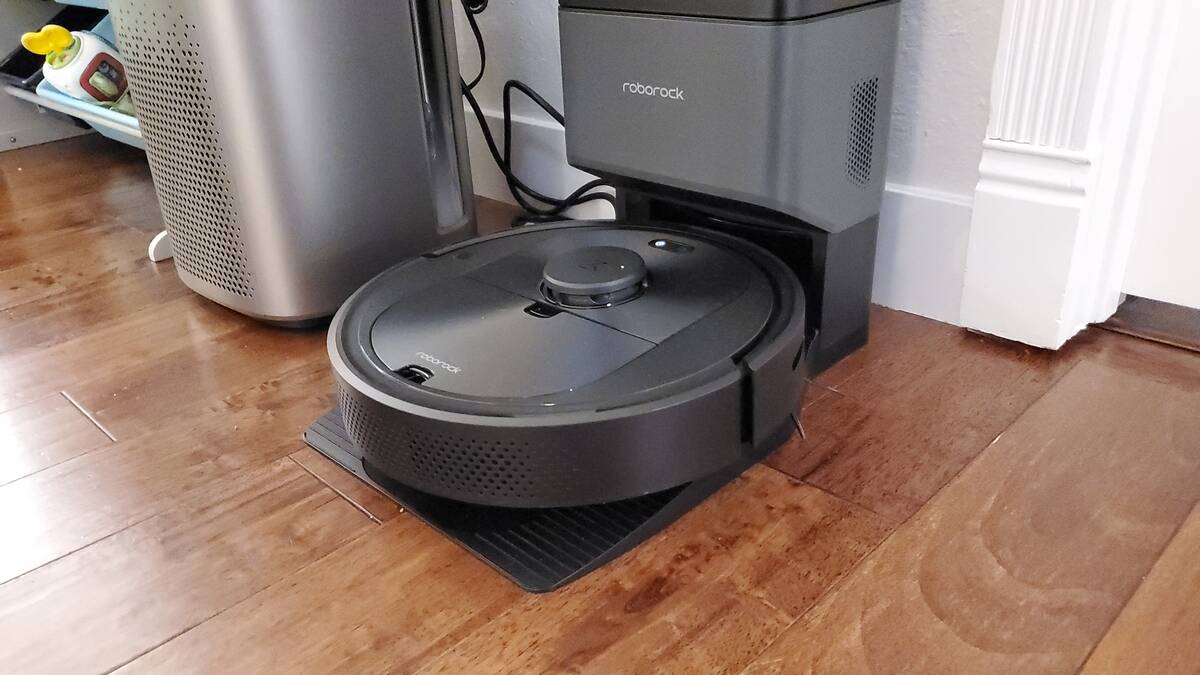
Cleaning has come a long way from the days of brooms and dustpans, with innovations that have made household chores easier and more efficient. The development of the vacuum cleaner in the early 1900s revolutionized floor cleaning, while the robotic vacuum of today offers hands-free convenience.
These advancements reflect a growing desire for efficiency and automation in the home, helping reduce the effort required for everyday chores and freeing up time for other activities.
How Each Generation’s Household Items Reflect Cultural Shifts
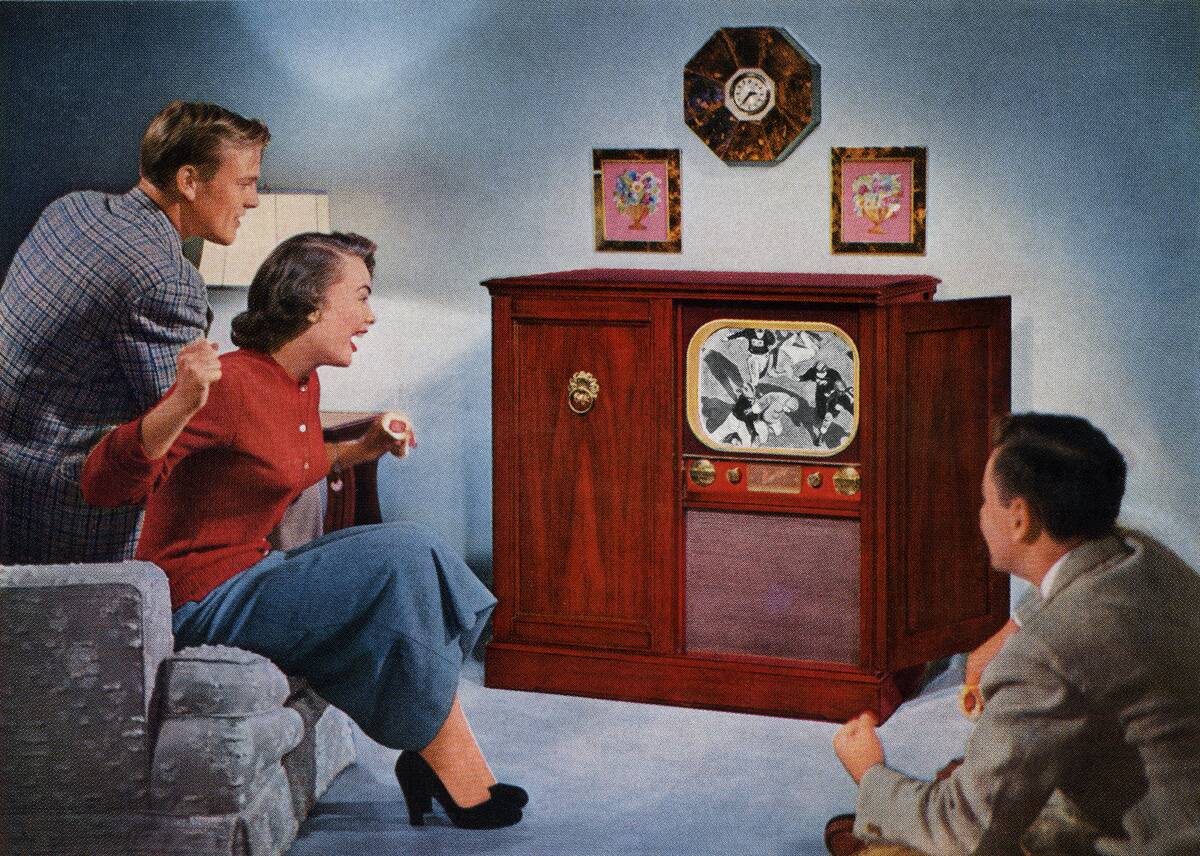
Household items are more than just functional tools; they reflect the cultural shifts and values of each generation. From the communal experience of radio broadcasts to the personalized playlists of today, these items tell a story of changing social dynamics and technological progress.
As we look back, we can see how each innovation has shaped and been shaped by the cultural landscape, offering insights into the priorities and aspirations of different eras.
The Future of Household Items: What to Expect Next
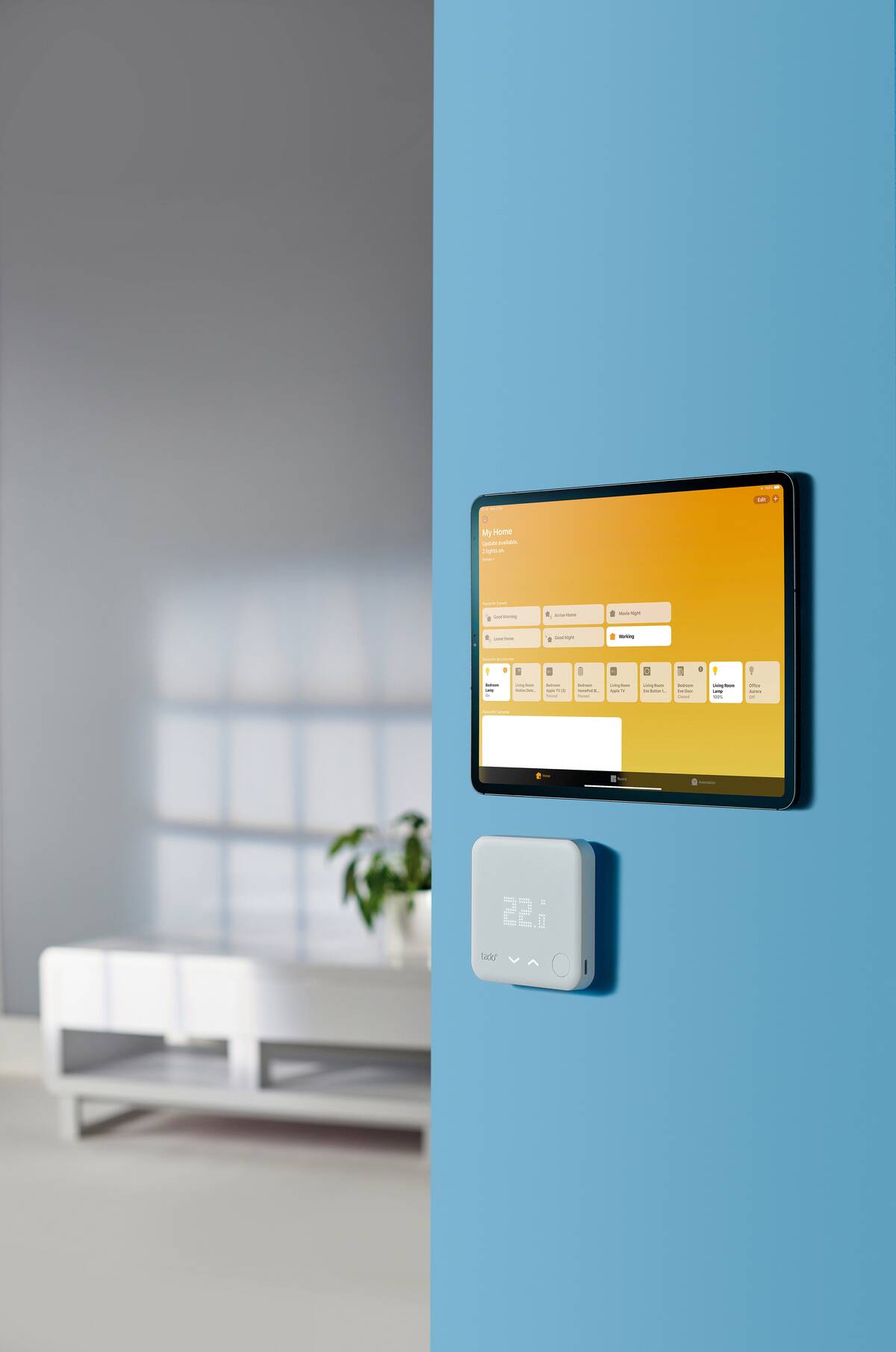
As we look to the future, household items are set to become even more integrated and intelligent, with advancements in AI and IoT leading the way.
Smart appliances that adapt to our needs, energy-efficient solutions, and sustainable materials are likely to become increasingly common. As technology continues to evolve, household items will not only enhance convenience but also contribute to a more connected and environmentally conscious world.




