14 Photos of forgotten American car brands worth revisiting
American automotive history is dotted with brands that once thrived but are now largely forgotten. These companies, though no longer in operation, played significant roles in shaping the industry.
From luxury vehicles to innovative designs, these brands left a lasting impact. Rediscovering these forgotten names offers a fascinating glimpse into the evolution of car manufacturing in the United States.
Studebaker: The Innovator of the Midwest
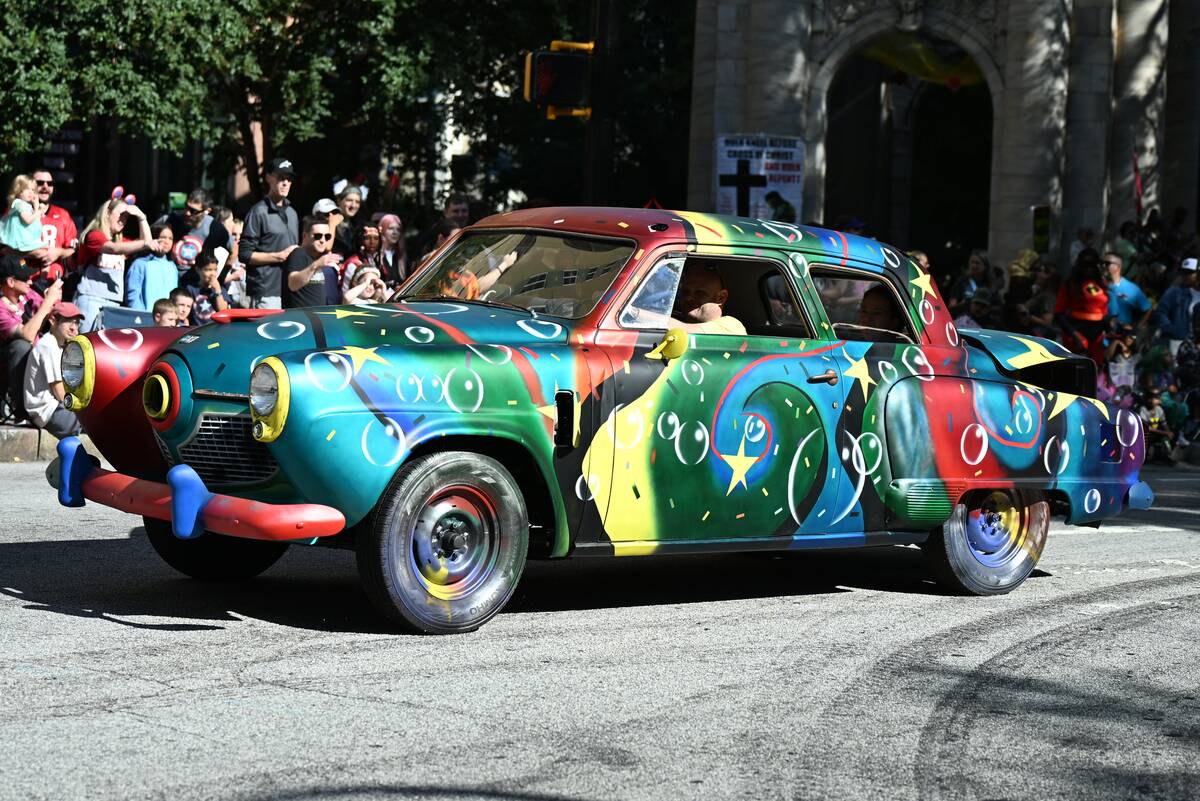
Studebaker, originally a wagon manufacturer, transitioned to automobiles in the early 1900s. Known for its stylish designs and engineering prowess, it was a beloved brand in the Midwest.
The company offered features like the Hill Holder, which prevented rollback on inclines. Despite its innovations, financial struggles led to its closure in 1966.
Packard: Luxury on Wheels
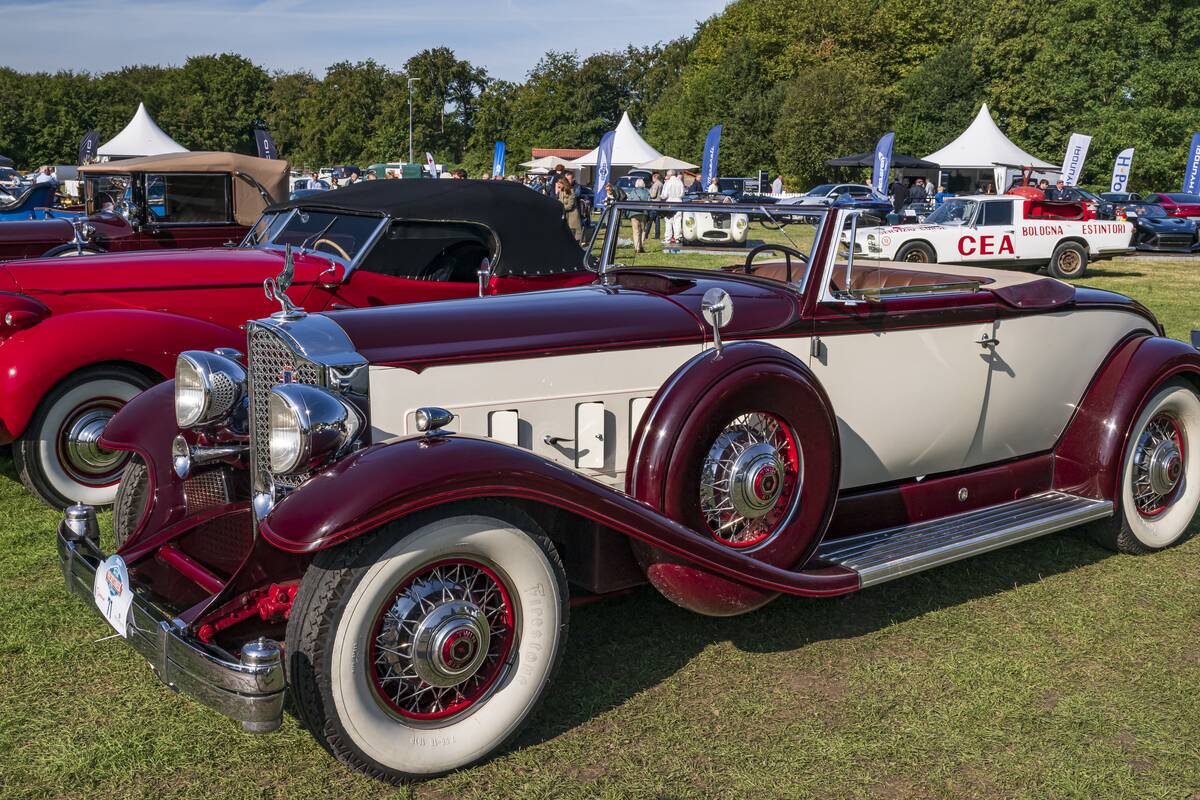
Packard was synonymous with luxury, producing some of the most elegant cars of the early 20th century. Known for its slogan, “Ask the man who owns one,” Packard vehicles were a status symbol.
The brand introduced its first production V12 engine, the Twin Six, in 1915 and later revived the nameplate in 1932. Unfortunately, the post-war era’s changing market dynamics led to its demise in 1958.
AMC (American Motors Corporation): The Little Company That Could
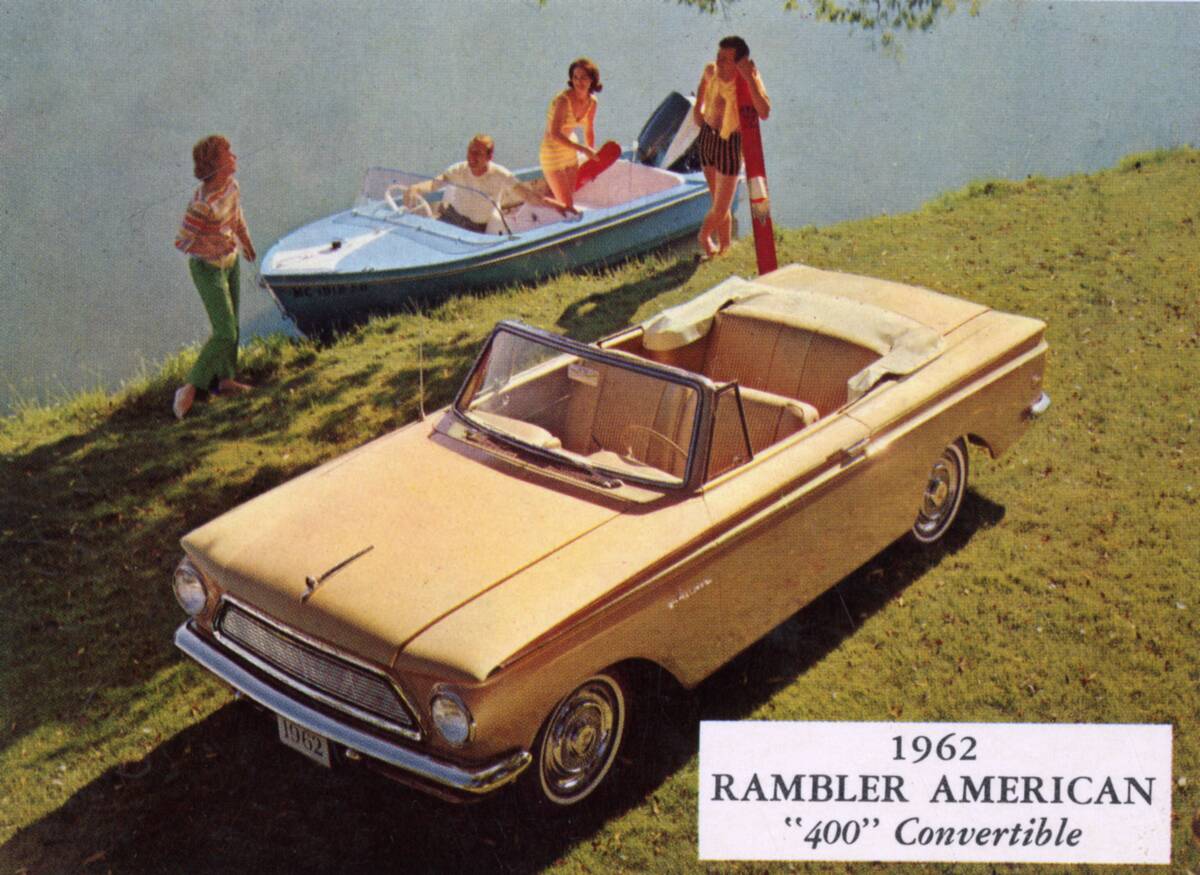
AMC was formed in 1954 from the merger of Nash and Hudson, aiming to compete with the Big Three automakers. Known for its compact cars, AMC helped popularize the Rambler, which became a major success during the late 1950s and 1960s.
The company also produced the iconic Jeep brand after acquiring it in 1970, before being acquired by Chrysler in 1987. AMC’s innovative spirit left a lasting legacy.
DeSoto: Chrysler’s Forgotten Gem
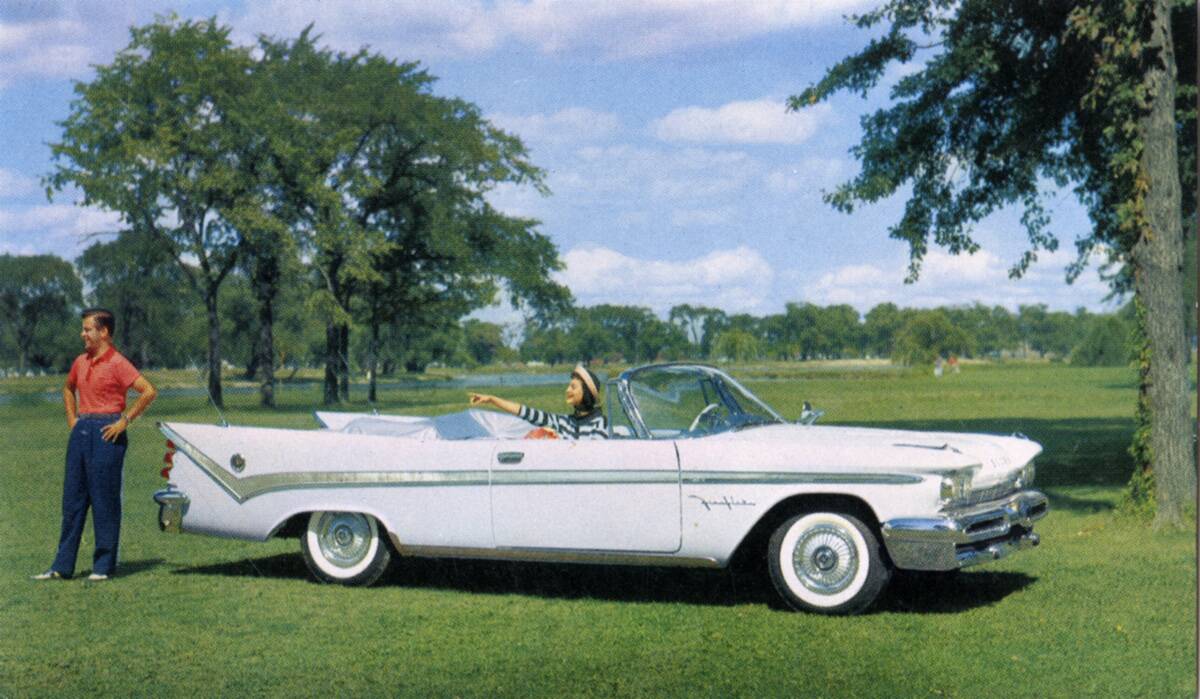
DeSoto was launched by Chrysler in 1928, aiming to fill the gap between its Plymouth and Chrysler brands. Known for its stylish designs and advanced features, DeSoto was a popular choice among consumers.
The brand offered power steering as an available feature in 1951, following Chrysler’s introduction of the technology in its Imperial model. Despite its popularity, Chrysler discontinued DeSoto in 1961 due to declining sales and internal restructuring.
Nash Motors: Ahead of Its Time
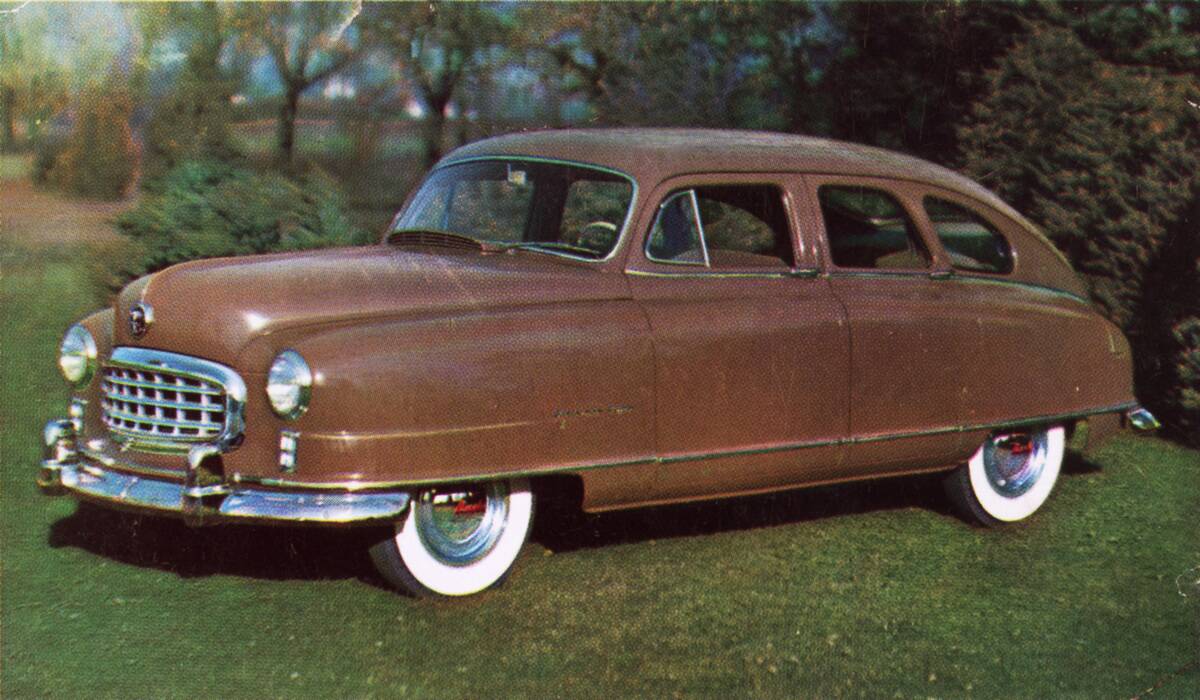
Nash Motors was known for its innovative approach to car design and production. It introduced the first mass-produced car with a unibody design, the Nash 600, in 1941. The company also pioneered the development of air conditioning in cars.
Despite its innovations, Nash merged with Hudson to form AMC in 1954, marking the end of its independent operations.
Hudson: The Original Muscle Car Innovator
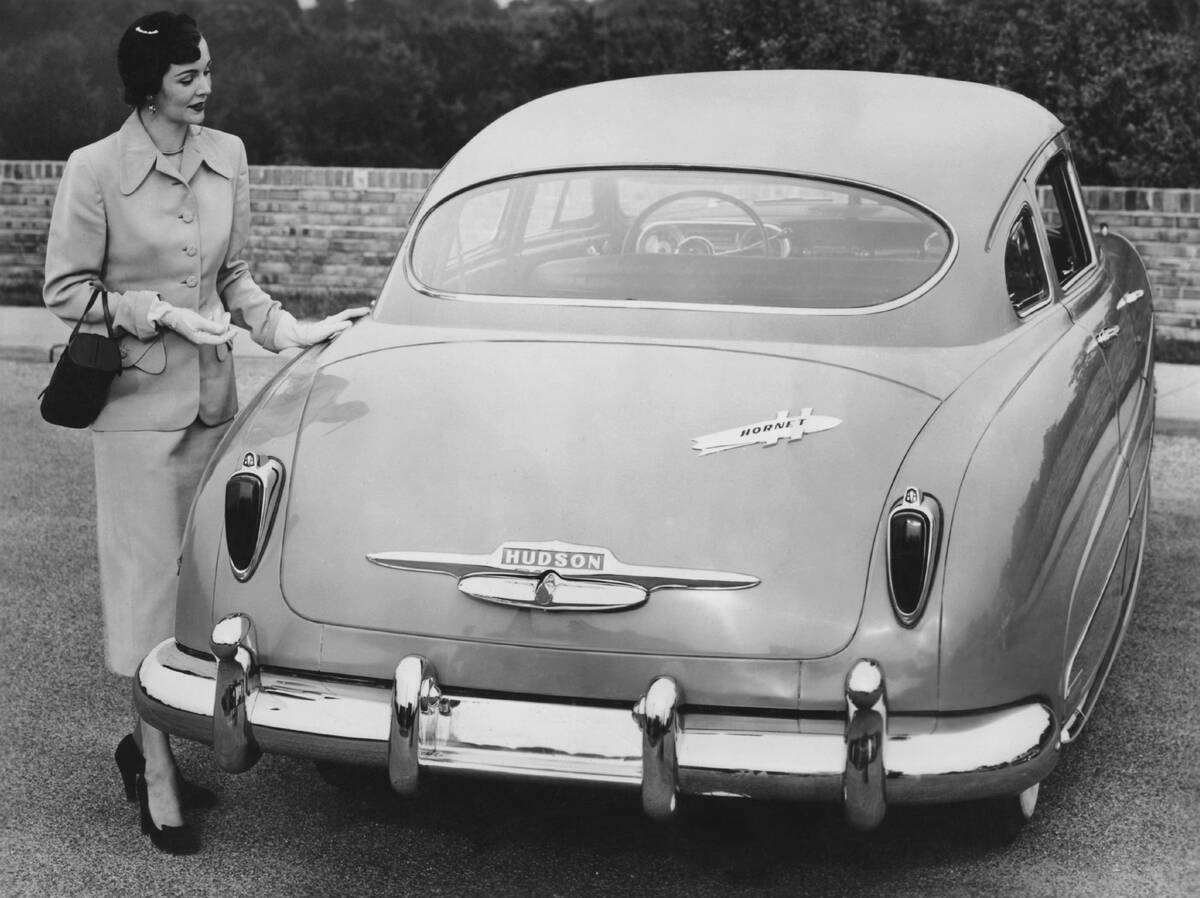
Hudson made a name for itself with the introduction of the Hornet, a car that dominated NASCAR in the early 1950s. Its “step-down” design lowered the center of gravity, improving handling and performance.
Hudson’s innovative engineering earned it a loyal following. However, financial difficulties and the need to compete with larger automakers led to its merger with Nash, forming AMC in 1954.
Kaiser-Frazer: Post-War Ingenuity
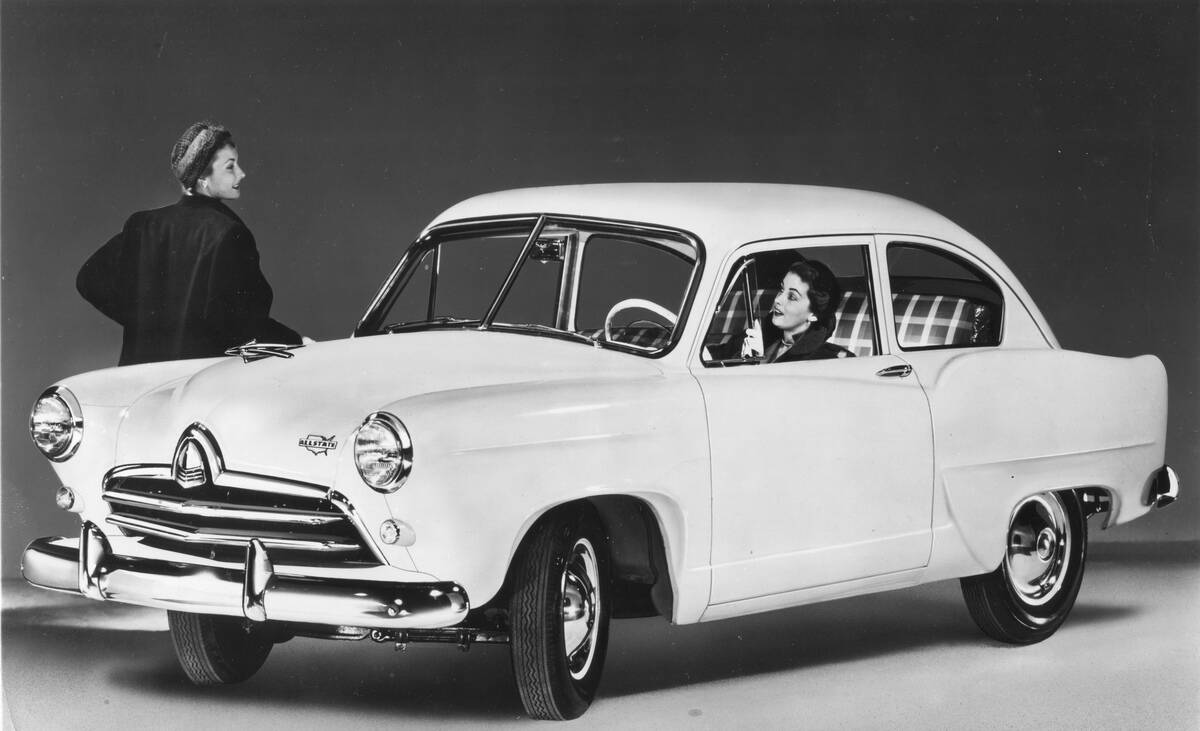
Kaiser-Frazer emerged in the post-World War II era, offering fresh designs and new ideas. The company was known for innovative features and forward-thinking designs. Despite its initial success, the company struggled to compete with established brands.
Kaiser-Frazer ceased passenger car production in the U.S. in 1955, but its legacy continued through its acquisition of Willys-Overland and the development of Kaiser Jeep.
Tucker: The Car of Tomorrow
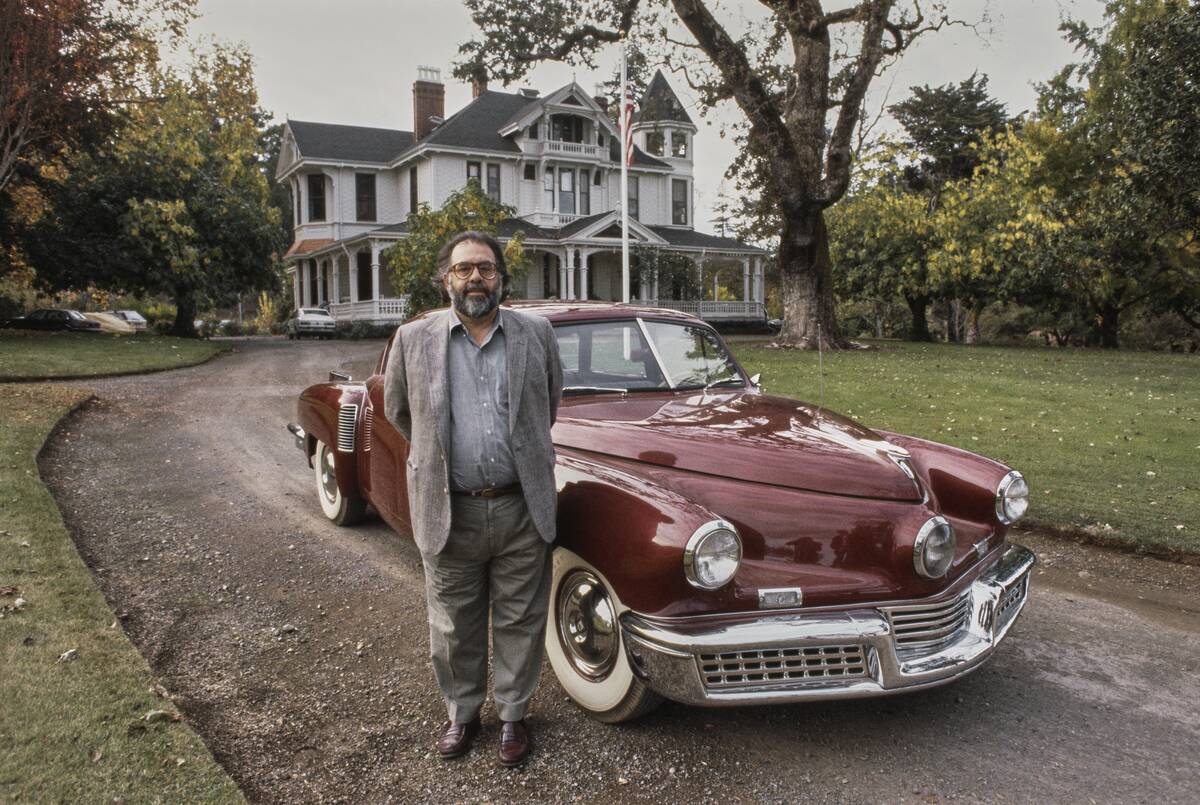
Preston Tucker’s vision for a revolutionary car led to the creation of the Tucker 48, originally known as the “Tucker Torpedo.”
This car featured groundbreaking safety innovations, such as a padded dashboard and a third headlight that turned with the steering wheel to improve visibility. Despite its potential, only 51 units were produced before the company faced financial difficulties and legal challenges, leading to its closure in 1949.
Plymouth: The People’s Car
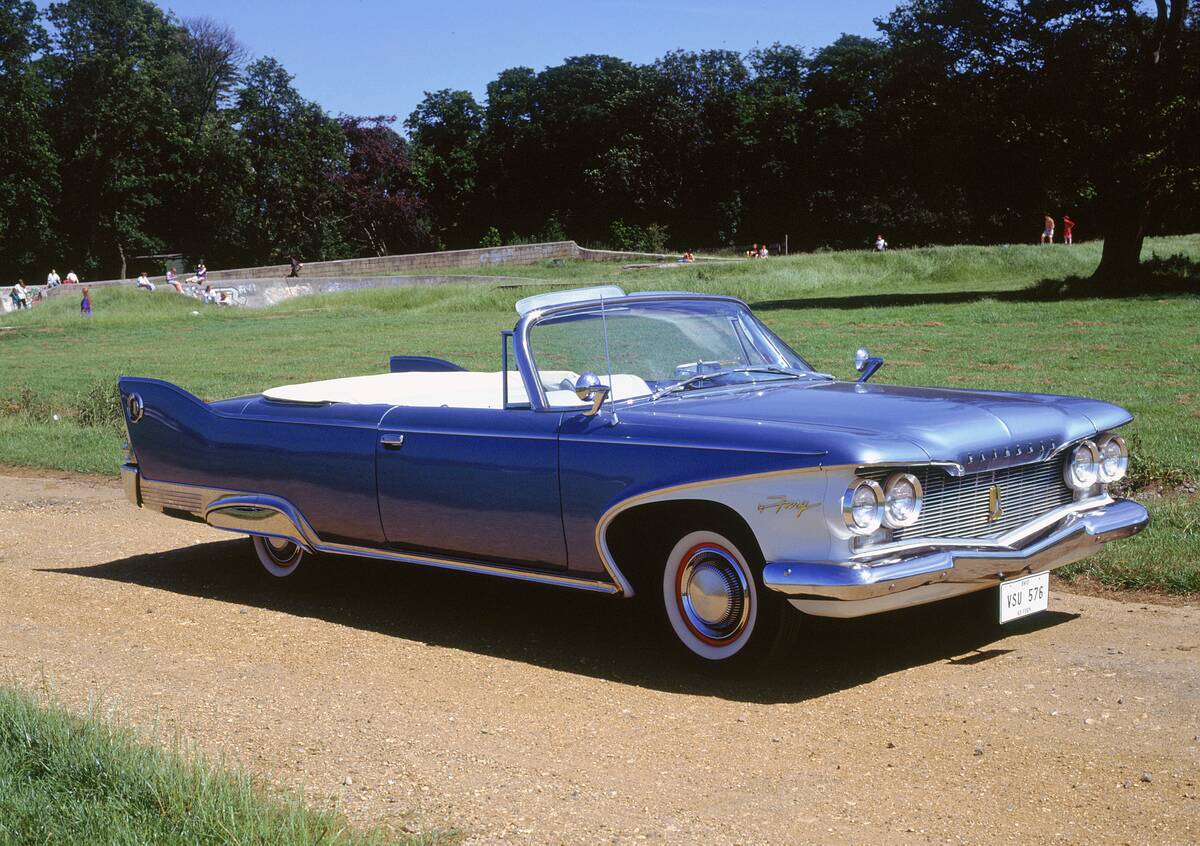
Plymouth was introduced by Chrysler in 1928 as an affordable alternative to its more expensive models. Known for its value and reliability, Plymouth quickly gained popularity among American families.
The brand introduced several innovations over the years, including advances in affordability and design. Despite its success, Plymouth was discontinued in 2001 as part of Chrysler’s restructuring efforts.
Oldsmobile: A Legacy of Firsts
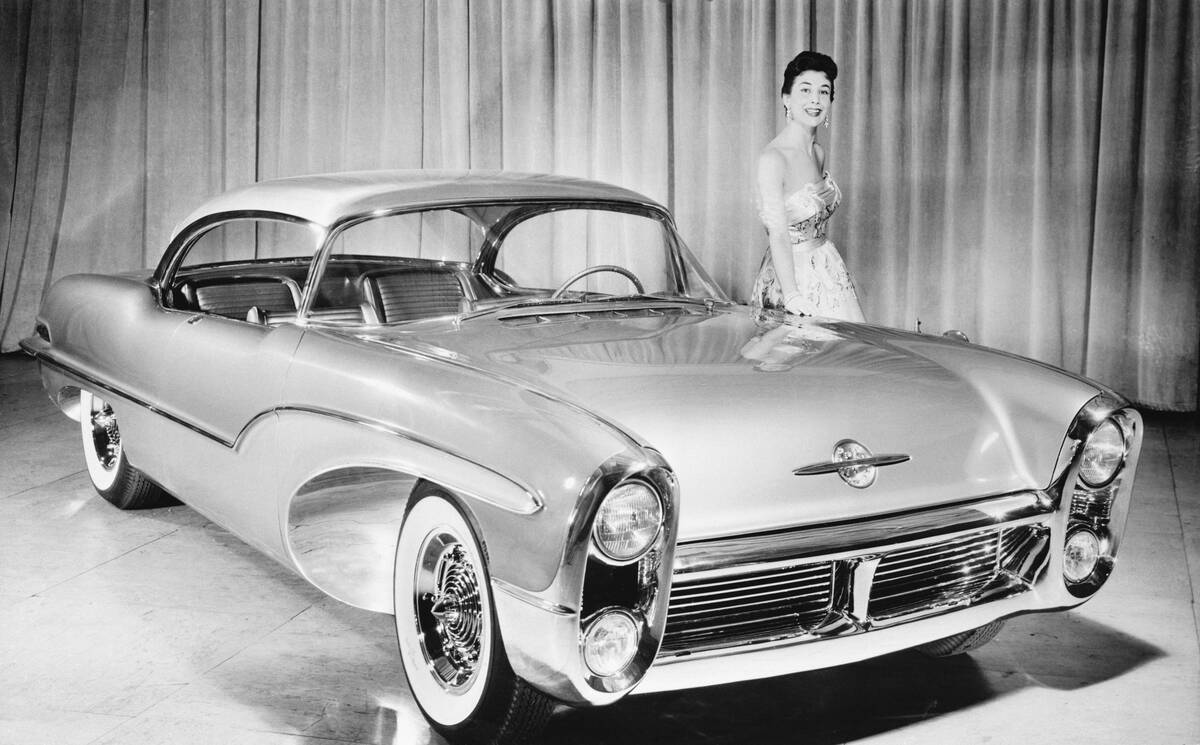
Oldsmobile was one of America’s oldest car brands, founded in 1897. It was known for its pioneering spirit, introducing the first fully automatic production transmission, the “Hydra-Matic,” in 1940.
The brand also produced the first mass-produced American front-wheel-drive car, the Toronado, in 1966. Despite its innovations, Oldsmobile was phased out by General Motors in 2004 due to declining sales.
Pontiac: The Excitement Division
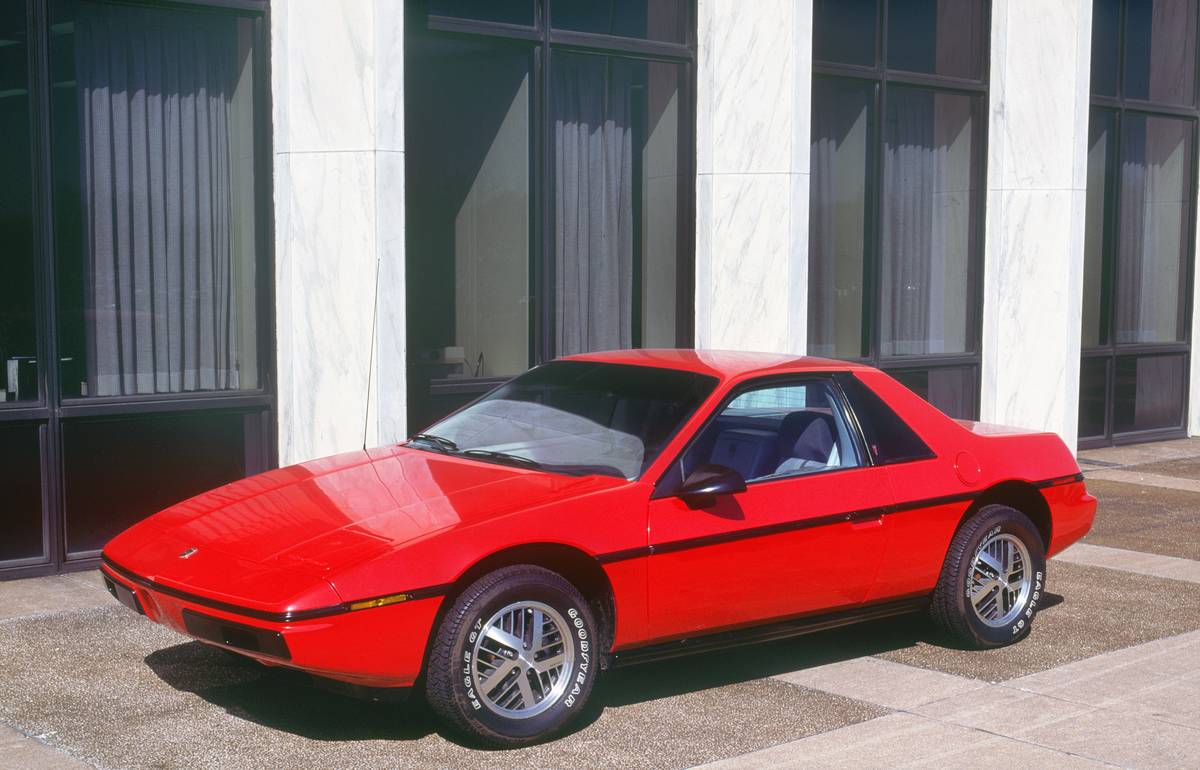
Pontiac was known for its performance-oriented vehicles, earning the nickname “The Excitement Division” of General Motors.
The brand gained fame with the introduction of the GTO, which is widely credited with helping launch the muscle car era. Pontiac’s focus on speed and style made it a favorite among car enthusiasts. However, in 2010, GM discontinued Pontiac as part of its bankruptcy restructuring.
Mercury: Ford’s Stylish Sibling
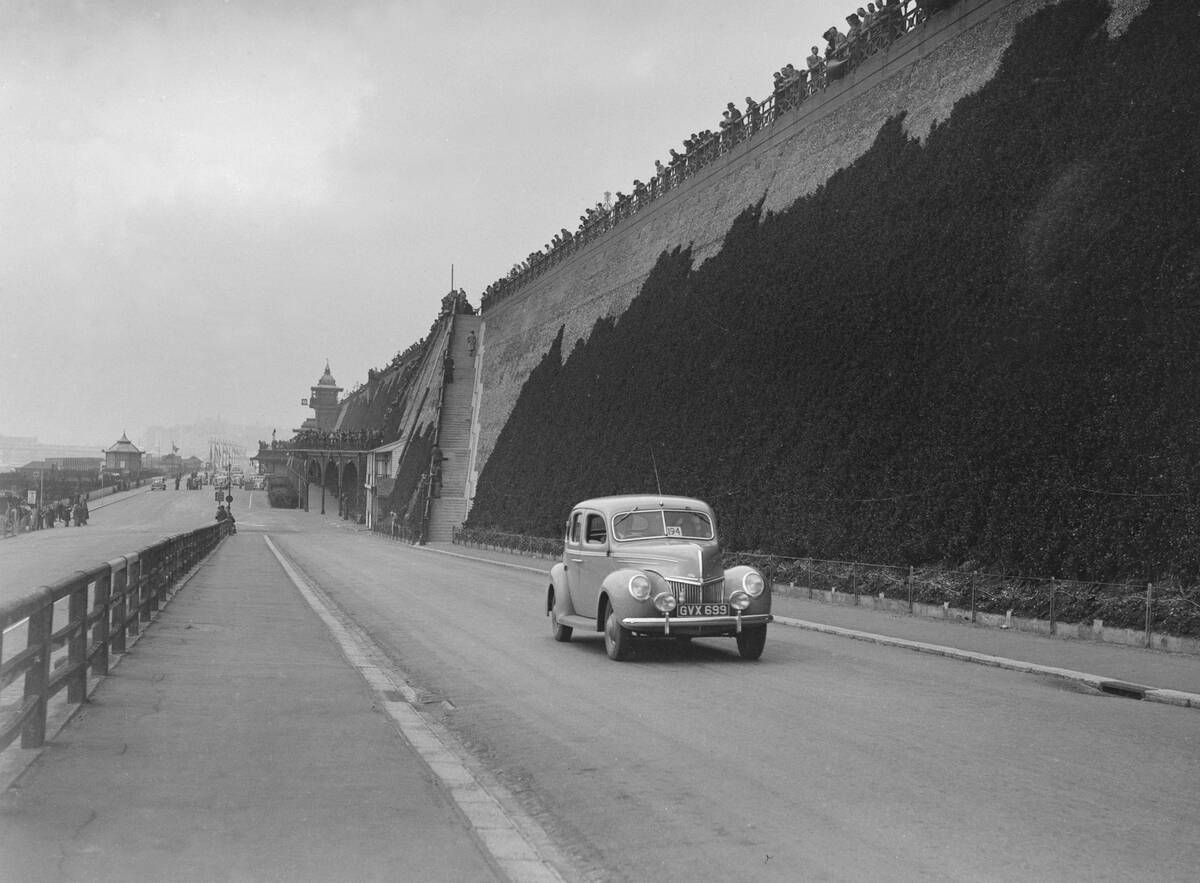
Mercury was introduced by Ford in 1938 to bridge the gap between its Ford and Lincoln brands. Known for its stylish designs and performance, Mercury offered a unique blend of luxury and affordability.
The brand saw success with models like the Mercury Cougar. However, declining sales led to its discontinuation in 2010 as Ford refocused its efforts on core brands.
Edsel: A Lesson in Marketing Missteps
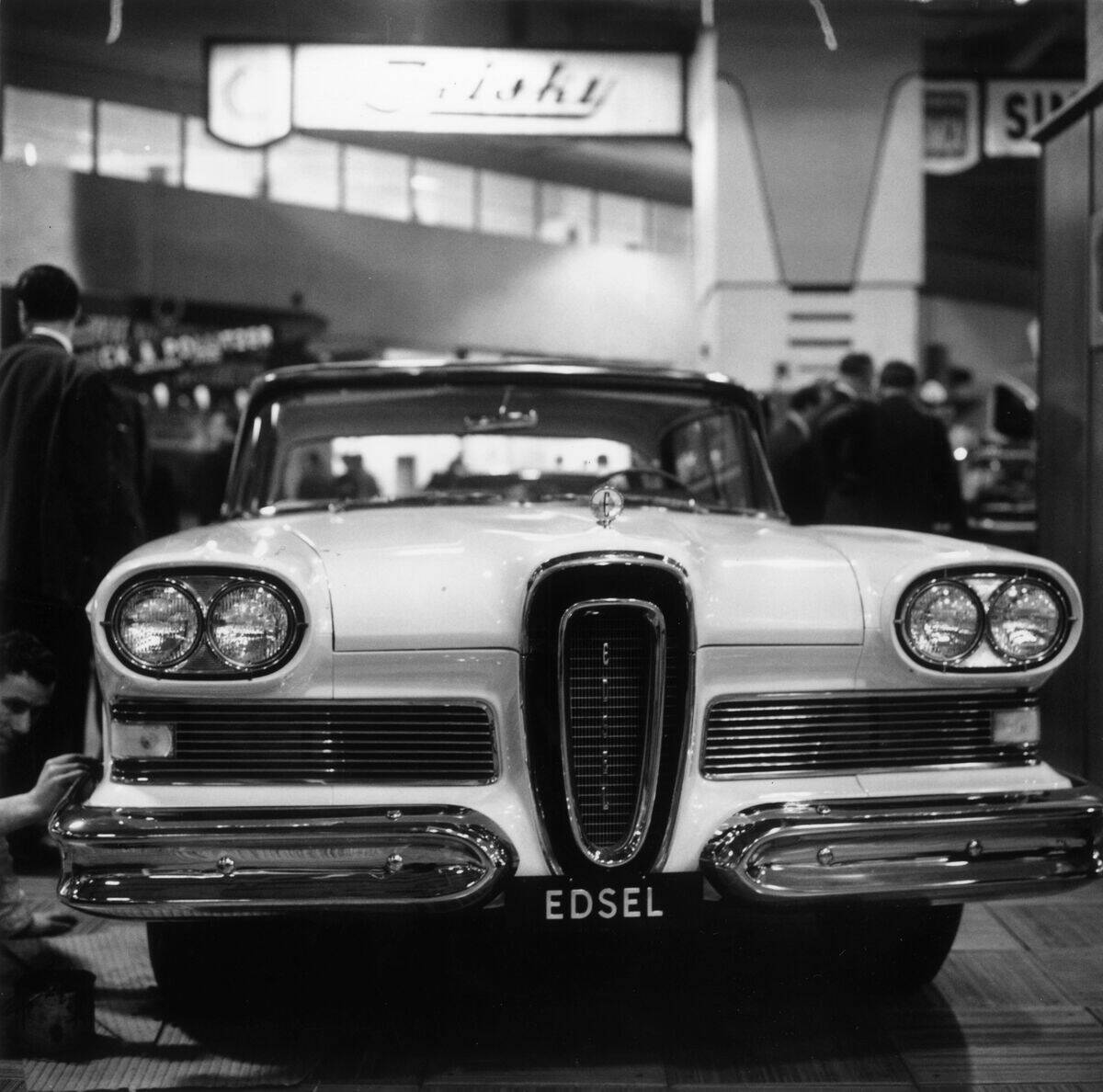
The Edsel, launched by Ford in 1957, is often cited as a classic example of marketing failure. Despite its advanced features and significant investment, the car’s unconventional design and poor timing led to its downfall.
The Edsel’s name became synonymous with commercial failure, and production ended after the 1960 model year in 1959. The model’s short-lived existence serves as a cautionary tale in automotive history.
Rambler: Compact and Clever
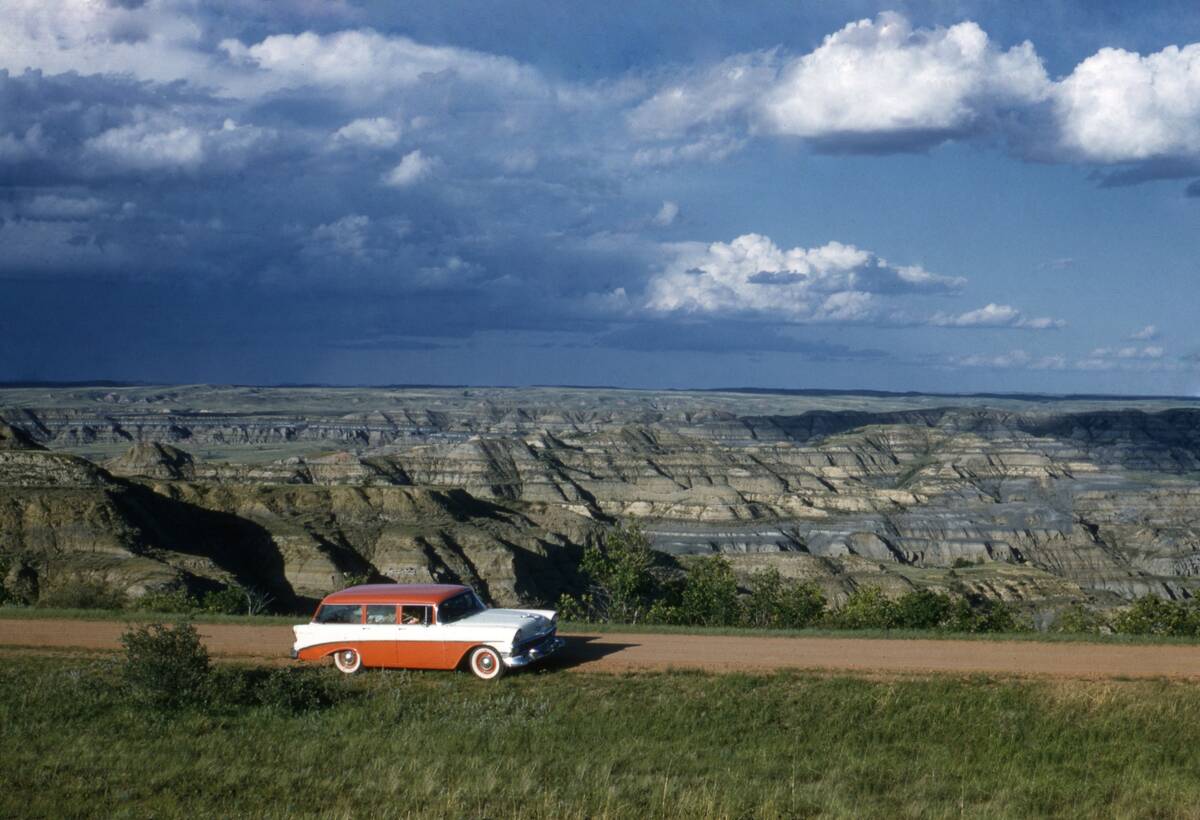
The Rambler was a compact car that gained popularity in the 1950s and 1960s for its practicality and economy. Originally introduced by Nash and later produced by AMC, it was one of the earliest successful American cars to focus on fuel efficiency and compact design.
The Rambler’s success helped AMC carve out a niche in the competitive automotive market. Its influence helped shape the compact car segment in the United States.




