Music festivals that once attracted huge crowds
The late 1960s and early 1970s were a golden era for music festivals, a time when counterculture and music intertwined to create unforgettable experiences. This was a period marked by a spirit of rebellion and a yearning for change, with festivals serving as a gathering point for like-minded individuals.
From the legendary Woodstock to lesser-known gems, these events were more than just concerts; they were cultural phenomena that shaped the music scene for generations.
The Rise and Fall of Woodstock’s Lesser-Known Cousin
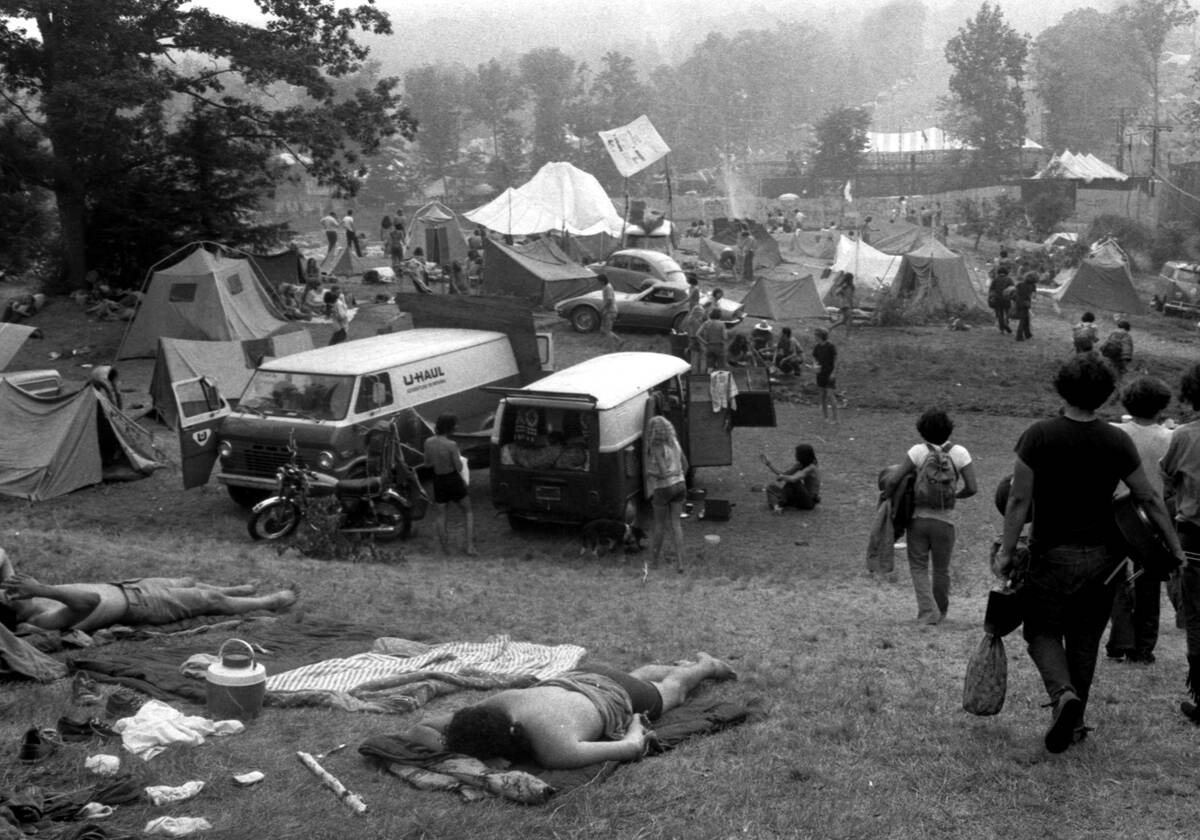
While Woodstock is a household name, its lesser-known cousin, the Powder Ridge Rock Festival, was an event that never quite took off. Scheduled for July 1970 in Connecticut, it promised a lineup of big names like Janis Joplin and the Allman Brothers.
However, legal issues led to its cancellation, leaving 30,000 fans with no music but a lot of memories. Despite the setback, it remains a fascinating footnote in the history of music festivals.
Isle of Wight Festival: The British Invasion
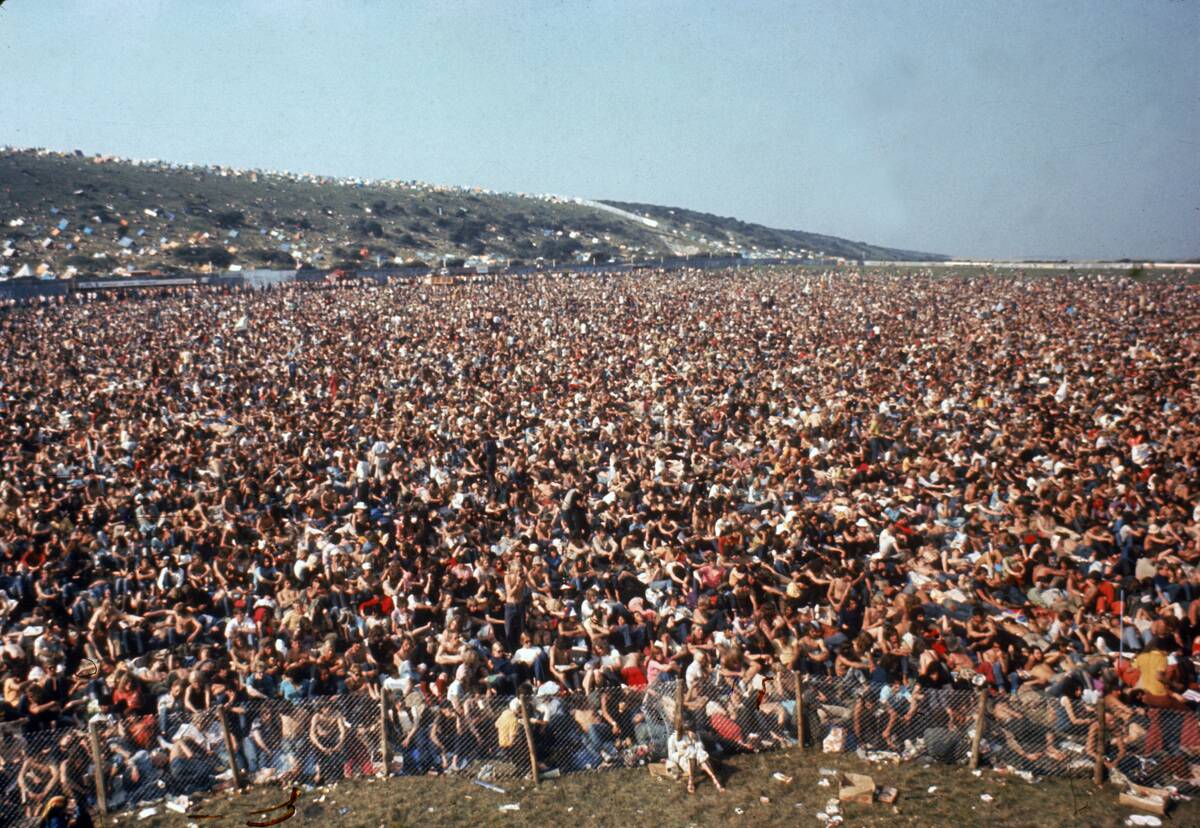
The Isle of Wight Festival, first held in 1968, quickly became the UK’s answer to Woodstock. By 1970, it attracted over 600,000 attendees, with performances by The Who, Jimi Hendrix, and The Doors.
This massive turnout caused logistical nightmares, but it also solidified the festival’s place in history. The event was so impactful that it led to the passage of the ‘Isle of Wight Act,’ restricting the size of gatherings on the island.
The US Festival: Apple Co-Founder’s Musical Dream
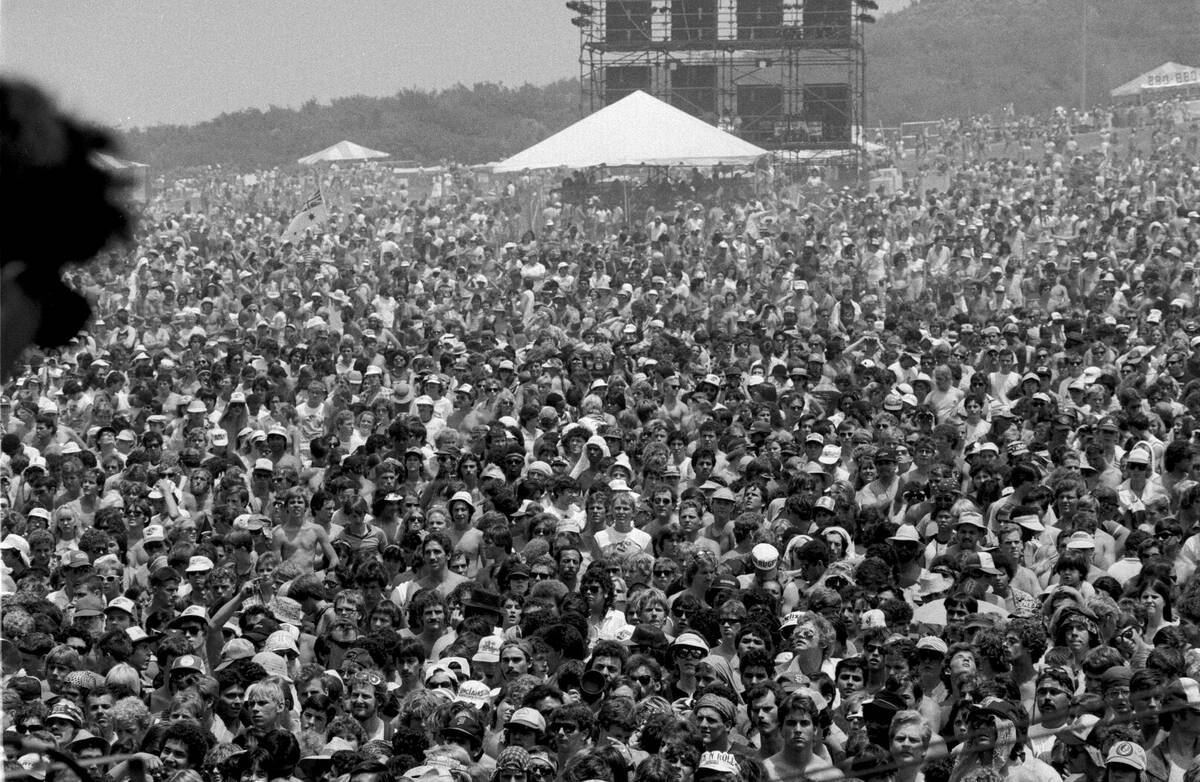
Conceived by Apple co-founder Steve Wozniak, the US Festival was held in 1982 and 1983 in California. Wozniak envisioned a technological and musical extravaganza, featuring acts like Fleetwood Mac and The Police.
Despite its ambitious scope and impressive lineup, the festival struggled financially, losing millions. However, it left a lasting legacy as a pioneering blend of music and technology, a concept that would inspire future events.
Monterey Pop Festival: The Summer of Love’s Opening Act
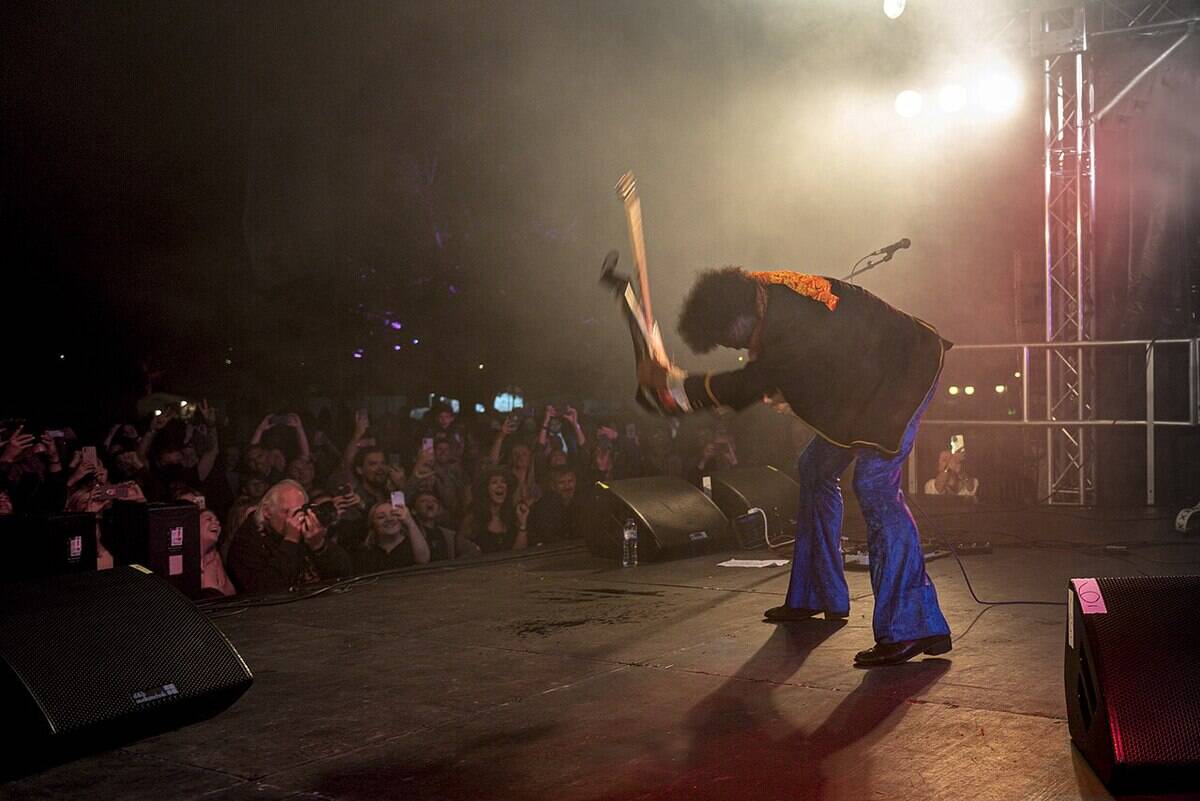
The Monterey Pop Festival, held in June 1967, is often credited as the start of the ‘Summer of Love.’ It was the first major rock festival, featuring iconic performances from Jimi Hendrix, Janis Joplin, and The Who.
Monterey set the stage for future festivals, introducing the concept of a multi-day, multi-artist event. It was also notable for its peaceful atmosphere and groundbreaking performances, leaving an indelible mark on music history.
The Newport Folk Festival: Where Bob Dylan Went Electric
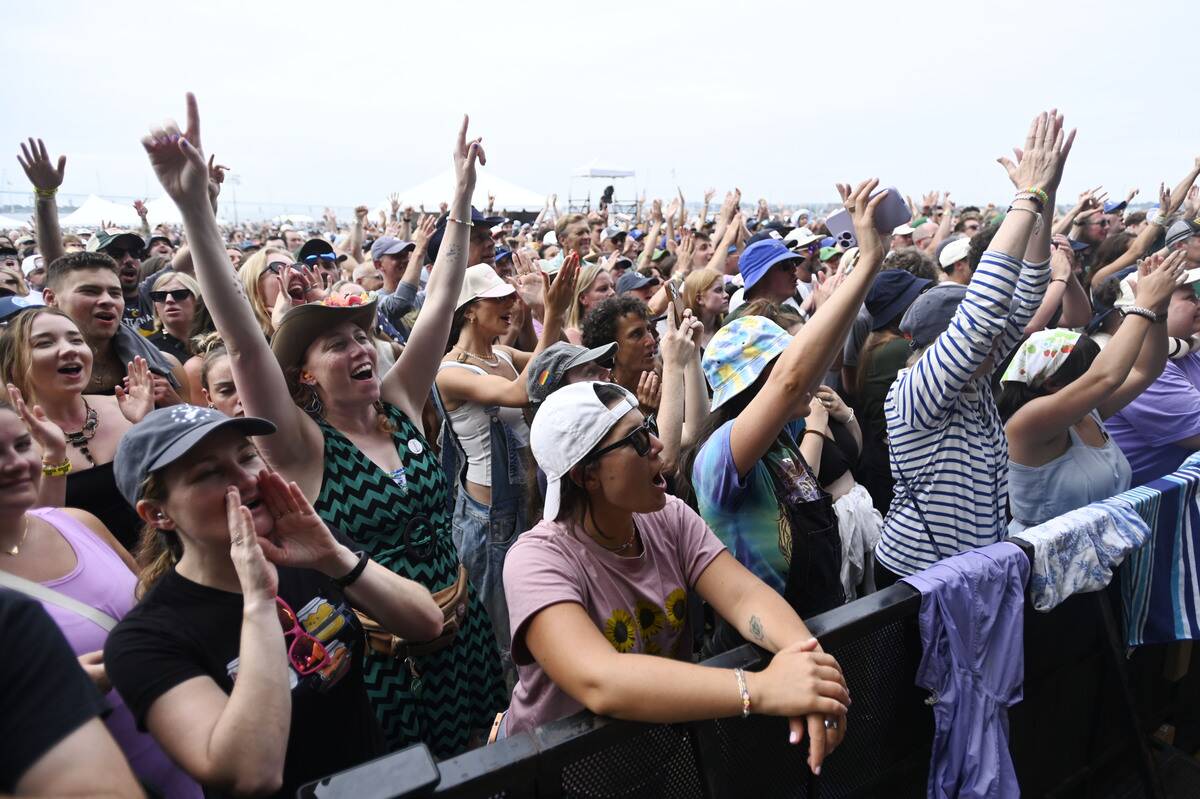
The Newport Folk Festival, established in 1959, became legendary when Bob Dylan went electric in 1965. This bold move shocked the folk community but also marked a pivotal moment in music history.
Dylan’s performance, using an electric guitar, signaled a shift in the folk genre, blending it with rock elements. The festival continues to be a staple in the music world, celebrating its rich history while embracing new sounds and artists.
Glastonbury Fayre: Before It Was Cool
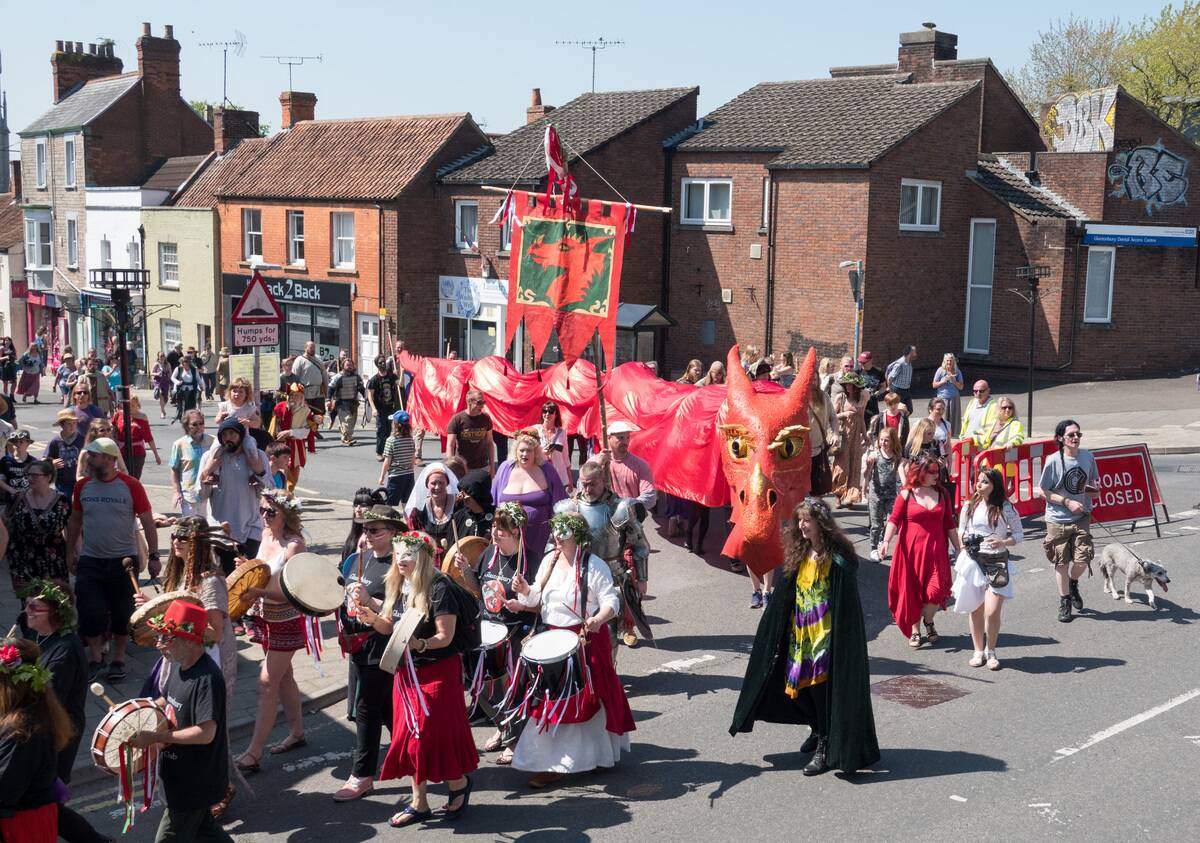
Before it became the massive event it is today, Glastonbury Fayre started as a humble gathering in 1970. Inspired by the ethos of the 1960s counterculture, it featured acts like T. Rex and was attended by just 1,500 people.
The festival was free, funded by donations, and set the tone for the future Glastonbury Festivals. Its emphasis on community, music, and art laid the groundwork for what would become one of the world’s most famous festivals.
The Altamont Speedway Free Festival: A Notorious End
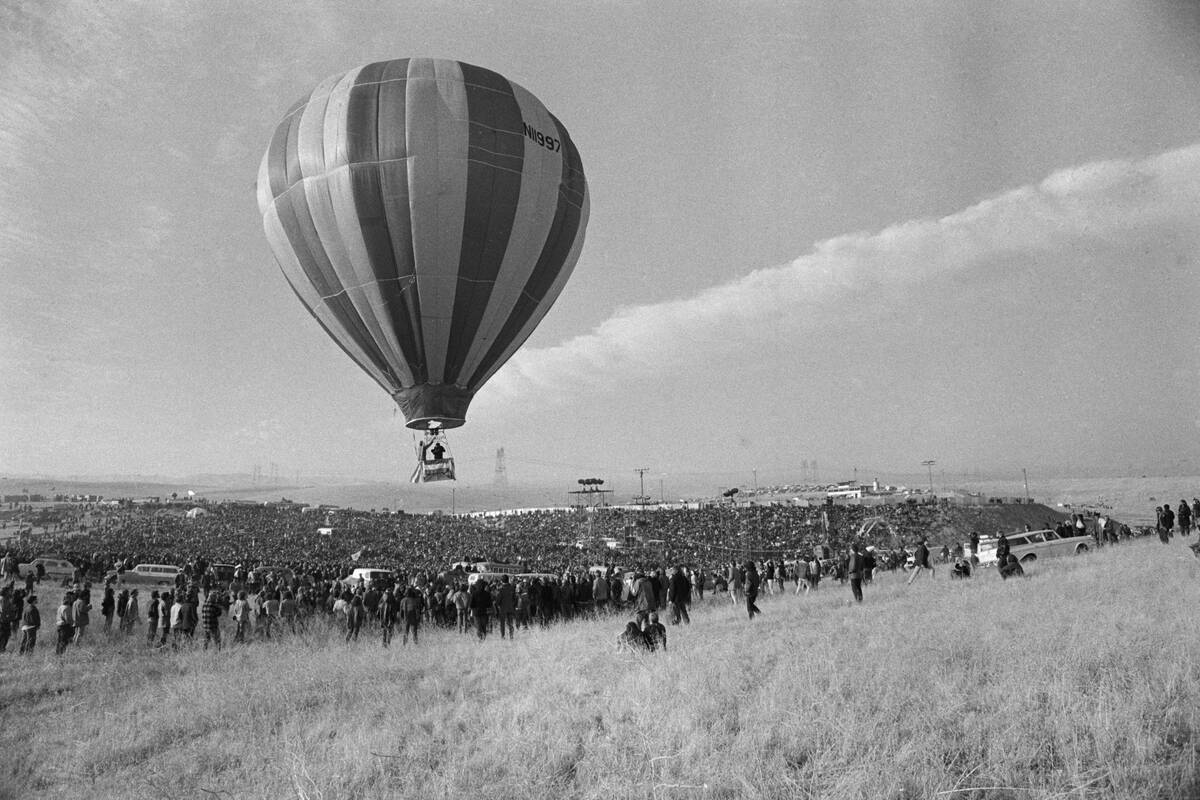
The Altamont Speedway Free Festival, held in December 1969, is infamous for its chaotic and violent end. Organized by the Rolling Stones, it was meant to be a ‘Woodstock West’ but became notorious for the murder of a concertgoer by Hells Angels, who were hired as security.
Despite featuring performances by Santana and Jefferson Airplane, the festival is often remembered for its tragic events, marking the end of the idealistic 1960s.
The Reading Festival: From Jazz to Rock
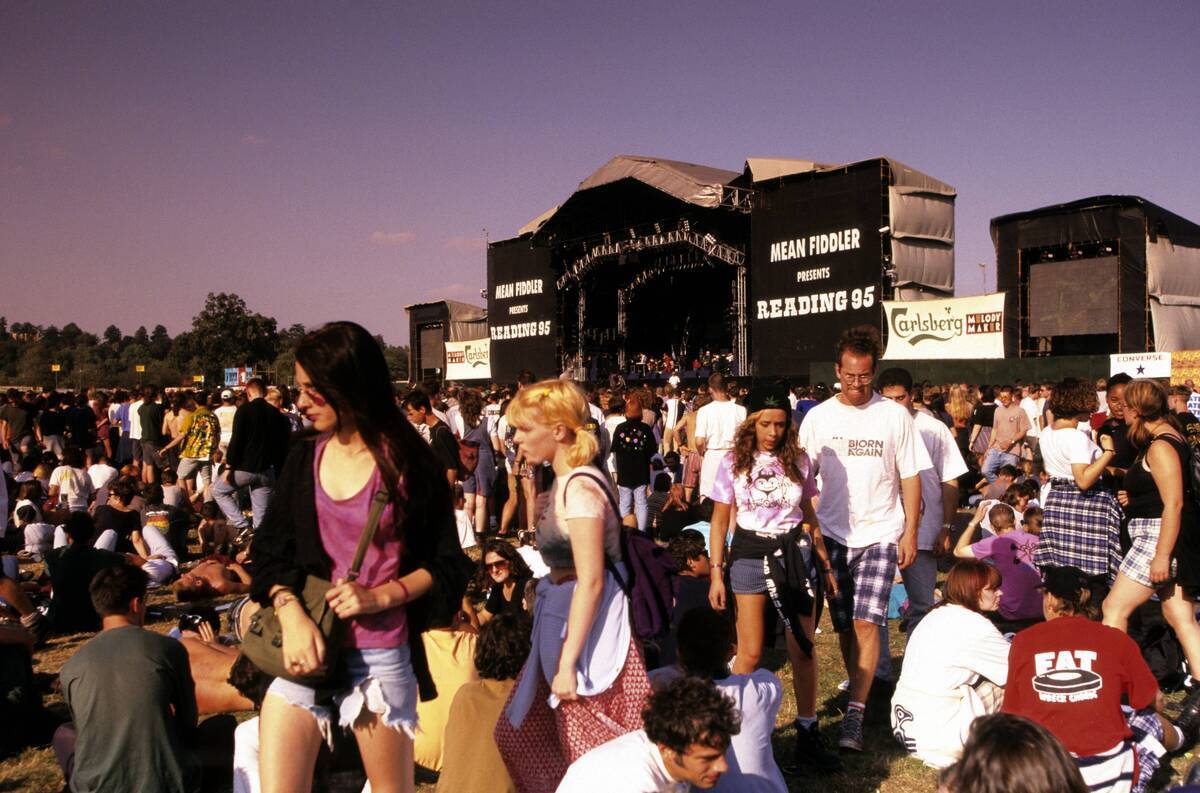
The Reading Festival, originally a jazz event in the 1960s, evolved into one of the UK’s most iconic rock festivals. By the early 1970s, it had shifted focus to rock and progressive music, hosting acts like Genesis and The Rolling Stones.
Its ability to adapt and change with the times has kept it relevant for decades, making it a staple of the British music scene and a must-attend event for rock enthusiasts worldwide.
The Bath Festival of Blues and Progressive Music: A UK Classic
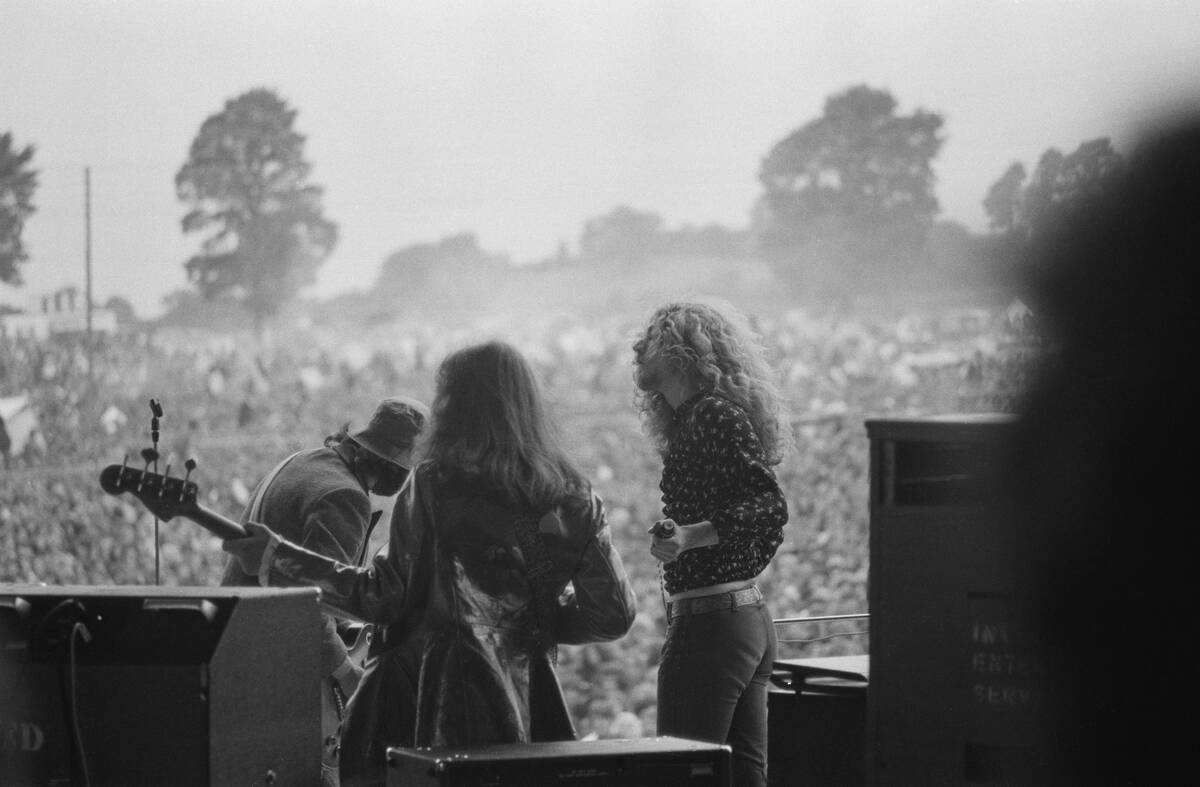
The Bath Festival of Blues and Progressive Music, held in 1970, is remembered for its stellar lineup and impressive organization. Featuring performances by Pink Floyd, Led Zeppelin, and Frank Zappa, it attracted over 200,000 fans.
The festival was praised for its sound quality and stage design, setting a new standard for live music events. Its success helped cement the UK’s reputation as a hub for innovative and groundbreaking music festivals.
The Mar Y Sol Pop Festival: Puerto Rico’s Musical Moment
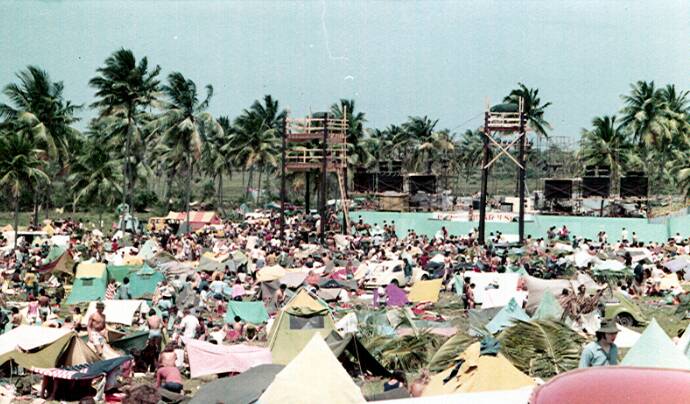
The Mar Y Sol Pop Festival, held in 1972 in Puerto Rico, was the island’s first major music festival. It featured artists like Alice Cooper and The Allman Brothers Band, drawing an international crowd.
Despite facing logistical challenges and financial issues, the festival is fondly remembered for its vibrant atmosphere and stunning beachside location. It was a unique moment in Puerto Rico’s cultural history, showcasing the island’s potential as a music destination.
The Strawberry Fields Festival: A Sweet Memory
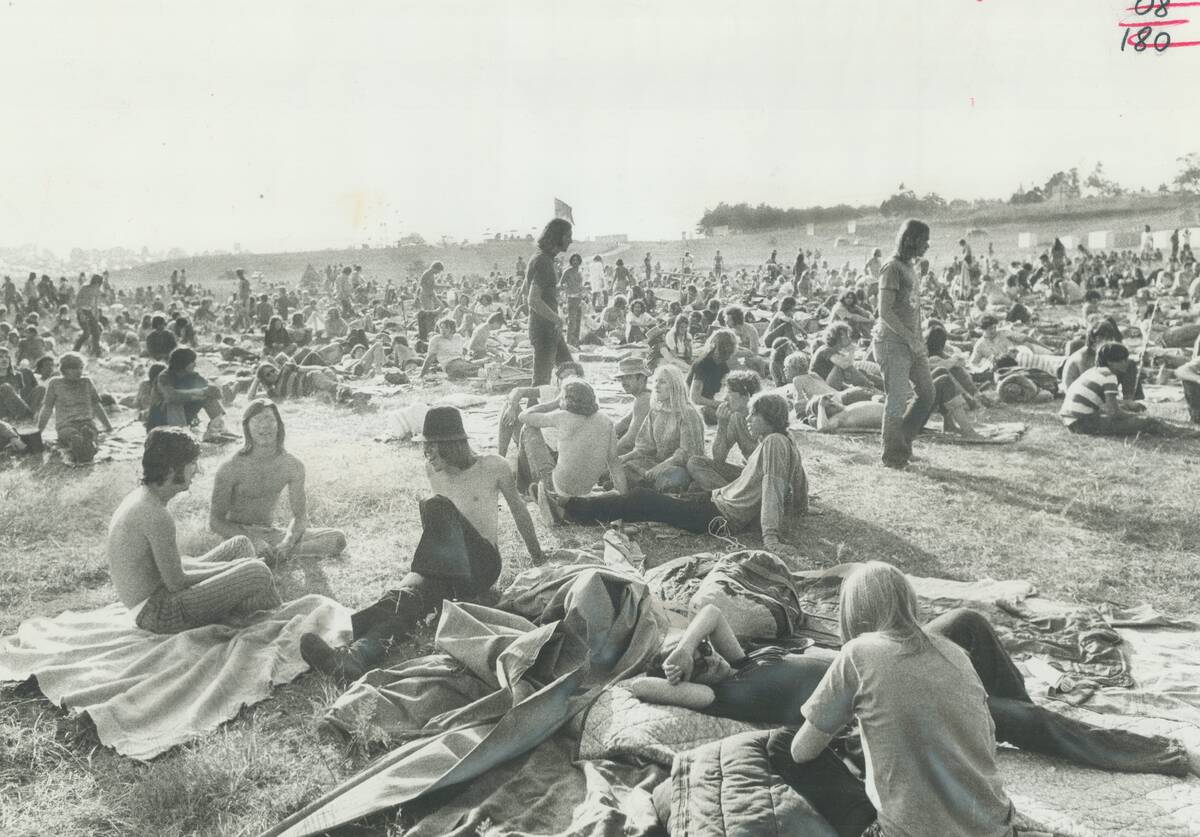
The Strawberry Fields Festival, held in 1970 in Canada, was a lesser-known but beloved event. It featured performances by Procol Harum and Ten Years After, attracting a modest crowd compared to other festivals of the time.
Despite its small scale, it is remembered for its relaxed vibe and beautiful setting. The festival’s name, inspired by The Beatles’ song, added to its charm, making it a sweet memory for those who attended.
The Ozark Music Festival: A Forgotten Frenzy
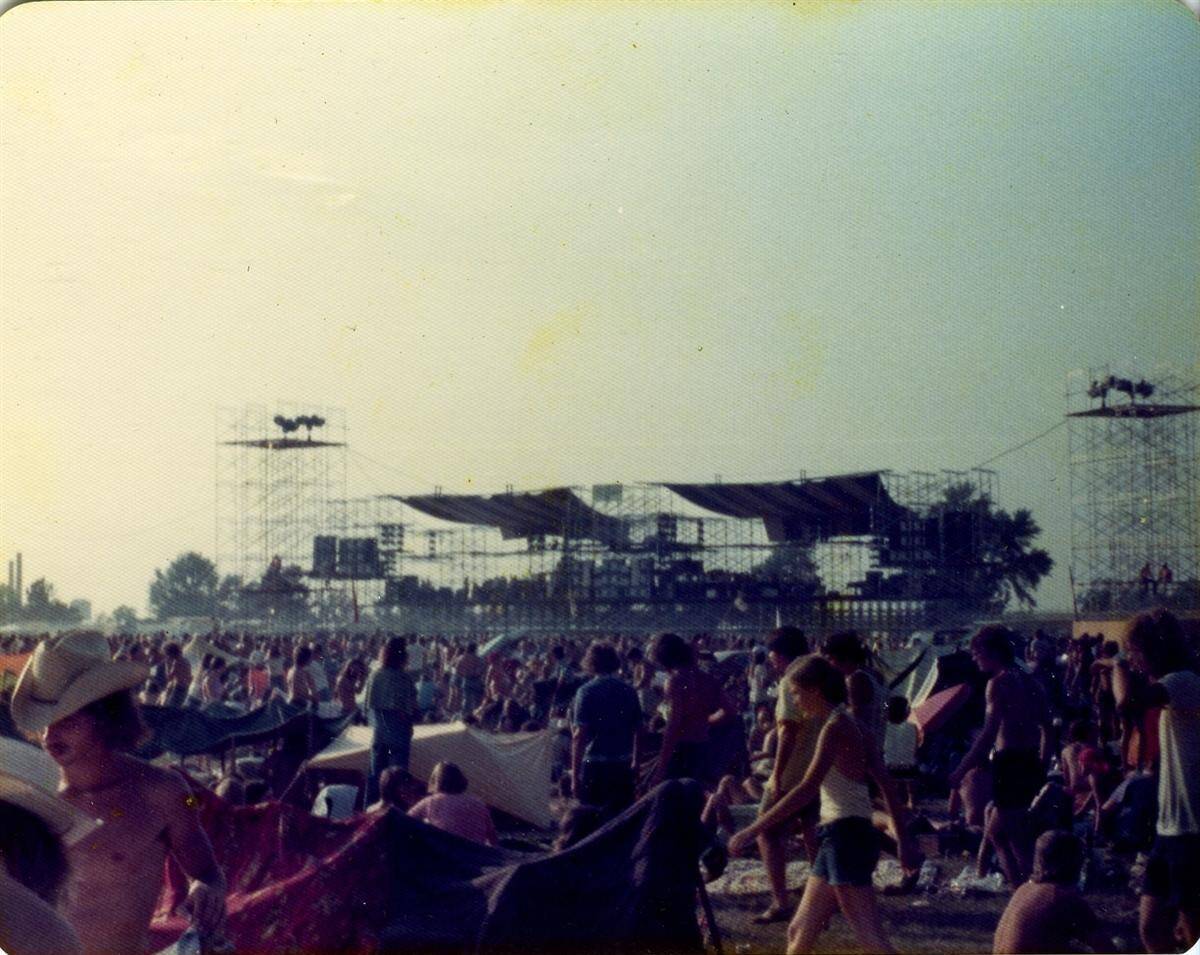
The Ozark Music Festival, held in 1974 in Missouri, was a chaotic event that drew an unexpected 350,000 attendees. Featuring performances by Aerosmith and Lynyrd Skynyrd, it faced numerous challenges, including inadequate facilities and a lack of organization.
Despite the frenzy, it left a lasting impression on those who attended, becoming a cautionary tale for festival organizers. Its legacy lives on as a reminder of the unpredictable nature of large-scale music events.
The Phun City Festival: The UK’s First Free Festival
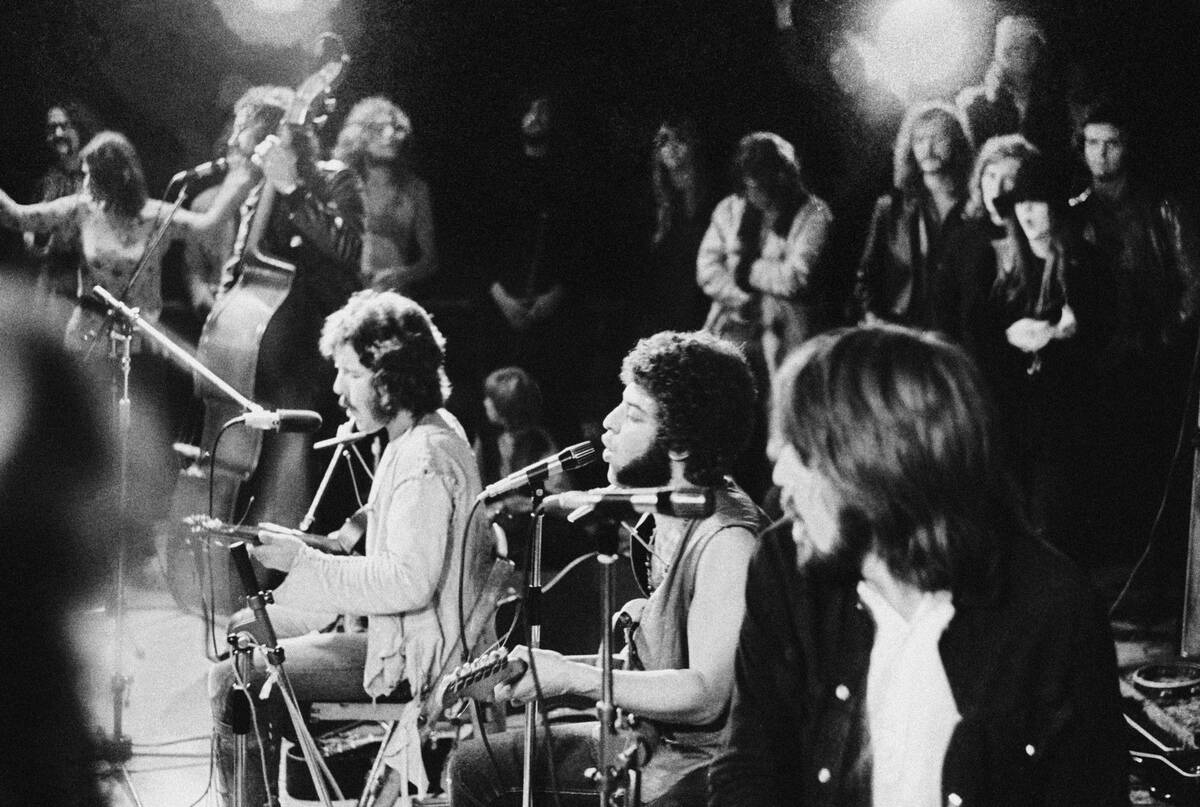
The Phun City Festival, held in 1970, was the UK’s first free festival, organized by underground magazine IT. Despite financial struggles, it featured acts like The Pretty Things and Pink Fairies, drawing a countercultural crowd.
The festival’s DIY ethos and communal spirit set the stage for future free festivals in the UK. It remains a symbol of the era’s idealism and the power of music to bring people together, regardless of financial constraints.
The Knebworth Festival: A Royal Rock Affair
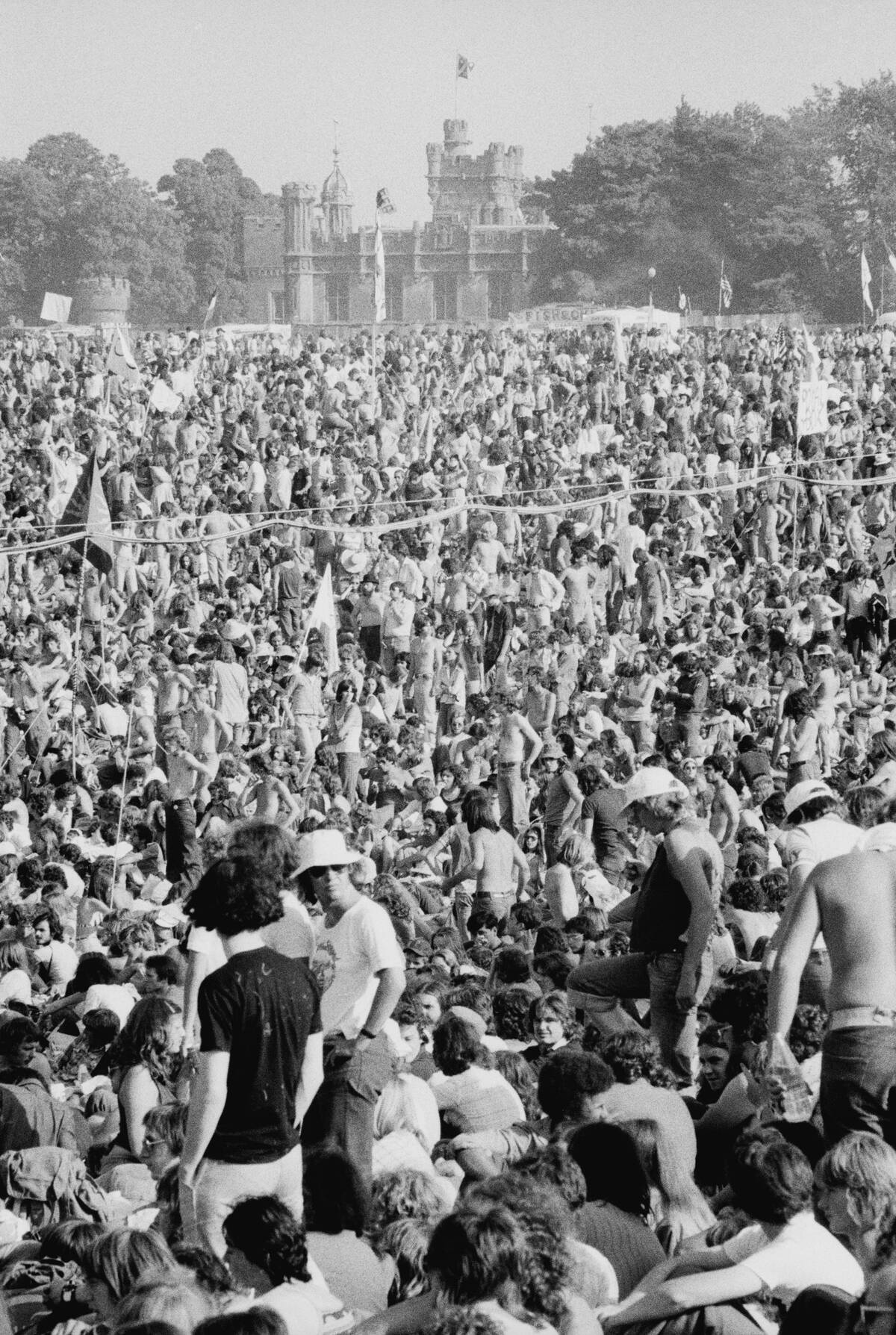
The Knebworth Festival, held in the grounds of Knebworth House, became synonymous with rock royalty. Since 1974, it has hosted legendary acts like Led Zeppelin and Queen, drawing massive crowds to its picturesque setting.
Rather than being a continuous annual festival, Knebworth is best described as an iconic UK concert and festival venue known for occasional large-scale rock and pop events. Its ability to attract the biggest names in music has cemented its status as a must-attend event for rock fans.




