J. Edgar Hoover: the man who shaped the FBI
J. Edgar Hoover is often regarded as one of the most controversial figures in American history. Appointed as the first FBI Director, he became one of the longest-serving law enforcement leaders the country has ever known.
Yet behind his thin veneer of public service lay a long list of hidden secrets, both professional and personal.
Born and raised in DC
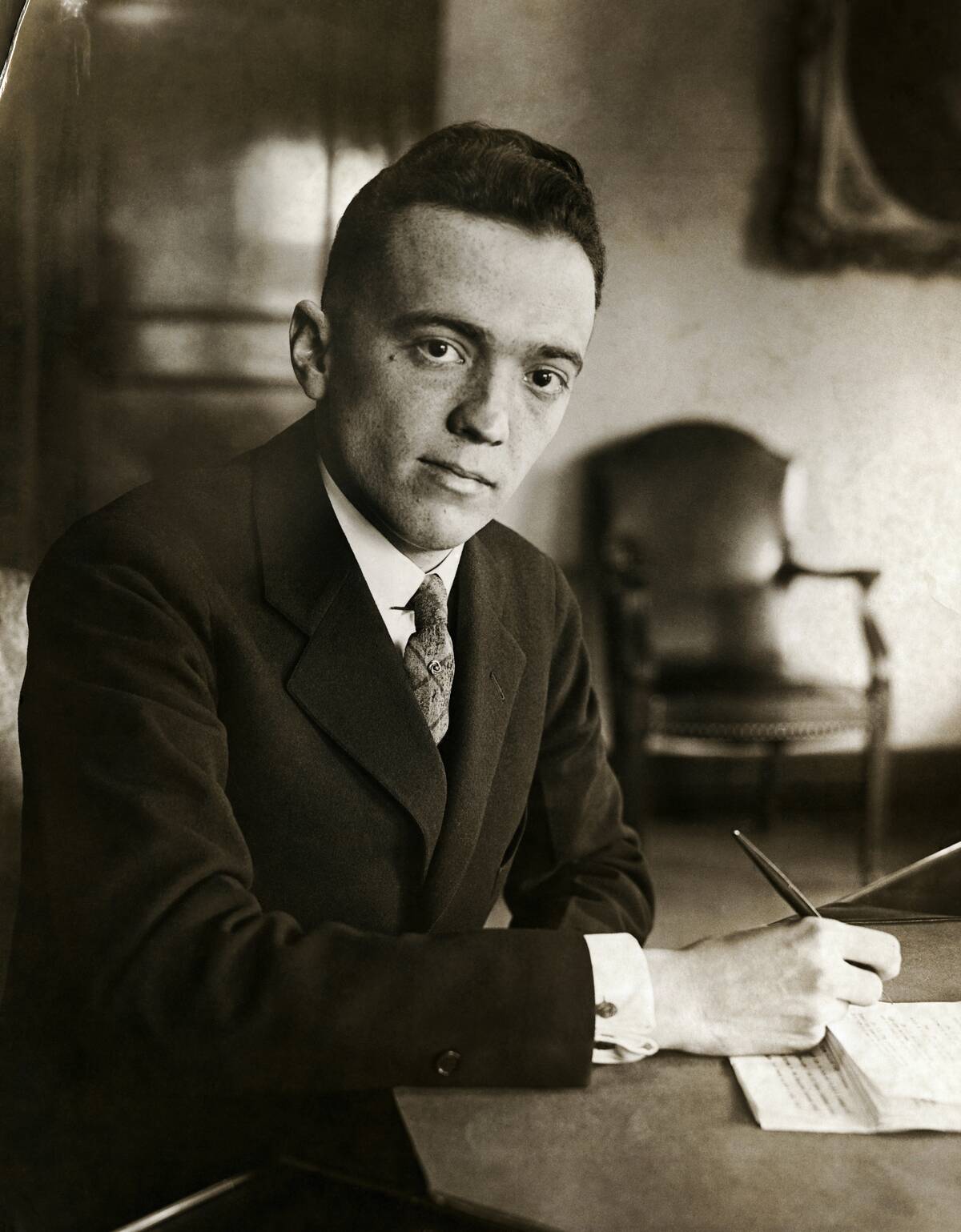
John Edgar Hoover was born in Washington, D.C., on New Year’s Day in 1895. If there was ever a child born precisely in the environment they would later dominate, it was young J. Edgar. He would go on to live in the nation’s capital for his entire life.
Yet despite being surrounded by bureaucracy in Washington, Hoover’s parents themselves kept their distance from it.
A model student
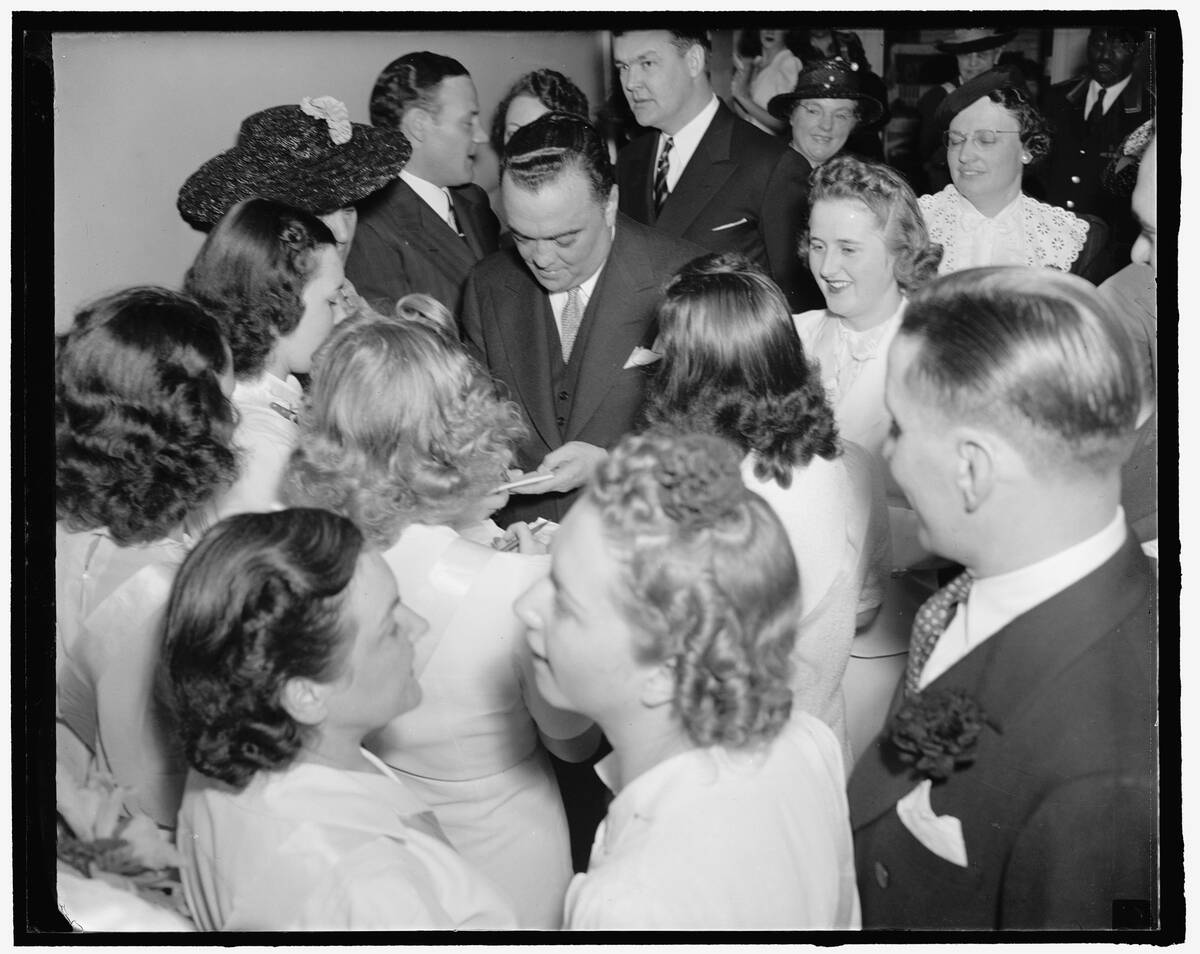
Growing up, J. Edgar Hoover was especially close to his mother, although she was not always an easy presence in his life. Hoover would later describe her in diplomatic terms as “inclined to instruction,” suggesting she was quite strict in her guidance. She was also reportedly very affectionate toward her son.
The result of this upbringing was a disciplined and highly focused young student.
A mile a minute
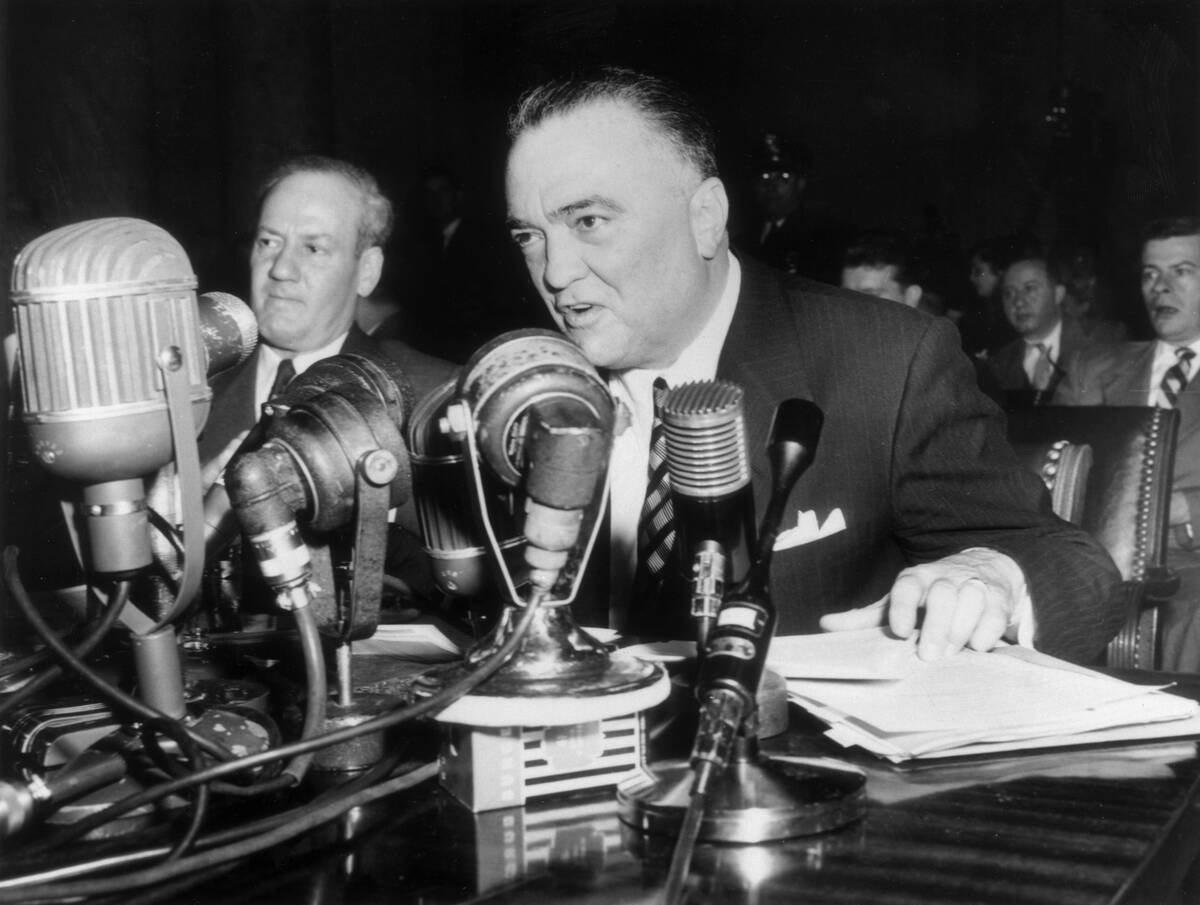
In later life, most people came to recognize J. Edgar Hoover for his distinctive fast-talking style. As an adult, he reportedly spoke with such rapid intensity that even stenographers struggled to keep up with his words. Considering the nature of his career, stenographers were frequently required around him.
And given the path he chose in public service and law enforcement, that need for accurate transcription was anything but rare.
Early job experience
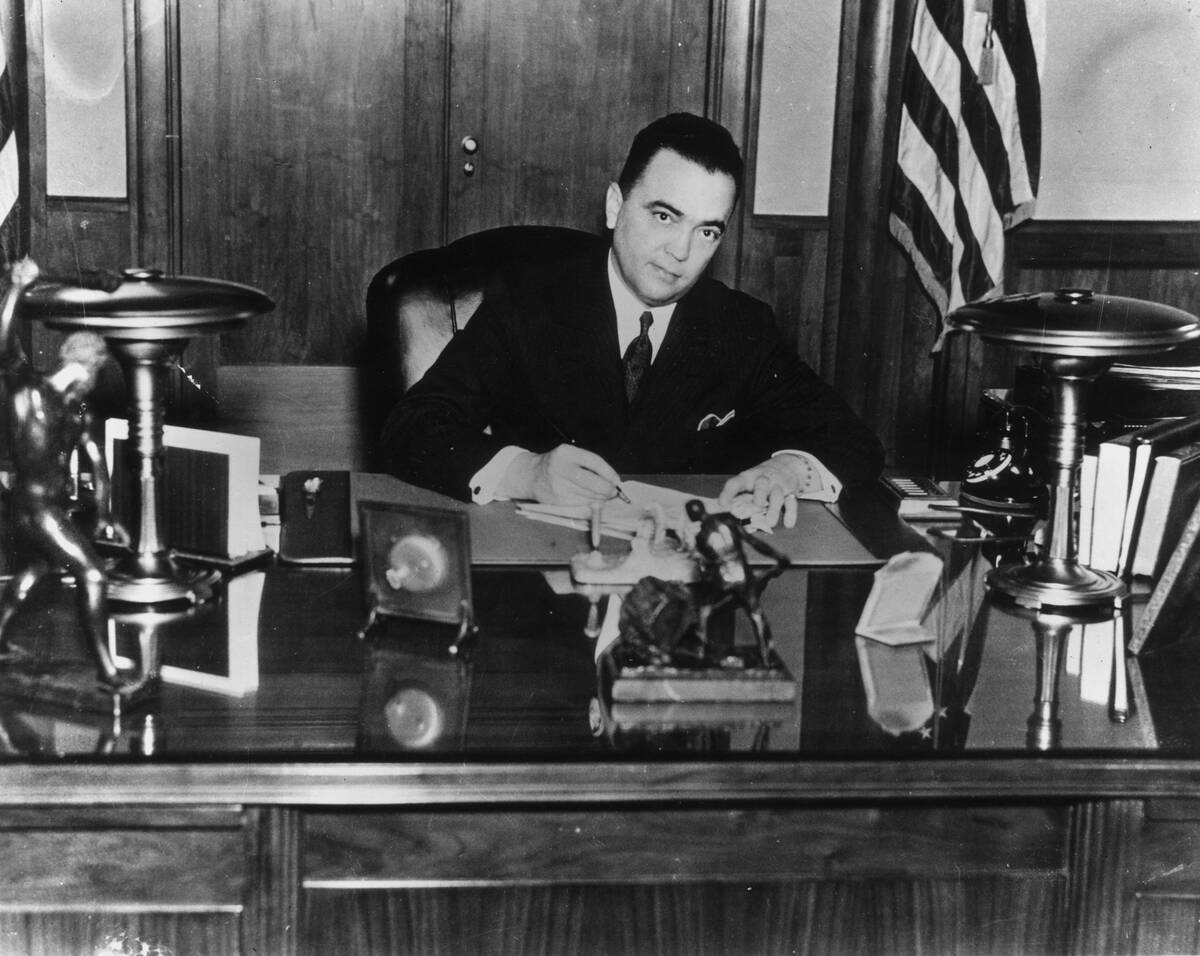
J. Edgar Hoover got his first job at the age of 18, working as a messenger in the orders department of the Library of Congress. It proved to be an important formative experience, and he later reflected that collecting information and handling materials helped shape his approach to building FBI profiles.
However, before any of that could fully develop, he still needed to complete his education and obtain a degree.
Avoiding the draft
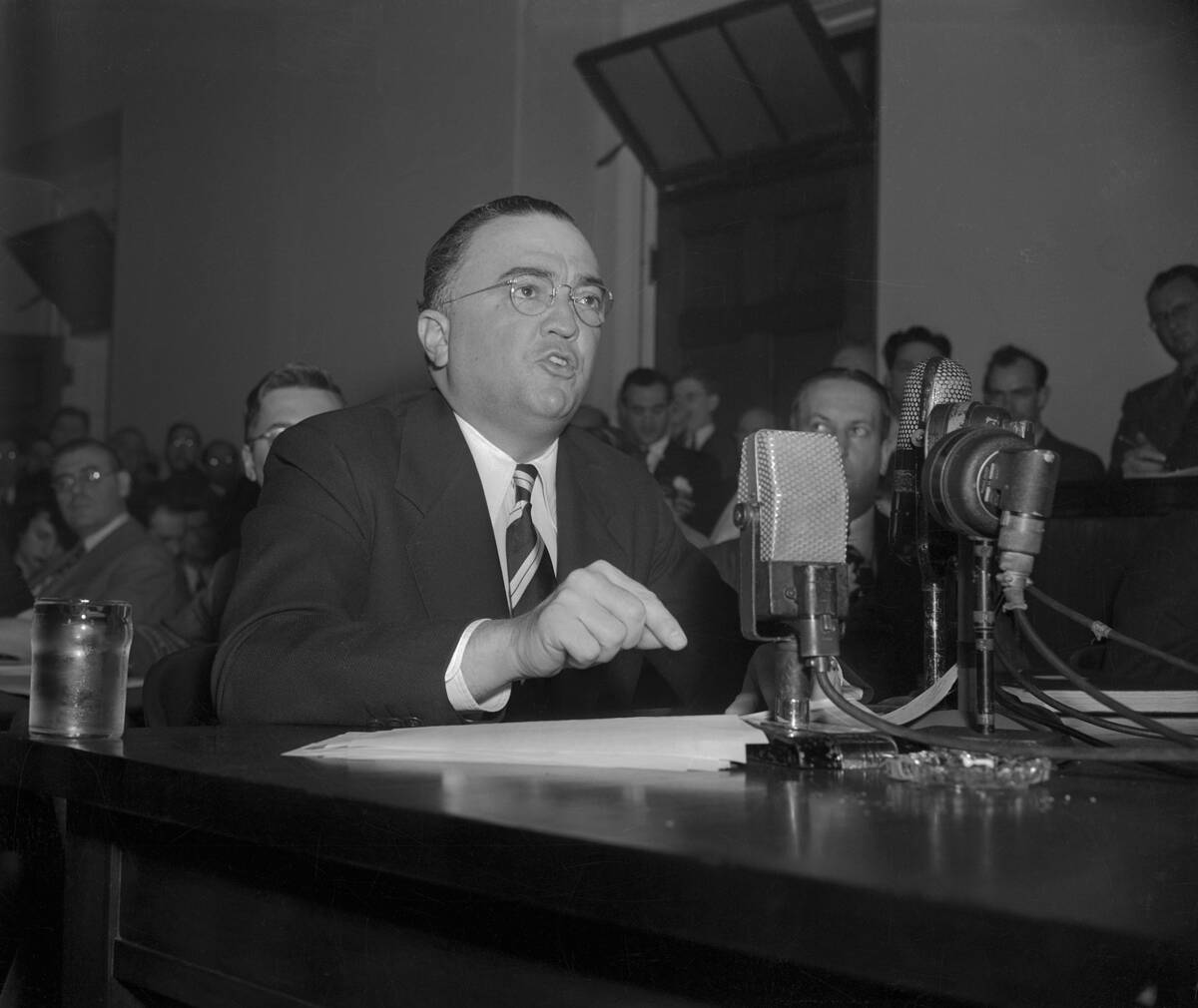
The Justice Department hired J. Edgar Hoover directly after he graduated from law school, bringing him into a clerkship role in the War Emergency Division. Hoover was 22 years old when he began the position, starting just one day before the outbreak of World War I. His placement conveniently made him exempt from the draft.
From there, he quickly advanced through the ranks.
A disregard for due process
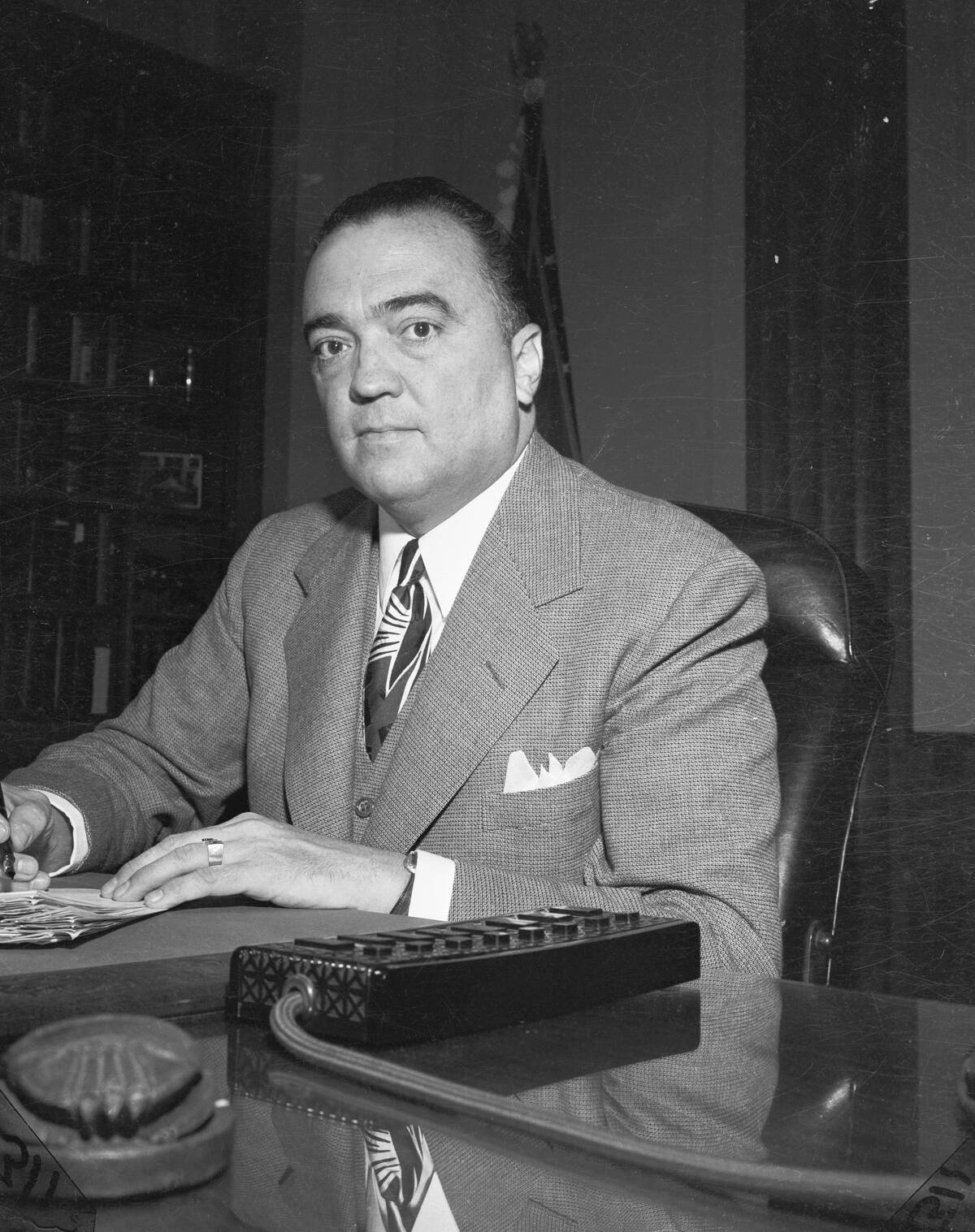
J. Edgar Hoover was soon promoted to head the Division’s Alien Enemy Bureau, where he was given authority during the national emergency to arrest and detain, without trial, any foreigners suspected of disloyalty. This marked one of his earliest exercises of sweeping wartime powers.
It would also be the beginning of what critics later described as a pattern of deeply unconstitutional actions throughout his career.
Shutting down dissent
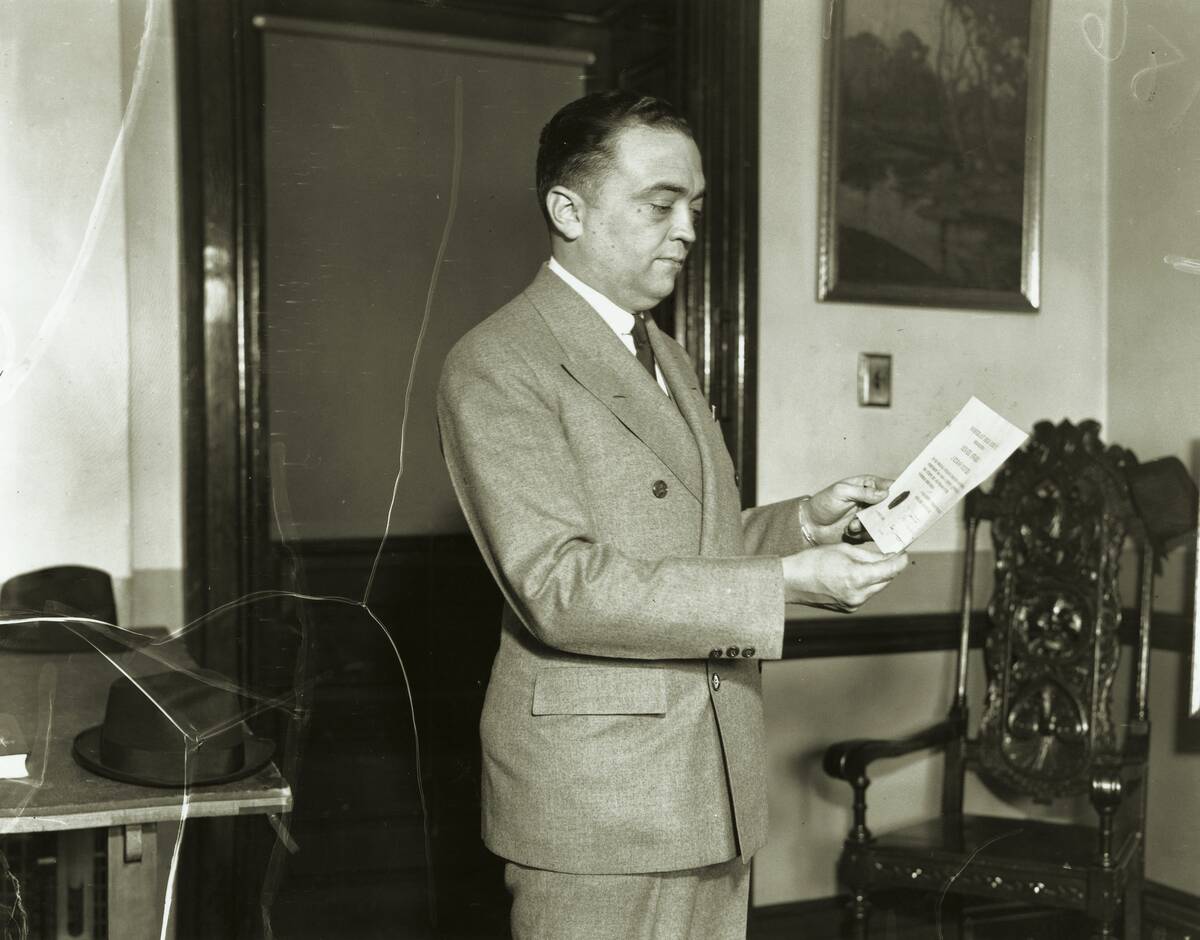
In 1919, at just 24 years old, J. Edgar Hoover was appointed head of the Bureau of Investigation’s newly created General Intelligence Division, more commonly known as the “Radical Division.”
The Bureau assigned Hoover and his team the task of disrupting groups the government labeled as domestic radicals, and his aggressive tactics against suspected communists helped fuel America’s First Red Scare. Ironically, Hoover himself was later linked to associations with controversial organizations.
Rising to the top
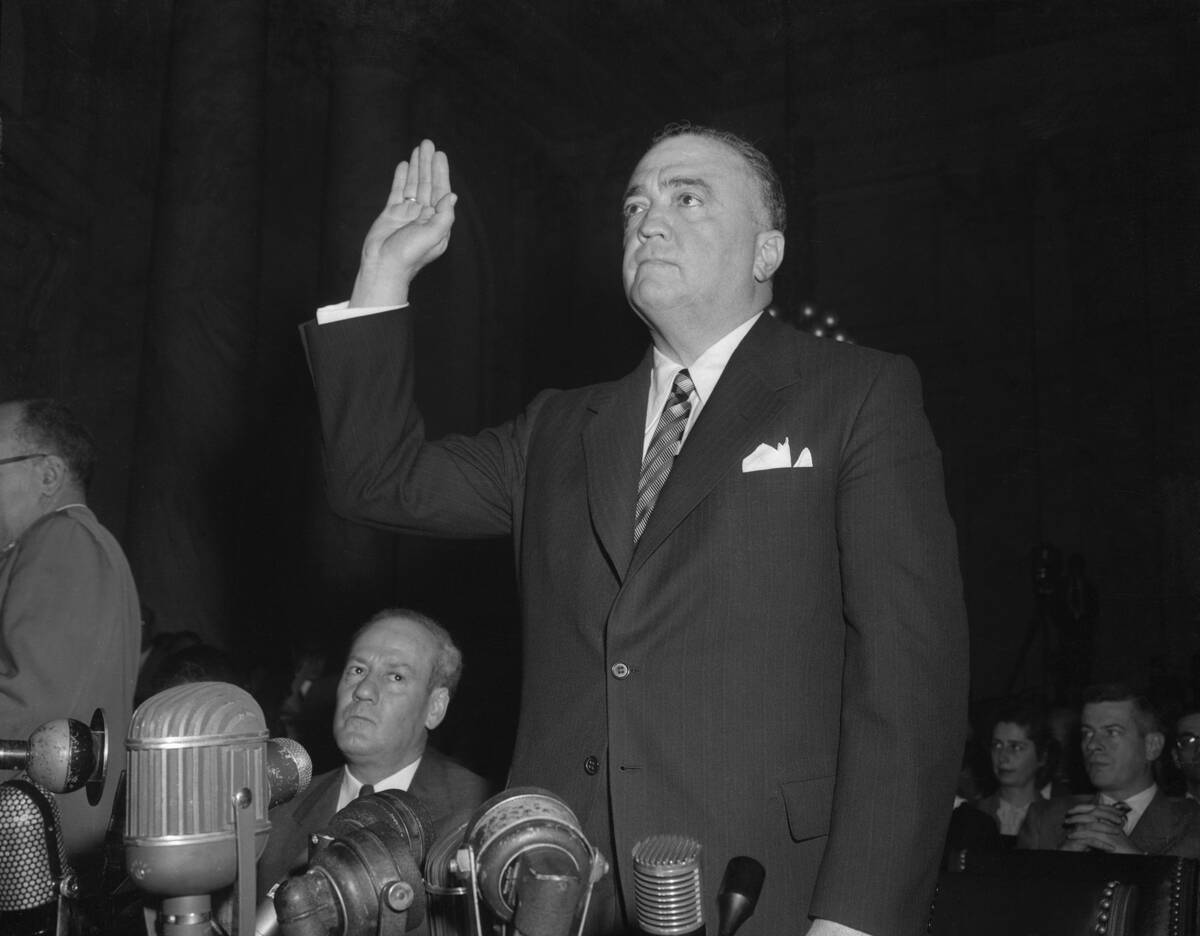
J. Edgar Hoover rose to become deputy head of the Bureau of Investigation in 1921, and just three years later, President Calvin Coolidge appointed him to lead the Bureau after his predecessor became embroiled in the Teapot Dome scandal.
Hoover then set about reshaping the organization according to his own reactionary vision.
Hoover’s staffing choices
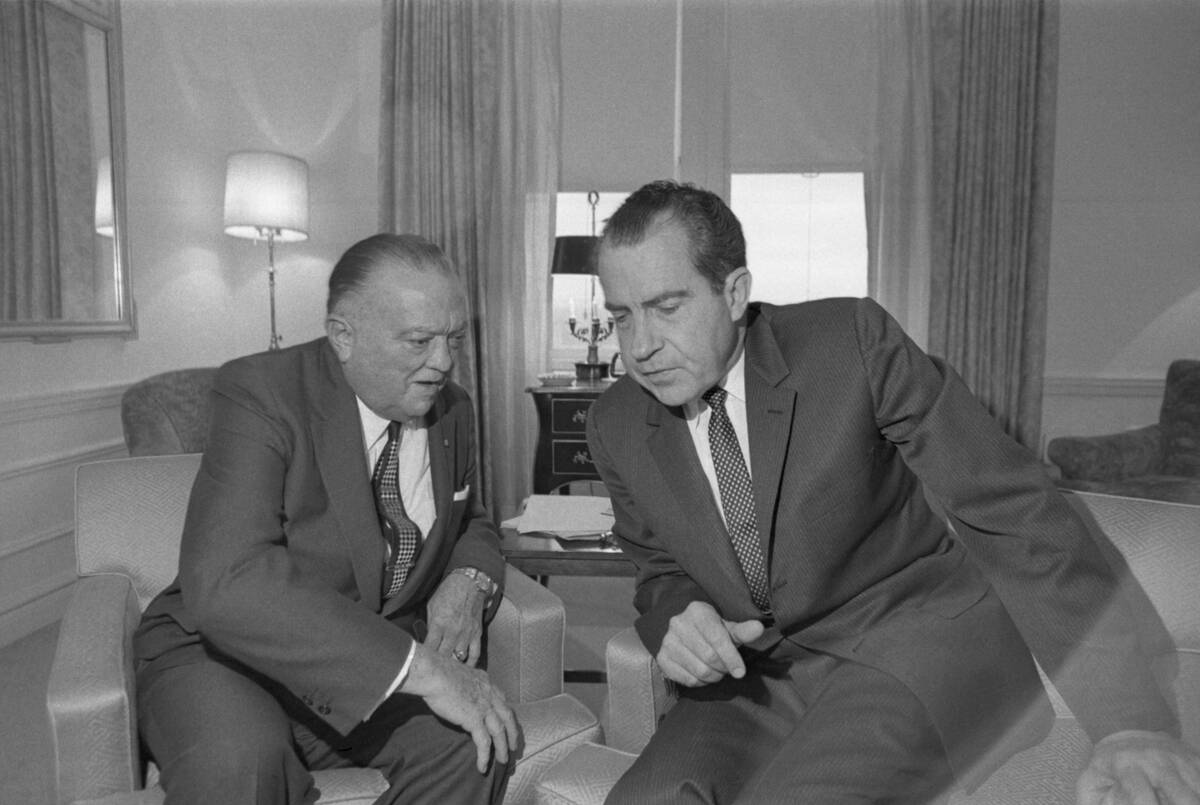
With the Bureau of Investigation, J. Edgar Hoover inherited an agency with roughly 650 employees. One of his first major decisions was to reduce that number significantly, doing so by dismissing all female agents and effectively barring women from future employment in the organization.
However, this was not the end of his authoritarian approach to running the agency.
A petty leader
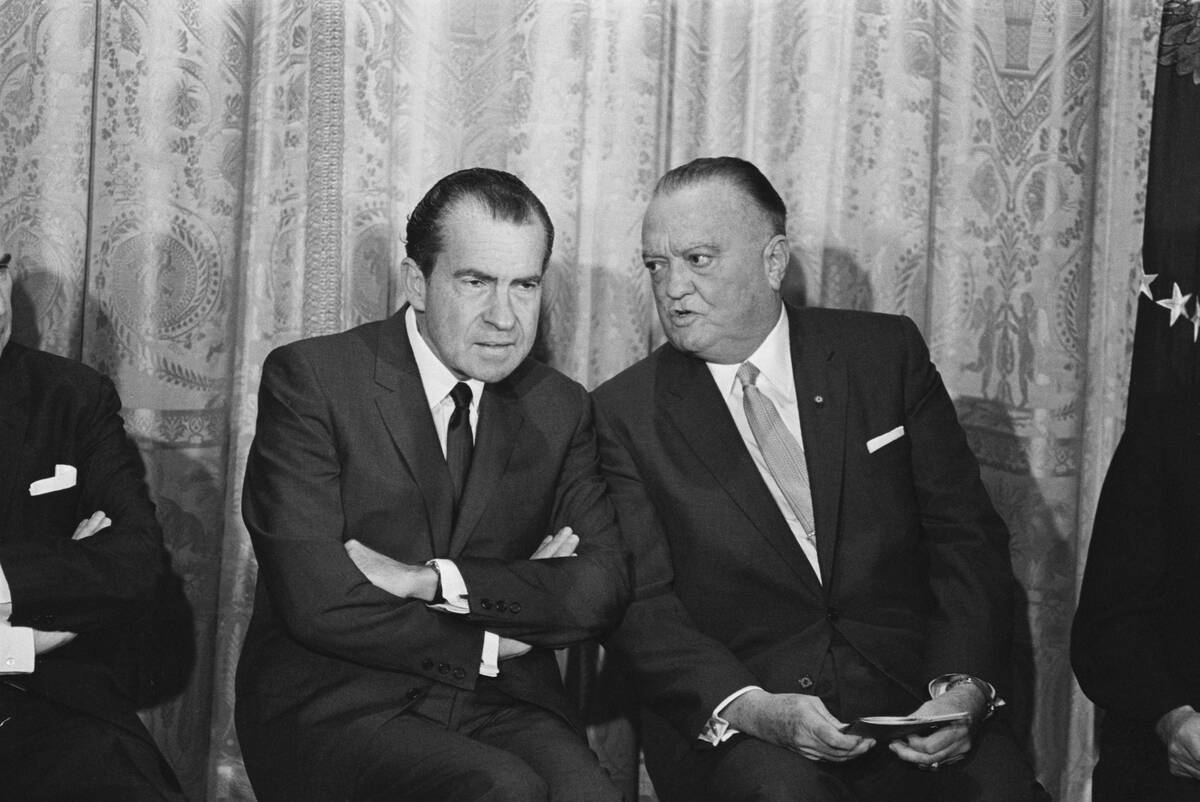
J. Edgar Hoover was often described as a chaotic and unpredictable leader, and he was known to dismiss agents for what were considered trivial or arbitrary reasons, including accusations such as “looking stupid.” He was also reportedly harsh toward highly effective agents whom he perceived as a threat or toward whom he felt personal envy.
Despite this, he still managed to accomplish a considerable amount of organizational work during his tenure.
Catching John Dillinger
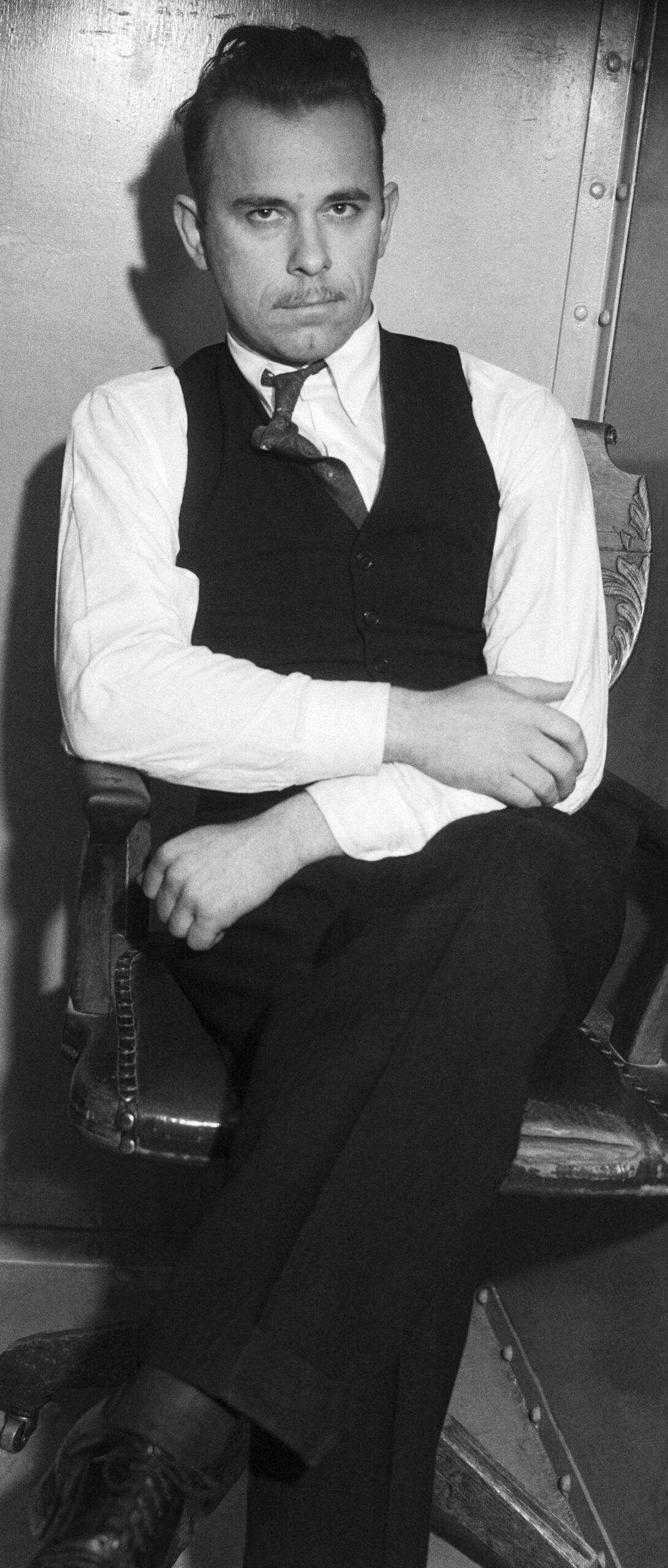
Throughout the 1930s, J. Edgar Hoover found himself in a highly publicized cat-and-mouse struggle with some of the Depression-era’s most notorious bank robbers, including John Dillinger and George “Machine Gun” Kelly. The Bureau initially struggled to make headway, but recognizing that his position could be at risk, Hoover intensified his efforts, leading to widely publicized arrests of several of these criminals.
These successes helped him gain greater influence and political leverage.
Building the FBI
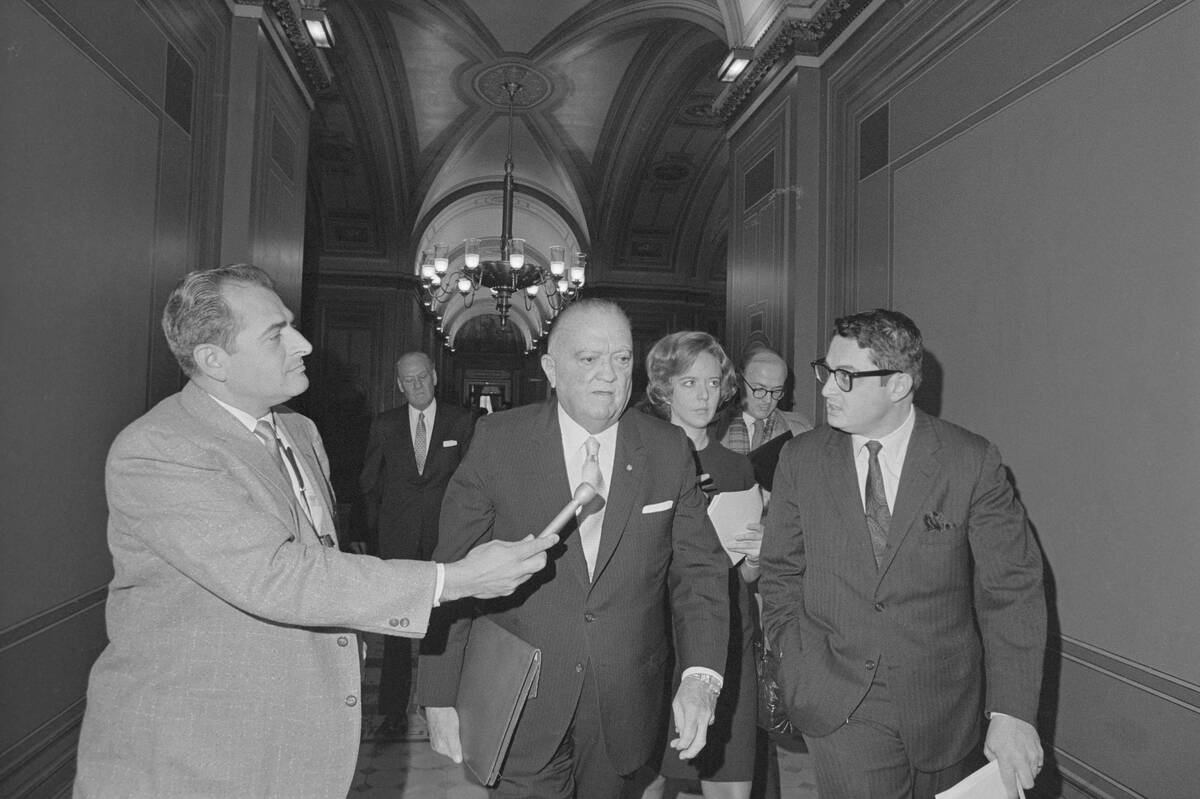
The Bureau of Investigation was renamed in 1935, becoming the Federal Bureau of Investigation. The change was not just cosmetic, as the agency underwent a full restructuring, which J. Edgar Hoover played a major role in shaping.
As a result, the organization became closely and almost inseparably associated with his name.
The FBI’s first director
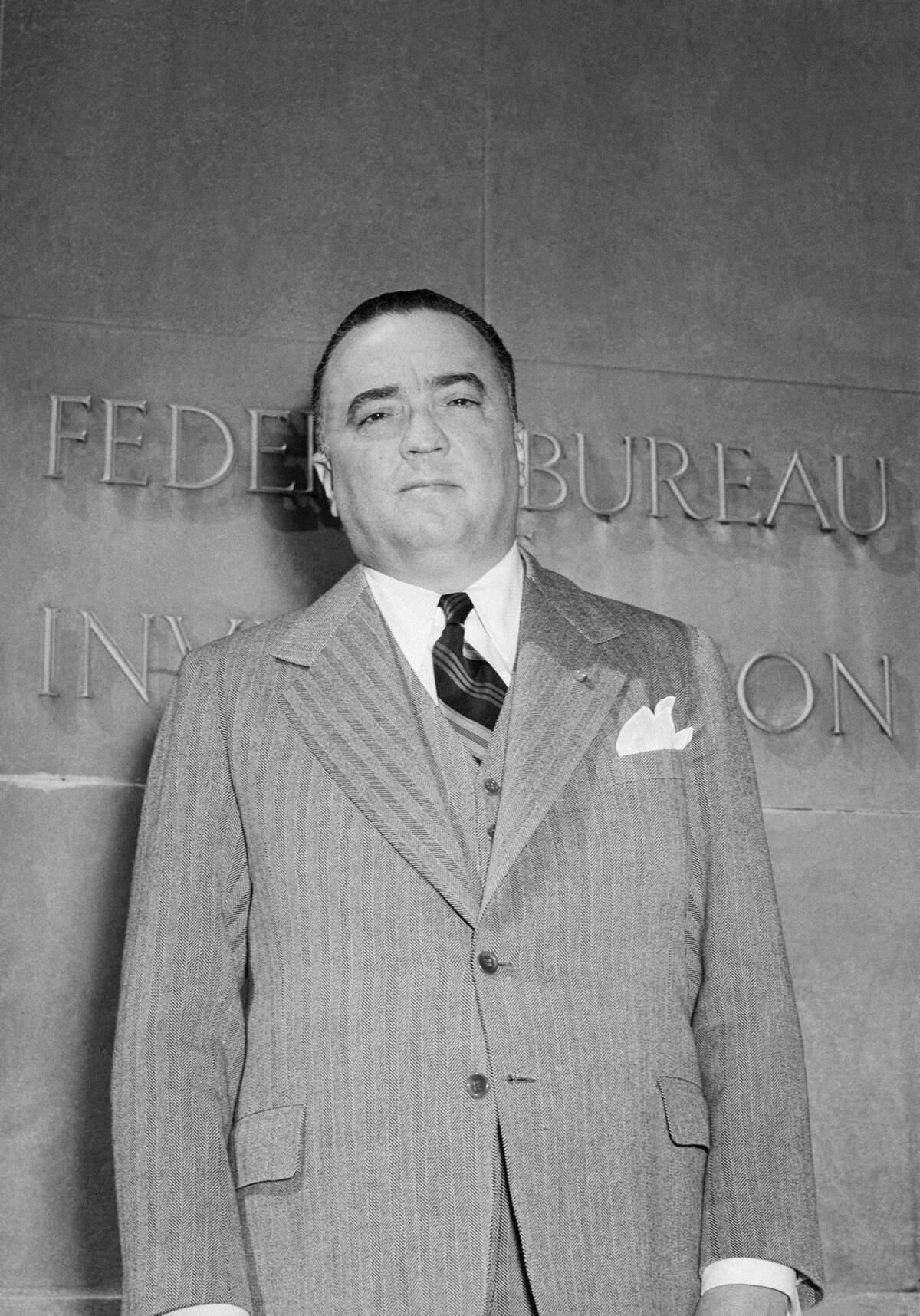
J. Edgar Hoover became the first Director of the FBI, the nation’s leading domestic intelligence agency in the United States. The reforms he introduced went on to define the FBI’s character for decades.
He began by focusing on modernization and organizational reform.
Massive organizational changes
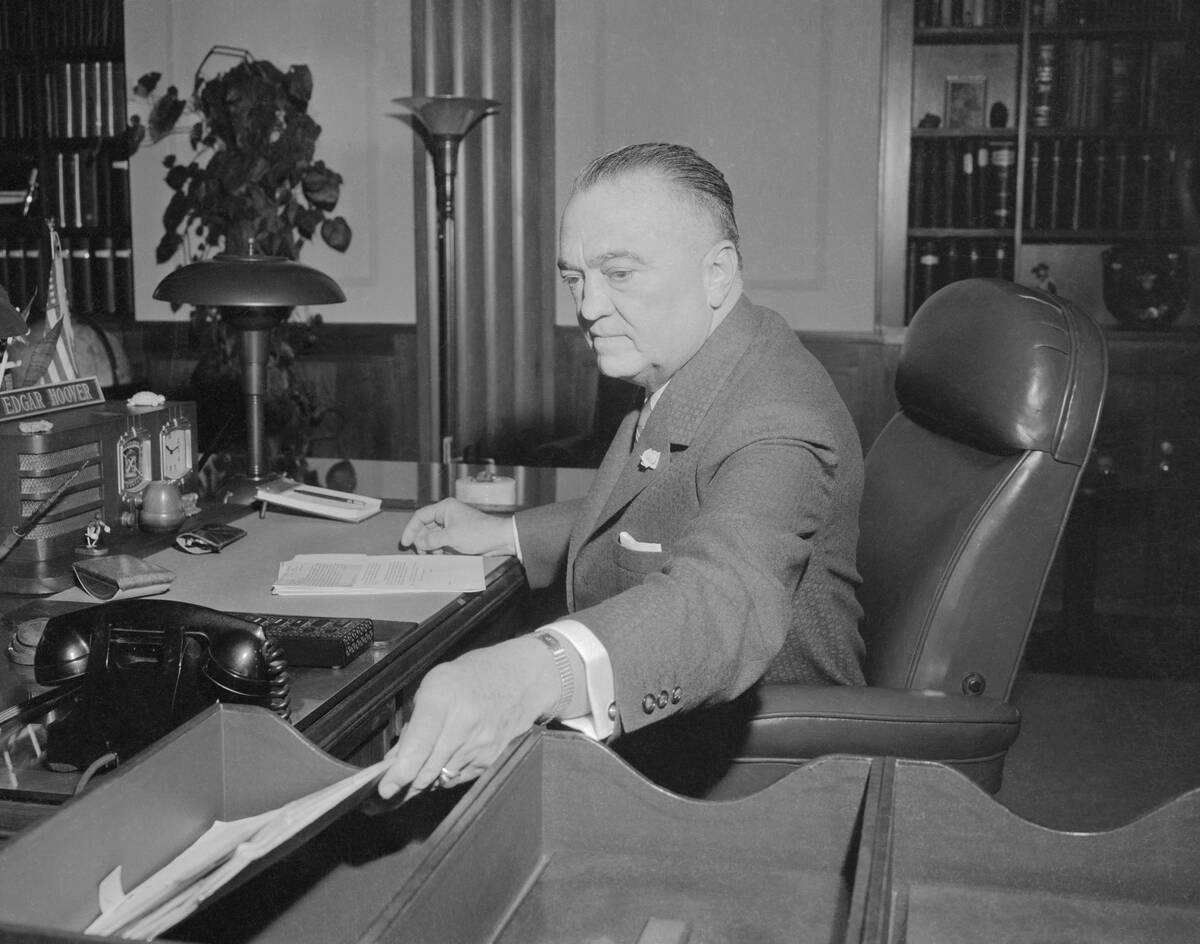
J. Edgar Hoover greatly expanded the FBI’s scope and capabilities during his tenure. This included establishing the agency’s extensive forensic laboratory, centralizing and expanding fingerprint records, and significantly increasing recruitment efforts.
Alongside this modernization, the system of surveillance also expanded in step with the agency’s growing power.
The FBI Index
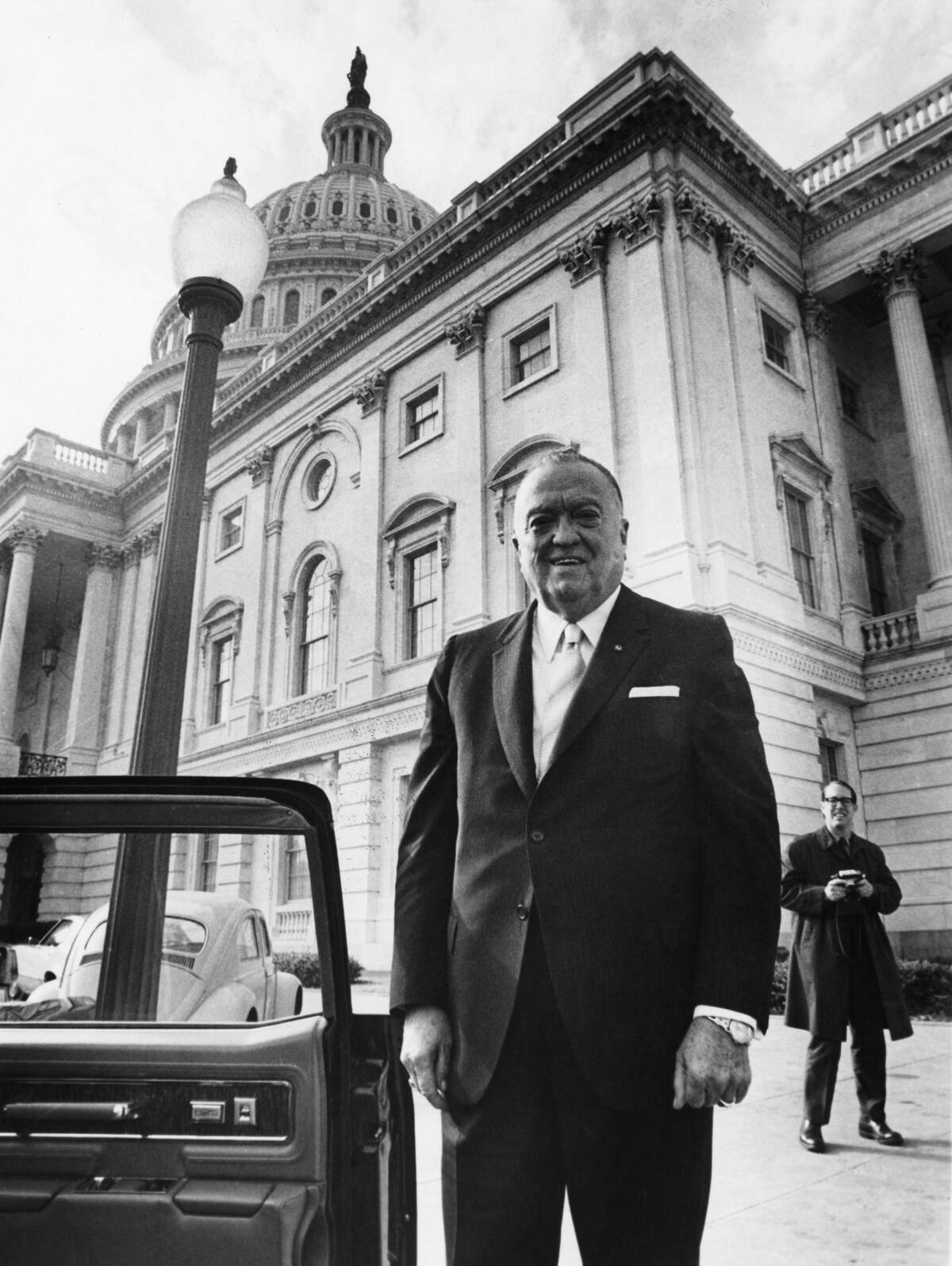
J. Edgar Hoover also created and expanded the FBI Index, which functioned as a kind of national blacklist. This system allowed him to more effectively monitor individuals identified as dissidents, as well as people he personally considered adversaries.
However, there were still notable omissions from his list of targets.
Looking the other way
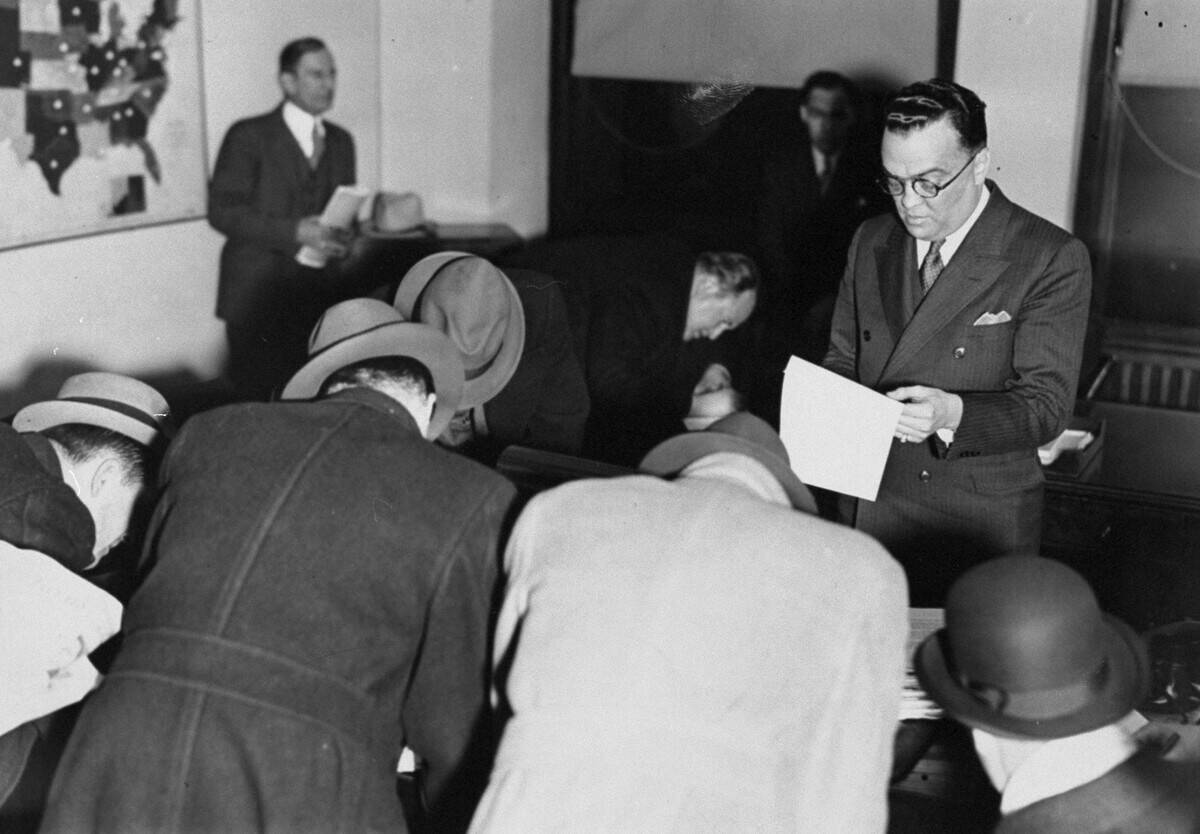
With their rise during Prohibition, the Mafia had become a well-established force in the American underworld by the 1930s. Although they might have seemed like a clear target for the FBI’s stated objectives, J. Edgar Hoover reportedly avoided pursuing them directly, and at times even downplayed their existence.
He often justified this stance by arguing that investigating organized crime required extensive manpower for relatively few arrests. However, some have suggested there may have been other underlying reasons for his reluctance.
Skeletons in his closet
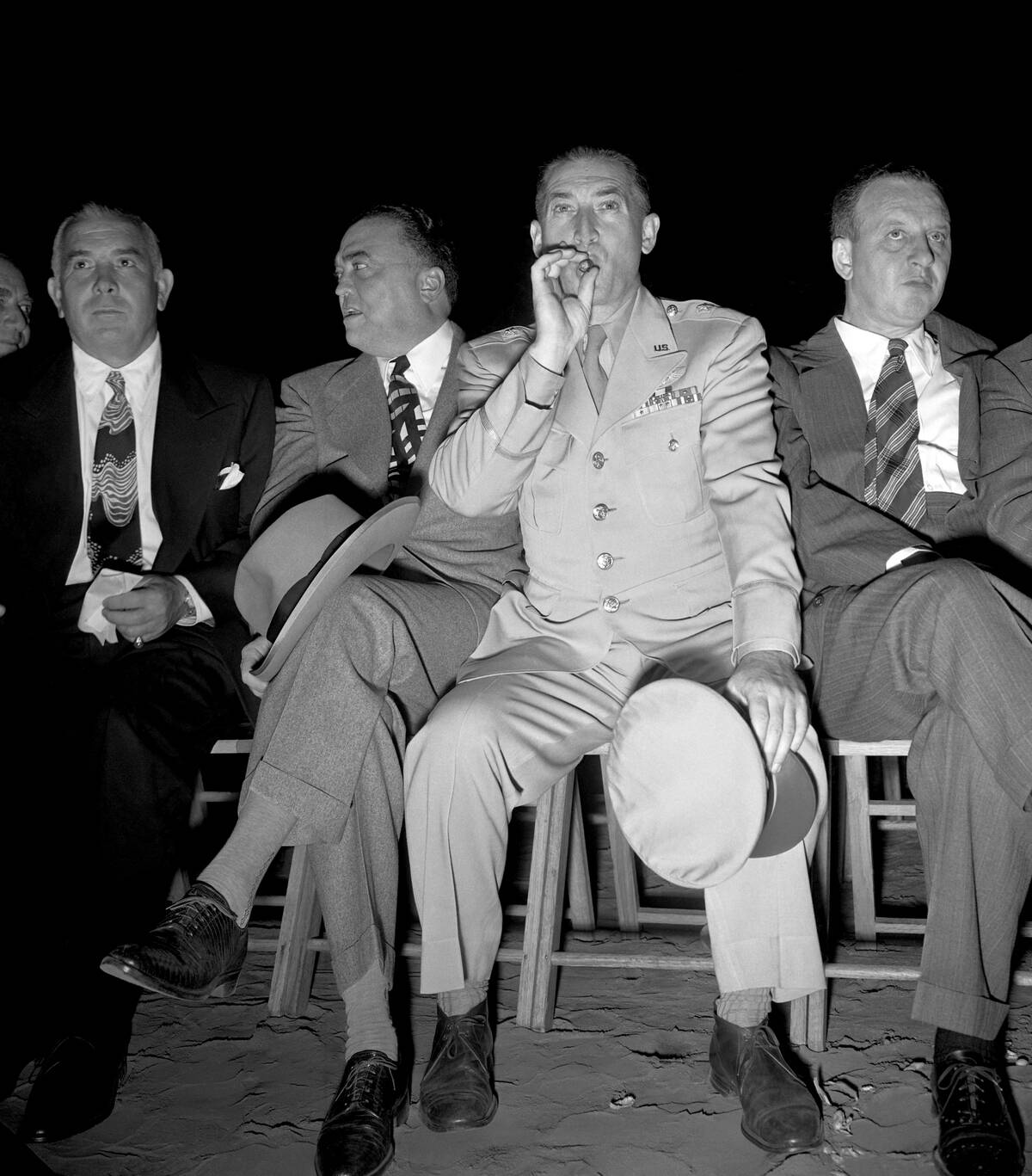
Some have claimed that J. Edgar Hoover avoided aggressively pursuing the Mafia because he may have been vulnerable to blackmail from organized crime figures. In particular, it has been alleged that mob leaders such as Meyer Lansky and Frank Costello possessed compromising material involving Hoover that could have raised questions about his private life.
This interpretation is only one of several theories that have been suggested over the years, with other explanations also proposed for his stance.
A horse racing fan
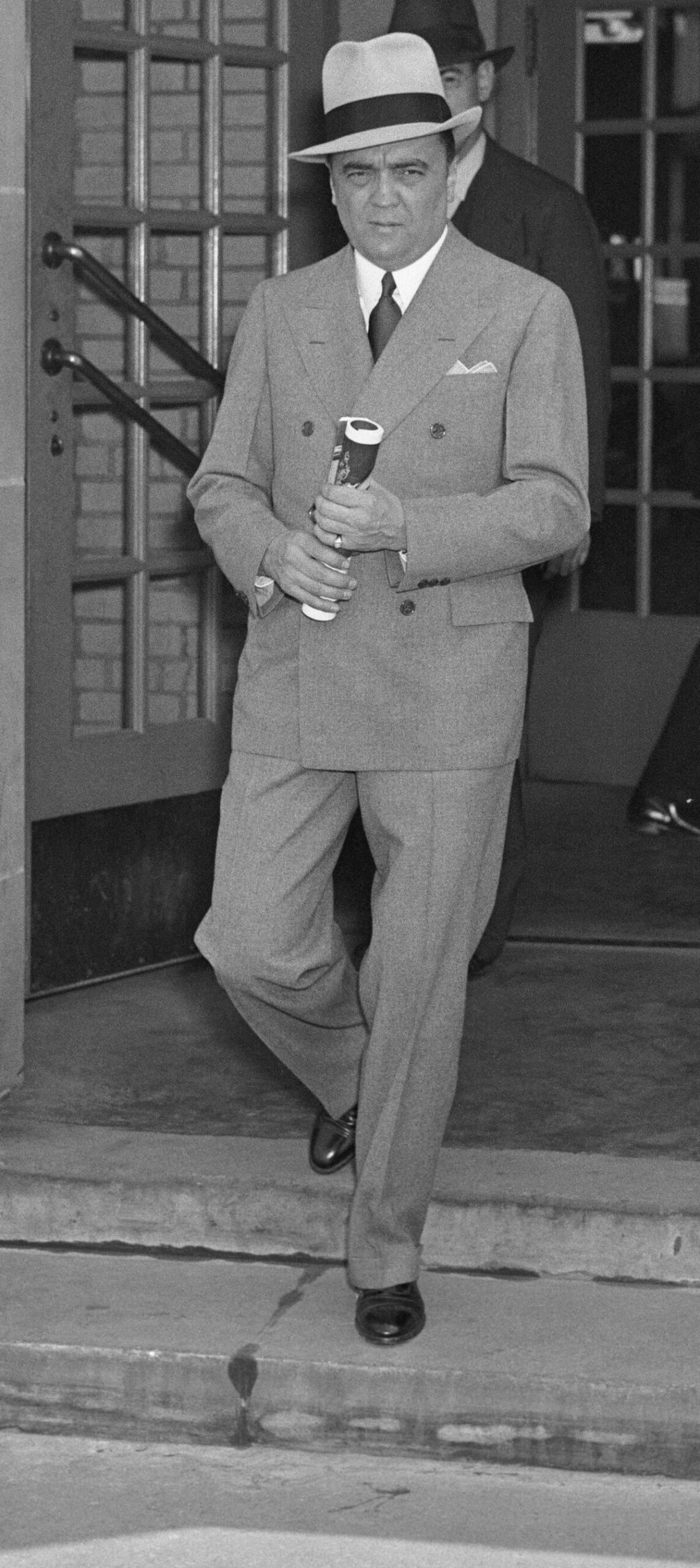
J. Edgar Hoover was known to have an interest in horse racing and, at times, engaged in betting on races. Because of this, some have theorized that he may have been willing to overlook Mafia activity in exchange for insider tips related to horse racing.
From this perspective, critics suggest he may have found it easier to focus enforcement efforts elsewhere rather than confront deeply entrenched organized crime networks.
Hoover’s vendettas
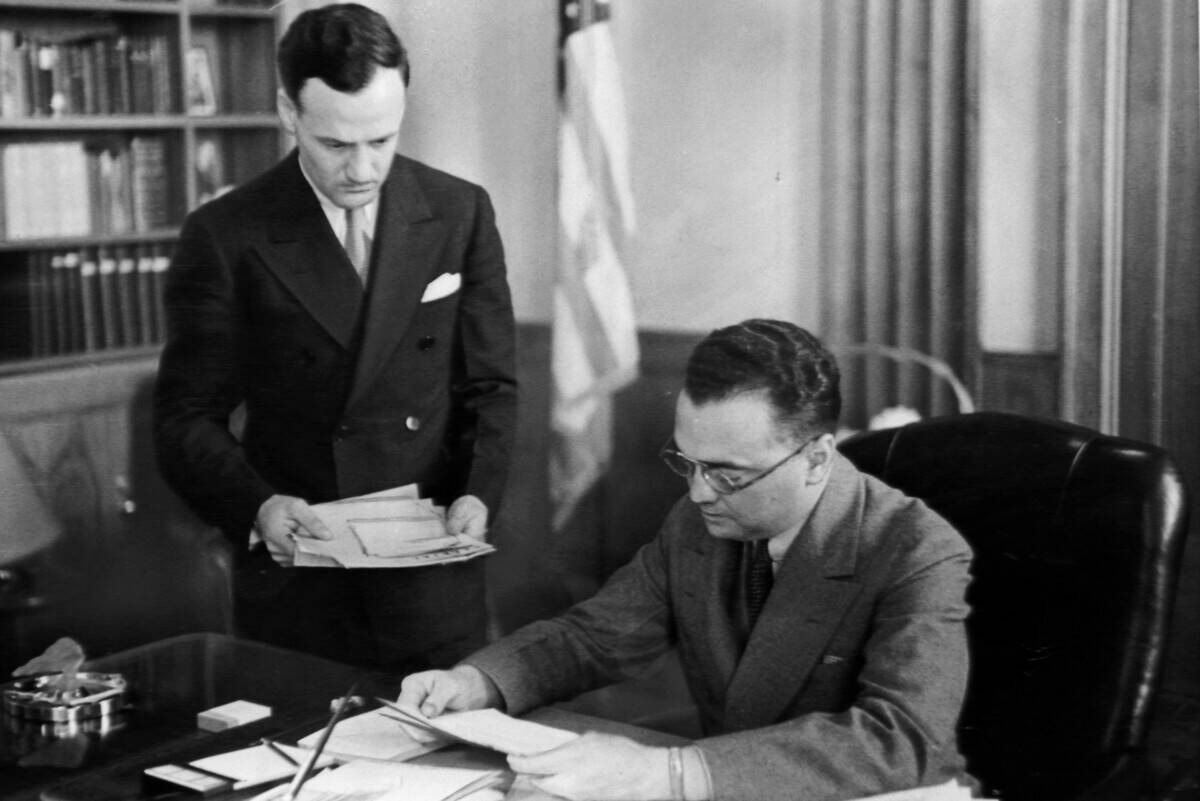
Reflecting once again on how he was often seen as driven more by political ideology than by impartial justice, J. Edgar Hoover placed far greater emphasis on combating alleged Communist subversion than on other priorities. With the onset of the Cold War, he redirected much of the FBI’s resources toward this focus, shifting attention away from traditional law enforcement concerns.
This shift ultimately proved effective in advancing his goals and influence.
An increase in funding
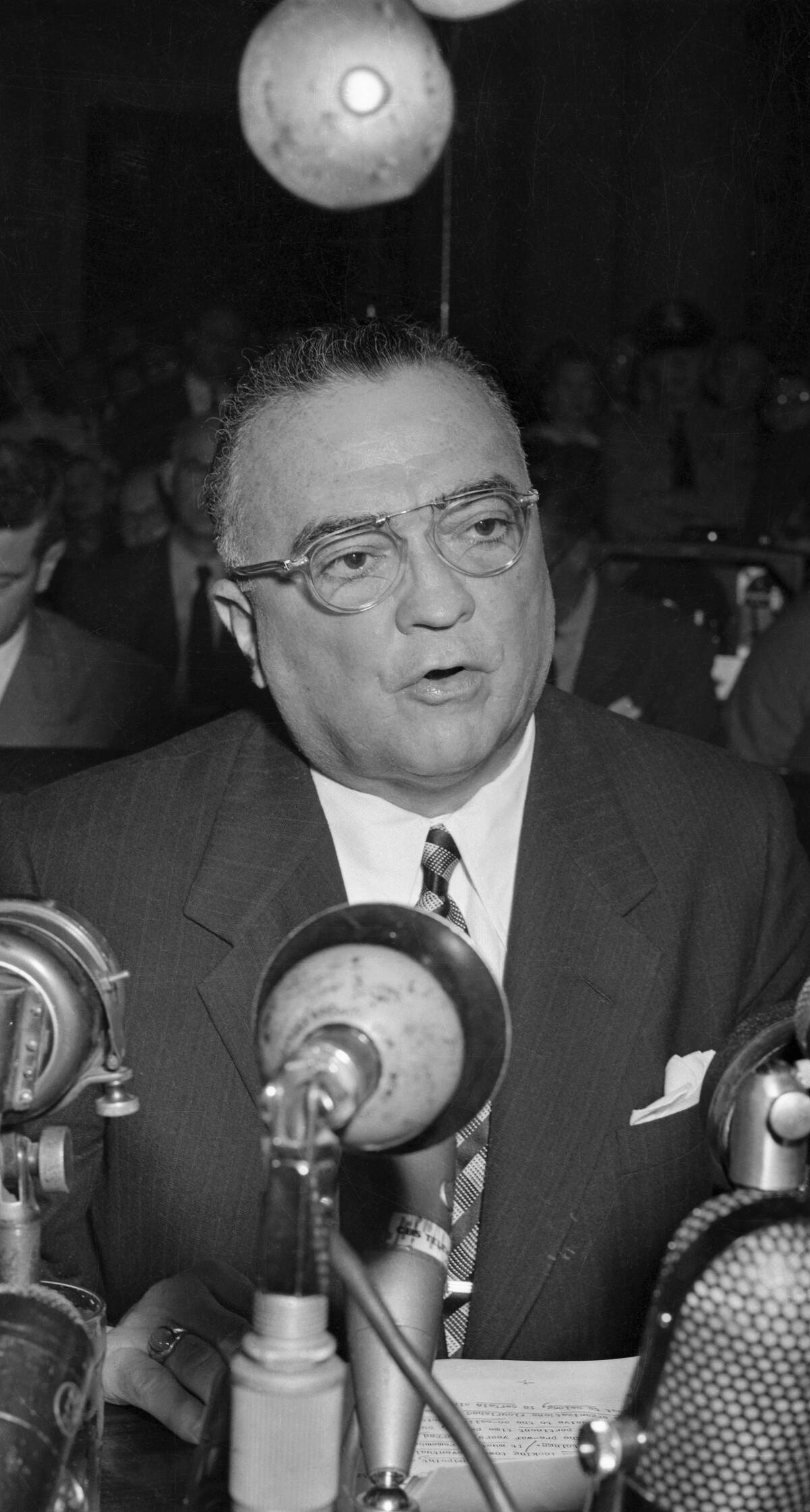
J. Edgar Hoover was accused by critics of overstating the threat posed by alleged subversives in the United States in order to secure increased funding and authority for the FBI, efforts that were in many cases successful.
He also pursued individuals he viewed as political opponents, with many alleging that his actions infringed on the civil rights of those associated with left-leaning causes. Critics have argued that this reflected broader concerns about corruption and abuse of power within his leadership.
COINTELPRO
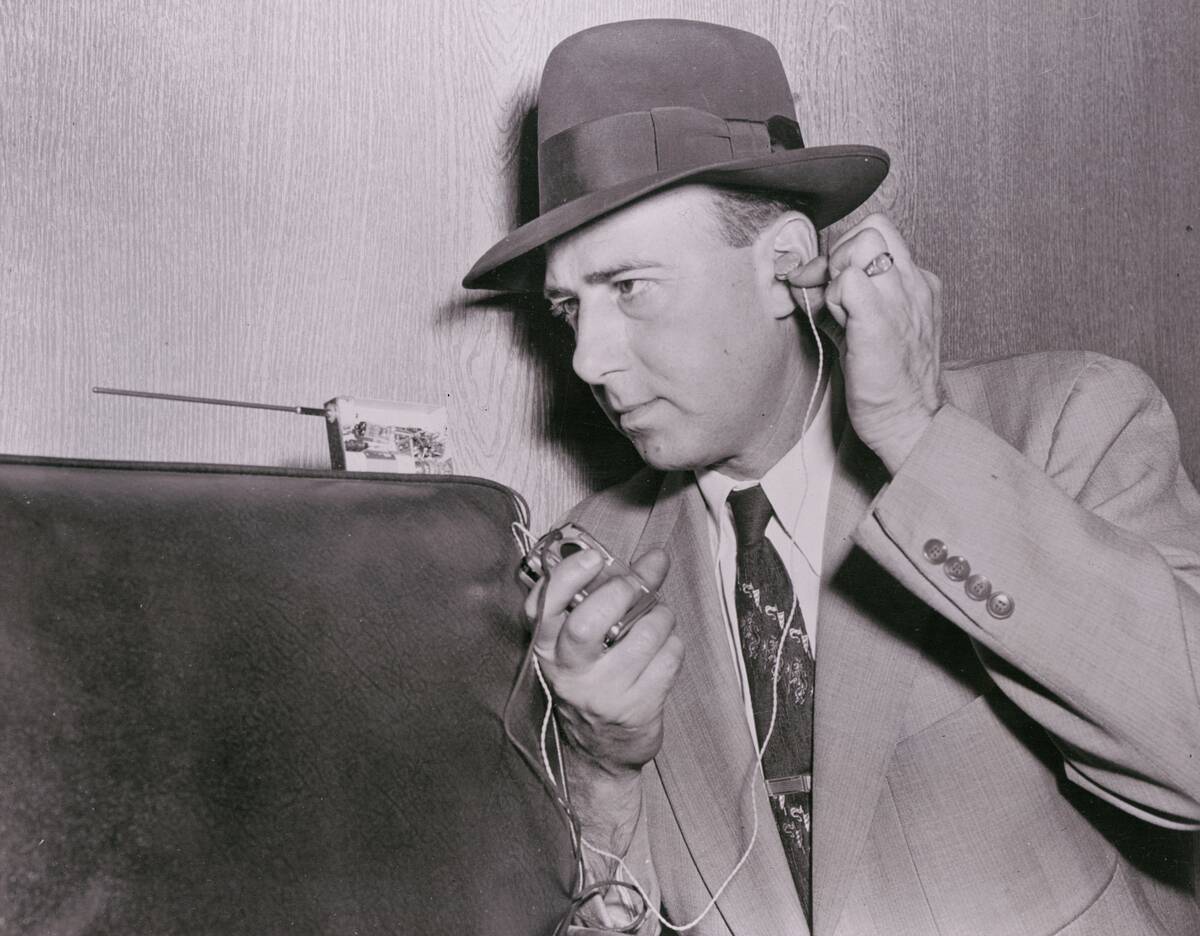
J. Edgar Hoover became increasingly frustrated by the constraints placed on the Justice Department during the 1950s, particularly regarding its ability to pursue individuals for their political views. In response, he formalized a set of covert and often unlawful tactics under a program known as COINTELPRO.
COINTELPRO’s initial primary target was the Communist Party of the USA, though its scope expanded significantly over the following decade. The tactics used to harass and disrupt political dissidents reportedly included burglary, infiltration, unlawful wiretapping, planting forged materials, and spreading false information.
Allegations of a cover-up
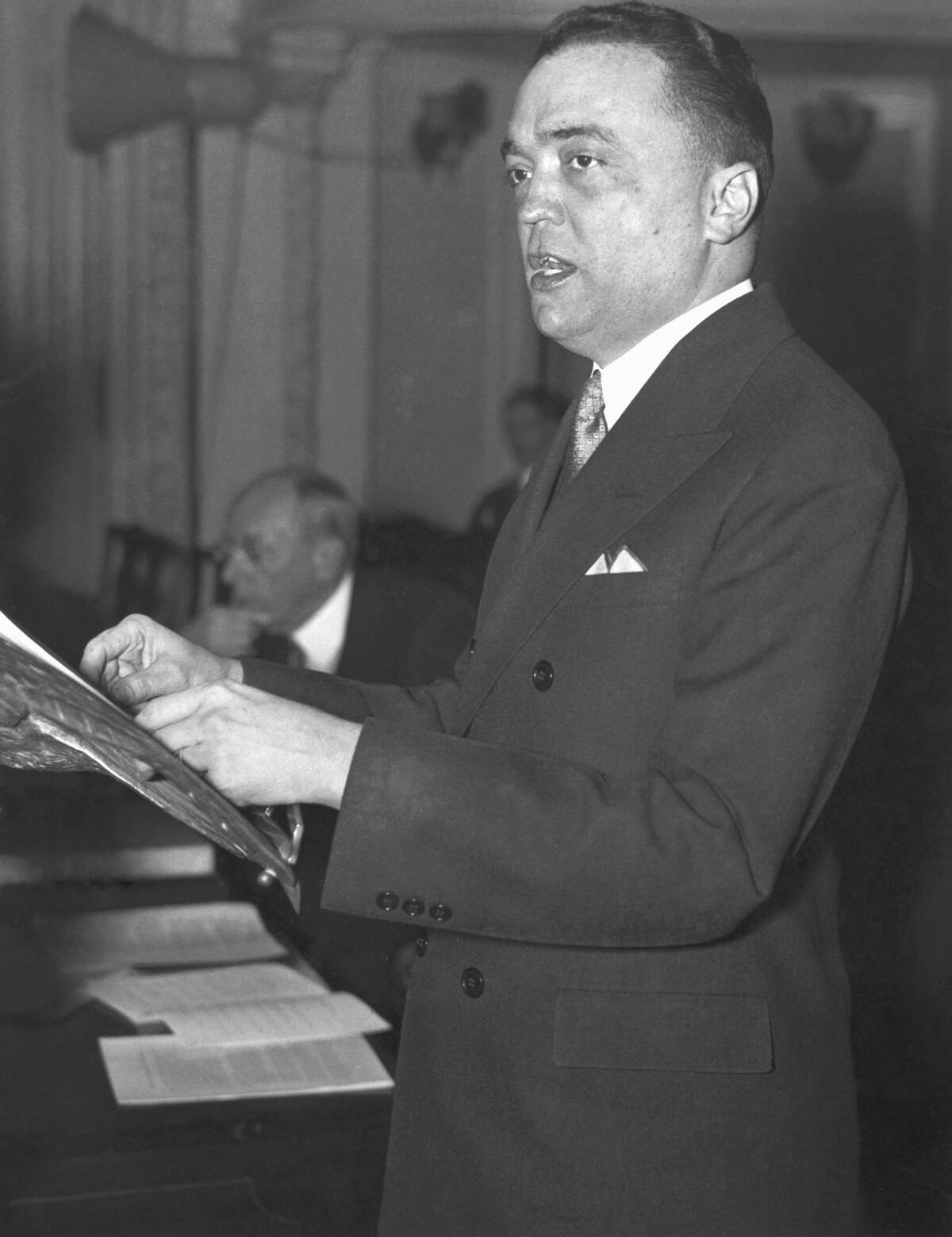
J. Edgar Hoover was personally responsible for the FBI’s investigation into the shooting of John F. Kennedy in 1963. The Warren Commission, which conducted a separate inquiry, later criticized Hoover’s handling of the investigation, alleging that he was reluctant to seriously consider the possibility of a conspiratorial plan involving JFK.
This criticism has led some to believe that Hoover may have been involved in a cover-up of some kind. If that were the case, it is often said that Hoover took those secrets with him to the grave.
His wide-ranging wiretaps
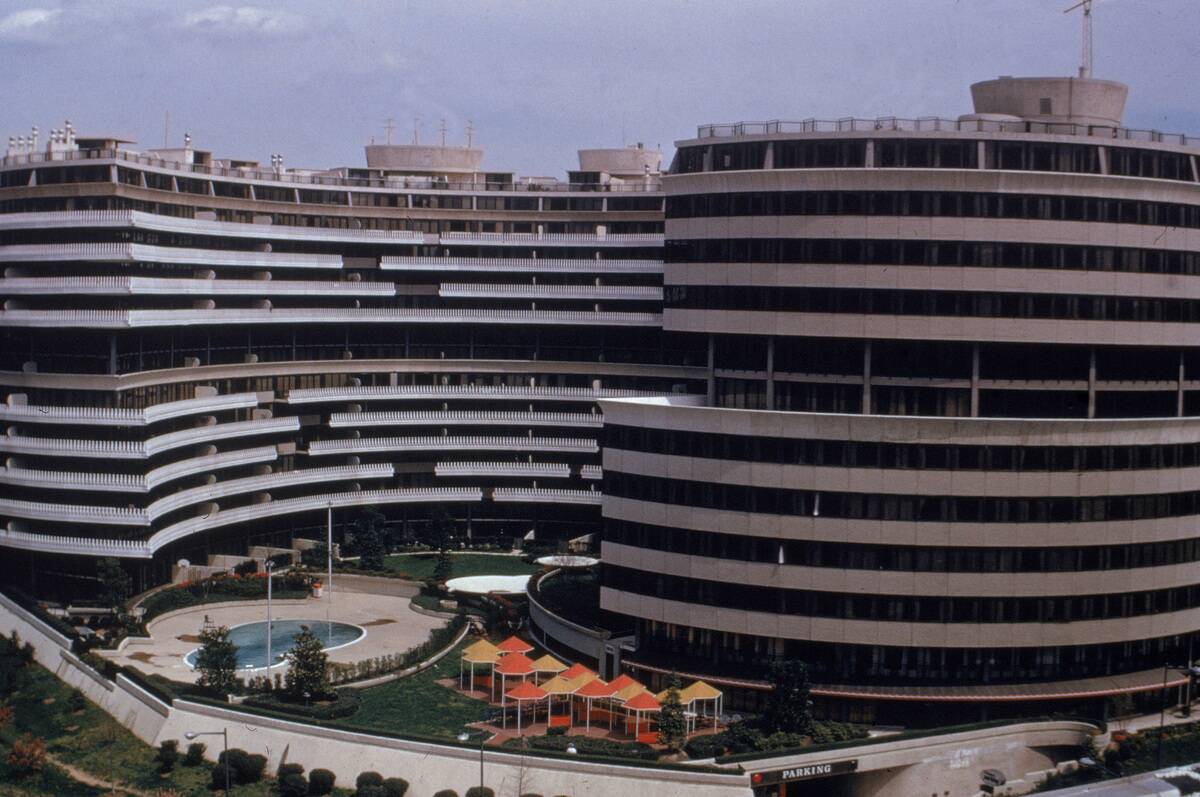
J. Edgar Hoover reportedly authorized wiretaps on a wide range of targets, with few individuals considered off limits. This included surveillance connected to Richard Nixon, whose presidency later collapsed amid the Watergate scandal. Recordings from that period are often cited as part of the pressure that ultimately led to his resignation. In one recording, Nixon is also said to have remarked that he would not fire Hoover out of concern for potential retaliation.
While much of Hoover’s documented record is already highly controversial, there are also unverified theories and allegations that suggest even darker and more secretive activities.
Who he spied on
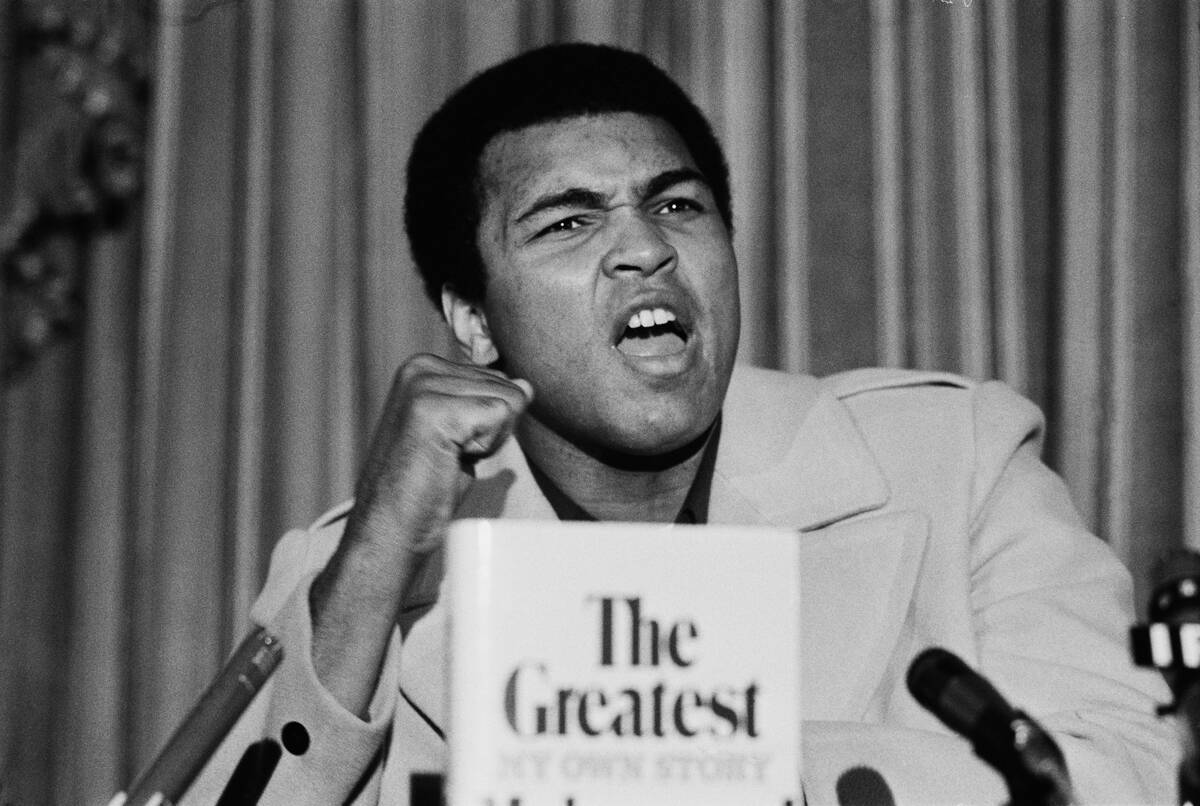
J. Edgar Hoover reportedly targeted a wide range of individuals through surveillance, with little regard for their status or prominence. He was particularly concerned about public figures who challenged American power or criticized strong anti-communist policies. Among those who were monitored by the FBI were John Lennon, Malcolm X, Martin Luther King Jr., and Muhammad Ali.
Critics have argued that Hoover showed little concern for legal boundaries in carrying out such surveillance activities.
48 years in charge
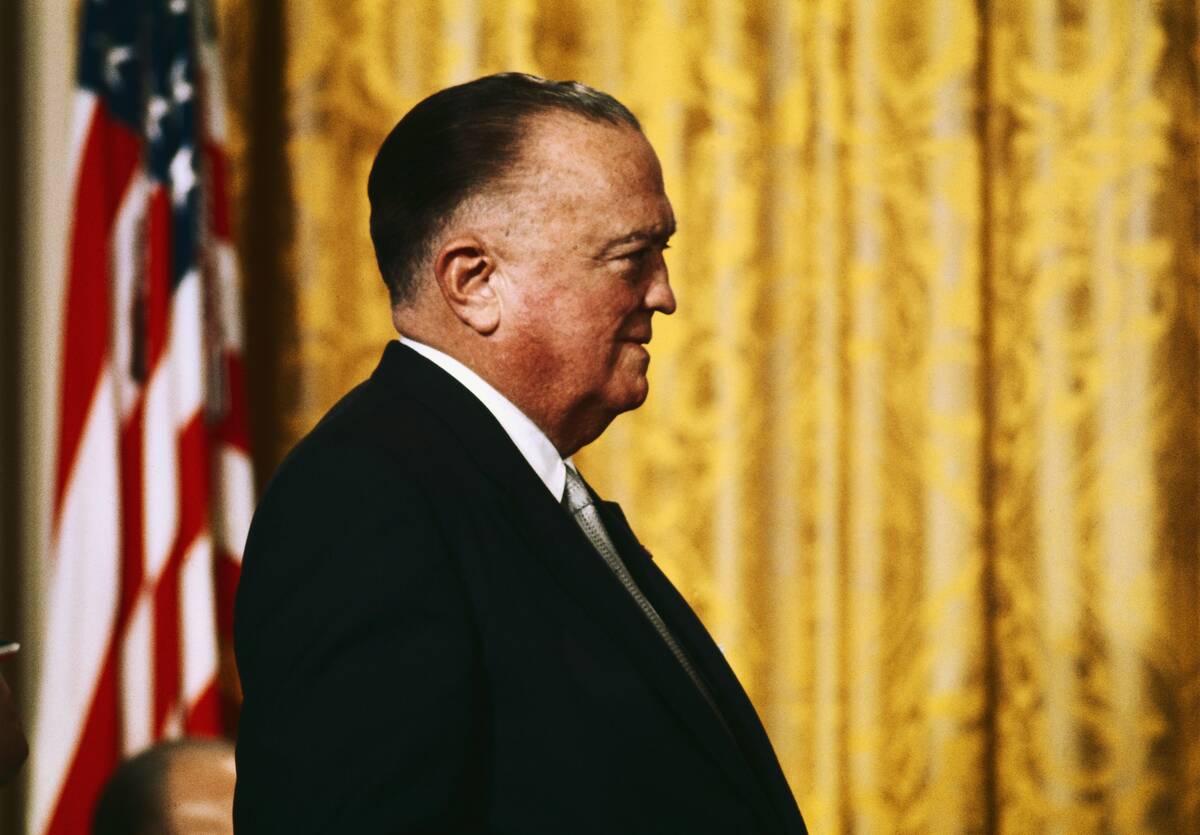
Between his time as Director of the Bureau of Investigation and later the FBI, J. Edgar Hoover held the position for an extraordinary 48 years. During that span, he served under a total of eight presidents, maintaining a powerful presence in American political life for nearly half a century. Some argue that his influence rivaled, or even exceeded, that of the presidents he worked alongside.
However, his legacy is widely viewed as deeply controversial, and his influence is often considered far from positive.
His relationship with Clyde Tolson
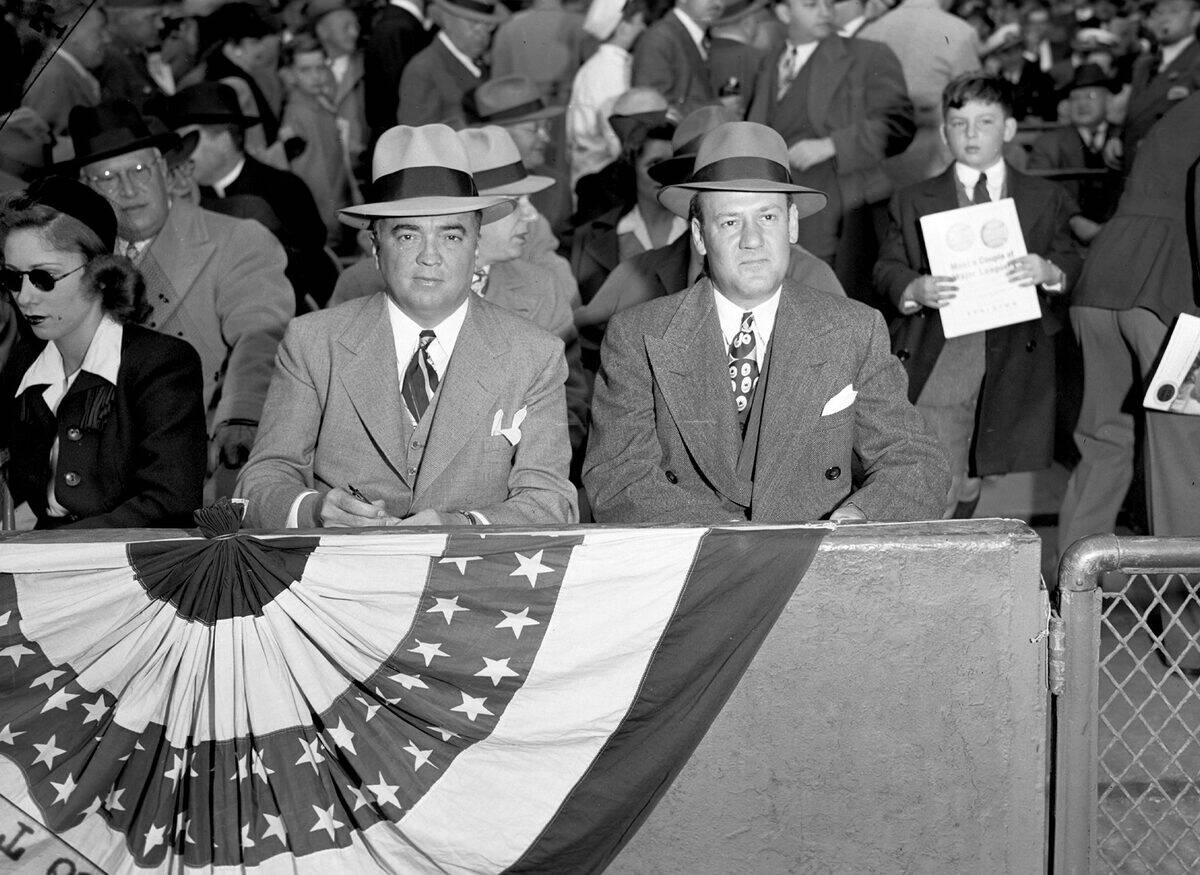
J. Edgar Hoover maintained a close personal relationship with FBI agent Clyde Tolson throughout much of his life, often referring to Tolson as his “alter ego”. The two men spent extensive time together in both professional and personal settings, including taking vacations side by side. Many have speculated that they may have been lovers, while others maintain they were simply exceptionally close friends.
Regardless of the exact nature of their relationship, Tolson clearly benefited from his proximity to Hoover.
He never married
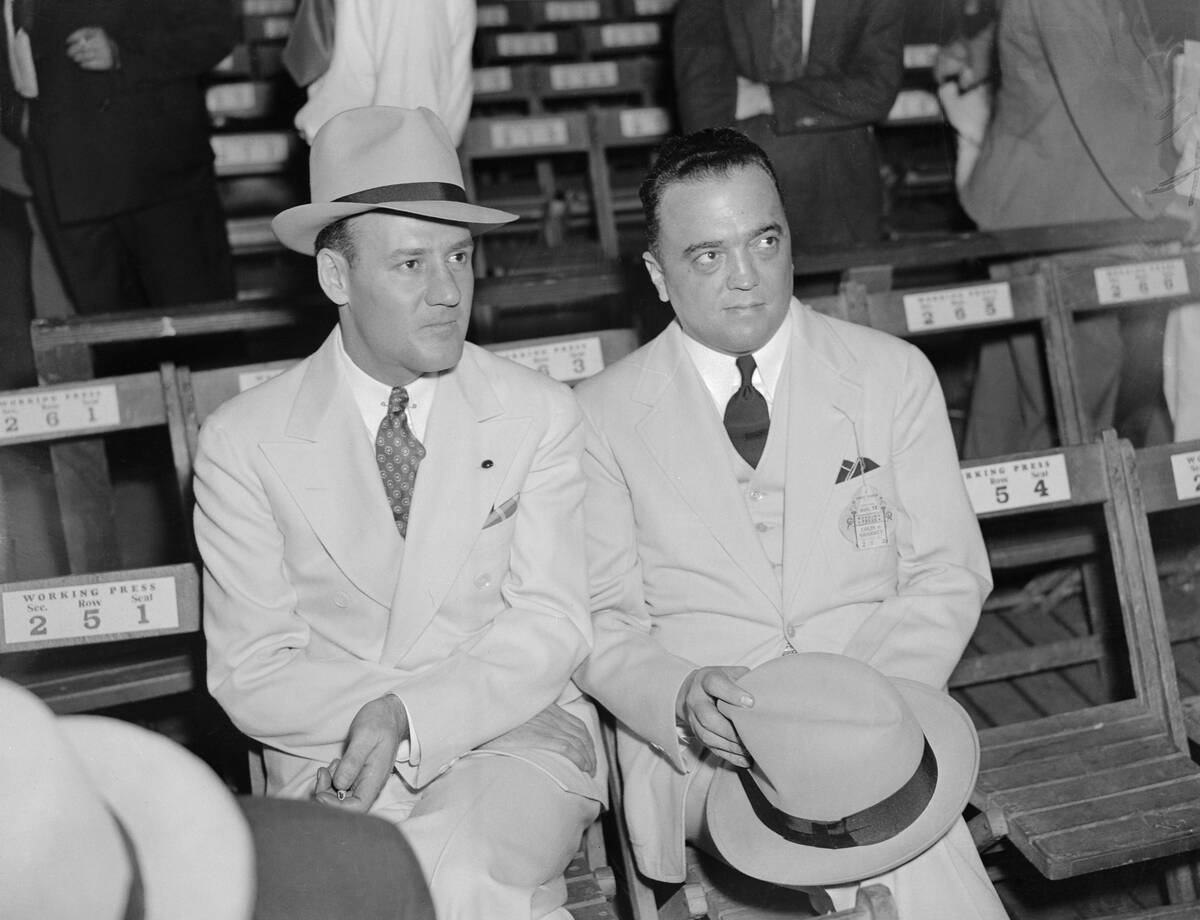
What is undeniable is that Hoover never married, and some historians have interpreted this as evidence of a different romantic orientation. John Stuart Cox and Athan G. Theoharis, in their book about the Director, concluded that “the strange likelihood is that Hoover never knew romantic desire at all”, suggesting he may have been asexual.
However, a certain collection attributed to Hoover may also cast doubt on that interpretation.
Hoover’s photo stash
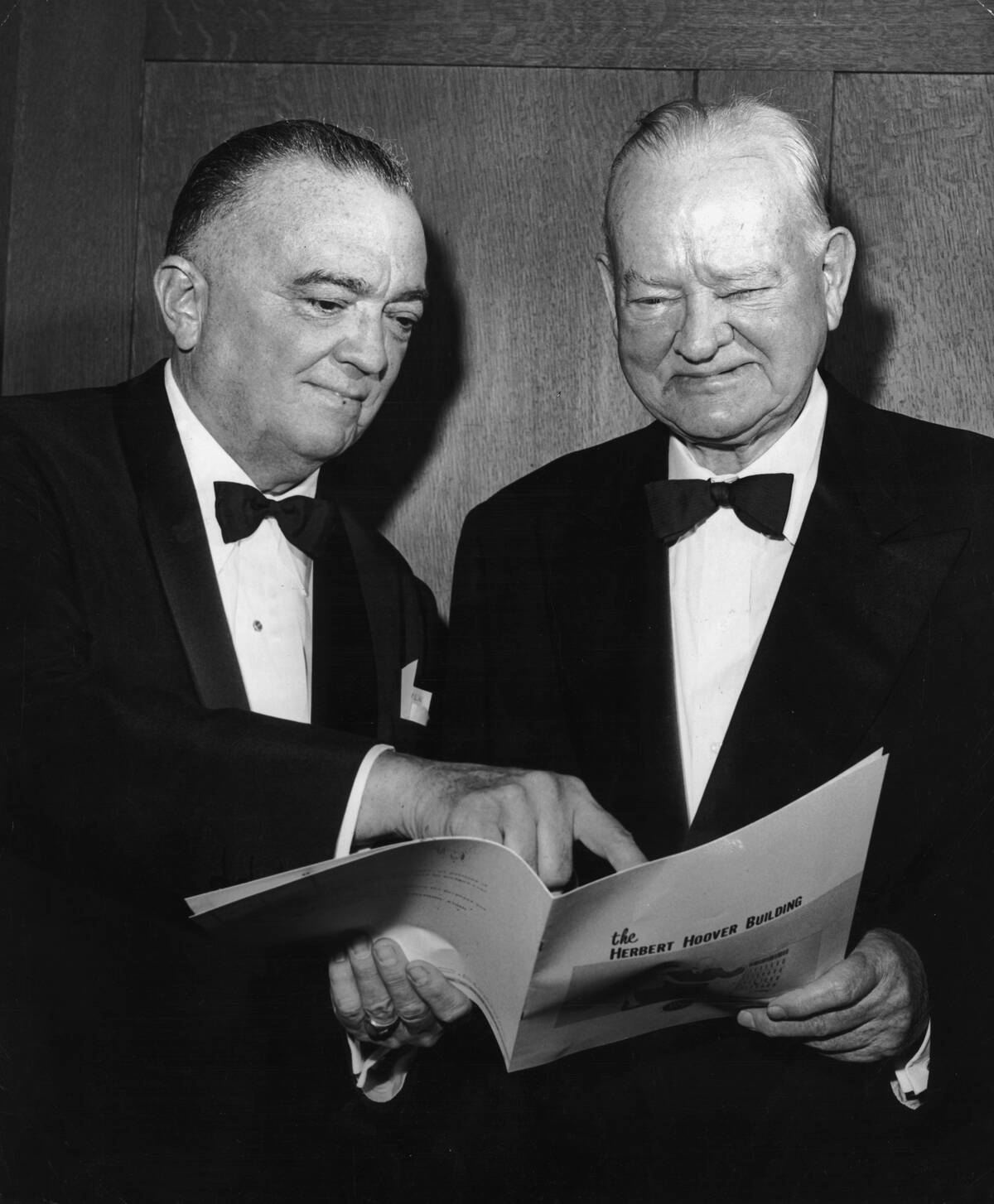
J. Edgar Hoover allegedly maintained a sizable collection of explicit photographs, films, and written materials. Many of these images reportedly featured celebrities and other well-known public figures.
Some accounts suggest Hoover kept them for personal gratification, while others believe they may have been used as leverage for blackmail purposes.
Hoover’s longterm legacy
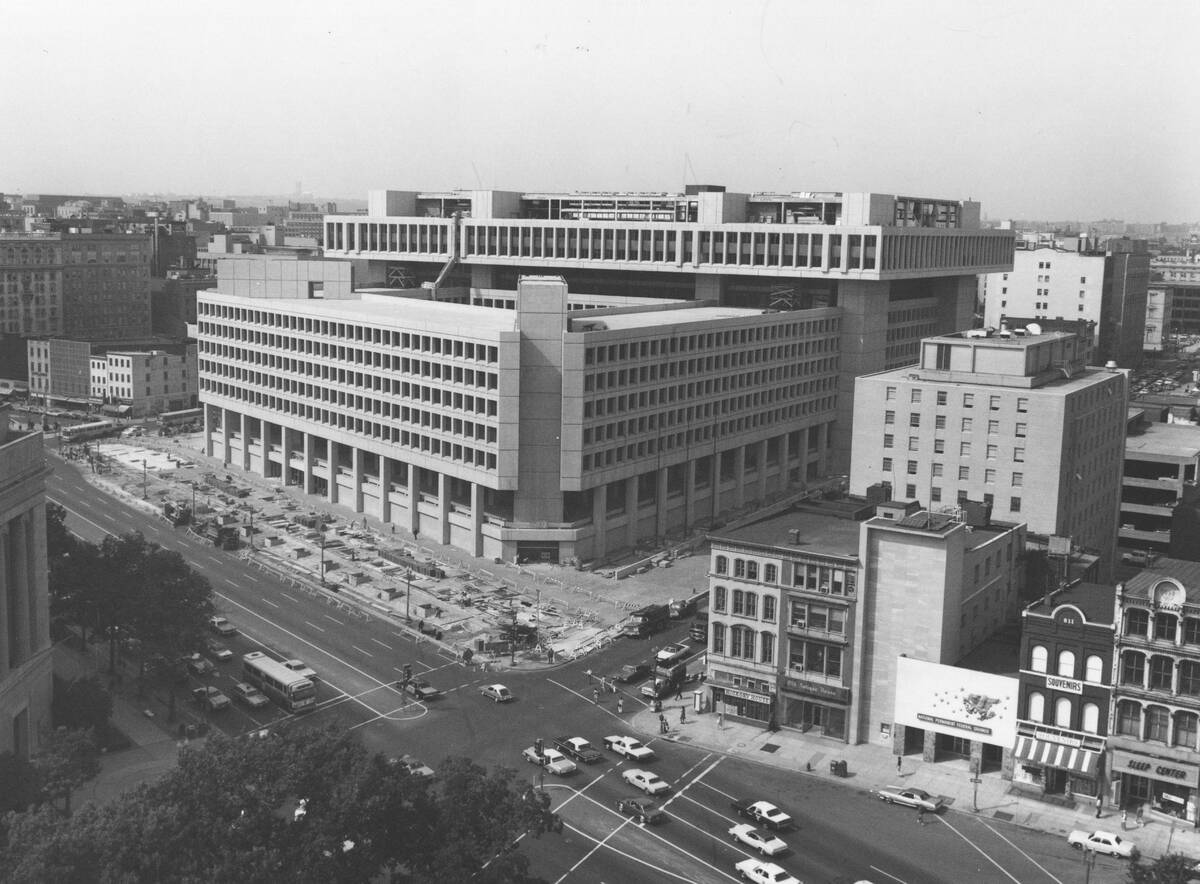
J. Edgar Hoover’s name remains attached to the FBI headquarters in Washington, D.C., which is officially known as the J. Edgar Hoover Building. Since details of his controversial legacy have come to light, there have been repeated efforts to rename the building, though none have succeeded.
Reportedly, very few agents still refer to it by its official name, instead calling it simply “the FBI Building.”
Working until the end
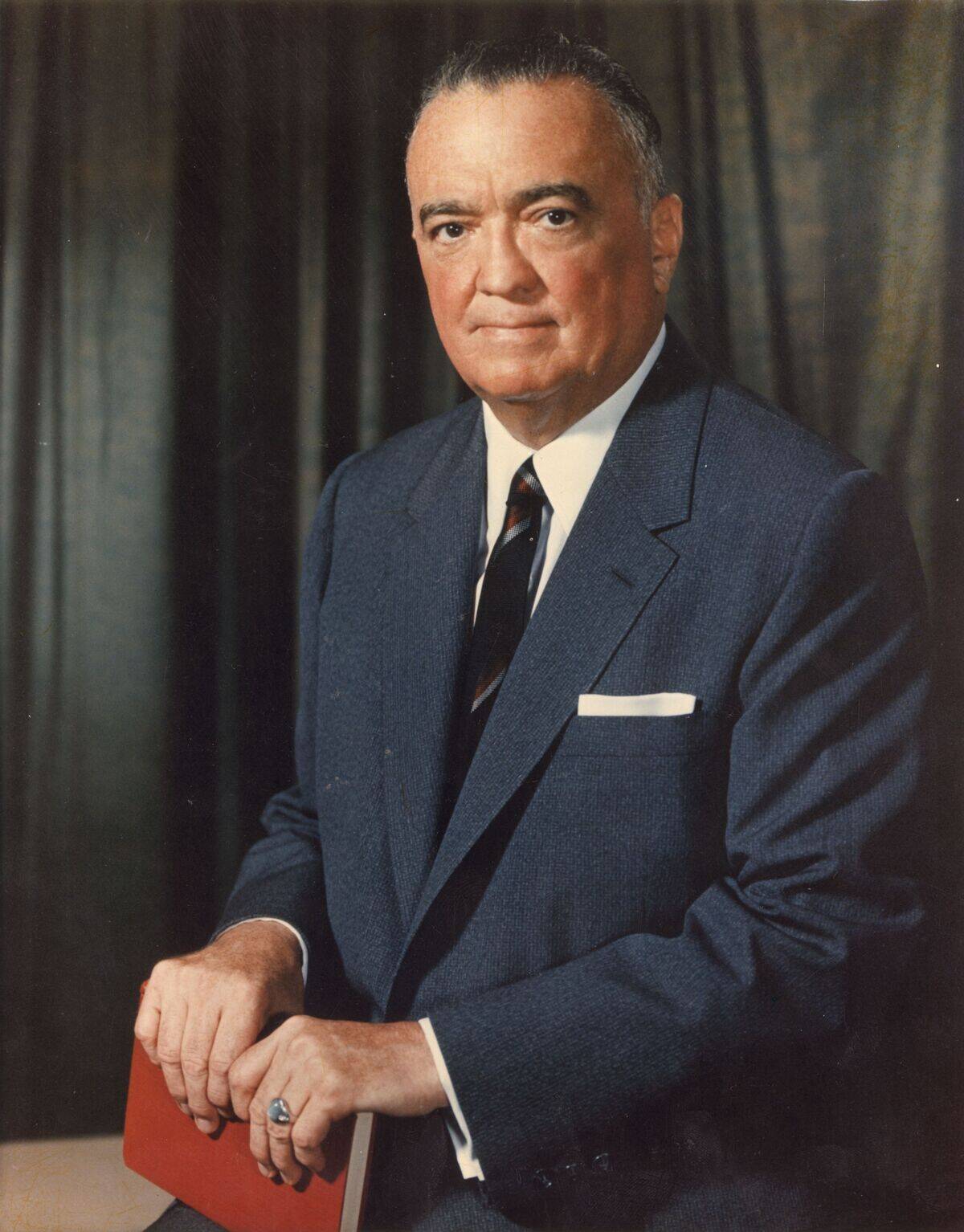
After President Lyndon B. Johnson removed the mandatory government retirement age of 70, J. Edgar Hoover continued serving as FBI Director all the way until the end of his life.
On May 2, 1972, Hoover suffered a fatal heart attack at the age of 77. His powerful influence within American politics was immediately recognized.




