Common beliefs people held before modern science
Before the age of scientific enlightenment, humans relied on fascinating and sometimes bizarre beliefs to make sense of the world. These ideas, though debunked today, laid the groundwork for future exploration and discovery.
From the mystical to the downright peculiar, these pre-scientific beliefs offer a glimpse into the imaginative minds of our ancestors.
Miasma Theory: Bad Air as the Cause of Disease
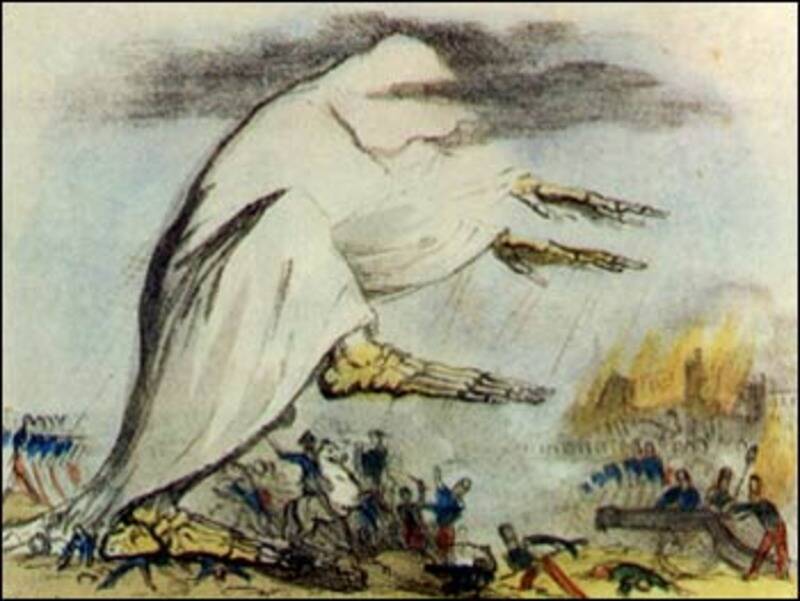
The miasma theory held that diseases like cholera and the plague were caused by ‘bad air’ emanating from rotting organic matter. This idea was prevalent until the late 19th century when germ theory, championed by scientists like Louis Pasteur and Robert Koch, provided a more accurate explanation.
The miasma theory influenced public health measures, such as sanitation improvements, which inadvertently reduced disease spread even before the true causes were understood.
Geocentrism: Earth at the Center of the Universe
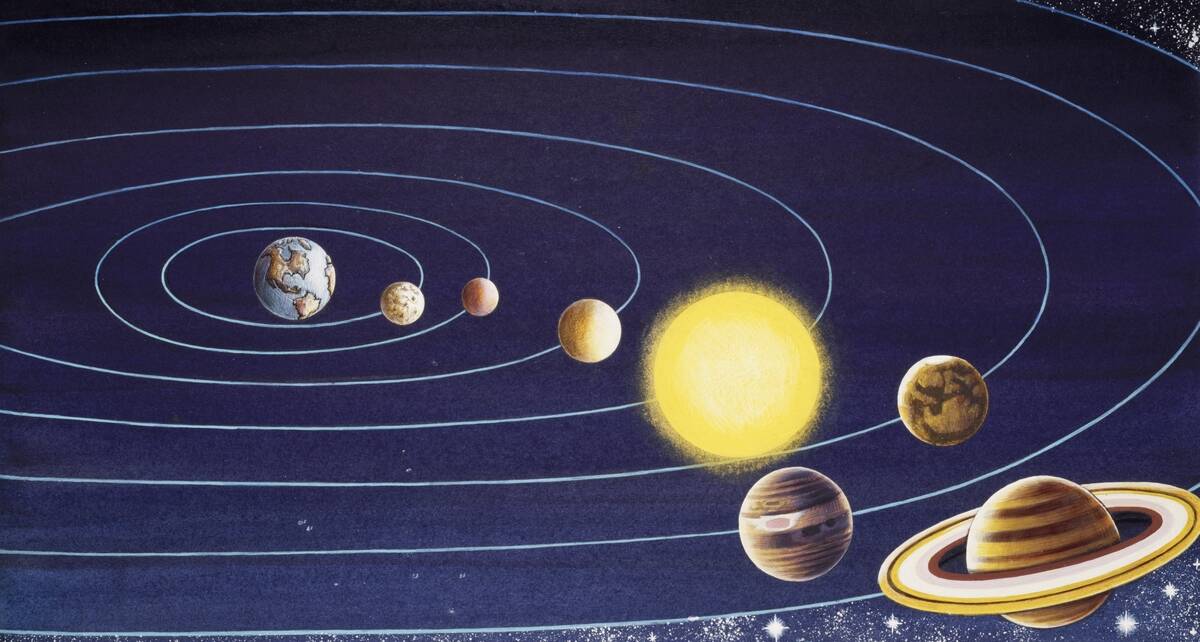
For centuries, geocentrism reigned supreme, placing Earth at the center of the universe. This belief was championed by Ptolemy in the 2nd century CE and held sway until Copernicus introduced heliocentrism in the 16th century.
The shift to a sun-centered model was revolutionary, paving the way for modern astronomy. Yet, the geocentric view was deeply ingrained, and it took decades for the scientific community to fully embrace the new paradigm.
Alchemy: The Quest for the Philosopher’s Stone
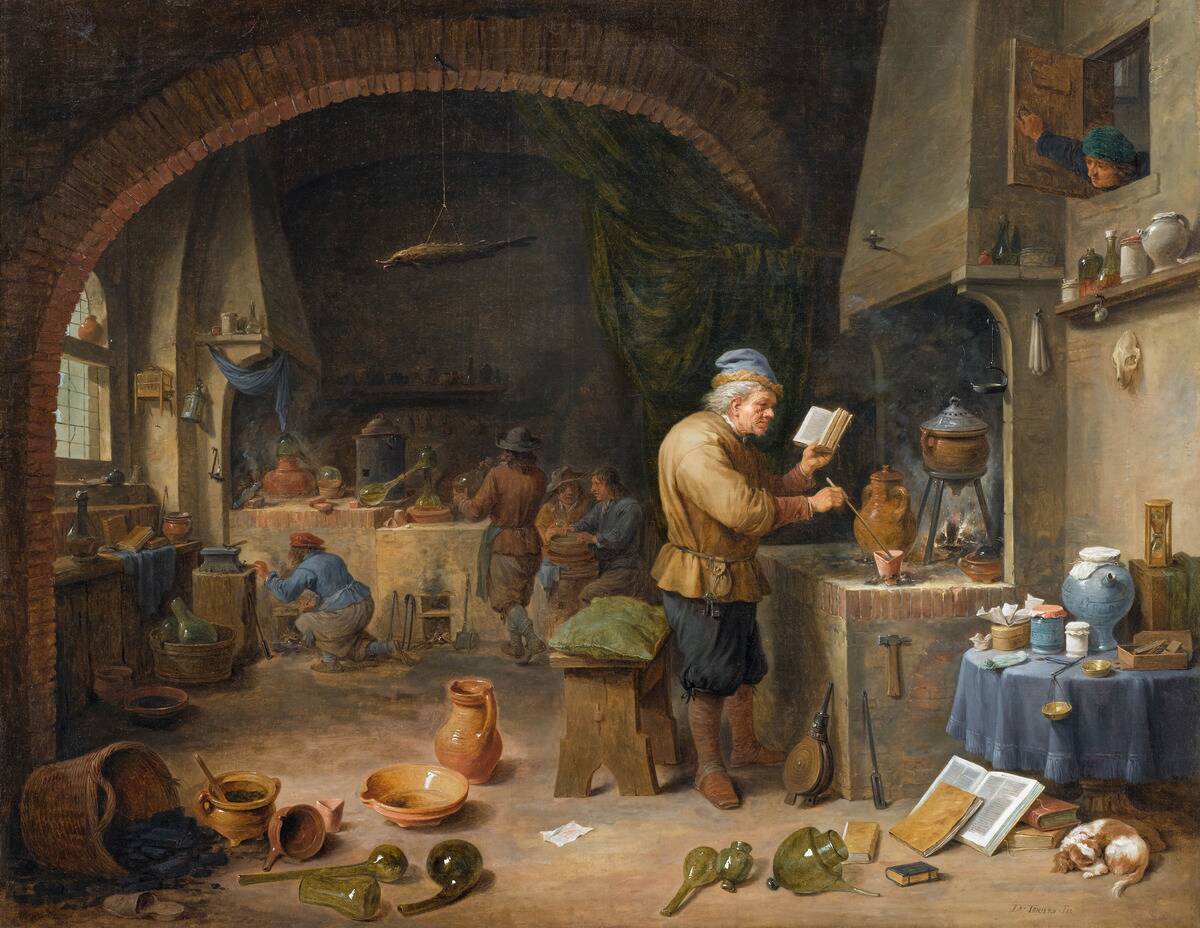
Alchemy, the medieval precursor to chemistry, was a mystical pursuit aimed at transforming base metals into gold and discovering the elixir of life. Alchemists such as Paracelsus and Isaac Newton studied alchemical ideas, including the search for the Philosopher’s Stone, which was believed to enable the transmutation of metals and sometimes to produce an elixir of life.
While alchemy failed to achieve its lofty goals, it contributed to the development of modern scientific methods and the eventual emergence of chemistry as a rigorous discipline.
The Ether: The Invisible Substance Filling the Universe

The ether was once thought to be an invisible medium filling space, through which light waves traveled. This concept was widely accepted until the late 19th century when experiments by Michelson and Morley failed to detect it.
Albert Einstein’s theory of relativity further dispelled the need for ether, revolutionizing physics. The idea of ether, though obsolete, reflects humanity’s persistent efforts to understand the fundamental nature of the universe.
Phrenology: Reading Personalities from Bumps on the Skull
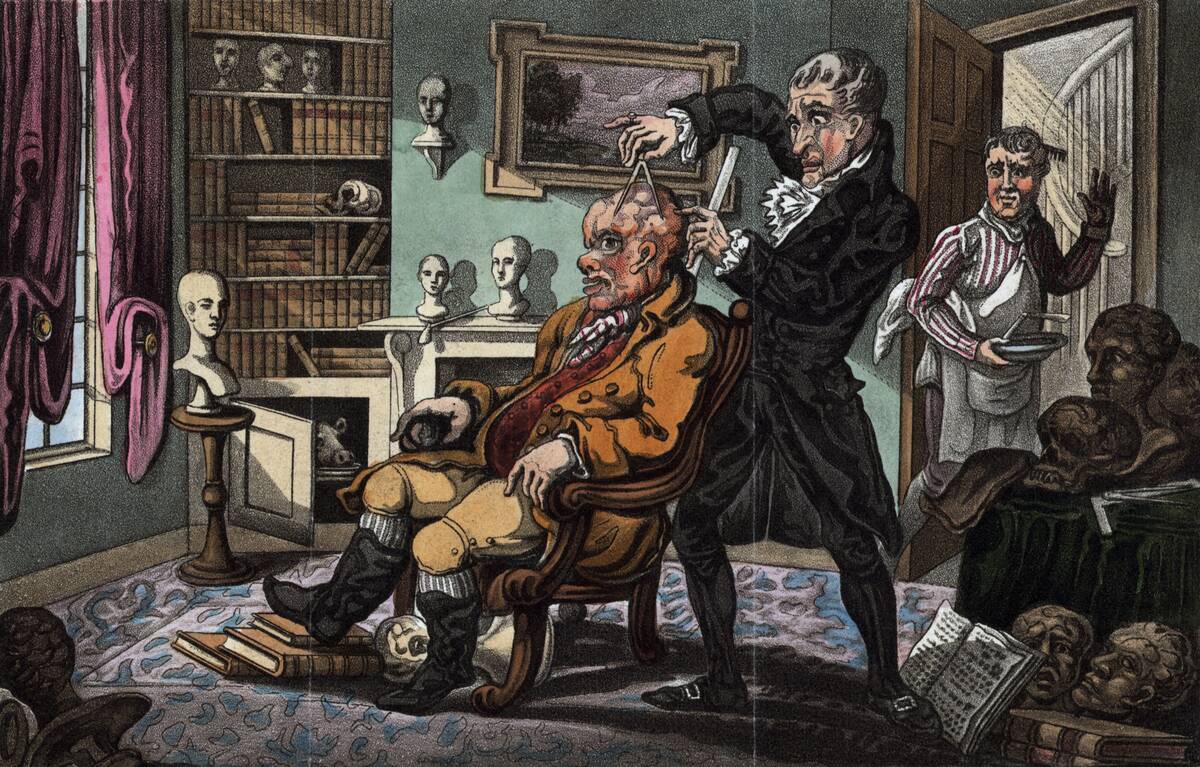
Phrenology, developed in the early 19th century by Franz Joseph Gall, posited that personality traits could be determined by the shape of the skull. Practitioners believed that different brain areas controlled specific characteristics, and these could be felt as bumps on the head.
Despite its popularity, phrenology was eventually discredited as pseudoscience. However, it sparked interest in brain function and contributed to the early study of neuroscience.
The Flat Earth Theory
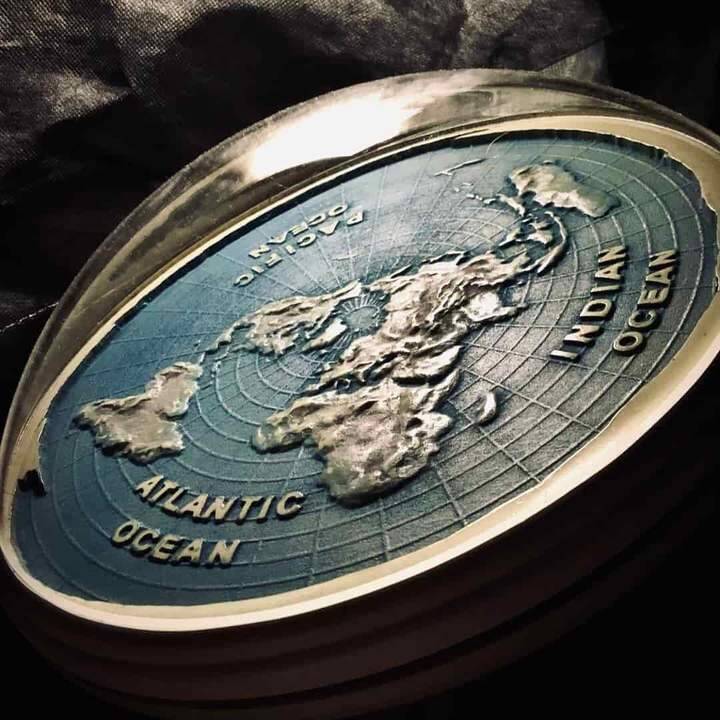
The notion of a flat Earth was once a widely accepted belief, with ancient cultures picturing the world as a flat disc. This idea persisted until the Greek philosopher Pythagoras proposed a spherical Earth around 500 BCE.
Despite overwhelming evidence, some modern groups still cling to this outdated theory. The Flat Earth Society, founded in 1956, continues to challenge scientific consensus, reminding us of the enduring nature of certain beliefs.
The Divine Right of Kings
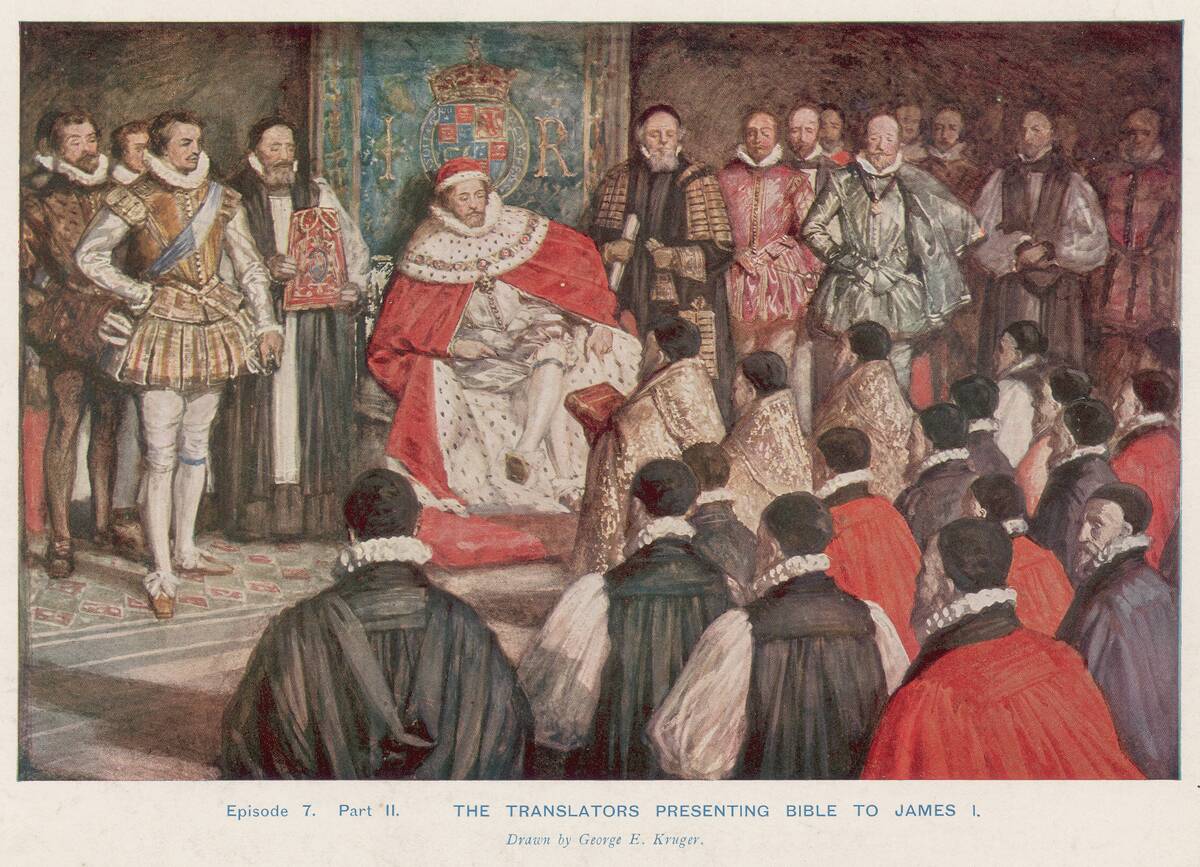
The divine right of kings was a political and religious doctrine asserting that monarchs were chosen by God and accountable only to Him. This belief justified absolute rule and discouraged rebellion.
King James I of England was a staunch advocate, using it to legitimize his authority. While the concept has faded with the rise of constitutional governments, it played a significant role in shaping the political landscape of medieval and early modern Europe.
The Mandrake Root: Magical Plant with Human-Like Powers
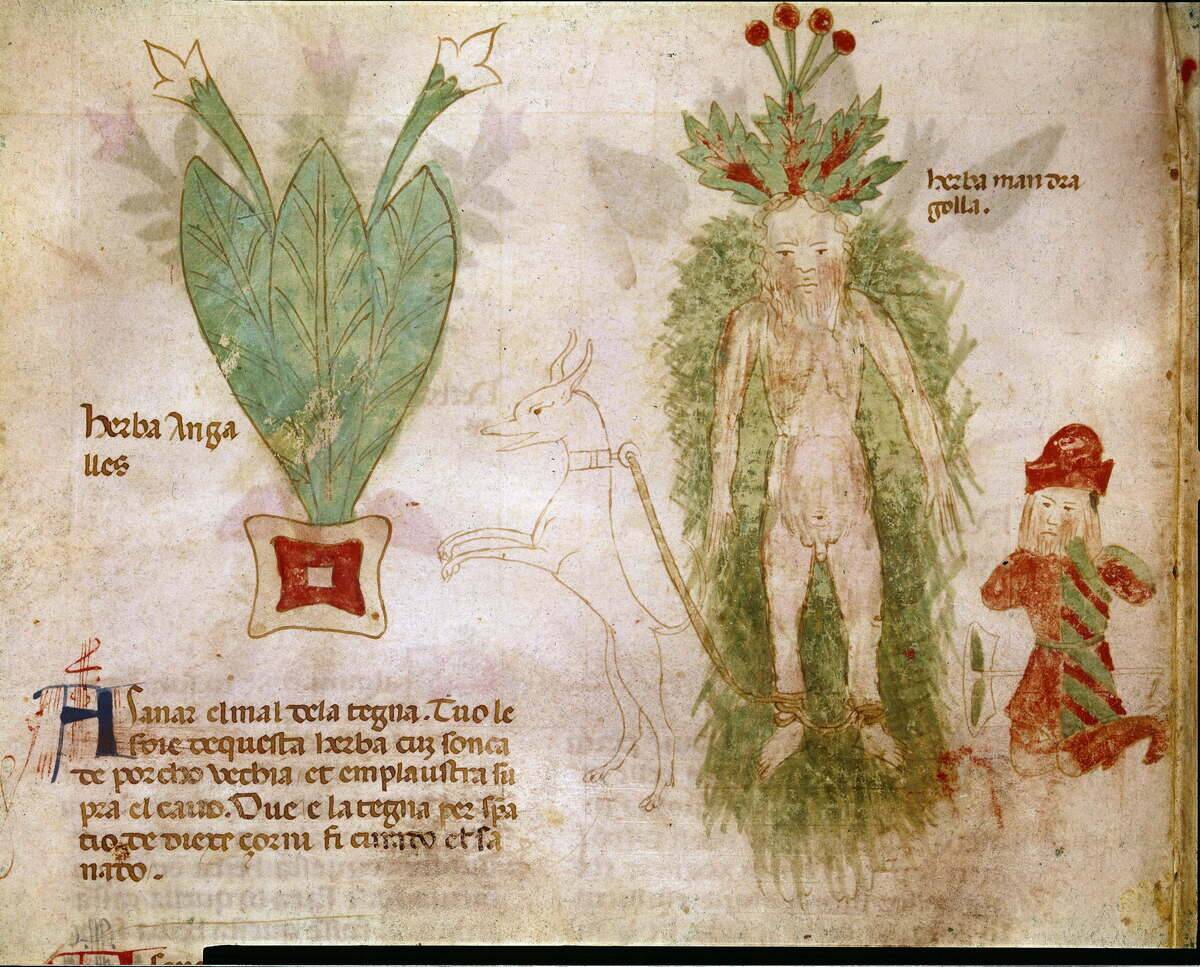
The mandrake root, often resembling a human figure, was believed to possess magical properties. In folklore, it was said to scream when uprooted, causing death to those who heard it. Mandrakes were used in potions and rituals, thought to bring good fortune or fertility.
While its mystical reputation has faded, the mandrake remains a symbol of the mysterious and unknown, capturing the imagination of cultures throughout history.
The Four Humors: Balancing Bodily Fluids for Health
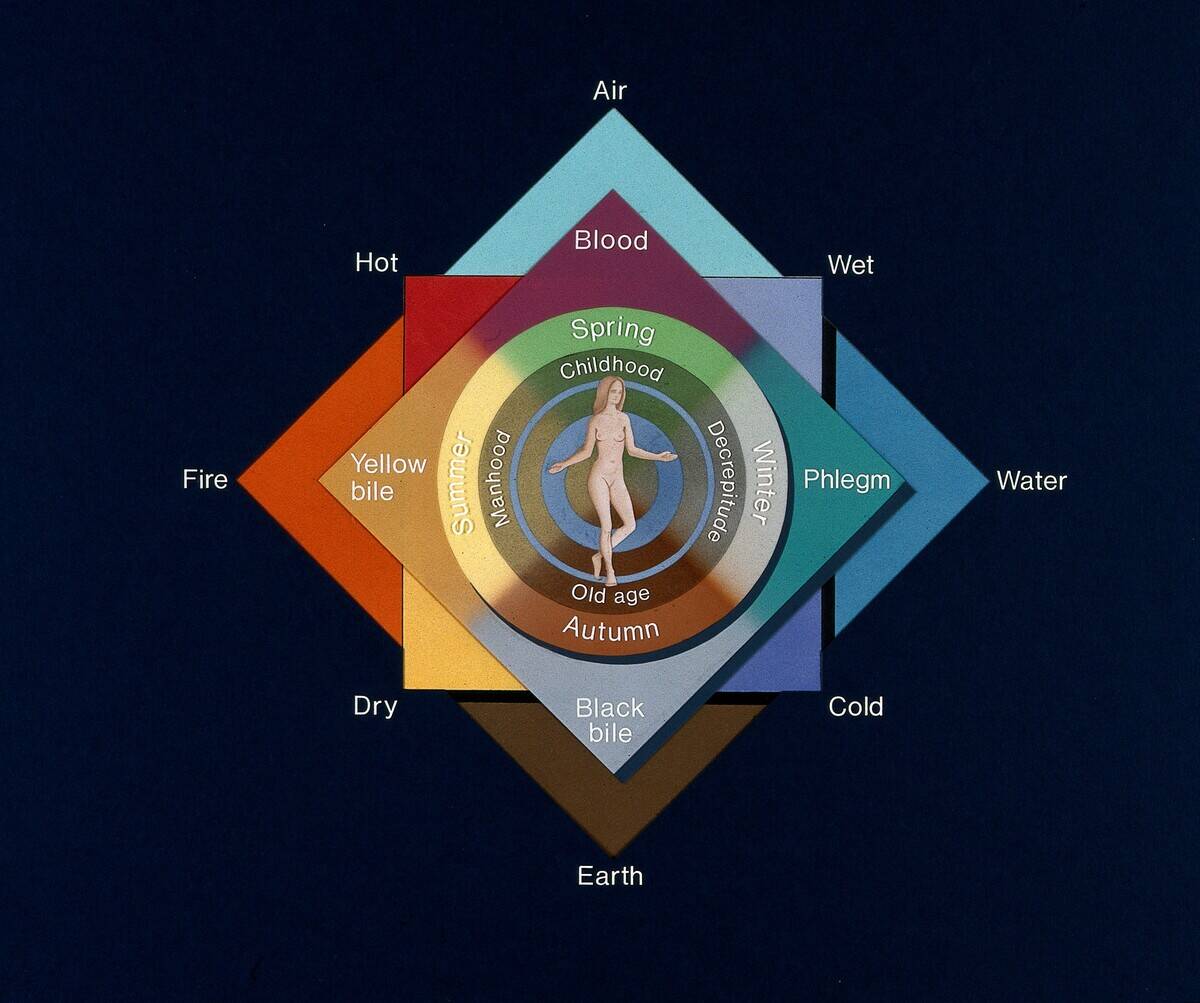
The theory of the four humors was a cornerstone of ancient medicine, suggesting that human health depended on the balance of blood, phlegm, black bile, and yellow bile. Hippocrates and Galen were key proponents of this idea, which influenced medical practice for over a millennium.
Treatments aimed at restoring balance, such as bloodletting and diet, were commonplace. Though discredited, the humoral theory highlights the historical quest to understand human health.
The Great Chain of Being: A Hierarchical Universe
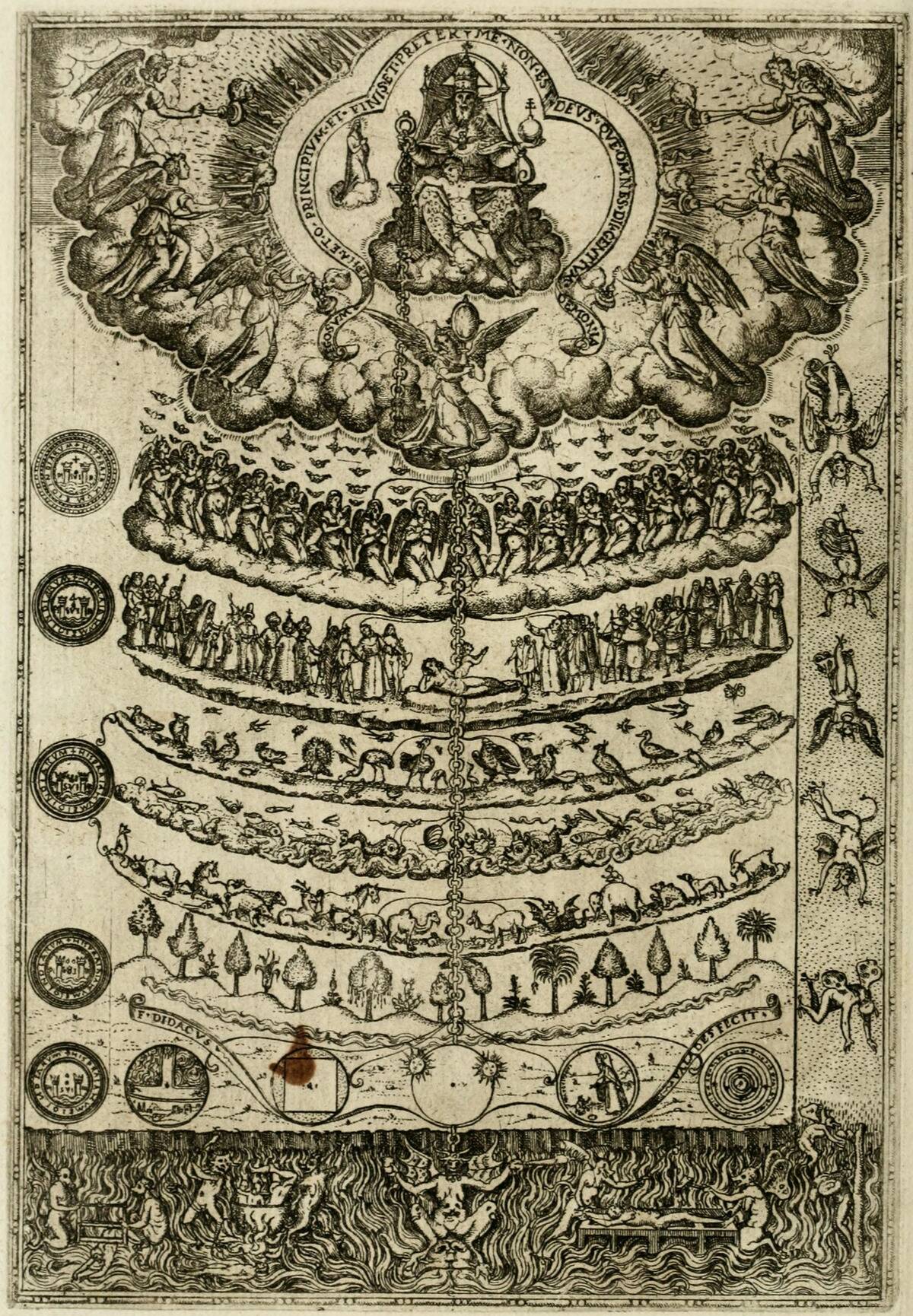
The Great Chain of Being was a medieval concept depicting a hierarchical structure of all matter and life, from God and angels to humans and animals. This idea emphasized order and interconnectedness, influencing philosophy and theology.
The chain’s rigid hierarchy justified social structures and natural order. Although the concept has faded, its impact on Western thought is undeniable, reflecting humanity’s quest to understand its place in the cosmos.