What to know about today’s most popular superfoods
The concept of “superfoods” have taken the world by storm, popping up in everything from smoothies to skincare products. This rise in popularity is partly due to a growing awareness of health and wellness trends.
Celebrities and influencers often tout the benefits of these nutrient-packed foods, making them a staple in modern diets — but it’s important to separate fact from fiction and understand what (if anything) makes these foods so super.
What Exactly Are Superfoods?
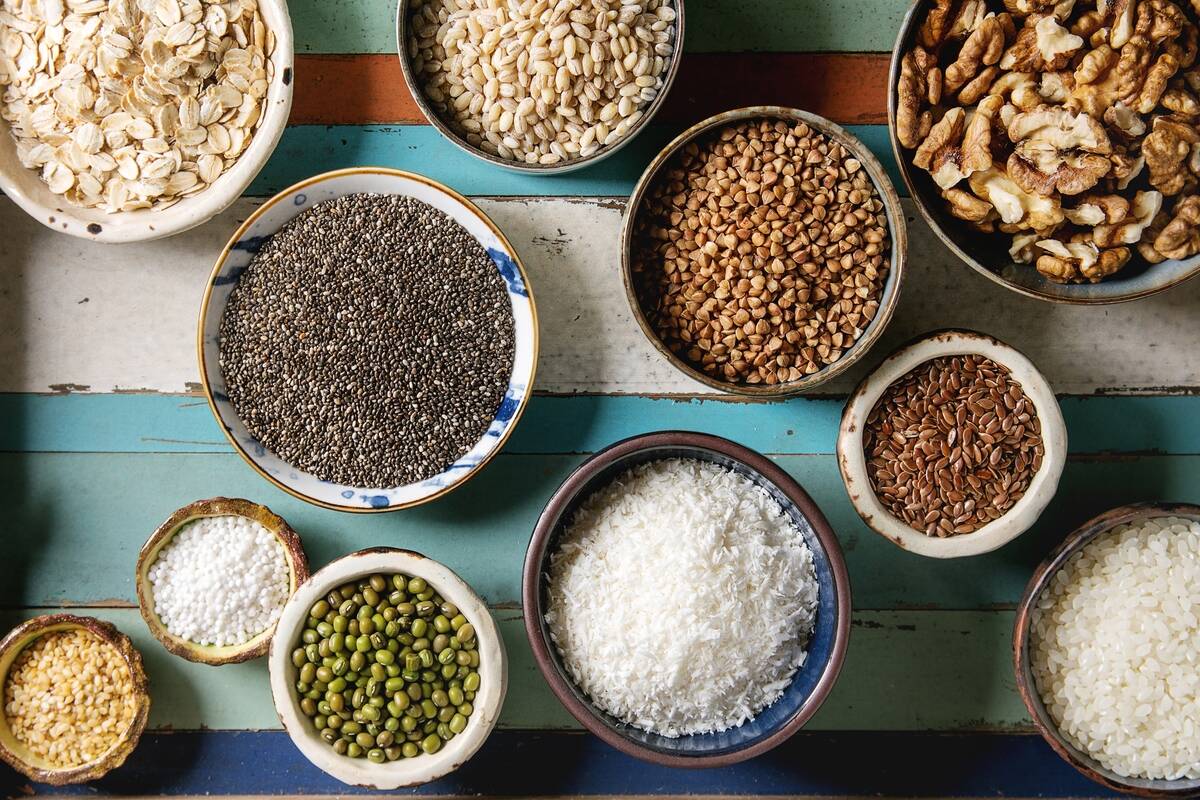
Superfoods are nutrient-rich foods considered to be especially beneficial for health and well-being. They are packed with vitamins, minerals, and antioxidants, which can help boost immunity and reduce inflammation.
While there’s no official scientific definition, these foods are often plant-based, though some fish and dairy are also included. The term ‘superfood’ is more of a marketing term than a nutritional one, but it highlights foods with potential health benefits.
The Power of Marketing in the Superfood Industry
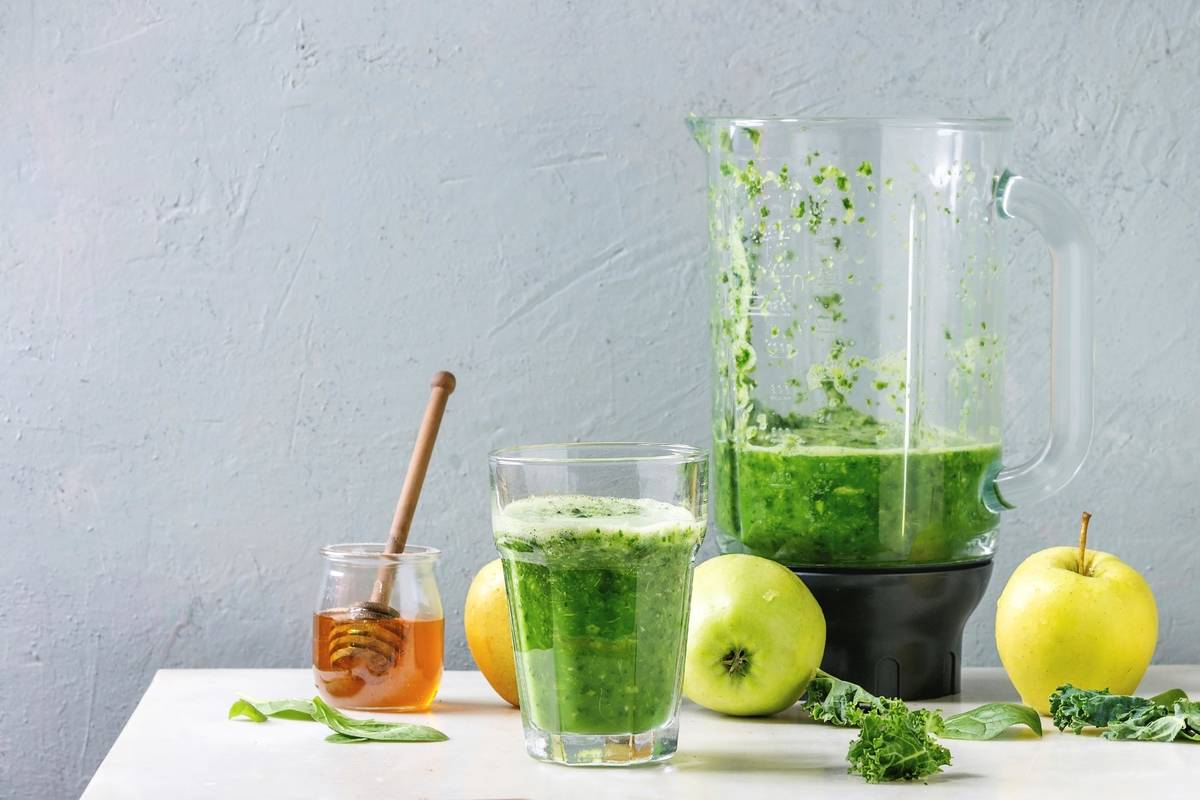
Marketing plays a huge role in the superfood industry, often driving consumer interest and sales. Companies use buzzwords like ‘detox’ and ‘cleanse’ to appeal to health-conscious buyers.
This can lead to inflated prices and misconceptions about the true benefits of these foods. While some superfoods do offer health benefits, it’s crucial to approach them with a critical eye and not be swayed solely by marketing claims.
Kale: The Leafy Green with a Cult Following
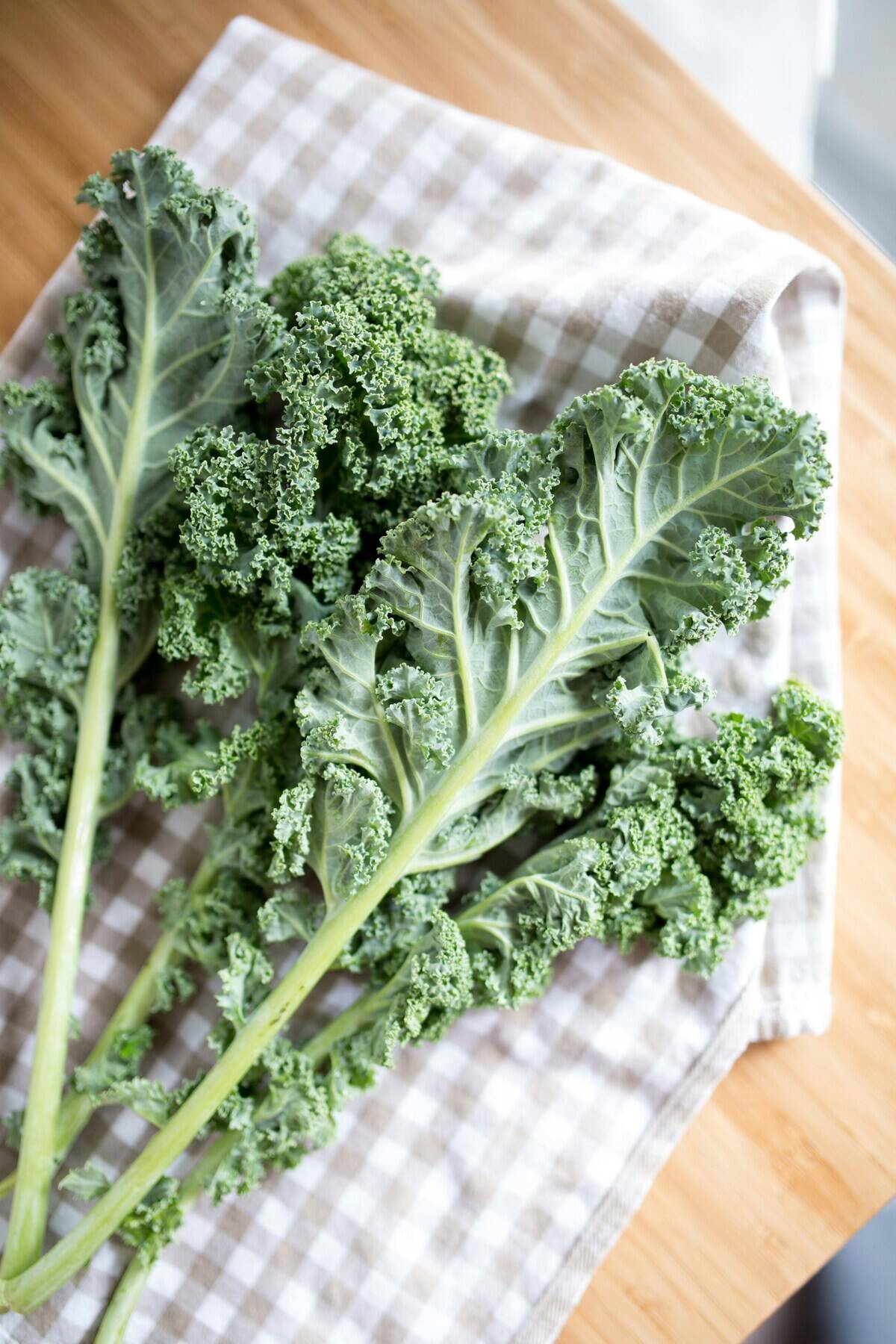
Kale has become a poster child for healthy eating, loved for its versatility and nutrient density. It’s rich in vitamins A, C, and K, and offers a good amount of calcium and fiber.
This leafy green has been embraced by health enthusiasts and chefs alike, appearing in salads, smoothies, and even chips. Despite its popularity, it’s important to remember that a balanced diet includes a variety of vegetables, not just kale.
Chia Seeds: Tiny Seeds, Big Claims
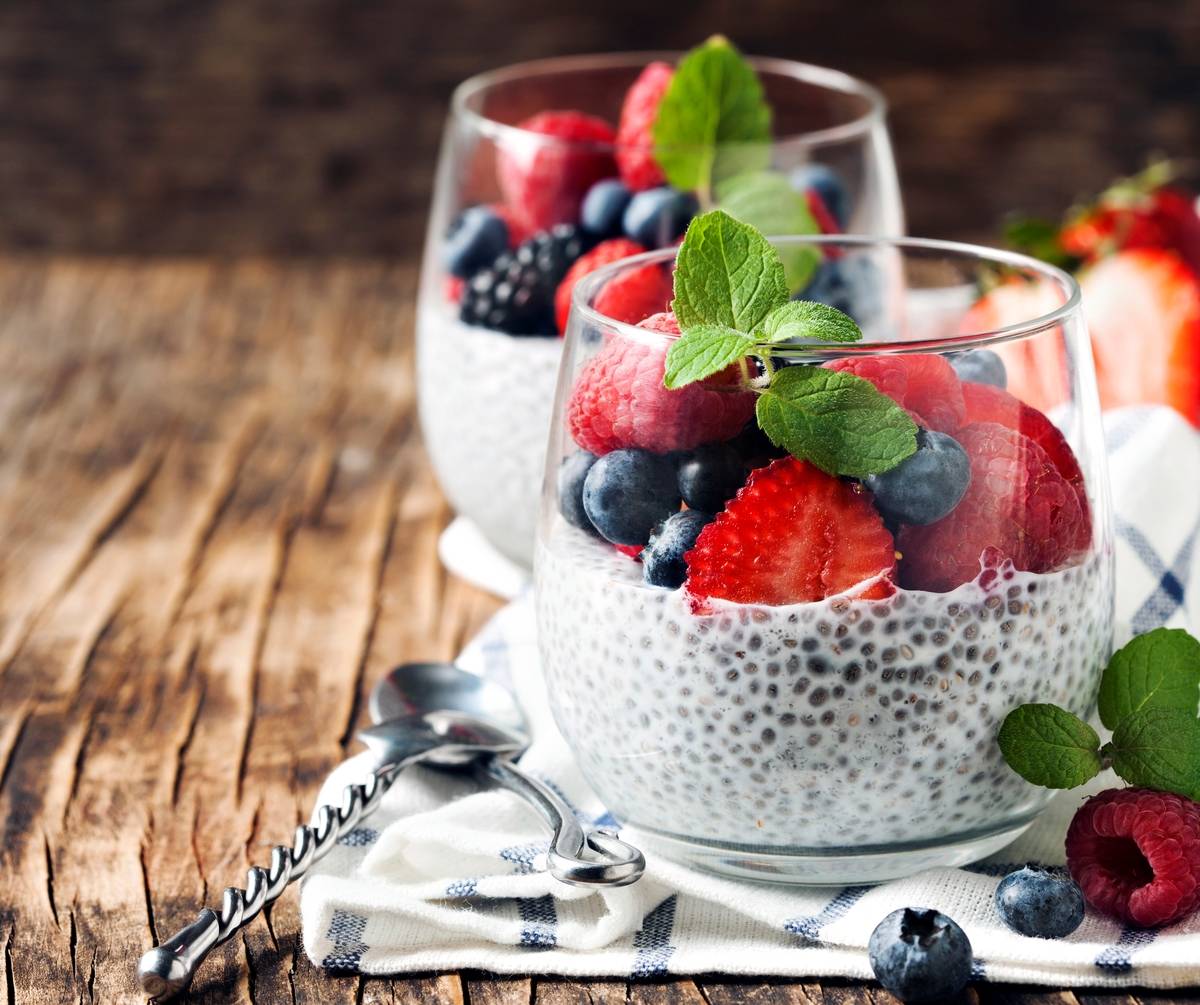
Chia seeds may be small, but they’re packed with nutrients like omega-3 fatty acids, fiber, and protein. These seeds can absorb up to 12 times their weight in water, making them a hydrating addition to puddings and smoothies.
Originally used by the Aztecs, chia seeds have gained popularity for their potential to aid in weight loss and improve heart health. However, like all superfoods, they should be consumed as part of a balanced diet.
Goji Berries: The Exotic Fruit of the Moment
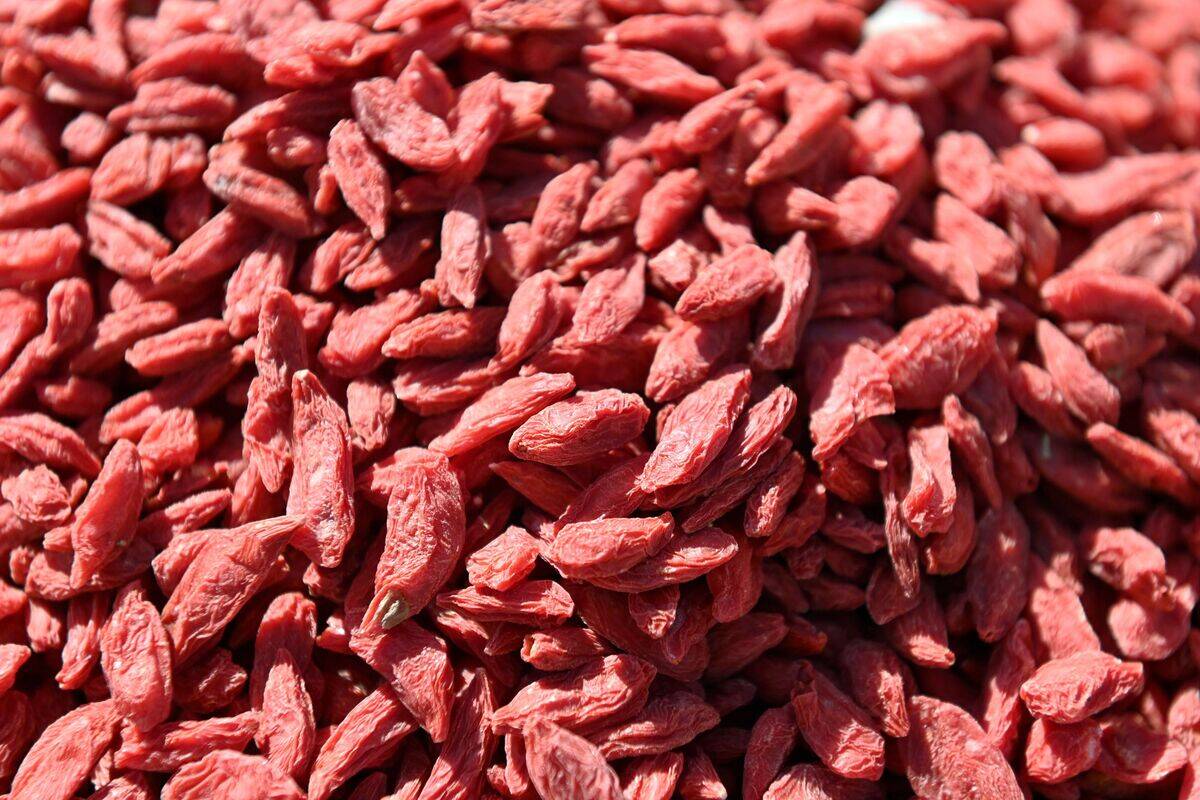
Goji berries, also known as wolfberries, are native to Asia and have been used in traditional Chinese medicine for centuries. They’re rich in vitamins A and C, as well as antioxidants that may support immune function.
These bright red berries have a sweet-tart flavor and are often found dried or as a juice. While they offer health benefits, it’s essential to consume them in moderation due to their high sugar content.
Quinoa: Ancient Grain or Modern Hype?

Quinoa is an ancient grain that has become a modern staple, celebrated for its high protein content and all nine essential amino acids. It’s gluten-free, making it a popular choice for those with celiac disease or gluten sensitivity.
Originating from the Andean region of South America, quinoa is versatile and can be used in salads, soups, and as a rice substitute. While it’s a nutritious option, it’s important to enjoy it alongside other grains for a balanced diet.
Acai Berries: The Berry with a Pricey Reputation

Acai berries hail from the Amazon rainforest and are known for their deep purple hue and antioxidant properties. They’re often touted for their potential to improve skin health and boost energy levels.
However, acai berries are typically found in processed forms like powders and juices, which can be costly. While they can be a healthy addition to your diet, it’s wise to be cautious of exaggerated health claims and high prices.
Coconut Water: Nature’s Sports Drink or Just H2O?

Coconut water has been marketed as a natural alternative to sports drinks, thanks to its electrolyte content. It’s low in calories and contains potassium, which can help with hydration.
However, it’s not a miracle drink and may not provide enough sodium for those engaging in intense exercise. While coconut water can be a refreshing beverage, it’s important to balance it with other sources of hydration and nutrients.
Matcha: The Green Tea Revolution

Matcha, a finely ground powder of specially grown green tea leaves, has gained popularity for its vibrant color and health benefits. It’s rich in antioxidants, particularly catechins, which may help protect against cell damage.
Matcha is also known for providing a calm alertness, thanks to its combination of caffeine and the amino acid L-theanine. While matcha can be a healthy addition to your routine, it’s best enjoyed in moderation due to its caffeine content.
Spirulina: The Algae with Alleged Superpowers

Spirulina is a blue-green algae that’s often hailed for its high protein and nutrient content. It’s packed with vitamins B1, B2, and B3, as well as iron and magnesium.
Spirulina is believed to support immune function and detoxification, though more research is needed to confirm these claims. While it’s a nutritious supplement, it’s important to source spirulina from reputable brands to avoid contamination with toxins.
Turmeric: The Golden Spice of Life

Turmeric, a spice commonly used in Indian cuisine, is celebrated for its anti-inflammatory properties. Its active compound, curcumin, has been studied for its potential to alleviate symptoms of arthritis and improve brain function.
Turmeric can be added to curries, teas, and even smoothies for a health boost. However, curcumin is poorly absorbed by the body, so it’s often consumed with black pepper to enhance absorption.
Avocado: The Trendy Toast Topper

Avocado has become synonymous with trendy brunches, often seen topping toast or blended into smoothies. It’s rich in healthy fats, particularly monounsaturated fat, which can support heart health.
Avocados also provide fiber, potassium, and vitamins C, E, and K. While they’re a nutritious addition to meals, their high-calorie content means they should be eaten in moderation, especially for those watching their calorie intake.
Almond Milk: The Nutty Alternative to Dairy

Almond milk has become a popular dairy alternative, especially among those who are lactose intolerant or following a vegan diet. It’s low in calories and contains vitamin E, which is beneficial for skin health.
However, almond milk is often low in protein compared to cow’s milk, so it’s important to ensure you’re getting enough protein from other sources. When choosing almond milk, opt for unsweetened varieties to avoid added sugars.
Pomegranate: The Jewel of Antioxidants
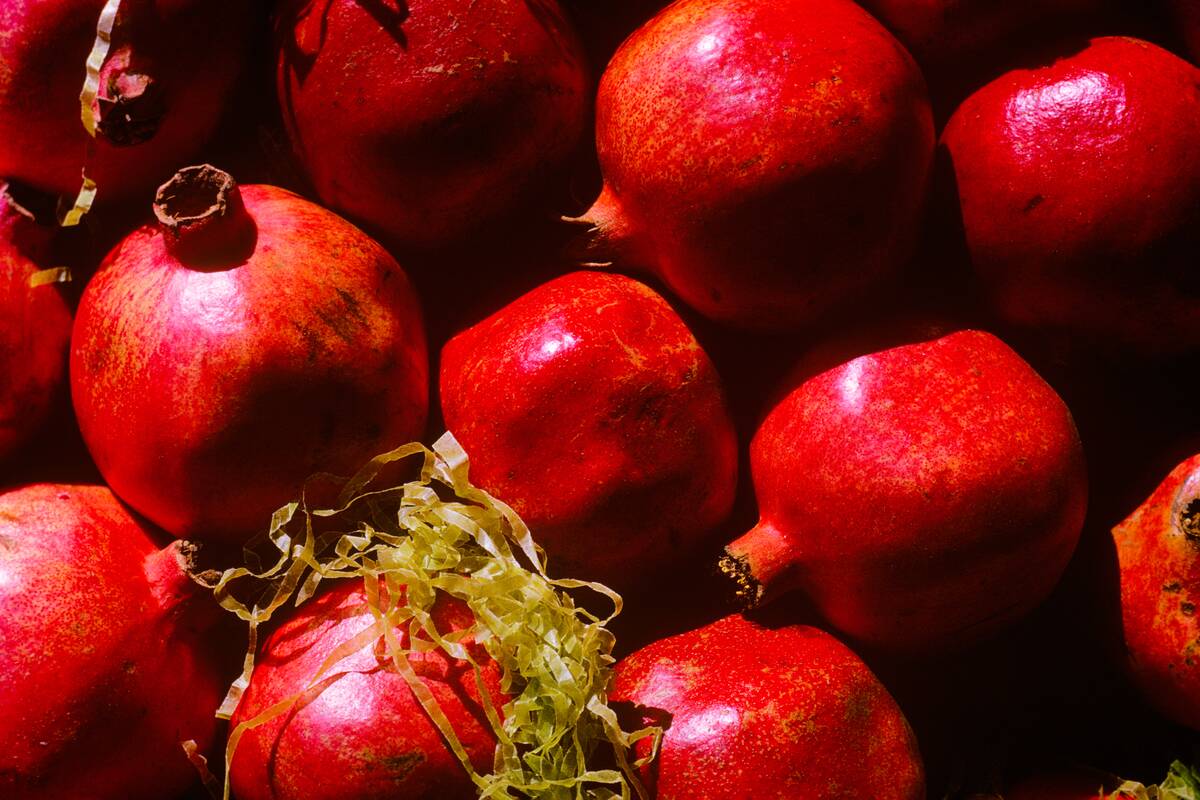
Pomegranate is known for its jewel-like seeds and high antioxidant content, which may help reduce inflammation and lower the risk of heart disease. The fruit is rich in vitamin C and potassium, making it a nutritious addition to salads, desserts, and beverages.
While pomegranates offer health benefits, their juice can be high in sugar, so it’s best consumed in moderation. Enjoy the seeds whole to benefit from the fiber content.
Wheatgrass: The Green Shot of Health

Wheatgrass is often consumed as a juice or powder and is praised for its high chlorophyll content. It’s believed to aid in detoxification and boost energy levels, though scientific evidence is limited.
Wheatgrass contains vitamins A, C, and E, as well as iron and calcium. While it can be a healthy addition to your diet, it’s important to remember that no single food can provide all the nutrients your body needs.