The most influential events of the Roaring Twenties
Welcome to the Roaring Twenties, a decade that was as vibrant as it was transformative. This era, sandwiched between two world wars, was marked by unprecedented social change and cultural dynamism.
The 1920s were a time of economic prosperity, technological innovation, and a cultural renaissance that left a lasting impact on the world. From the rise of jazz music to the evolution of fashion and the birth of Hollywood, the decade was a whirlwind of excitement and change.
The Jazz Age
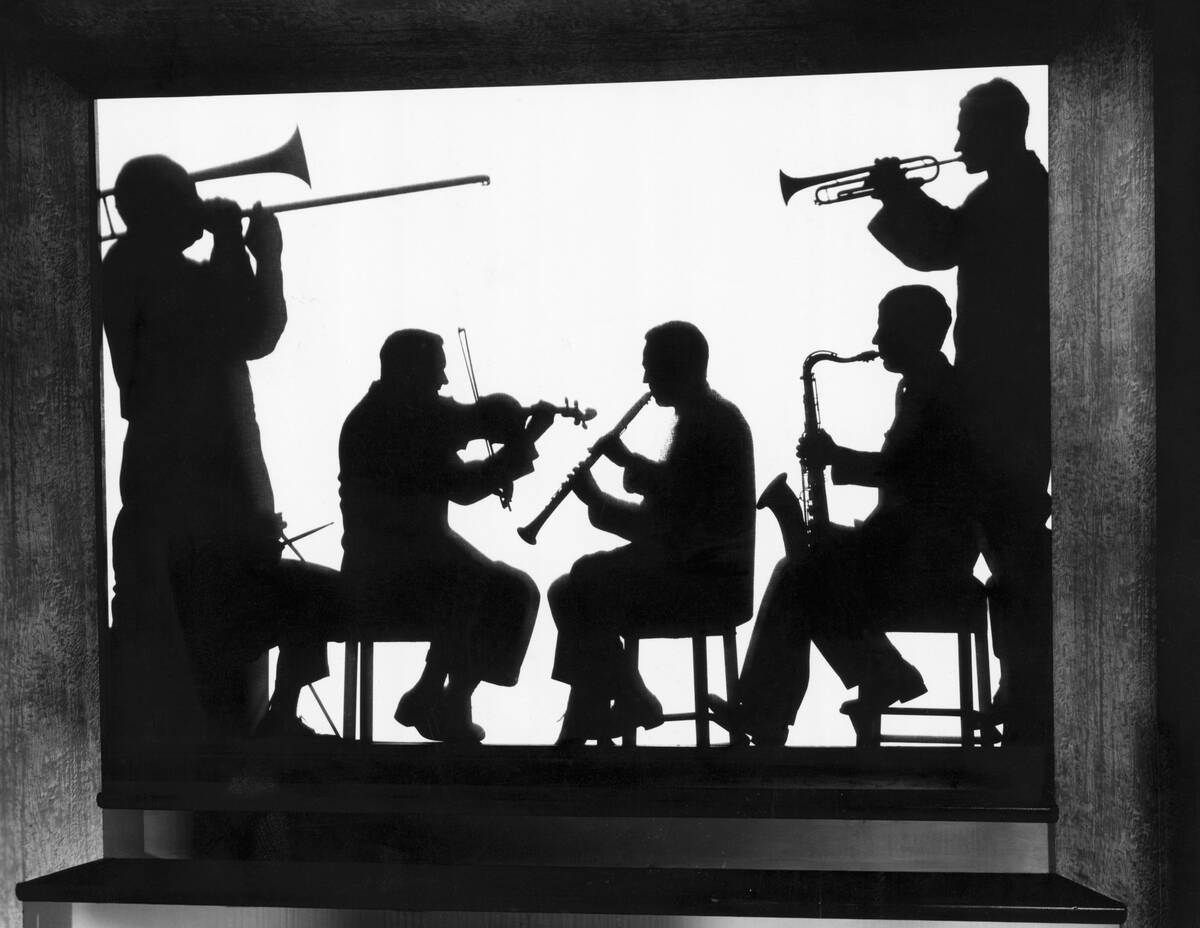
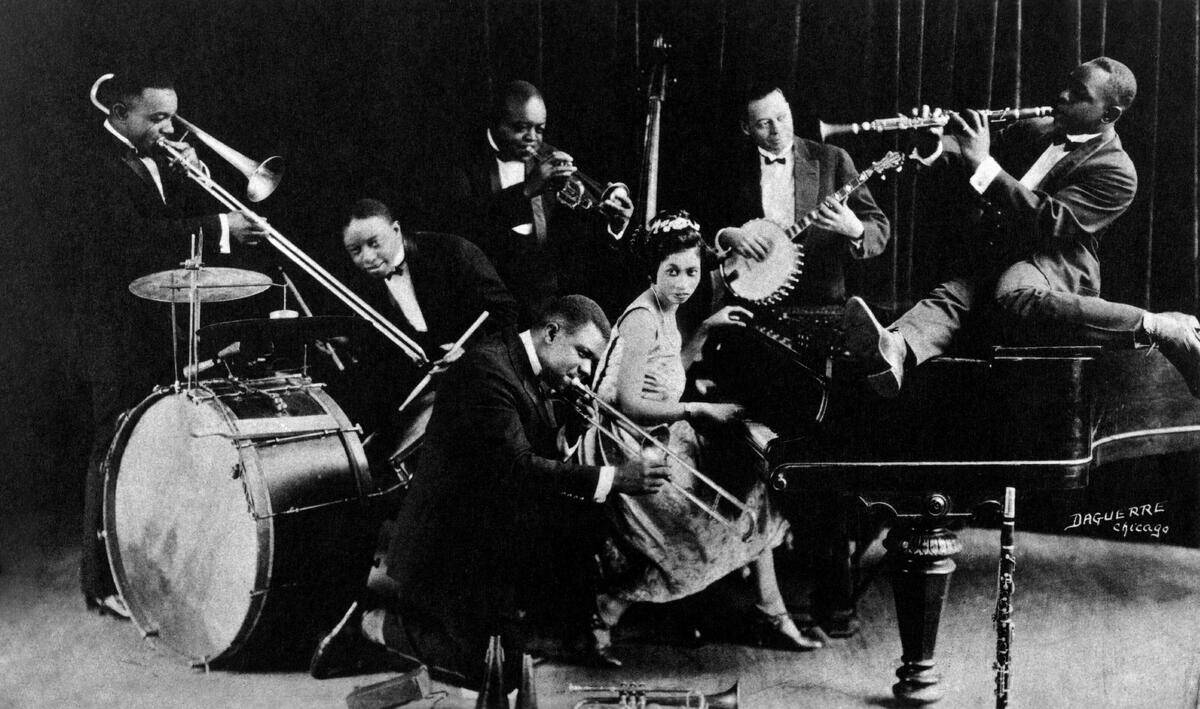
The Jazz Age was a defining feature of the 1920s, with jazz music becoming the soundtrack of the decade. Originating in the African American communities of New Orleans, jazz quickly spread across the United States and beyond.
It was characterized by its lively rhythms, improvisation, and a sense of freedom that resonated with the spirit of the time. Iconic musicians like Louis Armstrong and Duke Ellington became household names, and jazz clubs popped up in cities everywhere, becoming hubs of social and cultural activity.
The Rise of Flappers
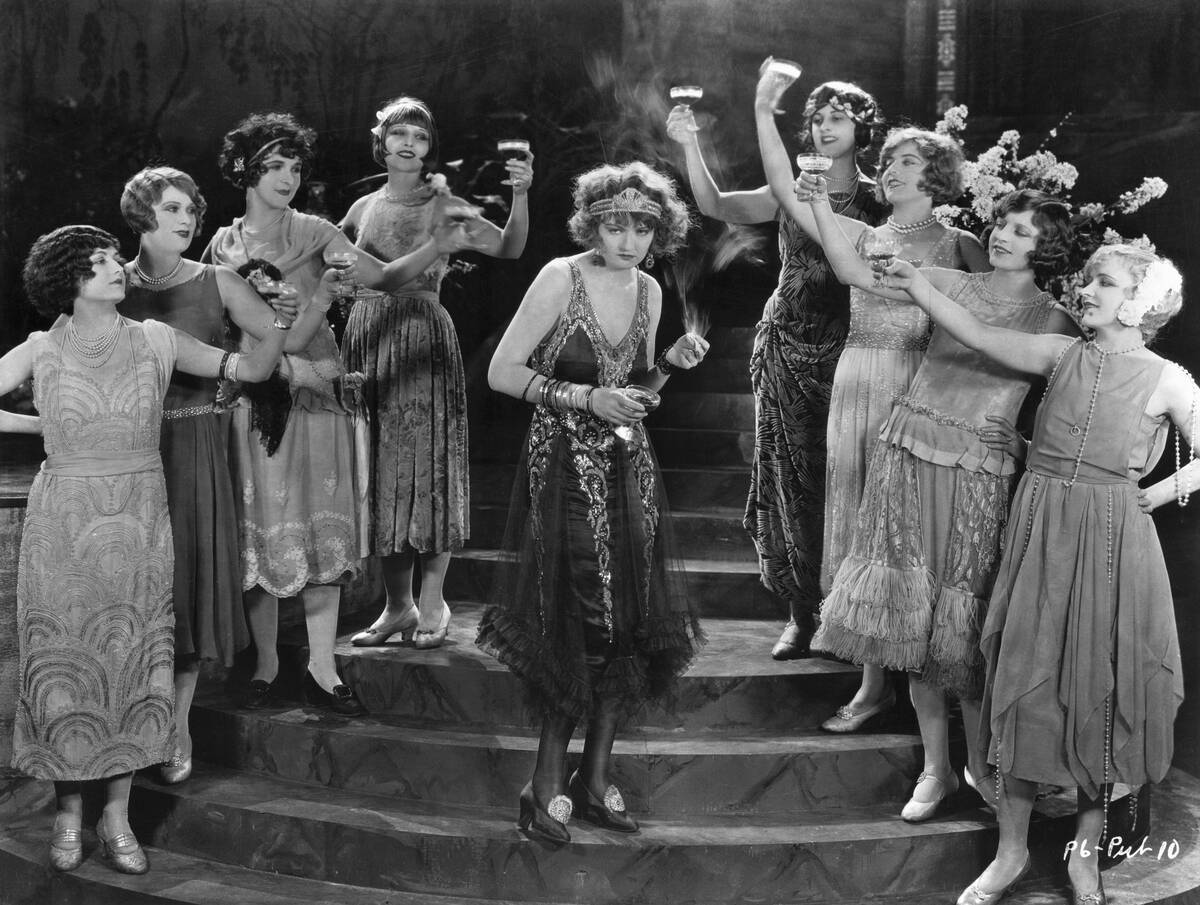
Flappers were the embodiment of the new, liberated woman of the 1920s. With their bobbed hair, knee-length skirts, and penchant for jazz music and dancing, flappers challenged traditional gender norms and embraced a lifestyle of greater independence and freedom.
This fashion revolution was more than just a style statement; it was a reflection of the changing role of women in society. As women gained the right to vote and entered the workforce in greater numbers, the flapper became a symbol of empowerment and modernity.
Prohibition, The Era of Speakeasies and Bootlegging
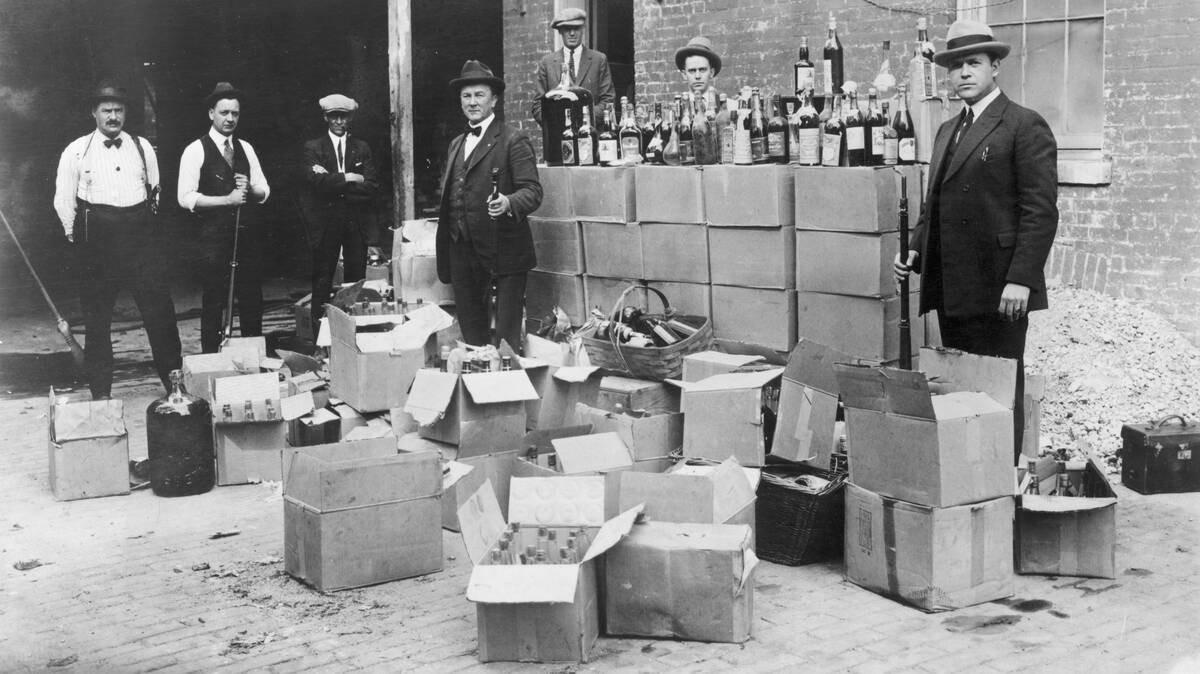
Prohibition, which lasted from 1920 to 1933, was a nationwide constitutional ban on the production, importation, transportation, and sale of alcoholic beverages. Despite its intent to curb alcohol consumption, Prohibition led to the rise of speakeasies—secret bars where people could enjoy a drink away from the prying eyes of the law.
Bootlegging became a lucrative business, with figures like Al Capone becoming infamous for their roles in the illegal alcohol trade. This era highlighted the complexities of legislating morality and the unintended consequences of such efforts.
The Harlem Renaissance
The Harlem Renaissance was a cultural, social, and artistic explosion that took place in Harlem, New York, during the 1920s. It was a pivotal moment in African American cultural history, as it fostered a new sense of racial pride and identity.
Writers like Langston Hughes and Zora Neale Hurston, along with artists such as Aaron Douglas, were at the forefront of this movement, using their work to explore themes of race, identity, and the African American experience. The Harlem Renaissance left an indelible mark on American culture and laid the groundwork for future civil rights movements.
The Stock Market Boom
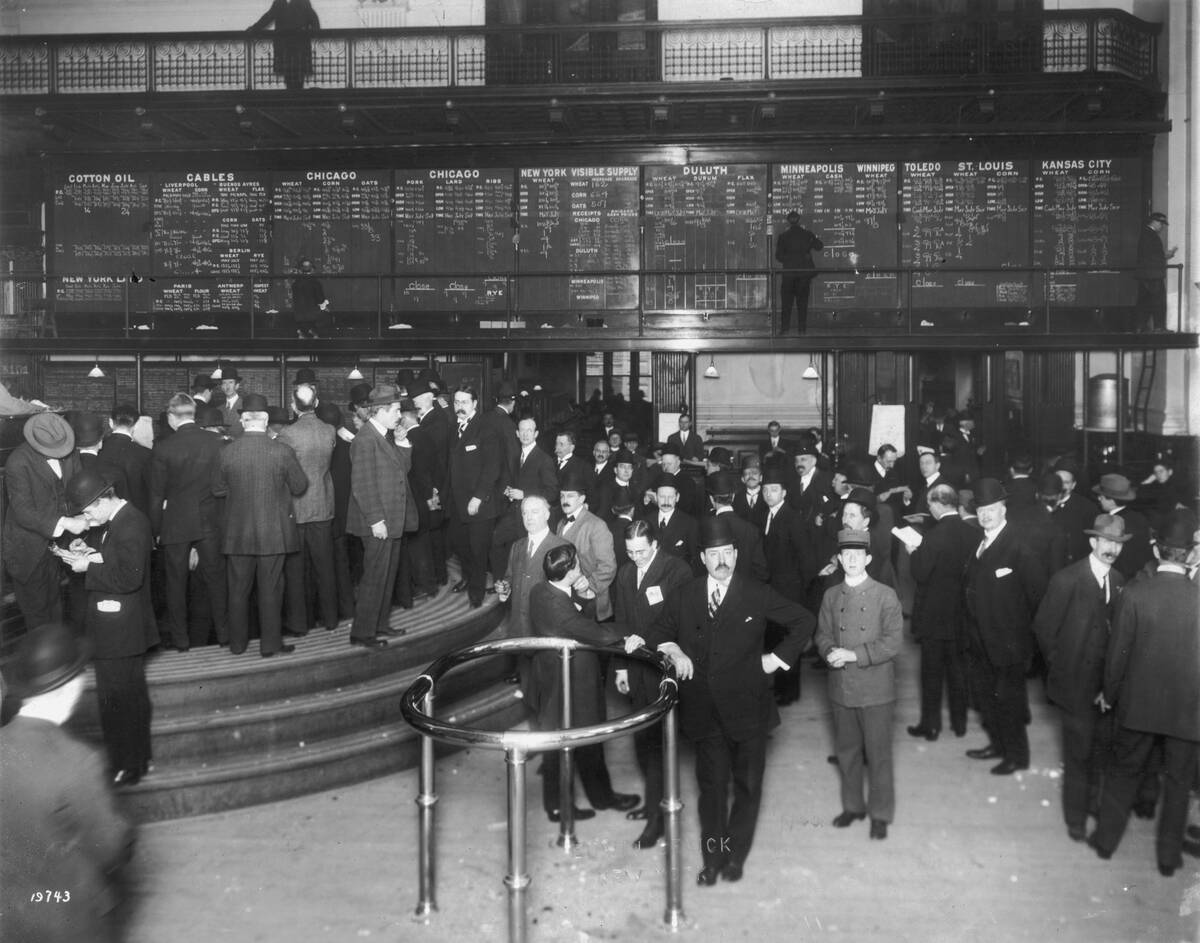
The 1920s saw a significant boom in the stock market, with many Americans investing in stocks for the first time. The widespread availability of credit and the allure of quick profits led to a speculative frenzy, with stock prices soaring to unprecedented heights.
This era marked the birth of modern investing, as more people became involved in the stock market and financial news became a staple of daily life. However, this speculative bubble would eventually burst in 1929, leading to the Great Depression and a reevaluation of investment practices.
The Advent of Radio

The radio became a revolutionary medium in the 1920s, transforming how people received news and entertainment. With the ability to broadcast music, news, and live events, radio connected people across vast distances and brought the world into their living rooms.
By the end of the decade, nearly every American household had a radio, making it a central part of daily life. The radio not only provided entertainment but also played a crucial role in shaping public opinion and disseminating information on a scale never seen before.
The Automobile Revolution
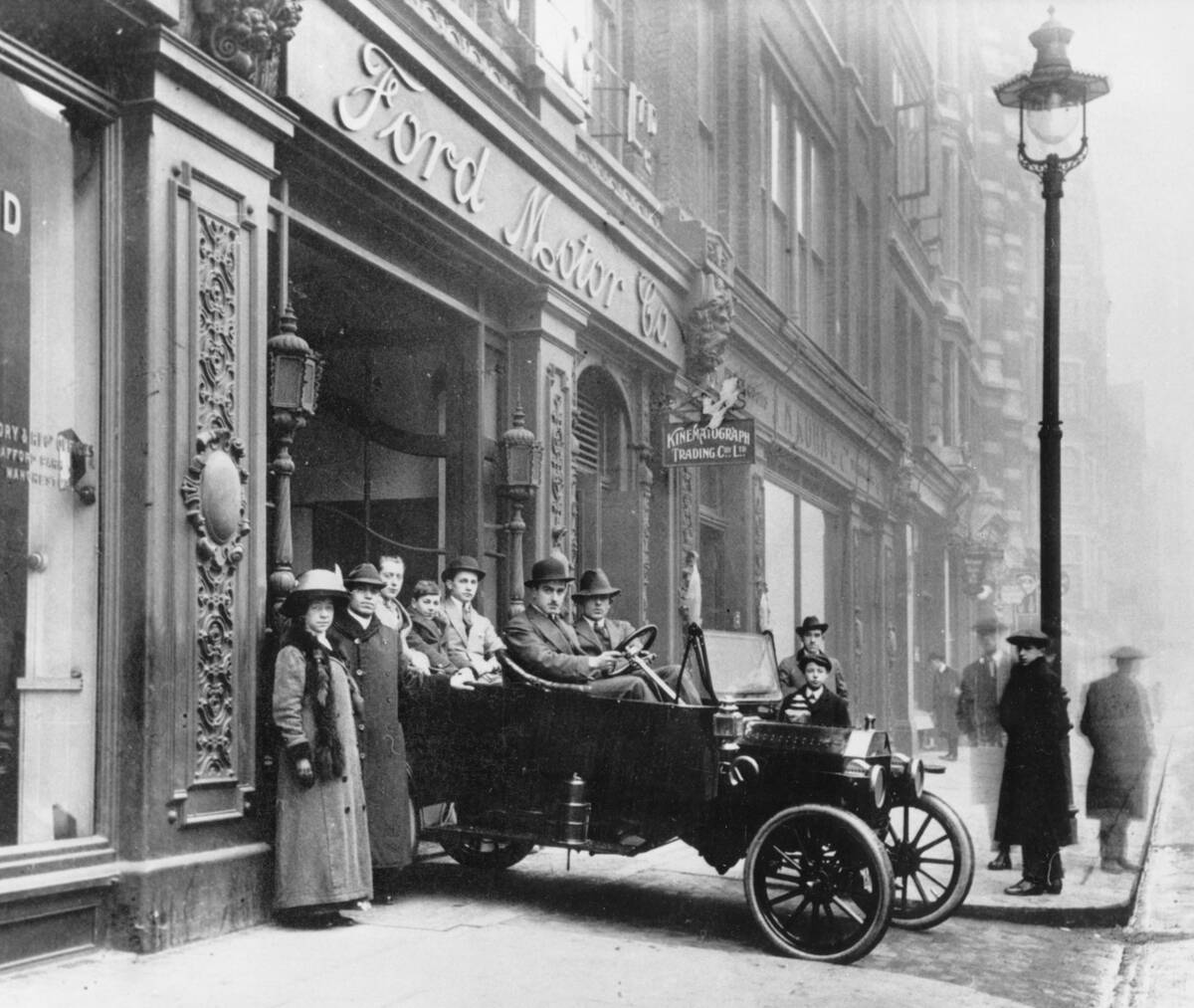
The 1920s witnessed a dramatic increase in automobile ownership, thanks in large part to Henry Ford’s mass production techniques. The Model T became affordable for the average American, leading to a surge in car ownership and a transformation of the American landscape.
Roads and highways were built to accommodate the growing number of vehicles, and suburbs began to develop as people could now live farther from where they worked. The automobile revolutionized daily life, offering new levels of freedom and mobility and reshaping the way people lived and worked.
The Birth of Hollywood
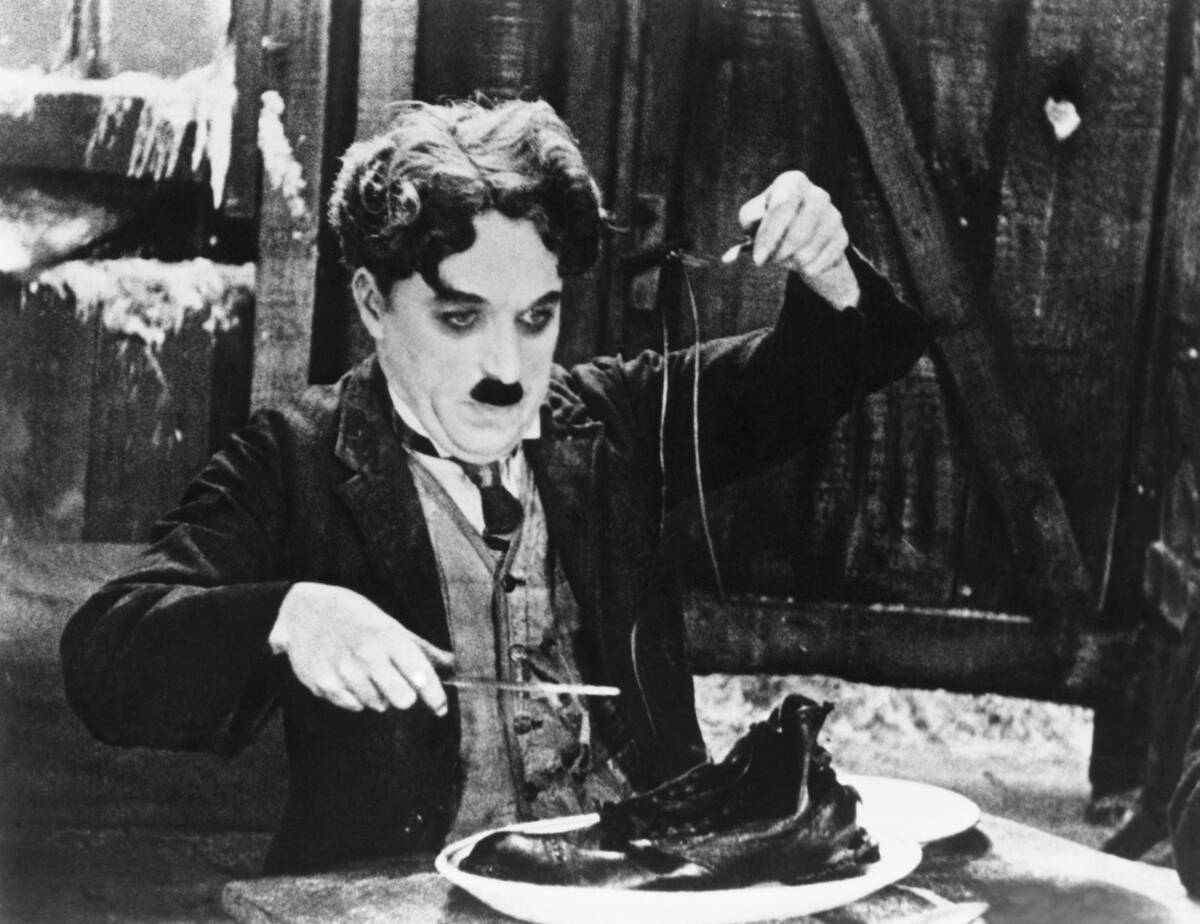
Hollywood emerged as the epicenter of the film industry in the 1920s, ushering in the Golden Age of Cinema. Silent films captivated audiences with stars like Charlie Chaplin and Mary Pickford becoming household names.
The introduction of “talkies” in the late 1920s revolutionized the industry, with films like “The Jazz Singer” showcasing synchronized sound. Movie palaces sprang up across the country, and cinema became a major form of entertainment, offering an escape from the everyday and a glimpse into the glamorous world of the silver screen.
The Scopes Trial: Science vs. Religion in the Classroom
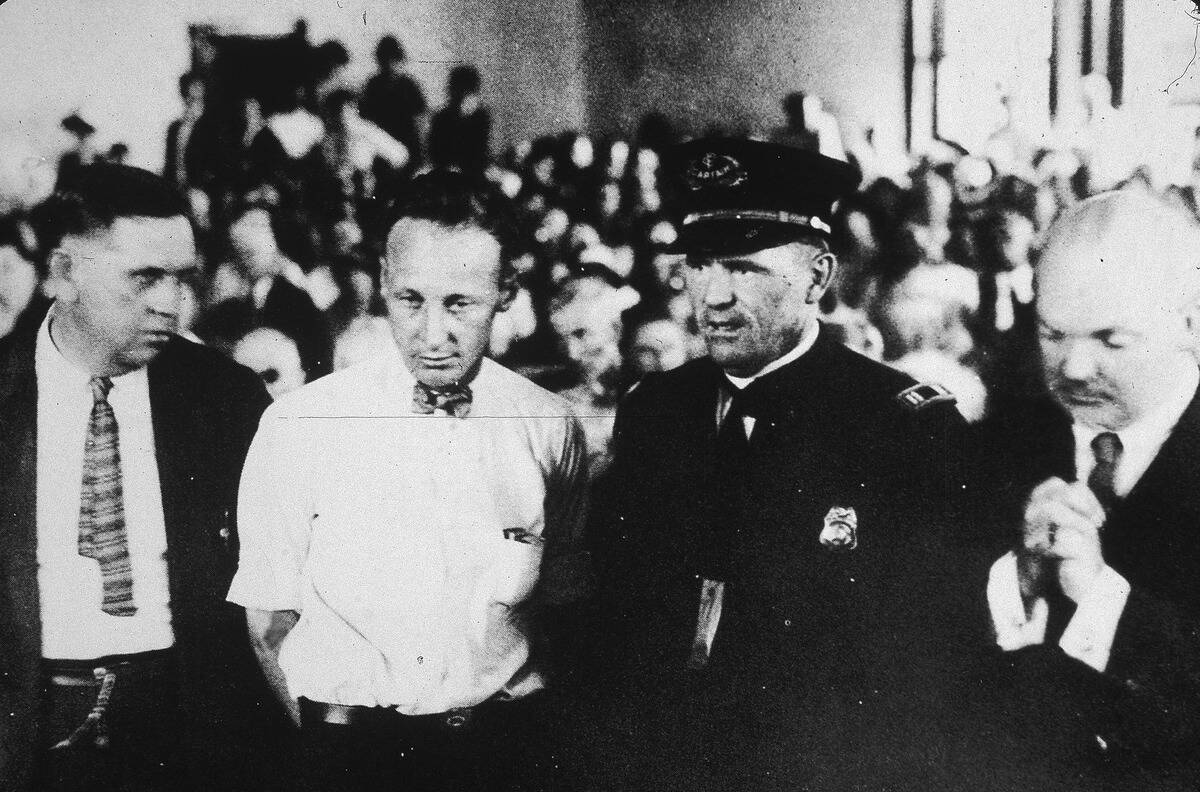
The Scopes Trial, also known as the “Monkey Trial,” took place in 1925 and became a focal point in the debate between science and religion. John T. Scopes, a high school teacher in Tennessee, was accused of violating state law by teaching evolution in the classroom.
The trial attracted national attention, with famous lawyers Clarence Darrow and William Jennings Bryan facing off in a courtroom battle. The trial highlighted the tension between traditional religious values and the emerging scientific understanding of the world, a debate that continues to resonate today.
The Rise of Consumerism
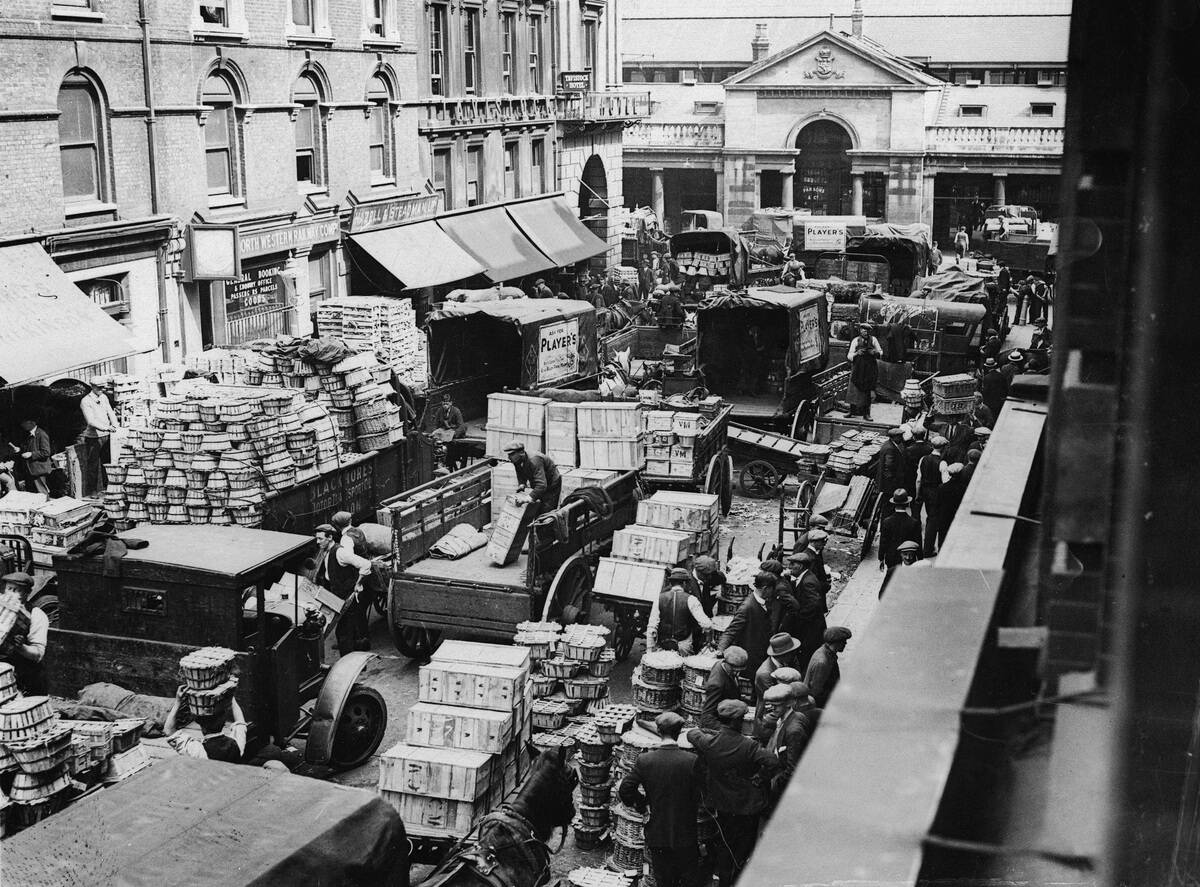
The 1920s saw a significant rise in consumerism, as mass production and advertising transformed the American economy. With new products flooding the market, advertising became a powerful tool in shaping consumer desires and promoting the idea of the American Dream.
Brands like Coca-Cola and Ford became household names, and the concept of “keeping up with the Joneses” took hold. This era marked the beginning of modern consumer culture, as people were encouraged to buy more and aspire to a lifestyle of comfort and abundance.
The Great Migration
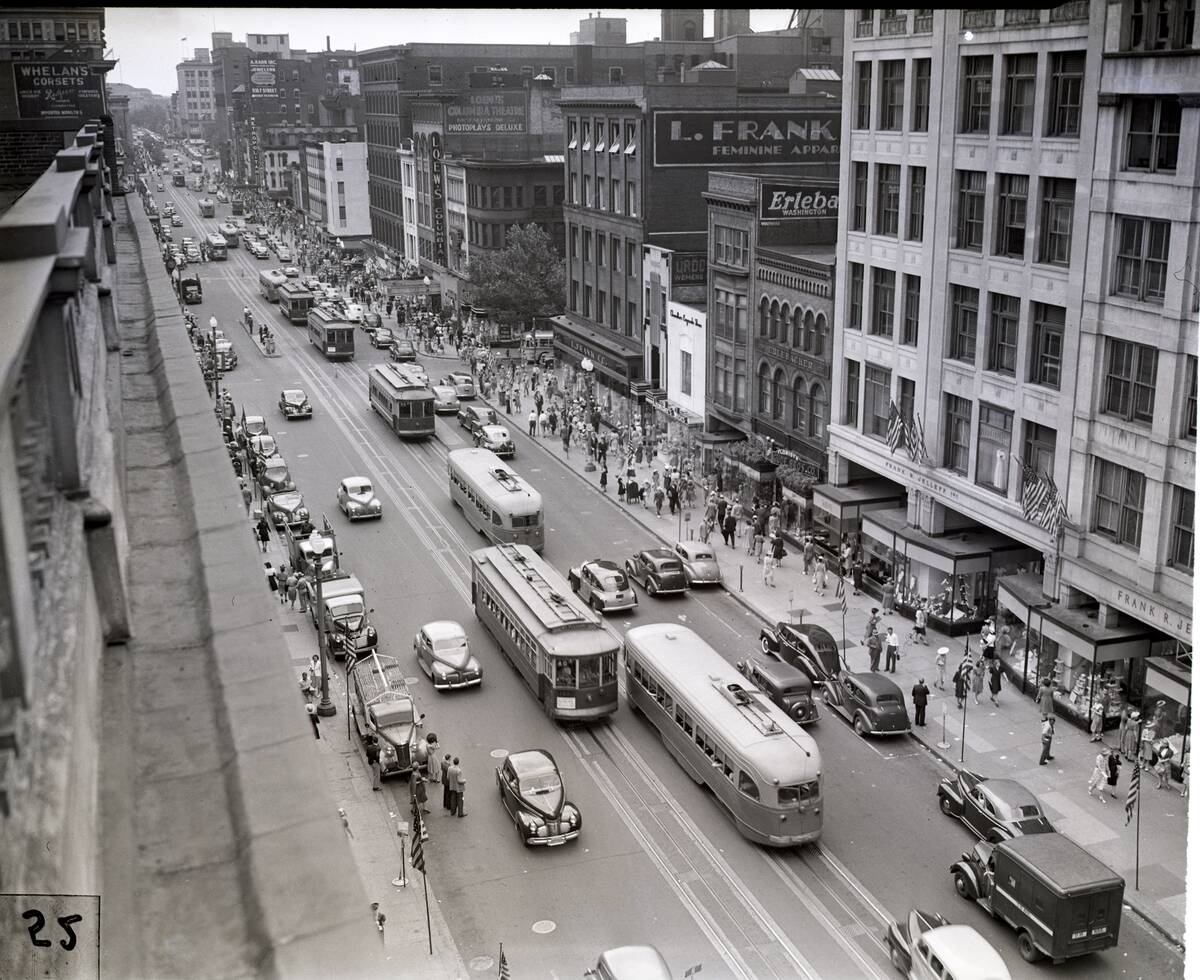
The Great Migration was a mass movement of African Americans from the rural South to the urban North, seeking better economic opportunities and escaping racial segregation. This migration, which began in the 1910s and continued into the 1920s, reshaped the demographics of American cities and had a profound impact on culture and society.
Cities like Chicago, New York, and Detroit saw significant increases in their African American populations, leading to the growth of vibrant cultural communities and contributing to movements like the Harlem Renaissance.
The Red Scare: Fear and Politics in a Changing World
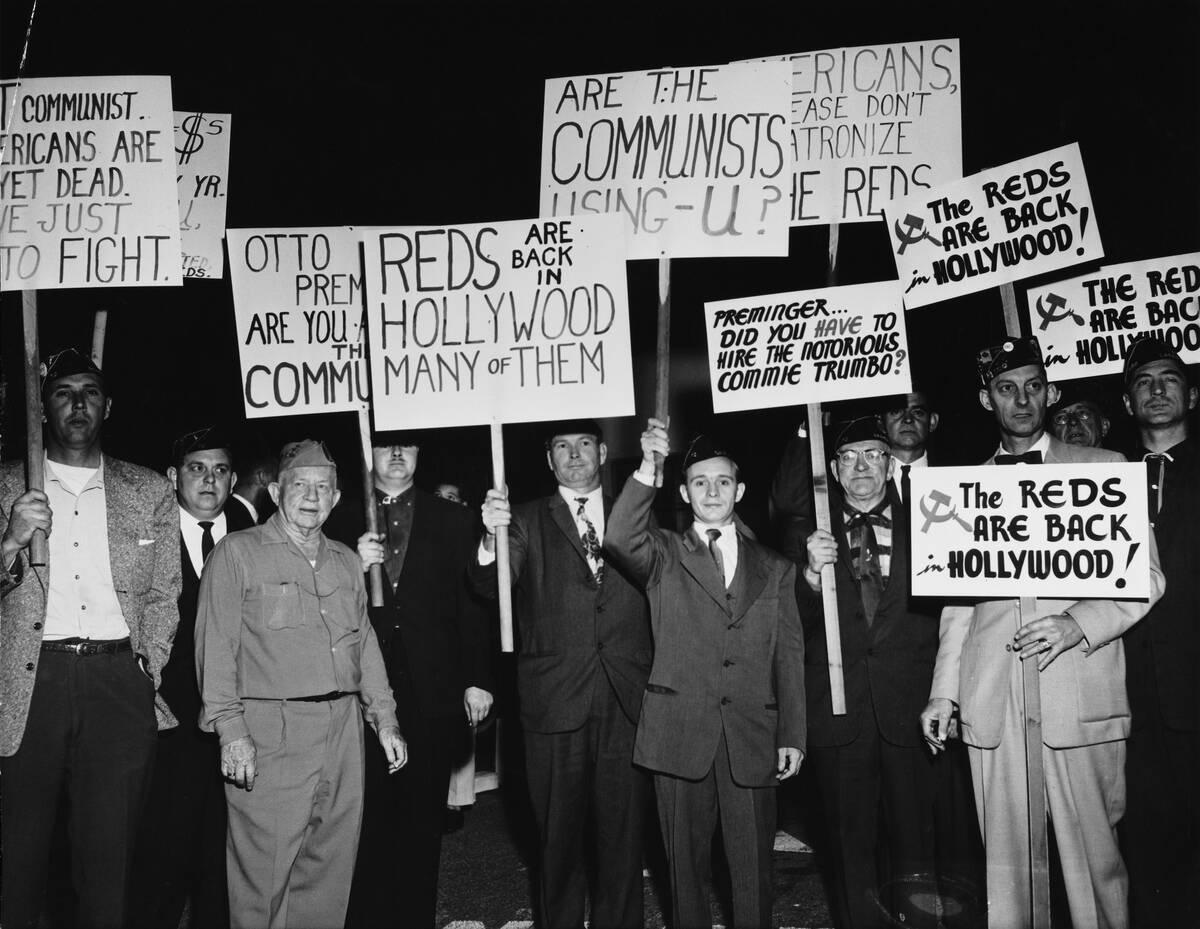
The Red Scare of the 1920s was a period of intense fear and suspicion of communism and radical political ideologies in the United States. Following the Russian Revolution and the rise of the Soviet Union, Americans grew increasingly wary of communist influence.
This fear was exacerbated by a series of bombings and labor strikes, leading to a crackdown on suspected radicals and the infamous Palmer Raids. The Red Scare highlighted the tension between civil liberties and national security, a theme that would reemerge in later decades.
The League of Nations
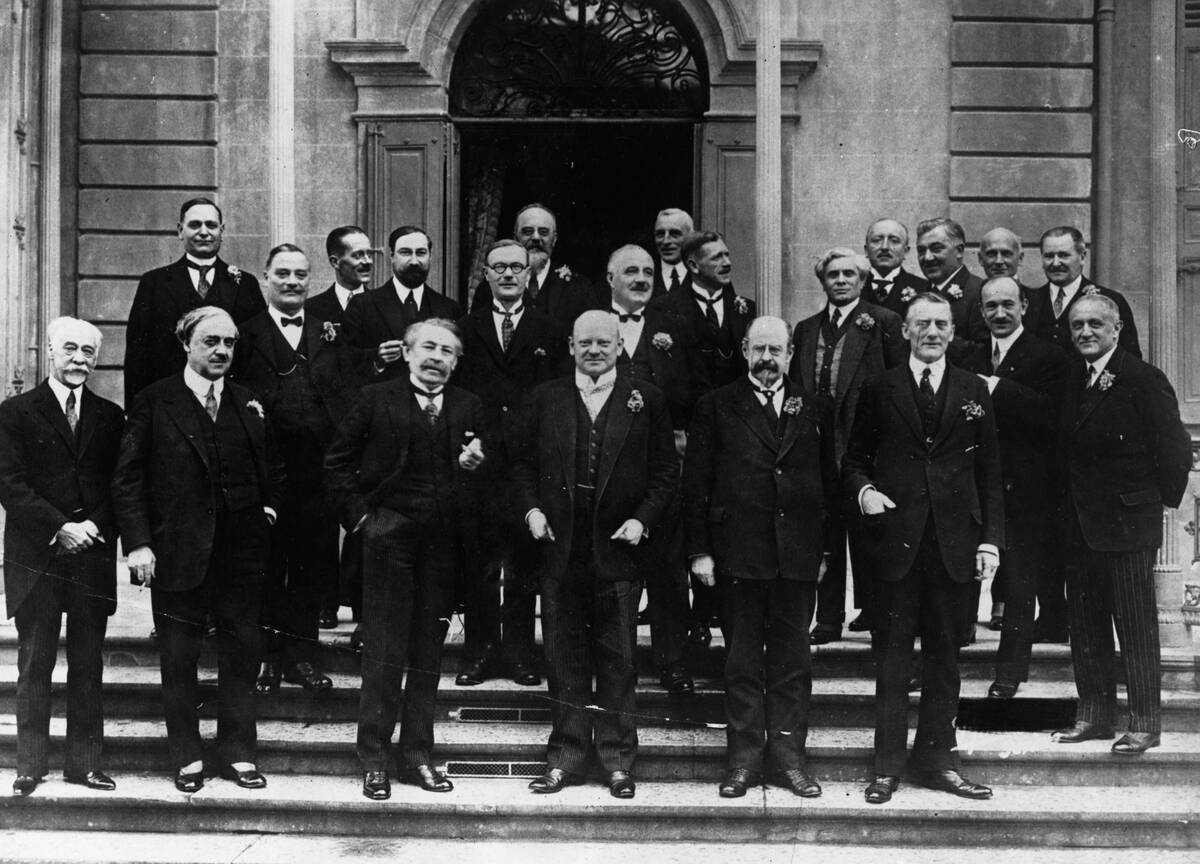
The League of Nations was established in 1920 as an international organization aimed at maintaining peace and preventing future conflicts. Although it was a groundbreaking step towards global cooperation, the League faced significant challenges, including the absence of the United States, which never joined despite President Woodrow Wilson’s advocacy.
The League’s inability to prevent aggression by countries like Japan and Italy in the 1930s ultimately led to its downfall, but it laid the groundwork for the creation of the United Nations after World War II.
The Impact of the 19th Amendment
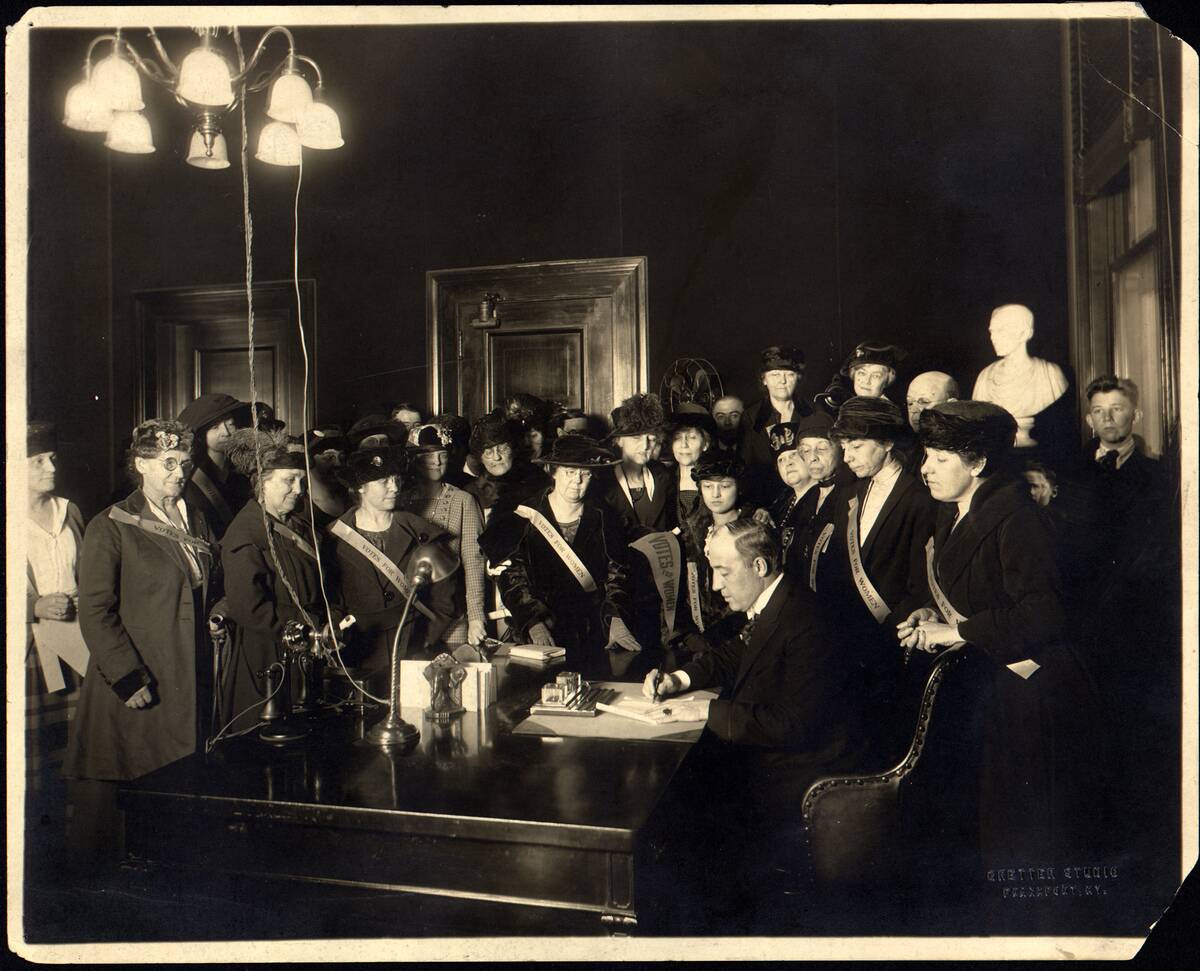
The ratification of the 19th Amendment in 1920 was a monumental achievement in the fight for women’s rights, granting women the right to vote in the United States. This victory was the culmination of decades of activism and advocacy by suffragists who tirelessly campaigned for equal voting rights.
The amendment not only enfranchised millions of women but also paved the way for greater participation of women in politics and public life. It was a significant step towards gender equality and a testament to the power of grassroots movements.
The Art Deco Movement
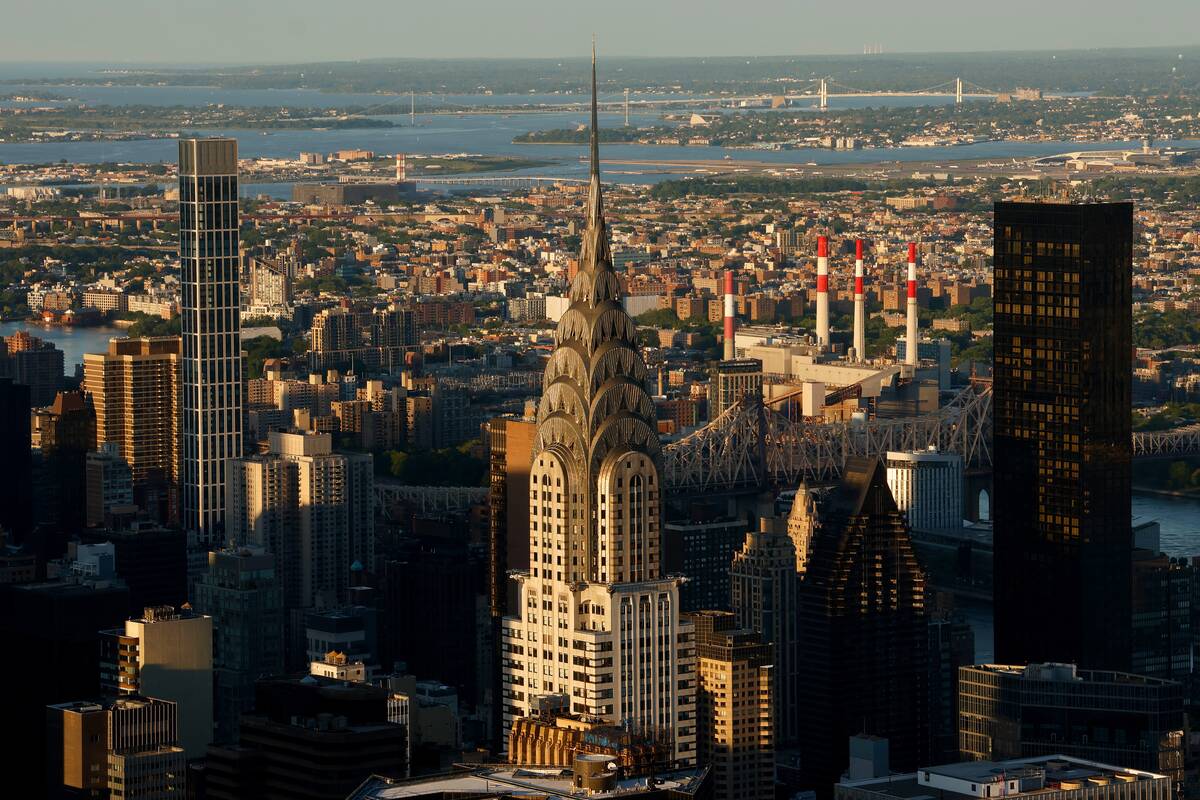
The Art Deco movement emerged in the 1920s as a distinct style characterized by bold geometric shapes, vibrant colors, and luxurious materials. This aesthetic was a reflection of the optimism and modernity of the decade, influencing architecture, fashion, and design.
Iconic examples of Art Deco architecture include the Chrysler Building in New York City and the Palais de Tokyo in Paris. The movement embraced technological advancements and celebrated the machine age, leaving a lasting legacy that continues to inspire designers and artists today.