Historical beauty treatments that were surprisingly dangerous
Beauty standards have evolved dramatically over the centuries, but the lengths to which people have gone to achieve them remain fascinating. Historical beauty treatments often came with a hefty price, risking health and sometimes life itself.
These practices, while shocking today, were once considered the pinnacle of attractiveness. Let’s take a journey through time to explore some of the most perilous beauty rituals that history has to offer.
The Deadly Allure of Lead-Based Makeup
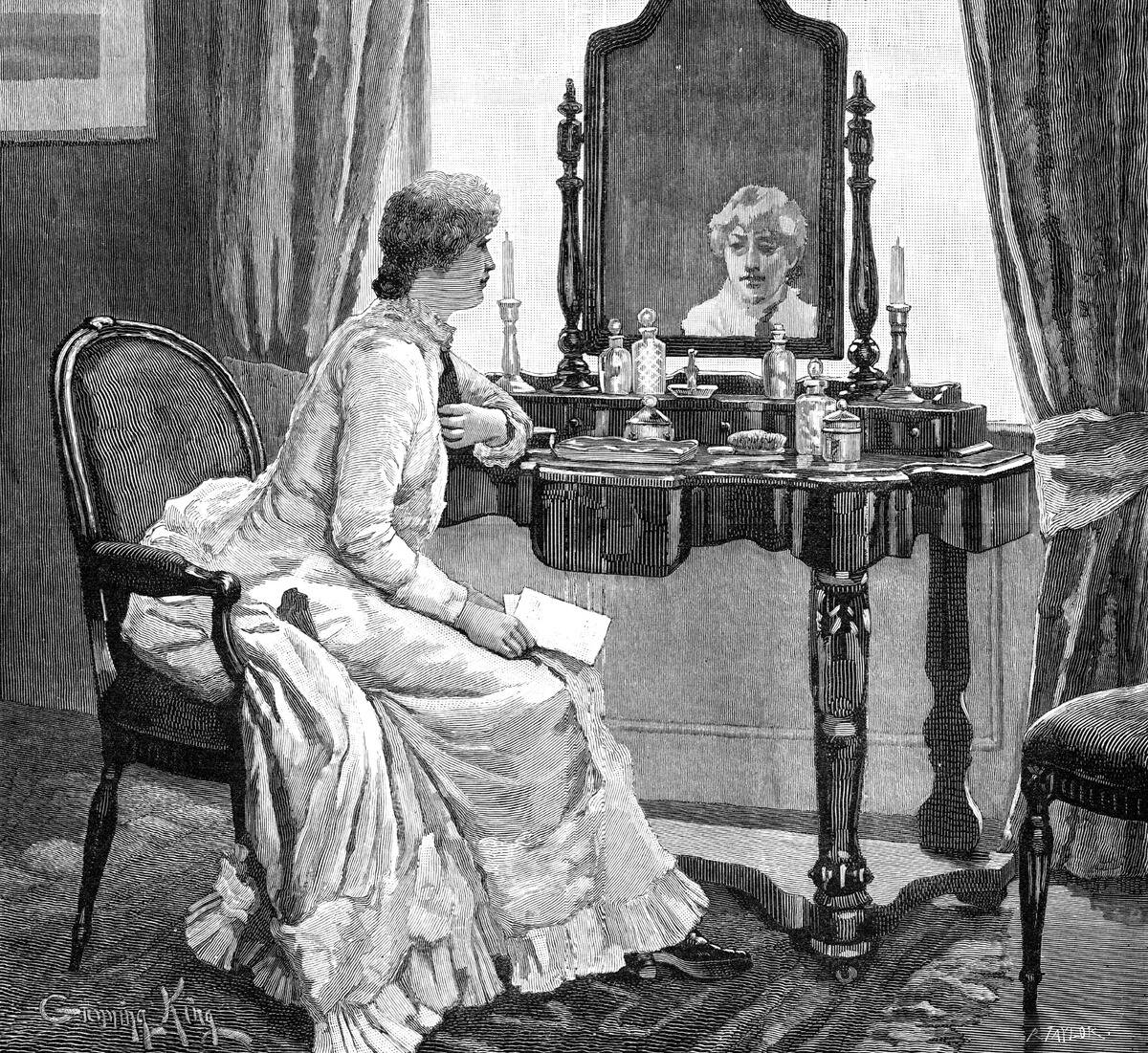
In the quest for a flawless complexion, many women in the 18th century turned to lead-based makeup. This toxic substance promised a porcelain-like finish but came with severe health consequences.
Prolonged use led to lead poisoning, causing symptoms like muscle paralysis and even death. Despite these dangers, the desire for beauty often outweighed the risks, highlighting the powerful allure of societal standards.
Arsenic Complexion Wafers: A Risky Route to Pale Skin
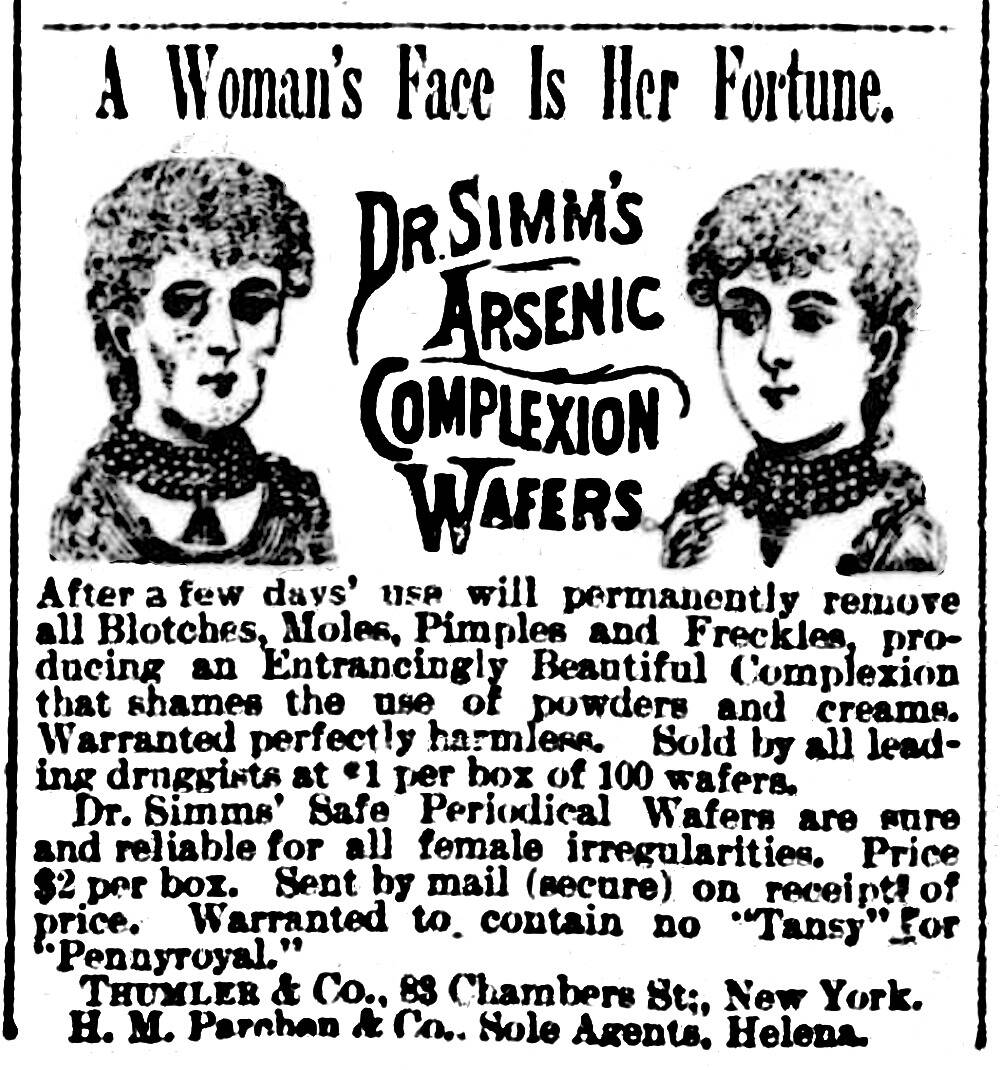
Pale skin was once a sign of nobility, and arsenic complexion wafers were the go-to solution. These wafers contained arsenic trioxide, a deadly poison, and were consumed to lighten the skin.
While they did achieve the desired effect, they also caused a host of health issues, including nausea, vomiting, and even death. The pursuit of beauty through such dangerous means underscores the extreme measures taken in the name of fashion.
Belladonna Drops: Beauty at the Cost of Vision
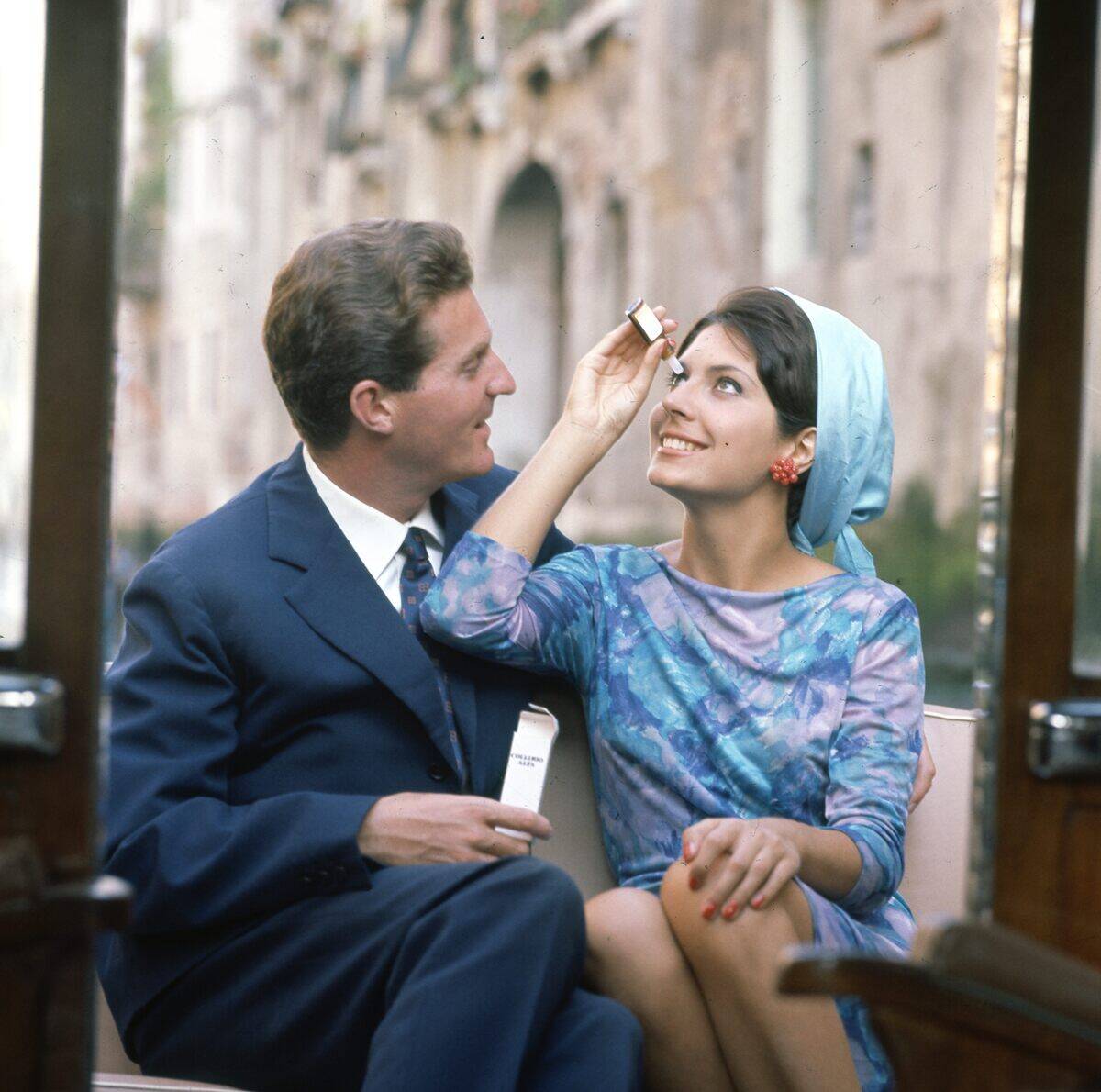
Belladonna, or “beautiful lady” in Italian, was used to dilate pupils, giving women a doe-eyed look. However, belladonna is highly toxic, and its use could lead to blurred vision, hallucinations, and even blindness.
The pursuit of this wide-eyed beauty standard was not only dangerous but also a testament to the lengths women would go to for perceived attractiveness.
Mercury-Infused Treatments: A Toxic Path to Clear Skin
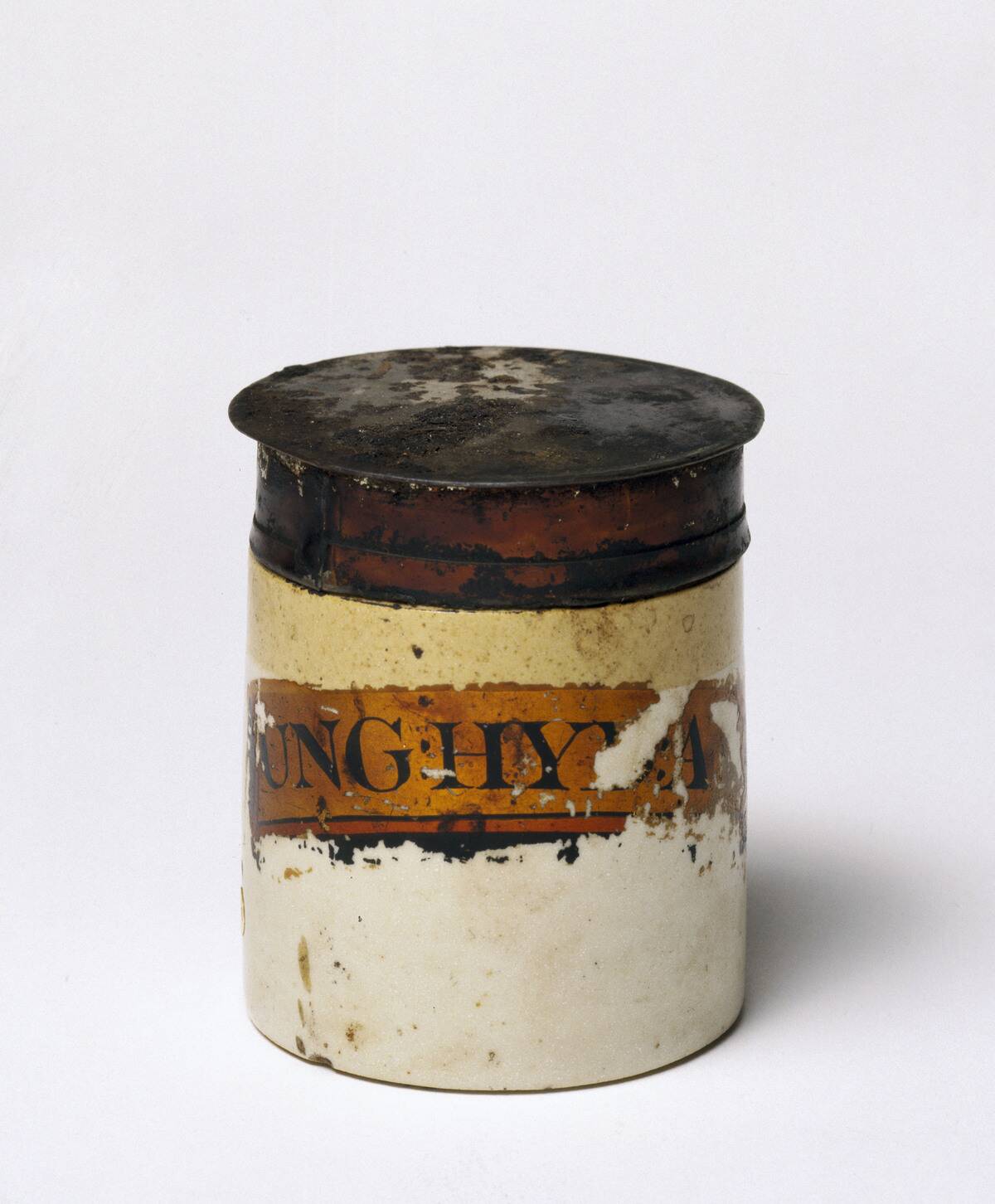
Mercury was once a popular ingredient in creams and ointments aimed at treating skin blemishes. While it might have temporarily cleared the skin, mercury is highly toxic and can cause kidney damage, neurological issues, and even death.
The use of mercury in beauty treatments highlights the dangerous intersection of health and vanity in historical beauty practices.
The Hazardous Glow of Radium Beauty Products
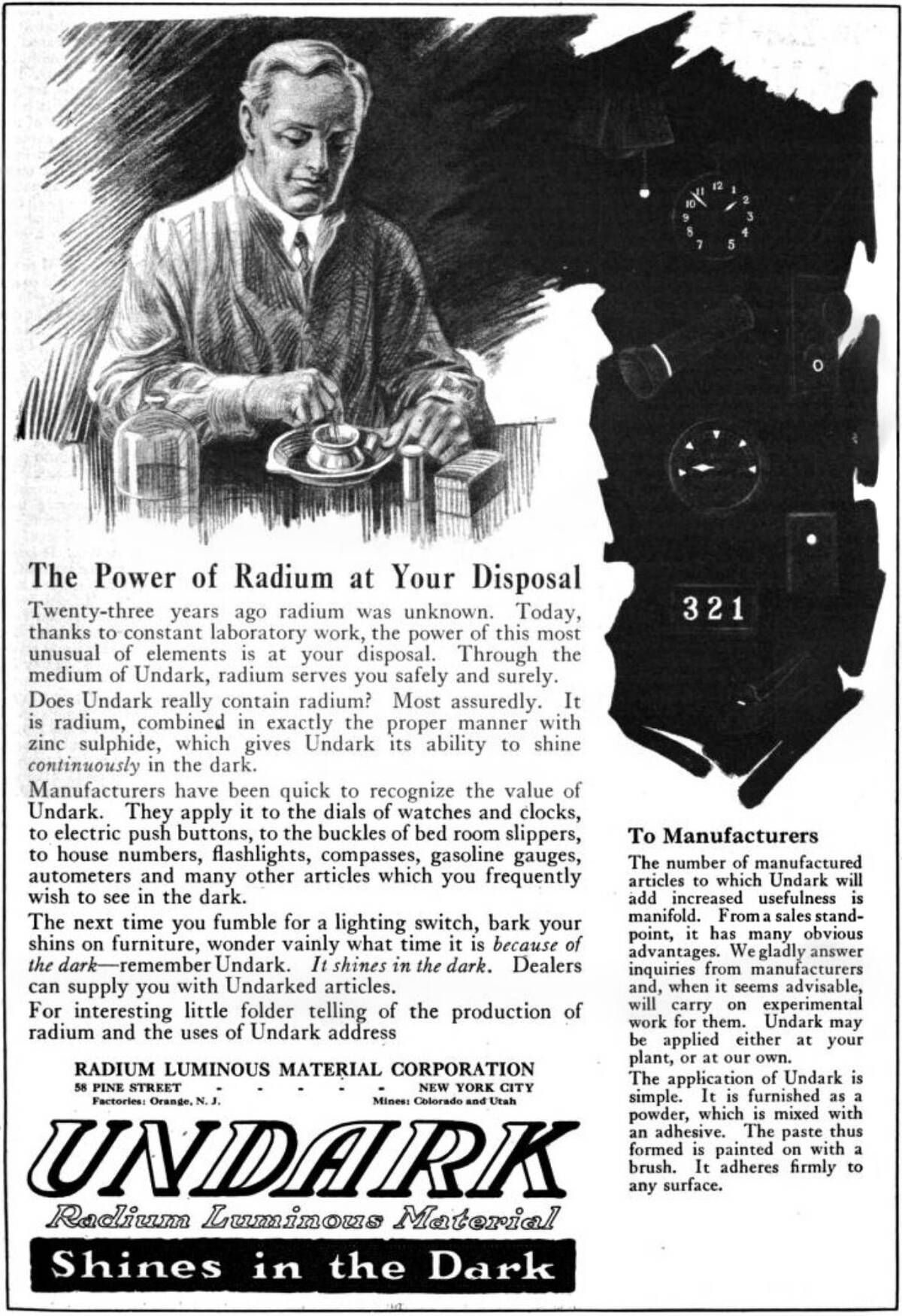
In the early 20th century, radium was all the rage, finding its way into beauty products promising a radiant glow. Unfortunately, radium is radioactive, and its use led to serious health problems, including cancer.
Despite the risks, the promise of a luminous complexion was enough to entice many into using these hazardous products. This fascination with radium underscores the sometimes-blind pursuit of beauty.
Bloodletting for Rosy Cheeks: A Dangerous Beauty Ritual
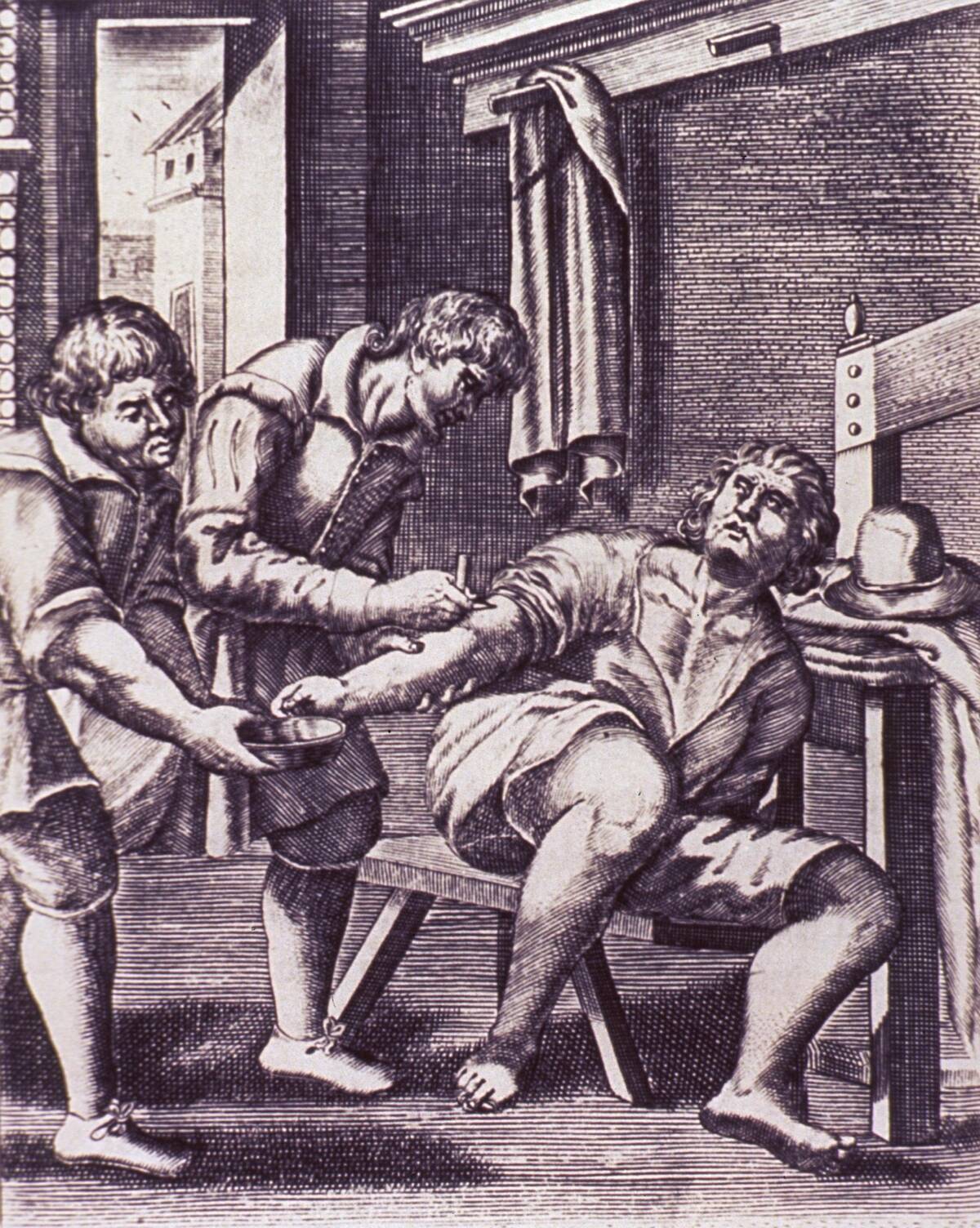
Bloodletting was a common practice intended to improve health and, by extension, appearance. The idea was that removing “excess” blood would lead to a healthier, rosier complexion.
However, this practice often led to anemia and other health issues. The willingness to undergo such a procedure for beauty’s sake highlights the extreme measures people have historically taken in the name of aesthetics.
The Painful Pursuit of Perfection with Foot Binding
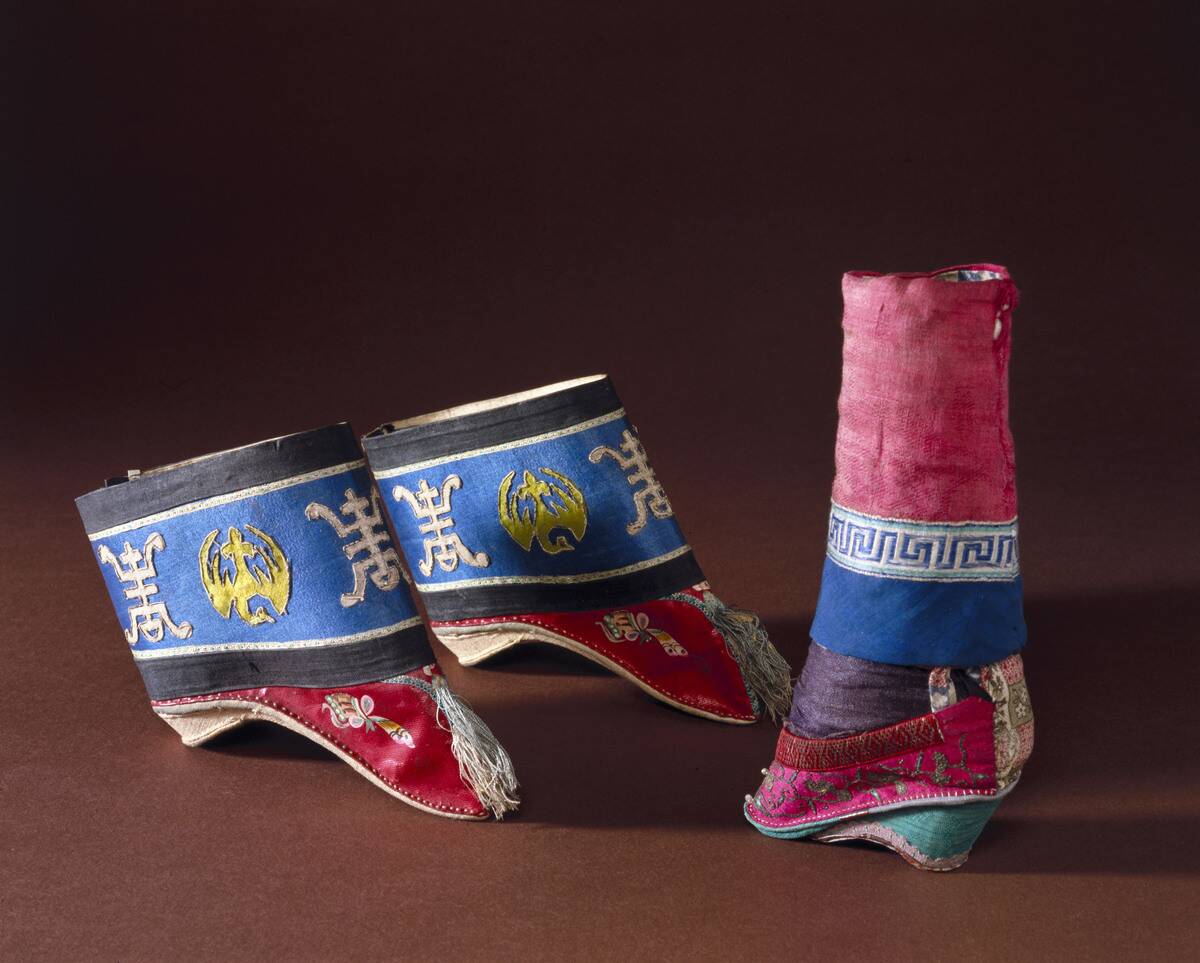
Foot binding was a practice in China that aimed to create small, delicate feet, considered a mark of beauty and status. This painful process involved breaking and tightly binding the feet, often resulting in lifelong disability.
Despite the agony and health risks, foot binding was a widely accepted practice, reflecting the cultural pressures to conform to beauty ideals, no matter the cost.
Hair-Raising Dangers of Lye-Based Hair Relaxers
Lye-based hair relaxers were once popular for straightening hair, but they came with significant risks. Lye, or sodium hydroxide, is a caustic chemical that can cause severe burns and permanent scalp damage.
Despite these dangers, many continued to use these products in pursuit of straight, sleek hair. This practice highlights the often painful sacrifices made for beauty.
The Risky Business of Victorian Corsets
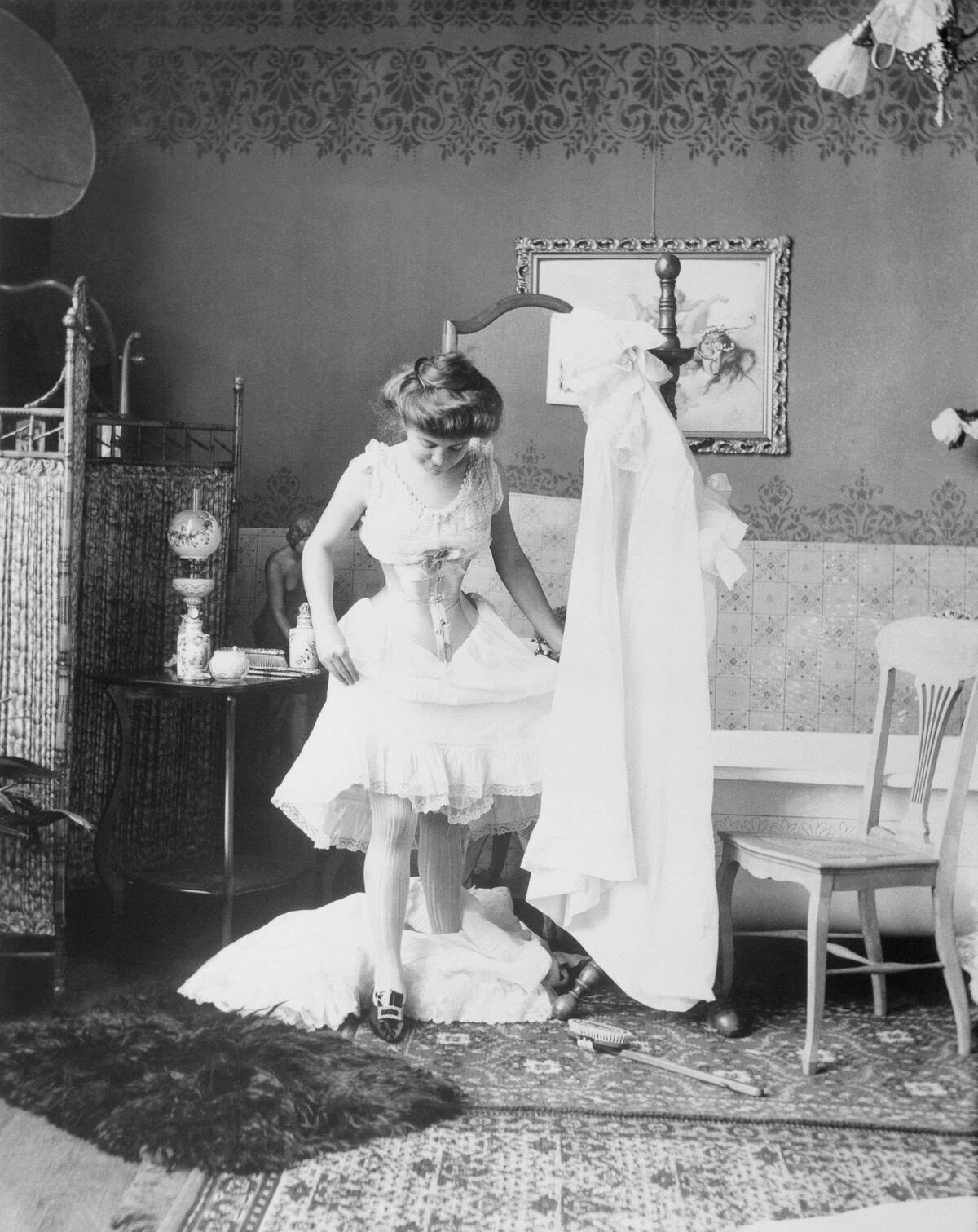
Victorian corsets were worn to achieve an hourglass figure, but they often came at a cost to health. Tight lacing could lead to fainting, difficulty breathing, and even organ damage.
Despite these risks, corsets remained a staple of fashion, illustrating the lengths to which people would go to adhere to beauty standards. The corset’s legacy is a reminder of the physical toll of historical fashion.
X-Ray Hair Removal: A Hair-Raising Health Hazard
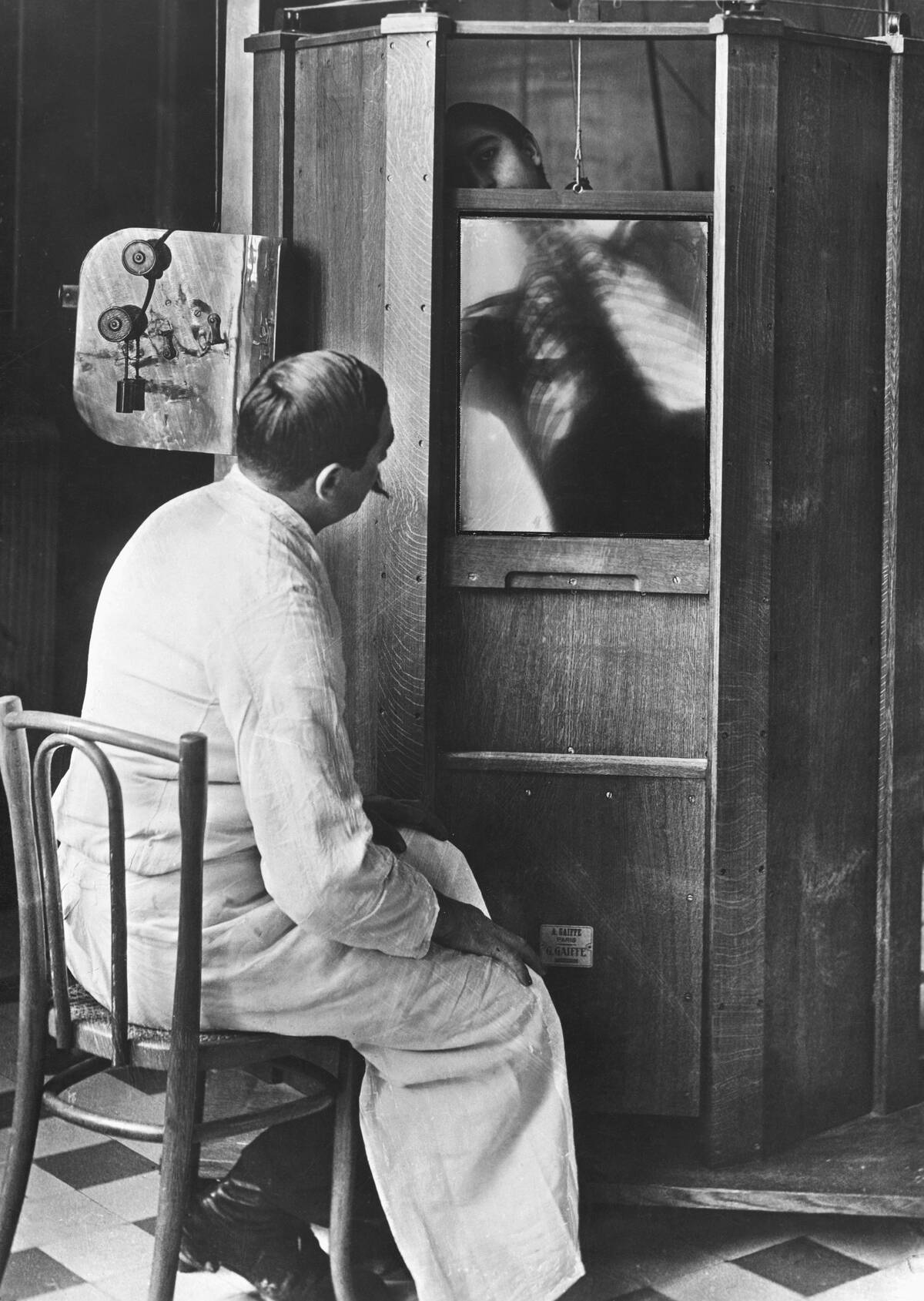
In the early 20th century, X-ray machines were used for hair removal, promising a permanent solution to unwanted hair. However, exposure to X-rays posed serious health risks, including skin burns and cancer.
Despite the dangers, the promise of smooth, hair-free skin was enough to entice many. This practice is a stark reminder of the sometimes dangerous pursuit of beauty.
The Poisonous Appeal of Kohl Eye Makeup
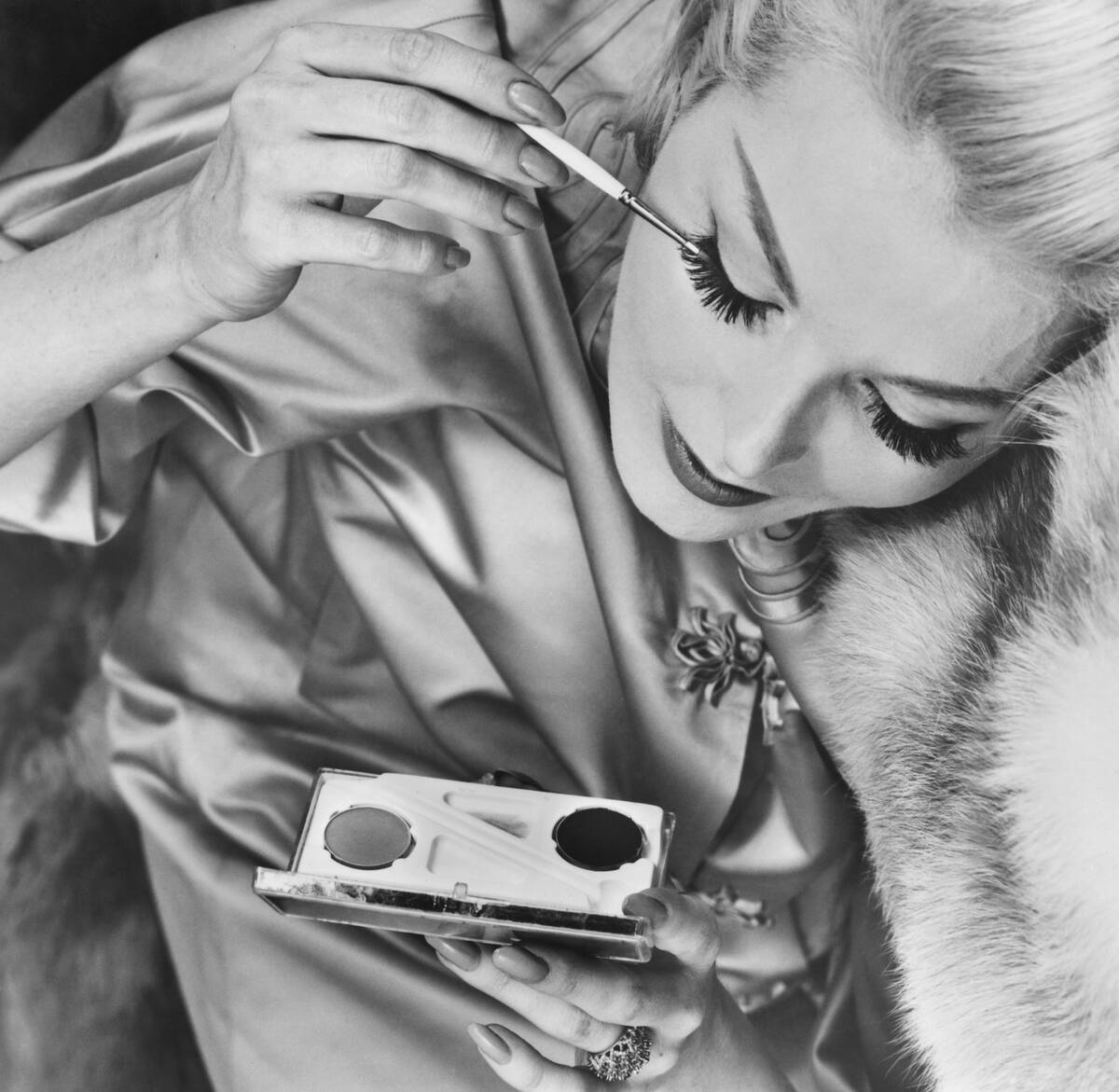
Kohl has been used for centuries to accentuate the eyes, but traditional kohl often contained lead and other toxic substances. Prolonged use could lead to lead poisoning, causing serious health issues.
Despite the risks, kohl remained popular, highlighting the enduring appeal of dramatic eye makeup. This practice underscores the lengths people have gone to enhance their appearance, even at the expense of health.
Venetian Ceruse: The White Lead Mask of Beauty
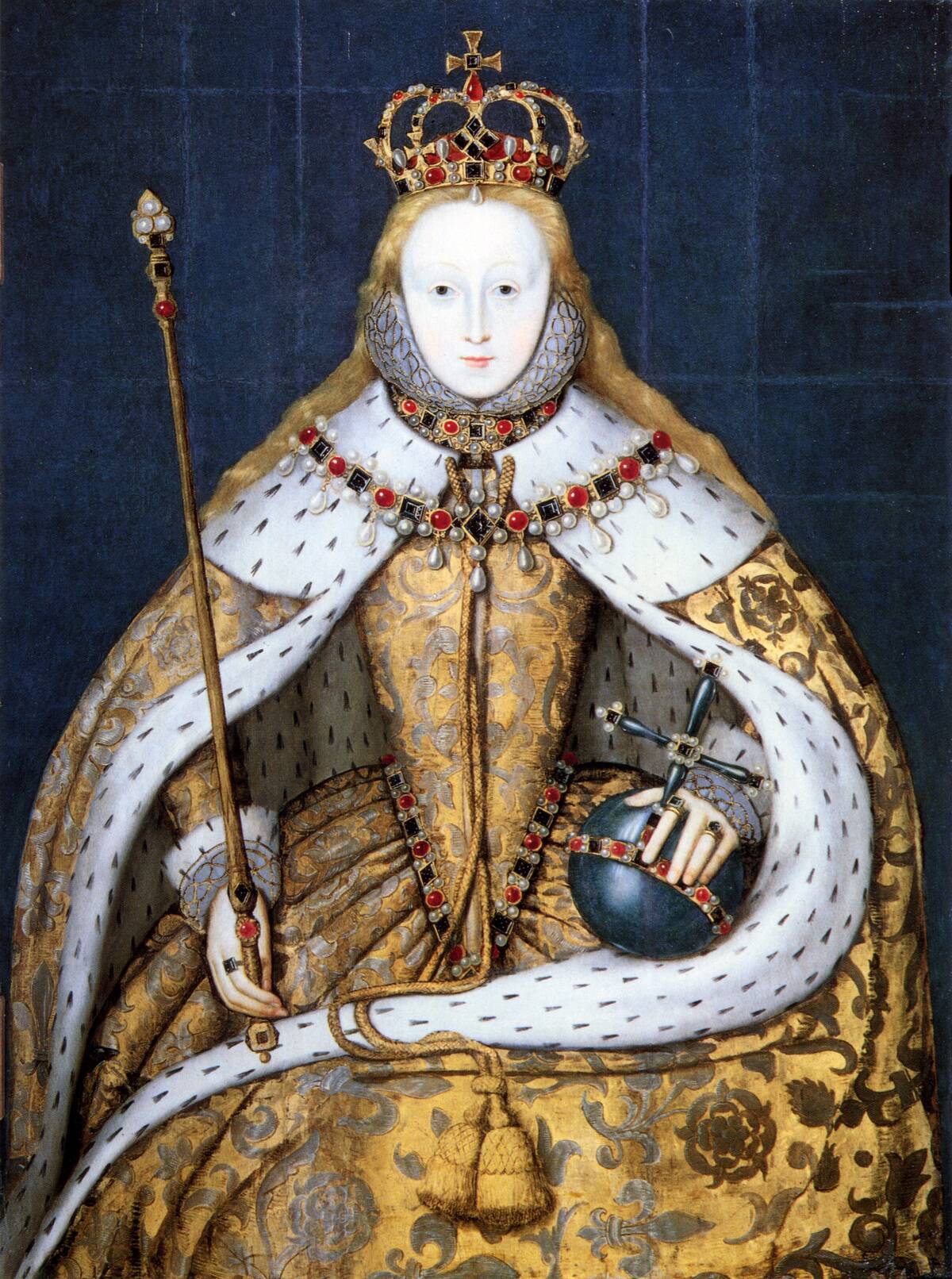
Venetian ceruse was a popular cosmetic in the 16th century, used to achieve a pale complexion. Made from white lead, it provided a smooth, white finish but at a high cost. Prolonged use led to lead poisoning, causing skin damage and health issues.
Despite its toxicity, ceruse was widely used, reflecting the powerful influence of beauty standards on personal health decisions.
Strychnine for a Slim Silhouette: A Fatal Fad
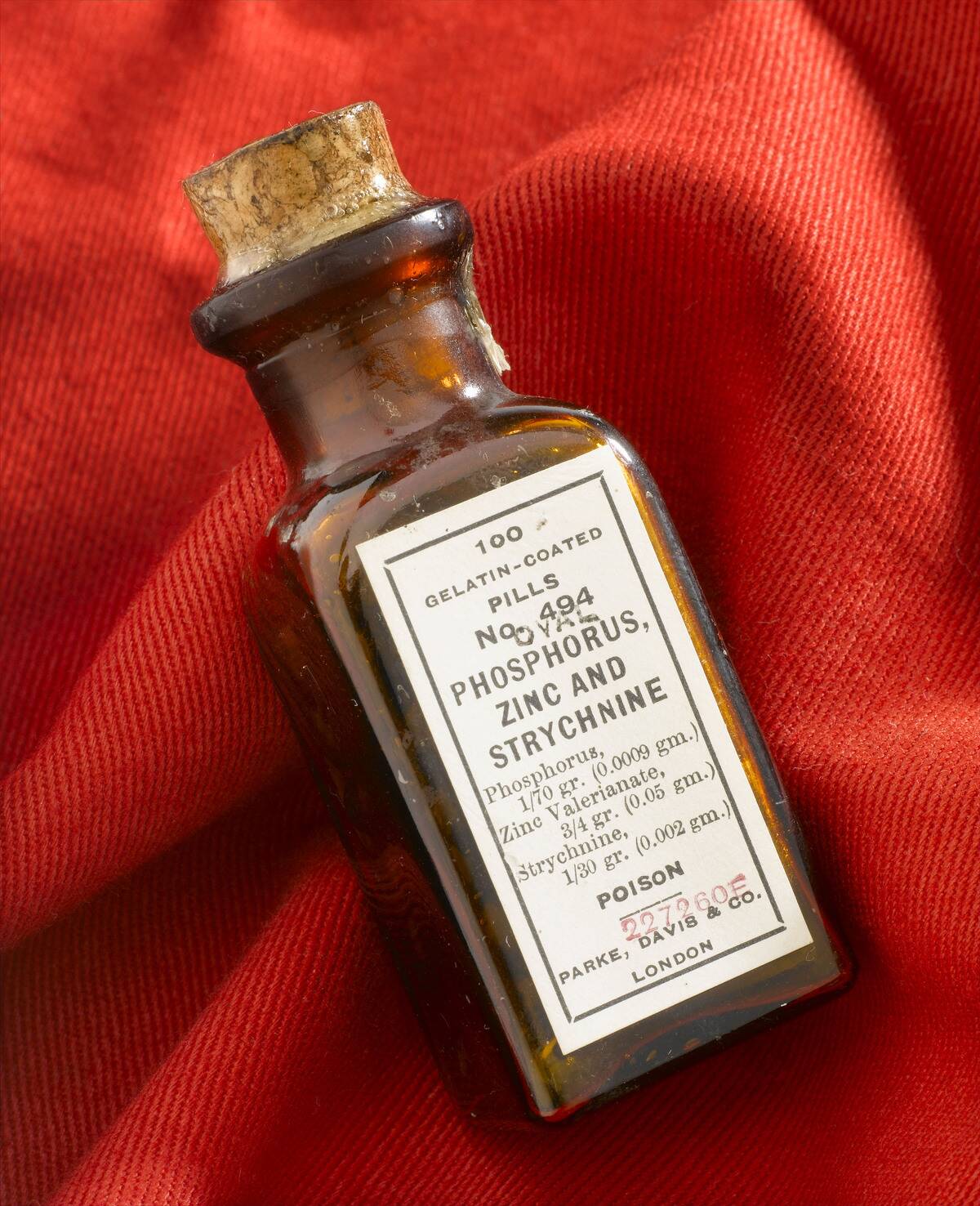
Strychnine, a highly toxic substance, was once used as a weight-loss aid. It was believed to boost metabolism, but it also posed serious health risks, including convulsions and death.
Despite its dangers, strychnine was used by those seeking a slender figure, highlighting the perilous lengths people have gone to in pursuit of beauty. This fatal fad serves as a cautionary tale of the hazards of extreme dieting.




