What daily life looked like in ancient cities
Imagine waking up in an ancient city, where the hustle and bustle of daily life is as vibrant as it is today, but with a unique historical twist. From the cobblestone streets to the towering temples, every corner tells a story of a civilization that thrived long before our time.
Ancient cities were melting pots of culture, innovation, and tradition, offering a fascinating glimpse into the past that continues to captivate us.
Breakfast: What Was on the Menu?
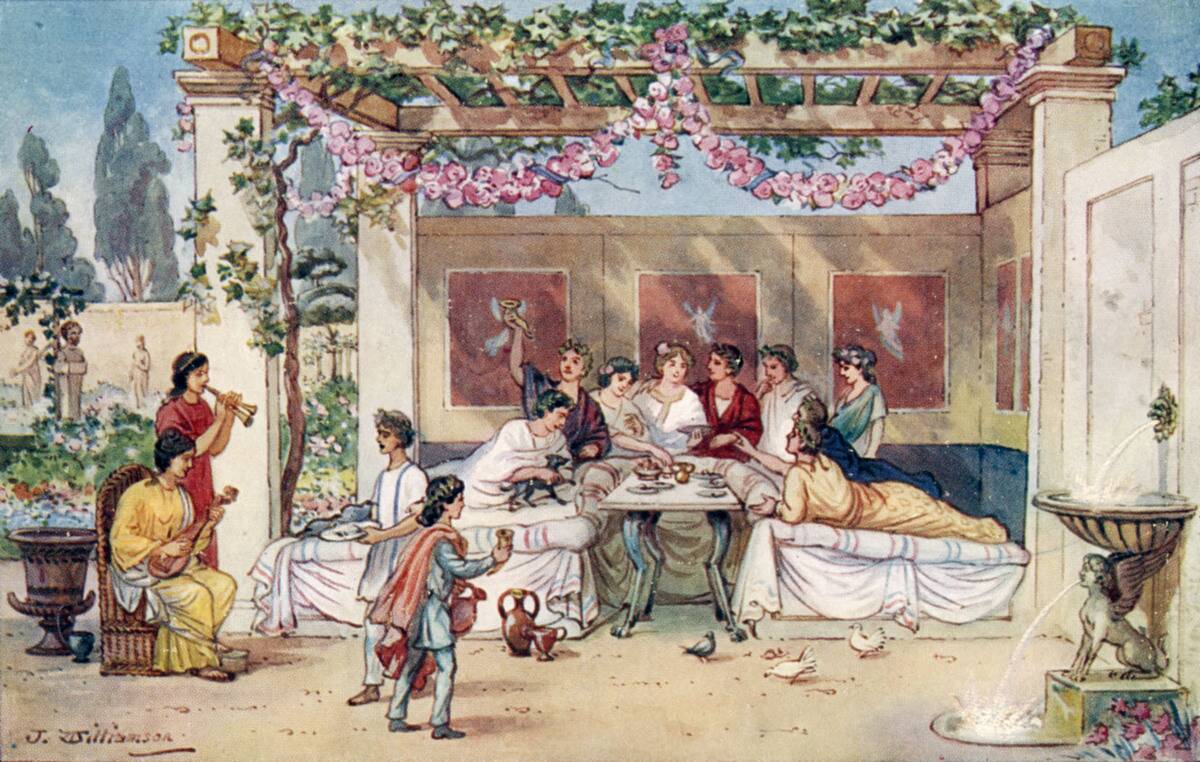
Breakfast in ancient times was a simple affair, often consisting of bread, fruits, and cheese. In Rome, for instance, citizens might enjoy a meal of bread dipped in wine, while in Egypt, a breakfast of figs and barley bread was common.
The ingredients varied based on local agriculture and trade, but the emphasis was on quick, nourishing foods to fuel the day’s activities.
Clothing and Fashion: Dressing for the Day
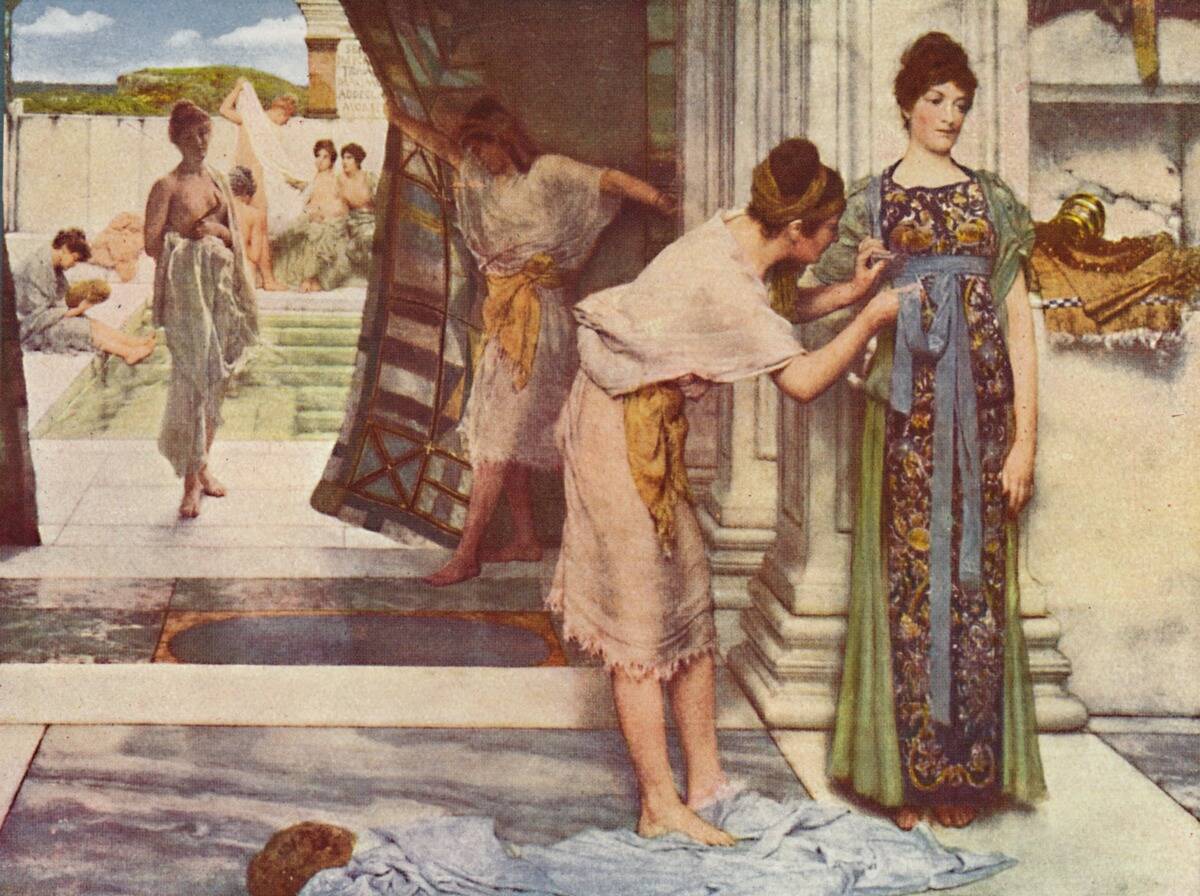
Fashion in ancient cities was a blend of practicality and style, with clothing often reflecting social status. In Greece, citizens wore tunics called chitons, while Romans favored togas.
Fabrics were typically made from wool or linen, dyed in various colors using natural dyes. Jewelry and accessories were popular among the wealthy, showcasing intricate designs and precious materials.
Streets and Markets Were Bustling Hubs of Activity
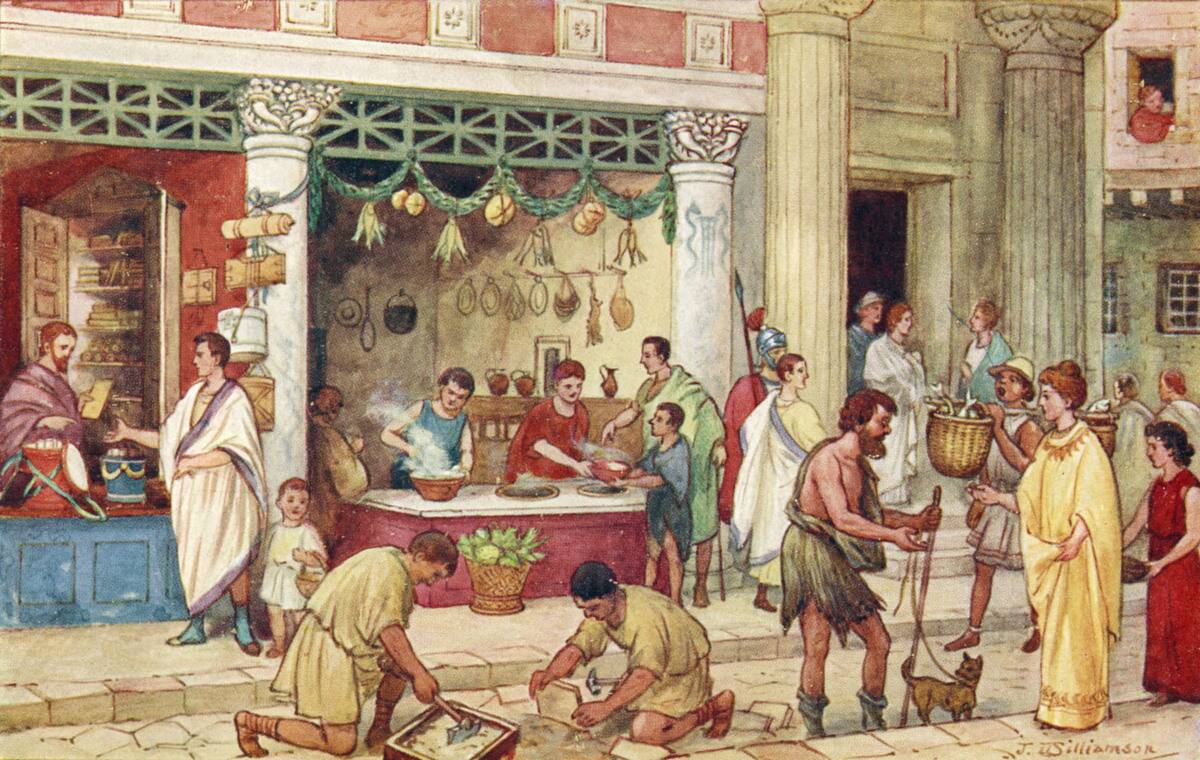
Ancient city streets were lively places, filled with vendors selling everything from spices to textiles. Markets were central to city life, serving as places for trade and social interaction.
In Athens, the Agora was a bustling marketplace where citizens gathered not only to shop but also to discuss politics and philosophy. These vibrant hubs were the heartbeat of ancient urban life.
Getting Around the Ancient Way
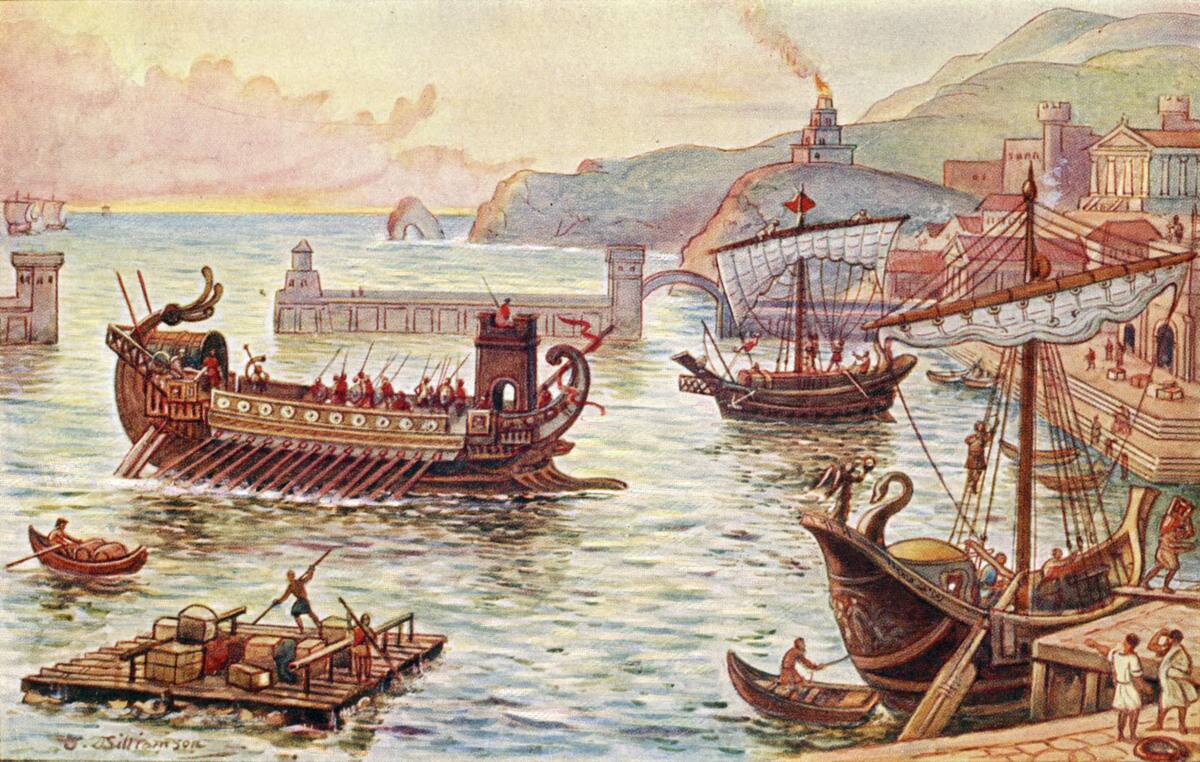
Transportation in ancient cities relied heavily on foot traffic, but carts and chariots were also common for longer distances. In Rome, an extensive network of roads facilitated travel and trade, while in Egypt, the Nile River served as a vital transportation route.
Animals like donkeys and horses were essential for carrying goods and people, making them invaluable assets in daily life.
A Day on the Job
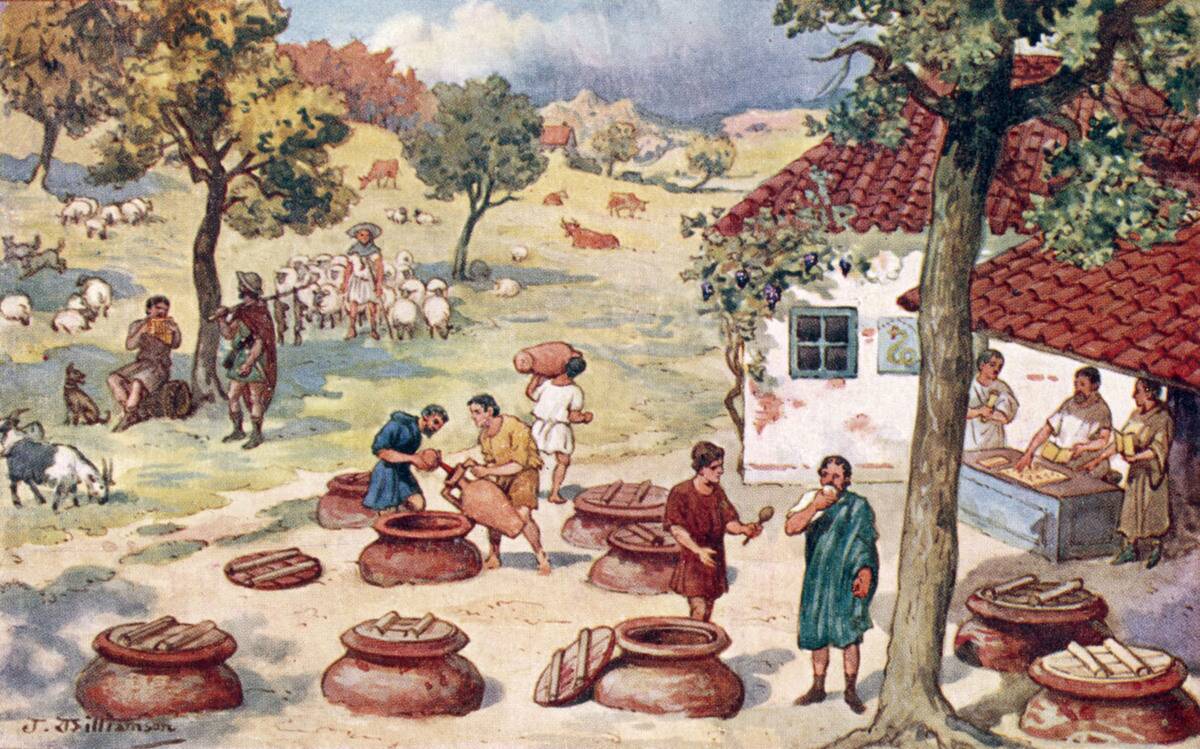
Occupations in ancient cities were diverse, ranging from skilled artisans to merchants and farmers. In Mesopotamia, scribes held prestigious positions, recording transactions and events on clay tablets.
Meanwhile, in China, silk weavers and potters were highly regarded for their craftsmanship. Each profession played a vital role in sustaining the economy and culture of the city.
Learning and Literacy in Ancient Cities

Education in ancient cities was often reserved for the elite, with schools focusing on reading, writing, and arithmetic. In Greece, philosophy and rhetoric were key components of education, while in Egypt, scribes learned hieroglyphics.
Literacy rates varied, but the ability to read and write was a valuable skill that opened doors to various professions and social mobility.
Gathering Spots and Gossip
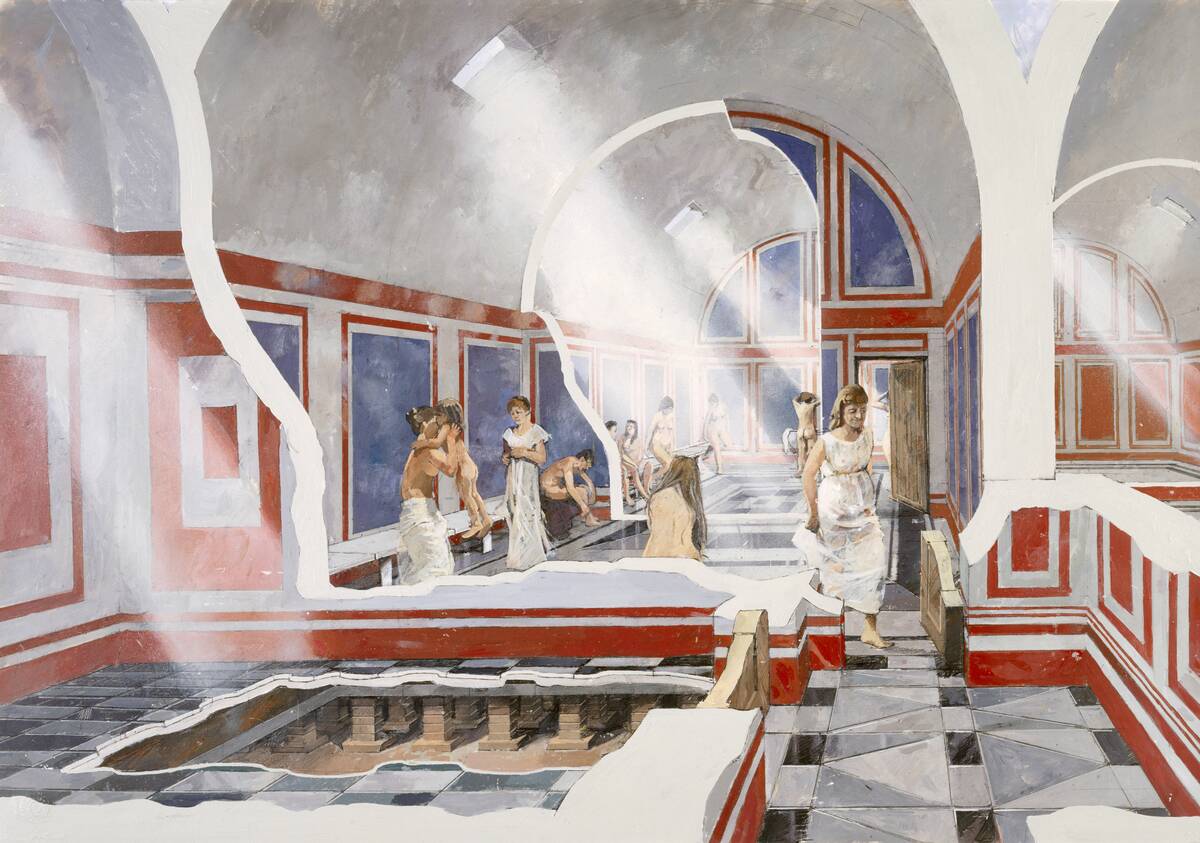
Social life in ancient cities revolved around public spaces like bathhouses, forums, and taverns. These places were not just for relaxation but also for exchanging news and gossip.
In Rome, the public baths were popular gathering spots where citizens could unwind and socialize. Such venues were crucial for maintaining community bonds and staying informed about city affairs.
Fun and Games from the Past
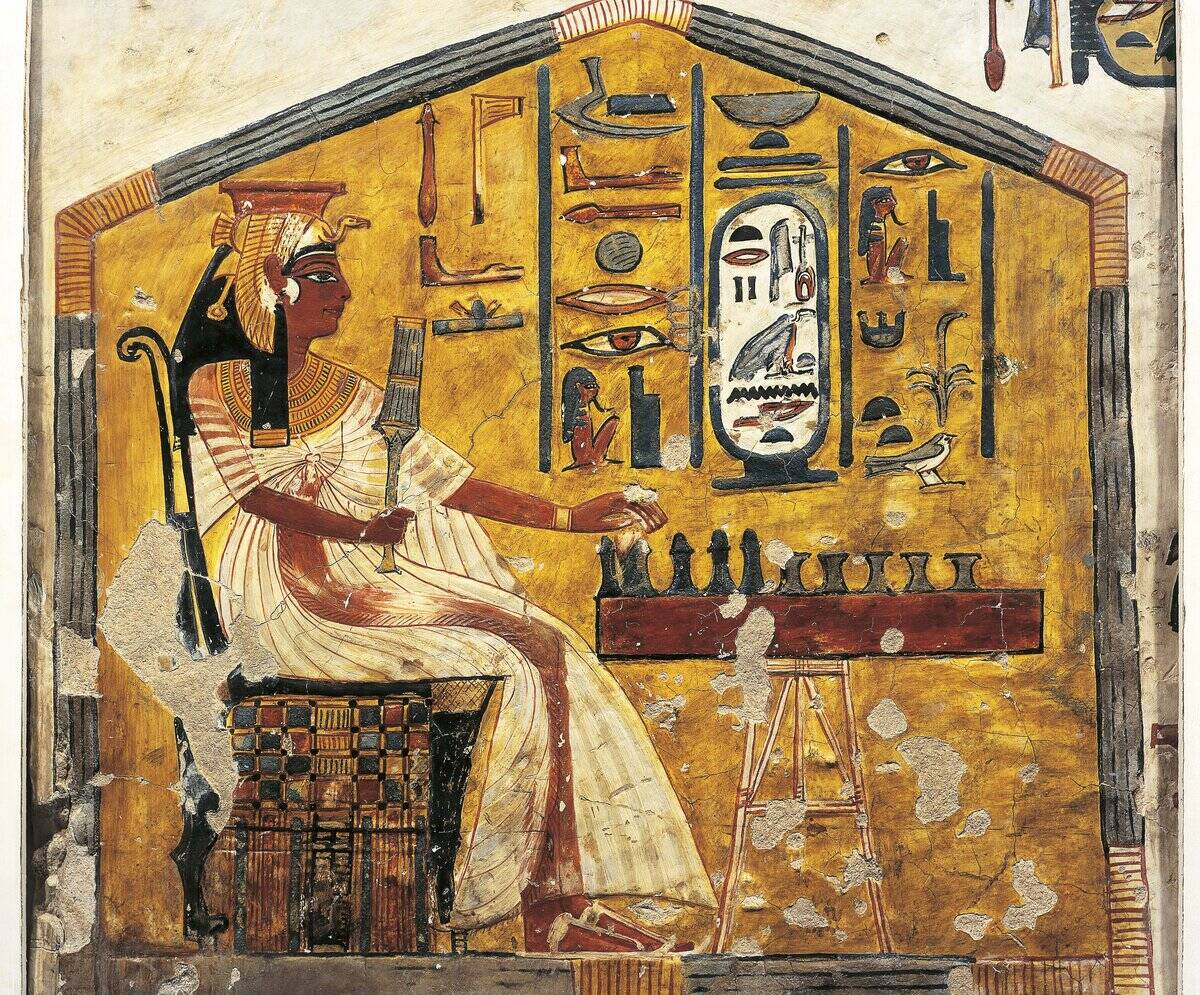
Leisure activities in ancient cities included a variety of games and sports. The Greeks enjoyed athletic competitions, which were precursors to the modern Olympics. Board games like Senet in Egypt provided entertainment for all ages.
These activities offered a break from daily routines, fostering camaraderie and competition among citizens, much like today’s recreational pastimes.
Spiritual Life in the City
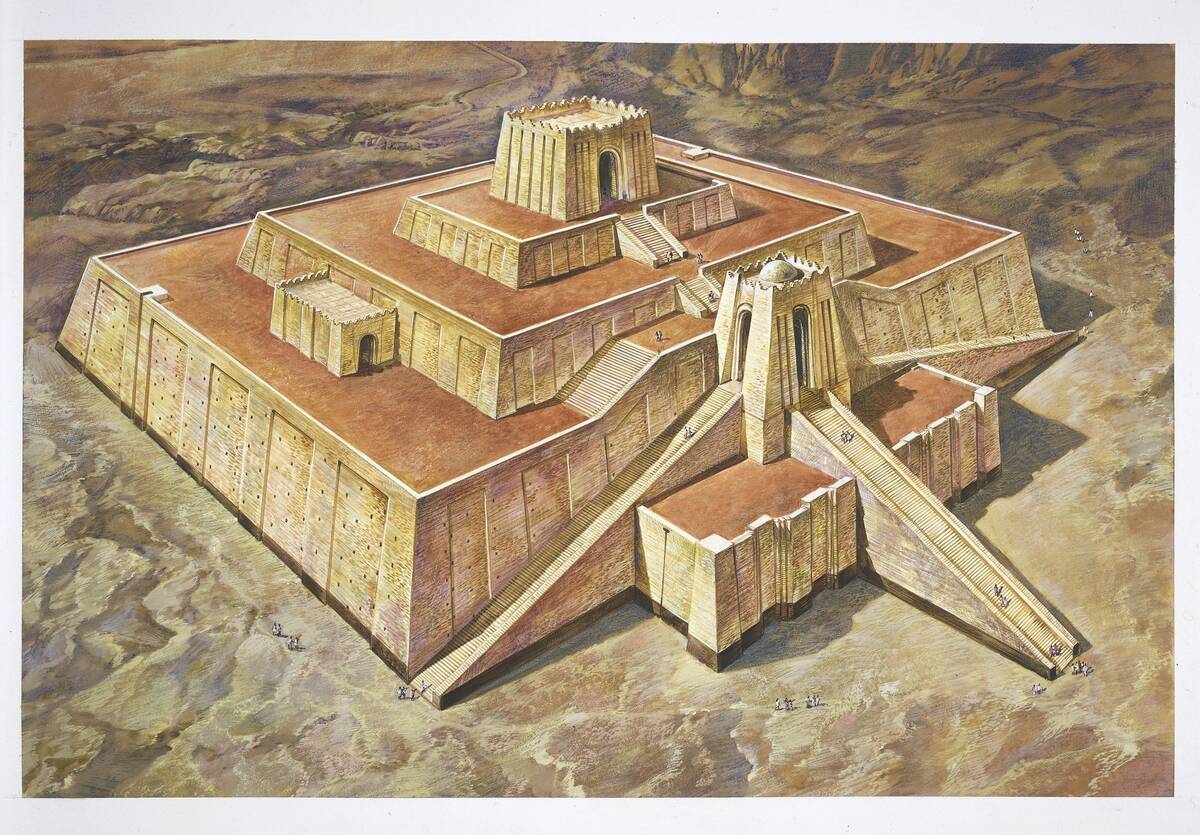
Religion played a central role in ancient city life, with temples and shrines dedicated to various deities. In Mesopotamia, ziggurats served as religious centers, while in India, elaborate rituals were conducted in honor of Hindu gods.
Festivals and ceremonies were common, providing opportunities for communities to come together in worship and celebration, reinforcing spiritual and cultural ties.
Home Sweet Home
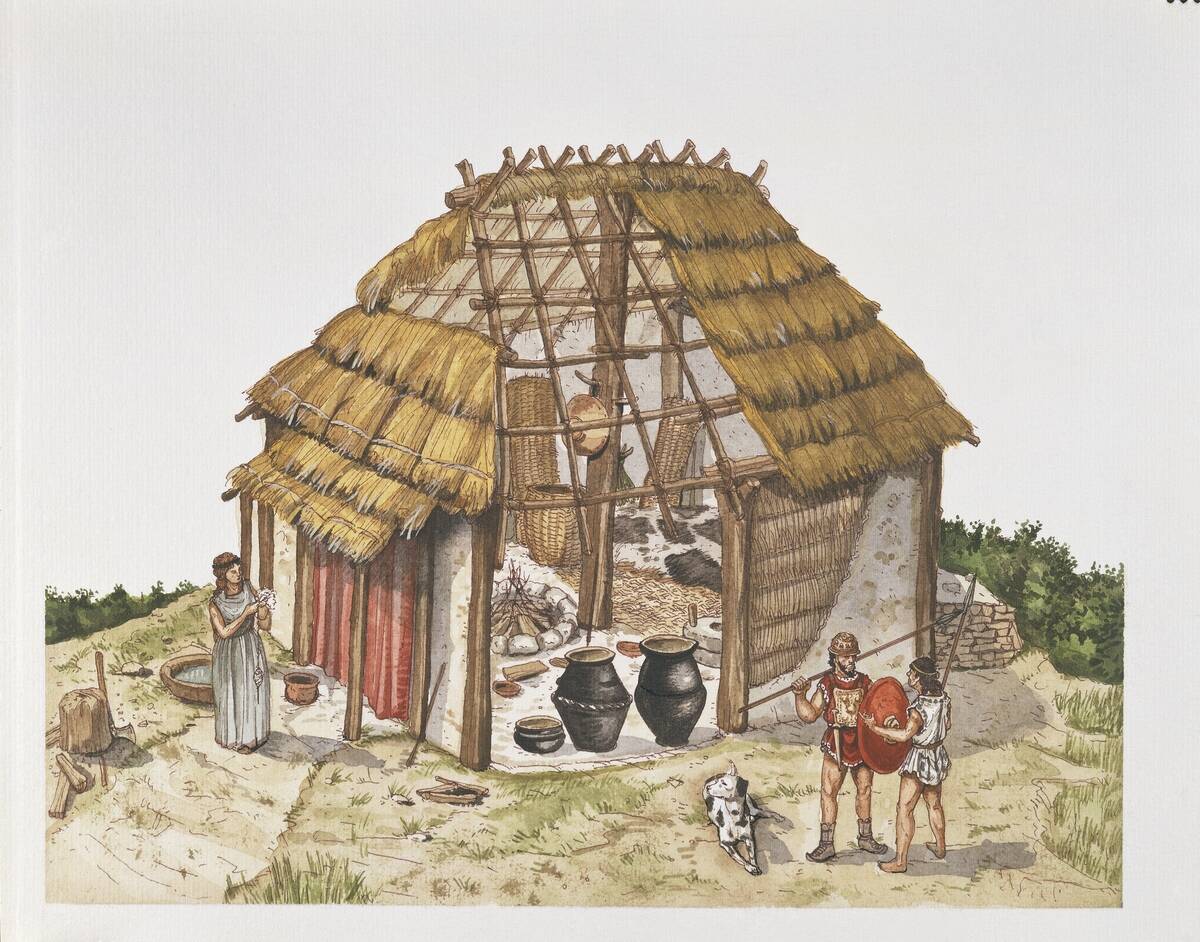
Housing in ancient cities varied widely, from simple mud-brick dwellings to grand stone villas. In Rome, insulae were multi-story apartment buildings that housed the urban population.
Meanwhile, in Egypt, homes were often built with sun-dried bricks, designed to stay cool in the hot climate. Architecture reflected both practical needs and artistic expression, contributing to the unique character of each city.
Staying Clean and Healthy
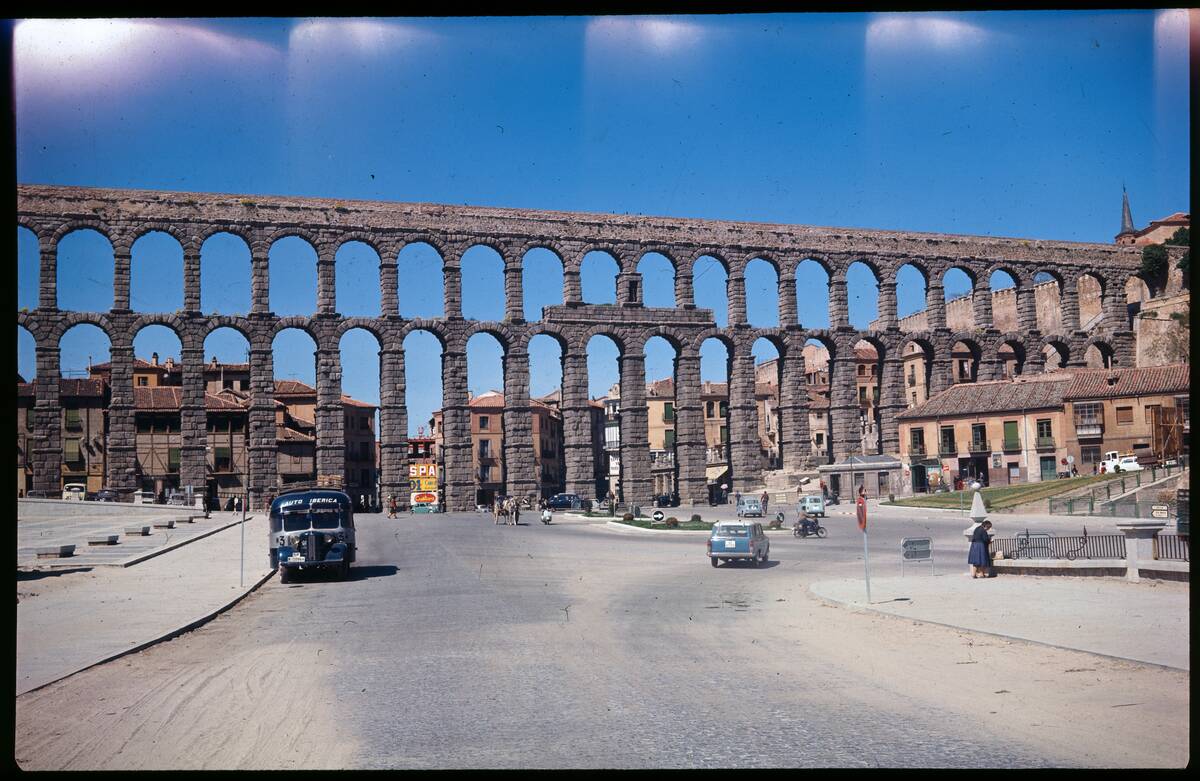
Hygiene in ancient cities was a mix of ingenuity and necessity. The Romans, famous for their aqueducts, built public baths that were both social and sanitary hubs.
In contrast, ancient Chinese medicine focused on balancing bodily energies through practices like acupuncture. Despite limited medical knowledge, many ancient civilizations developed sophisticated systems to promote health and cleanliness.
Meals and Culinary Traditions
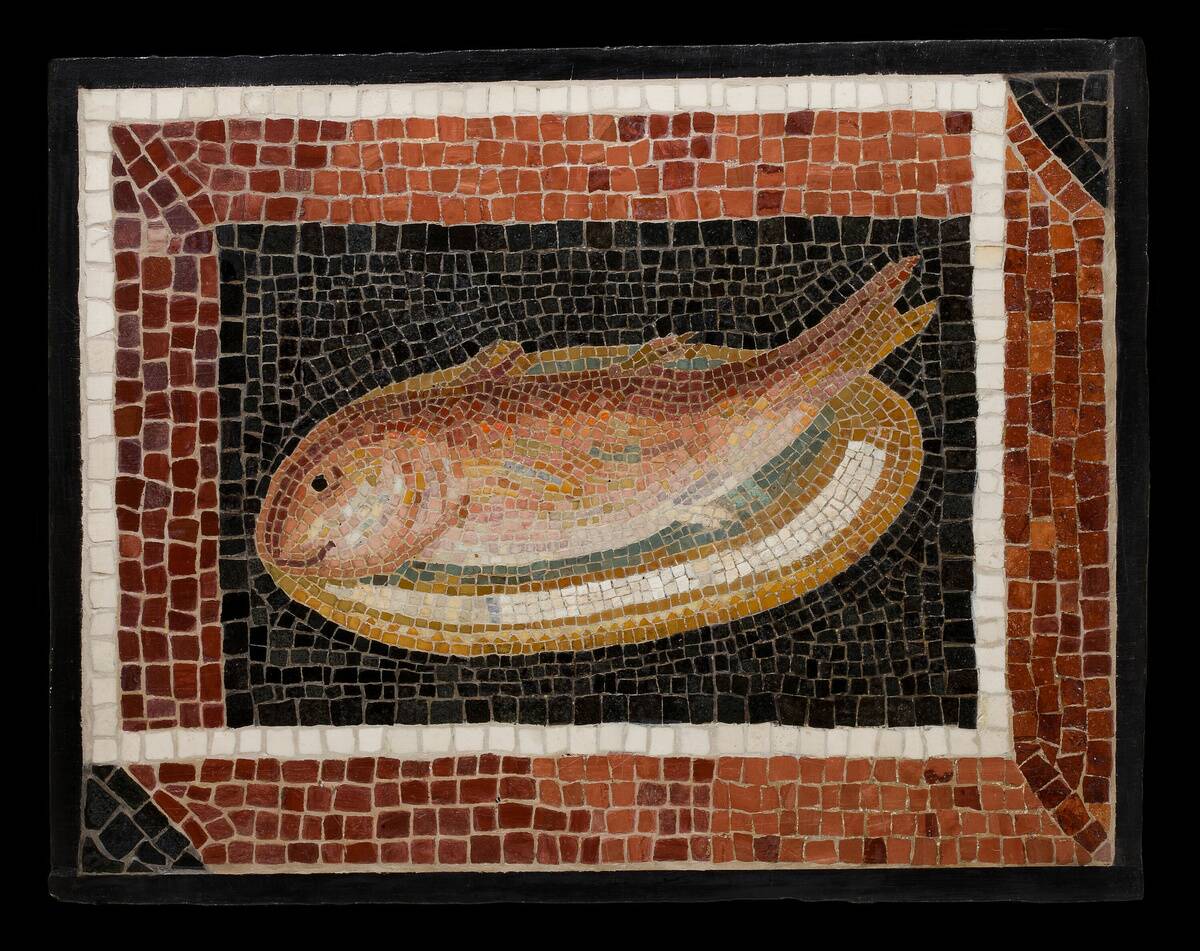
Culinary traditions in ancient cities were as diverse as their populations. In Greece, meals often included olives, bread, and fish, accompanied by wine. The Chinese developed complex flavors using soy sauce and ginger, while in the Middle East, spices like cumin and coriander were staples.
Dining was a communal activity, with feasts celebrating religious and social occasions, highlighting the rich tapestry of ancient cuisine.
Music, Theater, and More
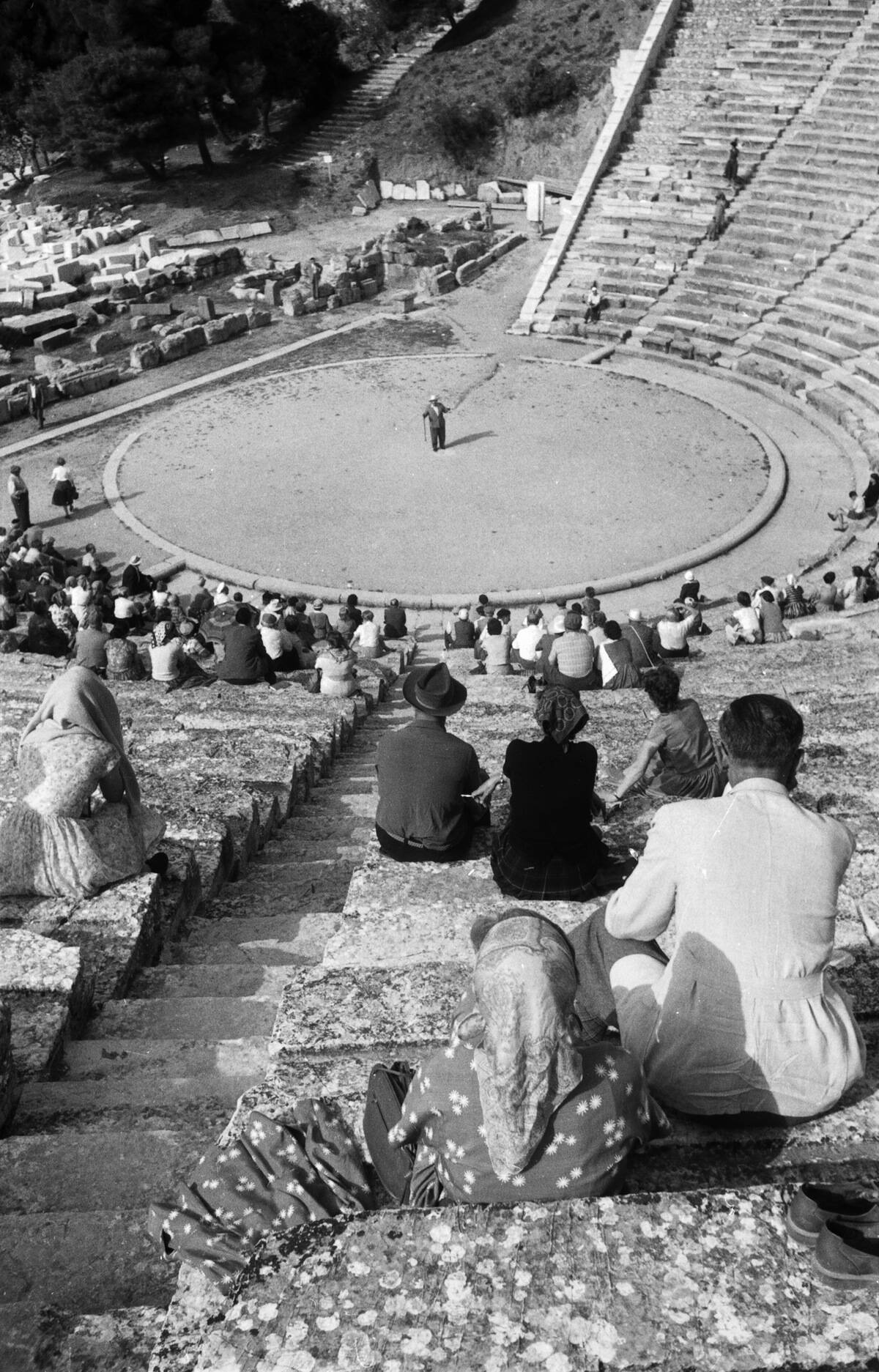
Entertainment in ancient cities was a vibrant mix of music, theater, and festivals. The Greeks are credited with developing theater, with tragedies and comedies performed in open-air amphitheaters.
Music, often accompanied by dance, was integral to celebrations and rituals. These cultural expressions provided not only amusement but also a means of storytelling and preserving traditions.
The Business of Living
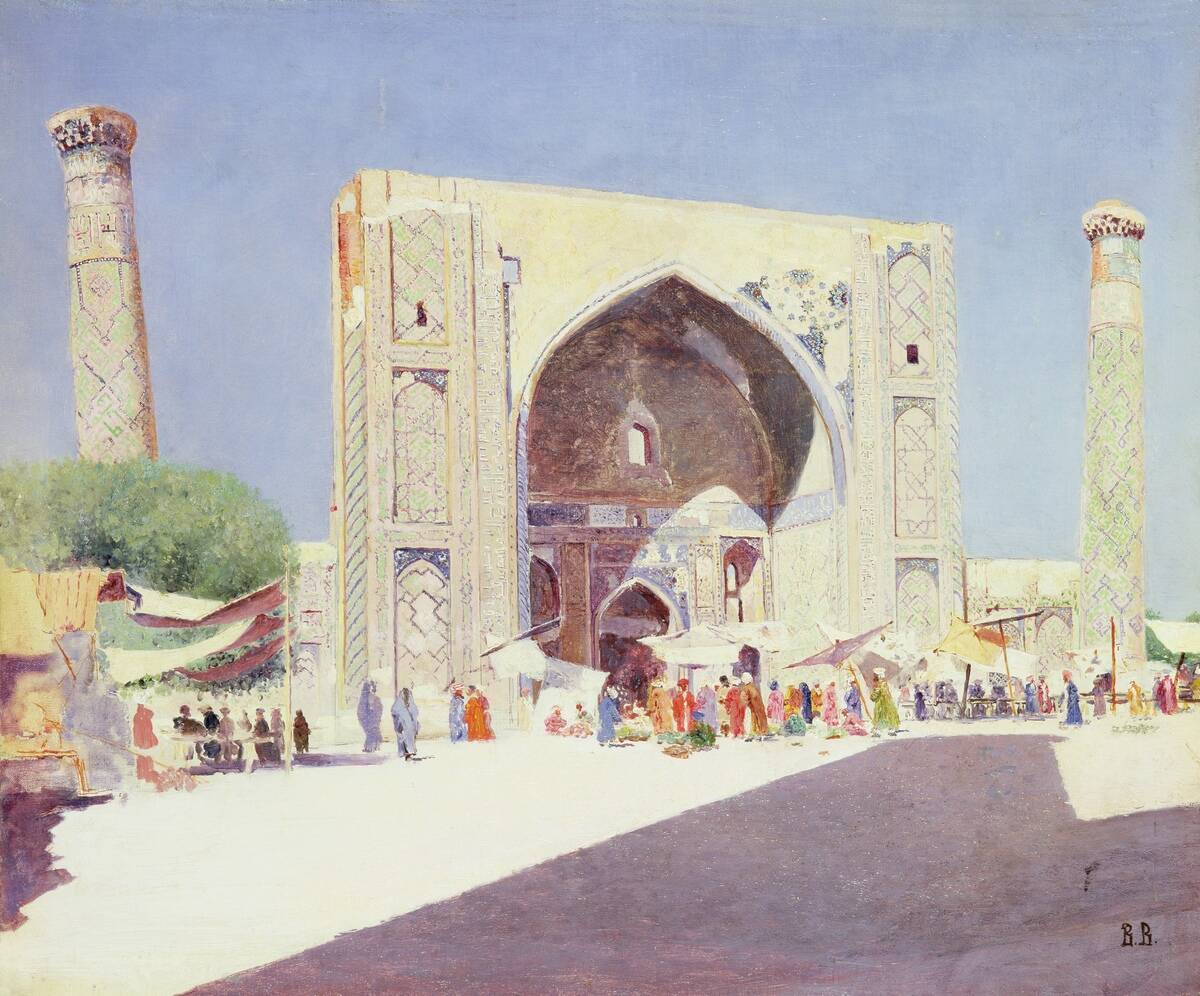
Trade was the lifeblood of ancient city economies, with goods like silk, spices, and precious metals exchanged across vast networks. The Phoenicians were renowned traders, navigating the Mediterranean to connect diverse cultures.
Markets were bustling centers of commerce, where barter and negotiation were daily activities. This vibrant trade fostered economic growth and cultural exchange, shaping the development of civilizations.
Evening Activities and Curfews
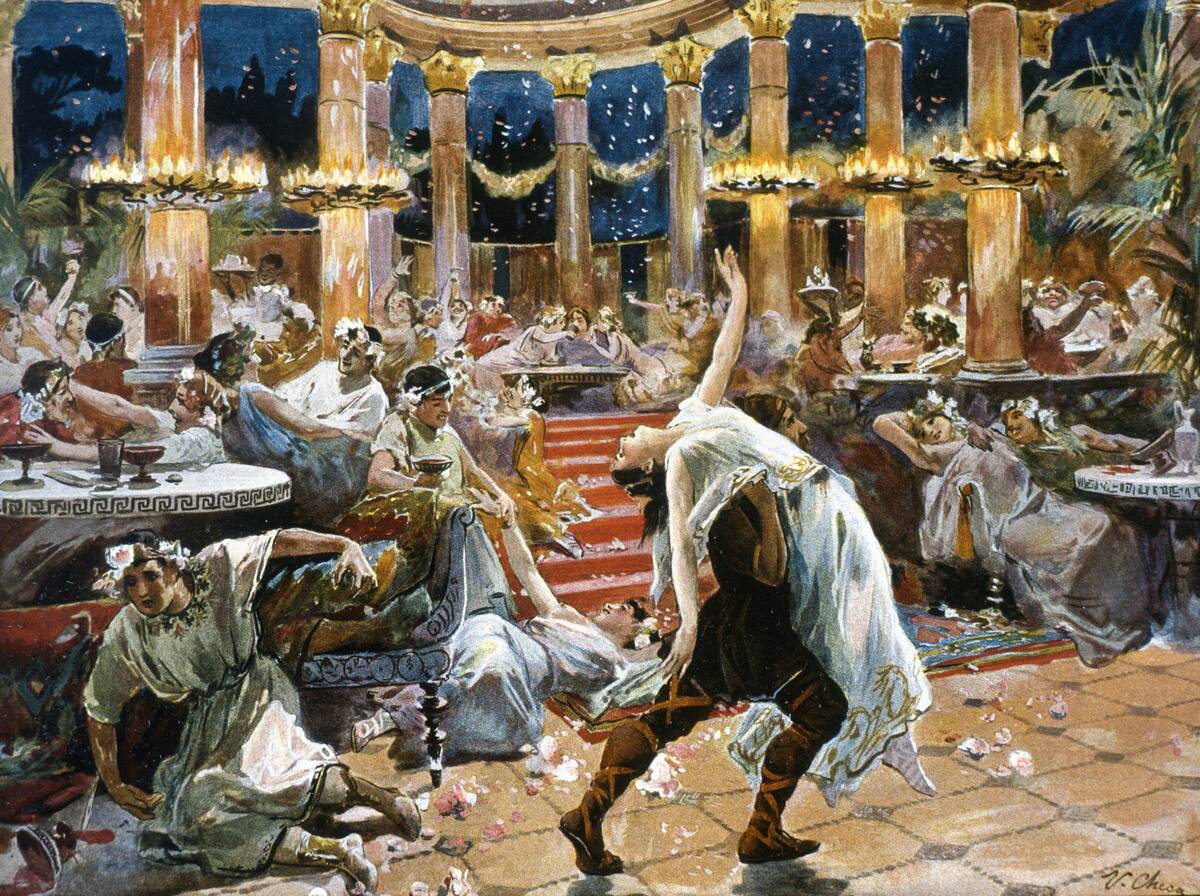
Nightlife in ancient cities was a blend of social gatherings and practical concerns. In Rome, evening banquets were common among the elite, while ordinary citizens might visit taverns.
Curfews were often enforced to maintain order, with city gates closed to protect inhabitants. Despite these restrictions, the allure of nighttime activities persisted, offering a different pace and perspective on city life.




