Fun facts about fashion trends from the early 20th century
The early 20th century was a period of dramatic transformation in fashion, reflecting broader societal changes. As the world moved into a new era, so did the styles, with fashion becoming more accessible and diverse.
The shift from the restrictive garments of the Victorian era to more relaxed and practical attire marked a significant change. This era laid the groundwork for modern fashion, introducing trends that emphasized both comfort and style, setting the stage for decades to come.
The Roaring Twenties
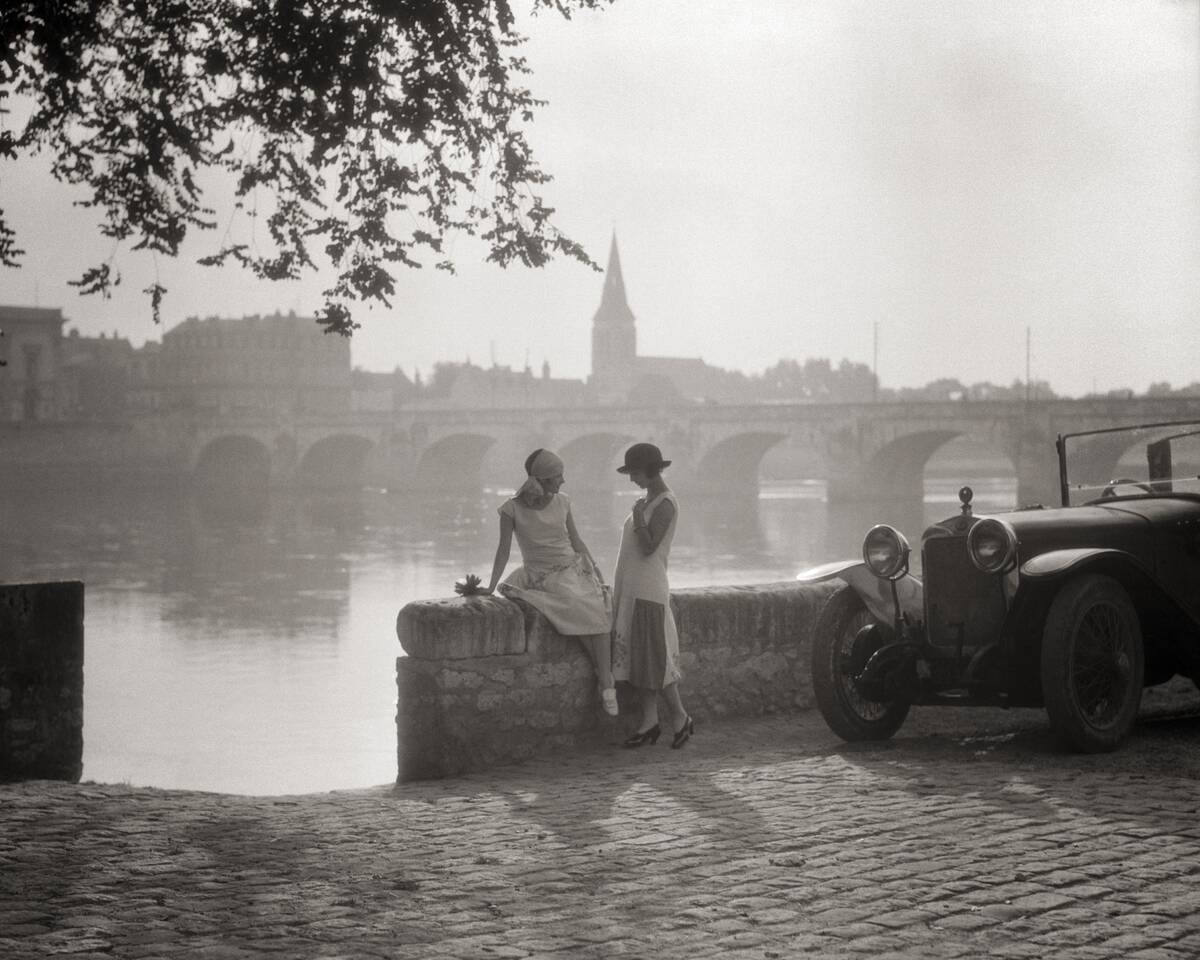
The 1920s, often referred to as the Roaring Twenties, was a decade of significant social change and liberation, mirrored in the fashion of the time. Women embraced shorter hemlines and looser silhouettes, a stark contrast to the previous decade’s styles.
Jazz music, speakeasies, and a newfound sense of freedom influenced the bold, exuberant fashion choices. This era was characterized by a break from tradition, with fashion becoming a form of self-expression and rebellion against the old norms.
The Influence of World War I on Fashion
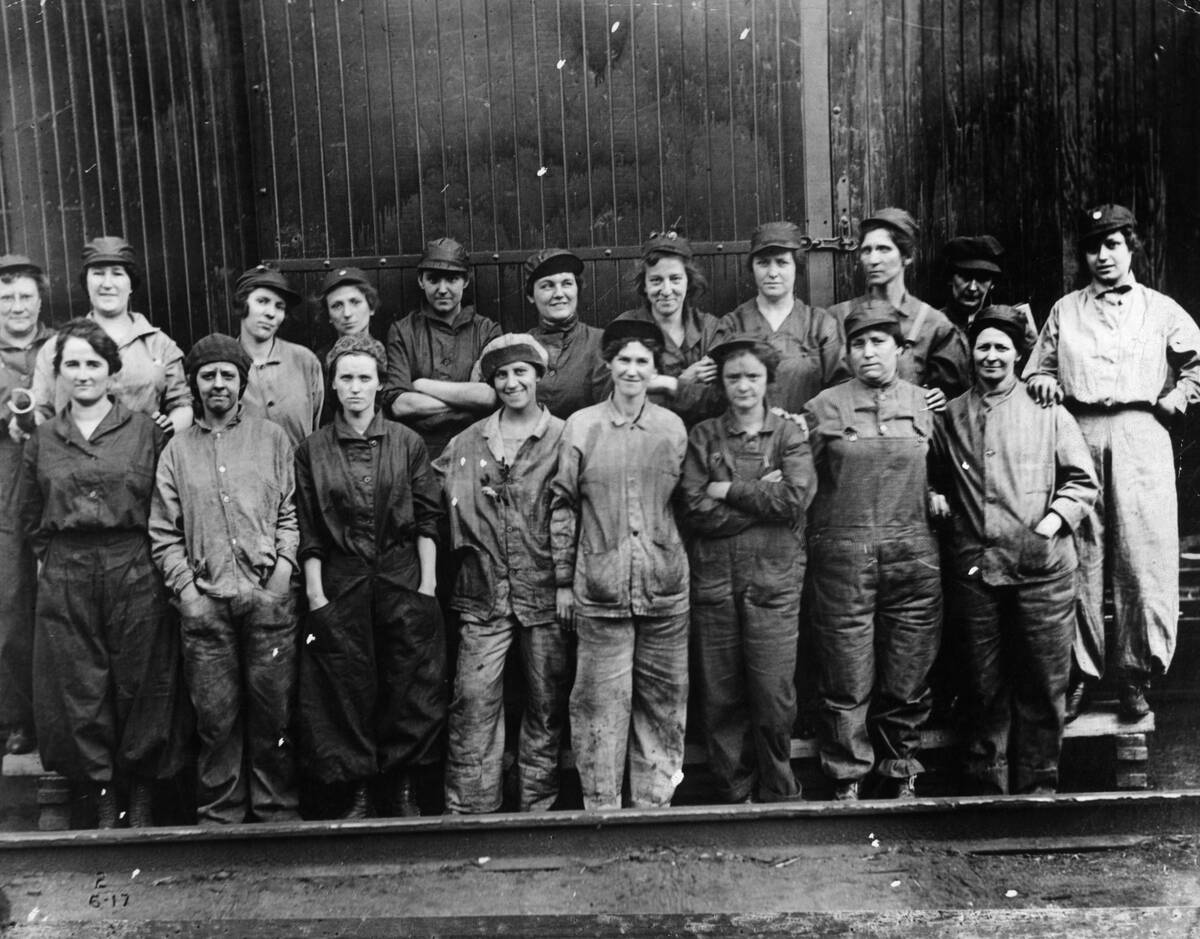
World War I had a profound impact on fashion, as practicality and functionality became paramount. With men at the front, women took on roles that required more practical clothing, leading to simpler designs and the use of durable fabrics.
The war also accelerated the decline of the corset, as women needed freedom of movement. Military influences were evident in the structured designs and use of khaki and other muted colors, reflecting the somber mood of the time.
Flapper Fashion
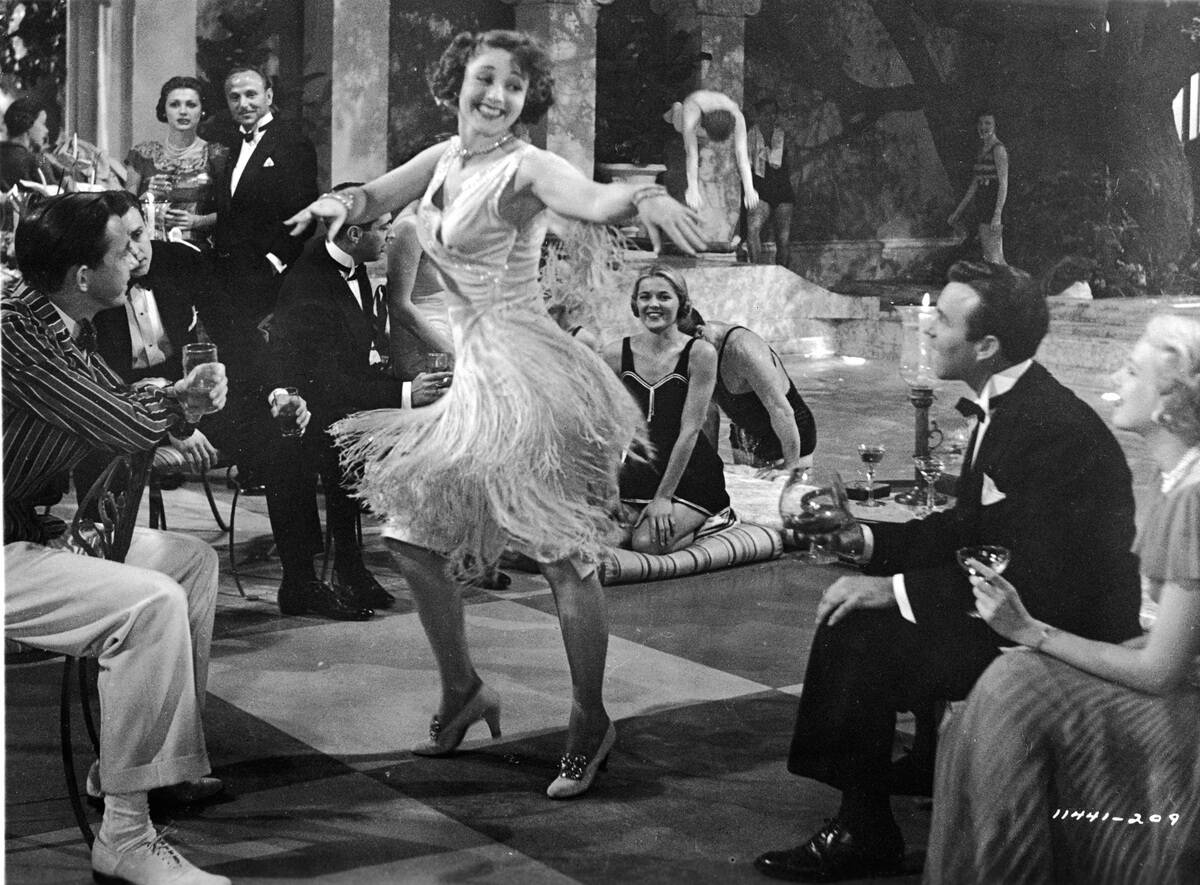
Flapper fashion epitomized the spirit of the 1920s, with young women challenging societal norms through their clothing choices. Characterized by short skirts, bobbed hair, and a carefree attitude, flappers embraced a new sense of freedom.
This fashion movement was not just about the clothes; it was about a lifestyle that celebrated independence and defied traditional gender roles. The flapper look was completed with bold accessories like long necklaces and cloche hats, adding to the rebellious flair.
The Rise of the Little Black Dress
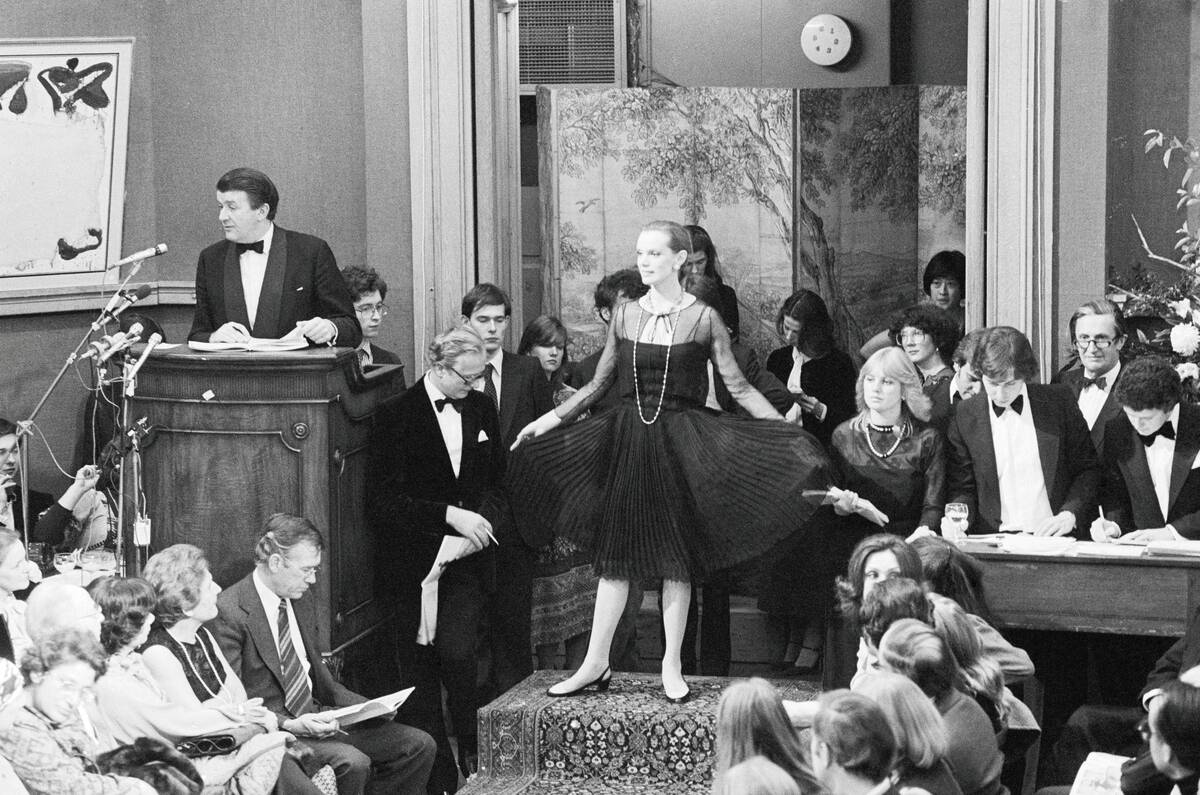
The little black dress, a timeless wardrobe staple, rose to prominence in the 1920s, thanks to Coco Chanel. Chanel’s design was revolutionary, offering a simple yet elegant option that was versatile enough for various occasions.
The little black dress was a departure from the elaborate and colorful dresses of the past, embodying the modern woman’s desire for sophistication and practicality. Its enduring appeal lies in its ability to be dressed up or down, making it a fashion icon.
The Popularity of Cloche Hats
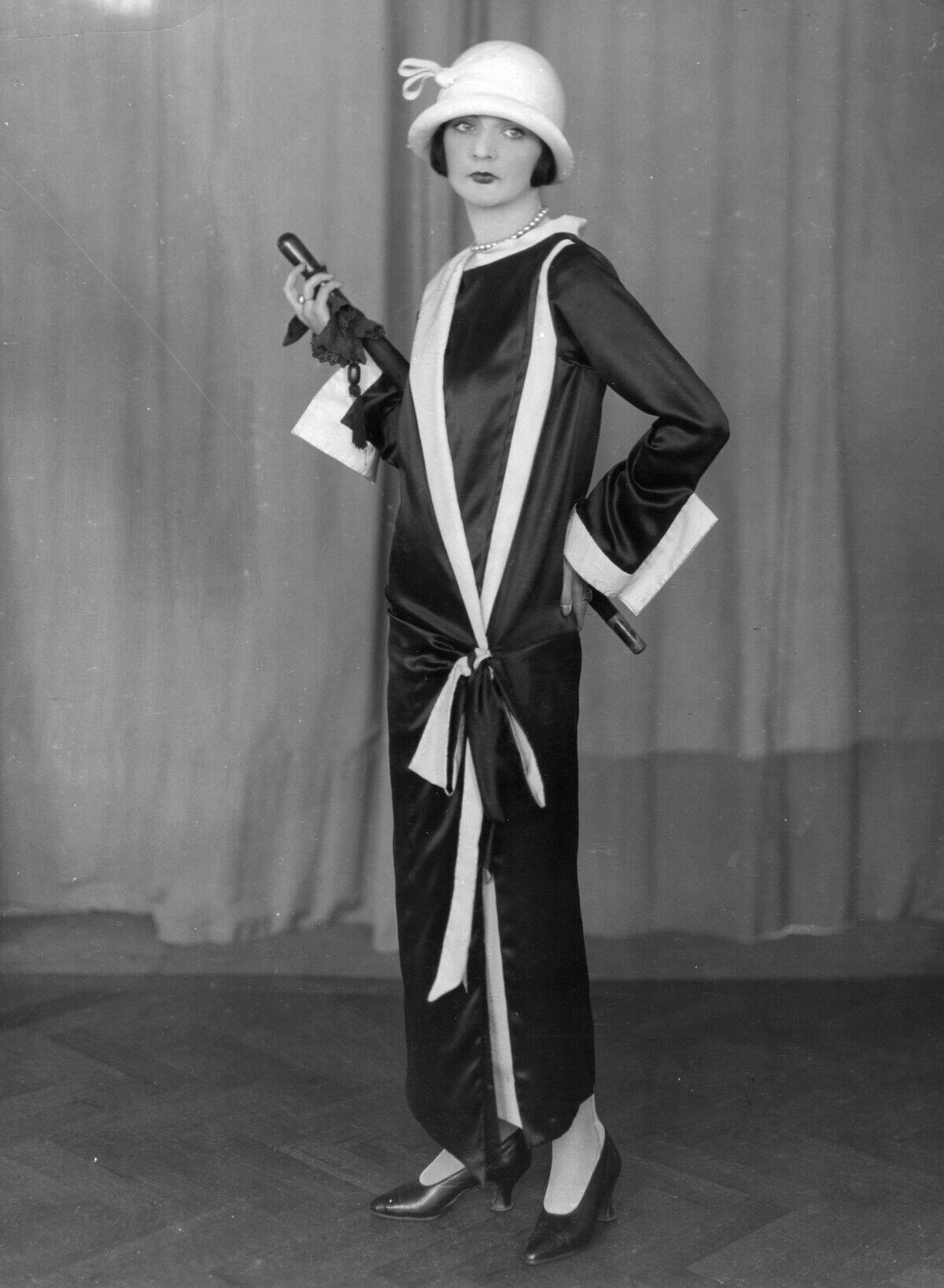
Cloche hats became a fashion sensation in the 1920s, perfectly complementing the bobbed hairstyles of the era. Designed to fit snugly on the head, these bell-shaped hats were both stylish and practical.
They were often adorned with ribbons or brooches, adding a touch of elegance to any outfit. The cloche hat’s popularity was a testament to the changing fashion landscape, where accessories played a crucial role in expressing individuality and style.
Men’s Fashion: The Jazz Suit
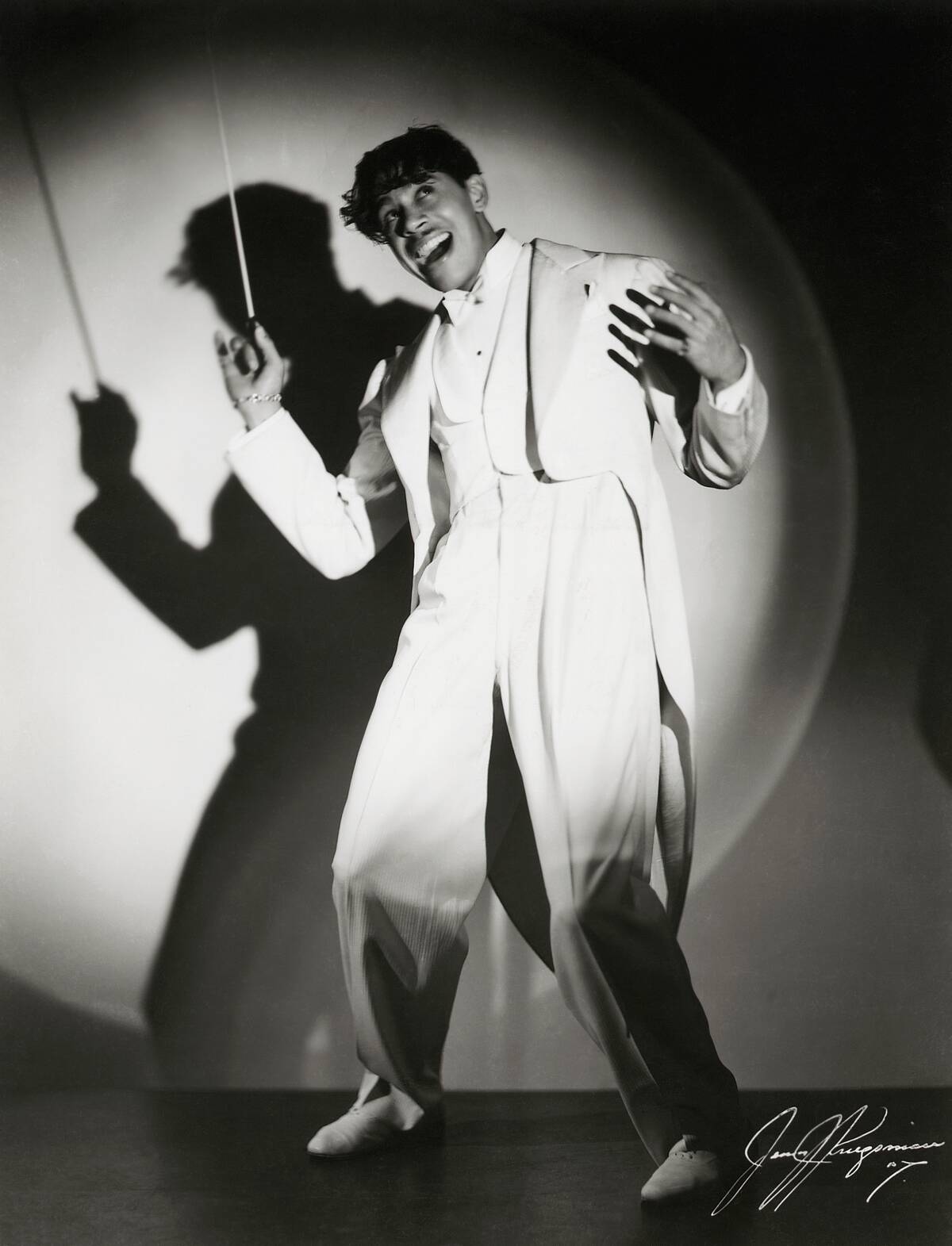
Men’s fashion in the 1920s was heavily influenced by the jazz culture, with the jazz suit becoming a popular choice. Characterized by its loose fit and bold patterns, the jazz suit reflected the lively spirit of the era.
Men embraced more relaxed silhouettes, moving away from the stiff, formal attire of previous decades. This shift in men’s fashion was part of a broader trend towards comfort and self-expression, mirroring the changes seen in women’s fashion.
The Impact of Art Deco on Fashion
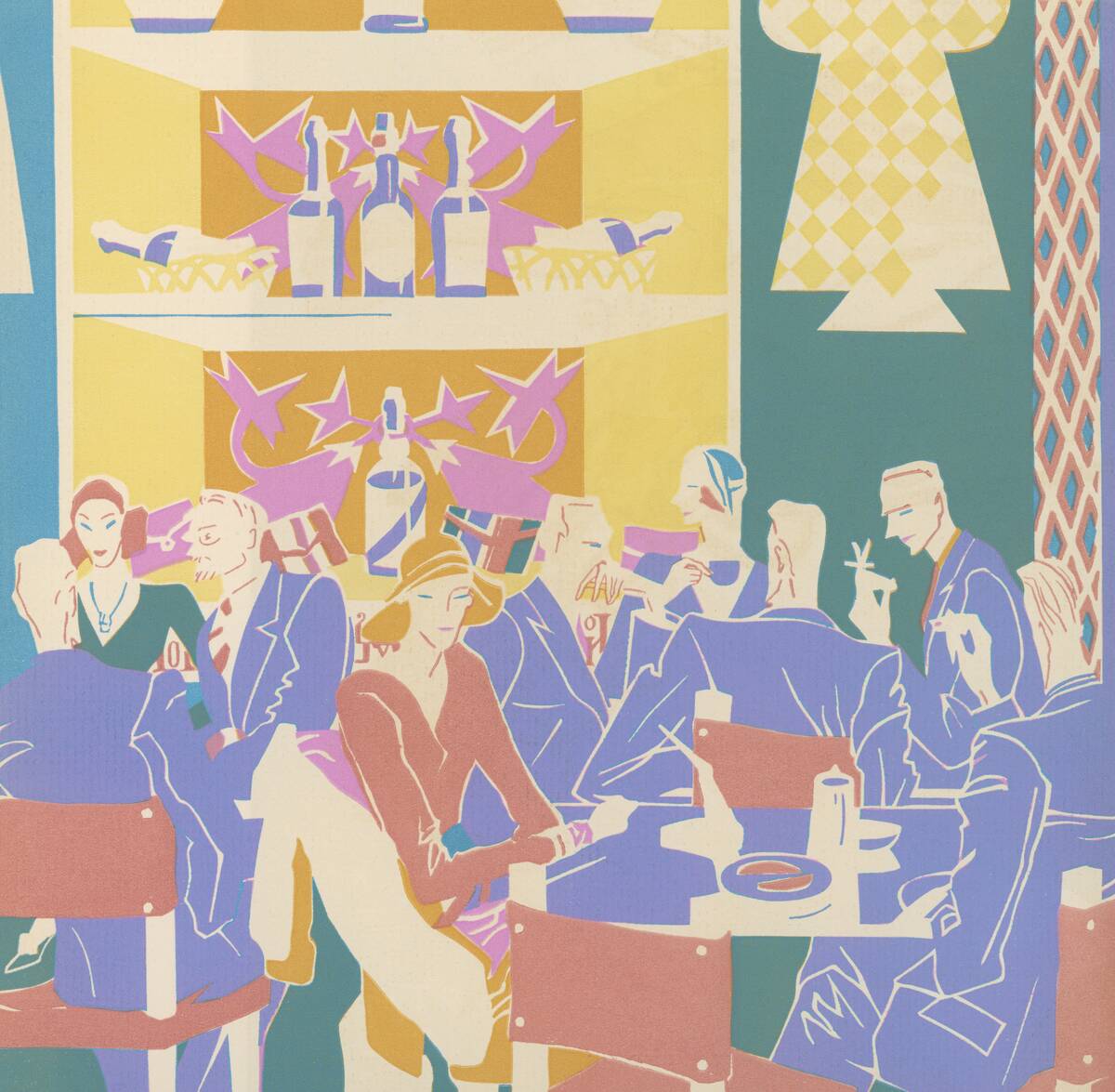
Art Deco, an influential design movement of the 1920s and 1930s, left a significant mark on fashion. Known for its geometric shapes and bold colors, Art Deco inspired clothing designs that were both modern and luxurious.
The movement’s emphasis on symmetry and elegance translated into fashion through intricate beadwork and sleek silhouettes. Art Deco’s influence extended beyond clothing, impacting accessories and jewelry, making it a defining aesthetic of the era.
The Role of Hollywood in Shaping Trends
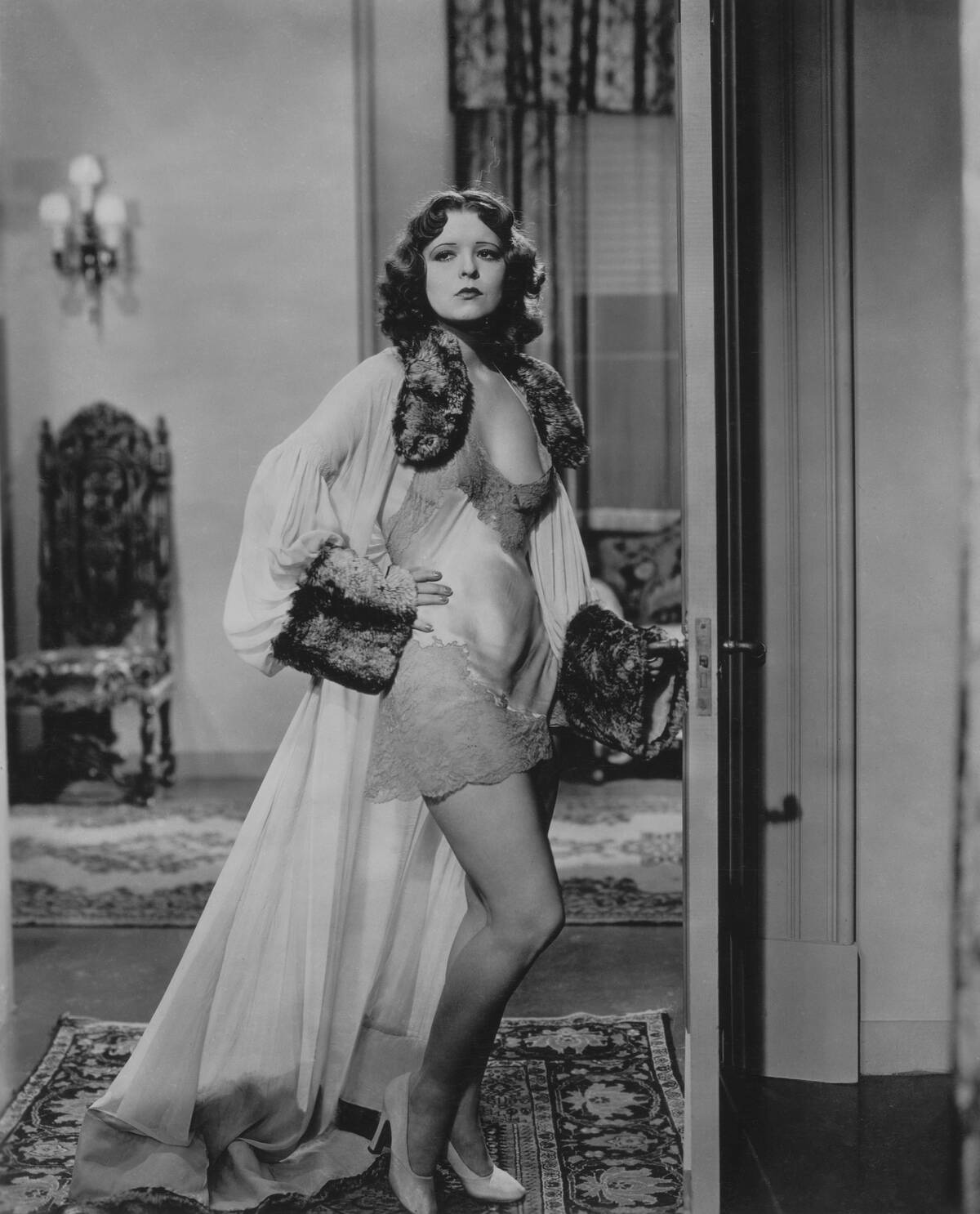
Hollywood emerged as a powerful force in shaping fashion trends during the early 20th century. With the rise of cinema, movie stars became style icons, influencing the public’s clothing choices.
Actresses like Clara Bow and Louise Brooks popularized the flapper look, while films showcased the latest fashions to a wide audience. Hollywood’s glamour and allure made it a trendsetter, with fans eager to emulate the styles seen on the silver screen.
The Evolution of Women’s Swimwear
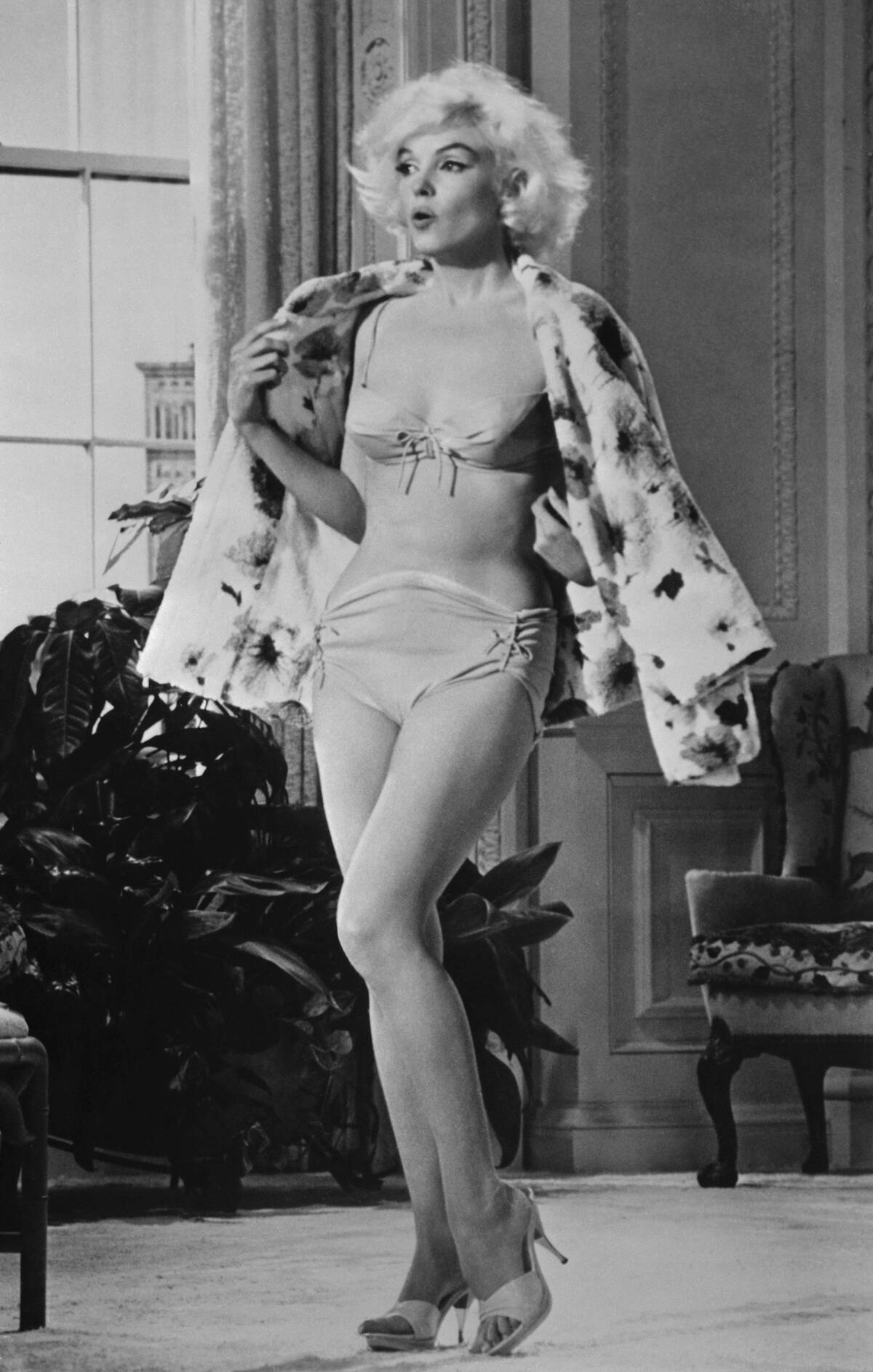
Women’s swimwear underwent a significant transformation in the early 20th century, moving towards more practical and revealing designs. The cumbersome bathing costumes of the past gave way to sleeker, more functional swimsuits.
By the 1920s, swimsuits featured shorter hemlines and sleeveless designs, allowing for greater freedom of movement. This evolution reflected broader societal changes, as women sought more active lifestyles and greater independence, both in and out of the water.
The Advent of Ready-to-Wear Clothing
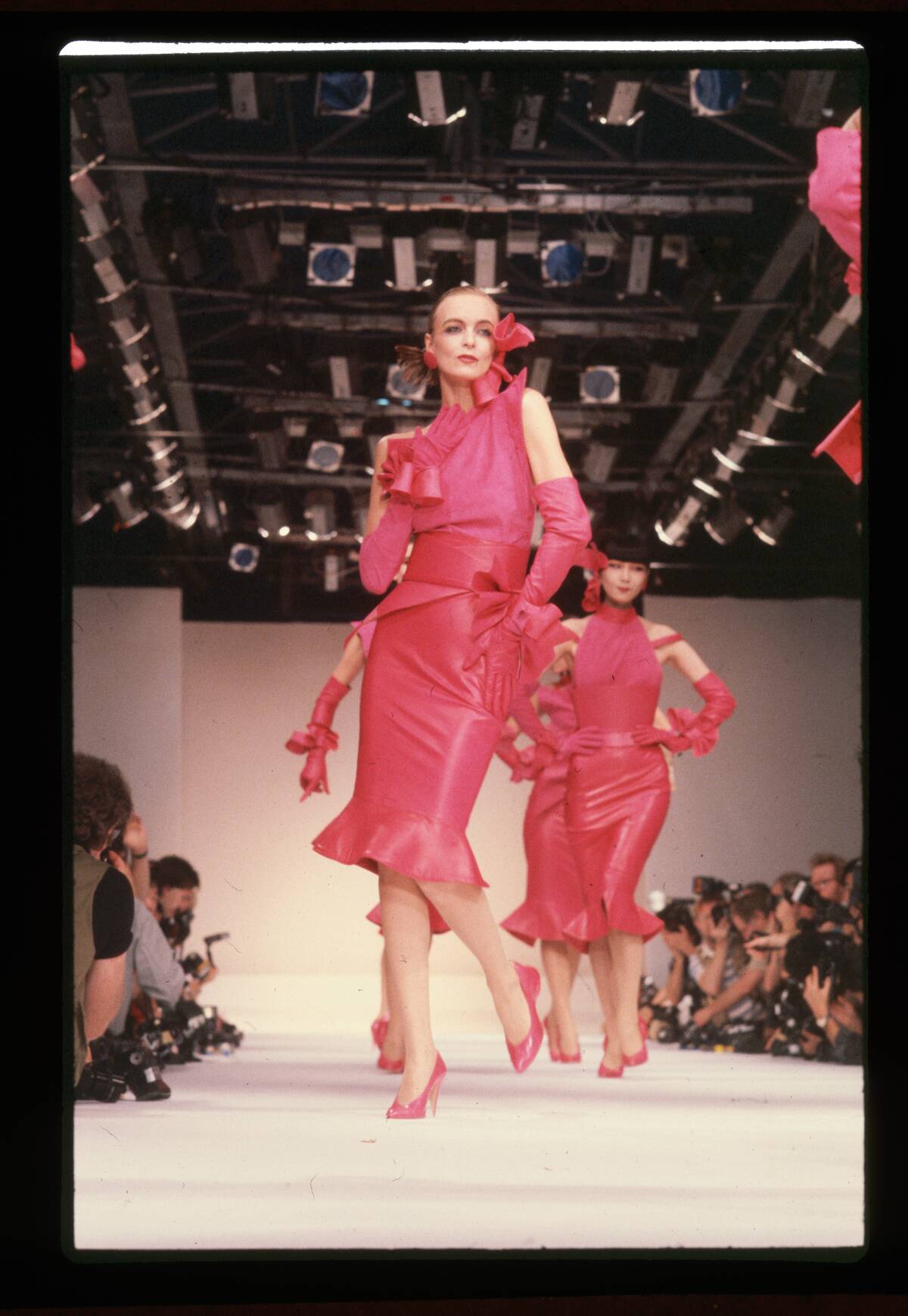
The early 20th century saw the advent of ready-to-wear clothing, revolutionizing the fashion industry. Mass production techniques made fashionable clothing more accessible and affordable to the general public.
This shift democratized fashion, allowing people from different socioeconomic backgrounds to keep up with the latest trends. Ready-to-wear clothing also reflected the era’s emphasis on practicality, as consumers sought convenient options that fit their busy lifestyles.
The Influence of Coco Chanel
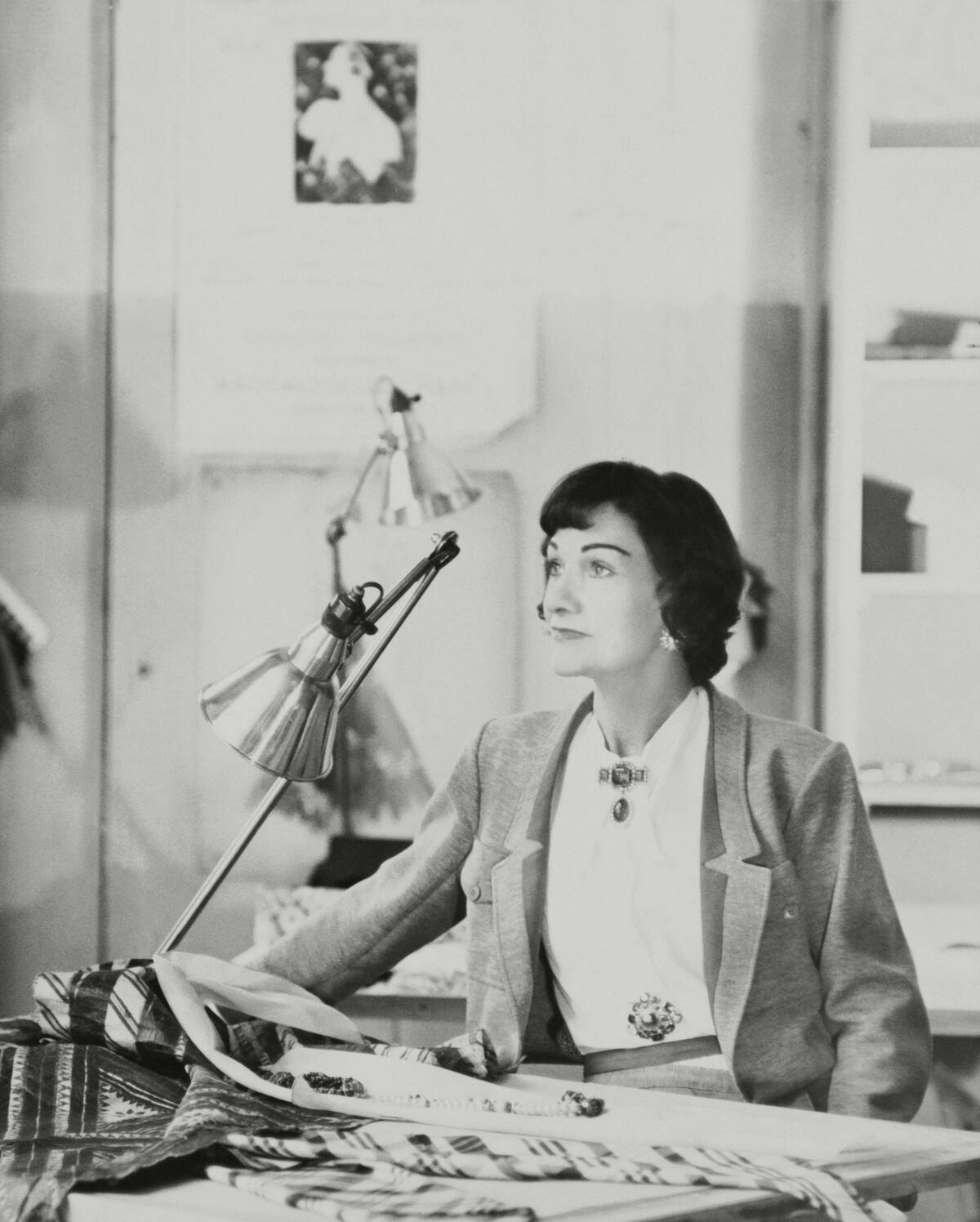
Coco Chanel was a trailblazer in the fashion world, leaving an indelible mark on early 20th-century style. Her designs emphasized simplicity and elegance, challenging the ornate and restrictive fashions of the past.
Chanel introduced jersey fabric into women’s clothing, offering comfort and versatility. Her iconic pieces, such as the Chanel suit and the little black dress, remain timeless classics. Chanel’s influence extended beyond clothing, as she redefined what it meant to be fashionable and modern.
The Popularity of Silk Stockings
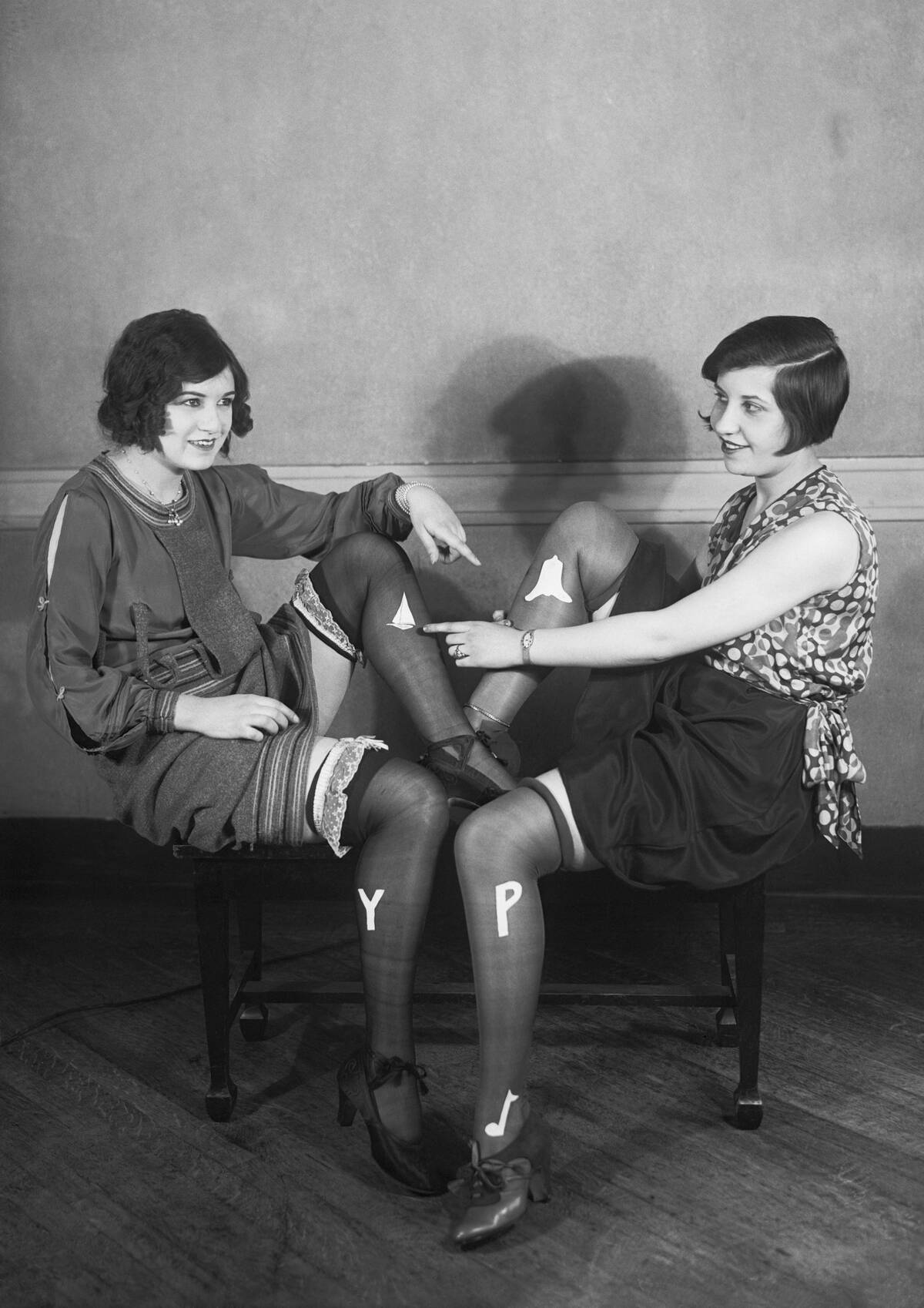
Silk stockings became a must-have accessory in the 1920s, symbolizing luxury and femininity. As hemlines rose, stockings became more visible, making them an essential part of a woman’s wardrobe.
The smooth, delicate texture of silk added a touch of elegance to any outfit. Despite their popularity, silk stockings were often expensive, reflecting the era’s fascination with opulence and glamour. They were a testament to the changing fashion landscape, where accessories played a crucial role in style.
The Introduction of Zippers in Fashion
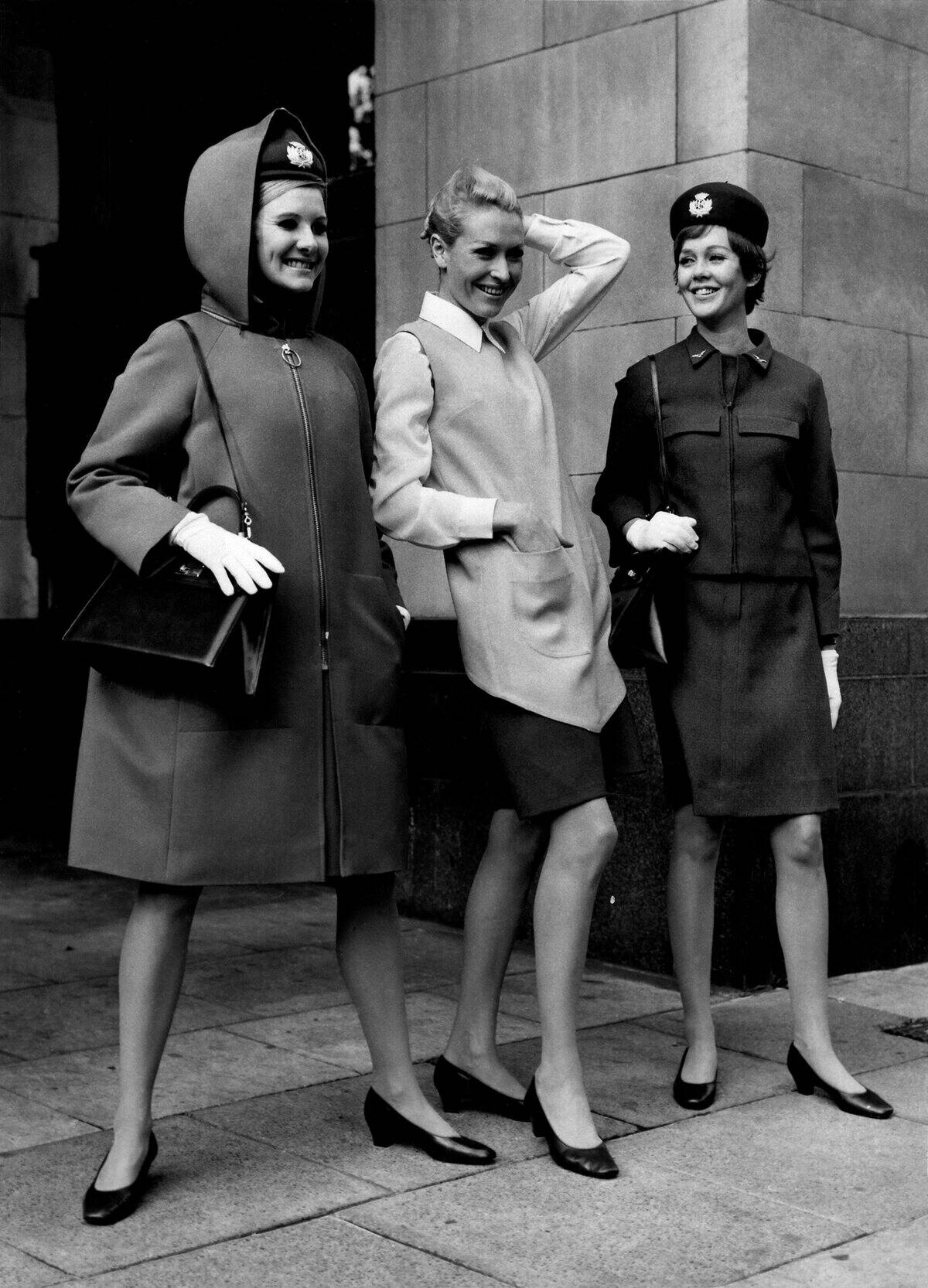
The introduction of zippers in fashion during the early 20th century marked a significant innovation in clothing design. Initially used in men’s trousers, zippers gradually gained popularity in women’s fashion for their practicality and ease of use.
This new fastening method offered a sleek alternative to buttons and hooks, streamlining garment construction. The zipper’s rise in popularity reflected the era’s focus on functionality and modernity, as fashion embraced new technologies and materials.
The Shift from Corsets to Comfort
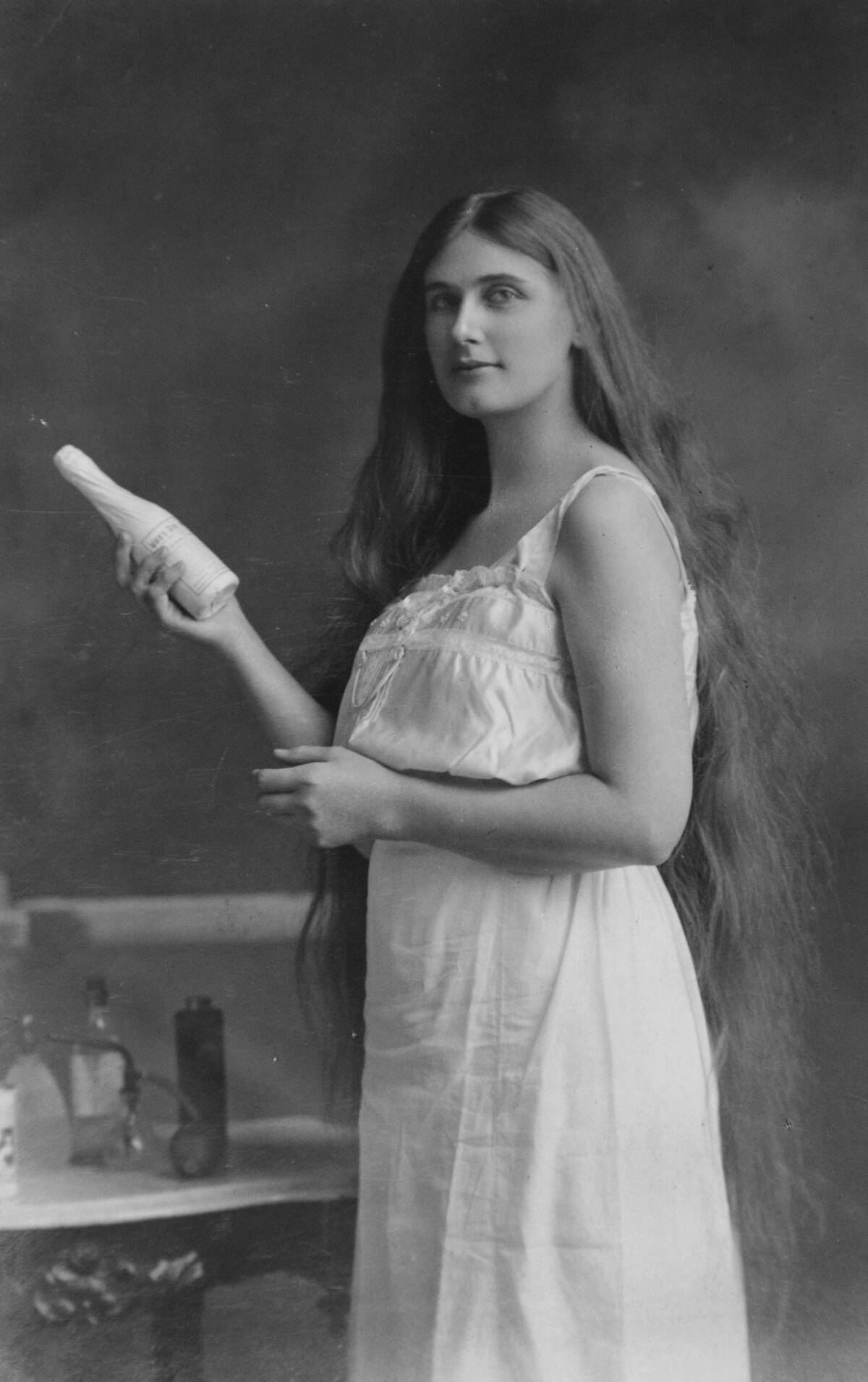
The early 20th century witnessed a significant shift from the restrictive corsets of the past to more comfortable undergarments. As women embraced more active lifestyles, the demand for practical and comfortable clothing grew.
The decline of the corset was part of a broader movement towards freedom and self-expression in fashion. New undergarments, such as brassieres and girdles, offered support without sacrificing comfort, reflecting the changing attitudes towards women’s roles and bodies.
The Role of Fashion Magazines
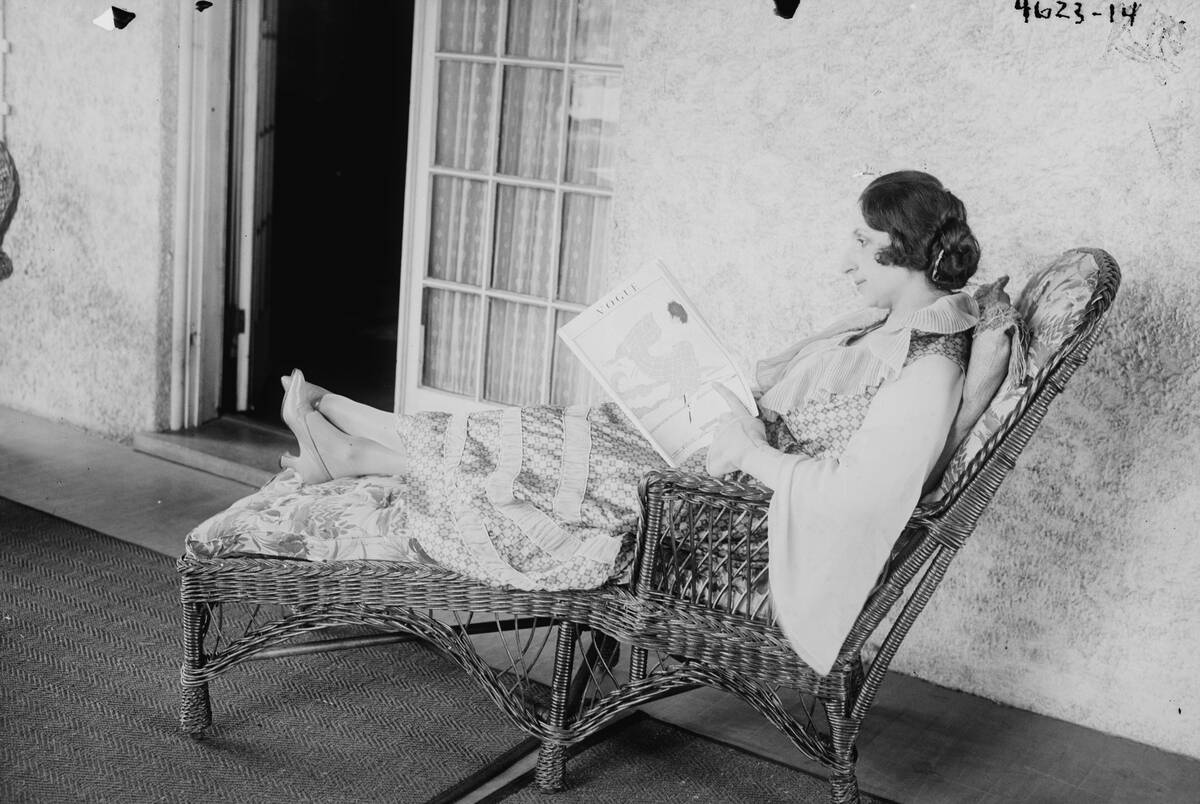
Fashion magazines played a pivotal role in disseminating trends and influencing public taste during the early 20th century. Publications like Vogue and Harper’s Bazaar showcased the latest styles and provided fashion advice to readers.
These magazines were instrumental in shaping consumer preferences, offering a glimpse into the glamorous world of high fashion. As a result, fashion magazines became essential reading for those looking to stay informed about the ever-evolving fashion landscape.