15 Photos of medieval fashion and garments
Medieval fashion is a fascinating tapestry of history, culture, and art. Spanning from the 5th to the late 15th century, this era witnessed significant changes in clothing styles.
The medieval period was marked by a shift from the simple tunics of the early Middle Ages to the elaborate garments of the late medieval period. Fashion was not just about clothing; it was a reflection of one’s social standing, profession, and even religious beliefs.
The Influence of Social Class on Clothing
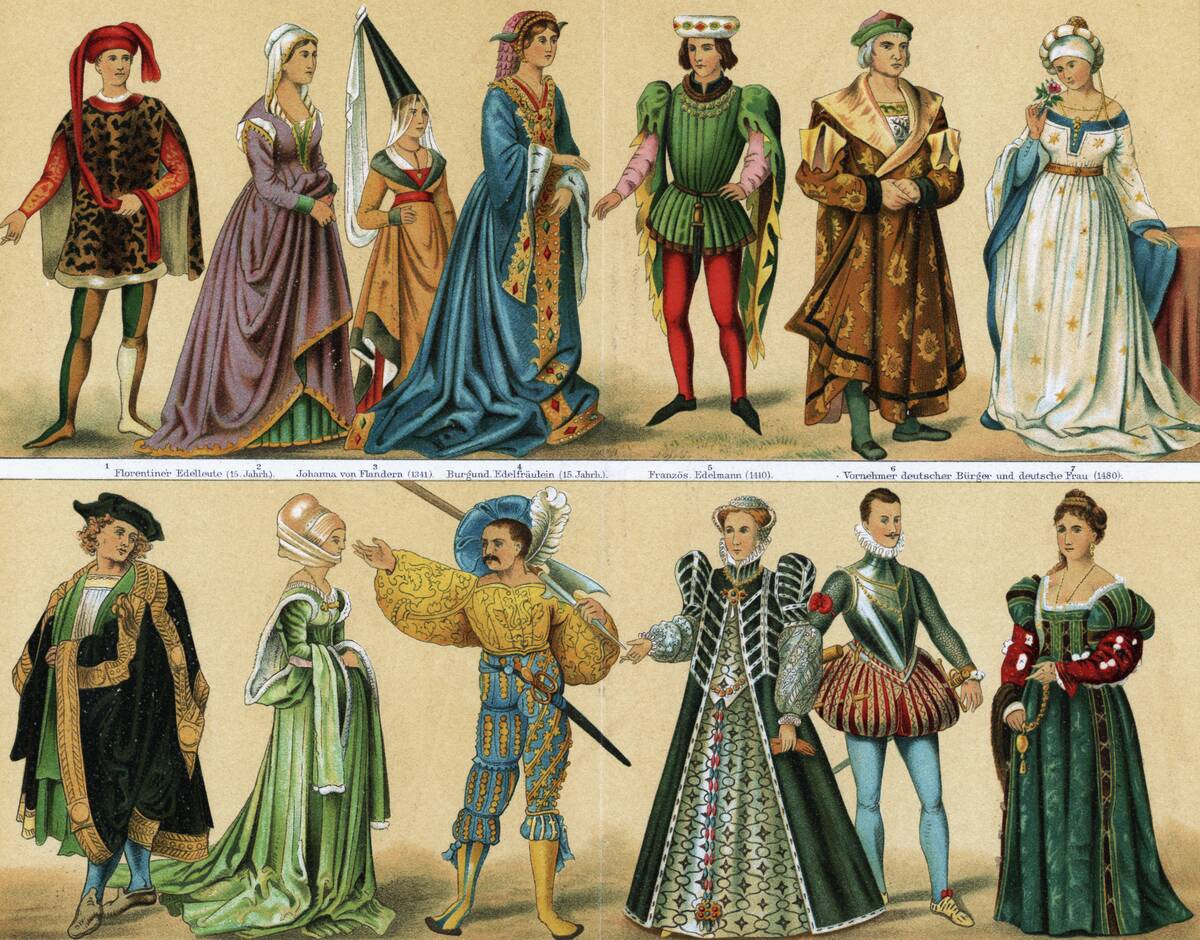
In medieval society, clothing was a clear indicator of social class. Nobles and royalty wore luxurious fabrics like silk and velvet, often adorned with intricate embroidery. In contrast, peasants wore simpler garments made from wool or linen.
The distinction in attire was so pronounced that laws were enacted to prevent the lower classes from imitating the nobility. These laws ensured that fashion remained a symbol of social hierarchy.
Fabrics and Materials Used in Medieval Garments
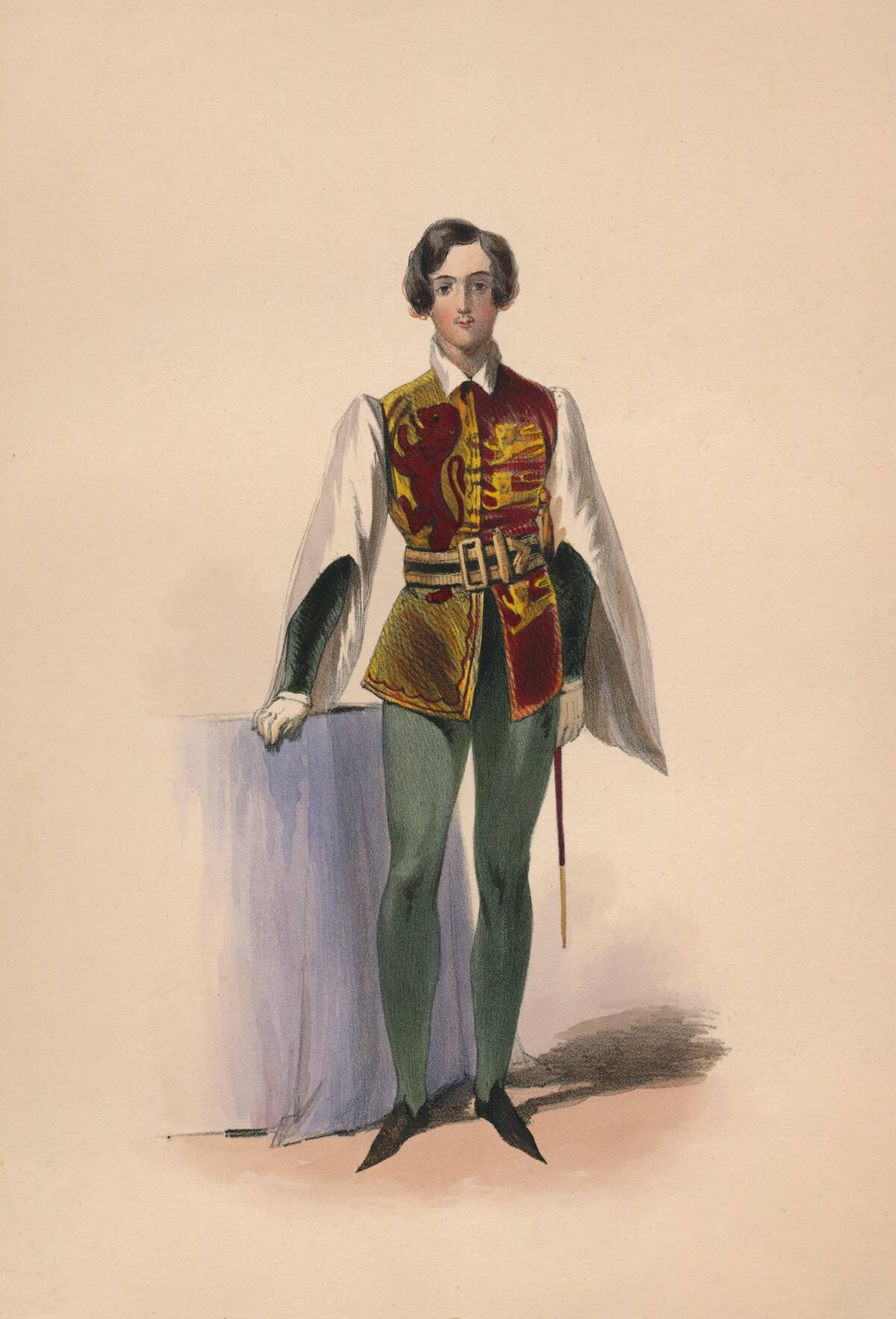
The choice of fabric in medieval clothing was largely dictated by availability and social status. Wool was the most common material, used by all classes, while linen was favored for undergarments.
Silk, imported from the East, was a luxury reserved for the elite. Velvet and brocade were also popular among the wealthy. The quality and type of fabric could signify one’s wealth and influence in society.
The Role of Sumptuary Laws in Fashion
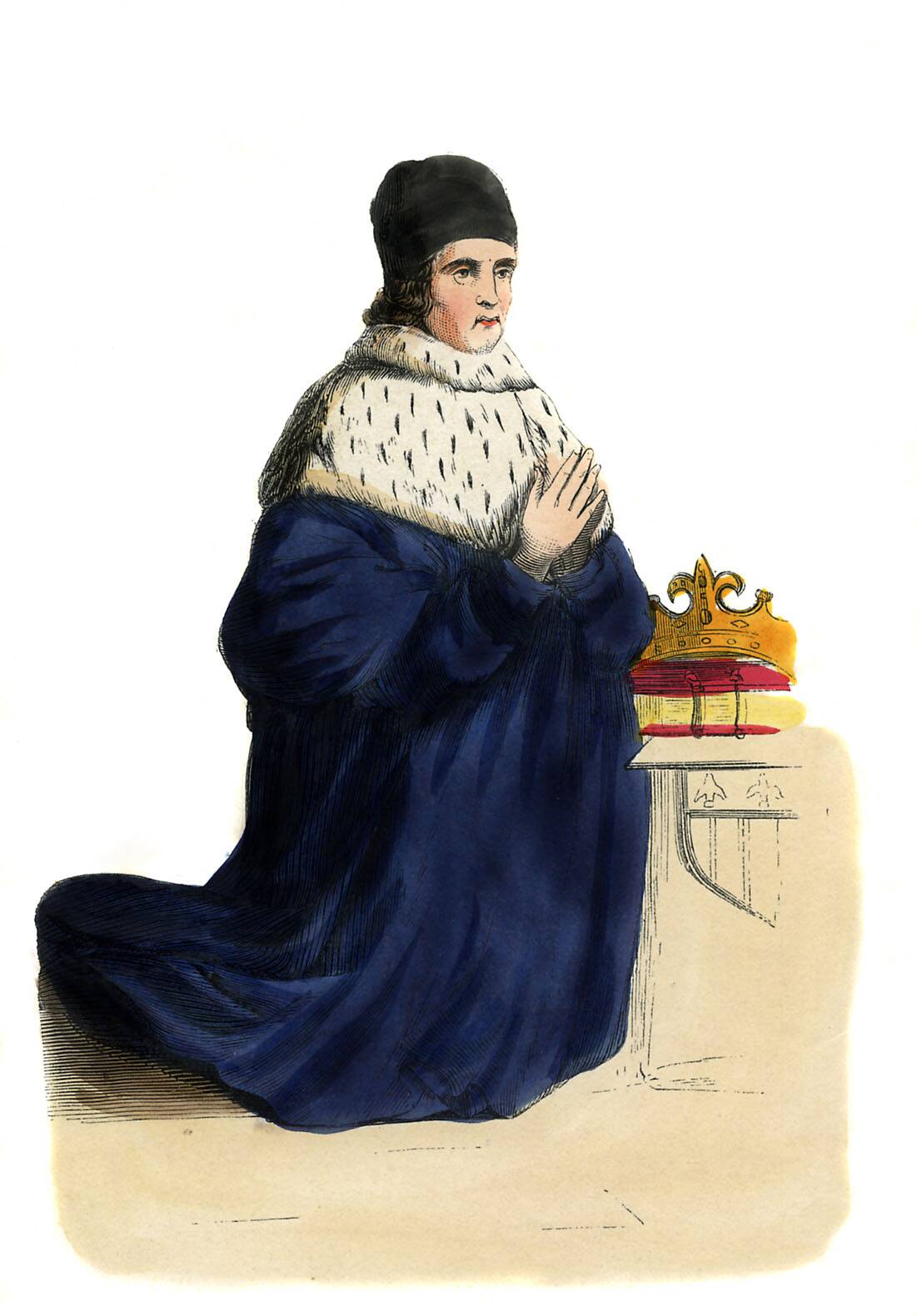
Sumptuary laws were regulations that dictated what individuals could wear based on their social status. These laws aimed to maintain social order by preventing the lower classes from dressing like the nobility.
For instance, only royalty could wear ermine, and certain colors like purple were reserved for the elite. These laws not only reinforced class distinctions but also influenced the evolution of fashion by restricting access to certain materials and styles.
The Evolution of Silhouettes Throughout the Medieval Period
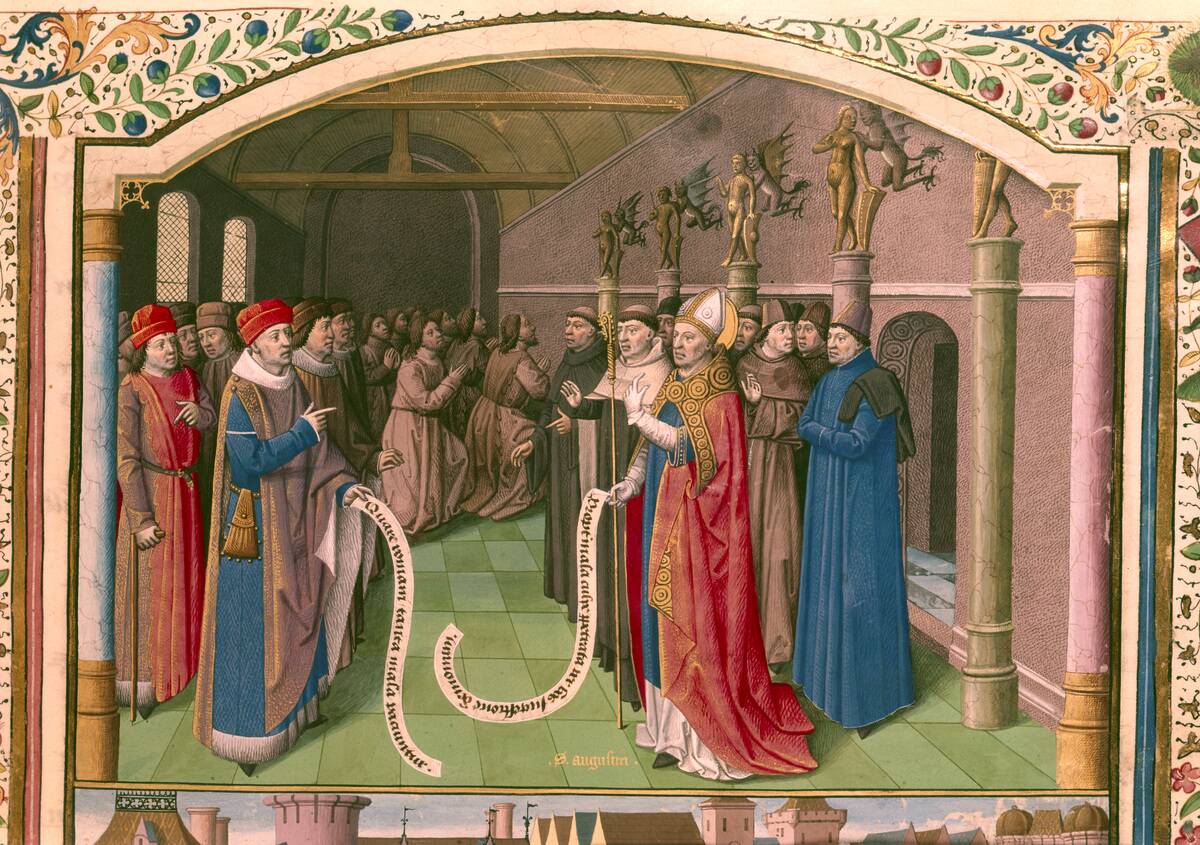
Medieval fashion saw a gradual evolution in silhouettes, reflecting changes in cultural and aesthetic preferences. Early medieval clothing was loose and flowing, with tunics and robes being the norm.
By the 14th century, fashion shifted towards more fitted garments, with tailored bodices and sleeves. The introduction of the cotehardie and houppelande marked a significant change, emphasizing a more structured and elegant silhouette that became popular among the upper classes.
The Significance of Colors in Medieval Attire
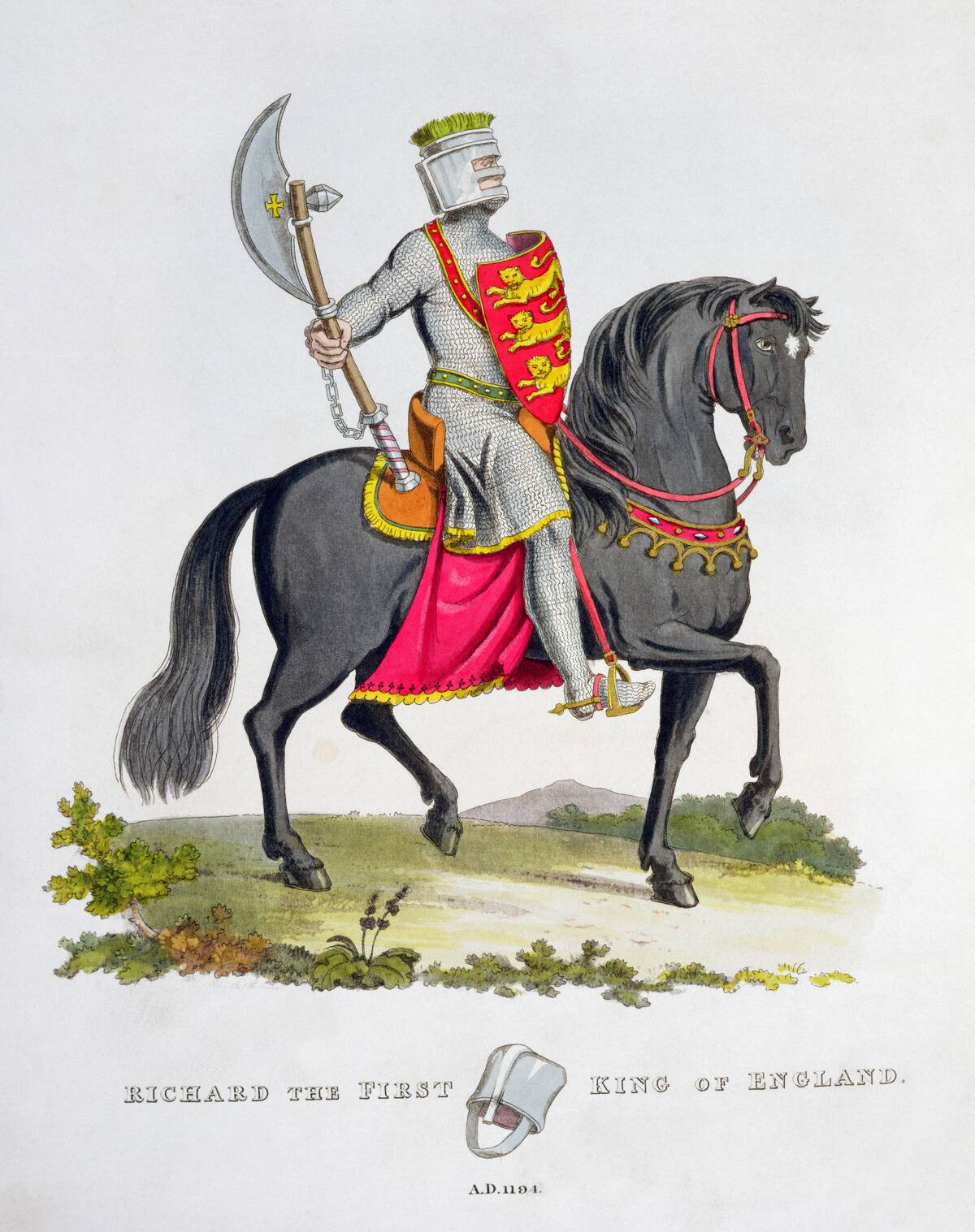
Colors in medieval clothing held symbolic meanings and were often used to convey social status. Bright colors like red and gold were associated with wealth and power, while blue was linked to the Virgin Mary and thus symbolized purity.
The dyeing process was complex and expensive, making vibrant colors a luxury. Black became fashionable in the late medieval period, symbolizing sophistication and authority, particularly among the clergy and nobility.
Men’s Fashion: From Tunics to Hose
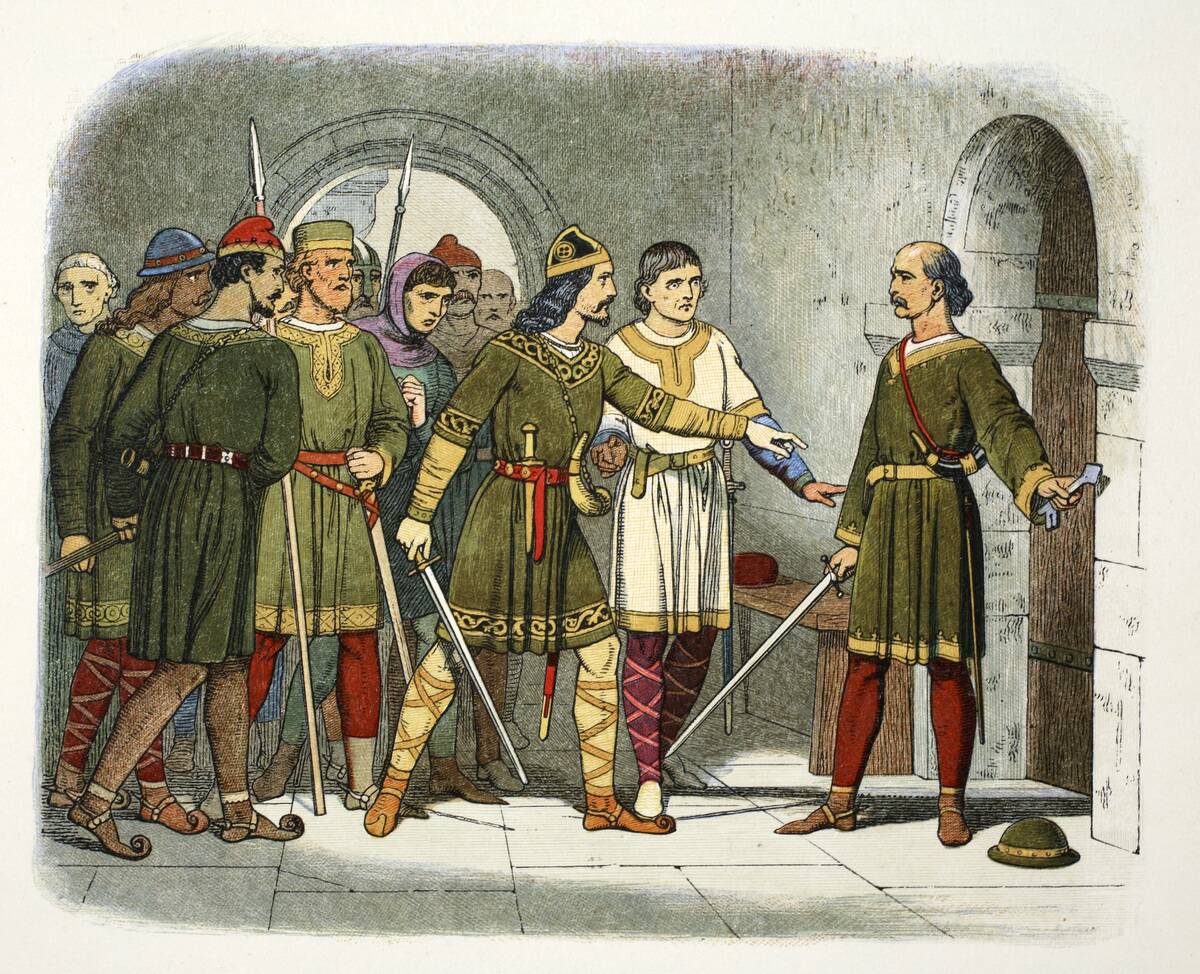
Men’s fashion in the medieval period evolved from simple tunics to more elaborate attire. Early medieval men wore tunics with leggings or hose. By the 14th century, fashion became more tailored, with the introduction of the doublet and hose.
The cotehardie, a fitted garment with buttons, became popular among the nobility. These changes reflected a shift towards more form-fitting and stylish clothing for men, influenced by both practicality and aesthetics.
Women’s Fashion: From Kirtles to Gowns
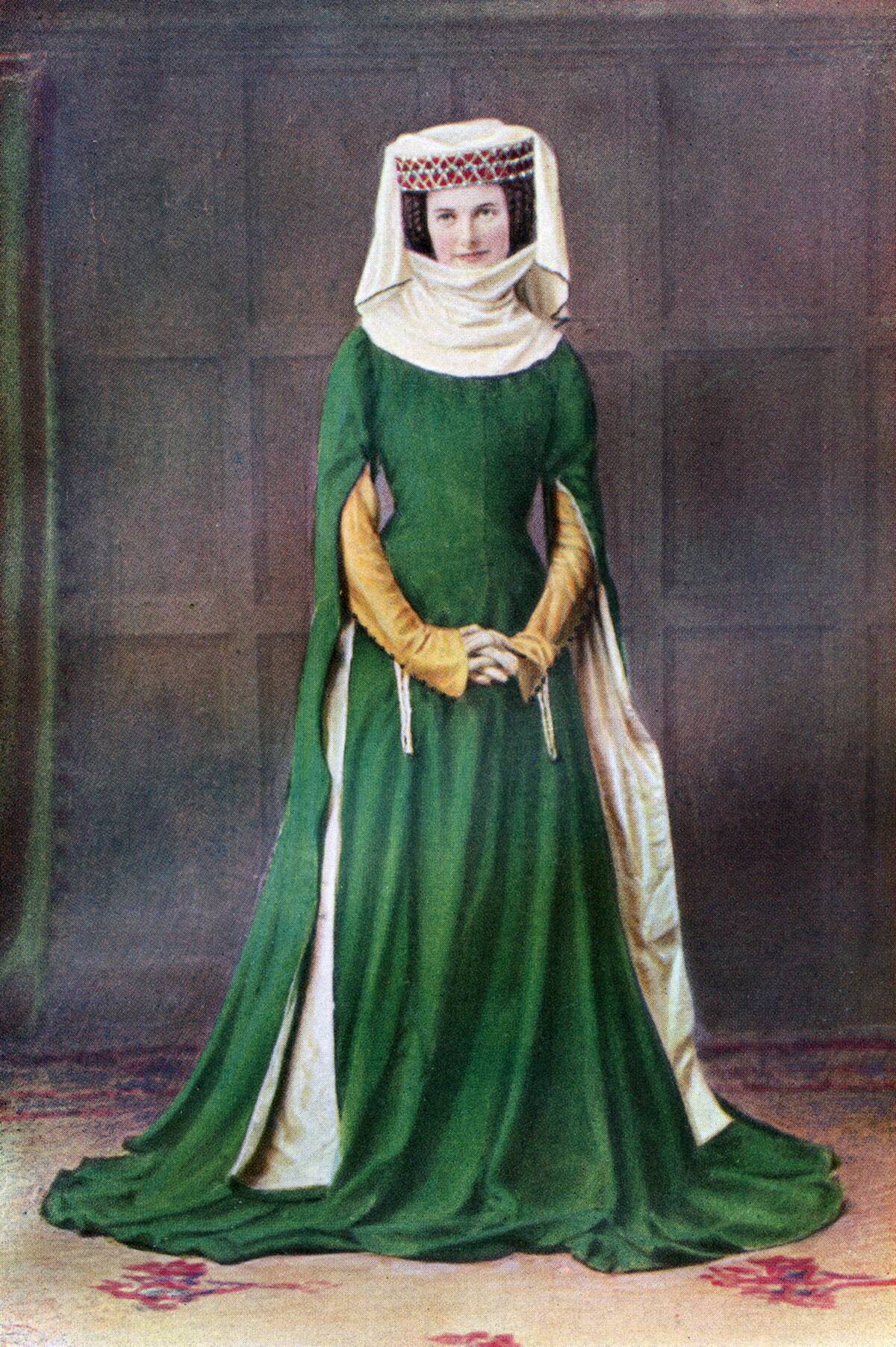
Women’s fashion during the medieval period was characterized by layers and flowing fabrics. The kirtle, a long tunic-like garment, was a staple for women of all classes. Over time, fashion evolved to include more structured gowns with fitted bodices and wide skirts.
The surcoat, worn over the kirtle, added an element of elegance. By the late medieval period, women’s fashion became more elaborate, with intricate embroidery and luxurious fabrics becoming a symbol of status.
The Art of Layering: Surcoats, Cloaks, and Mantles
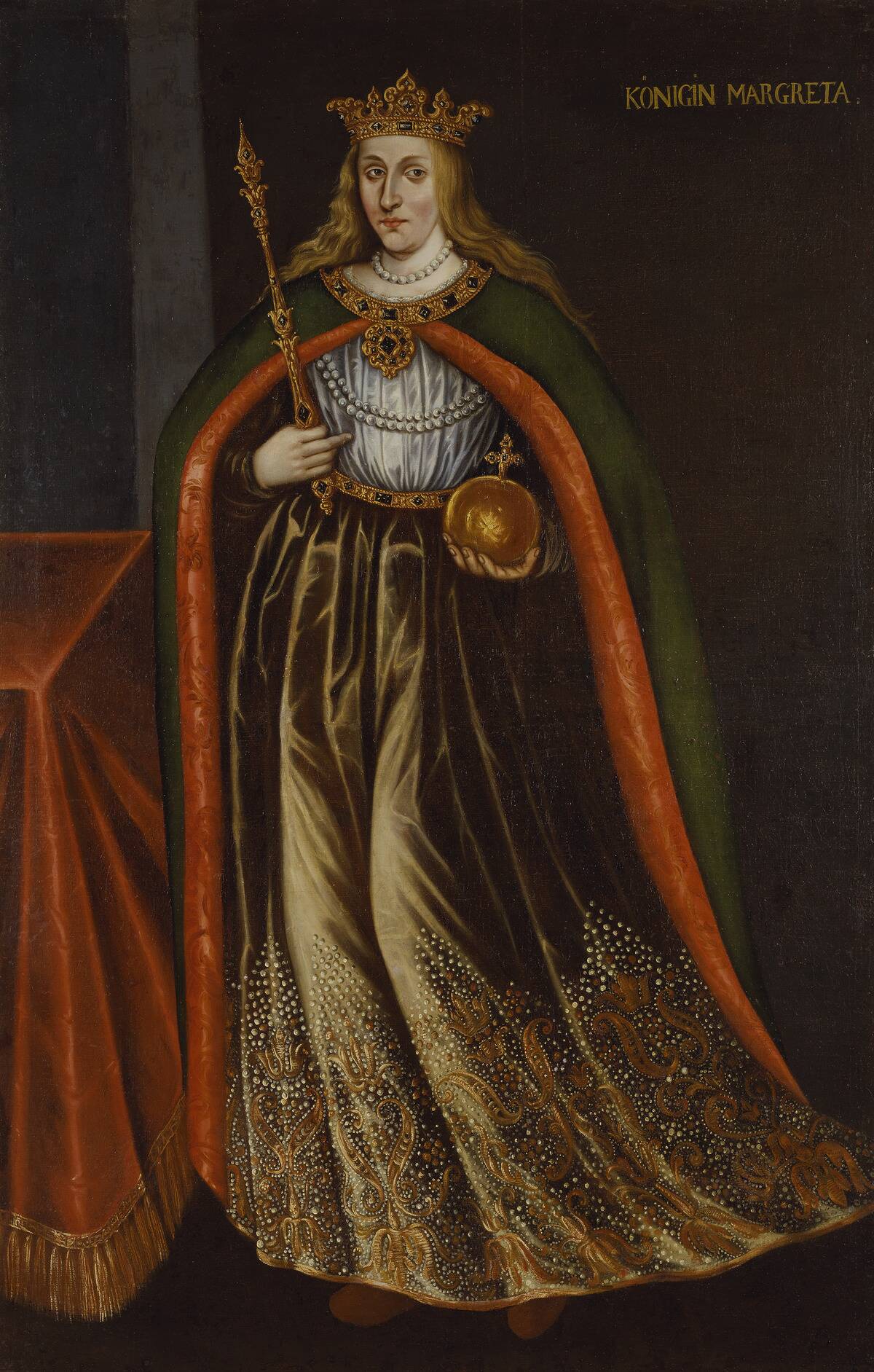
Layering was an essential aspect of medieval fashion, both for practicality and style. Surcoats, cloaks, and mantles were common outer garments that provided warmth and protection.
The surcoat was often sleeveless and worn over a kirtle or gown, adding a touch of elegance. Cloaks and mantles, made from wool or fur, were essential for outdoor wear. These layers allowed individuals to adapt their attire to different weather conditions while showcasing their personal style.
Headwear: Hoods, Hats, and Veils
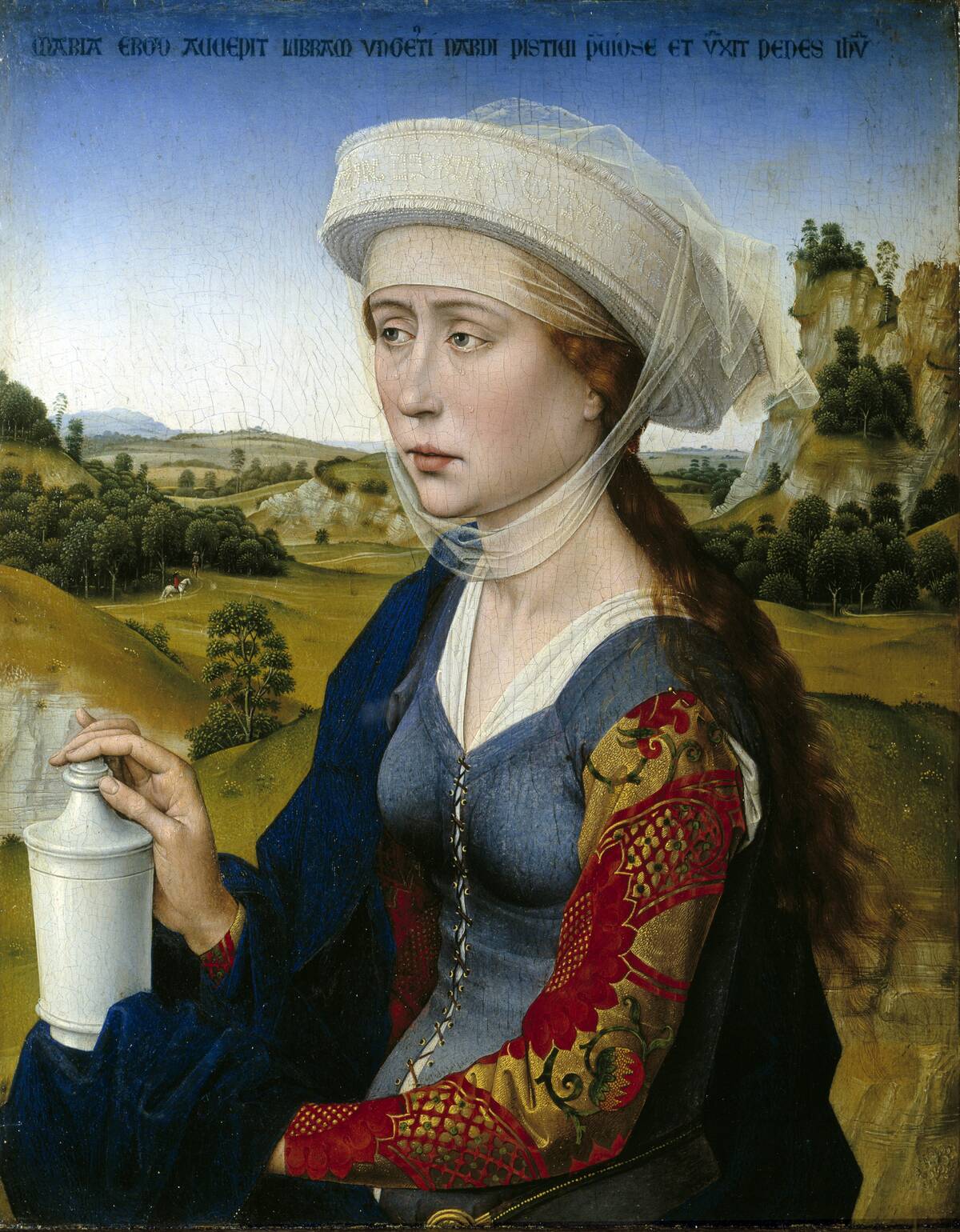
Headwear played a significant role in medieval fashion, serving both practical and decorative purposes. Hoods were common among all classes, providing warmth and protection from the elements.
Hats, such as the chaperon and coif, became fashionable in the later medieval period. Women often wore veils or wimples, which covered the hair and neck, reflecting modesty and social status. Headwear was an important accessory that completed the medieval ensemble.
Footwear: From Simple Sandals to Pointed Shoes
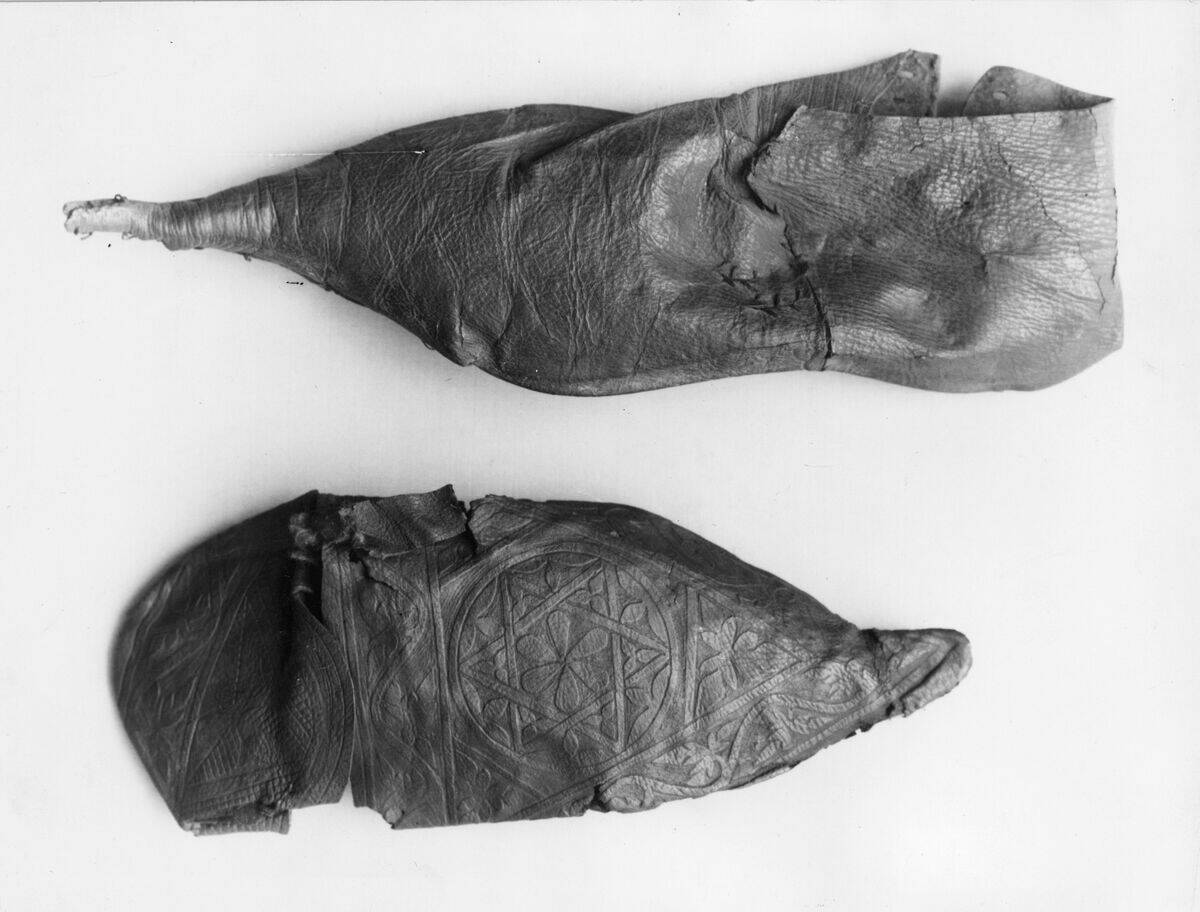
Footwear in the medieval period ranged from simple sandals to elaborate pointed shoes. Early medieval shoes were made from leather and were quite basic. By the 14th century, fashion trends led to the popularity of pointed shoes, known as poulaines, among the nobility.
These shoes featured exaggerated pointed toes and were often made from fine leather. Footwear not only provided protection but also became a status symbol, reflecting the wearer’s wealth and taste.
Accessories: Belts, Pouches, and Jewelry
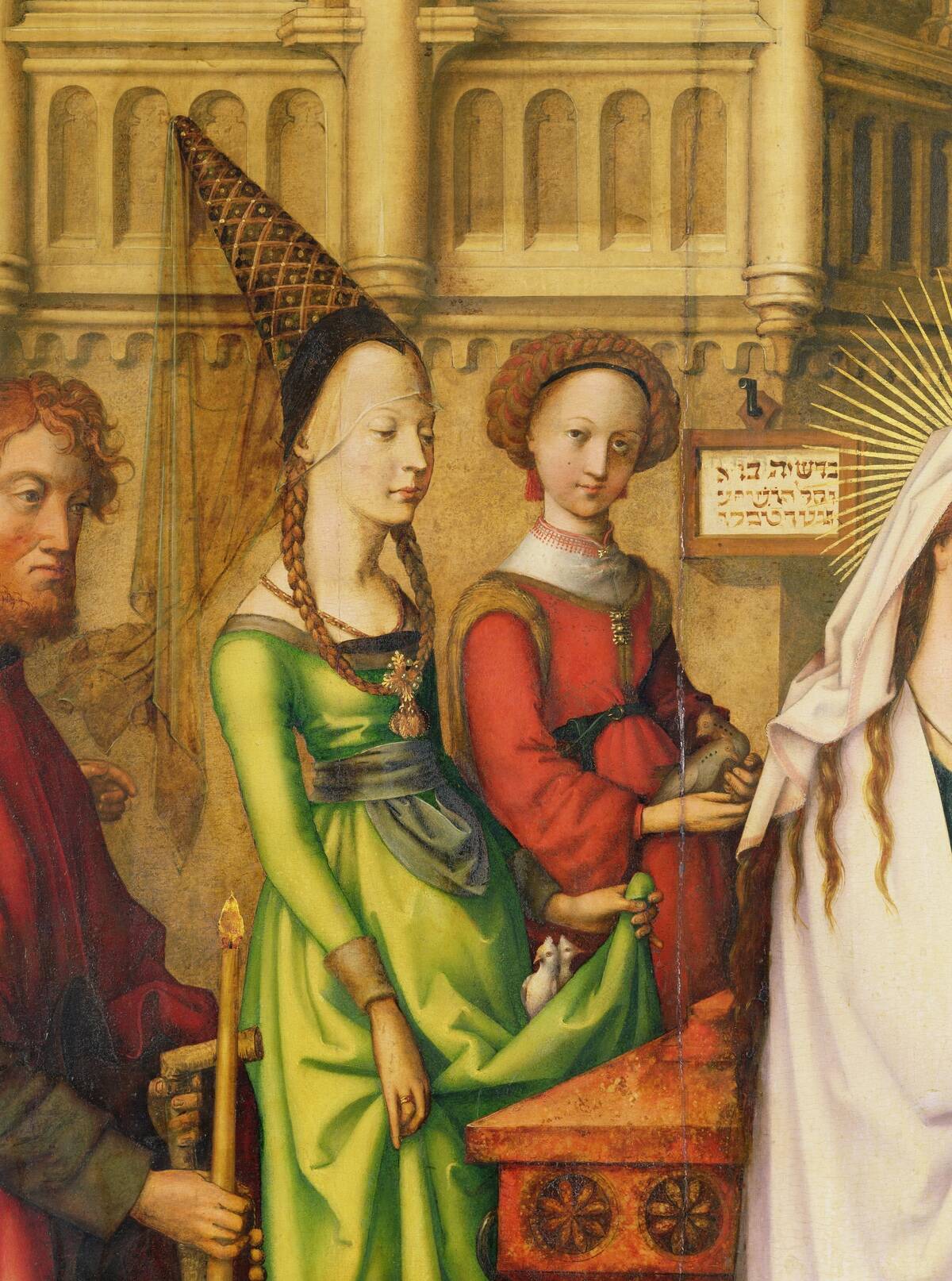
Accessories were an integral part of medieval fashion, adding both functionality and flair. Belts were commonly worn by both men and women, often adorned with metalwork or embroidery.
Pouches were attached to belts, serving as practical storage for personal items. Jewelry, including brooches, rings, and necklaces, was a symbol of wealth and status. Precious metals and gemstones were favored by the elite, while simpler designs were worn by the lower classes.
Hairstyles and Grooming in Medieval Society
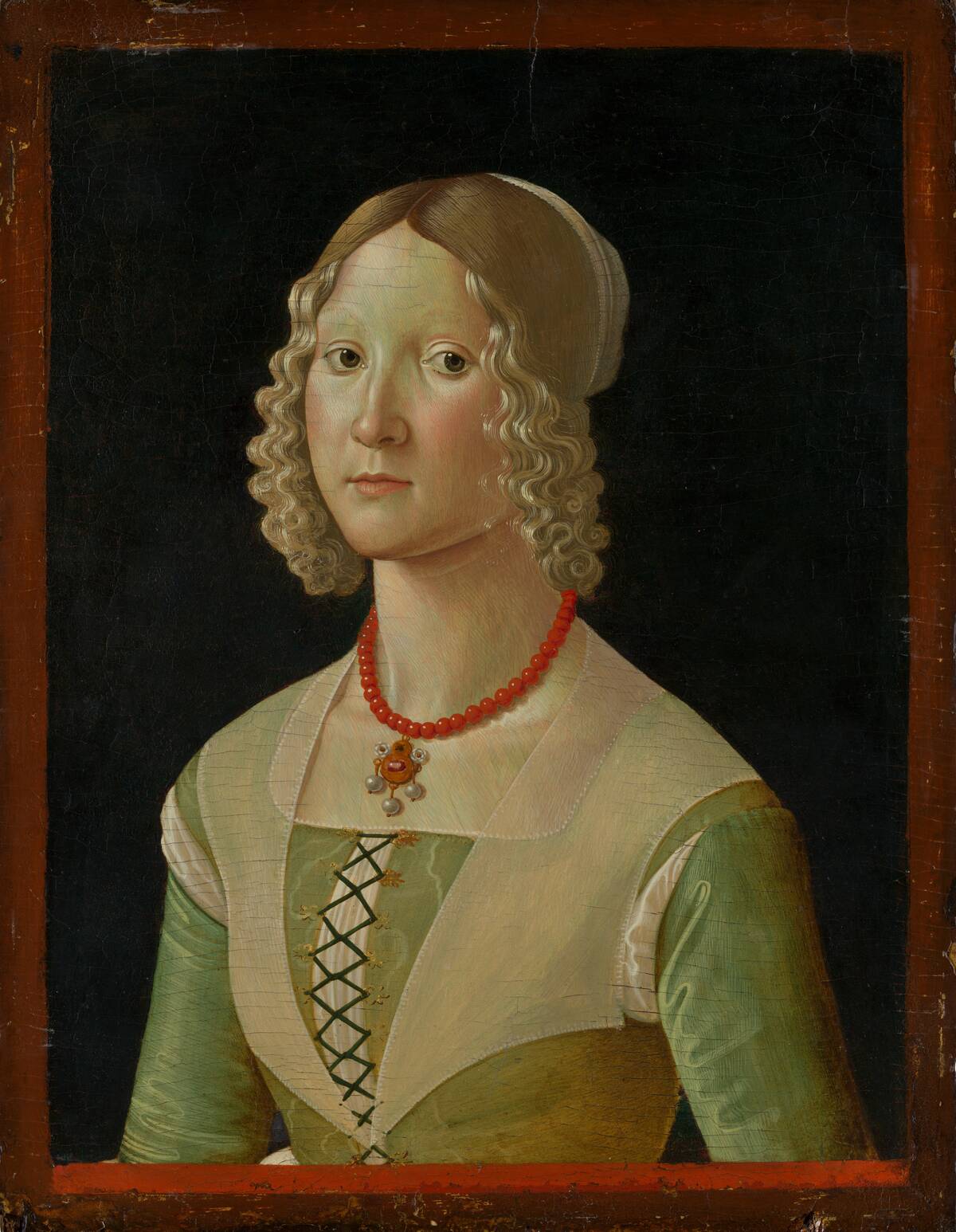
Hairstyles in medieval society varied greatly depending on the period and social status. Men often wore their hair short, while women typically grew their hair long, often braiding or covering it with veils. Grooming was important, with combs and mirrors being common personal items.
The use of scented oils and herbs for hair care was prevalent among the wealthy. Hairstyles and grooming practices were influenced by cultural norms and religious beliefs, reflecting one’s place in society.
The Influence of Religion on Medieval Fashion
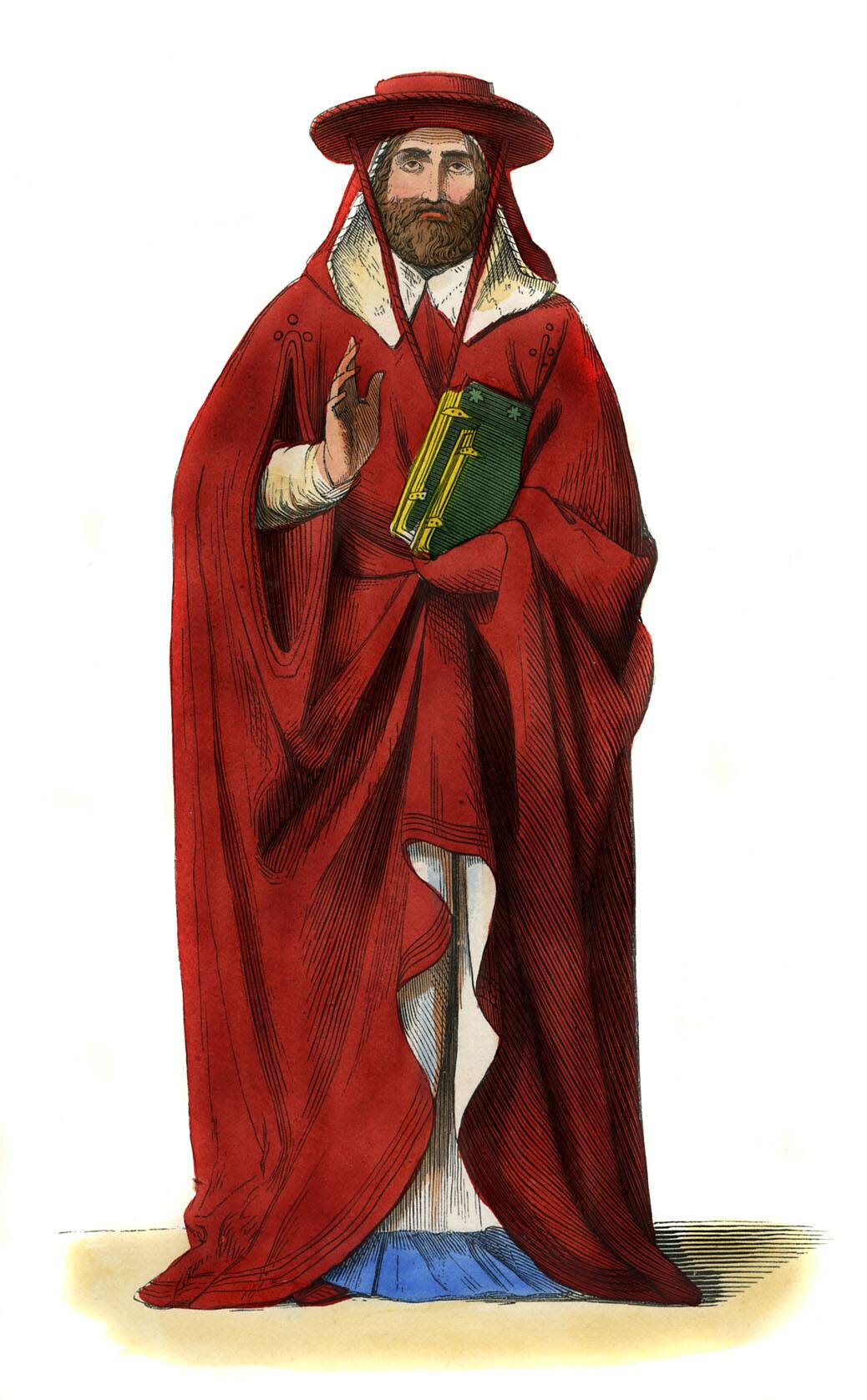
Religion had a profound impact on medieval fashion, dictating modesty and influencing styles. The Church encouraged modest attire, leading to the prevalence of long, flowing garments and covered hair for women.
Clergy members wore specific vestments, such as cassocks and albs, which symbolized their religious roles. Religious festivals and pilgrimages also influenced fashion, with pilgrims wearing distinctive badges and attire. The intertwining of religion and fashion was a defining feature of the medieval period.
Regional Variations in Medieval Clothing Styles
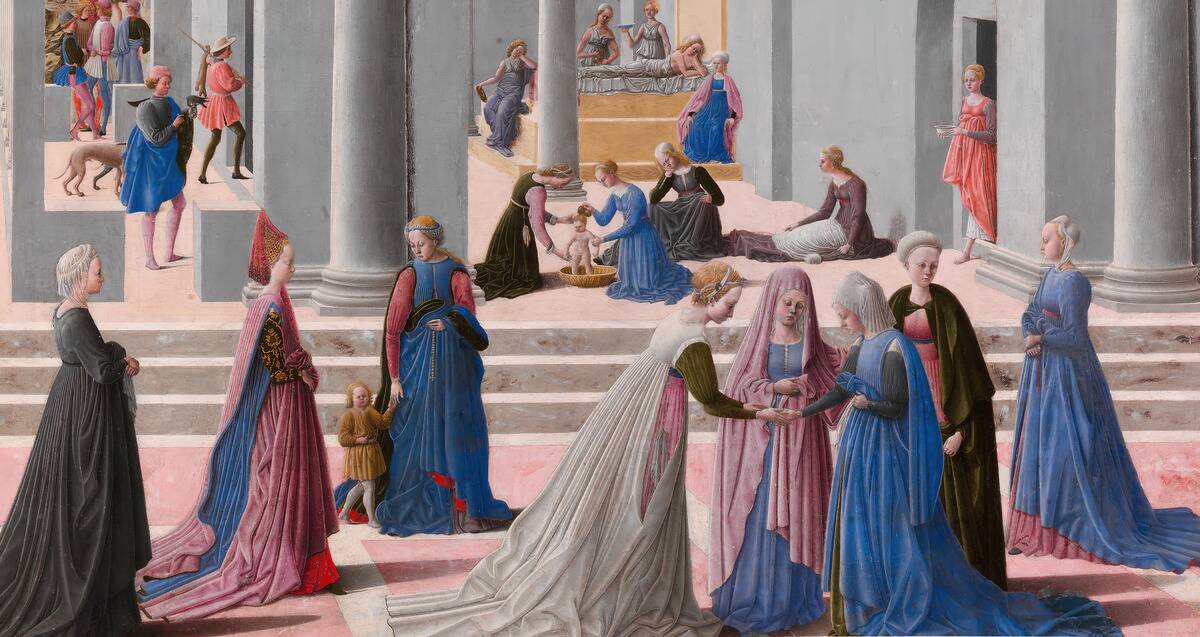
Medieval clothing styles varied significantly across regions, influenced by local customs, climate, and resources. In Northern Europe, heavier fabrics and layered garments were common due to the colder climate.
Southern Europe favored lighter fabrics and more vibrant colors. Cultural exchanges through trade and conquest also introduced new styles and materials. These regional variations added diversity to medieval fashion, reflecting the unique identities of different communities.
The Impact of Trade and Exploration on Fashion Trends
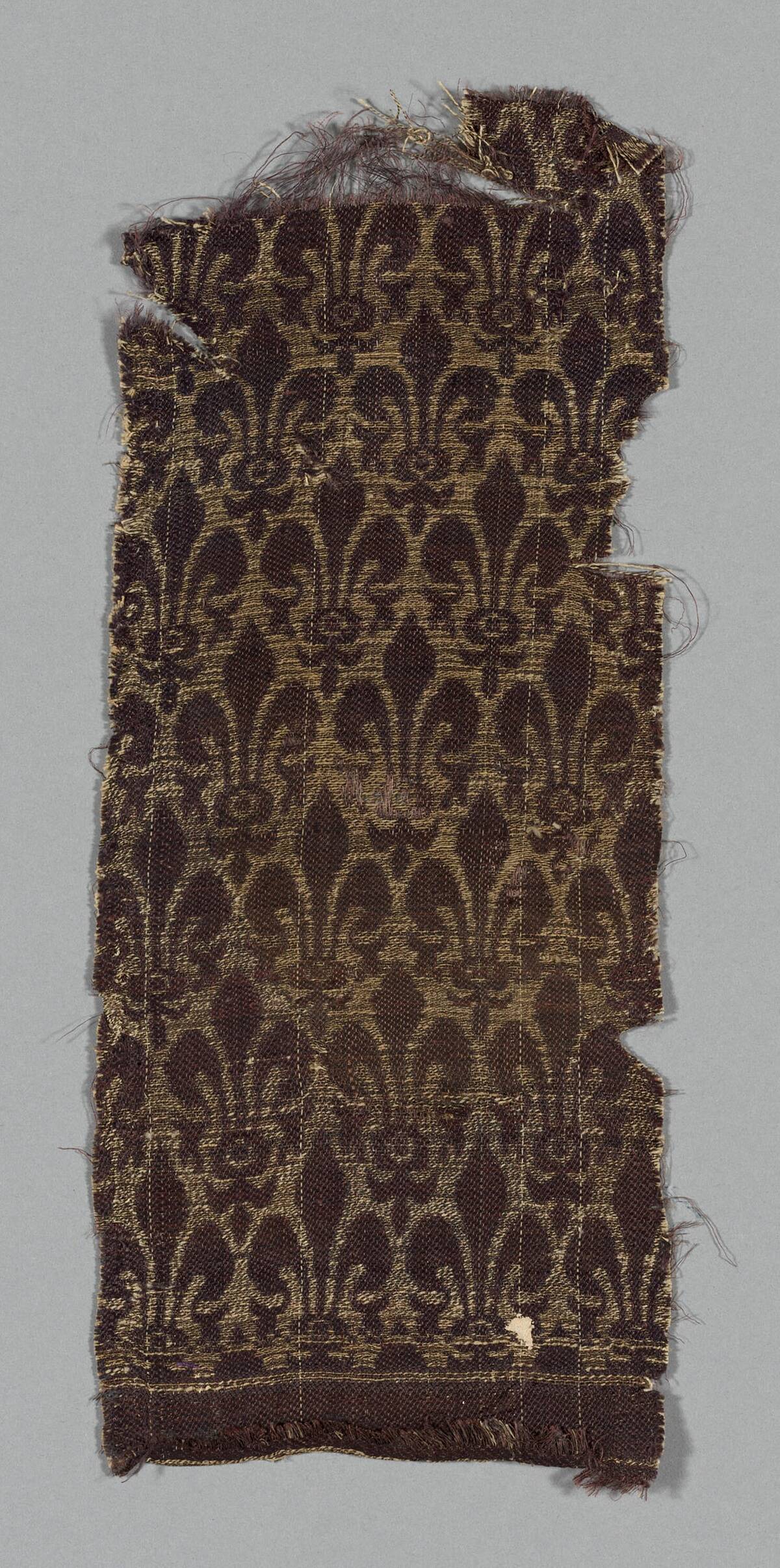
Trade and exploration during the medieval period had a significant impact on fashion trends. The Silk Road facilitated the exchange of luxurious fabrics like silk and brocade, which became highly sought after by the European elite.
Exploration introduced new dyes and materials, expanding the color palette of medieval clothing. These influences led to a fusion of styles and an increase in the availability of exotic goods, shaping the evolution of medieval fashion in profound ways.




