16 Photos of a typical workday in the 1800s
Imagine stepping back in time to the 1870s, where the workday was a whirlwind of activity and simplicity. Gone were the buzzing smartphones and electric lights, replaced by the steady tick of a wall clock and the flicker of gas lamps.
This era was a turning point, with the Industrial Revolution in full swing, transforming both the nature of work and the daily lives of workers. Let’s dive into a typical workday of the past and explore how it shaped the world we know today.
The Early Morning Routine: Starting at the Crack of Dawn
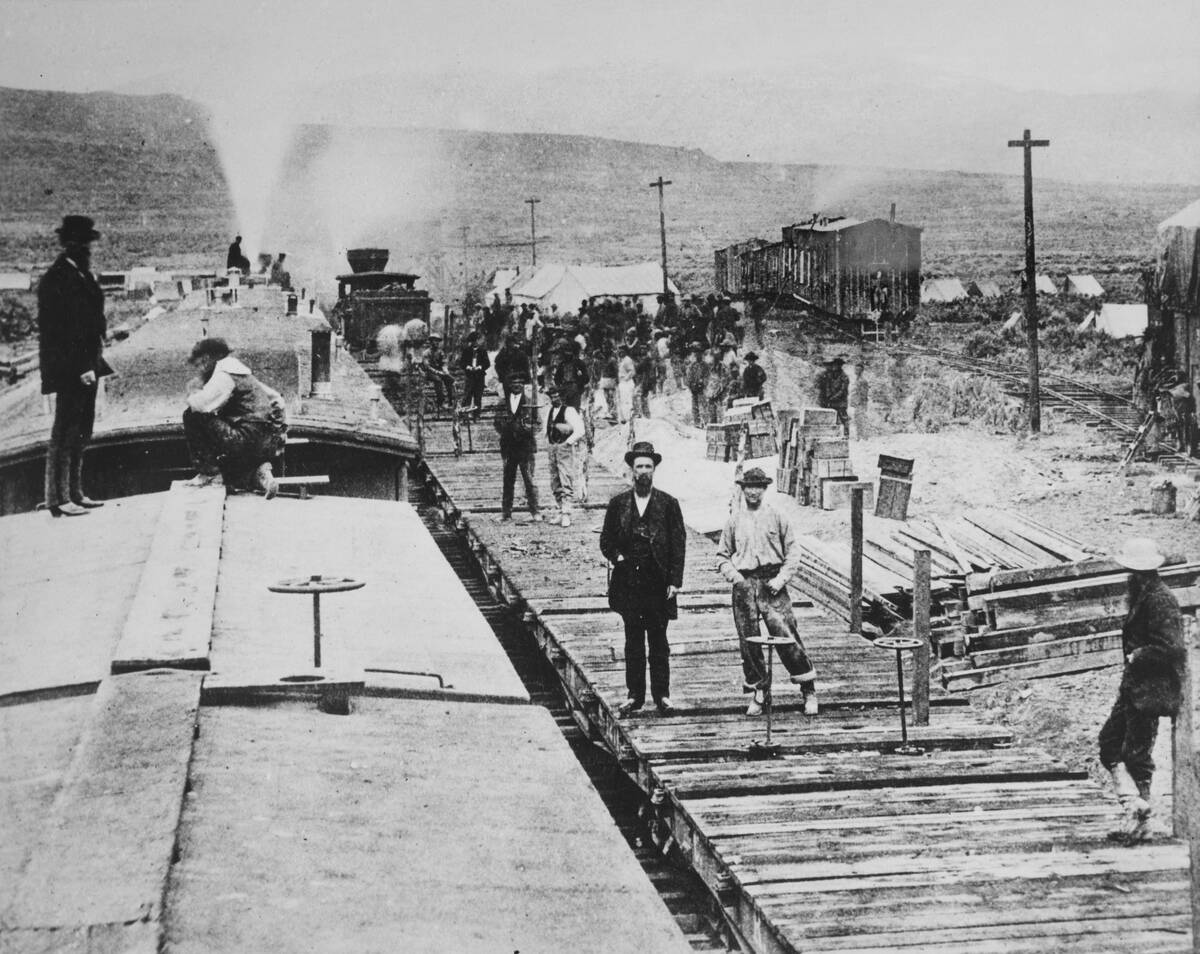
For many workers in the 1870s, the day began before the sun had fully risen. Roosters served as natural alarm clocks, crowing to signal the start of a new day. Breakfast was a simple affair, often consisting of porridge or bread, providing just enough energy to tackle the day’s tasks.
With no modern conveniences, morning routines were straightforward yet demanding, setting the tone for a long day ahead.
The Commute: Horse-Drawn Carriages and Walking
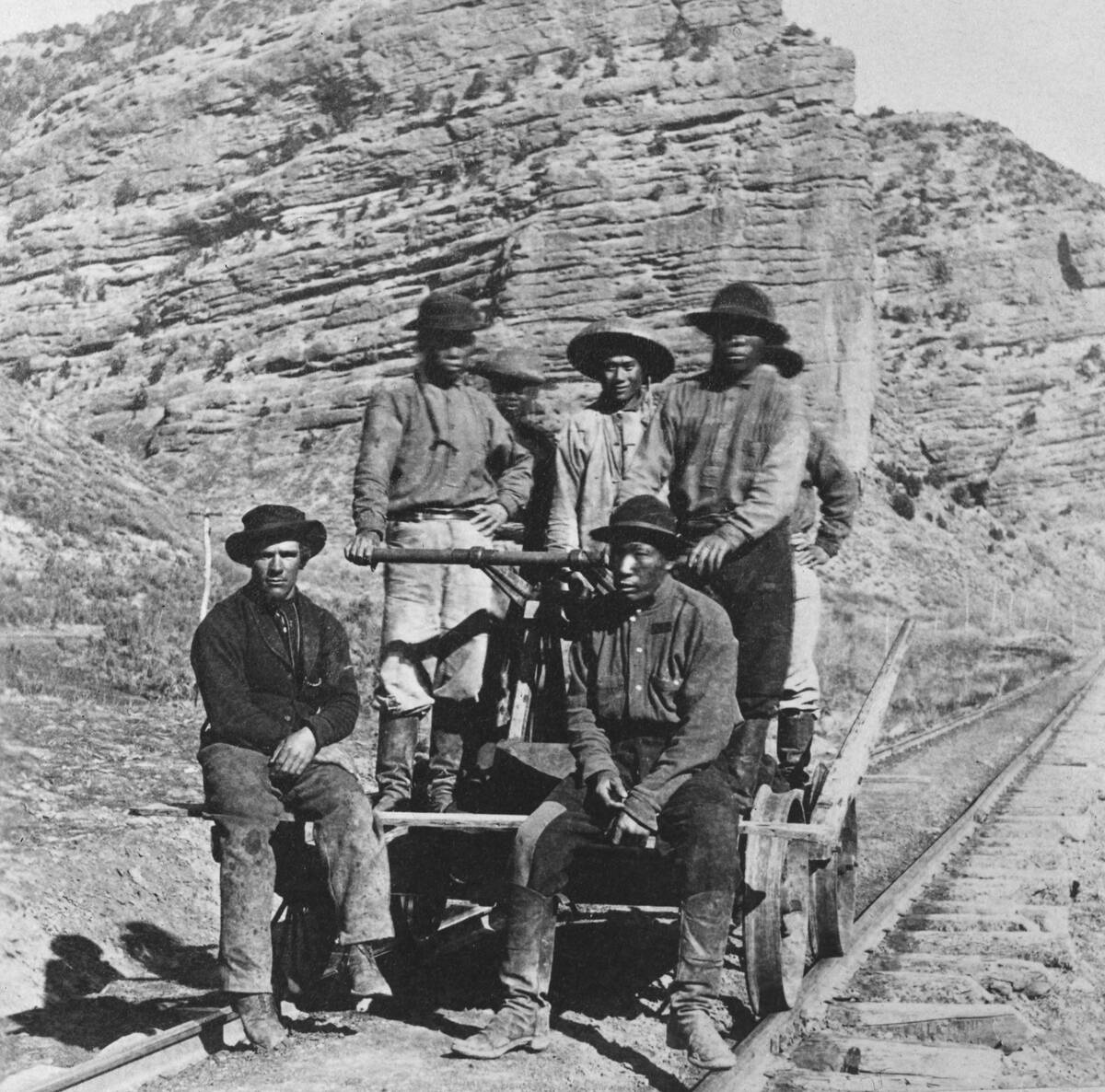
Unlike today’s bustling traffic and public transport, getting to work in the 1870s often involved a long walk or a bumpy ride in a horse-drawn carriage. Urban workers might have been lucky enough to catch an omnibus, a horse-drawn vehicle that operated like a bus.
For those in rural areas, the commute was simpler but longer, with workers trekking across fields to reach their place of employment.
The Workplace: From Farms to Factories
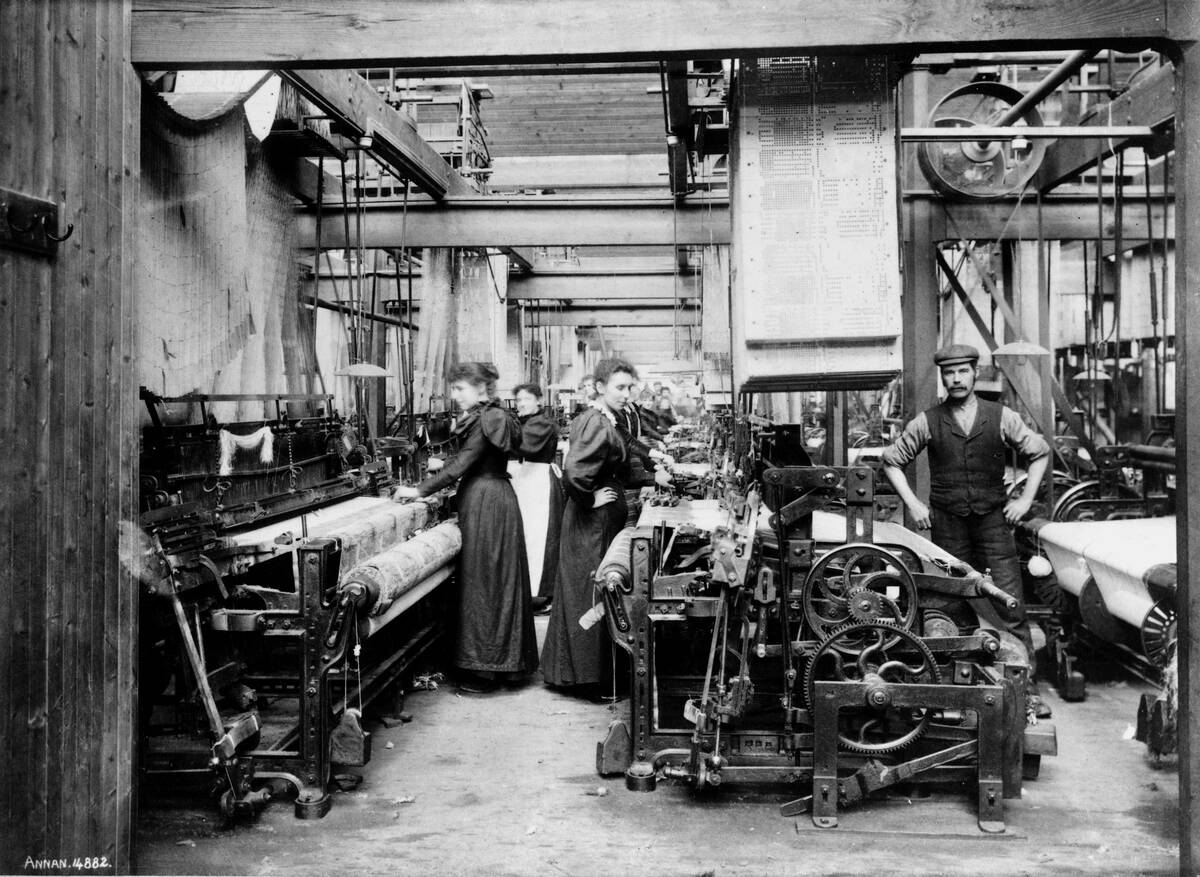
The workplace varied greatly, from the sprawling fields of farms to the bustling floors of factories. The Industrial Revolution had led to a surge in factory jobs, where workers operated machinery that was both innovative and perilous.
Meanwhile, agriculture remained a staple, with farmhands toiling from sunrise to sunset, tending to crops and livestock. Each setting had its unique challenges, but all required hard work and resilience.
The Dress Code: Attire of the 1870s Worker
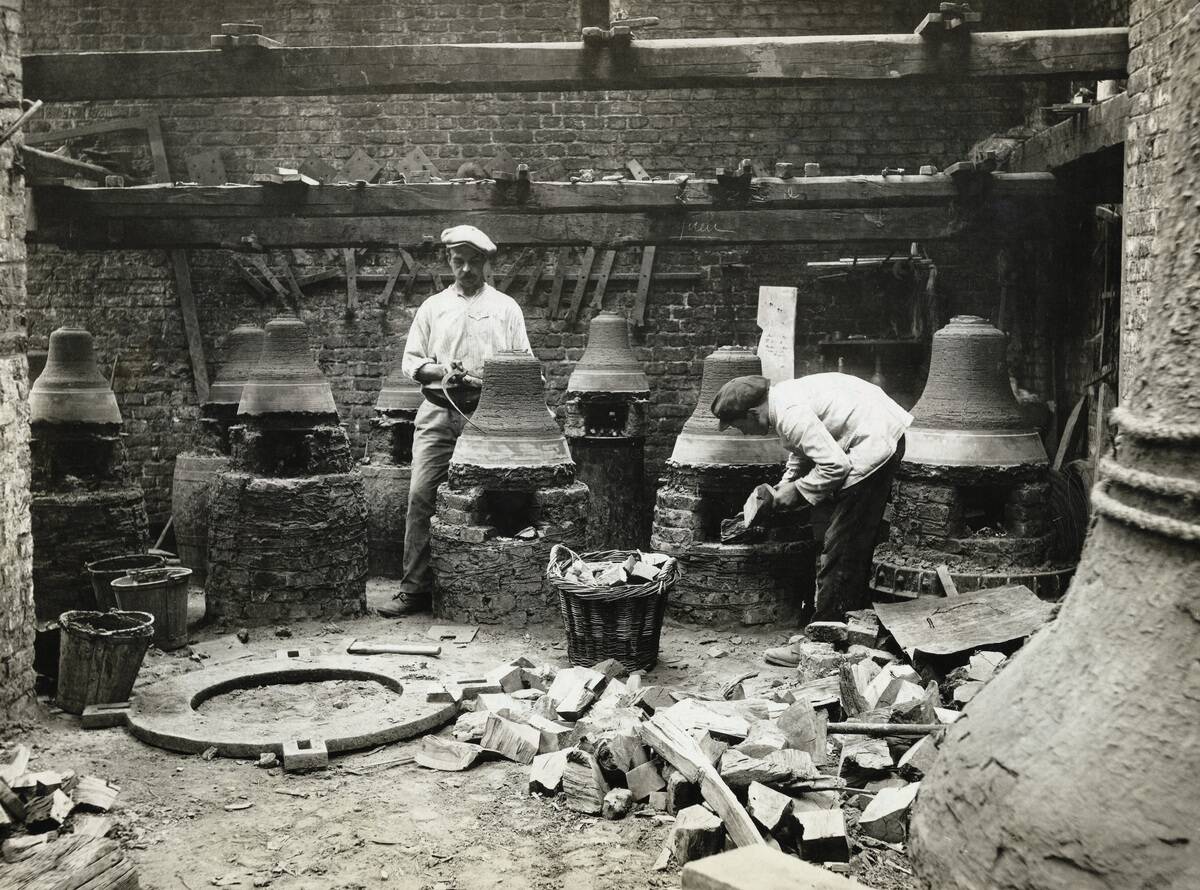
Attire in the 1870s was as much about function as it was about fashion. Men typically wore sturdy trousers and shirts, with hats to shield them from the elements. Women, even when working, donned long skirts and blouses, often with aprons to protect their clothing.
The materials were durable yet heavy, reflecting the practical needs of the time and the lack of modern fabrics we take for granted today.
The Tools of the Trade: 19th Century Technology
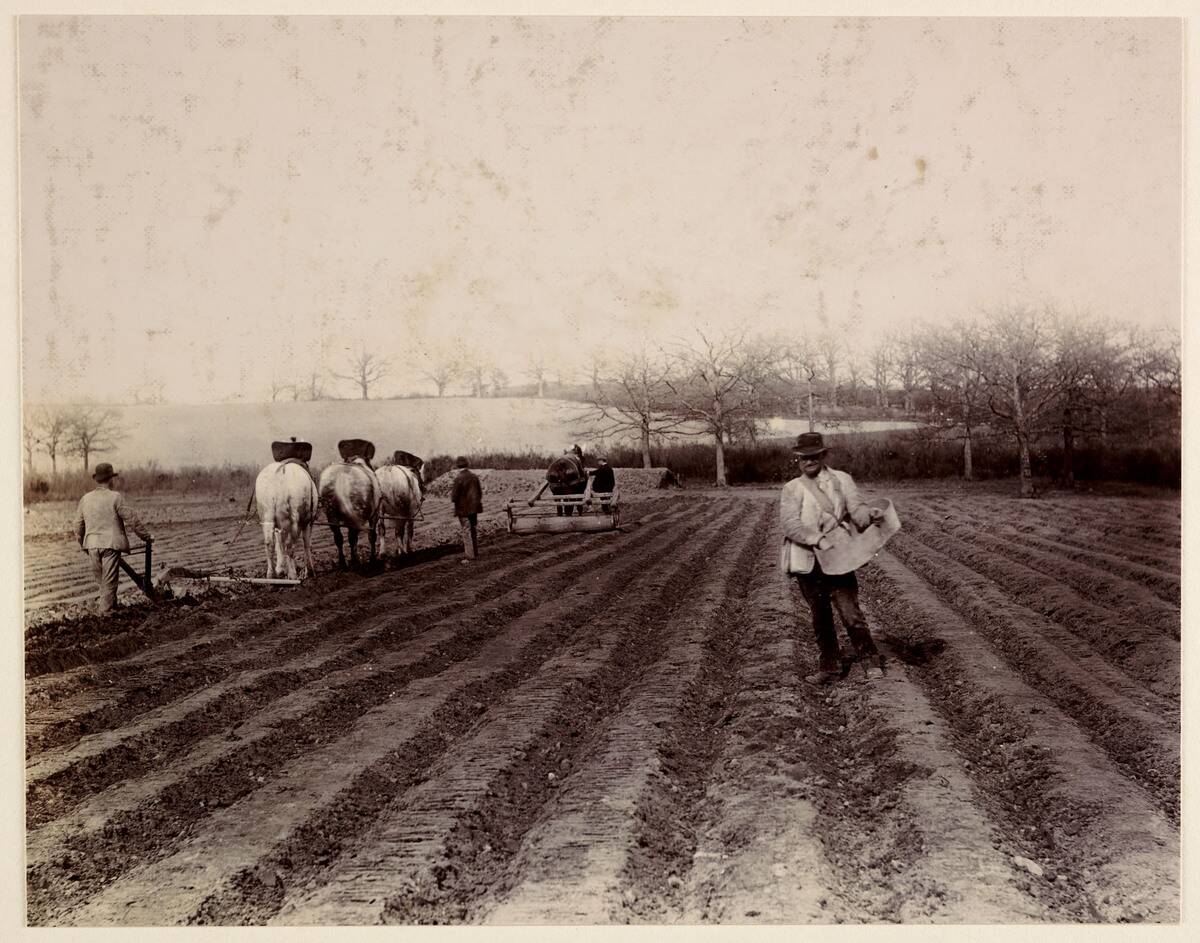
The tools of the 19th century were a fascinating mix of old and new. On farms, hand plows and scythes were still in use, though steam-powered machinery was beginning to make an appearance.
In factories, workers operated looms, spinning jennies, and early versions of assembly lines. These tools, while rudimentary by today’s standards, were cutting-edge technology that revolutionized productivity and efficiency.
The Role of Women: A Day in the Life of a Working Woman
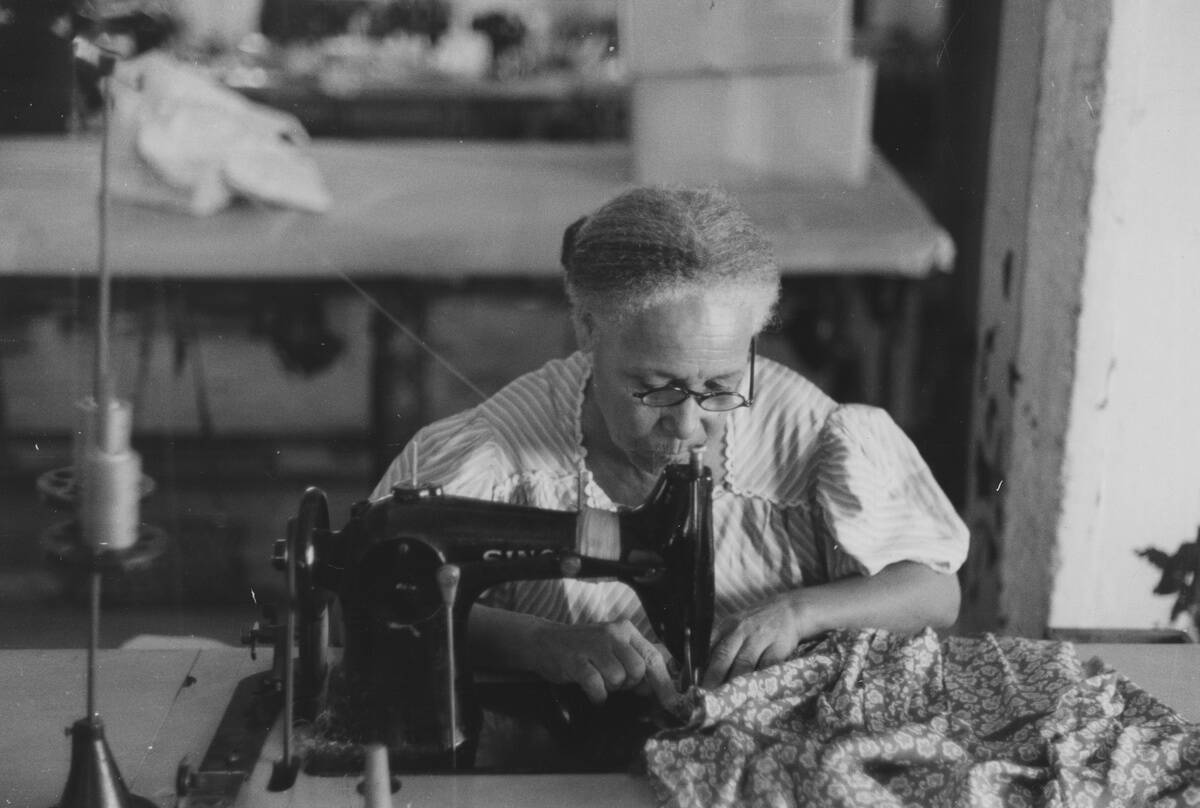
Women in the 1870s played a crucial role in the workforce, often juggling domestic duties with paid labor. Many worked as seamstresses, factory workers, or in domestic service, contributing significantly to household incomes.
Despite the hard work, they faced limited rights and opportunities compared to their male counterparts. Yet, their contributions laid the groundwork for future generations of women in the workforce.
Child Labor: When Kids Were Part of the Workforce
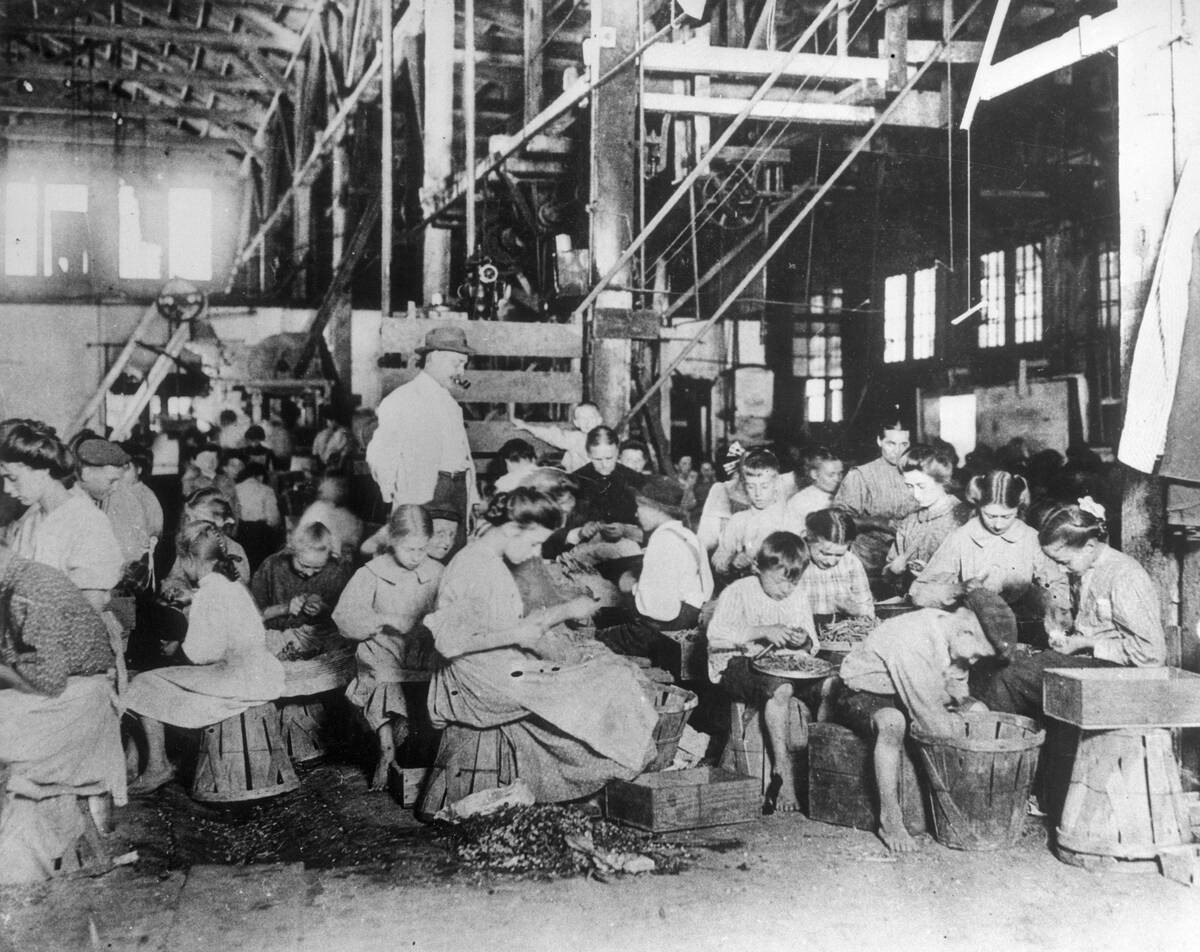
Child labor was a harsh reality in the 1870s, with many children working long hours in factories, mines, and farms. These young workers often performed dangerous tasks for minimal pay, contributing to their family’s survival.
The conditions were tough, but this era also sparked the beginnings of labor reform, as awareness grew about the need for education and protection for children.
The Work Hours: Long Days and Short Breaks
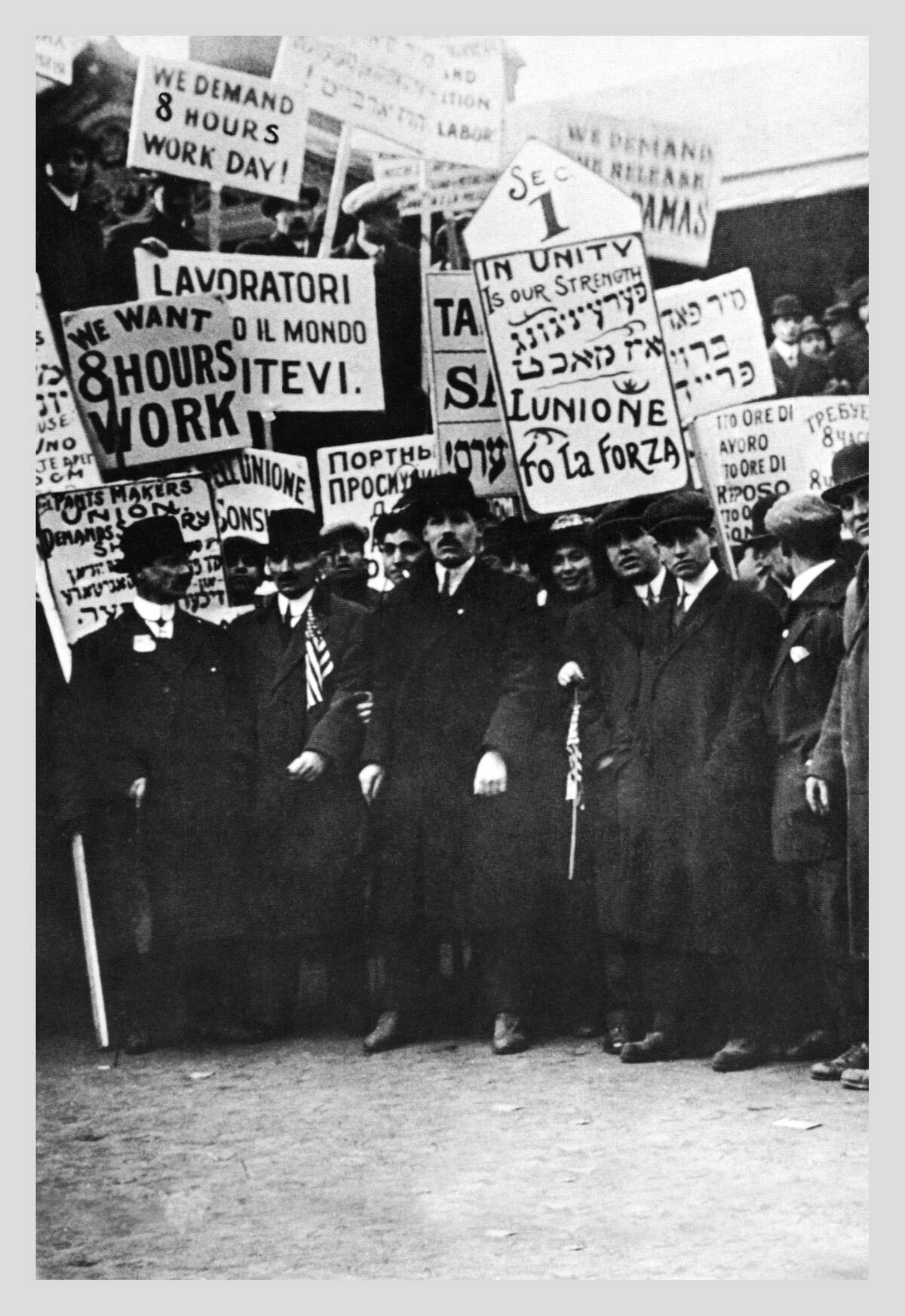
The typical workday in the 1870s was grueling, with shifts often lasting 10 to 16 hours. Breaks were few and far between, with workers grabbing a moment of rest whenever possible.
The long hours were a testament to the era’s work ethic, but they also highlighted the need for labor rights and reforms that would come in the following decades.
The Lunch Break: Meals on the Job
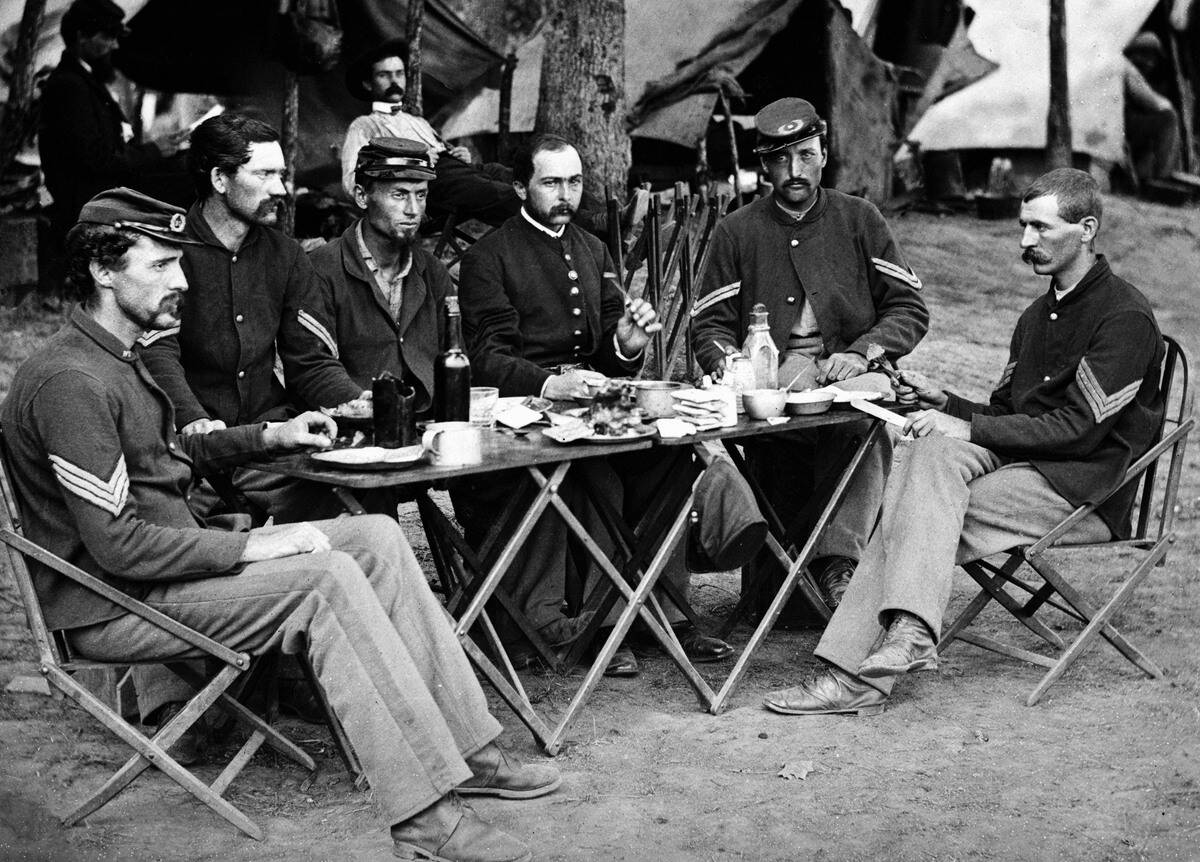
Lunch in the 1870s was a quick and simple affair, often eaten on the job. Workers brought meals from home, such as bread, cheese, and cold meats, packed in tin pails.
For those in urban areas, street vendors offered pies and other quick bites. Despite the simplicity, these meals provided much-needed sustenance to power through the demanding workday.
The Office Environment: From Noise to Nostalgia
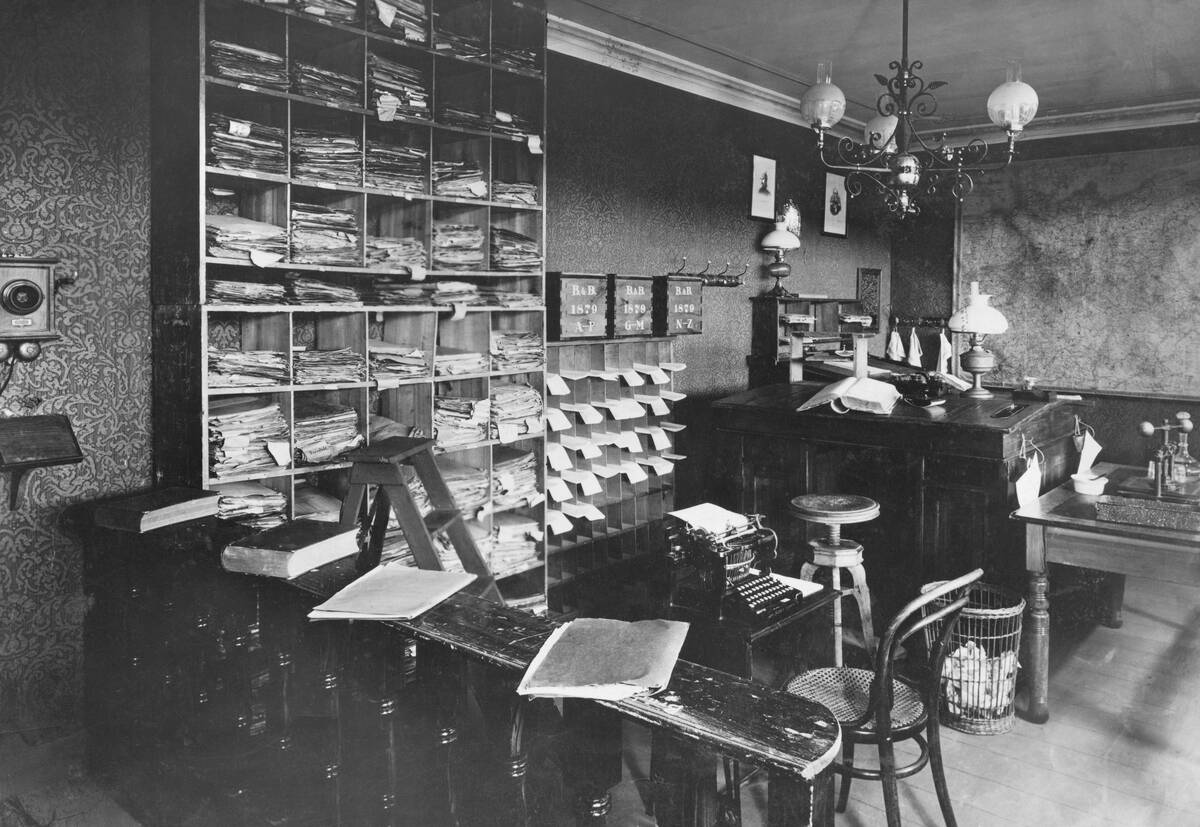
The office environment of the 1870s was a cacophony of sounds, from the clatter of typewriters to the hum of conversation. Desks were often shared, and personal space was a luxury.
Yet, there was a camaraderie that many look back on with nostalgia, a sense of community that came from working closely with colleagues in a bustling, lively setting.
The Social Aspect: Workplace Friendships and Gossip
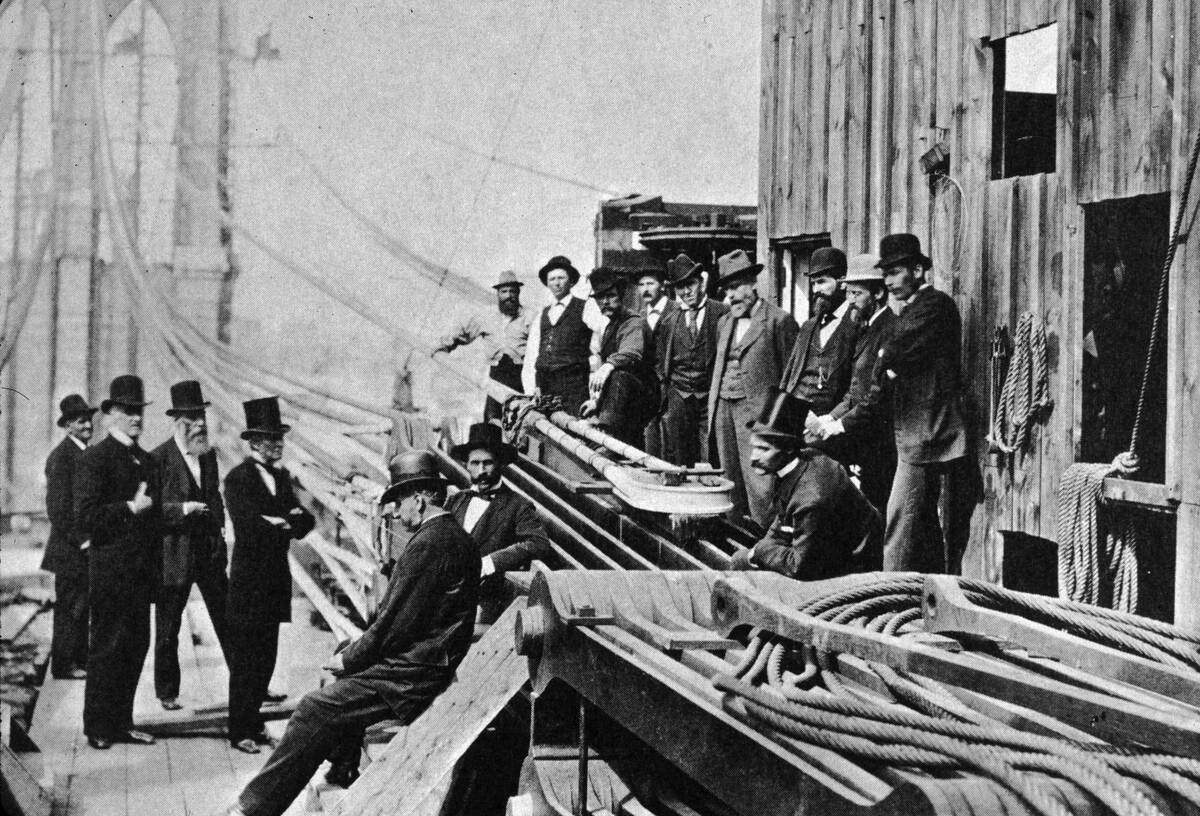
Social interactions at work were an integral part of the 1870s workday. Friendships formed over shared tasks and breaks, while gossip provided a welcome distraction from the monotony.
These relationships were essential for morale, offering support and a sense of belonging in an otherwise demanding environment. The workplace was not just about labor; it was a social hub where connections were made and stories shared.
The End of the Workday: Clocking Out in the 19th Century
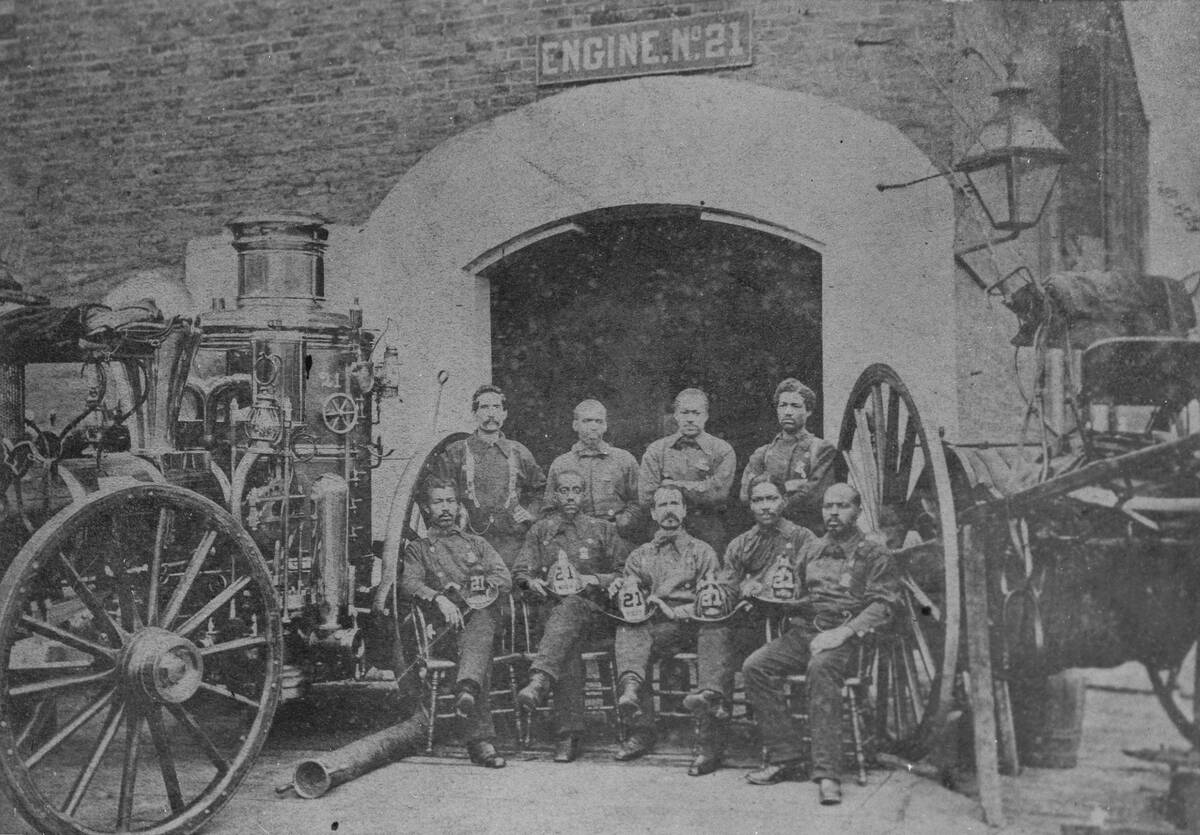
As the workday drew to a close, workers eagerly anticipated the sound of the factory whistle or the tolling bell, signaling the end of their shifts. For many, this meant a long journey home, but it also brought the promise of rest and family time.
The end of the day was a moment of relief, a chance to unwind and prepare for the next day’s challenges.
The Evening Routine: Relaxation and Recreation
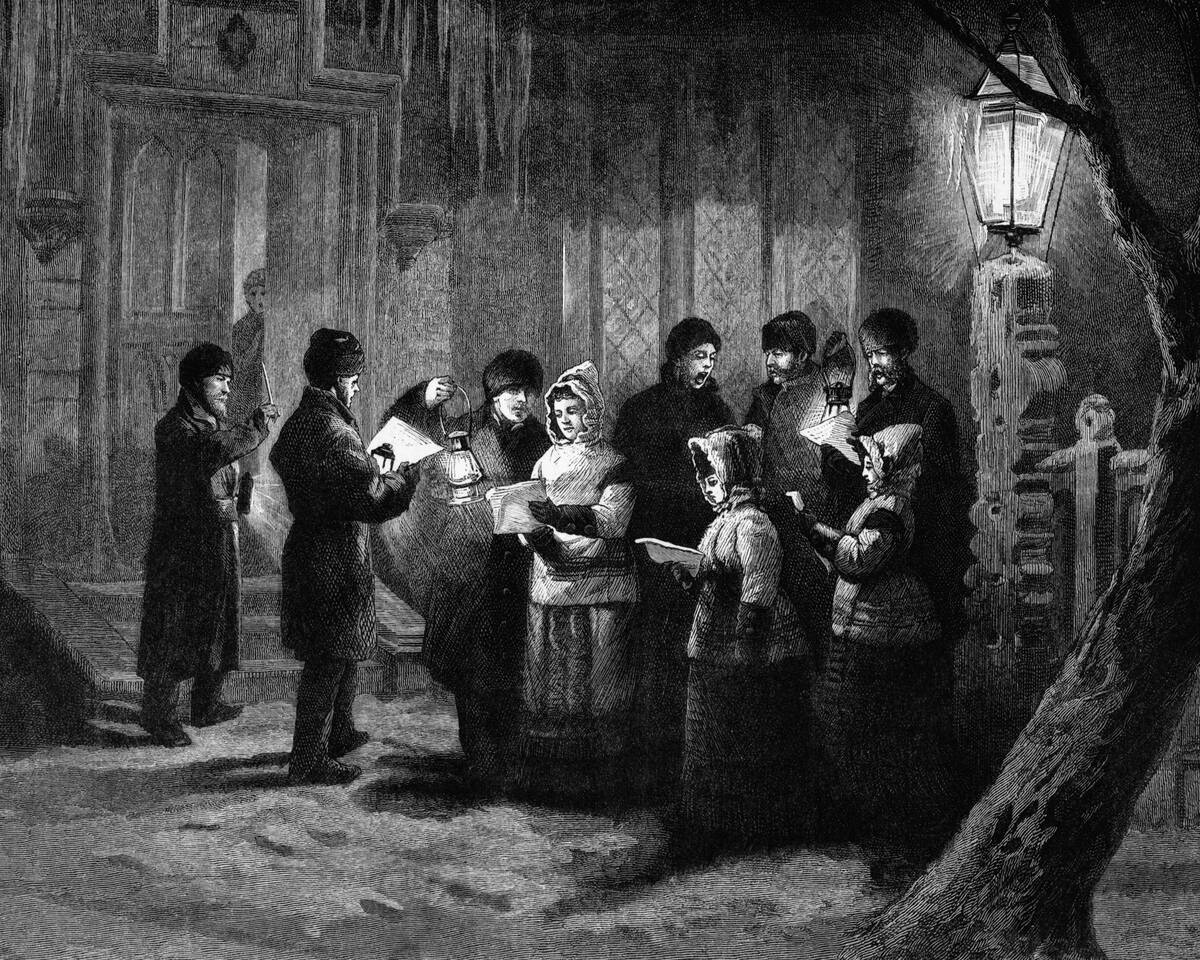
Evenings in the 1870s were a time for relaxation and simple pleasures. Families gathered around the hearth, sharing stories or enjoying music played on a piano or fiddle. Social activities included church gatherings, dances, and community events.
These moments provided a welcome contrast to the day’s labor, offering joy and connection in a world that was rapidly changing.
The Weekend: Leisure Time in the 1870s
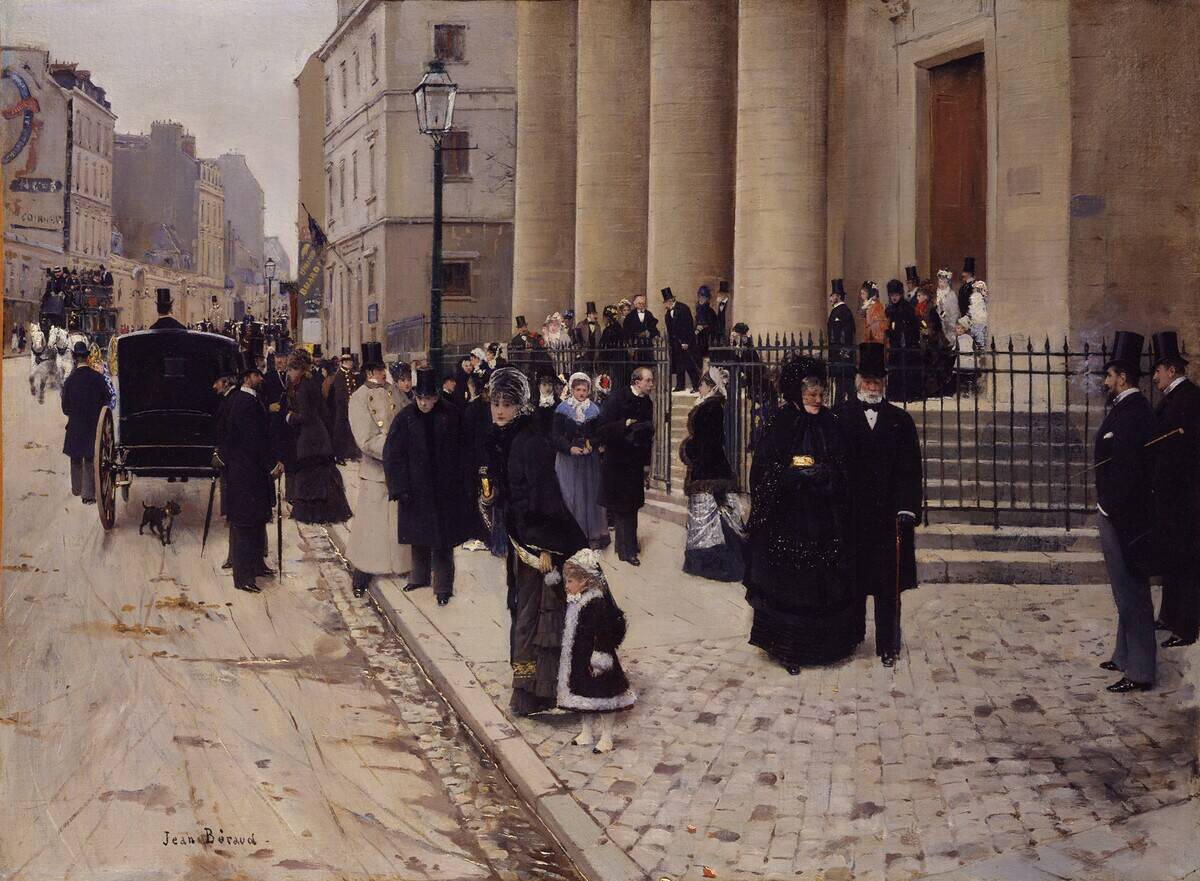
Weekends in the 1870s were a luxury for some, as many workers had to toil six days a week. For those who did enjoy a day off, Sundays were often reserved for church and family gatherings.
Leisure activities included picnics, fishing, and leisurely strolls. This precious downtime was cherished, offering a brief respite from the demands of daily life and a chance to recharge for the week ahead.
The Impact of the Industrial Revolution on Daily Work
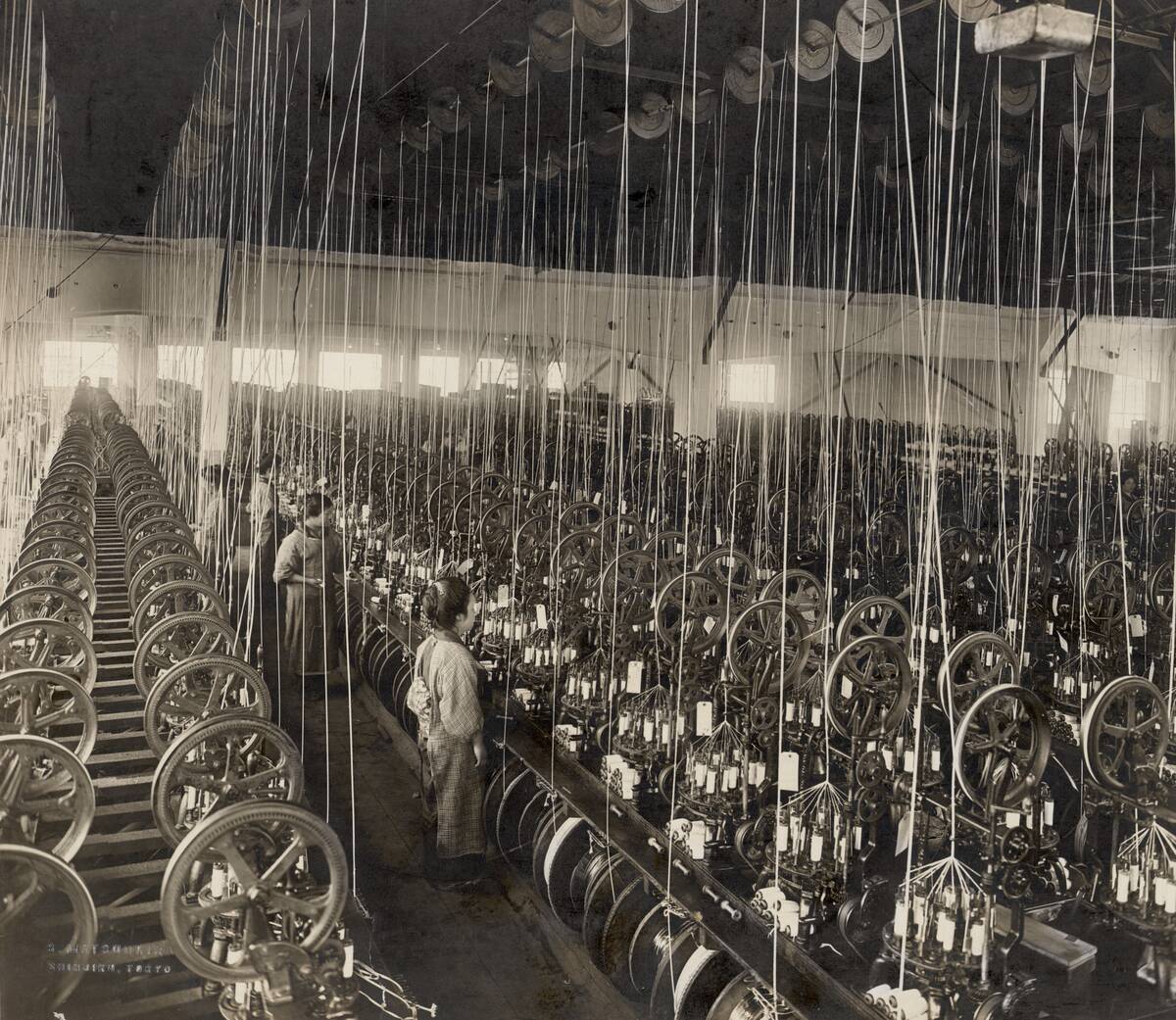
The Industrial Revolution had a profound impact on the 19th-century workday, introducing new technologies and altering traditional labor patterns. Factories became the epicenters of production, drawing workers from rural areas into burgeoning cities.
This shift brought about significant social and economic changes, laying the groundwork for modern industry and transforming the way people lived and worked.
The Evolution of the Workday: Comparing Then and Now
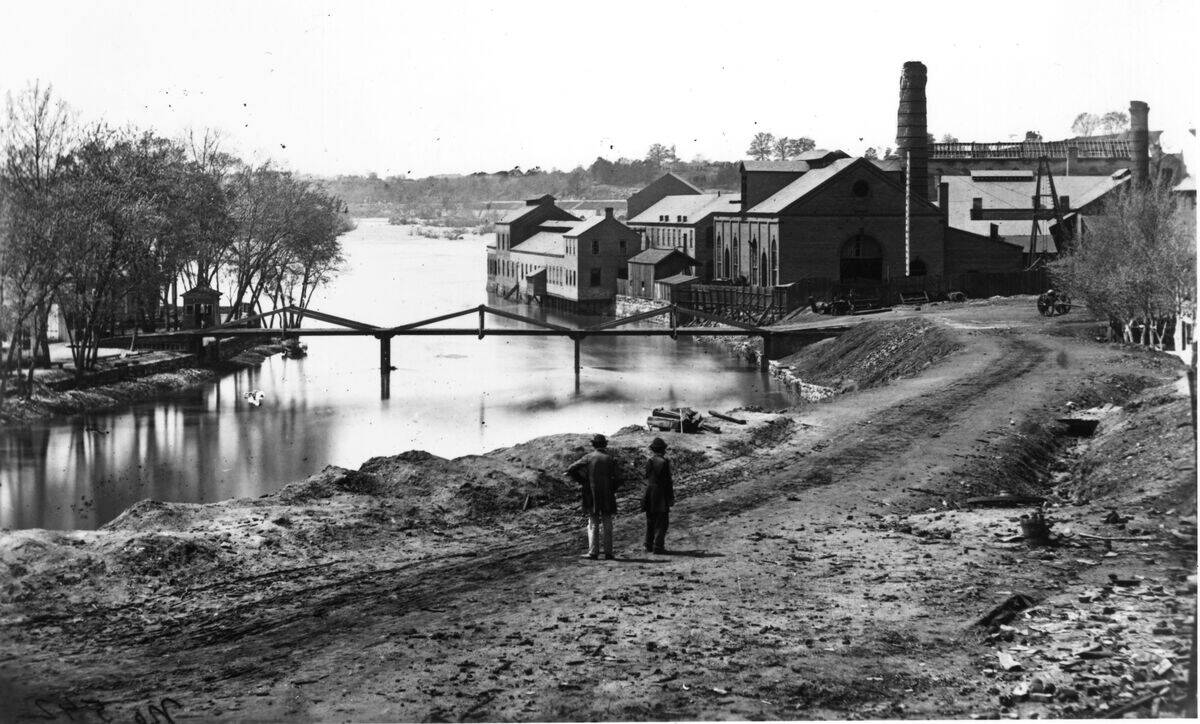
Comparing the 1870s workday to today highlights both progress and continuity. While technology and labor rights have drastically improved working conditions, the core elements of hard work, camaraderie, and the quest for work-life balance remain.
The past serves as a reminder of the strides made and the challenges that persist, illustrating the ever-evolving nature of work and its role in shaping society.




