Hidden passages discovered in famous historic houses
Secret rooms and hidden passages have always captured the imagination of adventurers and dreamers alike. These concealed spaces, often tucked away in historic homes and castles, offer a glimpse into the past and the lives of those who once inhabited these grand structures.
From the mysterious corridors of ancient pyramids to the hidden chambers of modern-day mansions, the allure of these secret spaces continues to intrigue and inspire.
The Allure of the Unknown: Why Secret Rooms Fascinate Us
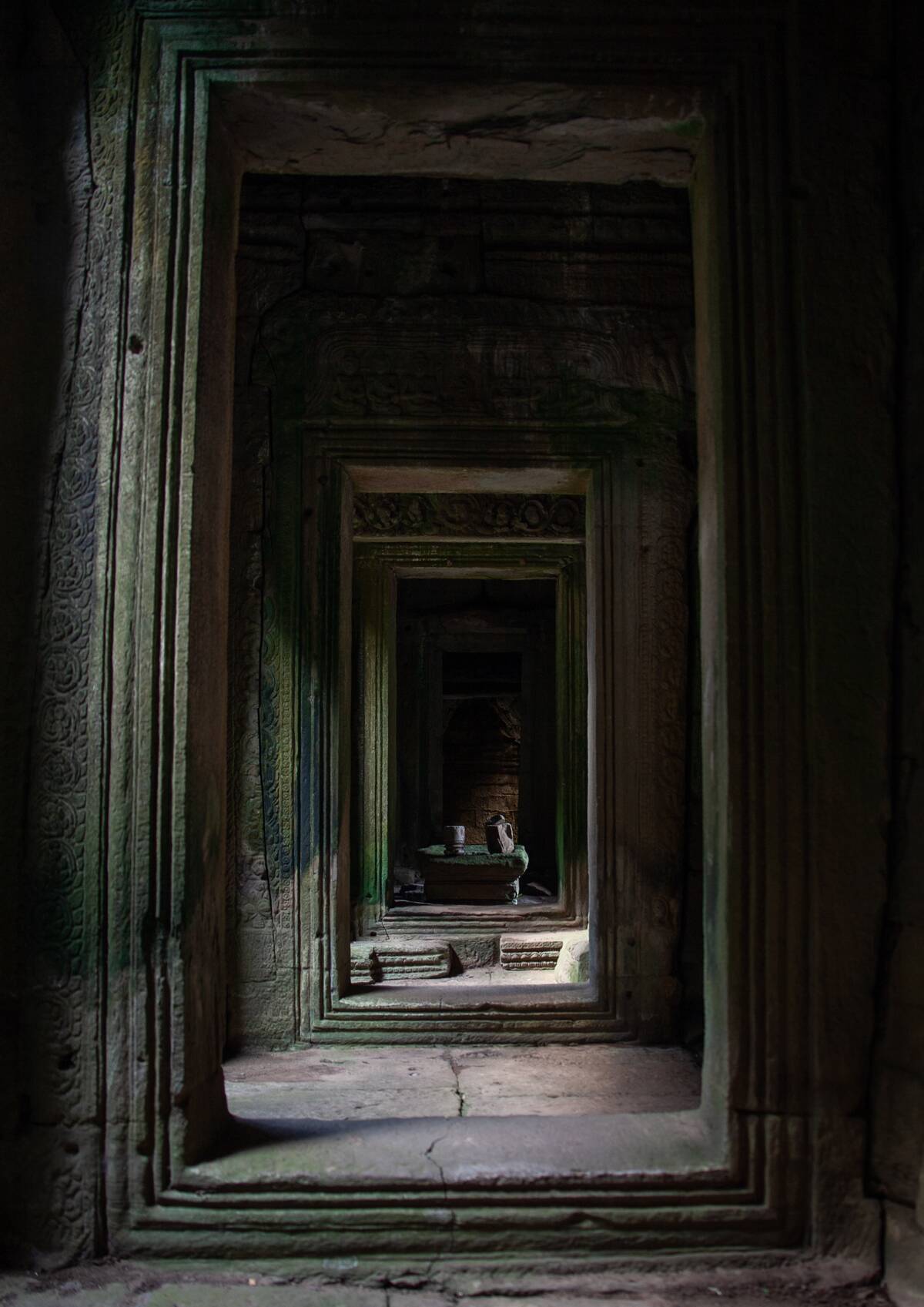
The fascination with secret rooms stems from our innate curiosity and desire for discovery. These hidden spaces often hold stories of intrigue, mystery, and sometimes even scandal.
The idea that there could be more than meets the eye in a grand estate or historic building fuels our imaginations and invites us to explore the unknown. It’s the thrill of uncovering a hidden world that captivates us and keeps us searching for more.
The Winchester Mystery House: A Labyrinth of Secrets
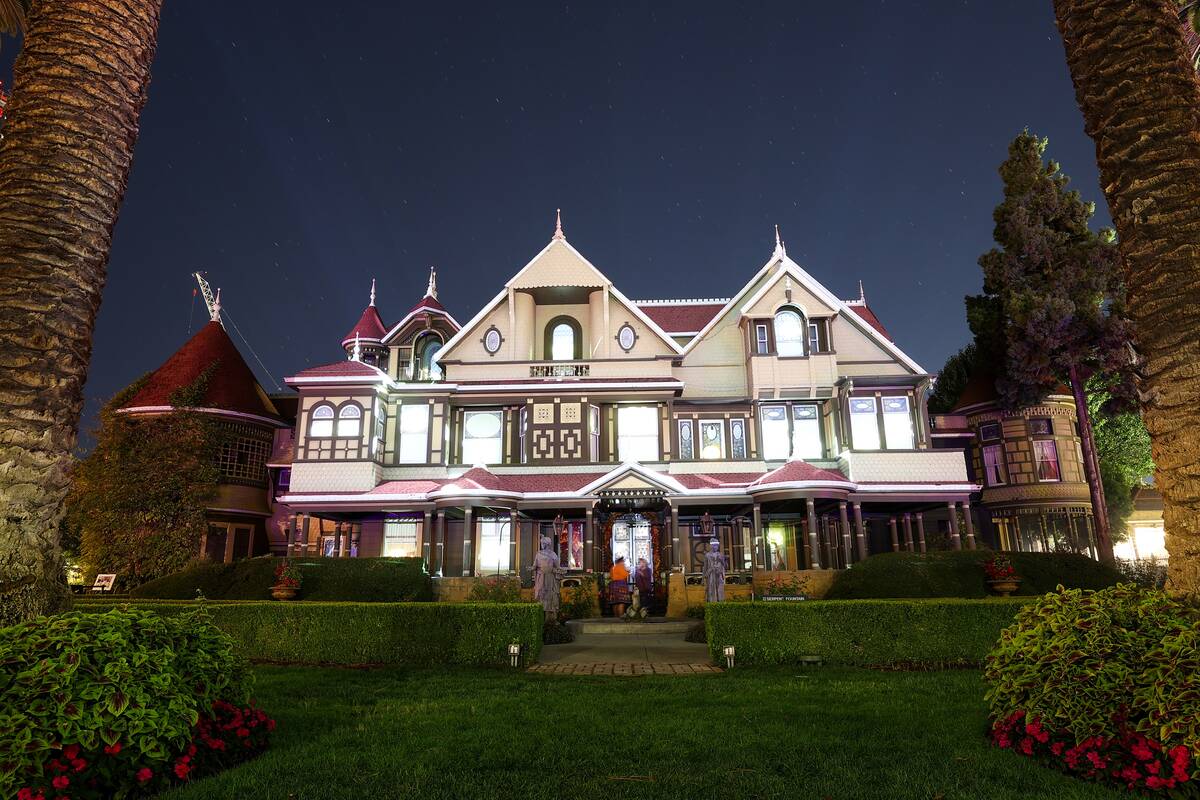
The Winchester Mystery House in San Jose, California, is a prime example of a home filled with secret rooms and bizarre architecture. Built by Sarah Winchester, the widow of the gun magnate, the house features over 160 rooms, many of which are hidden or lead to nowhere.
Legend has it that Sarah believed she needed to constantly build to appease the spirits of those killed by Winchester rifles, resulting in a maze-like structure that continues to baffle visitors.
The Biltmore Estate: Hidden Doors in America’s Largest Home
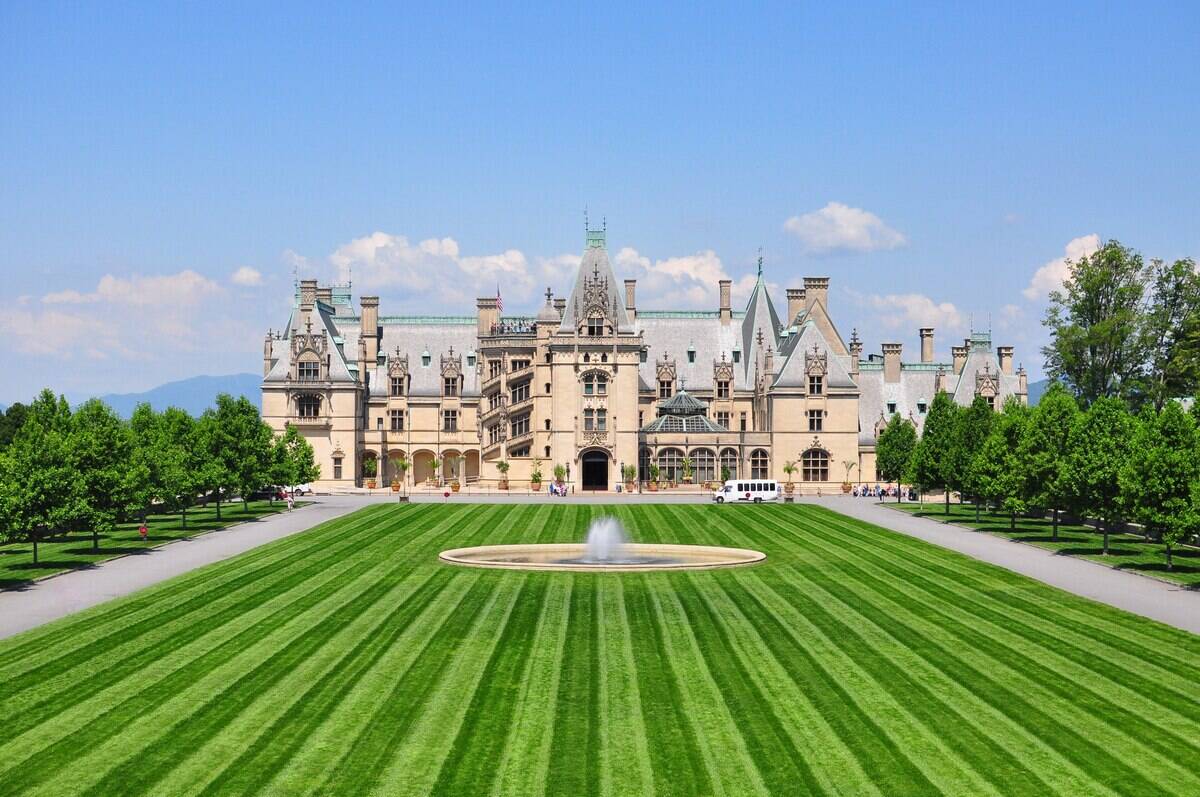
The Biltmore Estate in Asheville, North Carolina, is renowned for its opulence and grandeur. Built by George Washington Vanderbilt II, the mansion boasts hidden doors and secret passageways that blend seamlessly with the luxurious decor.
One such hidden door leads to a concealed spiral staircase, providing a private escape for the Vanderbilt family. These secret features add to the estate’s mystique and offer a glimpse into the lavish lifestyle of America’s Gilded Age elite.
Hearst Castle: The Secret Spaces of a Media Mogul
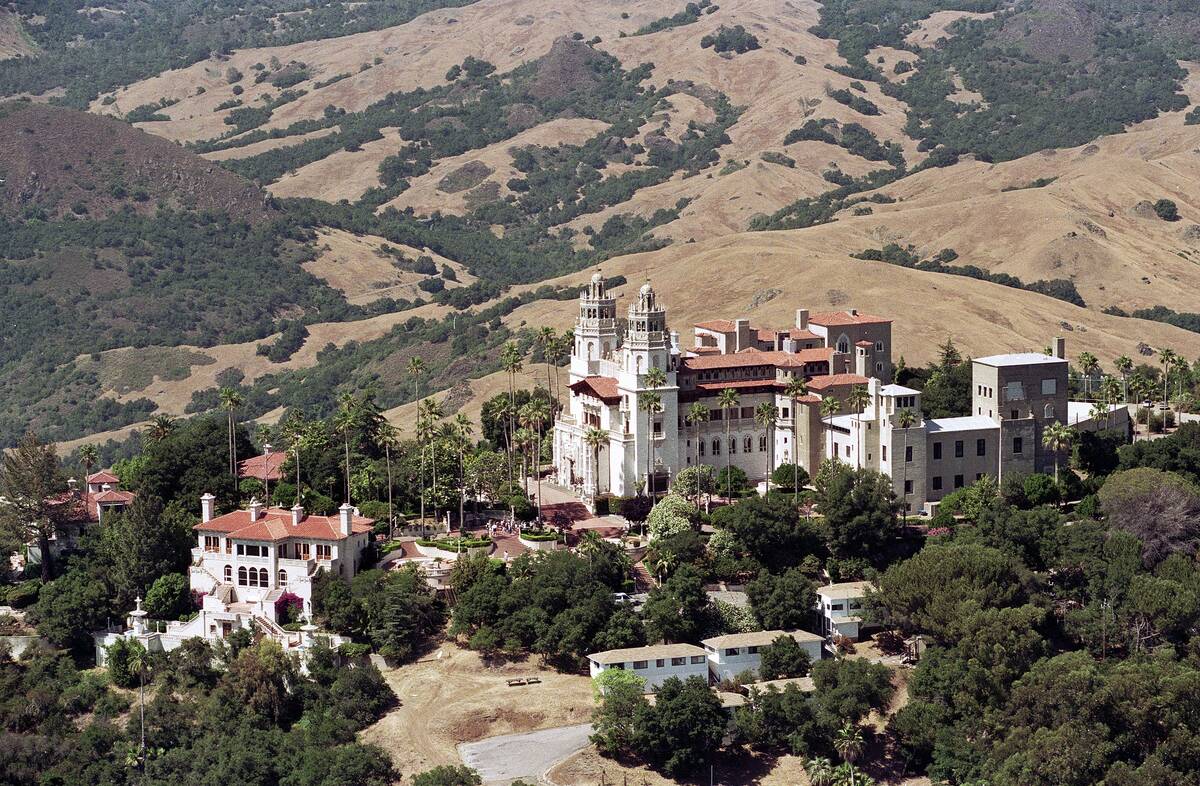
Hearst Castle, perched atop the hills of San Simeon, California, was the brainchild of media mogul William Randolph Hearst. The estate is famous for its grand design and extravagant art collection, but it also harbors secret rooms and hidden passages.
Hearst used these secret spaces to entertain guests and conduct private meetings away from prying eyes. The castle’s hidden features reflect Hearst’s desire for privacy and control, adding another layer of intrigue to this iconic landmark.
Monticello: Thomas Jefferson’s Ingenious Hidden Features
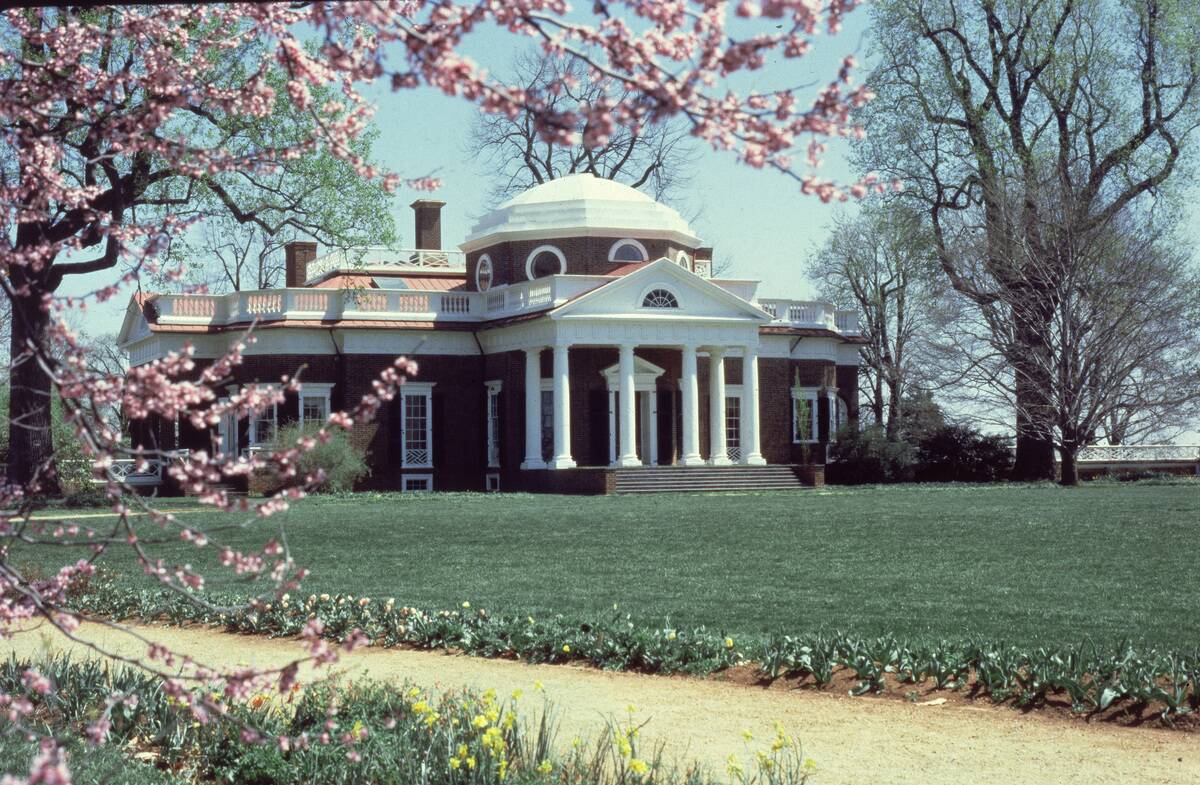
Thomas Jefferson’s Monticello is not only an architectural masterpiece but also a testament to Jefferson’s ingenuity and love for hidden features. The estate includes several concealed spaces, such as a hidden staircase and dumbwaiters, designed to maintain privacy and efficiency.
Jefferson’s innovative use of hidden elements reflects his forward-thinking approach and desire to create a home that was both functional and aesthetically pleasing.
The White House: Presidential Secrets and Hidden Corridors
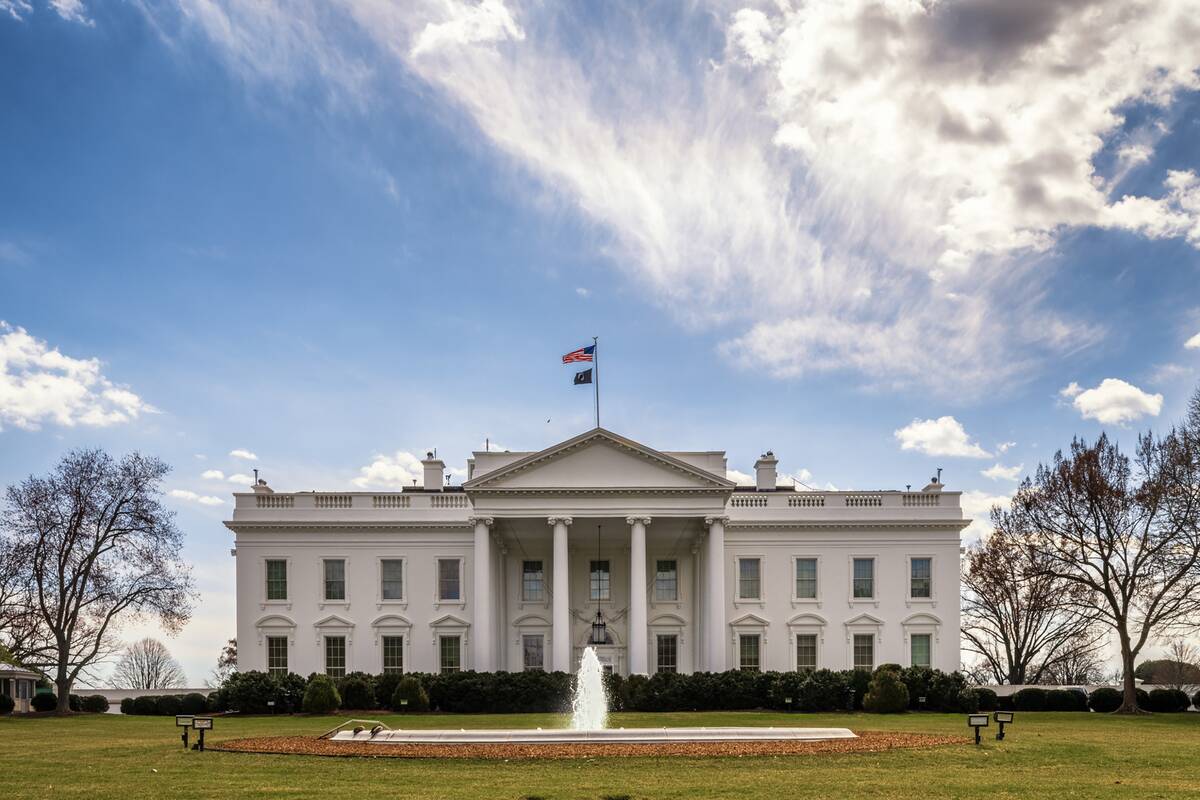
The White House, home to U.S. presidents since John Adams, is steeped in history and mystery. Among its many secrets are hidden corridors and rooms designed for security and privacy.
One well-known feature is the secret tunnel that connects the White House to the Treasury Building, providing a discreet escape route for the president. These hidden elements underscore the importance of security in the nation’s most famous residence.
Peles Castle: Romania’s Royal Hideaways
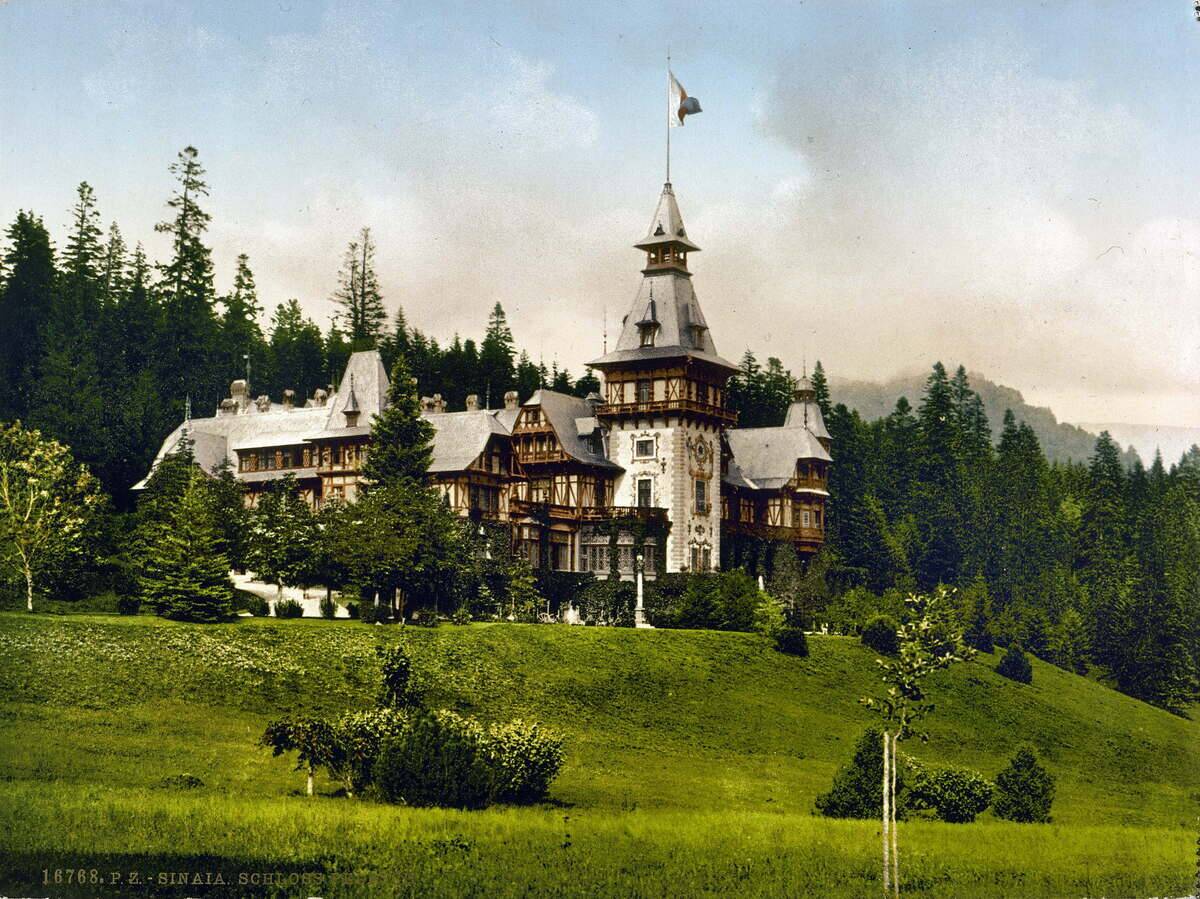
Nestled in the Carpathian Mountains, Peles Castle is a stunning example of Neo-Renaissance architecture with a touch of mystery. Built for King Carol I of Romania, the castle features hidden rooms and secret passages used by the royal family for privacy and security.
These concealed spaces include a hidden library door and secret staircases, adding to the castle’s charm and allure as a royal retreat.
Château de Chambord: The Secret Staircases of a French Masterpiece
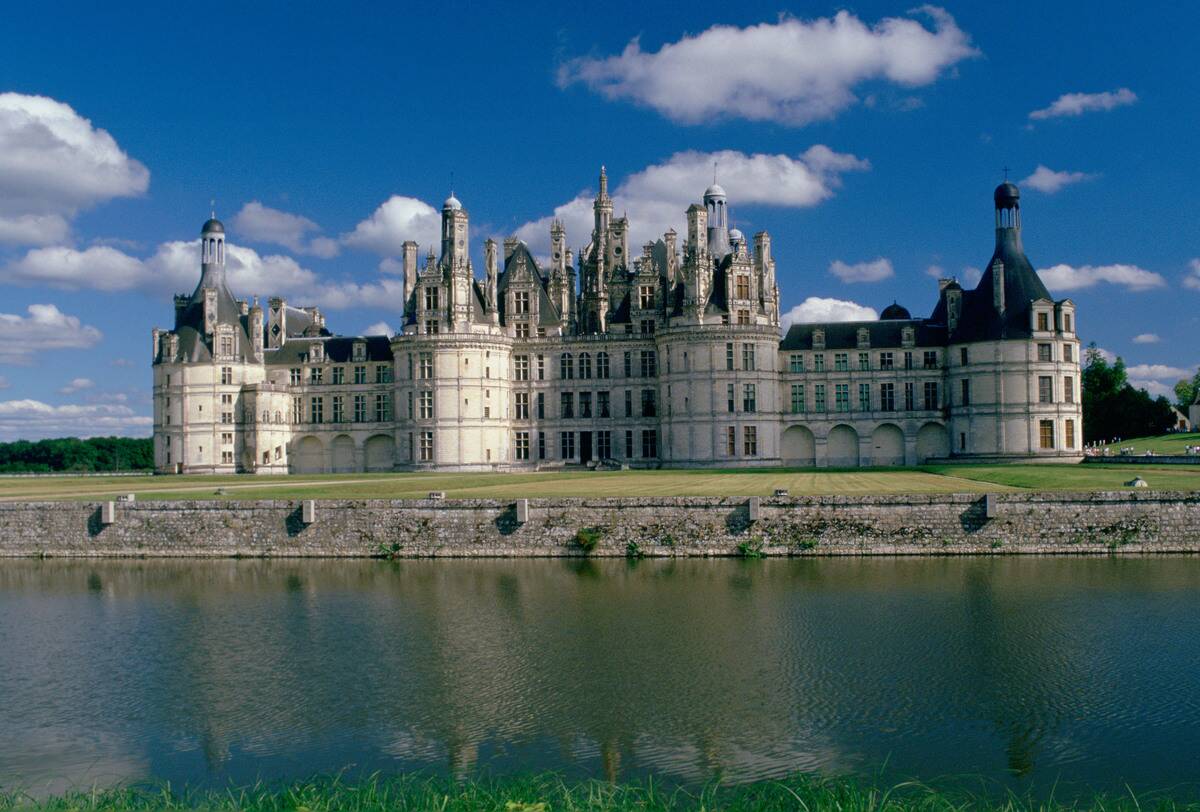
Château de Chambord in France is a Renaissance marvel with a design attributed to Leonardo da Vinci. Among its architectural wonders are secret staircases that twist and turn within the castle’s walls.
The most famous is the double-helix staircase, which allows two people to ascend or descend without crossing paths. These hidden features not only showcase the ingenuity of its design but also add a layer of mystery to this French masterpiece.
Edinburgh Castle: Scotland’s Hidden Royal Chambers
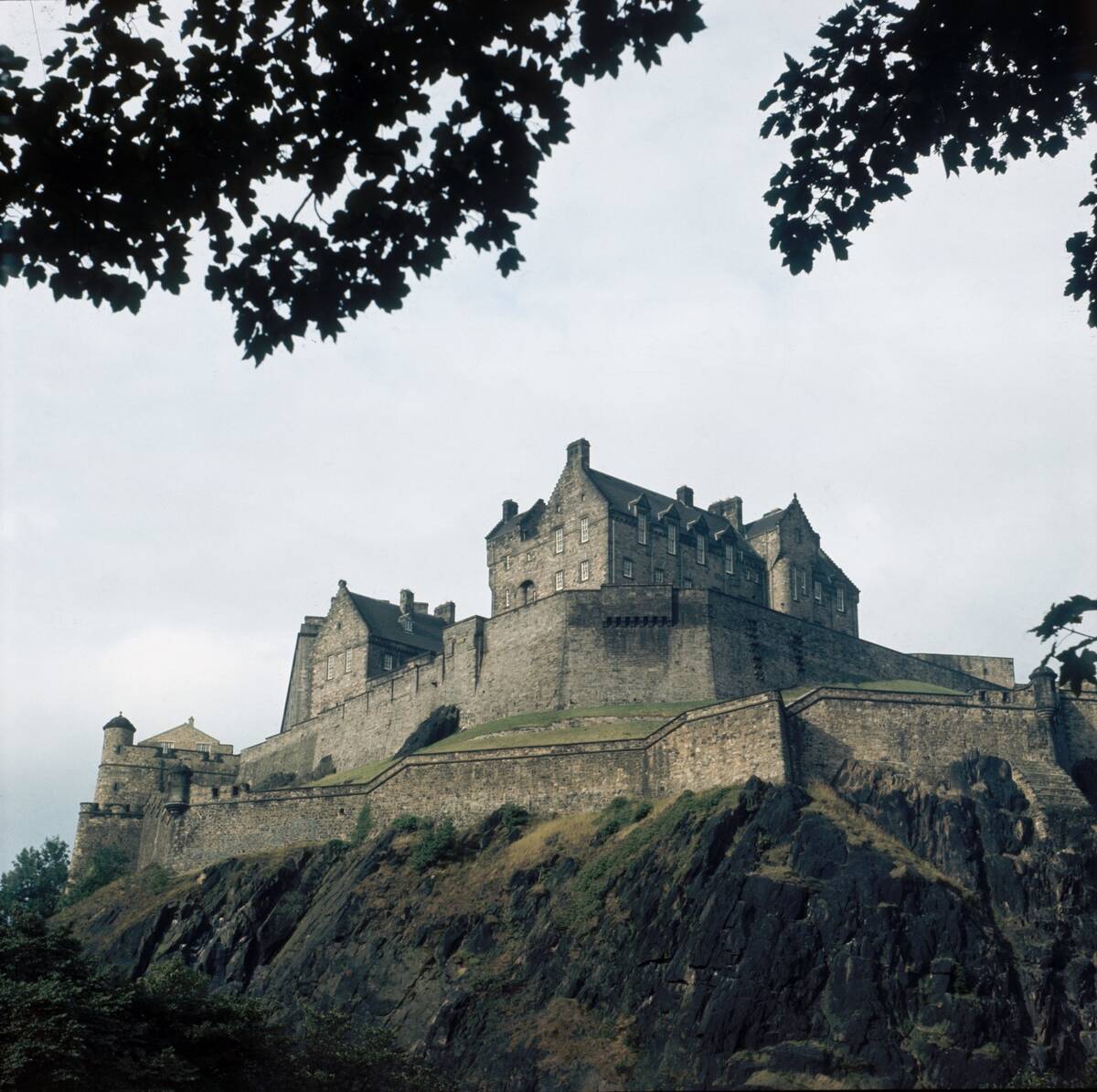
Perched atop Castle Rock, Edinburgh Castle is an iconic symbol of Scotland’s history and resilience. Within its ancient walls lie hidden chambers and secret passages used by Scottish royalty and military leaders.
One of the most intriguing is the hidden chamber beneath the Great Hall, which served as a storage area for munitions. These concealed spaces offer a glimpse into the strategic importance of the castle throughout history.
The Palace of Versailles: Secret Rooms of French Royalty
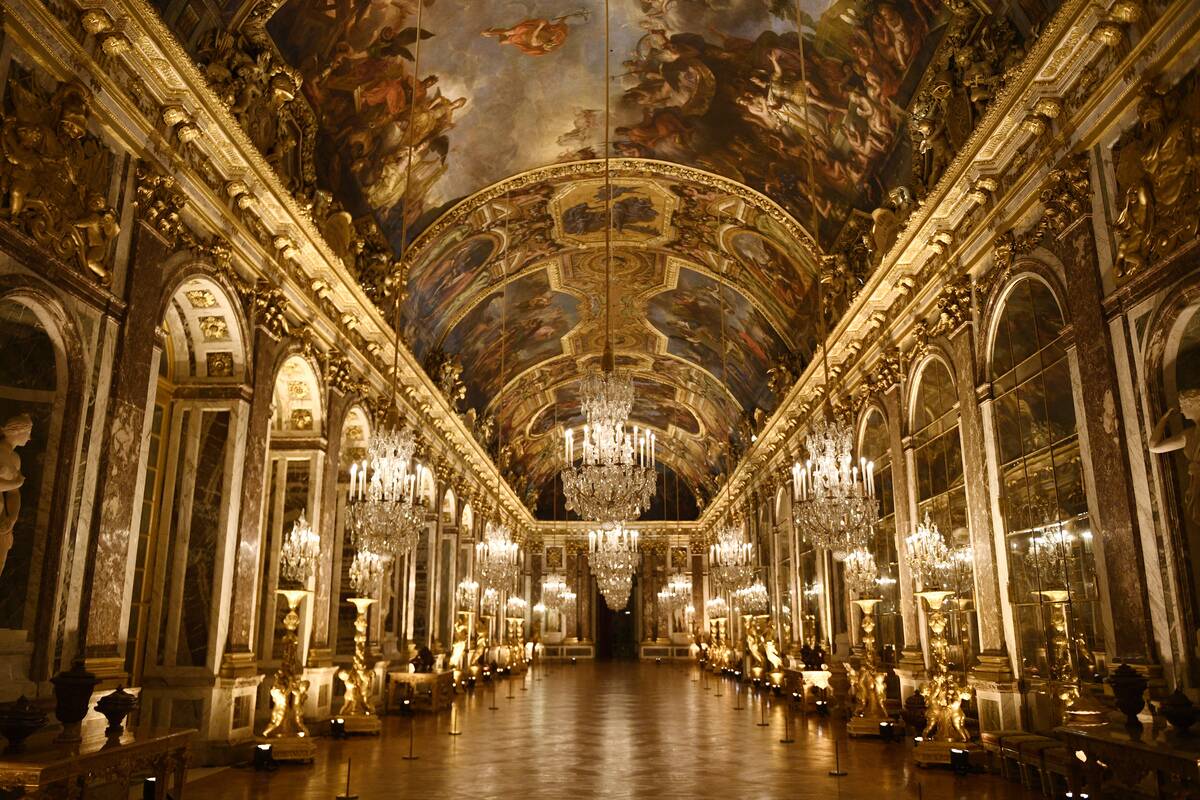
The Palace of Versailles is synonymous with opulence, but it also holds secrets within its gilded walls. French royalty, including Louis XIV, utilized hidden rooms and passages to escape the public eye and conduct private affairs.
One such secret space is the hidden door in Marie Antoinette bedchamber, which allowed her to escape into private chambers. These concealed features highlight the desire for privacy and control amidst the grandeur of Versailles.
The Loretto Chapel: The Mysterious Staircase and Its Secrets
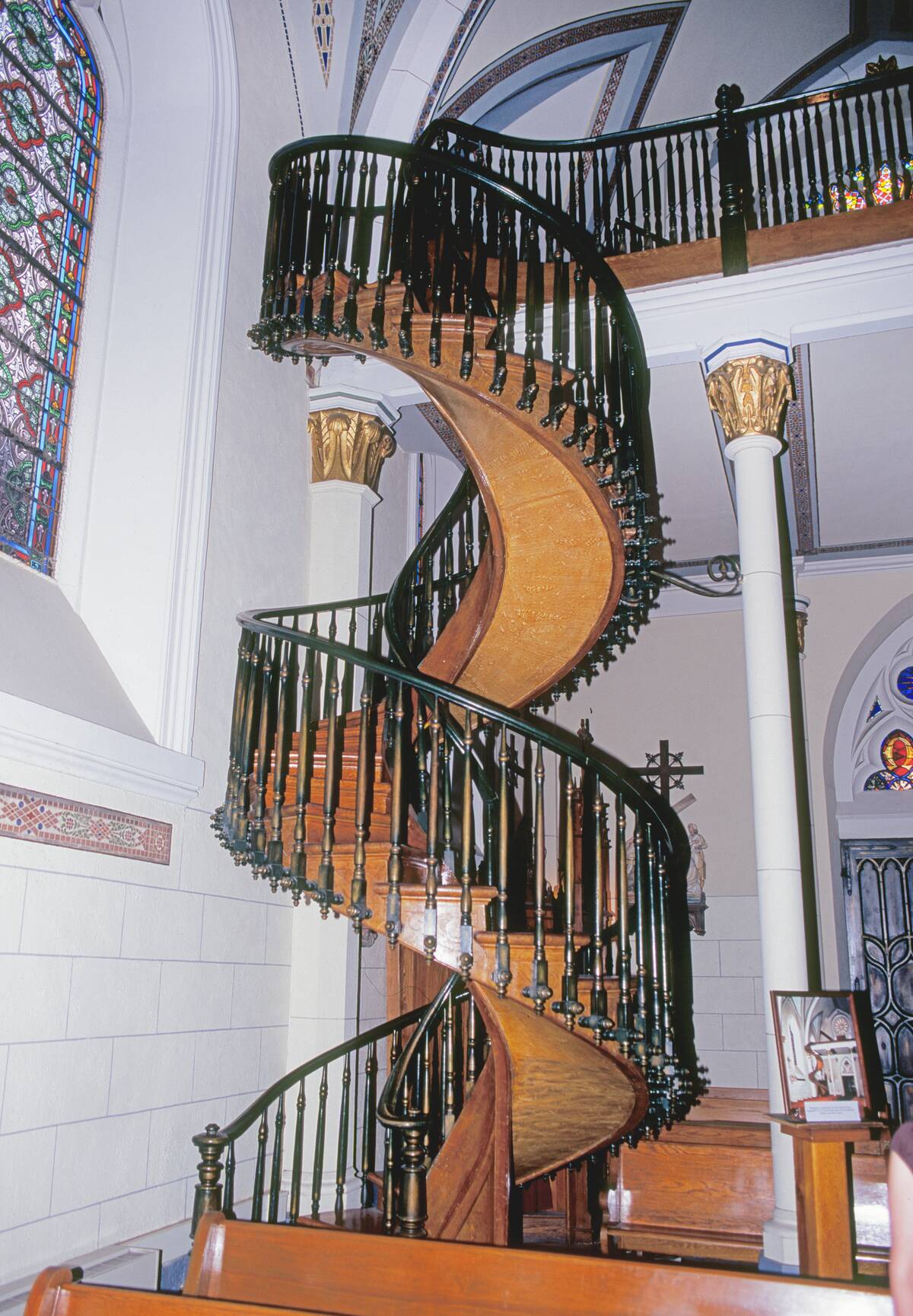
The Loretto Chapel in Santa Fe, New Mexico, is famous for its miraculous spiral staircase, which seems to defy engineering logic. Legend has it that the staircase was built by a mysterious carpenter, believed by some to be St. Joseph himself.
The staircase has no visible means of support and makes two complete 360-degree turns, adding to its mystique. This architectural wonder continues to attract visitors intrigued by its secrets and spiritual significance.
The Pyramids of Giza: Ancient Passageways of the Pharaohs
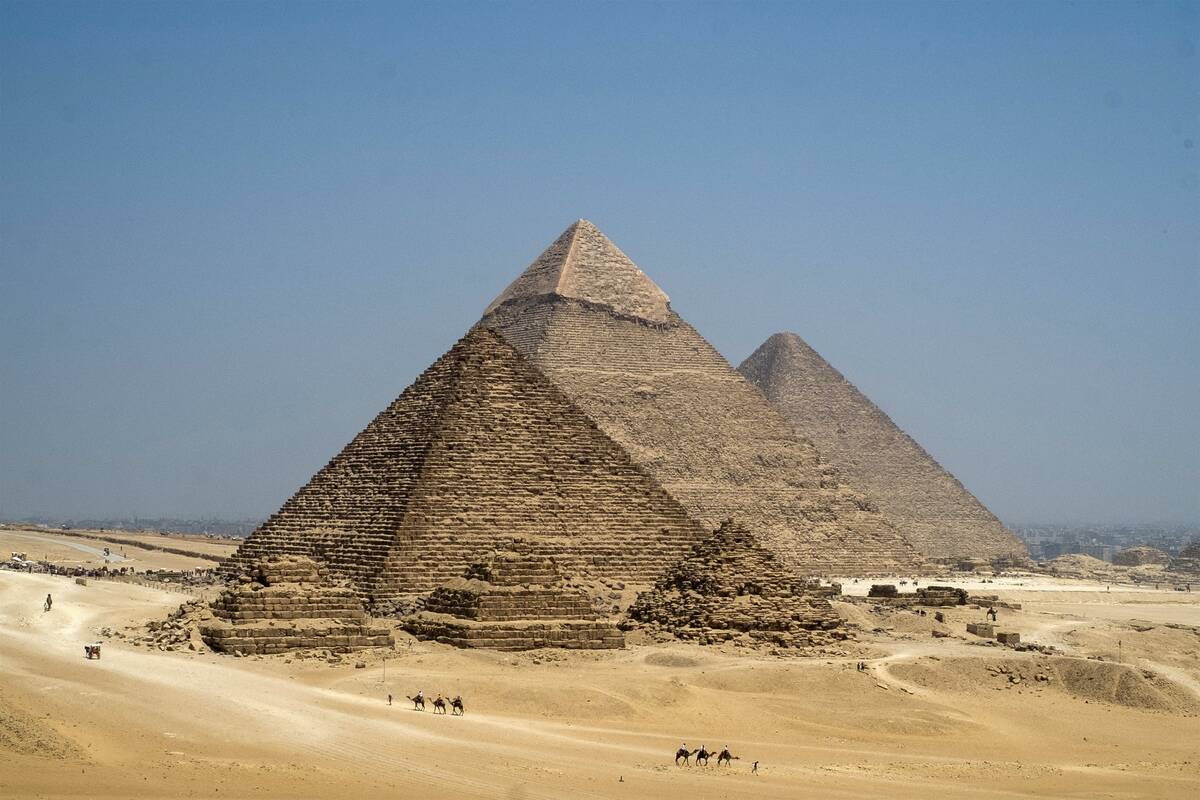
The Pyramids of Giza, ancient wonders of the world, are shrouded in mystery and intrigue. These monumental structures house a complex network of passageways and hidden chambers designed to protect the pharaohs’ treasures and ensure their journey to the afterlife.
The Great Pyramid, for example, contains hidden corridors and a secret chamber known as the Queen’s Chamber. These ancient passageways continue to captivate archaeologists and historians alike, revealing the ingenuity of ancient Egyptian civilization.
The Forbidden City: Hidden Rooms in the Heart of Beijing
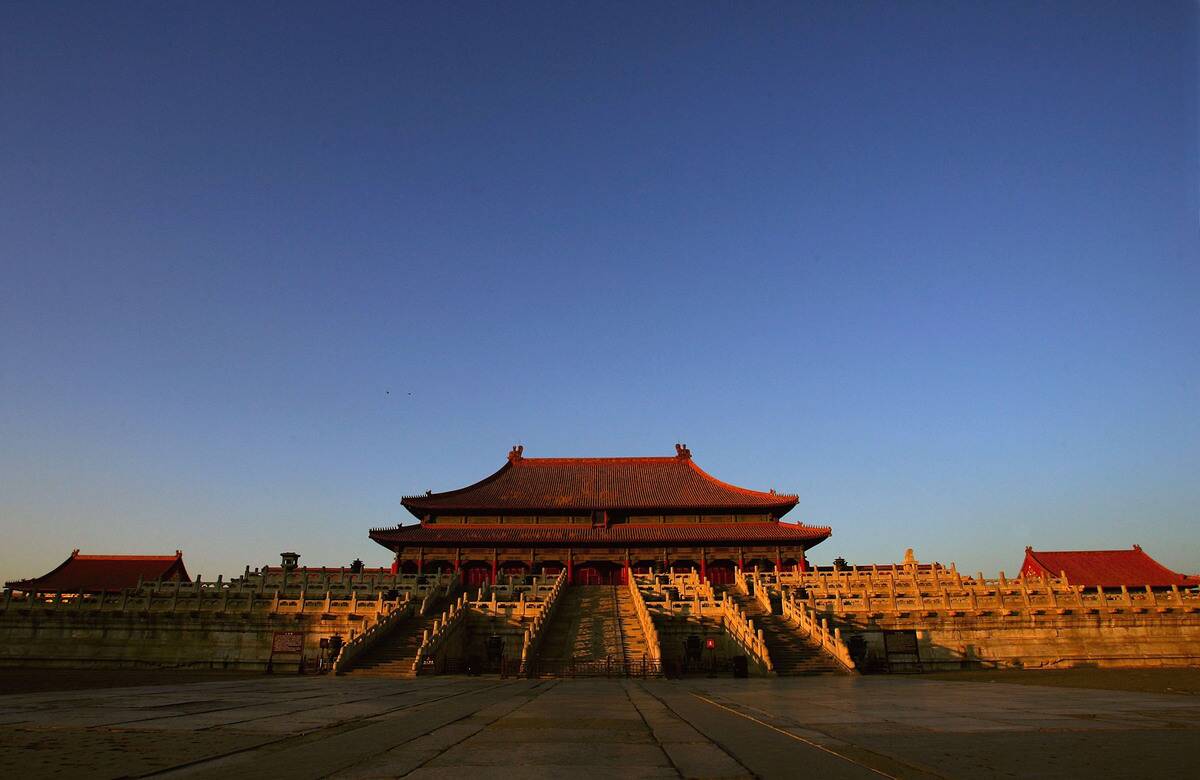
The Forbidden City in Beijing, China, is a sprawling imperial palace complex with a history spanning over 500 years. Within its massive walls lie hidden rooms and secret passageways used by emperors and their court for privacy and security.
One of the most intriguing features is the secret tunnel that connects the Forbidden City to nearby imperial gardens, allowing discreet movement. These hidden spaces reflect the power and mystery of China’s imperial past.
The Tower of London: Secrets of the Medieval Fortress
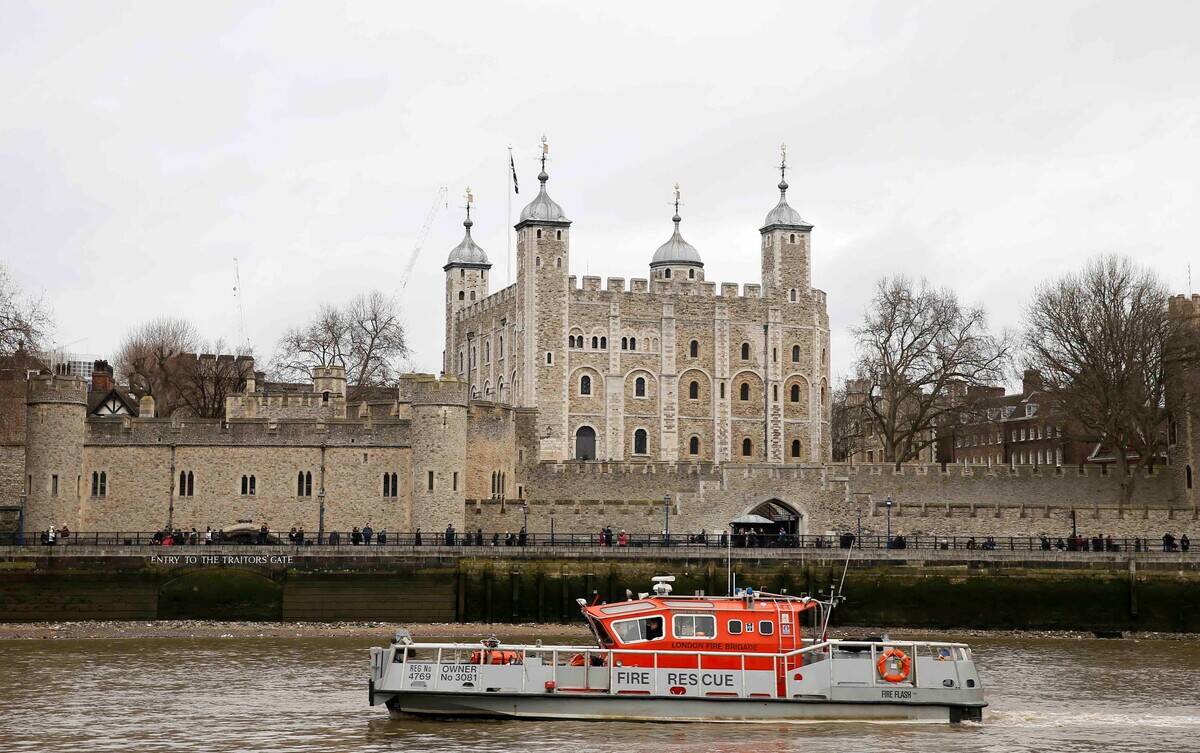
The Tower of London, a symbol of British history and power, is renowned for its dark past and hidden secrets. This medieval fortress contains secret passageways and hidden rooms used for strategic purposes and imprisoning high-profile captives.
One notable feature is the hidden entrance known as the Traitor’s Gate, through which prisoners were brought by boat. These concealed spaces add to the Tower’s mystique and its reputation as a place of intrigue and mystery.
The Breakers Mansion: Hidden Rooms of the Vanderbilt Legacy
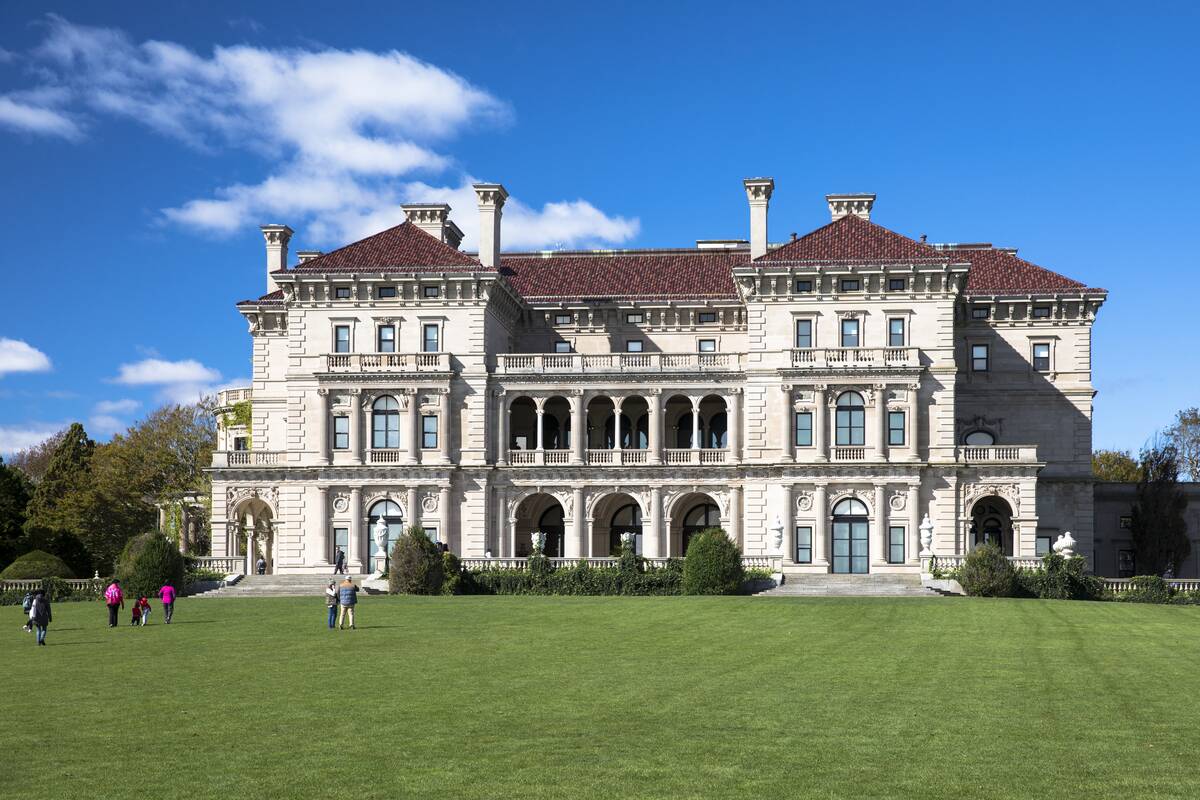
The Breakers Mansion in Newport, Rhode Island, is a testament to the opulence of the Gilded Age. Built by Cornelius Vanderbilt II, the mansion boasts hidden rooms and secret passageways designed for privacy and convenience.
One such feature is a concealed door in the library that leads to a private study, offering a retreat from the grandeur of the public spaces. These hidden elements highlight the Vanderbilt family’s desire for both luxury and seclusion.
Neuschwanstein Castle: Ludwig II’s Secret Retreats
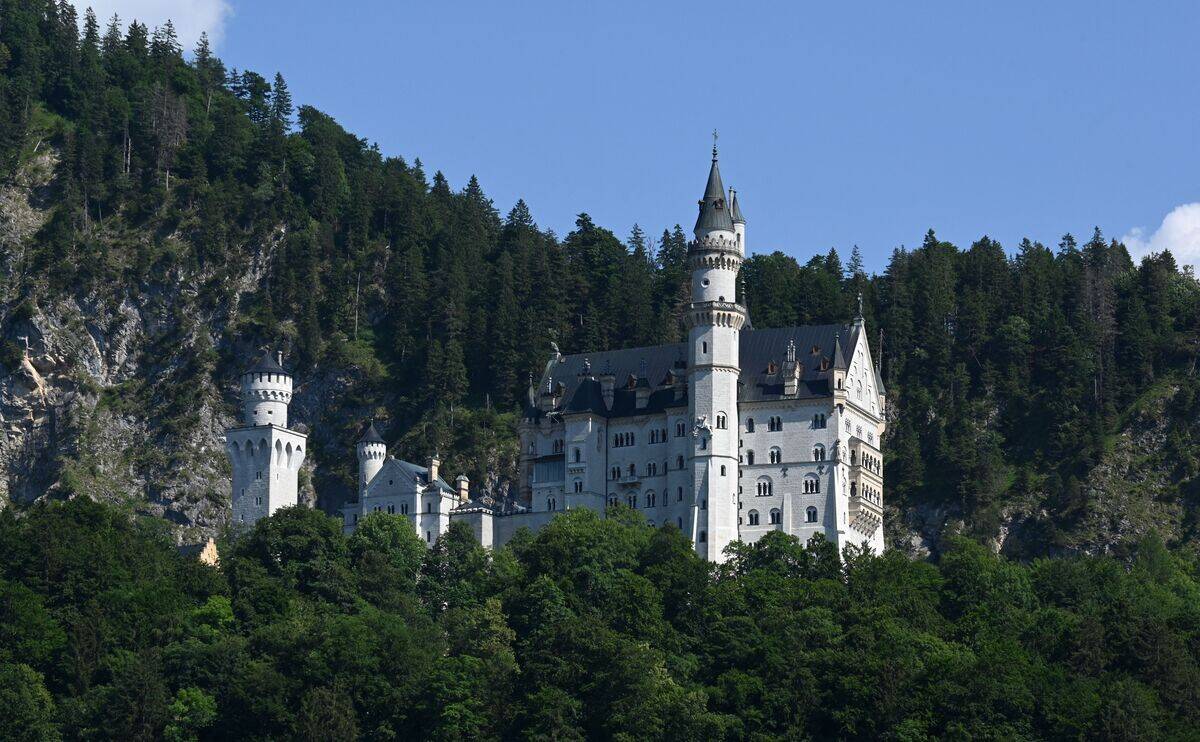
Neuschwanstein Castle, perched on a hill in Bavaria, Germany, is a fairy-tale structure with a touch of mystery. Built by King Ludwig II, the castle features secret rooms and hidden passageways used by the king to escape the pressures of royal life.
One of the most famous hidden features is the secret door in the Throne Room, leading to a private chamber. These concealed spaces reflect Ludwig’s desire for solitude and his romantic vision of a medieval castle.
The Hermitage: Russia’s Imperial Hidden Treasures
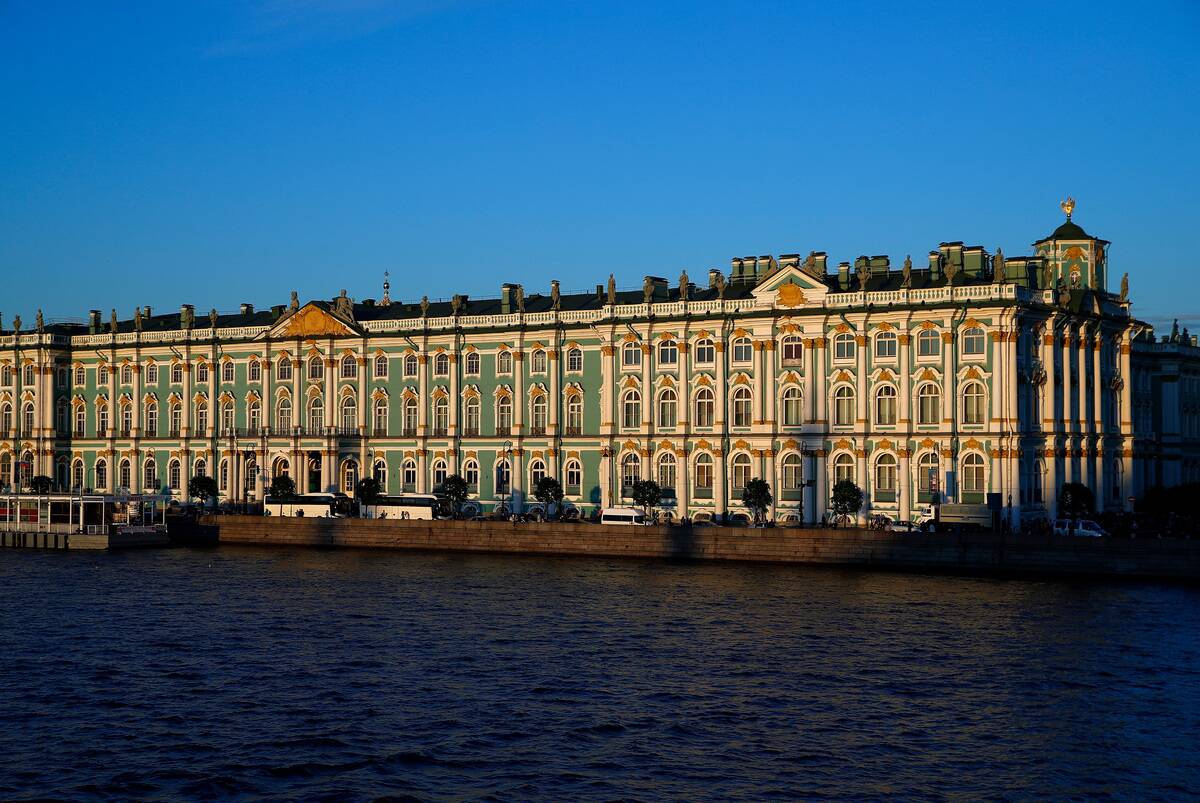
The Hermitage Museum in St. Petersburg, Russia, is one of the largest and oldest museums in the world, housing a vast collection of art and artifacts. Within its opulent halls lie hidden rooms and secret passageways used by Russian emperors and their court.
These concealed spaces were designed for privacy and security, allowing the imperial family to move discreetly. The Hermitage’s hidden treasures continue to fascinate visitors, offering a glimpse into Russia’s imperial past.




