14 Artists known for their stage costumes
Welcome to the entrancing realm of costumed performances in music! This vibrant world blends fashion, art, and sound into a single, unforgettable experience. From elaborate outfits that dazzle the eyes to subtle ensembles that hint at deeper meanings, costumes play a crucial role in shaping a musician’s identity.
They captivate audiences, turning a simple concert into a theatrical spectacle, and leave fans talking long after the final note has faded.
The Origins of Costumed Performances in Music
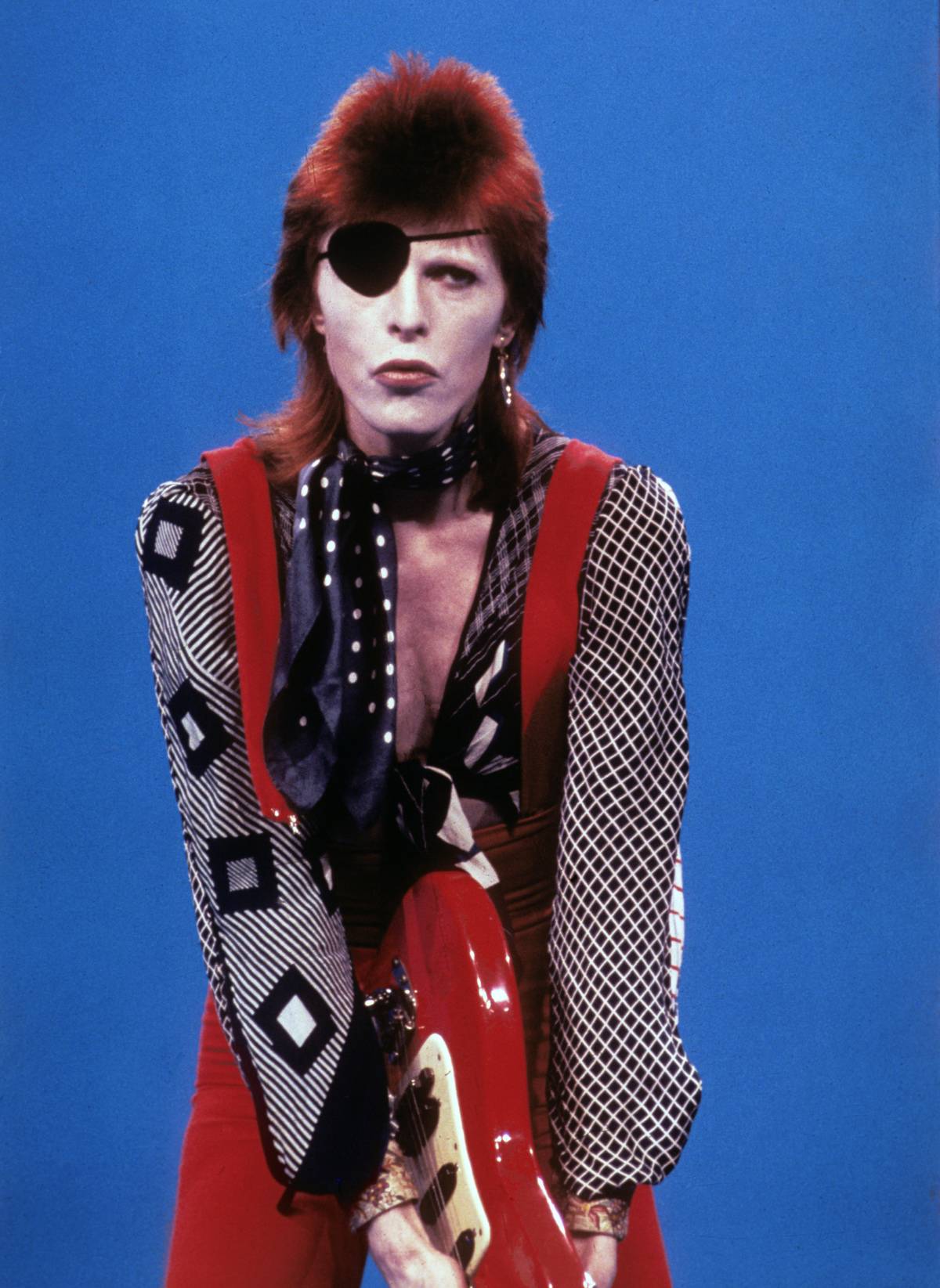
The roots of costumed performances can be traced back to ancient rituals and theatrical traditions. In the 1960s, bands like The Beatles began experimenting with fashion, paving the way for more elaborate stage personas.
The glam rock era of the 1970s, with artists like David Bowie and his Ziggy Stardust persona, further cemented the practice of using costumes to enhance musical performances. These historical milestones highlight the evolving relationship between music and visual presentation.
Theatrical Flair: Adding Drama to the Stage
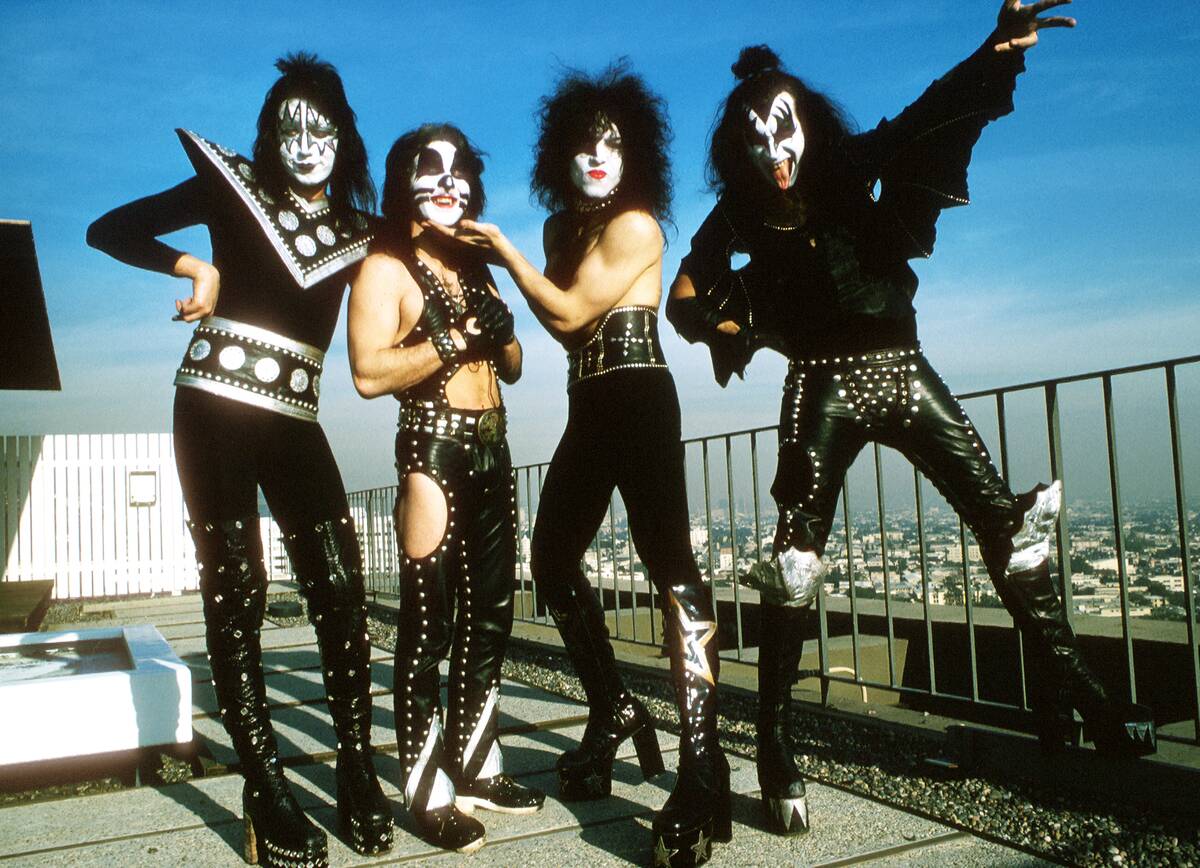
Costumes bring a theatrical flair to music performances, transforming stages into dynamic storytelling platforms. Bands like Kiss and their iconic face paint and armor-like outfits are perfect examples of how costumes can amplify a band’s dramatic presence.
This theatricality not only enhances the live experience but also allows artists to express their creativity in ways that extend beyond the music itself, creating a multi-sensory journey for the audience.
Creating a Unique Identity in the Music Industry
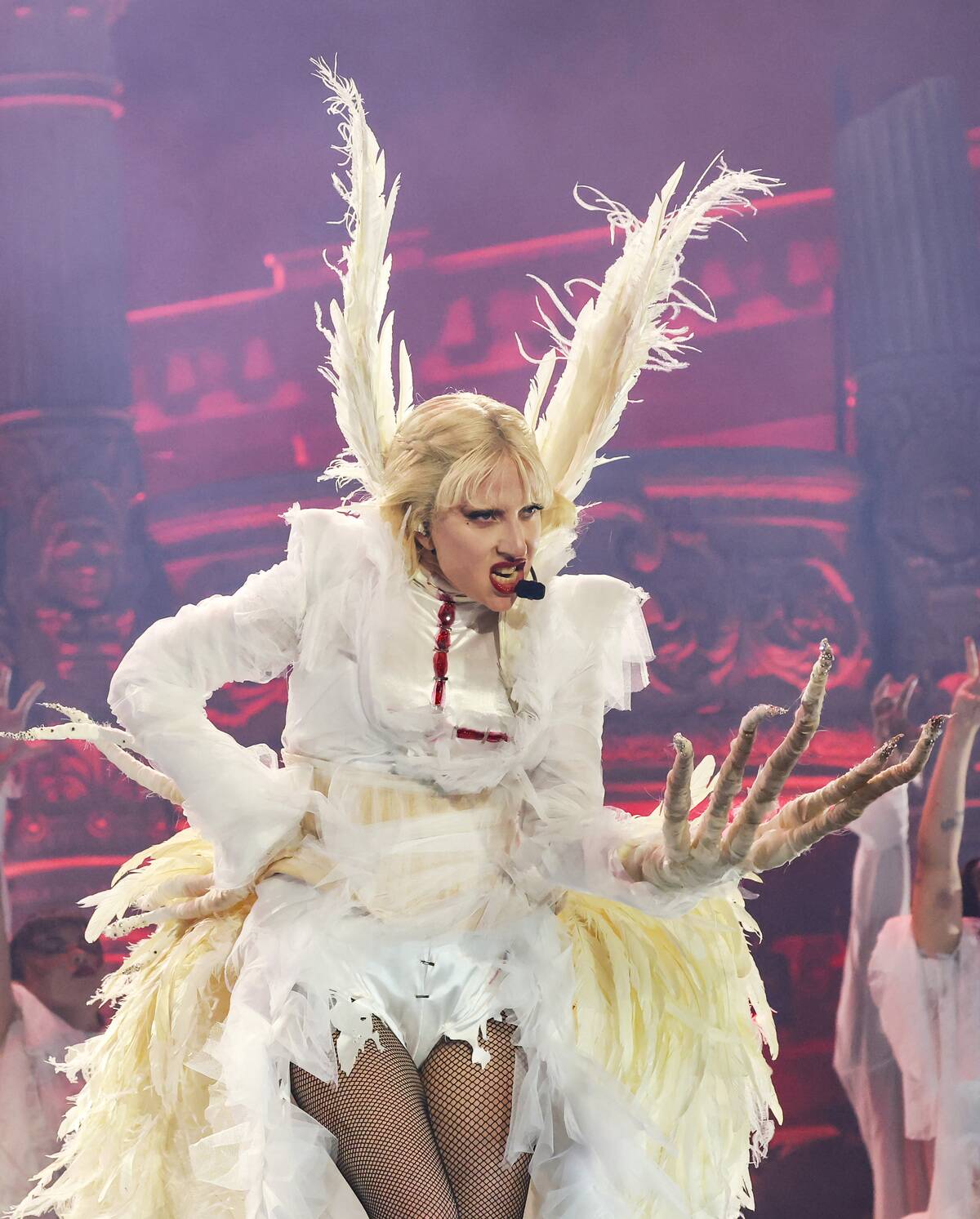
In the competitive music industry, standing out is vital, and costumes offer artists a way to carve out a unique identity. Lady Gaga, known for her avant-garde fashion choices, uses her wardrobe to challenge norms and make bold statements.
This distinct visual identity helps artists like her remain memorable in the minds of fans, ensuring that their music is not only heard but also seen in a distinct light. Costumes become an extension of the artist’s brand.
The Power of Mystery: Keeping Fans Intrigued

Costumes can shroud performers in an aura of mystery, keeping fans intrigued and guessing. Artists like Daft Punk and their robot helmets create a sense of anonymity that adds to their allure.
This element of mystery invites fans to speculate and engage more deeply with the music, as they try to uncover the personalities behind the masks. The mystique surrounding costumed performers often becomes a key part of their appeal, drawing audiences into their enigmatic world.
Costumes as a Tool for Storytelling in Music
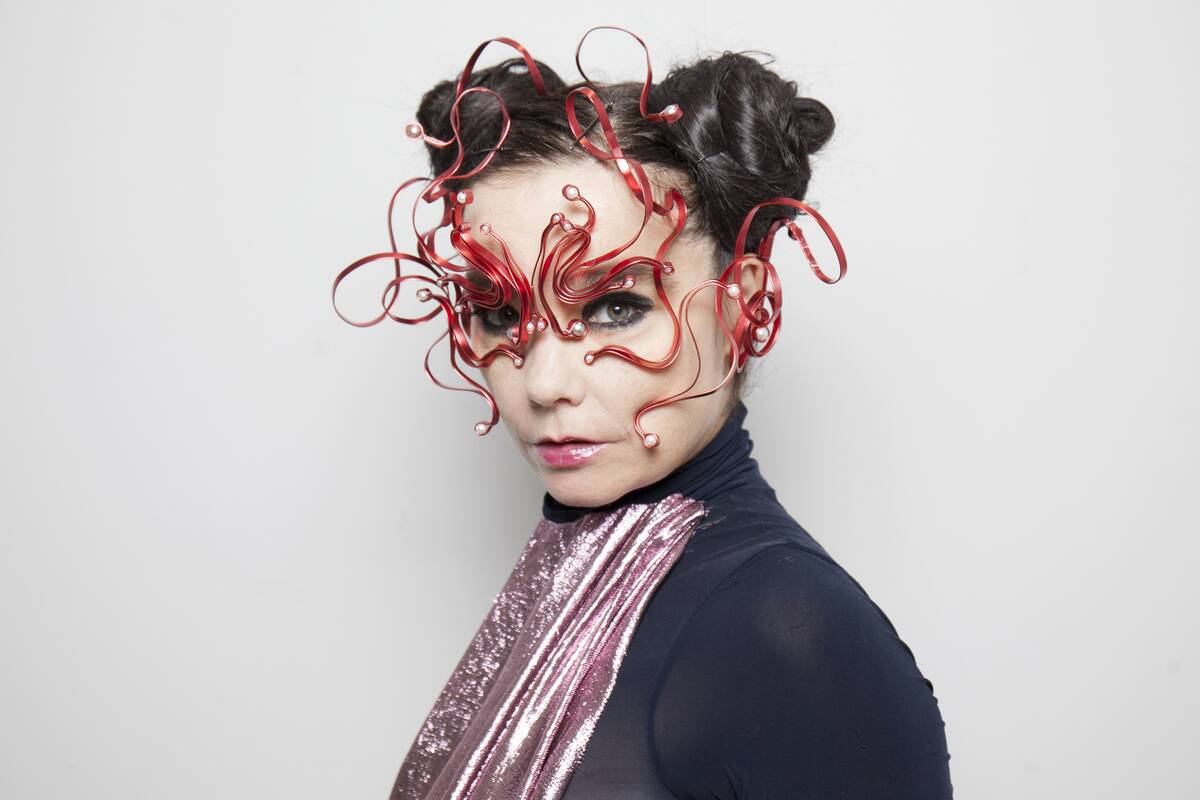
Costumes are powerful tools for storytelling, allowing musicians to convey complex narratives through visual means. Björk’s eclectic wardrobe choices often reflect the themes and emotions of her music, enhancing the storytelling aspect of her performances.
By aligning their costumes with the stories they wish to tell, artists can create a cohesive narrative experience that resonates with audiences on multiple levels, turning each performance into an immersive tale.
Standing Out in a Sea of Talent
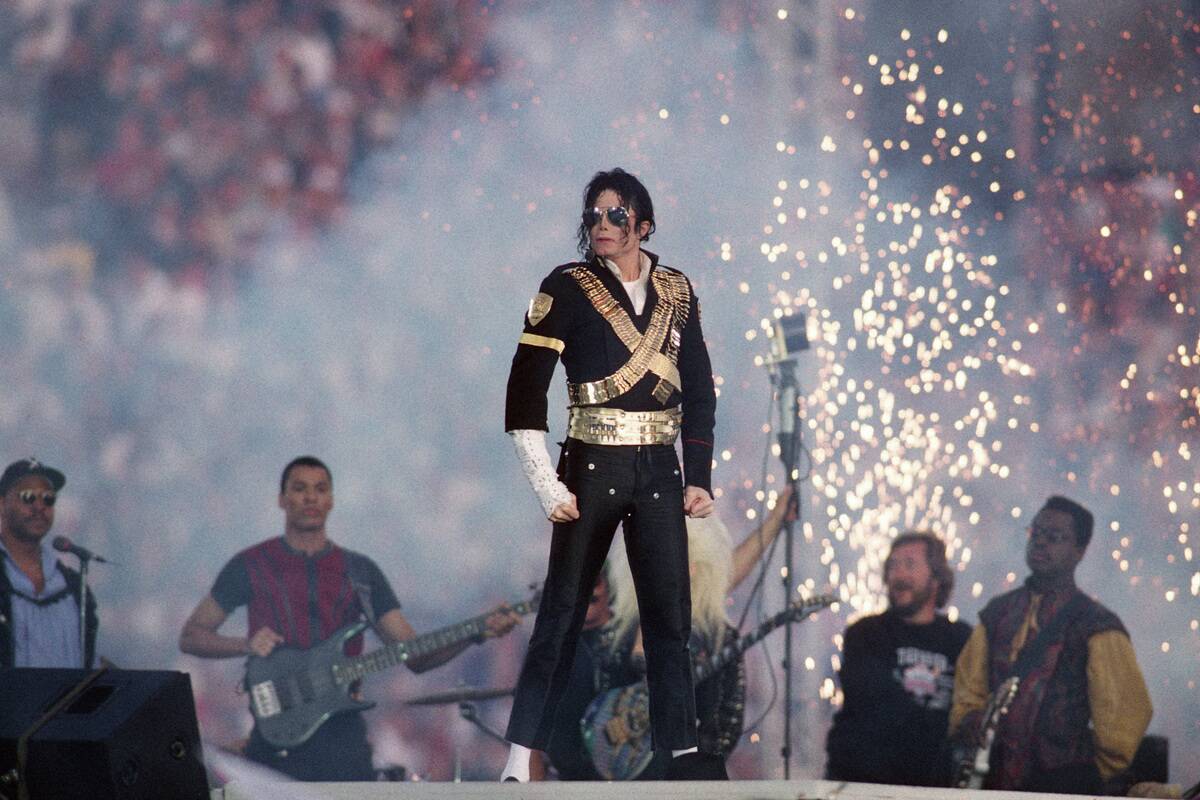
In an industry brimming with talent, costumes help artists stand out. Iconic outfits can become synonymous with the artist, like Michael Jackson’s sequined glove or Freddie Mercury’s yellow jacket.
These memorable visuals ensure that performers are not easily forgotten, creating lasting impressions that transcend the music itself. Costumes become a signature, a visual shorthand for the artist’s persona, helping them maintain a distinctive presence in a crowded market.
The Influence of Iconic Musicians on Costumed Performances
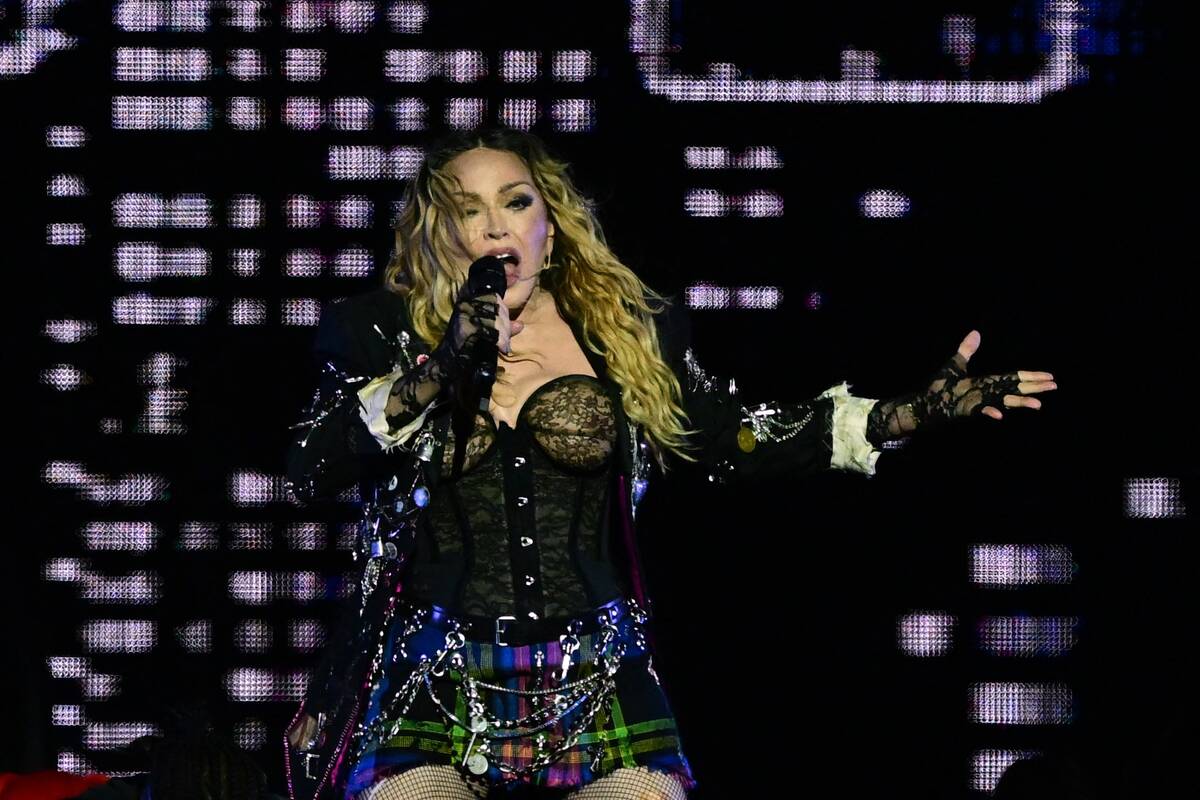
Iconic musicians have paved the way for future generations of costumed performers. Artists like Madonna, with her ever-evolving style, have demonstrated the power of reinvention through fashion.
Their influence is evident in contemporary artists who continue to push the boundaries of performance attire. By drawing inspiration from these trailblazers, modern musicians can craft their own unique styles while paying homage to the legends who came before them.
The Role of Alter Egos in Musical Expression
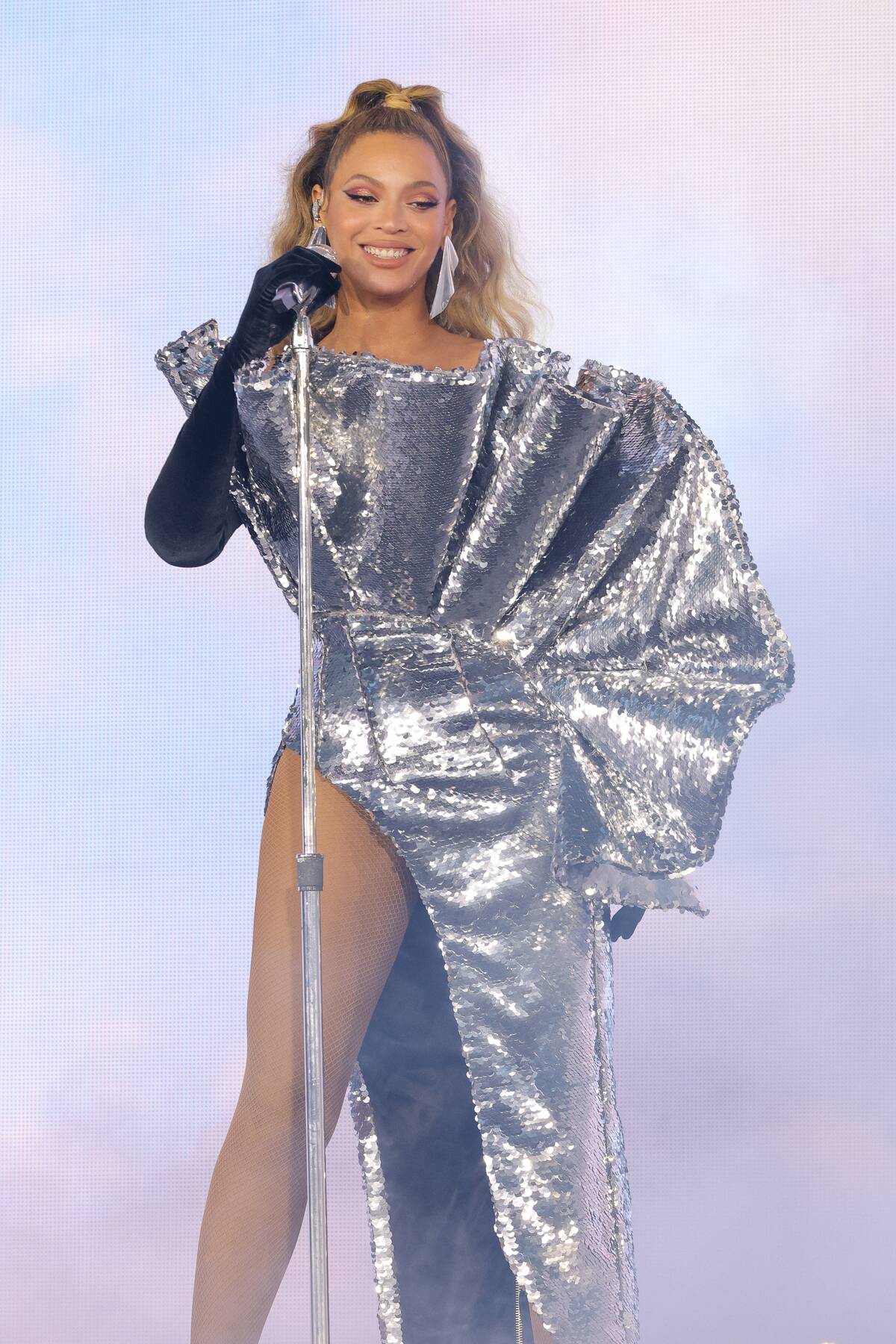
Alter egos allow musicians to explore different facets of their creativity, often through costume. Beyoncé’s Sasha Fierce persona, for example, lets her embrace a bolder, more confident stage presence.
These alter egos provide artists with the freedom to experiment and express themselves in ways they might not as their everyday selves. Costumes play a crucial role in bringing these alternate identities to life, offering a visual representation of the artist’s multifaceted nature.
Costumes as a Reflection of Musical Themes
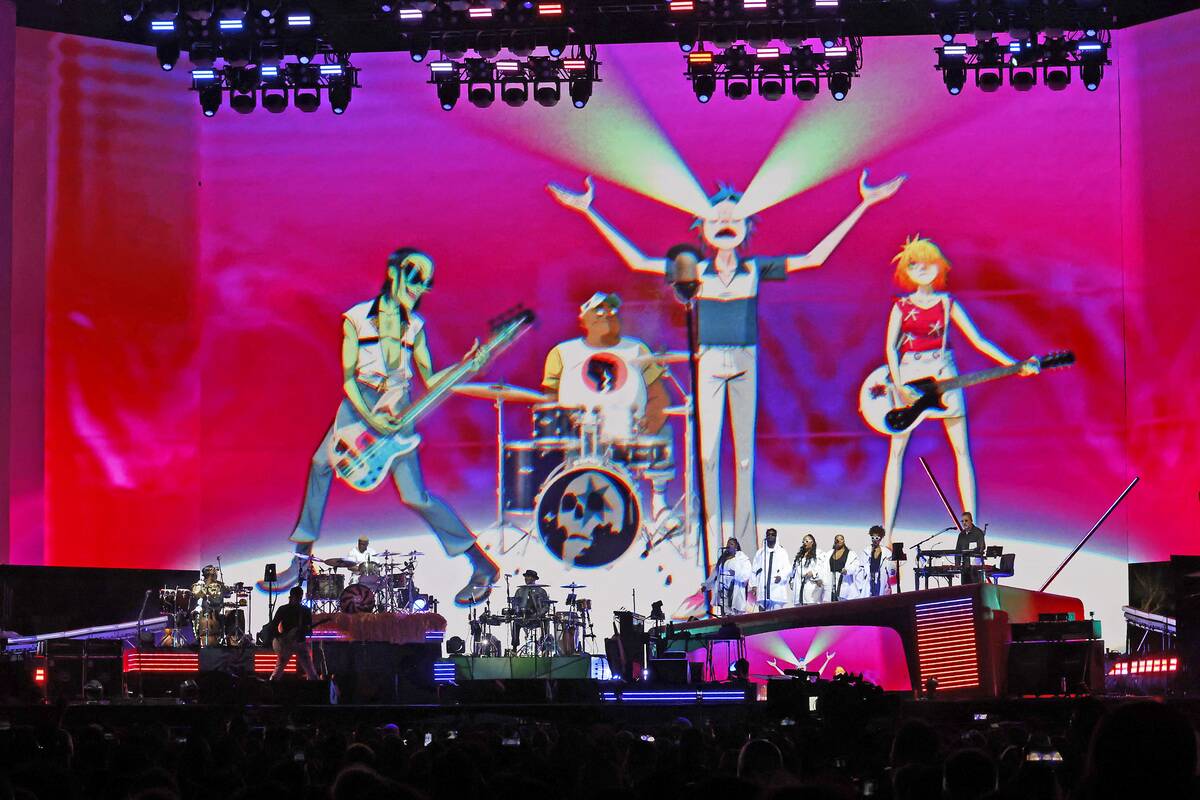
Musicians often use costumes to reflect the themes and messages in their music. The band Gorillaz, for instance, uses animated characters with distinct outfits to embody the diverse sounds and stories within their albums.
This visual representation reinforces the thematic elements of their music, creating a cohesive artistic vision. By aligning costumes with musical themes, artists can enhance the audience’s understanding and appreciation of their work, deepening the overall experience.
The Psychological Impact of Performing in Costume
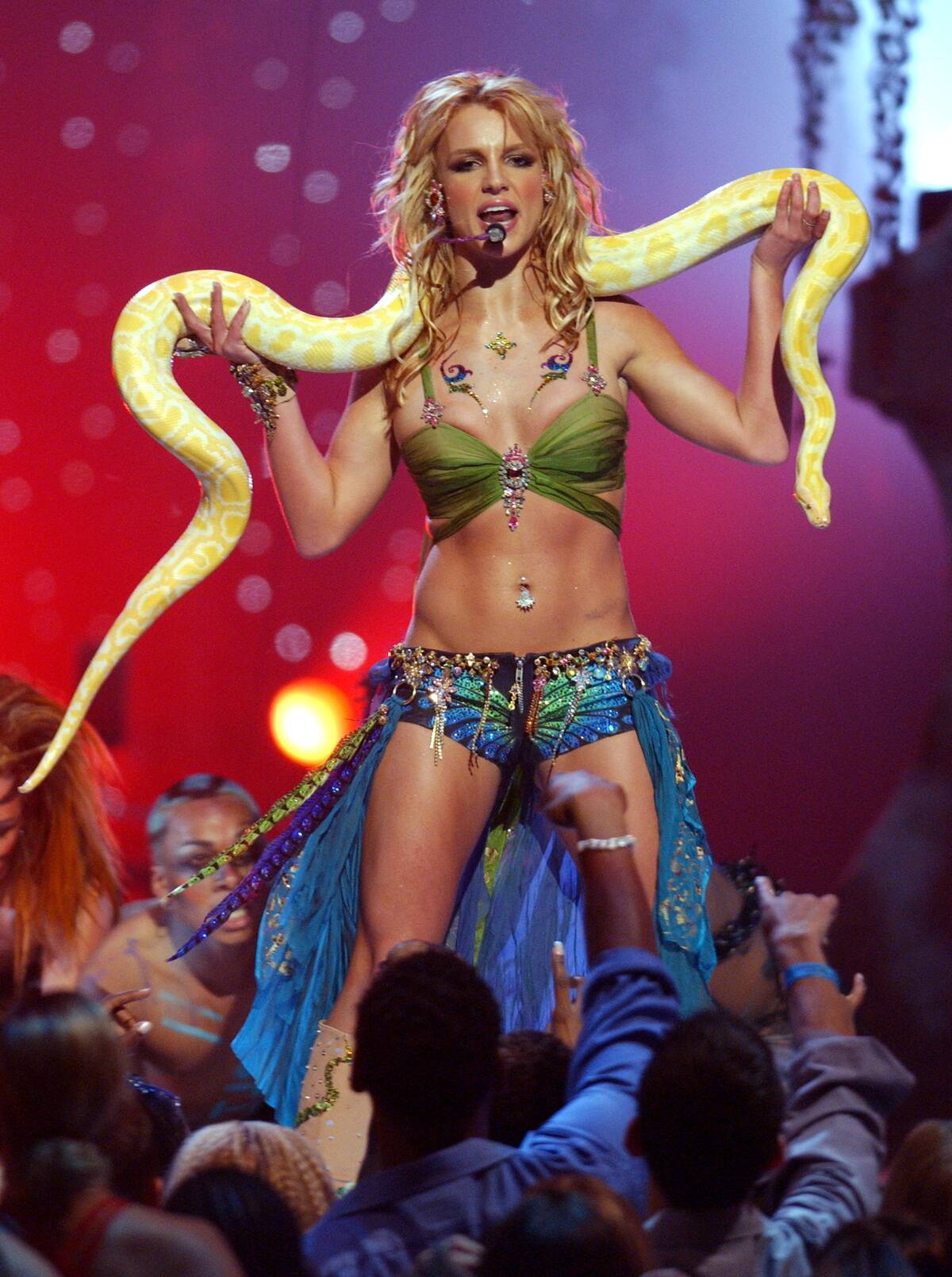
Performing in costume can have a profound psychological impact on artists. It allows them to step into a different persona, often boosting confidence and enhancing performance. Artists report feeling liberated and more expressive when donning their stage attire, as costumes can act as a form of armor, shielding them from vulnerability.
This transformation can lead to more dynamic and engaging performances, as musicians fully immerse themselves in their onstage roles.
Costumes and the Connection with Fans
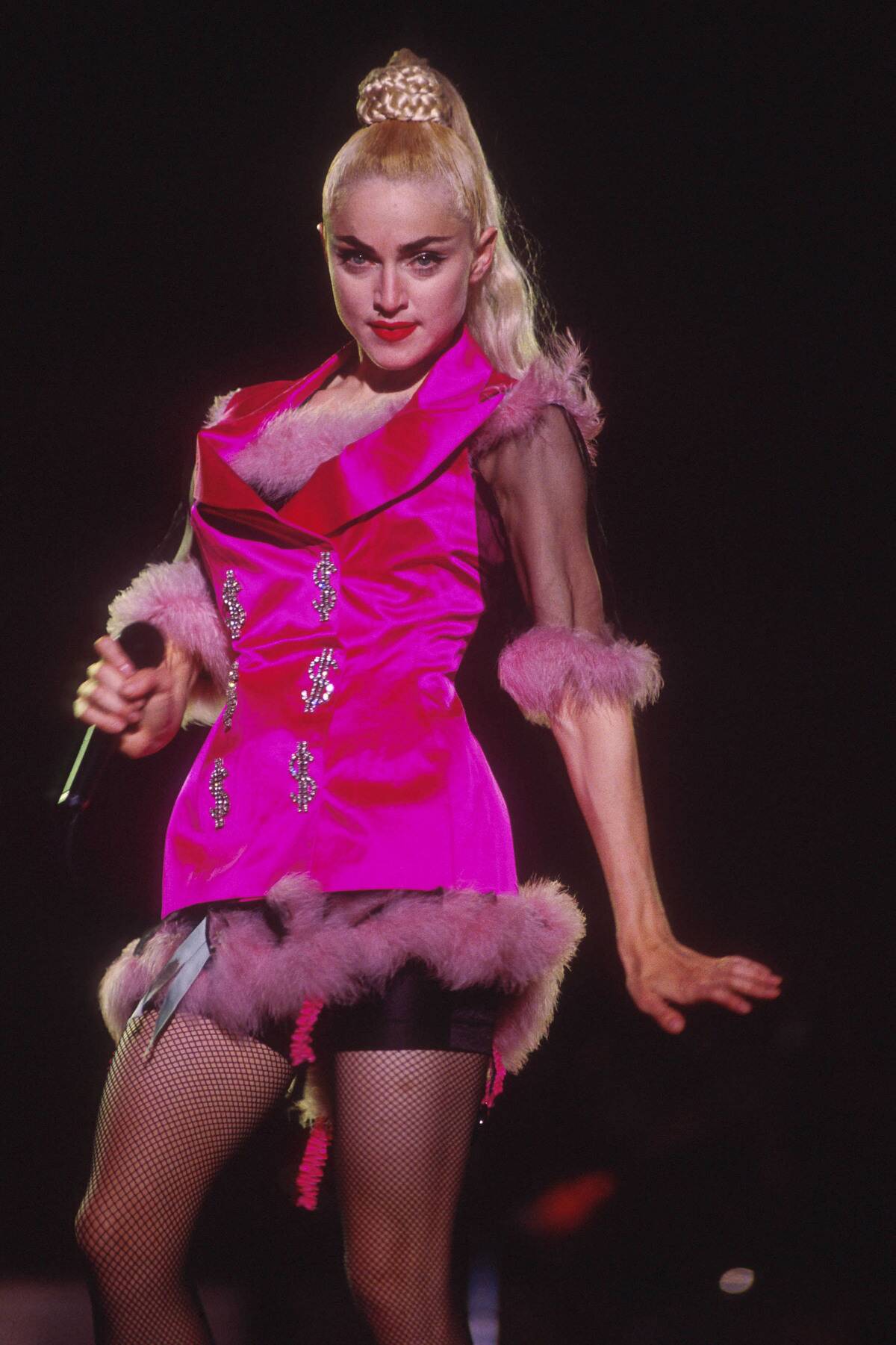
Costumes create a unique connection between artists and fans, offering a shared visual language that enhances the concert experience. Fans often emulate their favorite performers’ styles, fostering a sense of community and belonging.
When an artist steps on stage in a recognizable outfit, it can evoke nostalgia and excitement, strengthening the emotional bond between performer and audience. This connection is a testament to the power of visual storytelling in music.
Breaking Free from Conventional Norms
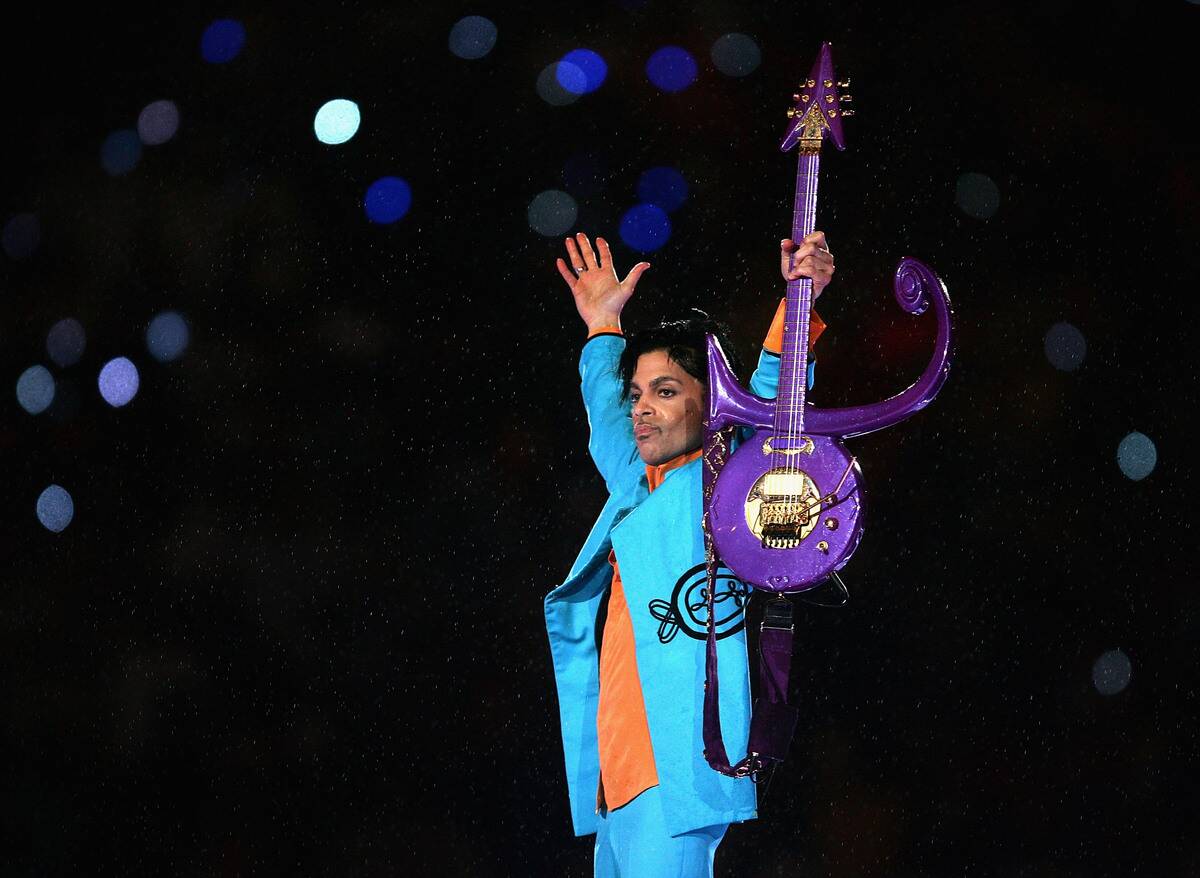
Costumed performances allow artists to break free from conventional norms, challenging societal expectations and redefining artistic expression. Musicians like Prince, known for his flamboyant style, used costumes to defy gender norms and push the boundaries of what was considered acceptable.
By embracing unconventional attire, artists not only express their individuality but also inspire fans to embrace their own uniqueness, fostering a culture of acceptance and creativity.
The Practical Benefits of Performing in Costume
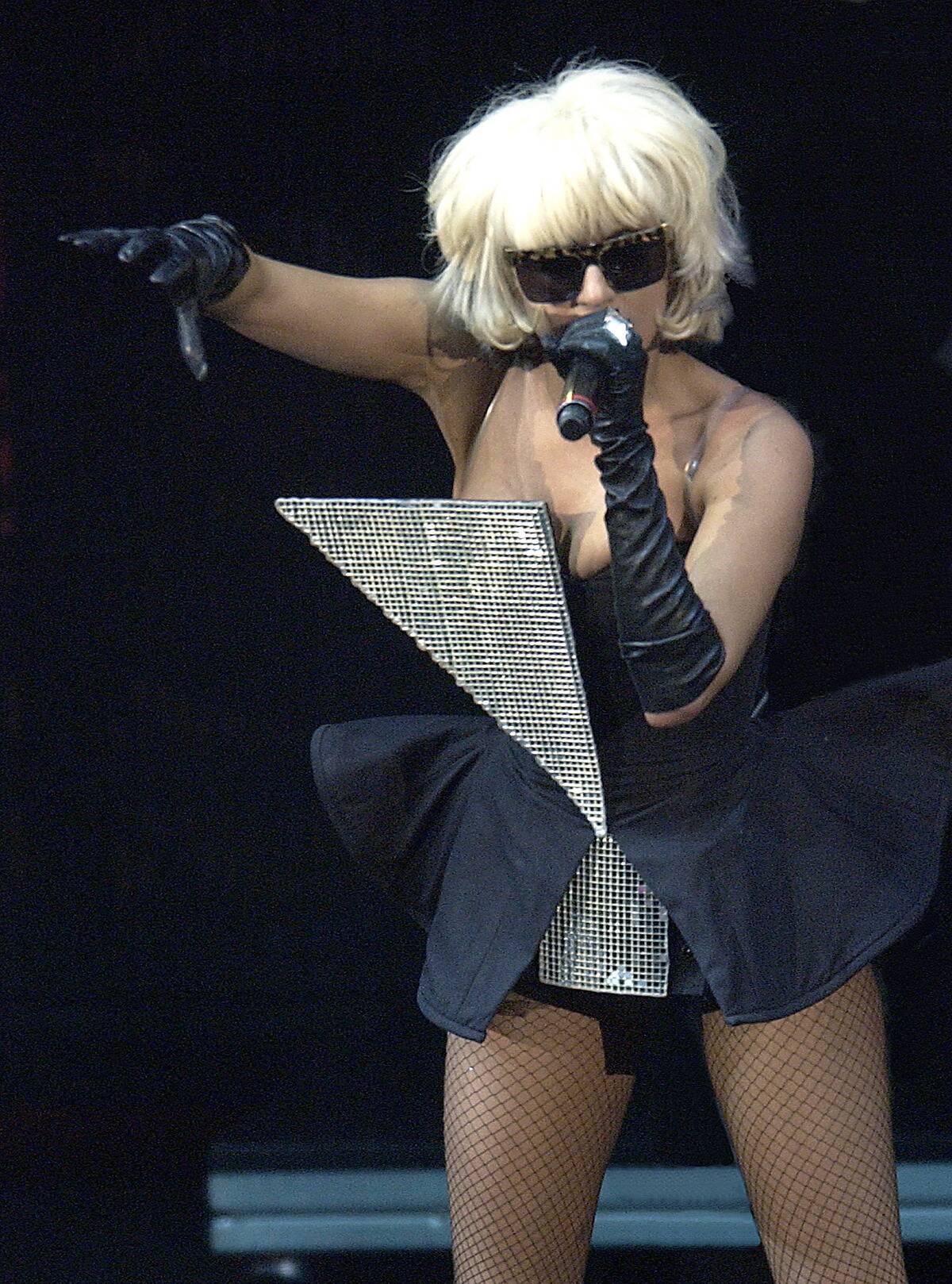
Beyond aesthetics, costumes offer practical benefits for performers. They can enhance visibility on stage, making it easier for audiences to focus on the artist amidst elaborate stage setups.
Costumes can also serve functional purposes, such as providing comfort and flexibility for movement during high-energy performances. By combining style with practicality, artists can ensure their costumes not only look good but also support their performance needs, allowing them to deliver their best show.
The Balance Between Music and Visual Artistry
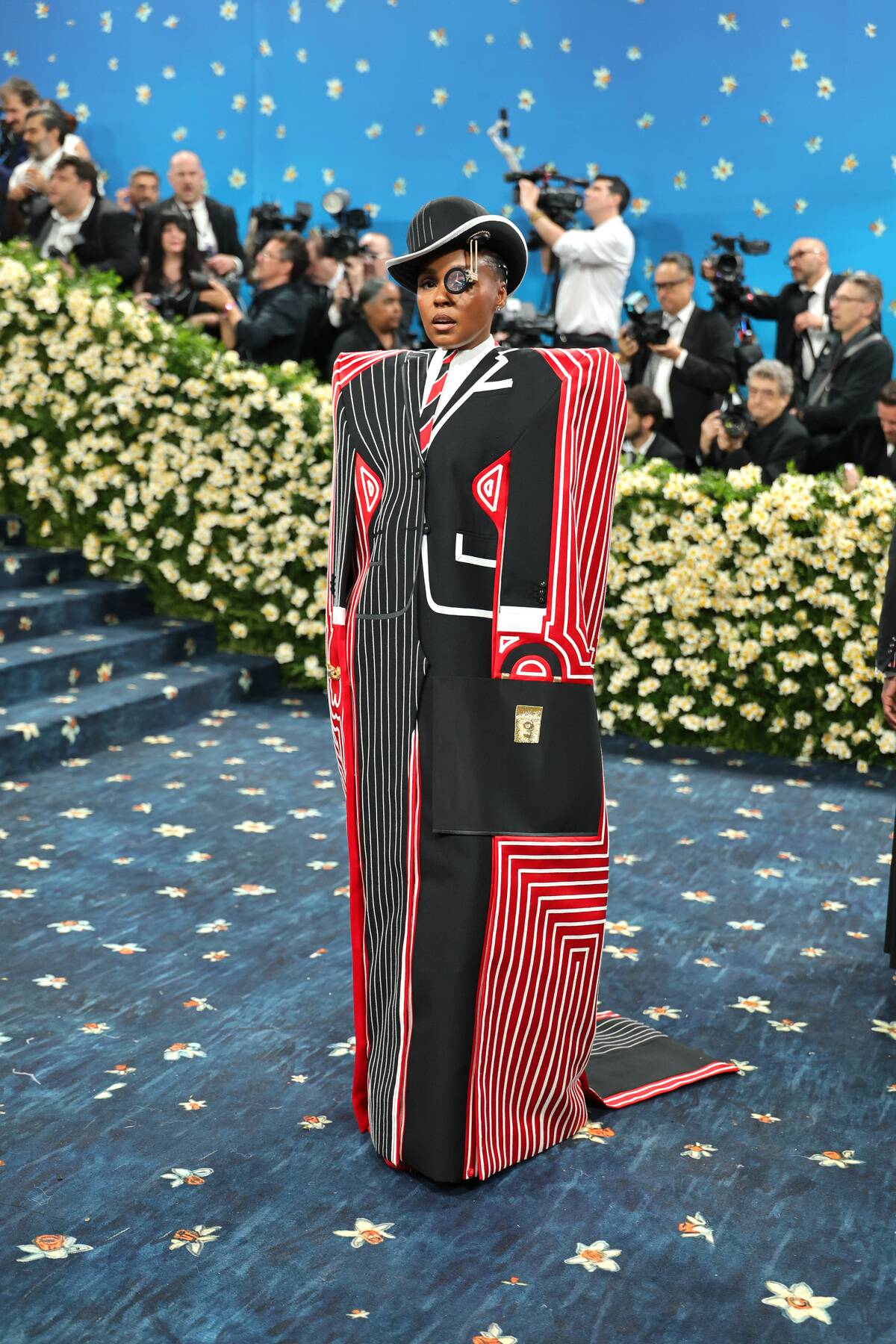
Striking a balance between music and visual artistry is key for costumed performers. While costumes can enhance a performance, they should complement rather than overshadow the music.
Artists like Janelle Monáe expertly blend their visual and musical elements, ensuring that both aspects work in harmony. This balance allows musicians to create a cohesive artistic identity that resonates with audiences, proving that when done right, costumes can elevate the entire musical experience.