23 unusual chores people did before electricity
Before cords, plugs, and wall switches, home life ran on muscle, fire, and daylight. In 1900, fewer than one in ten American homes had electricity, and rural areas lagged far into the 1930s until New Deal programs finally wired farms. That meant chores leaned on hand tools, live flames, animals, and weather. Time wasn’t something you scheduled on an app; it was the sun, the stove, and the season telling you when to stir, scrub, chop, and carry.
A household’s “appliances” were the iron kettle, the washboard, the sad iron, the butter churn, and the icebox. Illumination came from candles or oil lamps you fueled and cleaned yourself. Cold storage depended on winter-cut ice or an earth-cooled cellar. Heat meant wood or coal that had to be split, stacked, and fed. Every modern button you press today used to be a set of steps, often messy, sometimes dangerous, and always time-consuming.
Tending the Fire: From Dawn Tinder to Midnight Embers
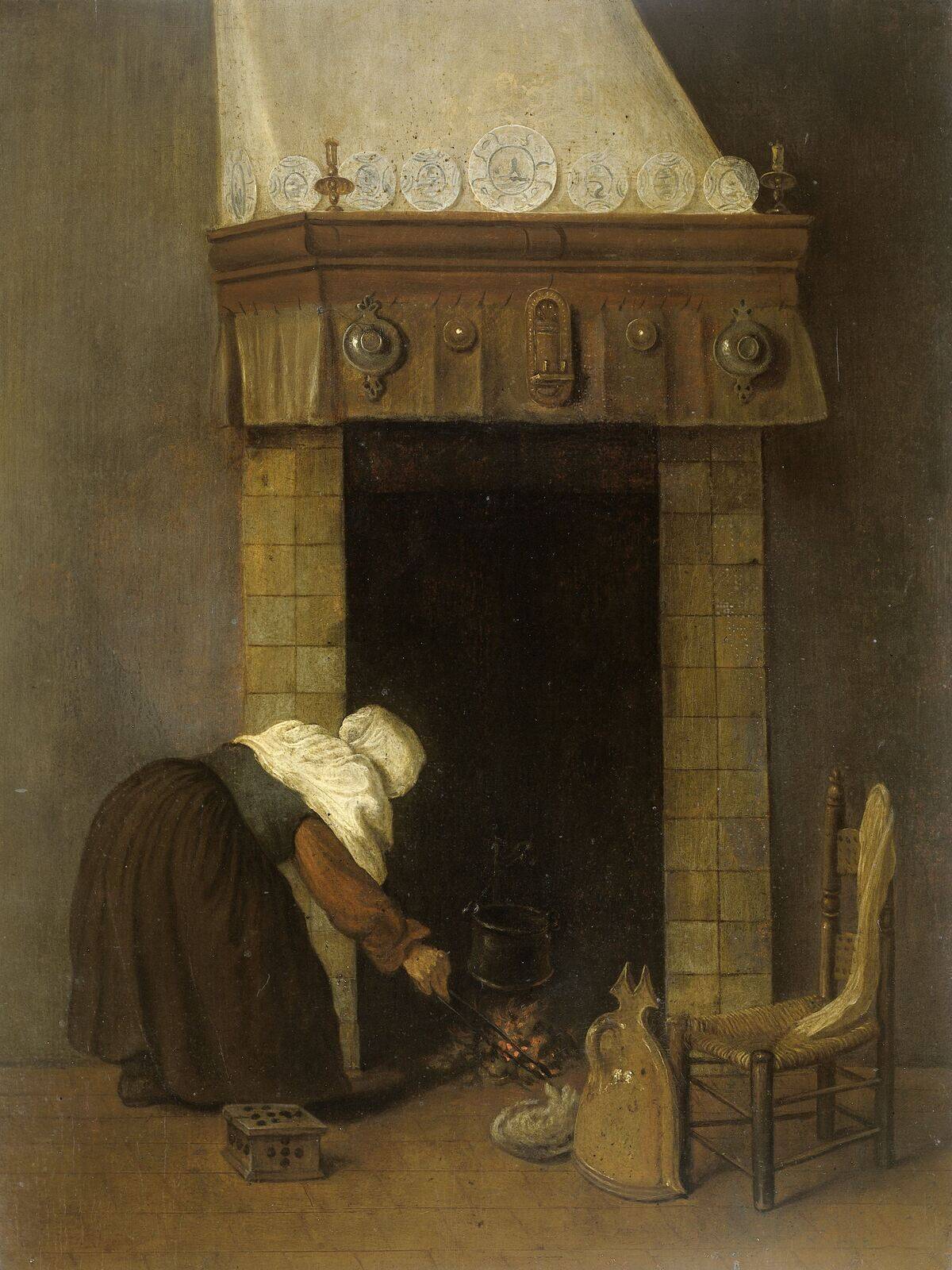
The day often started with a tinderbox: flint, steel, and char cloth to coax a spark. Friction matches arrived in 1826 thanks to John Walker, but they were smelly and pricey at first, so many households still “banked” the hearth overnight. You’d rake coals together and cover them with ash so they’d smolder until morning. A good bed of coals could save fifteen smoky minutes of spark-to-flame work, and it spared you from blowing your cheeks numb over stubborn kindling.
Cooking swung on a hearth crane or sat on a cast-iron range, with heat zones judged by eye and hand rather than dials. Push the pot closer for a boil, pull it to the side for a simmer. Sparks and skirts didn’t mix, so fire tools and long-handled implements were standard. Chimneys drew best when dry wood burned hot, but rainy weeks and green logs guaranteed more smoke, more soot, and extra sweeping later.
Hauling Water: Bucket Brigades to the Back Door
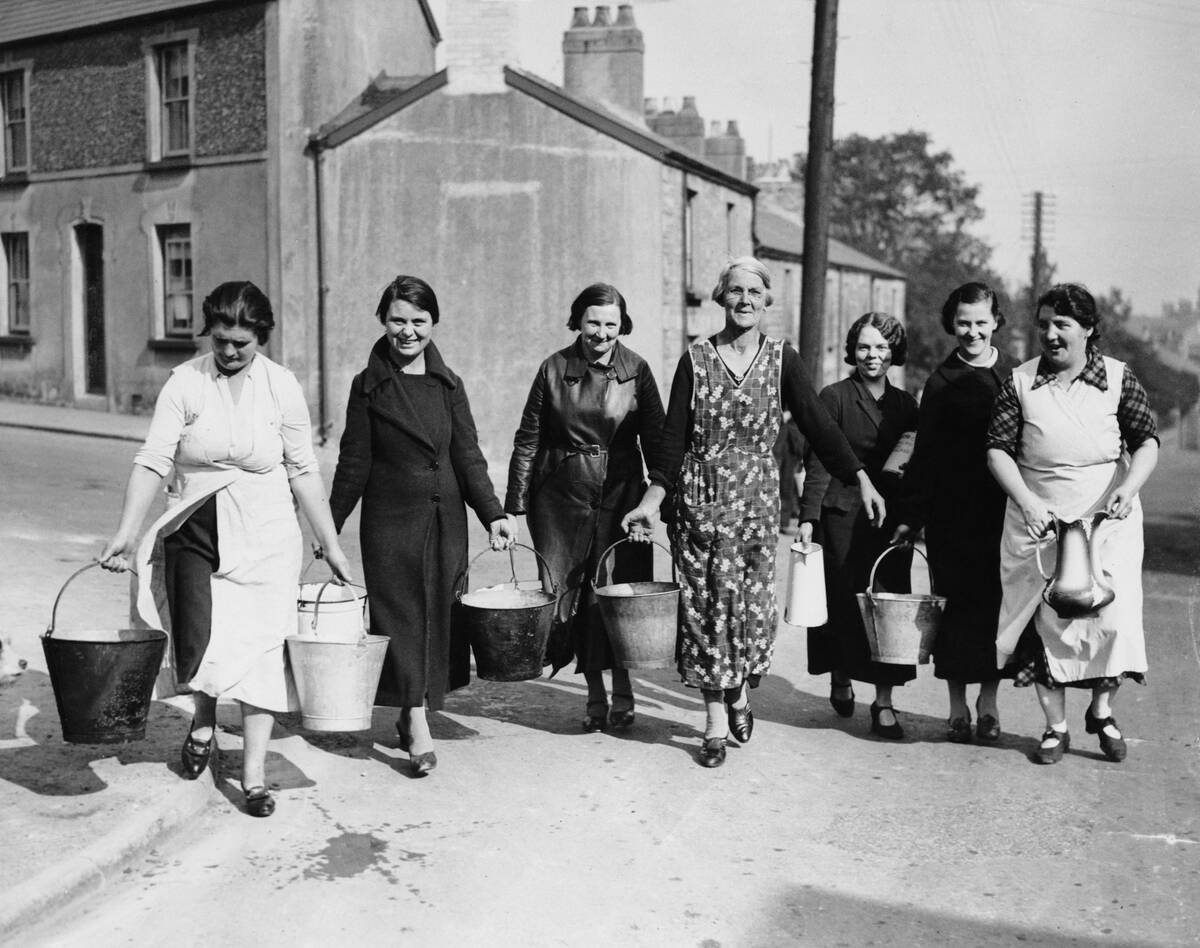
Water didn’t arrive with a twist; it arrived with a grunt. A gallon weighs a bit over eight pounds, and even a small wash took several trips from well, pump, or cistern. Shoulder yokes and iron-staved wooden buckets helped, but sloshing over ruts or icy paths was part of the job. In towns, hand pumps and public fountains eased the load by the mid-19th century, while rural windmills slowly spread across the Plains to lift water without human backs doing every lift.
Inside, a big ceramic storage crock or a covered pail kept the day’s supply clean. You guarded it from soot and ash, which drifted everywhere in stove season. The luxury upgrade wasn’t plumbing yet; it was a hand pump by the kitchen sink pulling from a buried cistern or a springhouse out back. Every cup of tea, every kettle for laundry, every bath—someone carried those pounds before the comfort ever reached a stove or tub.
Laundry Day: Boiling, Bluing, Beating, and Wrangling
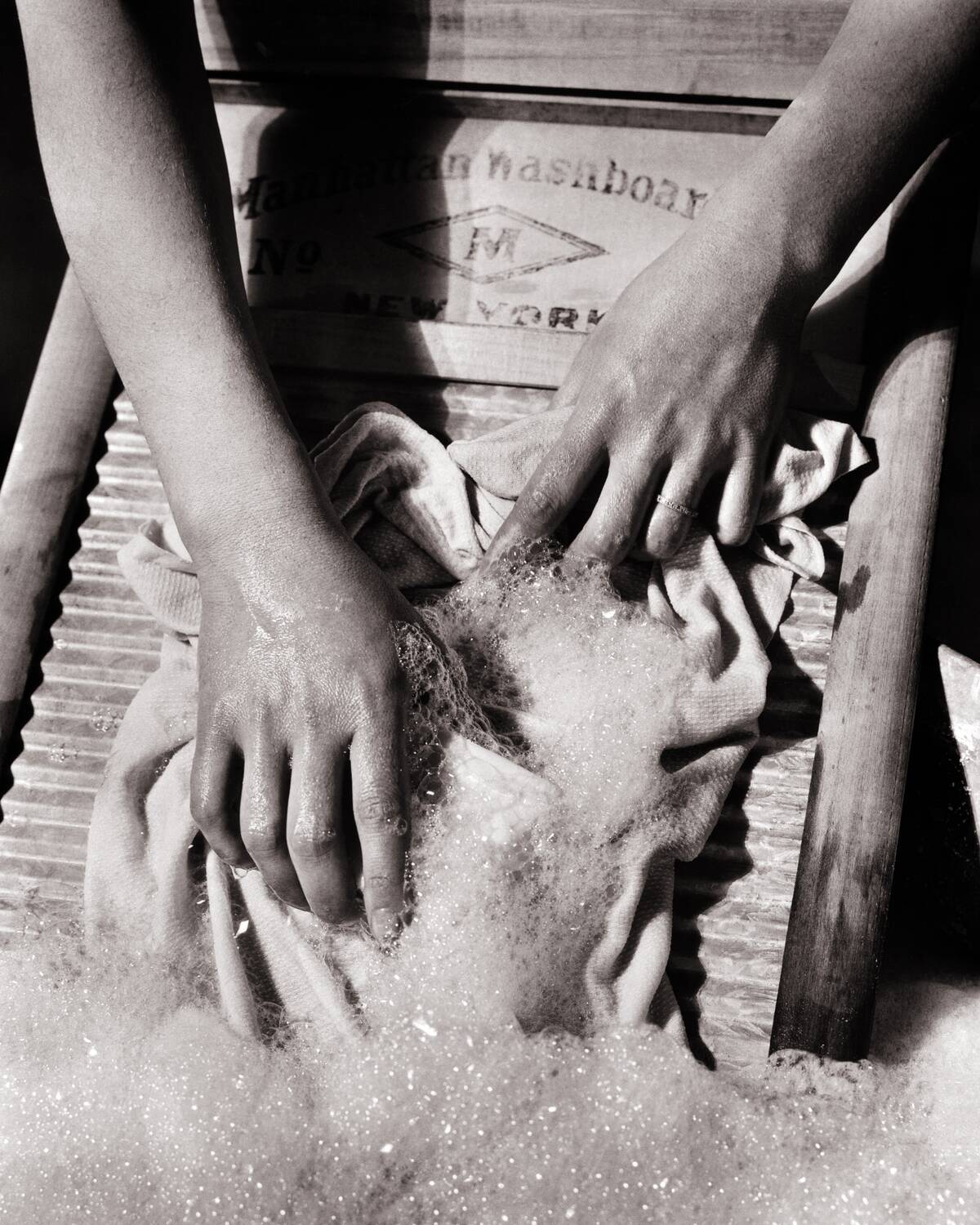
Laundry was an event, not an errand. Water heated in a copper or iron kettle, soap got shaved in, and clothes soaked before scrubbing. The zinc washboard, patented in 1833 by Stephen Rust, gave knuckles a little mercy but still demanded muscle. Stubborn stains met a paddle or a brush. To fight the yellow cast of hard water, people added “bluing”—a trace of ultramarine or Prussian blue—to trick the eye into seeing whites as brighter.
Rinse tubs and a hand-cranked wringer turned the yard into a splash zone.
Early mechanical “mangles” arrived in the 19th century, but many households relied on a two-roller wringer bolted to a tub. Laundry lines sagged under sheets, and winter meant freeze-drying—garments stiff as boards until thawed indoors. Monday became the traditional washday in many places because Sundays allowed soaking, and the rest of the week filled with ironing, mending, and—inevitably—scrubbing that wash copper again.
Ironing with “Sad Irons”: Heating, Swapping, and Not Burning the Biscuits
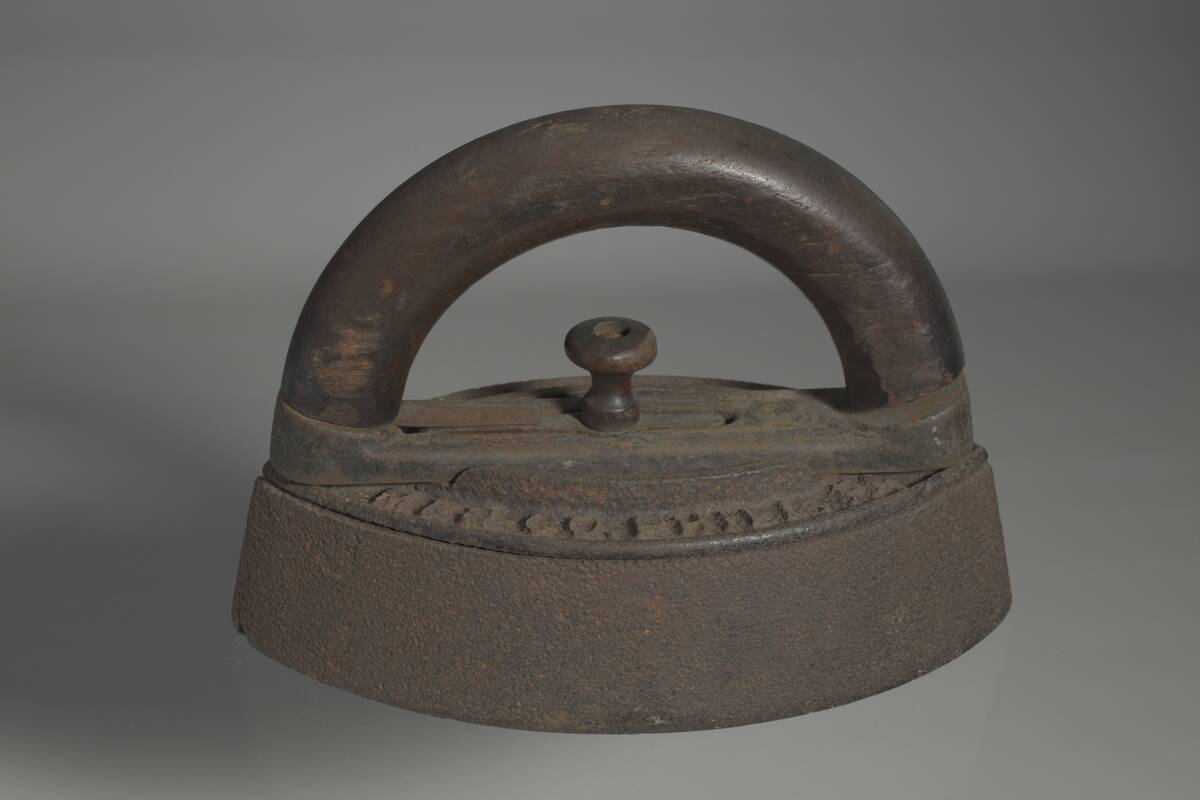
A “sad iron” wasn’t melancholy; “sad” meant solid. These wedge-shaped irons weighed five to nine pounds, heated on a stove, and lost heat fast. You kept two or three in rotation, one in use while others reheated. By the late 19th century, detachable wooden handles—like the popular Mrs. Potts design—saved fingers from scorch marks. Collars, cuffs, and plackets wanted a hotter iron; delicate pieces begged for a cooler one and a pressing cloth to prevent shine.
Kitchen and laundry collided, because heating irons fought with baking schedules for stovetop real estate. Housewives flicked a bit of spit to test an iron or tapped it against a newspaper; too hot and you could ghost print or scorch linen in a heartbeat. Starch gave crispness but glued irons if hurried. All this happened in rooms already warmed by a range, so summer ironing felt like an endurance sport with a finish line of smooth pillowcases.
Candle Dipping and Wick Trimming: DIY Lighting, One Drip at a Time
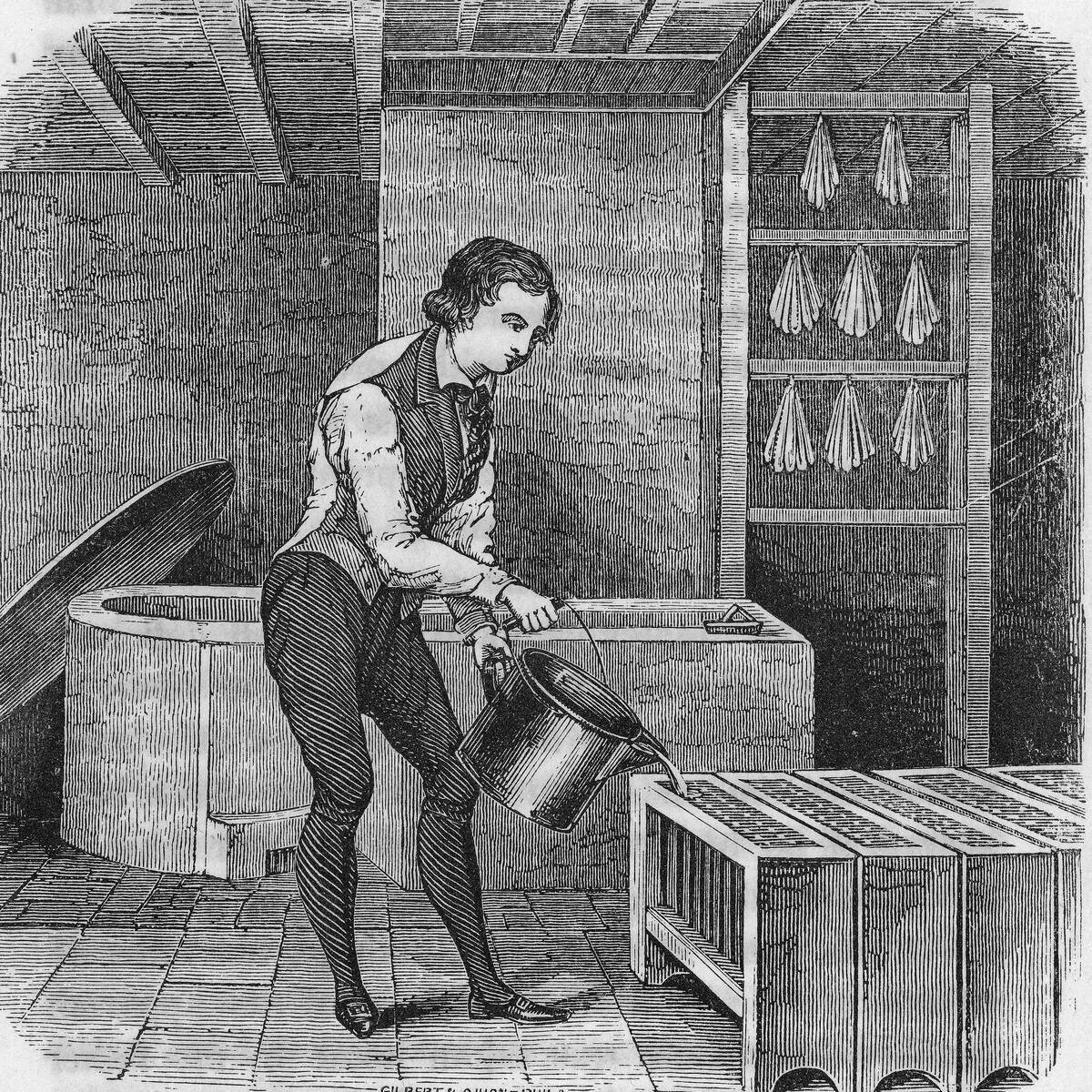
Light began with wax or tallow. Beeswax candles burned cleaner and smelled sweet, but they were expensive. Tallow—rendered animal fat—was cheaper and smokier. Families dipped wicks over and over into hot fat, letting each thin coat cool before the next. For smoother sides, some used a mold, a real timesaver once you owned one. Spermaceti, harvested from sperm whales, made bright, hard candles prized in the 18th and early 19th centuries, especially for reading and fine work.
Old-style round wicks didn’t consume evenly, so you snuffed and trimmed to prevent a mushrooming flame and drippy soot. A little box of snuffers and wick trimmers lived near the mantle. Later, flat-braided wicks curled into the flame and reduced trimming, but habits die hard—most households still kept the trimmers handy. A hot day could slump tallow candles, so cool pantries doubled as candle closets, and everybody learned to guard finished candles from curious, wax-loving mice.
Filling and Cleaning Oil Lamps: Sooty Glass and Smelly Kerosene
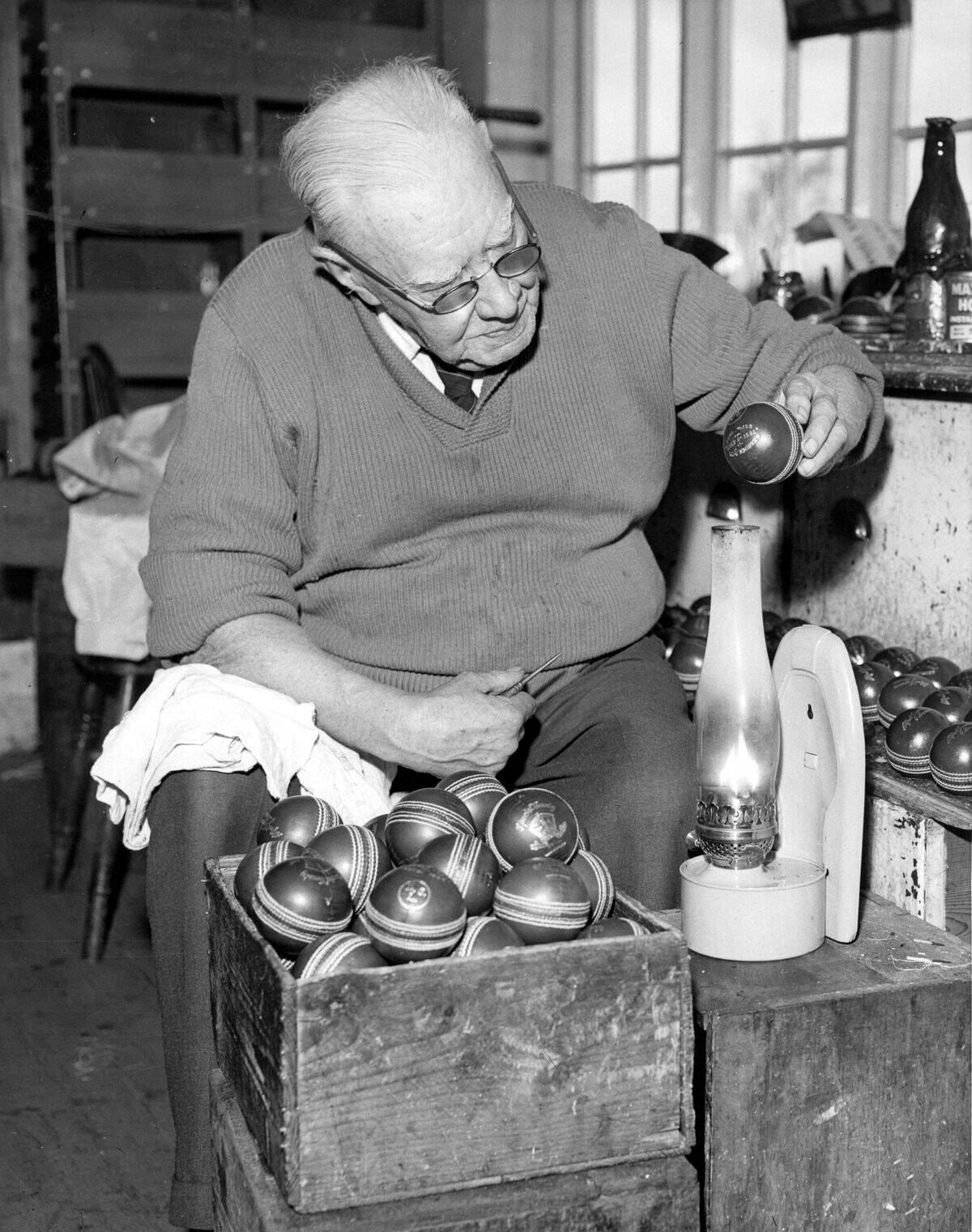
Before the electric bulb, evenings glowed with whale oil, then with kerosene once petroleum refining took off in the 1850s. Abraham Gesner coined “kerosene” in the 1840s, and by the late 19th century it had largely replaced whale oil in households. Good light meant a flat wick adjusted just below smoky, a clean chimney, and steady fuel. Turn the wick up too far and the lamp smoked; too low and it guttered, leaving you squinting over stitches or schoolwork.
Lamp chimneys loved to collect soot and fly specks. Vinegar and a rag—or even yesterday’s newspaper—made quick work of the film. The fuel had a telltale smell, especially during refilling. Safety rules were simple and strict: never top off near a stove, keep lamps on stable tables, and store kerosene in marked containers. Accidents were real enough that tin lamp shades and wall brackets with reflectors became minor marvels, wringing maximum light from every safe turn of the wick.
Beating Rugs and Carpets: Backyard Dust Storms by Design
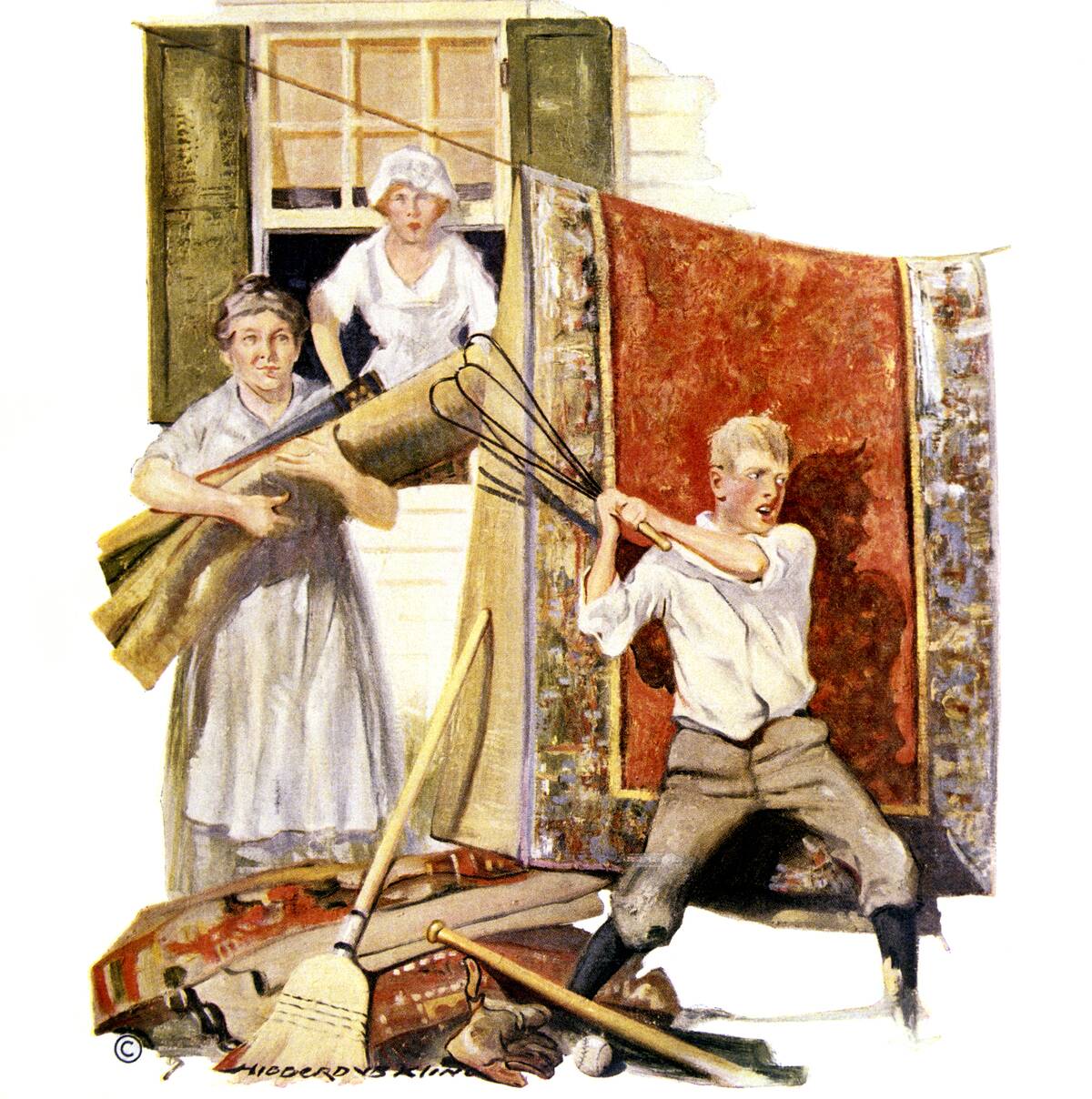
Wall-to-wall carpet wasn’t standard; room-size rugs and ingrain carpets were laid and often tacked, then rolled up for cleaning. Spring and fall meant a great heave-ho to the yard, a clothesline, and a carpet beater made of rattan or bent wire. A few honest whacks sent up astonishing clouds. The phrase “spring cleaning” took real shape in the Victorian era when coal soot and winter-tight houses demanded a deep, open-window purge as soon as weather turned kinder.
Some families sprinkled rugs with damp tea leaves or slightly moist sawdust to trap fine dust before sweeping. A hard freeze could freshen woolens too—hang a rug out on a crisp morning, beat, and let the cold discourage moth eggs. Inside, daily care meant sweeping with long, even strokes and minding those edges where grit hid. Early mechanical sweepers arrived in the late 19th century, but they were helpers, not replacements, for the thwack-thwack therapy of a good beating.
Soap-Making at Home: Lye, Fat, and Lots of Stirring
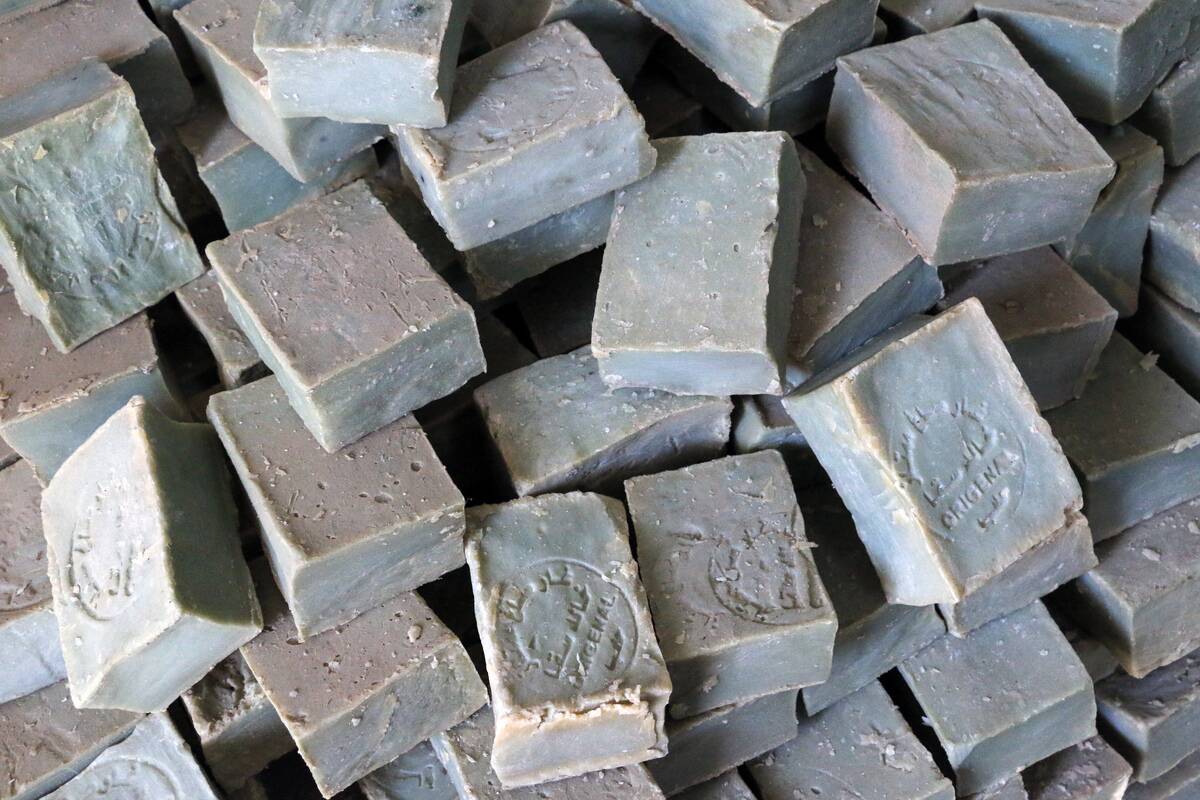
Homemade soap was chemistry you could smell. Families leached lye by pouring rainwater through a barrel of hardwood ashes, testing strength with a floating egg or potato—if it rose with a coin-sized patch above the surface, the lye was strong enough. Rendered kitchen fats, strained and clarified, met the lye in a kettle outside, where the caustic steam wouldn’t sting eyes or lungs. Hours of stir-stir-stir coaxed fat and alkali toward a thick, glossy marriage.
Soft soap was common—brown, goopy, and stored in crocks.
To make hard bars, people added salt as the mix finished, encouraging it to set. Everything around the soap station bore scars: wooden paddles etched by lye, aprons speckled by fat. Caution ruled. Lye burns skin, and splashes blind. Even with store-bought bars available by the late 19th century, many households still cooked “a year’s worth” in a day, feeling thrifty every time a muddy hem met a soapy brush.
Butter Churning and Dairy Duty: From Udder to Pat
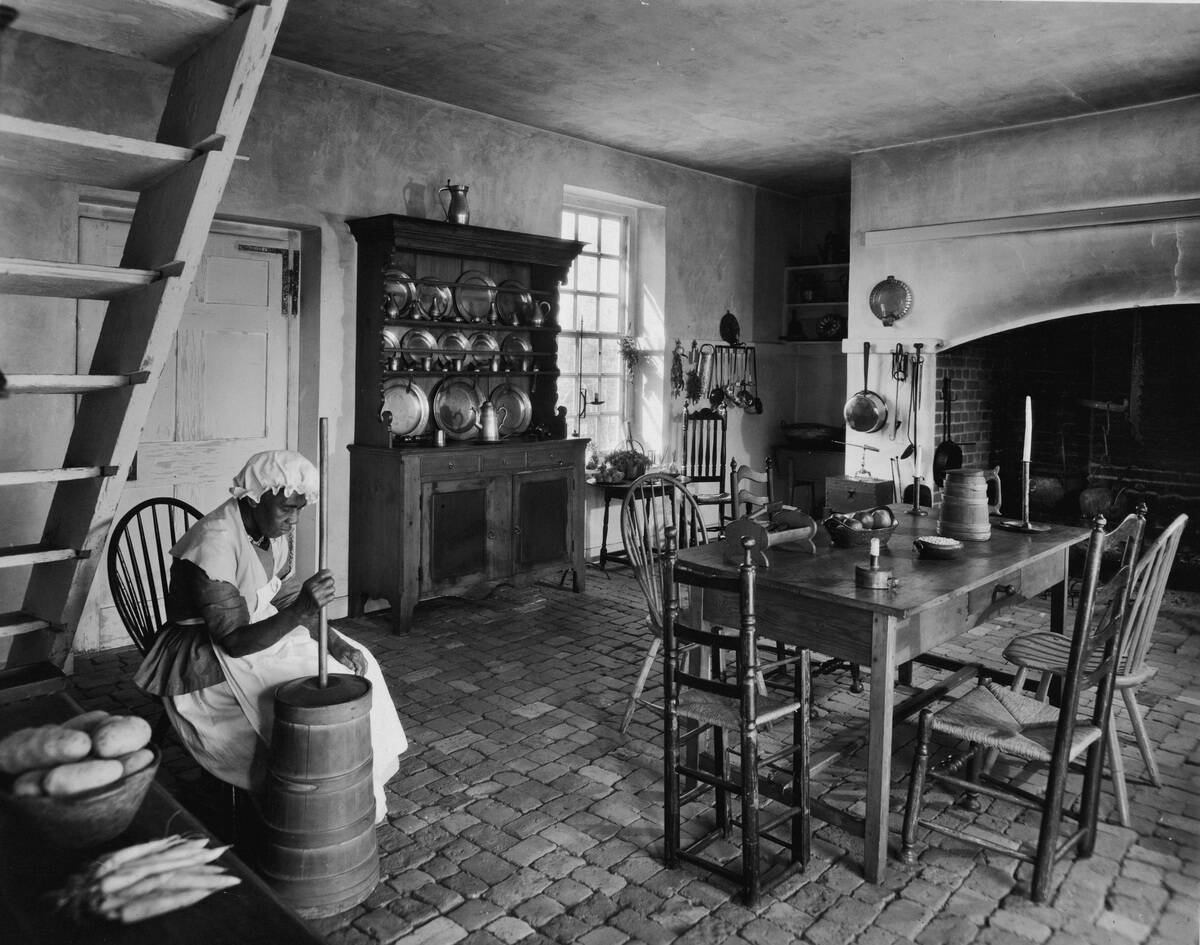
Milk settled in shallow pans so cream could rise and be skimmed. For good butter, cream needed to “ripen” at cool room temperatures, then churn around 55°F (about 13°C). Too cold and nothing happened; too warm and you got greasy smears. Dash churns—upright tubs with a plunger—were common, as were barrel churns with a hand crank. When the grains finally “broke,” you washed them with cold water to rinse out buttermilk and help the butter keep.
Next came working the butter on a board to squeeze out lingering whey and knead in salt, often about 1 to 2 percent by weight. Butter molds and carved “prints” stamped pretty patterns and standard sizes for market. Skim milk and buttermilk didn’t go to waste; they baked into breads or fed pigs and chickens. Cleanliness was gospel—dairy gear scrubbed and scalded—because a stray smell or bit of sourness could taint a week’s worth of careful churning.
Food Preservation Pre-Fridge: Salting, Smoking, and Cellaring
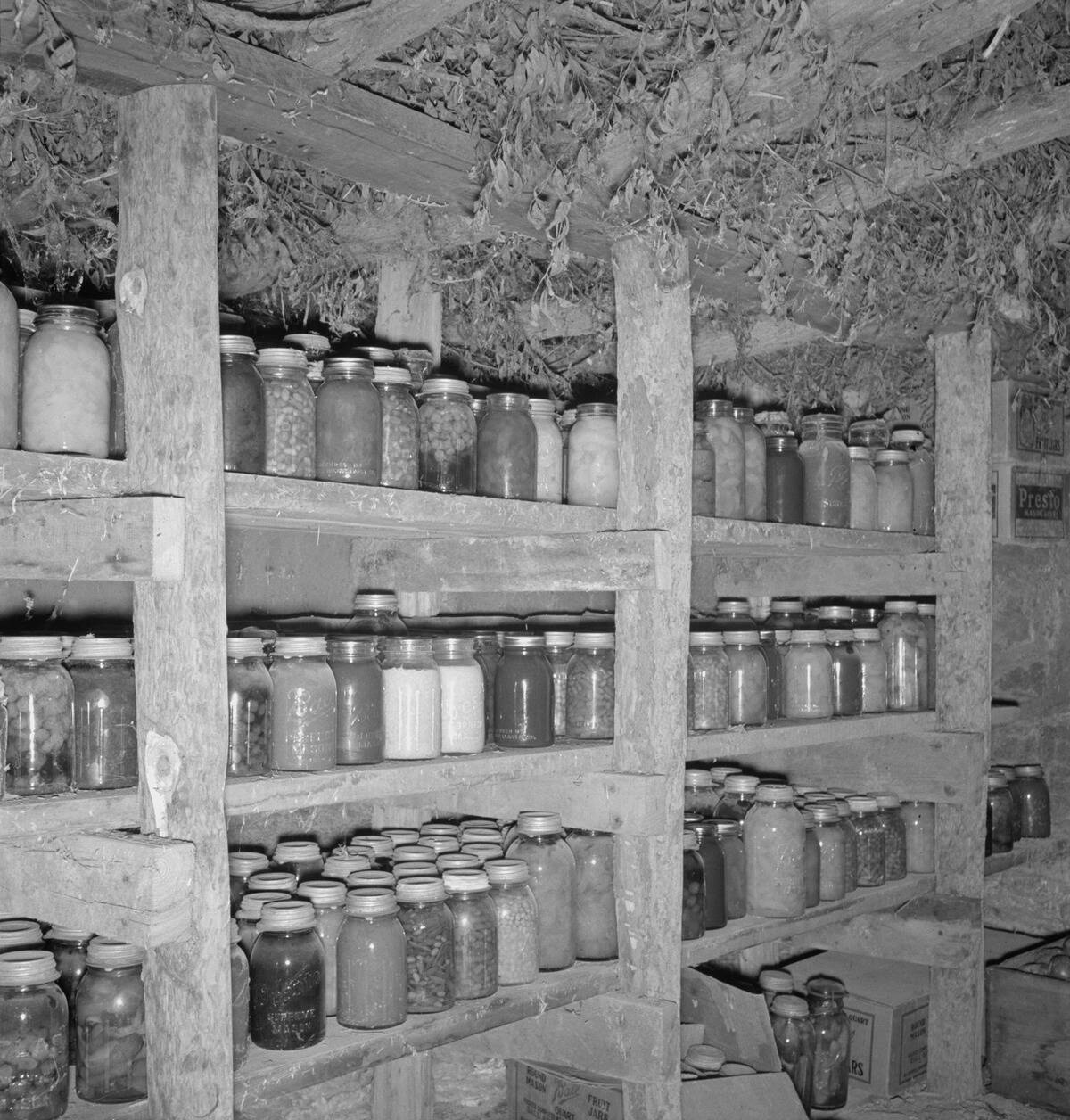
Without compressors humming in the corner, preservation relied on salt, smoke, sugar, vinegar, cool earth, and dry air. Pork bellies became salt pork in barrels, while hams and bacon hung in smokehouses perfumed by hickory or applewood. Cabbage shredded into crocks and salted itself into sauerkraut through lactic fermentation. Apples sliced and strung across rafters dried into leathery, sweet rings. John Landis Mason’s 1858 screw-top jar made home canning far safer and more convenient for fruits and pickles.
Root cellars earned their name: partially underground, they held close-to-ground temperatures and high humidity—good for potatoes, carrots, beets, and turnips. Shelves cradled crocks of brined cucumbers and stoneware jugs of cider. High-acid foods like tomatoes, fruits, and pickles fared well in boiling-water baths, while low-acid vegetables remained trickier until pressure canners spread in the early 20th century. The pantry’s rhythm followed harvests: glut in summer, hands busy with jars; quiet in winter, hands busy with stews.
Icebox Upkeep: Drip Pans, Melting Blocks, and the Ice Man Cometh
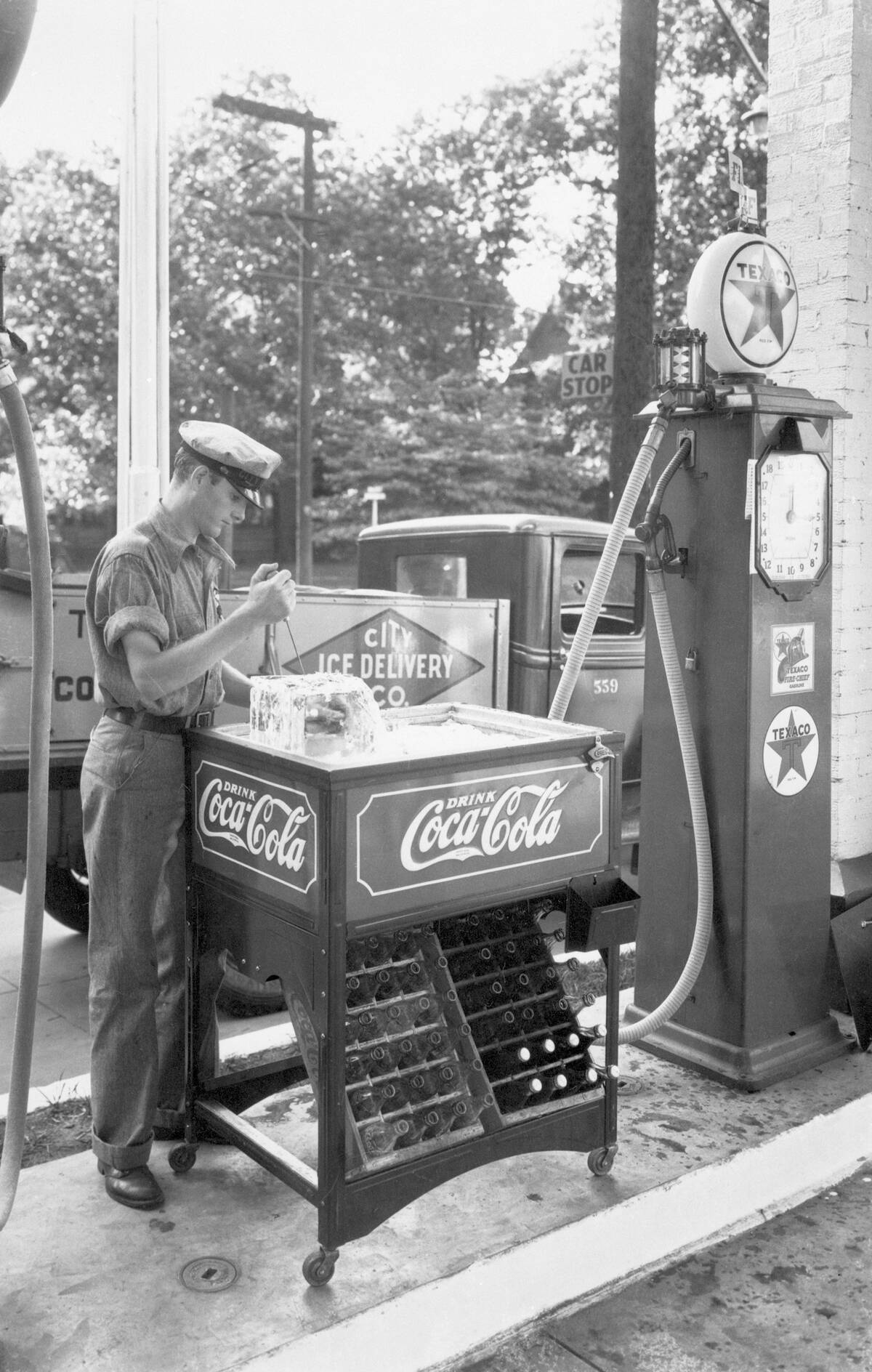
Before refrigerators, the icebox reigned—an insulated cabinet with a compartment for a block of lake or river ice. In the 19th century, Frederick Tudor’s ice trade shipped winter-cut blocks packed in sawdust from New England as far as the Caribbean and India. At home, the iceman hoisted 25–100 pound blocks with iron tongs, guided by a card in the window showing how much you wanted that day. Indoors, zinc- or porcelain-lined linings resisted drips and odors, at least in theory.
Meltwater collected in a drip pan you had to empty—often daily in summer or you’d meet a small, surprising indoor flood. Smart packing and minimal door openings slowed the melt. Households wrapped perishables, kept raw and cooked foods apart, and placed dairy in the coolest zones closest to the ice. The icebox had one unbreakable rule: level it well. A tilted box meant doors that didn’t seal and butter that slid away from you, laughing softly in its wrapper.
Chamber Pots and Night Soil: Midnight “Plumbing” Without Pipes
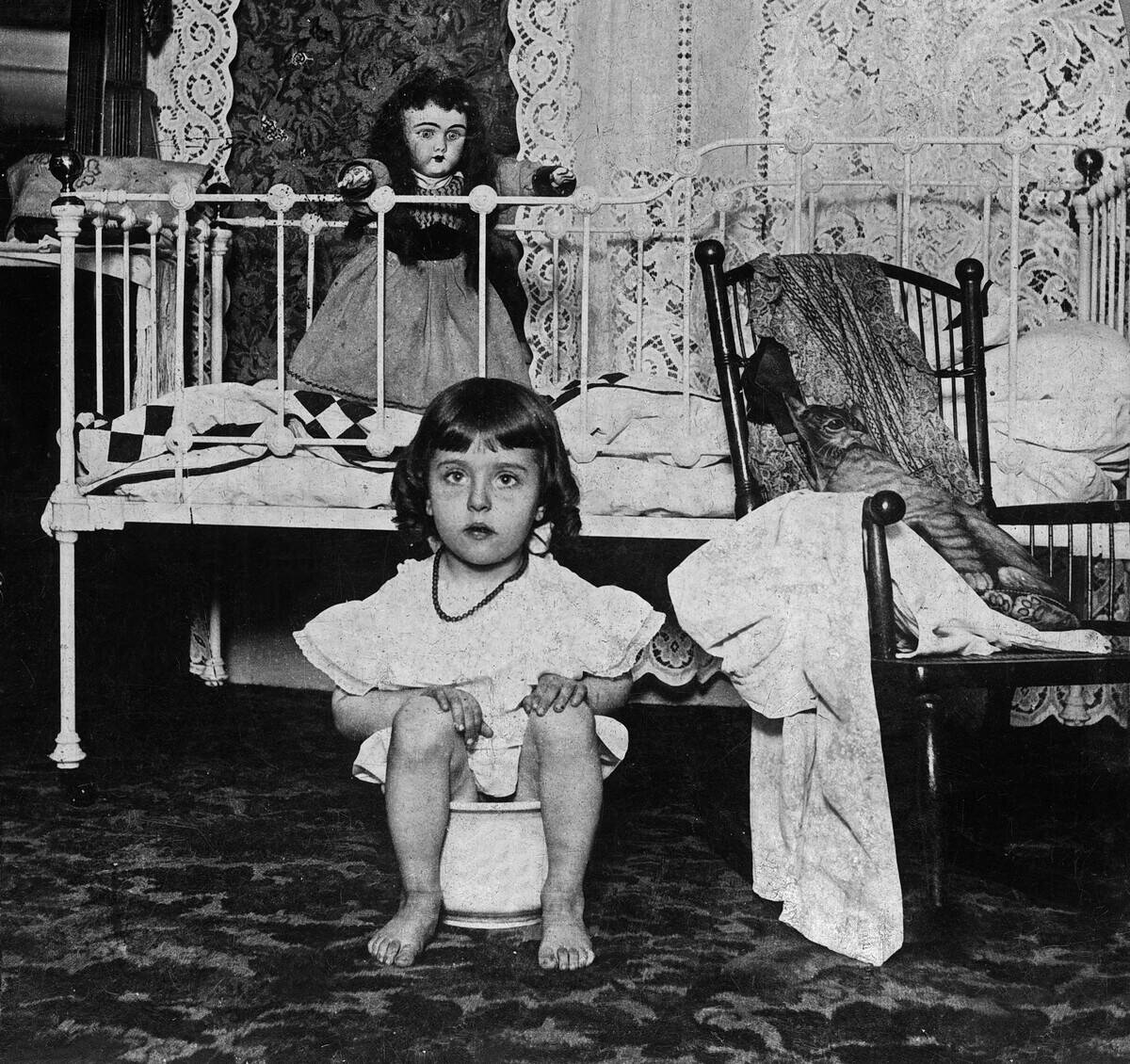
Nighttime convenience came in porcelain, tin, or enamelware pots tucked under beds or into commodes. In the morning, you carried the contents to a backyard privy or, in towns, to a slop sink or covered pail. Larger cities wrestled with “night soil” collection for centuries; crews carted waste from cesspits and privies, especially before sewers expanded in the late 19th and early 20th centuries. It wasn’t genteel work, but it kept streets healthier and wells safer when done properly.
Households tried to outwit smells with lids, charcoal, or a sprinkle of ash or carbolic disinfectant. Etiquette was practical: keep the pot clean, keep the handle tight, and do not procrastinate on emptying. Chamber sets often matched—pitcher, basin, soap dish, and pot—stacked on washstands before indoor plumbing. The morning tableau included ewers of fresh water and a sloshy lesson in balance. A clumsy elbow could turn a small chore into a full washday rehearsal.
Outhouse Care: Lime Tossing and Draft Dodging
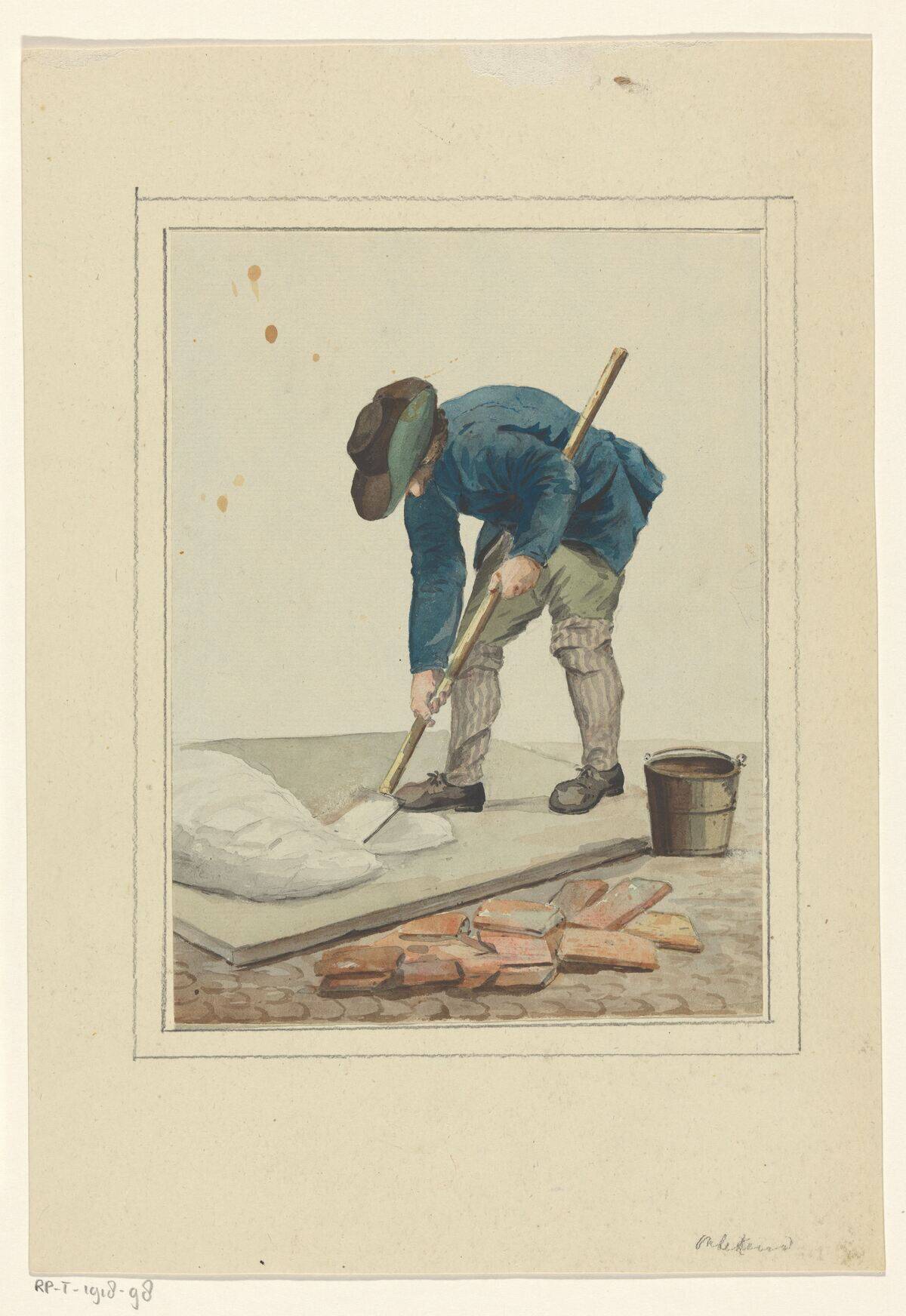
A well-sited privy sat downhill and downwind from the house and far from the well, with a tight door to keep flies at bay. Regularly sprinkling lime (calcium oxide or hydrated lime) into the pit reduced odor and discouraged pests. Vent stacks piped off gases, and snug seats, sometimes with two holes of different sizes, made the visit marginally more comfortable. In cold climates, winter trips involved speed, strategy, and a mental pep talk about embracing brisk air.
Wooden structures demanded maintenance. Rain and snow warped doors; floors needed watching for rot. Folks often kept a tin of ashes nearby as a stand-in for lime, and a stiff brush for the seat. Myths abound about crescent-moon cutouts, but many shapes appeared; what mattered was light and ventilation. With municipal sewers spreading through the late 19th century in cities, outhouses retreated to the countryside—lingering wherever digging, distance, and dollars kept porcelain dreams out of reach.
Chimney and Stovepipe Cleaning: Creosote, Meet Elbow Grease
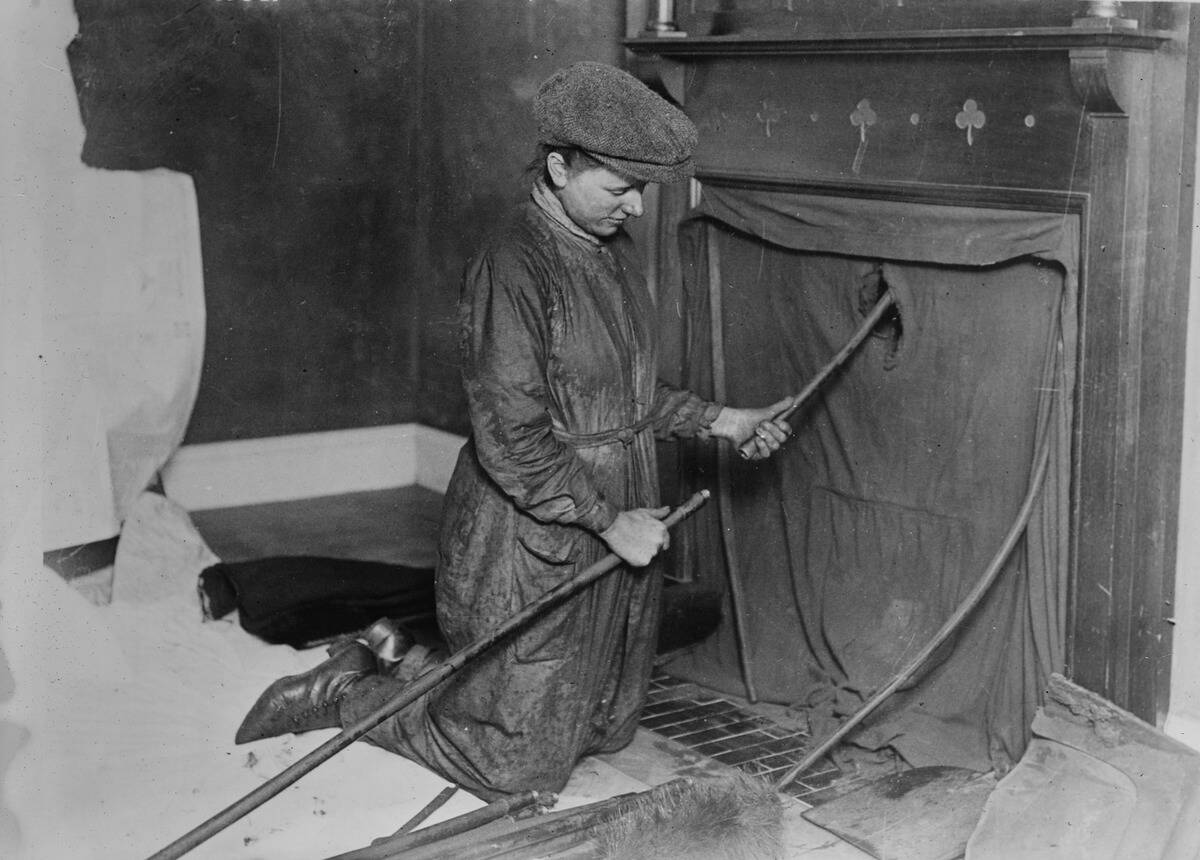
Burning green wood or low, smoldering fires leaves creosote, a tarry deposit that coats chimney walls. Let it build, and a roaring chimney fire can hit temperatures high enough to crack tiles and ignite framing. Sweeps armed with sectional rods and stiff wire or bristle brushes scraped flues clean. In Britain, child sweeps climbed chimneys into the 19th century, a grim practice outlawed decades before mechanical rods took over. In the U.S., annual cleaning became standard advice as stove heating spread.
Stovepipes were a second soot trap. Sections disassembled, hauled outside, and rapped gently turned the yard black in seconds. Elbows collected the worst. People learned to read drafts with a palm near the stove door and a glance at smoke from the cap. Burn hot, dry wood; keep the damper sensible; and clean before the heating season and again midwinter. A tidy flue wasn’t glamorous, but it was the best winter insurance a house could buy.
Coal and Wood Logistics: Splitting, Stacking, and Stove Feeding
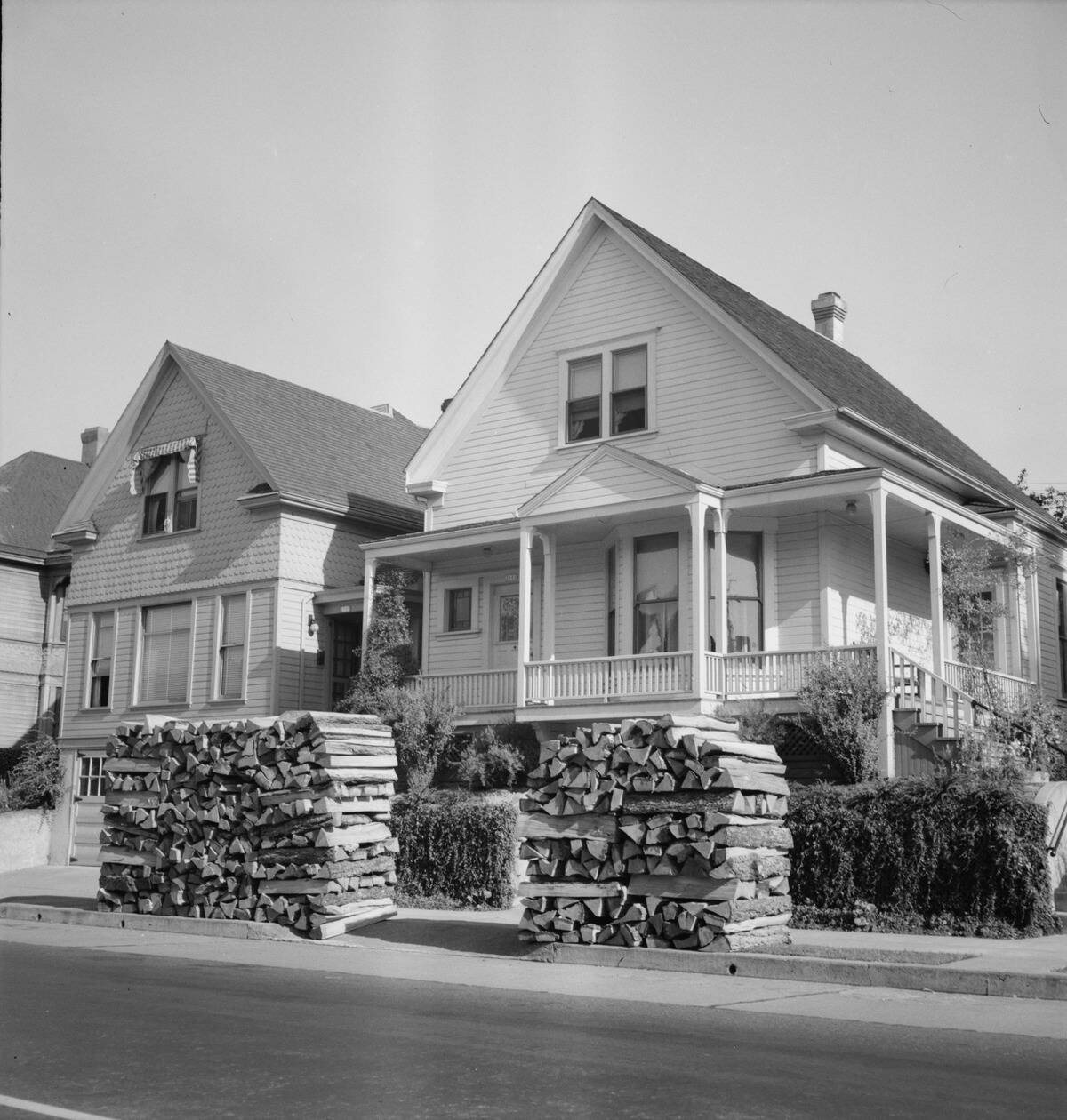
Heat started long before you struck a match. A cord of wood—128 cubic feet stacked 4 by 4 by 8 feet—needed felling, bucking, splitting with a maul and wedges, then seasoning for months so it wouldn’t smolder and smoke. Stacks sat off the ground on rails or pallets, bark up, with space for air to move. Kindling bundles and tinder lived in baskets by the stove. Every log you burned represented some previous afternoon’s workout in the woodlot.
Coal added convenience and new fuss. Anthracite burned hot and clean, popular in the Northeastern U.S.; bituminous was smokier and softer. Coal scuttles ferried lumps from basement bins. Stove grates wanted shaking to drop ash, and dampers managed draft like a manual thermostat. In cities, coal arrived by the ton, shoveled down a chute. In farmhouses, winter chores included the 10 p.m. patrol: bank the fire, check the damper, and promise your future self a warm morning.
Bed Warming and Flea-Fighting: Hot Pans, Herb Sachets, and Hopes
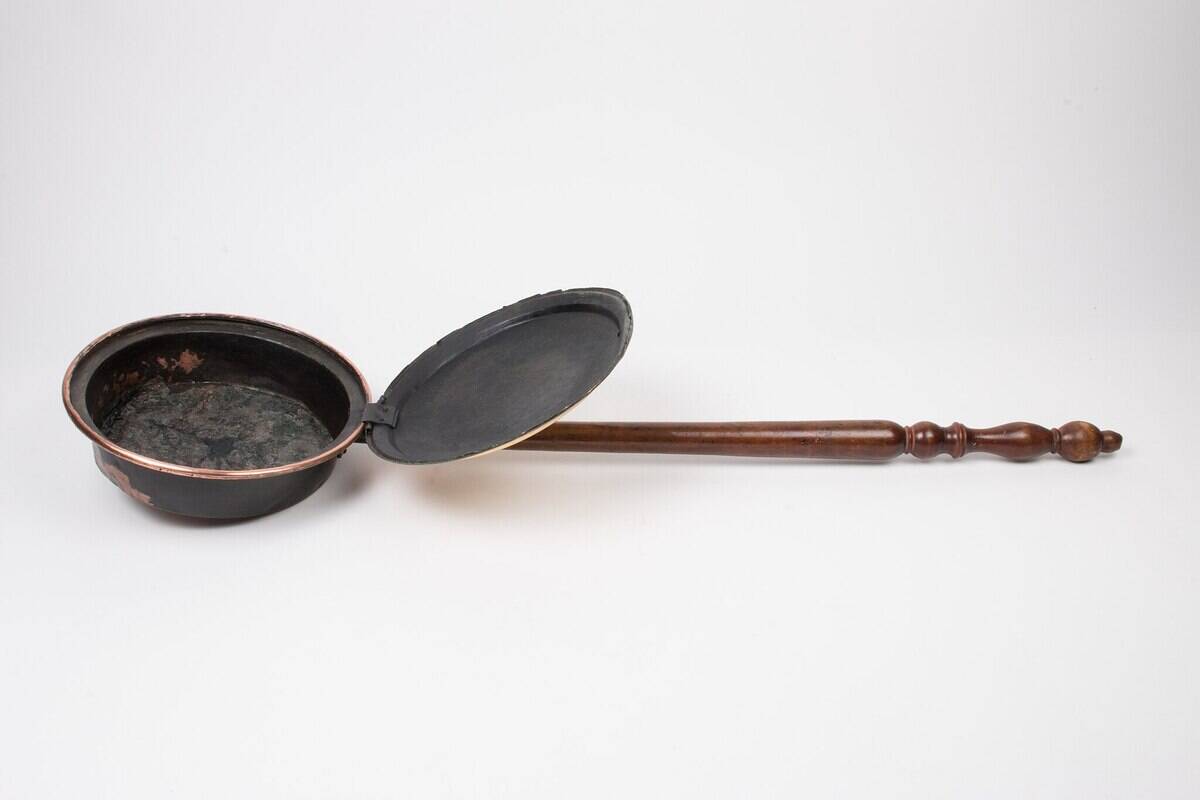
On subzero nights, mattresses met heat the old-fashioned way. Bed warmers—shallow lidded pans on long handles—held embers you swished over sheets to chase the chill, careful not to scorch linen. Stoneware bed bottles and later rubber hot-water bottles were safer and longer-lasting. People learned to pre-warm only the foot and torso zones, because sweating in the night led to a morning freeze. Heavy featherbeds and wool blankets did the rest once you dove under the pile.
As for fleas and bedbugs, combat was equal parts vigilance and folklore. Straw mattress “ticks” were emptied and refilled seasonally; sunning bedding on a cold, bright day helped, too. Herbal sachets with lavender, pennyroyal, or tansy were tucked into drawers and bed corners, more deterrent than cure. Boiling water was the surest weapon—on linens, seams, and cracks. The lesson was simple and constant: clean, dry, hot, and often, or wake up scratching and plotting revenge.
Window Brightening Before Windex: Vinegar, Newspaper, and Oiled Paper Patches
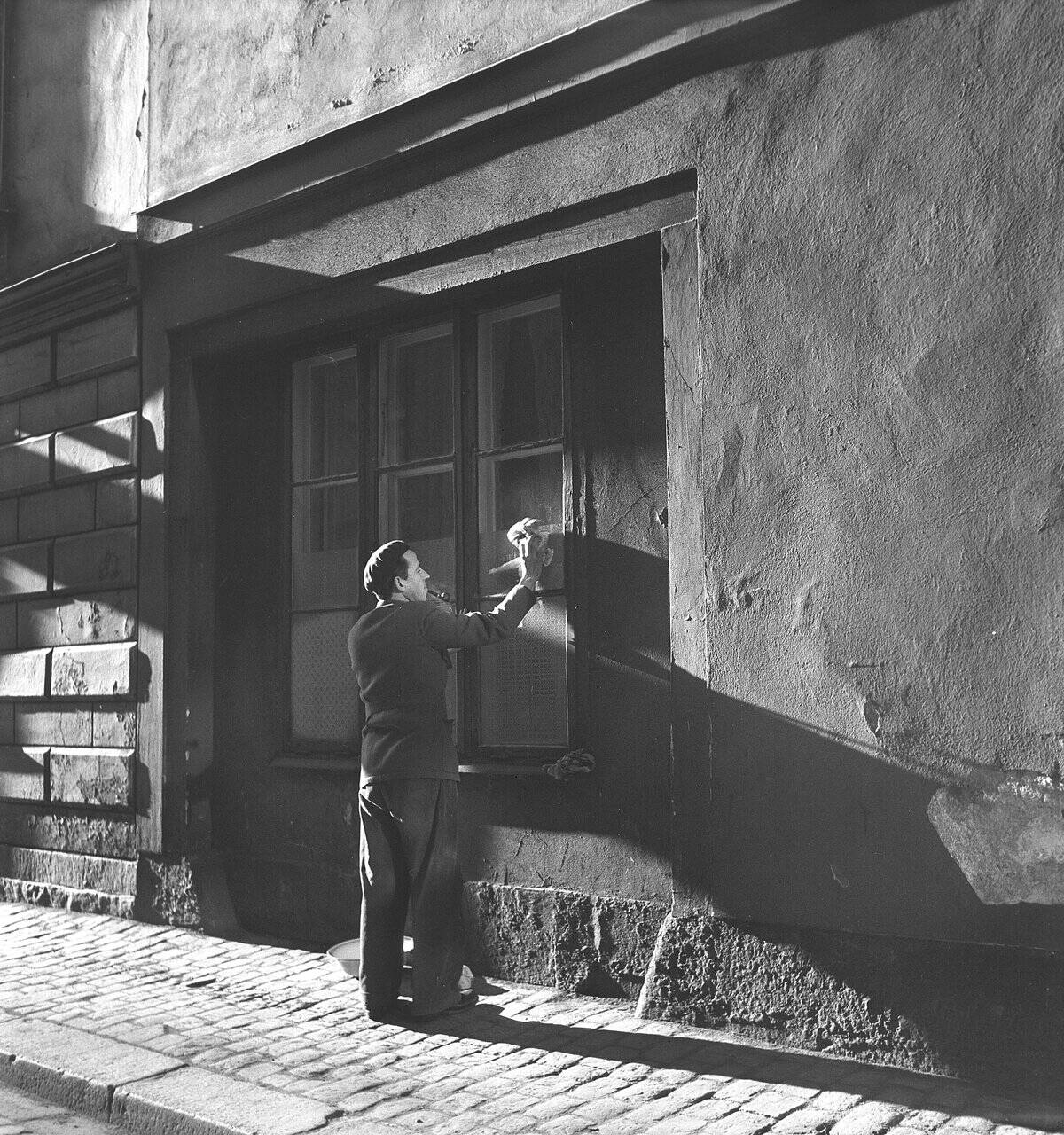
Window gleam came from vinegar and elbow grease. A bucket with warm water, a splash of vinegar, and a lint-free rag took off soot and fly specks. Many people finished with crumpled newspaper—the old oil-based ink and the paper’s mild abrasion left a streak-free shine. Sashes came out for full-season scrubs, with putty and glazier’s points replaced where panes had loosened. In stove season, the battle was mostly against coal and lamp residue that filmed glass in a week.
Frontier and low-budget fixes included oiled paper panes that let in light while blocking drafts, a trick long used in East Asia and by settlers when glass was scarce. Isinglass—thin sheets of mica—also served in stove doors and carriage windows. Small cracks got sealed with tape or a neat bead of putty until the glazier called. In winter, felt strips and simple storm windows made from spare sash kept the howling wind from rattling every teacup in the cupboard.
Pest Patrol: Flypaper, Mousetraps, and Mothball Maneuvers
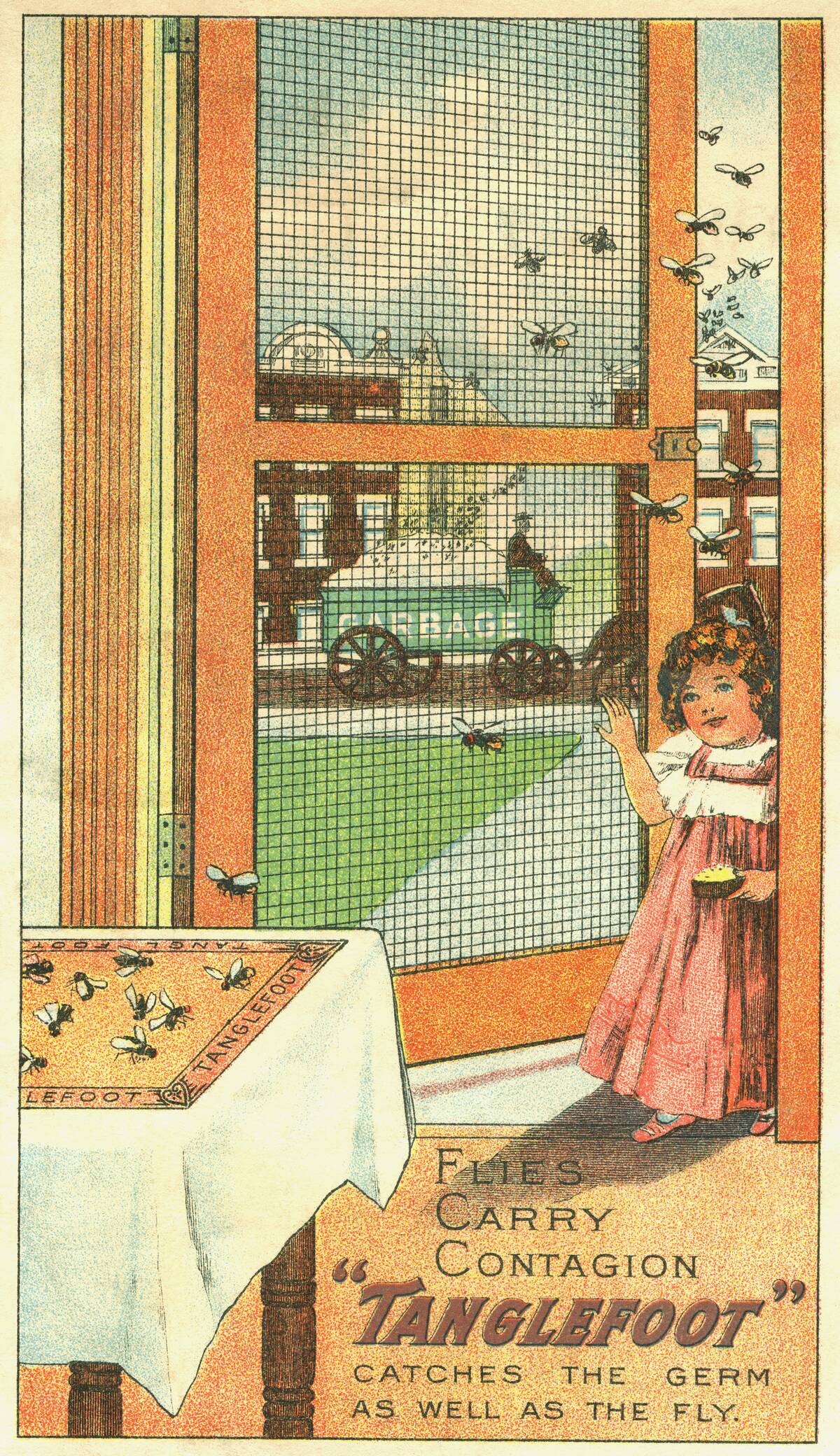
Flies met their match in sticky flypaper and glass baited traps. The goo on strips often blended rosin and oils, irresistible to wings and awful to touch. On the rodent front, the classic snap trap took off in the 1890s, with William C. Hooker’s 1894 U.S. patent and James Henry Atkinson’s 1897 “Little Nipper” in Britain defining the genre. Cats did their nocturnal patrols, but a well-placed trap near a wall beat wishful thinking every time.
Woollens feared moths more than mud.
Cedar chests and tight boxes slowed invaders. Early mothballs used naphthalene, later paradichlorobenzene—effective but pungent—so people aired clothing well before wearing. Sun and brush were routine: hang rugs and coats in full light, beat seams where larvae hid, and brush nap back to life. Pantry pests got their own treatment—metal bins for flour, jars for grains, and a sharp eye on that one bag that invited a whole colony to dinner.
Sewing, Mending, and Darning: Keeping Clothes Alive for a Third Life
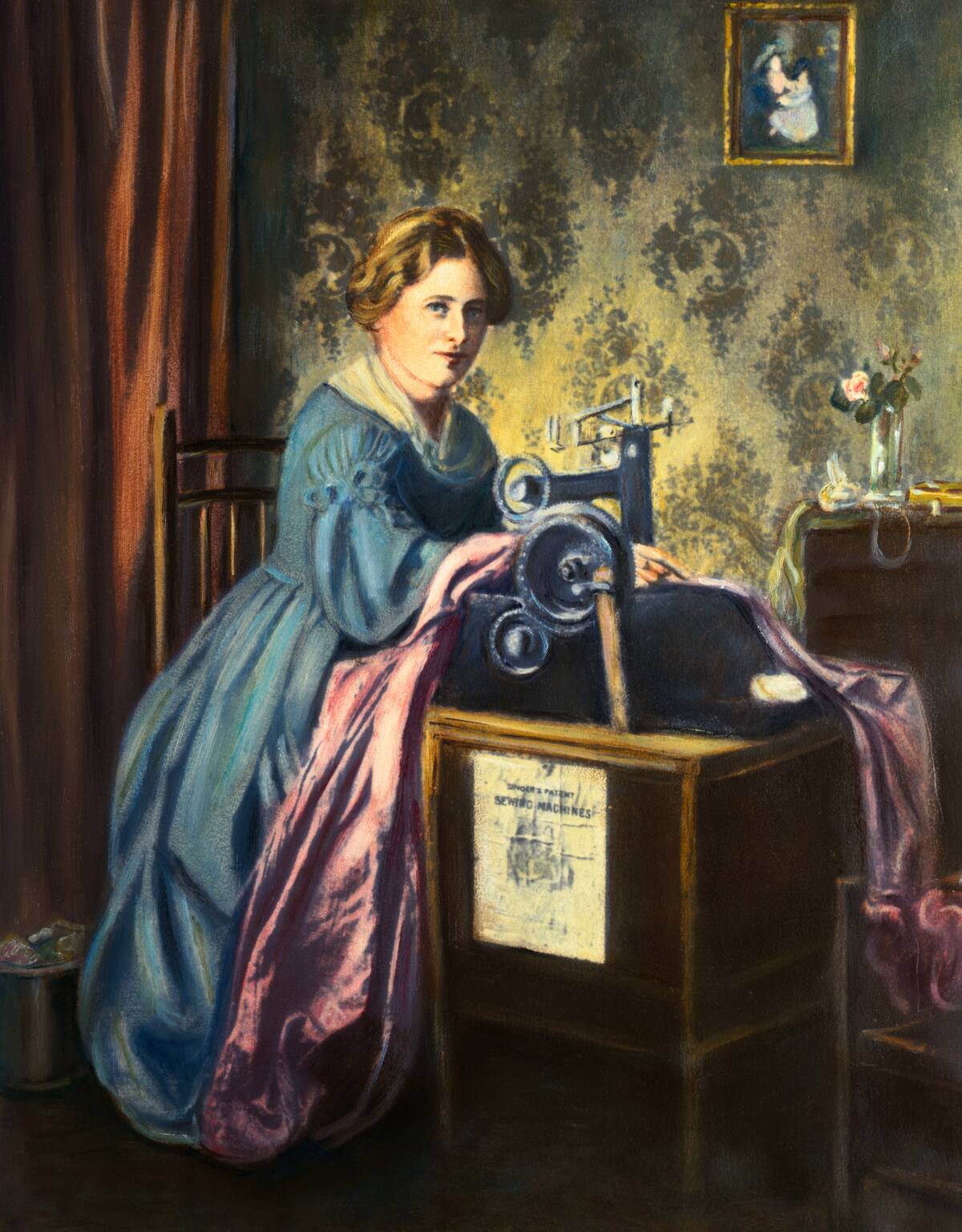
Clothes didn’t retire; they reincarnated. A Sunday shirt became a weekday shirt, then a patch source, then a cleaning rag. Darning socks with a wooden “egg” or mushroom kept tension right under busy needles. Paper patterns—popularized by Butterick in the 1860s—standardized sizing at home. Singer’s 1851 machine sped long seams, while hand-finishing still ruled collars and buttonholes. A tidy workbasket with needles, beeswaxed thread, and spare buttons was as essential as a loaf pan.
Menders turned worn sheets “sides-to-middle,” slicing and resewing so strong edges took the center’s place. Elbows, knees, and cuffs got reinforcing patches cut on the bias for strength. In lean years, adults unpicked garments to recut for children, saving every usable inch. Tailors and dressmakers thrived, but many families ran their own mini atelier after supper. Hemming by lamplight, you learned the unglamorous truth: a stitch in time doesn’t just save nine—it saves the grocery money.
Clock Winding and Household Timing: When the Tick-Tock Ran the Day
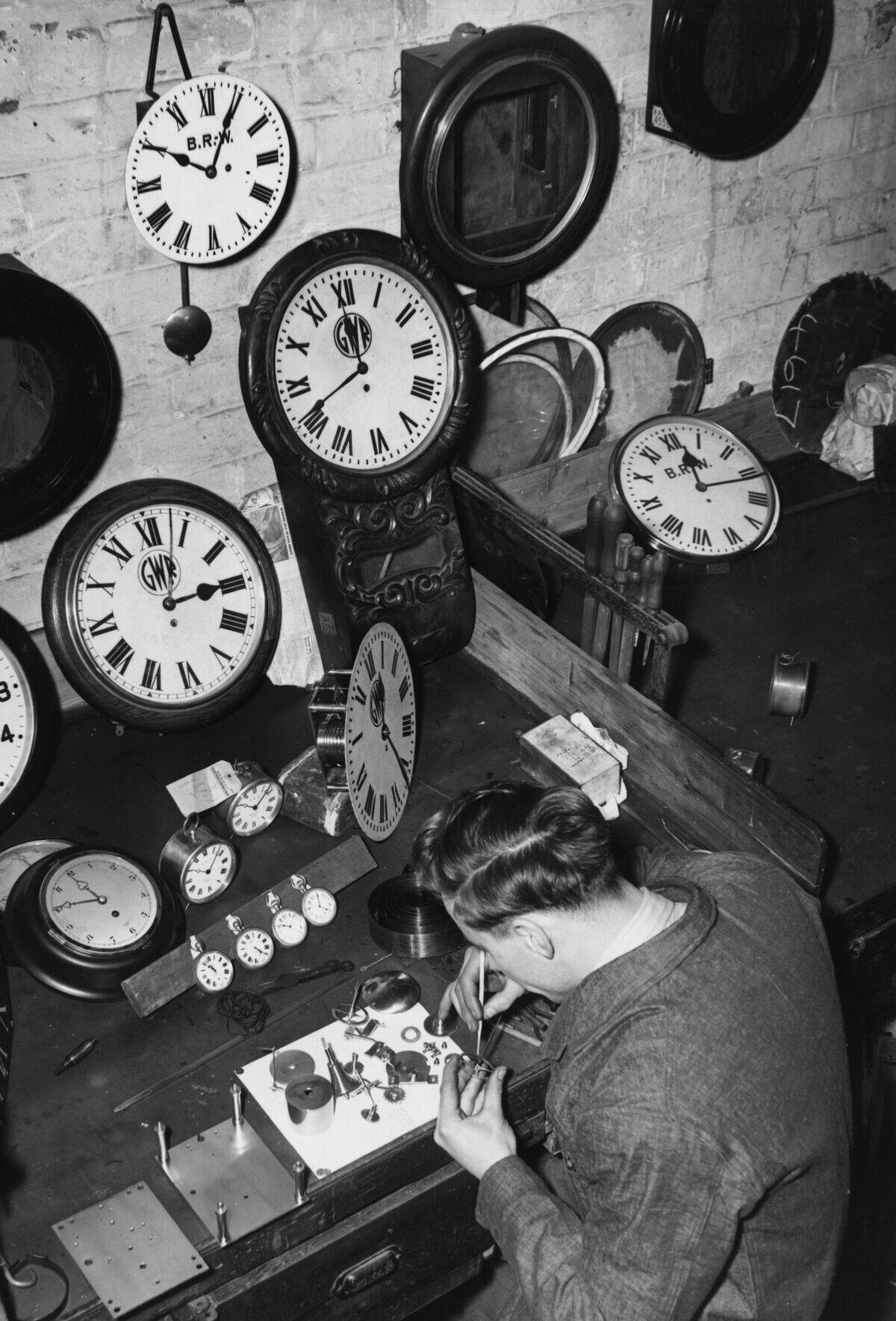
Timekeeping hinged on key-wound clocks—some 30-hour types that needed daily attention, others 8-day models wound every Sunday. Town bells and factory whistles echoed the bigger rhythm outdoors. In 1883, North American railroads adopted standardized time zones, smoothing schedules well before many homes had electric clocks. In kitchens, timers were mental: bread rose “until it looked right,” laundry boiled “while you scrubbed the shirts,” and children learned to come home when the shadow of the elm met the gatepost.
Mantel clocks demanded level mantels and patient ears. A fast tick called for a tiny pendulum adjustment; a slow one needed the opposite. Morning chores often paired with winding—lamp trimming, stove tidying, clock key turn. Travelers carried pocket watches, but a kitchen clock did more to govern soup and chores than any public chronometer. When daylight waned, so did work. The day’s bookend was the final routine: bank the fire, blow the lamps, wind the clock, and rest.
Footwear and Tool Care: Re-soling, Sharpening, and Treadle Power
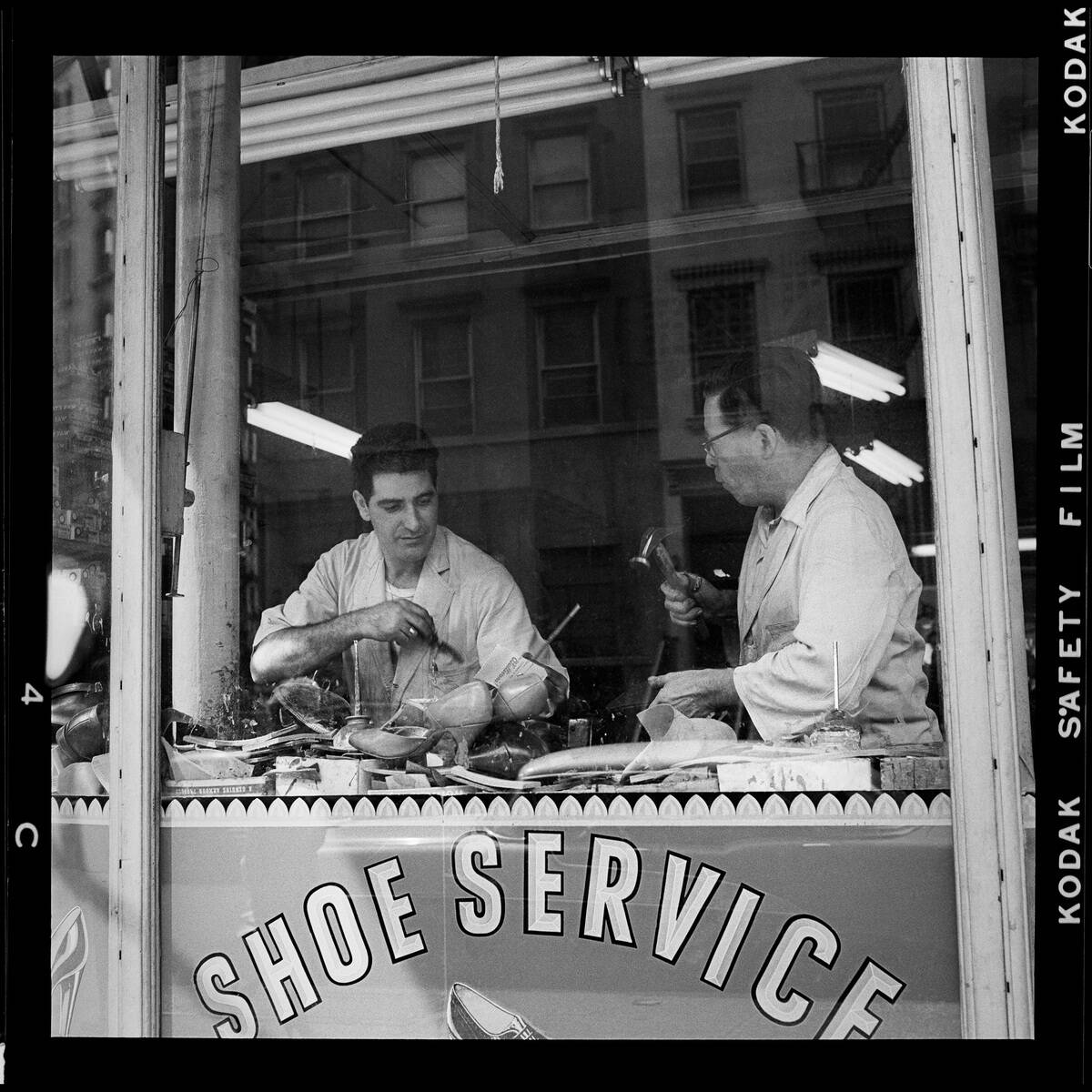
Shoes were investments. Cobblers re-soled leather with stitched welts or wooden pegs; hobnails armored work boots. A small tin of dubbin or tallow kept uppers water-resistant and supple. Children’s footwear got frequent stretching and patching to keep up with growth. Indoors, boot-scrapers at the stoop spared floors from the street’s mud and manure. You polished on Saturday night if Sunday best mattered, buffing until you saw the lamplight dance back at you.
Tools stayed keen or they punished you. Whetstones rode in pockets for scythes; larger grindstones spun on hand- or foot-treadle frames. A sharp edge saved time and shoulders, whether on a drawknife, plane iron, or kitchen cleaver. The same foot power that stitched on a treadle sewing machine could spin a small lathe or a sharpener. Oil the joints, cover the stones, and store steel dry—rust never slept, and neither did the list of chores waiting for a sharp blade.
Bath Day Logistics: Heating Tubs, Sharing Water, and Timing Your Turn
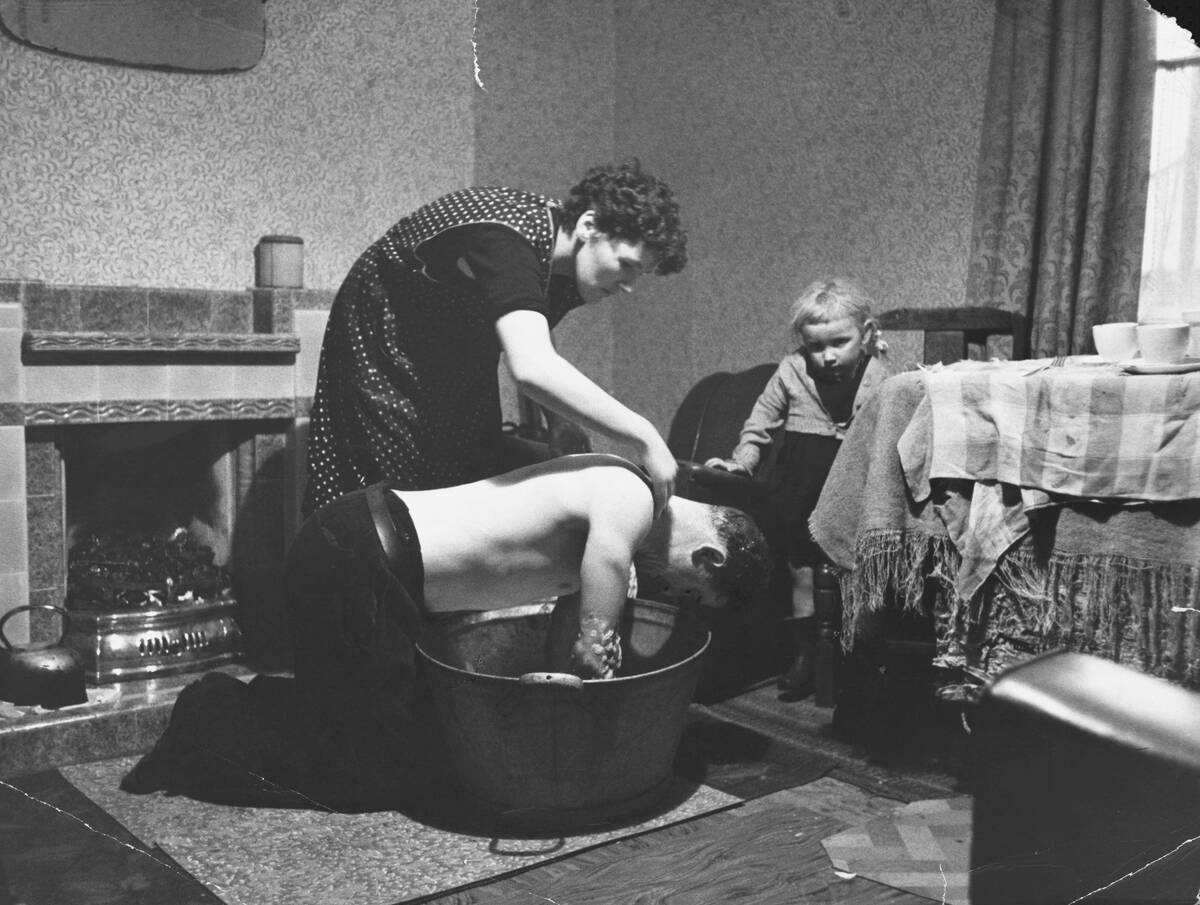
Bathing meant logistics. Water heated on a stove or in a copper boiler, then hauled by bucket to a portable galvanized or tin hip tub. In many homes, one or two big heats served multiple baths, which meant sharing water or staggering turns to make the fuel stretch. Between full baths, people relied on sponge baths at a washstand with pitcher and basin. Soap could be harsh, so a good rinse—and a towel you didn’t mind going a bit gray—was treasured.
Winter baths tested courage.
You chose a kitchen corner where the stove took the edge off, warmed towels by the oven door, and hoped no visitor knocked mid-splish. Bare floors got a sacrificial rug, and windows steamed like a locomotive. Bathing frequency varied by culture, era, and fuel budget, but the smell of line-dried towels and a Saturday-night scrub before Sunday church is a familiar rhythm in diaries. The final chore: bucket that cooling tub back out the door.
Yard and Street Chores: Sweeping Stoops, Emptying Slops, Dodging Mud
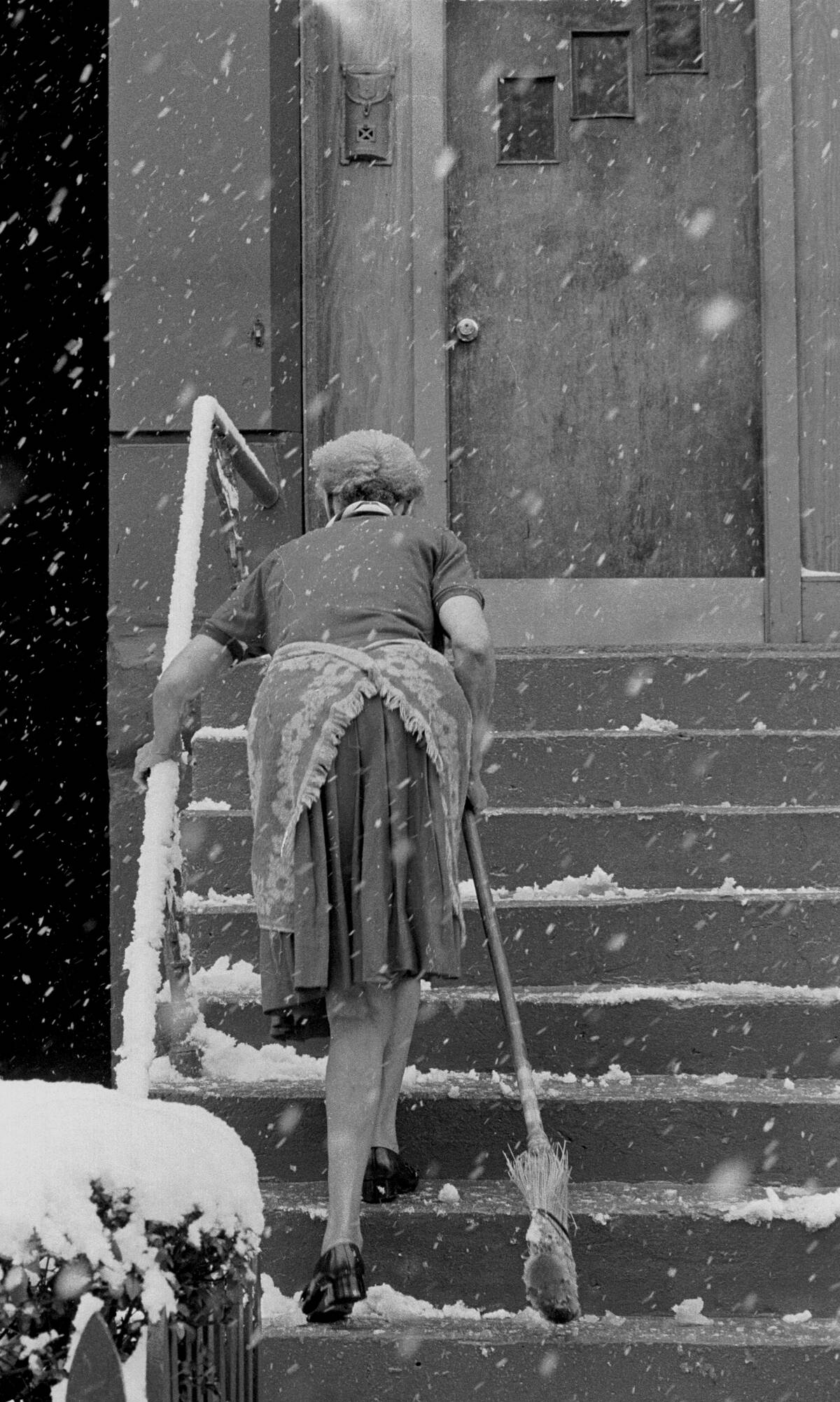
Front steps served as living rooms in warm weather, so stoops got a daily sweep. Unpaved streets turned to ruts after rain and dust after sun; in cities, horse manure piled up so fast that sprinkling wagons damped roads to keep grit down. Boot-scrapers outside doors weren’t decorative—they were survival. In some towns, ordinances required residents to clear snow from sidewalks; fines or stern knocks awaited the household that left a slippery path for neighbors.
Kitchen slops headed to a pig pail, compost heap, or, in earlier times, gutters until sanitation rules tightened. Ashes hardened muddy paths; boards became instant sidewalks across spring quagmires. Garden plots demanded weeding, staking, and, if you were lucky, a windmill or cistern-fed barrel for watering. Rain barrels wore fine mesh to deny mosquitoes a nursery. A tidy yard wasn’t just pride—it kept vermin down and shoes cleaner, which meant fewer minutes on your knees with a scrub brush.




