21 ancient structures created with unknown techniques
From limestone giants to basalt cities afloat on lagoons, ancient builders left behind puzzles that make modern engineers squint. Tight tolerances without steel tools, alignments keyed to solstices and lunar standstills, and stones weighing hundreds of tons moved across rough ground—it’s all on the menu. We’re taking 22 stops through the greatest hits of prehistoric and ancient construction, where the hard facts are impressive and the open questions are half the fun.
What makes these sites so head-scratching isn’t magic—it’s the combination of scale, precision, logistics, and know-how packed into times before iron cranes and CAD. You’ll see: blocks rivaling locomotives, temples predating pottery, and cities whose roads run arrow-straight for miles. Archaeology offers good answers for many feats, but some details—the exact routes, rigs, and techniques—remain up for debate, which is why we’re still talking about them.
The Great Pyramid: Precision That Laughs at Our Tape Measures
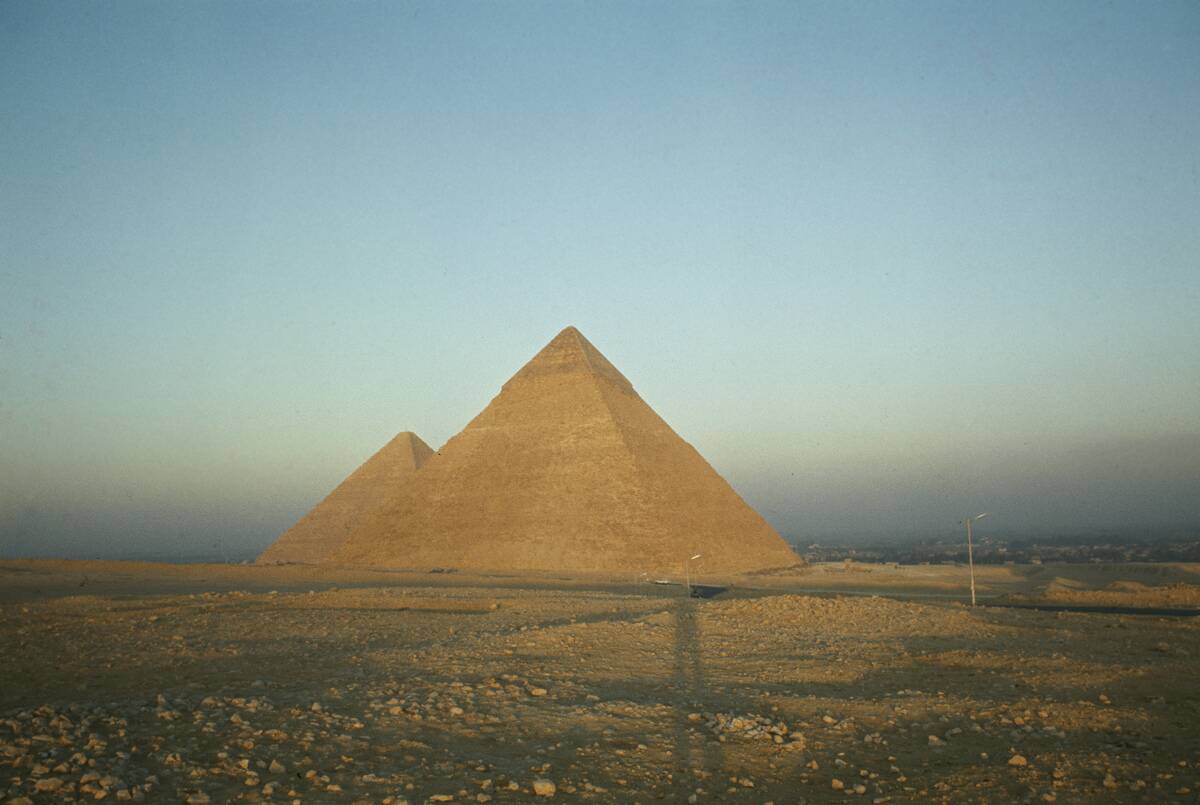
Khufu’s Great Pyramid rose around 2560 BCE to an original height of about 146.6 meters, with a base side near 230.4 meters. Its sides are aligned to true north within roughly 3 arcminutes, and the base is level to within about 2 centimeters across 230 meters—a flex in cut limestone. Around 2.3 million blocks, averaging 2.5 metric tons, were wrangled into that shape, topped with polished Tura limestone casing stones that once gleamed in the sun.
We’re not short on hypotheses for how they did it: straight and spiral ramps, lever systems, and sledges lubricated on wet sand all have experimental backing. Copper chisels, dolerite pounders, and copper saws with abrasive sand carried the cutting load. Survey work likely used sighting rods and the circumpolar stars. No, not lasers—just meticulous staging, huge labor organization, and centuries of craft evolution in Old Kingdom Egypt.
Pumapunku: Lego-Like Stones with Machinist-Level Cuts
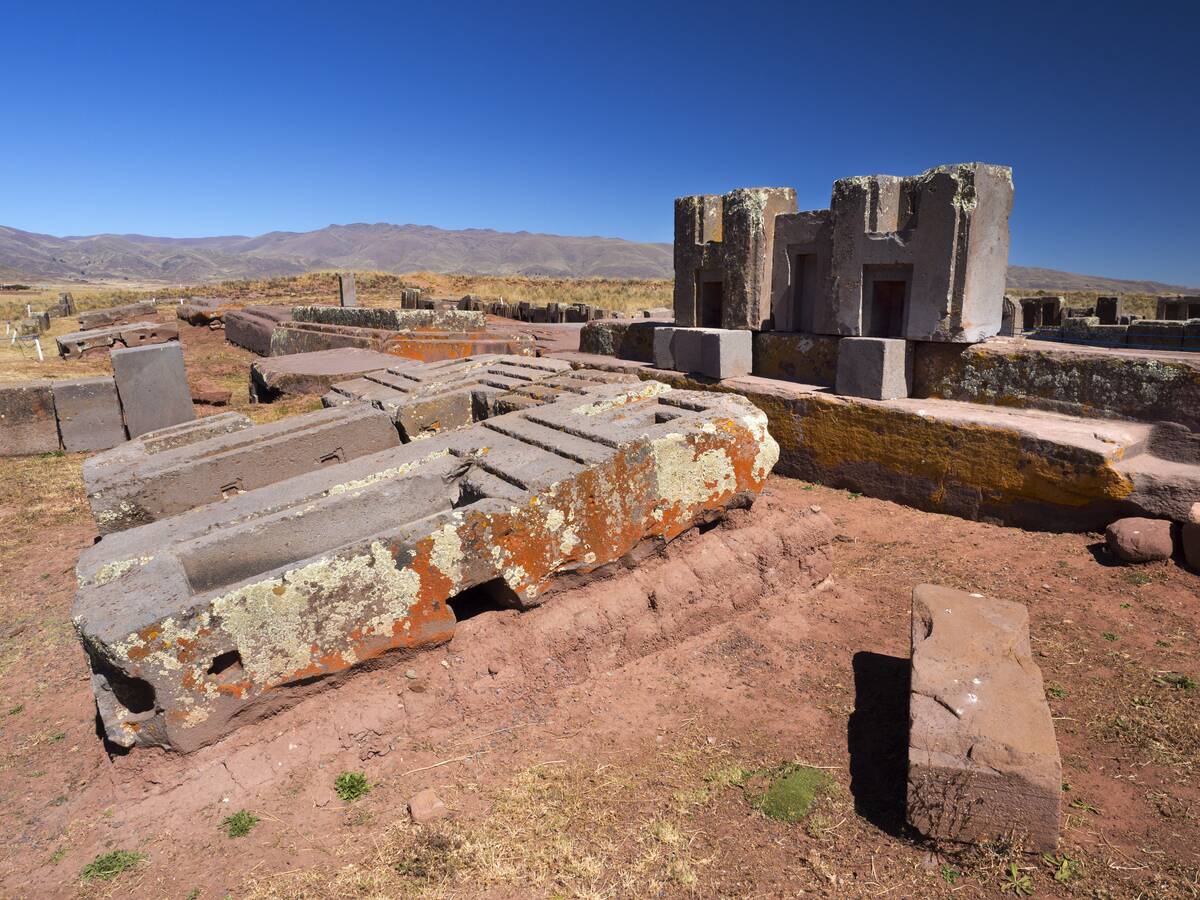
Part of the Tiwanaku complex in Bolivia, Pumapunku was built around 500–600 CE. Its red sandstone and gray andesite blocks include the famous H-shaped stones, with clean arrises, precise right angles, and interlocking channels. Some sandstone blocks weigh over 100 tons; the largest is often cited near 130 tons. Tool marks and drilling-like features suggest hammerstones, chisels, and abrasives achieved remarkable precision without metal saw blades.
Archaeology points to quarries kilometers away—sandstone from the Copacabana peninsula and andesite from Cerro Khapia across Lake Titicaca. Moving and setting the big pieces likely involved ramped causeways, reed boats for lighter loads, and teams using rollers and ropes. The platform’s sophisticated drainage, clamps set in T-shaped metal "dovetail" sockets (cast copper-alloy cramps are known at Tiwanaku), and the site’s cardinal orientations showcase a culture engineering for strength, water control, and geometry.
Baalbek’s Trilithon: How Do You Move a 1,000-Ton Rock, Anyway?
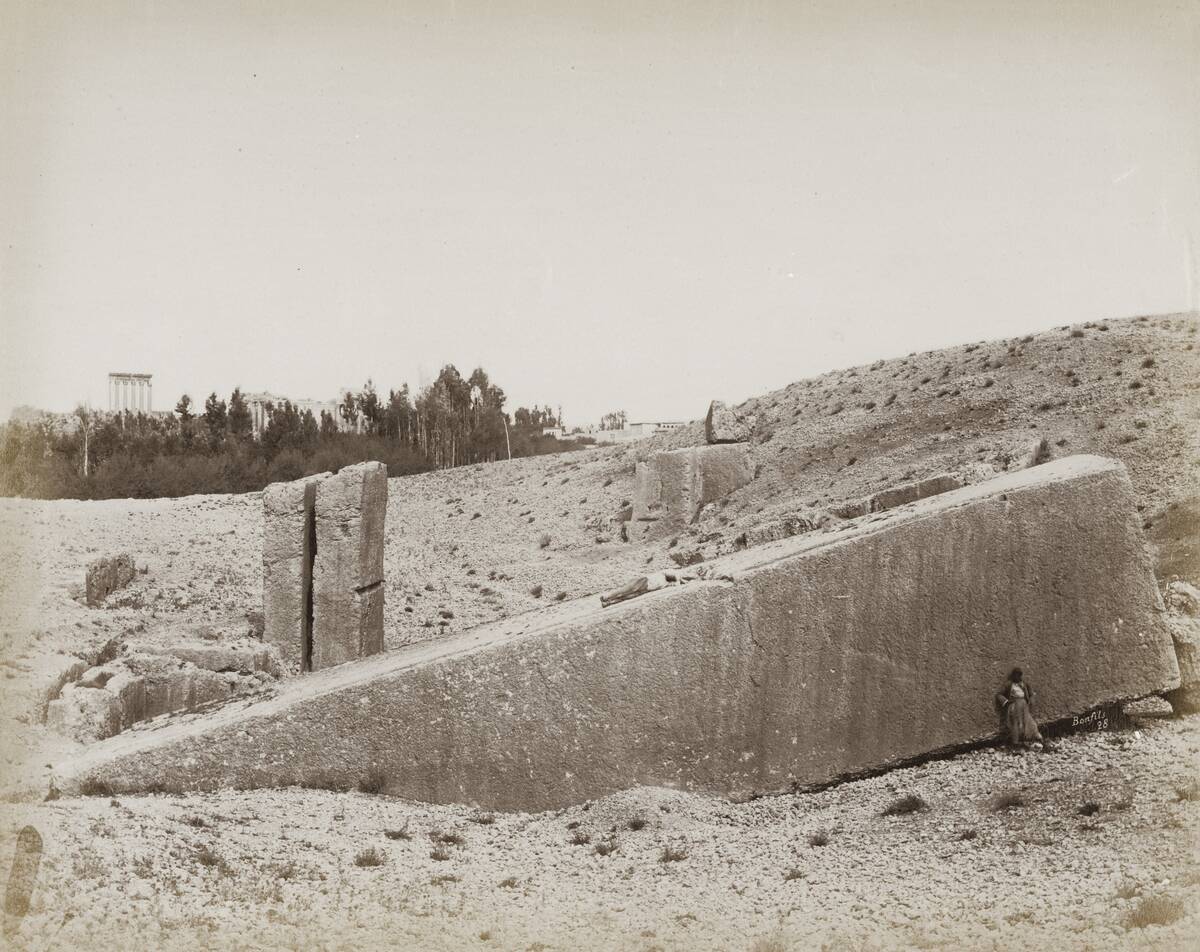
At Baalbek in Lebanon, the Roman Temple of Jupiter sits on a megalithic podium capped by the Trilithon—three limestone blocks each roughly 19 meters long and weighing around 750–800 tons. Nearby, the quarry holds the "Stone of the Pregnant Woman" at about 1,000 tons, and an even larger block discovered in 2014 estimated around 1,600 tons. The podium meshes Roman grandeur with even earlier construction phases.
Romans were no strangers to heavy hauling; they used sledges, rollers, and capstans, and mastered earthworks. A gentle, well-prepared ramp, lots of lubrication, and teams of oxen and people can move shocking mass—experimental archaeology supports the concept at smaller scales. Levering with cribbing could place blocks precisely. While the exact rigging plan is lost, the site reads like a case study in moving mountains with patient geometry and muscle.
Sacsayhuamán: Jigsaw Walls That Click Like Foam, Not Granite
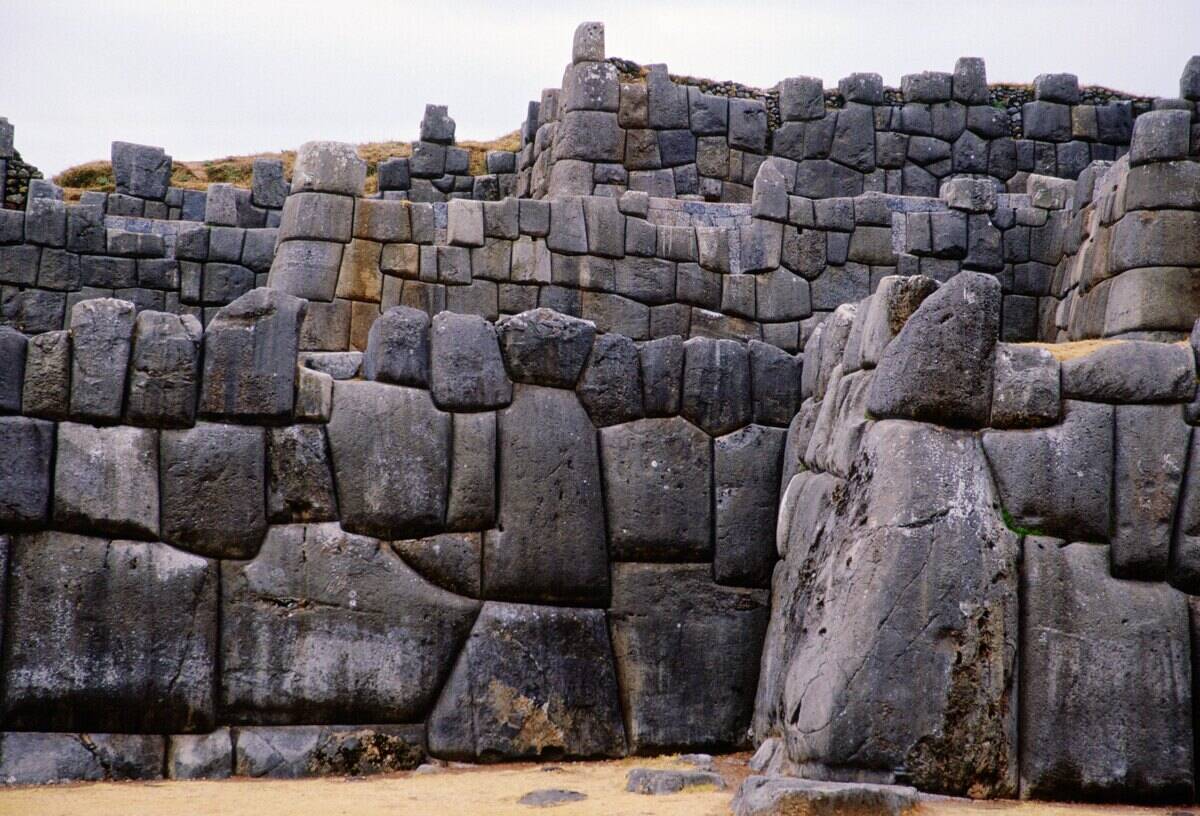
Above Cusco, the Inca built Sacsayhuamán in the 15th century: a series of zigzagging terraces of polygonal limestone blocks, some of which reach impressive sizes—most weigh several tons, while a few exceptional stones may tip the scales toward 100–200 tons, standing up to about 8.5 meters tall. Stretching for hundreds of meters, the walls combine scale and ingenuity, showing remarkable earthquake resilience as interlocked stones rock and resettle instead of toppling.
Quarries for the limestone sit nearby, but moving the largest pieces still demanded steep hauls on earthen ramps with ropes and wooden rollers. Inca masons shaped stones with hammerstones and abrasives, pecking and polishing until faces meshed perfectly. Trapezoidal doorways, battered wall faces, and through-stones tied courses together, forming a structure that absorbs seismic shocks with elegant simplicity—a carved bedrock lesson in enduring design.
Göbekli Tepe: Temple Building Before Farming Was Cool
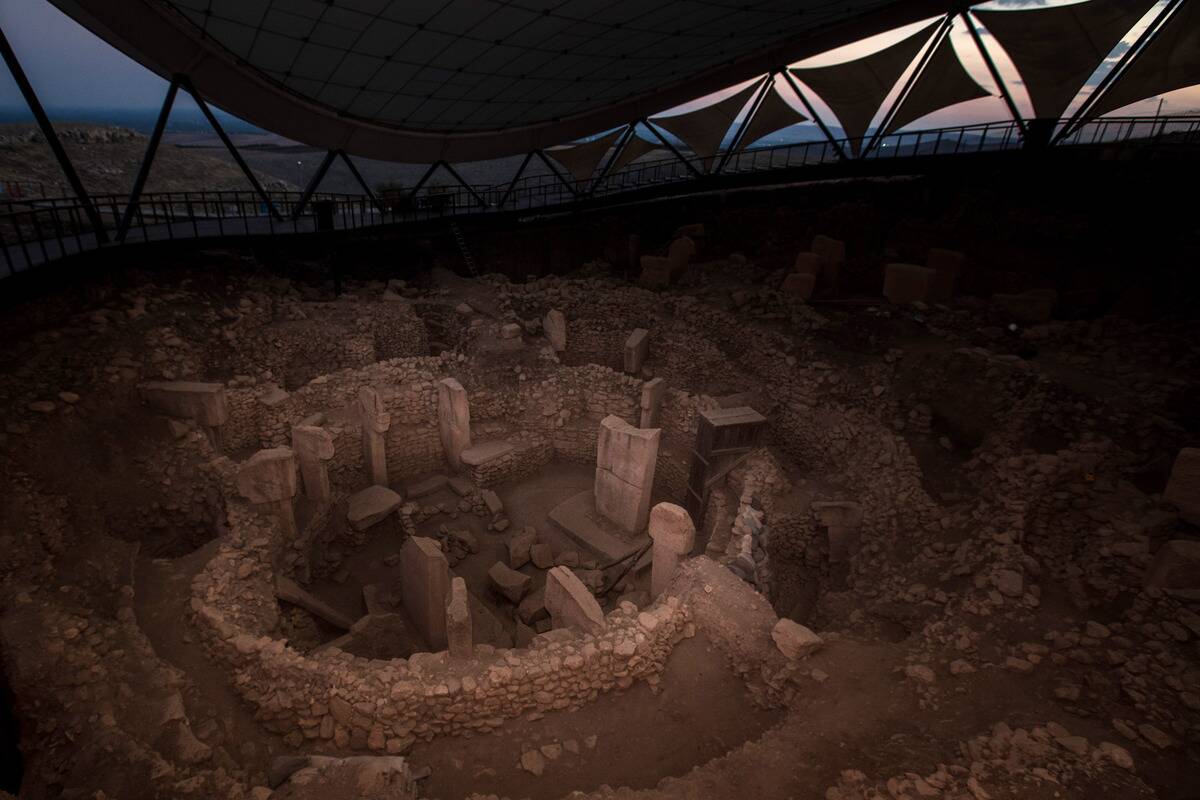
On a hill in southeastern Turkey, Göbekli Tepe’s earliest layers date to roughly 9600–8200 BCE, during the Pre‑Pottery Neolithic period. Circular enclosures hold T‑shaped limestone pillars up to about 5.5 meters high, some weighing around 10–20 tons. Many bear reliefs of foxes, snakes, boars, birds, and other animals. Excavations suggest hunter‑gatherer groups coordinated large labor forces seasonally to quarry, carve, and erect pillars using stone tools typical of the era.
While clear domestic architecture is not evident in the core monumental zone, evidence from the wider landscape shows contemporaneous settlements, and the monumental enclosures imply specialized, likely ritual, functions. Food remains and associated tools at and near the site indicate intensive processing and feasting activities, and nearby communities show emerging signs of plant domestication. Interpretations of alignments with celestial events are speculative; enclosure planning and repeated motifs reflect shared symbolic traditions rather than confirmed astronomical targets.
Nan Madol: A City on the Sea Built from Basalt "Log" Piles
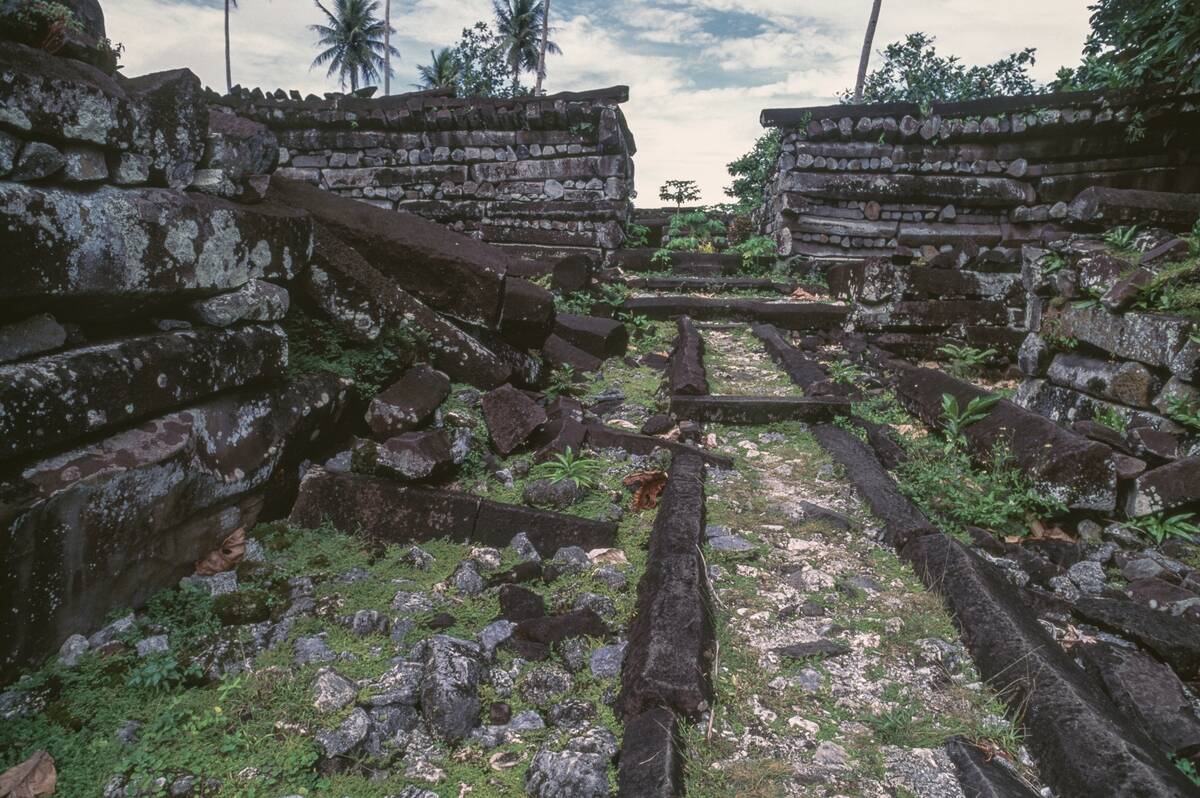
Nan Madol sprawls off Pohnpei in Micronesia: roughly 92 artificial islets stitched together over about 75 hectares, built mainly between 1180 and 1500 CE under the Saudeleur dynasty. Walls of stacked prismatic basalt columns—"logs" formed by natural cooling joints—rise several meters high, enclosing courtyards and tombs. The canals threading the complex earned it the nickname "Venice of the Pacific."
Those columnar joints, weighing several tons and possibly up to ~50 tons, were quarried on Pohnpei and rafted or floated to the site, then stacked in crisscross "lattice" courses. Earthen cores stabilized the stacks. Without mortar or metal, builders used leverage, ingenuity, and canoes to choreograph deliveries. Archaeology shows a maritime-based economy supporting elite ritual and burial at the heart of a ceremonial center.
Ollantaytambo: Mountain Monoliths and Gravity-Defying Ramps
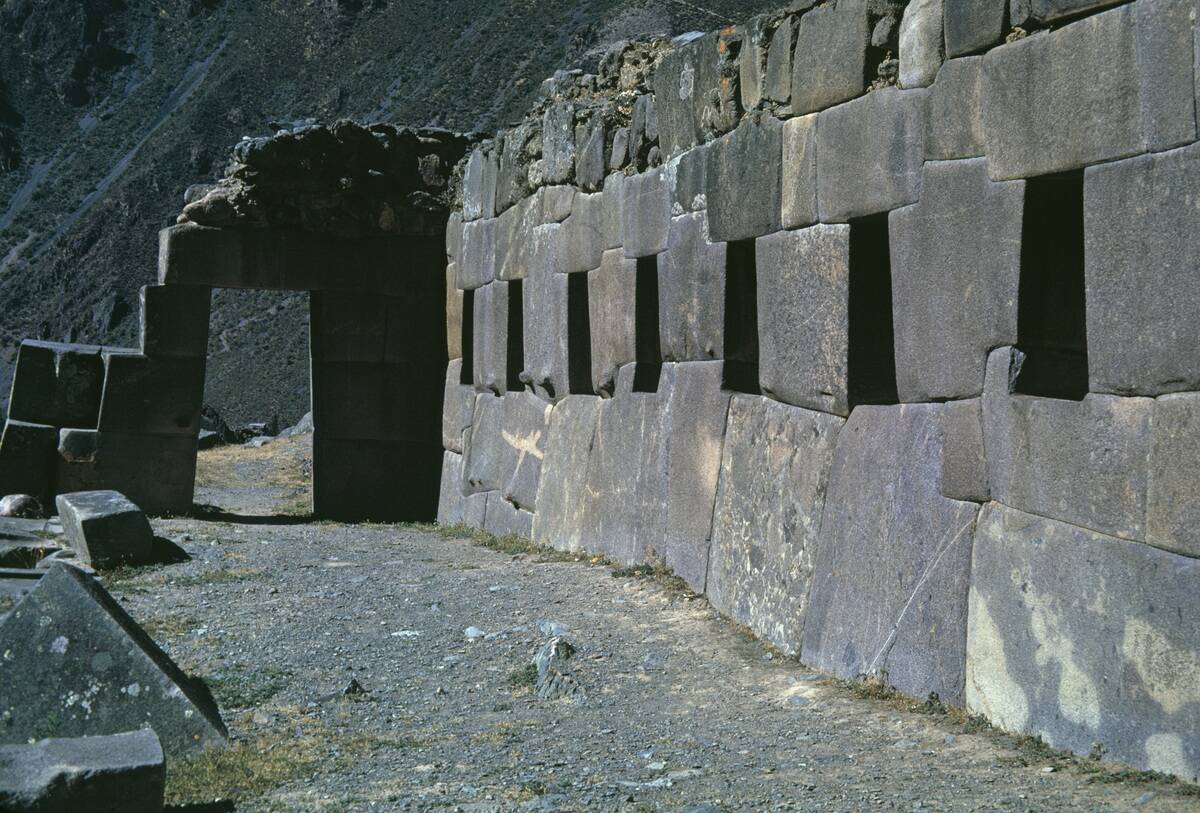
Ollantaytambo guards Peru’s Sacred Valley with terraces and a ceremonial complex. At the Temple of the Sun, six andesite monoliths—each on the order of 40–60 tons—stand in a row, with thin stone spacers between them. The quarry at Kachiqhata lies across the Urubamba River; moving those stones meant river crossings and steep ascents in the 15th century.
Archaeological traces of earthen ramps, "resting" platforms, and drag scars suggest teams hauled blocks with ropes, pausing to build switchbacks and stabilize loads. The Inca mastered terraces with stone-lined drains and retaining walls, and their characteristic tight joints and beveled edges appear here too. The site’s urban grid, still lived in, channels water with 15th-century canals, showing the Incas’ civil engineering matched their monumental stonework.
Easter Island’s Moai: Not Just Heads—and Not Exactly Lightweight
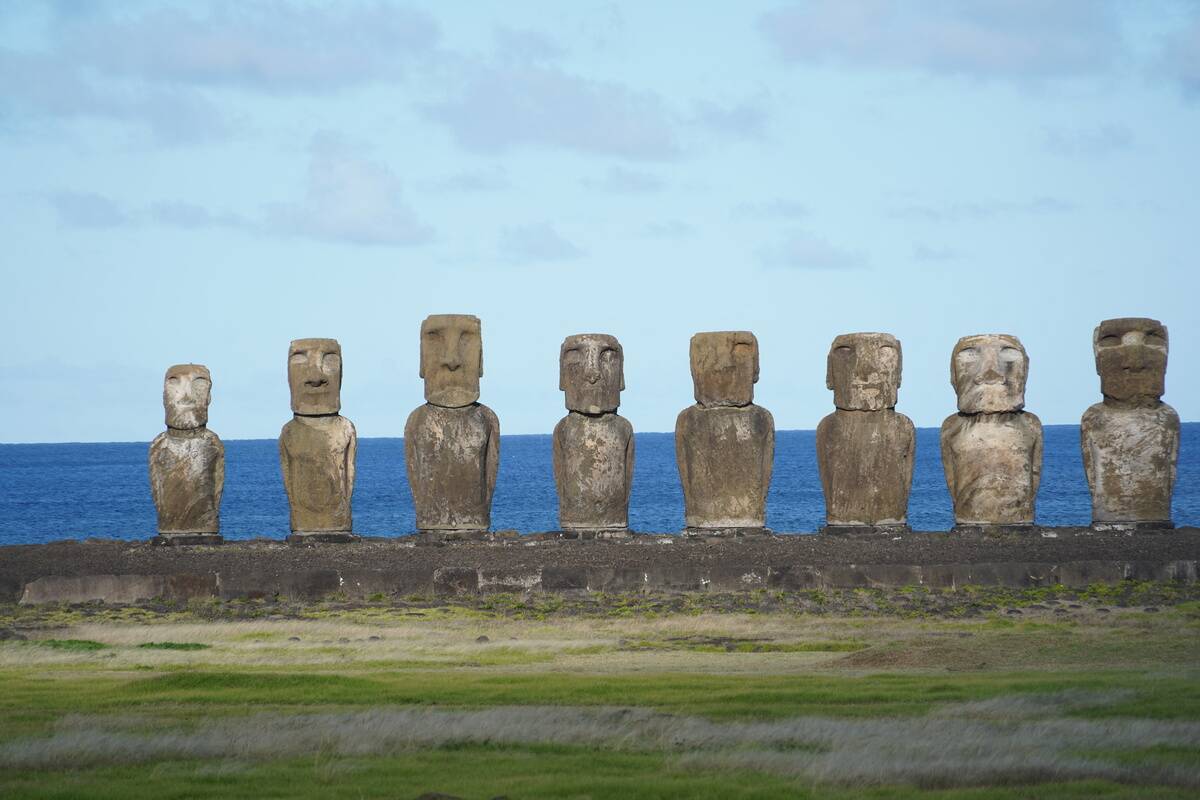
Rapa Nui’s moai were carved between roughly 1100 and 1600 CE from tuff at the Rano Raraku quarry. Archaeologists have documented about 887 statues; their average height is around 4 meters and about 14 tons. The tallest erected, Paro, stands about 10 meters and weighs roughly 82 tons. Many "just heads" seen poking from soil actually have full torsos buried by sediment and slope wash.
Transport remains a highlight: experiments by Carl Lipo and Terry Hunt showed teams could "walk" replicas upright using ropes, rocking side to side. Others used sledges or rollers. Red scoria pukao (topknots) came from Puna Pau and weigh several tons themselves. Ahu platforms feature carefully fitted masonry and seaward-facing moai, part of ancestor veneration tied to clan territories and freshwater seeps that emerge near the coast.
Derinkuyu: An Underground City with Serious Ventilation Game
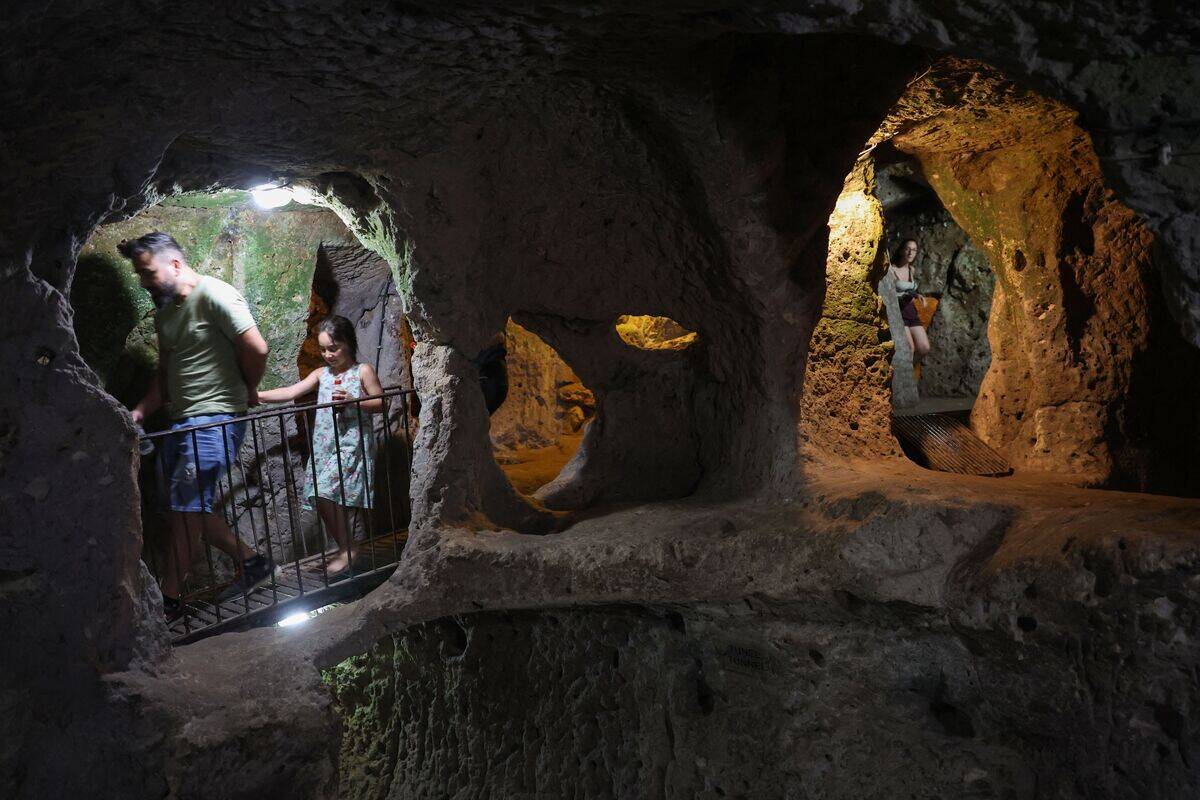
Derinkuyu in Cappadocia dives roughly 60 meters deep across up to 18 levels, expanded over centuries; it was in use by Byzantine times and later as a refuge. The complex could shelter thousands, with stables, wineries, kitchens, churches, and schools carved into soft volcanic tuff. Massive circular "millstone" doors, some 1–2 meters across, could seal passages from the inside. Air was no afterthought.
Derinkuyu links to dozens of ventilation shafts—often cited as more than 50—with a main shaft about 55 meters deep that also served as a well. Niches for oil lamps line corridors, and soot-stained ceilings betray heavy occupation. Narrow connecting tunnels restrict movement to single file, a defensive tactic. Carving tuff is relatively easy, but keeping all that rock stable and breathable is what turns it into engineering.
Longyou Caves: Carved Chambers with No Records, Just Ridges
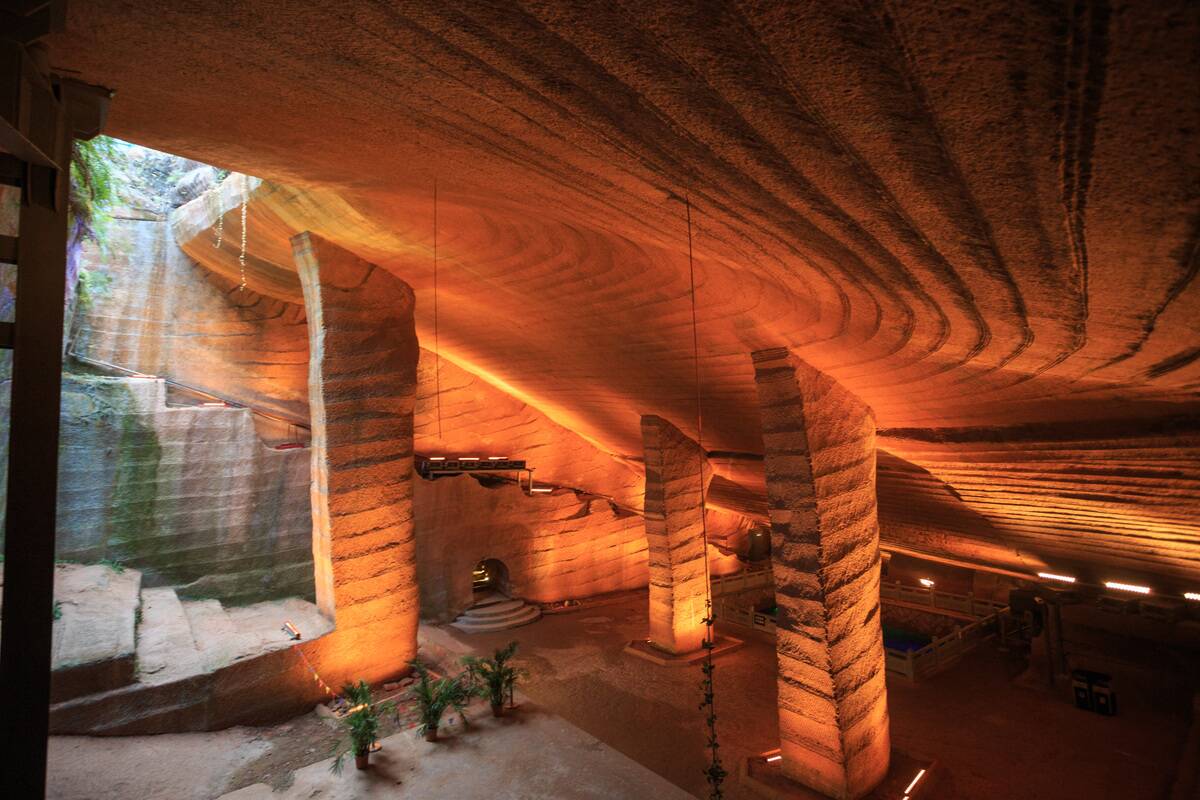
Discovered in 1992 near Shiyan Beicun in Zhejiang, China, the Longyou Caves number at least two dozen hand-excavated chambers. Individual caves are vast—some around 1,000 square meters in area and up to 30 meters deep—with pillars and walls showing uniform, parallel chisel marks that create a rippled texture. No historical texts clearly describe their construction, despite China’s rich record-keeping.
The bedrock is sandstone, and the caves maintain sharp corners, stairways, and sculpted basins. Hydrology is curious too: once pumped, the caves stay dry despite nearby water tables. Estimates suggest hundreds of thousands of cubic meters of rock were removed overall, implying sustained, organized labor. Stylistic clues hint at late Qin to Han period origins, but until datable materials turn up in context, their exact age and purpose—storage, ritual, or prestige—remain open.
Yonaguni Monument: Nature, Architecture, or a Bit of Both?
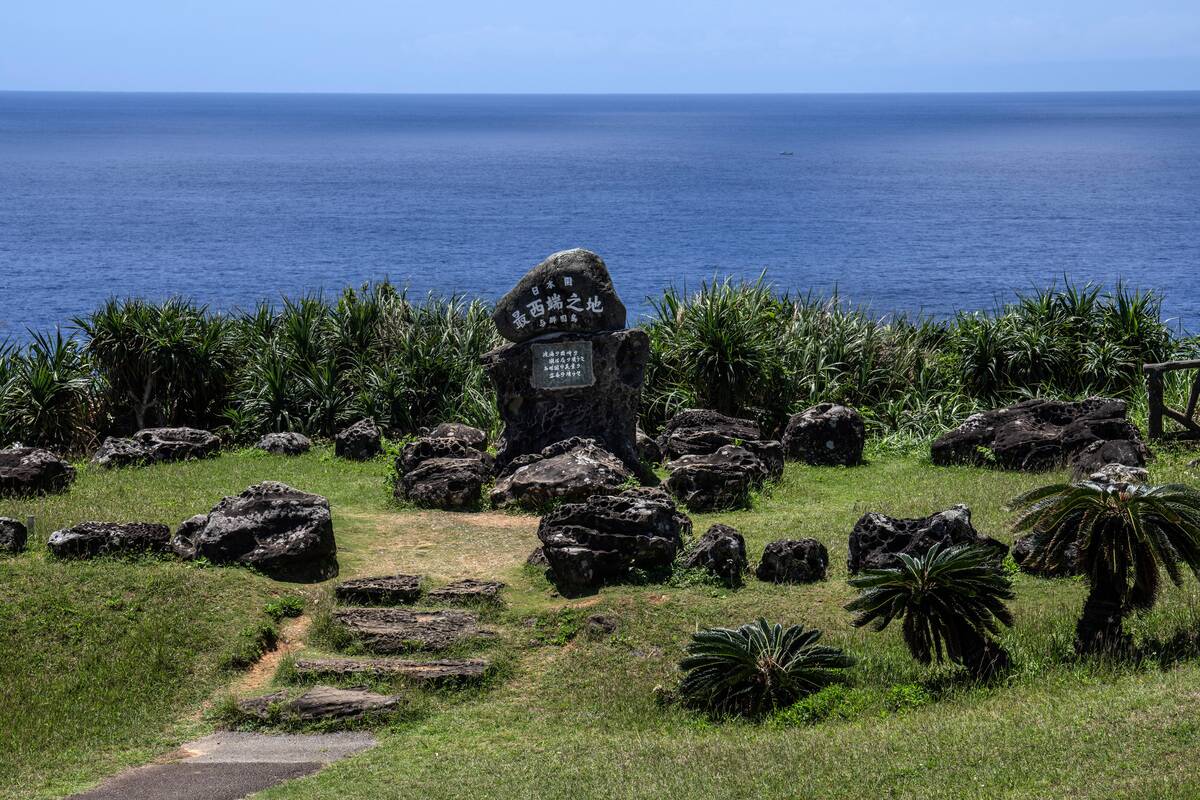
Off Japan’s Yonaguni Island lies a stepped, right-angled formation discovered by a diver in 1986. The sandstone and mudstone "monument" sits roughly 5–25 meters below sea level, with terraces, apparent "stairs," and flat platforms that look eerily architectural. Some features align closely at right angles and include sharp-sided faces suggestive of carving.
Geologists like Robert Schoch argue it’s largely natural, formed by bedding, jointing, and wave action that preferentially exploits planes of weakness. Others, including Masaaki Kimura, point to possible tool marks and rectilinear details that hint at human modification. It may be a natural base touched up by people. Either way, visibility is often limited by currents, and rigorous, in situ dating of human activity there remains elusive.
Teotihuacan: A Metropolis Aligned with the Cosmos
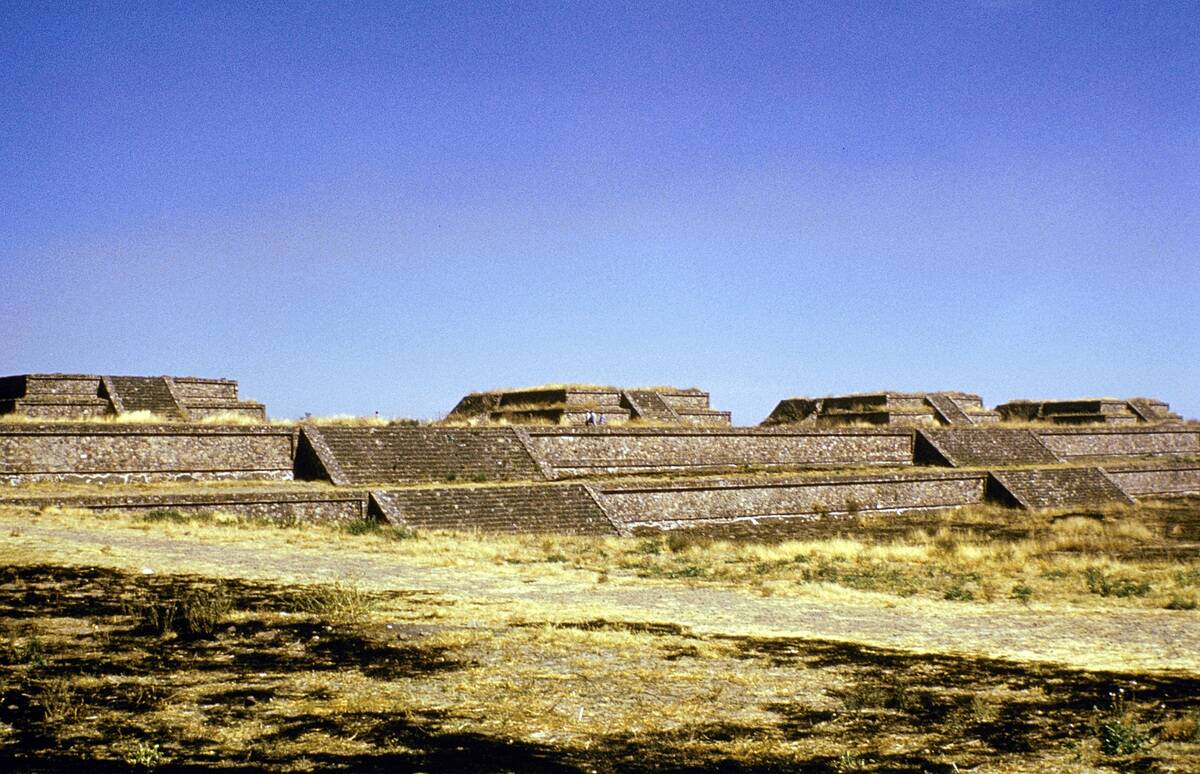
At its peak (c. 100–500 CE), Teotihuacan covered more than 20 square kilometers and housed perhaps 100,000–200,000 people. The Avenue of the Dead runs for kilometers, oriented about 15.5 degrees east of true north. The Pyramid of the Sun rises around 65 meters; the Pyramid of the Moon frames Cerro Gordo. Apartment compounds with standardized layouts show urban planning on a grand scale.
Alignments at key structures capture solar events and may encode calendrical cycles; water symbolism runs through murals and architecture. The city imported obsidian from Pachuca, marine shells from distant coasts, and pyrite for mirrors. Timber and pigments reveal trade networks. Powerful ritual fire events are attested in building renewals. No royal tombs have been confirmed, but tunnel finds—mercury pools, pyrite "stars"—point to a cosmos crafted underground as well as above.
Newgrange: Stone Age Skylight That Nails the Solstice
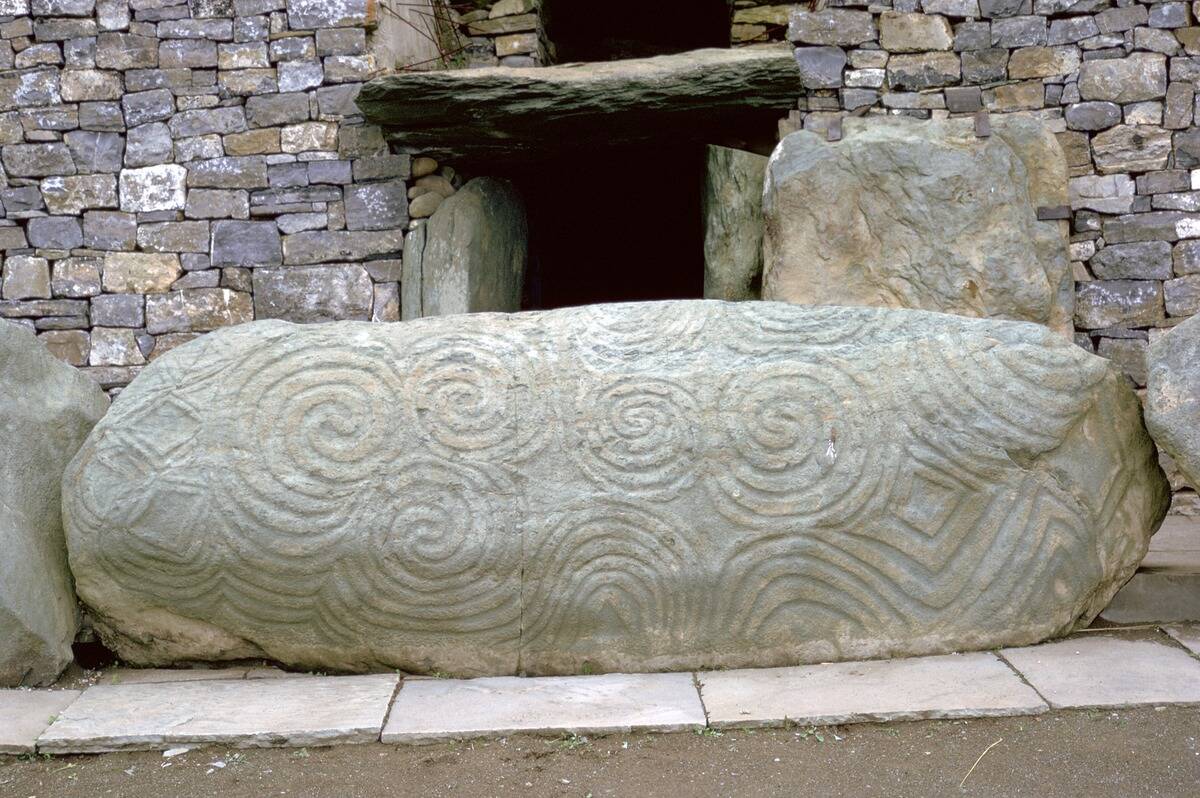
Newgrange in Ireland dates to around 3200 BCE, older than Stonehenge and the pyramids. The circular mound is about 80 meters in diameter with a corbelled central chamber reached by a 19-meter passage. A specially built "roof box" over the entrance admits a shaft of sunrise light on the winter solstice, illuminating the chamber for several minutes if skies cooperate. White quartz and dark granite form a dramatic facade, reconstructed in the 1970s using stones found on-site.
The encircling kerb includes the famous entrance stone (K1) with triple spirals. The mound covers layered cairn material, and the dry-stone corbelling has kept the chamber effectively watertight for millennia. Excavations found cremated human remains and grave goods, marking it as a passage tomb whose designers had both astronomical savvy and serious masonry skills.
The Hypogeum of Ħal-Saflieni: Sound Design Before Subwoofers
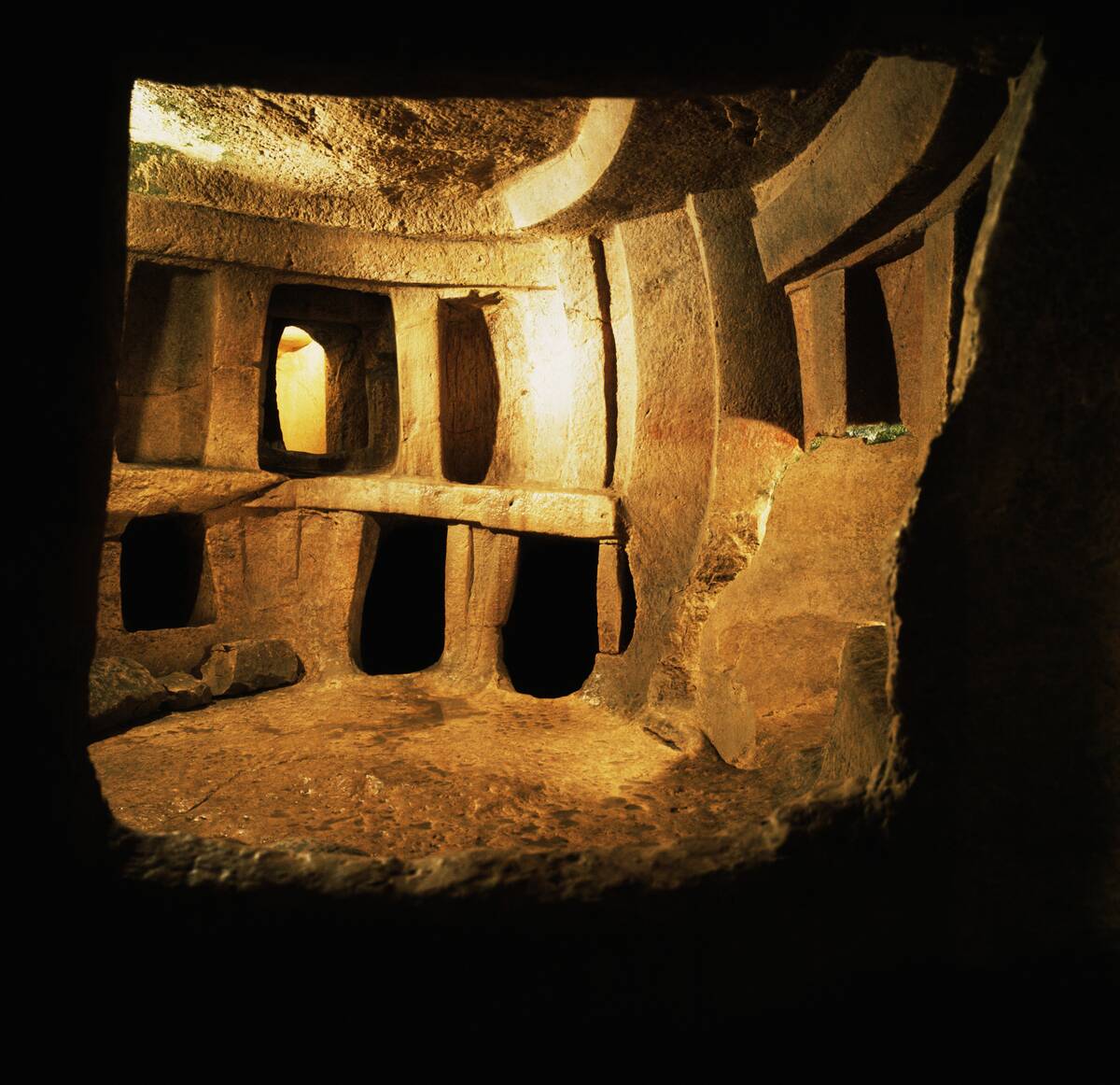
Carved into Malta’s globigerina limestone, the Ħal-Saflieni Hypogeum sprawls across three underground levels dating roughly 4000–2500 BCE. Chambers with carved pillars and "window" niches echo the architecture of above-ground temples. The "Oracle Room" is famed for a resonance around 110 Hz, where a human voice booms through interconnected spaces in goosebump-raising ways.
The site was discovered in 1902 during construction. Excavations uncovered remains of thousands of individuals, along with red-ochre wall paintings—rare prehistoric art in the region. Carefully cut passages control light and acoustics; some doorways taper, focusing sound like a horn. Strict visitor limits today protect the microclimate that helped preserve pigments and delicate surfaces. It’s architecture that literally shapes experience, tuned in stone long before electronics.
Great Zimbabwe: Dry-Stone Mastery in a Hilltop Labyrinth
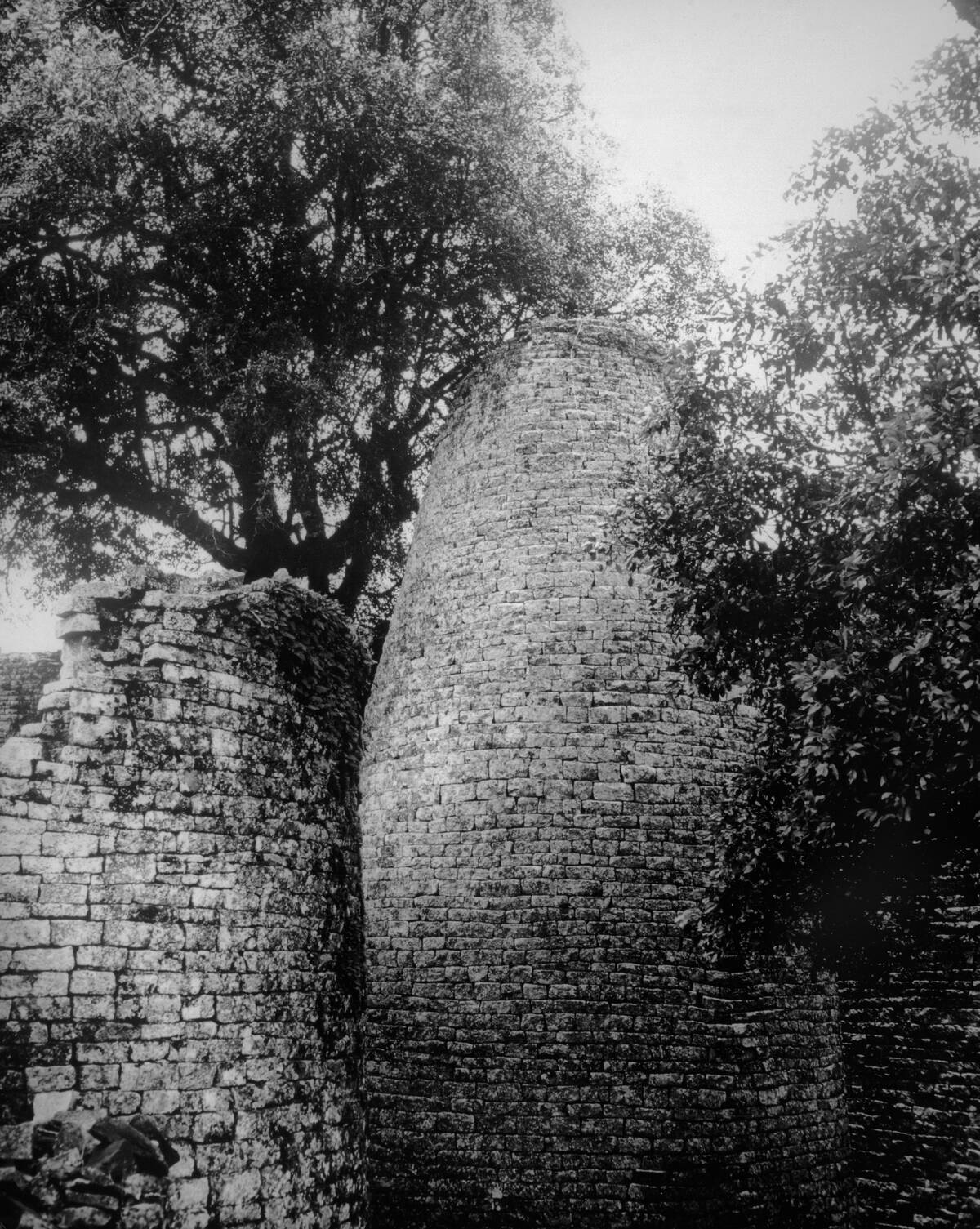
Great Zimbabwe flourished between the 11th and 15th centuries CE, anchoring trade across southeastern Africa. The Great Enclosure—with walls up to about 11 meters high and several meters thick—is built without mortar from carefully coursed granite. Its iconic conical tower rises within a maze of passageways. The broader site spans roughly 7 square kilometers of ruins.
Archaeology has turned up Chinese porcelain, Persian glass beads, and local gold-working evidence, tying the city to Indian Ocean trade. The soapstone bird carvings became a national emblem. Dry-stone techniques rely on weight, batter, and interlock to resist collapse, and the builders graded courses to handle slopes and drainage. Early colonial myths wrongly attributed the ruins to outsiders; scholarship firmly places them with Shona ancestors.
Chaco Canyon: Roads, Ramps, and Grand Houses in the Desert
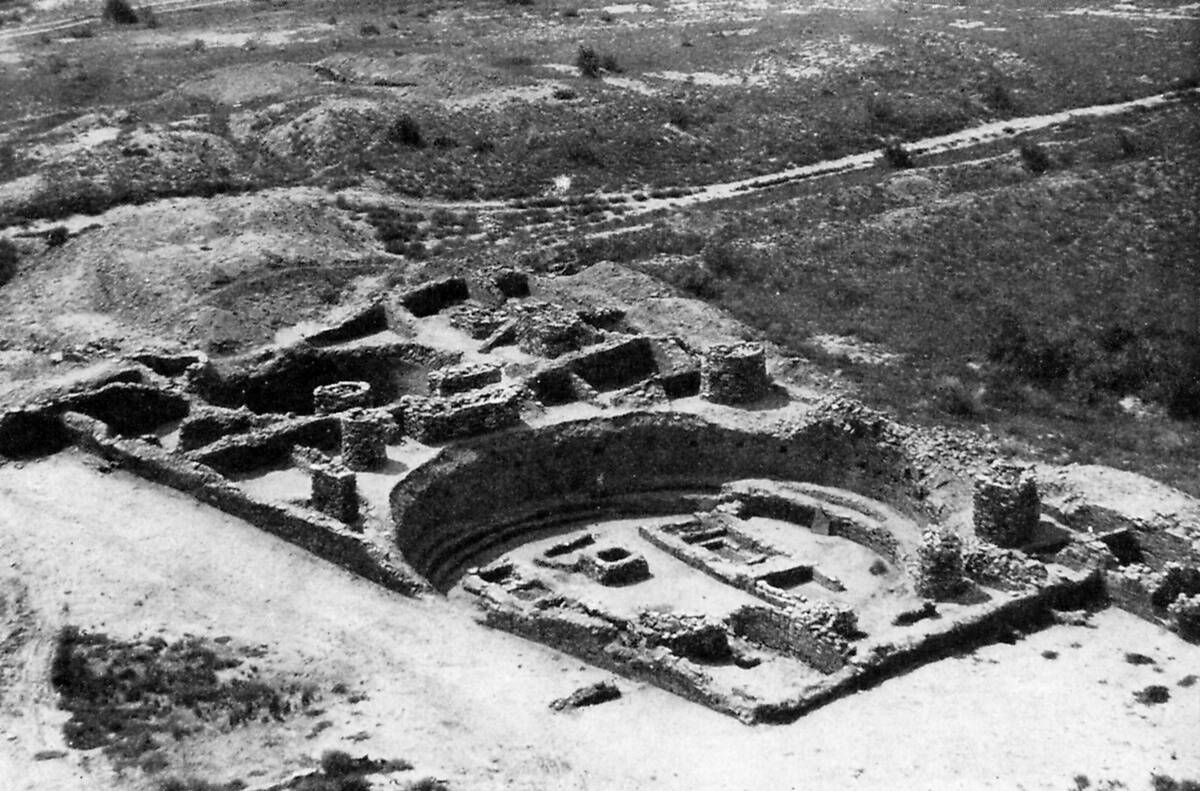
Between about 850 and 1200 CE, the Chacoans raised “Great Houses” like Pueblo Bonito in New Mexico—multi-story masonry blocks with hundreds of rooms and great kivas. Pueblo Bonito alone held some 600–700 rooms in a D-shaped plan. Carefully pecked sandstone with core-and-veneer walls created thick, stable structures. Timber beams traveled 50–70 miles from mountain forests.
Chacoan roads are a marvel: arrow-straight corridors up to 9 meters wide, extending for hundreds of miles, with stairways and ramps cut into cliffs. Alignments key to cardinal directions and lunar standstill cycles appear in building orientations. Reservoirs, canals, and check dams helped manage scarce water. The region’s social and ritual network pulsed along those roads, linking outliers to the canyon’s monumental heart.
Roman Concrete: The Mix That Refuses to Quit
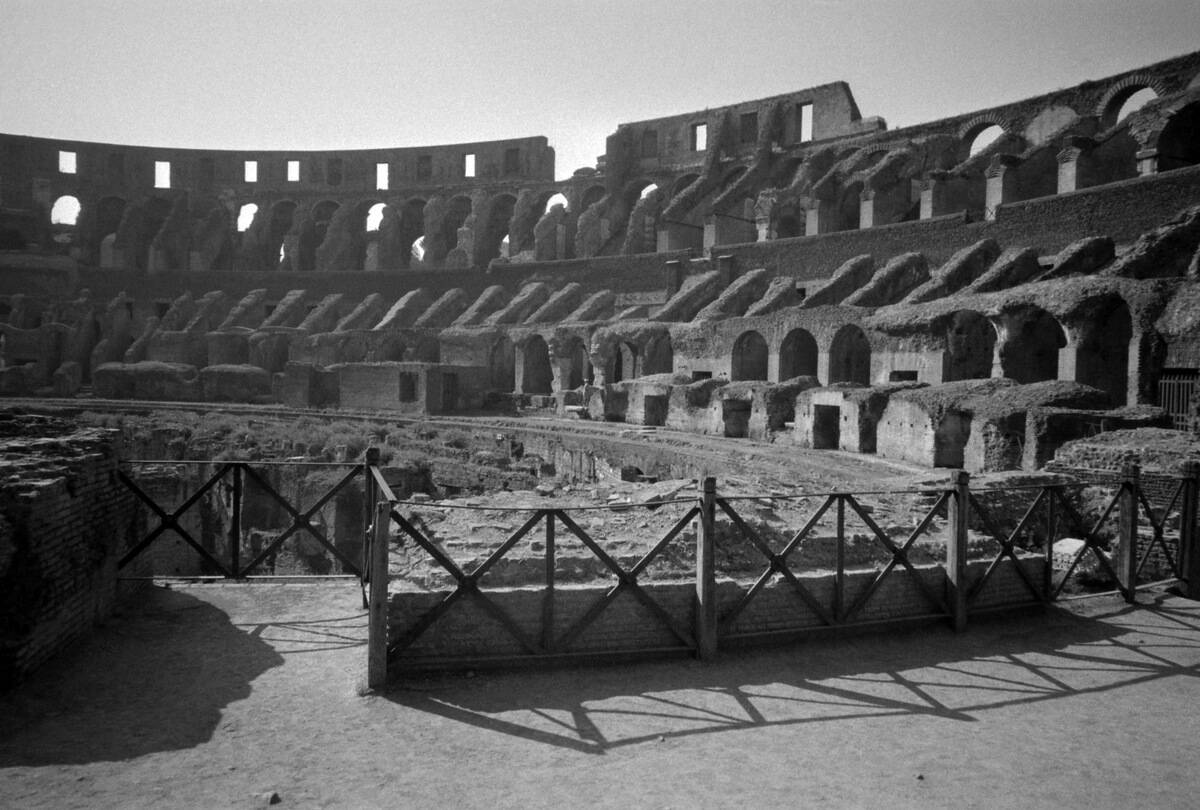
Roman concrete (opus caementicium) blended lime with volcanic ash (pozzolana) and aggregate, enabling forms from the 43.3-meter-span Pantheon dome to harbor piers that still shrug at waves. In seawater structures, chemical reactions over time grow crystals like aluminous tobermorite and phillipsite within the matrix, densifying cracks instead of surrendering to them.
Romans tailored mixes: lightweight pumice-rich concrete high in domes, denser basalt aggregate low down. They cast in wooden formwork, layered pours, and used brick or stone facings. Marine sites like Portus and other Mediterranean harbors retain cores that test stronger with age. While modern Portland cement dominates today, researchers are reviving lime-pozzolan blends for durability and lower carbon footprints inspired by Rome’s endurance.
Stonehenge: Megalithic Mystique and a Lot of Heavy Lifting
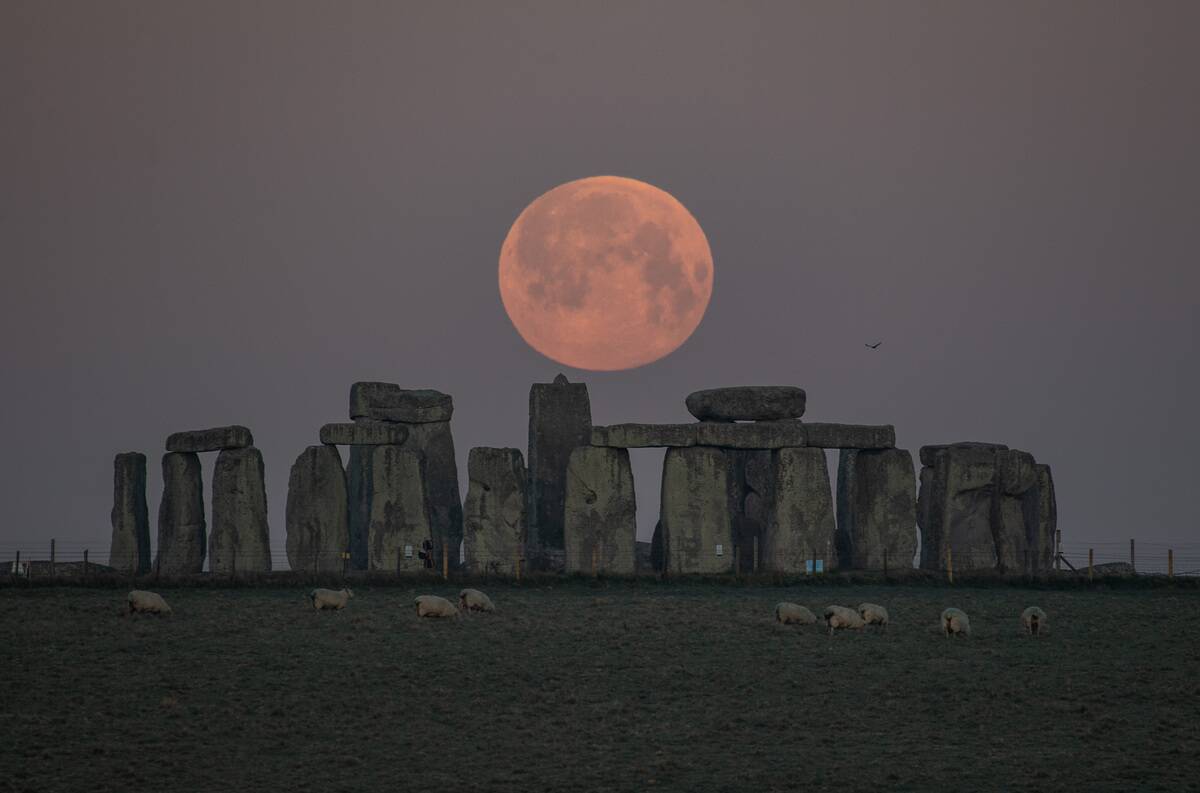
Stonehenge took shape in phases between roughly 3000 and 2000 BCE. Its sarsen uprights and lintels—some around 25 tons—came from the Marlborough Downs, about 20 miles away. The smaller “bluestones” (2–5 tons) hail from the Preseli Hills in Wales, roughly 140 miles as the crow flies. Mortise-and-tenon joints on the lintels and tongue-and-groove edges are real woodworking tricks carved in stone.
The monument’s axis frames the summer solstice sunrise and winter solstice sunset, an alignment that still draws crowds each June. Transport theories range from rollers and sledges to waterways via the Bristol Channel, and experiments have shifted multi-ton stones with surprisingly modest teams. The ditch and bank earthworks, post holes predating stones, and cremation burials add layers to a place that served ritual and astronomical purposes over a thousand years.
Nabta Playa and the Desert Circles: Calendars in the Sand
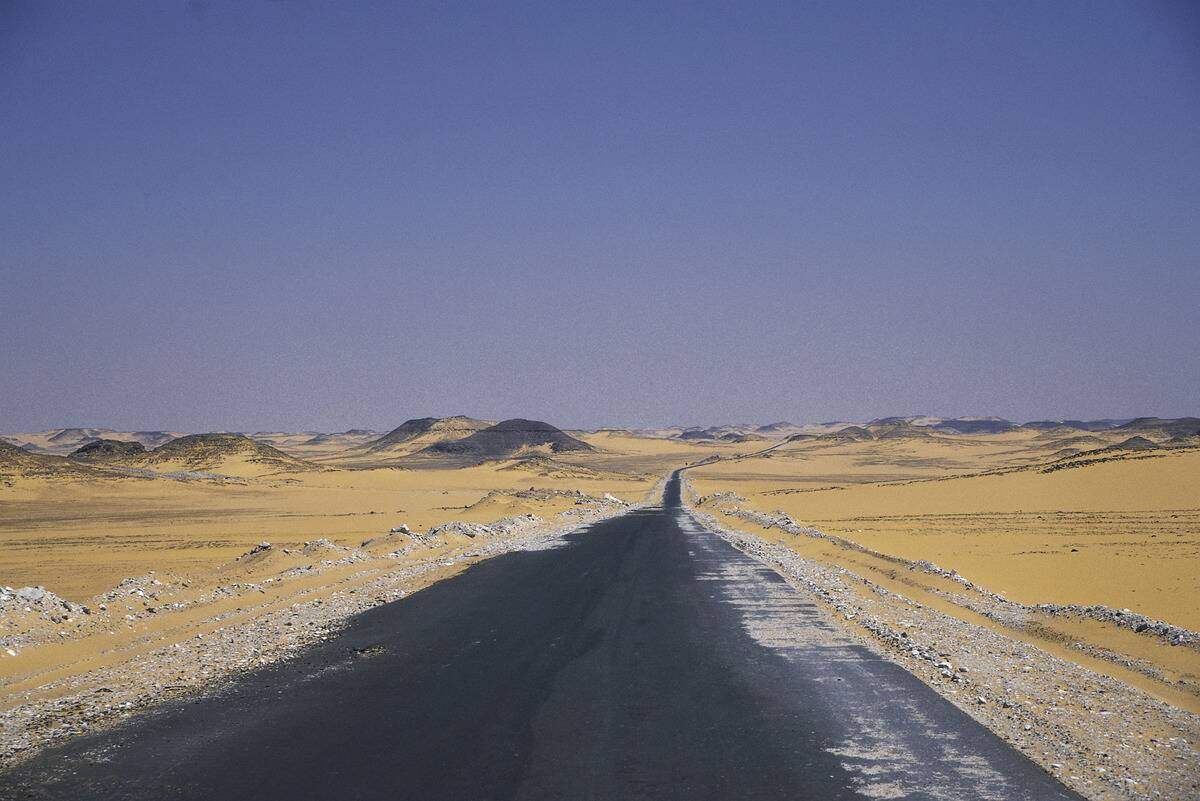
Nabta Playa in Egypt’s Nubian Desert preserves a megalithic circle and stone alignments dated roughly 6000–5000 BCE. Excavated by Fred Wendorf and colleagues, the circle’s small uprights and nearby megaliths may mark the summer solstice sunrise and cardinal directions. Cattle burials and ceramics point to pastoralists managing seasonal lakes on what’s now hyper-arid ground.
Debate remains on the precision and intent of astronomical alignments, but the cluster of features—stone settings, tumuli, hearths—shows coordinated activity on a ritual landscape. The site predates dynastic Egypt by millennia, hinting at celestial observation traditions that later Nile cultures elaborated. It’s a quiet but potent reminder that sky-watching and monument-making went hand in hand in some of the Sahara’s greener days.
Carnac Stones: Thousands of Menhirs Marching in Mysterious Lines
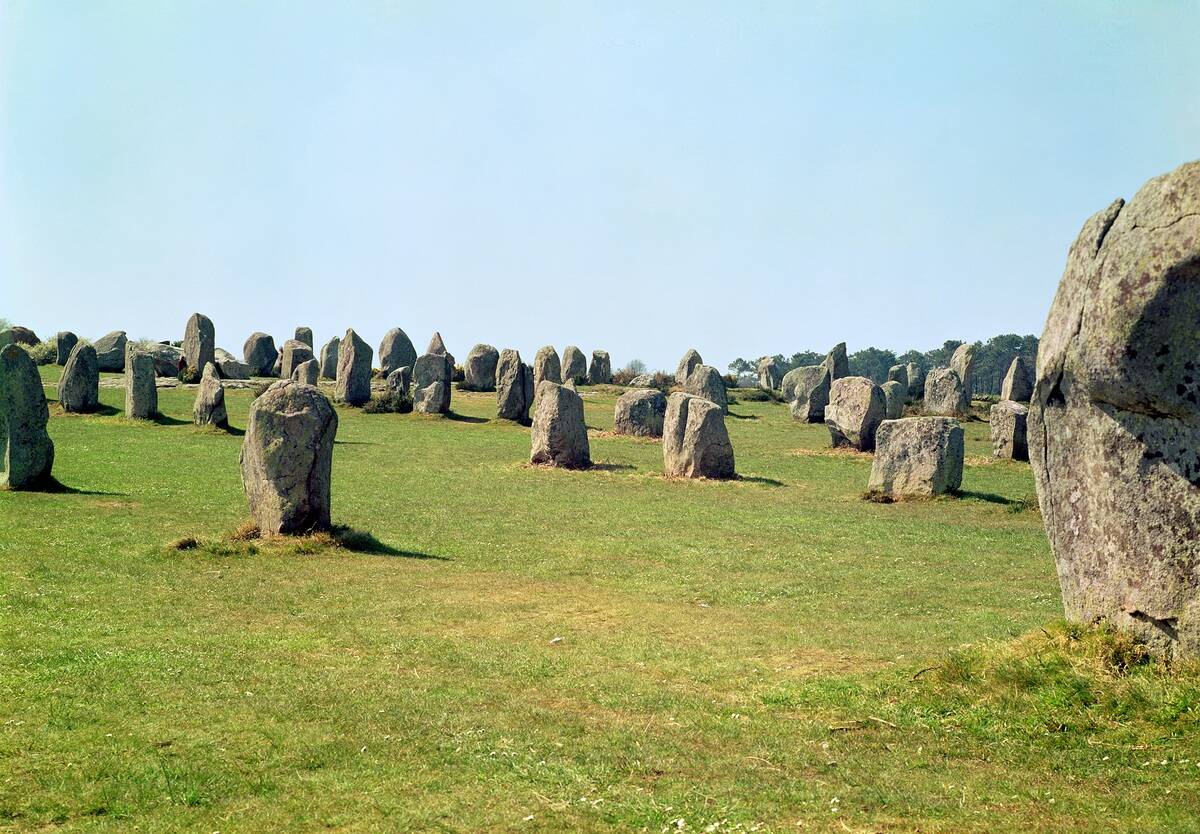
Near Carnac in Brittany stand over 3,000 menhirs, dolmens, and tumuli erected roughly 4500–3300 BCE. The Ménec, Kermario, and Kerlescan alignments array stones in rows stretching for kilometers, many 1–3 meters high, with a few giants topping that. The Tumulus of Saint-Michel looms as one of Europe’s largest burial mounds from the period.
The alignments’ purpose is debated: procession routes, territorial markers, or tied to celestial events and lunar cycles. Quarrying local granite and moving even modest megaliths took coordination with sledges, rollers, and ropes. Many stones show pitting and lichen-worn tool marks. The sheer number and organization speak to communities investing centuries in a shared monumental grammar etched into the Breton landscape.
Aksum’s Stelae: Skyscraper Obelisks Carved from Single Stones
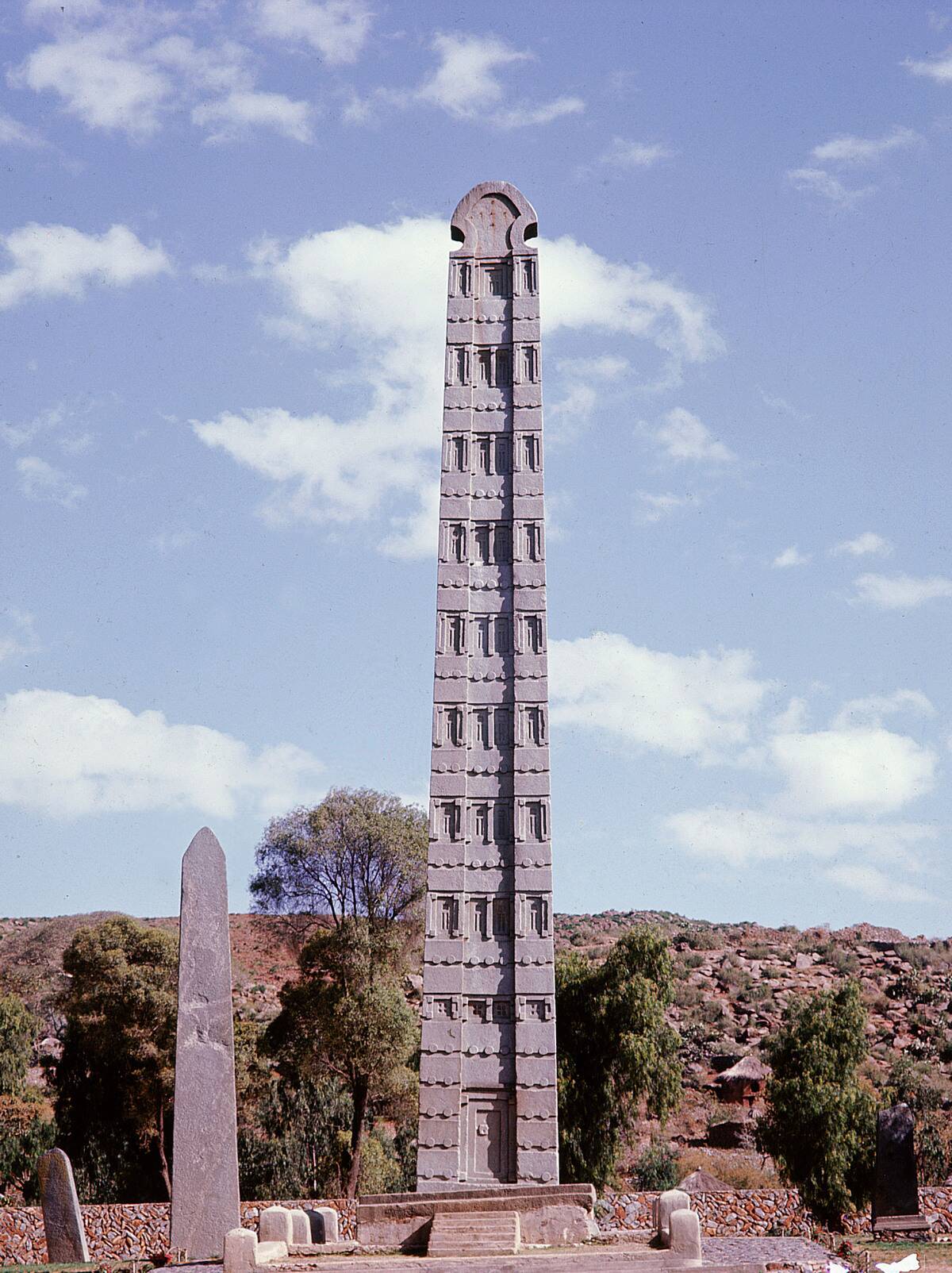
In northern Ethiopia, the Aksumite stelae field showcases monolithic obelisks carved with false doors and “windows.” The largest, the fallen Great Stele, is about 33 meters long and estimated around 500+ tons. Stele 2 (the Obelisk of Axum), about 24 meters and roughly 170 tons, was taken to Italy in 1937 and repatriated in 2005, now re-erected. Quarried from nearby trachyte, the stelae were likely hauled on sledges and levered upright into stone-lined pits.
Their carved storeys imitate multi-level palaces, proclaiming elite status and funerary power in the 1st millennium CE. Aksum’s broader engineering chops show in coinage, water systems, and monumental tombs—but the sight of a single stone soaring like a tower still steals the show.