16 ancient rituals involving sacred animals
Ancient civilizations shared a deep connection with the animal kingdom, which they often regarded as sacred and symbolic. Rituals involving animals were conducted with the belief that they could bridge the earthly and spiritual realms.
Animals were more than mere companions; they were seen as divine messengers and symbols of power, wisdom, and protection. Understanding these ancient customs provides insight into how these societies viewed the world and their place within it.
The Role of Animals in Ancient Cultures
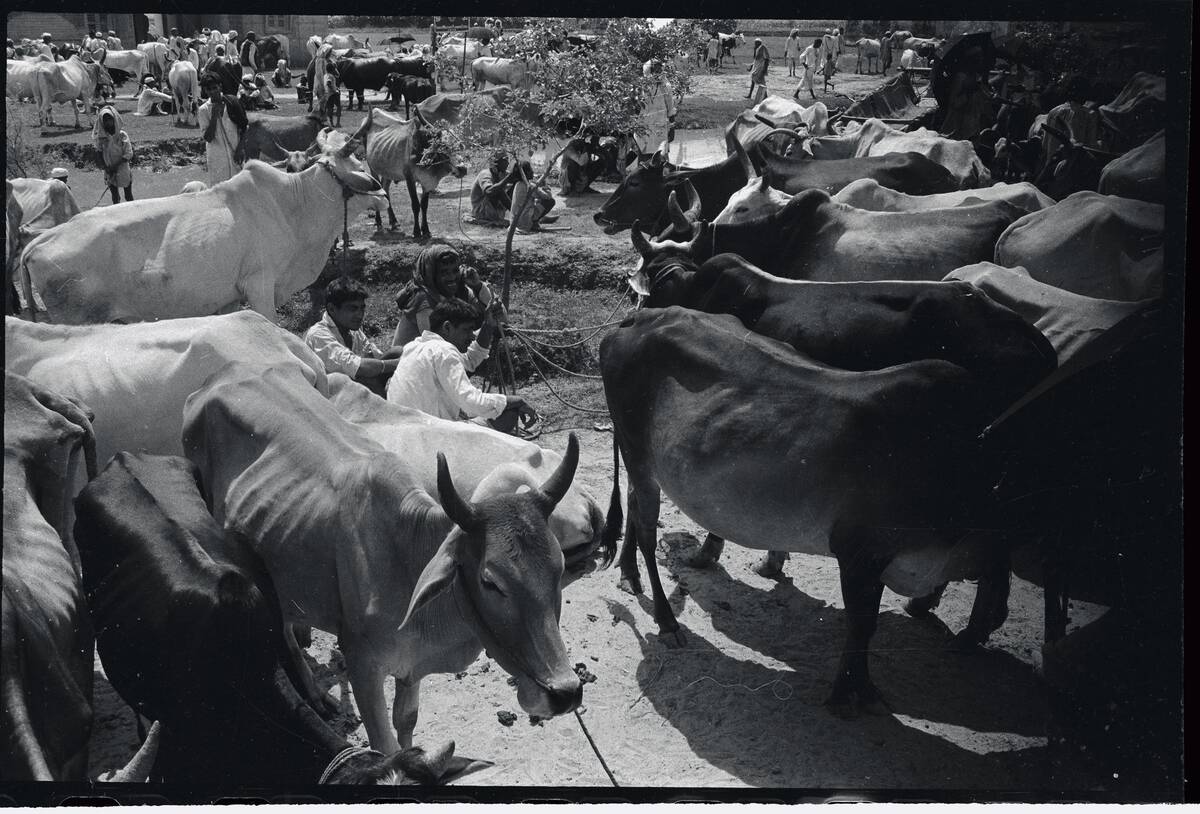
Animals held significant roles across ancient cultures, often serving as totems and spiritual guides. They were believed to possess qualities that humans aspired to emulate, such as strength, wisdom, and courage.
In many cultures, specific animals were worshipped as deities or were integral to religious ceremonies, reflecting a profound respect and reverence for the natural world. This symbiotic relationship highlights the interconnectedness that these societies felt with their environment.
Sacred Cows: Reverence and Rituals in Ancient India
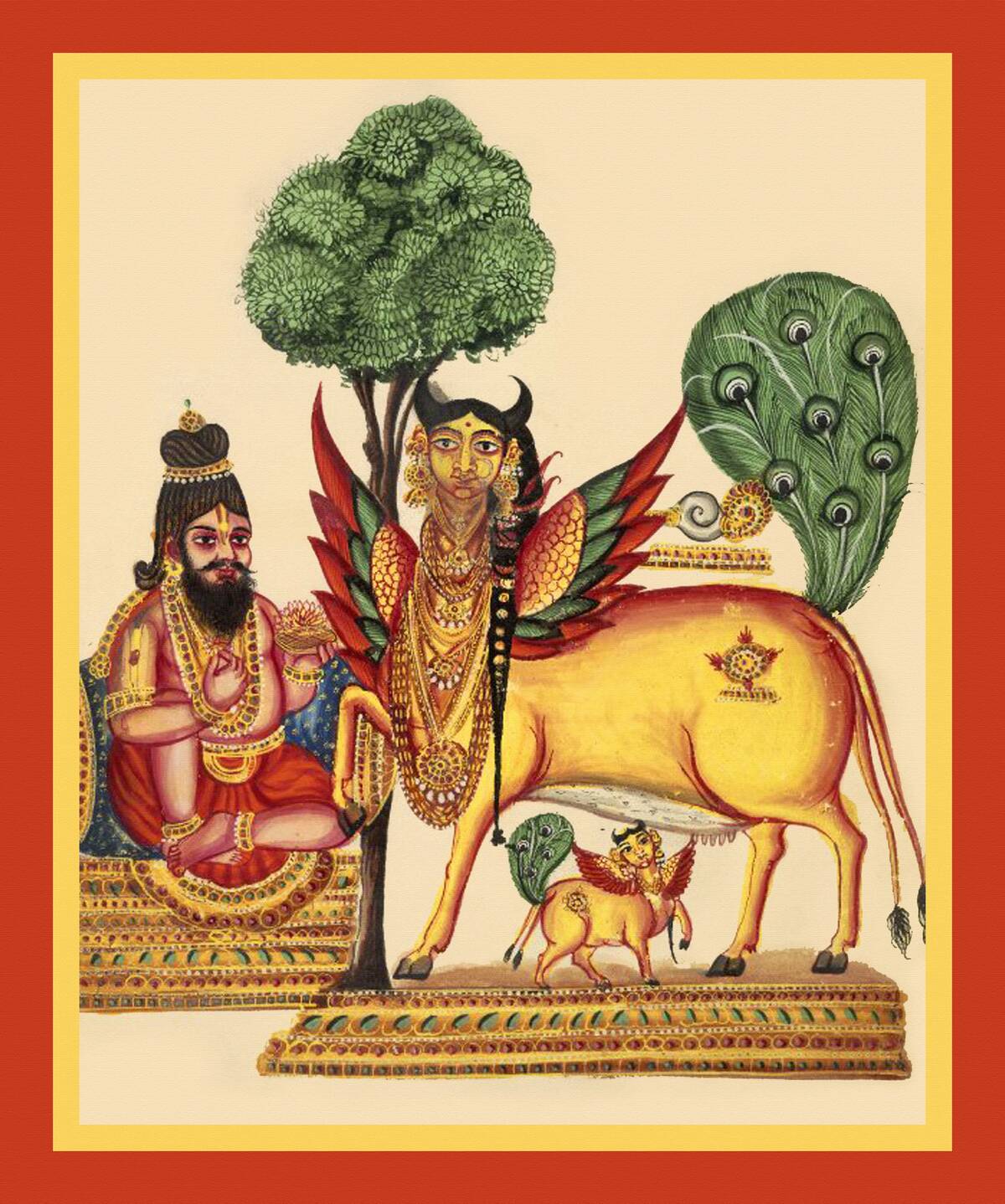
In ancient India, cows were revered as sacred animals, embodying both the earth and the divine. The cow, or ‘Kamadhenu,’ was believed to grant wishes and was often associated with various deities, including Krishna.
Rituals involving cows included offerings of food and flowers, symbolizing prosperity and fertility. This deep respect for cows continues in modern times, reflecting their enduring cultural and religious importance in Indian society.
Cats in Ancient Egypt: Feline Deities and Funerary Practices
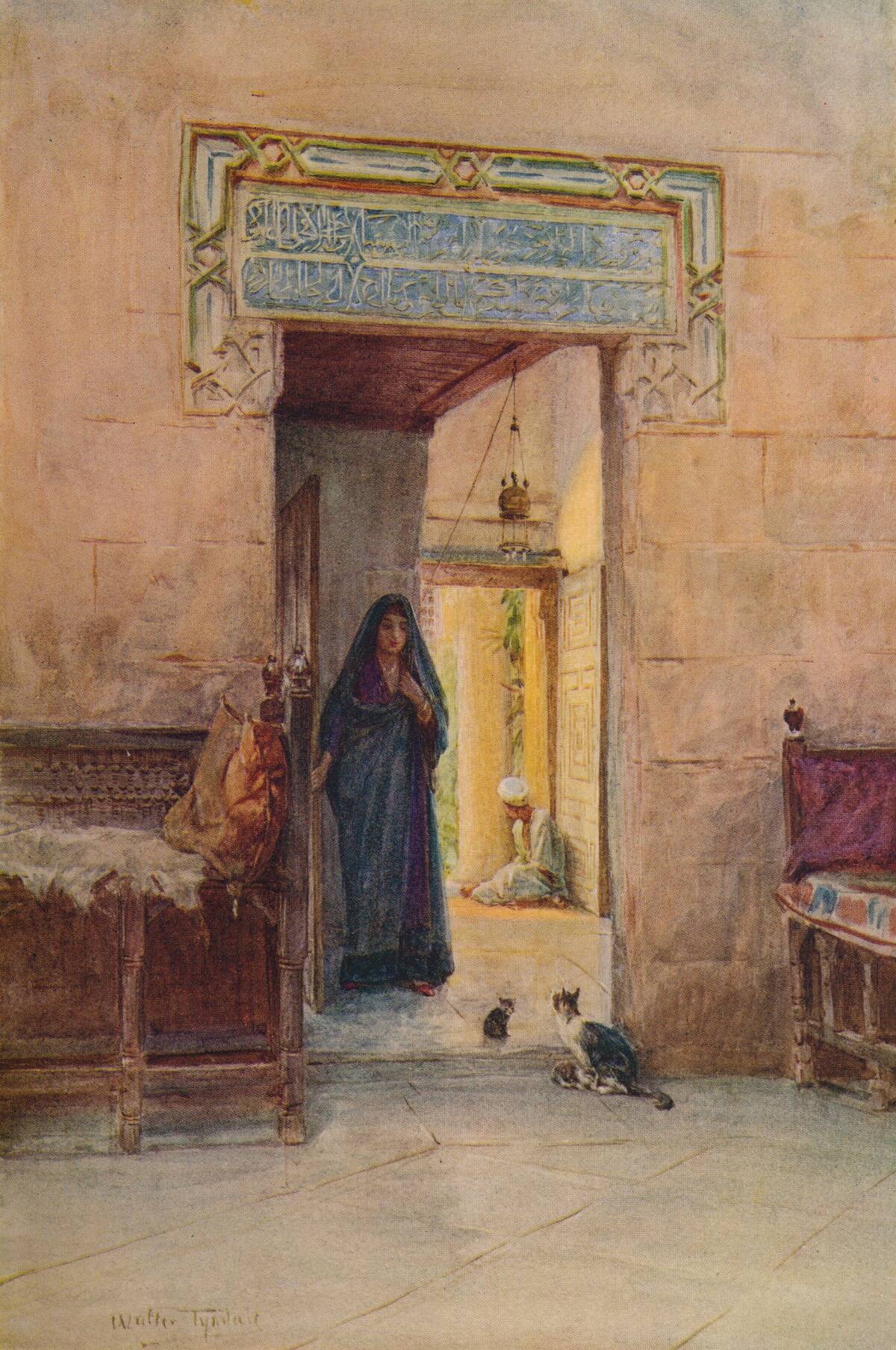
Cats were held in high esteem in ancient Egypt, where they were associated with the goddess Bastet. This feline deity symbolized home, fertility, and protection from evil spirits. Cats were often mummified and buried with their owners, reflecting their sacred status.
The Egyptians believed that cats were magical creatures capable of bringing good fortune to those who cared for them, a belief that is still echoed in some cultures today.
The Mysterious Serpents in Mesoamerican Ceremonies
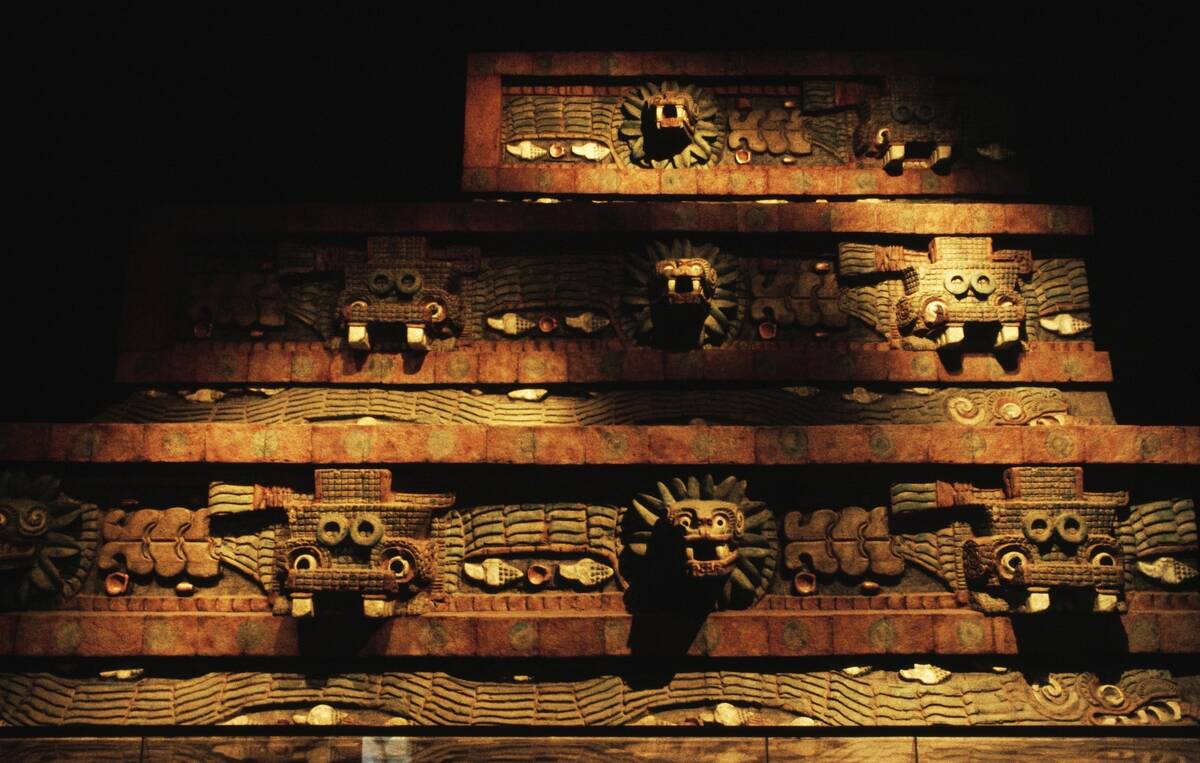
Serpents played a significant role in Mesoamerican ceremonies, often symbolizing fertility, renewal, and the cycle of life and death. The feathered serpent deity, Quetzalcoatl, was a prominent figure in Aztec and Mayan mythology, representing wisdom and the boundary between earth and sky.
These creatures were depicted in various art forms and were central to many rituals, highlighting their importance in the spiritual and cultural life of these ancient communities.
Birds of a Feather: The Symbolism of Eagles in Roman Rituals
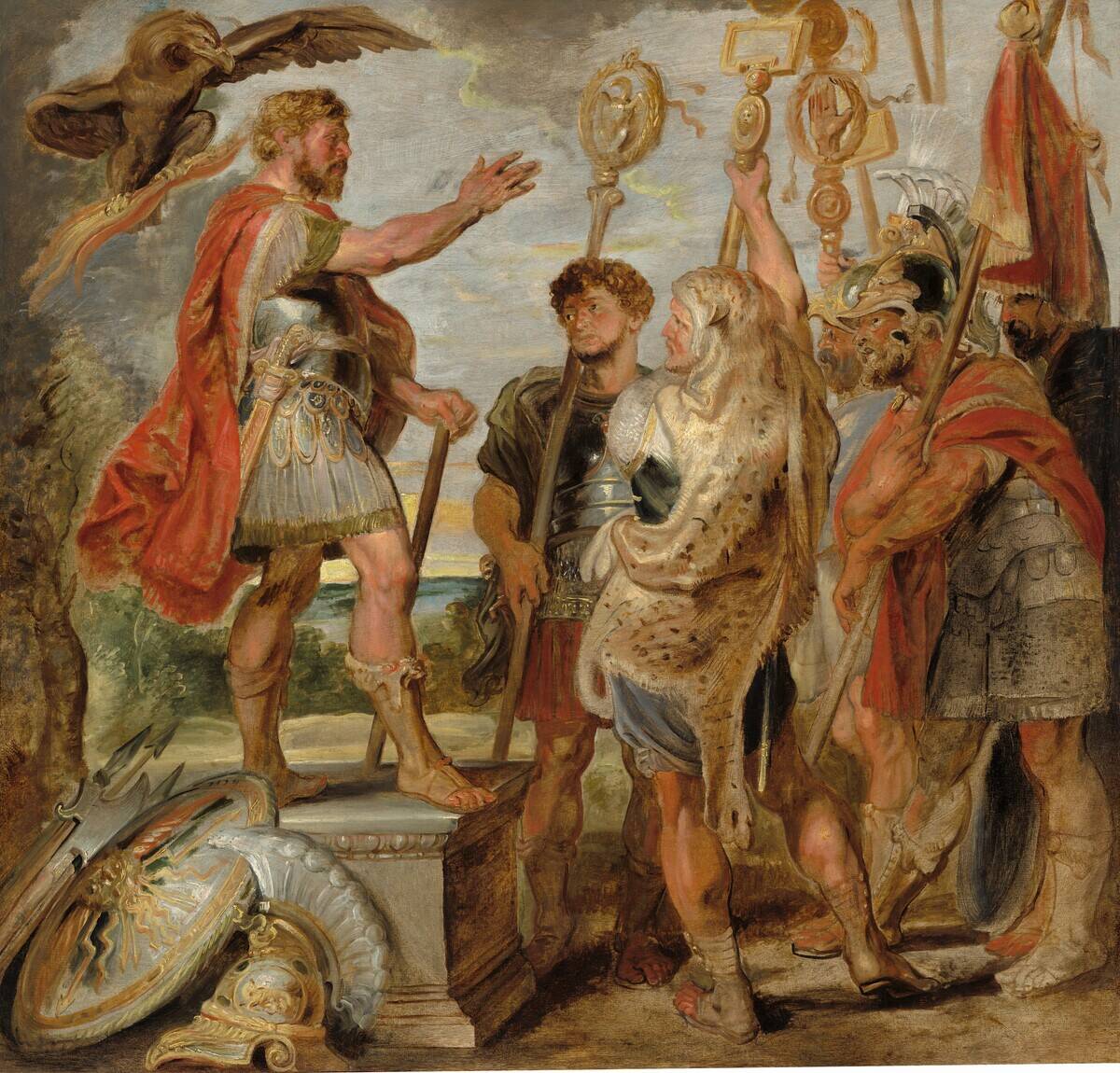
Eagles were powerful symbols in Roman culture, often associated with Jupiter, the king of the gods. Seen as messengers between the earthly realm and the divine, eagles were frequently used in military and state ceremonies.
The presence of an eagle was considered a good omen, symbolizing strength, courage, and victory. This majestic bird’s image was also used on Roman standards, enhancing its symbolic power within the empire.
Wolves and Warriors: Norse Rituals Involving the Mighty Wolf
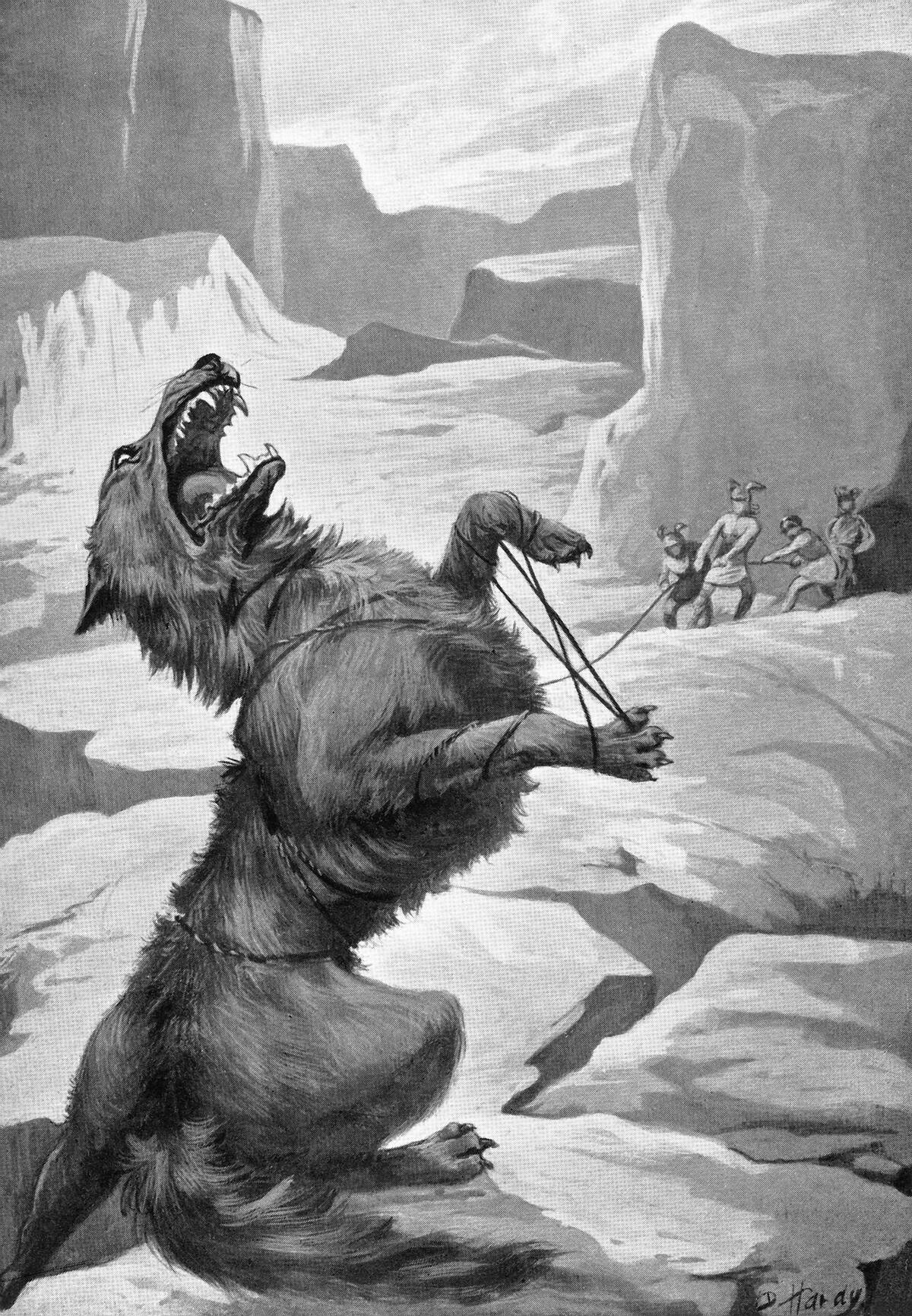
In Norse mythology, wolves were both revered and feared, representing chaos and destruction as well as loyalty and bravery. The legendary Fenrir, a monstrous wolf, was central to many myths, including those surrounding Ragnarok, the end of the world.
Wolves were also associated with the god Odin, often depicted in the company of two wolves, Geri and Freki. Norse warriors admired the wolf’s ferocity and strength, traits they sought to embody in battle.
The Bull of Heaven: Sacred Bulls in Mesopotamian Traditions
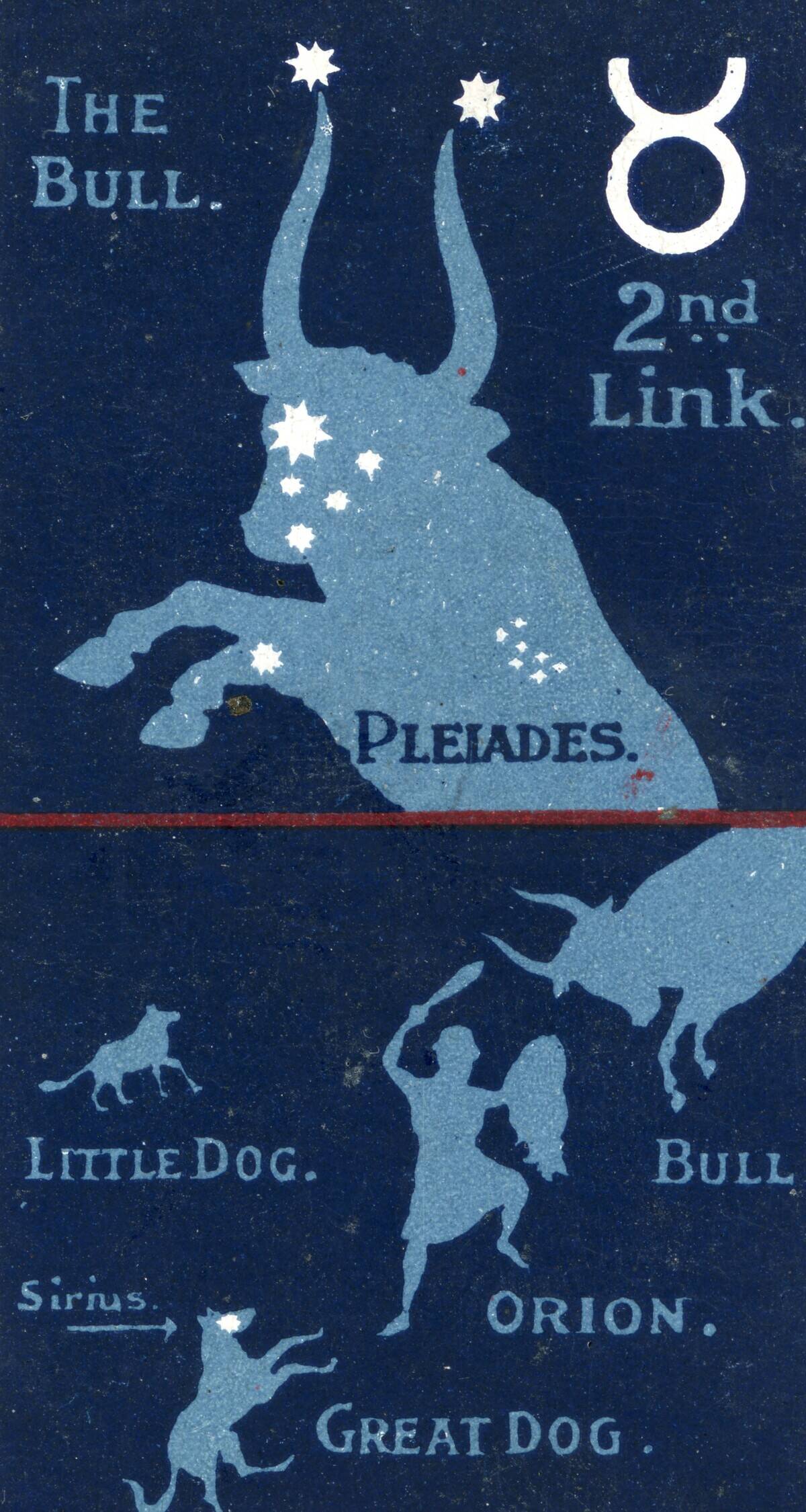
Bulls were sacred symbols in Mesopotamian traditions, often associated with strength, fertility, and divine power. The Bull of Heaven was a prominent figure in the Epic of Gilgamesh, representing both celestial and earthly forces.
Bulls were frequently depicted in art and architecture, serving as guardians of temple gateways and royal palaces. These majestic animals were integral to religious rituals, symbolizing the power and protection of the gods over their people.
Crocodilian Connections: Sacred Crocodiles in Ancient Nubia
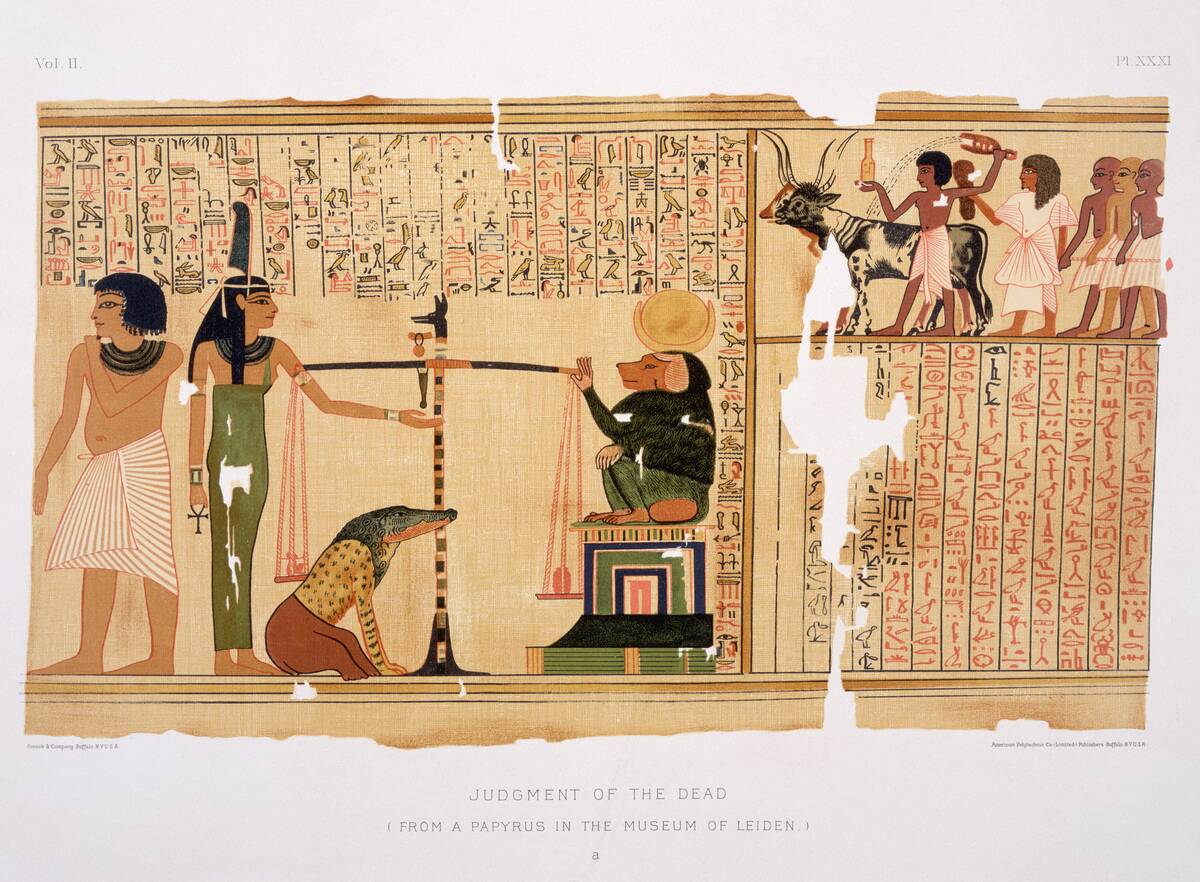
In ancient Nubia, crocodiles were revered as sacred creatures, associated with the deity Sobek. Sobek was believed to have control over the waters and was considered a protector against the dangers lurking within the Nile.
Temples were often built in his honor, and crocodiles were kept in sacred pools and mummified as offerings. This reverence for crocodiles underscores the deep respect and fear that these ancient people had for the powerful forces of nature.
The Mighty Elephant: Rituals and Symbolism in Southeast Asia
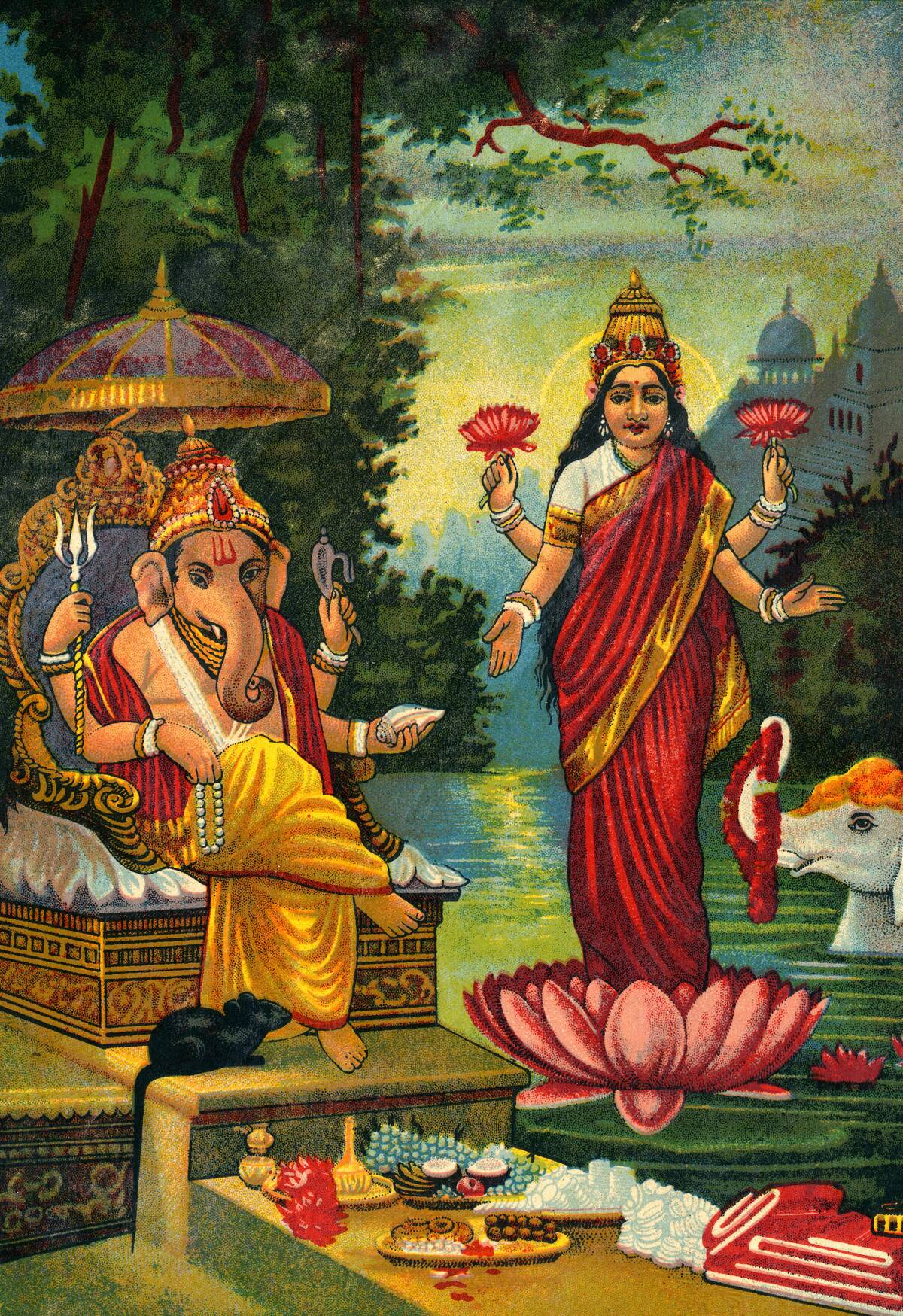
Elephants have long been regarded as symbols of wisdom, strength, and prosperity in Southeast Asian cultures. In countries like Thailand and India, elephants are associated with deities such as Ganesha, the remover of obstacles.
Rituals involving elephants include grand processions and offerings, symbolizing wealth and power. These majestic creatures are often depicted in art and architecture, reflecting their revered status and the important role they play in cultural and religious life.
The Lion’s Share: Kingship and Lions in Ancient Persia
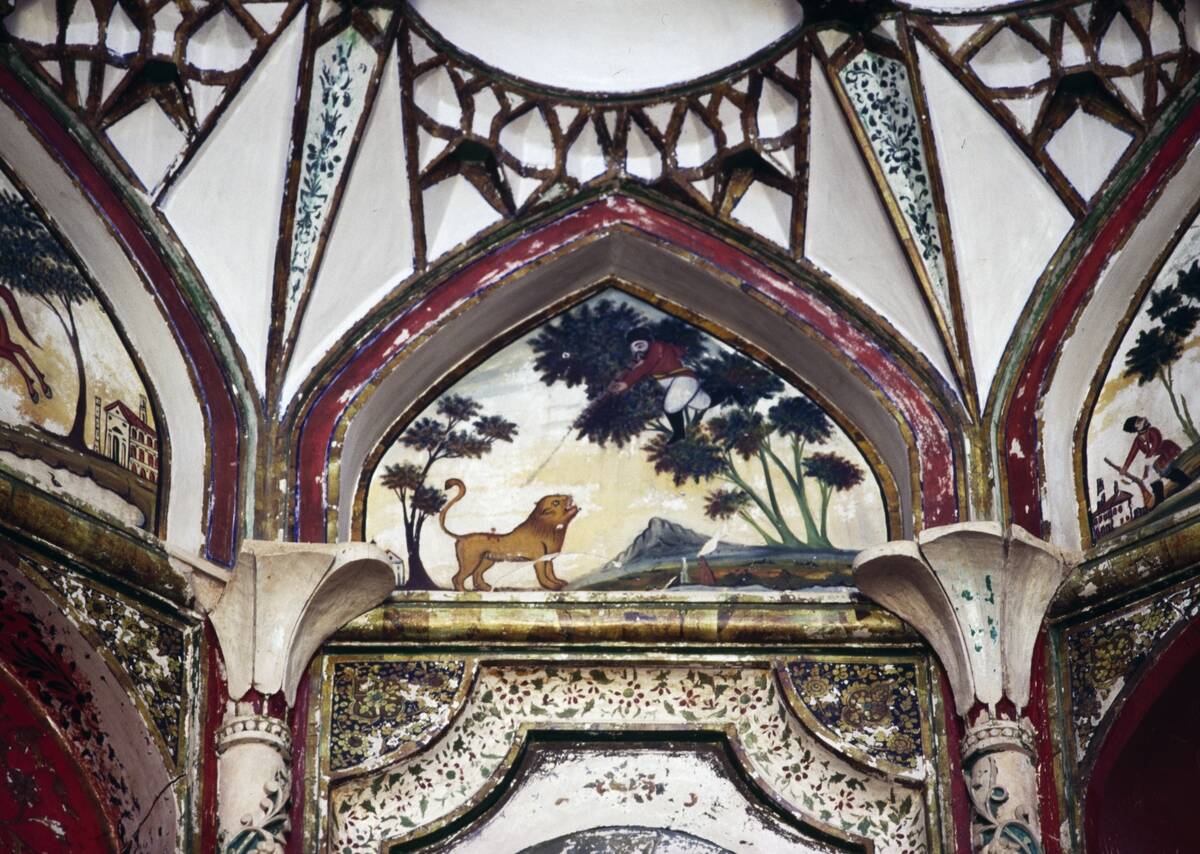
In ancient Persia, lions symbolized royalty, power, and courage. The lion was often associated with the king, who was seen as a protector of his people, much like the lion’s role as king of the beasts.
Lions were depicted in art and architecture, symbolizing the strength and authority of the Persian empire. The lion’s association with royalty and divinity highlights its enduring significance in the cultural and political life of ancient Persia.
Horse Power: Equine Sacrifices and Rituals in Celtic Tribes
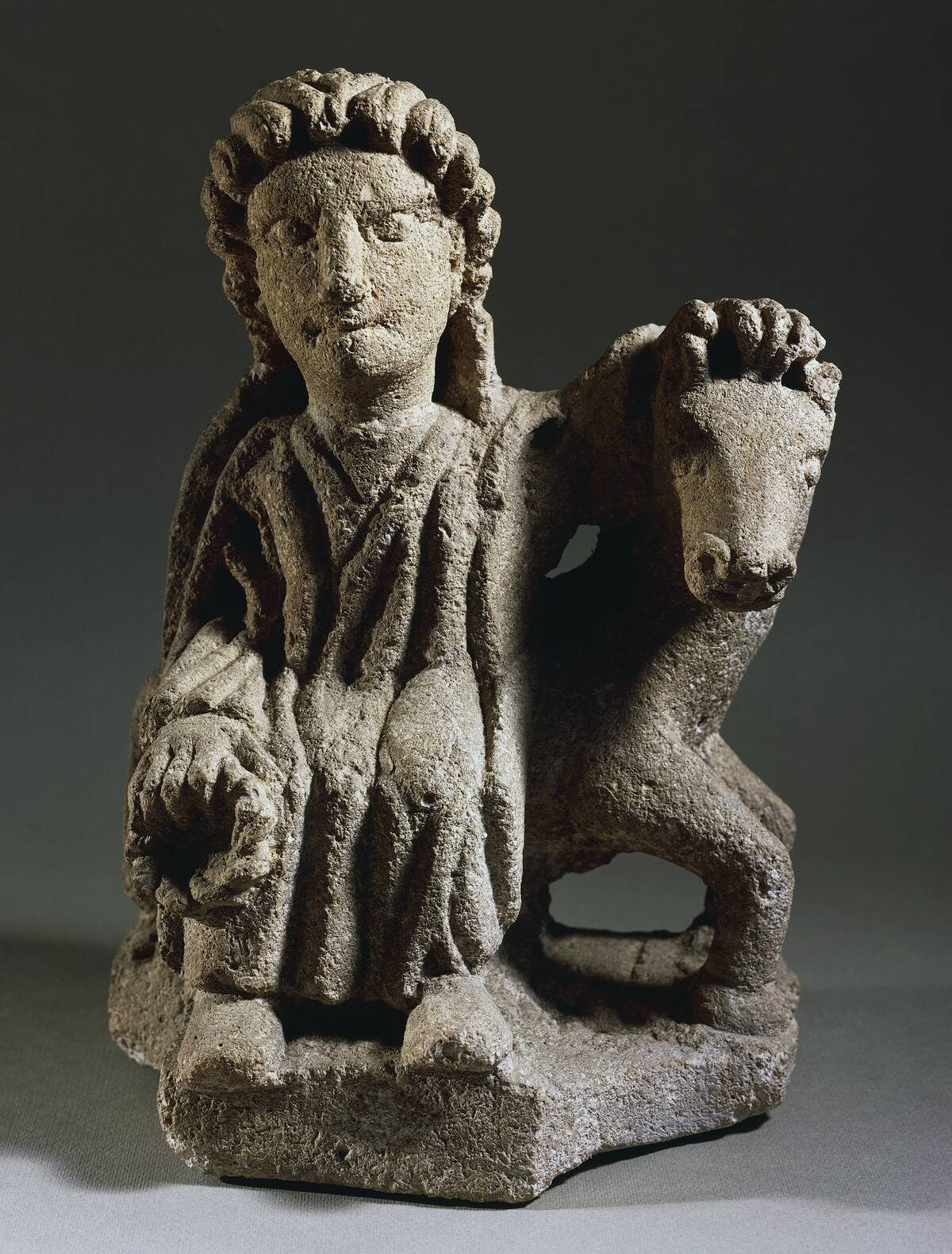
Horses held a prominent place in Celtic society, symbolizing wealth, status, and the power of the warrior class. Rituals involving horses included sacrifices and ceremonies to honor deities and seek their favor.
The goddess Epona, protector of horses, was revered across the Celtic world, highlighting the deep connection between these tribes and their steeds. Horses were not only vital for transportation and warfare but also served as important symbols of spiritual and social order.
The Owl’s Wisdom: Sacred Birds in Greek and Roman Mythology
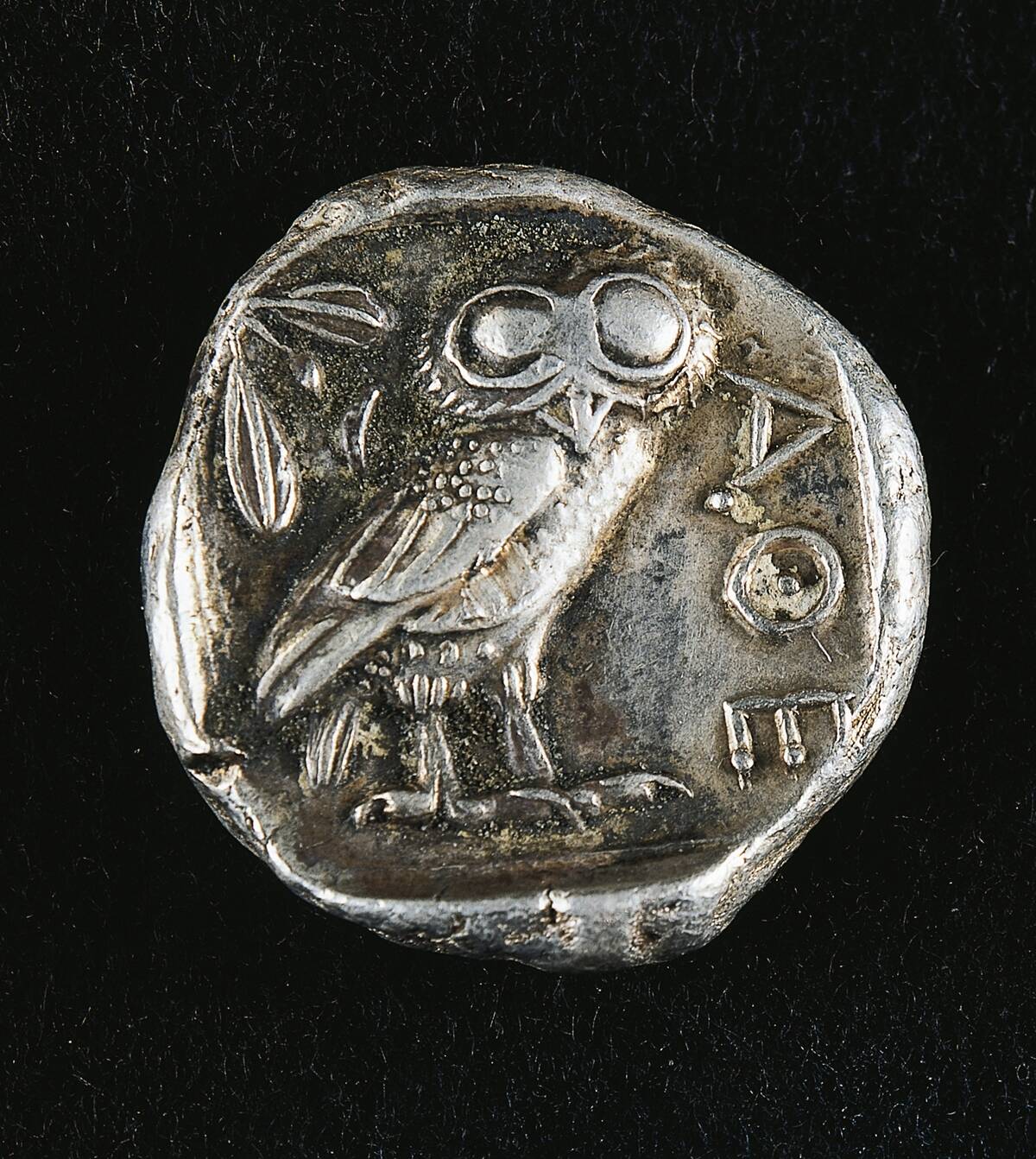
Owls were revered in both Greek and Roman mythology as symbols of wisdom and protection. Associated with the goddess Athena, the owl represented knowledge and insight, often depicted alongside her in art and literature.
In Rome, the owl’s presence was seen as a warning or omen, reflecting its connection to the divine. The enduring symbolism of the owl highlights its role as a bridge between the human and spiritual worlds, embodying the pursuit of wisdom and truth.
Rituals of the Nile: The Role of Hippos in Ancient Egyptian Ceremonies
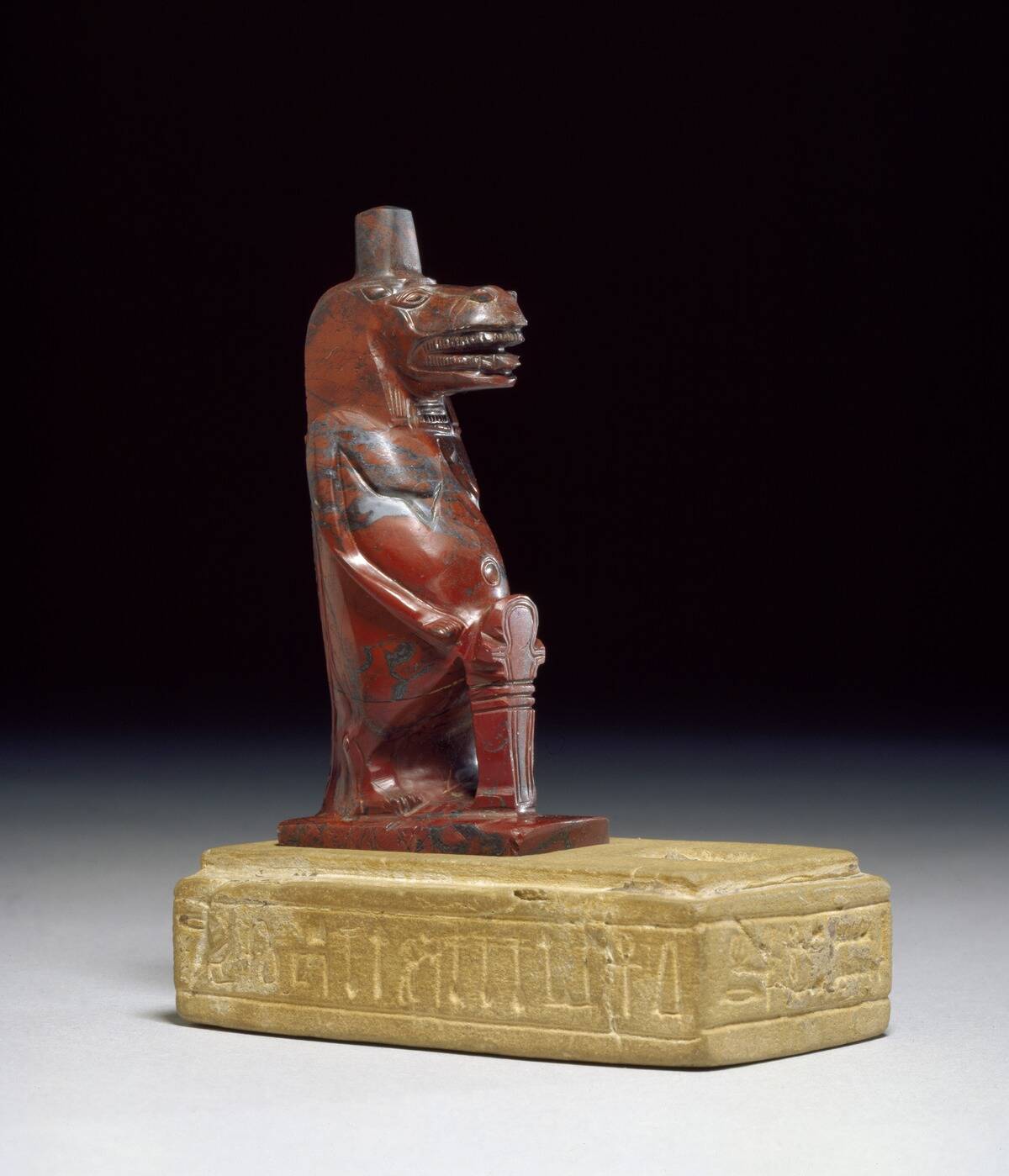
In ancient Egypt, hippos were both revered and feared, often associated with the goddess Taweret, protector of childbirth and fertility. Ceremonies involving hippos aimed to harness their power and ensure prosperity and protection.
Despite their fearsome reputation, hippos were seen as symbols of regeneration and strength, reflecting the Egyptians’ complex relationship with the natural world. These rituals underscore the significant role that hippos played in the spiritual and daily life of ancient Egypt.
The Bear Necessities: Rituals and Myths in Indigenous Cultures of the Americas
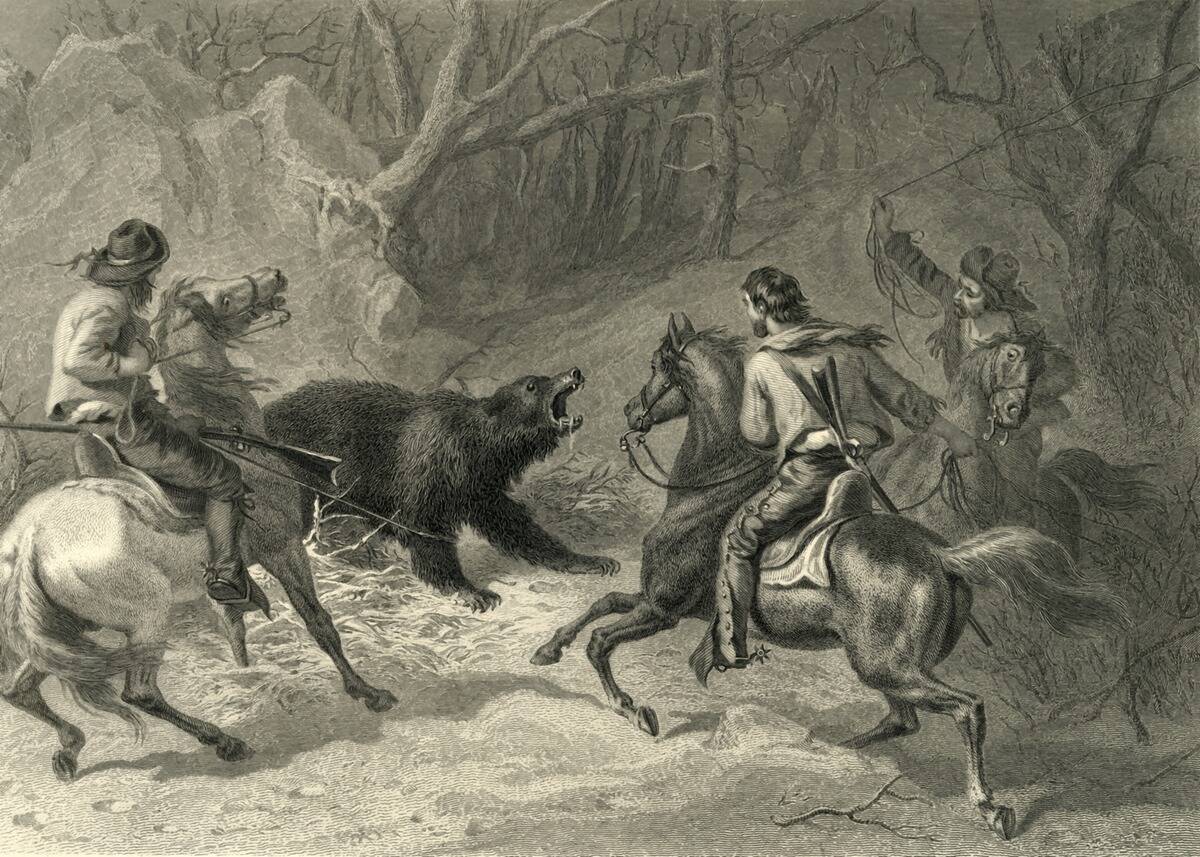
Bears were revered in many indigenous cultures of the Americas as symbols of strength, courage, and healing. They were often seen as spiritual guides and were central to various myths and rituals. The bear’s hibernation cycle symbolized renewal and transformation, qualities that were highly valued.
In some tribes, bear dances and ceremonies were conducted to honor the animal’s spirit and seek its guidance and protection, highlighting the deep spiritual connection between these cultures and the natural world.
Peacocks and Prosperity: The Sacred Bird in Ancient Indian Traditions
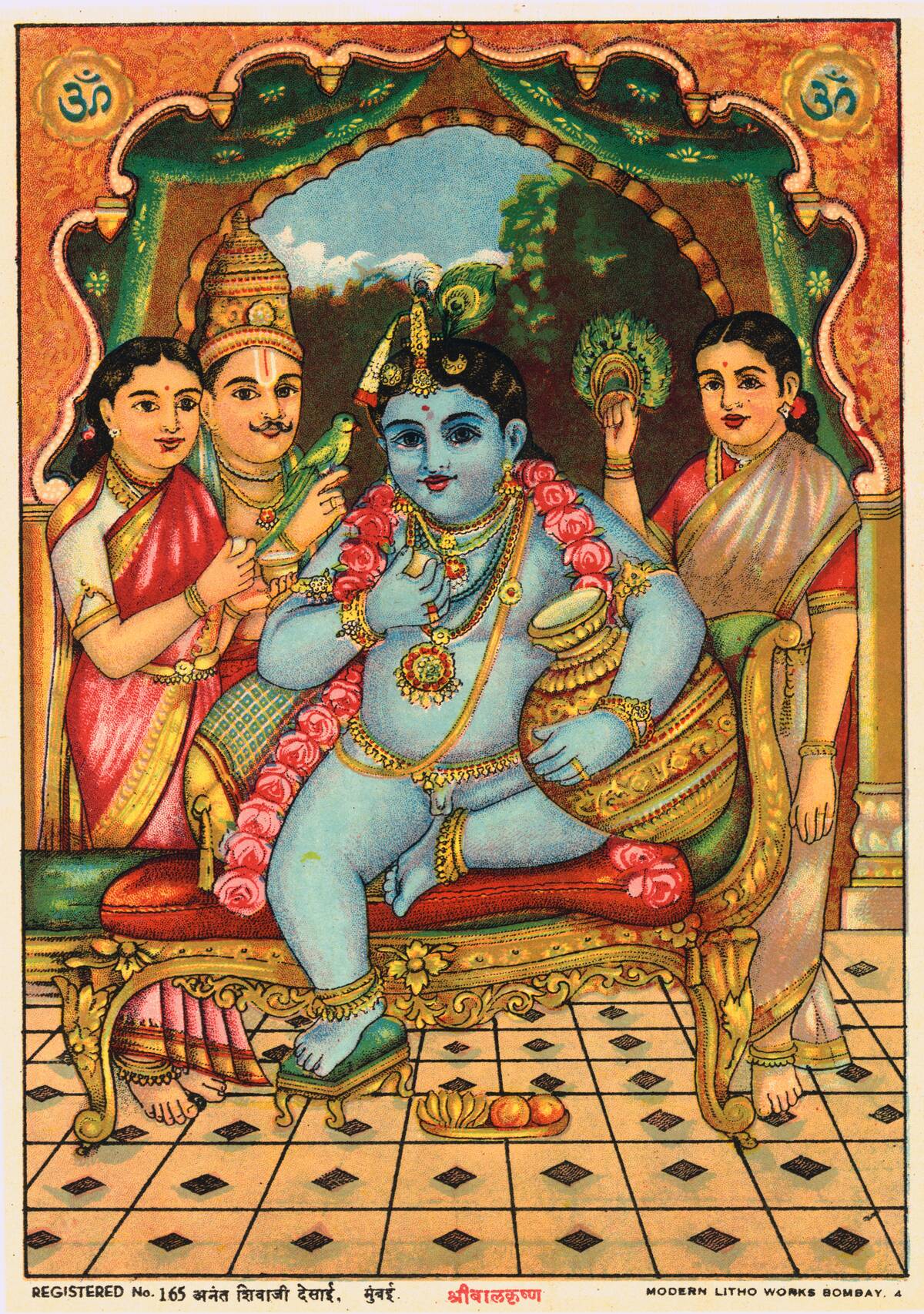
Peacocks have been symbols of prosperity, beauty, and divinity in Indian traditions for centuries. Peacocks are associated with several deities in Indian traditions, most notably the god Kartikeya (Murugan) as his vehicle and with Lord Krishna through the peacock feather he wears.
Rituals involving peacocks include offerings and festivals celebrating their beauty and grace. The bird’s striking appearance and vibrant plumage make it a powerful symbol of cultural and spiritual richness in Indian society.
Dolphins in Myth and Ritual: Guardians of the Sea in Ancient Greece
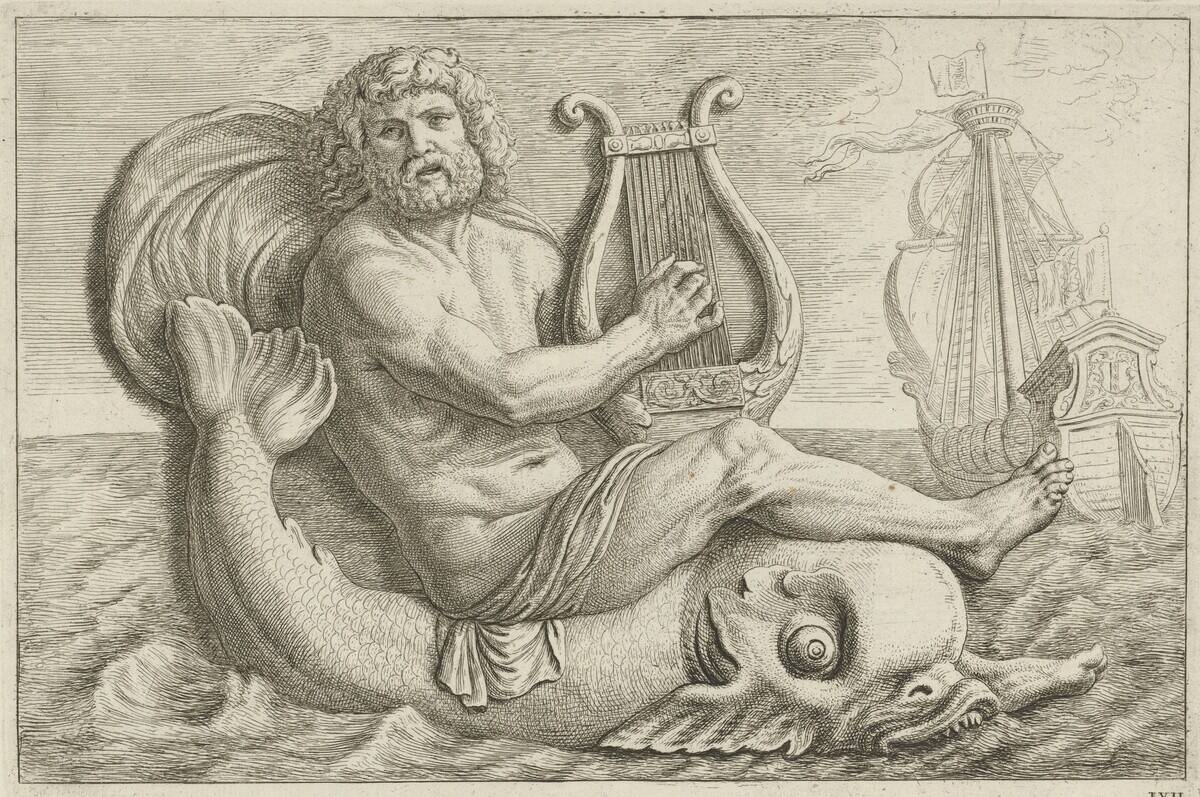
Dolphins were seen as guardians of the sea in ancient Greece, symbolizing harmony and protection. They were associated with the god Apollo and often featured in myths as helpers of sailors and messengers of the gods.
Dolphins were believed to possess a divine connection to the ocean, guiding and protecting those who ventured into its depths. This reverence for dolphins highlights the Greeks’ respect for the natural world and the creatures that inhabited it.