13 historical events shaped by dreams and visions
Dreams and visions have been pivotal in shaping the course of history. They are the ethereal threads connecting the subconscious to reality, often guiding significant decisions.
From ancient leaders to modern innovators, dreams have provided insights and foresight that ordinary waking hours couldn’t offer. These nocturnal narratives have inspired, warned, and at times bewildered those who experienced them, leaving lasting impacts that resonated through time and culture.
Joan of Arc: Guided by Divine Voices
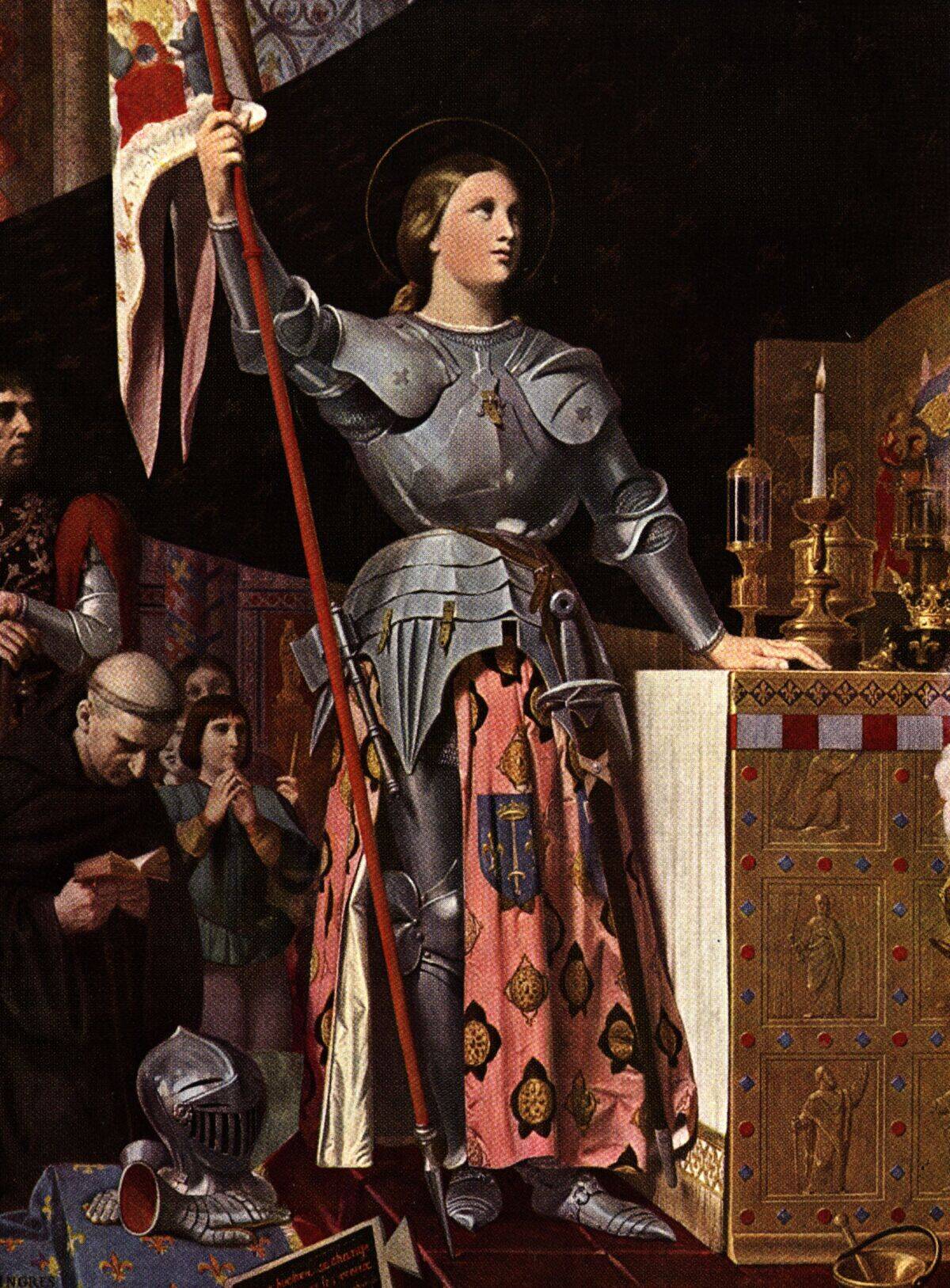
Joan of Arc, the Maid of Orléans, claimed to have received visions from saints instructing her to support Charles VII and recover France from English domination. These divine voices became her guiding light, leading her to victories that seemed improbable at the time.
Her unwavering faith in these visions not only propelled her to legendary status but also altered the course of the Hundred Years’ War, underscoring the power of belief and intuition.
Abraham Lincoln’s Eerie Dream of His Own Death
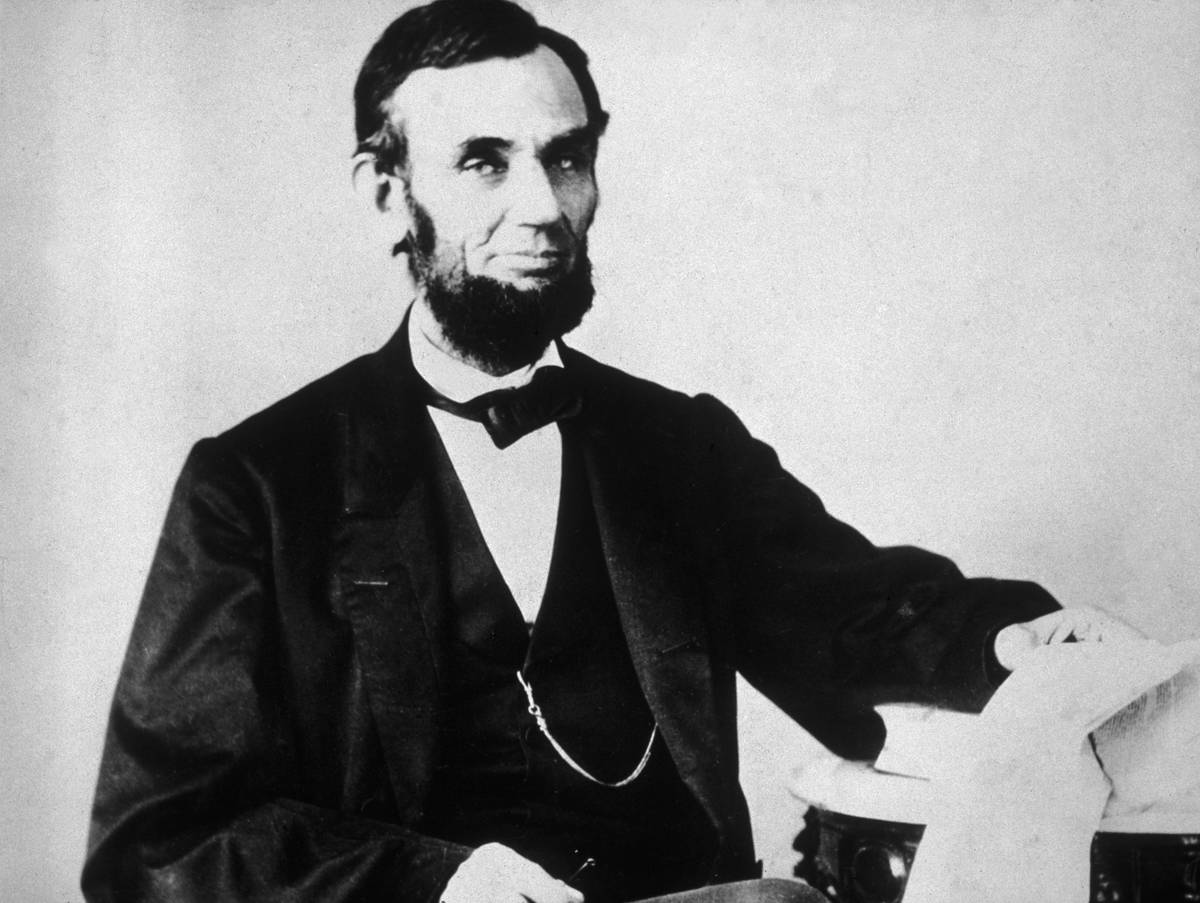
Shortly before his assassination, Abraham Lincoln reportedly described a dream about a funeral in the White House; in the dream, mourners said the president had been killed. This chilling dream left him unsettled, and he shared it with his wife and a few friends.
Though skeptics may brush it off as mere coincidence, the dream has become a famous anecdote, adding a mystical layer to the tragic narrative of America’s 16th president.
The Mysterious Vision of Constantine the Great
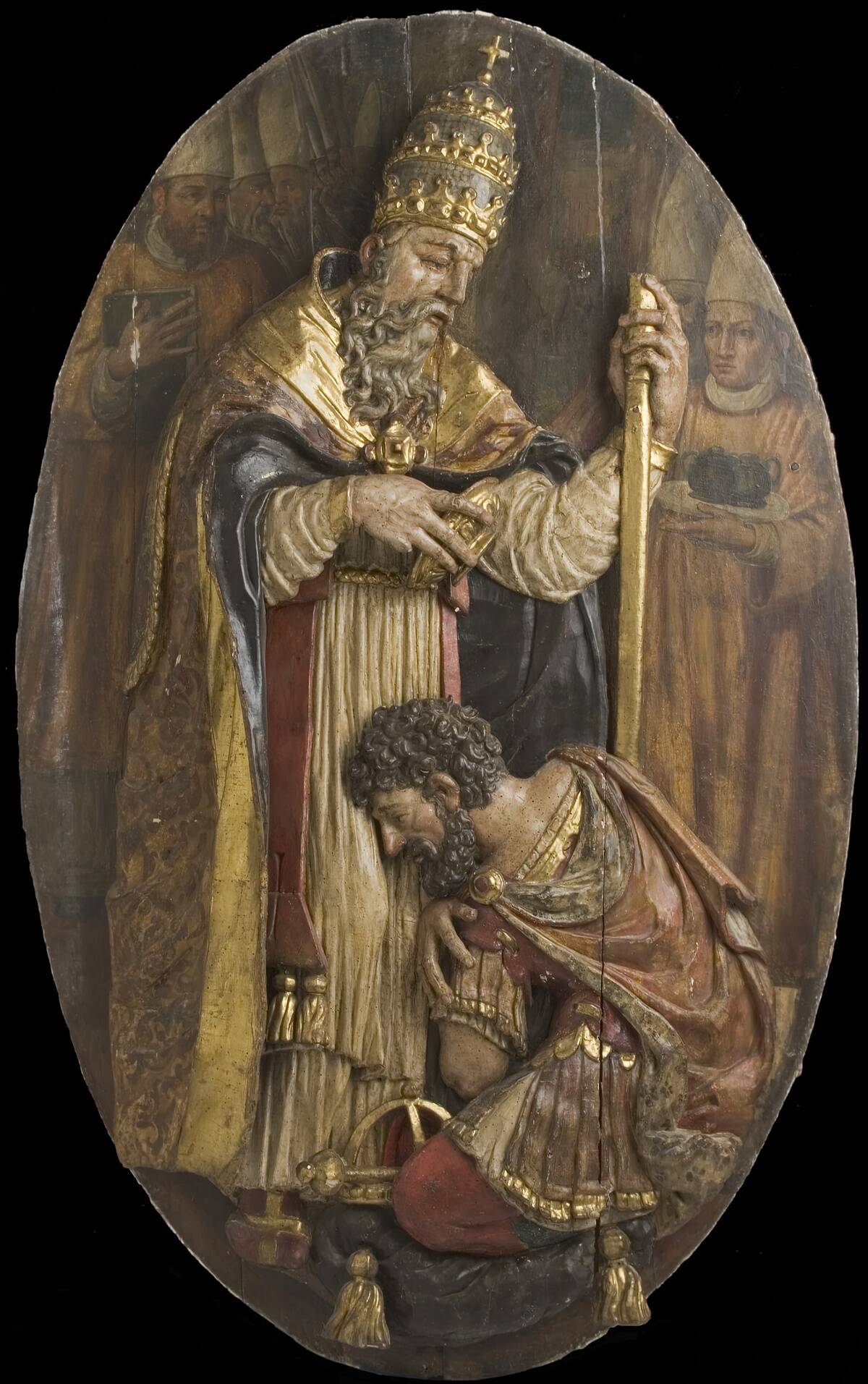
Before the Battle of the Milvian Bridge, Constantine the Great experienced a vision of a cross of light accompanied by the words ‘In this sign, you will conquer.’ Taking this as a divine omen, he ordered his soldiers to adorn their shields with the Christian symbol, leading to a pivotal victory.
After the Battle of the Milvian Bridge in 312 CE, Constantine began supporting Christianity, which significantly accelerated its growth and acceptance within the Roman Empire.
Martin Luther King Jr.’s Inspirational Dream for Civil Rights
![Reverend [redacted]](https://media.tellmebest.com/wp-content/uploads/2023/07/reverend-dr.-martin-luther-king-jr-10010.jpeg)
Martin Luther King Jr.’s iconic ‘I Have a Dream’ speech was not a recount of a literal dream but rather a profound vision for a future of equality. His dream for civil rights wasn’t born in sleep but in the waking aspirations of millions longing for justice.
King’s words resonated across the globe, galvanizing the civil rights movement and leaving a legacy of hope and perseverance that continues to inspire generations.
The Surreal Dream of Dmitri Mendeleev and the Periodic Table
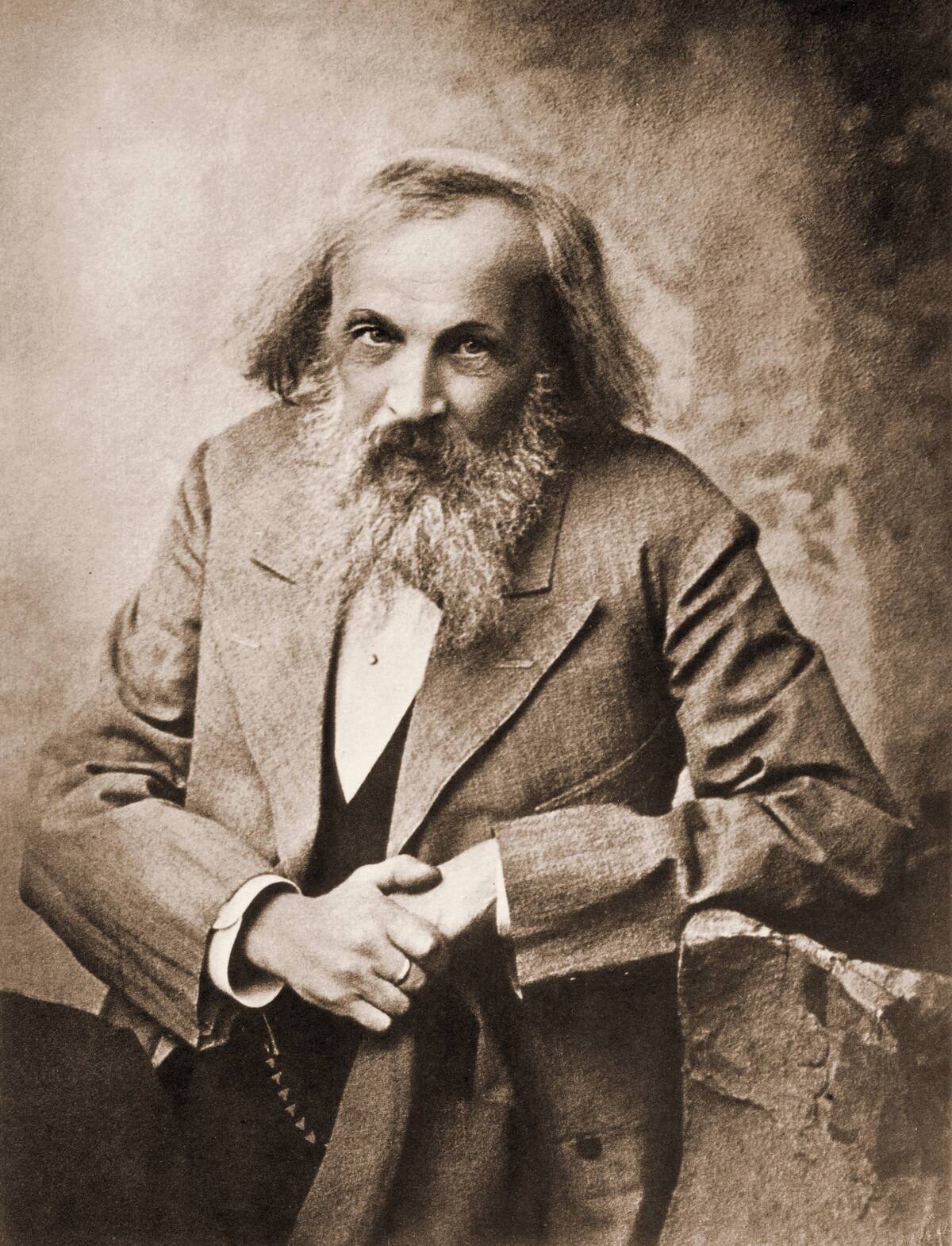
Dmitri Mendeleev, the father of the periodic table, is said to have envisioned the complete table in a dream. While pondering the organization of elements, he fell asleep at his desk, and in a dream, he saw them arranged in a specific order.
Upon waking, he transcribed the vision, which remarkably aligned with the periodic law. This dream not only advanced chemistry but also highlighted the mysterious workings of the subconscious in scientific discovery.
Julius Caesar’s Wife’s Ominous Dream
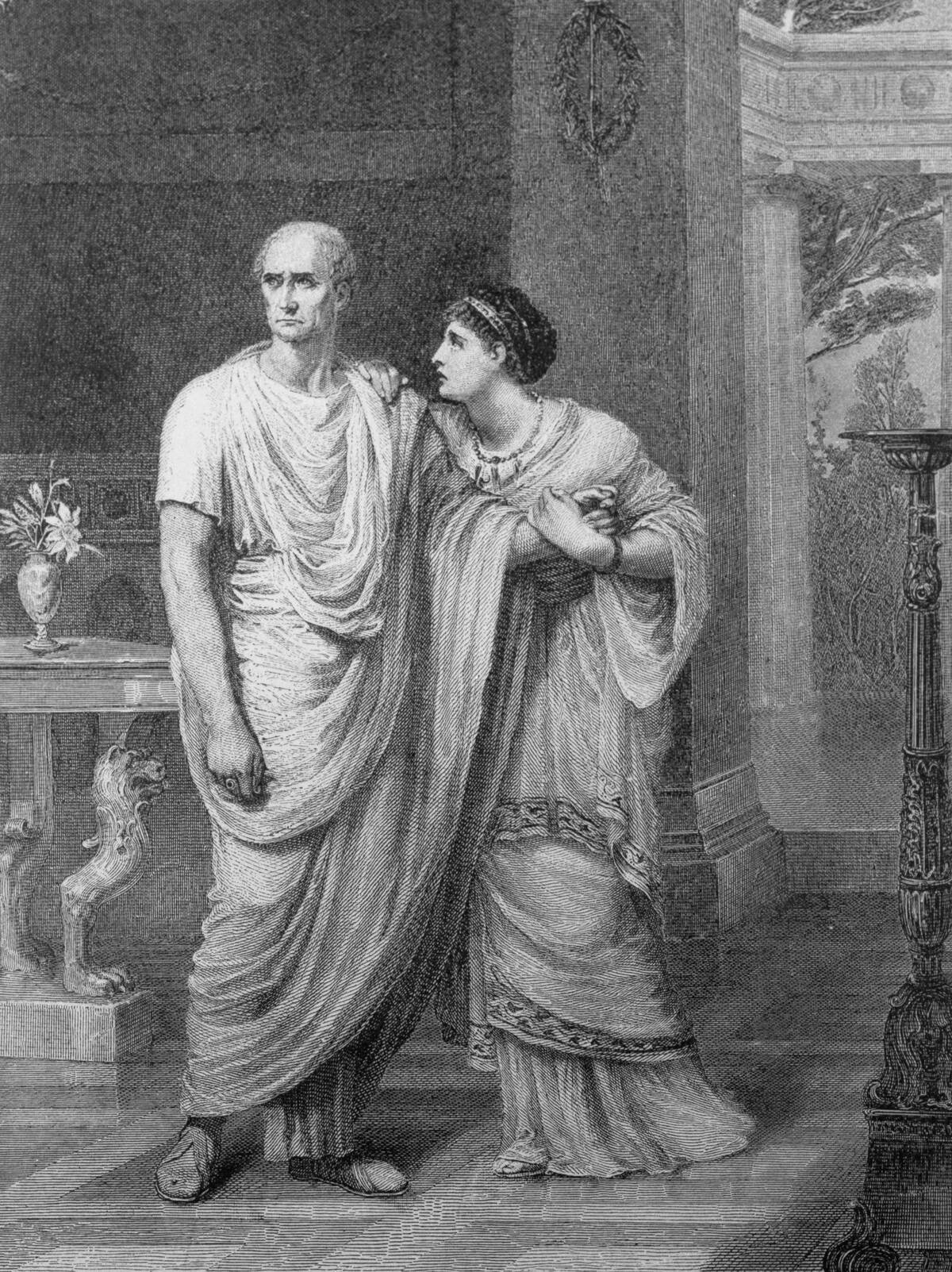
On the night before Julius Caesar’s assassination, his wife, Calpurnia, dreamt of his statue spouting blood while Romans washed their hands in it. She awoke terrified, imploring him to avoid the Senate.
Despite her warnings, Caesar dismissed the dream, only to meet his demise on the Ides of March. This eerie premonition became a classic tale of ignored forewarning, illustrating how dreams can serve as harbingers of fate.
The Dream That Led to the Founding of a Religious Movement
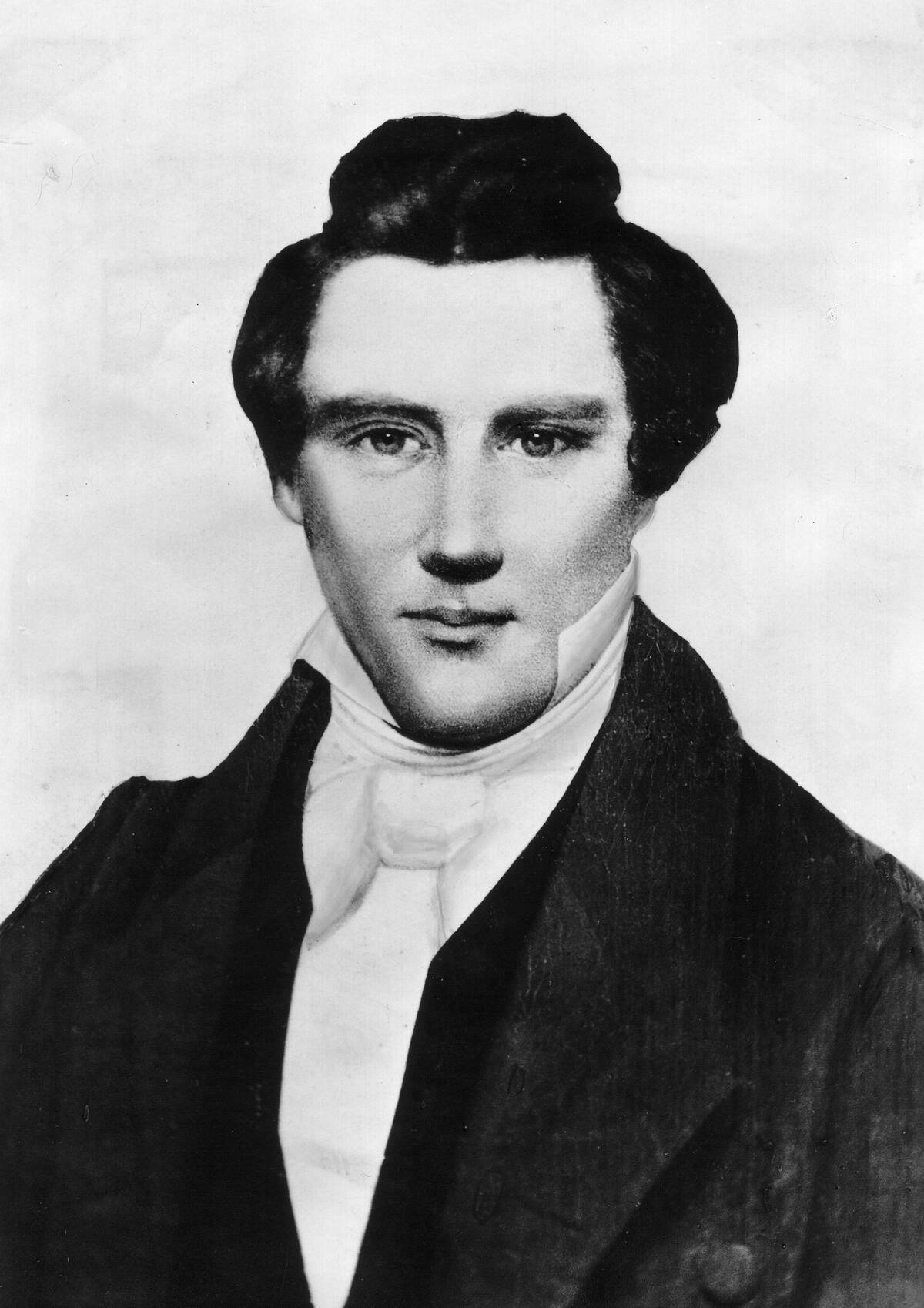
Joseph Smith, the founder of the Latter Day Saint movement, claimed to have experienced a series of visions that led to the establishment of the church. These dreams and visions were said to reveal divine truths and instructions, forming the foundation for a new religious movement.
Smith’s revelations were documented in the Book of Mormon, which became a central text for millions of followers, highlighting the transformative power of spiritual visions.
The Role of Dreams in Native American Culture and History
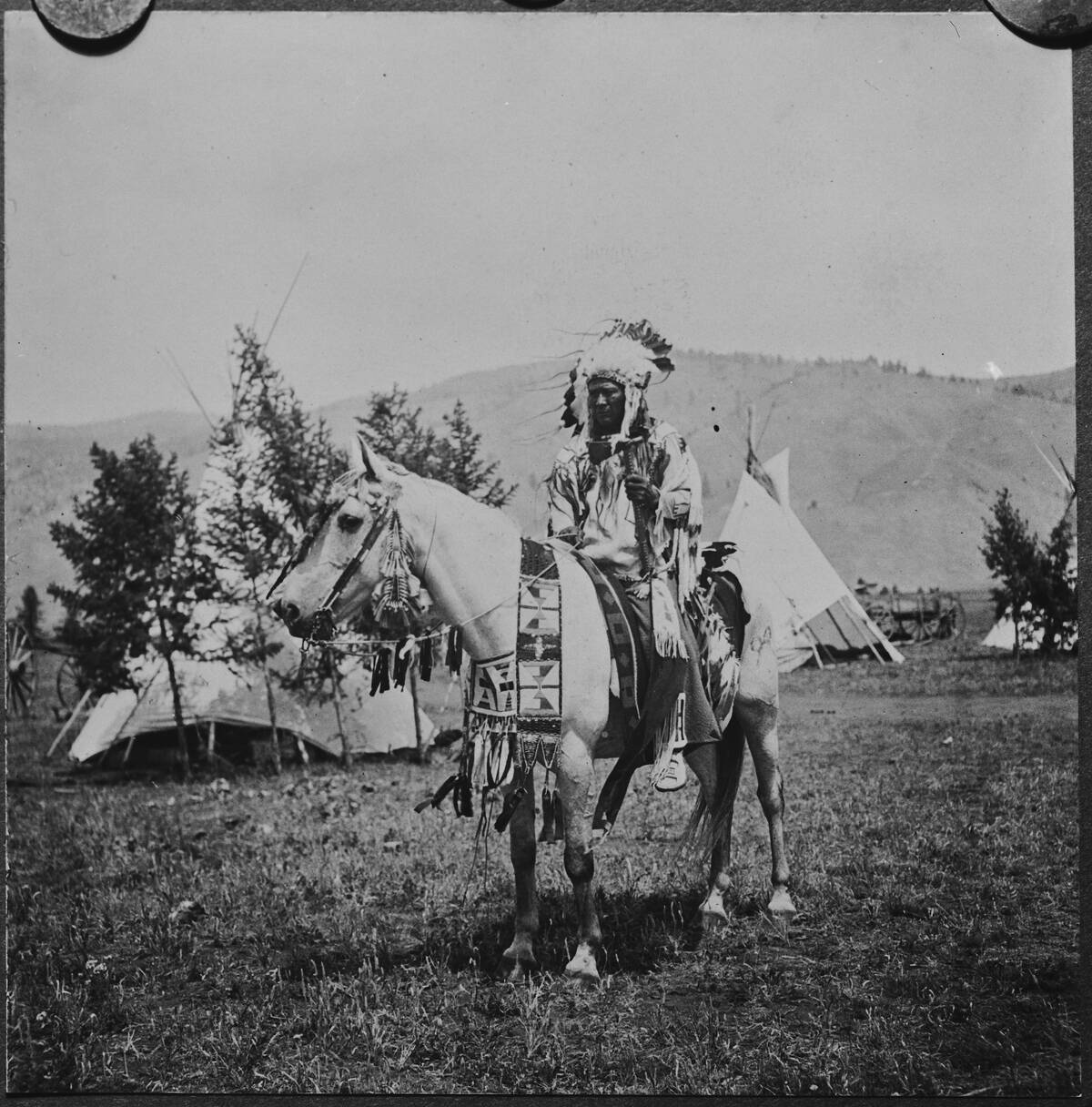
In many Native American cultures, dreams are considered powerful spiritual experiences that guide individuals and communities. They serve as a bridge to the spiritual world, offering guidance, warnings, and insights.
Vision quests are undertaken to seek dreams that reveal one’s purpose or fate. These traditions underscore the deep reverence for dreams as sacred tools of wisdom, shaping cultural practices and influencing decisions throughout history.
The Dream of a Modern City: Walt Disney’s Vision for EPCOT
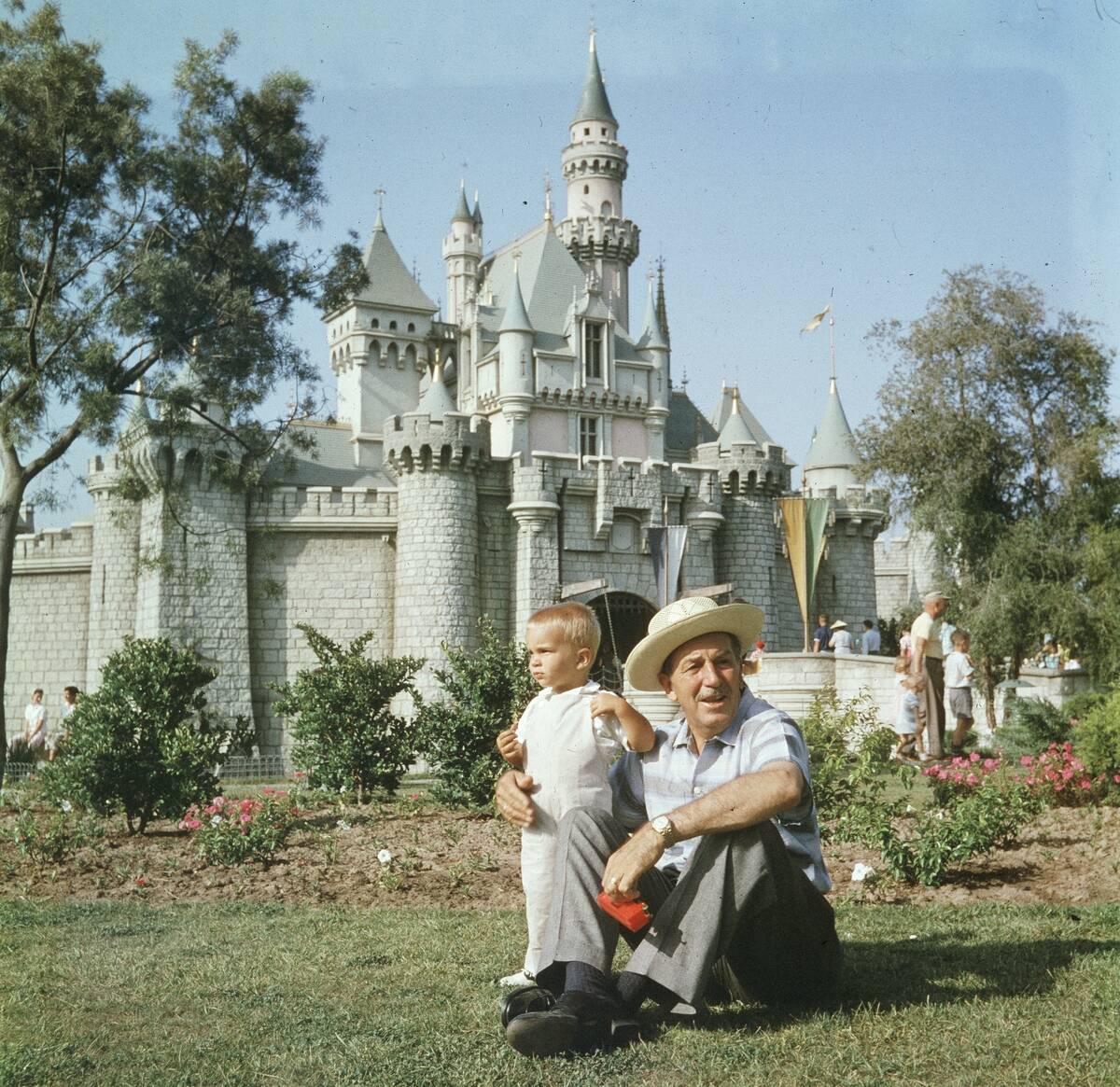
Walt Disney’s dream for EPCOT was not just an amusement park but a utopian city where technology and innovation would flourish. Initially envisioned as the ‘Experimental Prototype Community of Tomorrow,’ EPCOT was to be a living showcase of human achievement.
Though it evolved into a theme park, Disney’s visionary ideas continue to influence urban planning and inspire future developments in sustainable and innovative community living.
Paul McCartney’s Dream That Brought “Yesterday” to Life
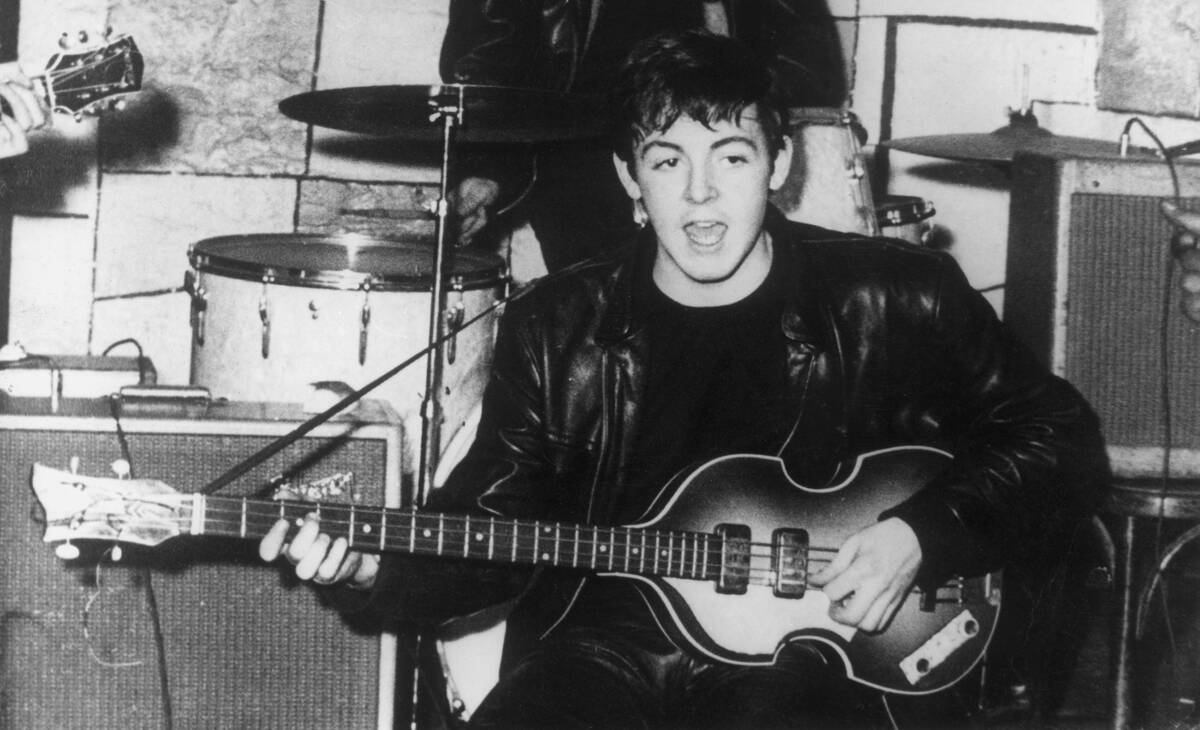
The melody for the Beatles’ hit song ‘Yesterday’ came to Paul McCartney in a dream. Upon waking, he quickly played it on the piano, worried it might be a subconscious recollection of an existing tune.
After confirming its originality, McCartney penned the lyrics, resulting in one of the most covered songs in history. This dream-inspired creation highlights the serendipitous nature of artistic innovation, where sleep can sometimes be the birthplace of timeless music.
The Nightmarish Vision Behind Mary Shelley’s “Frankenstein”
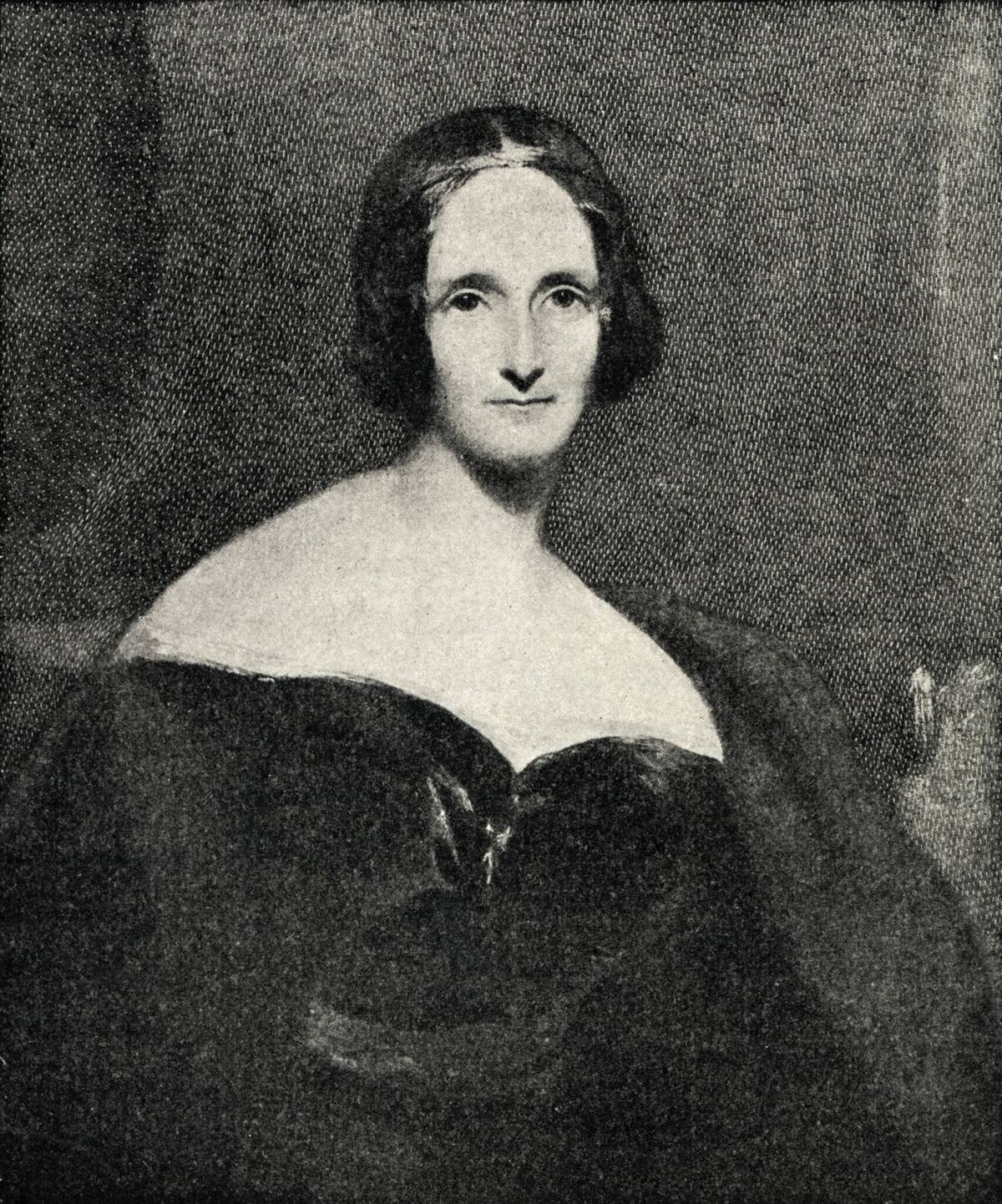
Mary Shelley’s ‘Frankenstein’ was born from a vivid nightmare. While staying at Lord Byron’s villa, Shelley dreamt of a scientist who created life, only to be horrified by his creation. This chilling vision served as the seed for her novel, which became a cornerstone of gothic literature.
The story’s enduring legacy illustrates how our darkest dreams can sometimes illuminate the human condition and inspire timeless tales of caution.
The Dream That Changed the Course of Art: Salvador Dalí’s Surreal Visions
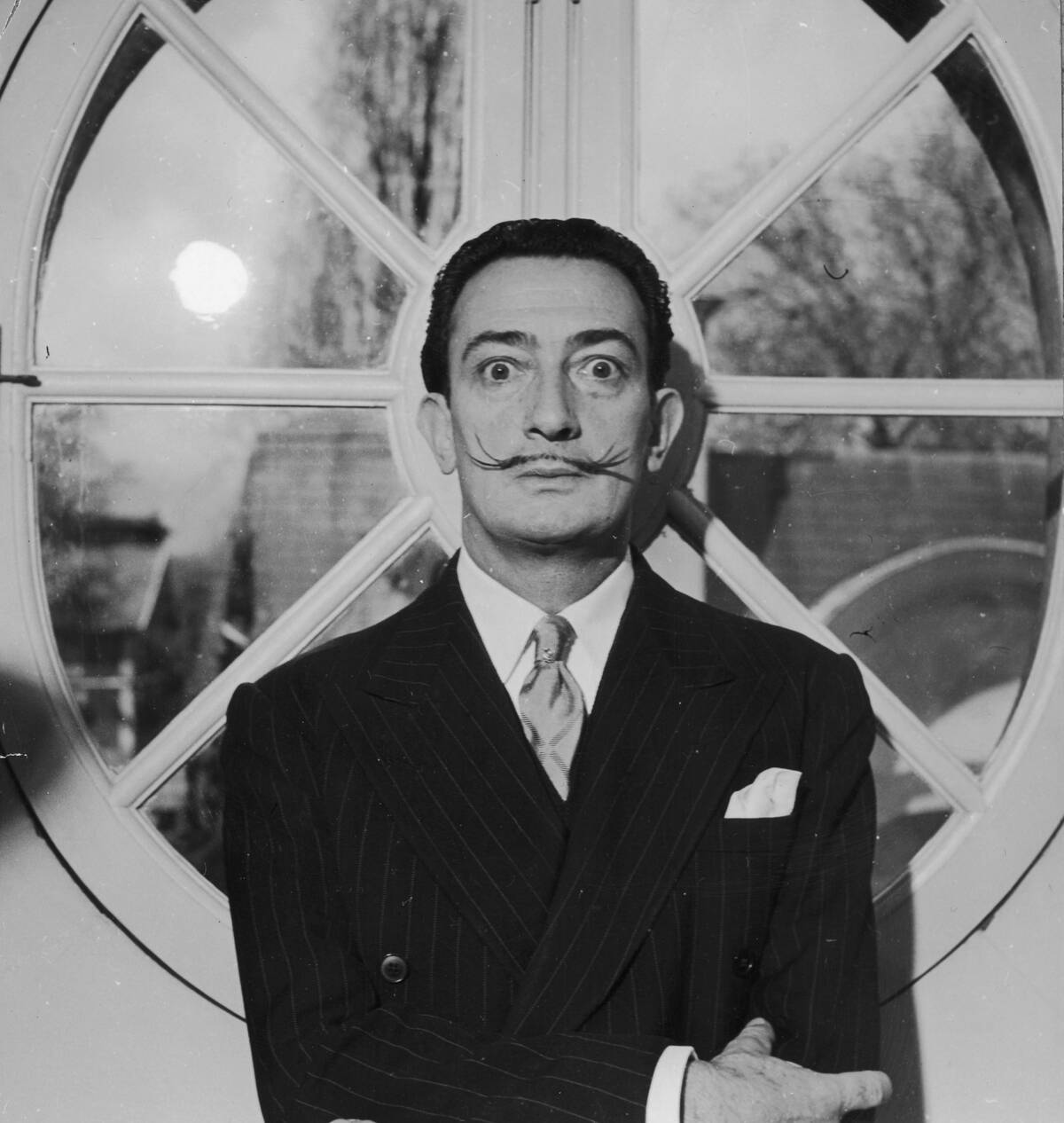
Salvador Dalí, a master of surrealism, often used dreams as a source of inspiration for his art. His work, characterized by bizarre and dream-like imagery, challenged conventional perceptions of reality.
Dalí’s ability to capture the subconscious on canvas not only revolutionized modern art but also invited audiences to explore the depths of their own imaginations. His surreal visions continue to captivate and inspire, proving that dreams can transform art and perception.
The Visions That Influenced Albert Einstein’s Theory of Relativity
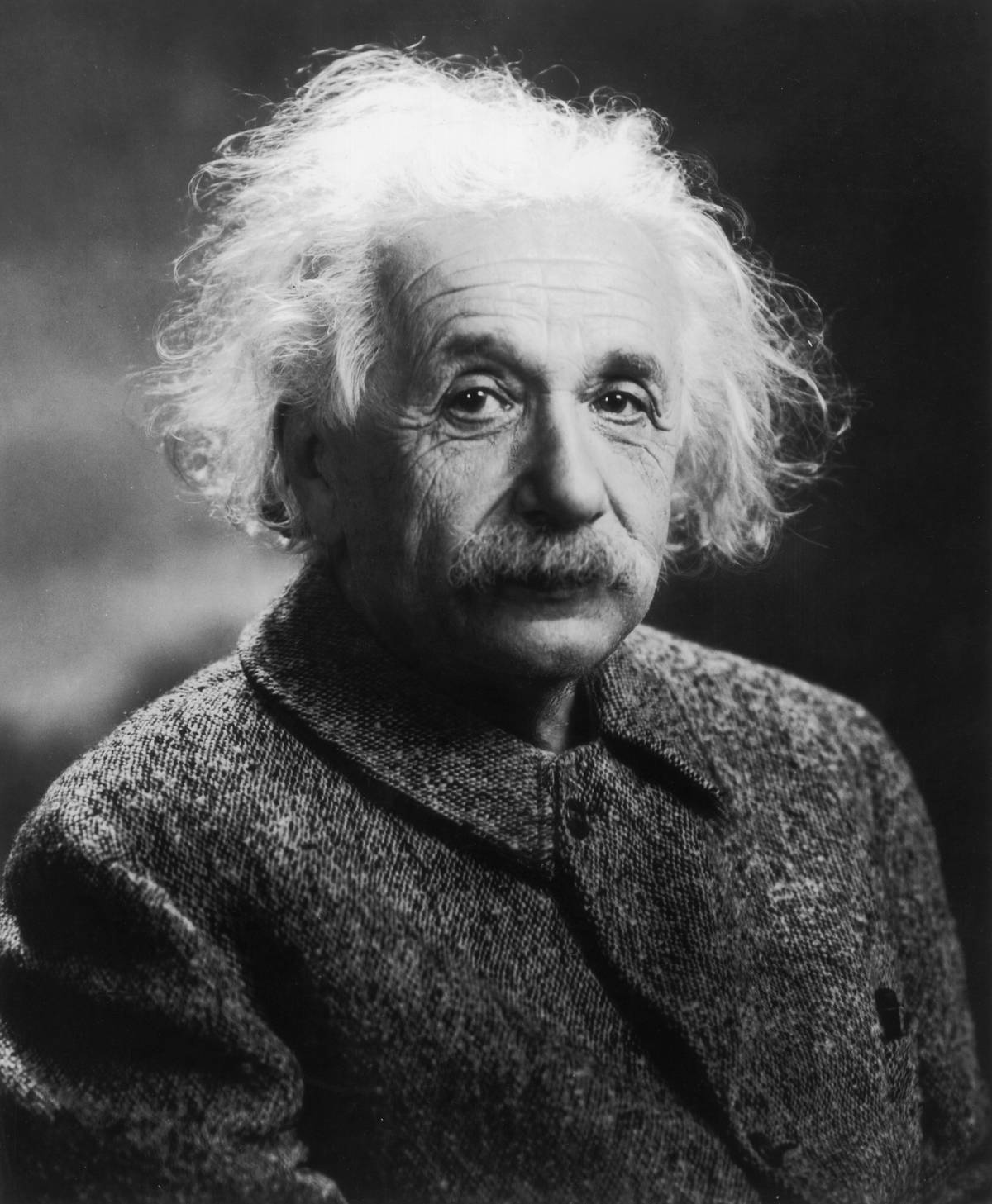
Albert Einstein’s theory of relativity was influenced by thought experiments that resembled vivid daydreams. He visualized himself riding alongside a beam of light, contemplating its implications.
These imaginative exercises led to groundbreaking insights into the nature of space and time. Einstein’s visionary approach to problem-solving highlights how creativity and imagination are integral to scientific advancement, where dreams can indeed lead to revolutionary understanding.




