20 overlooked events that influenced the modern world
Some of history’s loudest bangs came from surprisingly small triggers. A single cholera map in 1854 redirected how cities supply water. A few feverish days on Wall Street in 1907 catalyzed the Federal Reserve’s creation in 1913. And a 1987 environmental treaty, signed in Montreal, steadily reversed damage to Earth’s ozone layer. None of these sound as cinematic as a battlefield charge, yet they reorganized daily life—what we drink, how money moves, even the sunlight reaching our skin.
Zoom in further and you’ll spot quakes, pumps, pipes, and policies nudging civilization down new tracks. The 1755 Lisbon earthquake didn’t just rattle buildings; it rattled European philosophy and jump‑started seismic building codes. A 19th‑century volcano cooled summers and helped launch a literary classic. Canals shortened empires’ supply lines overnight, while conferences in quiet resorts fixed exchange rates for decades. These turning points hid in plain sight—practical, procedural, and profoundly world‑shaping.
The 1755 Lisbon earthquake that shook faith, philosophy, and disaster planning
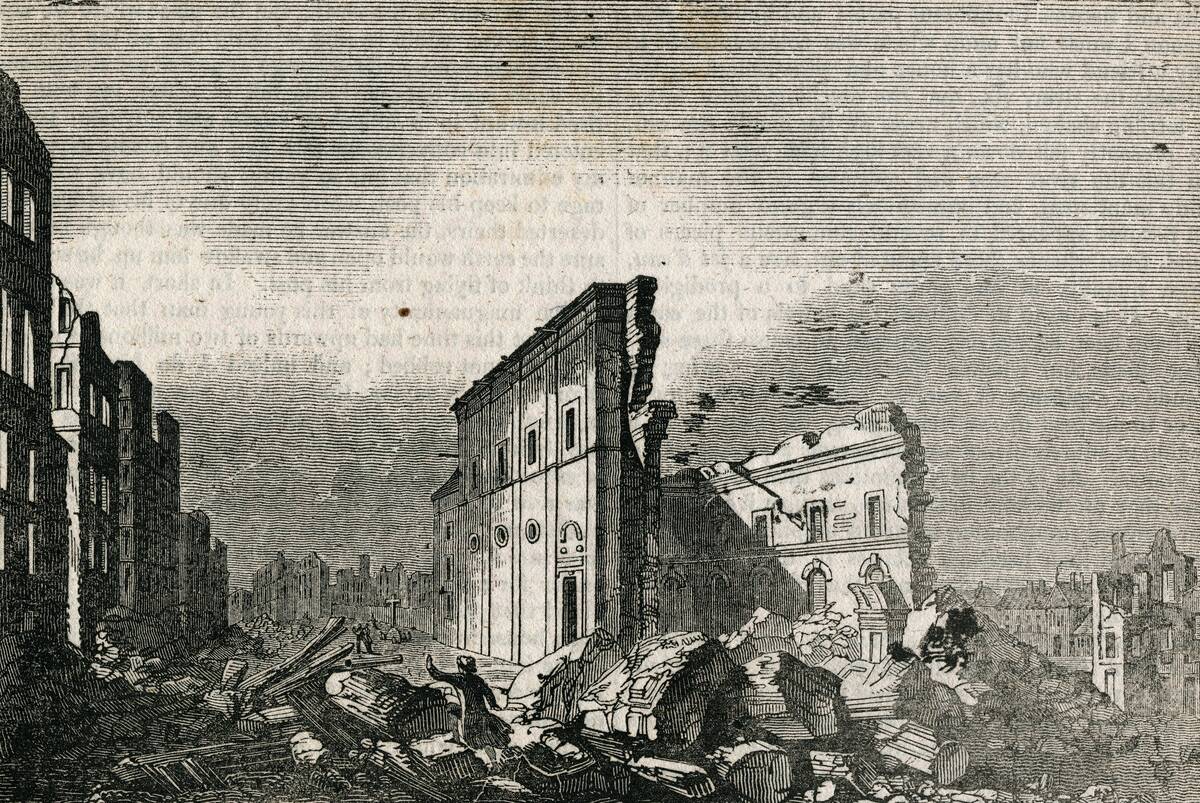
On the morning of November 1, 1755—All Saints’ Day—Lisbon was struck by a massive earthquake, estimated at magnitude 8.5 to 9. Minutes later, a tsunami surged up the Tagus, and fires burned for days. Contemporary accounts put Lisbon’s death toll at tens of thousands, with devastation reaching as far as Morocco. Shockwaves were felt across Europe, and tsunamis were recorded on Atlantic coasts, including Ireland and England. The calamity instantly became one of the most widely reported disasters in early modern history.
What followed was as consequential as the shaking.
The Marquis of Pombal led reconstruction, introducing early anti‑seismic “Pombaline” buildings with wooden cage (gaiola) frames and standardized street grids. Philosophers wrestled with meaning—Voltaire satirized optimistic theodicy in Candide—while scientists gathered data that helped seed seismology. Lisbon’s response modeled state‑led disaster planning: clearing ruins, banning price gouging, and testing building designs, practical steps that foreshadowed modern emergency management.
1815’s Mount Tambora eruption and the “Year Without a Summer” that rewrote climate and culture
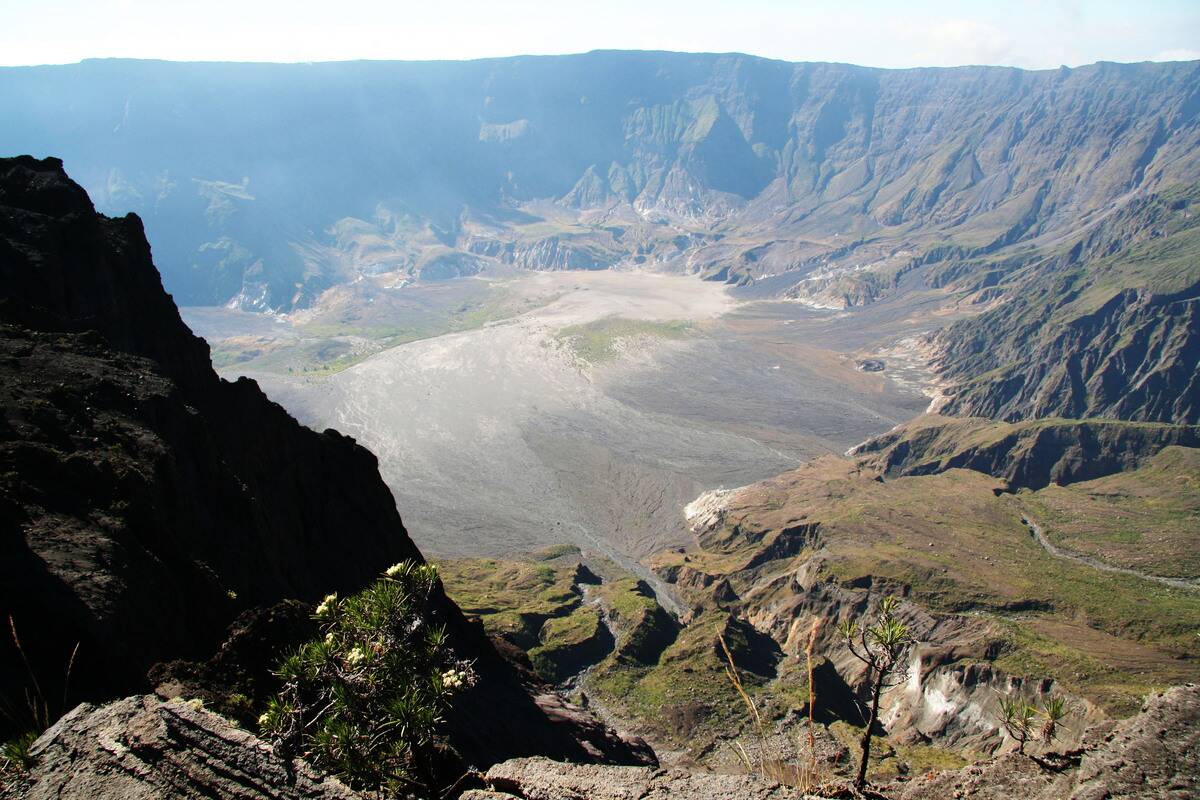
In April 1815, Mount Tambora in Indonesia produced the largest eruption in recorded history (VEI‑7), ejecting more than 100 cubic kilometers of material. Sulfate aerosols veiled the atmosphere, depressing global temperatures by roughly 0.4–0.7°C. The following year, 1816—the “Year Without a Summer”—brought June snow to New England and crop failures across Europe. Grain and oat prices spiked, and famines and food riots flared from Switzerland to Ireland, rippling through already war‑battered economies.
Culture bent with the weather. In a gloomy 1816 season at Lake Geneva, Mary Shelley began writing Frankenstein while Lord Byron penned “Darkness.” Artists like J. M. W. Turner captured the eruption’s blood‑red sunsets, tinted by stratospheric haze. Practical minds adapted too: in 1817, Karl Drais unveiled his “laufmaschine,” an early bicycle precursor, amid horse‑feed shortages. Tambora’s ash didn’t just chill fields; it cooled expectations, inspired art, and accelerated small, clever pivots in everyday transport.
The 1854 Broad Street pump handle that launched modern epidemiology
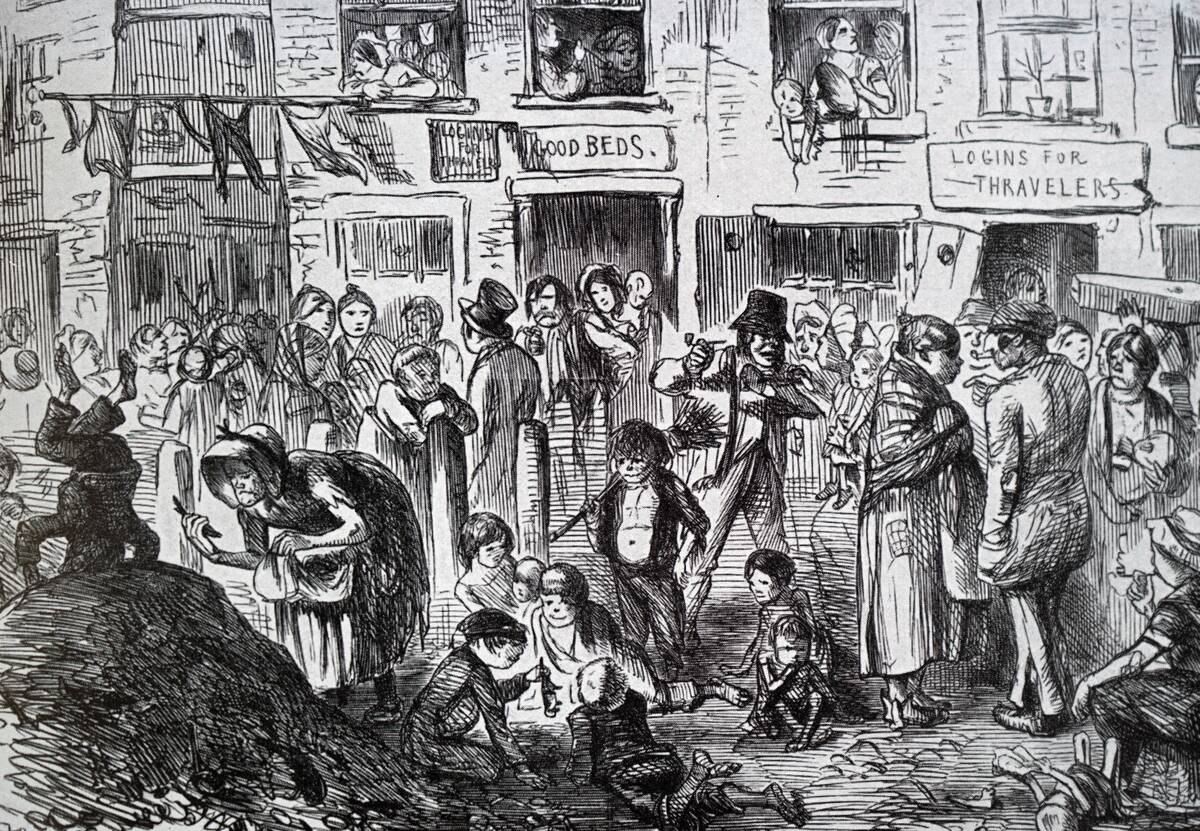
When cholera erupted in London’s Soho in August 1854, physician John Snow mapped cases around a public water source on Broad Street. The clustering was hard to miss—one address at 40 Broad Street recorded dozens of deaths—and Snow suspected a contaminated well. With the help of local curate Henry Whitehead, he traced the outbreak to wastewater seeping from a cesspit into the pump.
The parish removed the pump handle in early September as cases were already waning, but the act became emblematic.
Snow’s analysis—meticulous interviews, a dot map, and a natural experiment comparing water companies—undercut dominant miasma theories. His work, later buttressed by Pasteur and Koch’s germ theory, helped found epidemiology as a data‑driven field. The outbreak killed more than 600 people in the area, yet it birthed a new public‑health habit: follow the data, fix the source. Today’s contact tracing, case maps, and source‑control playbooks all echo that stubborn pump handle.
London’s 1858 Great Stink and the birth of urban sanitation systems
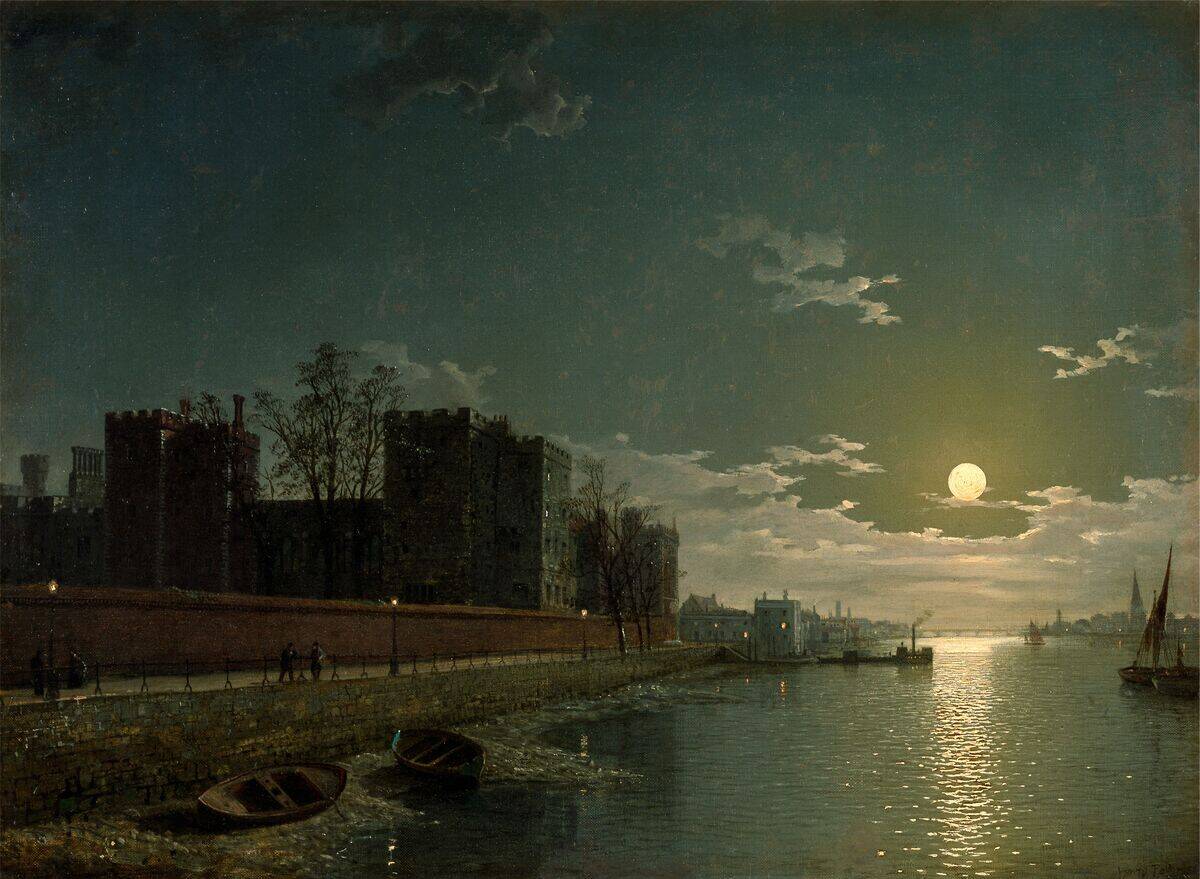
The summer of 1858 baked the Thames into a reeking broth. Years of dumping sewage into the river met a heatwave, and the stench overwhelmed central London—Parliament hung chloride of lime on curtains to cope. The crisis finally unlocked funding for engineer Joseph Bazalgette’s long‑planned intercepting sewers, a project launched in 1859. His design used Portland cement and massive brick tunnels to divert waste eastward, away from drinking intakes, and toward treatment and outfalls below the city.
By the mid‑1870s, London had 82 miles of main intercepting sewers feeding more than 1,100 miles of street sewers, plus new embankments like Victoria Embankment that doubled as flood defenses and transit corridors. Cholera, which had plagued the city in waves, receded as clean water and separation of waste took hold. Bazalgette even overbuilt pipe diameters for growth—an unglamorous decision that kept paying dividends for a century of fast‑growing Londoners.
The 1859 Carrington solar storm that previewed our tech vulnerabilities
On September 1, 1859, astronomer Richard Carrington sketched a rare white‑light solar flare. Within a day, a coronal mass ejection slammed Earth’s magnetosphere, triggering the most intense geomagnetic storm on record. Telegraph systems sparked, operators reported shocks, and some lines sent messages with batteries disconnected. Auroras glowed as far south as the Caribbean and Hawaii, dazzling and unnerving spectators who had never seen the night sky hum like that.
The episode is now a cautionary tale. A storm of similar strength today could disrupt satellites, GPS timing, and power grids—Hydro‑Québec’s 1989 outage came from a far weaker event. Space‑weather agencies monitor sunspots and CMEs, and utilities harden transformers, but vulnerabilities remain. In 2012, a Carrington‑class CME narrowly missed Earth. The 1859 storm didn’t ruin Victorian tech; it foreshadowed how deeply our modern systems lean on quiet, predictable space weather.
The 1907 Bankers’ Panic that built the blueprint for the Federal Reserve
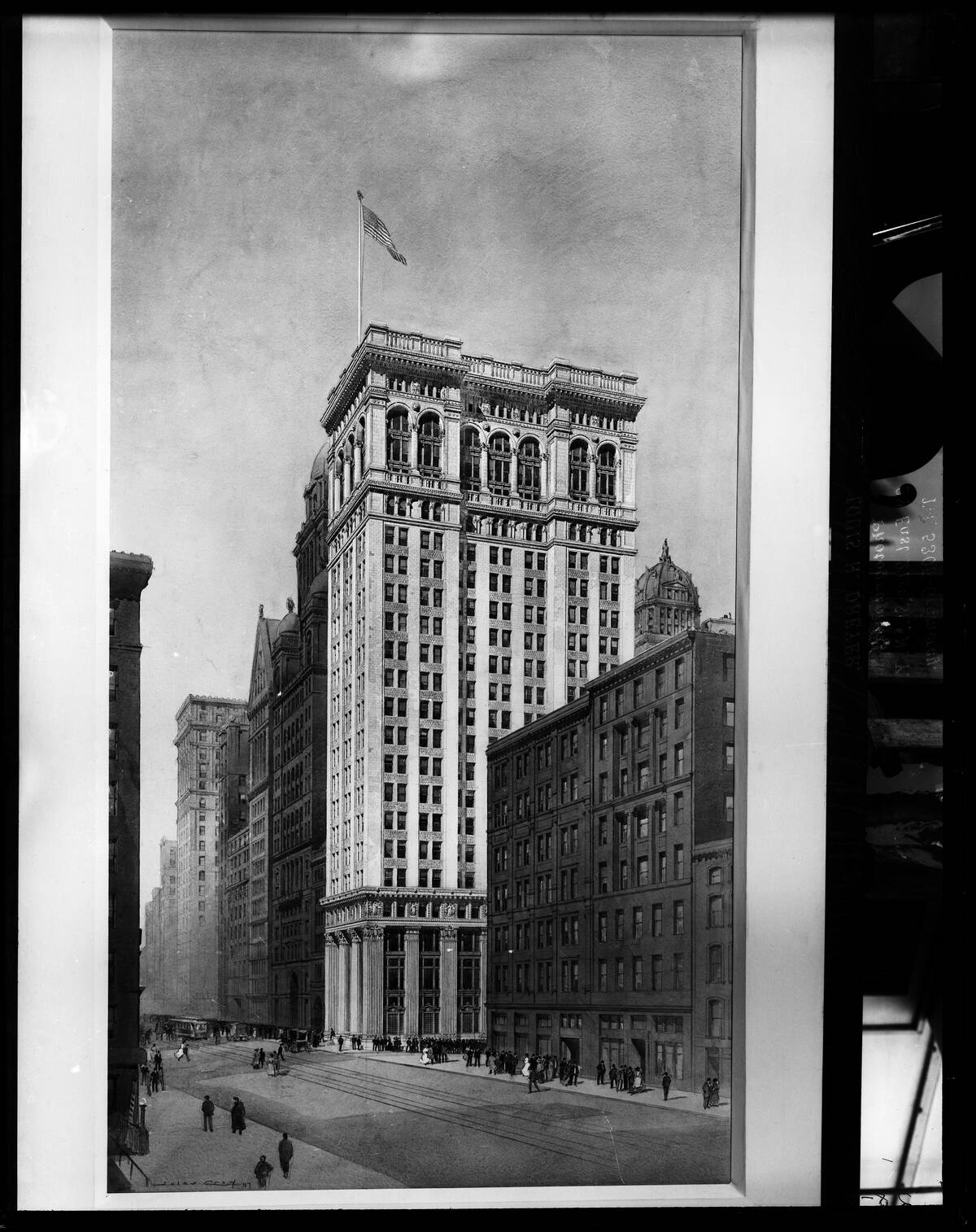
In October 1907, trust companies in New York—especially the Knickerbocker Trust—faced runs after a failed stock‑cornering scheme. With no central bank, liquidity froze and the Dow, already battered since 1906, plunged nearly 50% from peak to trough. J. P. Morgan corralled bankers in his library, organizing emergency pools, vetting which institutions to save, and backing the New York Stock Exchange with cash and clearinghouse certificates to keep trading open.
The ad‑hoc rescue worked, but Congress took the hint. The Aldrich‑Vreeland Act (1908) set up the National Monetary Commission to study reforms, and after years of debate, the Federal Reserve Act (1913) created a lender of last resort and a nationwide payments system. Central banking didn’t banish panics, yet it replaced midnight huddles with standing tools—discount windows, reserve requirements, and coordinated open‑market operations—born from one chaotic autumn.
The 1917 Halifax Explosion that redefined emergency response
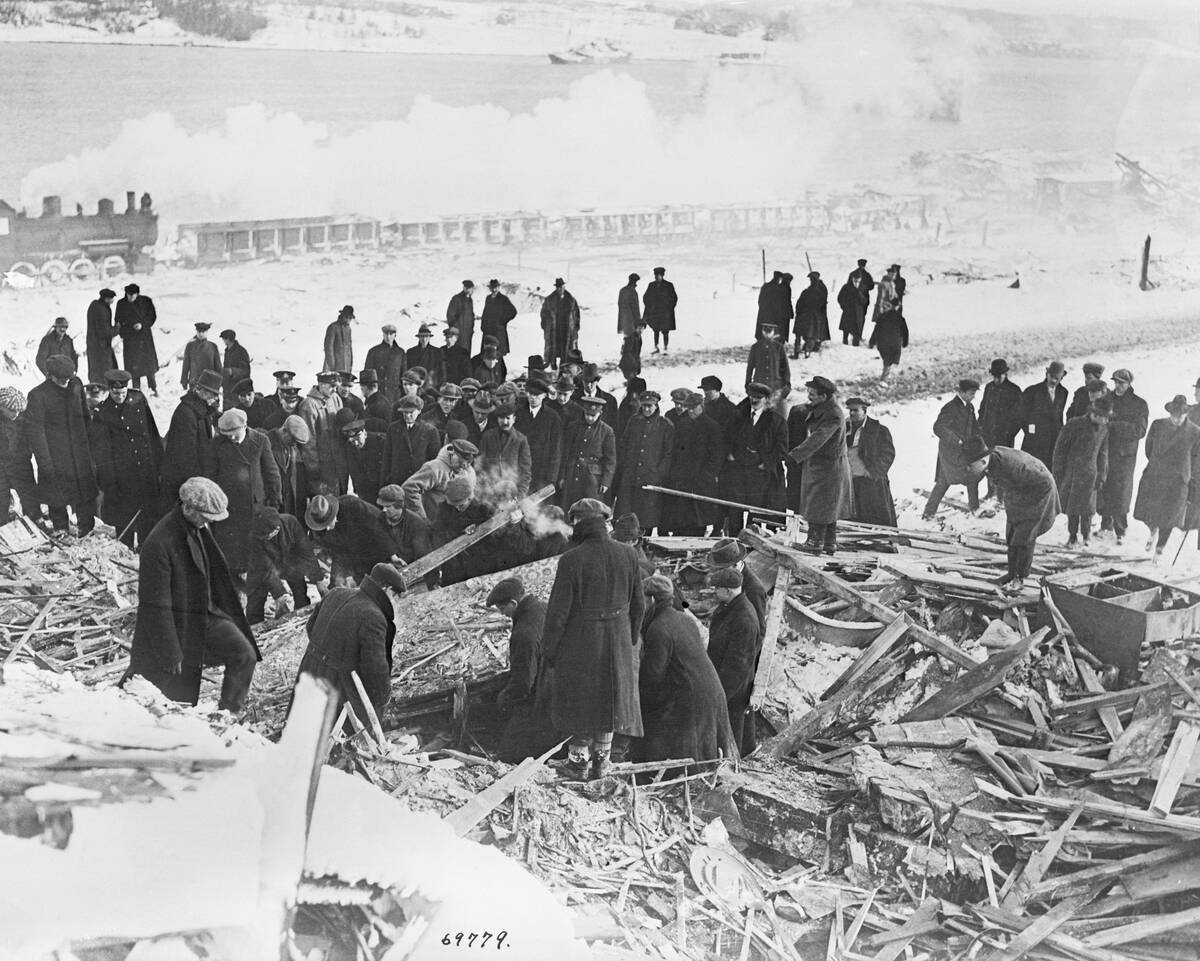
On December 6, 1917, the French munitions ship SS Mont‑Blanc collided with the Norwegian relief vessel SS Imo in Halifax Harbour. Fire spread, and at 9:04 a.m. Mont‑Blanc exploded—one of the largest non‑nuclear blasts in history, often estimated at the equivalent of 2.9 kilotons of TNT. About 2,000 people were killed and roughly 9,000 injured. A pressure wave leveled neighborhoods, shattered windows miles away, and a harbor wave swept ashore within minutes.
Relief moved swiftly and across borders.
Massachusetts medical teams arrived by train within a day, a gesture Nova Scotia still honors with Boston’s annual Christmas tree from Halifax. The scale of eye injuries spurred advances in ophthalmology, and coordinated triage, morgue records, and survivor registries informed later disaster protocols. Halifax built a citywide alarm system and planning office, turning catastrophe into templates for mass‑casualty response, intercity aid, and reconstruction oversight.
The 1884–85 Berlin Conference that drew the map of modern Africa
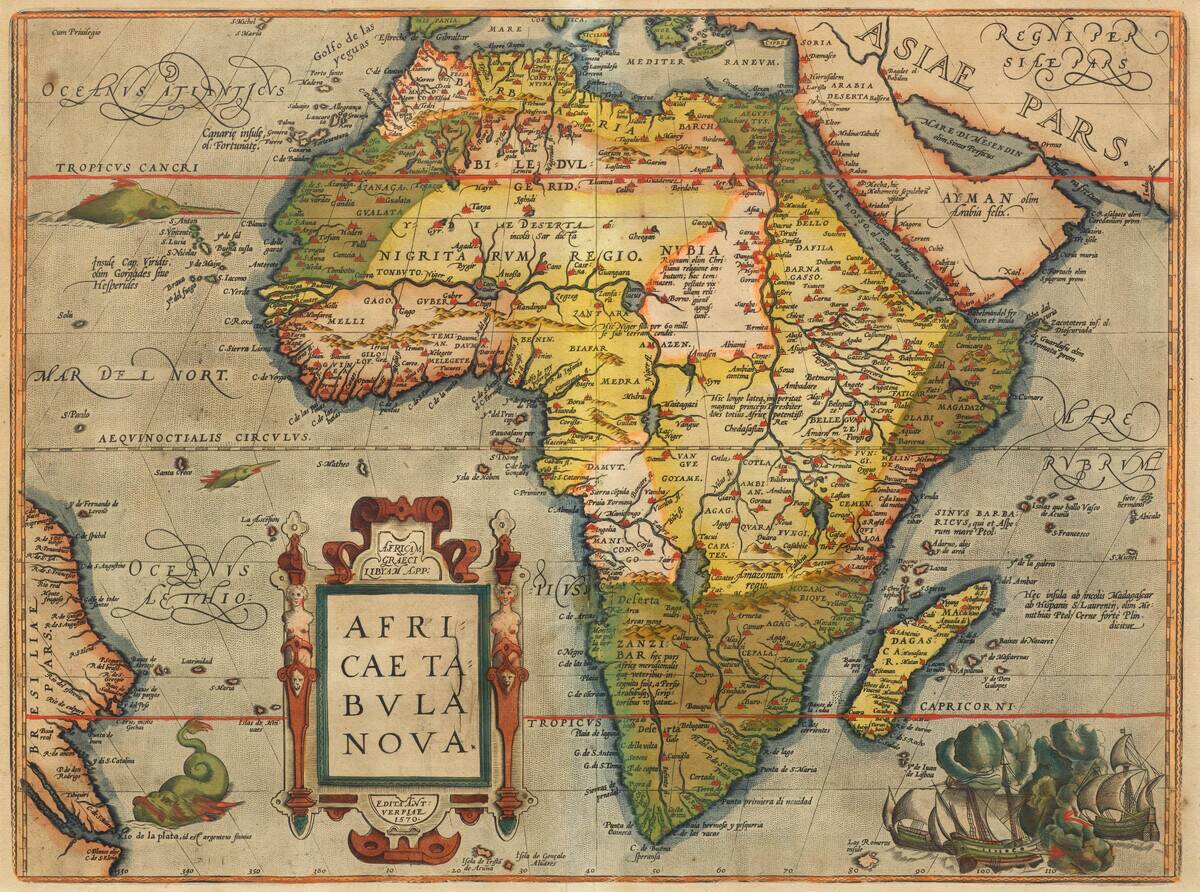
From November 1884 to February 1885, European powers met in Berlin, convened by Otto von Bismarck, to set rules for Africa’s partition. No African leaders were invited. The General Act endorsed “effective occupation” over mere claims and guaranteed free navigation on the Congo and Niger rivers. The conference recognized the Congo Free State as King Leopold II’s personal domain—decisions that accelerated the Scramble for Africa and fixed borders with little regard for languages or trade networks.
The cartographic legacy still shapes geopolitics. Lines drawn in European rooms split communities and fused rival polities, contributing to later conflicts and administrative headaches. Meanwhile, colonial extraction intensified: rubber and ivory streams flowed out as forced labor and violence rose, particularly in the Congo. Independence movements in the 20th century inherited these borders, building states within maps largely drafted between winter banquets on the Spree.
The 1896 Battle of Adwa that upended colonial assumptions
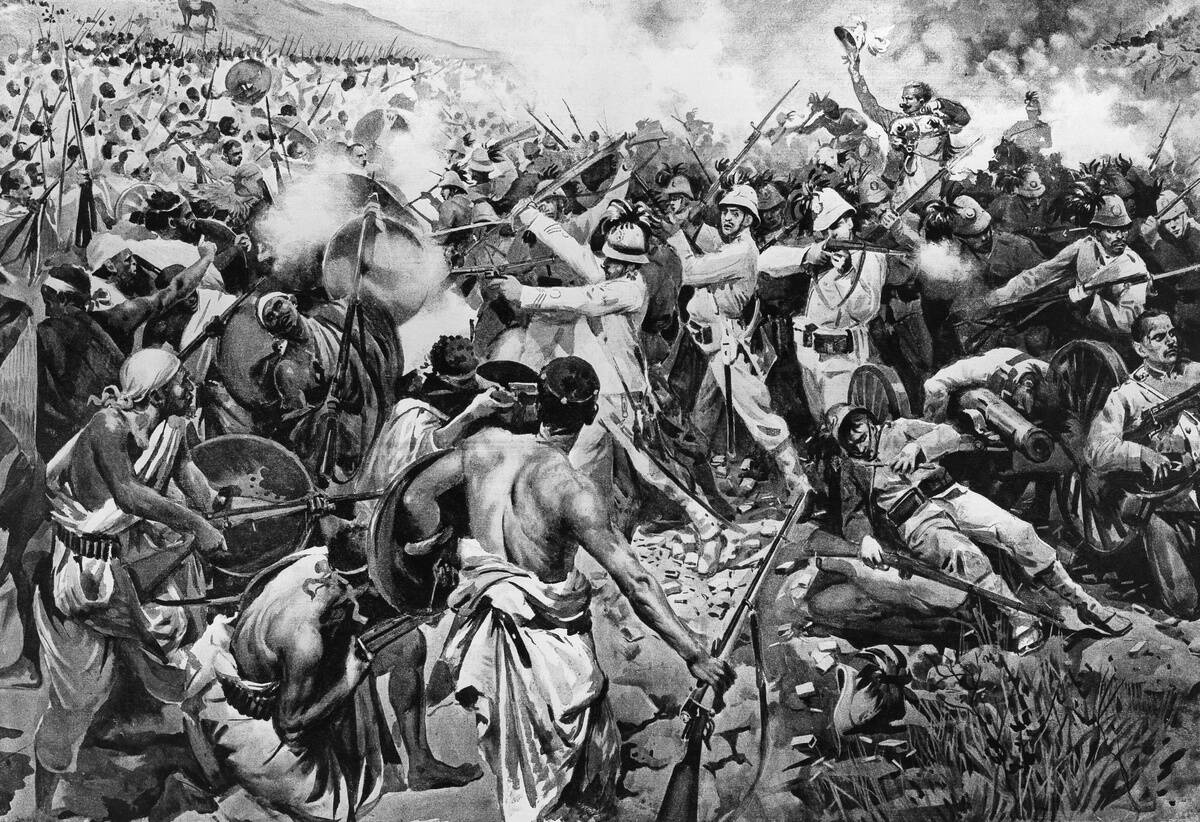
On March 1, 1896, Ethiopian forces under Emperor Menelik II and Empress Taytu Betul defeated Italy at Adwa, halting Rome’s attempt to turn Ethiopia into a protectorate. The dispute stemmed partly from conflicting versions of the 1889 Treaty of Wuchale—Italy’s Italian‑language text implied a protectorate; the Amharic did not. Italian casualties were severe, with thousands killed or captured, and the defeat toppled Prime Minister Francesco Crispi’s government in Rome.
The Treaty of Addis Ababa that followed recognized Ethiopia’s independence, making Adwa a rare late‑19th‑century African victory over a European army. The win echoed worldwide, inspiring anti‑colonial activists and the African diaspora. Ethiopia maintained diplomatic missions and modernized its military and infrastructure, while Italy recalibrated ambitions until its 1935 invasion under Mussolini. Adwa remains a national holiday in Ethiopia and a milestone in global narratives of sovereignty and resistance.
The 1602 launch of the Dutch East India Company and the rise of the shareholder world
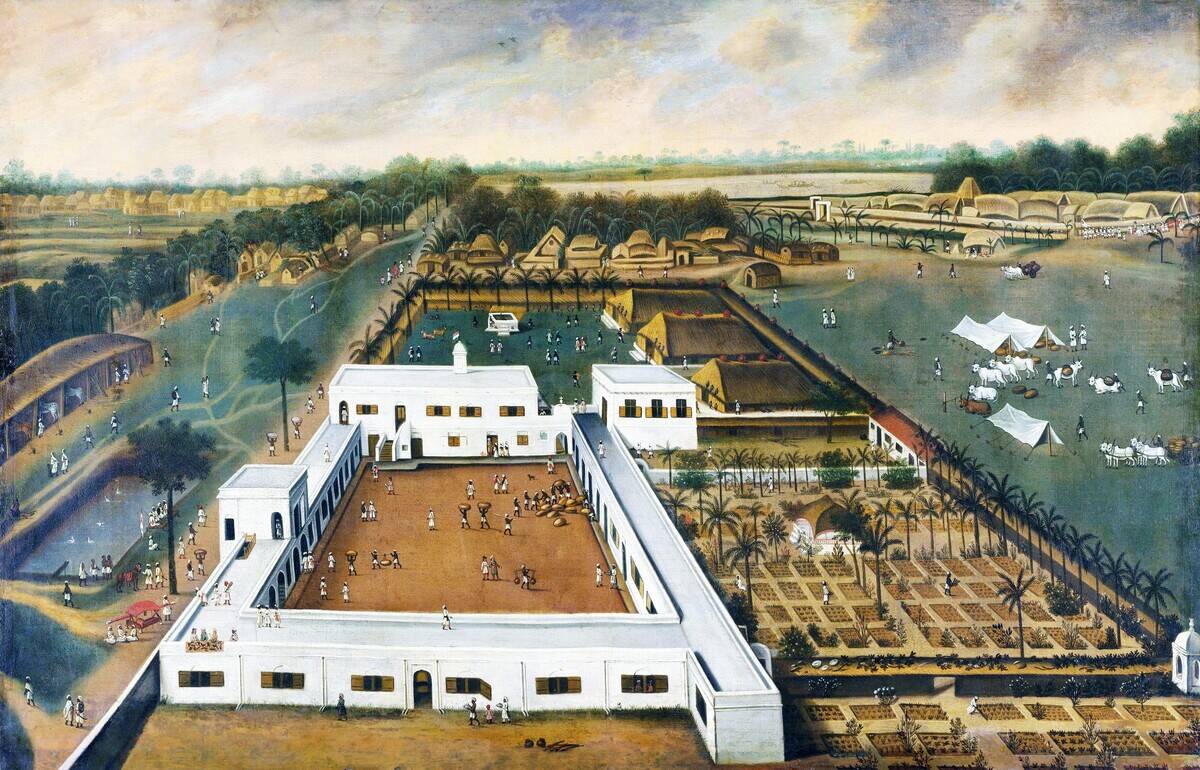
In 1602, the Dutch Republic chartered the Vereenigde Oostindische Compagnie (VOC), granting it a monopoly over Dutch trade to Asia and quasi‑sovereign powers: to make treaties, wage war, and coin money. The Amsterdam Exchange listed its shares that same year, creating liquid secondary trading and long‑term capital for risky voyages. Dividends flowed in cash and spices, and the VOC built a network from Batavia (Jakarta) to Nagasaki, dominating the spice trade for decades.
Shareholder capitalism got a template—joint‑stock financing, transferable shares, audited accounts—alongside its darker legacies. The VOC enforced monopolies with blockades and violence, notably in the Banda Islands’ nutmeg trade. Yet its organizational DNA spread: multinational governance, professional management, and investor oversight. From railways to tech firms, the modern corporation echoes structures first stress‑tested by a seaborne state with pepper, porcelain, and plenty of paperwork in its holds.
The Manila–Acapulco galleon trade that knitted a truly global economy
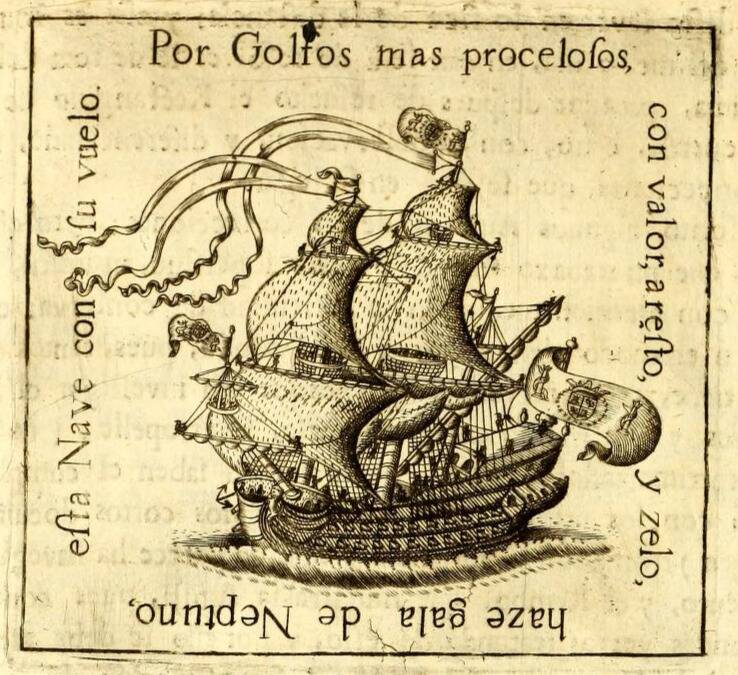
Beginning in 1565, navigator Andrés de Urdaneta plotted the tornaviaje—the north‑Pacific return route—that enabled annual galleons to sail between Manila and Acapulco. For 250 years, until 1815, Spanish ships moved American silver—much from Mexico and Potosí—west to pay for Asian goods like Chinese silk and porcelain. The route, nicknamed the Nao de China, relied on predictable winds: across at low latitudes to the Philippines and back along the Kuroshio Current and westerlies to New Spain.
The galleons did more than swap luxuries. They seeded hybrid cultures and tastes from Puebla talavera to Filipino‑Mexican cuisine, and funneled silver into China’s Ming‑Qing tax regimes, where metal demand was high. Manila thrived as a cosmopolitan entrepôt of Spaniards, Tagalogs, Fujianese, and more. The system unraveled amid independence wars and shifting imperial finances, but it left a template for transoceanic supply chains long before container ships.
The 1846 repeal of Britain’s Corn Laws and the gospel of free trade
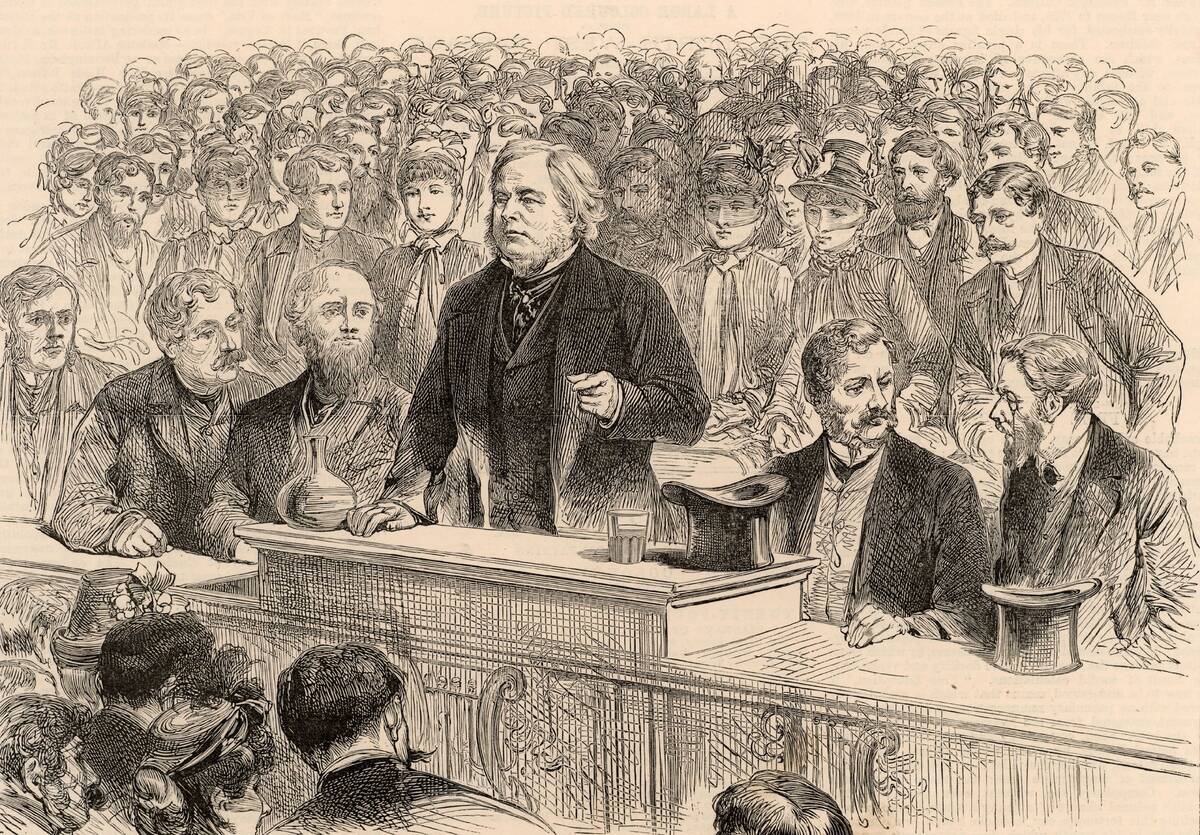
Britain’s Corn Laws, tariffs that shielded domestic grain producers, kept bread dear and politics tense. In 1846, Prime Minister Robert Peel pushed repeal through Parliament, splitting his own Conservative Party. Pressure surged from industrialists and the Anti–Corn Law League—led by Richard Cobden and John Bright—who argued cheaper imports would cut living costs. The Irish Potato Famine (1845–1849) sharpened the urgency, exposing the cruelty of high food prices during mass starvation.
Repeal helped pivot Britain toward a free‑trade orthodoxy that lasted into the early 20th century. Grain prices eased as imports rose, feeding urban workers powering the factory economy. Peel fell from office, but the policy endured, echoed in later deals like the Cobden–Chevalier Treaty (1860) with France that cut tariffs and fostered a web of most‑favored‑nation clauses. Trade policy, once parochial, became a pillar of Britain’s global strategy.
The 1864 First Geneva Convention and the rules of war we now take for granted
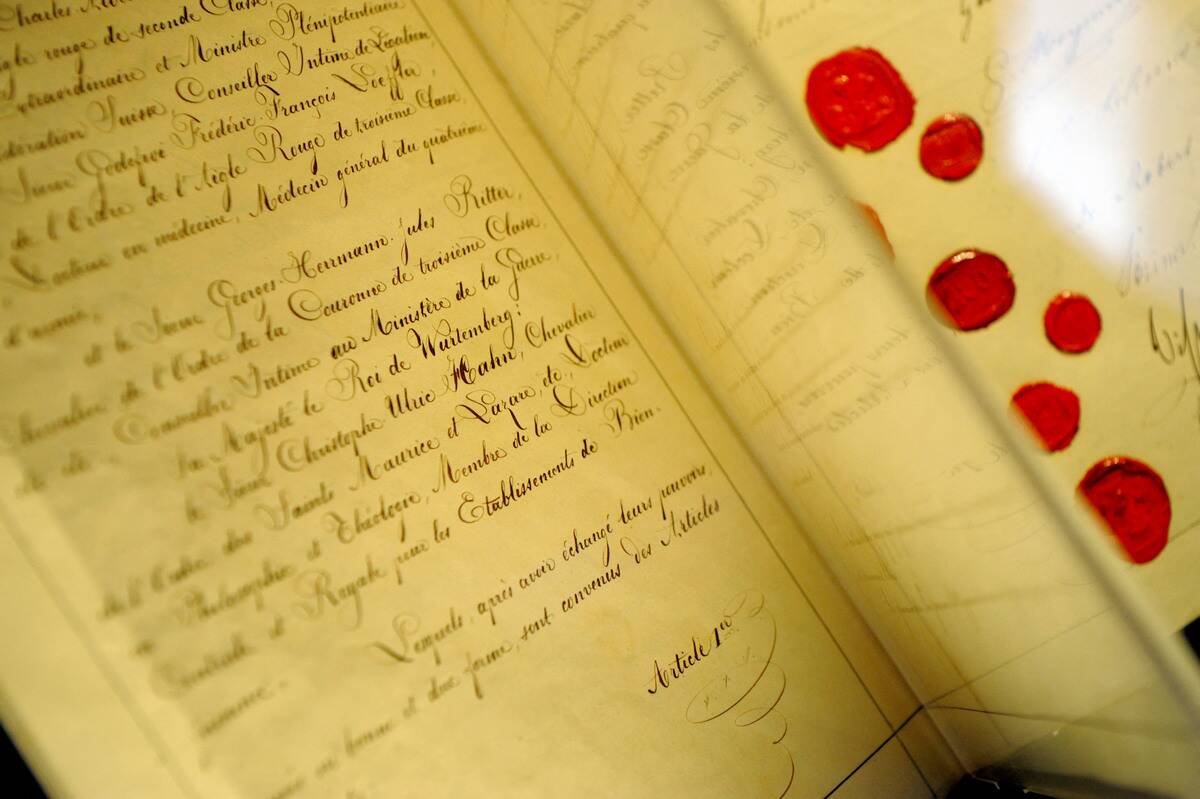
Spurred by Henri Dunant’s account of battlefield carnage at Solferino, twelve states signed the First Geneva Convention on August 22, 1864. It established neutral protection for wounded soldiers and medical personnel and introduced an emblem—the red cross on a white field—to mark aid. National relief societies, soon known as Red Cross societies, were authorized to support armies’ medical services, embedding voluntary care into military systems otherwise built for offense and defense.
The convention proved expandable. Later treaties extended protections to shipwrecked sailors, prisoners of war, and civilians, culminating in the four 1949 Geneva Conventions and their protocols. The 1864 pact didn’t end atrocities, but it created legal hooks for accountability and a shared vocabulary—neutrality, humane treatment, and distinction—that courts and monitors still use. In every conflict zone where medics work under that emblem, the first Geneva signatures still cast a protective shadow.
The 1869 opening of the Suez Canal and the shortcut that reshaped geopolitics
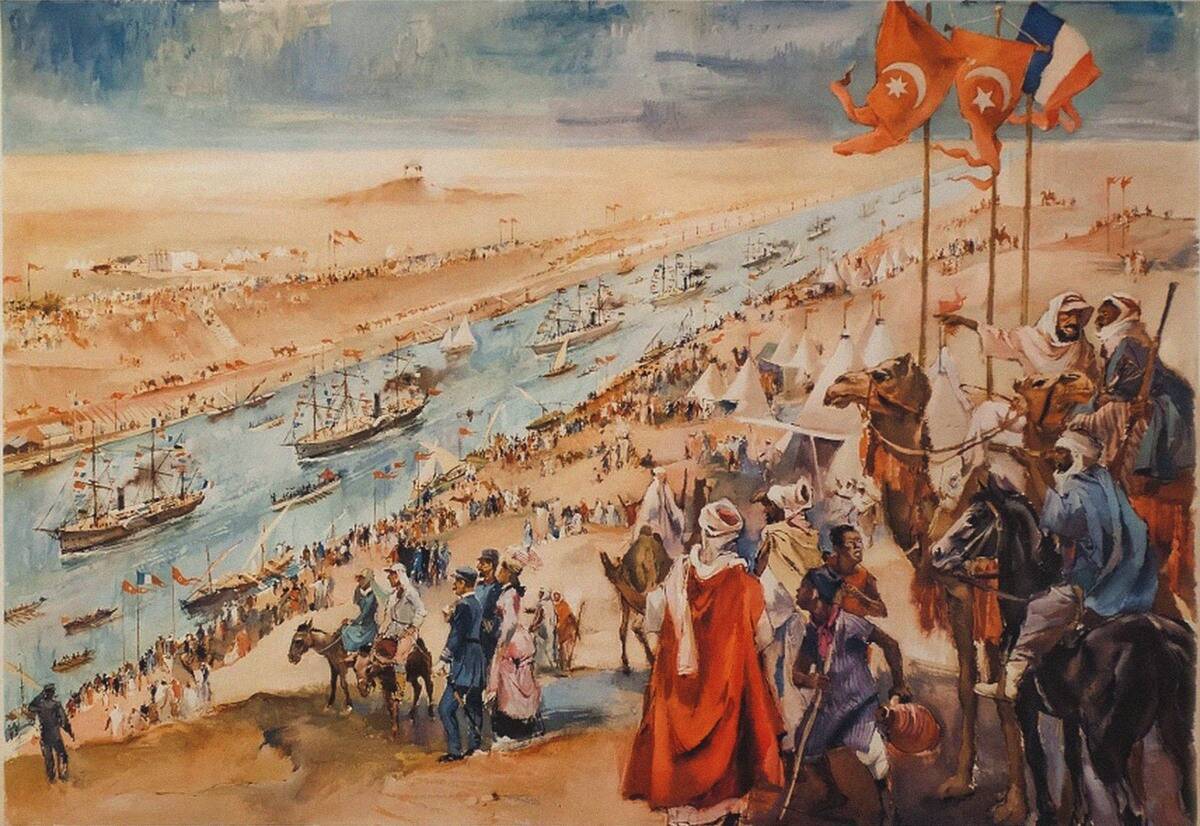
When the Suez Canal opened on November 17, 1869, Ferdinand de Lesseps’s sea‑level ditch stitched the Mediterranean to the Red Sea. The shortcut trimmed roughly 7,000 kilometers off the Europe‑to‑India route, rerouting steamship schedules and insurance tables overnight. In 1875, Britain bought the Khedive of Egypt’s shares—financed via the Rothschilds—securing leverage over a lane its navy and merchants depended on. By the 1880s, British troops occupied Egypt, entrenching imperial logistics around a sandy chokepoint.
Suez kept starring in global drama. In 1956, Egypt’s President Gamal Abdel Nasser nationalized the canal, prompting the Suez Crisis and a failed Anglo‑French‑Israeli intervention under intense U.S. and UN pressure. Today, about 10–12% of global trade transits Suez, and the 2021 Ever Given grounding proved the canal’s fragility can ripple through supply chains. Geography didn’t change; connectivity did—concentrating power, profit, and risk in a single ribbon of water.
The 1905 Russo‑Japanese War that jolted empires and inspired revolutions
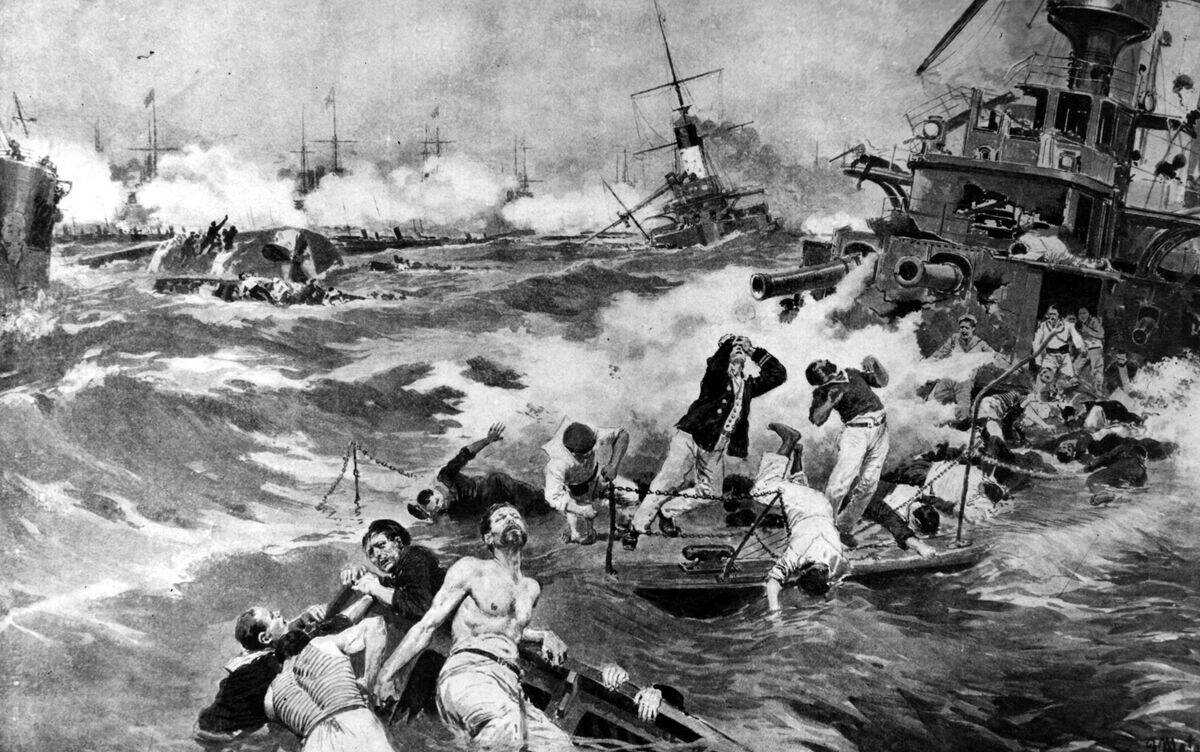
Fought across 1904–1905, the Russo‑Japanese War ended with a shock: Japan’s modernized navy annihilated Russia’s Baltic Fleet at Tsushima in May 1905, and Port Arthur had already fallen. The Treaty of Portsmouth, mediated by U.S. President Theodore Roosevelt (who won the 1906 Nobel Peace Prize), confirmed Japan’s rise, ceding influence in Korea and southern Sakhalin. It was the first time in the modern era that an Asian power defeated a European great power.
The aftershocks were political. In Russia, military humiliation fueled the 1905 Revolution, forcing Czar Nicholas II to concede the Duma. In Asia, reformers noted Japan’s industrial‑military path, even as imperial ambitions darkened its arc. Strategists worldwide studied lessons on logistics, artillery, and naval gunnery, preludes to World War I doctrines. Portsmouth didn’t end rivalries; it rearranged who was taken seriously when the maps and timetables were redrawn.
The 1944 Bretton Woods deal that engineered the postwar financial order
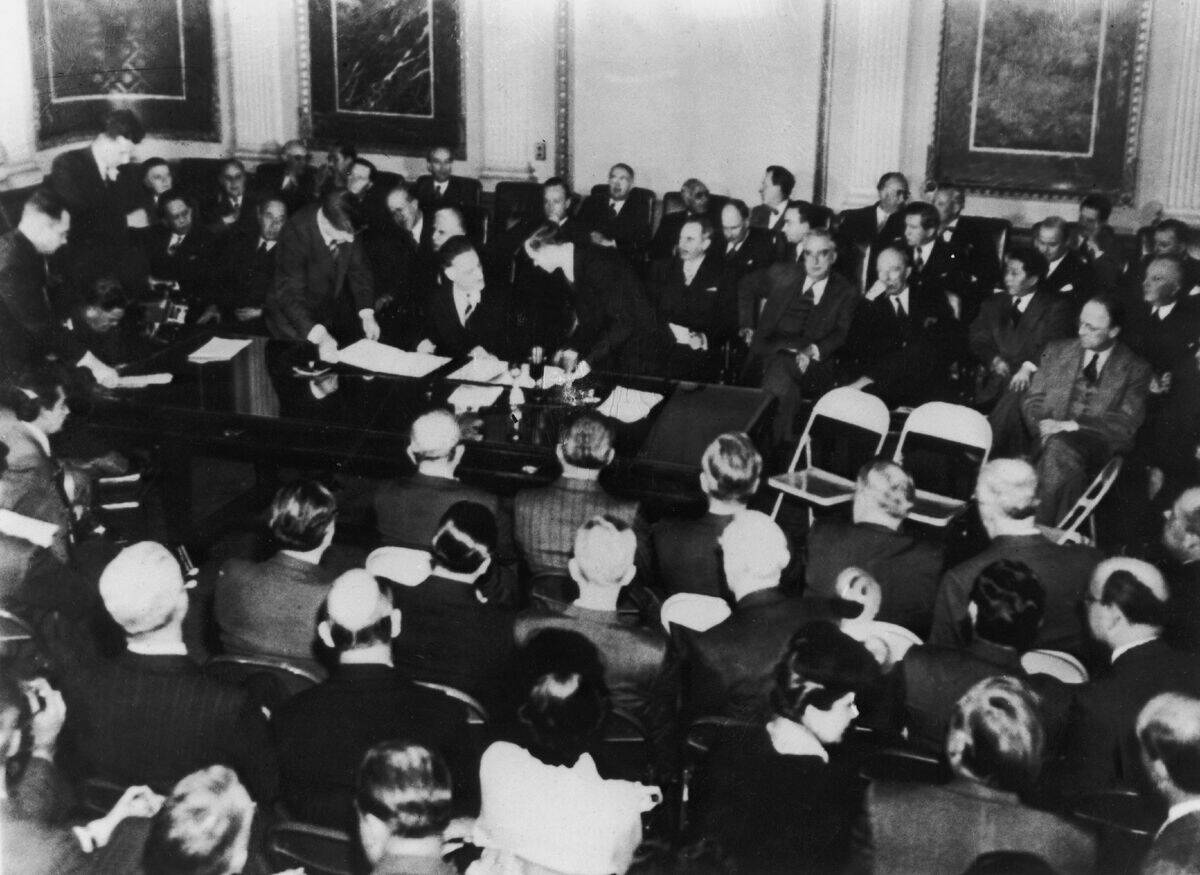
In July 1944, delegates from 44 Allied nations met in Bretton Woods, New Hampshire, to rebuild a shattered global economy. They created the International Monetary Fund to police balance‑of‑payments crises and the International Bank for Reconstruction and Development (now part of the World Bank) to finance rebuilding and development. Exchange rates were pegged to the U.S. dollar, and the dollar was convertible to gold at $35 per ounce, a compromise between John Maynard Keynes’s and Harry Dexter White’s plans.
The system favored stability over unfettered capital flows, allowing countries to use capital controls and adjustable pegs. It held, with strains, until the late 1960s, anchoring the postwar boom and the rise of trade institutions like GATT (1947). Bretton Woods didn’t end recessions, but it built shock absorbers and a forum where currency headaches met negotiation rooms instead of beggar‑thy‑neighbor spirals.
The 1971 Nixon Shock that set currencies free to float
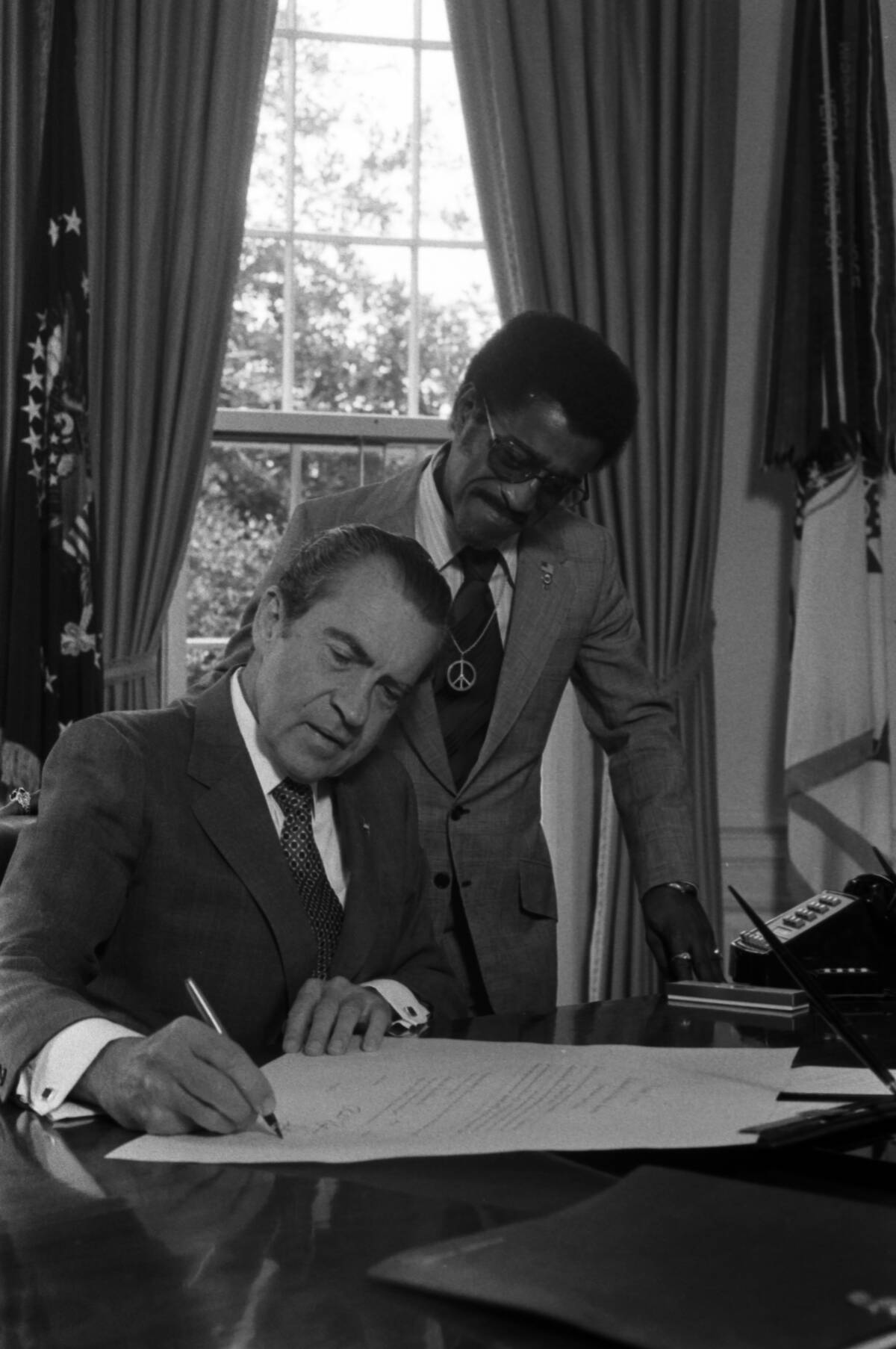
On August 15, 1971, U.S. President Richard Nixon stunned markets by suspending dollar convertibility into gold, imposing a 90‑day wage‑price freeze, and announcing a temporary 10% import surcharge. The move—aimed at inflation and balance‑of‑payments strains—broke the Bretton Woods gold anchor. A stopgap Smithsonian Agreement in December tweaked parities, but speculative pressures persisted, and by 1973 major currencies had shifted to floating exchange rates.
The consequences were enduring. Exchange‑rate risk became a core business variable, birthing hedging markets and modern forex trading. Central banks refocused on domestic mandates and inflation targeting, and financial globalization accelerated. The dollar lost its gold link but kept its primacy through U.S. market depth and network effects. The world traded a fixed‑rate truce for flexible prices—and a new toolkit of swaps, options, and acronyms to cope with the chop.
The 1987 Montreal Protocol that quietly saved the ozone layer
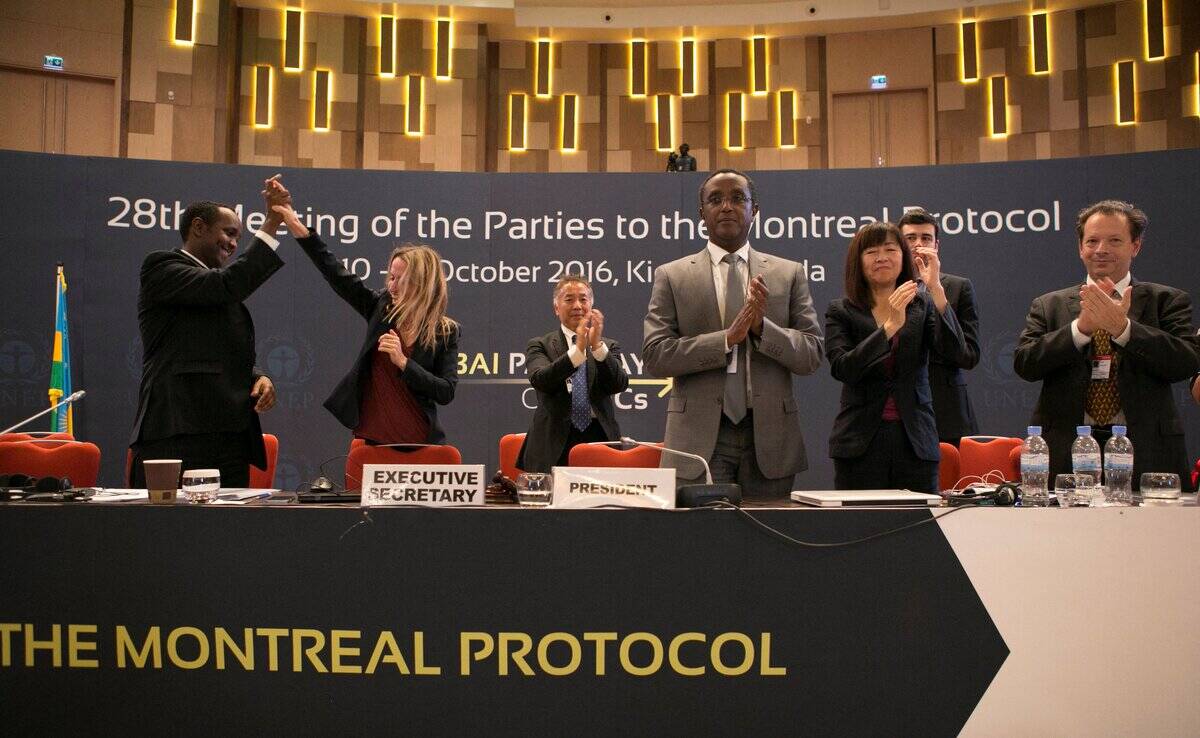
After scientists tied chlorofluorocarbons (CFCs) to stratospheric ozone depletion—and the British Antarctic Survey flagged a dramatic Antarctic “ozone hole” in 1985—governments moved fast. The Montreal Protocol was signed in 1987 and took effect in 1989, mandating phase‑outs of CFCs and related chemicals. Every UN member state has since ratified it, making it the first treaty with universal participation. Atmospheric CFC concentrations peaked in the 1990s and have been declining, with early signs of ozone recovery.
Public‑health math tells the story: by reducing UV radiation increases, the protocol is projected to prevent millions of skin cancer and cataract cases this century. Industry pivoted to substitutes, and the 2016 Kigali Amendment targeted high‑GWP HFCs for climate benefits. Montreal’s success mixed stark science, credible alternatives, and funding mechanisms—all achieved before social media explainers. It’s a rare environmental plotline with graphs bending the right way.
The 1955 Bandung Conference that birthed the Non‑Aligned Movement
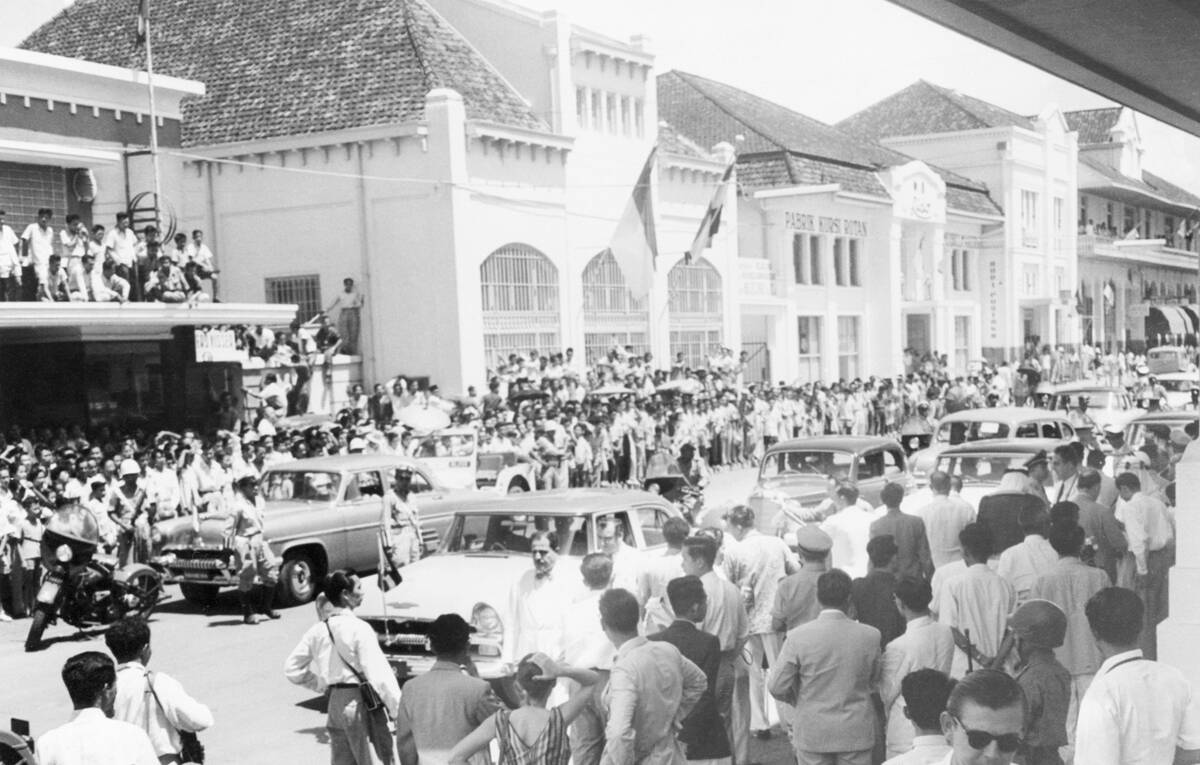
In April 1955, leaders from 29 Asian and African countries gathered in Bandung, Indonesia, hosted by President Sukarno. Attendees included India’s Jawaharlal Nehru, China’s Zhou Enlai, Egypt’s Gamal Abdel Nasser, Burma’s U Nu, Pakistan’s Mohammad Ali, and Ceylon’s John Kotelawala. Many had only recently shed colonial rule. The conference issued “Ten Principles” on sovereignty, non‑interference, and peaceful coexistence, signaling that global politics wasn’t just a U.S.–USSR duet.
Bandung set the tone for the Non‑Aligned Movement, formally launched in 1961 at Belgrade by leaders including Nasser, Nehru, Tito, Sukarno, and, soon after independence, Kwame Nkrumah. Beyond speeches, it built networks for South‑South cooperation on trade, development, and decolonization. The optics mattered: photographs of Asian and African states setting their own agenda reframed world order narratives—and gave newly independent nations a stage that wasn’t borrowed.
New Zealand’s 1893 vote that jump‑started women’s suffrage worldwide
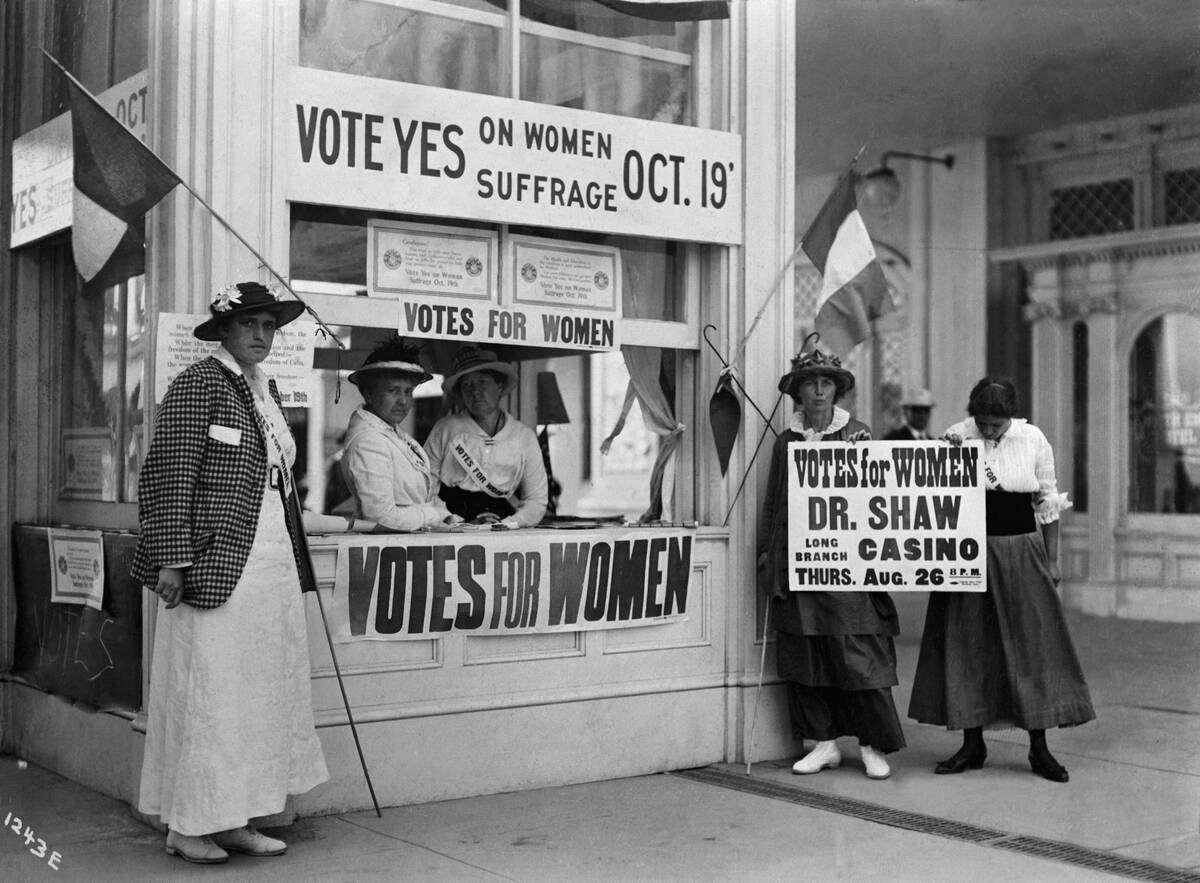
New Zealand’s Electoral Act of 1893 made it the first self‑governing country to grant women the right to vote in national elections. Suffragist Kate Sheppard helped organize a petition with nearly 32,000 signatures—about a quarter of adult women in the colony—rolled to Parliament in long pasted sheets. Governor Lord Glasgow signed the bill on September 19, 1893, and by November, roughly 65% of eligible women cast ballots, an impressive debut at the polls.
The ripple was immediate. South Australia followed in 1894, going further by allowing women to stand for Parliament. Australia’s Commonwealth enfranchised most women federally in 1902 (while still excluding many Indigenous people). Britain expanded the franchise in 1918 and equalized ages in 1928; the United States ratified the 19th Amendment in 1920. New Zealand’s reform turned moral arguments into measurable turnout, proving the machinery of elections could handle a doubled demos.




