Facts About Historical Figures Who Were Secret Poets
Throughout history, some of the most influential figures have harbored a secret passion for poetry, using verse to express thoughts and emotions that their public personas might not have allowed.
These hidden poets often led dual lives, where their artistic endeavors complemented their primary vocations. As we journey through time, we uncover the poetic musings of these multifaceted individuals, revealing a new dimension to their already illustrious legacies.
The Dual Lives of Historic Figures
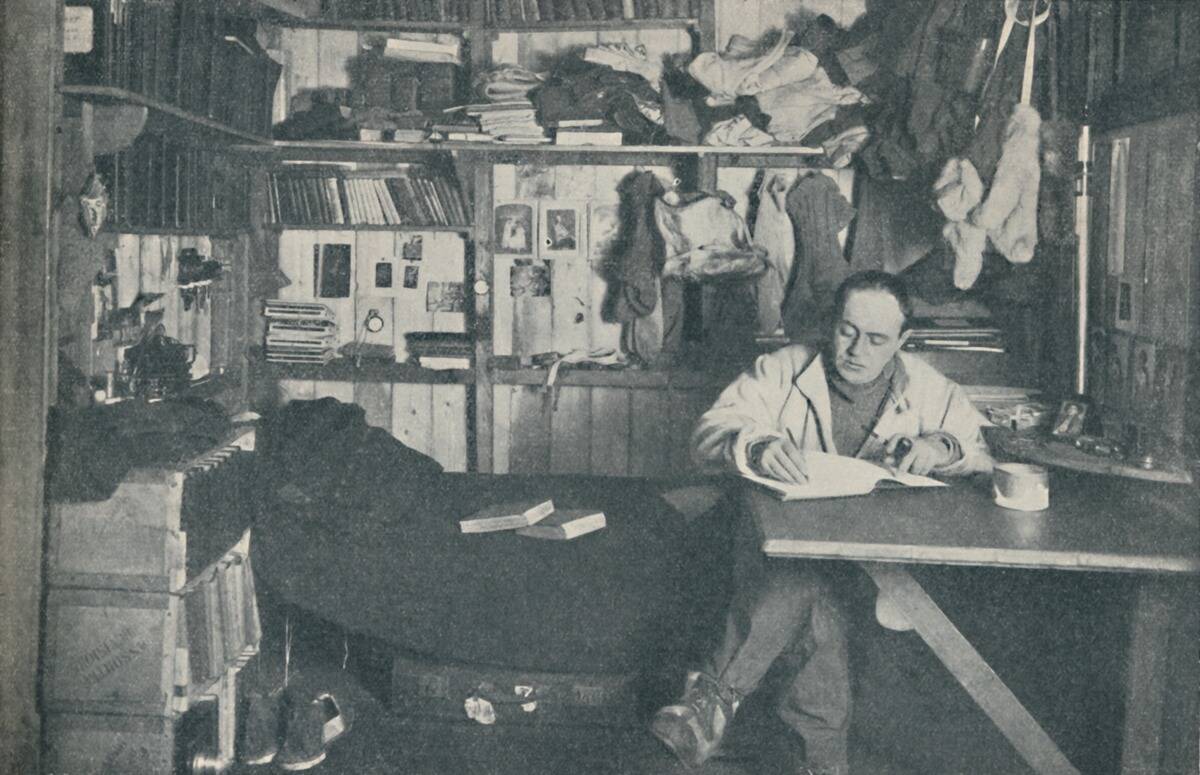
Many historical luminaries are known for their groundbreaking contributions to society, yet few are aware of their literary inclinations.
From leaders and scientists to artists and activists, these individuals have woven poetry into their lives, offering a glimpse into their souls. Their dual existence as both public figures and private poets adds depth to our understanding of their achievements and the eras in which they lived.
Winston Churchill: The Statesman with a Pen
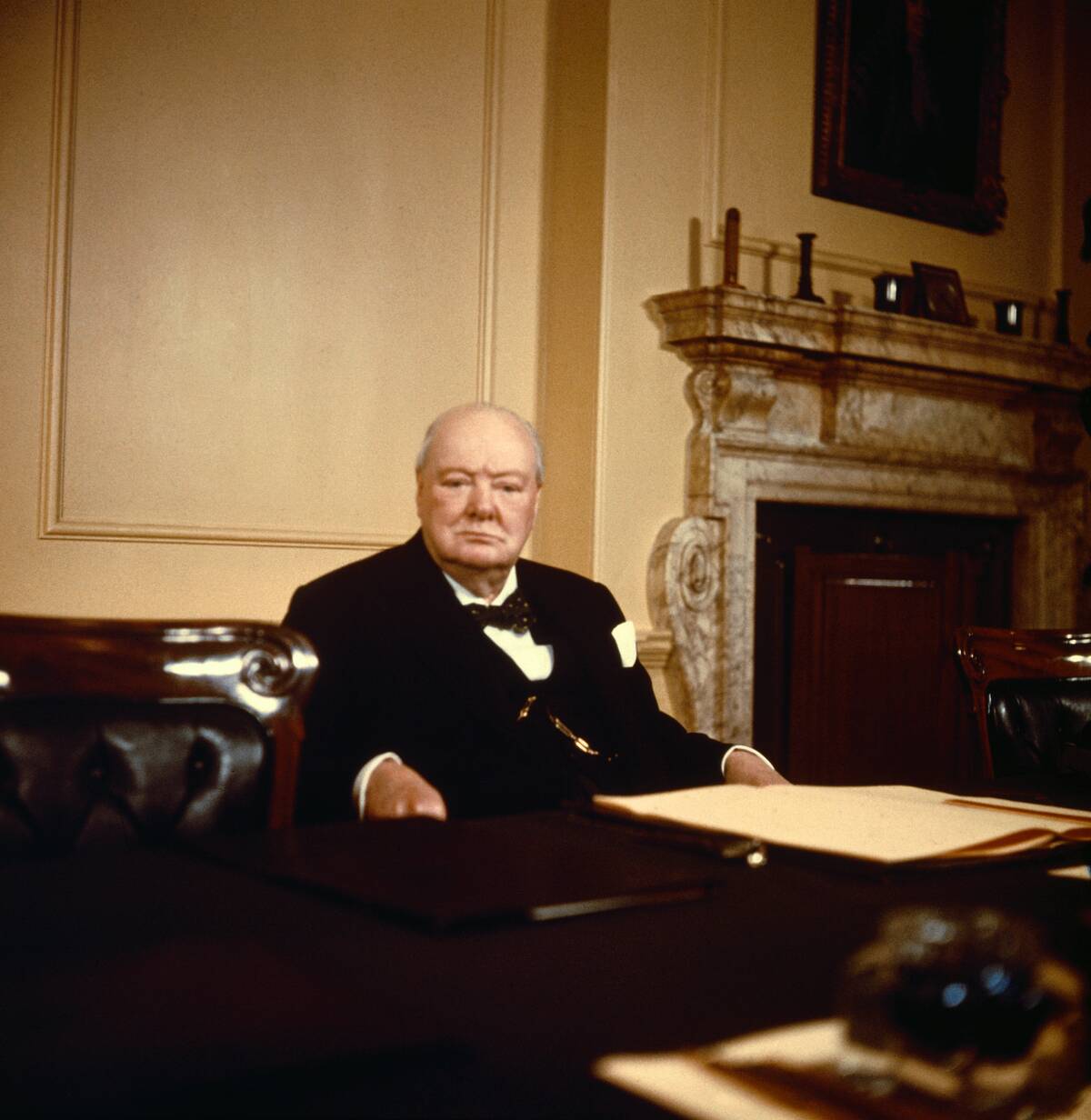
Winston Churchill, revered for his leadership during World War II, was also a prolific writer. His love for words extended beyond speeches to include poetry that captured the nuances of his political and personal experiences.
Churchill’s short story “The Dream” reflects his deep contemplation of his father’s influence, providing insight into his introspective side that was often overshadowed by his public persona.
Albert Einstein’s Rhymes of Relativity
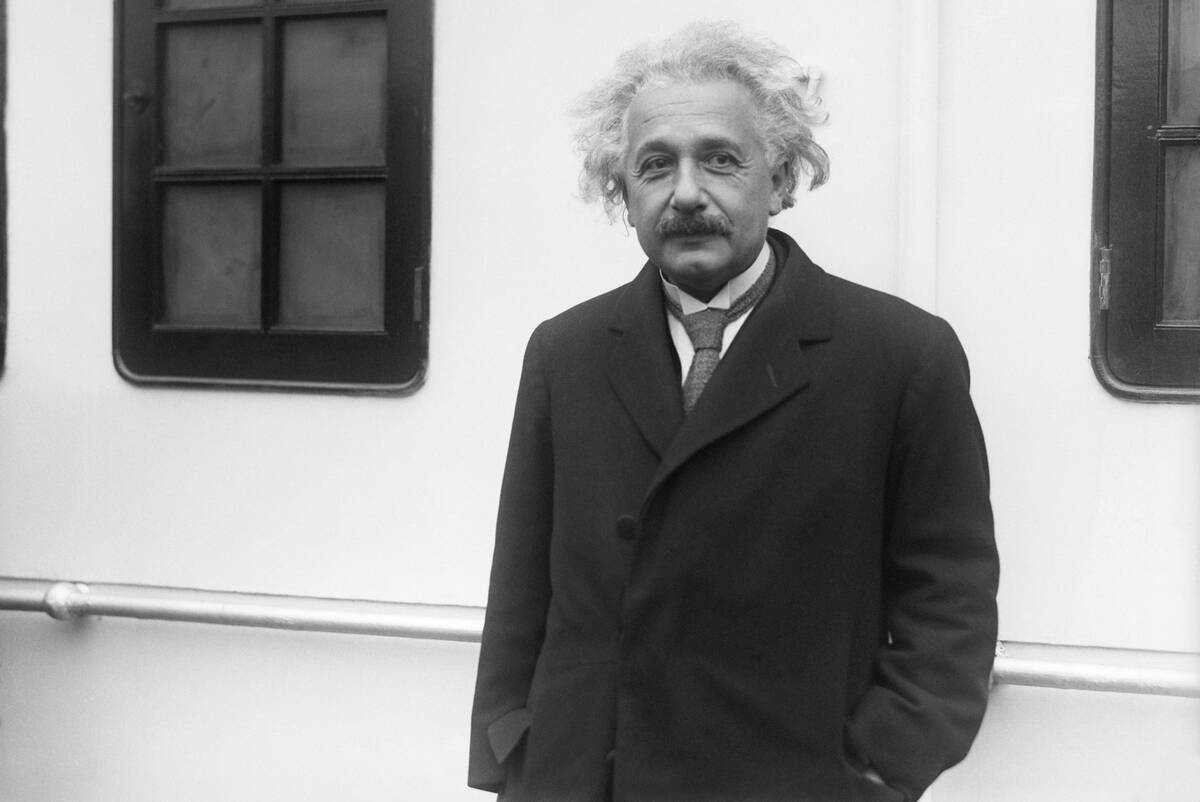
Albert Einstein, synonymous with genius, occasionally turned to poetry to distill complex ideas into lyrical form. His poetic attempts, like his scientific theories, were driven by a quest for understanding the universe.
In a playful poem to a friend, Einstein mused on the interconnectedness of time and space, revealing the whimsical side of a mind that revolutionized physics.
Leonardo da Vinci: Art, Science, and Verse
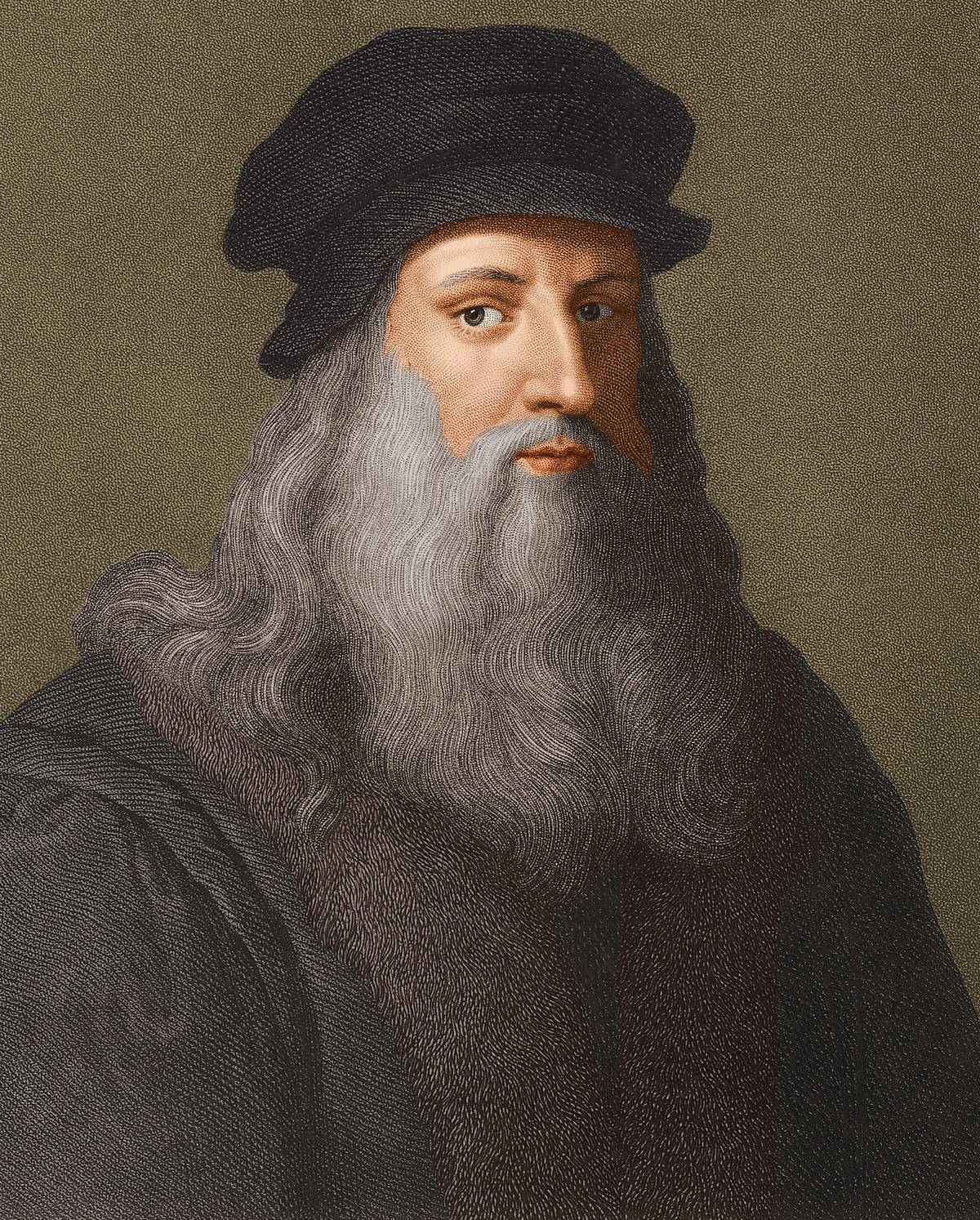
Leonardo da Vinci, the quintessential Renaissance man, recorded philosophical reflections alongside his scientific observations in his extensive notebooks. While best known for his art, engineering, and anatomical studies, his writings occasionally display a lyrical, reflective tone about nature and the human condition.
Though he is not considered a poet, his thoughtful prose reveals a philosophical outlook and left behind many famous quotes, continuing to inspire generations.
Queen Elizabeth I: Monarch and Muse
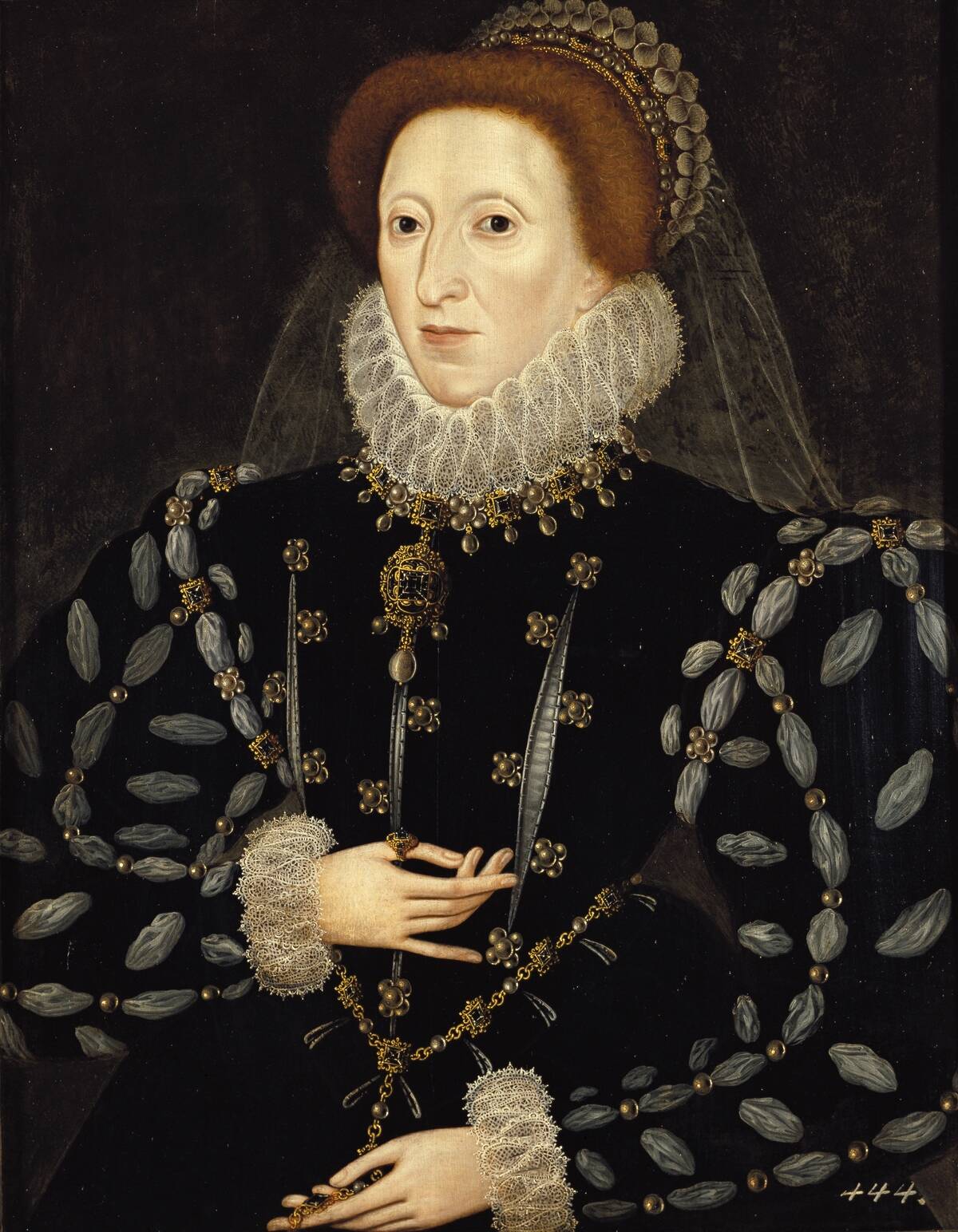
Queen Elizabeth I, known for her political acumen and cultural influence, also engaged in poetry, often using it as a tool for diplomacy and self-expression.
Her poems, such as “On Monsieur’s Departure,” reveal her personal struggles and vulnerabilities, offering a rare glimpse into the inner life of a powerful monarch. Elizabeth’s poetry showcases her wit and intellect, adding another layer to her complex legacy.
Isaac Newton’s Mystical Verses
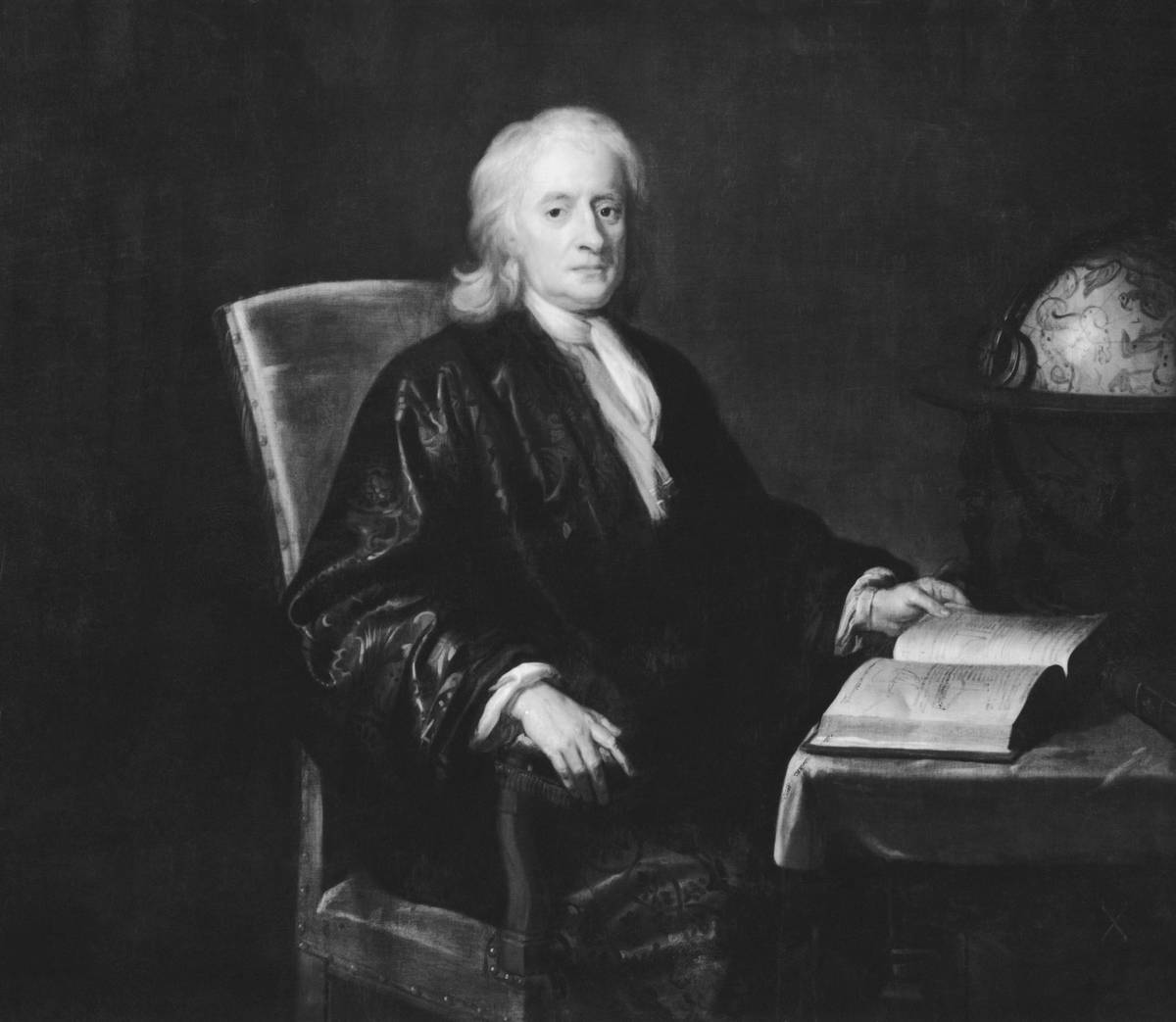
Isaac Newton, renowned for his groundbreaking work in physics and mathematics, also wrote poetry that delved into mystical themes. His verses explored philosophical and theological questions, reflecting his deep curiosity about the universe beyond the empirical.
Newton’s poetry, though lesser-known, provides insight into the mind of a man who sought to understand not only the physical world but the metaphysical as well.
Abraham Lincoln: President and Poet
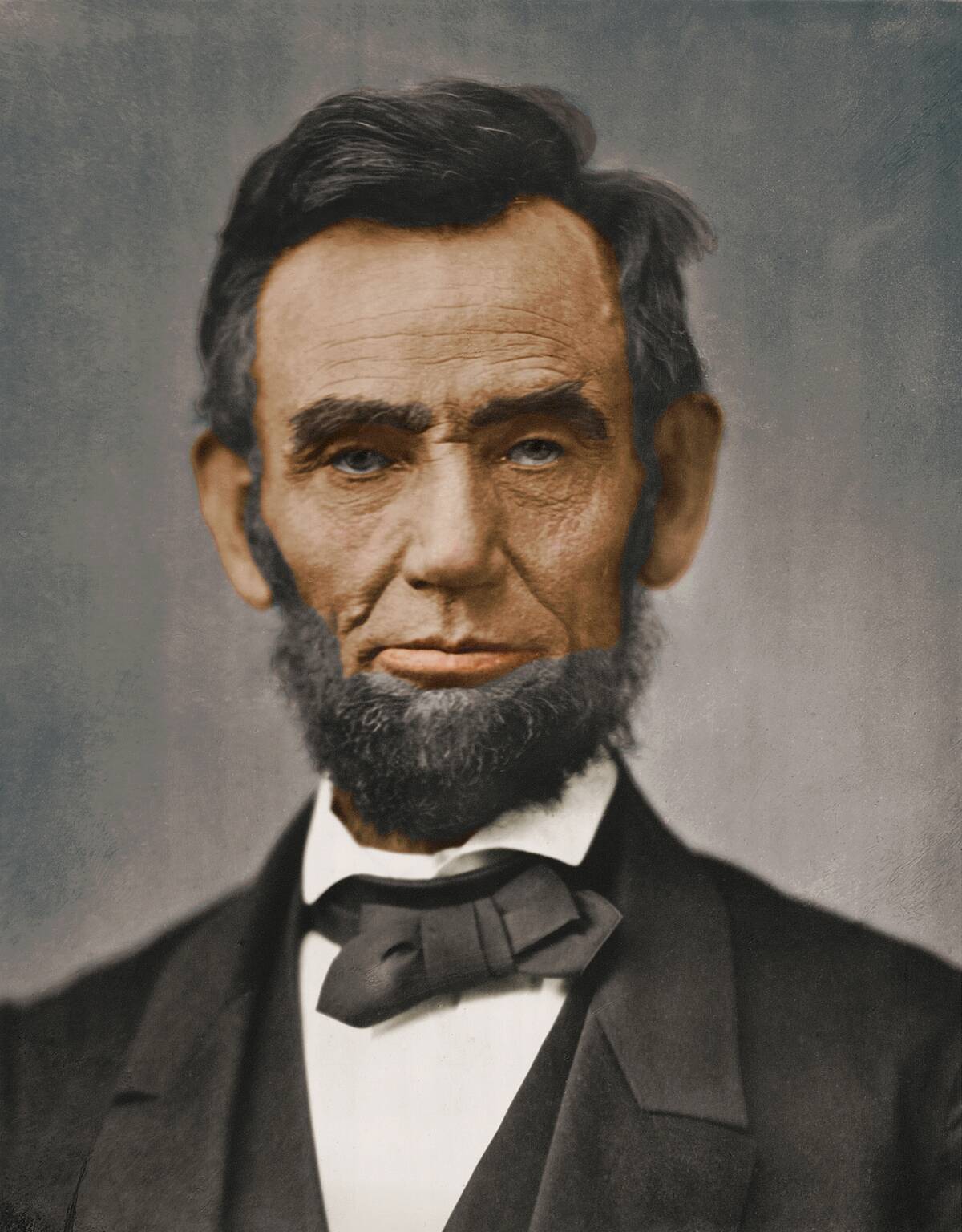
Abraham Lincoln, celebrated for his leadership and oratory, was also an avid poet. His love for verse was evident in his personal writings, where he often used poetry to grapple with profound themes such as mortality and human nature.
Lincoln’s poems, like his speeches, were marked by a deep empathy and a keen insight into the human condition, offering a poignant glimpse into the heart of a leader.
Helen Keller’s Words Beyond Silence
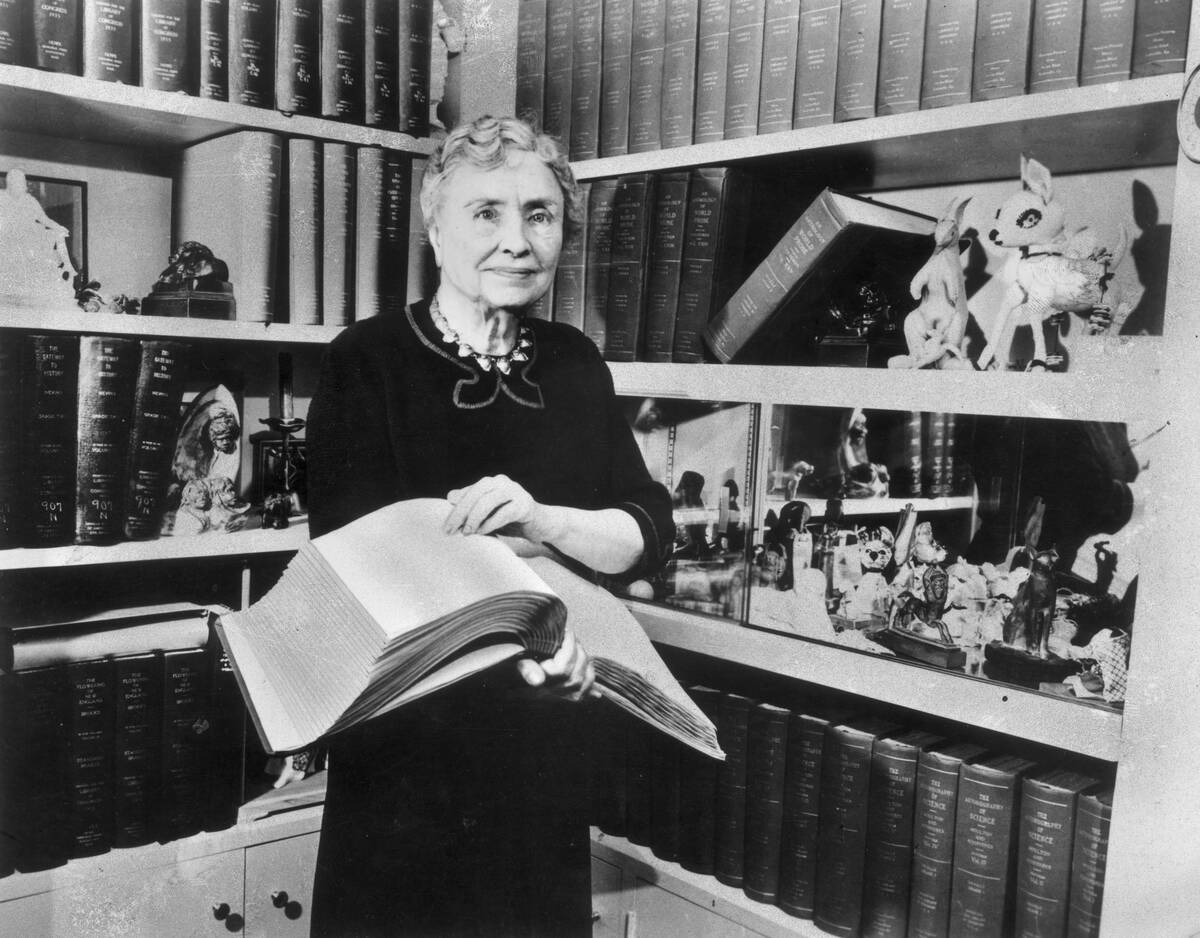
Helen Keller, known for overcoming incredible odds to become a leading advocate for people with disabilities, also expressed herself through poetry. Her verses communicate a profound sense of wonder and resilience, capturing the beauty of the world she perceived beyond physical limitations.
Keller’s poetry adds a lyrical dimension to her legacy, underscoring her belief in the transformative power of words.
Benjamin Franklin: Founding Father and Poet
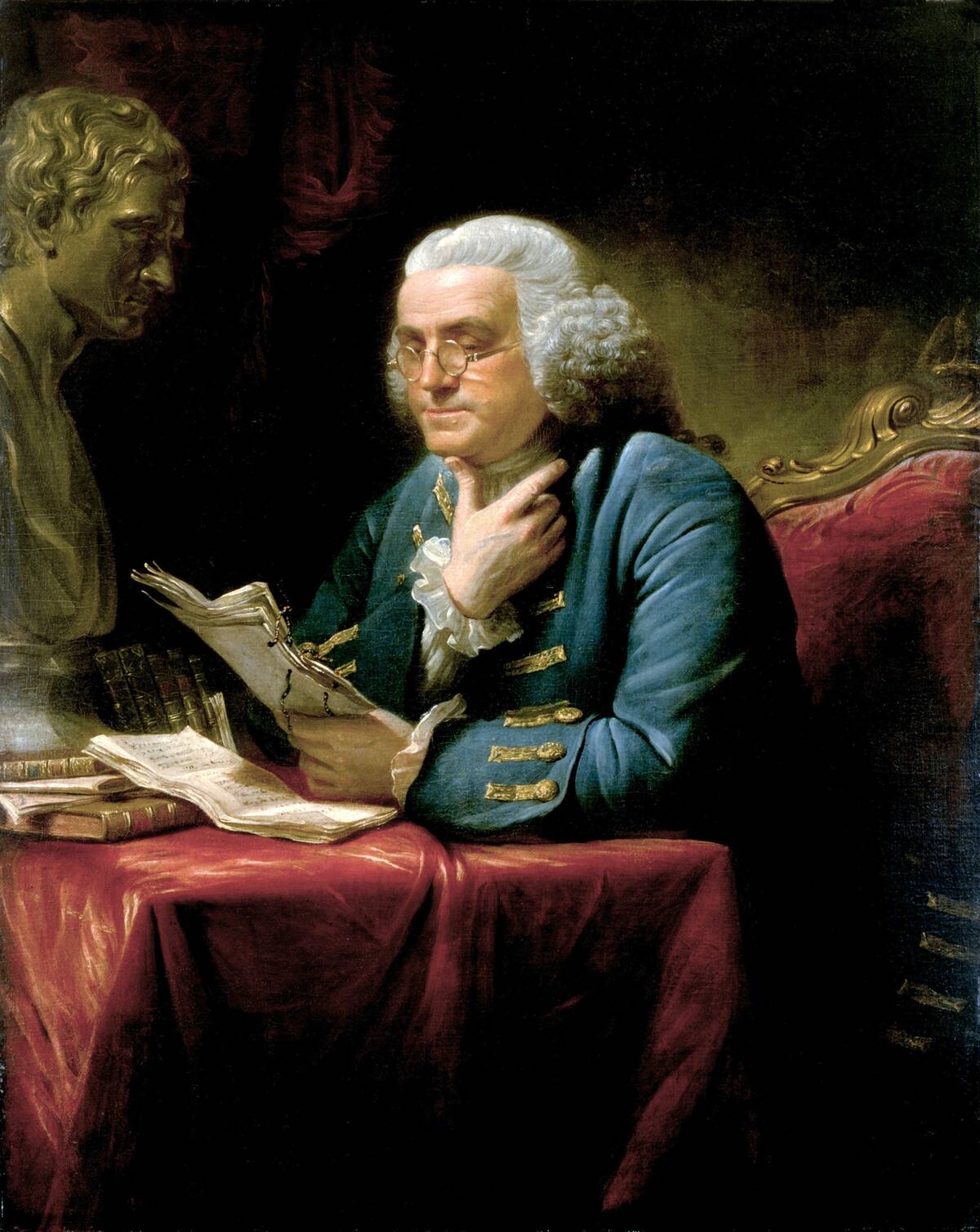
Benjamin Franklin, a key figure in the founding of the United States, was also a lover of poetry. His verses, often humorous and satirical, reflected his keen observations of human nature and society.
Franklin’s poetry, while not as celebrated as his political achievements, provides a window into his wit and wisdom, showcasing the lighter side of a man whose intellect shaped a nation.
Frida Kahlo’s Lyrical Expressions
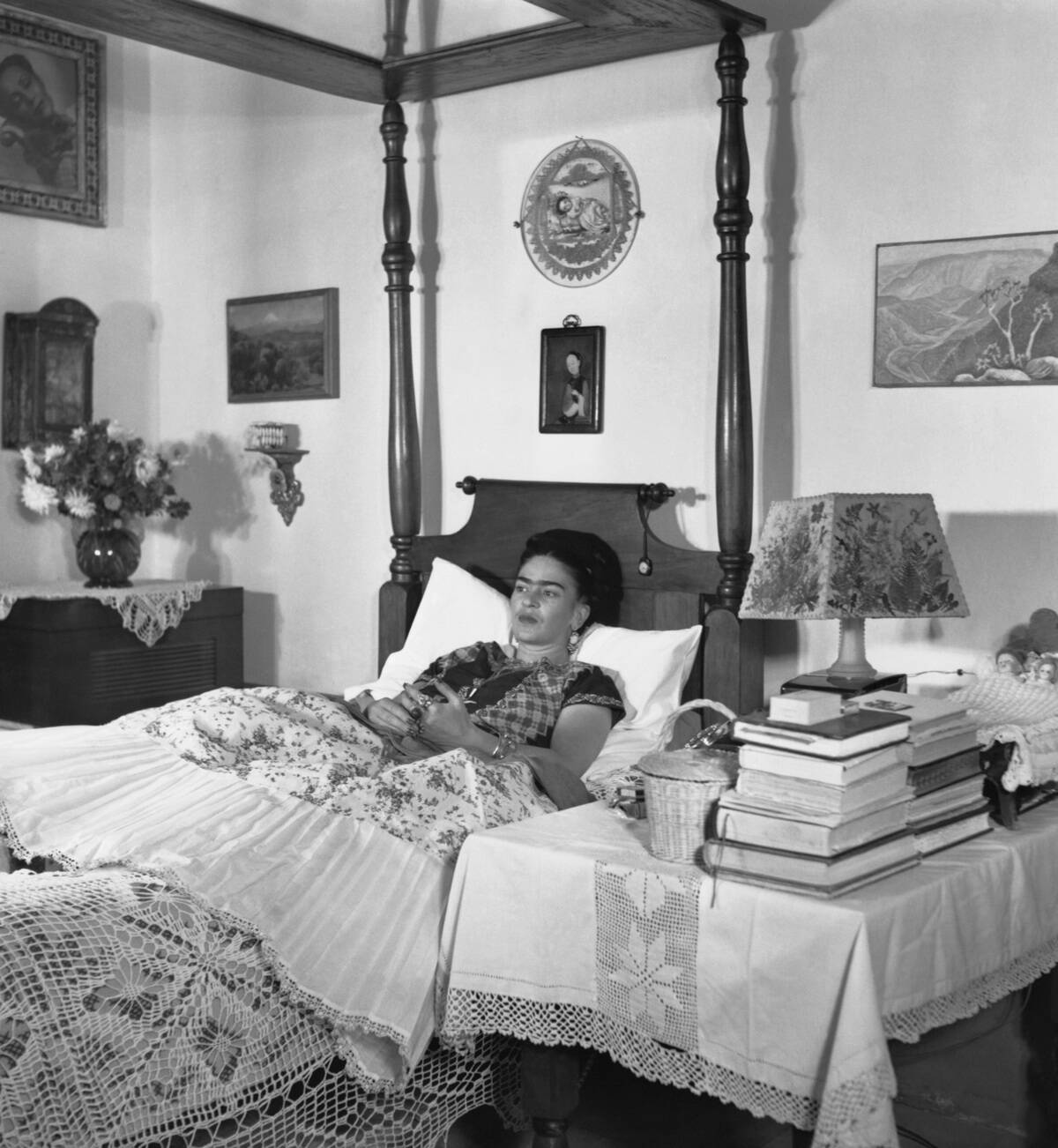
Frida Kahlo, renowned for her poignant and vivid paintings, also explored her emotions and experiences through poetry. Her verses, like her art, were deeply personal and often addressed themes of identity, pain, and love.
Kahlo’s poetic expressions reveal the same raw intensity that characterized her visual work, offering another medium through which she communicated her unique perspective on life.
Nikola Tesla’s Electric Poetry
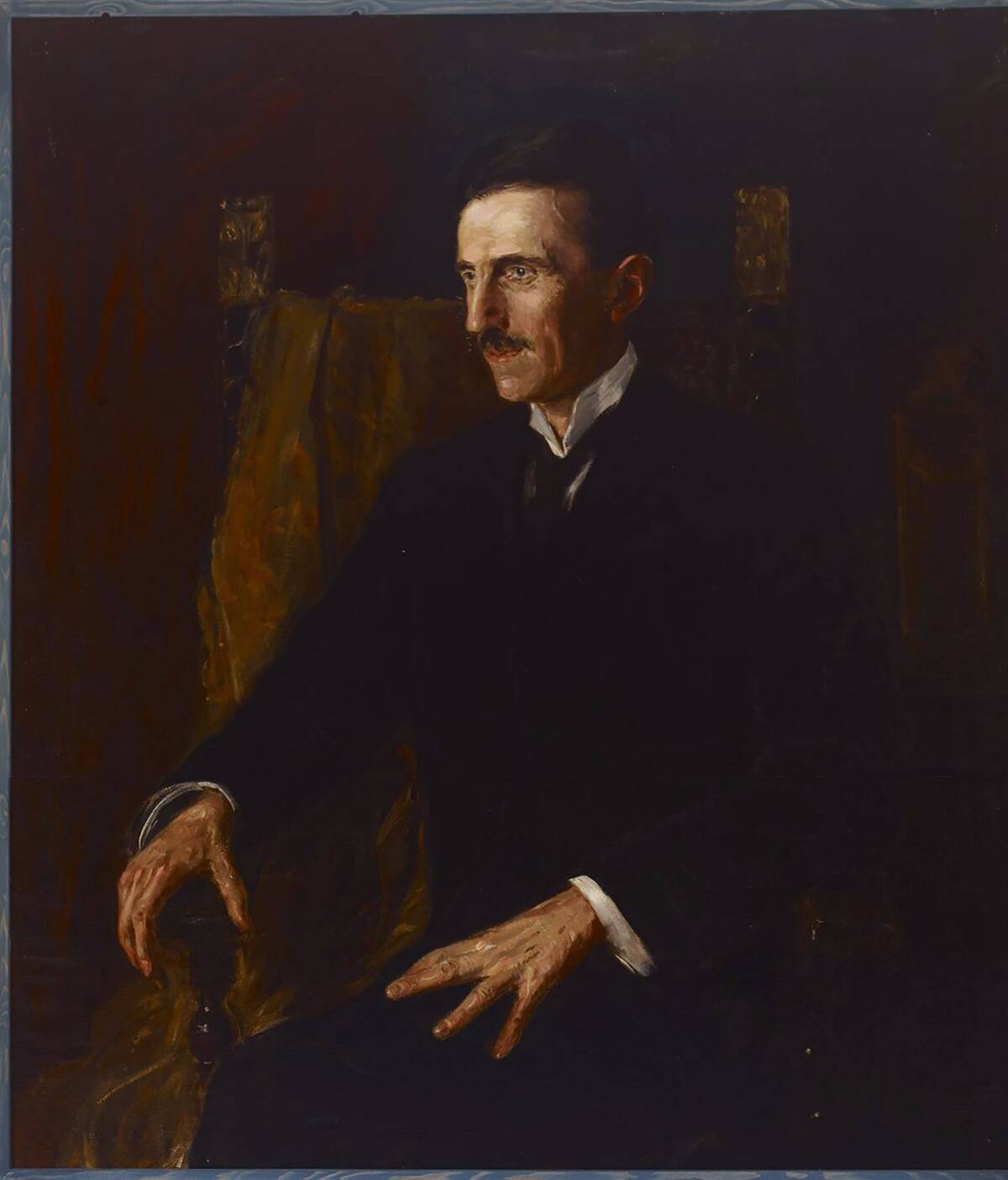
Nikola Tesla, the visionary inventor, occasionally ventured into the realm of poetry to capture his thoughts, although he viewed it too personal to publish. His verses reflected his fascination with the mysteries of electricity and the universe, often blending scientific imagery with satirical language.
Tesla’s poetry, though not widely known, provides a glimpse into the imaginative mind that revolutionized technology and envisioned a future beyond his time.
The Legacy of Their Secret Writings
The poetic endeavors of these iconic figures have left a lasting legacy, adding depth to our understanding of their lives and achievements. Their secret writings offer a more intimate portrait of their thoughts and emotions, enriching their historical narratives.
As we continue to explore these hidden poetic treasures, we gain a deeper appreciation for the complex interplay between their public and private selves.




