17 historic festivals that featured incredible strength
Throughout history, festivals have been more than just celebrations; they’ve been a testament to human strength and endurance. Ancient cultures around the world embraced these events to showcase physical prowess, communal bonds, and spiritual connections.
From the dust of ancient arenas to the rituals that still echo today, these celebrations reveal a fascinating intersection of culture and strength. Let’s dive into the origins and evolution of these captivating festivals.
The Origins of Strength-Based Celebrations
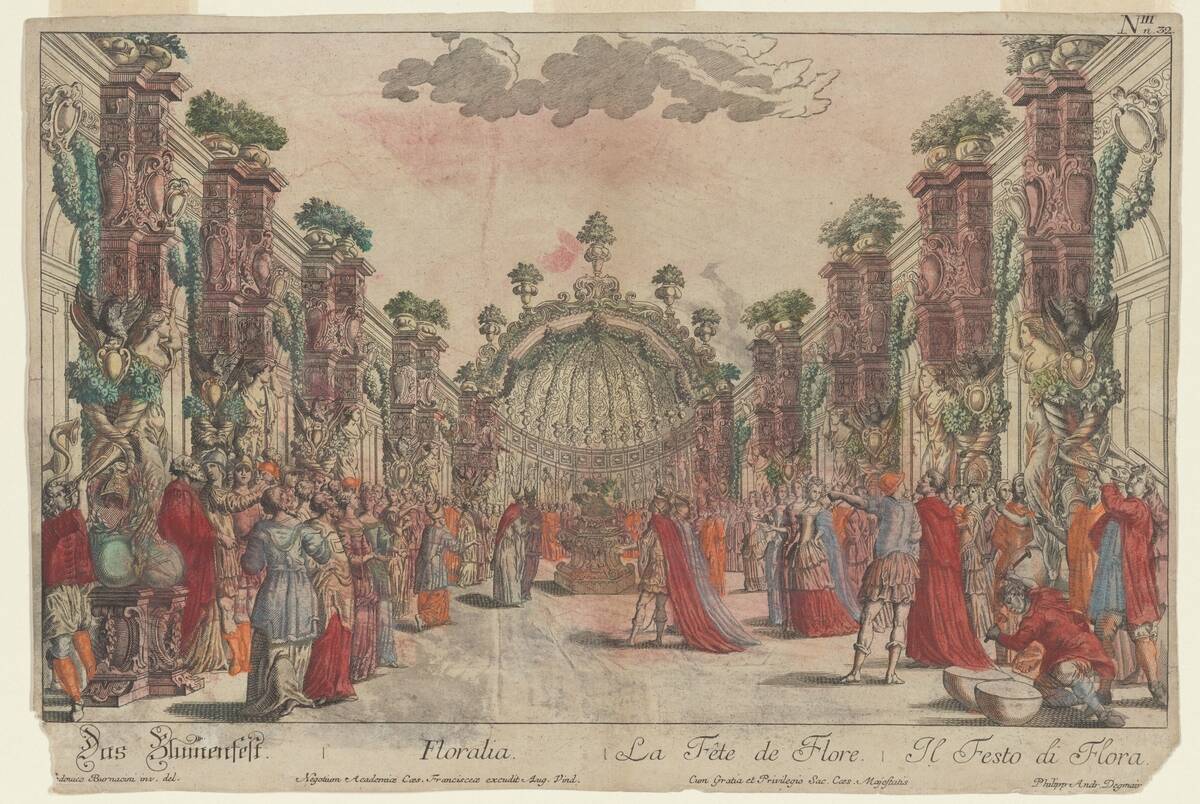
The roots of strength festivals can be traced back to times when physical prowess was essential for survival. As societies evolved, these displays became more ceremonial, celebrating the virtues of their strongest members.
From the agricultural prowess needed during harvest festivals to the warrior skills displayed in combat games, these events reflected the values and needs of ancient civilizations. Over time, they transformed into a communal gathering ground for showcasing skill and fortitude.
Ancient Greece’s Olympic Games: More Than Just Sports
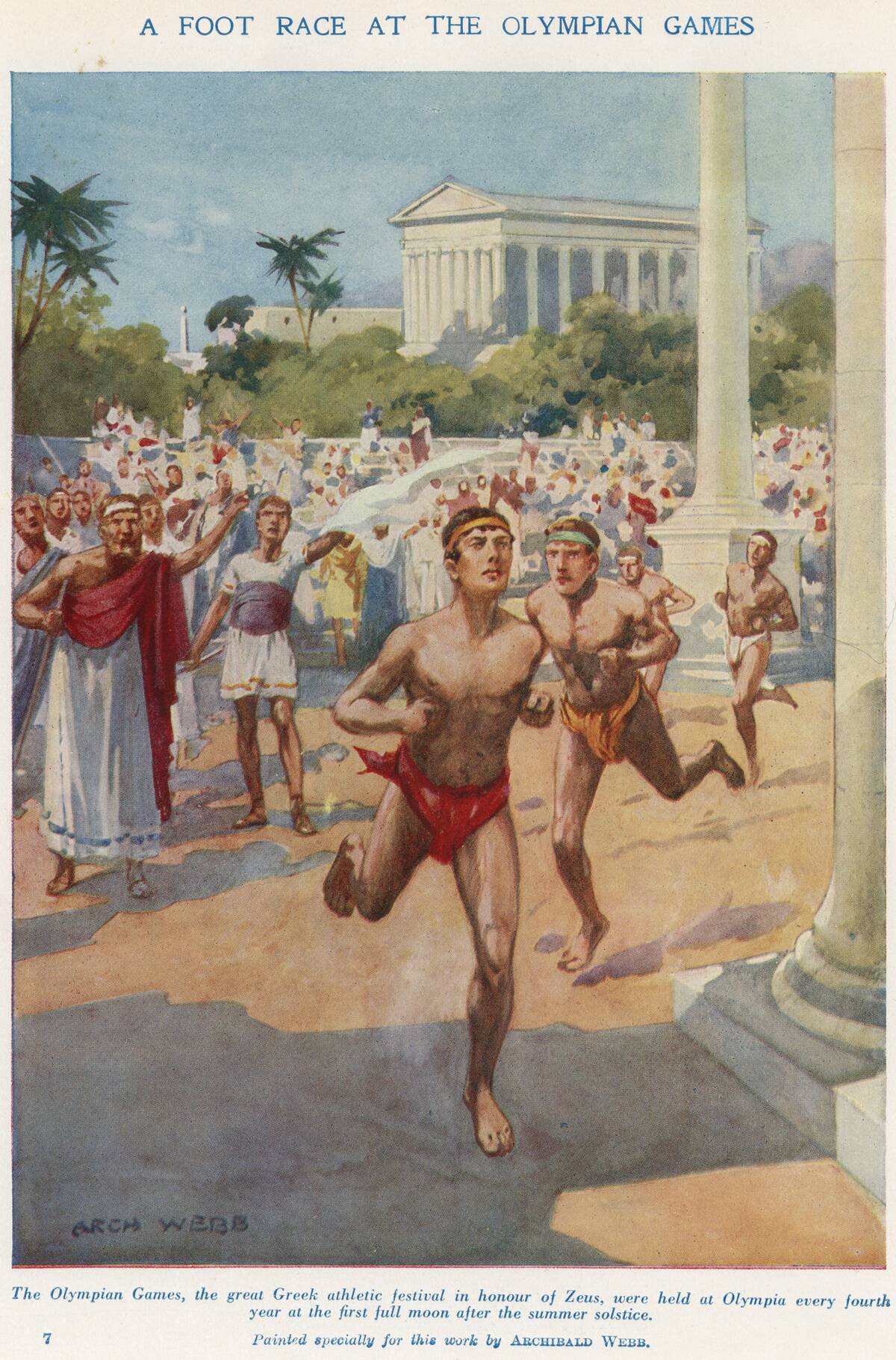
The Olympic Games, originating in ancient Greece around 776 BC, were as much about religion as they were about athletics. Held in honor of Zeus, they were a unifying force in Greek culture, drawing athletes from across the Hellenic world.
Events ranged from foot races to wrestling, each celebrating physical excellence and the divine favor. The Olympics served not only as a sporting event but also as a peace-making endeavor, where conflicts paused for the sacred games.
The Nemean Games: A Lesser-Known Greek Power Display
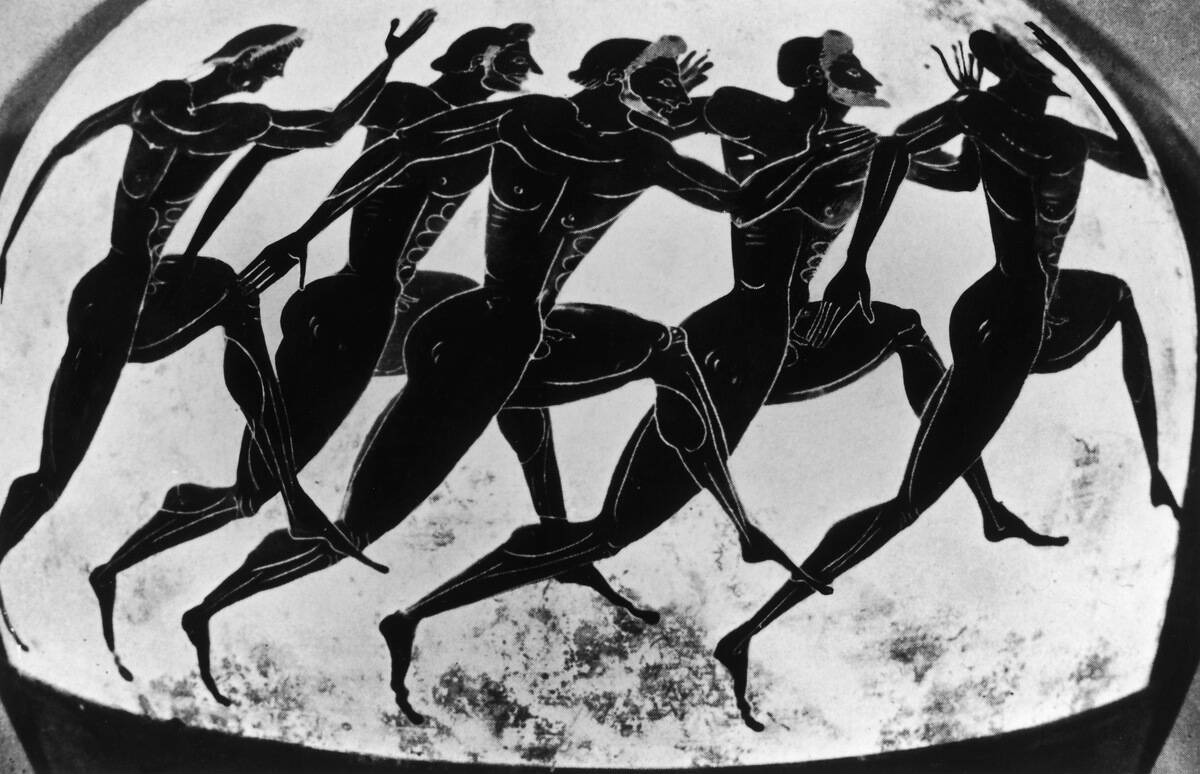
The Nemean Games, similar to the Olympics, were held every two years in honor of Zeus. These games were primary athletic, unlike other Greek festivals, they were not known for music and poetry contests.
The Nemean Games celebrated the same spirit of competition and physical prowess, allowing athletes another arena to showcase their strength. Although less famous, they were an integral part of the ancient Greek athletic circuit, complementing the more renowned Olympic Games.
Roman Gladiator Contests: Strength in the Arena
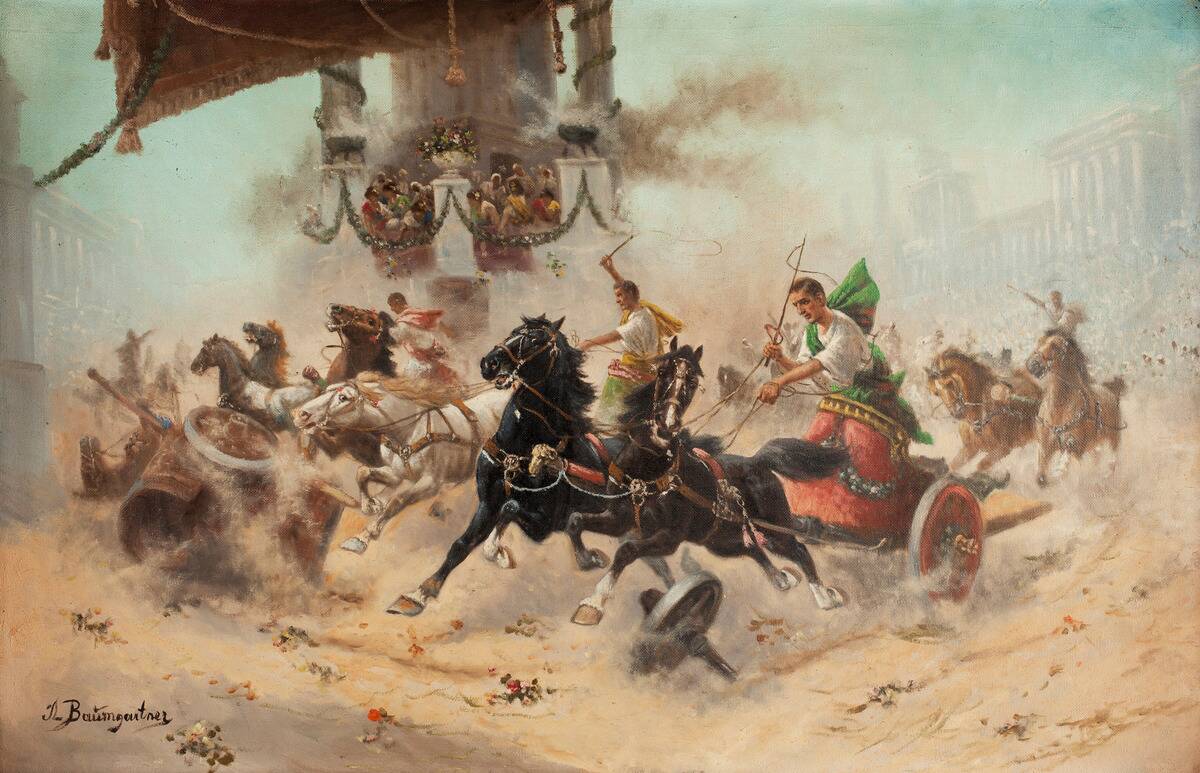
In ancient Rome, gladiator contests were a spectacle of strength and endurance, captivating audiences with their intense combat. These contests were often held in large amphitheaters, with the Colosseum being the most iconic venue.
Gladiators, often slaves or prisoners, fought for survival, glory, and sometimes freedom. While brutal, these contests were a significant part of Roman culture, demonstrating not only individual might but also the power of the empire itself.
Viking Festivals: Testing Might and Valor
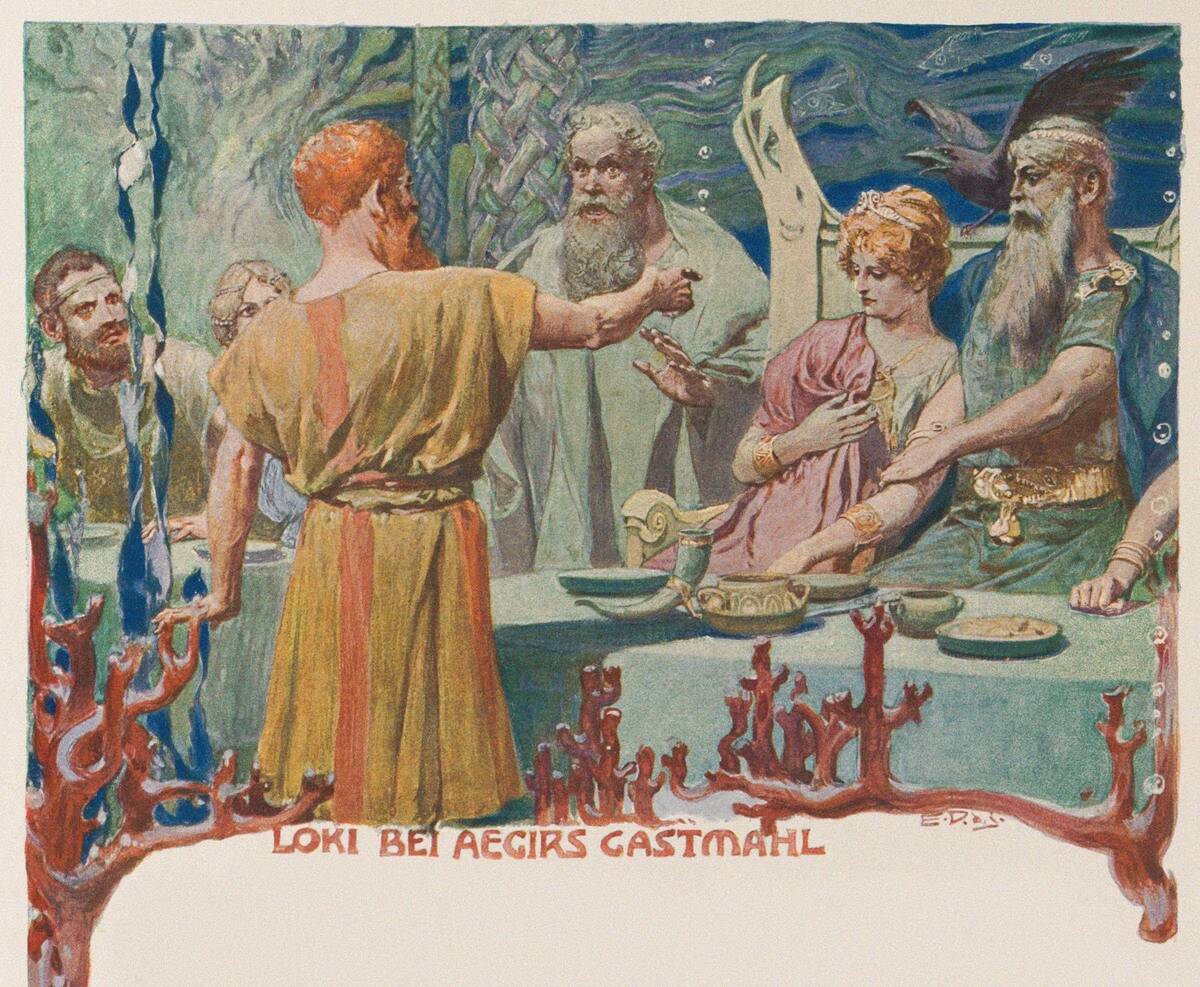
Viking festivals were a blend of feasting and fierce competitions, celebrating the Norse gods and warrior ethos. Events like wrestling, archery, and stone lifting tested the strength and skill of participants.
These gatherings were not just about individual prowess but also about community and tradition. Vikings believed that demonstrating strength was a way to honor their gods and ancestors, making these festivals both a physical and spiritual journey.
Celts and the Lughnasadh: Celebrating Harvest with Strength
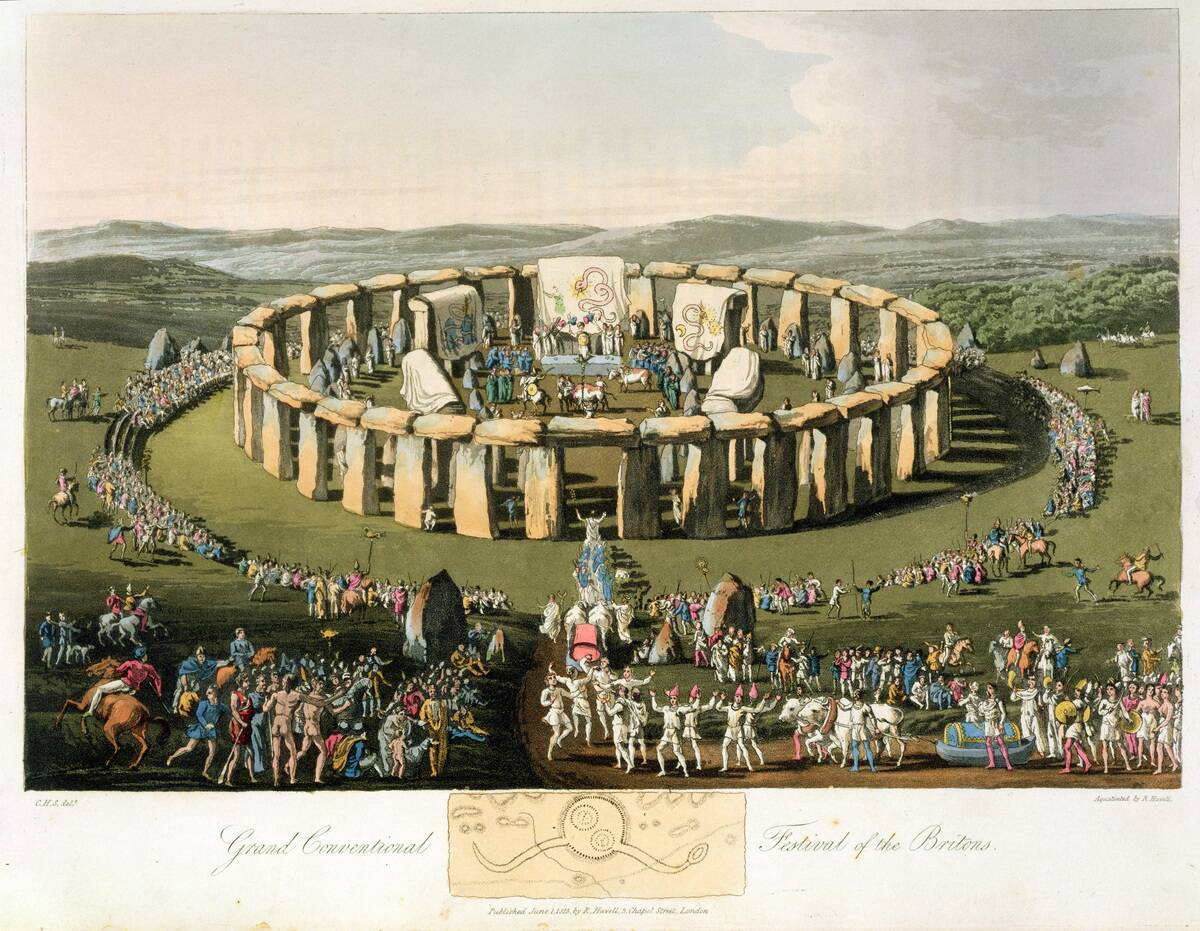
The Lughnasadh festival, named after the Celtic god Lugh, marked the beginning of the harvest season. It was a time for communities to gather, celebrate, and prepare for the coming months.
Sports and games, including feats of strength like tug-of-war and stone throwing, were central to the celebrations. These events symbolized the community’s ability to work together and thrive, highlighting the importance of strength not just in individuals but in collective effort.
The Highland Games: Scotland’s Proud Tradition
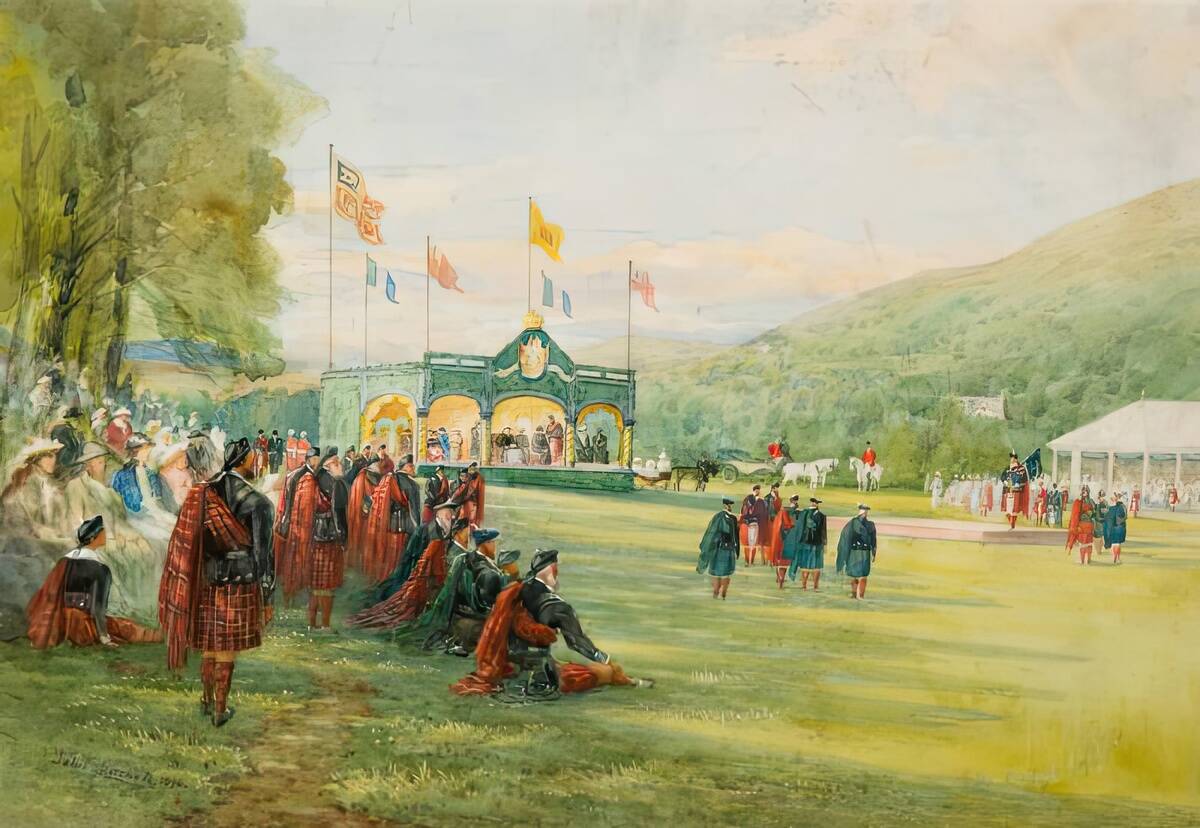
The Highland Games in Scotland are a vibrant celebration of Scottish culture and athleticism. Dating back to the 11th century, events such as caber tossing and hammer throwing are iconic tests of strength.
These games are deeply rooted in Scottish history, providing a platform for clans to demonstrate their prowess. Beyond the physical challenges, the games are a celebration of heritage, complete with traditional music, dance, and attire, drawing visitors from around the world.
Sumo Wrestling in Japan: An Ancient Power Ritual
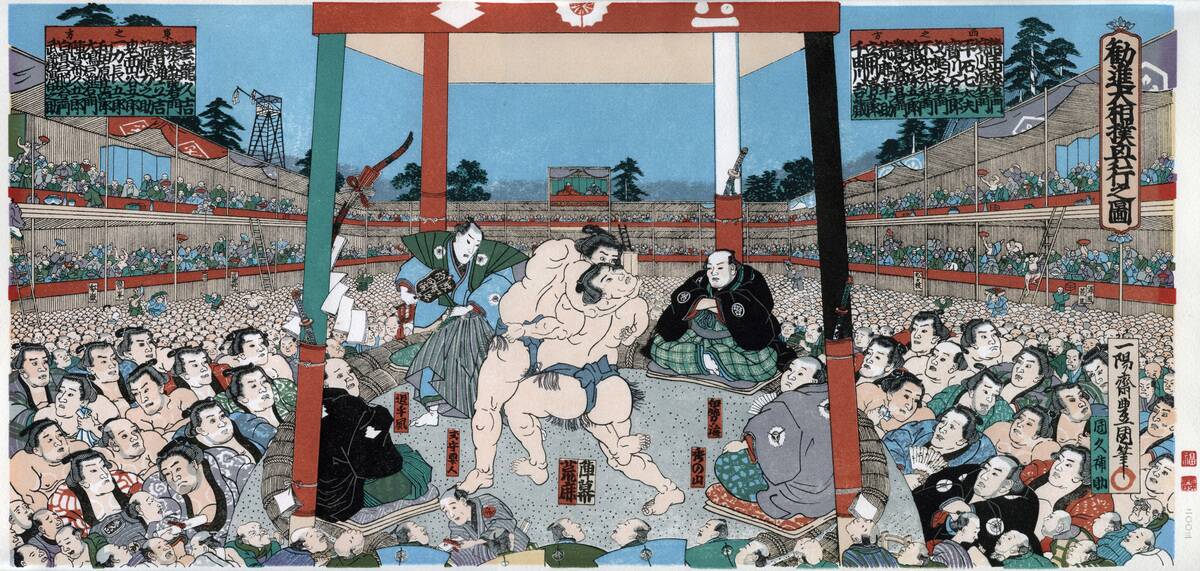
Sumo wrestling, with origins stretching back over a thousand years, is a unique blend of sport and Shinto ritual. The matches, marked by elaborate ceremonies, are a testament to the wrestler’s strength and agility.
Each bout is a showcase of not just physical power but also strategy and endurance. Sumo remains a revered cultural tradition in Japan, with tournaments still attracting large audiences, reflecting the enduring appeal of this ancient display of strength.
The Indian Kushti: Wrestling with Tradition
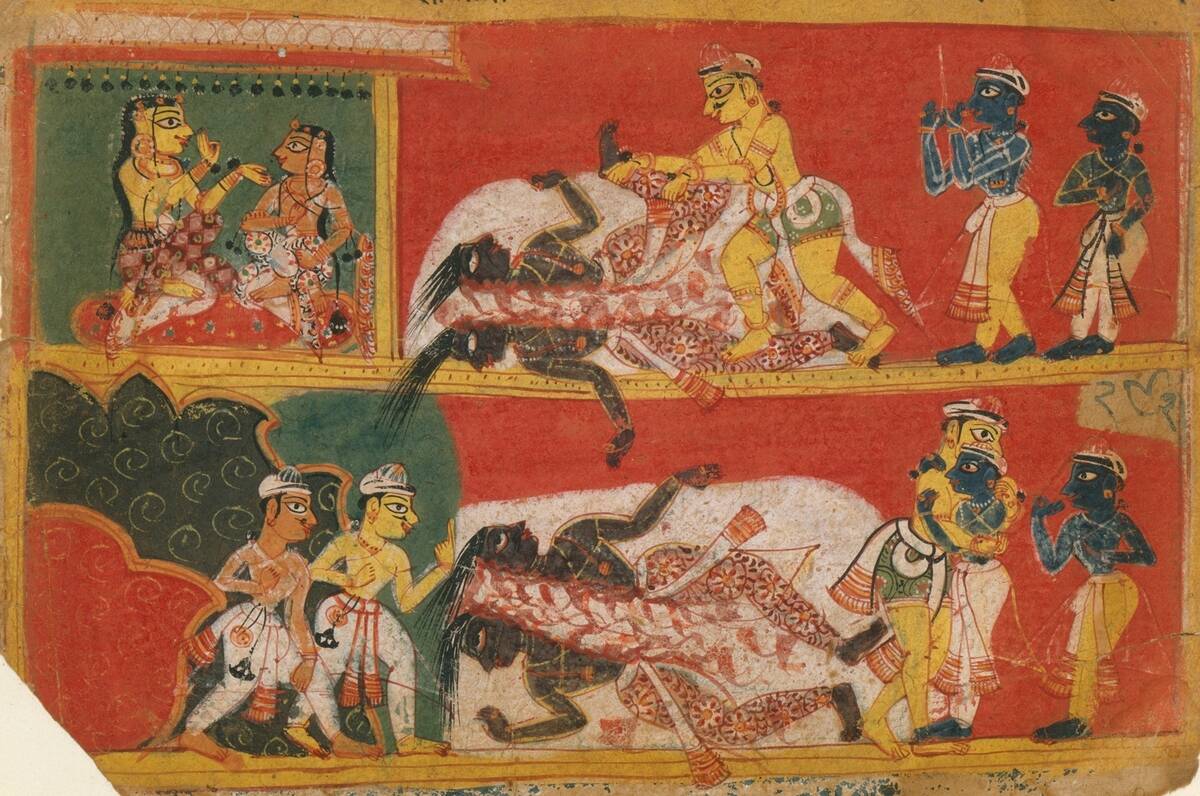
Kushti, or traditional Indian wrestling, is a sport deeply rooted in the cultural fabric of India. Practiced in mud pits called akharas, kushti emphasizes not just physical strength but also discipline and spiritual growth.
Wrestlers, known as pehlwans, adhere to a rigorous lifestyle that includes a strict diet and training regimen. This ancient sport remains a symbol of resilience and dedication, continuing to inspire generations of athletes across the country.
China’s Dragon Boat Festival: Rowing in Synchrony and Strength
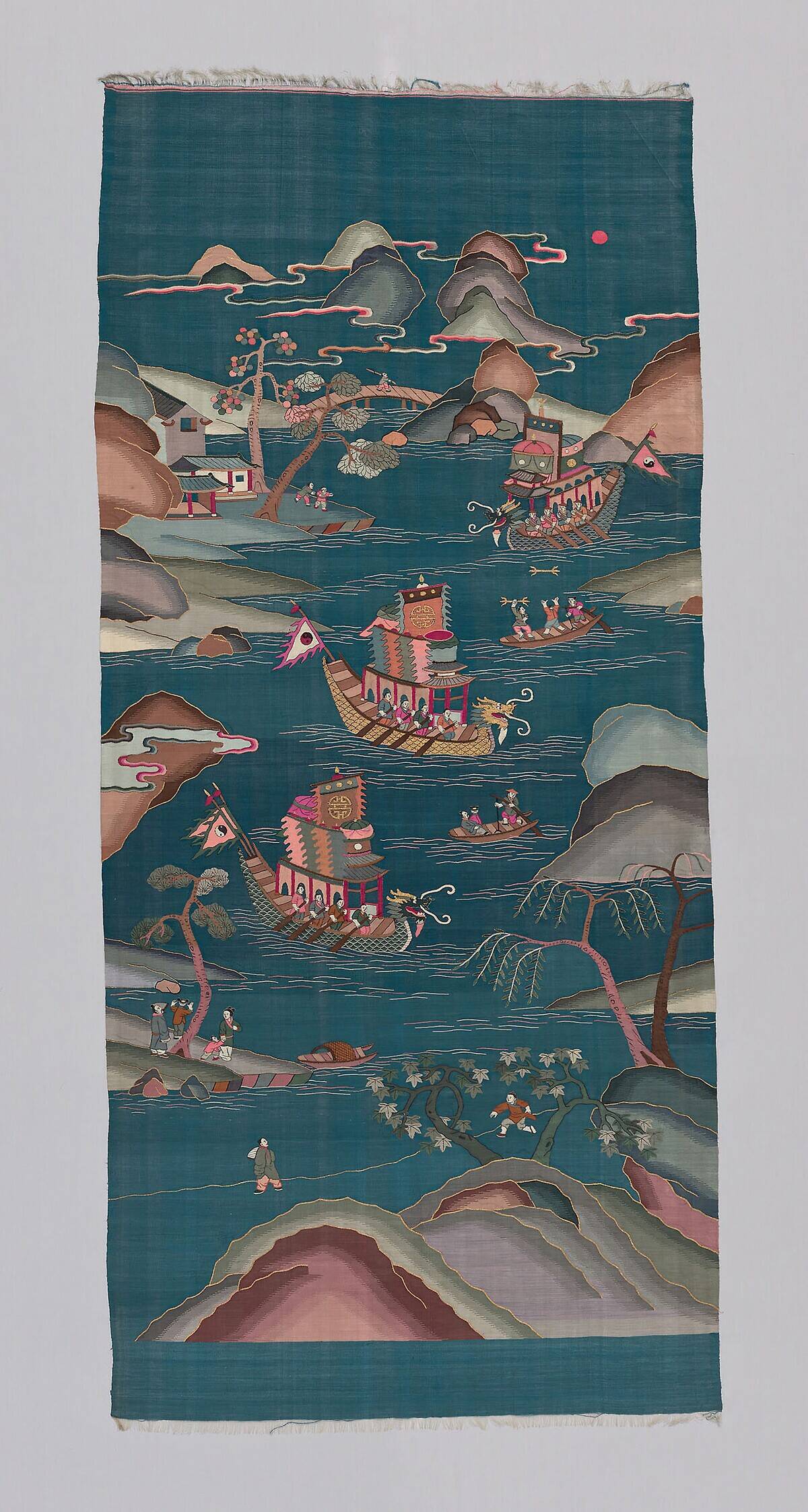
The Dragon Boat Festival in China is a vibrant celebration that combines athleticism with cultural tradition. Held annually to honor the poet Qu Yuan, the festival’s highlight is the dragon boat race.
Teams of rowers paddle in harmony to the beat of a drum, showcasing not only physical strength but also teamwork and coordination. This centuries-old tradition draws participants and spectators alike, highlighting the enduring spirit of community and competition.
The Strongmen of the Middle Ages: Jousts and Tournaments
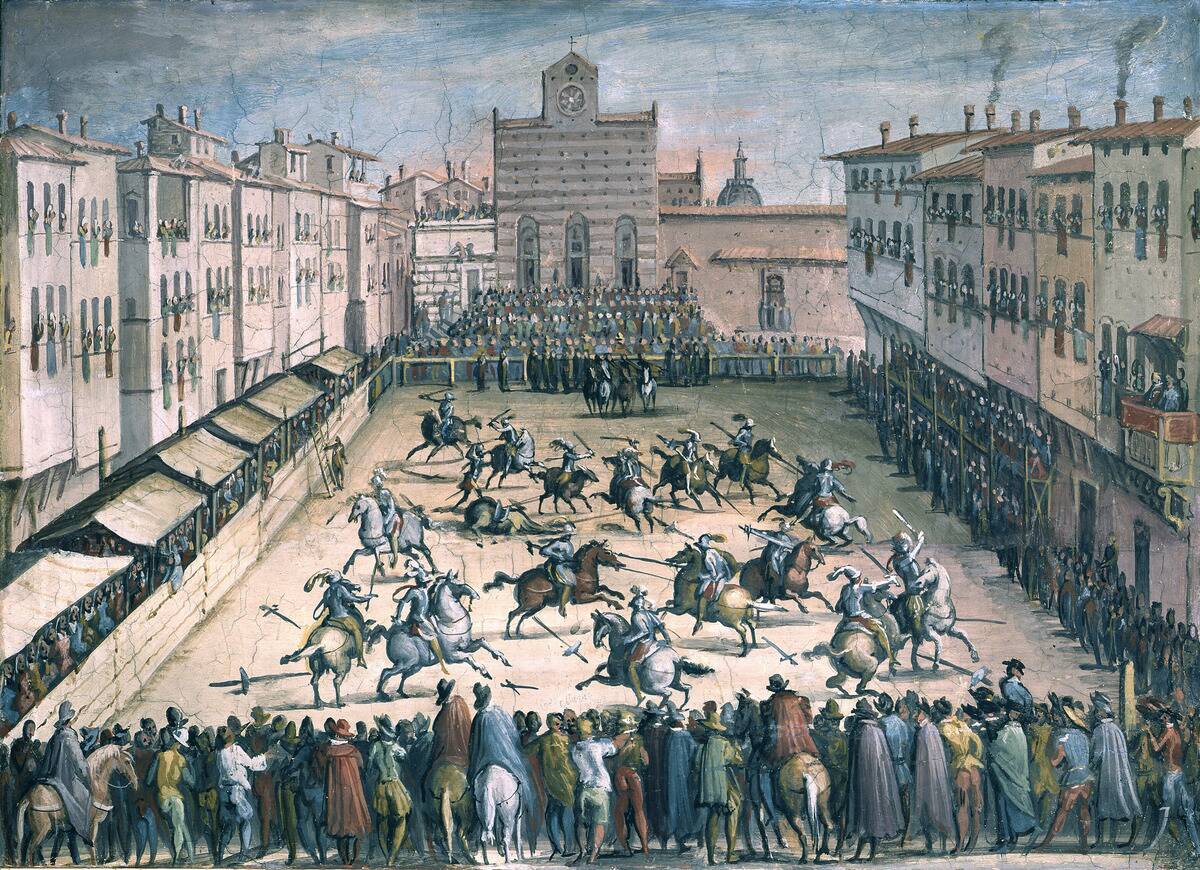
During the Middle Ages, jousts and tournaments were the ultimate test of strength and chivalry. Knights donned armor and engaged in combat, demonstrating their prowess before nobility and commoners alike.
These events were not just about individual glory; they were a chance to win favor and display loyalty to one’s liege. The spectacle of clashing knights remains a captivating image of medieval strength, blending martial skill with the pageantry of the time.
Native American Games: Celebrating Community and Endurance
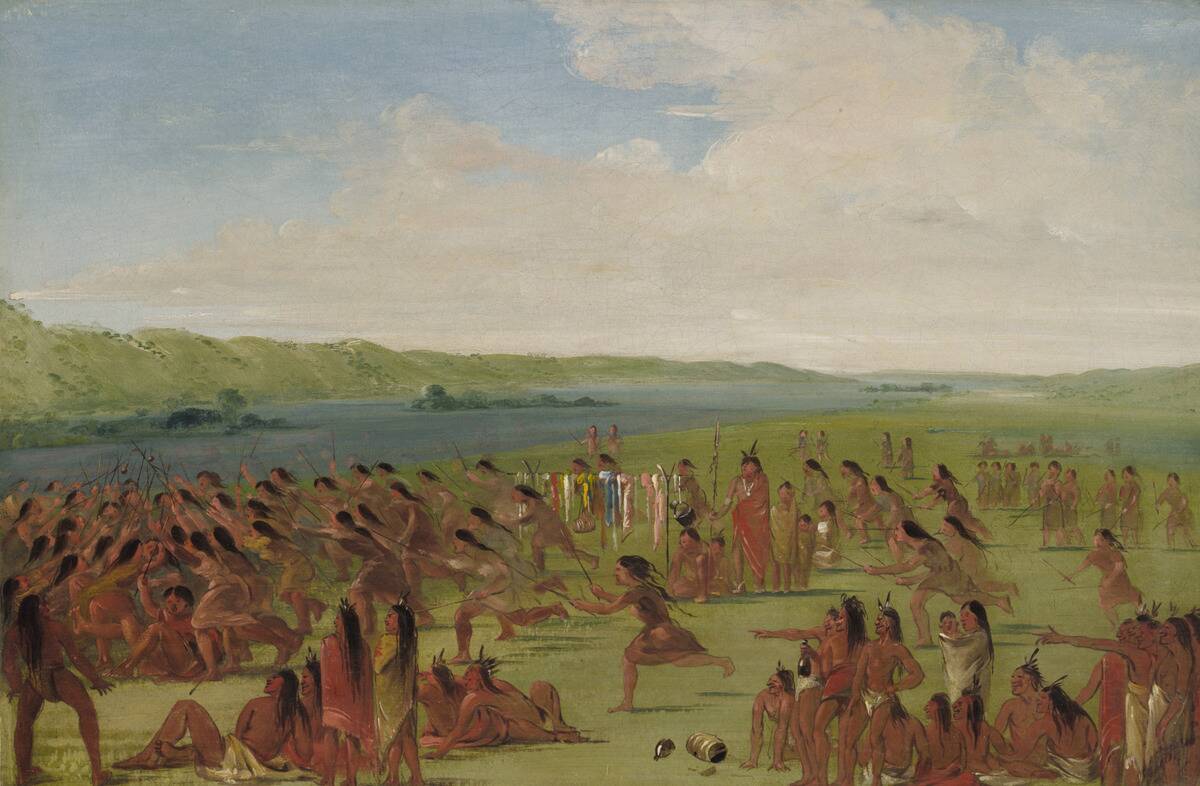
Native American tribes across North America have long celebrated games that emphasize endurance and community. Events like stickball, often considered a precursor to modern lacrosse, tested players’ speed, agility, and teamwork.
These games were more than just sport; they were a way to strengthen social bonds and pass down cultural values. Many of these traditions continue today, serving as a testament to the enduring legacy and resilience of Native American cultures.
The Maya Ball Game: A High-Stakes Test of Strength
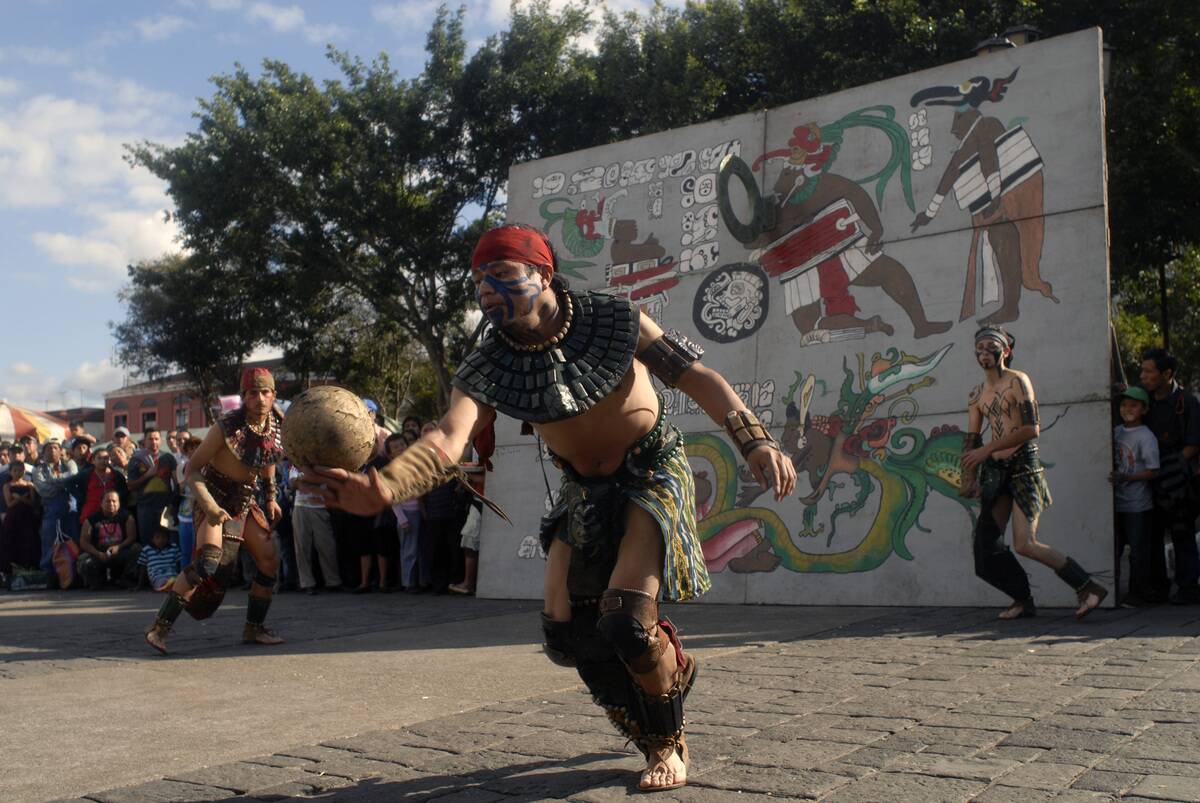
The Maya ball game, commonly referred to as pitz in Classic Maya inscriptions, was a ritualistic sport with high stakes, sometimes involving human sacrifice. Played on a stone court, teams used their hips to keep a heavy rubber ball in play, showcasing remarkable strength and agility.
This game was not only a physical contest but also a ceremonial event with religious significance. The game reflected the Maya’s complex societal structures, intertwining sport with spirituality and community identity.
Ethiopia’s Stick Fighting: Strength and Skill Combined
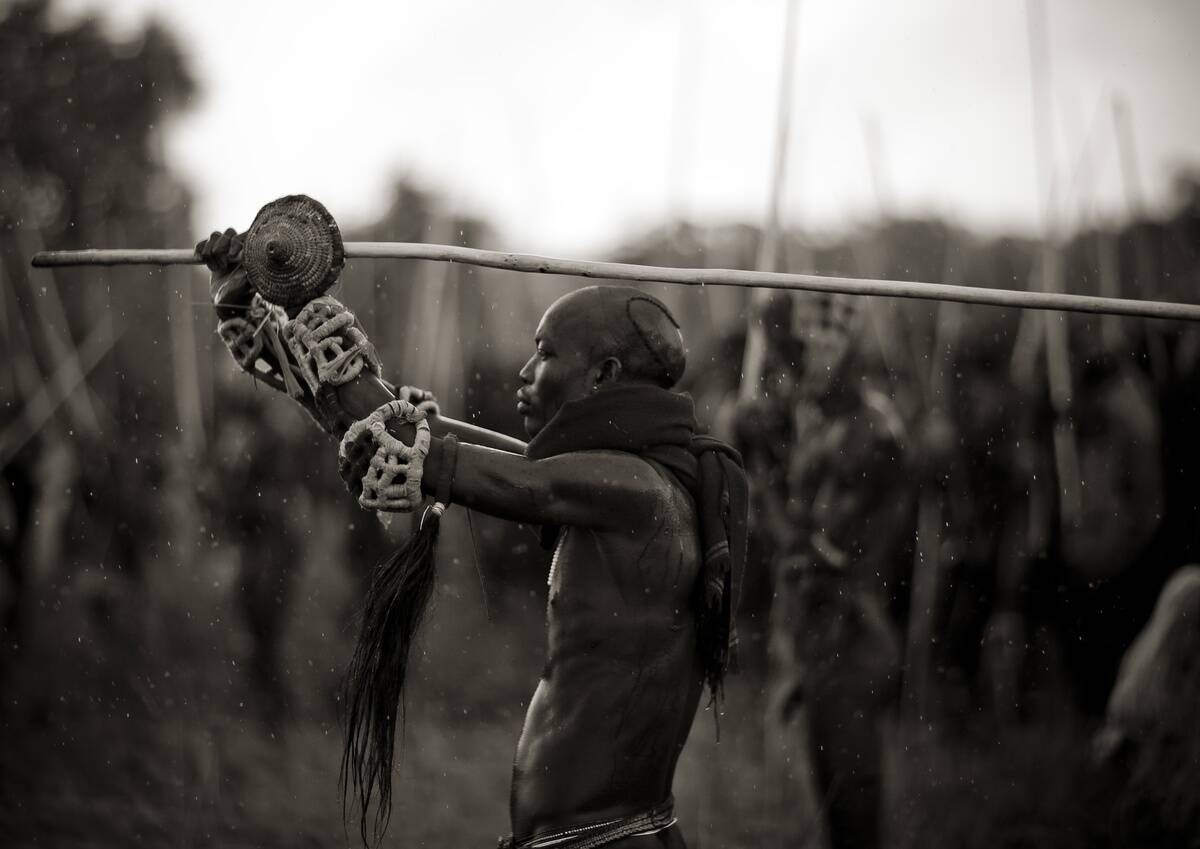
In Ethiopia, stick fighting, or donga, is a traditional sport that combines physical strength and skill. Practiced by the Surma and Nyangatom tribes, it serves as a rite of passage for young men. Participants engage in one-on-one combat, demonstrating their bravery and prowess.
Donga is not just a contest of might; it also holds cultural significance, reaffirming social hierarchies and community cohesion. This ancient practice remains a vibrant part of Ethiopian heritage.
The Turkish Oil Wrestling Tradition: Slippery Strength
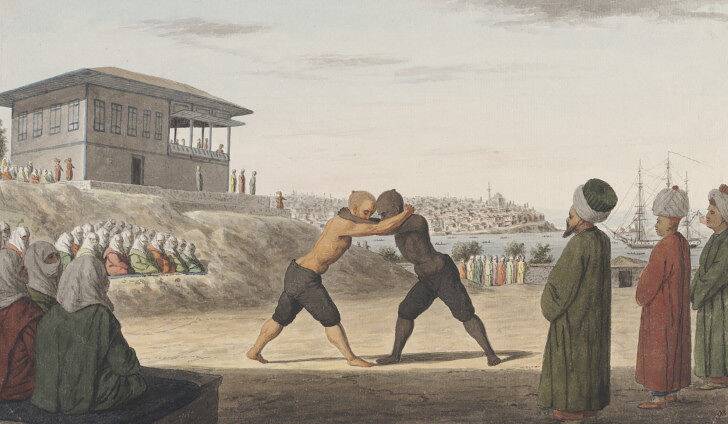
Oil wrestling, or Yağlı Güreş, in Turkey is a unique and enduring cultural tradition. Wrestlers, covered in olive oil, grapple in an attempt to control their slippery opponent. This sport requires not only physical strength but also strategy and dexterity.
Dating back to the Ottoman Empire, oil wrestling is celebrated annually at the Kırkpınar festival, one of the world’s oldest sports competitions. It remains a cherished symbol of Turkish culture and athleticism.
Strength in Rituals: The Role of Feats in Spiritual Celebrations
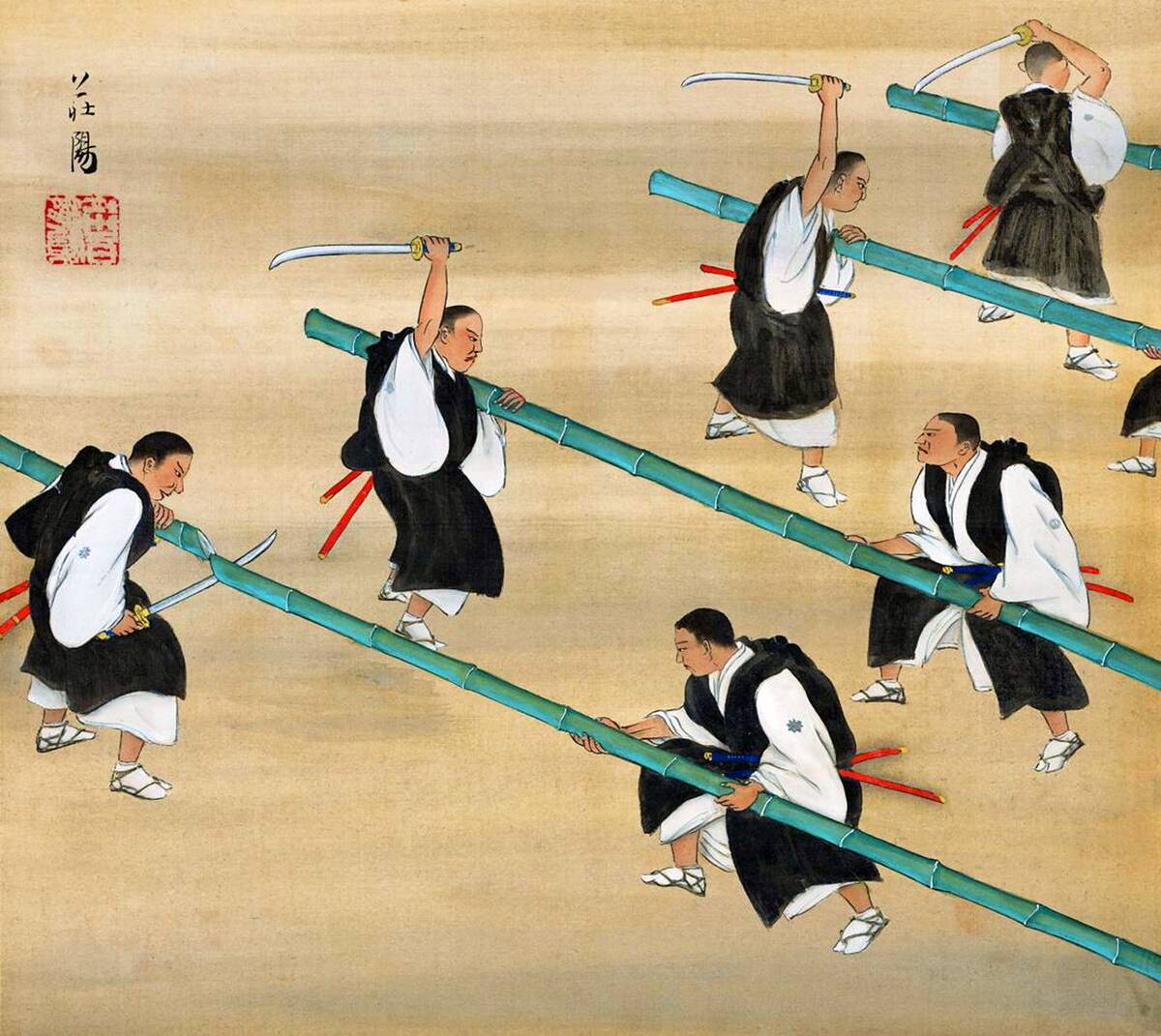
Strength has long been intertwined with spiritual rituals, where physical feats are performed as acts of devotion. Many cultures use these displays to honor deities, seek divine favor, or mark significant life events.
From fasting and endurance challenges to more elaborate rituals, these acts serve as both personal and communal expressions of faith. They highlight the deep connection between physical strength and spiritual resilience, a theme prevalent across many ancient traditions.
The Legacy of Ancient Strength Festivals in Modern Times
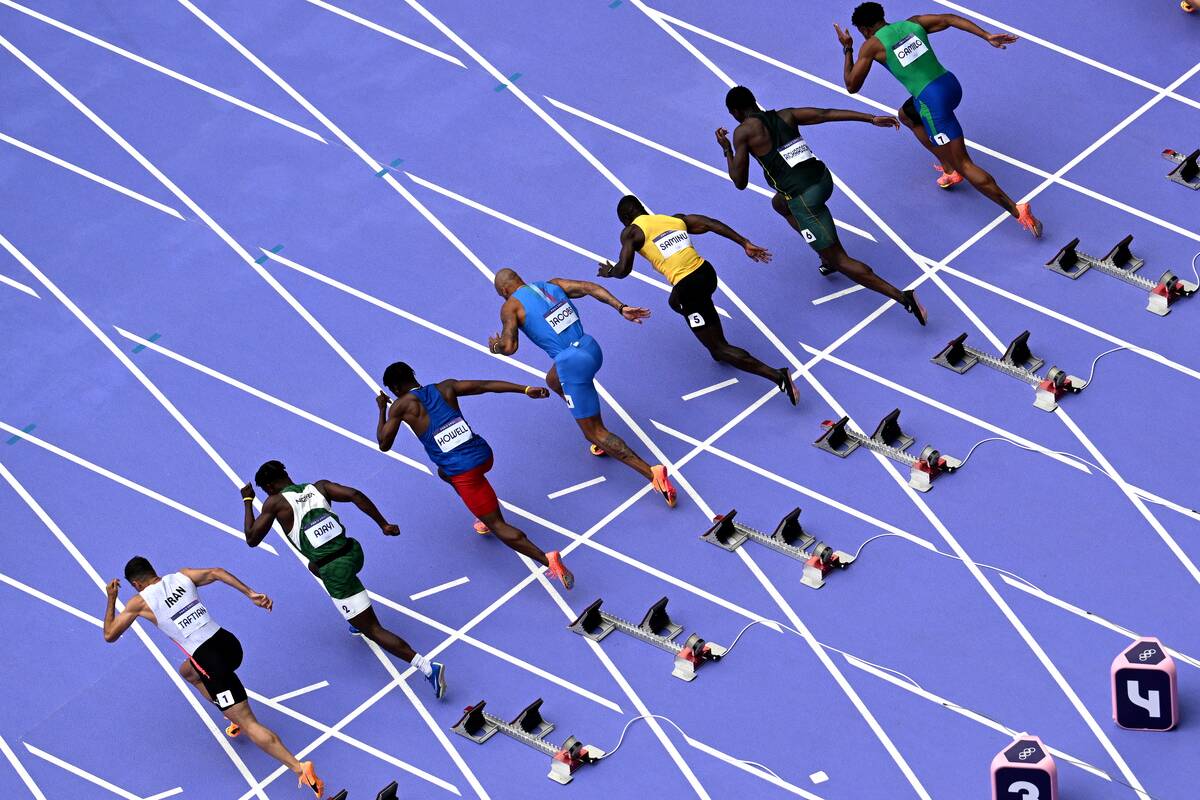
Today, the legacy of ancient strength festivals can be seen in modern sports and cultural events around the world. From the Olympics to local fairs, these gatherings continue to celebrate human achievement and community spirit.
They serve as a reminder of our shared heritage and the timeless appeal of strength and competition. As we look to the future, these festivals inspire new generations to embrace the values of resilience, unity, and cultural pride.