15 historical events shaped by natural disasters
Nature has an uncanny way of shaping history, often in ways we least expect. From volcanic eruptions to devastating floods, the forces of nature have left indelible marks on human civilization.
This article explores the fascinating intersections where nature’s wrath has paved the way for pivotal historical changes. We’re about to embark on a journey through time, unveiling how these natural events have influenced politics, culture, and the very fabric of society.
The Day Pompeii Stood Still: How Mount Vesuvius Shaped Roman History
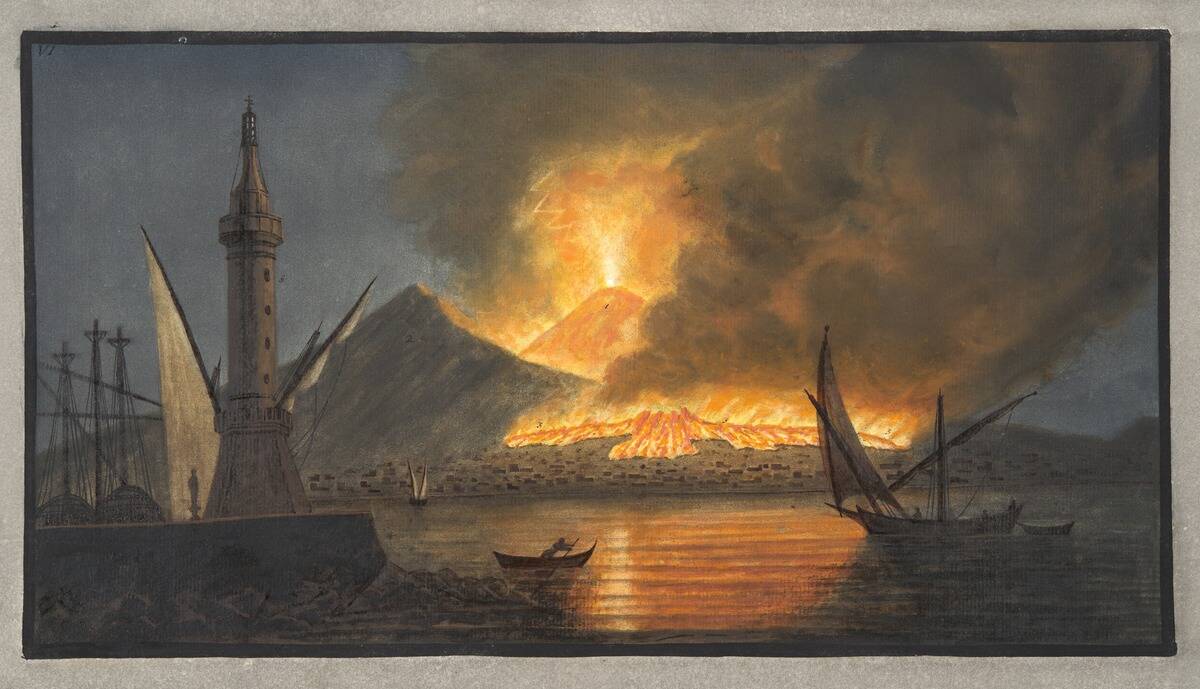
The eruption of Mount Vesuvius in 79 AD is one of the most infamous volcanic events in history. This catastrophic explosion buried the cities of Pompeii and Herculaneum, preserving them in time.
Besides its archaeological significance, the eruption also led to significant social and economic shifts in the Roman Empire. The disaster forced the Romans to rethink urban planning and emergency response, influencing their approach to future calamities.
Lisbon’s Great Earthquake of 1755: Sparking Enlightenment Philosophy
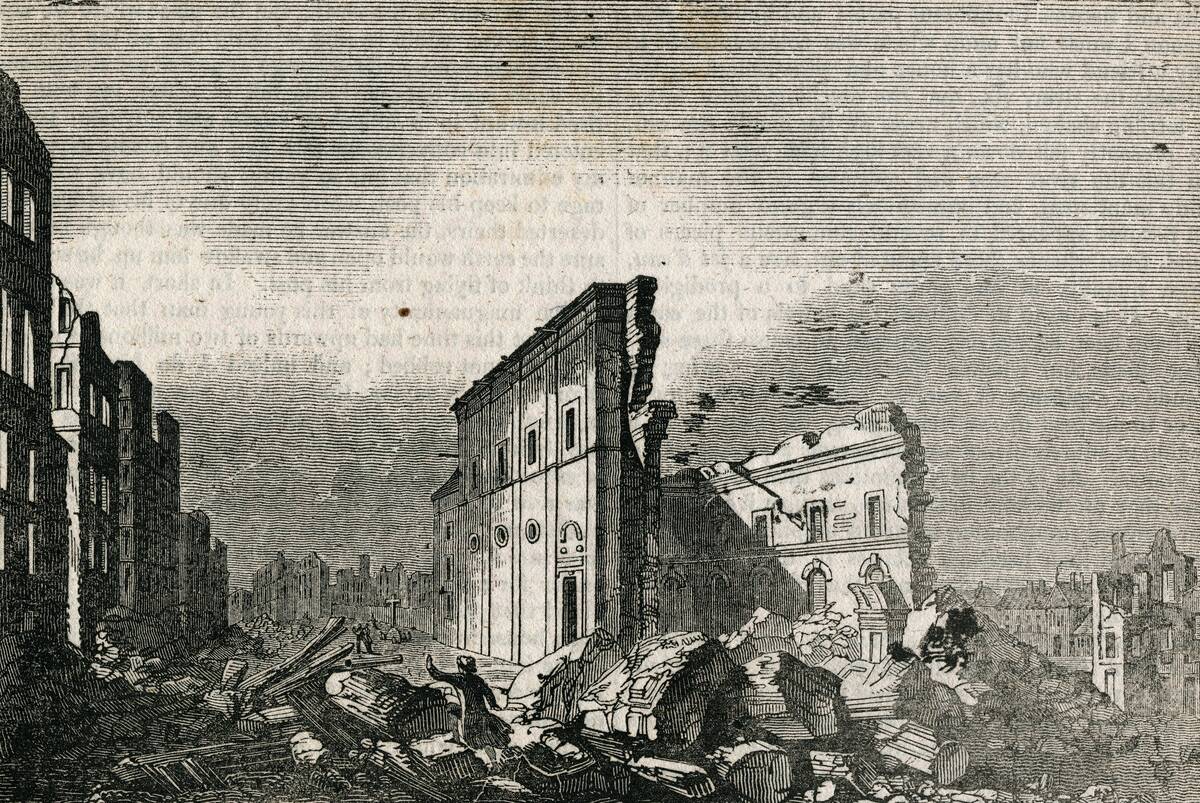
When Lisbon was rocked by a massive earthquake in 1755, followed by a tsunami and fires, it wasn’t just buildings that were shaken. This disaster prompted philosophical debates among Enlightenment thinkers about the nature of God and human suffering.
Voltaire famously critiqued the optimism of the time in his work ‘Candide,’ while others began to question the role of divine providence versus scientific understanding in explaining such events.
Krakatoa’s Eruption in 1883: The Birth of Atmospheric Science and Global Communication
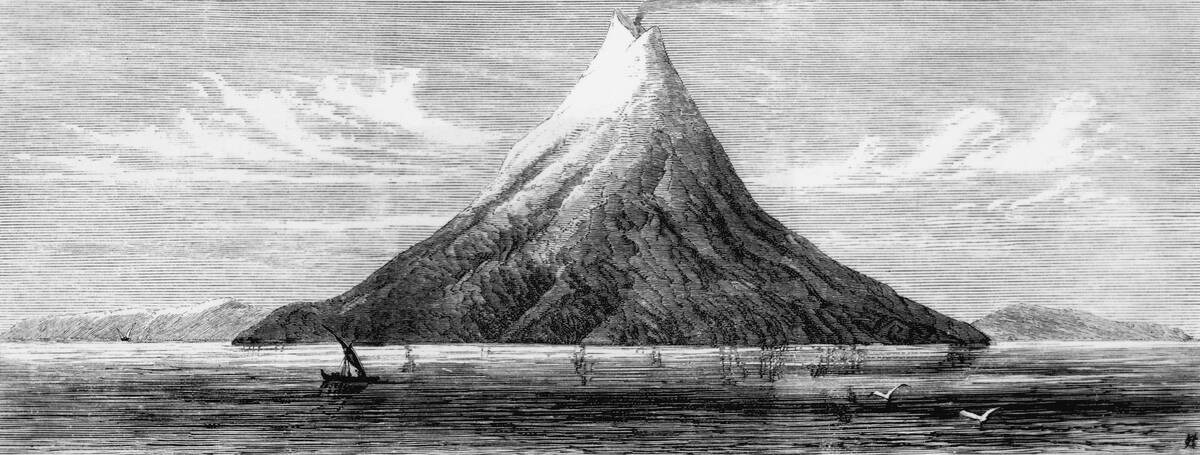
The 1883 eruption of Krakatoa was so powerful that it was heard 3,000 miles away, and it had lasting effects on global climate. This event is credited with the birth of modern atmospheric science, as scientists began to study the climatic changes it caused, such as the drop in global temperatures and vivid sunsets.
The eruption also highlighted the need for global communication networks, as news of the event traveled around the world via telegraph.
The 1906 San Francisco Earthquake: Redefining Urban Planning and Architecture
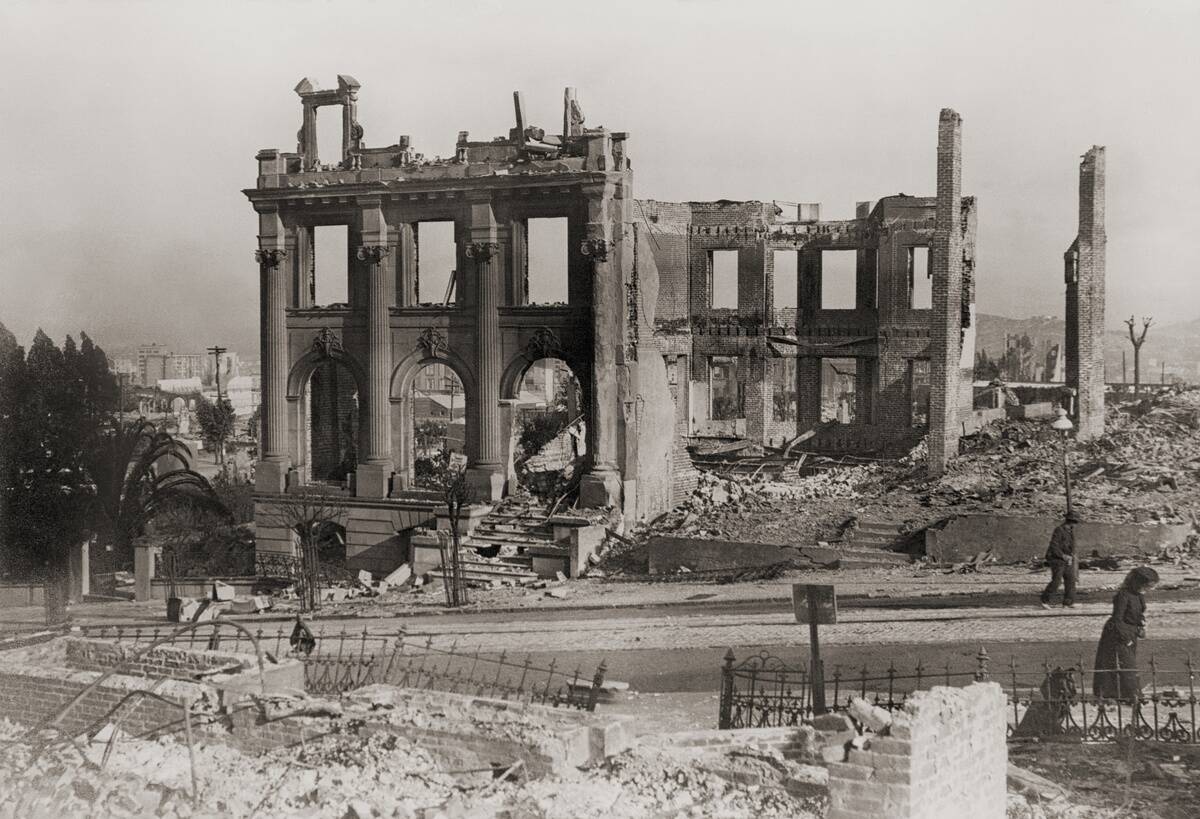
The 1906 earthquake in San Francisco, followed by devastating fires, led to significant changes in urban planning and architectural design. The disaster prompted the development of stricter building codes and and reinforced construction practices over time.
It also accelerated the city’s modernization, as the rebuilding efforts introduced new technologies and designs, setting a precedent for urban development in other earthquake-prone areas.
The Dust Bowl of the 1930s: Reshaping American Agriculture and Migration
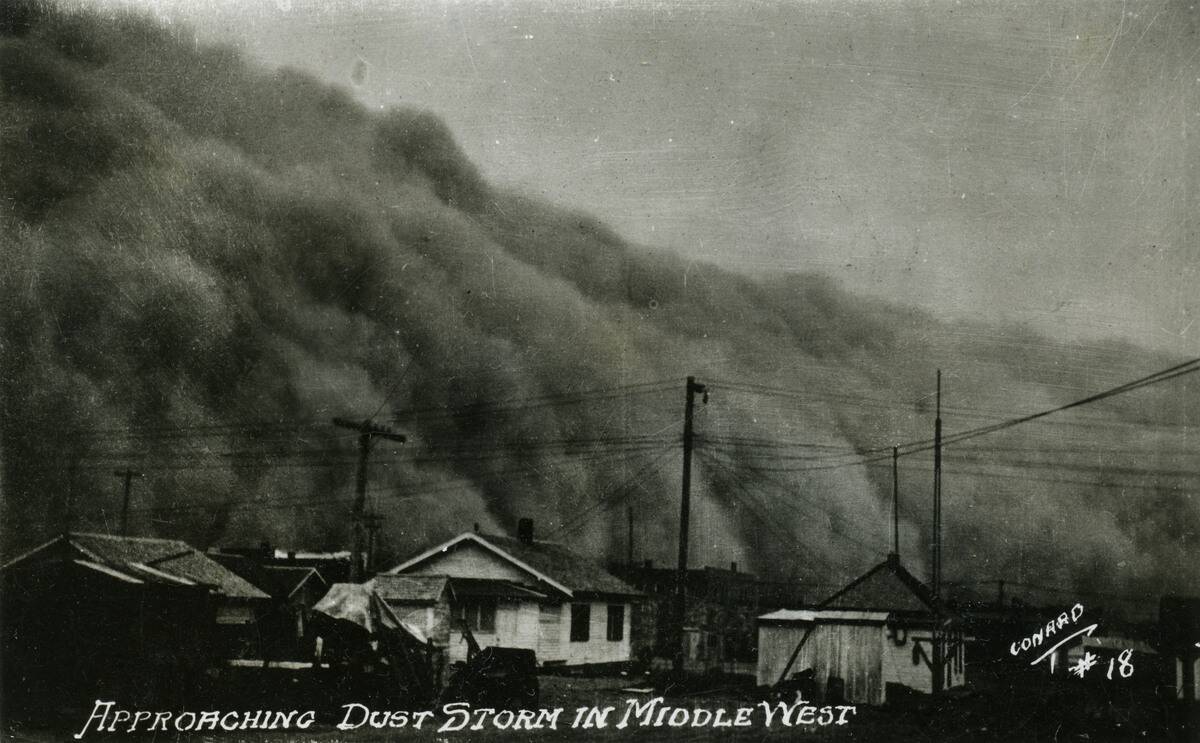
The Dust Bowl of the 1930s was a period of severe dust storms that greatly damaged the ecology and agriculture of the American Great Plains. This environmental disaster forced thousands of families to abandon their farms and migrate westward, particularly to California.
It also led to significant changes in agricultural practices, as new soil conservation techniques were developed to prevent such a calamity from occurring again, influencing farm policies nationwide.
The Tangshan Earthquake of 1976: Catalyzing Political Change in China
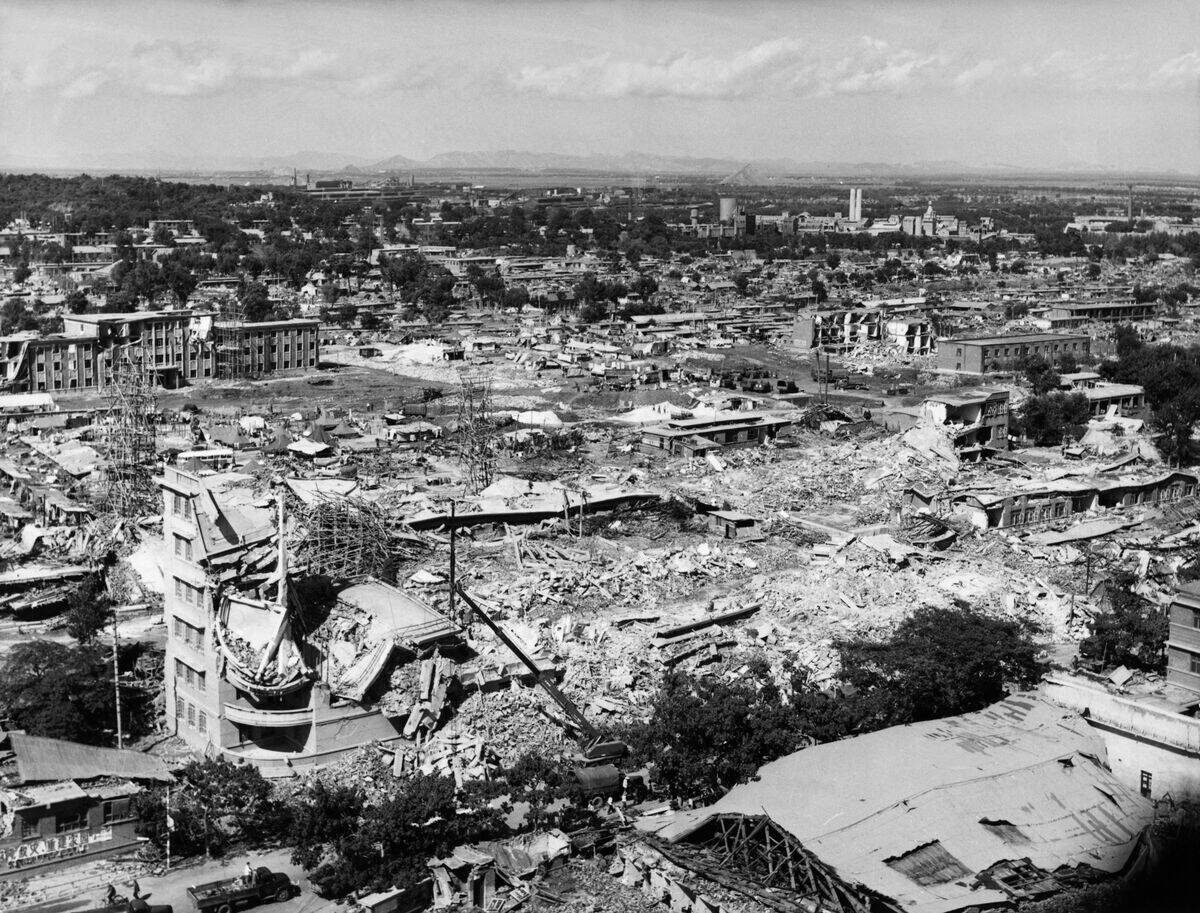
The 1976 Tangshan earthquake was one of the deadliest in recorded history, claiming hundreds of thousands of lives. This disaster struck at a time of political transition in China, shortly before the end of the Cultural Revolution.
The government’s response to the earthquake, and the public’s reaction to it, played a role in the shift towards more open and reformist policies in the years that followed, setting the stage for China’s modernization.
The Black Death and Climate Change in the 14th Century: A Double Whammy on Europe

The Black Death, which decimated Europe’s population in the 14th century, coincided with a period of significant climate change. Known as the Little Ice Age, this era brought colder temperatures and harsher weather conditions, exacerbating the plague’s impact.
Together, these factors led to massive social and economic upheavals, reshaping European society and paving the way for the eventual transition from the feudal system to more modern structures.
The Year Without a Summer in 1816: Inspiring Literary Masterpieces and Agricultural Innovation
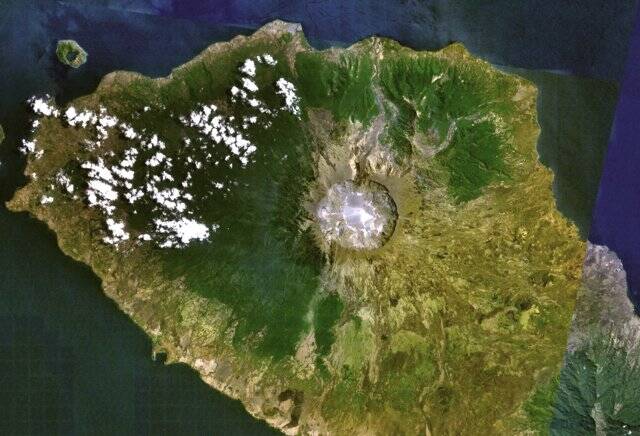
The year 1816 is known as the ‘Year Without a Summer’ due to the volcanic eruption of Mount Tambora in 1815, which led to global climate anomalies. Crop failures and food shortages were rampant, prompting agricultural innovation to address these challenges.
Interestingly, the gloomy weather also inspired literary works such as Mary Shelley’s ‘Frankenstein’ and Lord Byron’s ‘Darkness,’ as artists and writers found creativity amidst the climate chaos.
The Great Flood of 1862: Transforming California’s Infrastructure and Economy
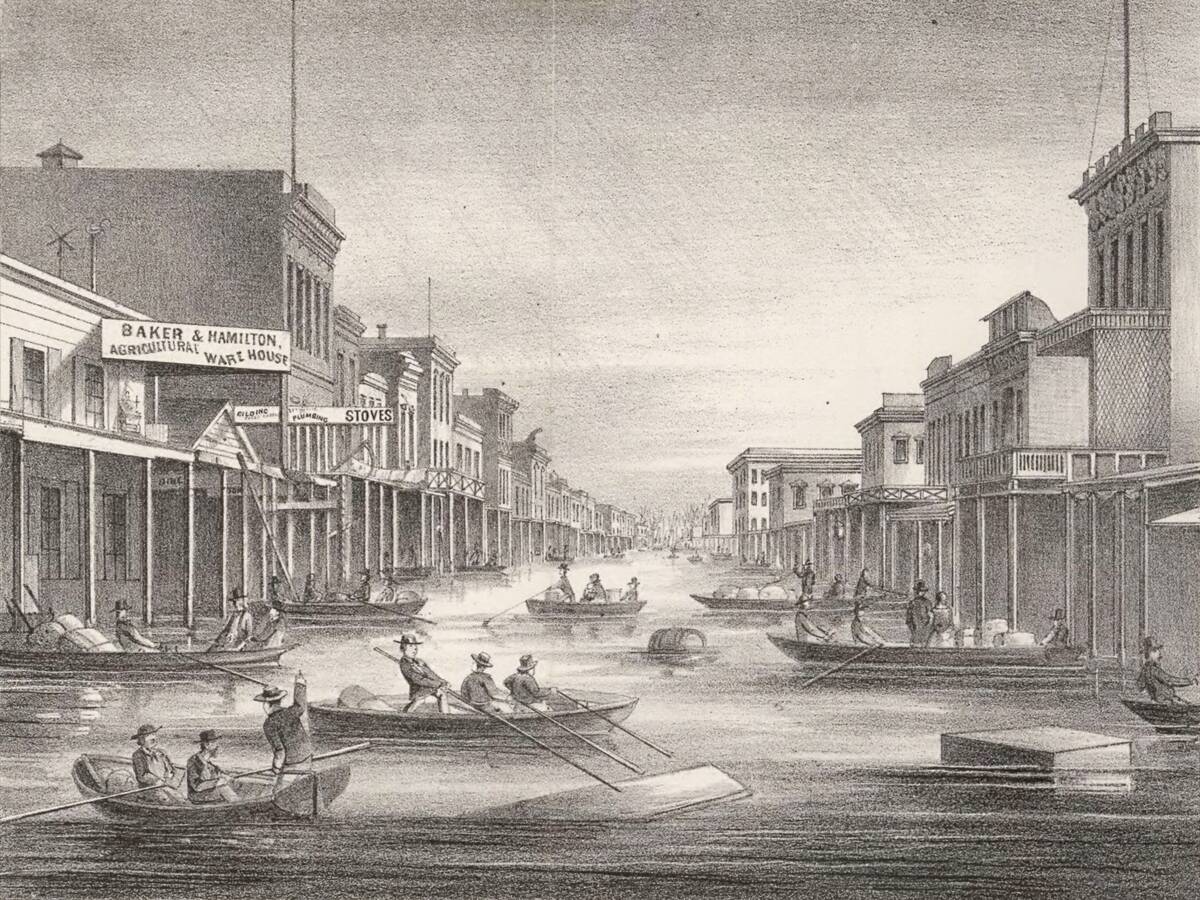
The Great Flood of 1862 was a disaster of epic proportions, submerging large parts of California under water. This flood reshaped California’s infrastructure as the state realized the need for improved flood control systems.
It also had lasting economic impacts, as agriculture was disrupted and the state’s finances were strained. This event highlighted the importance of sustainable land management and water resource planning, principles that continue to guide California’s development today.
The 2004 Indian Ocean Tsunami: Redefining Global Humanitarian Response
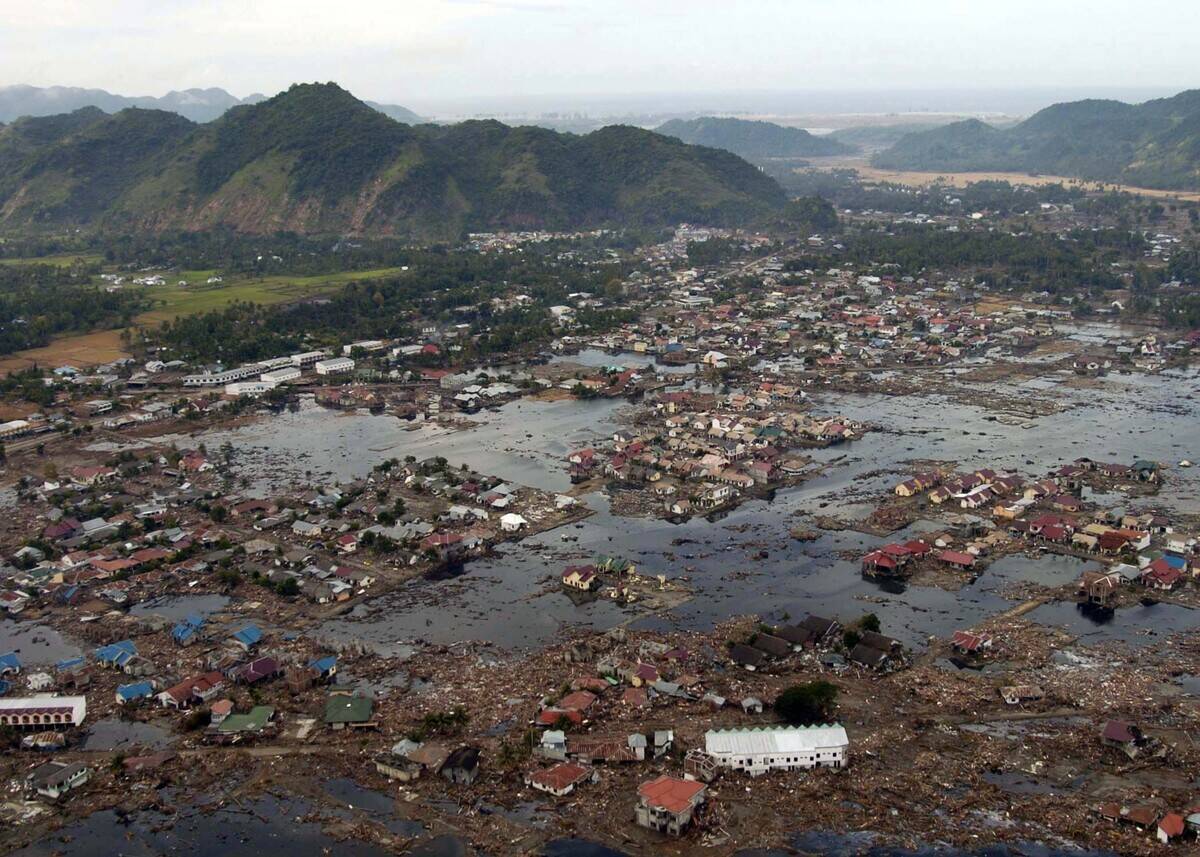
The 2004 Indian Ocean tsunami was one of the deadliest natural disasters in history, affecting 14 countries and killing over 230,000 people. The sheer scale of the devastation prompted a global humanitarian response, leading to changes in how such efforts are coordinated.
The disaster highlighted the need for better early warning systems and international cooperation, resulting in improved preparedness and response strategies for future calamities worldwide.
Cyclone Bhola in 1970: Creating a New Nation – The Birth of Bangladesh
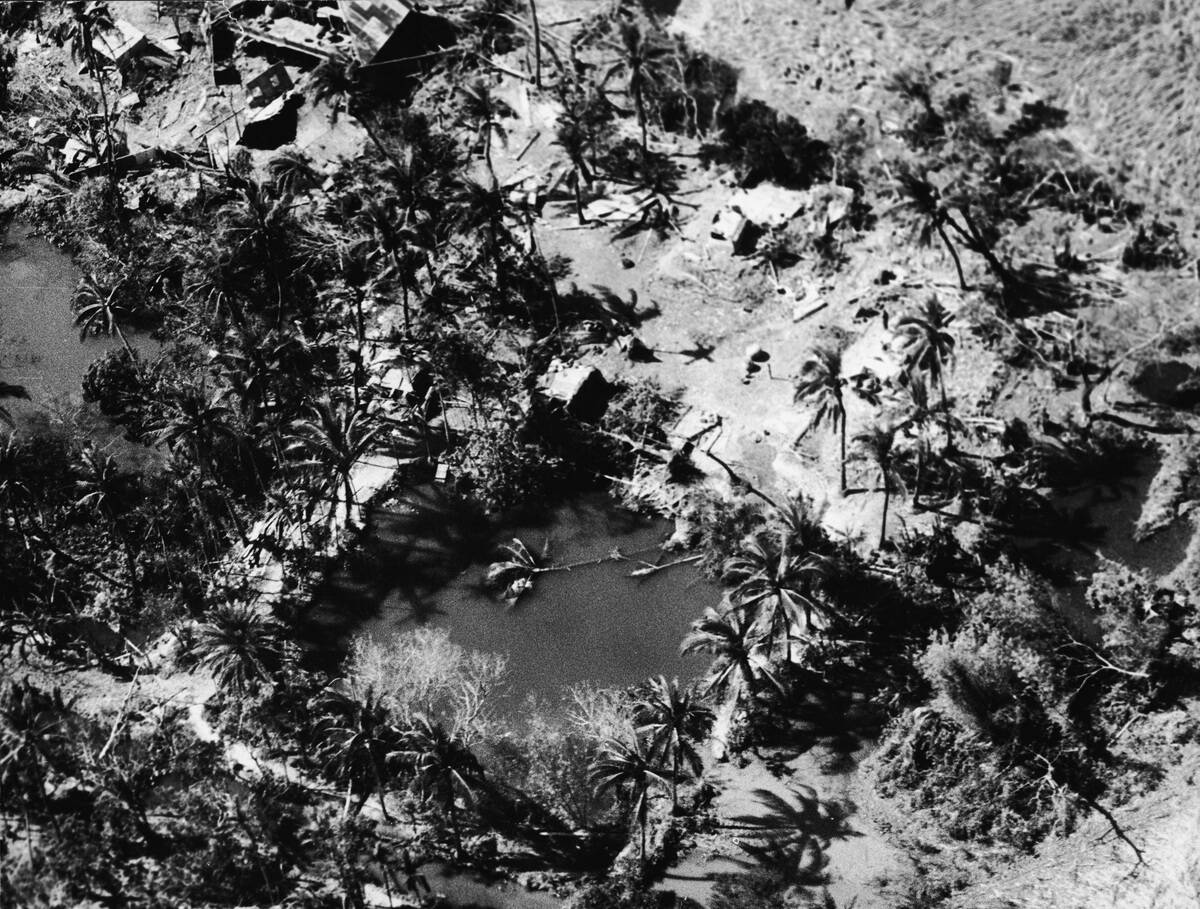
Cyclone Bhola struck East Pakistan, now Bangladesh, in 1970, causing unprecedented destruction and loss of life. The disaster exposed the government’s inadequate response and exacerbated existing political tensions, fueling the demand for independence.
The cyclone intensified political grievances in East Pakistan and contributed to rising tensions that preceded the Bangladesh Liberation War and the creation of Bangladesh in 1971. The cyclone’s impact on the region is a testament to how natural disasters can accelerate political change and alter national boundaries.
Hurricane Katrina in 2005: A Catalyst for Social and Political Debates in the U.S.
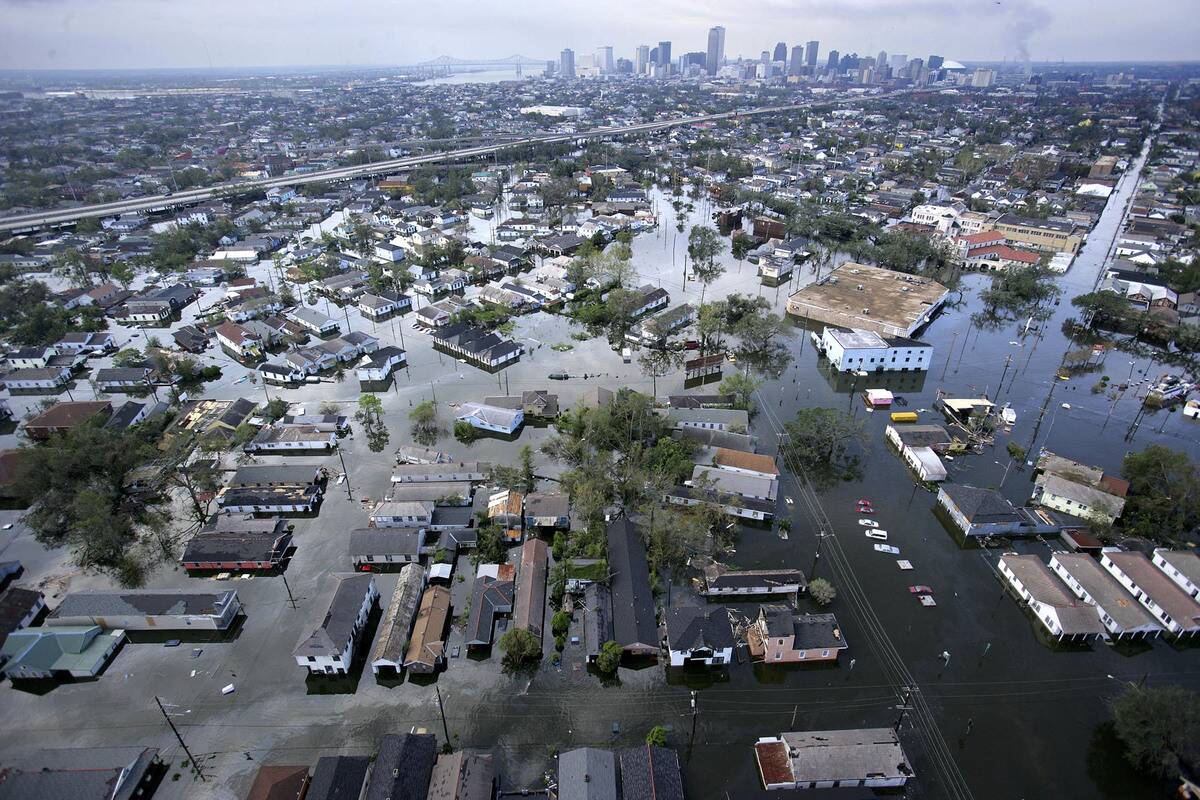
Hurricane Katrina, one of the most destructive hurricanes in U.S. history, hit the Gulf Coast in 2005, resulting in widespread devastation, particularly in New Orleans. The disaster sparked intense debate over issues such as government preparedness and response, socioeconomic disparities, and climate change.
The aftermath of Katrina led to reforms in emergency management policies and highlighted the need for better infrastructure and support systems for vulnerable communities.
The Icelandic Volcano Eruption of 1783: Its Role in the French Revolution
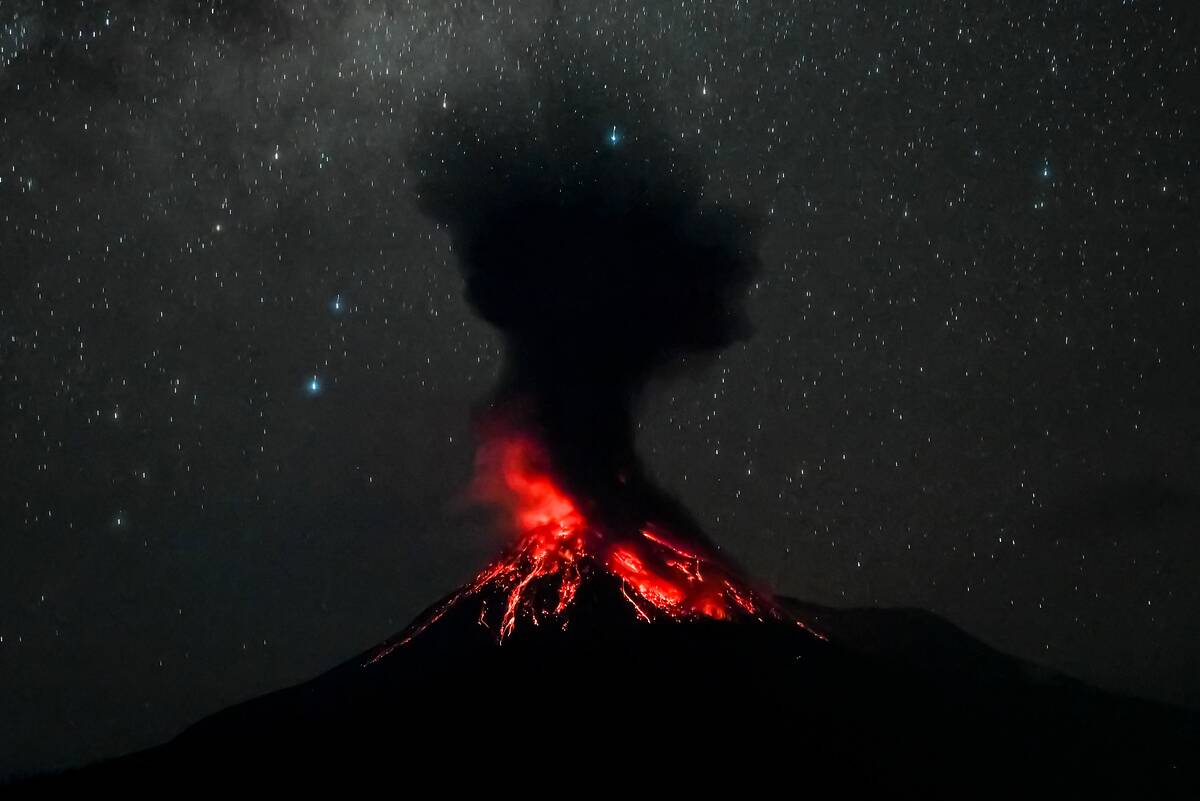
The eruption of the Laki volcano in Iceland in 1783 released vast quantities of volcanic ash into the atmosphere, leading to a ‘haze famine’ across Europe. Crop failures and food shortages ensued, contributing to economic hardships in France.
These conditions are believed to have fueled public discontent, playing a role in the social unrest that eventually led to the French Revolution. It’s a striking example of how environmental factors can intersect with political upheaval.
The 1889 Johnstown Flood: Changing American Red Cross and Disaster Management Practices
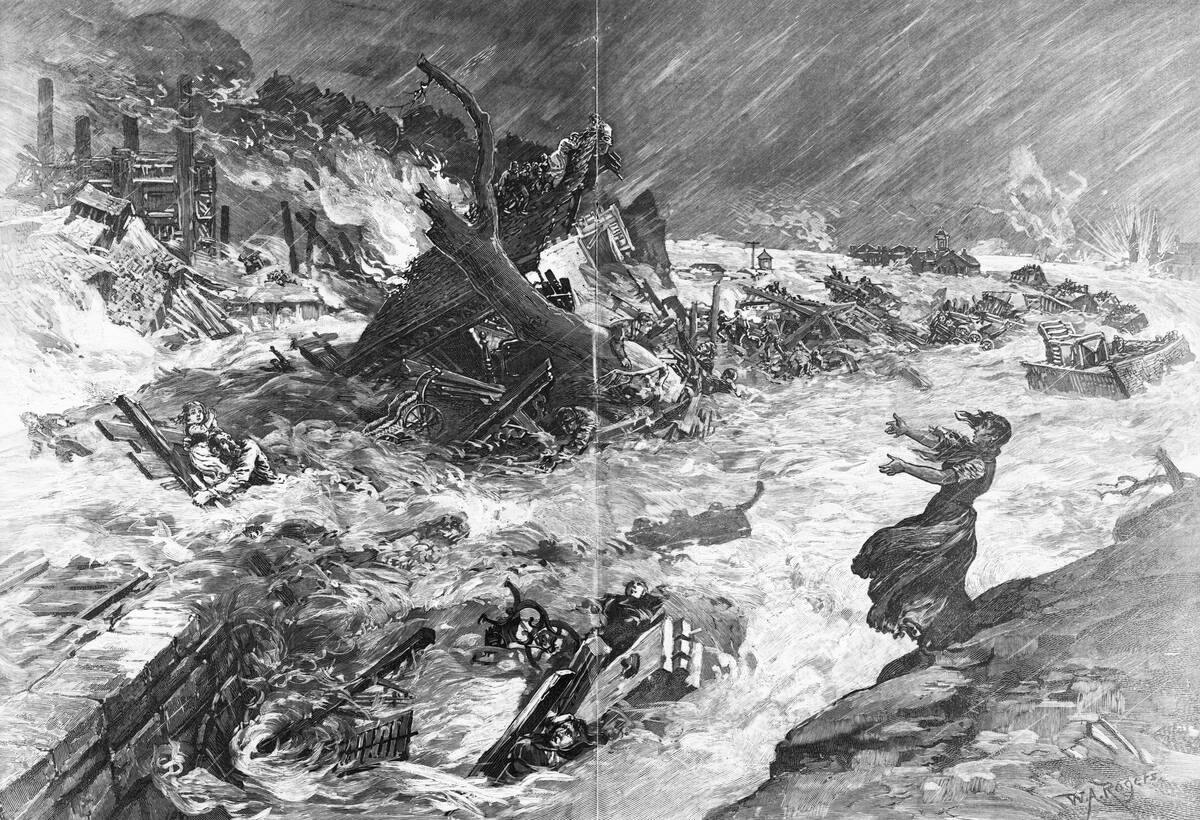
The Johnstown Flood of 1889 was a catastrophic event that underscored the need for improved disaster management practices in the United States. The flood claimed over 2,200 lives and prompted the American Red Cross, led by Clara Barton, to implement more organized relief efforts.
This disaster highlighted the importance of preparedness and response strategies, leading to reforms in how emergencies are managed and establishing the Red Cross as a vital humanitarian organization.
The Role of Climate in the Fall of the Maya Civilization: An Ancient Mystery Unraveled
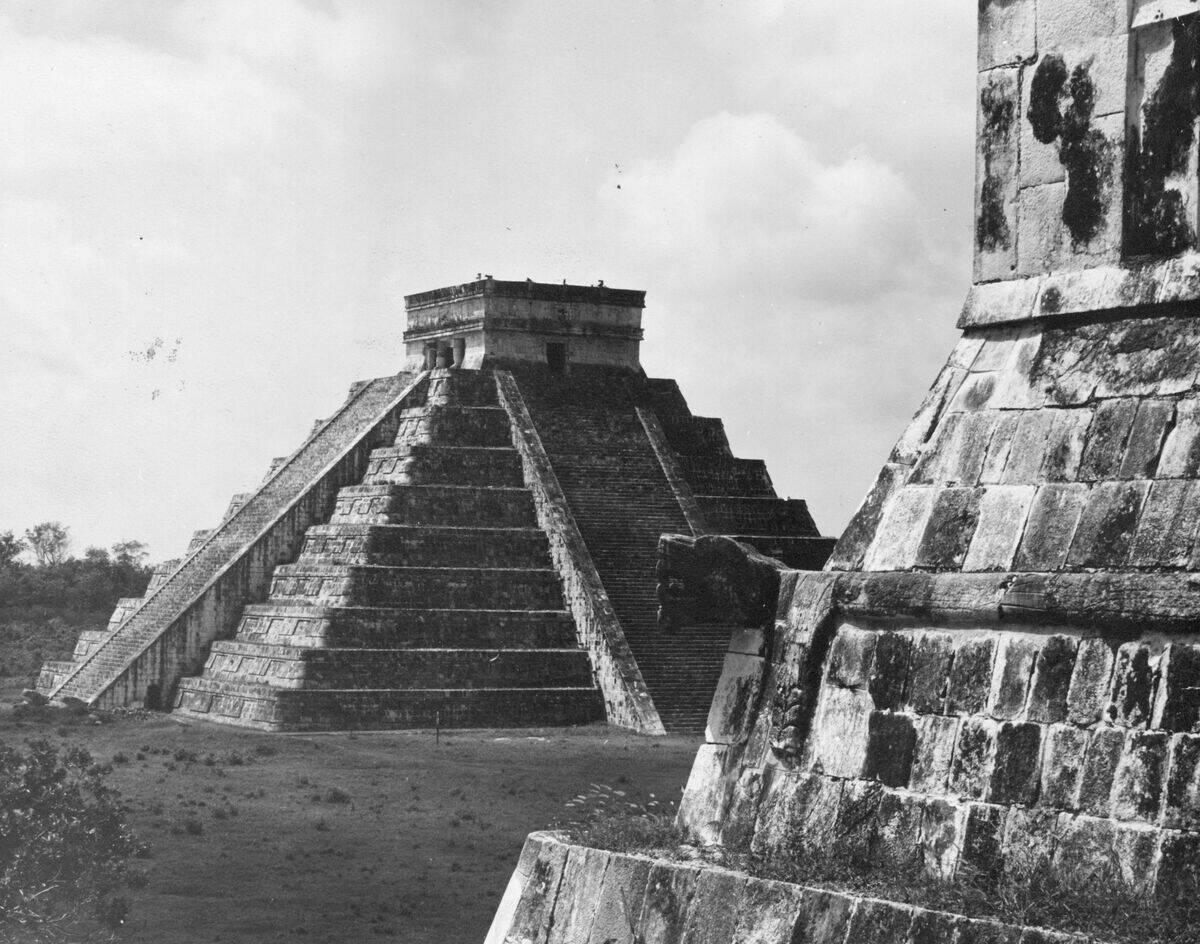
The mysterious decline of the Maya civilization has long intrigued historians and archaeologists. Recent studies suggest that climate change, specifically prolonged droughts, played a significant role in the civilization’s downfall.
These droughts would have led to severe food shortages, undermining the stability of Maya society. This revelation offers a new perspective on how environmental factors can impact even the most advanced ancient civilizations, emphasizing the delicate balance between society and nature.




