Facts about daring prison escapes throughout history
Prison escapes have captivated the imagination of many, blending the thrill of a high-stakes game with the allure of forbidden freedom. These dramatic tales often involve elaborate plans, daring individuals, and the ever-present question: will they get away with it?
From historical breakouts to modern-day escapades, the stories of prisoners risking it all for freedom are as varied as they are fascinating. Join us as we explore some of the most intriguing escapes throughout history.
The Great Escape: Stalag Luft III’s Ingenious Tunnel
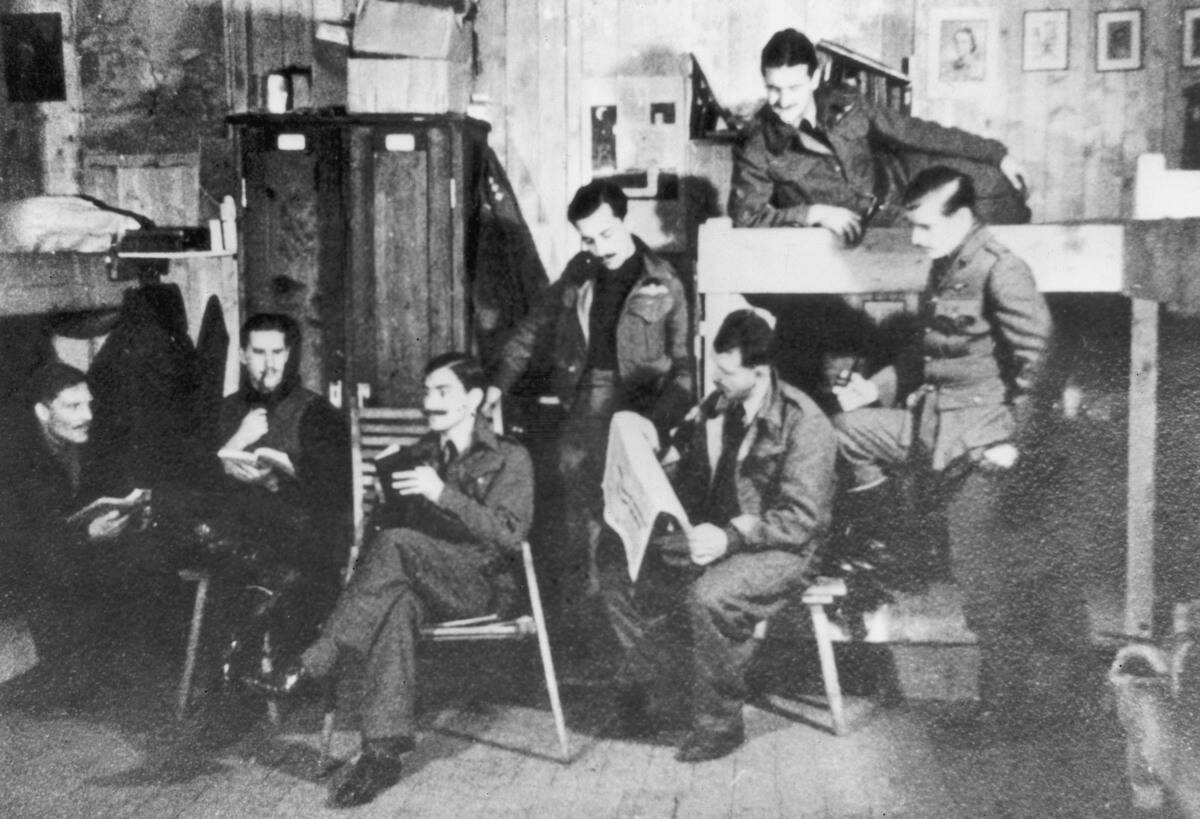
The 1944 escape from Stalag Luft III, a German POW camp, is legendary, inspiring the famous film “The Great Escape.” Ingeniously, prisoners dug three tunnels named Tom, Dick, and Harry, but only Harry was completed.
They used materials from bed boards, soiled clothing to disguise dirt, and even a homemade air pump. Despite their efforts, of the 76 escapees who made it out, only three reached safety, while many were recaptured, and 50 were executed, highlighting the high risks involved.
Alcatraz’s Infamous Breakout: The Mystery of Frank Morris and the Anglin Brothers
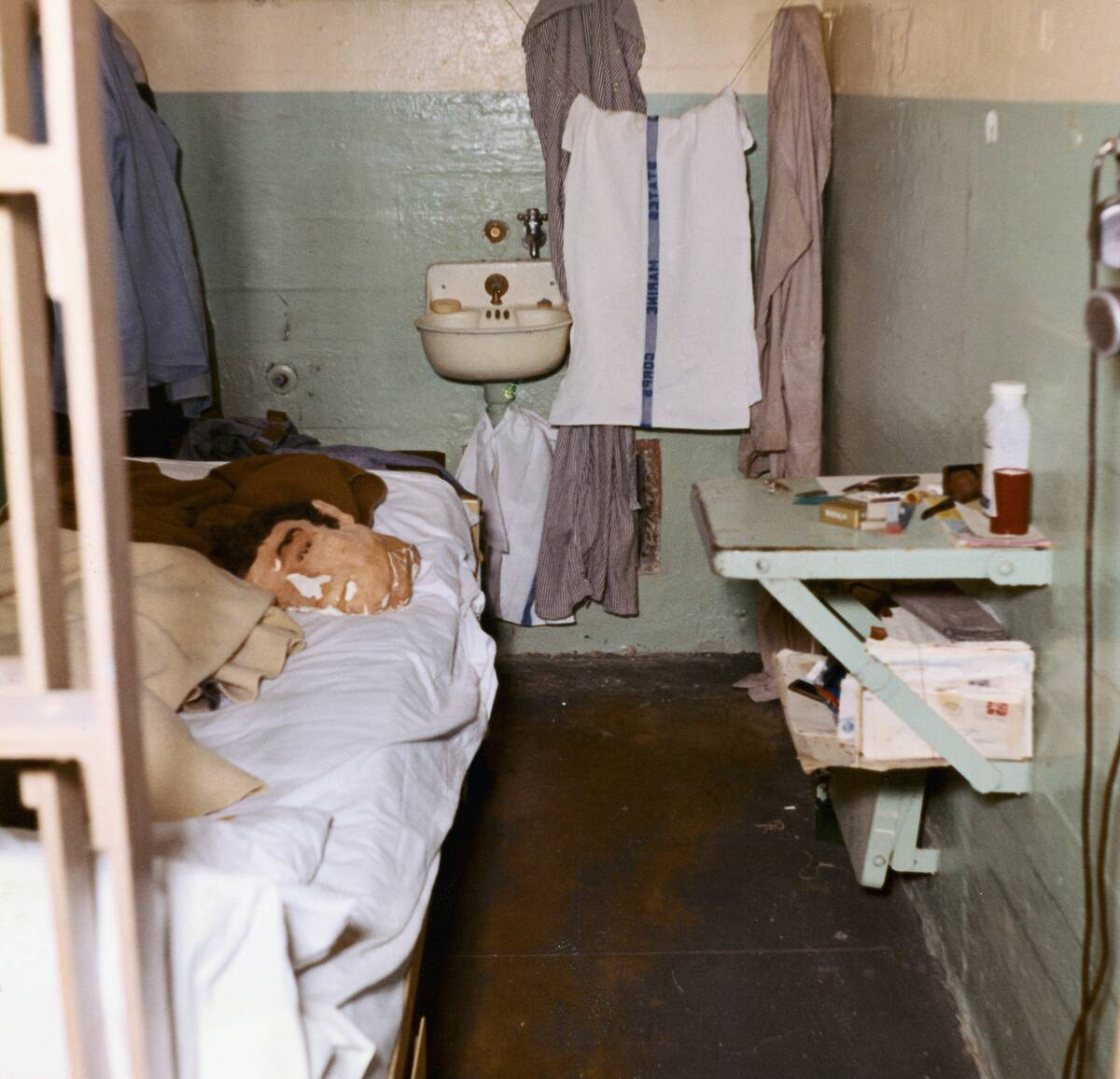
In 1962, Frank Morris and the Anglin brothers orchestrated one of the most famous escapes from Alcatraz, a prison thought to be inescapable. Using makeshift tools, they widened ventilation ducts in their cells and created lifelike dummy heads to fool guards.
The trio vanished into the choppy waters of San Francisco Bay on a raft made of raincoats. Their fate remains unknown, fueling endless speculation and theories about whether they survived the treacherous waters.
Escape from Dannemora: The Shawshank-Esque Real-Life Tale

In 2015, the escape from Clinton Correctional Facility in Dannemora, New York, captured the nation’s attention. Richard Matt and David Sweat spent months planning their breakout, aided by a civilian worker smuggling them tools.
Their exit involved cutting through steel walls and pipes, reminiscent of a real-life “Shawshank Redemption.” While Matt was eventually killed by police, Sweat was recaptured, ending a three-week manhunt that had the public enthralled and on edge.
The Maze Prison Break: Northern Ireland’s Most Notorious Escape
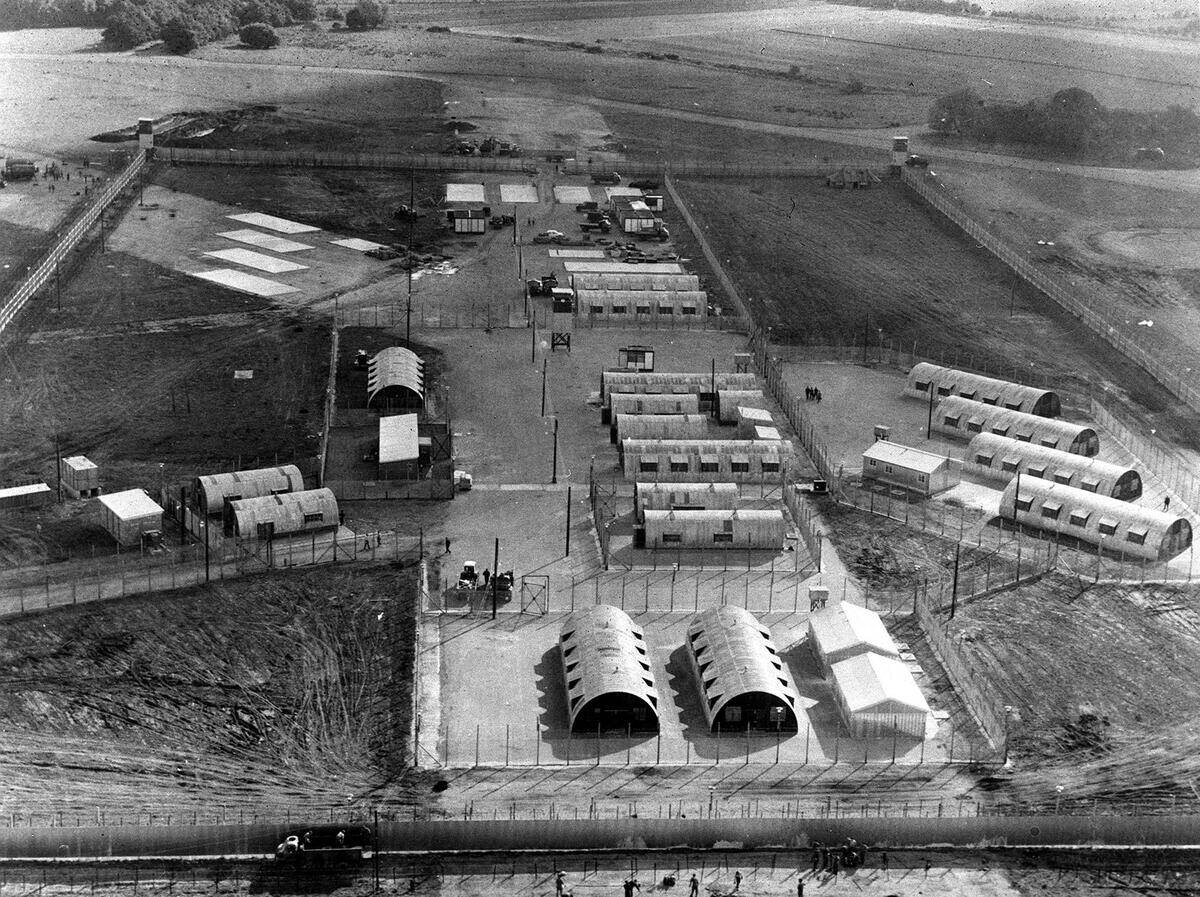
In 1983, 38 IRA prisoners broke out of Maze Prison, considered one of Europe’s most secure facilities. The escape involved overpowering guards with smuggled tools and hijacking a food delivery truck.
This daring breakout was the largest in British history, and most escapees were eventually recaptured. The incident remains a critical moment in Northern Ireland’s tumultuous history, highlighting the political tensions of the era and the lengths individuals would go to for their cause.
The Libby Prison Escape: A Civil War Adventure
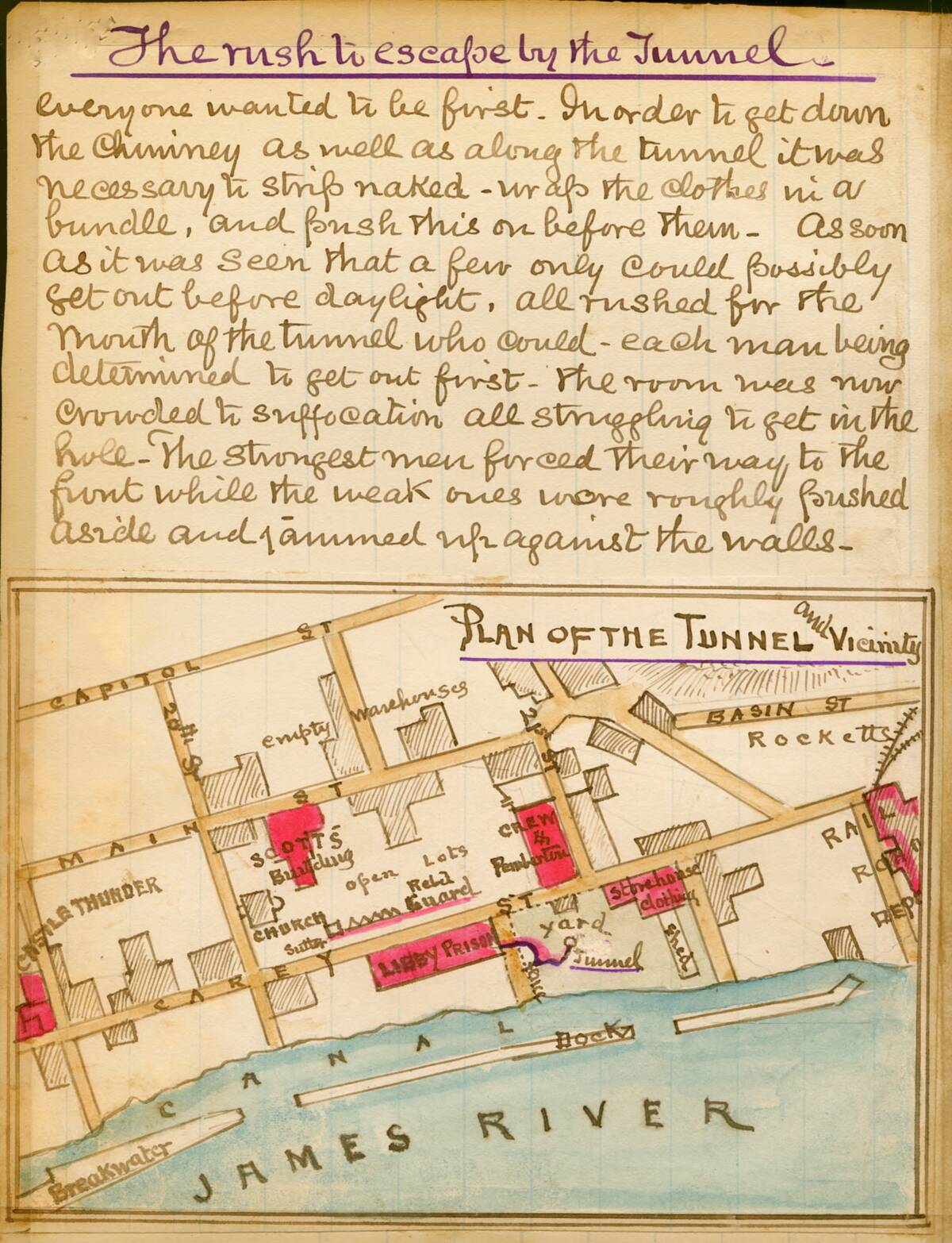
During the American Civil War, the Libby Prison escape in 1864 saw 109 Union soldiers flee a Confederate prison in Richmond, Virginia. Prisoners dug a tunnel from the basement, using their hands and simple tools.
The escape was both daring and desperate, as they crawled through the narrow passageway to freedom. While 48 were recaptured, 59 successfully reached Union lines, making it one of the most successful prison breaks of the Civil War era.
El Chapo’s Audacious Tunnel Exit from Altiplano Prison
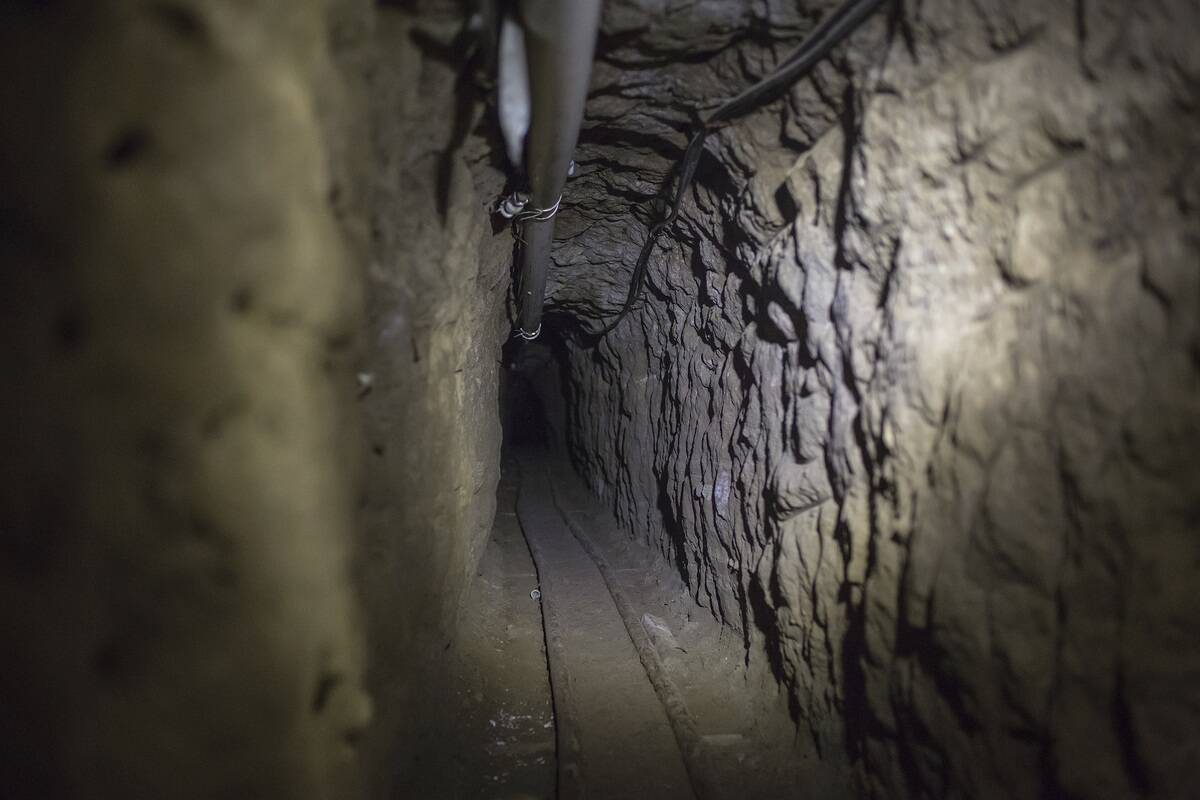
In 2015, Joaquín “El Chapo” Guzmán, the infamous Mexican drug lord, pulled off a stunning escape from Altiplano prison. A mile-long tunnel equipped with lighting, ventilation, and a motorcycle track led directly to his cell.
The escape was meticulously planned, highlighting the extensive resources and influence Guzmán wielded. His recapture in 2016 was a major victory for Mexican authorities, but the escape remains a testament to his audacity and cunning.
Pascal Payet’s Helicopter Escapes: A French Connection

Pascal Payet, a notorious French criminal, has orchestrated not one but two helicopter escapes from prison. In 2001, he fled from Luynes prison, and in 2007, he repeated the feat from Grasse prison.
These escapes involved commandeering helicopters, a tactic rarely seen in prison breaks. Payet’s daring exploits have made him a symbol of ingenuity and audacity in the world of criminal escapades, highlighting the lengths some will go to achieve freedom.
The Brushy Mountain State Penitentiary Breakout: James Earl Ray’s Brief Flight
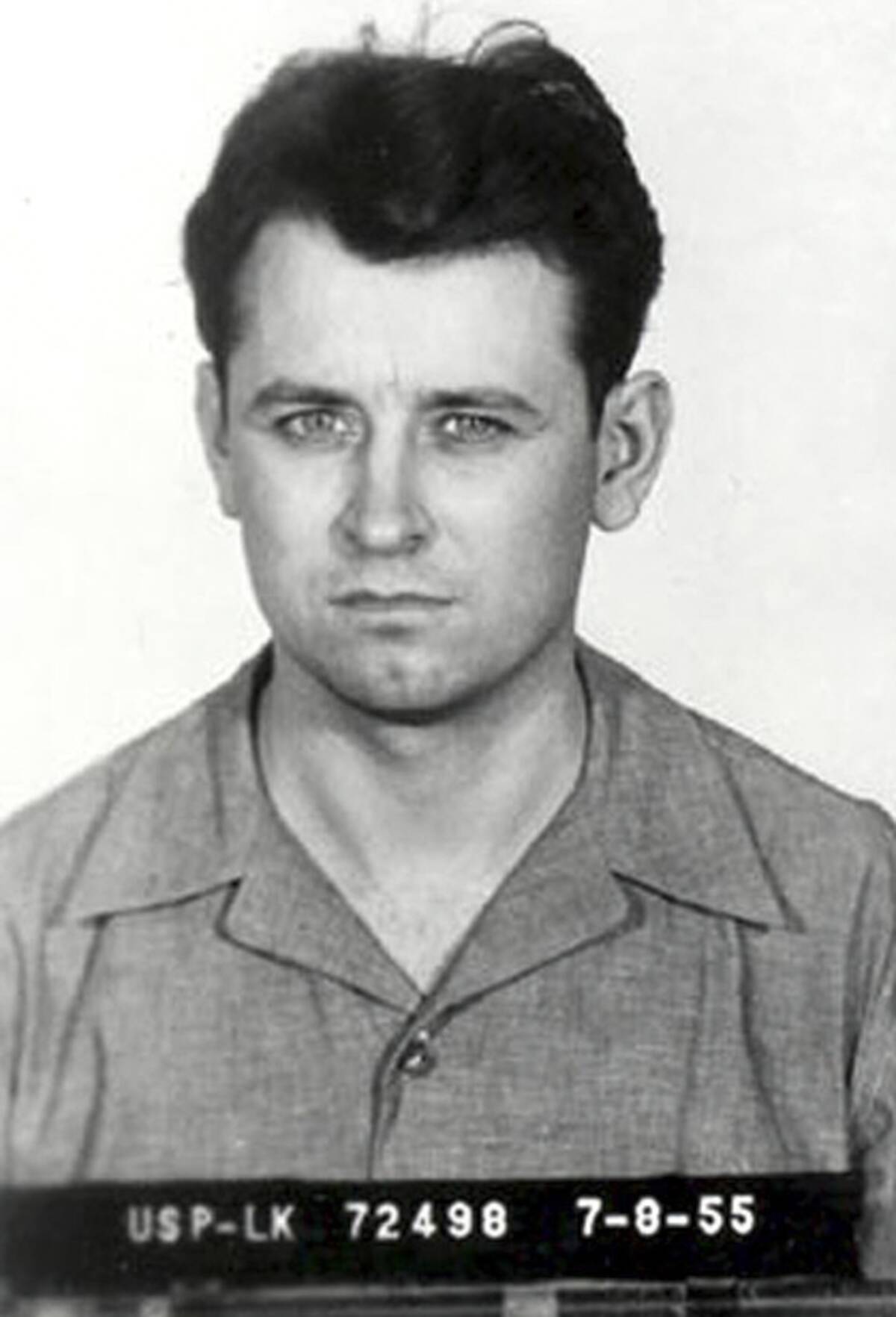
In 1977, James Earl Ray, the assassin of Martin Luther King Jr., escaped from Brushy Mountain State Penitentiary in Tennessee. Along with six others, he climbed over the prison wall using a makeshift ladder.
The escape sparked a massive manhunt, with Ray being captured just 55 hours later, a mere eight miles from the prison. His brief taste of freedom was a sensational moment in American criminal history, drawing significant media attention.
The Texas Seven: A Modern-Day Outlaw Gang

In December 2000, seven inmates escaped from the John B. Connally Unit in Texas, becoming known as the Texas Seven. They overpowered guards, stole firearms and a vehicle, and embarked on a crime spree across several states.
The group was eventually captured after a six-week manhunt, with one member committing suicide during a standoff. Their brazen escape and subsequent actions were a stark reminder of the potential for chaos when determined criminals join forces.
The Escape of John Dillinger: America’s Prohibition-Era Legend
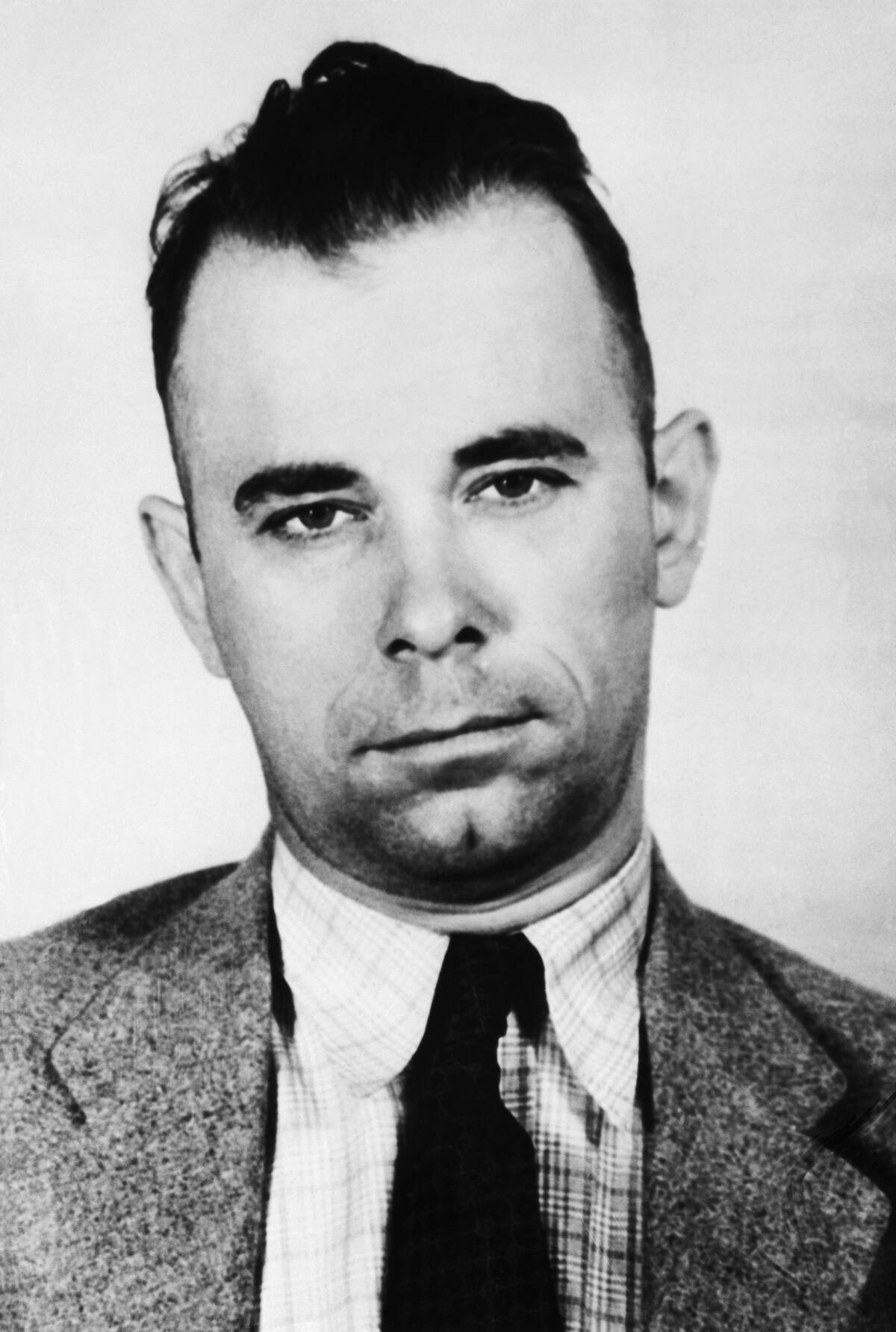
John Dillinger, a notorious bank robber during the Prohibition era, staged a famous escape from the Lake County Jail in Indiana in 1934. Using a fake gun carved from wood, he bluffed his way out, locking guards in his cell and driving away in the sheriff’s car.
Dillinger’s escape added to his legend as a cunning and elusive criminal, cementing his place in American folklore as a symbol of rebellion during a tumultuous time.
The Battle of Alcatraz: A Violent Attempt at Freedom
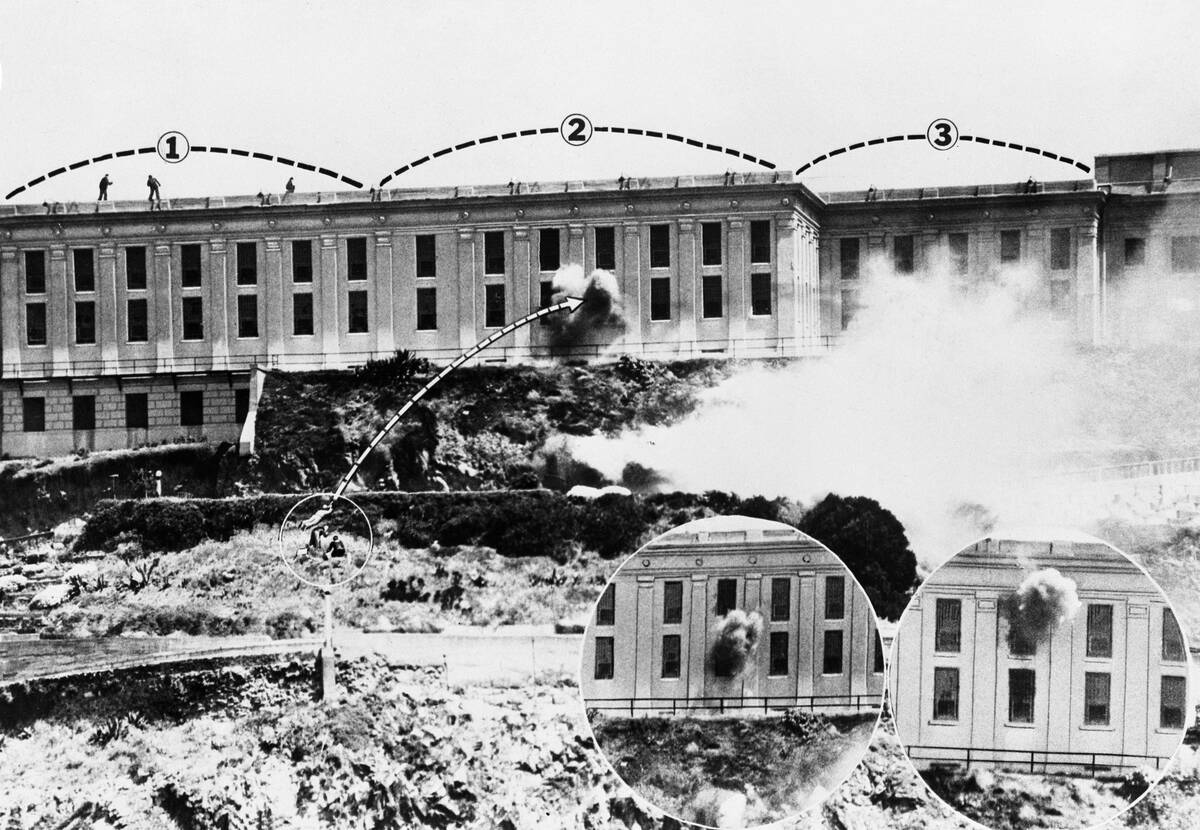
The Battle of Alcatraz in 1946 was a brutal and violent escape attempt that left two guards and three inmates dead. A group of prisoners, led by Bernard Coy, overpowered guards and seized weapons, but their plan unraveled when they failed to secure the keys to the prison yard.
The ensuing standoff lasted two days, with Marines eventually storming the cellhouse. The failed escape highlighted the desperation and extreme measures some prisoners would take to gain freedom.
The Montevideo Jailbreak: A Tale of Political Prisoners
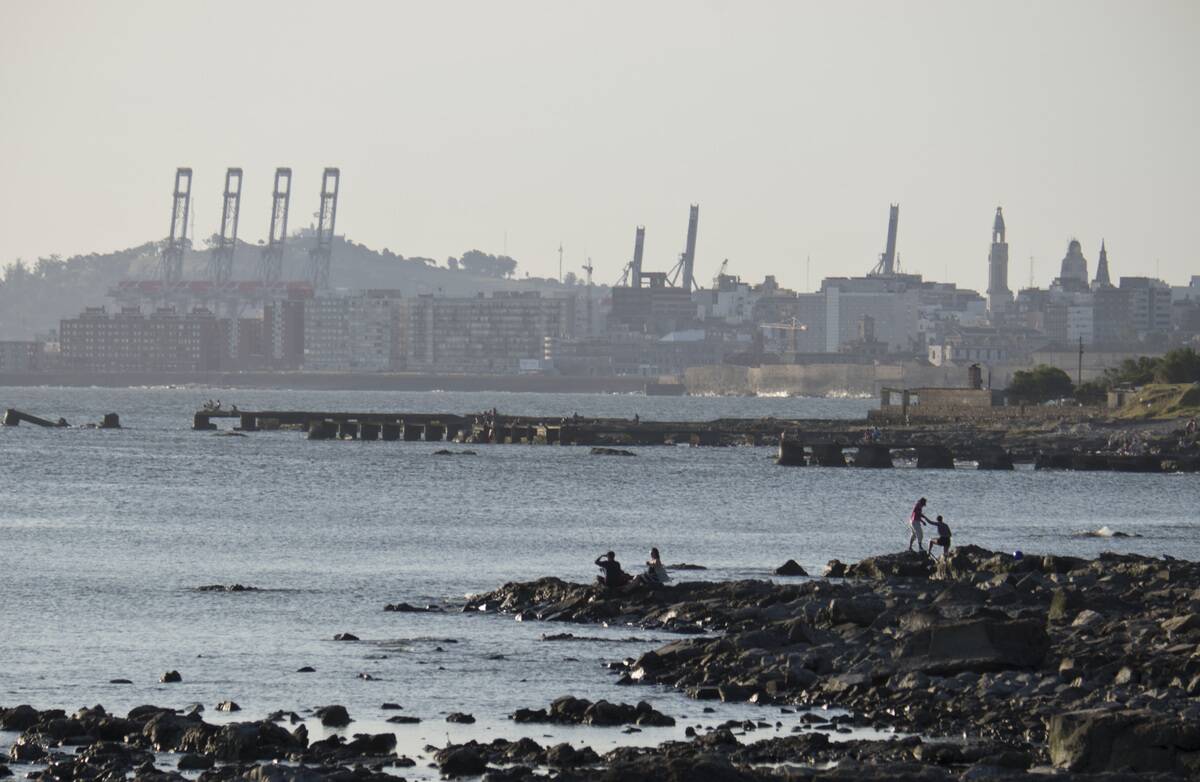
In 1971, 106 political prisoners escaped from Punta Carretas prison in Montevideo, Uruguay, through a tunnel dug over several months. The escape was orchestrated by the Tupamaros, a left-wing urban guerrilla group.
It was a symbolic act of defiance against the government, and many escapees played significant roles in Uruguay’s political landscape in later years. The jailbreak remains a significant chapter in Uruguay’s history, reflecting the intense political strife of the time.
The Sobibor Uprising: A Daring Act of Defiance
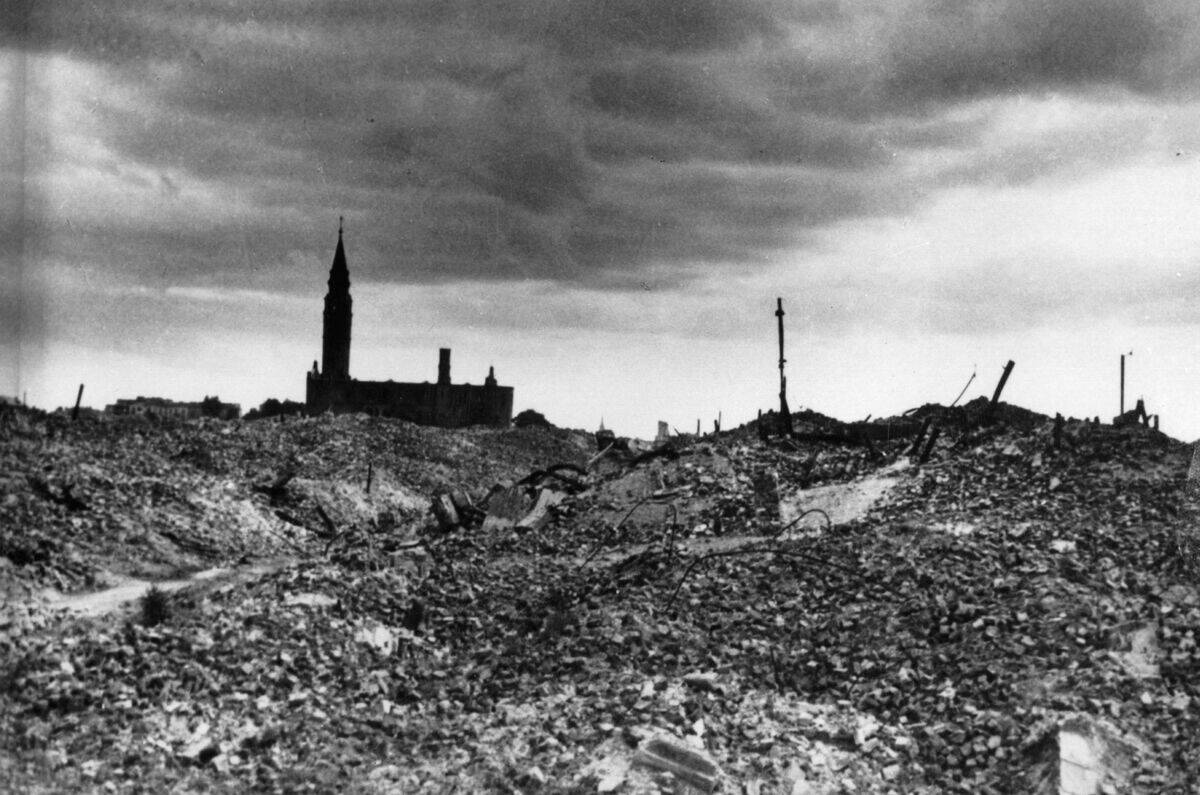
The Sobibor Uprising in 1943 was a courageous escape from a Nazi extermination camp in Poland. Led by Soviet POW Alexander Pechersky, prisoners killed several guards and set fire to buildings, allowing approximately 300 to flee.
While many were recaptured or killed, about 50 survived the war. The uprising was a powerful act of resistance against the atrocities of the Holocaust and remains an inspiring story of courage and the fight for survival.
The Folsom Prison Break: A California Classic
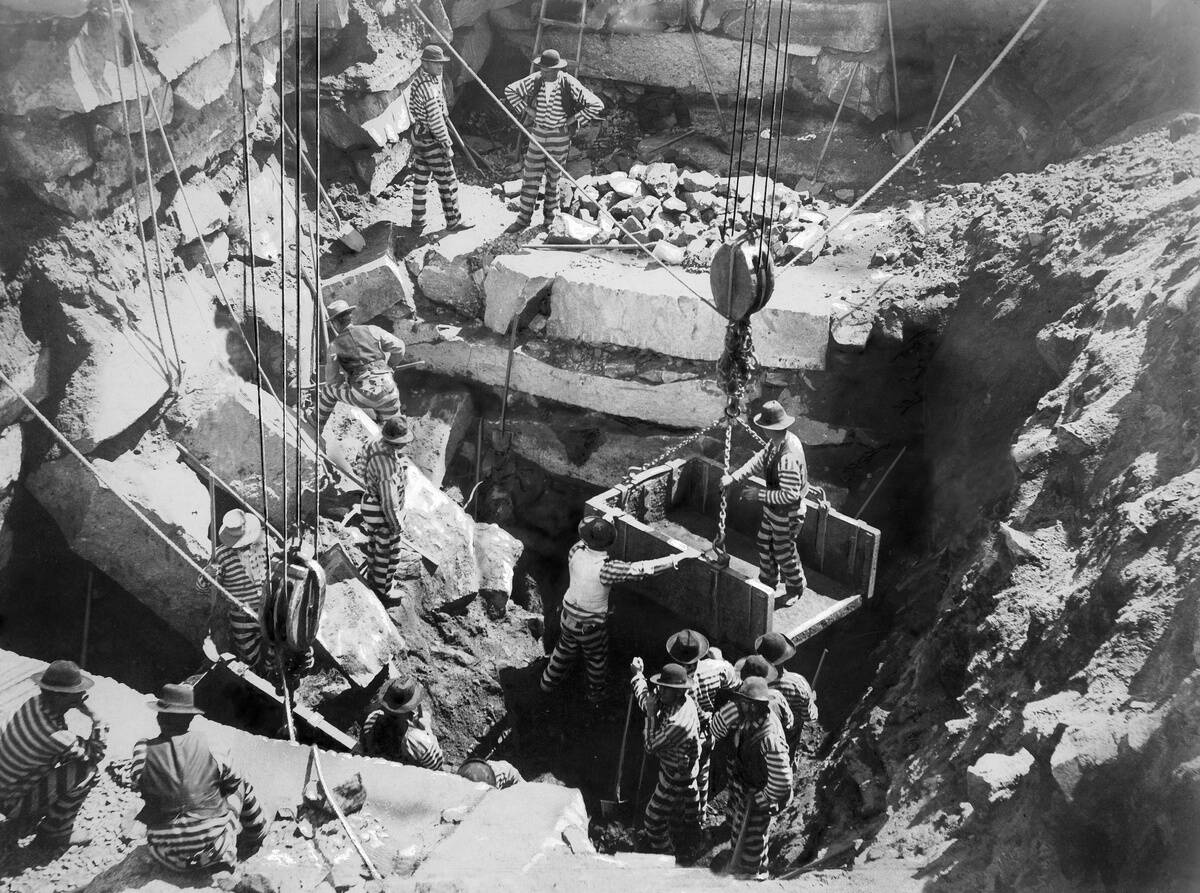
Folsom State Prison, made famous by Johnny Cash’s song, was the site of a daring escape in 1927. Seven inmates, led by Glen Stewart, used a stolen pistol and smuggled tools to overpower guards and cut through the prison’s fence.
Their flight was short-lived, as all were captured or killed within days. The escape attempt added to Folsom’s notorious reputation and highlighted the challenges of maintaining security in early 20th-century prisons.
The Tale of the Texas Train Escape: Bonnie and Clyde’s Infamous Associates
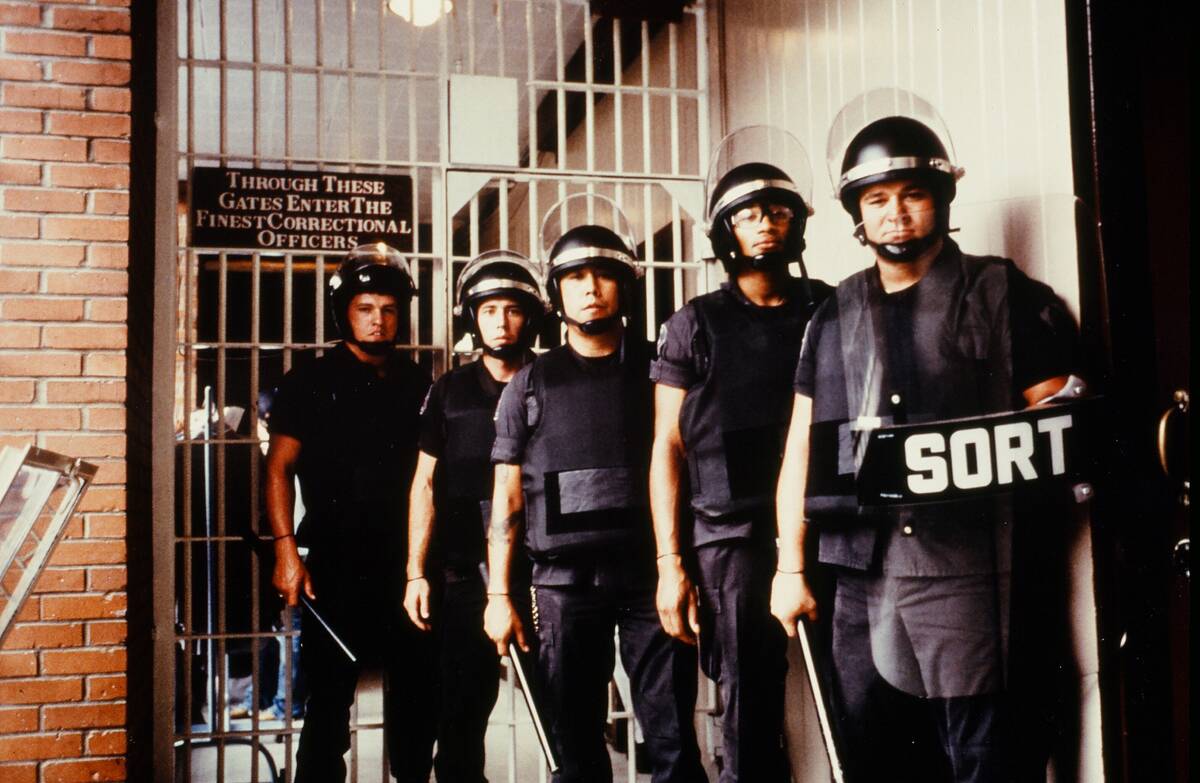
In 1934, Raymond Hamilton and other members of the Barrow Gang, associated with Bonnie and Clyde, staged a dramatic escape from the Eastham Prison Farm in Texas. With the help of Clyde Barrow, who smuggled in weapons, they overpowered guards and fled in a getaway car.
The escape was part of Clyde’s vendetta against the Texas prison system and added to the legendary status of the infamous duo and their associates during the Great Depression.