Facts about ancient calendars that could be more accurate than modern ones
Ancient calendars are more than just relics of the past; they are windows into the lives and minds of early civilizations. These timekeeping systems, crafted with remarkable precision, tell stories of how our ancestors understood and interacted with the cosmos.
From stone engravings to complex mathematical systems, each calendar holds secrets that continue to intrigue historians and scientists alike. Let’s embark on a fascinating journey to uncover the mysteries hidden within these ancient timekeepers.
A Glimpse into the Mayan Calendar’s Precision
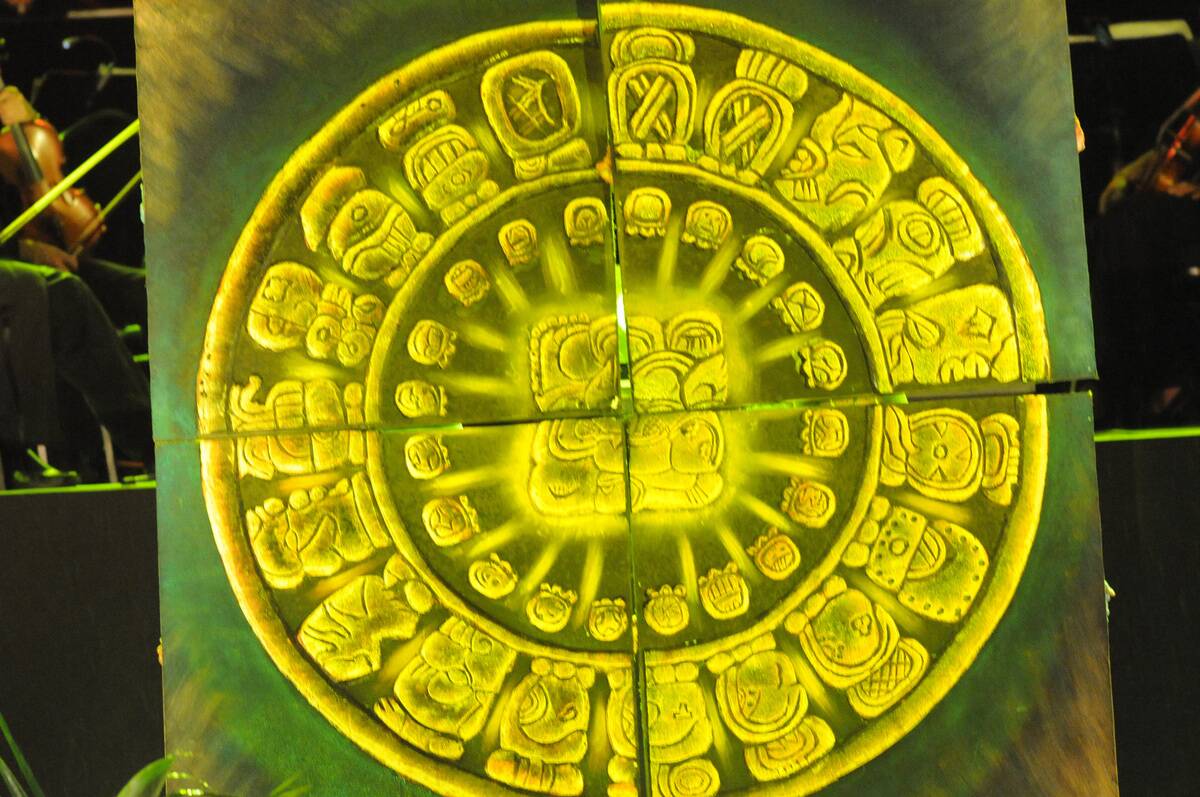
The Mayan calendar is renowned for its incredible accuracy and complexity. It consists of three interlocking cycles, with the most famous being the Long Count, which spans over 5,000 years.
The Mayans’ understanding of astronomical patterns allowed them to predict solar and lunar eclipses with remarkable precision. This calendar was not just a timekeeping tool but also a guide for agricultural and ceremonial events, reflecting the deep connection between Mayan society and the cosmos.
The Egyptian Calendar: A Study in Astronomical Accuracy
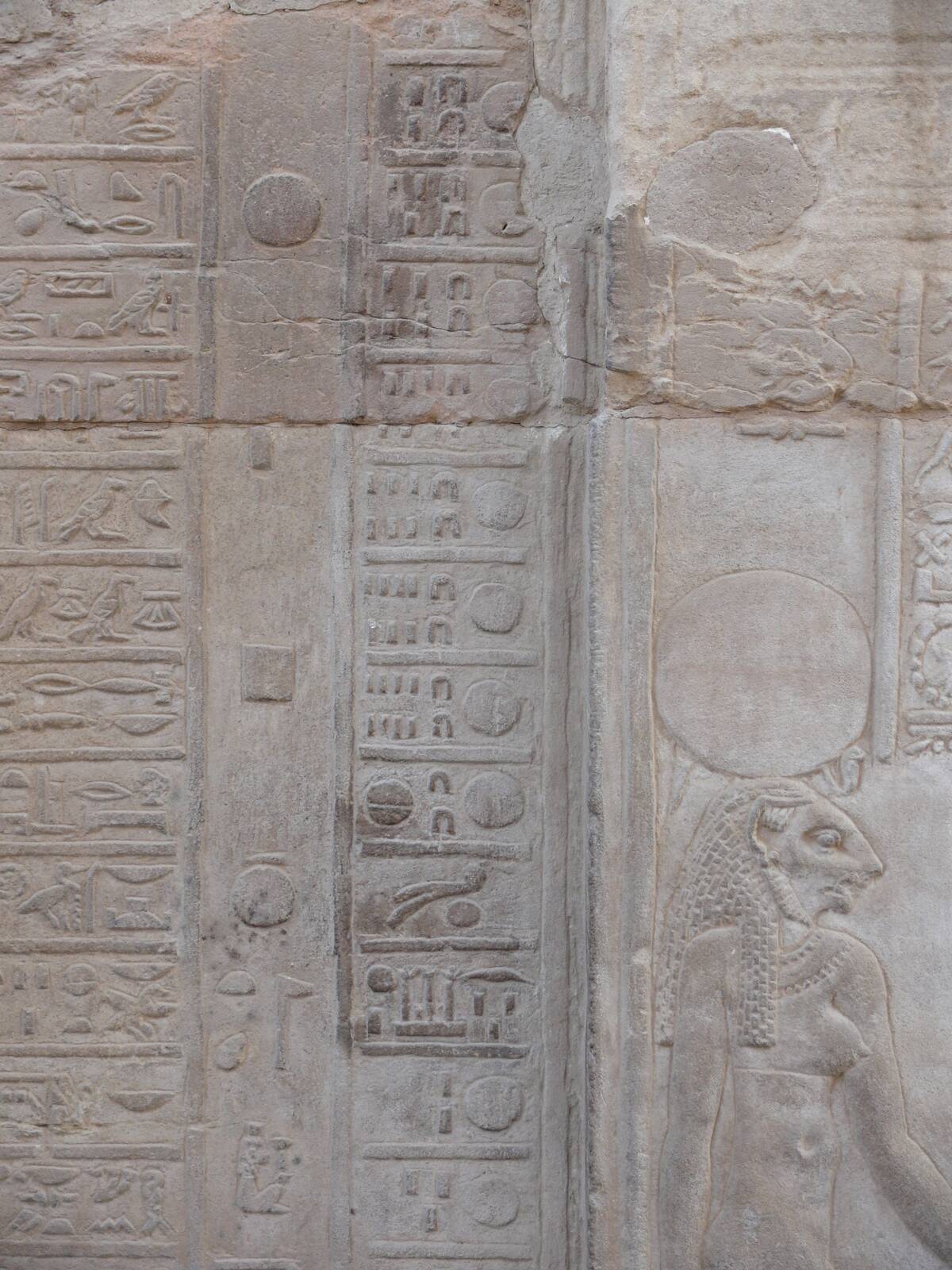
The ancient Egyptians developed a calendar system that was closely tied to the annual flooding of the Nile River. Their calendar was based on a solar year of 365 days, divided into three seasons of four months each.
Although it lacked leap years, the Egyptians compensated for this drift by observing astronomical phenomena, such as the heliacal rising of Sirius. This star’s appearance signaled the imminent flood, demonstrating the Egyptians’ advanced understanding of celestial movements.
Mesopotamian Timekeeping: The Birthplace of Calendrical Genius
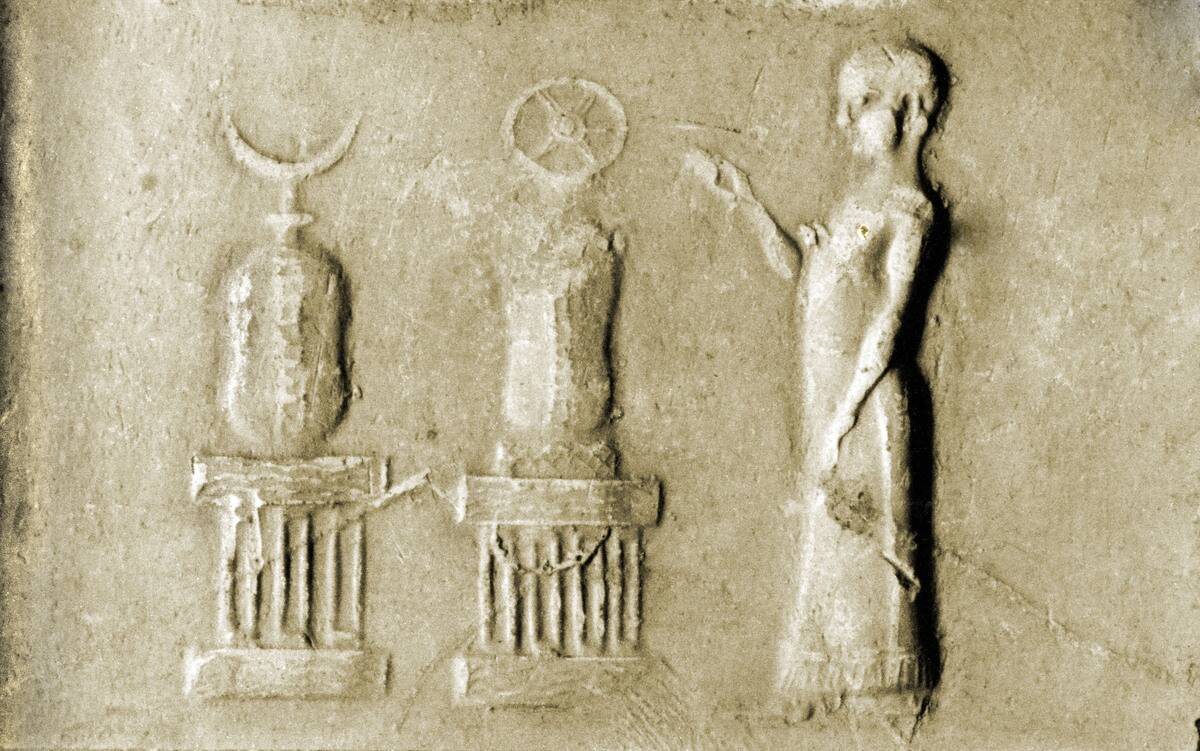
Mesopotamia, often hailed as the cradle of civilization, was also the birthplace of some of the earliest calendrical systems. The Sumerians and Babylonians developed lunar calendars that were essential for managing agricultural activities.
They introduced the concept of intercalation, adding extra months to align the lunar calendar with the solar year. This innovation allowed them to maintain synchrony with the seasons, showcasing their sophisticated grasp of time and astronomy.
The Chinese Lunisolar Calendar: A Fusion of Science and Tradition

The Chinese lunisolar calendar is a testament to the harmonious blend of scientific observation and cultural tradition. This calendar uses lunar months and solar terms to ensure that important festivals align with seasonal changes.
The system incorporates 12 months with a 13th month added occasionally to keep the lunar and solar cycles in sync. It remains integral to Chinese culture, guiding traditional festivities and agricultural practices, and demonstrating a rich legacy of astronomical knowledge.
Ancient Indian Calendars: Synchronizing with Celestial Events
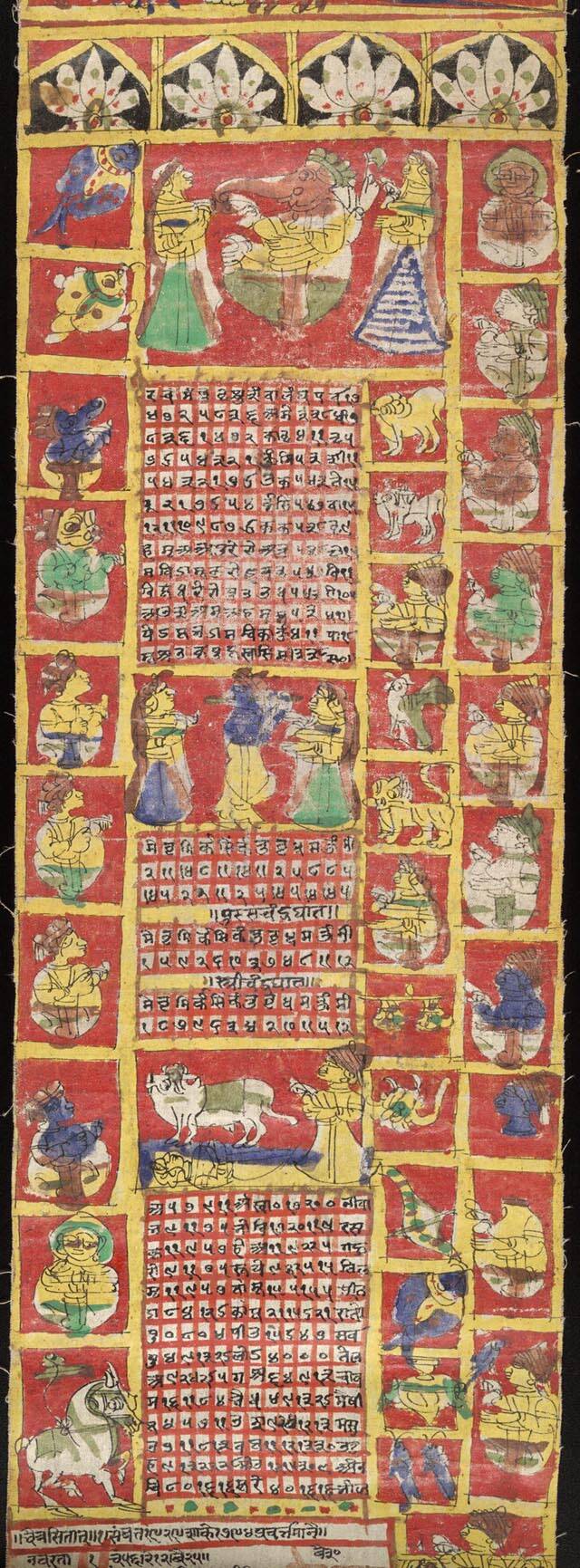
Ancient Indian calendars were intricately linked to the movements of celestial bodies. The Hindu calendar, for instance, is a lunisolar system that incorporates both lunar months and solar years.
It divides the year into six seasons, reflecting the agricultural and climatic cycles of the region. By observing the precise positions of the sun and moon, ancient Indians were able to develop a calendar that was not only accurate but also deeply connected to their spiritual and everyday lives.
The Roman Calendar: An Evolution Towards Accuracy
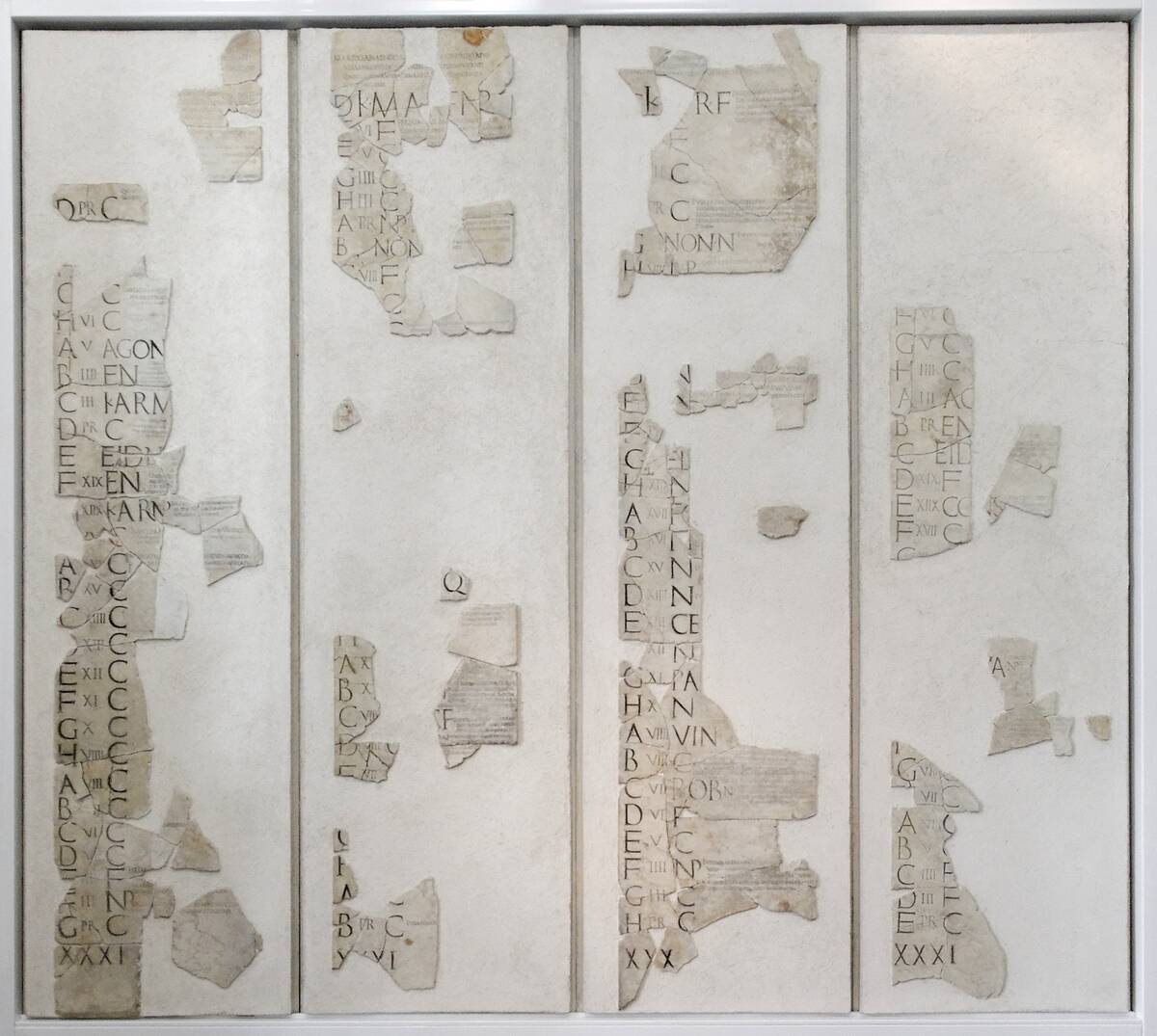
The Roman calendar underwent several reforms before reaching its more accurate form. Initially, it was a lunar calendar with only 10 months, leading to constant misalignment with the seasons.
Julius Caesar implemented the Julian calendar in 45 BCE, introducing a 365-day year with a leap year every four years. This reform greatly improved accuracy, ensuring that the calendar remained in step with the solar year, and laid the groundwork for the modern Gregorian system.
The Byzantine Calendar: Bridging Ancient and Modern Timekeeping
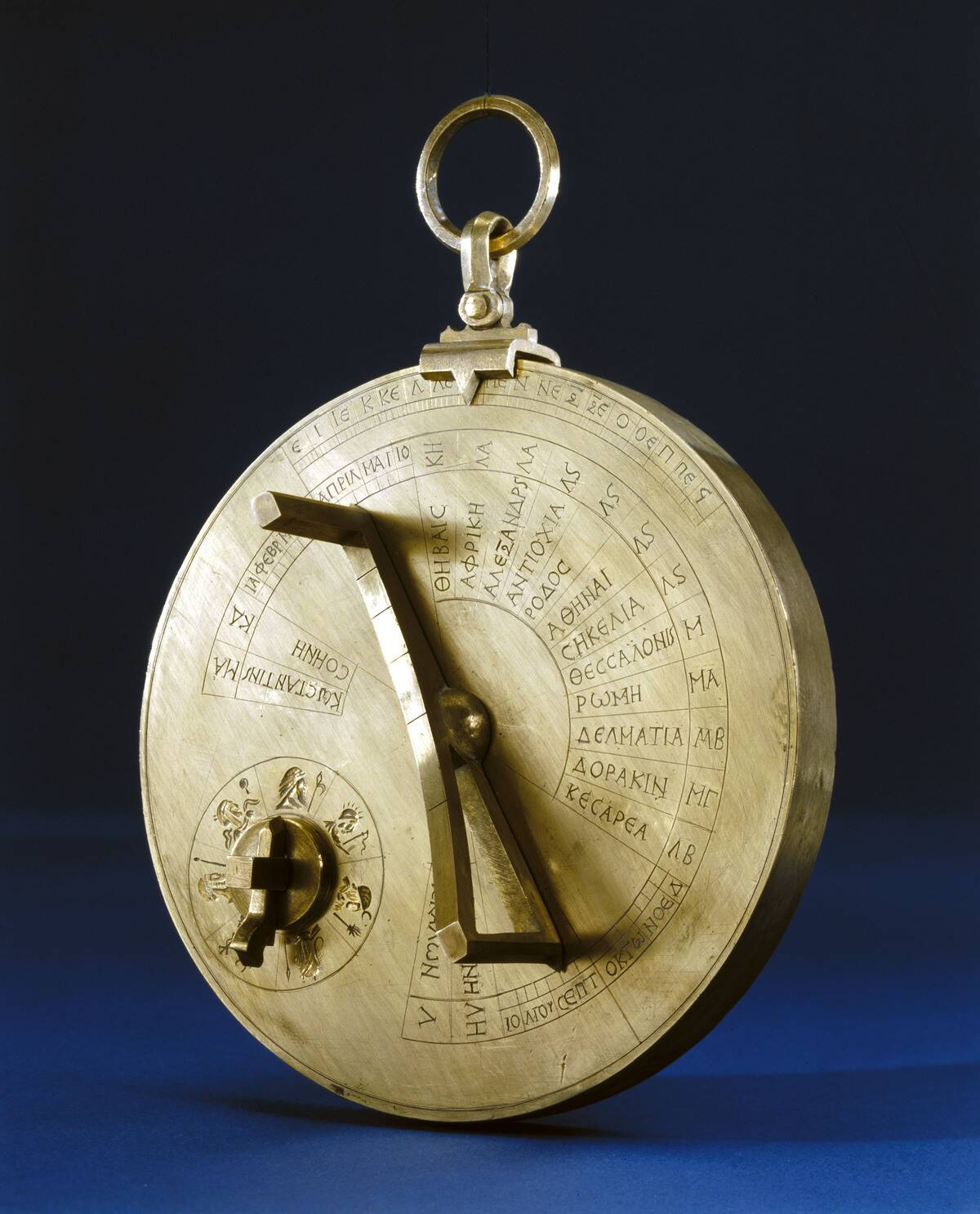
The Byzantine calendar offers a unique synthesis of various timekeeping traditions. It was based on the Julian calendar but began its year in September, aligning with the agricultural cycle in the Eastern Roman Empire.
This calendar also incorporated elements of the Hebrew system, using a 19-year Metonic cycle to calculate Easter. By merging different calendrical systems, the Byzantine calendar served as a bridge between ancient traditions and emerging Christian practices.
The Hebrew Calendar: Balancing Solar and Lunar Cycles
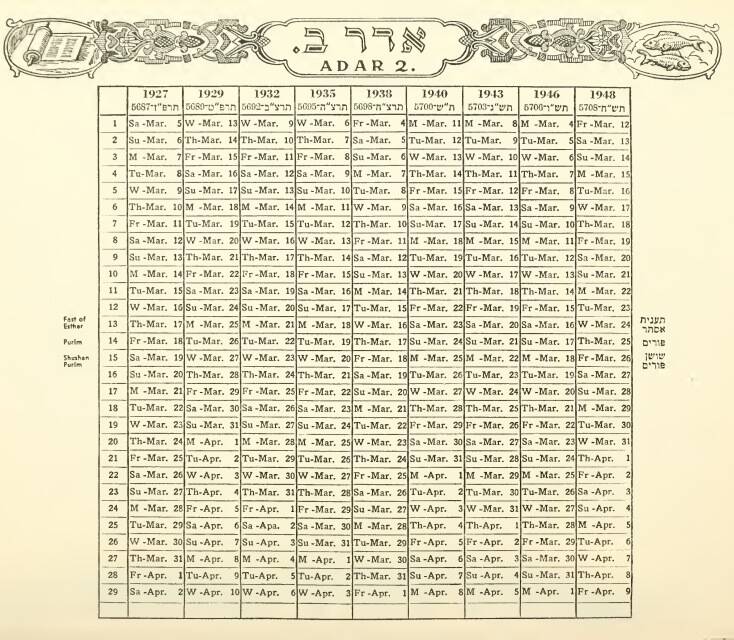
The Hebrew calendar is a lunisolar system that masterfully balances the lunar months with the solar year. It uses a 19-year cycle, with seven leap years that add an extra month to maintain alignment with the seasons.
This calendar is deeply tied to Jewish religious observances, dictating the timing of festivals and rituals. Its sophisticated structure reflects a profound understanding of both lunar and solar cycles, ensuring that religious events remain in harmony with nature.
Calendar Stones of the Aztecs: More Than Just Artifacts
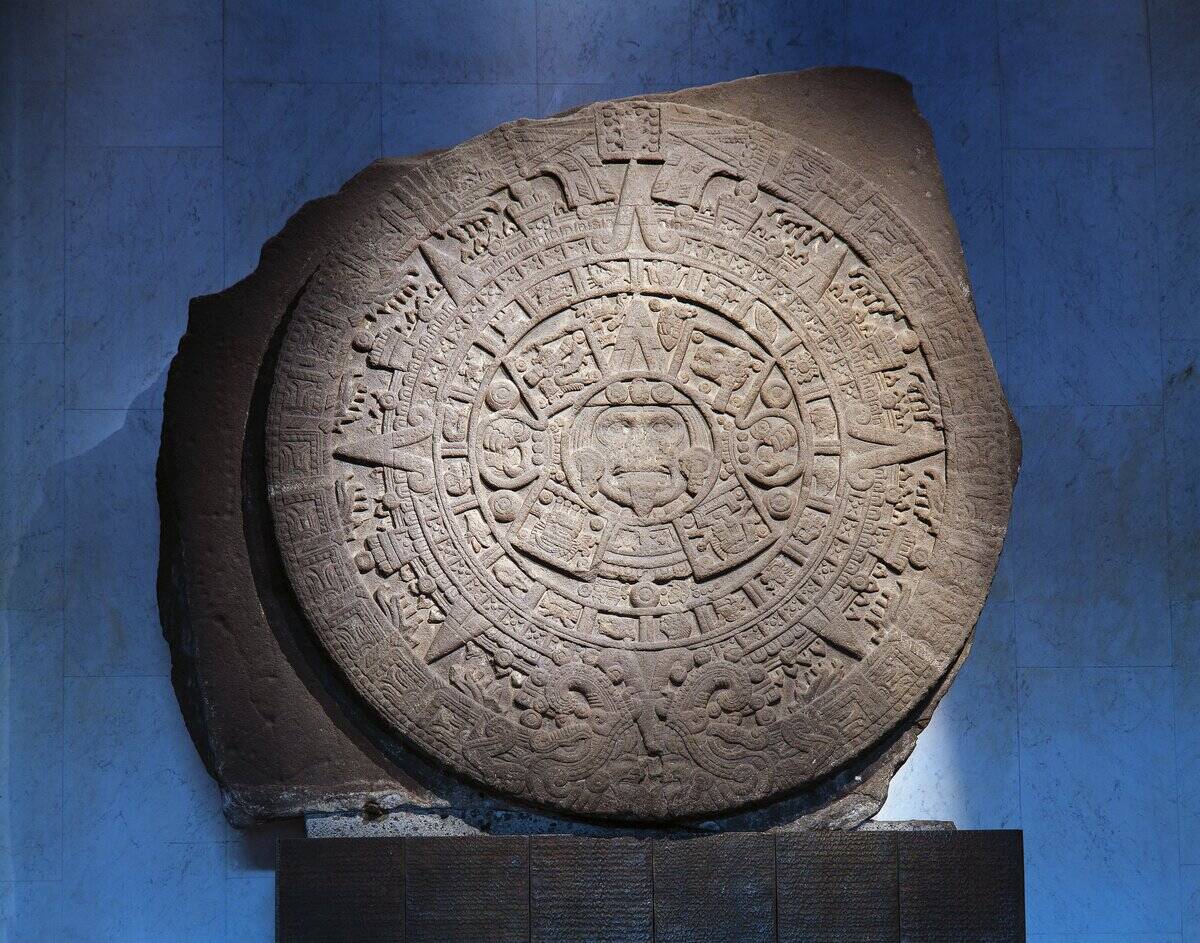
The Aztec calendar stone, also known as the Sun Stone, is a remarkable artifact that reveals the Aztecs’ complex understanding of time. This massive stone disc, intricately carved with calendrical symbols, did not actually function as a calendar to represent both the 365-day solar calendar and a 260-day ritual calendar.
Although it didn’t strictly exist as a timekeeping device, it holds symbolic significance, depicting the Aztec cosmology and their beliefs about the cyclical nature of the universe. It stands as a testament to the Aztecs’ artistic and scientific prowess.
The Celtic Calendar: Harmonizing with Nature’s Rhythms
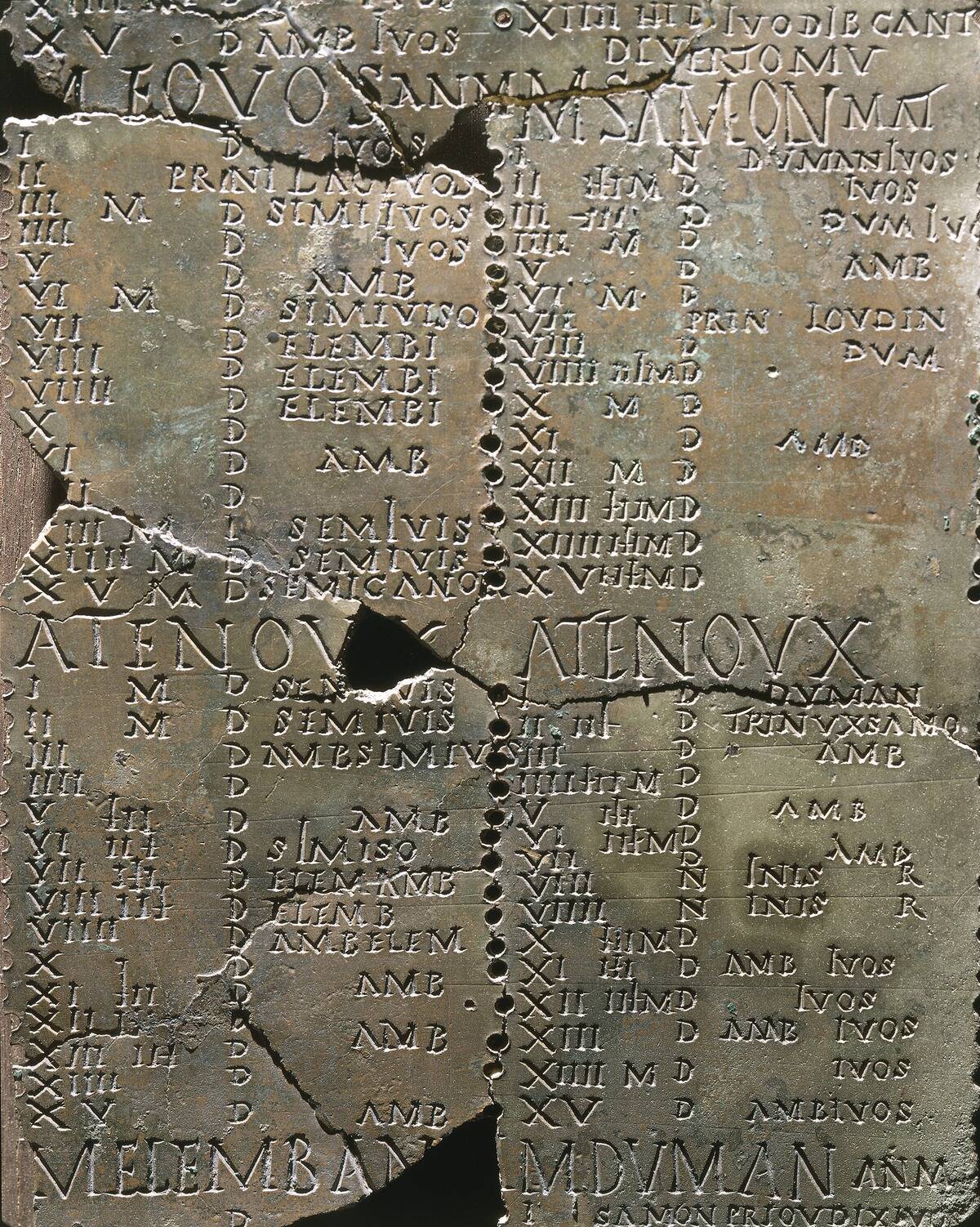
The Celtic calendar was heavily influenced by the natural world, with its festivals and rituals closely aligned with the changing seasons. This calendar featured eight major festivals, such as Samhain and Beltane, marking key points in the agricultural year.
The Celts’ deep connection to nature is evident in their timekeeping practices, which emphasized harmony with the earth’s cycles. This respect for the natural world is a recurring theme in Celtic culture and spirituality.
The Persian Calendar: A Legacy of Precision
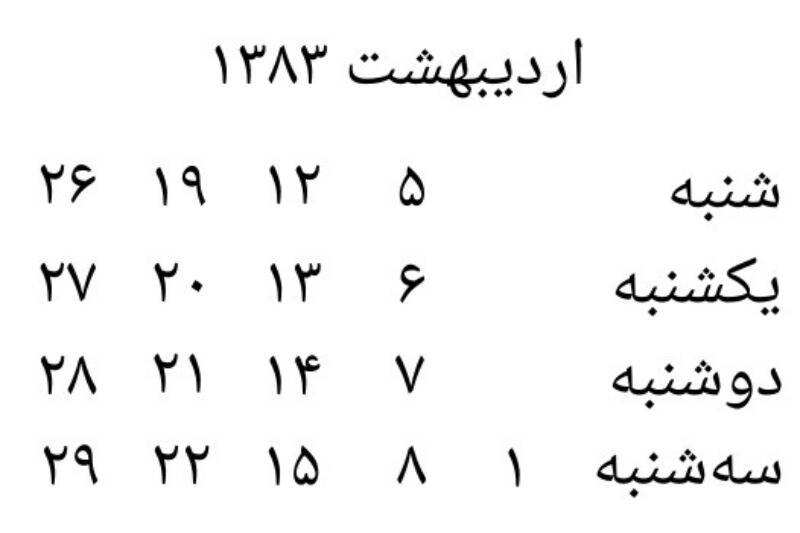
The Persian calendar, also known as the Solar Hijri calendar, is one of the most accurate in use today. It is based on precise astronomical calculations, ensuring that the solar year is accurately aligned with the seasons.
The calendar’s New Year, Nowruz, is celebrated on the vernal equinox, emphasizing its connection to the natural cycle. With roots in ancient Zoroastrianism, the Persian calendar reflects a longstanding tradition of scientific observation and cultural heritage.
The Inca Calendar: A Solar Marvel

The Inca civilization developed a sophisticated solar calendar to support their agricultural activities. This calendar was closely tied to the solstices and equinoxes, which were observed from strategically placed temples and markers.
The Incas’ precise understanding of the sun’s movements allowed them to plan planting and harvesting with remarkable accuracy. Their calendar not only facilitated agricultural success but also played a crucial role in religious ceremonies and the Inca’s cosmological beliefs.
The Gregorian Calendar: Perceived Perfection, Hidden Flaws
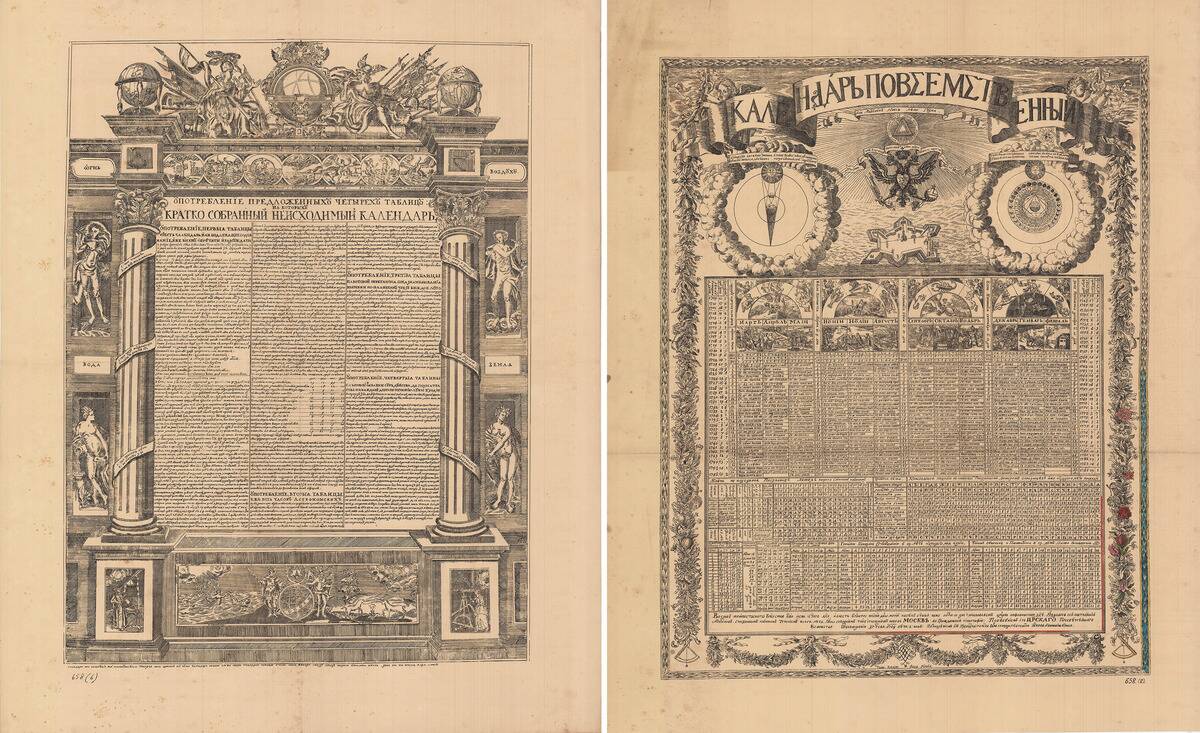
The Gregorian calendar, introduced by Pope Gregory XIII in 1582, sought to refine the inaccuracies of the Julian calendar. By adjusting the leap year rule, it reduced the annual drift, bringing the calendar closer to the solar year.
Despite its widespread adoption, the Gregorian calendar is not without its imperfections, as it still deviates slightly from the solar cycle over millennia. Nevertheless, it remains the most widely used calendar system, balancing practical utility with astronomical precision.