Facts about inventors who created devices to talk to the dead
Humans have long been intrigued by the idea of communicating with the dead, a fascination that spans cultures and centuries. From ancient rituals to modern technology, the desire to bridge the gap between the living and the spiritual realm has inspired countless stories and inventions.
This fascination has led to the creation of various devices and methods intended to facilitate such communication, often blurring the lines between science, religion, and mysticism.
The Birth of the Ouija Board: Spirit Communication’s Iconic Tool
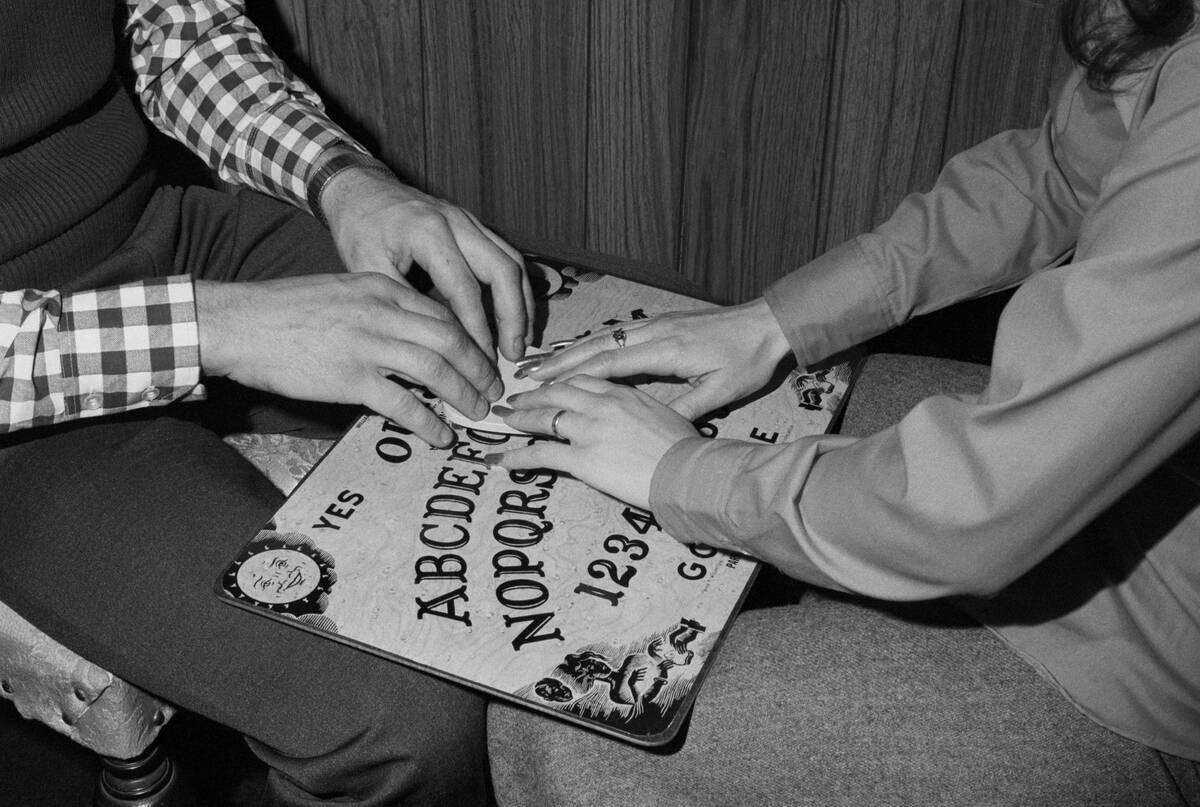
The Ouija board, invented in the late 19th century, became a cultural phenomenon as a tool for spirit communication. Its origins lie in the spiritualist movement, which sought to provide comfort to those grieving loved ones lost in the Civil War.
Marketed as both a game and a serious tool for contacting spirits, the Ouija board continues to captivate imaginations, despite skepticism about its efficacy. Many users report mysterious movements of the planchette, fueling its enduring allure.
Thomas Edison’s Spirit Phone: A Scientific Approach to the Afterlife
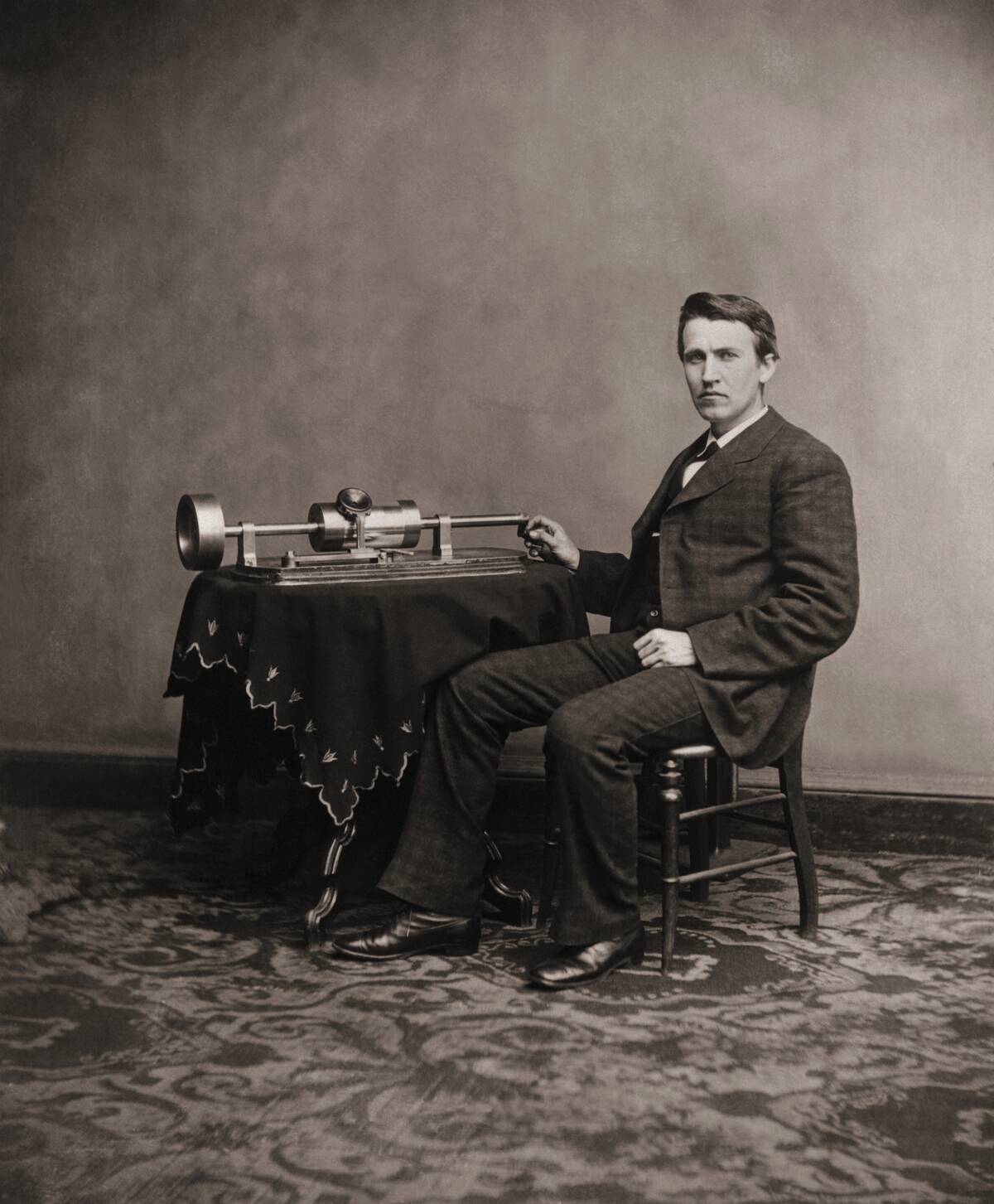
Thomas Edison, known for his practical inventions, reportedly considered creating a “spirit phone” to communicate with the dead. Although it’s debated whether he actually pursued this project, the concept highlights Edison’s interest in exploring the boundaries of science and the supernatural.
This idea of a device that could connect with spirits was consistent with the era’s fascination with spiritualism and technology, even if Edison never fully realized such an invention.
Frank Sumption and the Creation of the Ghost Box
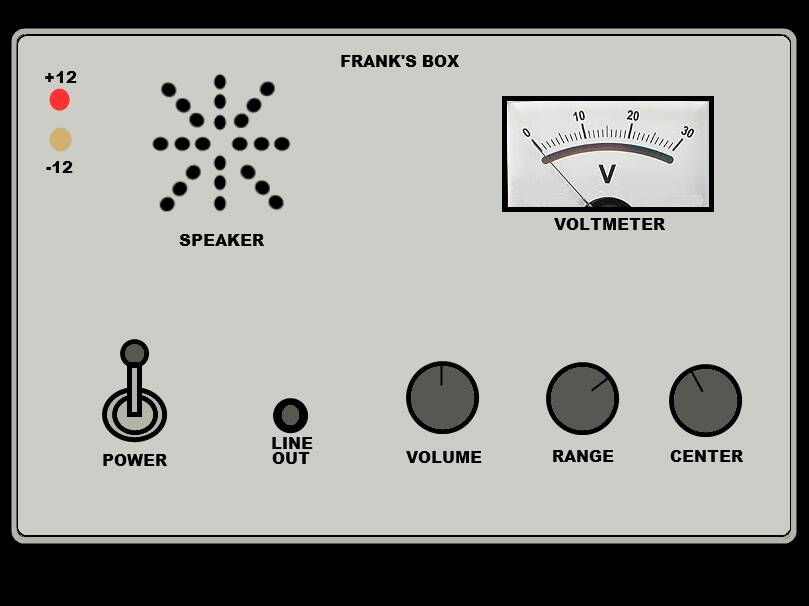
Frank Sumption developed the Ghost Box, also known as “Frank’s Box,” to enable real-time spirit communication. This device scans radio frequencies, creating white noise believed to facilitate spirit voices.
Sumption’s invention gained popularity among paranormal enthusiasts, who claimed it allowed direct conversations with spirits. The Ghost Box remains a staple in ghost hunting, with many users sharing recordings of alleged spirit interactions, often igniting debates on its credibility.
The Role of the Phonograph in Paranormal Investigations
The phonograph, invented by Thomas Edison, inadvertently became a tool for paranormal investigations. Some enthusiasts believed it could capture spirit voices, now known as electronic voice phenomena (EVP).
Early ghost hunters would use it to record sessions, hoping to hear messages from beyond. While many recordings were attributed to technical anomalies, the phonograph’s role in early investigations laid the groundwork for more advanced EVP techniques used today.
Frederick Jurgenson and the Discovery of Electronic Voice Phenomena (EVP)
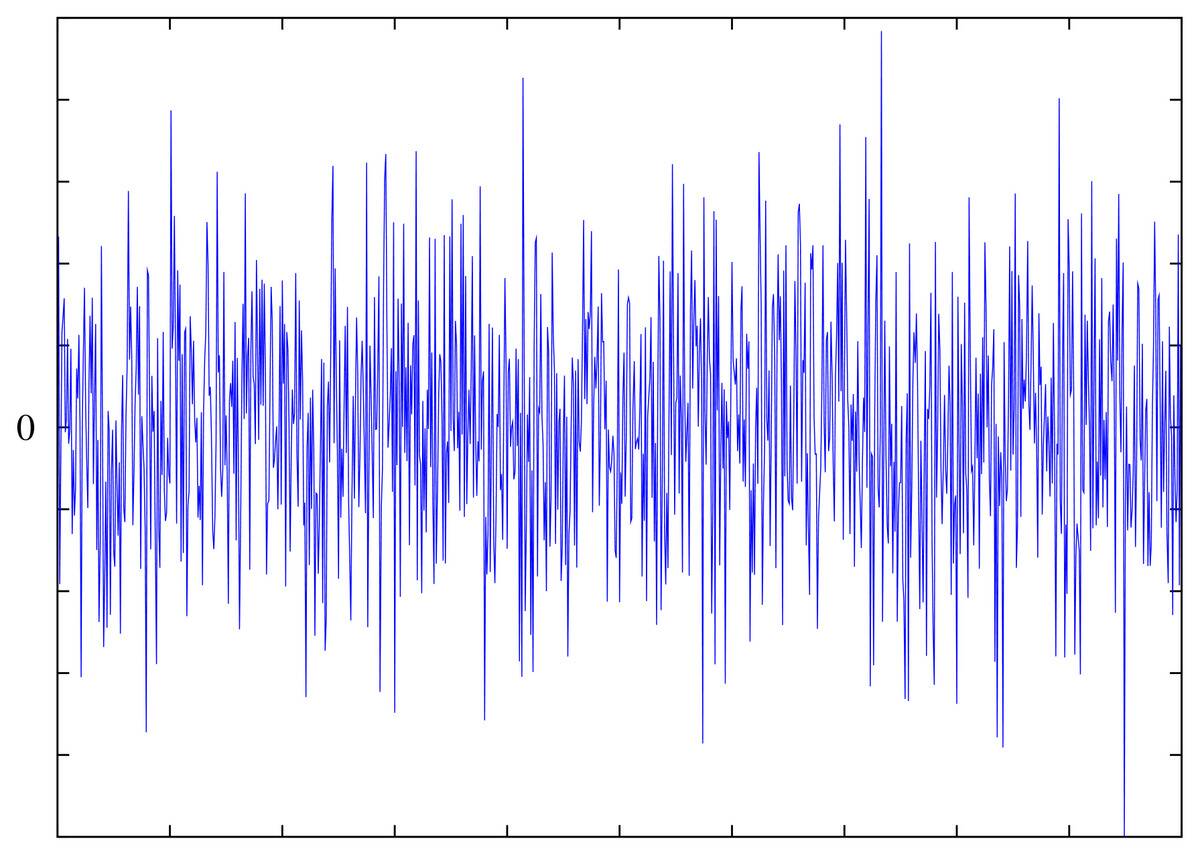
Frederick Jurgenson, a Swedish filmmaker, stumbled upon EVP when he recorded bird songs and heard mysterious voices upon playback. Intrigued, he conducted further experiments, claiming to document voices from the afterlife.
Jurgenson’s work gained attention and inspired others to explore EVP as a method of spirit communication. His recordings sparked debates about the nature of these voices—are they evidence of the paranormal or merely auditory illusions?
The Intriguing Story of Konstantin Raudive’s EVP Experiments
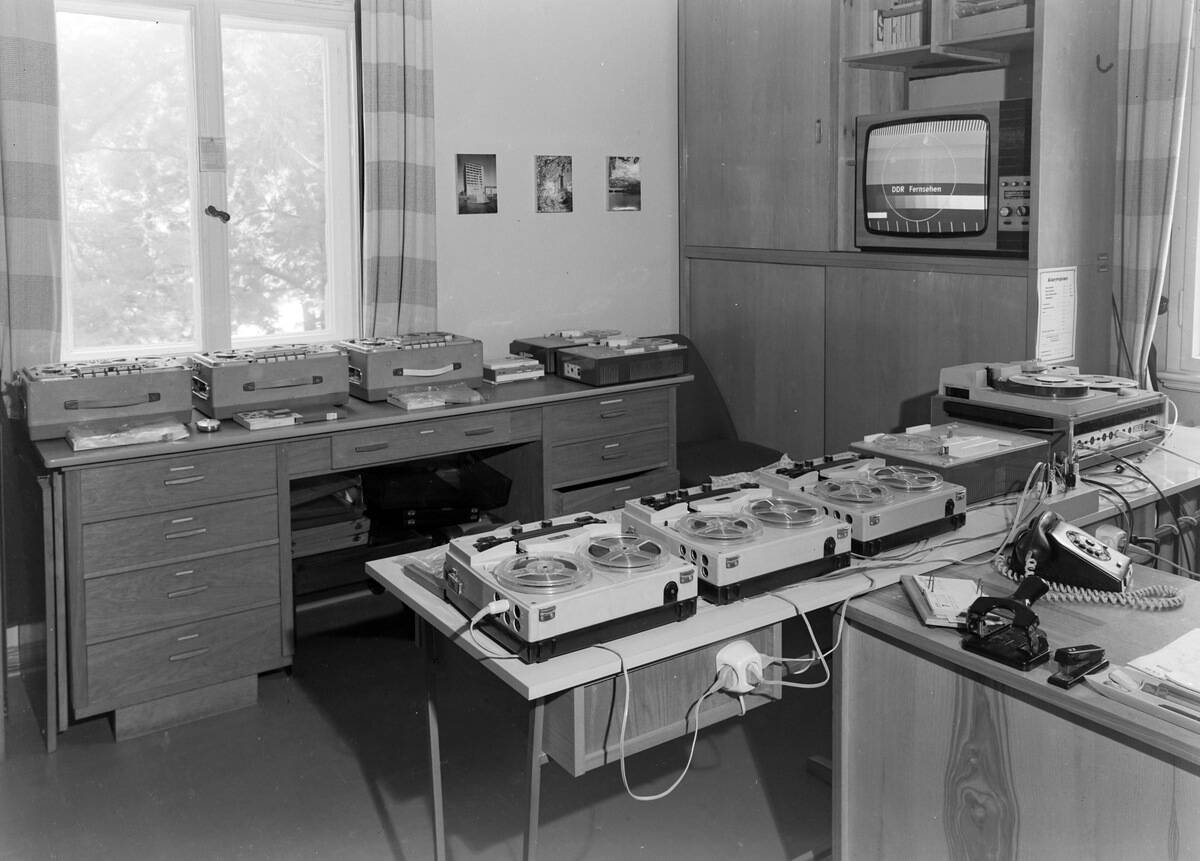
Konstantin Raudive, a Latvian psychologist, expanded on Jurgenson’s work, conducting over 100,000 recordings to capture EVP. Raudive claimed to hear voices speaking multiple languages, offering messages and responding to questions.
His book, “Breakthrough,” detailed these experiments and brought EVP to a wider audience. Despite skepticism, Raudive’s meticulous approach and catalog of inexplicable recordings continue to intrigue both paranormal investigators and curious skeptics.
The Influence of Spiritualism on Inventors and Their Creations
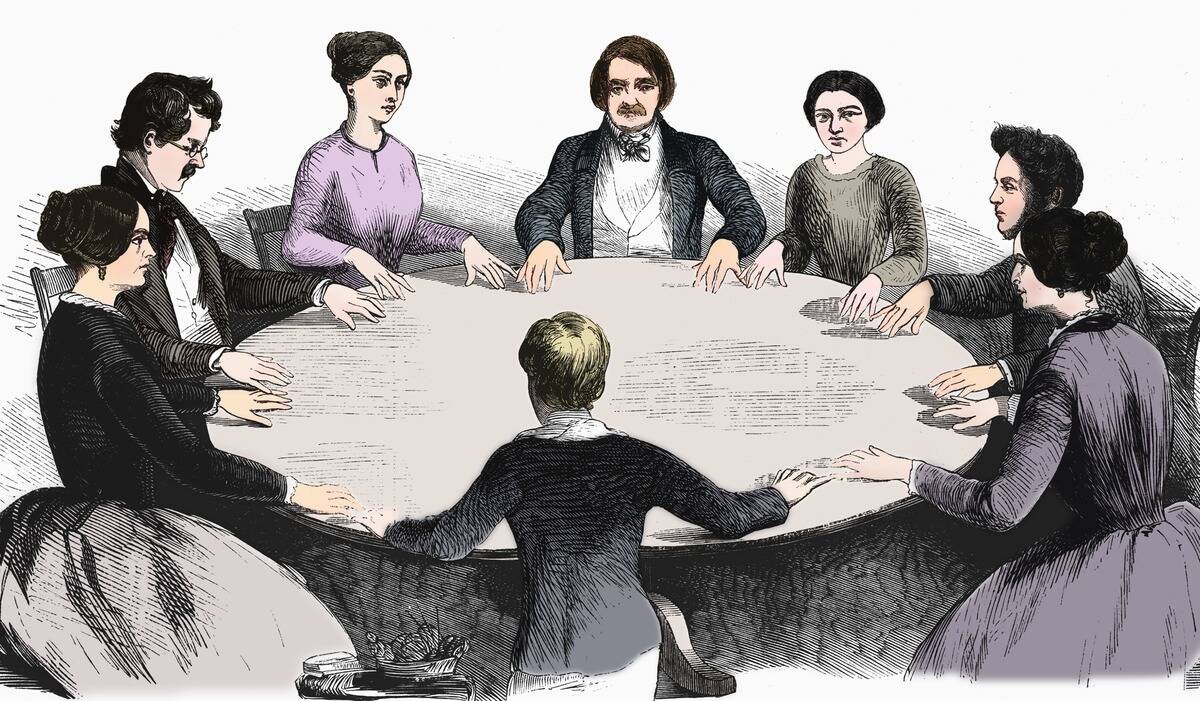
The spiritualist movement of the 19th and 20th centuries deeply influenced inventors, inspiring them to explore devices for contacting the afterlife. This cultural wave intertwined with technological advancements, leading to inventions like the Ouija board and various “spirit communication” gadgets.
Inventors sought to balance scientific rigor with spiritual curiosity, reflecting the era’s complex relationship with technology and the supernatural. This legacy continues to inspire modern inventors exploring the boundaries of the known and unknown.
Pioneering Paranormal Investigator: Harry Price’s Legacy
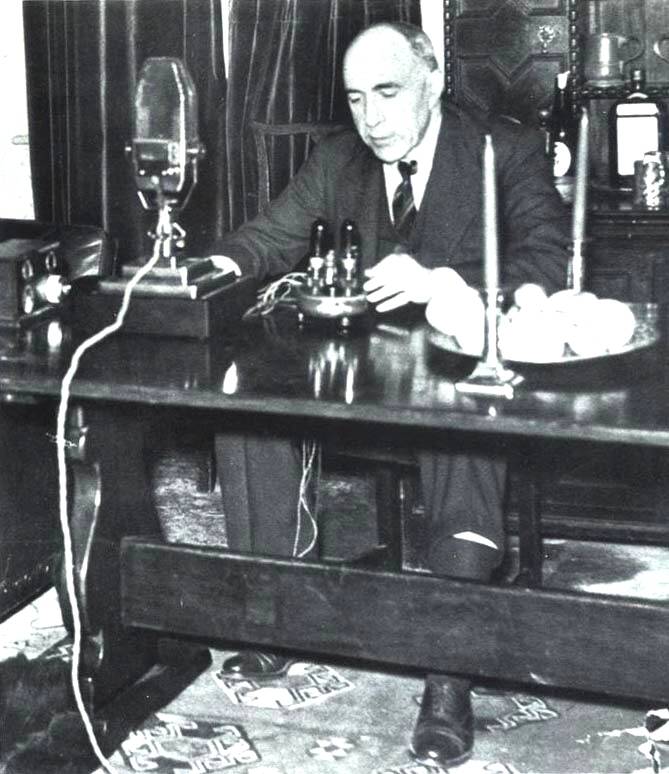
Harry Price, a renowned British paranormal investigator, left a significant mark on the field with his methodical approach to investigating hauntings and spirit communication. Price’s work in the early 20th century, including his investigations of Borley Rectory, emphasized the need for scientific rigor in paranormal studies.
Price promoted a more structured and instrument-based approach to investigating paranormal claims, though his methods and conclusions were later criticized for lacking consistent scientific rigor.
The Impact of World Wars on the Quest to Talk to the Dead

The devastation of the World Wars spurred a renewed interest in spirit communication, as many sought solace in contacting lost loved ones. This period saw a surge in spiritualism and the development of devices aimed at facilitating communication with the dead.
The collective grief and desire for closure influenced both popular culture and scientific exploration, leading to a proliferation of paranormal research and experimentation during and after these tumultuous times.
The Role of Early Radio Technology in Spirit Communication
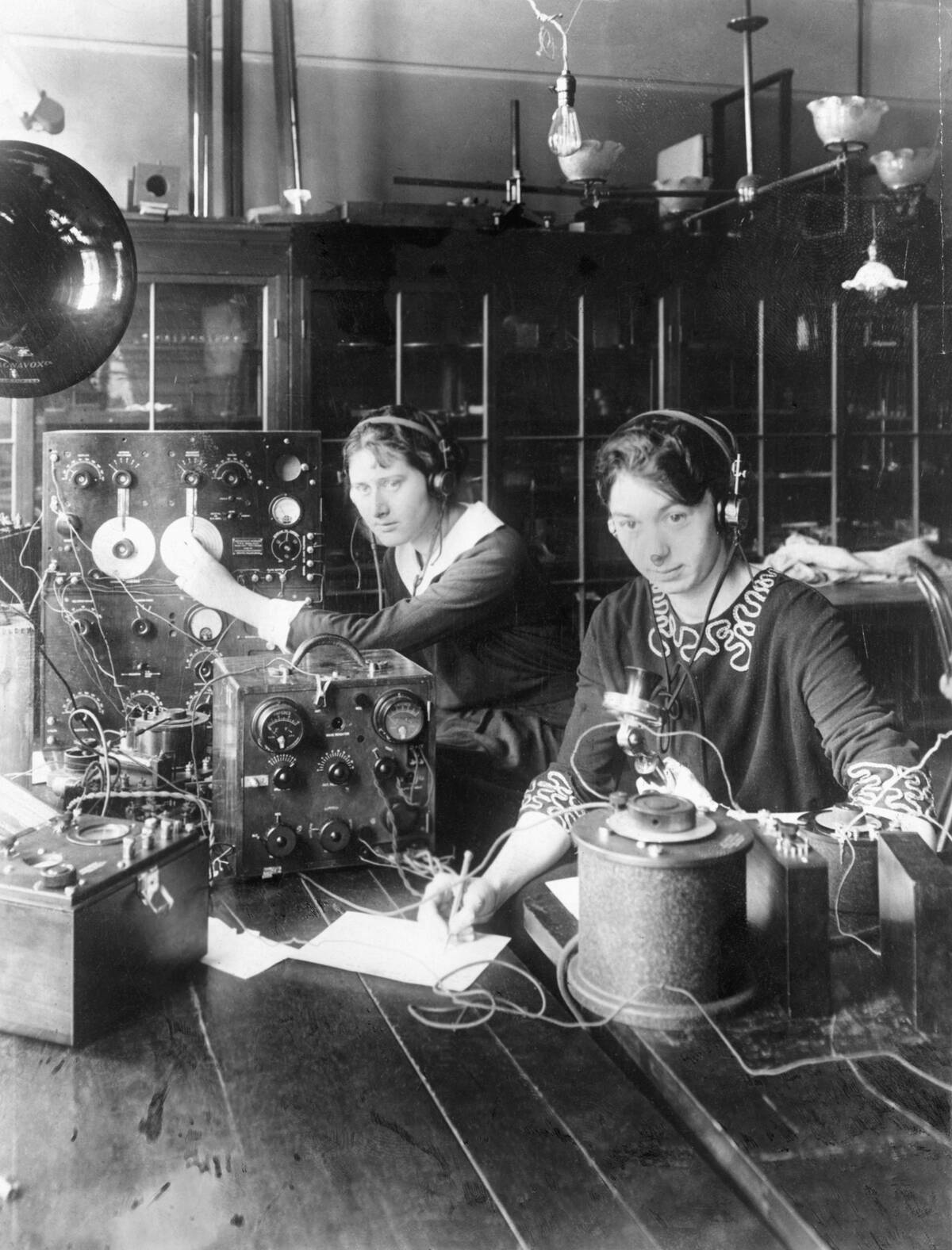
Early radio technology, a marvel of its time, was quickly adopted by those interested in spirit communication. The ability to transmit and receive signals fascinated inventors and paranormal enthusiasts, who hypothesized that radios could pick up spirit voices.
This idea led to various experiments and devices designed to capture ethereal messages, intertwining the development of radio with the burgeoning field of electronic spirit communication.
Criticisms and Skepticism Surrounding Spirit Communication Devices
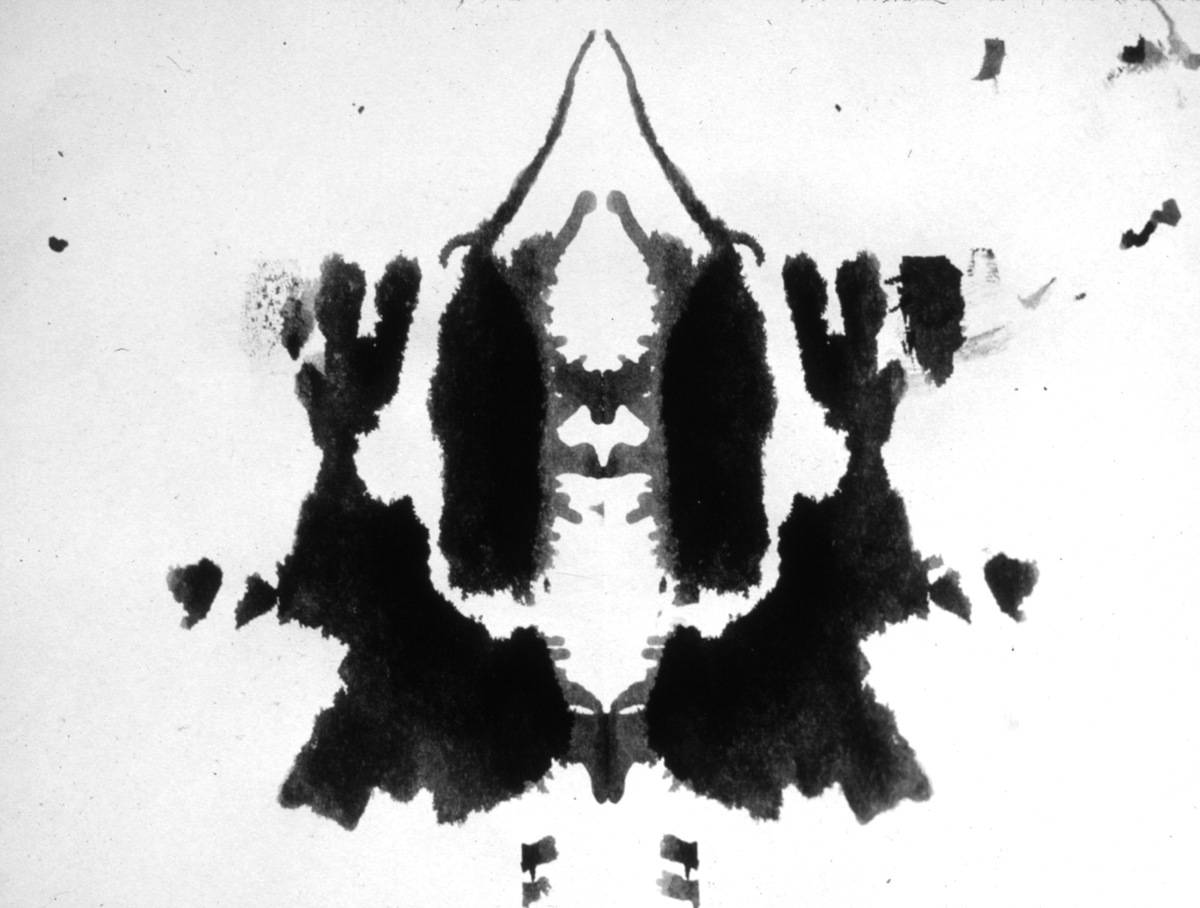
Despite the allure of spirit communication devices, they face significant skepticism from the scientific community and skeptics. Critics argue that these devices rely on subjective interpretation and lack empirical evidence.
Many phenomena attributed to spirit communication are explained by psychological factors, such as pareidolia or the ideomotor effect. This skepticism challenges inventors to provide more rigorous evidence and fuels ongoing debates about the validity of such devices.




