15 ancient rituals still practiced in modern times
Rituals are fascinating threads that weave through the tapestry of human history, connecting us to our ancestors while shaping our modern identity. They have the power to transcend time, providing a sense of continuity and community.
Whether it’s the simple act of lighting a birthday candle or a grand celebration like a wedding, rituals are integral to our lives. They help us mark important moments, express our beliefs, and create shared experiences, bridging the past and present.
The Timeless Appeal of Rituals in Human Culture
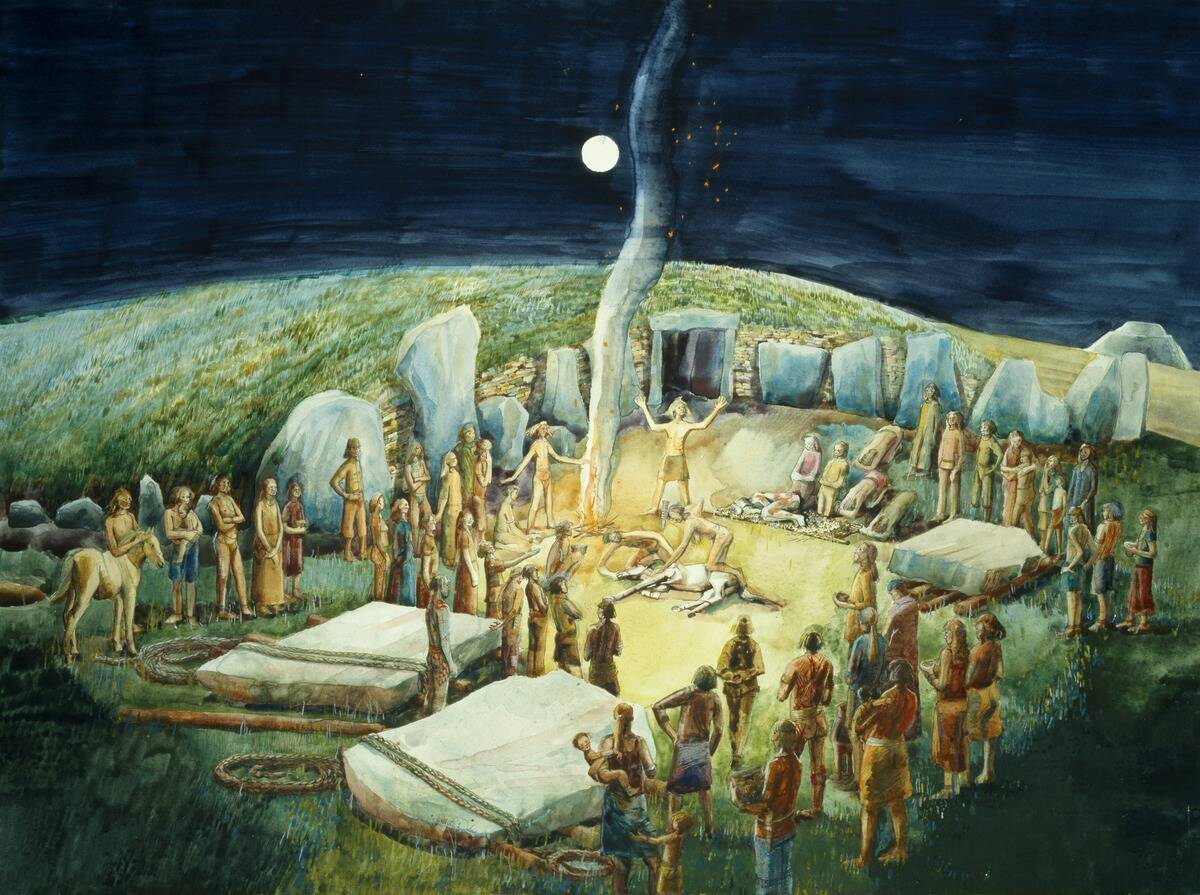
Rituals have been an essential part of human culture for millennia, serving as a means of expressing identity, beliefs, and values. Their appeal lies in their ability to create a sense of belonging and structure in our lives.
From communal gatherings to personal practices, rituals offer comfort and predictability in an ever-changing world. They are a testament to our need for connection and understanding, fostering unity and continuity across generations.
The Sacred Fire Ceremony: A Symbol of Purification
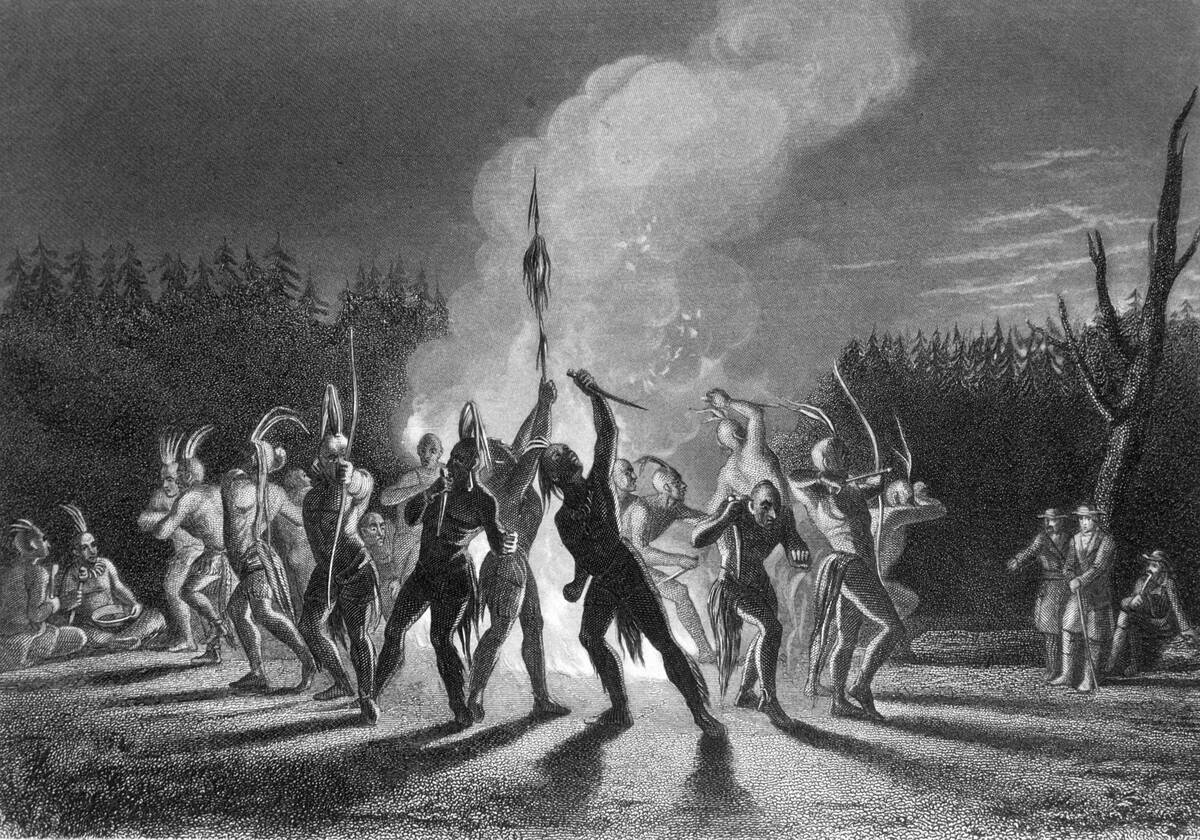
The sacred fire ceremony is a profound ritual found in many cultures, often symbolizing purification, transformation, and renewal. In Hinduism, rituals such as homa or yajna involve offerings made into a sacred fire dedicated to Agni, the fire deity who carries prayers to the gods.
Among various Indigenous peoples of North America, fire ceremonies are performed for prayer, purification, healing, and community connection. Across traditions, fire frequently represents transformation and spiritual renewal.
The Art of Tea Ceremonies: From Ancient China to Modern Day
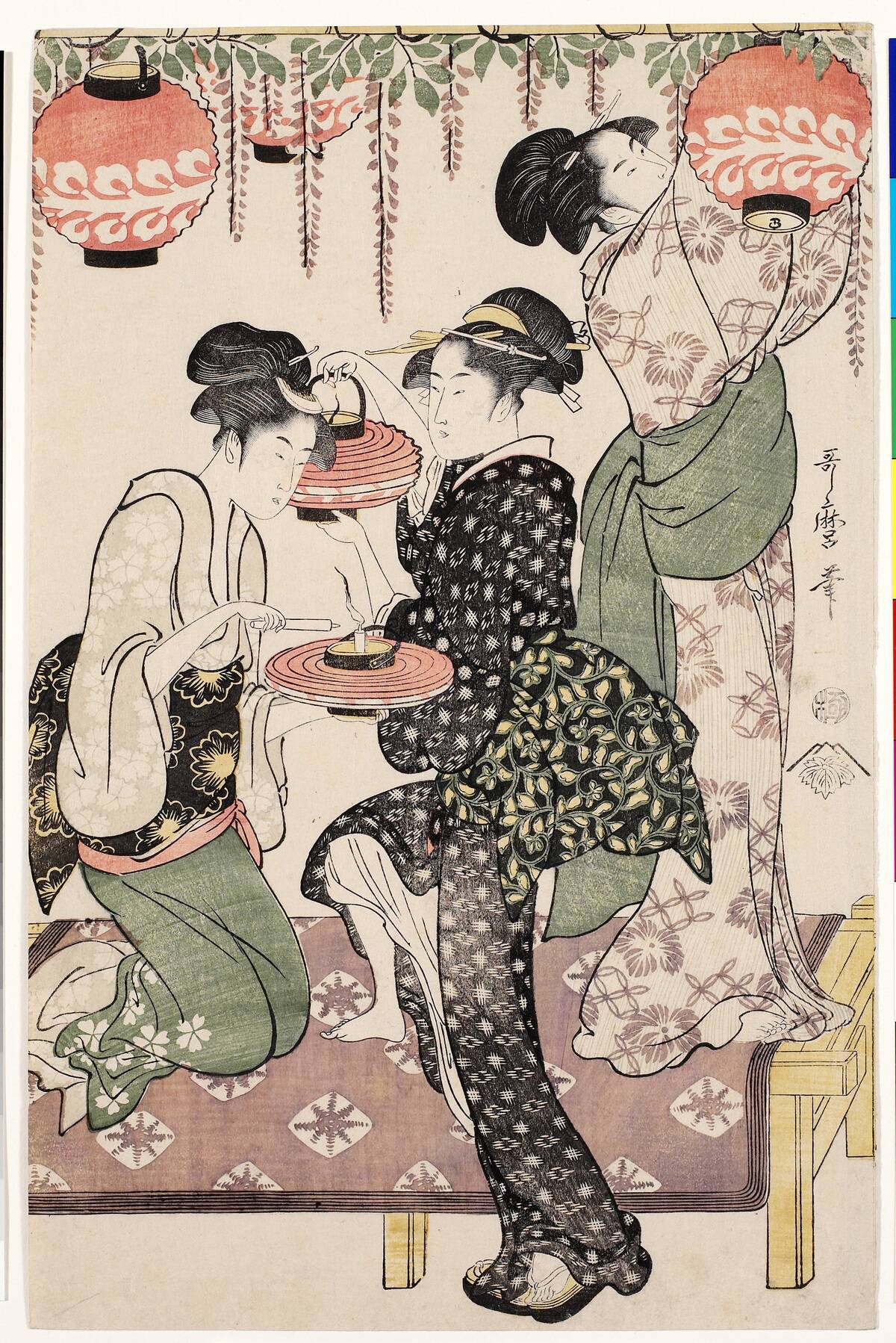
Tea ceremonies are a beautiful blend of artistry and spirituality, with origins in ancient China. The practice emphasizes mindfulness, respect, and harmony, elevating the preparation and sharing of tea into a contemplative experience.
In Japan, the ritualized tea practice known as chanoyu developed under the influence of Zen Buddhism, becoming a highly codified art form rooted in harmony, respect, purity, and tranquility. Today, tea ceremonies continue to offer a space for reflection and calm in a fast-paced world.
Druids and Solstice Celebrations: Ancient Traditions in a Modern Context
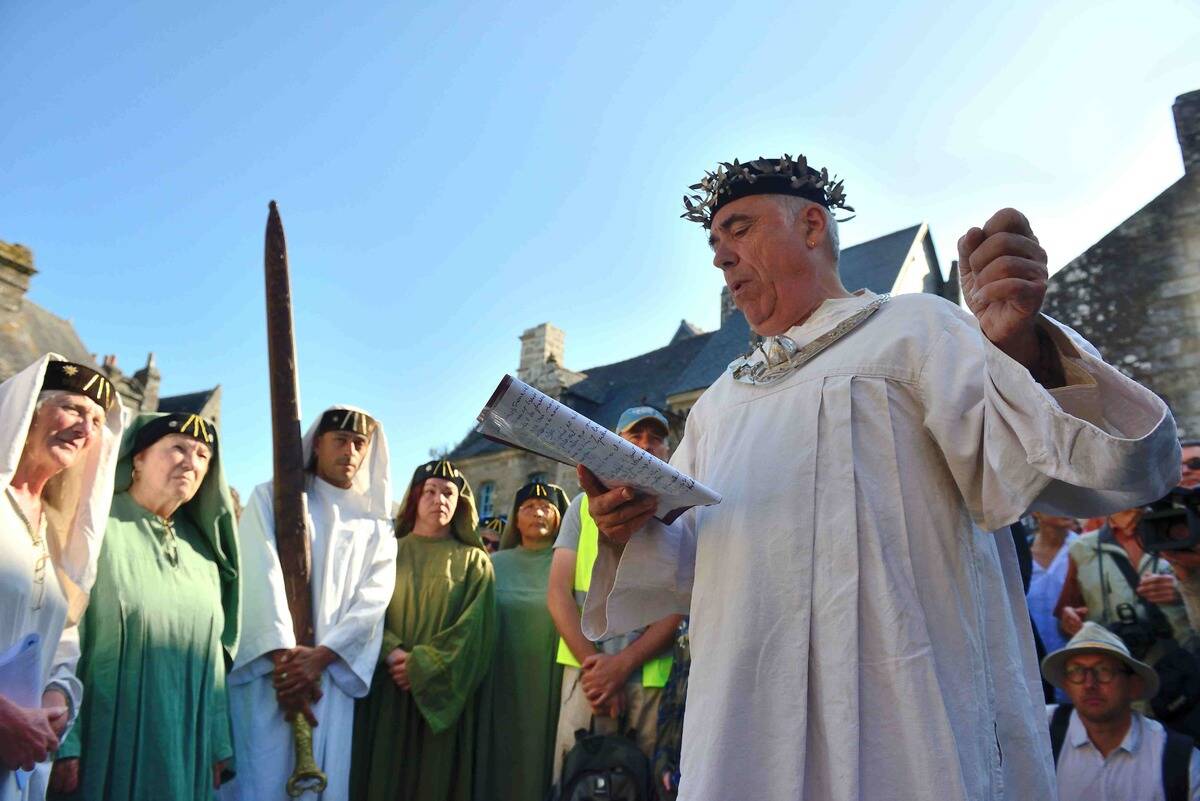
Druidic traditions are associated with nature-based spirituality and seasonal observances such as the solstices. While much about the ancient Druids remains uncertain, historical accounts describe them as religious leaders in Celtic societies who were connected to ritual and cosmology.
Today, modern Druid groups gather at sites like Stonehenge during the summer solstice—the longest day of the year—to celebrate the sun and the cycles of nature. Although these contemporary ceremonies are part of a revival movement rather than a direct continuation of ancient practices, they reflect the enduring appeal of nature-centered spirituality.
Harvest Festivals: A Global Tradition Embracing Abundance
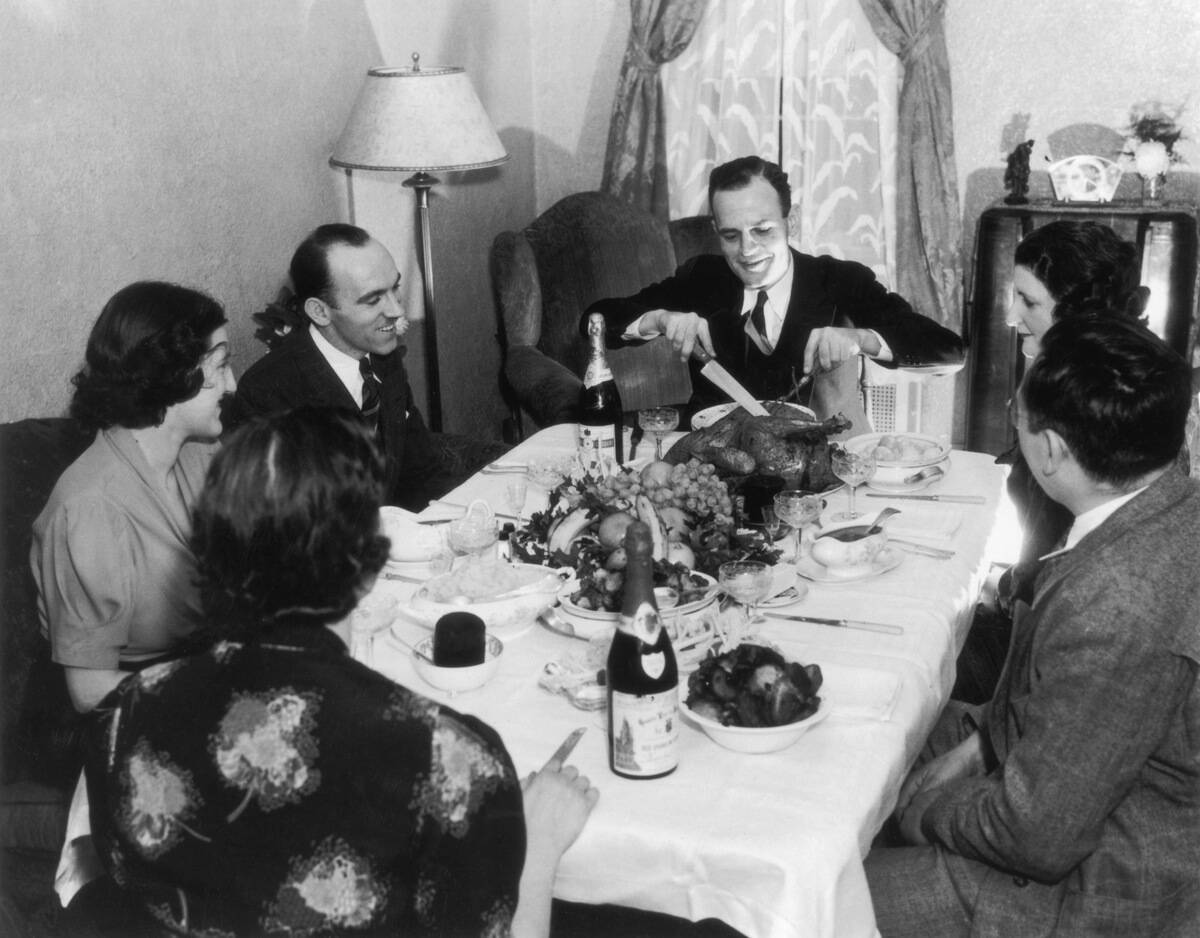
Harvest festivals are celebrated worldwide, honoring the abundance of the earth and the fruits of collective labor. In the United States, Thanksgiving is a national holiday centered on gratitude and feasting, historically associated with early colonial harvest celebrations.
In Tamil communities in India and abroad, Pongal marks the rice harvest with colorful kolam decorations, special dishes, and communal meals. Together, these festivals reflect a widespread appreciation for nature’s bounty and the importance of community and gratitude.
The Everlasting Dance of the Whirling Dervishes
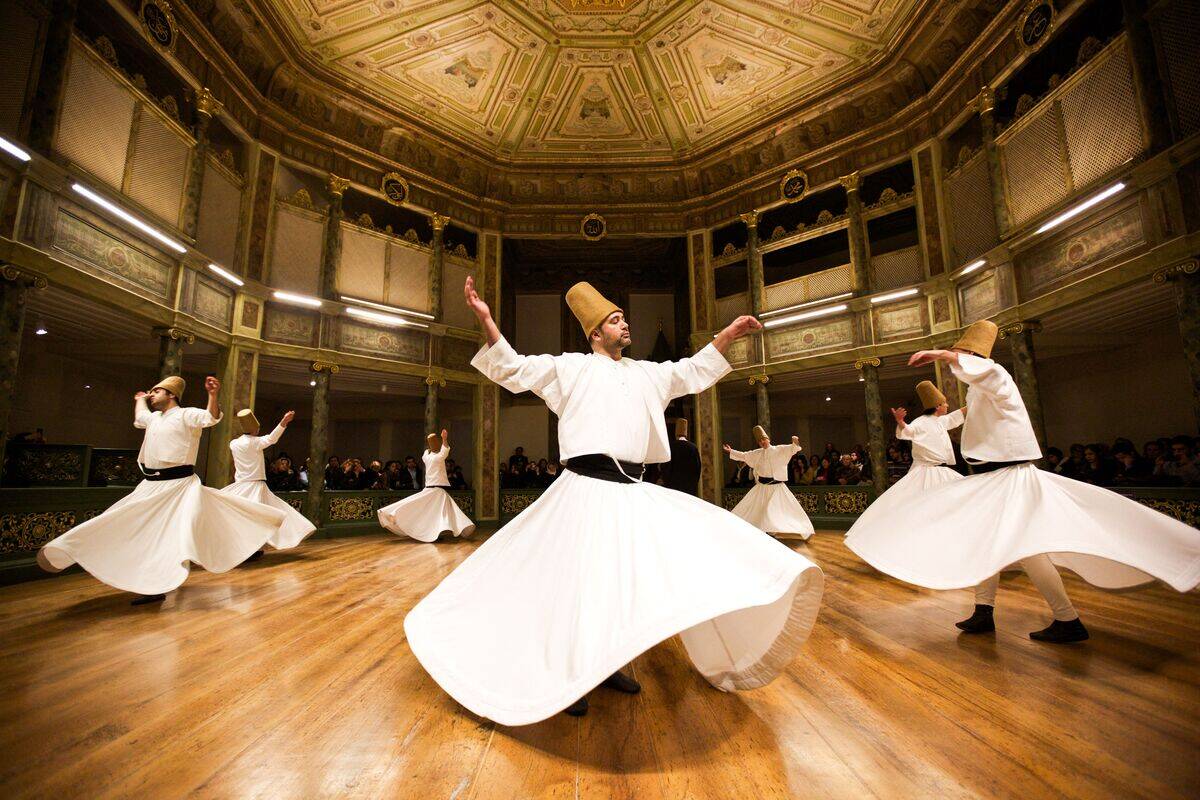
The Whirling Dervishes perform a mesmerizing dance, known as ‘Sema,’ which is both a spiritual and cultural ritual. Originating from the Sufi tradition in Turkey, this dance symbolizes the soul’s journey towards divine love and enlightenment.
The dervishes spin in rhythmic harmony, their white robes billowing like ethereal wings. This meditative practice not only connects them to the divine but also captivates audiences worldwide, transcending cultural boundaries.
Rites of Passage: Marking Life’s Milestones Across Ages
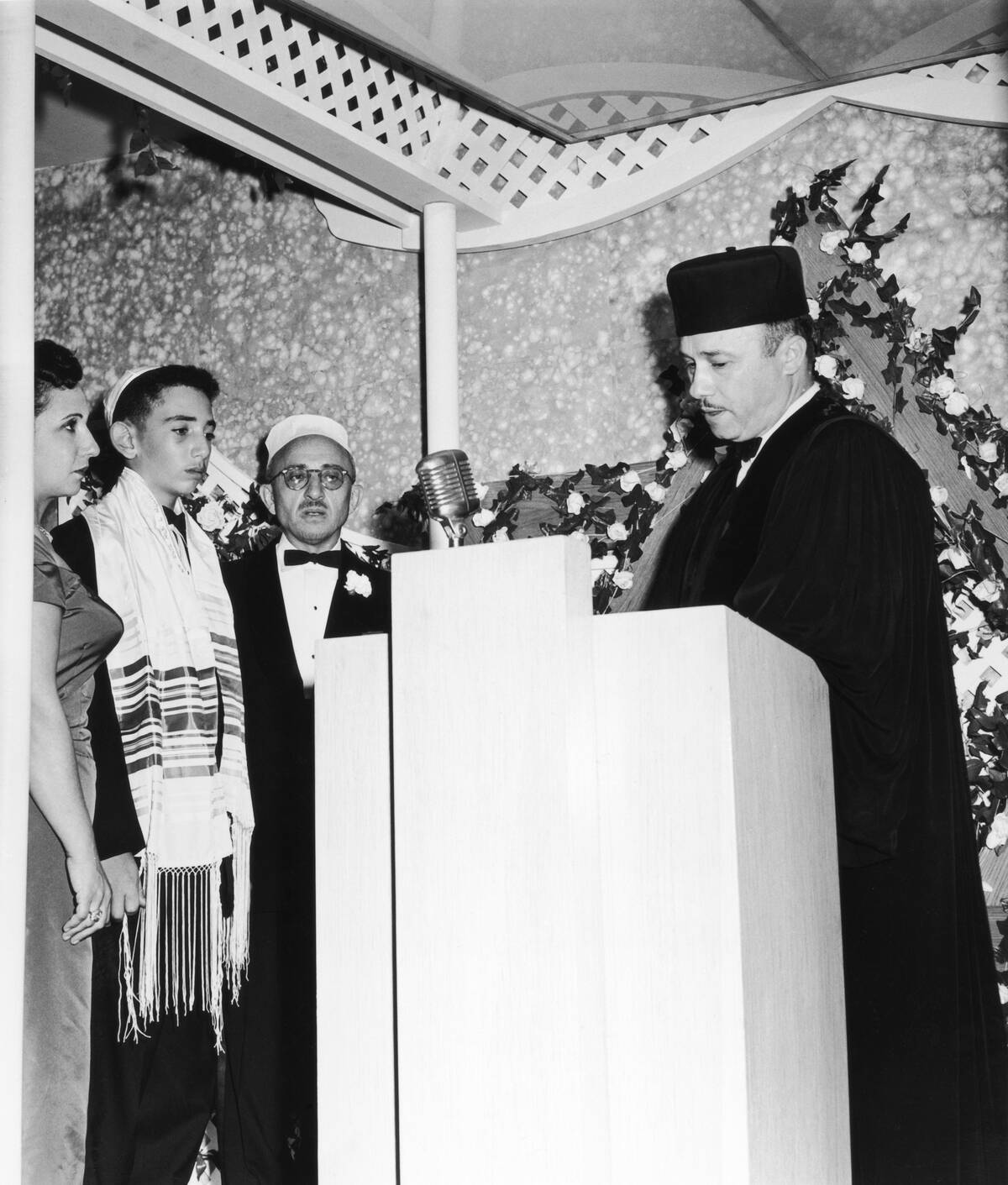
Rites of passage are ceremonies that mark significant transitions in a person’s life, such as birth, coming of age, marriage, and death. Cultures worldwide have unique traditions to celebrate these milestones.
Jewish boys and girls celebrate their Bar and Bat Mitzvahs as a transition to adulthood. In some African cultures, elaborate initiation ceremonies mark a young person’s journey into adulthood. These rites provide structure and meaning, guiding individuals through life’s pivotal changes.
The Mystical World of Shamanic Practices
Shamanic practices are ancient spiritual traditions found in indigenous cultures worldwide. Shamans, regarded as healers and spiritual guides, enter altered states of consciousness to communicate with the spirit world.
Through rituals involving drumming, chanting, and, in some cultures, sacred plant medicines, they seek to heal, gain wisdom, and maintain harmony between humans and nature. These practices offer a profound connection to the spiritual realm, emphasizing the interconnectedness of all living beings.
Veneration of Ancestors: A Cross-Cultural Phenomenon
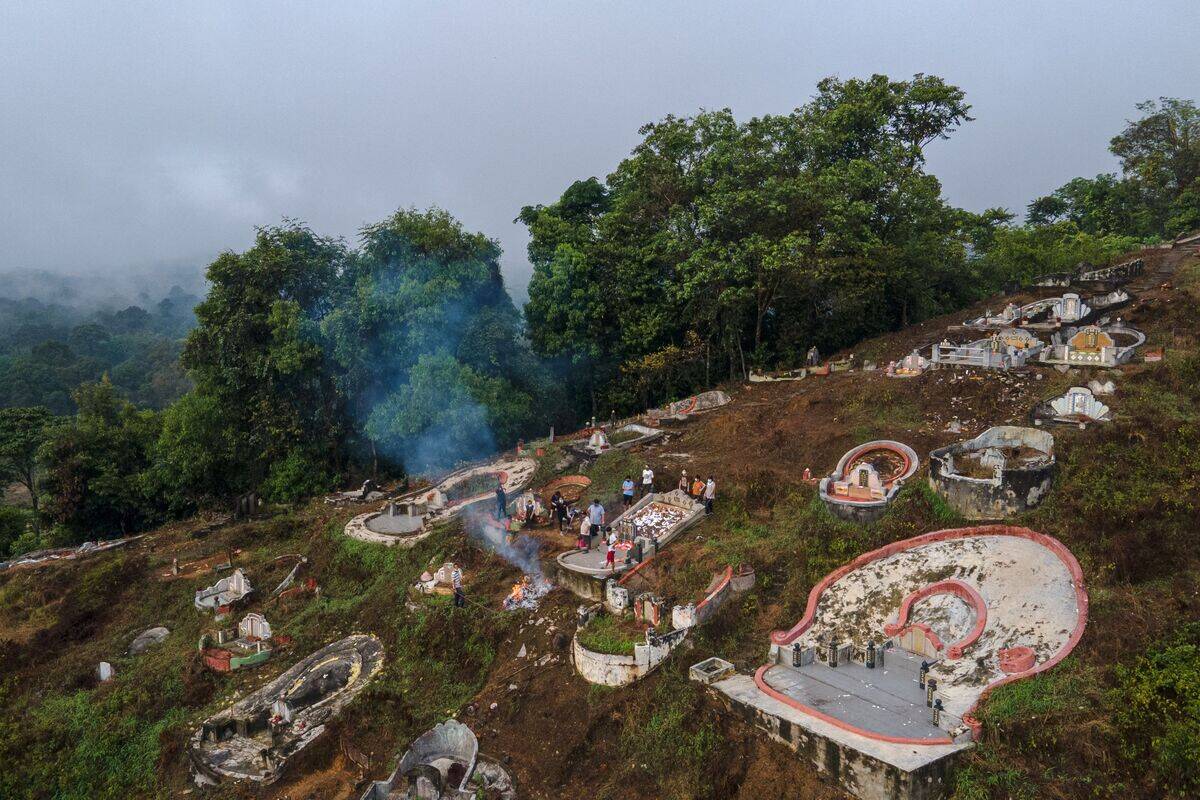
Ancestor veneration is a widespread tradition, based on the belief that deceased family members continue to influence the living. In China, the Qingming Festival honors ancestors through offerings, tomb sweeping, and other seasonal rituals.
In Mexico, Día de los Muertos celebrates departed loved ones with altars, food, music, and colorful parades, blending indigenous and Catholic traditions. These customs reflect deep respect for familial bonds and the enduring presence of ancestors in daily life.
The Perpetual Practice of Yoga: From Ancient India to Contemporary Culture
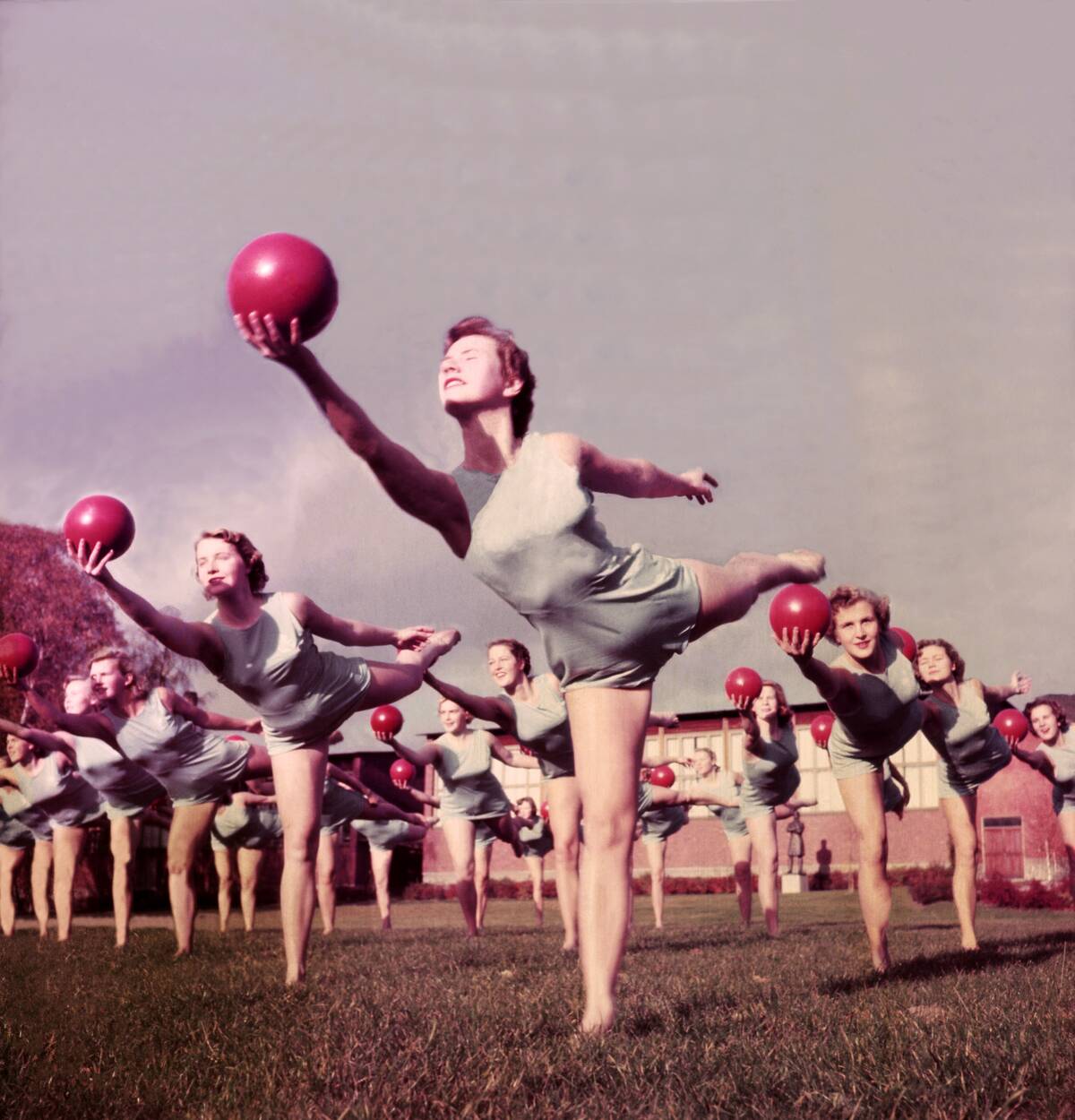
Yoga, an ancient practice originating in India, has evolved into a global phenomenon, revered for its physical, mental, and spiritual benefits. Rooted in Hindu philosophy, yoga integrates physical postures, breathing exercises, and meditation to promote balance and well-being.
In modern times, yoga has been embraced worldwide, with diverse styles catering to various needs. This practice continues to inspire individuals to seek inner peace and harmony in an increasingly hectic world.
The Continuation of Indigenous Ceremonies in Modern Society
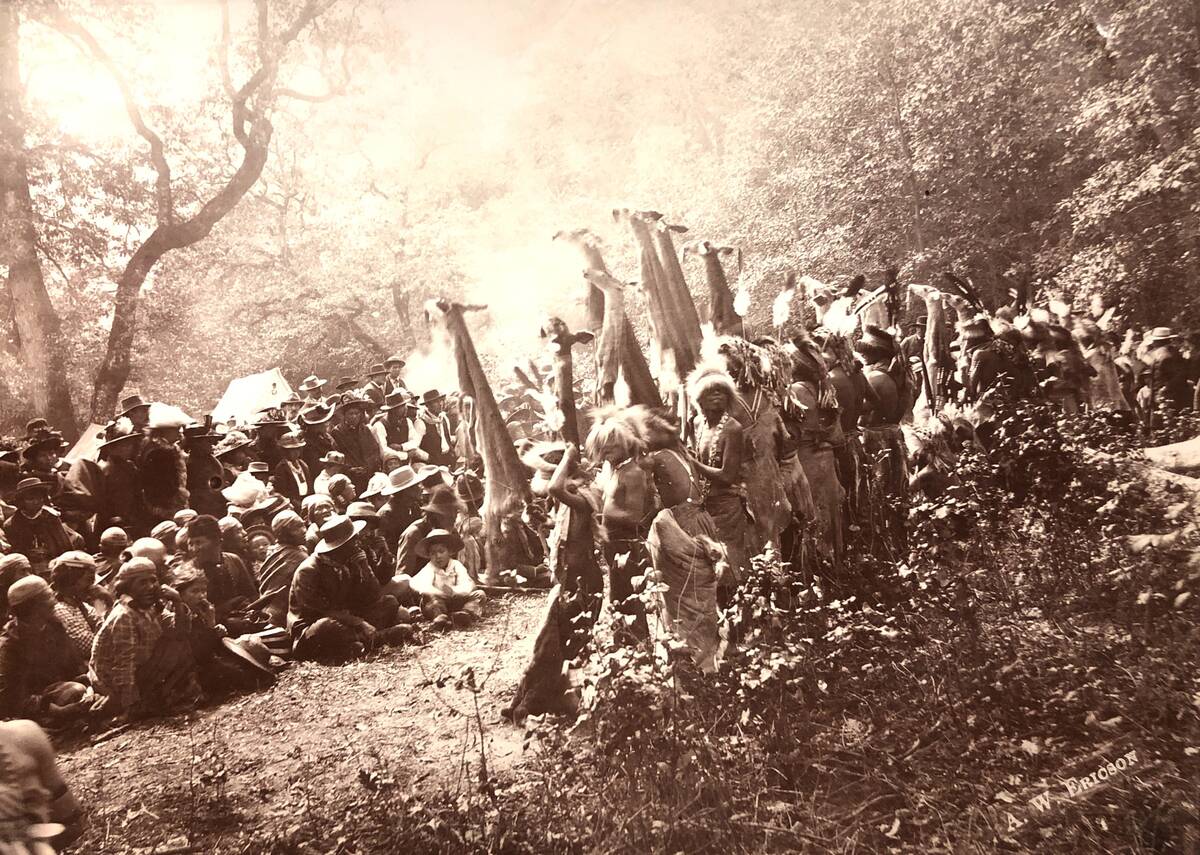
Indigenous ceremonies hold deep cultural significance, preserving the traditions and wisdom of native peoples. These rituals, often tied to land and spirituality, continue to be practiced and revitalized today.
In North America, the Native American powwow serves as a gathering for dance, music, and cultural exchange. Similarly, Australia’s Aboriginal communities perform corroborees, bringing people together through storytelling and dance. These ceremonies celebrate cultural heritage and resilience in the face of modern challenges.
Tattooing as a Ritual: An Ancient Art with Modern Significance
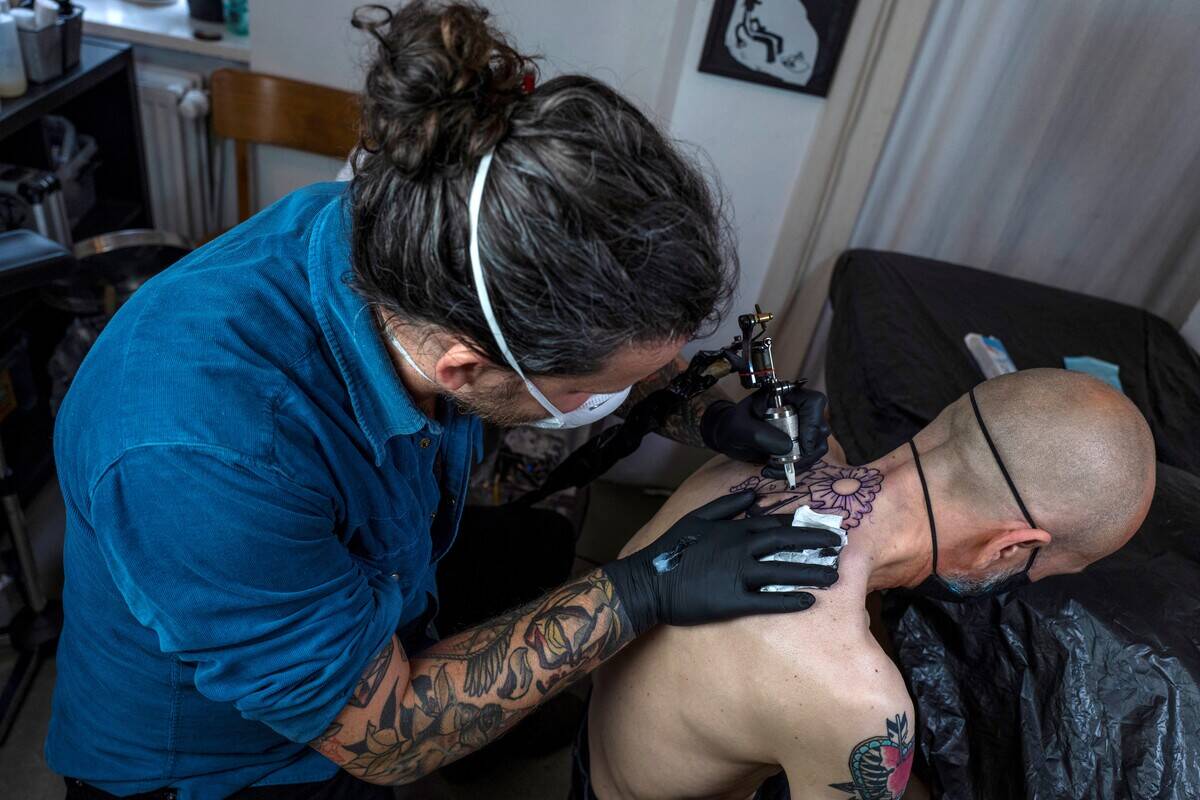
Tattooing is a ritualistic art form with deep historical roots, serving as a means of self-expression, identity, and cultural heritage. Ancient cultures, from the Polynesians to the Egyptians, used tattoos to signify status, achievements, or spiritual beliefs.
Today, tattooing remains a powerful form of personal storytelling and cultural pride. Whether commemorating milestones or embracing artistic expression, tattoos continue to hold significant meaning, bridging ancient practices with contemporary life.
The Evolution of the Japanese Hanami: Celebrating Cherry Blossoms
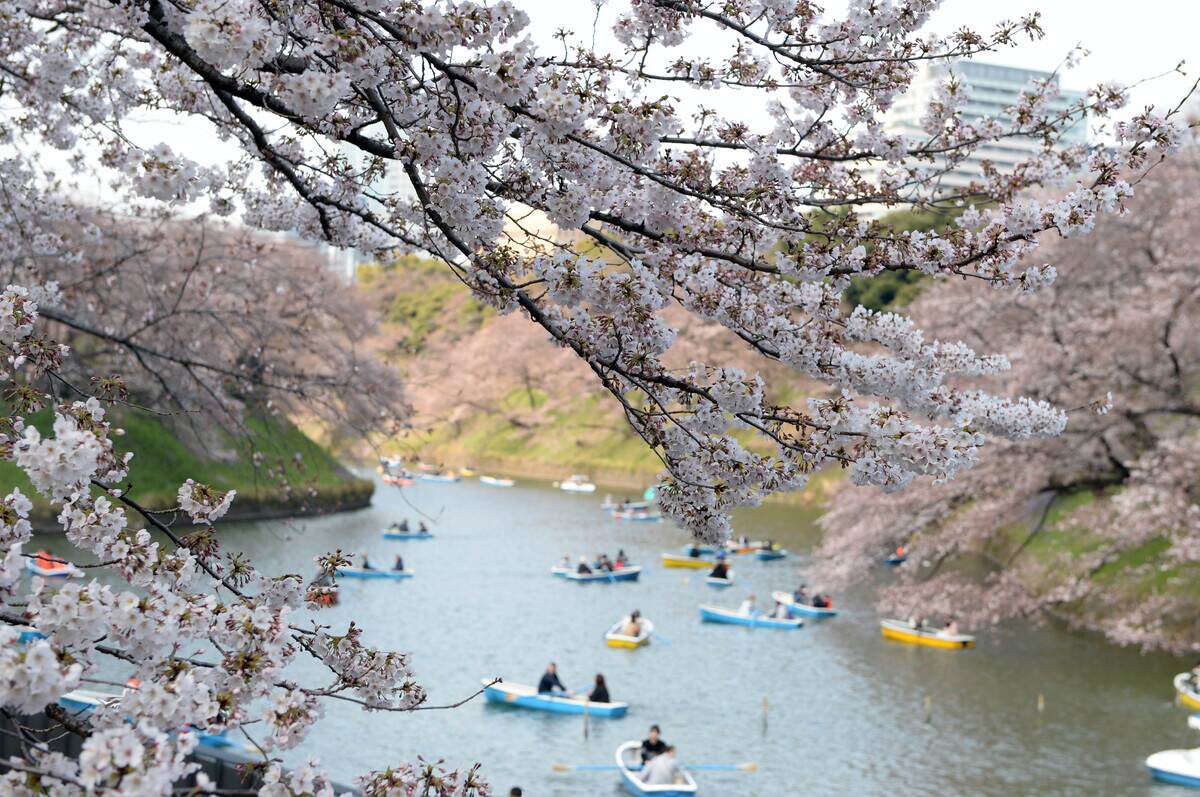
Hanami, the Japanese tradition of cherry blossom viewing, is a celebration of nature’s fleeting beauty. Originating in the Heian period, Hanami involves gathering under blooming cherry trees to enjoy their delicate flowers.
This practice has evolved from an exclusive pastime of the elite to a cherished national event, drawing people together in parks and gardens across Japan. Hanami embodies the appreciation of life’s transient moments, fostering joy and reflection.
The Ritual of Bathing: From Sacred Cleansing to Self-Care
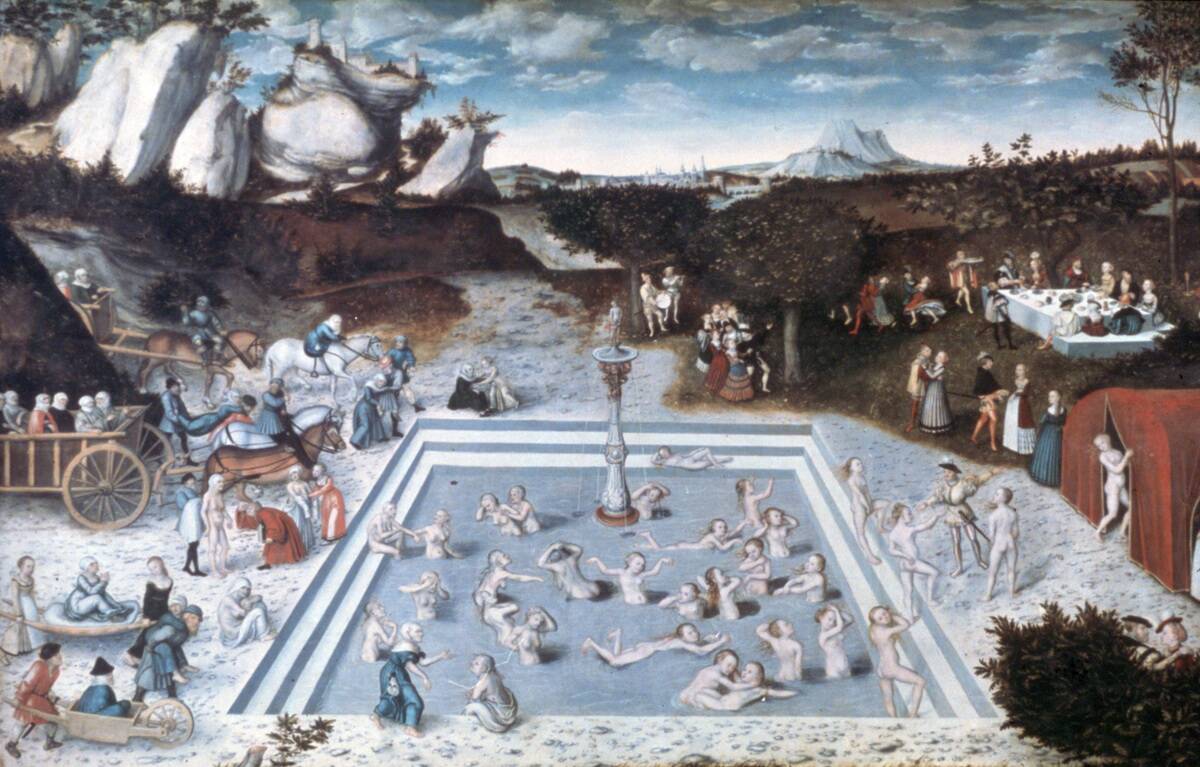
Bathing rituals have long been associated with purification, health, and relaxation. In ancient Rome, communal baths were centers of social life and hygiene. Japanese onsen, or hot springs, offer a tranquil escape, promoting relaxation and well-being.
Today, bathing has evolved into a self-care ritual, with luxurious baths and spa treatments providing a rejuvenating experience. This age-old practice continues to soothe the body and mind, emphasizing the importance of self-care and renewal.
Traditional Weddings: Ancient Customs in Today’s Nuptials
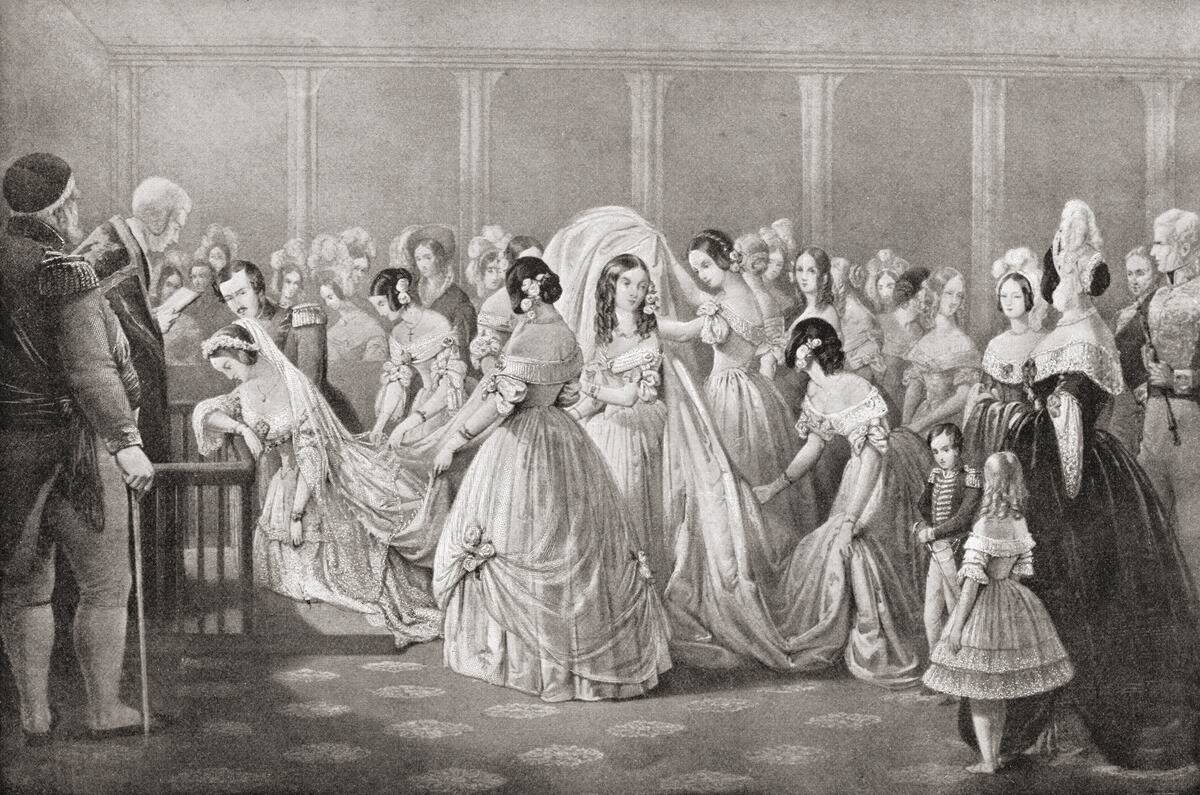
Weddings are rich in tradition, blending ancient customs with modern romance. In India, elaborate ceremonies such as the Saptapadi involve the couple taking seven vows around a sacred fire.
Jewish weddings feature the breaking of the glass, symbolizing the fragility of life and the joy of marriage. Modern weddings incorporate these timeless elements, creating meaningful celebrations that honor cultural heritage while reflecting personal stories and contemporary values.




