13 ancient musical compositions still performed today
Imagine a melody echoing across millennia, still capable of capturing hearts today. Ancient music, with its enchanting tunes, has transcended time, offering a glimpse into the past.
These melodies, like the Seikilos Epitaph or the Hurrian Hymn No. 6, aren’t just relics but are still performed and celebrated. They remind us that music is a universal language, bridging cultures and eras. Let’s embark on a journey to explore these timeless tunes and their fascinating histories.
The Historical Significance of Ancient Music
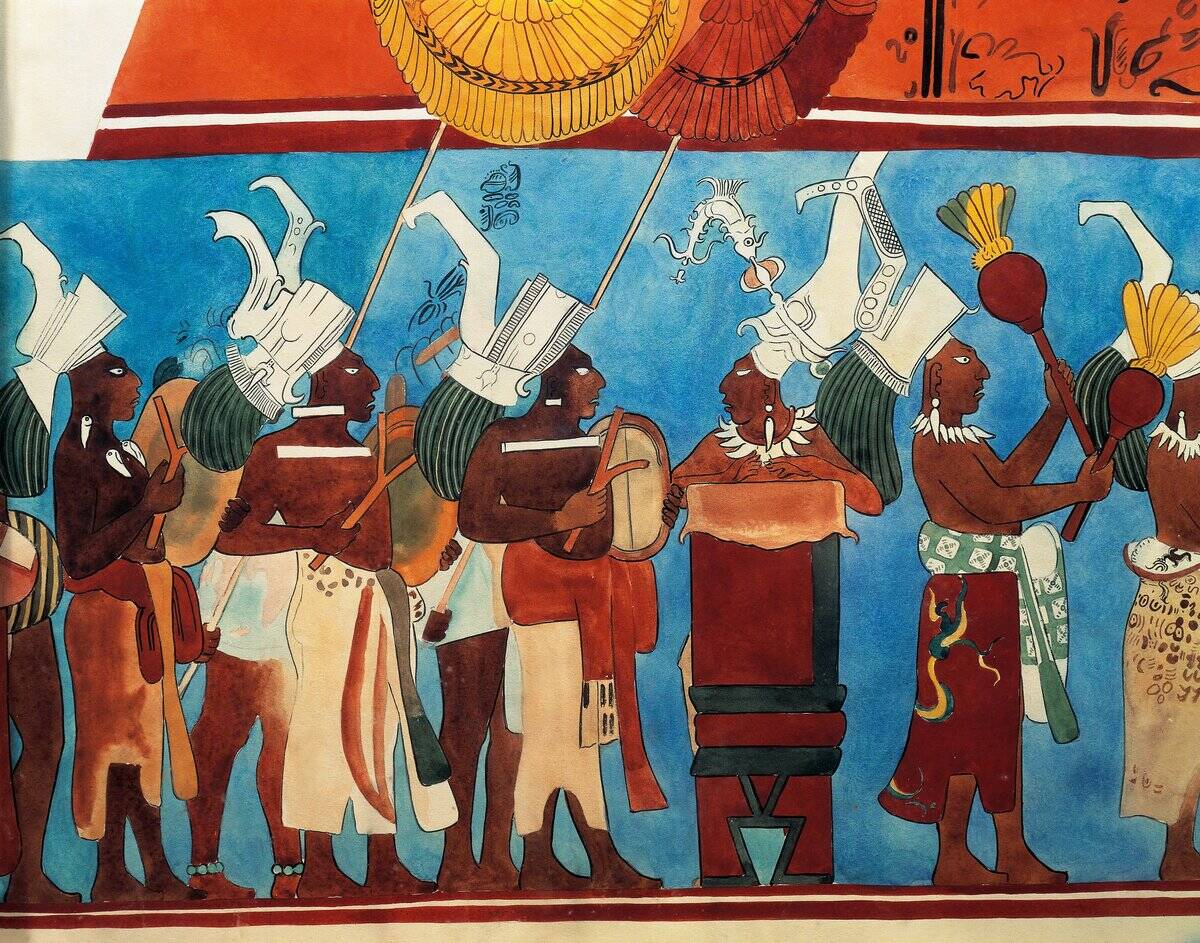
Ancient music wasn’t merely for entertainment; it played a vital role in rituals, celebrations, and daily life. It provided rhythm to work and solace in grief, echoing human emotions across civilizations. The Greeks believed music could influence behavior, a belief mirrored in their mythologies.
Beyond mere sound, ancient music was an integral part of cultural identity, helping societies to shape and express their values and beliefs. These melodies offer insights into the lives and minds of our ancestors.
How the Oldest Compositions Were Discovered
The discovery of ancient compositions often resembles a thrilling archaeological detective story. Take the Seikilos Epitaph, for instance. This ancient Greek melody was unearthed on a tombstone near modern-day Turkey.
Similarly, the Hurrian Hymn No. 6 was found inscribed on a clay tablet in Ugarit, Syria. Such findings are precious, as they offer the rare opportunity to hear the distant past. These discoveries, often accidental, have illuminated the richness of ancient musical traditions.
An Overview of Ancient Musical Notations
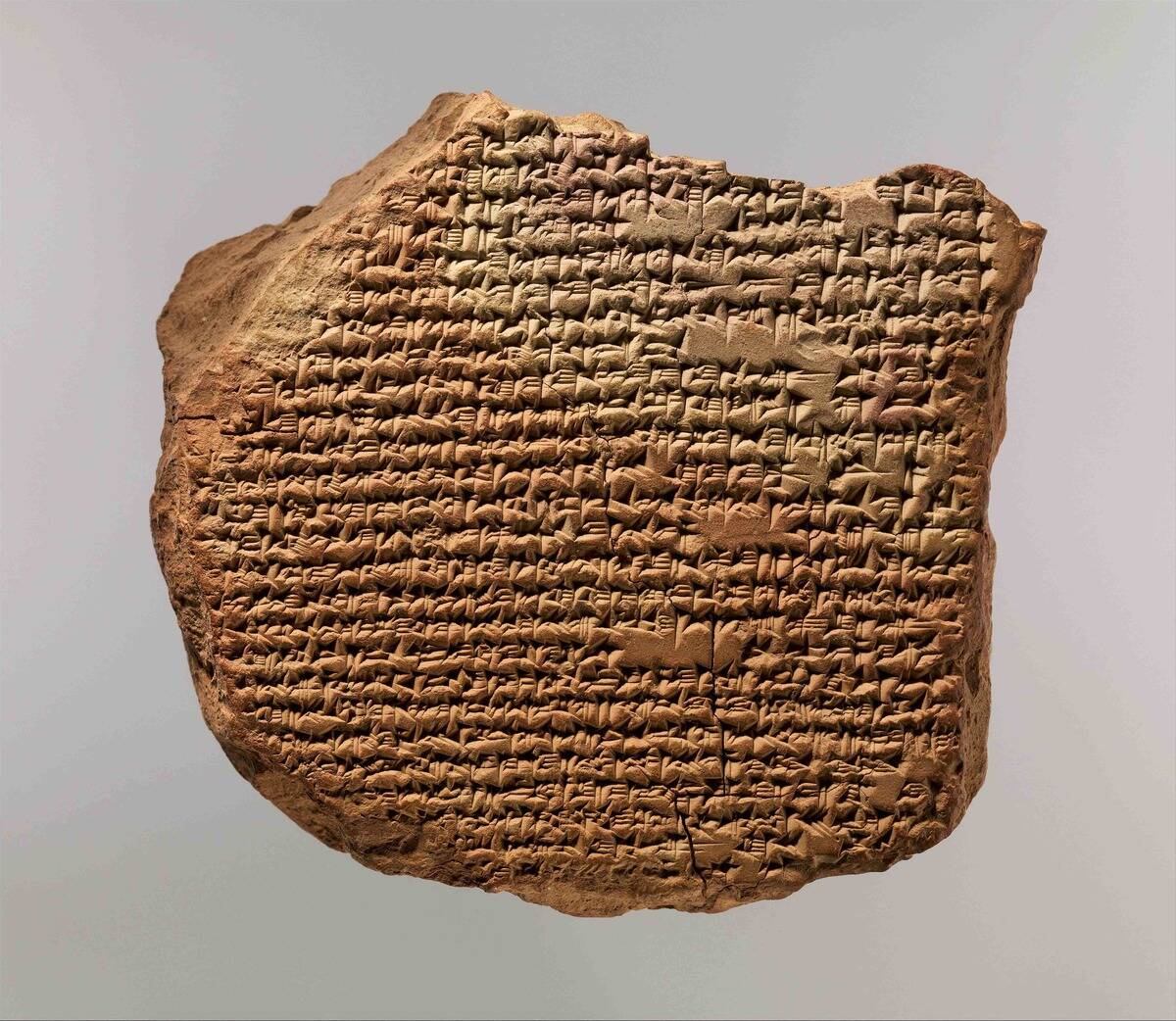
Understanding ancient musical notations is like deciphering a coded language. Greek notations, for example, used letters to signify musical notes, a practice far different from today’s sheet music.
The Babylonians, on the other hand, employed cuneiform on clay tablets to record their hymns. Each culture’s notation system reflects its unique musical structure and priorities. By studying these notations, modern musicians can attempt to recreate the melodies that once resonated through ancient cities and temples.
The Seikilos Epitaph: A Song from the Tomb
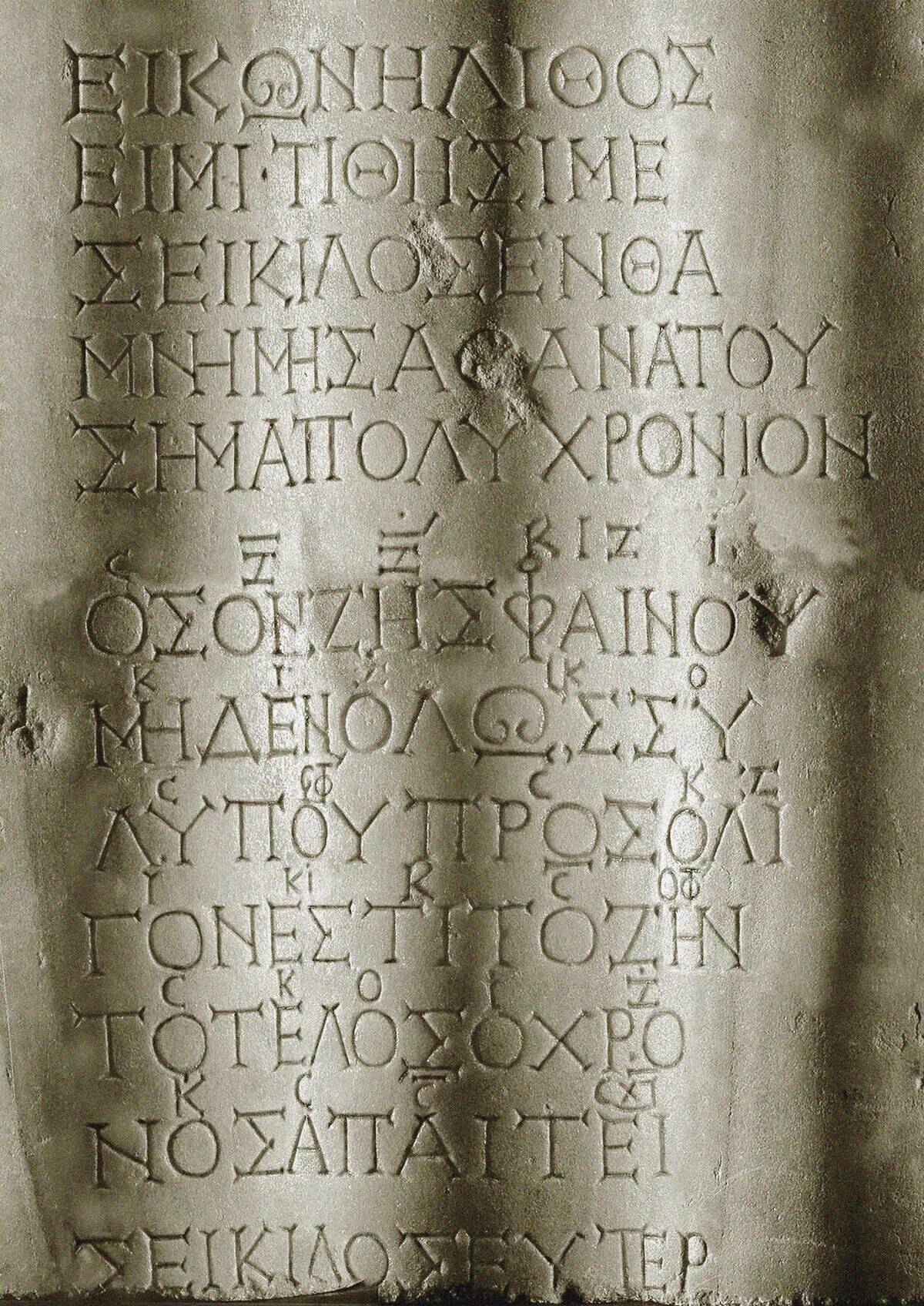
The Seikilos Epitaph, dating back to the 1st century AD, is one of the oldest complete musical compositions. Inscribed on a marble column, this piece was a touching epitaph from Seikilos to his wife, urging joy in life.
Its lyrics poignantly remind us that life is fleeting, a sentiment as relevant today as it was centuries ago. This short but profound melody continues to be performed, illustrating the enduring power of music to convey emotion across generations.
Hurrian Hymn No. 6: The Oldest Known Melody
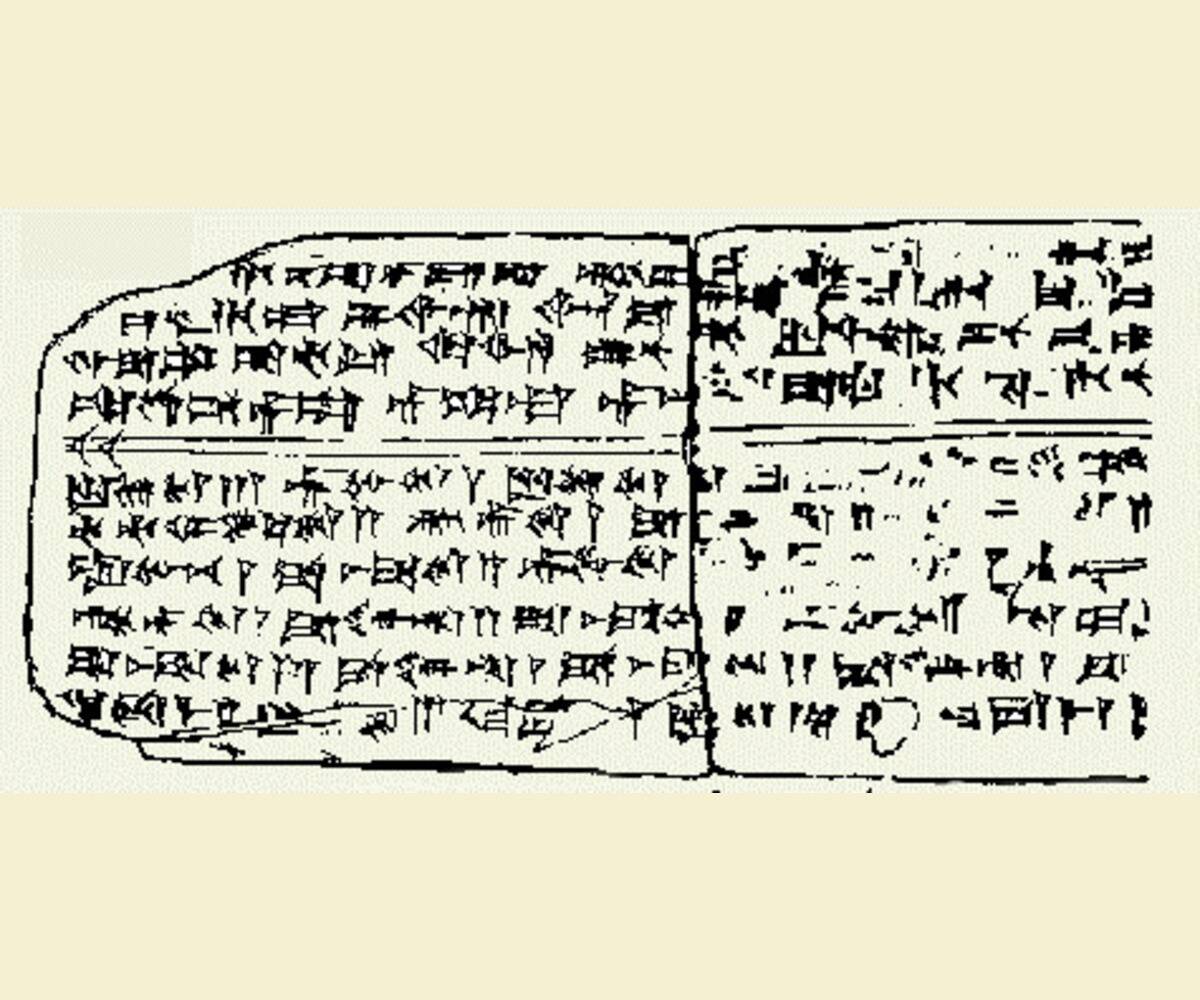
Originating from ancient Mesopotamia, the Hurrian Hymn No. 6 is the oldest known melody, dating back to around 1400 BC. Discovered in Ugarit, this hymn was written in the Hurrian language and dedicated to the goddess Nikkal.
The cuneiform tablet it was found on presents challenges in interpretation, but its haunting melody has been revived by scholars and musicians. The hymn’s survival offers a rare auditory glimpse into the spiritual and cultural life of the ancient Near East.
The Enigmatic Origins of the Ancient Greek Skolion
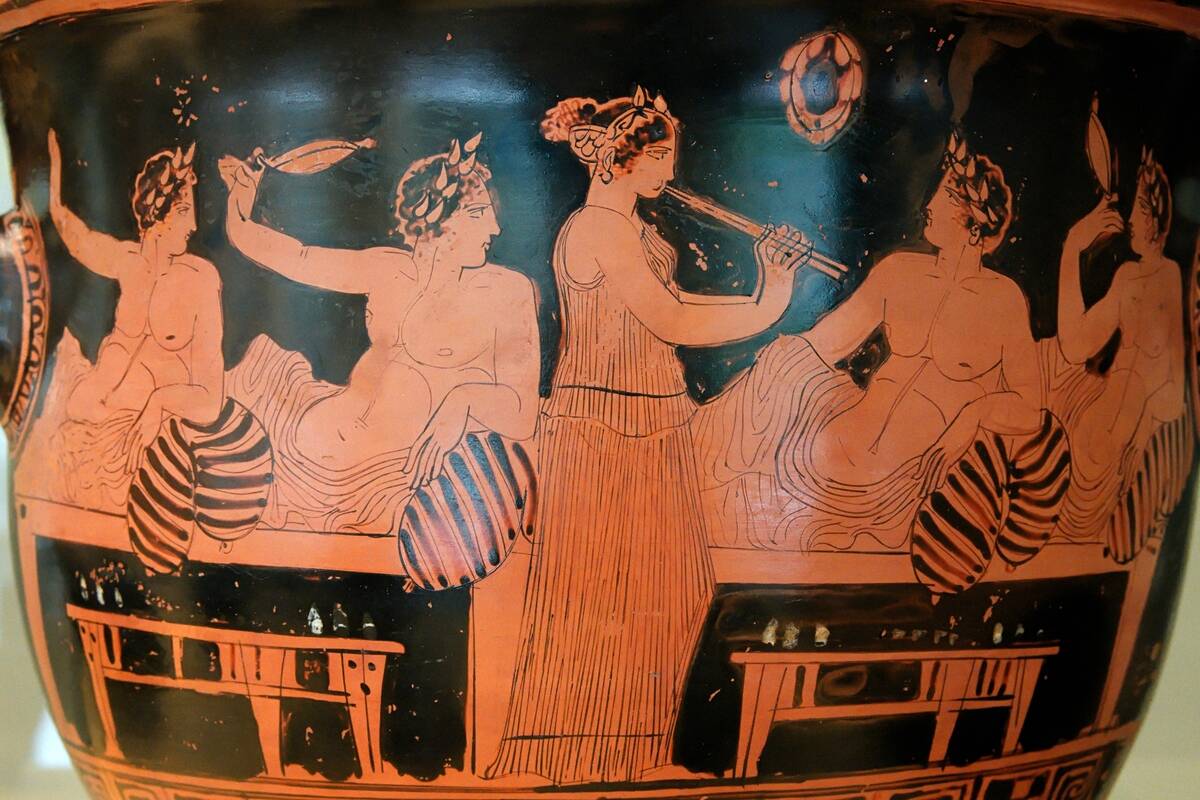
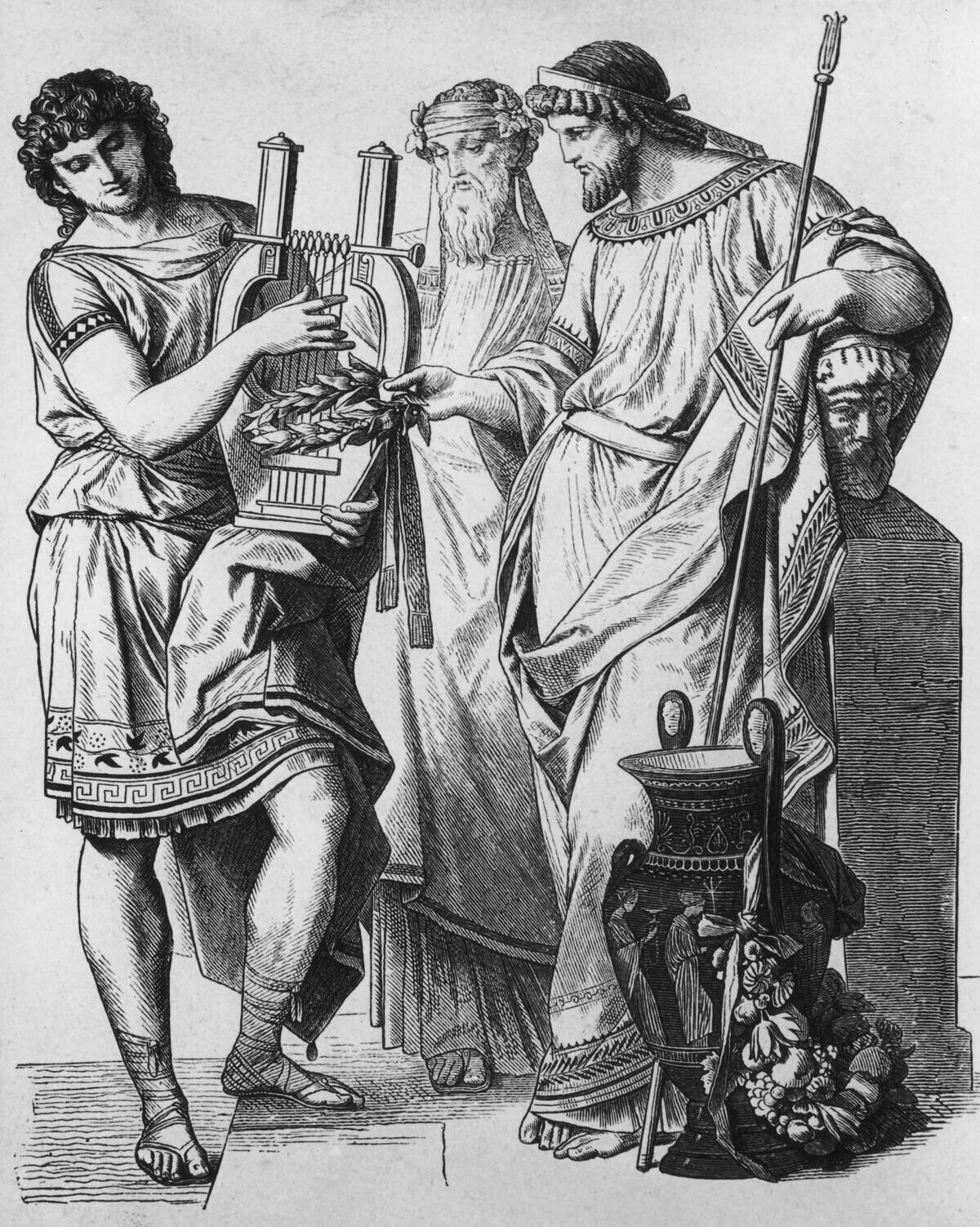
Skolia were convivial songs sung at ancient Greek banquets, often accompanied by lyres. These songs were not just entertainment but were laden with philosophical and moral themes.
The origins of skolia lie in the rich oral tradition of Greece, where they were passed down through generations. Though only fragments remain, the skolion provide a fascinating insight into the social and intellectual life of ancient Greece. Singing these songs was a communal activity, strengthening social bonds among participants.
The Resonance of the Delphic Hymns
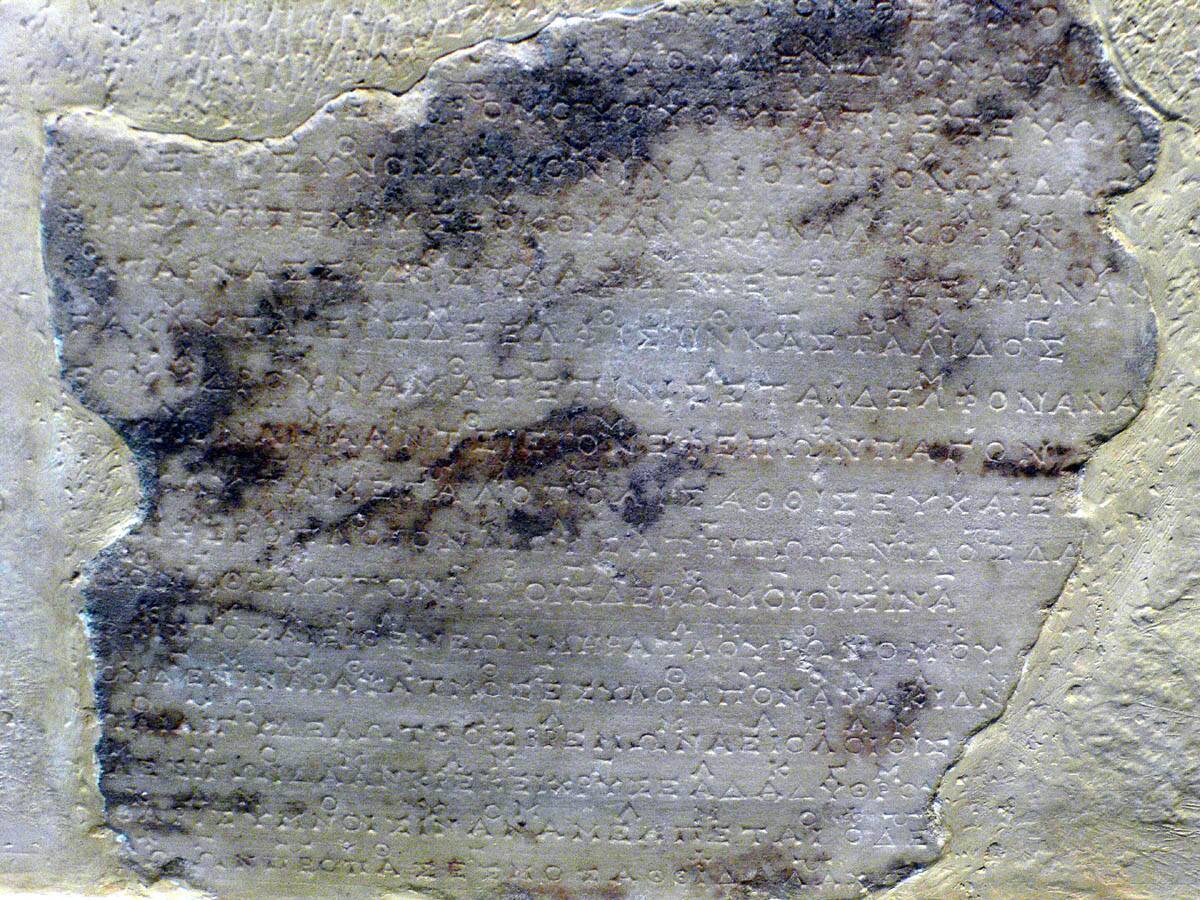
The Delphic Hymns, composed in honor of Apollo, are among the few surviving examples of ancient Greek music. Found in Delphi, these hymns date back to the 2nd century BC. They reflect the grandeur of the Pythian Games, held in Apollo’s honor.
The music, inscribed on stone, highlights the use of instruments like the aulos. Today, the hymns are performed in reconstructions, offering a sonic bridge to the spiritual and cultural climate of ancient Greece.
Mesopotamian Musical Legacies: The Babylonian Hymns
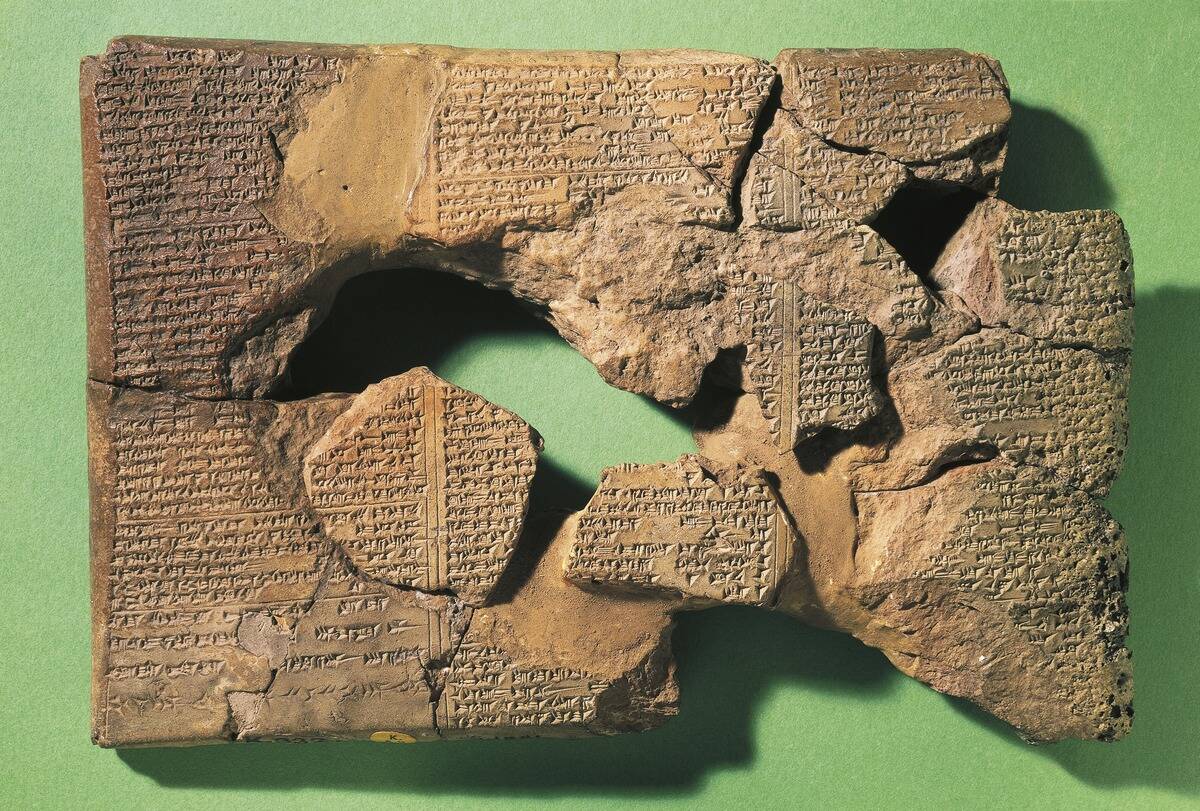
The Babylonian hymns are a testament to the rich musical heritage of ancient Mesopotamia. These compositions, inscribed in cuneiform, reveal a complex musical system that included scales and modes.
Music was central to their religious and courtly life, with musicians often holding esteemed positions. The hymns offer insight into the sophisticated musical culture of the Babylonians, whose influence can be seen in subsequent musical traditions. These ancient sounds still resonate in modern interpretations, bridging past and present.
The Influence of Ancient Egyptian Music on Modern Tunes
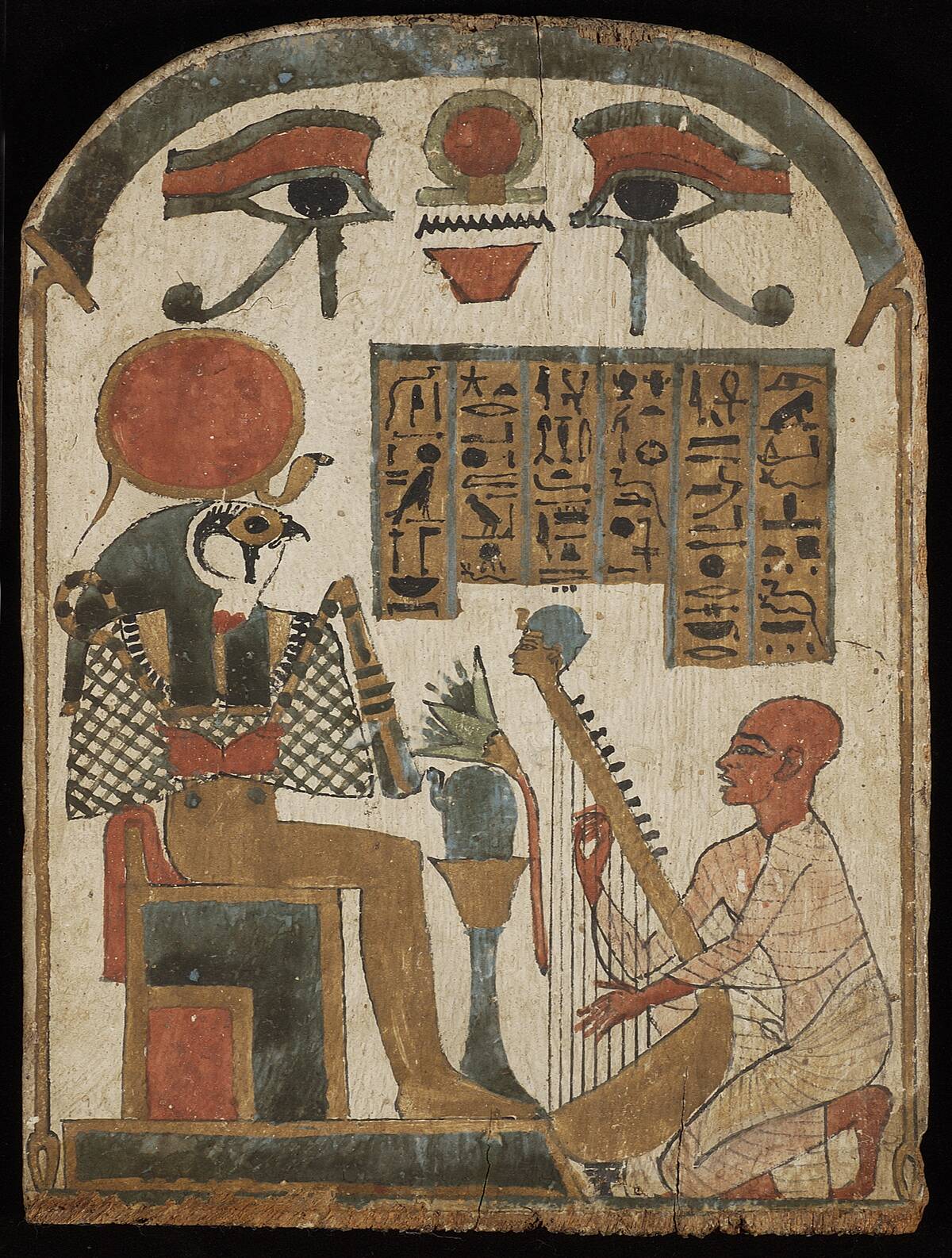
Ancient Egyptian music, known through instruments and artistic depictions, influenced neighboring ancient cultures, particularly in the Near East and Mediterranean. Instruments like the lute and lyre, widely used in Egypt, found their way into the musical traditions of Europe and beyond.
Hieroglyphs and paintings provide clues to their musical practices, revealing a culture where music was integral to daily life and religious ceremonies. Modern Egyptian music still echoes these ancient sounds, preserving a cultural lineage that spans millennia.
Pythagoras and the Mathematical Foundations of Music
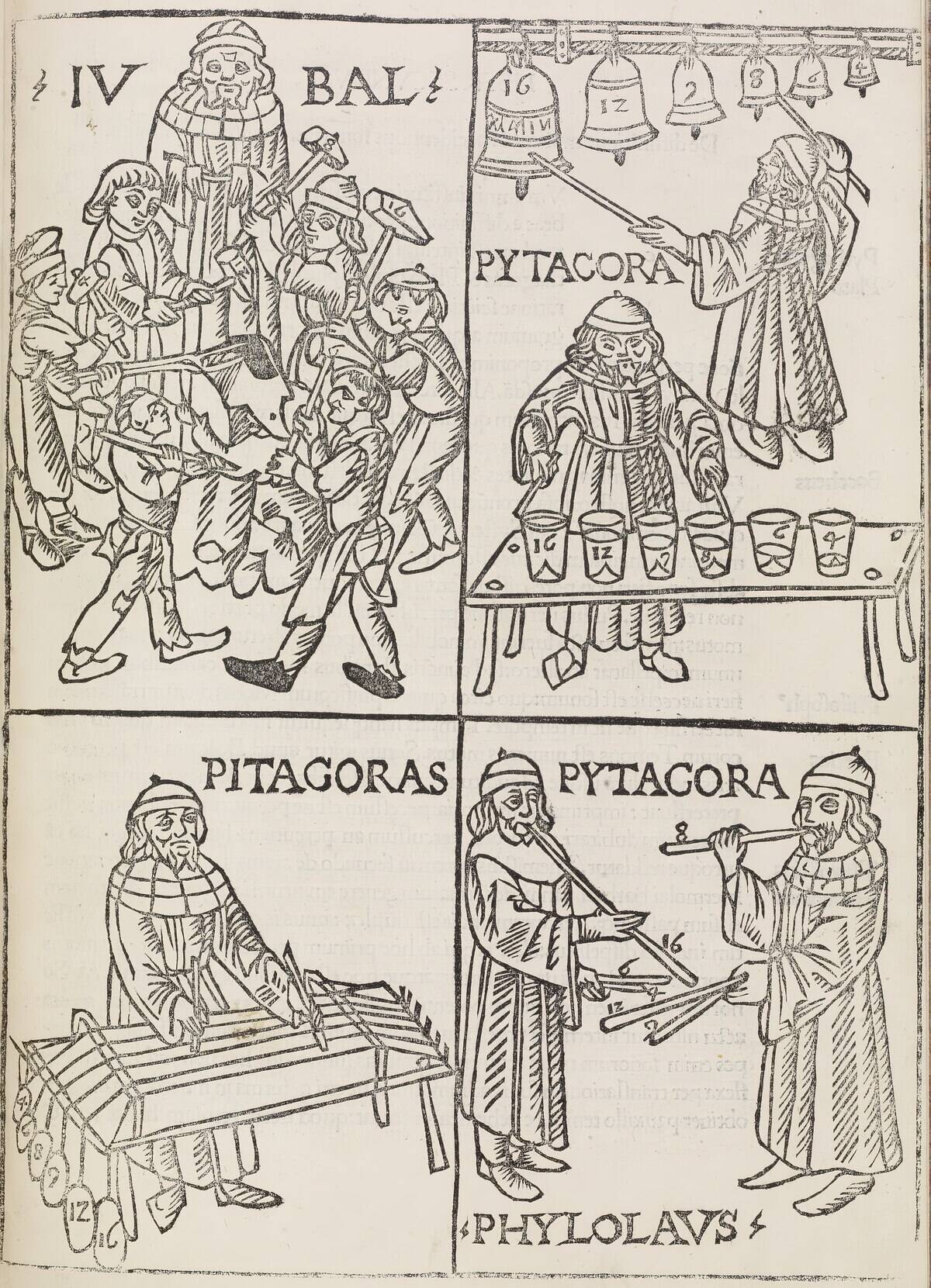
The ancient Greek philosopher Pythagoras is credited with discovering the mathematical relationships between musical notes. His work laid the foundation for the study of acoustics and harmony.
Pythagorean tuning, based on the ratio of string lengths, influenced Western music theory for centuries. This mathematical approach to music highlights the Greeks’ belief in the harmony of the cosmos. Pythagoras’s legacy endures, as his principles continue to inform modern music theory and the science of sound.
The Chinese Bells of Marquis Yi and their Melodic Mysteries
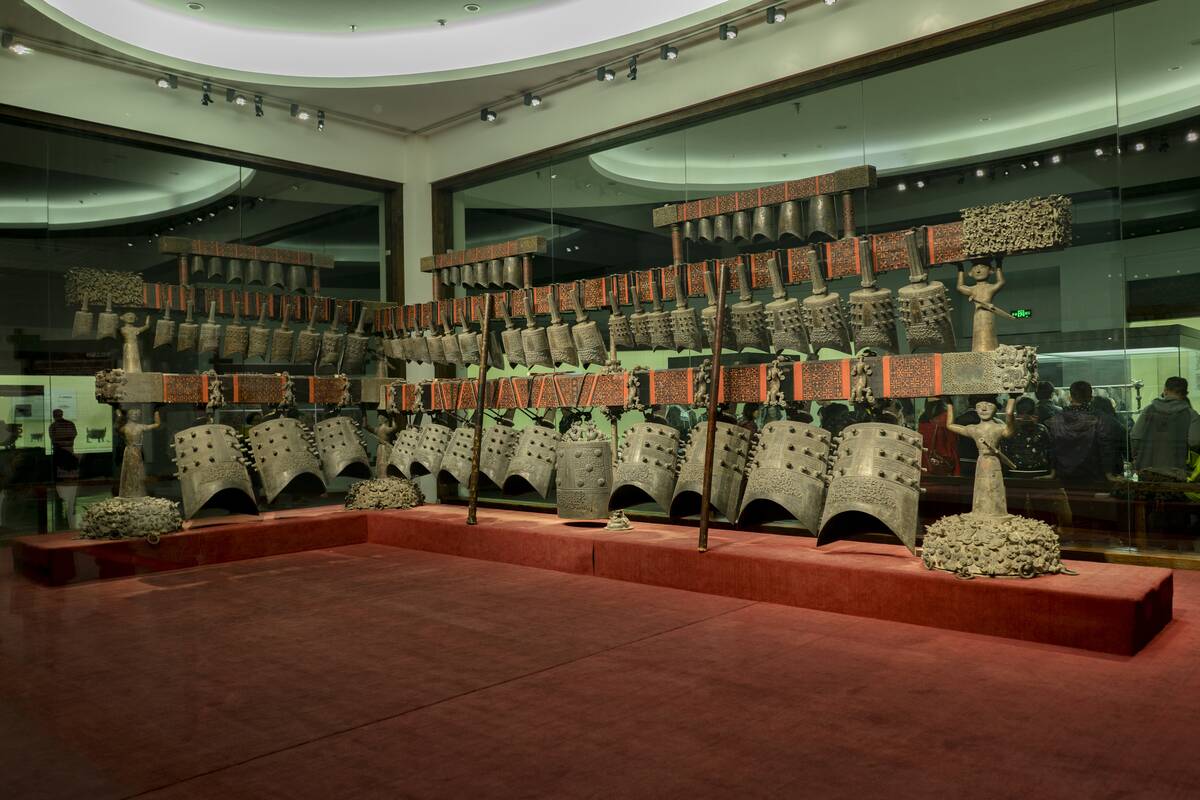
The bronze bells of Marquis Yi, dating back to around 433 BC, are a marvel of ancient Chinese music. Discovered in Hubei province, these bells have a dual-tone feature, allowing them to produce two distinct pitches.
The set of 65 bells exemplifies the sophistication of Chinese musical craftsmanship. They were used in court music, accompanying rituals and ceremonies. Modern musicians and scholars continue to study these bells, revealing the rich musical landscape of ancient China.
Music in Ancient Rome: The Melodies That Survived the Empire
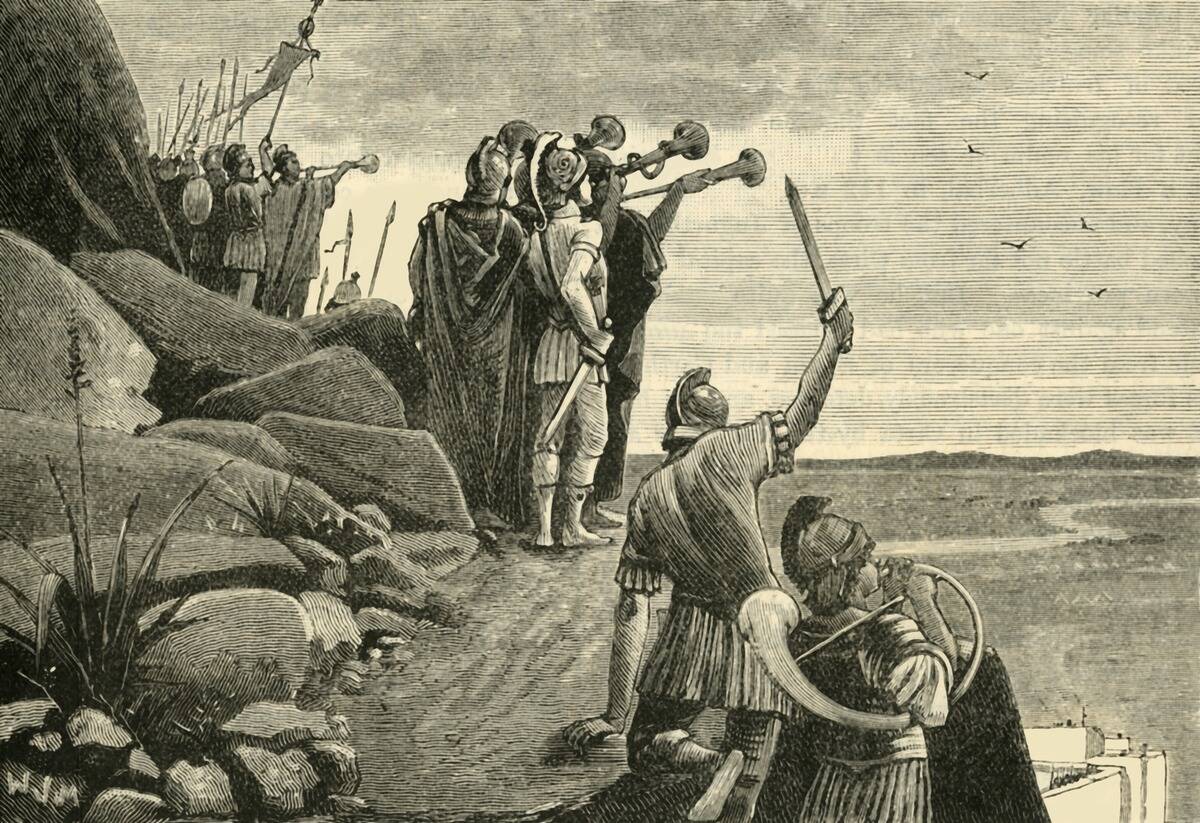
Music in ancient Rome was a vibrant part of public and private life, with influences from Greece and Etruria. Romans used music in military, religious, and entertainment settings. Instruments like the tuba and lyre were common in Roman ensembles.
Though little Roman music notation survives, descriptions and depictions provide clues to their musical practices. Modern reconstructions attempt to bring these ancient sounds to life, offering a glimpse into the auditory experience of Roman society.
The Role of Oral Tradition in Preserving Ancient Music
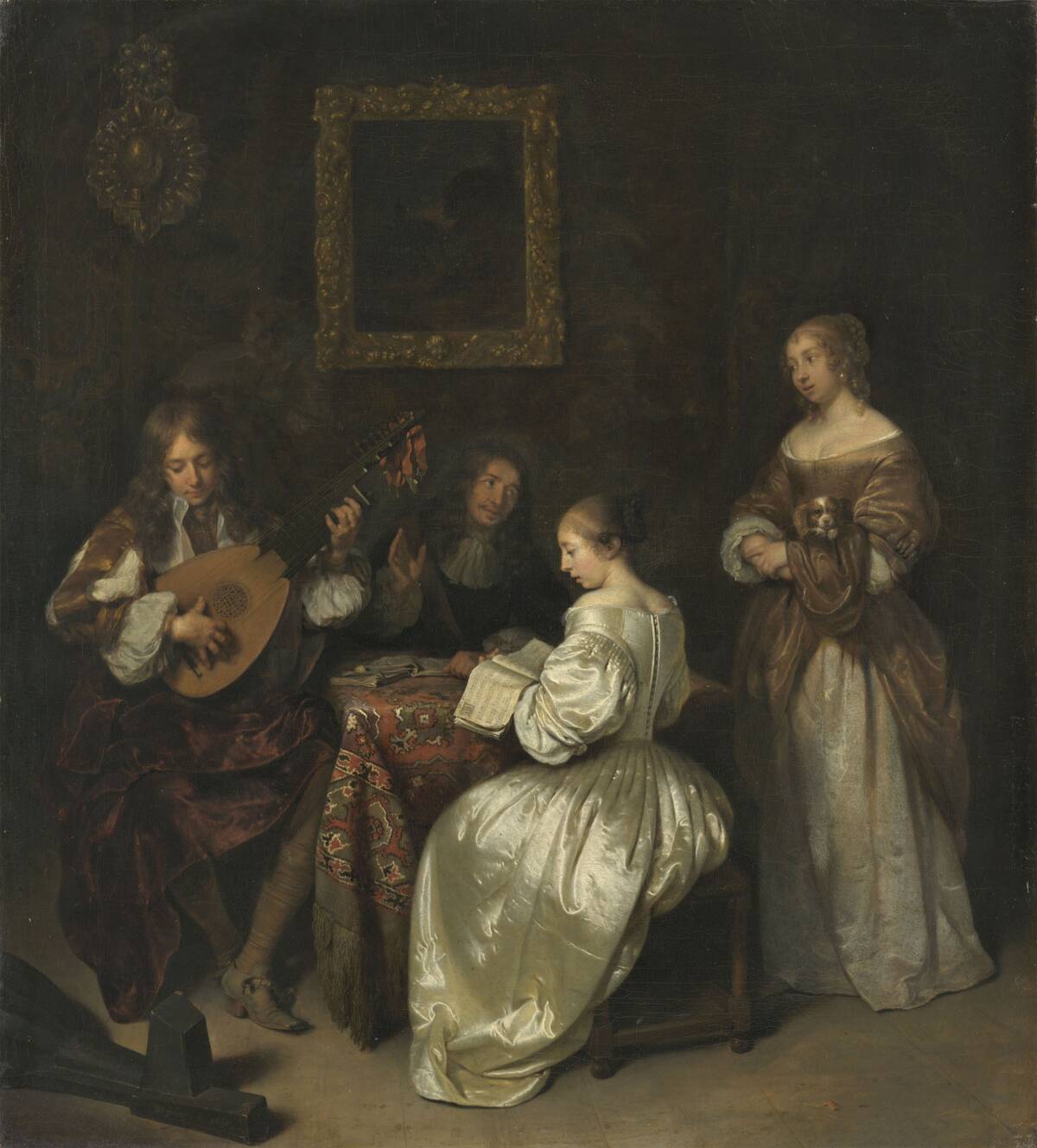
Oral tradition has been crucial in preserving ancient music, especially in cultures where written notation was rare. Songs and melodies were passed down through generations, often with the help of bards and storytellers.
This tradition allowed music to adapt and evolve while maintaining its core essence. In many parts of the world, oral traditions continue to keep ancient music alive. They serve as a living link to our past, ensuring that these cultural treasures are not forgotten.