18 historic battles won by clever deception
Throughout history, the art of deception has played a pivotal role in warfare, transforming the battlefield into a stage of cunning and cleverness. From ancient times to modern conflicts, generals have used deception to outsmart and outmaneuver their opponents.
These sly tactics have often turned the tide of battles, proving that brains can indeed triumph over brawn. Let’s delve into some of history’s most fascinating military deceptions and discover how they shaped the outcome of wars.
The Trojan Horse: A Fabled Trick of Ancient Times
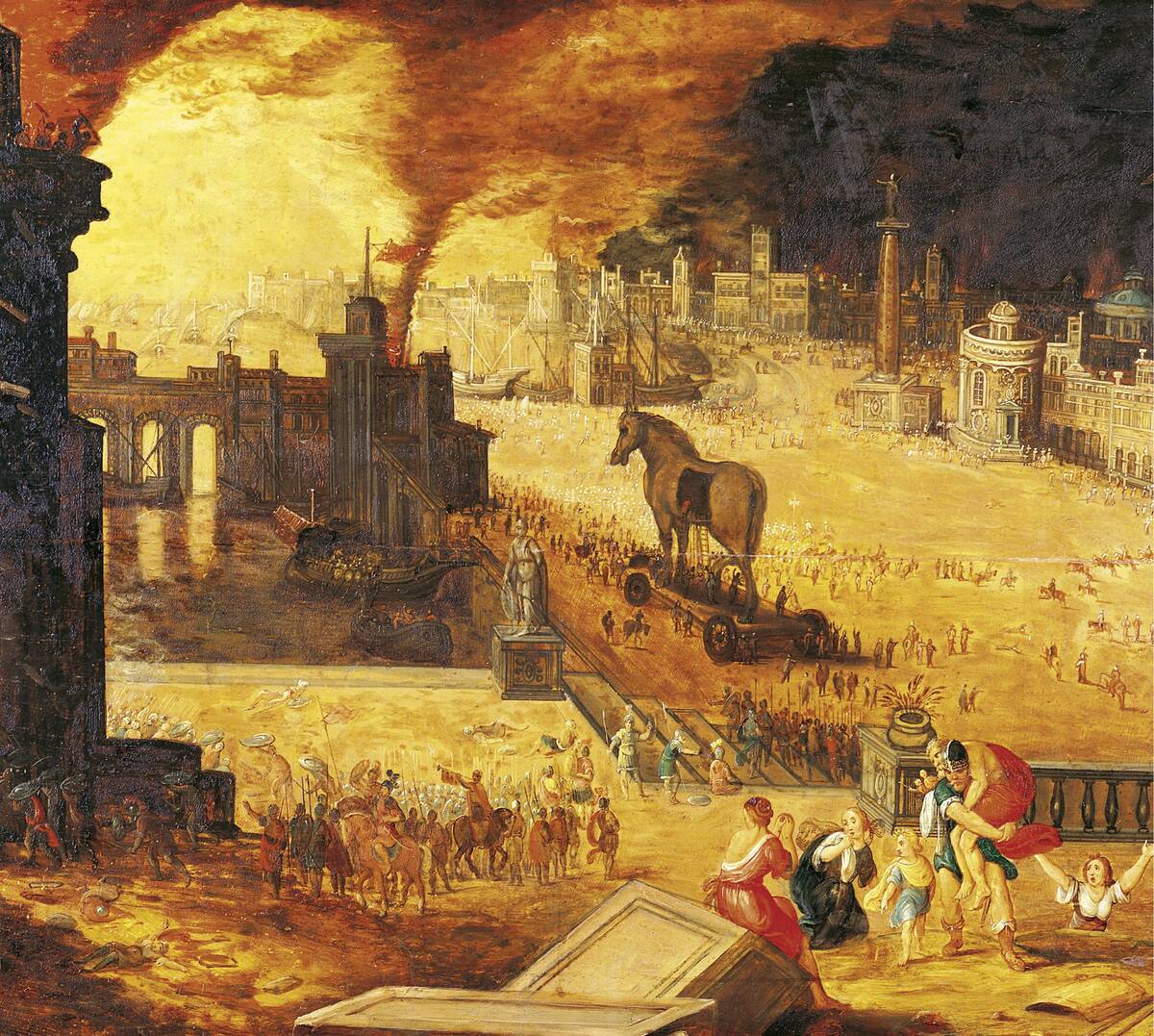
The tale of the Trojan Horse is as legendary as it gets, with the Greeks using a giant wooden horse to infiltrate the city of Troy. According to Virgil’s ‘Aeneid,’ the Greeks pretended to sail away, leaving the horse as an offering.
The unsuspecting Trojans brought the horse inside their walls, only to find Greek soldiers emerging from it at night, leading to Troy’s downfall. This story, though possibly mythical, has become the quintessential example of cunning in warfare.
The Battle of Cannae: Hannibal’s Tactical Masterpiece
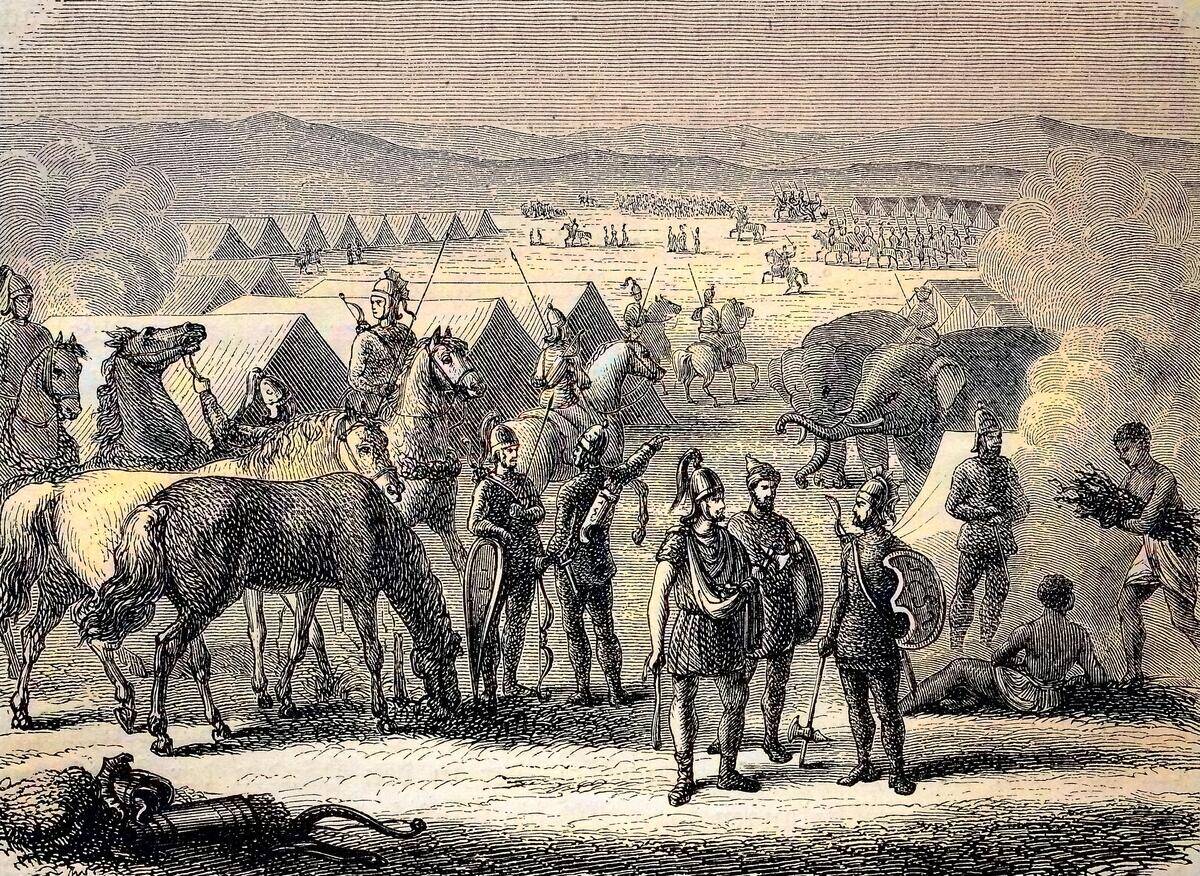
At the Battle of Cannae in 216 BCE, Hannibal Barca executed one of history’s most brilliant tactical deceptions. By deliberately thinning the center of his line, he lured the Roman legions into a trap.
As the Romans advanced, Hannibal’s troops enveloped them from the sides and rear, resulting in a devastating defeat for Rome. The tactic, known as the ‘double envelopment,’ showcases Hannibal’s genius in turning apparent weakness into overwhelming strength.
The Battle of Trenton: Washington’s Christmas Surprise
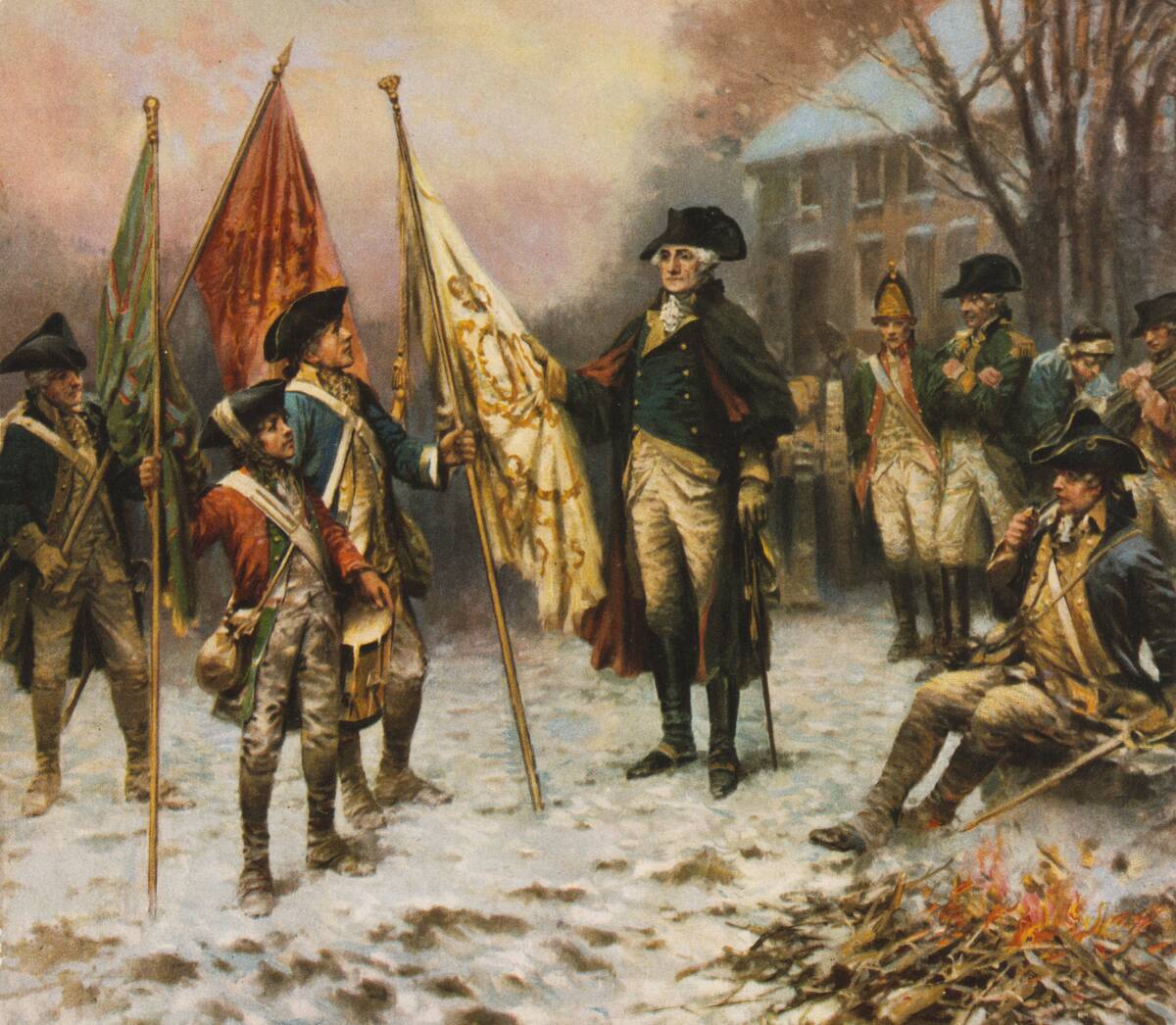
On December 25, 1776, George Washington led a daring attack across the Delaware River, surprising the Hessian forces at Trenton. The Hessians, caught off guard after Christmas celebrations, were unprepared for the assault. Washington’s timing and element of surprise marked a crucial turning point in morale during the American Revolutionary War.
This victory boosted morale and reinvigorated the Continental Army, reminding everyone that timing and audacity can be as powerful as brute force.
The Siege of Alesia: Caesar’s Ingenious Double Siege
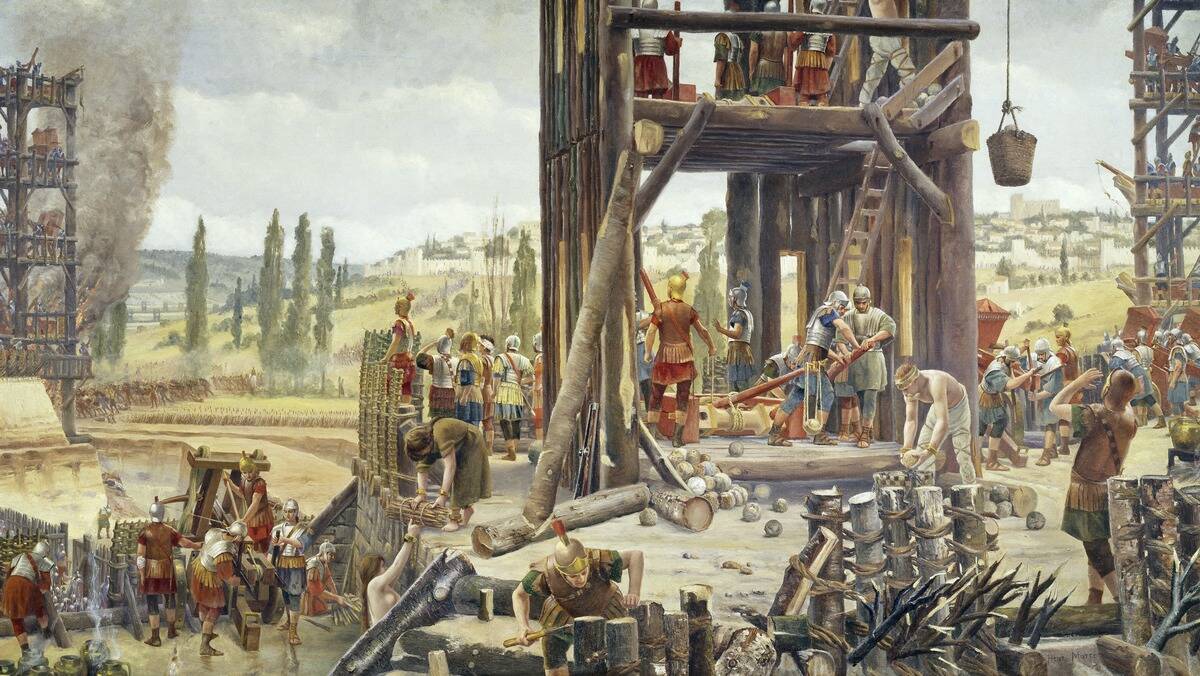
Julius Caesar’s siege of Alesia in 52 BCE is a classic example of strategic brilliance. Facing a Gallic stronghold and reinforcements, Caesar built two sets of fortifications: one facing the city and another facing outward.
This double siege trapped the enemy inside while defending against external forces. The innovative tactic resulted in a decisive Roman victory, underscoring Caesar’s reputation as a master tactician and the effectiveness of layered defenses.
The Battle of Salamis: Naval Warfare and the Lure of False Information
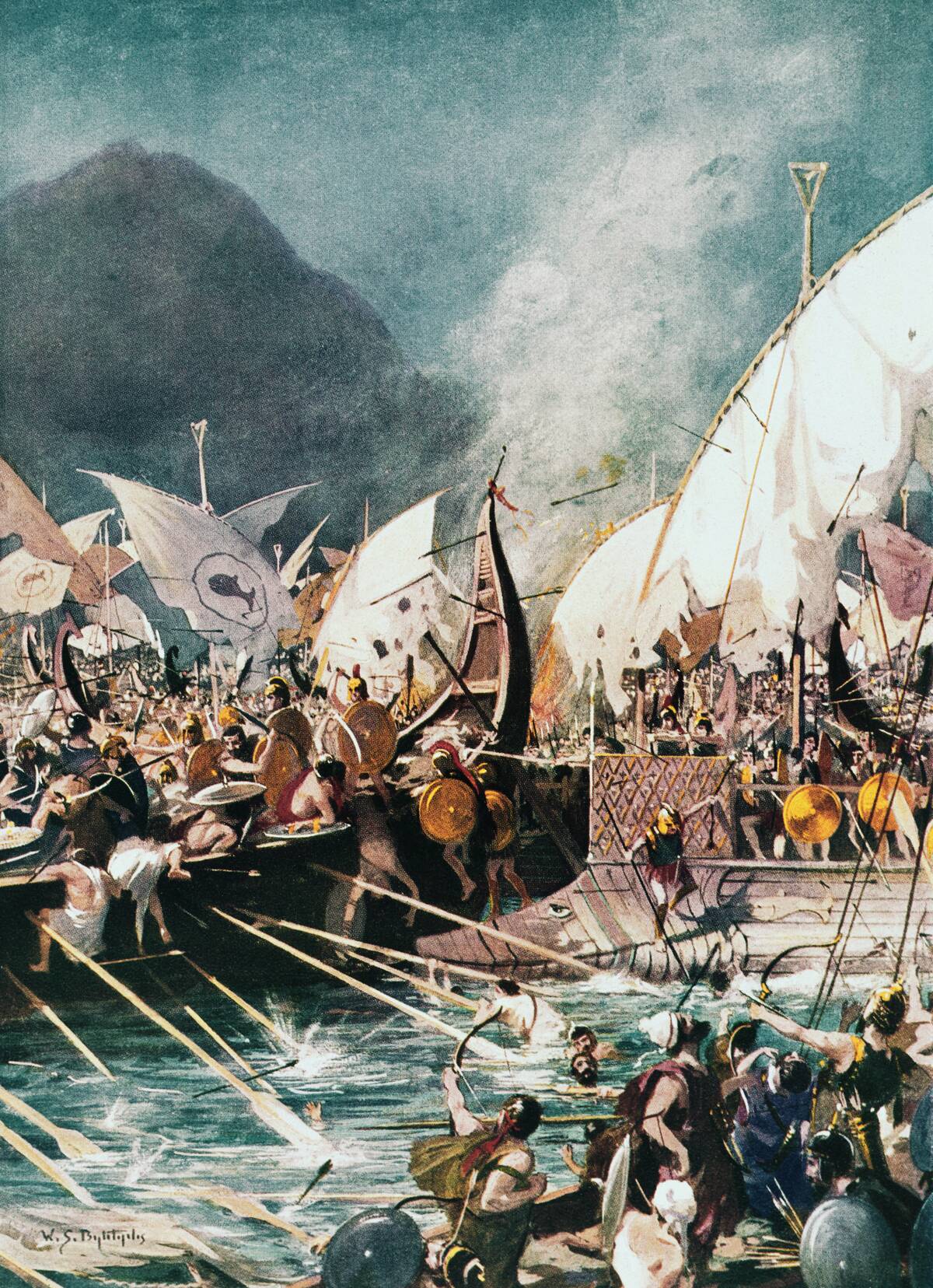
The Battle of Salamis in 480 BCE was a turning point in the Greco-Persian Wars, where the Greeks used deceptive tactics to outsmart the larger Persian fleet. Themistocles, the Greek commander, sent a false message to the Persians, convincing them that the Greek fleet was retreating.
The Persians fell for the ruse, sailing into the narrow straits of Salamis, where the nimble Greek ships lay in wait. The resulting victory was a testament to strategic misinformation and naval prowess.
The Battle of Stamford Bridge: A Viking’s Unexpected Welcome
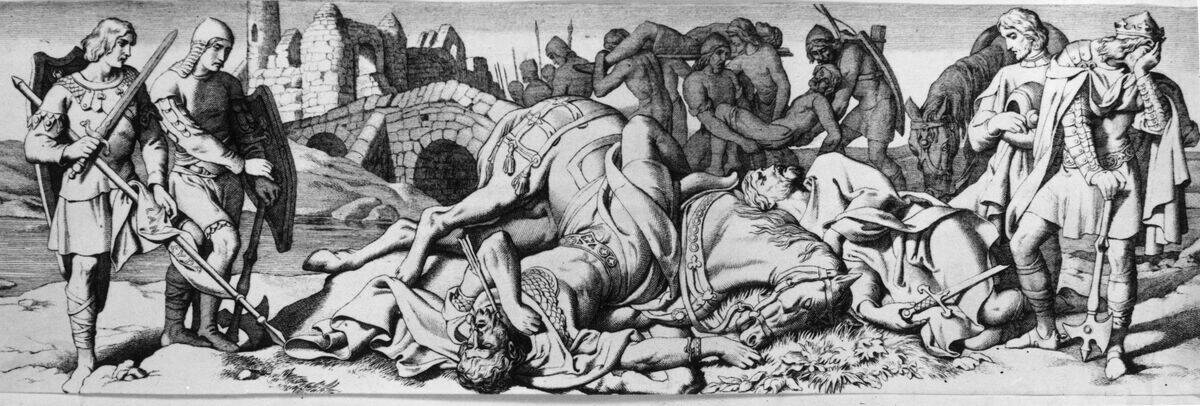
The Battle of Stamford Bridge in 1066 saw King Harold of England surprise the Viking invaders led by King Harald Hardrada. The Vikings, not expecting an attack, were caught off guard, and many had left their armor on their ships.
The English forces achieved a significant victory, ending Harald Hardrada’s invasion and the immediate Viking threat. This battle highlights the effectiveness of surprise and swift action in achieving a decisive outcome, even against seemingly formidable foes.
The Battle of the Hydaspes: Alexander the Great’s River Crossing Ruse
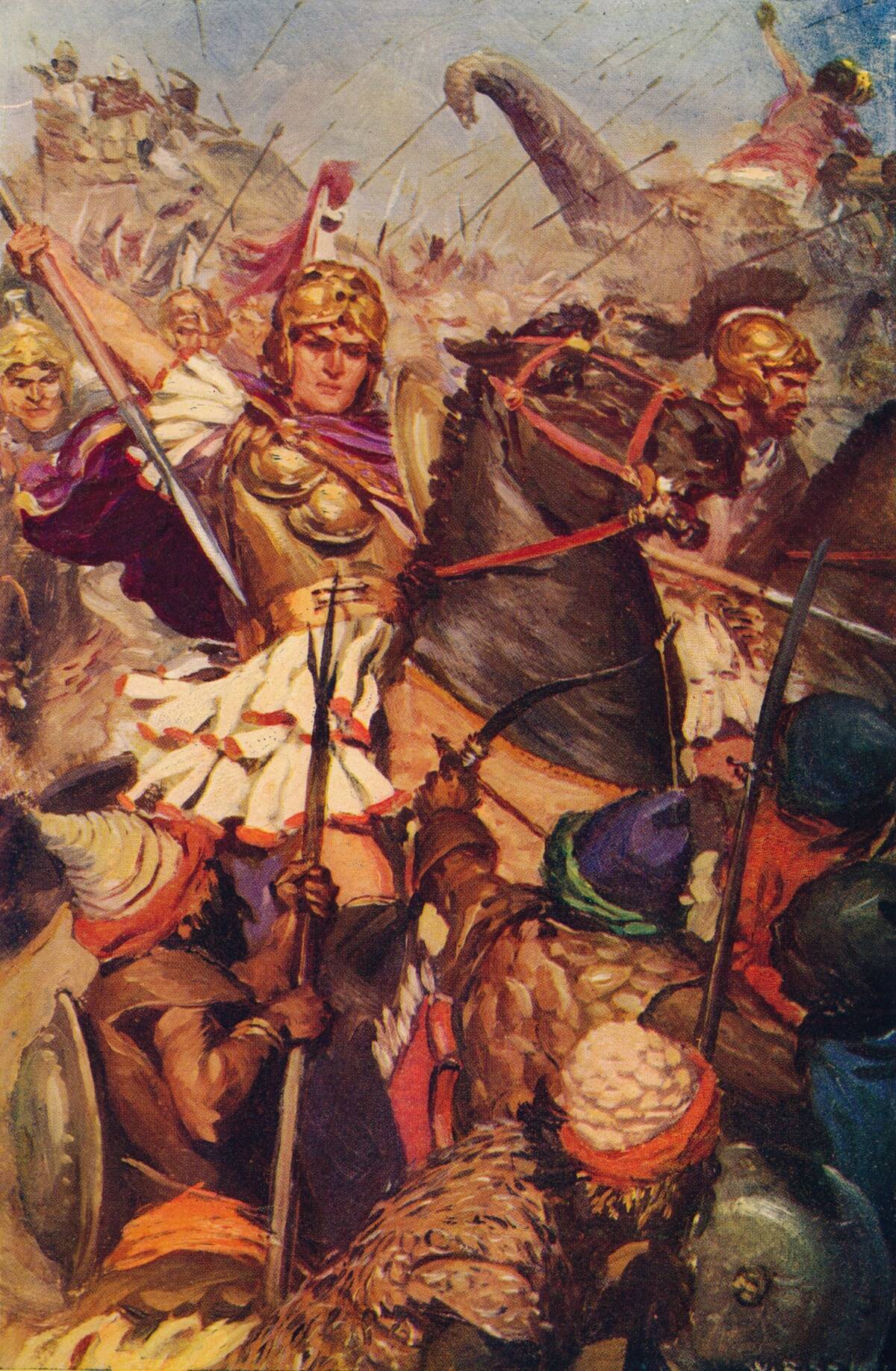
In 326 BCE, Alexander the Great faced King Porus at the Hydaspes River. To outwit his opponent, Alexander feigned crossing the river multiple times to confuse the Indian forces.
When the real crossing took place, it caught Porus by surprise, allowing Alexander to achieve a crucial victory. This battle demonstrated Alexander’s strategic ingenuity and his ability to adapt and exploit the terrain to his advantage, reinforcing his reputation as a military genius.
The Battle of Agincourt: Henry V’s Feigned Retreat Tactics
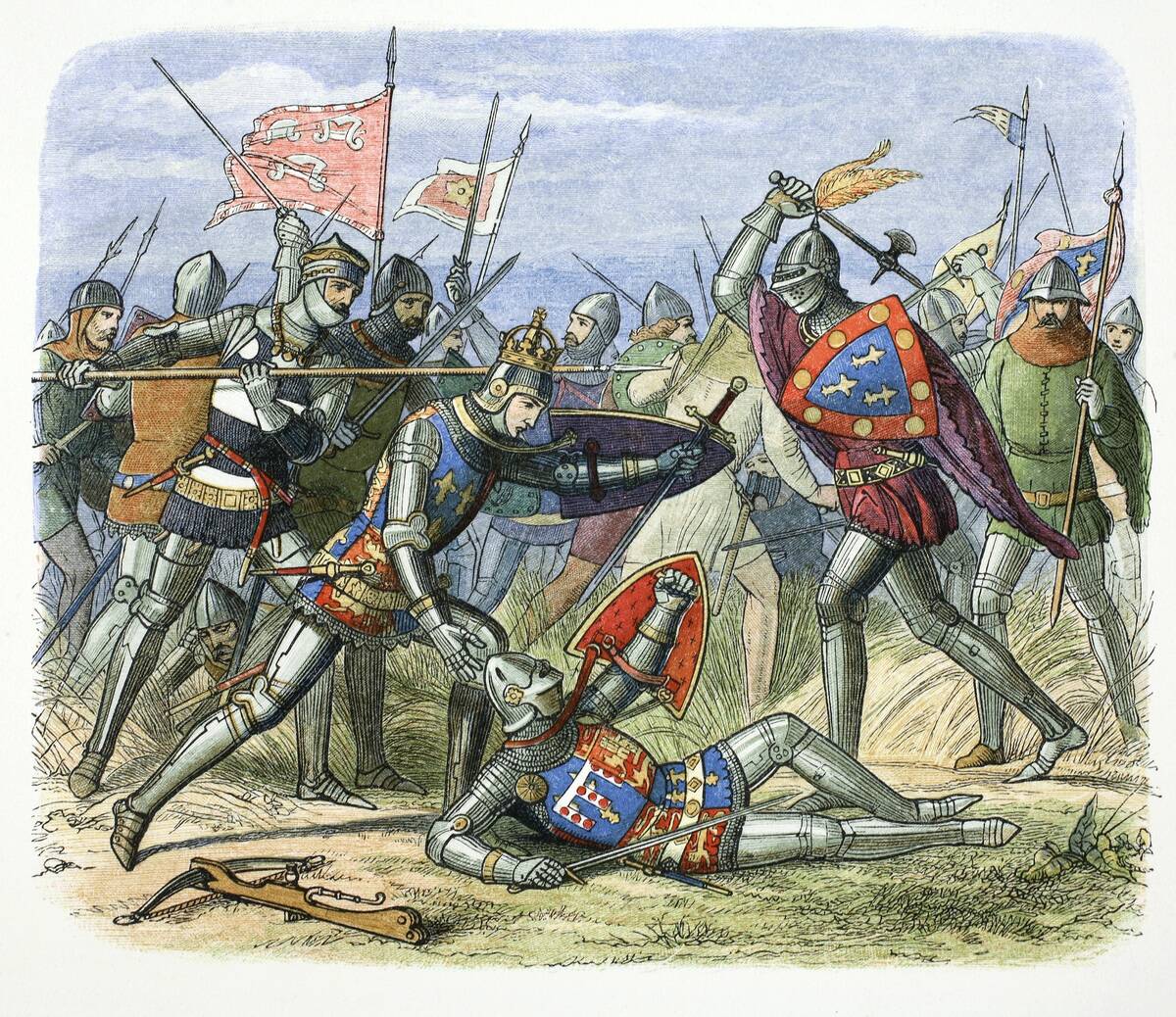
The Battle of Agincourt in 1415 is famous for Henry V’s clever use of terrain and archers. The English positioned themselves in a narrow, muddy field, which hindered the heavily armored French knights.
English longbowmen rained arrows on the struggling French forces, contributing significantly to the English victory. This battle highlights how strategic use of terrain and tactics can overcome numerical disadvantages in warfare.
The Battle of Chancellorsville: Lee’s Divisive Maneuver
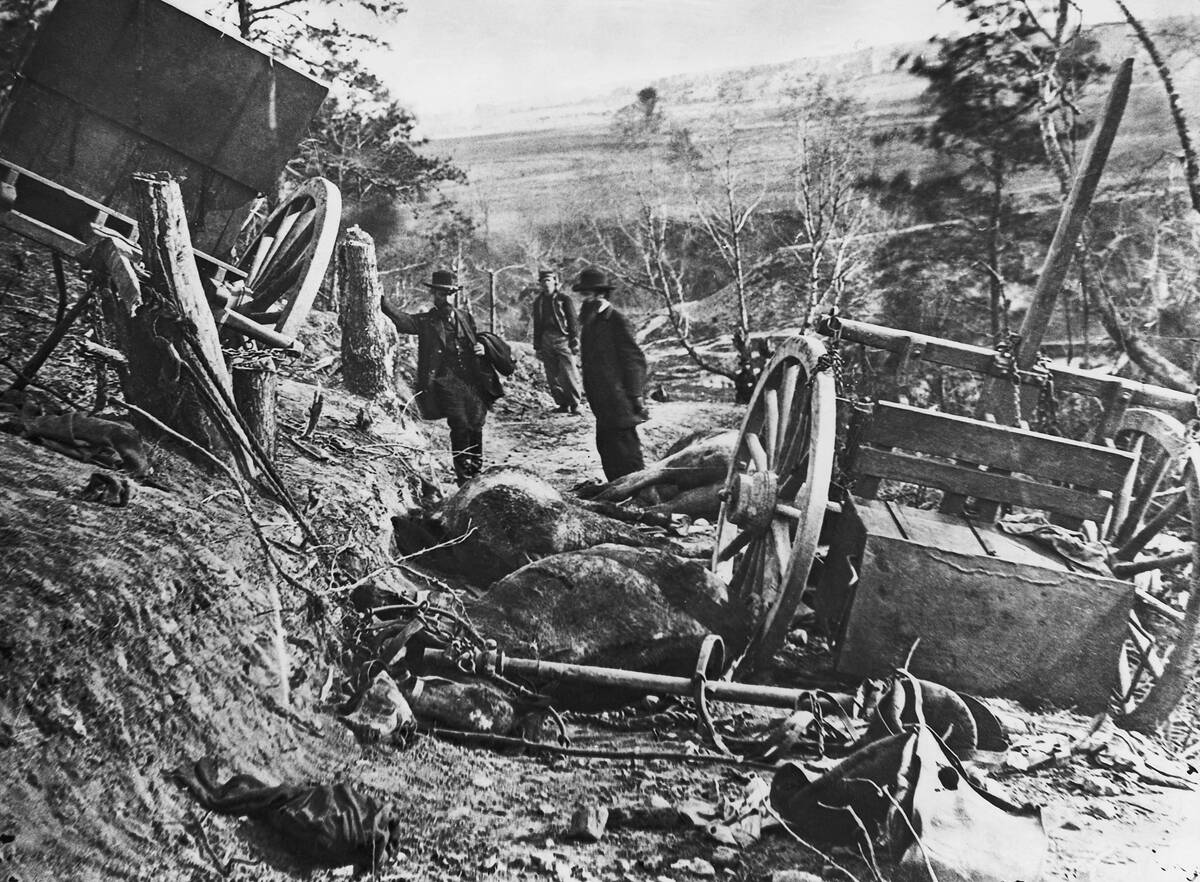
General Robert E. Lee’s victory at the Battle of Chancellorsville in 1863 is often regarded as his greatest due to his audacious tactics. Lee divided his army in the face of a larger Union force, sending Stonewall Jackson on a flanking maneuver.
The surprise attack on the Union’s right flank caused chaos and ultimately led to a Confederate victory. This daring strategy demonstrated Lee’s willingness to take risks and his ability to read the battlefield astutely.
The Siege of Vienna: The Jan Sobieski Decoy
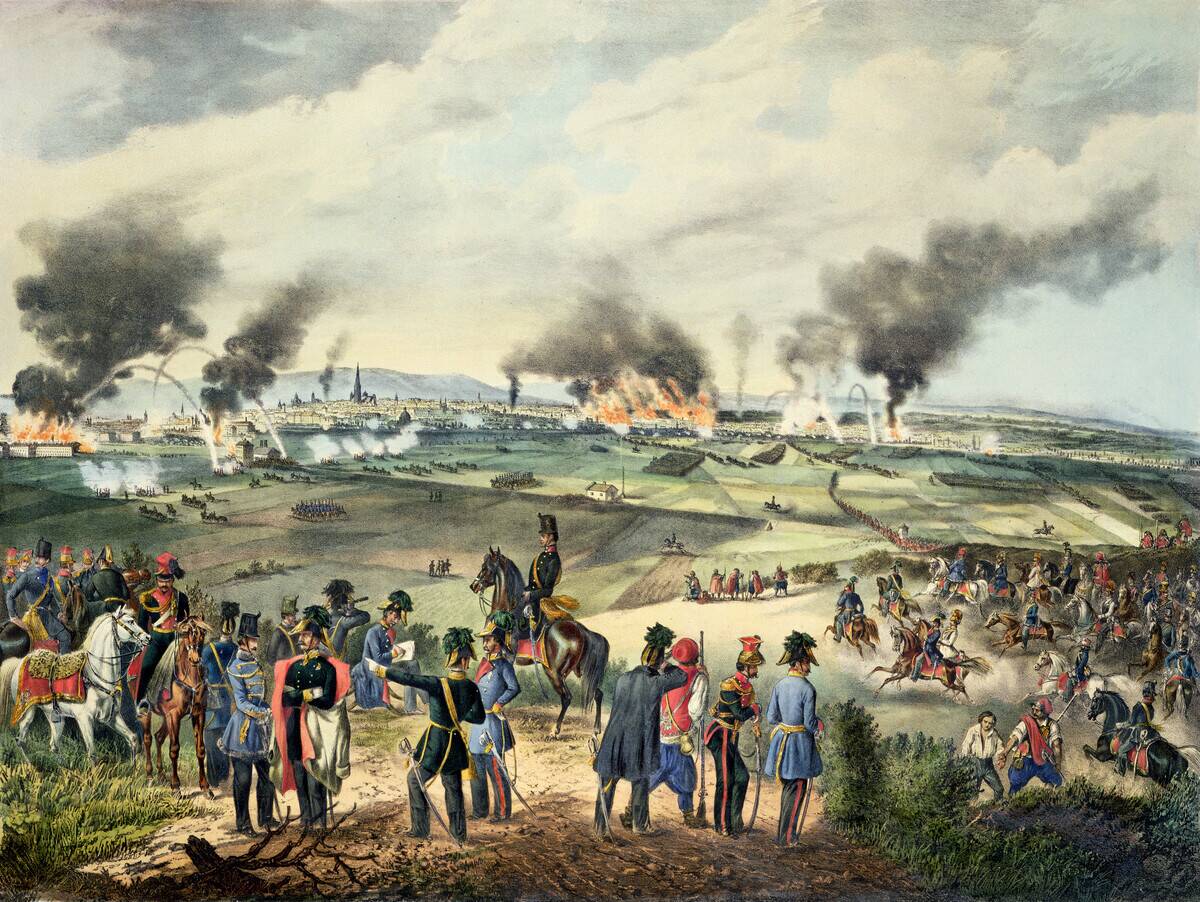
In 1683, the Siege of Vienna witnessed a masterful relief effort led by King Jan Sobieski of Poland. As the Ottomans besieged the city, Sobieski and his allies coordinated a surprise attack that culminated in the decisive charge of the Polish Winged Hussars, breaking the Ottoman siege.
This victory not only saved Vienna but also marked a turning point in the struggle against Ottoman expansion.
The Battle of Midway: Cryptography and Aircraft Carrier Ambush
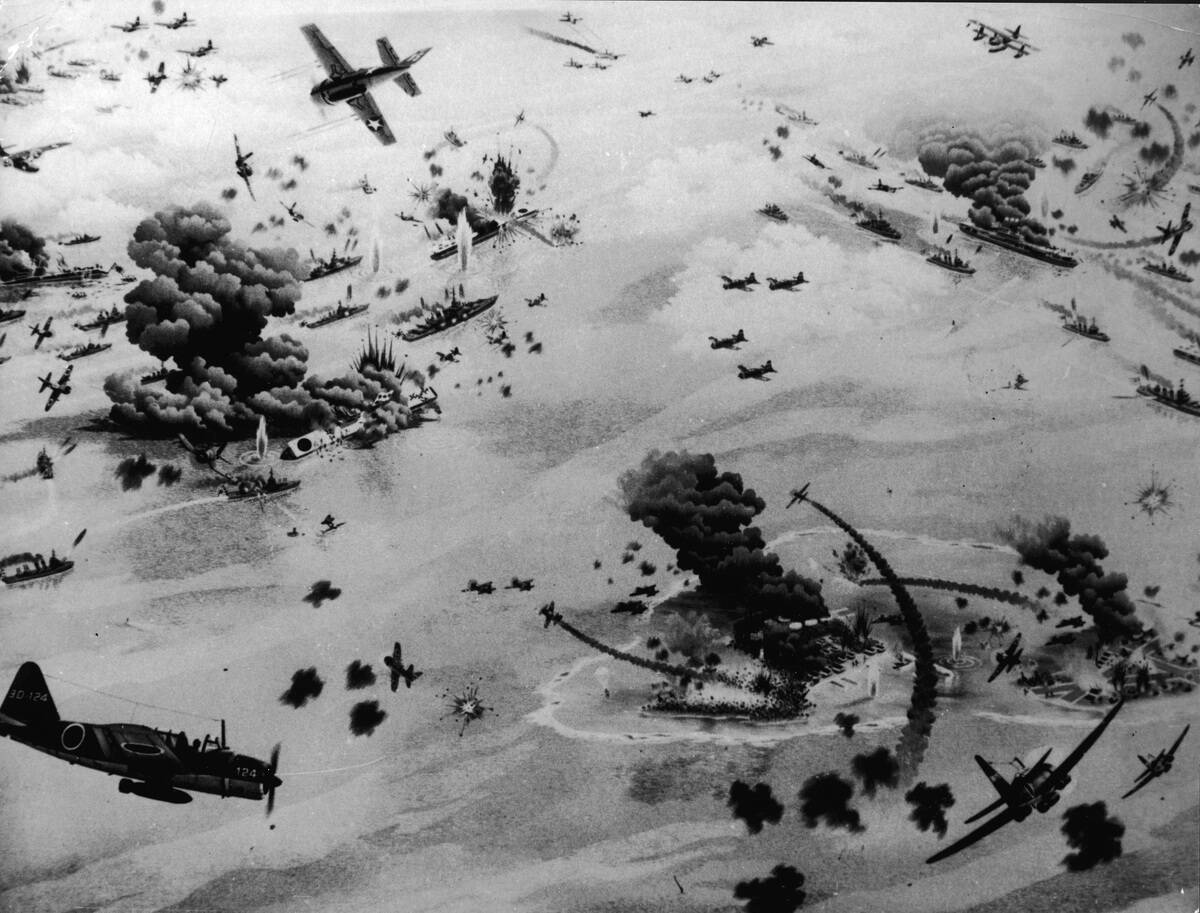
The Battle of Midway in 1942 was a pivotal moment in World War II, thanks to American cryptographers who cracked Japanese codes. Forewarned about the Japanese attack plan, the U.S.
Navy set up an ambush, resulting in the destruction of four Japanese aircraft carriers. This victory shifted the balance in the Pacific theater and underscored the critical role of intelligence and codebreaking in modern warfare, proving that knowledge can indeed be power.
The Battle of the Bulge: Hitler’s Last Great Gamble with Deceptive Strategies
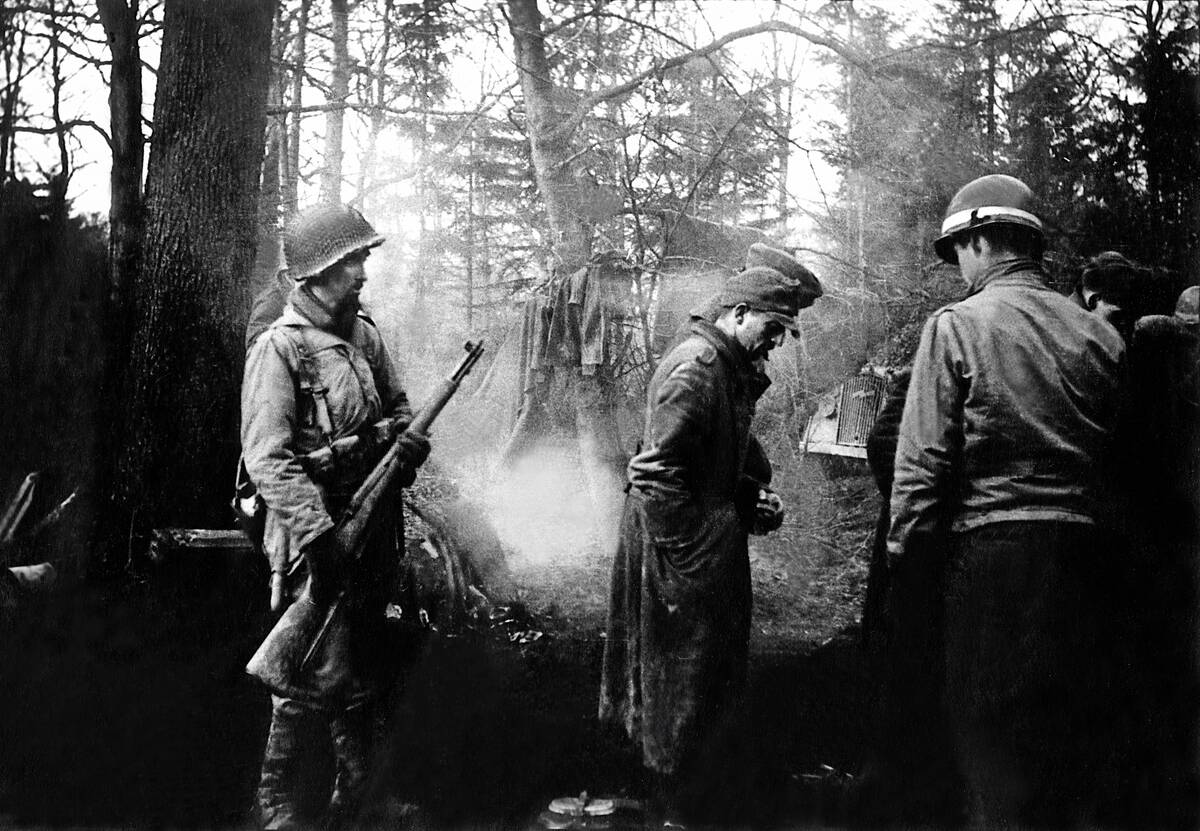
In December 1944, Hitler launched the Battle of the Bulge, his last major offensive on the Western Front. The Germans employed deceptive tactics, including false radio transmissions and infiltration by English-speaking soldiers, to confuse the Allies.
Though initially successful, the offensive ultimately failed due to logistical challenges and stiff Allied resistance. This battle exemplifies how even well-planned deception can falter without sufficient support and resources.
The D-Day Landings: Operation Fortitude and the Ghost Army
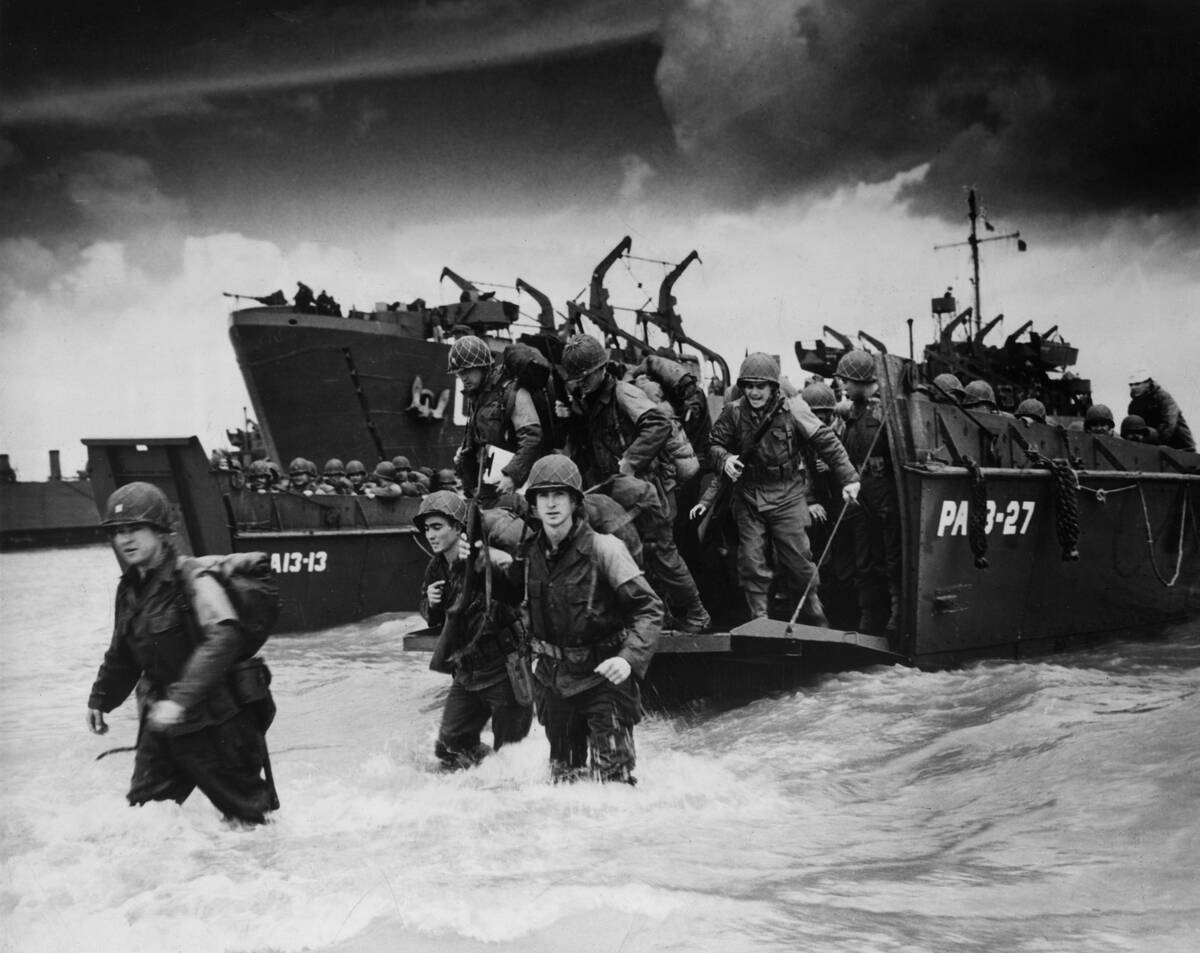
Operation Fortitude was a critical component of the D-Day invasions in 1944. The Allies created a phantom army, complete with inflatable tanks and fake radio traffic, to convince the Germans that the invasion would occur at Pas de Calais.
This deception allowed the real landings in Normandy to catch the German defenses off-balance. The success of this operation demonstrated the power of misdirection and strategic planning in large-scale military campaigns.
The Battle of Hannut: The French Trap that Almost Worked
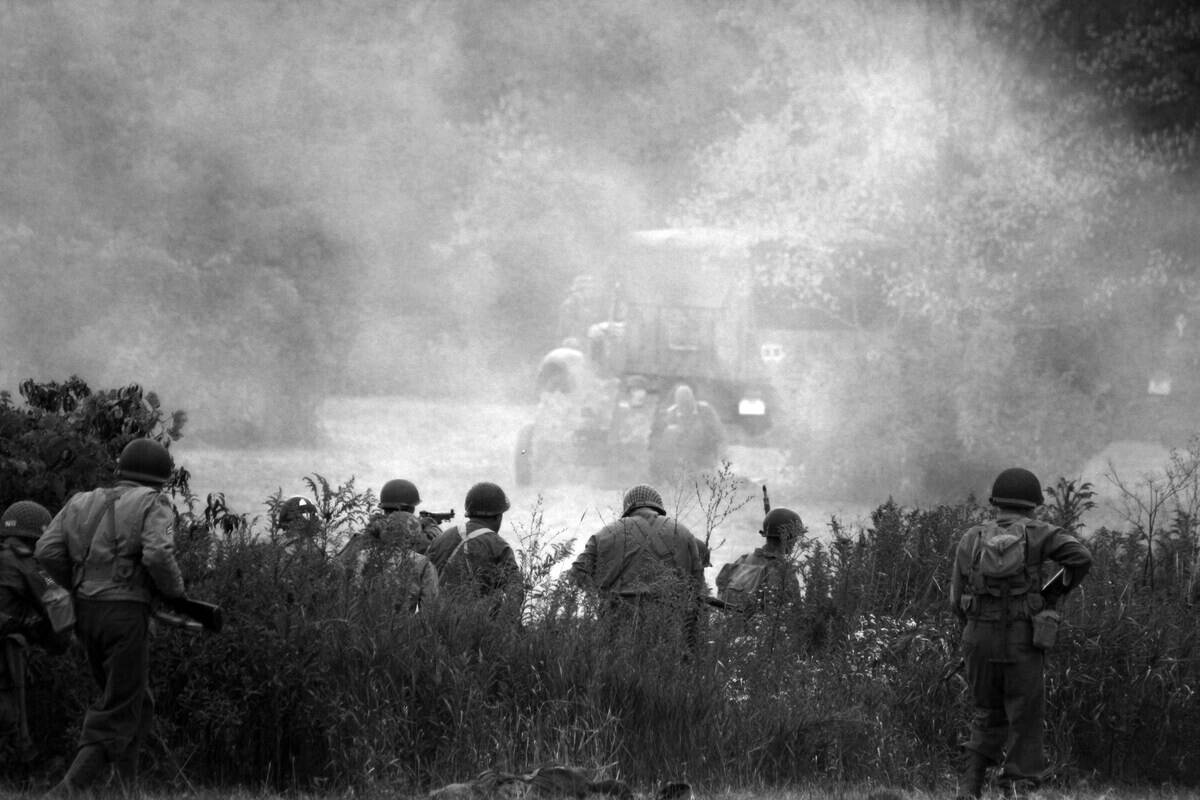
The Battle of Hannut in May 1940 was an early World War II clash where French forces tried to slow the advancing German panzers. The French engaged in maneuvering and counterattacks in an attempt to exploit any vulnerabilities, but communication challenges and the speed of the German advance limited their effectiveness. While the French plan did not succeed, the battle highlighted the importance of coordination, timing, and rapid decision-making in armored warfare.
The Battle of Isandlwana: Zulu Deception in the Anglo-Zulu War
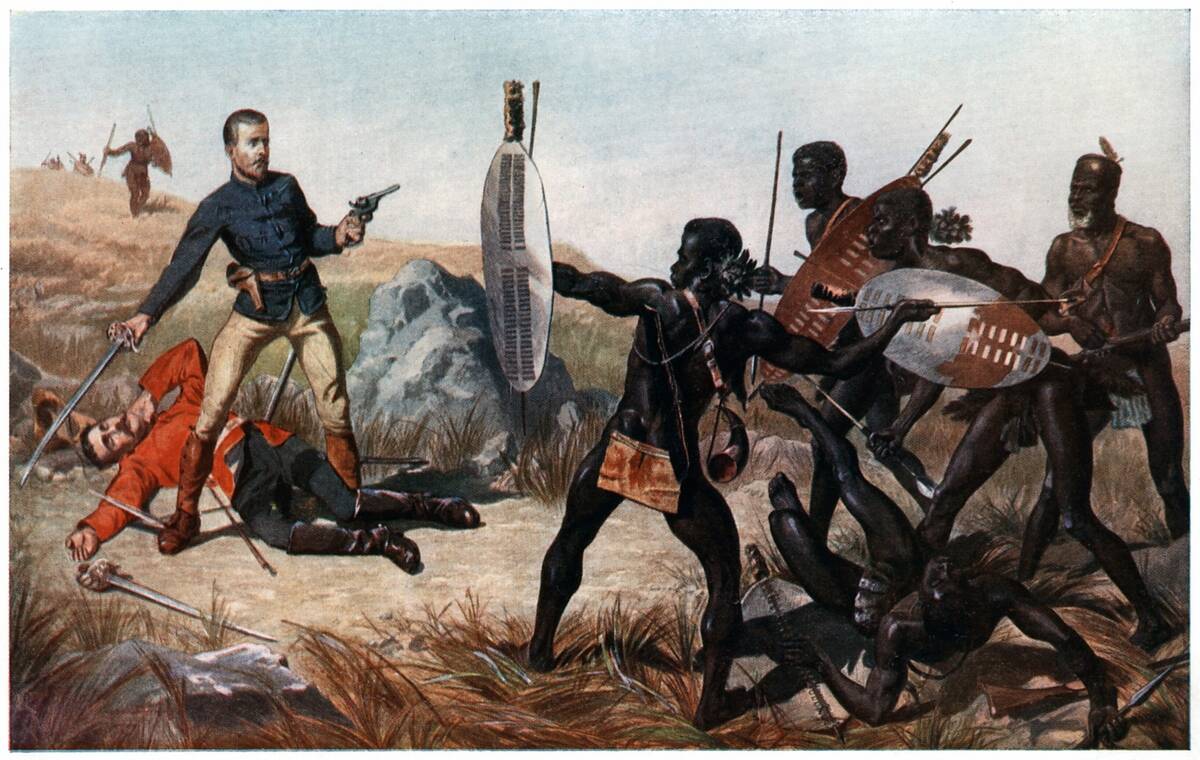
In 1879, the Battle of Isandlwana saw the Zulu forces achieve a stunning victory over the British. The Zulus used deceptive tactics, including hidden movements and surprise attacks, to encircle and overwhelm the British camp.
The victory demonstrated the effectiveness of traditional warfare strategies and the ability of indigenous forces to adapt and exploit weaknesses in technologically superior opponents, challenging assumptions about colonial military dominance.
The Battle of El Alamein: The Magic of Diversion and Camouflage
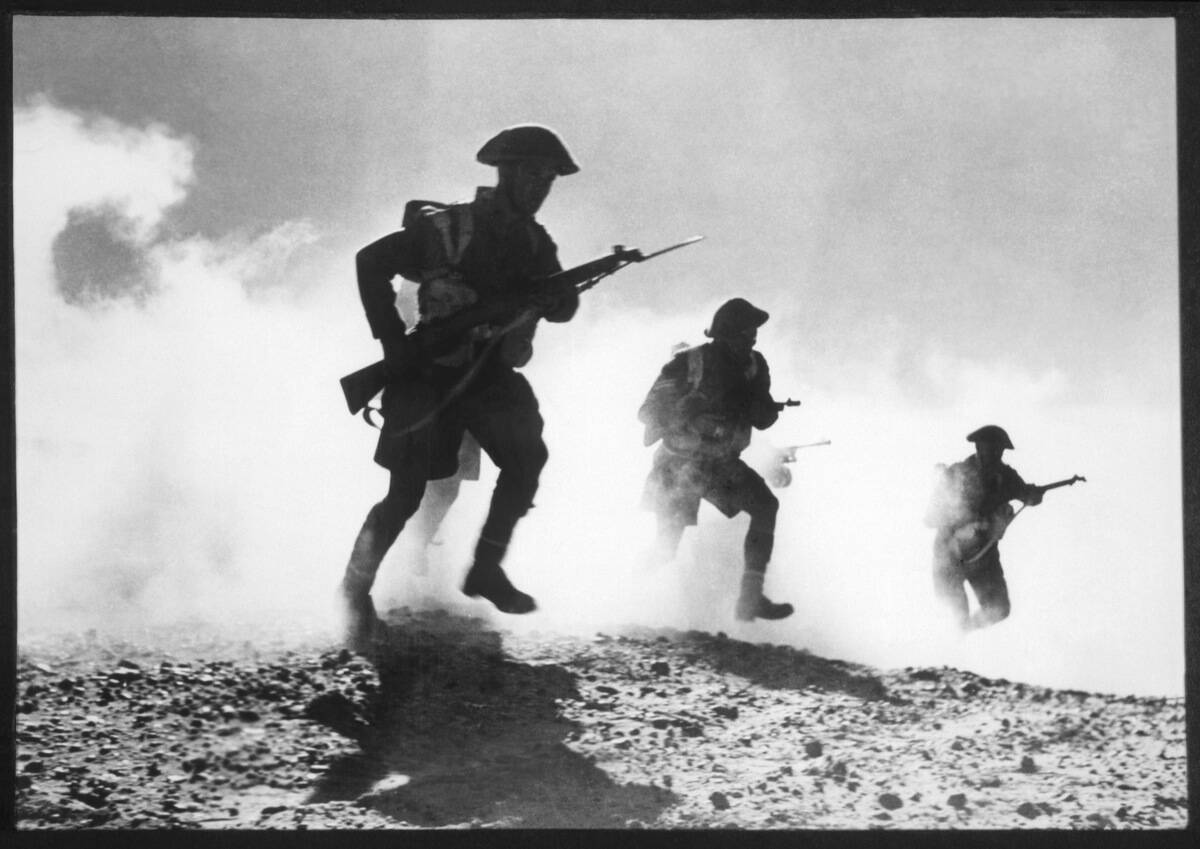
The Second Battle of El Alamein in 1942 was a turning point in the North African campaign, where the Allies used deception to mislead Axis forces. Operation Bertram involved elaborate camouflage and dummy tanks to disguise the true location and strength of the Allied forces.
This misdirection played a crucial role in the eventual Allied victory, showcasing how creativity and resourcefulness in camouflage can turn the tide in desert warfare.
The Battle of Quebec: Wolfe’s Nighttime Climb and Surprise Attack
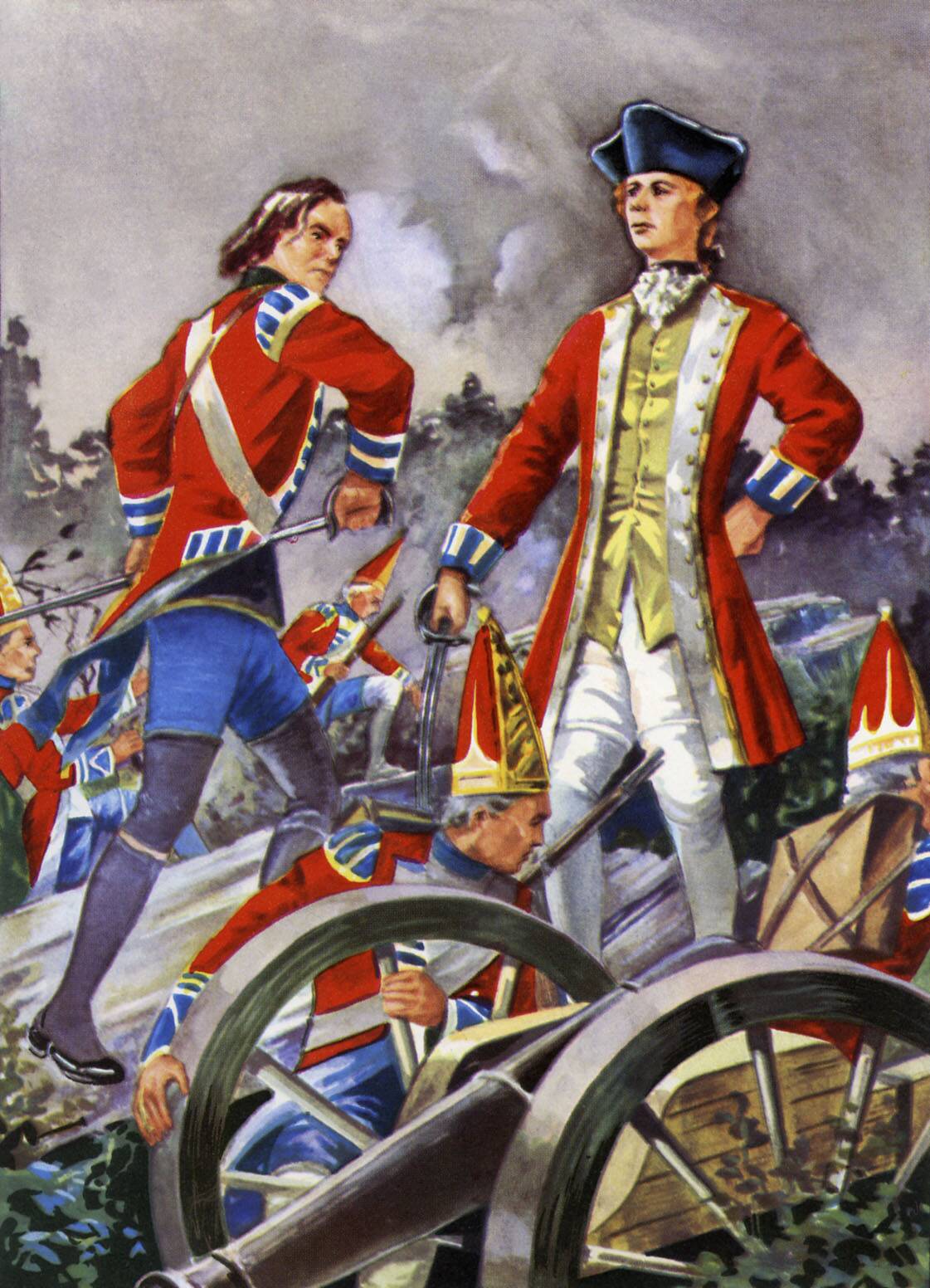
In 1759, General James Wolfe led a daring surprise attack during the Battle of Quebec by climbing the steep cliffs outside the city at night. This maneuver allowed British forces to catch the French defenders off guard, leading to a decisive victory.
Wolfe’s bold strategy highlighted the importance of surprise and terrain in military success, as well as the willingness to take significant risks to achieve a strategic advantage.
The Siege of Petersburg: Grant’s Underground Explosive Scheme
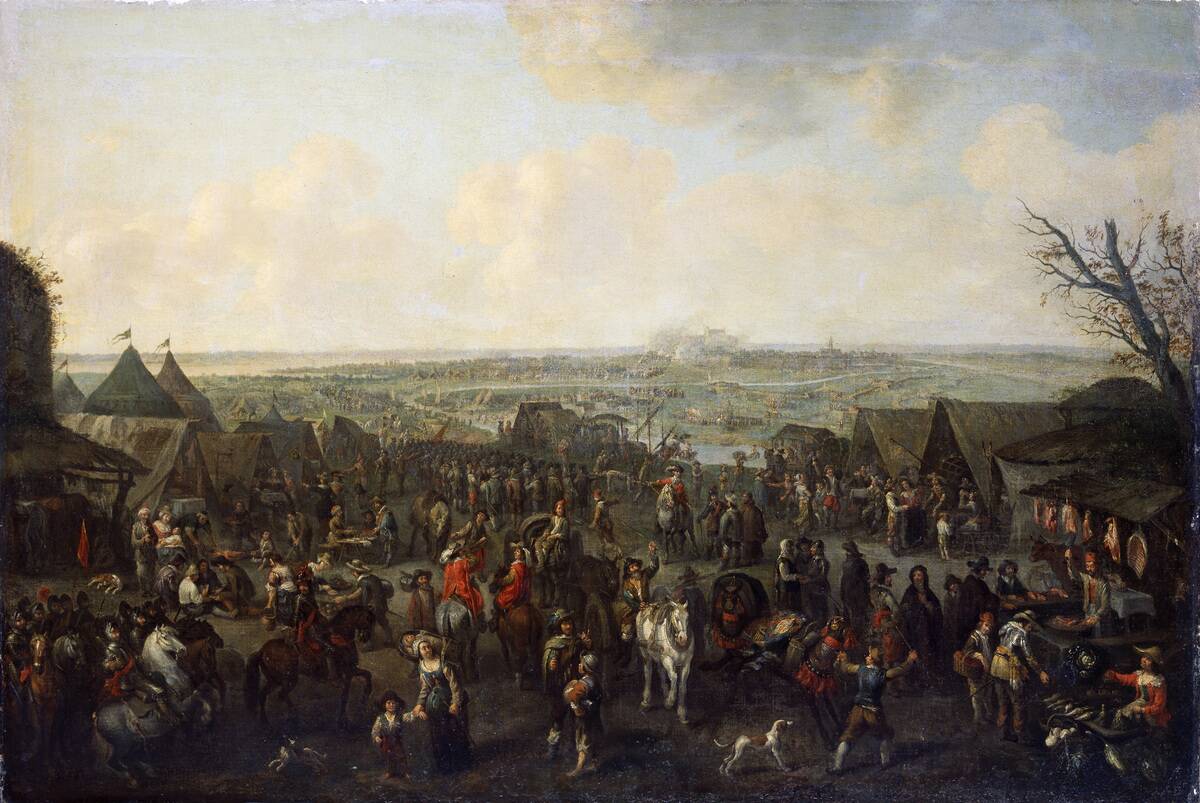
The Siege of Petersburg in 1864 saw Union forces under General Ulysses S. Grant attempt a novel approach to break the Confederate lines. By digging a tunnel beneath the enemy fortifications and filling it with explosives, they aimed to create a breach.
While the explosion, known as the Battle of the Crater, succeeded in its initial aim, poor execution of the follow-up assault led to a costly failure. This event underscores the importance of planning and coordination in executing innovative tactics.




