Photos of prehistoric art in ancient caves
Step into the mesmerizing world of ancient cave art, where the walls of remote caverns speak the language of our distant ancestors. These artworks, dating back tens of thousands of years, are more than just pretty pictures; they are windows into the minds of early humans.
From the stunning depictions of animals to abstract symbols, cave art continues to intrigue archaeologists, historians, and art enthusiasts alike. These creations offer a peek into the past, revealing the complexities of prehistoric life.
The Allure of Caves: Nature’s Perfect Canvas
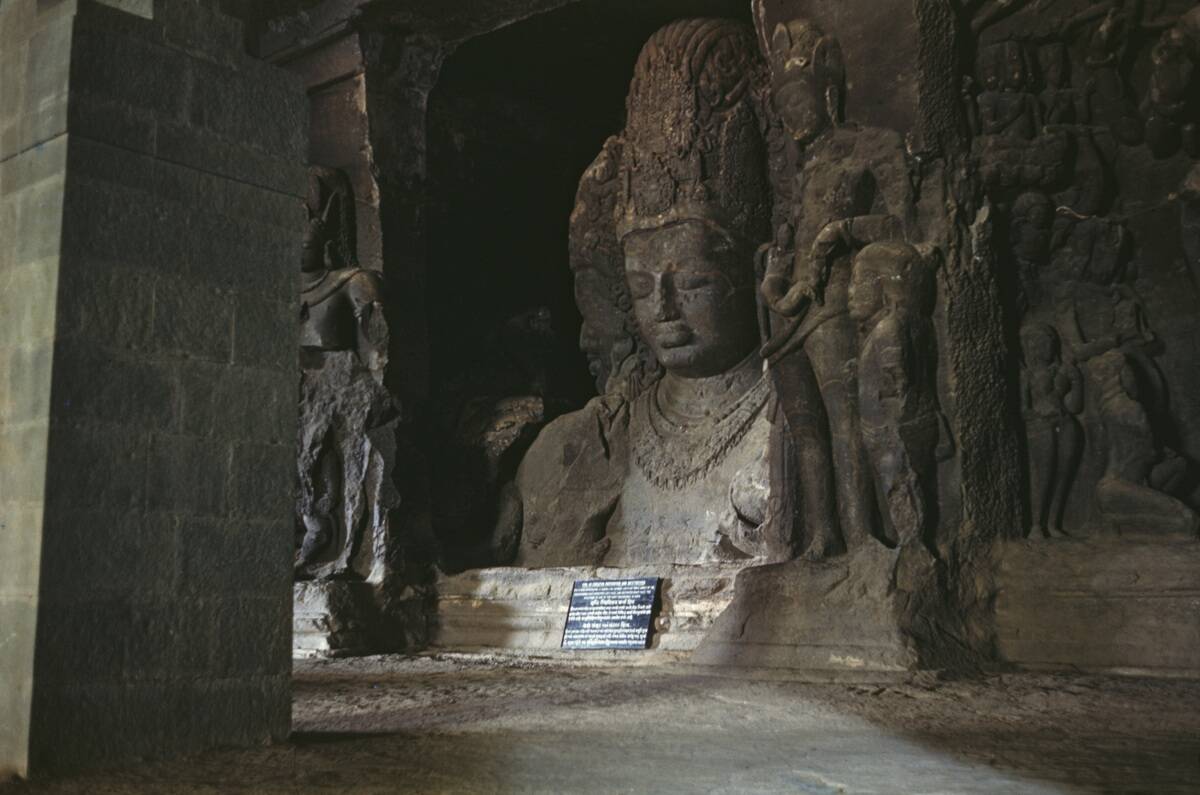
Caves have long served as natural shelters for humans, providing protection from harsh weather and predators. But beyond their practical use, caves offered the perfect environment for creating and preserving art.
The cool, dark interiors of caves kept paintings safe from the elements, while the textured stone walls provided a unique canvas. This natural setting allowed early artists to experiment with techniques, creating intricate works that are still visible today. The allure of these hidden galleries continues to captivate explorers and researchers.
How Caves Have Preserved Art Over Millennia
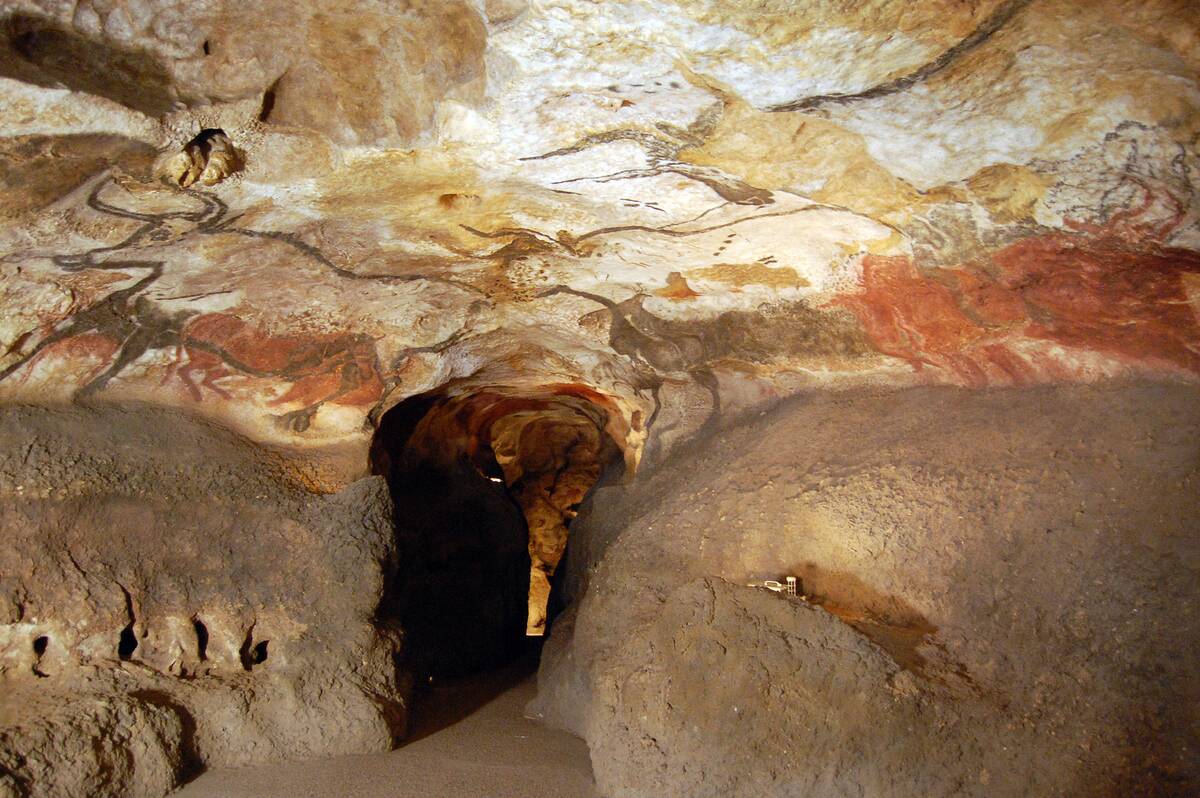
The preservation of cave art is one of nature’s miracles. The stable temperature and humidity levels in caves have played a crucial role in keeping these ancient masterpieces intact. Unlike exposed surfaces, cave walls are shielded from wind, rain, and sunlight, which can cause fading and erosion.
This unique environment has allowed pigments to remain vibrant for thousands of years. Additionally, the mineral-rich surfaces of some caves have helped to fix pigments in place, acting as a protective barrier against time.
The Role of Climate in Cave Art Preservation
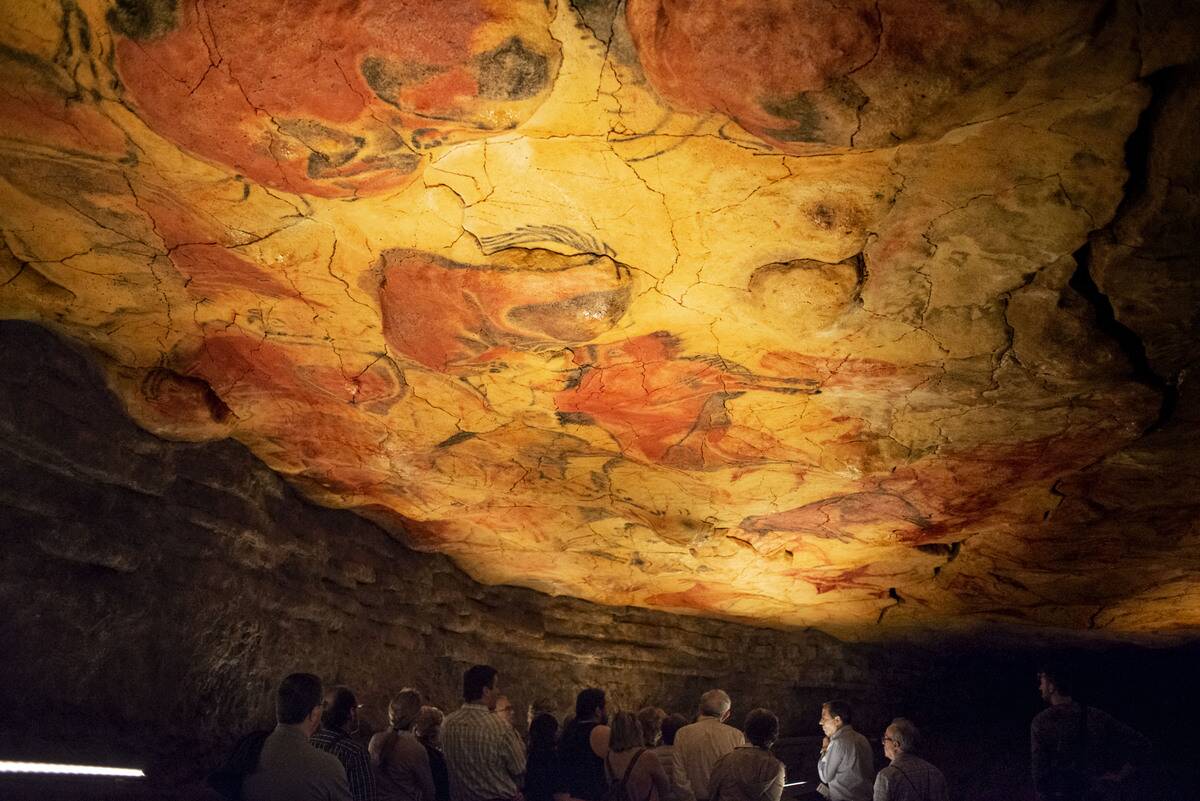
Climate has been a silent guardian of cave art, dictating the preservation conditions of these ancient works. In regions where the climate is particularly stable, cave art has survived remarkably well.
For example, the dry climate of the Altamira caves in Spain has helped maintain the vivid colors of its paintings. Conversely, caves in more humid or variable climates face greater challenges, as fluctuations can lead to mold growth and other forms of deterioration. Understanding these dynamics is key to protecting cave art for the future.
Famous Cave Art Sites Around the World
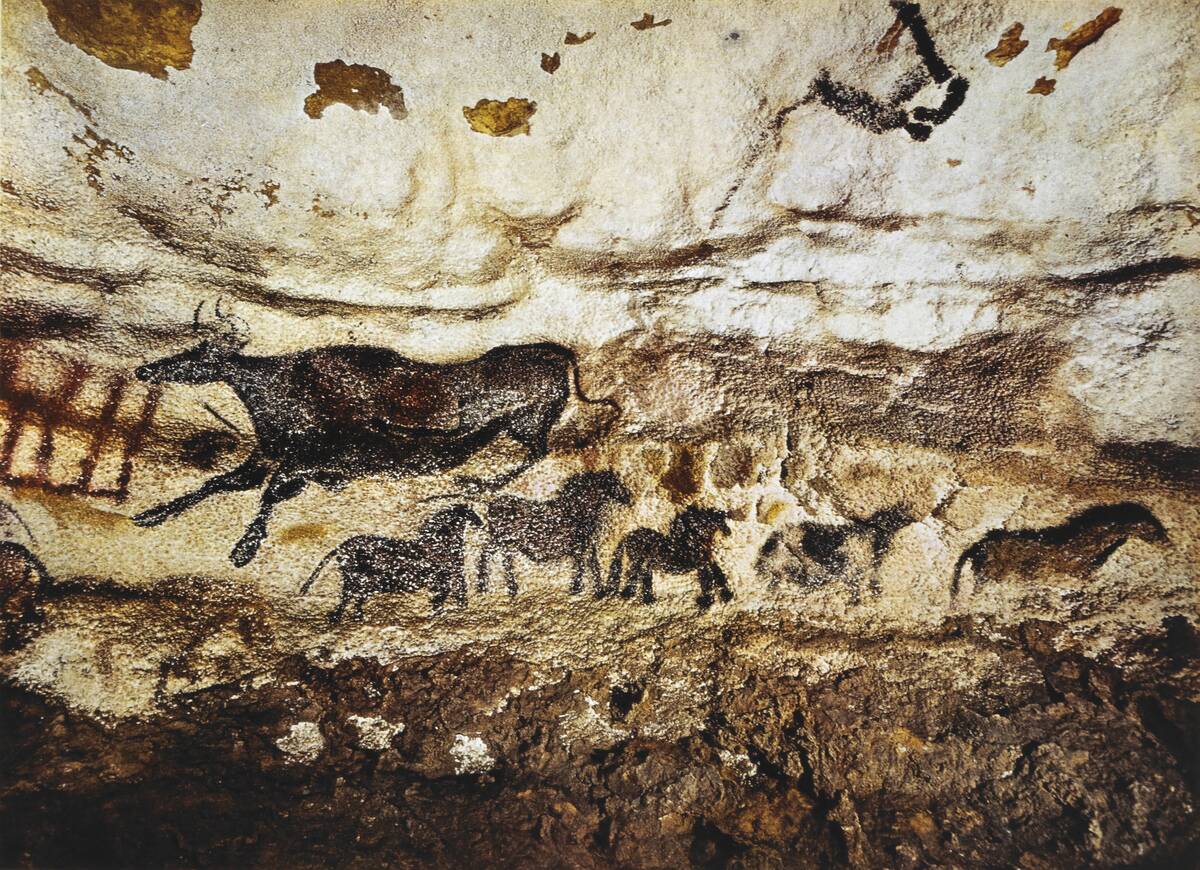
Among the most famous cave art sites is Lascaux in France, renowned for its stunning depictions of large animals. In Spain, the Altamira cave boasts vivid images that earned it the title of the "Sistine Chapel of Prehistory."
Across the globe in Indonesia, the caves of Sulawesi hold some of the oldest known hand stencils and animal images. Each of these sites offers unique insights into the creativity and lives of early humans, drawing visitors and researchers from around the world to witness these ancient treasures.
The Artistry of Our Ancestors: Techniques and Tools
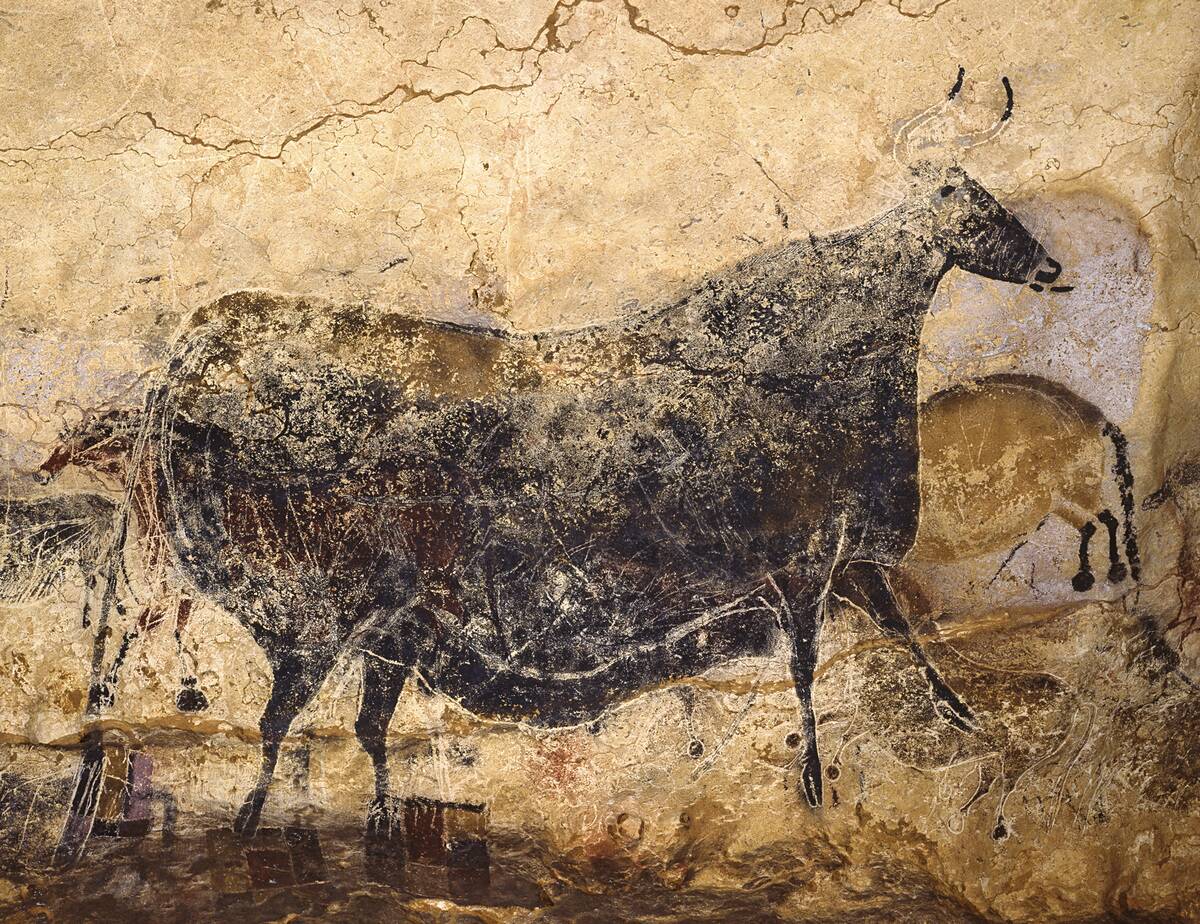
Our ancestors were not only artists but also innovative craftsmen, utilizing a range of tools and techniques to create their cave art. They used natural pigments like ochre, charcoal, and hematite to paint, often applying them with brushes made from animal hair or reeds.
In some instances, they even used their hands to apply paint directly to the walls. Techniques such as blowing pigments through hollow bones created intricate stencils, demonstrating a sophisticated understanding of art and materials even tens of thousands of years ago.
Decoding the Messages: What Ancient Cave Art Tells Us
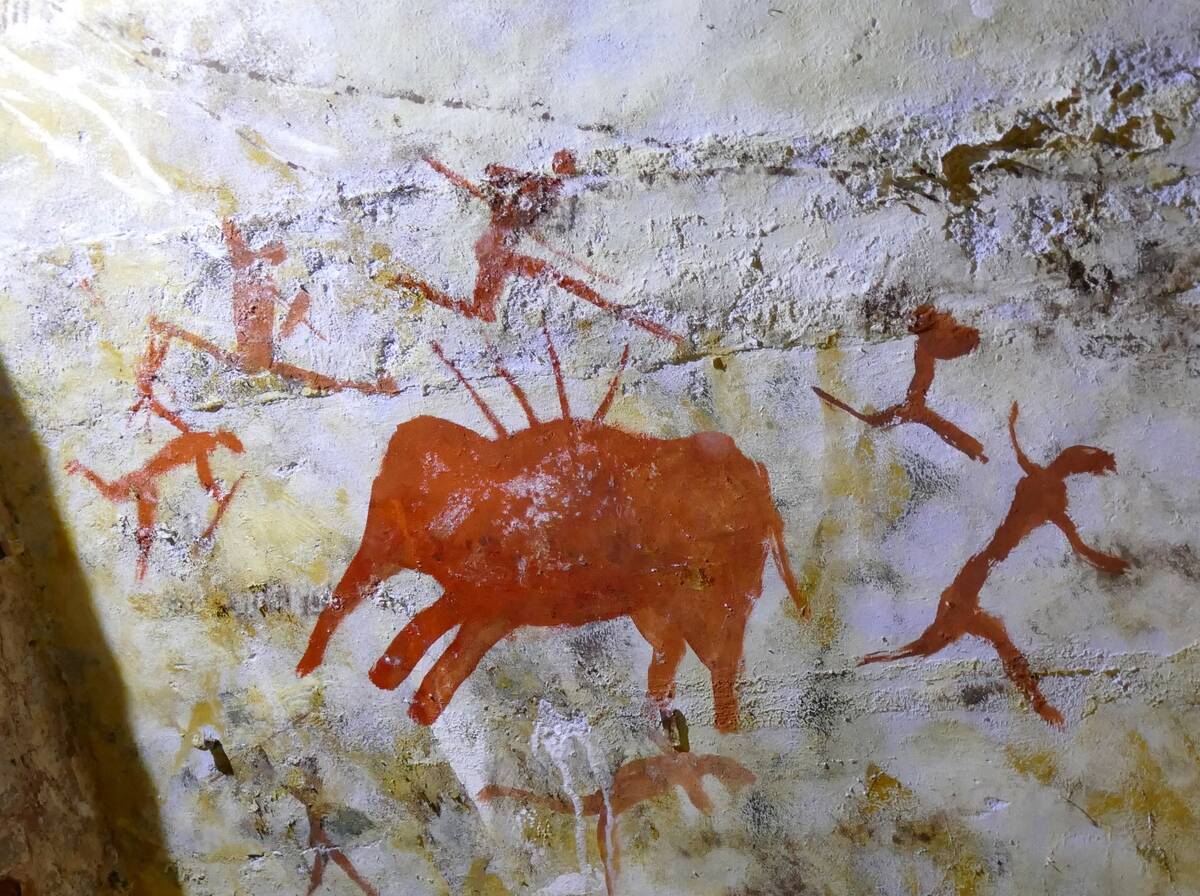
Ancient cave art is more than just decoration—it’s a narrative of human history. The images offer clues about the beliefs, rituals, and daily life of prehistoric communities. For instance, some paintings may have been used in hunting rituals, intended to invoke success.
Others suggest early forms of storytelling, with scenes depicting sequences of events. These artworks also provide evidence of social structures, as the presence of certain animals or symbols can indicate the importance of particular species or spiritual beliefs at the time.
Animals, Symbols, and Stories: Common Themes in Cave Art
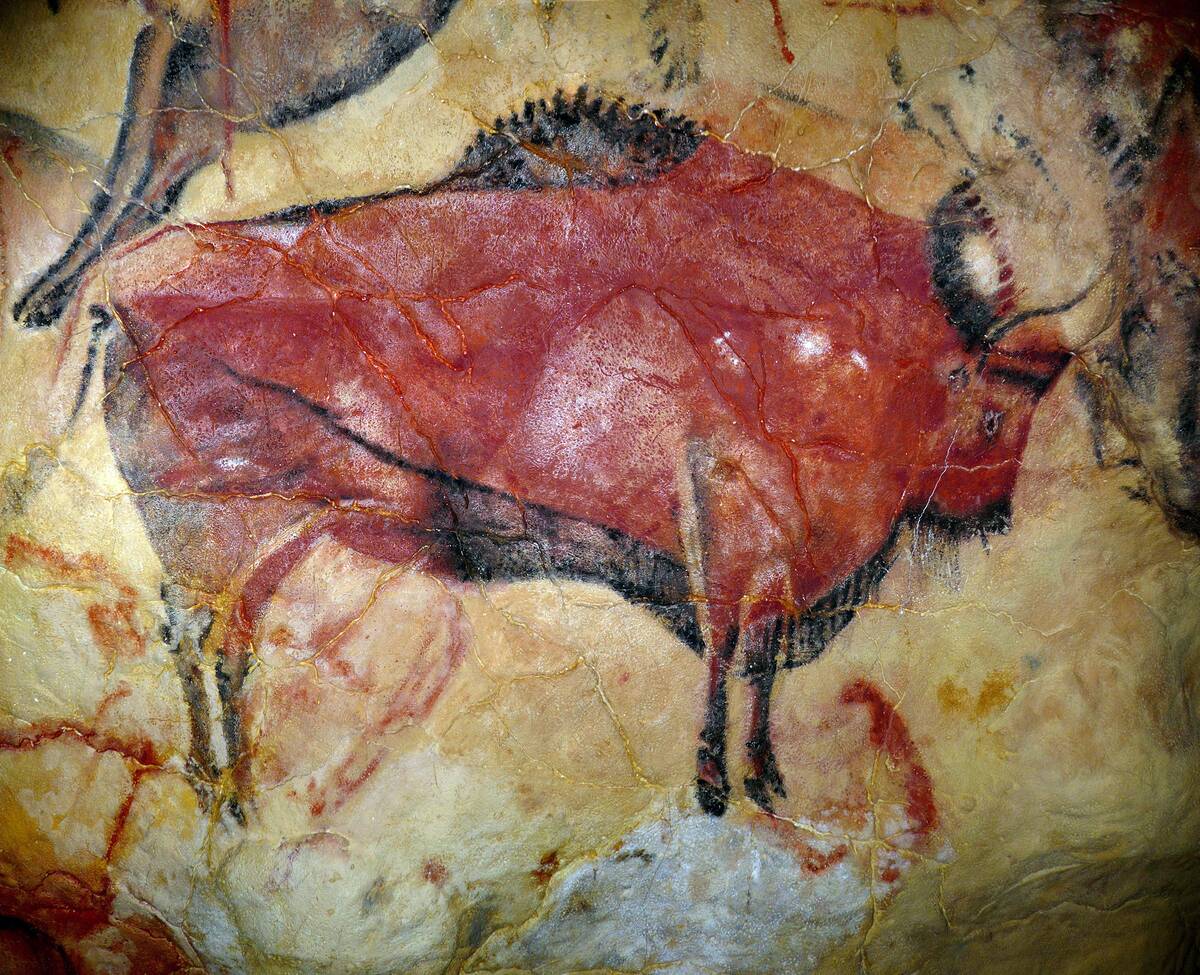
Cave art often centers around animals, with species like bison, horses, and deer frequently depicted. These animals were crucial to the survival of prehistoric humans, serving as both food and symbols of power.
Alongside these creatures, abstract symbols such as dots and lines appear, the meanings of which remain largely speculative. These motifs suggest complex storytelling traditions and spiritual beliefs. The combination of animal imagery and abstract symbols paints a picture of a world rich in cultural and spiritual significance.
The Mystery of Cave Art Pigments and Materials
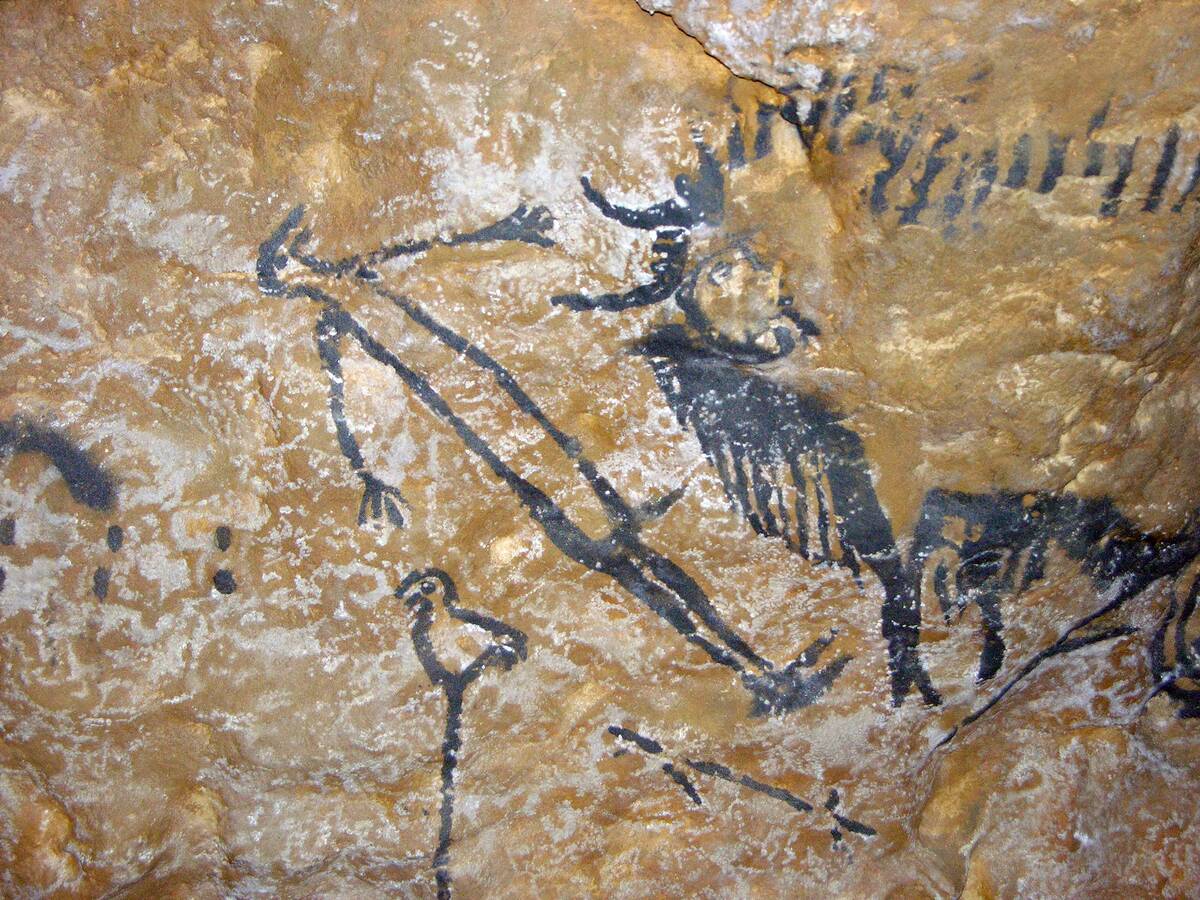
The pigments used in cave art reveal a sophisticated understanding of natural resources. Early artists sourced minerals like ochre and manganese from the earth, grinding them into powders to create paint.
The choice of materials was not random; each pigment had its own significance and was selected for its color and durability. Some caves even feature rare mineral pigments, suggesting that artists traveled significant distances to acquire their materials. This dedication highlights the cultural importance of these artworks to ancient societies.
The Significance of Cave Locations in Ancient Times
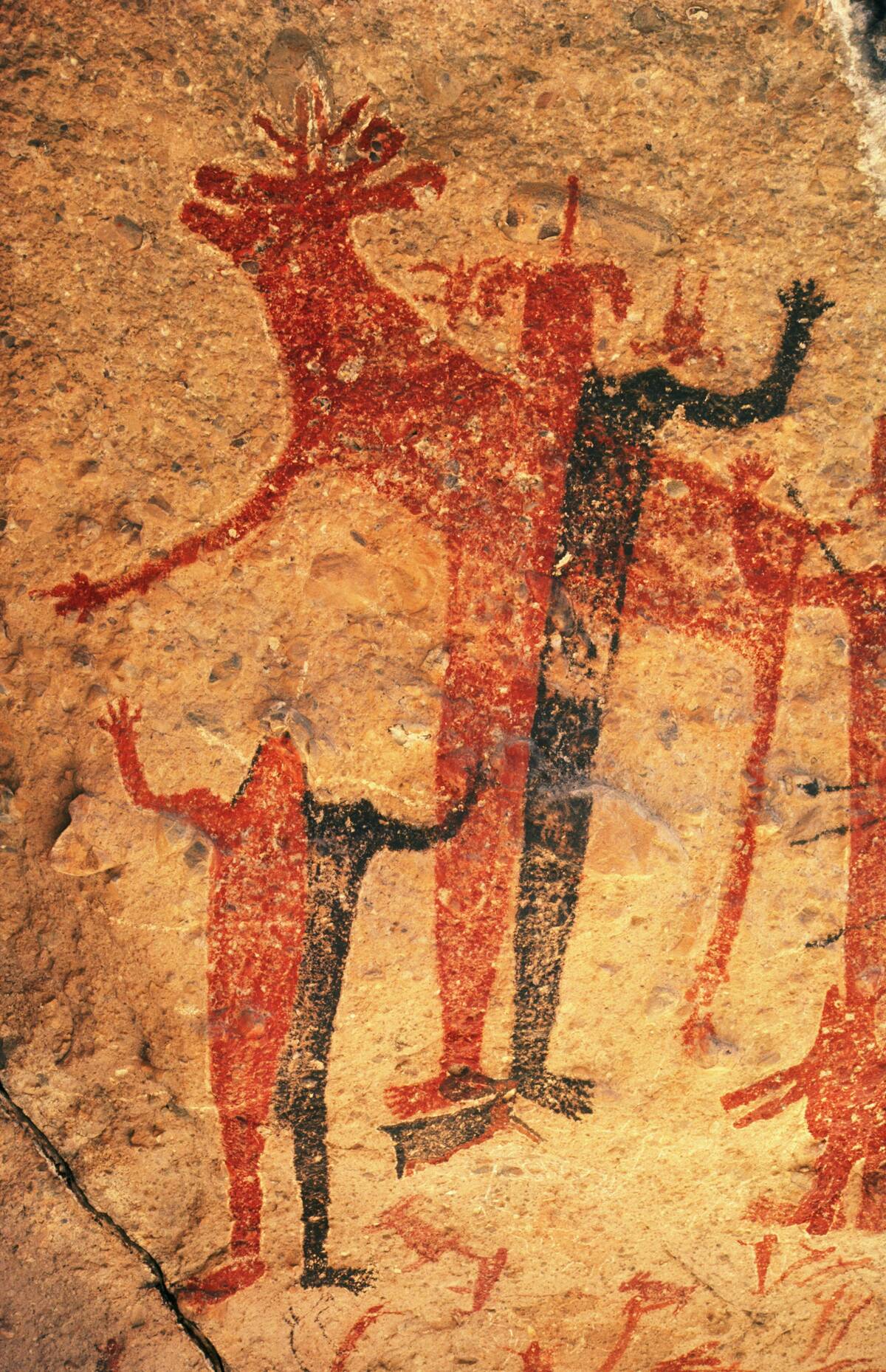
The locations of cave art were carefully chosen and often held spiritual or cultural significance. Many caves were considered sacred spaces, used for rituals and ceremonies. The act of creating art within these places was likely intertwined with religious practices, suggesting a deep spiritual connection.
Moreover, the strategic placement of art within a cave—whether at the entrance, deep inside, or near specific geological features—reflects a deliberate choice, possibly related to acoustics or the symbolic meaning of the site.
The Thrill of Discovery: New Finds in the 21st Century
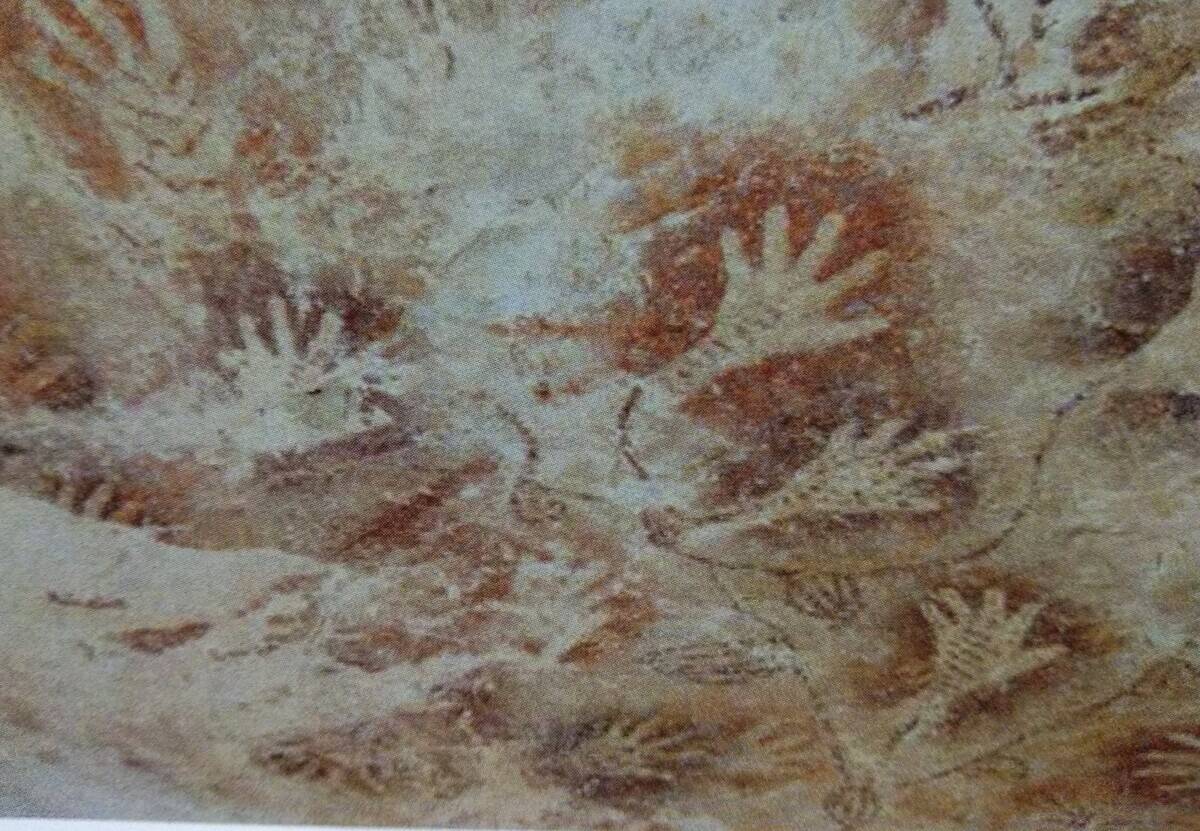
The 21st century has seen a surge in cave art discoveries, fueling excitement and curiosity. New sites continue to emerge, offering fresh perspectives on ancient cultures. For instance, recent finds in Borneo have revealed some of the oldest known figurative artwork, pushing back the timeline of human creativity.
Each discovery adds to the rich tapestry of human history, providing valuable insights and sparking debates within the archaeological community. The thrill of discovery keeps researchers and enthusiasts alike captivated, as each new find holds the potential to rewrite our understanding of the past.
Cave Art Tourism: How to Visit Responsibly
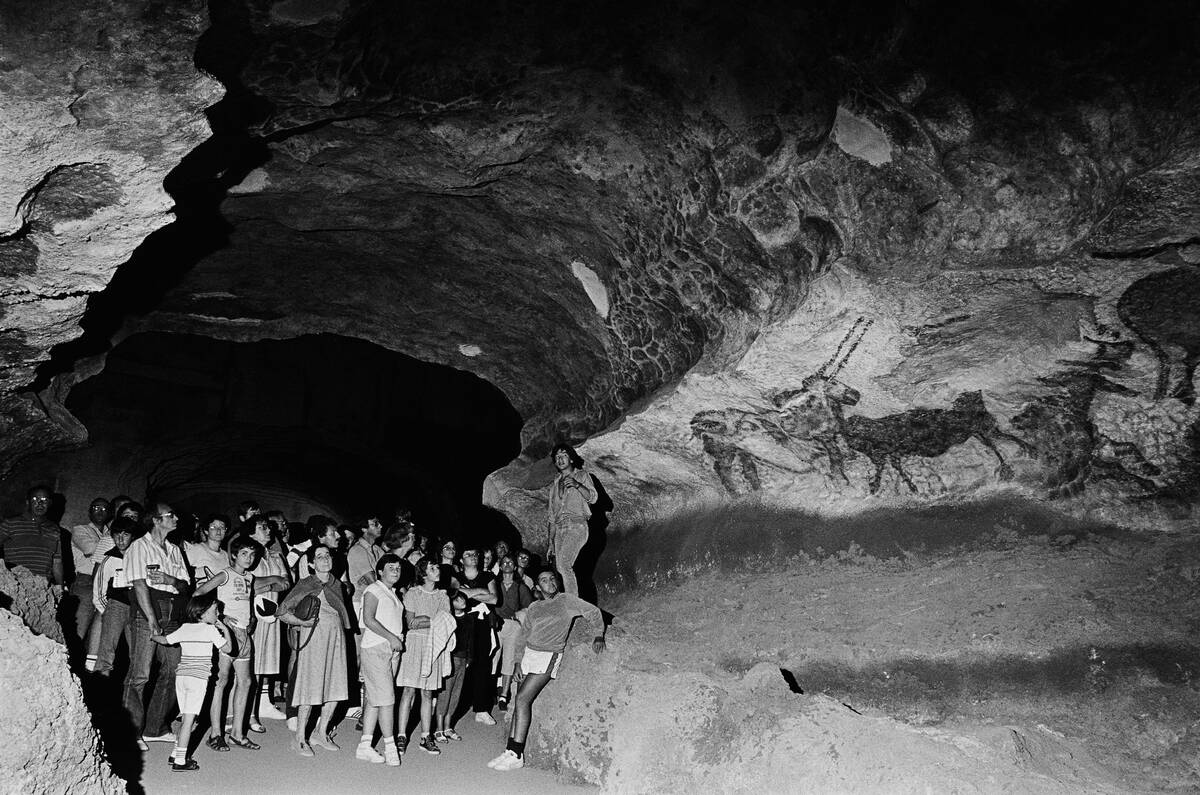
Cave art tourism offers a unique opportunity to connect with history, but it requires responsibility and respect. Visitors should adhere to guidelines set by preservationists, such as avoiding physical contact with the art and staying on designated paths.
Many sites now offer virtual tours, allowing people to explore these ancient wonders from afar without risking damage. By supporting conservation efforts and respecting local cultures, tourists can enjoy the beauty of cave art while ensuring its survival for future generations. Responsible tourism is key to balancing exploration with preservation.
Fun Facts About Caves and Their Ancient Art
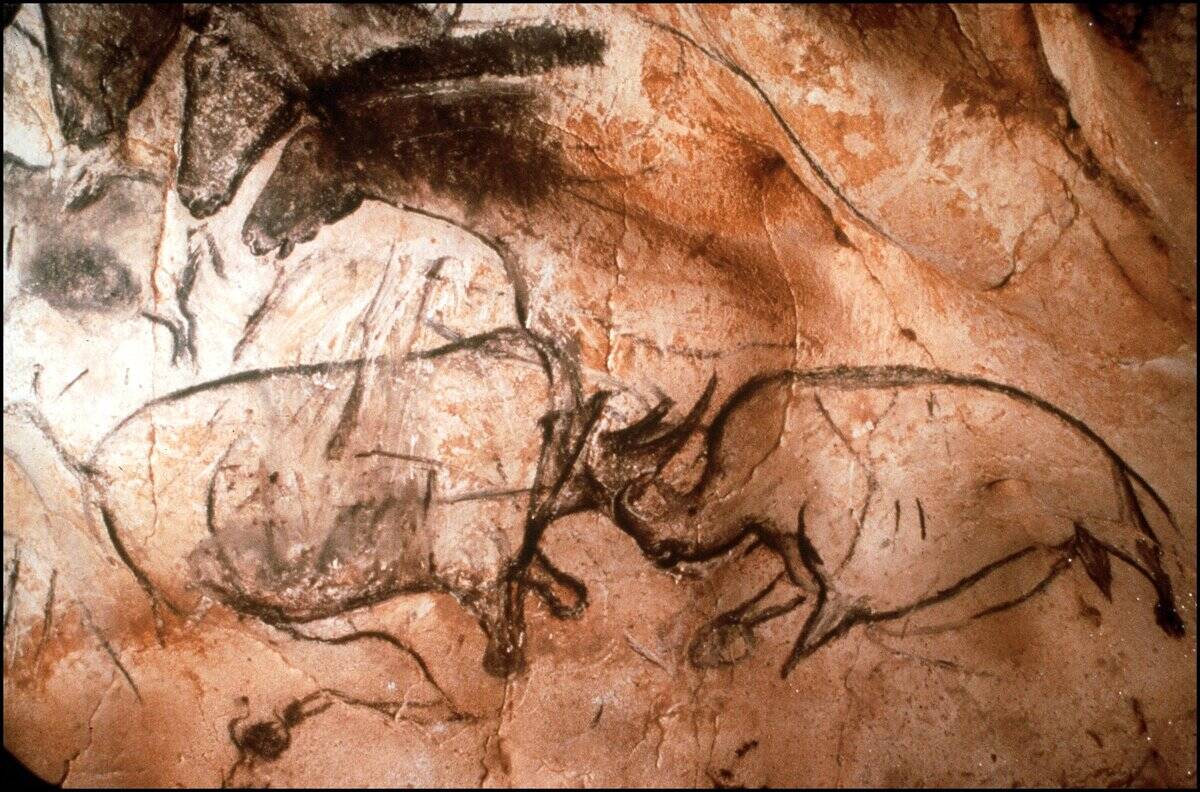
Did you know that some cave art dates back over 40,000 years, making it one of the oldest forms of human expression? In fact, the Chauvet Cave in France is home to some of the earliest known drawings, including stunning depictions of lions and rhinoceroses.
These artworks were often created in difficult-to-reach areas, suggesting they held special significance. Additionally, research has shown that the acoustics of certain caves may have influenced where artists chose to paint, possibly enhancing the spiritual experience of creating and viewing the art.




