11 facts about inventions inspired by dreams
Imagine a world where your wildest dreams hold the key to groundbreaking innovations. Throughout history, many inventors and creators have credited their nighttime visions with inspiring some of the most significant advancements.
Dreams have been a mysterious yet powerful source of creativity, leading to inventions and discoveries that shape our world today. Whether it’s a flash of insight or a vivid storyline, dreams have the potential to unlock untapped creative potential.
The Surprising Link Between Dreams and Inventions

It’s fascinating how dreams can bridge the gap between imagination and reality. Many famous inventions were birthed from slumbering minds. Studies have shown that REM sleep, the stage where dreams occur, is crucial for problem-solving and creative thinking.
As our brains process information, dreams can forge new connections, offering solutions to complex problems. It’s no wonder that some of history’s greatest minds have found inspiration while dreaming.
Elias Howe and the Sewing Machine: A Stitch in Time
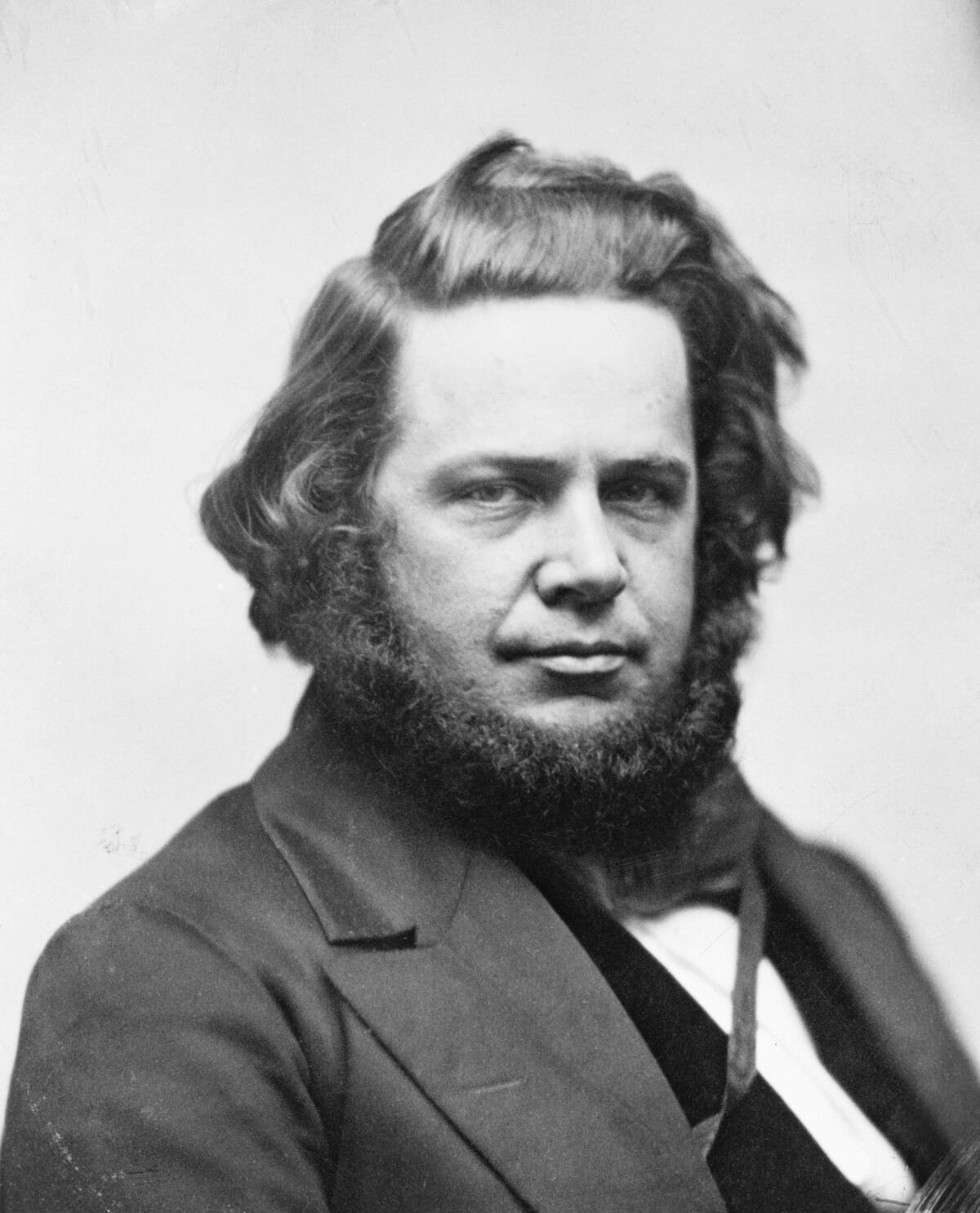
Elias Howe, the inventor of the modern lockstitch sewing machine, found a crucial element of his invention in a dream. In 1845, Howe dreamt of being captured by a group of cannibals who threatened him with spears.
Noticing the spears had holes near their tips, Howe awoke with the insight needed to design a needle with an eye at the point, revolutionizing the sewing industry. His dream-inspired design solved a critical technical challenge he faced.
Mendeleev’s Dream of the Periodic Table
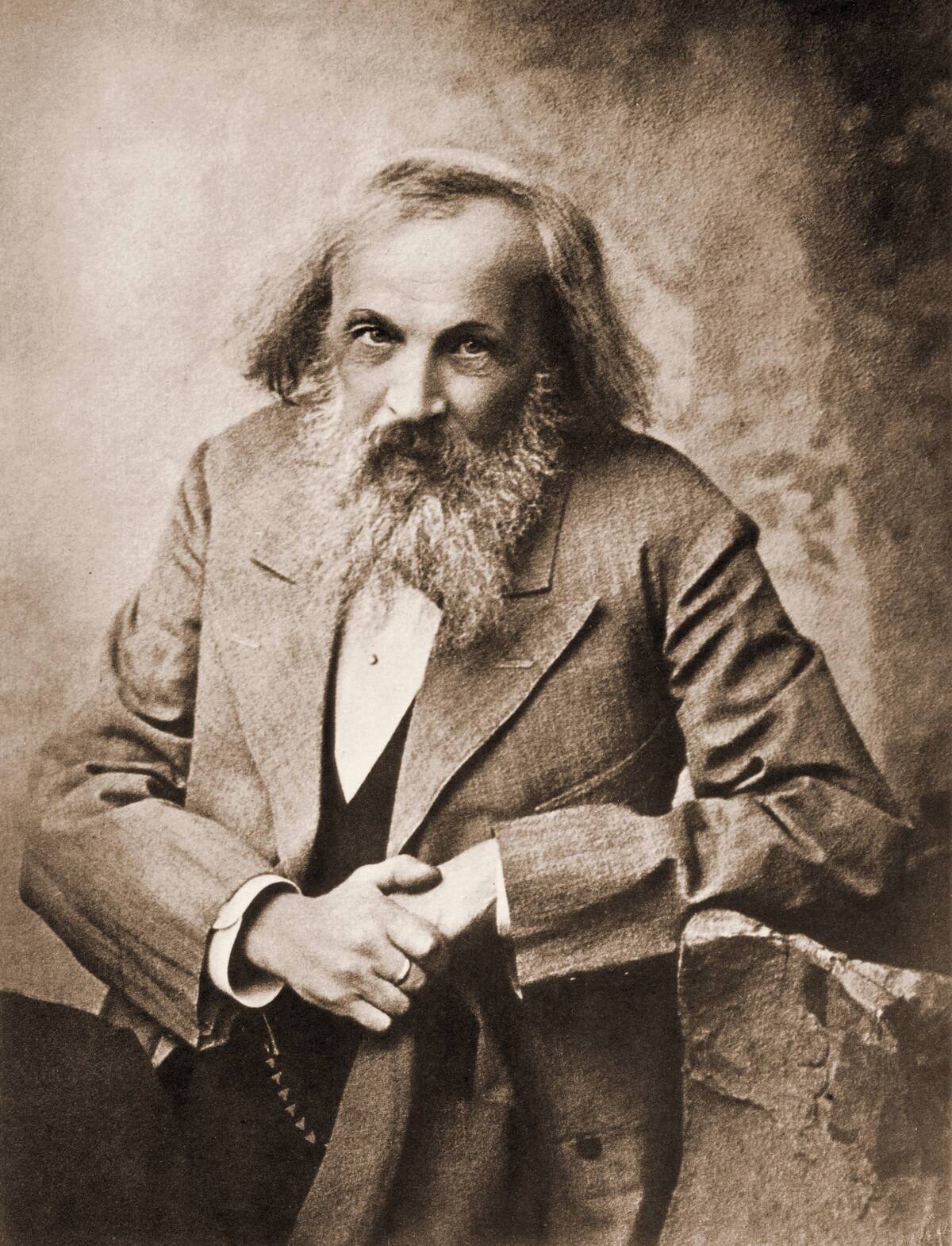
Dmitri Mendeleev, the Russian chemist, experienced an extraordinary dream that led to the formulation of the Periodic Table of Elements. In 1869, Mendeleev reportedly dreamt of a table where all chemical elements fell into place according to their atomic weights.
Upon waking, he recorded the vision, which resulted in the periodic law and table we recognize today. This dream not only organized known elements but also predicted the discovery of new ones.
The Benzene Ring: Kekulé’s Dream of Snakes
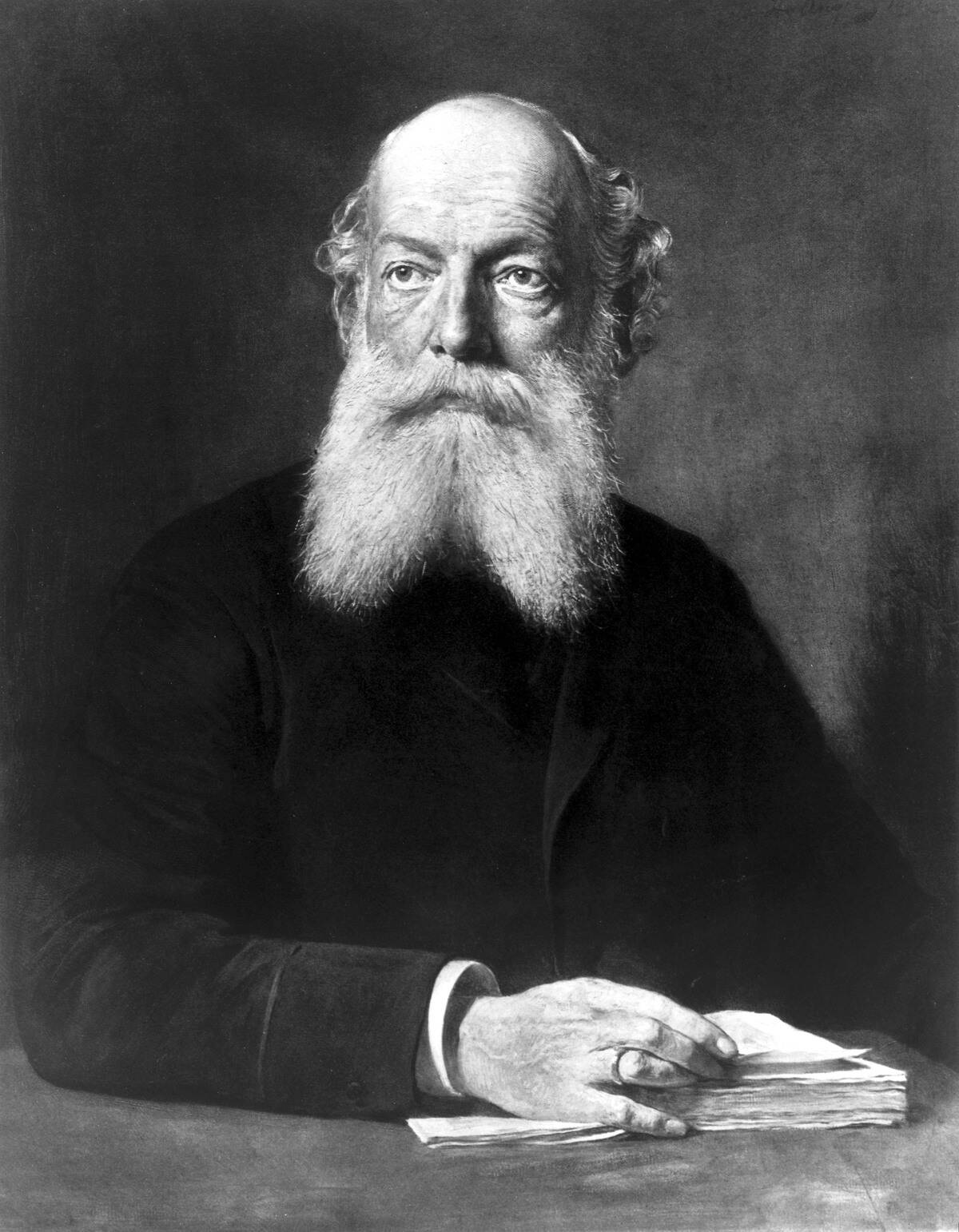
The structure of benzene puzzled scientists until Friedrich August Kekulé had a dream in 1865. He envisioned a snake biting its own tail, forming a circular structure. This dream led him to propose the ring structure of benzene, a breakthrough in organic chemistry.
Kekulé’s dream highlighted the power of the subconscious in scientific discovery and illustrated how abstract imagery could lead to concrete scientific advancements.
The Dream Behind the Google Empire

The inception of Google was also linked to a dream. Larry Page, co-founder of Google, dreamt about downloading the entire web onto computers, which led him to explore the concept of a search engine.
This dream-driven idea transformed into Google, a company that revolutionized access to information worldwide. Larry Page’s dream underscores the potential of visionary thinking and how dreams can drive entrepreneurial success.
Mary Shelley’s Frankenstein: A Nightmare Creation
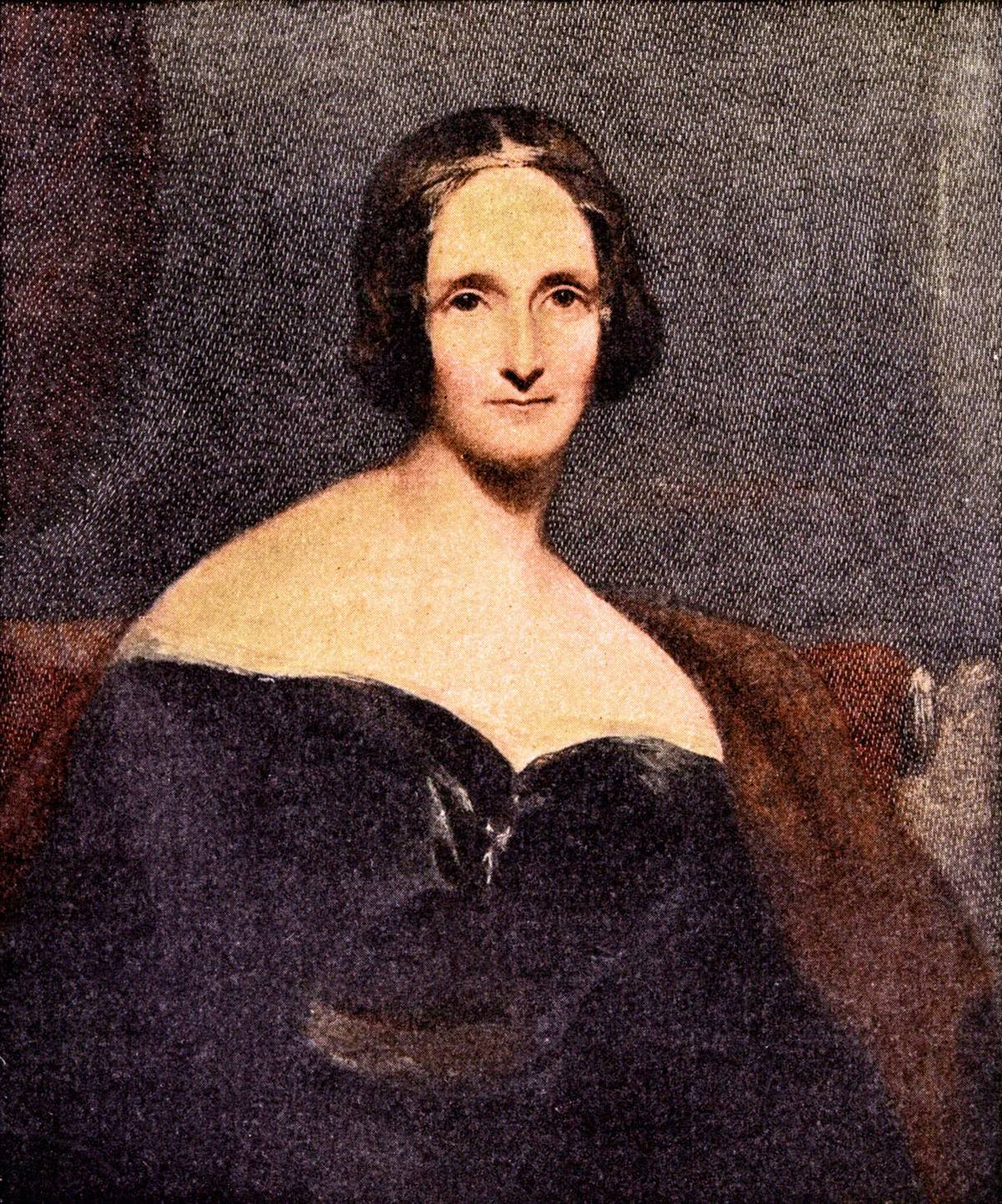
Mary Shelley’s iconic novel, “Frankenstein,” was born from a nightmare. In 1816, during a stay at Lord Byron’s villa, Shelley dreamt of a scientist who created life and was horrified by his creation.
This vivid nightmare inspired Shelley to write one of the first science fiction novels, exploring themes of creation and responsibility. Her work highlights how dreams can serve as a rich source of literary inspiration, blending horror with profound philosophical questions.
Paul McCartney’s “Yesterday”: A Melodic Dream
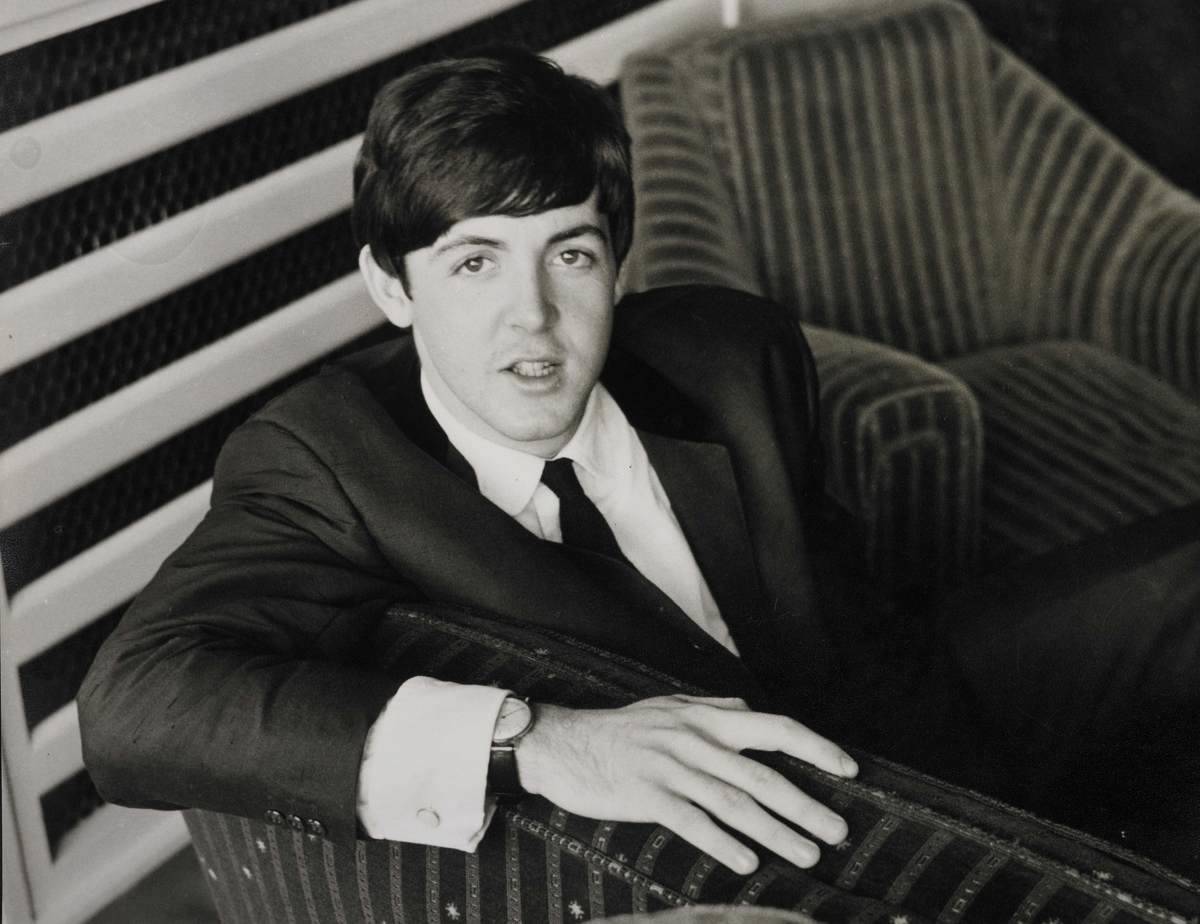
Paul McCartney, the legendary member of The Beatles, famously composed the melody for “Yesterday” in a dream. He awoke with the tune in his head and immediately recorded it, initially calling it “Scrambled Eggs” until he found the right lyrics.
This dream-inspired song became one of the most covered tracks in music history, showing how dreams can be a source of artistic creativity and lead to timeless masterpieces.
The Dream-Inspired Design of the Modern Sewing Machine
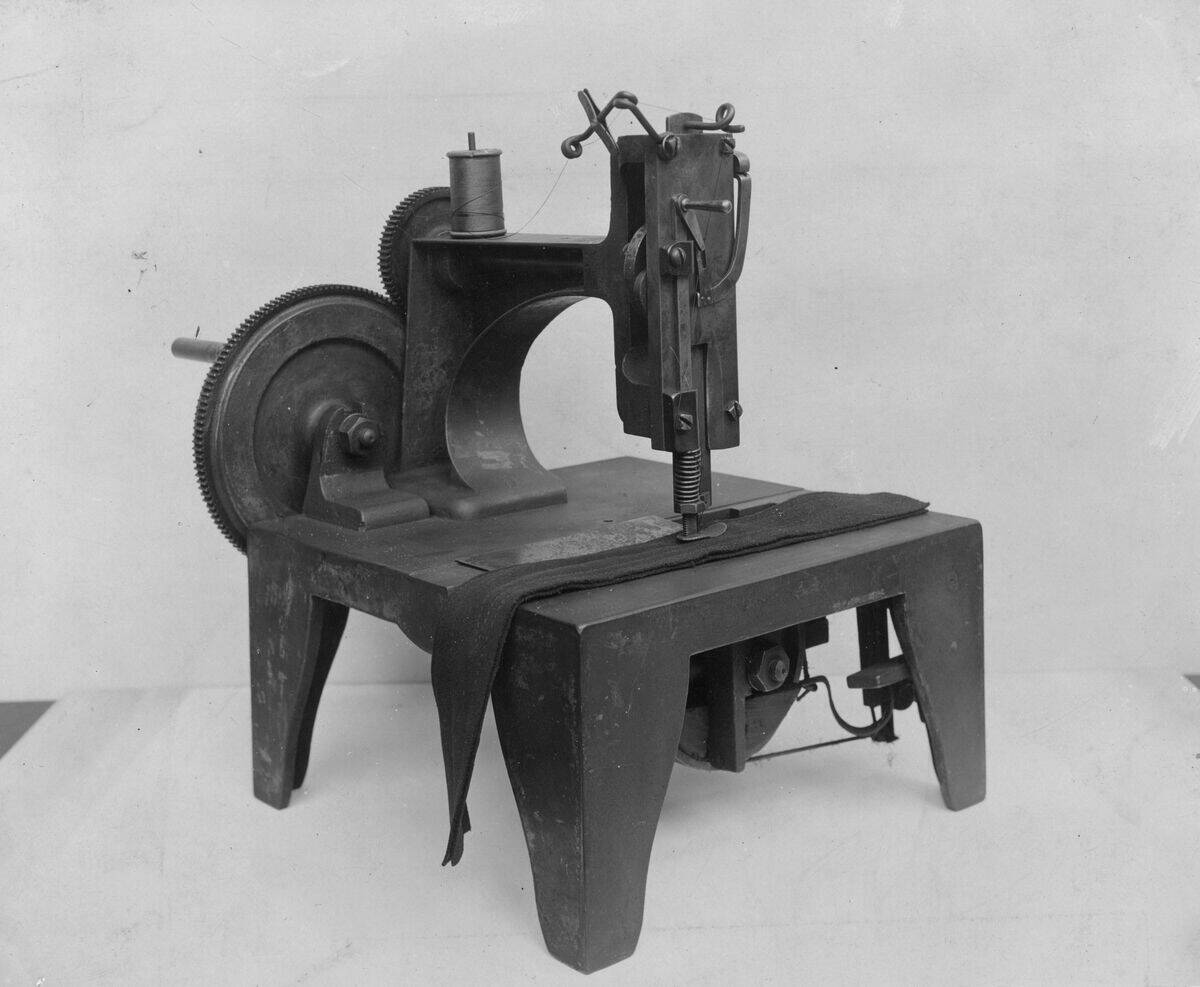
The modern sewing machine owes much to the dream of Elias Howe. After struggling with the design, Howe dreamt of a group of warriors who brandished spears with holes at their tips.
This dream led him to reposition the eye of the needle, revolutionizing sewing technology. Such dream-inspired innovations highlight the importance of seemingly trivial dream details in solving real-world design challenges and advancing technological progress.
Niels Bohr’s Atomic Model: A Dream of Orbits
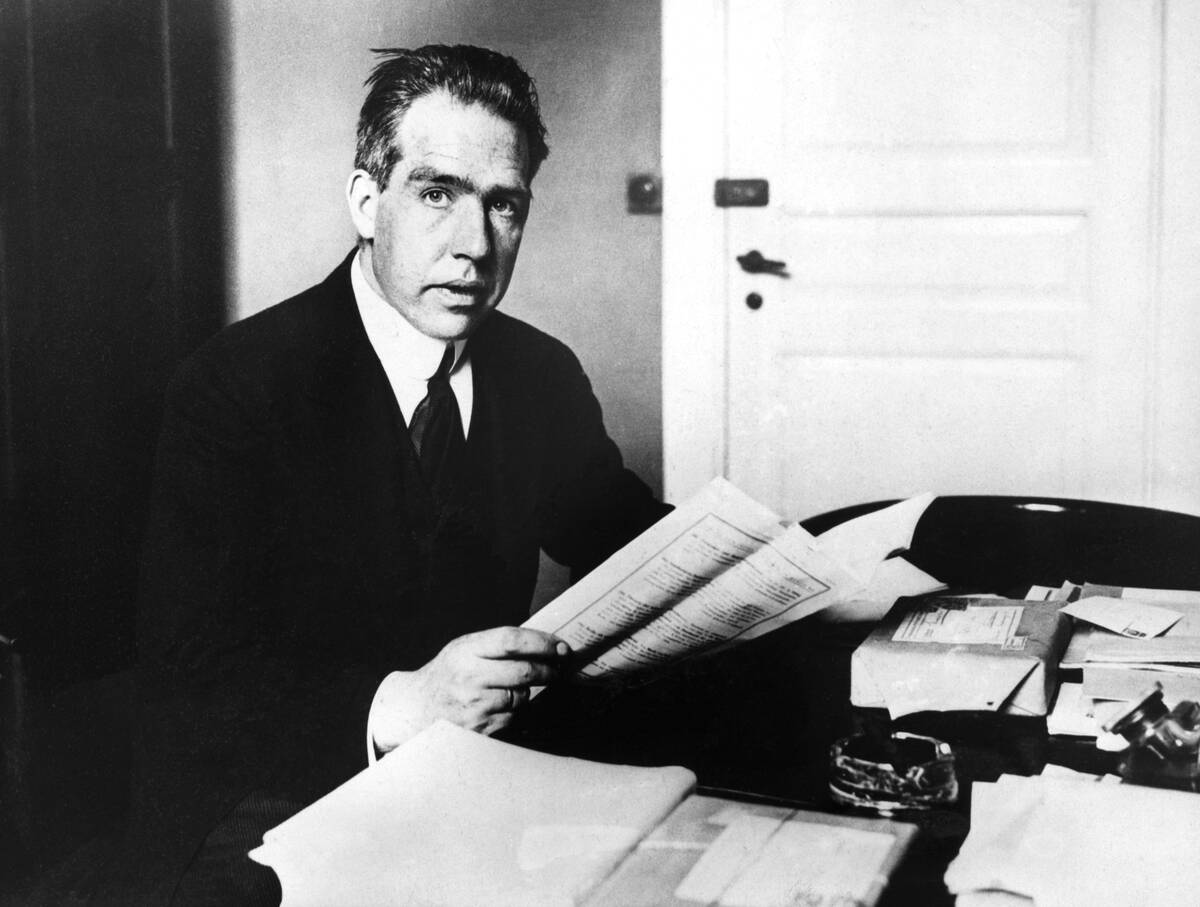
Niels Bohr, the Danish physicist, credited a dream with helping him develop his model of atomic structure. In his dream, Bohr envisioned electrons orbiting the nucleus much like planets orbiting the sun.
This visualization helped him conceptualize atomic structure, leading to the Bohr model of the atom. Bohr’s dream underscores how metaphorical dream imagery can lead to scientific insights and contribute to our understanding of atomic physics.
The Role of the Subconscious in Inventive Dreams

The subconscious mind plays a significant role in the creative process, especially during dreams. While we sleep, our minds process information, allowing us to make new connections and insights.
Research suggests that unconscious mental processes and sleep, particularly REM sleep, can contribute to creativity and problem-solving, although the exact mechanisms are complex and not fully understood.
How to Harness the Power of Dreams for Creativity
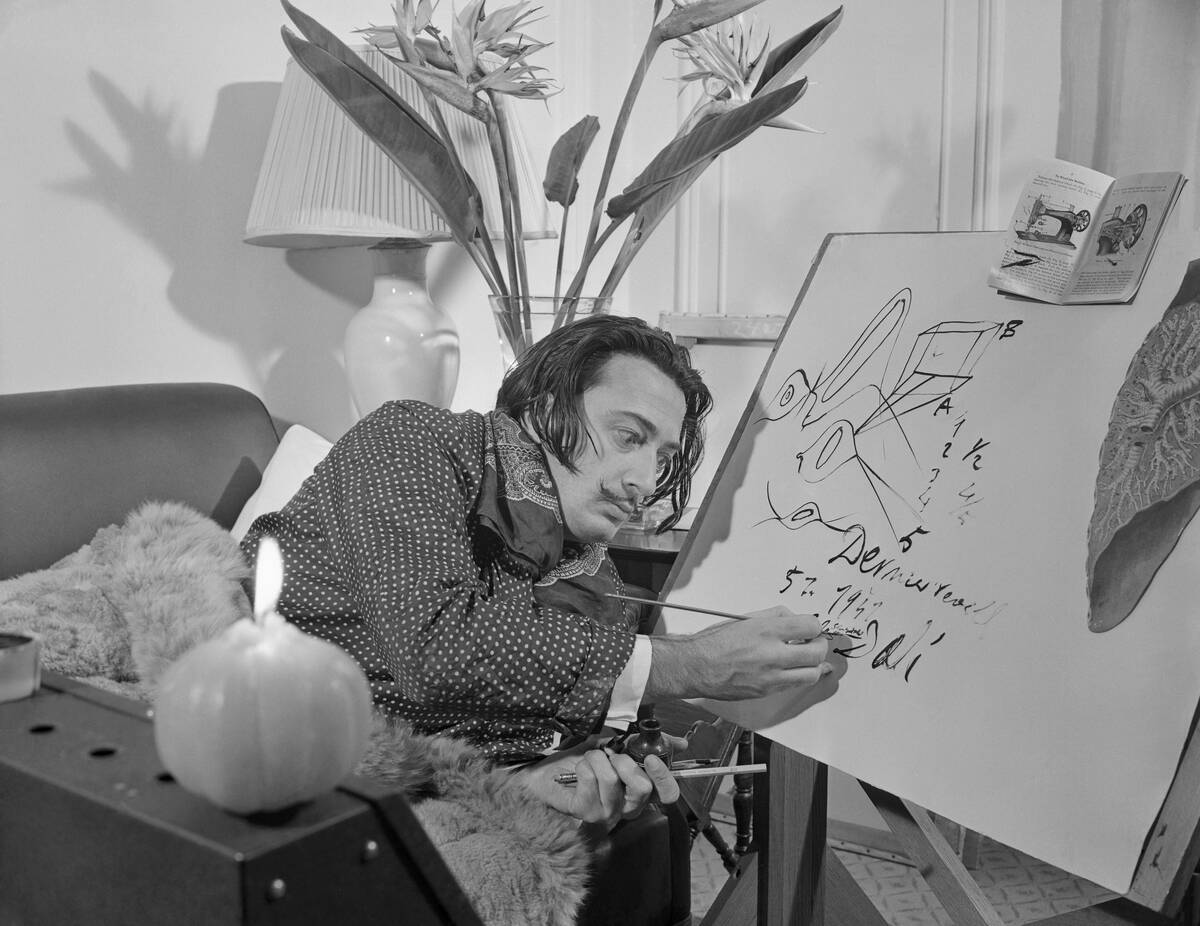
To harness the power of dreams for creativity, it’s essential to cultivate an environment conducive to dreaming. Keeping a dream journal can help capture and reflect on dream insights. Practicing relaxation techniques and maintaining a regular sleep schedule can enhance the quality of dreams.
Encouraging a mindset open to possibilities allows the subconscious to explore new ideas. By valuing and analyzing our dreams, we can tap into a wellspring of creativity and inspiration.




