10 monuments found amid dam constructions
Building a dam is not just about controlling water flow; it’s also about uncovering hidden pieces of history. During these massive engineering projects, construction teams often stumble upon unexpected archaeological finds.
These discoveries provide a unique glimpse into ancient civilizations that once thrived along riverbanks. From ancient tools to forgotten settlements, each find tells a story, adding depth to our understanding of the past. It’s like a treasure hunt, but with bulldozers and hard hats!
The Intersection of Modern Engineering and Ancient History
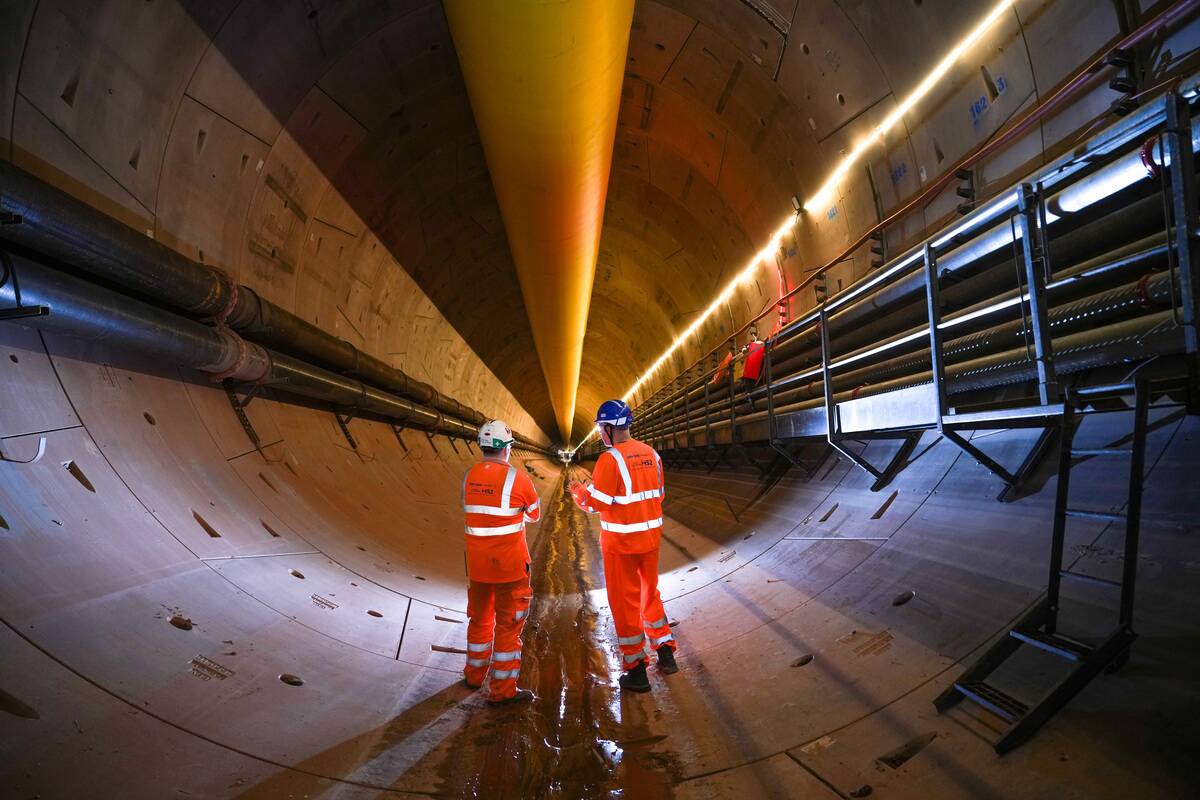
Modern engineering projects like dam constructions often intersect with ancient history in surprising ways. As engineers dig and build, they sometimes uncover relics that have been buried for centuries.
These discoveries can halt construction, as archaeologists step in to study the uncovered artifacts. It’s a delicate dance between progress and preservation, requiring collaboration between engineers and historians. This intersection not only preserves history but also enriches our cultural heritage.
A Brief History of Dam Constructions Around the World
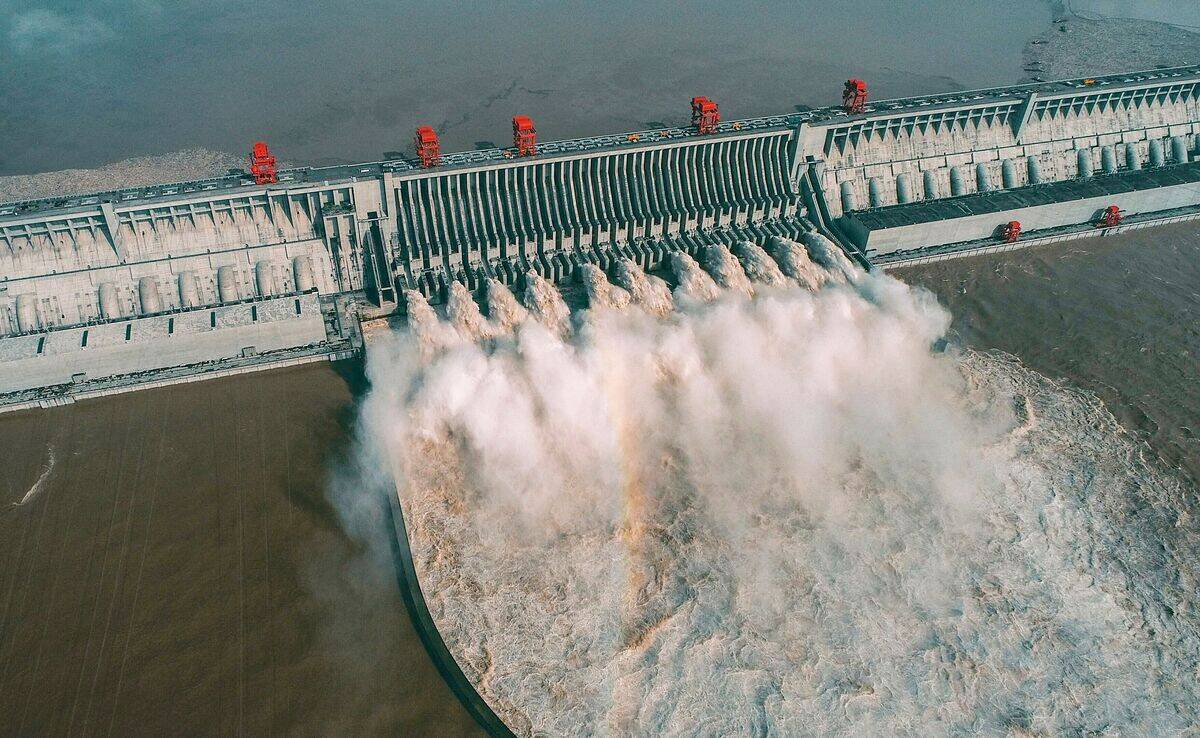
Dams have been constructed for thousands of years, with the earliest known example being the Jawa Dam in Jordan, dating back to 3000 BCE. Ancient civilizations, such as the Romans, were adept at building dams for irrigation and flood control.
In modern times, dams like the Hoover Dam and Three Gorges Dam showcase advanced engineering capabilities. These structures not only provide essential resources but also reflect the evolving technology and understanding of water management over the centuries.
The Surprising Artifacts Found at the Aswan Dam, Egypt
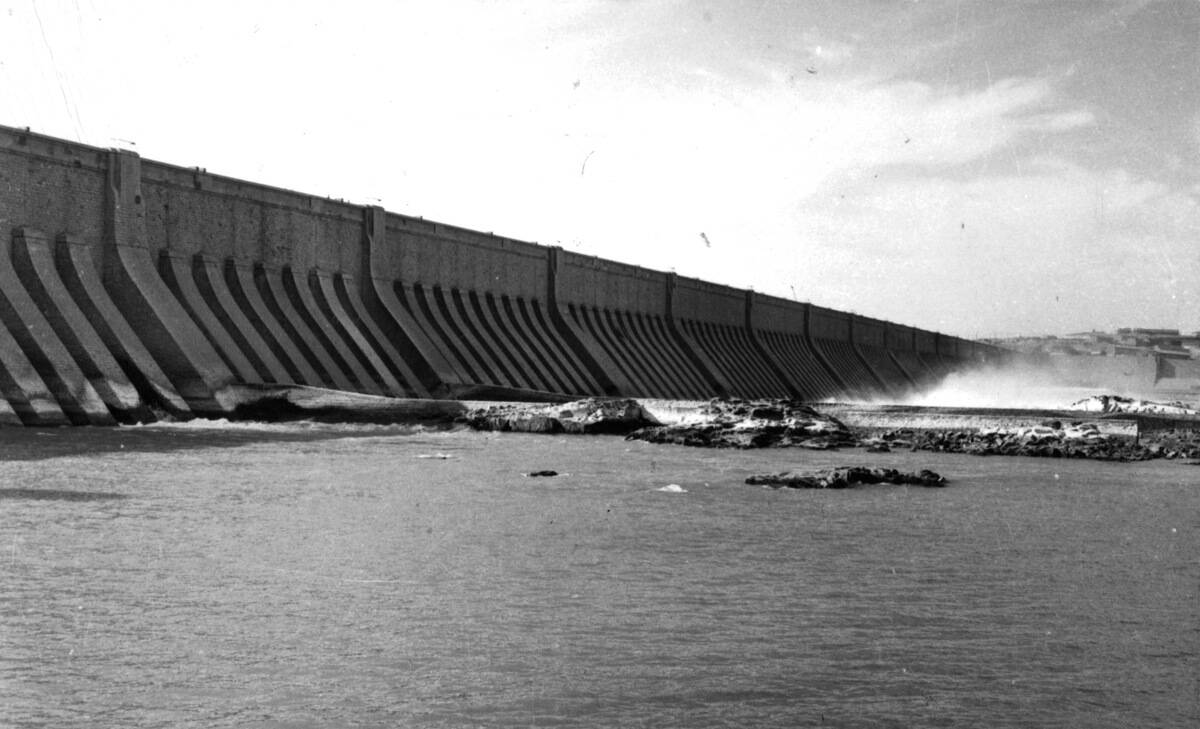
The construction of the Aswan Dam in Egypt led to the discovery of numerous artifacts from ancient Nubian cultures. Among these finds were pottery, tools, and even whole villages that were submerged under the rising waters of Lake Nasser.
These artifacts provided crucial insights into the daily lives and trade practices of the Nubians. The dam project also led to the famous UNESCO campaign to relocate the Abu Simbel temples, highlighting the global effort to preserve heritage.
Relics Unearthed at China’s Three Gorges Dam
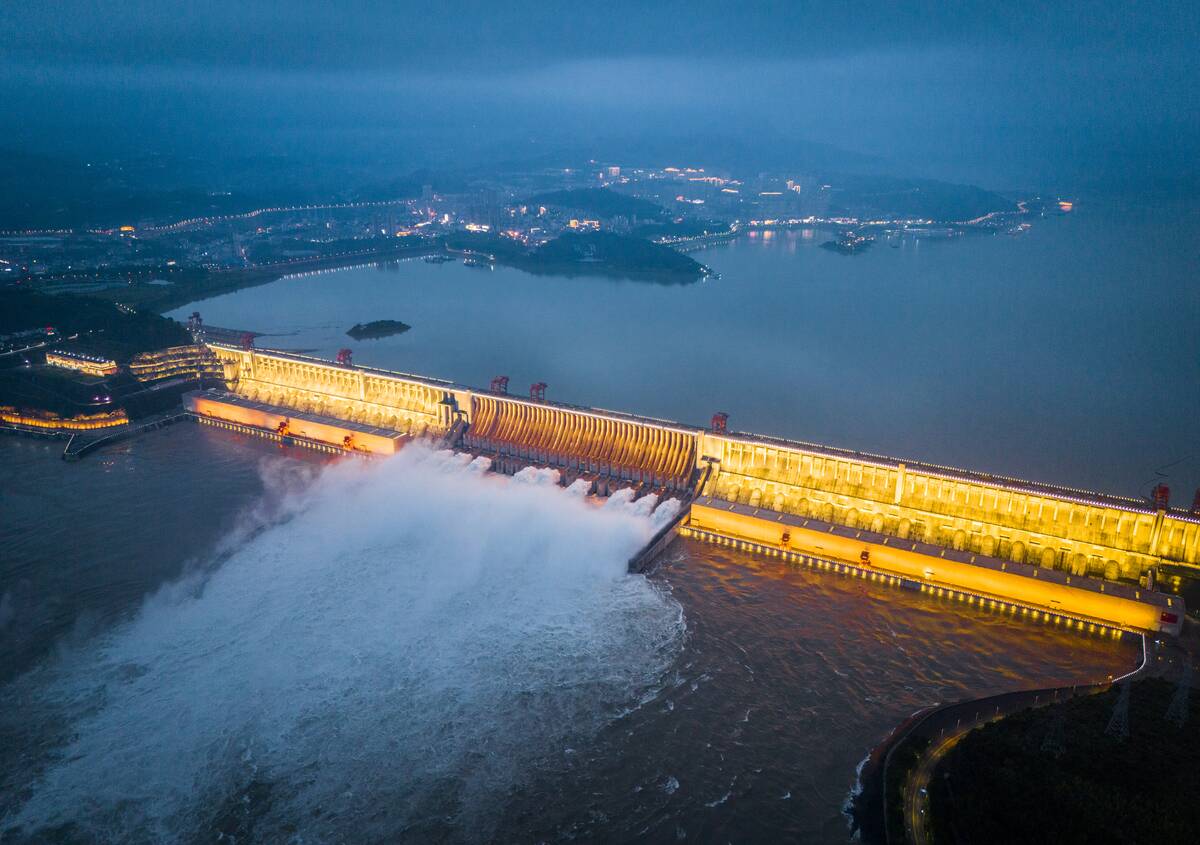
China’s Three Gorges Dam, one of the world’s largest infrastructure projects, has been a source of significant archaeological discoveries. Over 1,200 sites were excavated before the area was flooded, revealing ancient artifacts and fossils, some dating back to the Paleolithic era.
These finds have provided invaluable information about early human settlement patterns along the Yangtze River. The ambitious project underscored the importance of archaeological surveys in massive construction undertakings.
The Unseen Treasures of Hoover Dam, USA
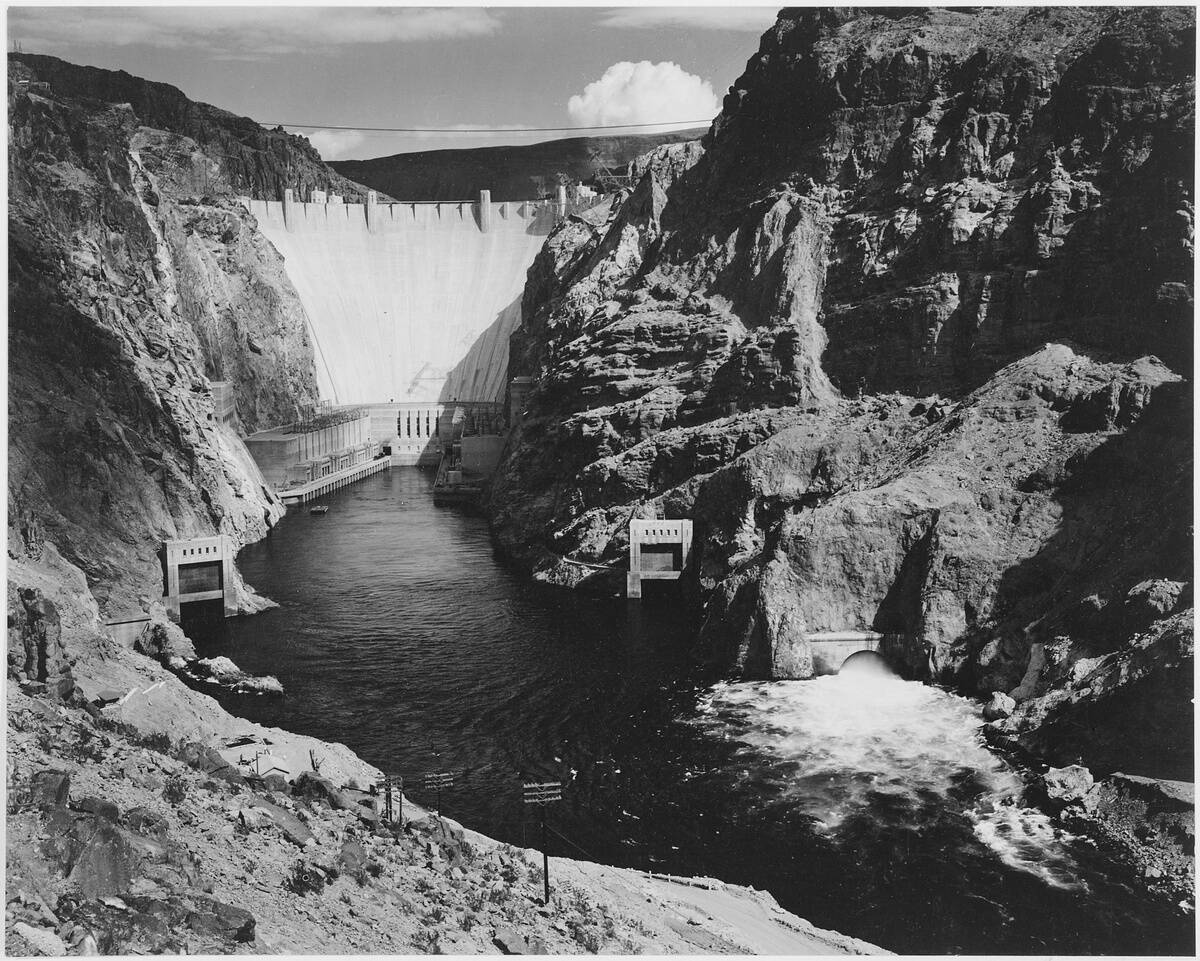
While the Hoover Dam is an engineering marvel, its construction also revealed a wealth of historical treasures. During the 1930s, workers unearthed fossils of prehistoric animals, including mammoths and saber-toothed cats.
These discoveries added a new dimension to our understanding of North America’s prehistoric ecosystem. The dam itself became a symbol of American ingenuity and perseverance, embodying the spirit of the New Deal era while preserving a snapshot of ancient life.
Discoveries from the Itaipú Dam’s Riverbed in Brazil
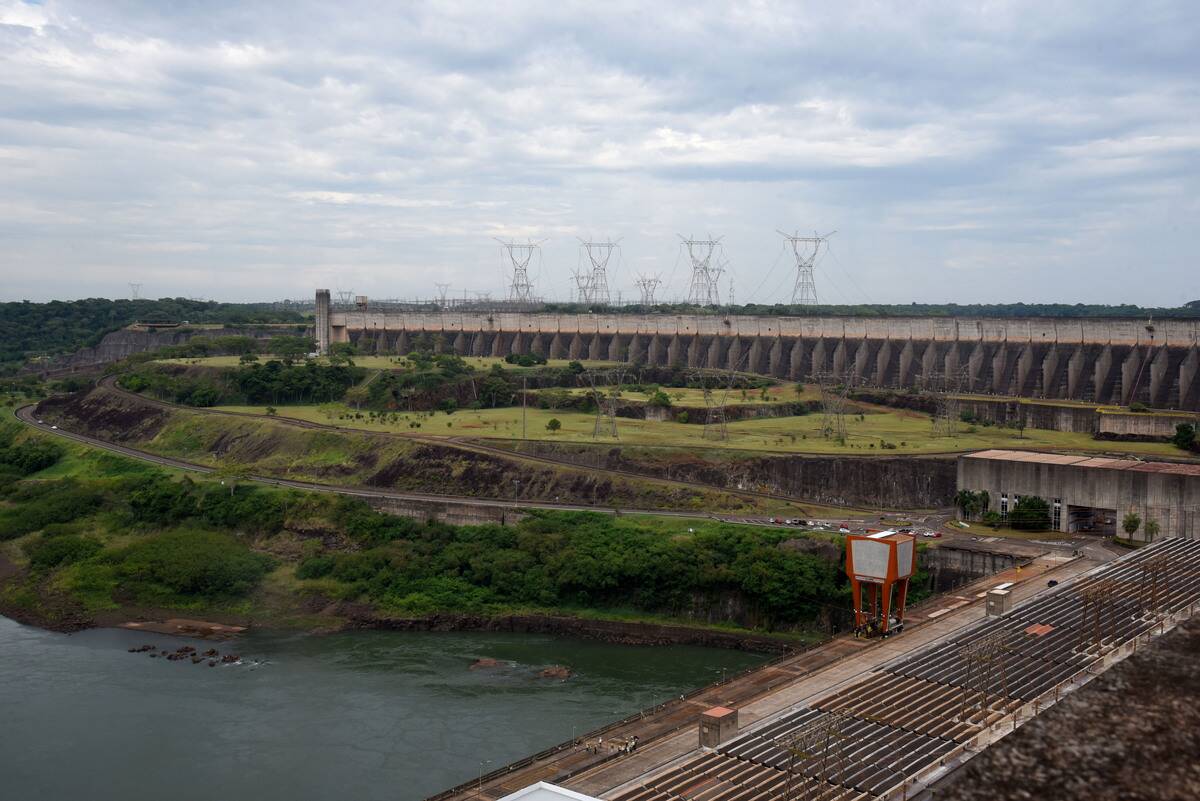
The construction of the Itaipú Dam, located on the border of Brazil and Paraguay, led to fascinating archaeological finds. Among these were remnants of ancient indigenous cultures, including pottery and stone tools.
These artifacts provided insights into the pre-Columbian societies that thrived in the region. The findings emphasized the cultural richness of the area and highlighted the need for comprehensive archaeological assessments in large-scale projects.
The Uncovered Monuments of the Sardar Sarovar Dam, India
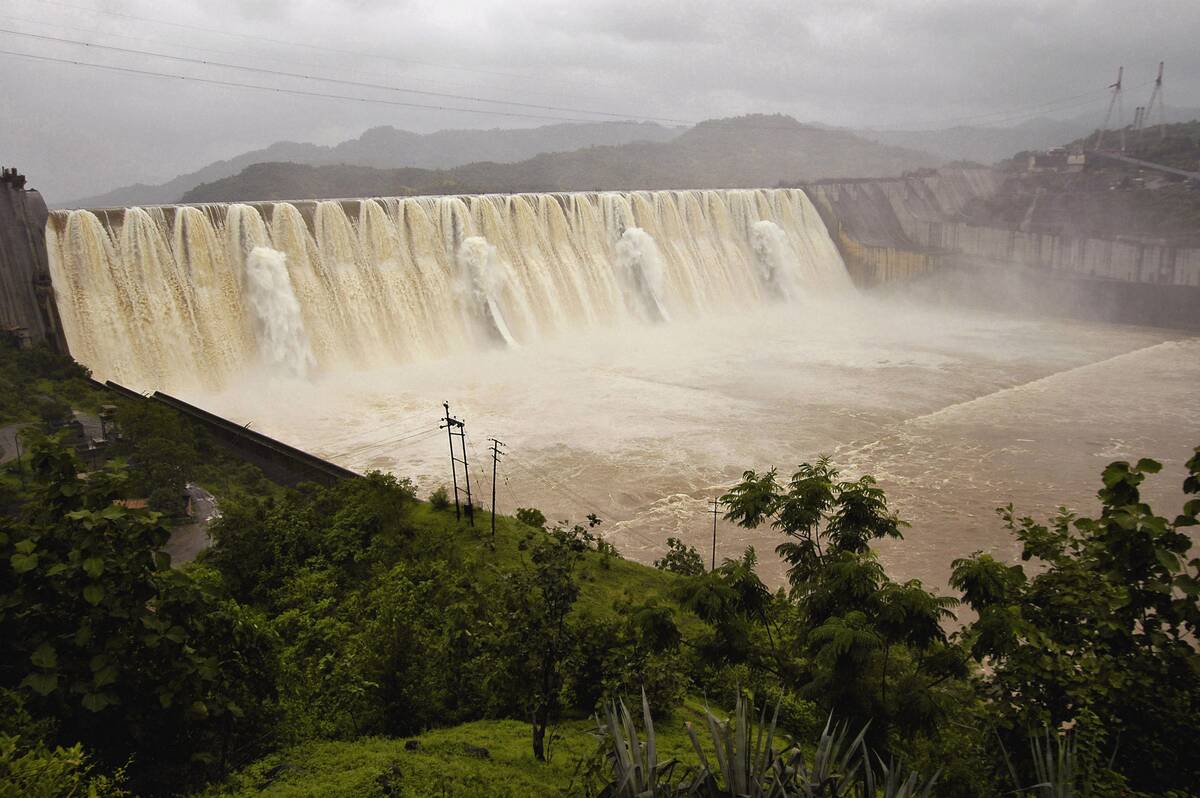
The Sardar Sarovar Dam in India, part of the Narmada Valley Project, revealed unexpected archaeological treasures. Excavations uncovered ancient temples and artifacts that dated back to the Maurya and Gupta empires.
These finds shed light on the historical significance of the Narmada Valley as a cultural crossroads. The discoveries sparked debates about the balance between development and the preservation of cultural heritage, leading to increased awareness of archaeological considerations in construction.
How Unexpected Finds Influence Construction Projects
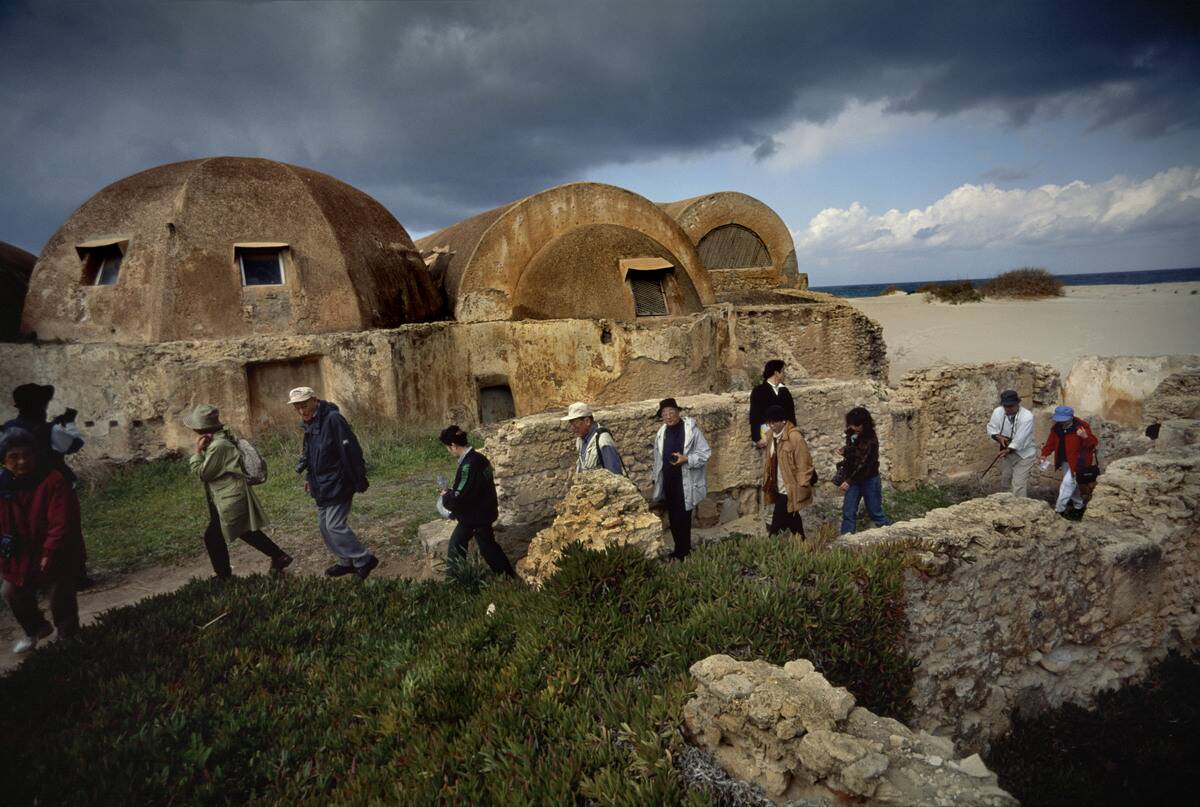
Unexpected archaeological discoveries during dam constructions can significantly impact project timelines and budgets. When artifacts are found, construction may pause to allow for thorough investigation and preservation efforts.
This can lead to exciting collaborations between engineers and archaeologists, as they work together to integrate historical preservation with modern infrastructure. Such discoveries often enhance the cultural value of the project, providing educational opportunities and fostering a deeper appreciation for history.
The Impact of Discoveries on Local Communities and Cultures
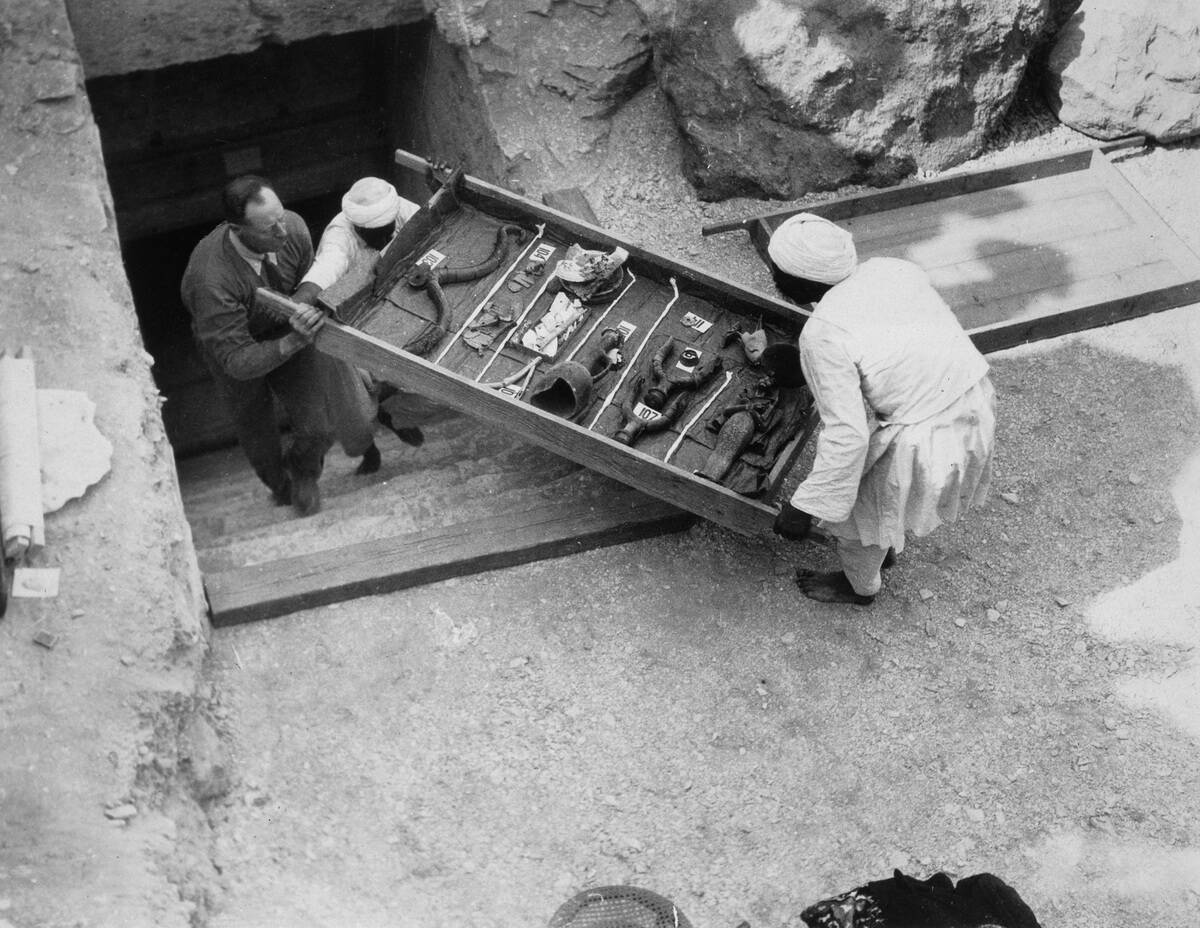
Archaeological discoveries during dam constructions can have a profound impact on local communities and cultures. These finds often become sources of pride and identity, connecting present-day inhabitants with their ancestors.
They can also attract tourism, boosting local economies and fostering cultural exchange. However, they may also lead to disputes over land use and heritage rights, highlighting the need for sensitive handling of such discoveries. Ultimately, these finds enrich the cultural tapestry of the regions in which they occur.
The Role of Government and International Bodies in Preservation

Governments and international bodies play a crucial role in the preservation of archaeological finds during dam constructions. They establish regulations and guidelines to protect cultural heritage and ensure that discoveries are handled responsibly.
Organizations like UNESCO work to safeguard significant sites, often facilitating global collaboration to address preservation challenges. These bodies also provide funding and expertise, supporting efforts to document and conserve historical treasures. Their involvement is essential in balancing development with the preservation of our shared heritage.