14 photos of events that reshaped global power
History is a dynamic tapestry woven from countless power shifts that have shaped the world as we know it. These transformative events are often sparked by a combination of political, economic, and social forces. Understanding them offers valuable insights into how and why societies change.
From revolutions to technological breakthroughs, each momentous shift provides a fresh perspective on the balance of power. As we delve into these historical milestones, we’ll uncover the ripple effects that continue to influence our modern world.
The Fall of Constantinople: A New Era for the Ottoman Empire
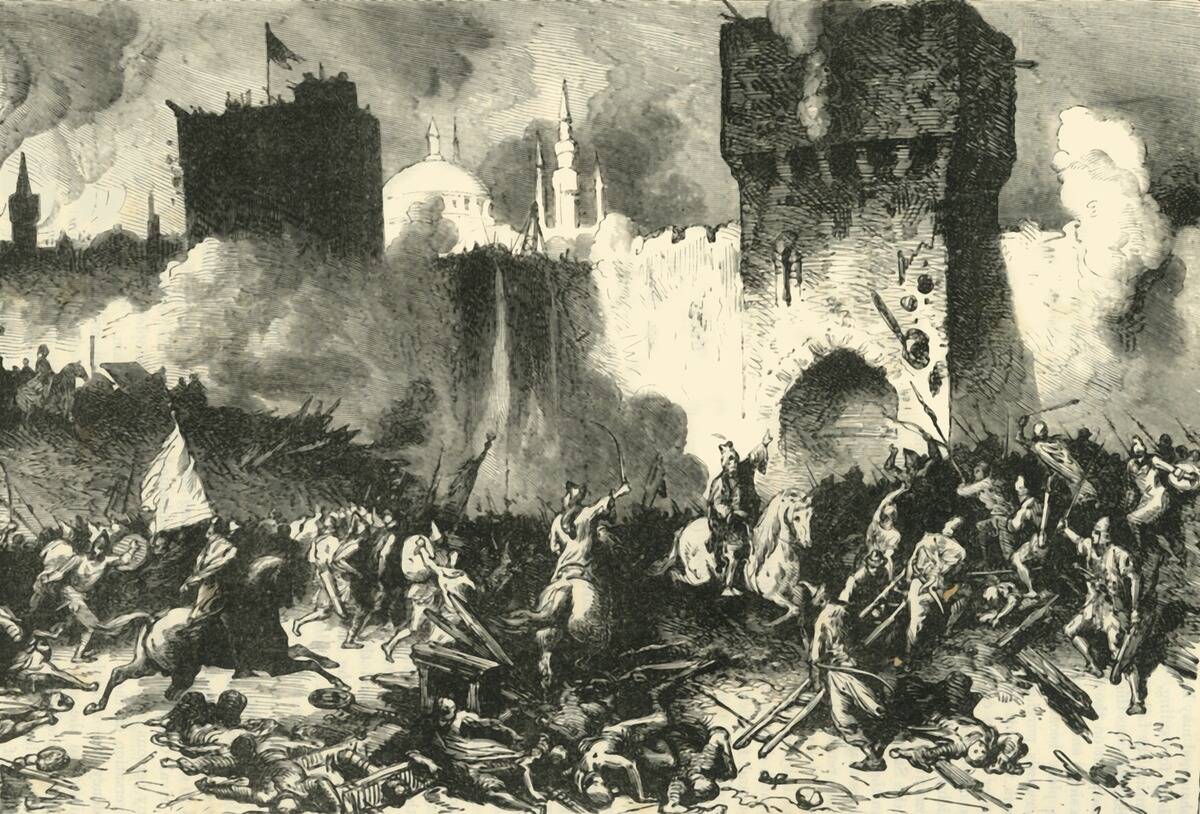
In 1453, the fall of Constantinople marked the end of the Byzantine Empire and the rise of the Ottoman Empire as a dominant force. Led by Sultan Mehmed II, the Ottomans utilized advanced military tactics, including the use of massive cannons, to breach the city’s formidable walls.
This conquest not only shifted the balance of power in the region but also redirected trade routes, paving the way for the Age of Exploration. The event signaled the end of the Middle Ages and the beginning of a new era in both Eastern and Western history.
The Signing of the Magna Carta: Limiting Royal Power
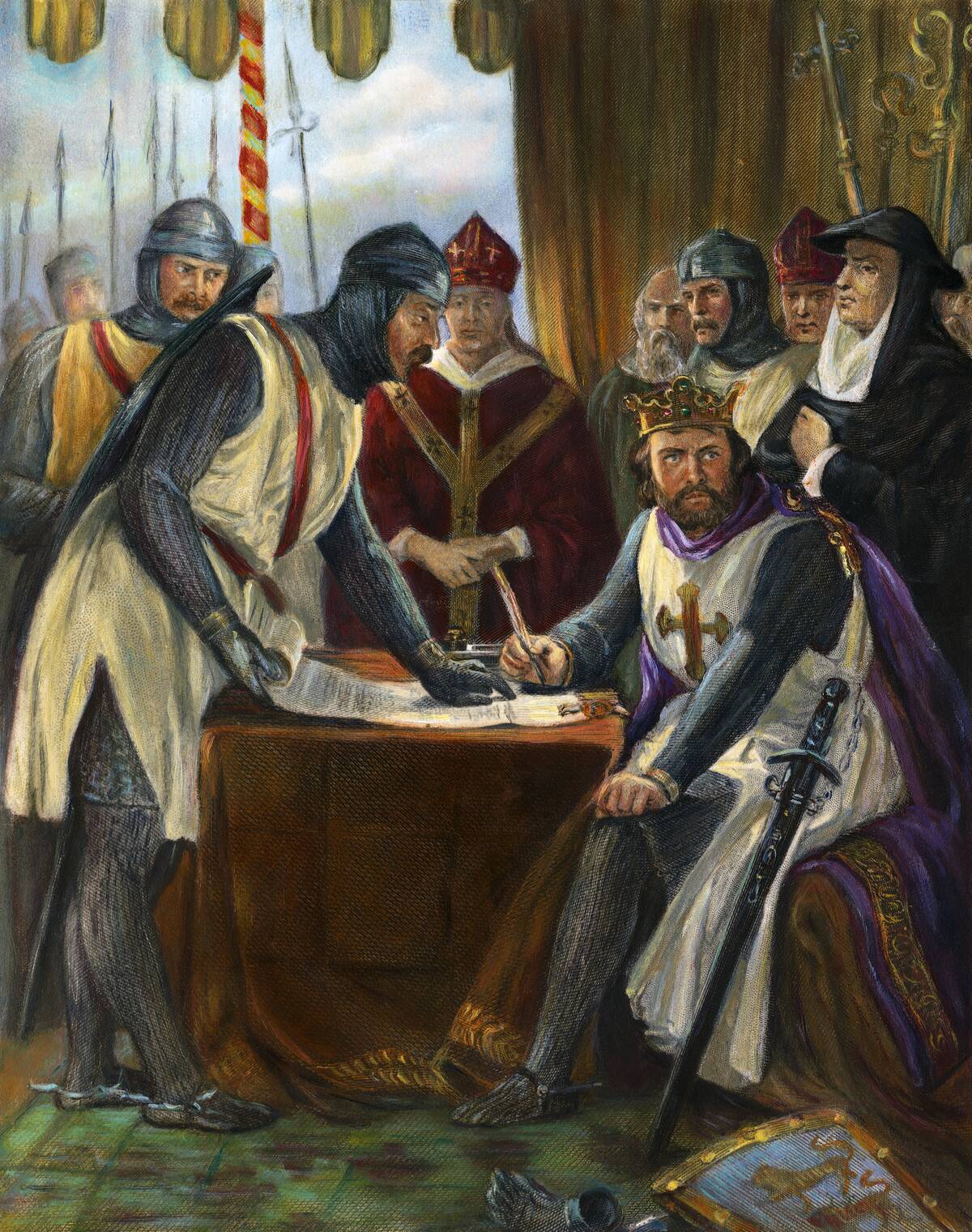
In 1215, the Magna Carta was signed by King John of England, a pivotal moment in the limitation of monarchical power. This document established the principle that the king was not above the law and laid the groundwork for modern constitutional governance.
Its influence extended beyond England, inspiring future legal frameworks that emphasize individual rights and due process. Though initially a practical solution to a political crisis, the Magna Carta’s legacy endures as a symbol of liberty and justice.
The American Revolution: Birth of a New Nation
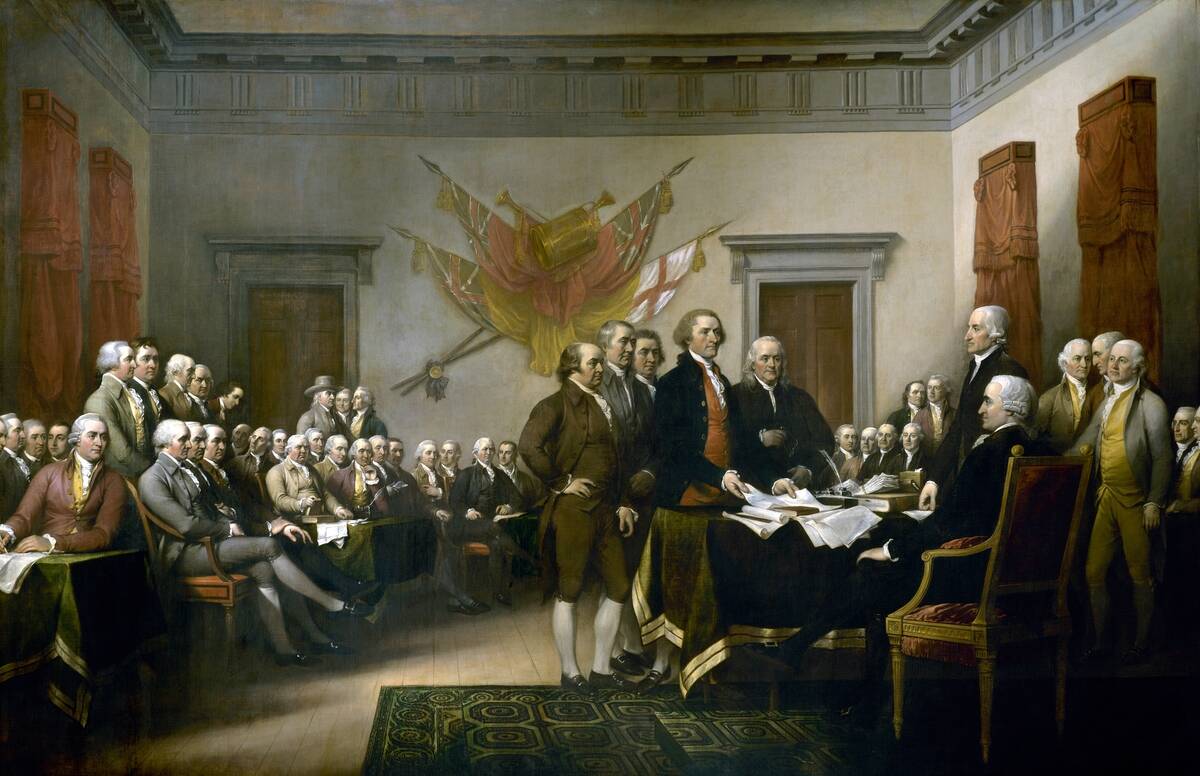
The American Revolution, which culminated in 1783, was a struggle for independence that gave birth to a new nation. Fueled by Enlightenment ideals of liberty and self-governance, the thirteen colonies successfully revolted against British rule.
The Declaration of Independence, penned in 1776, articulated the colonies’ desire for freedom and equality. The revolution’s success not only established the United States but also inspired other countries to pursue their own paths to independence and democracy.
The French Revolution: Redefining Liberty and Equality
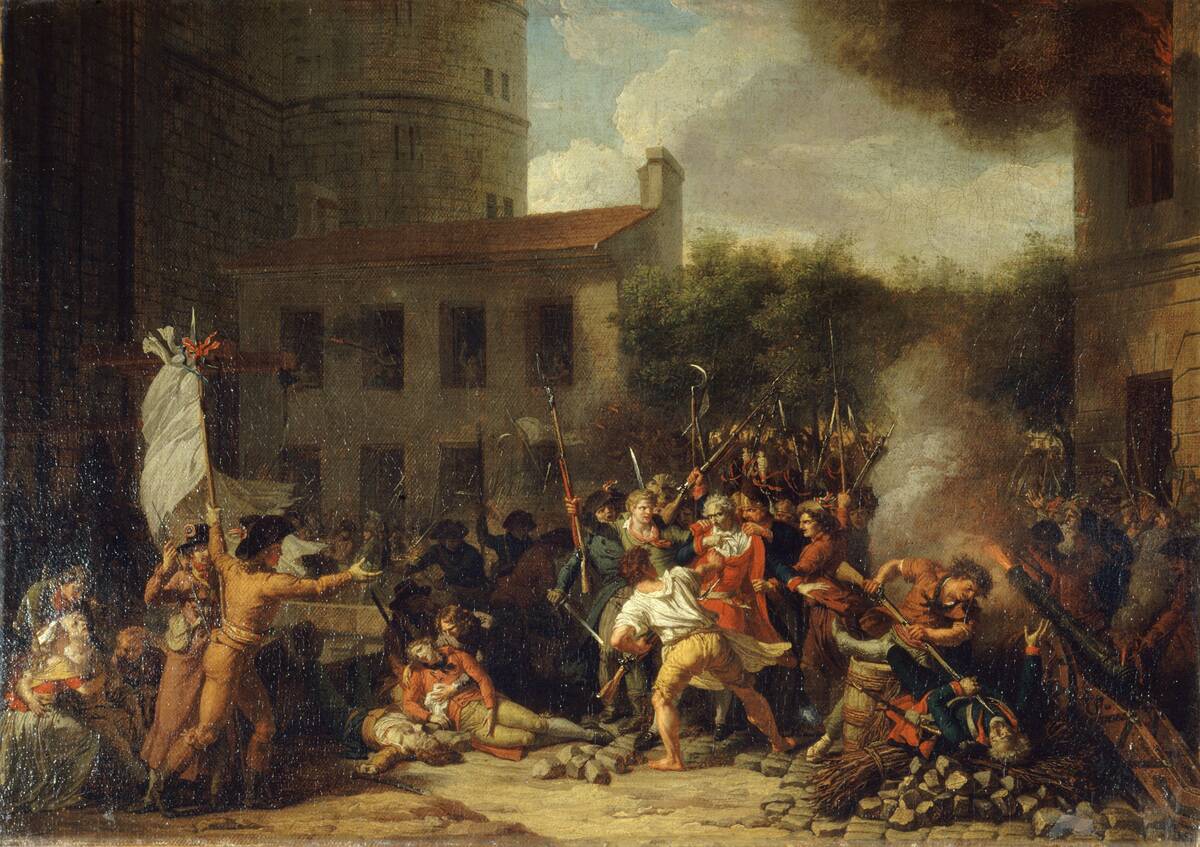
The French Revolution, beginning in 1789, was a radical period that redefined notions of liberty and equality. Discontent with the monarchy’s inequitable structure led to widespread social and political upheaval.
Key events, such as the storming of the Bastille, symbolized the people’s fight against oppression. The revolution introduced the Declaration of the Rights of Man and of the Citizen, laying the foundation for modern democratic principles. Despite its tumultuous course, the revolution profoundly influenced global concepts of citizenship and governance.
The Industrial Revolution: Technology Reshapes Global Power
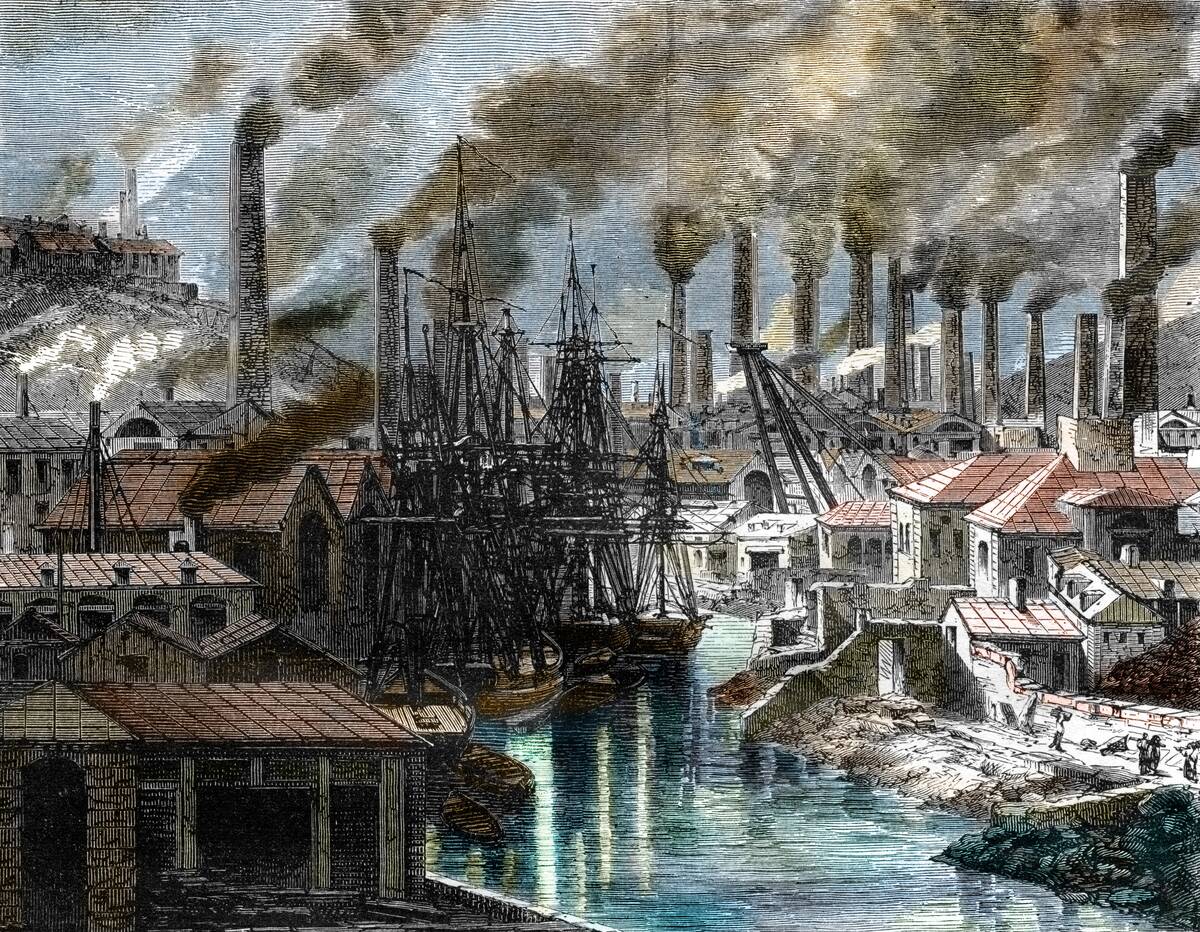
The Industrial Revolution, spanning from the late 18th to the 19th century, was a transformative period marked by technological innovation. It saw the rise of mechanized manufacturing, which drastically altered economies and societies.
Innovations such as the steam engine and spinning jenny revolutionized industries, leading to urbanization and increased productivity. This era shifted power dynamics globally, as industrialized nations gained economic and military advantages, setting the stage for modern capitalism and shaping the world economic order.
The Rise of the British Empire: A Sun That Never Set
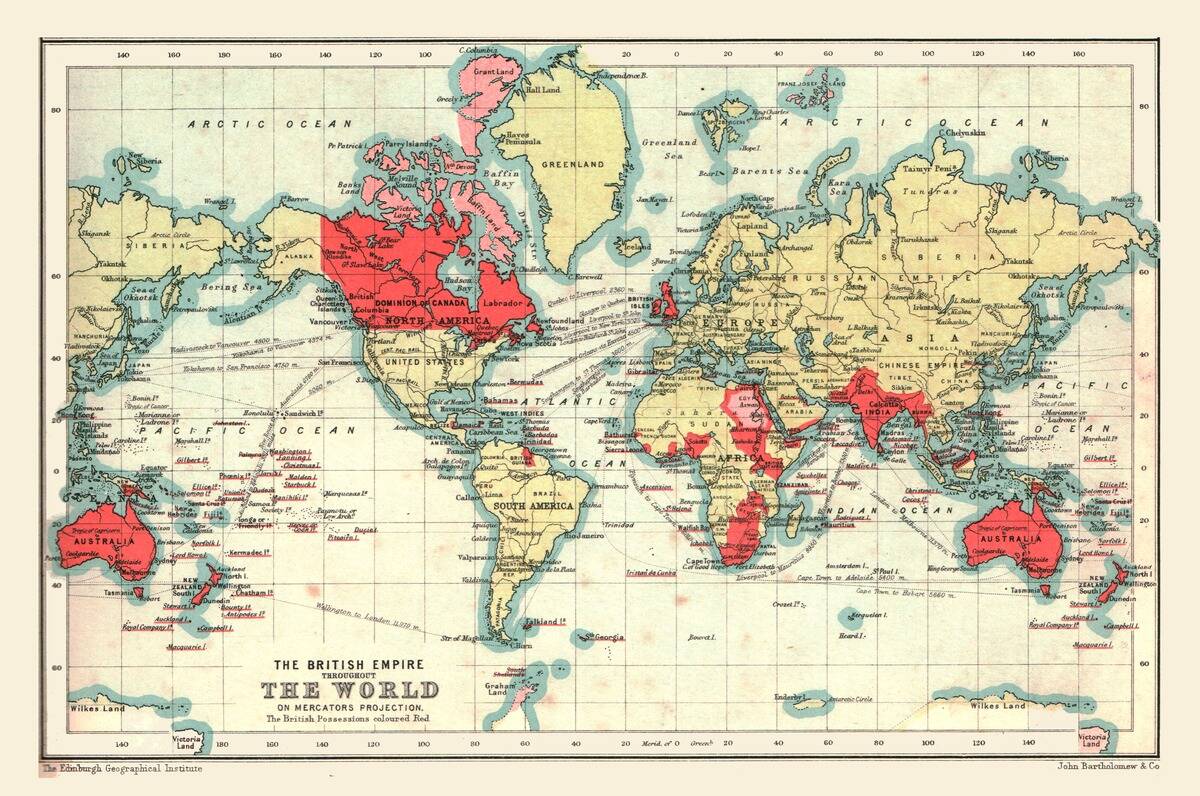
By the 19th century, the British Empire had expanded to become the largest empire in history, with territories on every continent. Dubbed “the empire on which the sun never sets,” it was fueled by industrial prowess and naval superiority.
The empire’s vast reach facilitated global trade and cultural exchange, albeit often at the expense of colonized peoples. This era of British dominance influenced political, social, and economic structures worldwide, leaving a complex legacy still evident in contemporary geopolitics.
The Assassination of Archduke Franz Ferdinand: The World at War
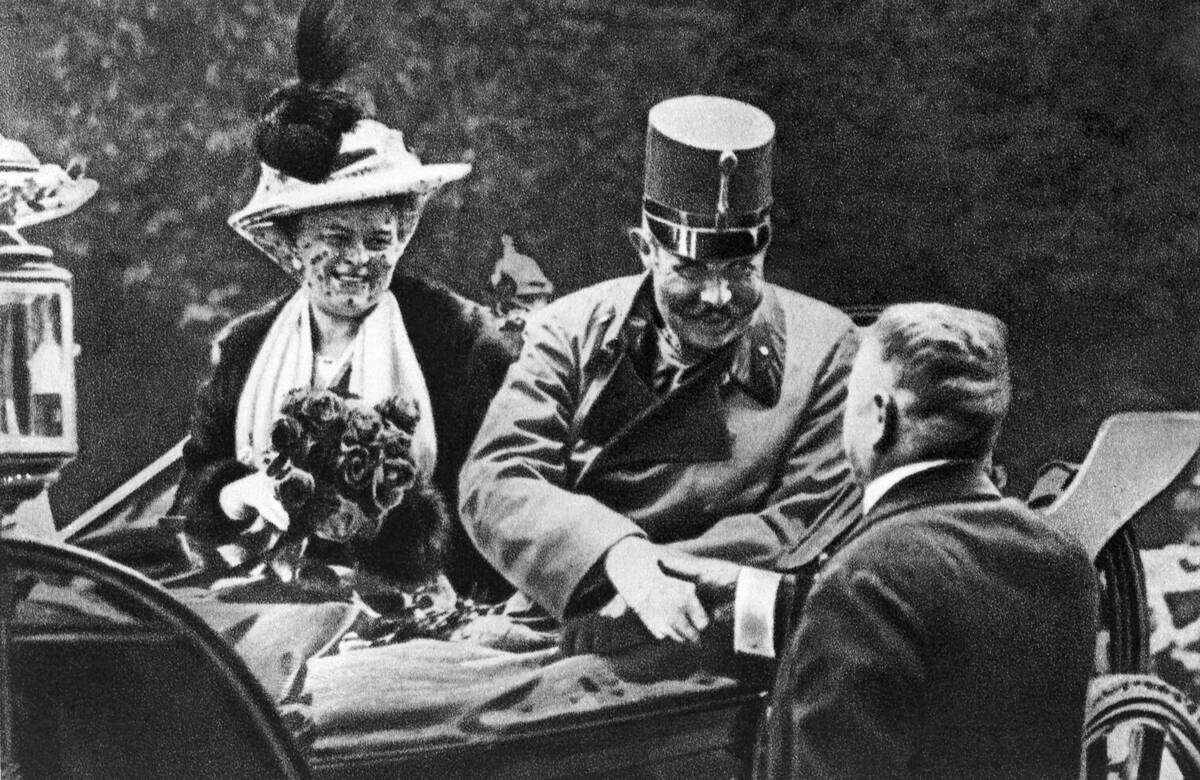
The assassination of Archduke Franz Ferdinand of Austria in 1914 was the spark that ignited World War I. This event set off a chain reaction of alliances and conflicts, plunging the world into unprecedented warfare.
Known as “The Great War,” it involved nations across the globe and introduced new military technologies, including tanks and chemical weapons. The war’s devastating impact reshaped borders, societies, and political landscapes, leading to the eventual formation of the League of Nations in an effort to prevent future global conflicts.
The Russian Revolution: The Birth of the Soviet Union
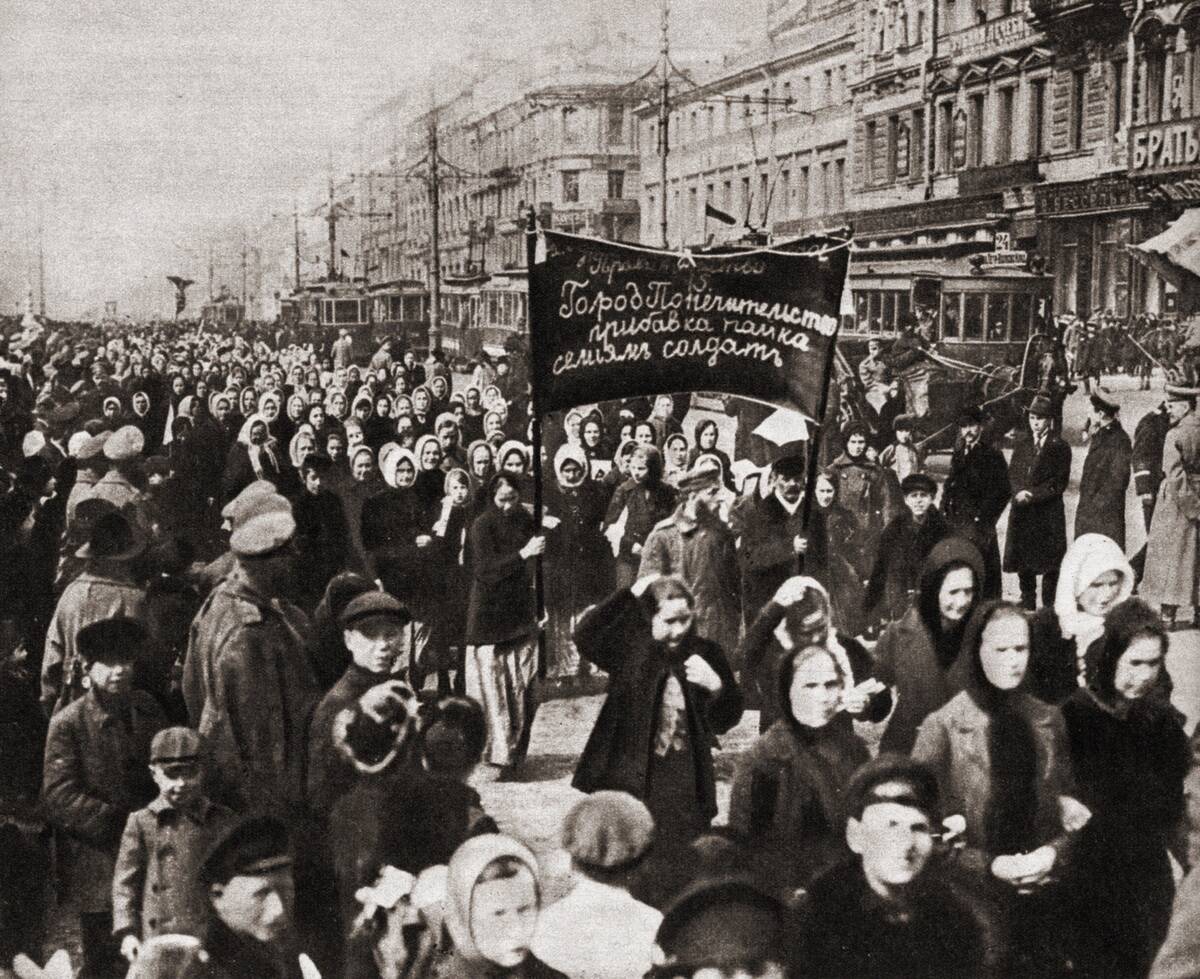
The Russian Revolution of 1917 was a pivotal moment that led to the collapse of the Russian Empire and the rise of the Soviet Union. Driven by widespread discontent with Tsarist rule and exacerbated by World War I hardships, the revolution saw the Bolsheviks, led by Vladimir Lenin, seize power.
This shift marked the beginning of a new communist regime, radically altering Russia’s social, political, and economic systems. The Soviet Union emerged as a major world power, influencing global ideology and geopolitics throughout the 20th century.
The End of World War II: A Bipolar World Emerges
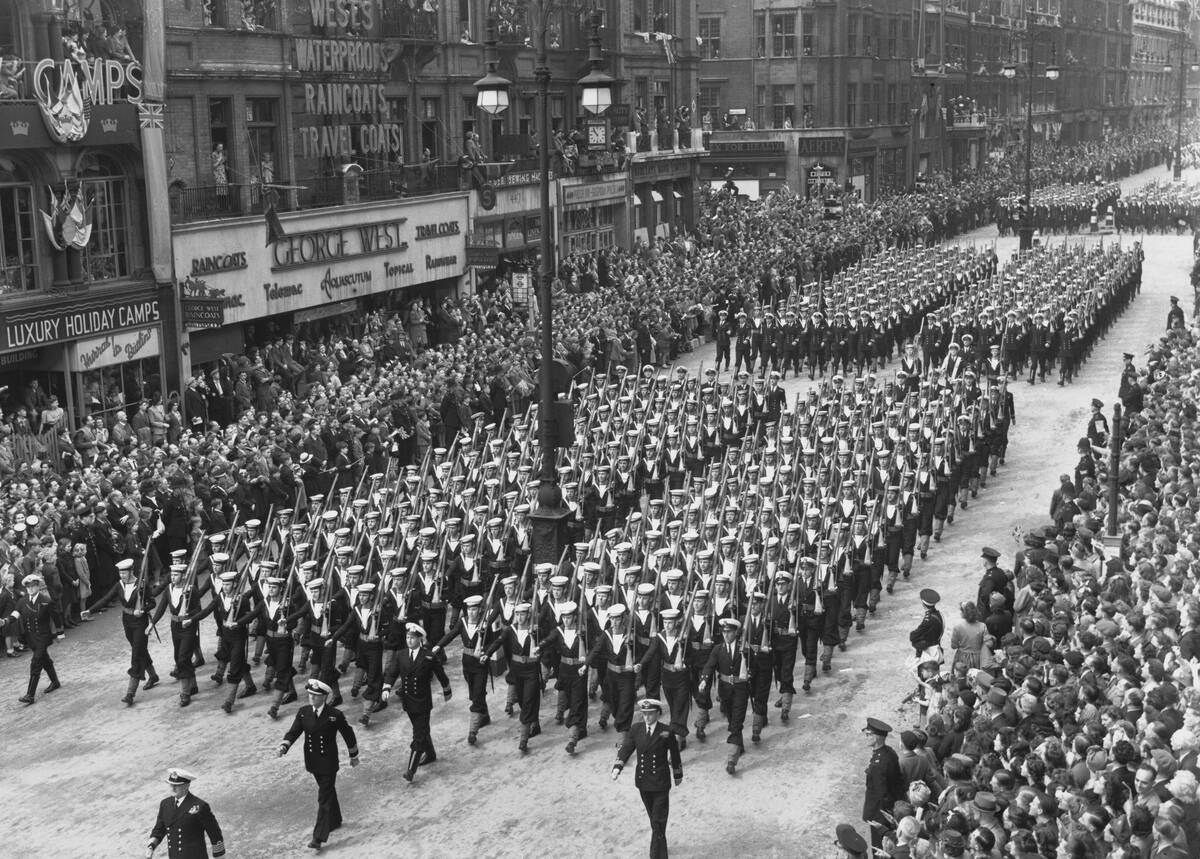
World War II concluded in 1945, resulting in a dramatic reorganization of global power structures. The United States and the Soviet Union emerged as superpowers, setting the stage for the Cold War’s ideological and geopolitical tensions.
The war’s end also saw the formation of the United Nations, aimed at fostering international cooperation and preventing future conflicts. The post-war era witnessed decolonization movements, significant economic recovery, and the beginning of an arms race, all shaping the modern world’s political landscape.
The Fall of the Berlin Wall: Reunification and a New Europe

In 1989, the fall of the Berlin Wall symbolized the end of Cold War divisions and the reunification of Germany. This event marked a significant turning point in European history, as Eastern and Western Europe began to reconcile and integrate.
The wall’s collapse was the result of escalating public pressure and reform movements in Eastern Bloc countries. It paved the way for the expansion of the European Union and the spread of democratic governance across the continent, reshaping Europe’s political and economic landscape.
The Rise of China: From Isolation to Global Influence
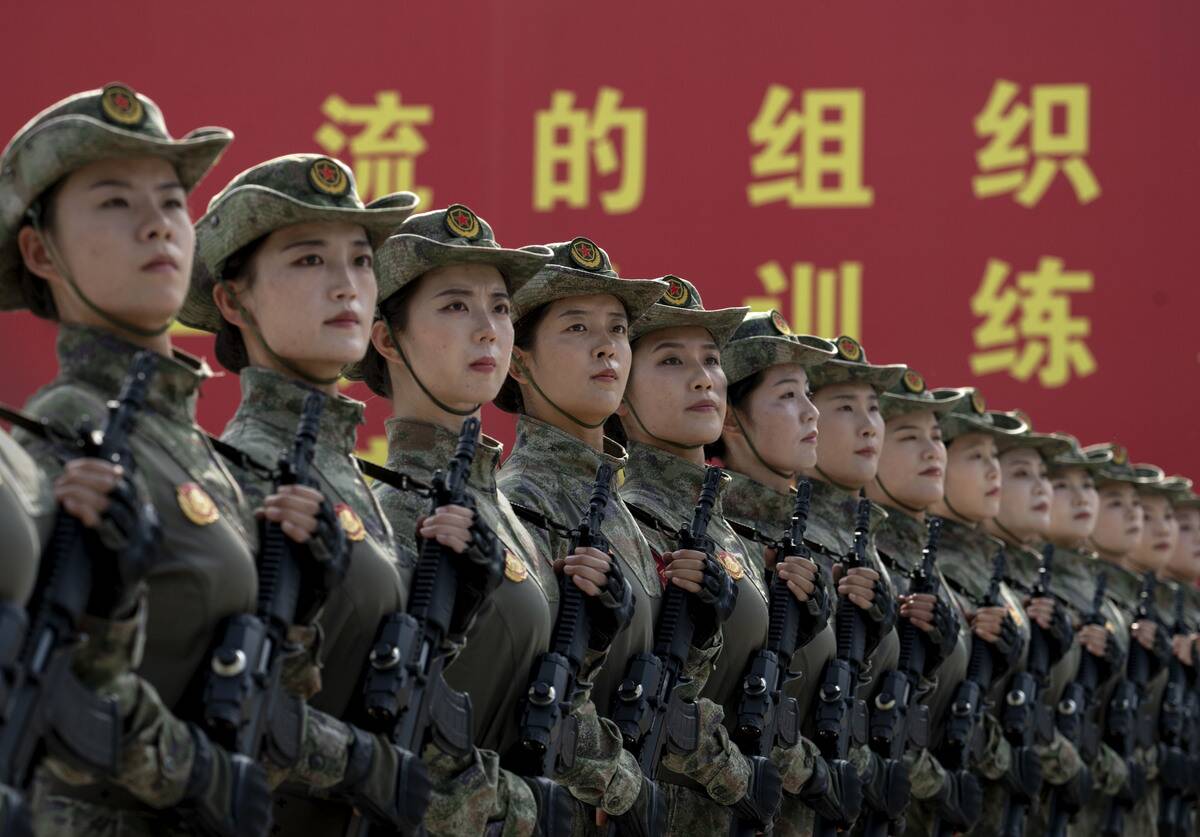
China’s rapid ascent as a global power is one of the most significant geopolitical shifts in recent history. Following economic reforms initiated in the late 20th century, China transformed from an isolated state to a major player on the world stage.
With its massive population and burgeoning economy, China now influences global trade, technology, and politics. Initiatives like the Belt and Road Initiative reflect China’s ambition to extend its influence, reshaping international relations and economic structures in profound ways.
The Arab Spring: A Wave of Change Across the Middle East
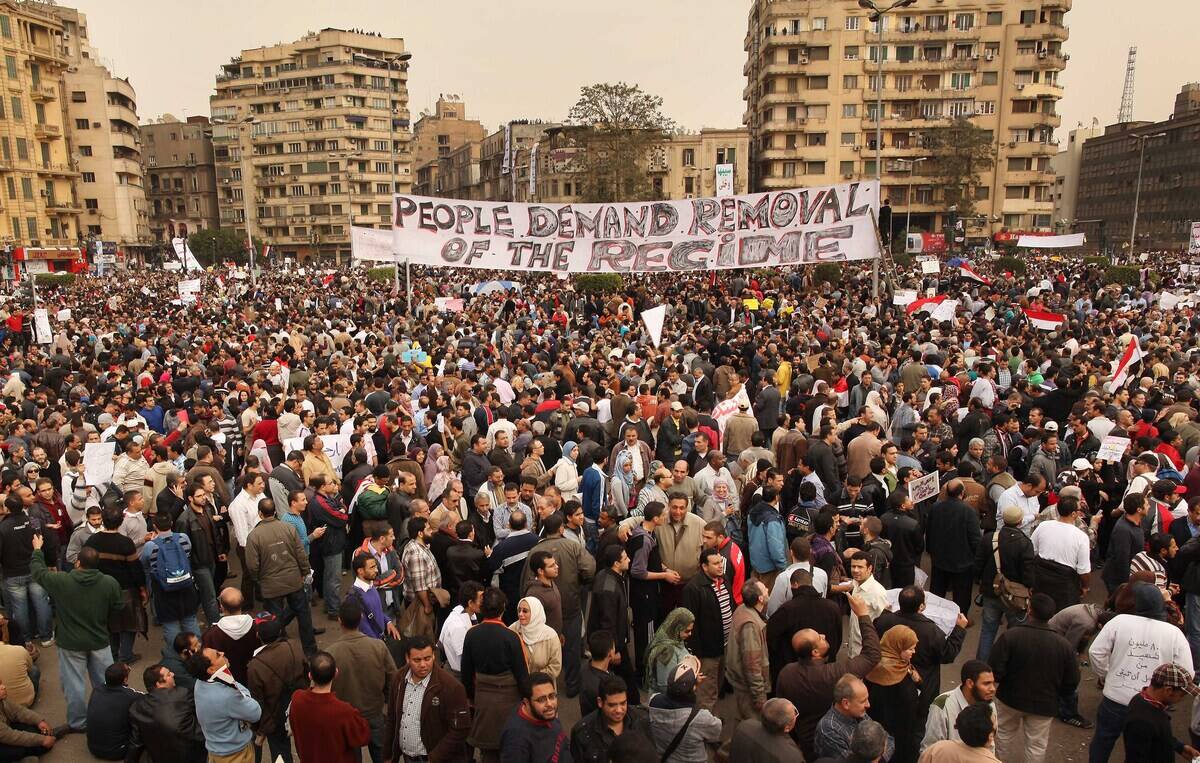
The Arab Spring, starting in 2010, was a series of protests and uprisings across the Middle East and North Africa. Triggered by widespread dissatisfaction with authoritarian regimes, these movements sought political reform, economic opportunity, and social justice.
The self-immolation of Tunisian street vendor Mohamed Bouazizi is often cited as the spark. While outcomes varied by country, the Arab Spring highlighted the power of grassroots movements and social media in mobilizing change, though it also underscored the complexities of achieving lasting political reform.
The Global Financial Crisis of 2008: Shifting Economic Powers

The global financial crisis of 2008 was a severe economic downturn that exposed vulnerabilities in the global financial system. Originating in the United States with the collapse of major financial institutions, the crisis spread rapidly, affecting economies worldwide. It led to widespread unemployment, foreclosures, and government bailouts.
The crisis prompted significant regulatory reforms and a reevaluation of economic policies. It also accelerated the rise of emerging markets, particularly in Asia, as key players in the global economy, challenging traditional economic power centers.
The Climate Change Movement: Power in Environmental Advocacy
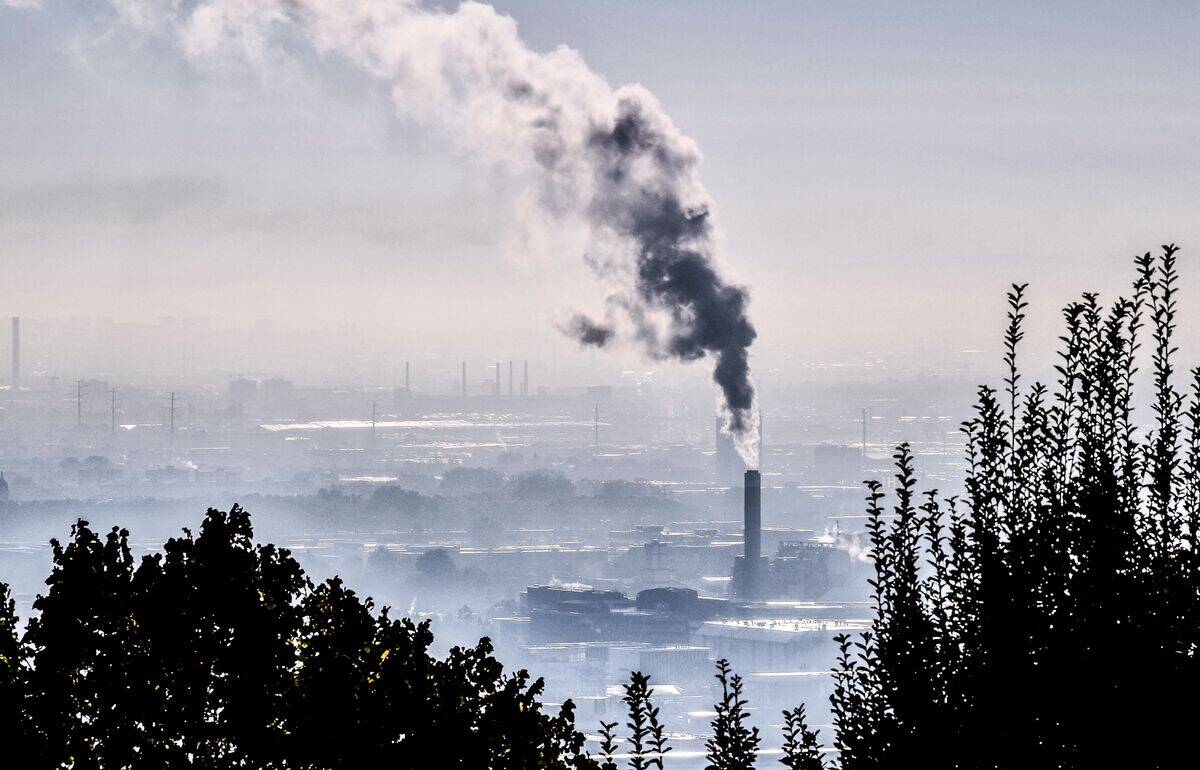
The climate change movement has gained momentum in recent decades, emphasizing the urgent need for environmental action. Driven by scientific consensus and public awareness, it advocates for policies to mitigate climate impacts and transition to sustainable energy sources.
High-profile events, such as the Paris Agreement, underscore international efforts to address climate issues. This movement highlights the power of collective action and the role of environmental advocacy in shaping policy and public consciousness, as societies grapple with the pressing challenges of climate change.




