13 gothic structures that inspire today’s engineering
Gothic architecture, with its intricate designs and towering structures, has long fascinated engineers and architects alike. In modern times, these historical marvels inspire innovative engineering solutions.
The Gothic era, spanning the 12th to the 16th centuries, introduced groundbreaking techniques that still resonate today. From the majestic cathedrals of Europe to contemporary skyscrapers, the fusion of beauty and functionality endures, bridging the medieval and the modern with remarkable elegance.
The Aesthetic Allure of Gothic Design
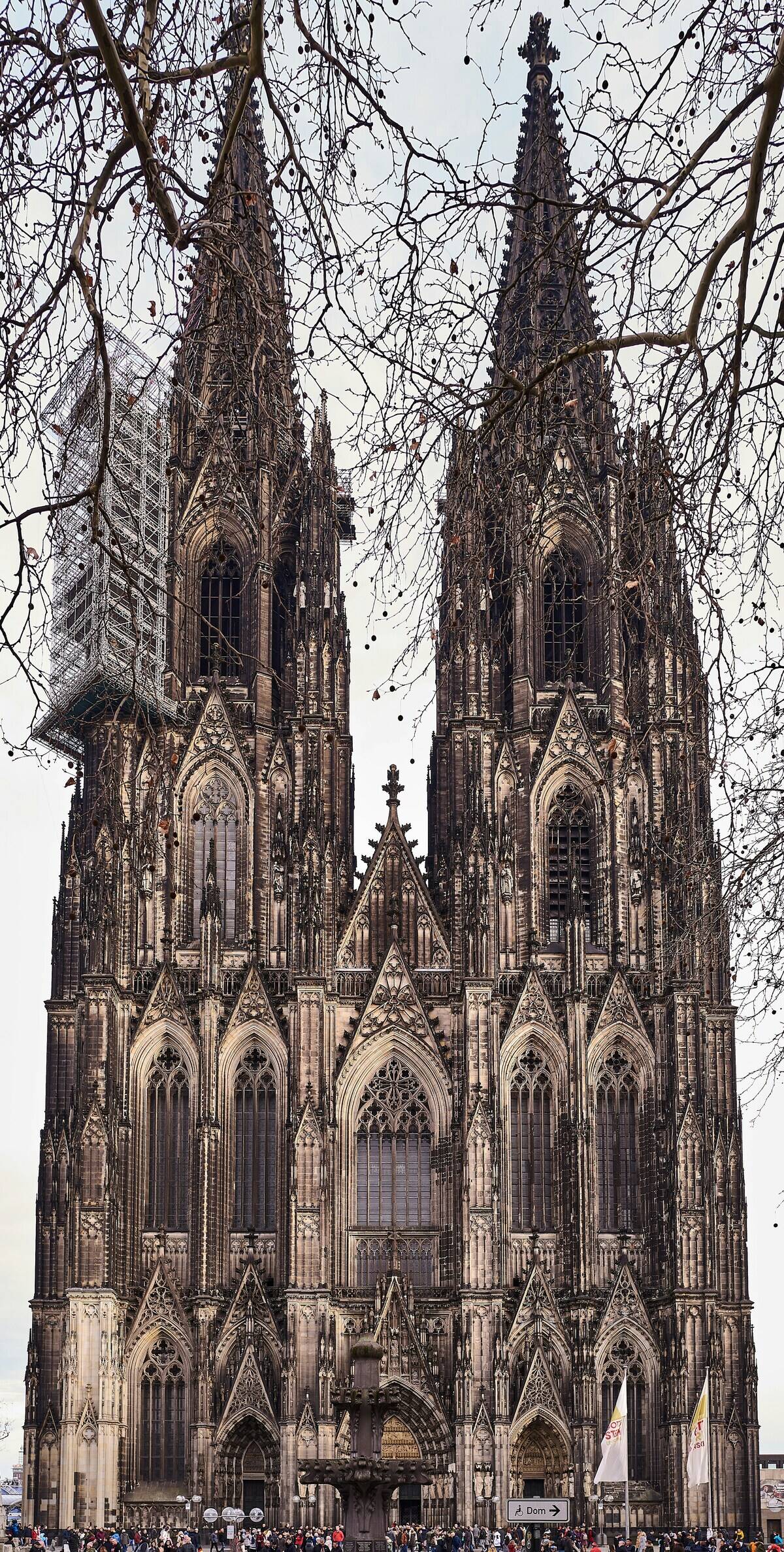
The Gothic style is renowned for its dramatic visual impact, often characterized by pointed arches, ribbed vaults, and flying buttresses. These elements not only served structural purposes but also created an ethereal beauty.
The interplay of light and shadow in Gothic structures captivates onlookers, evoking a sense of awe. This aesthetic allure continues to influence modern architecture, where designers seek to capture the same captivating magic with contemporary materials and technologies.
The Role of Functionality in Gothic Structures
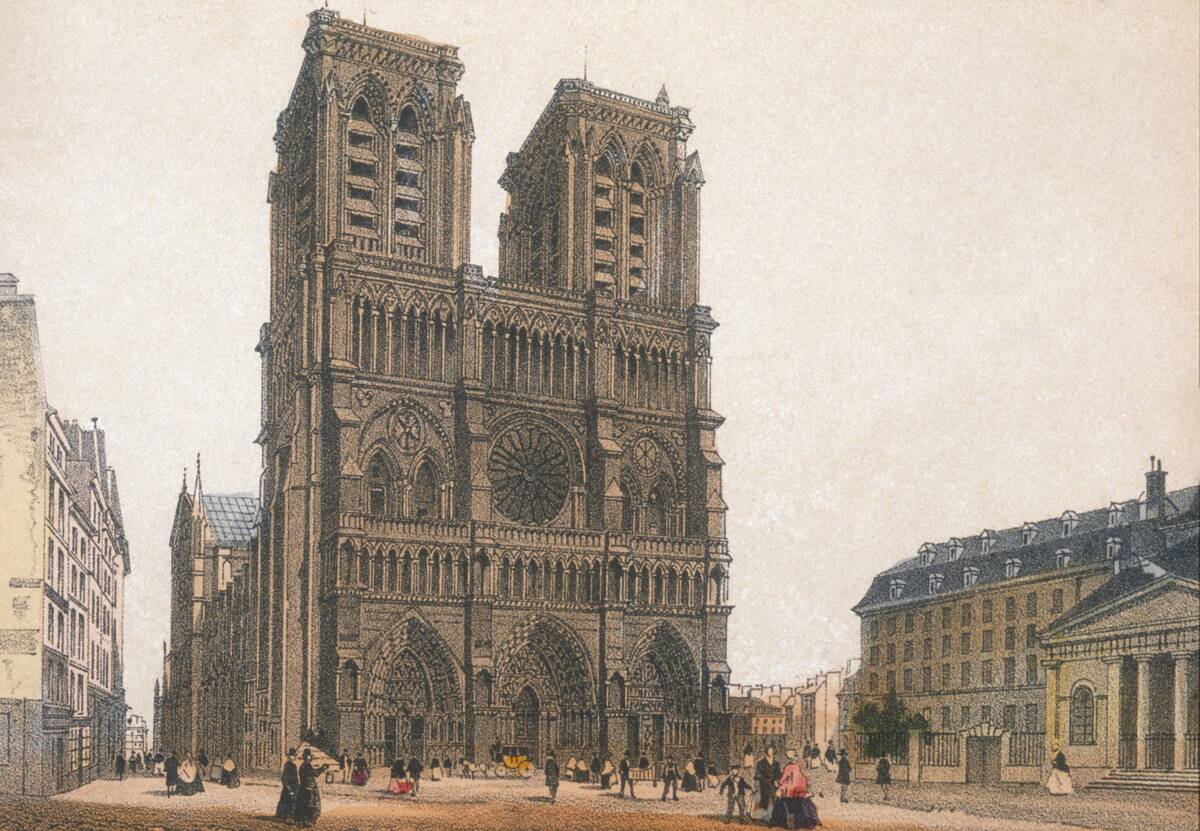
While Gothic design is known for its grandeur, its functionality is equally impressive. Every architectural element served a purpose, from the towering spires to the intricate carvings. These structures were designed to be both durable and beautiful, showcasing the era’s advanced understanding of engineering principles.
The emphasis on functionality laid the groundwork for modern engineering, where practical considerations are harmoniously blended with artistic expression.
How Gothic Cathedrals Defied Gravity
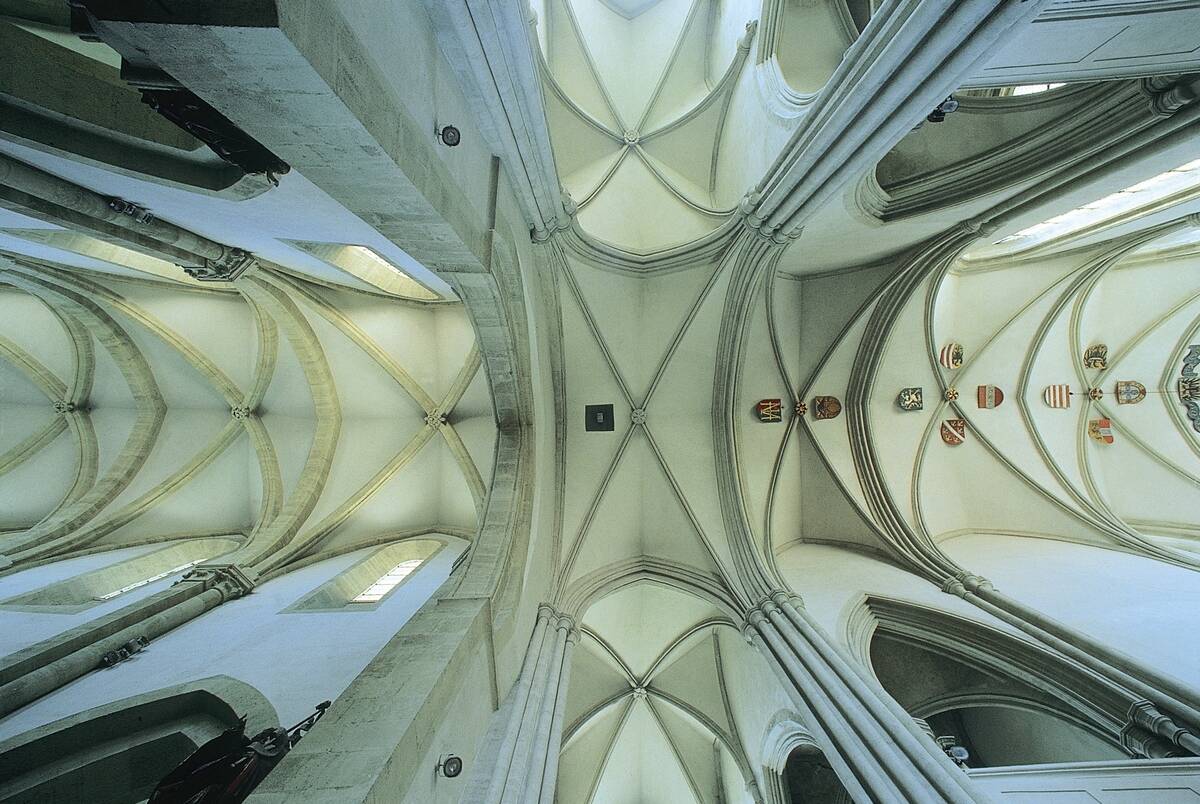
Gothic cathedrals often seem to defy gravity with their soaring heights and delicate structures. This was achieved through innovative techniques like ribbed vaults, which distributed weight more efficiently.
The use of pointed arches allowed for taller, more stable constructions, while flying buttresses provided essential support. These advancements enabled the creation of vast, open spaces filled with light, a hallmark of Gothic architecture that continues to inspire modern architectural designs.
The Gothic Arches: Engineering Marvels
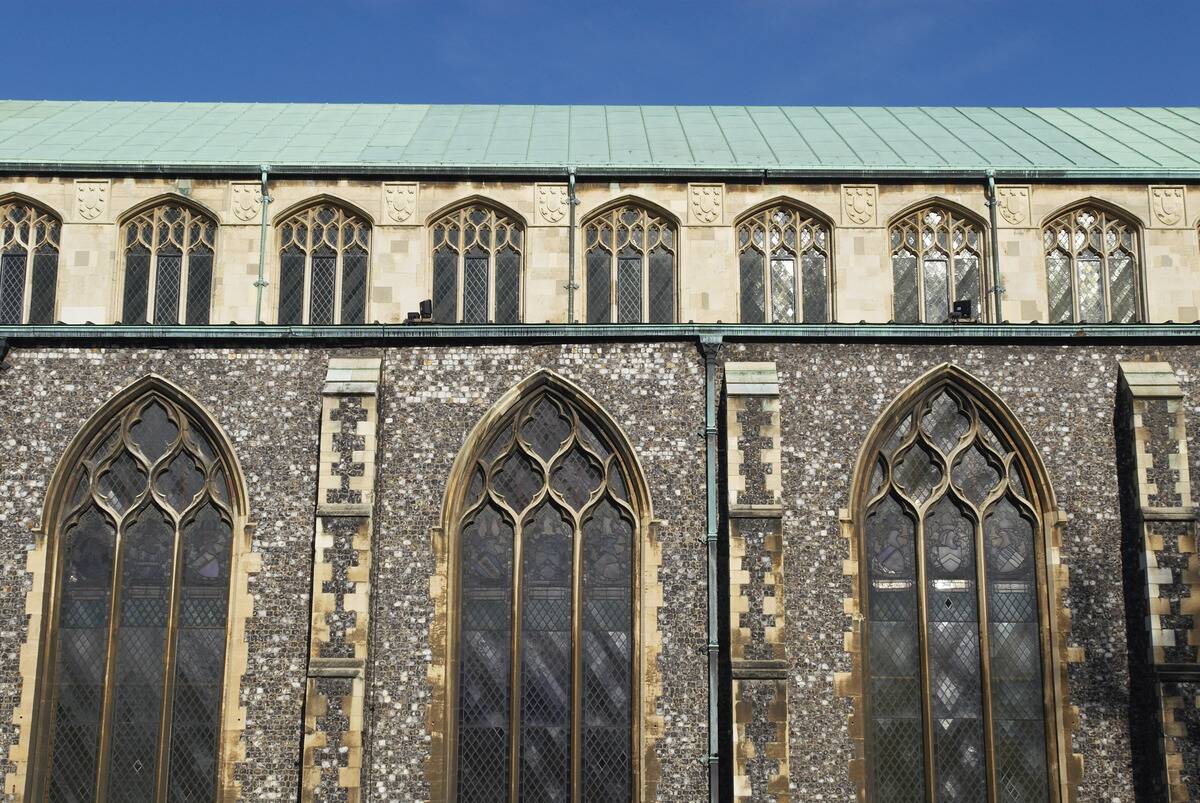
Gothic arches are undoubtedly engineering marvels, characterized by their pointed shapes that distribute weight more evenly than their Roman predecessors. This innovation allowed for taller and more slender structures, maximizing interior space.
The pointed arch’s inherent strength made it possible to build the awe-inspiring cathedrals that define the Gothic era. Today, the principles behind these arches influence the design of modern structures, showcasing their timeless engineering prowess.
Flying Buttresses: A Leap in Load-Bearing Design
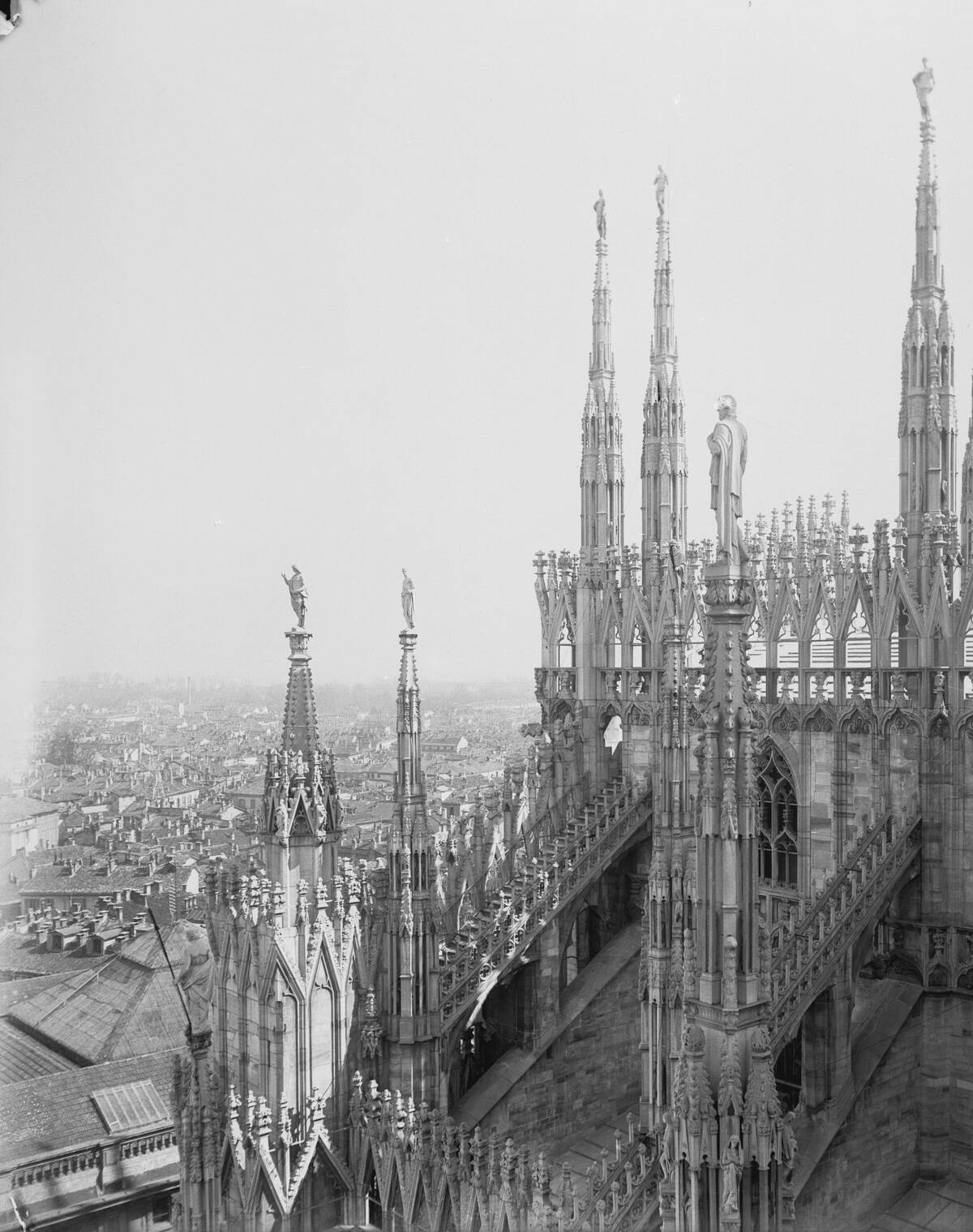
Flying buttresses were a revolutionary development in Gothic architecture, enabling walls to be higher and thinner, with large windows. These external supports transferred the weight of the roof and walls outward, reducing the need for massive internal pillars.
This innovation allowed for the creation of vast, illuminated interiors. Modern engineers continue to draw inspiration from flying buttresses, integrating similar support systems in contemporary building designs to achieve sleek and open spaces.
Gargoyles: Form Meets Function in Water Drainage

Gargoyles, often seen as decorative elements, had a practical role in Gothic architecture. These intricate stone carvings served as water spouts, directing rain away from the building’s walls.
By preventing erosion, gargoyles helped preserve the structural integrity of cathedrals. Their dual purpose of functionality and artistic expression is a concept that endures in modern design, where aesthetics often complement practical needs in innovative ways.
The Intricacy of Gothic Stained Glass Windows
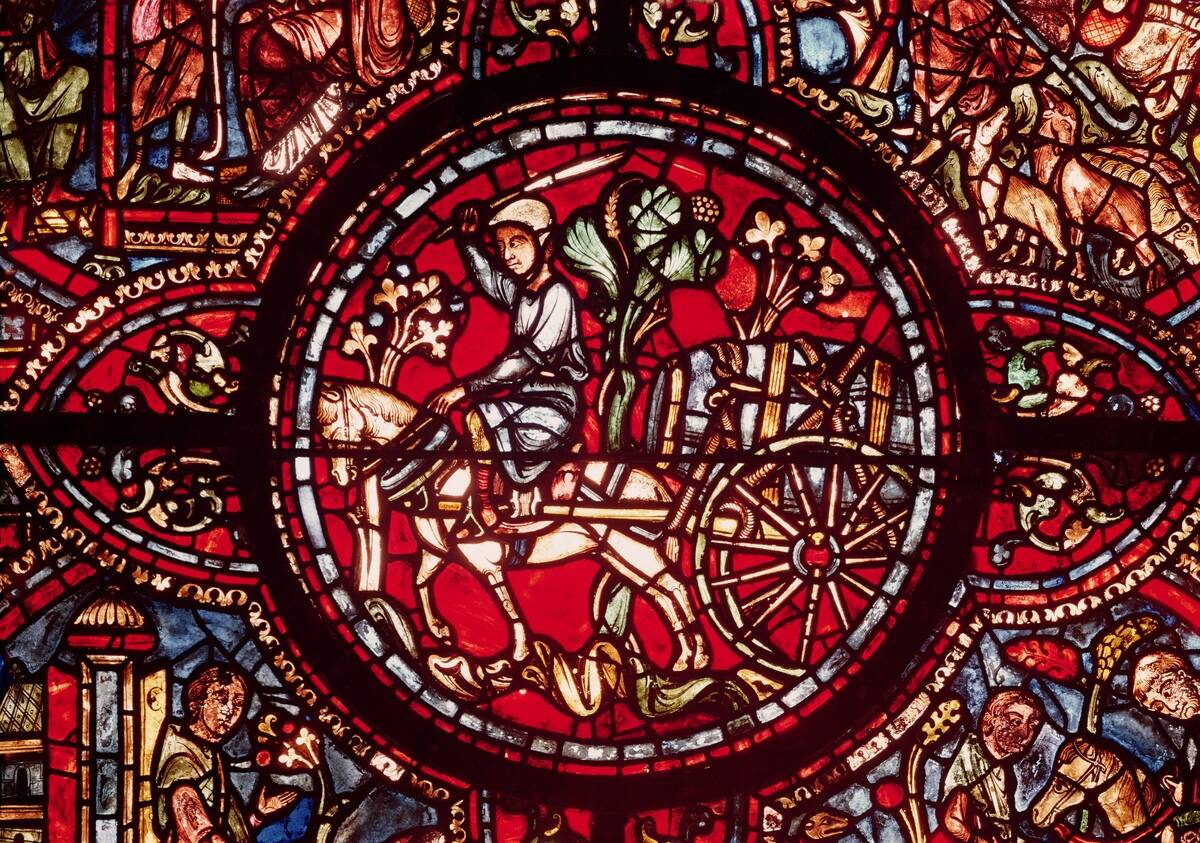
Gothic stained glass windows are renowned for their breathtaking beauty and intricate designs. These vibrant panels depicted biblical stories and illuminated interiors with colorful light.
The art of stained glass required skilled craftsmanship, combining both artistry and engineering to fit large, fragile pieces into towering frames. Today, similar techniques are used in modern architecture, where glass facades and installations play a crucial role in creating dynamic and light-filled spaces.
Rose Windows: Symmetry and Structural Integrity
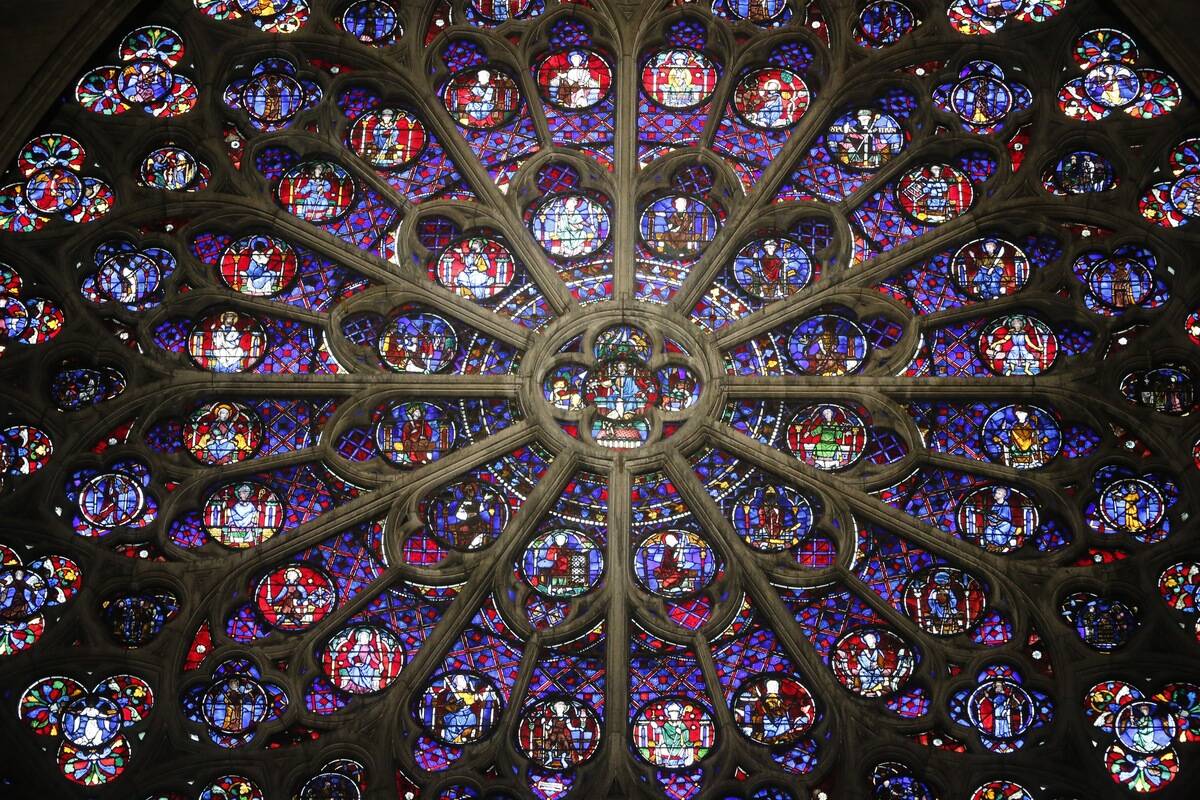
Rose windows, with their mesmerizing circular patterns, are a quintessential feature of Gothic cathedrals. These windows not only added aesthetic appeal but also contributed to the structural integrity of the buildings.
The radial symmetry of the rose windows helped distribute weight evenly across the façade. This design principle is still applied in modern architecture, where symmetry and balance are key elements in creating visually harmonious and structurally sound buildings.
Spires and Pinnacles: Reaching New Heights

Spires and pinnacles are iconic features of Gothic architecture, symbolizing the aspiration to reach the heavens. These towering elements added vertical emphasis and were often richly decorated.
Structurally, spires helped stabilize the buildings by balancing the forces acting upon them. Today, the influence of these vertical elements can be seen in skyscrapers, where the quest for height continues, reflecting the enduring legacy of Gothic design in shaping urban skylines.
The Influence of Gothic Machinery on Contemporary Bridges
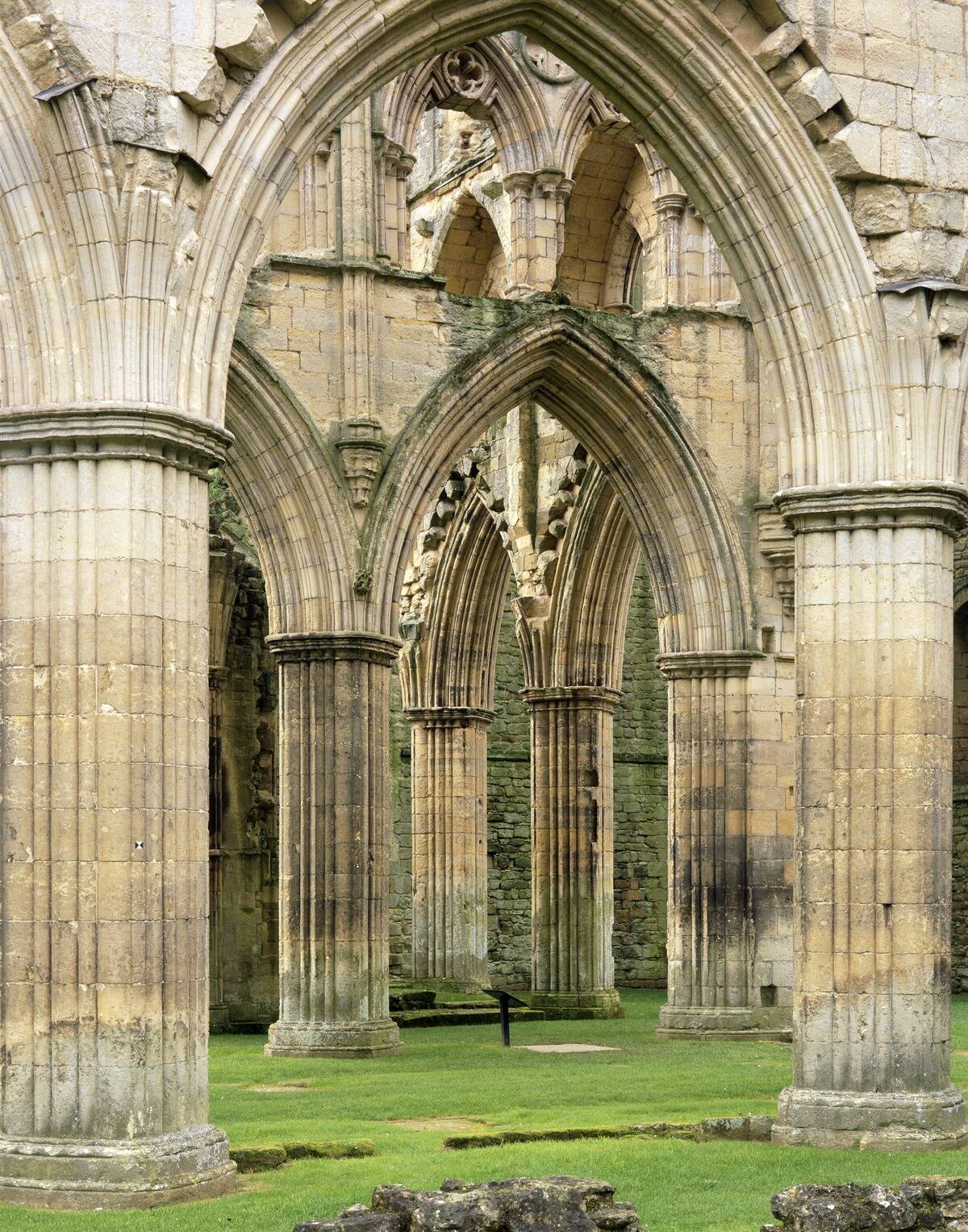
Gothic engineering principles have made their mark on contemporary bridge design, where strength and elegance go hand in hand. The use of arches and buttresses in Gothic cathedrals parallels the design of modern suspension bridges.
These elements help distribute loads efficiently and maintain structural integrity. The aesthetic appeal of Gothic design also inspires bridge architects, who often incorporate ornate details, marrying form and function in a way that echoes the past.
Modern Skyscrapers and the Legacy of Gothic Arches
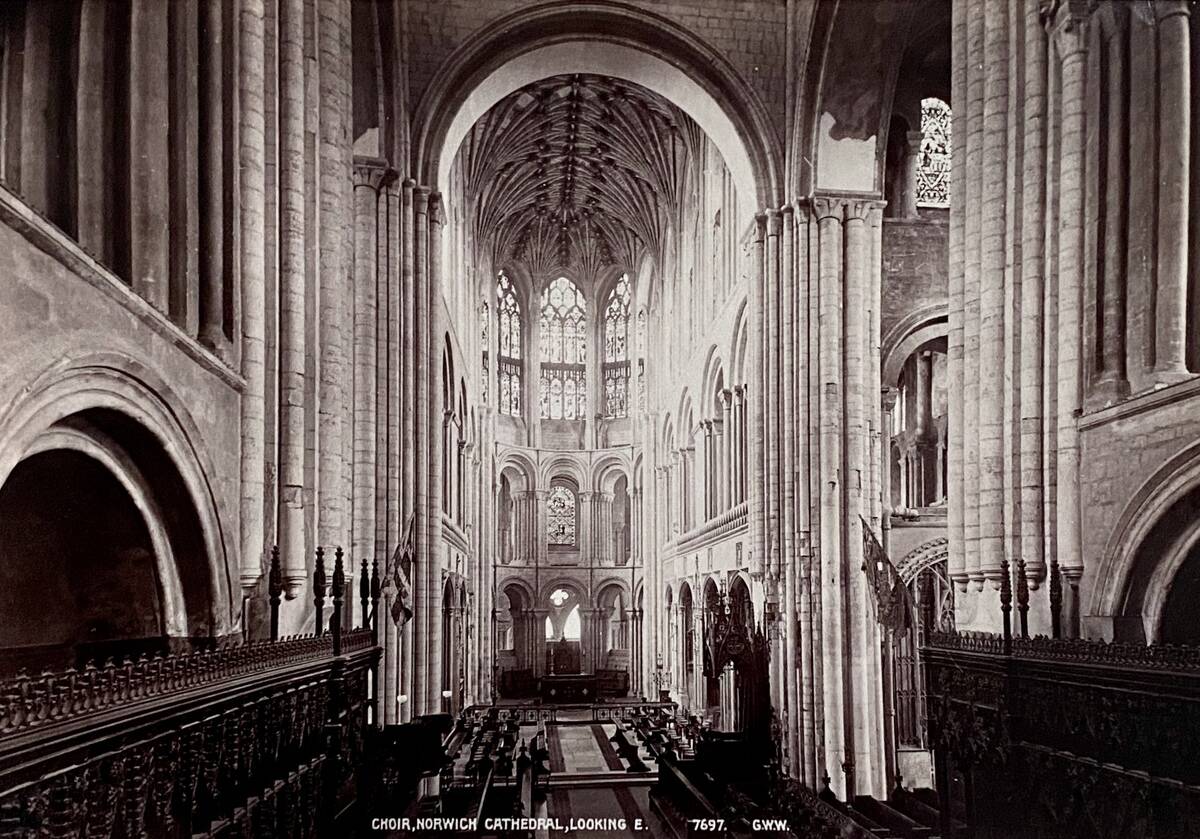
Modern skyscrapers owe much to the architectural innovations of the Gothic era, particularly the use of arches. Gothic arches allowed for greater height and stability, principles that are vital in contemporary high-rise construction.
The skeletal framework of these arches is mirrored in the steel and glass structures of today. Architects continue to draw inspiration from Gothic design, incorporating similar elements to create buildings that are not only functional but also strikingly beautiful.
Gothic Revival in Modern Architectural Design
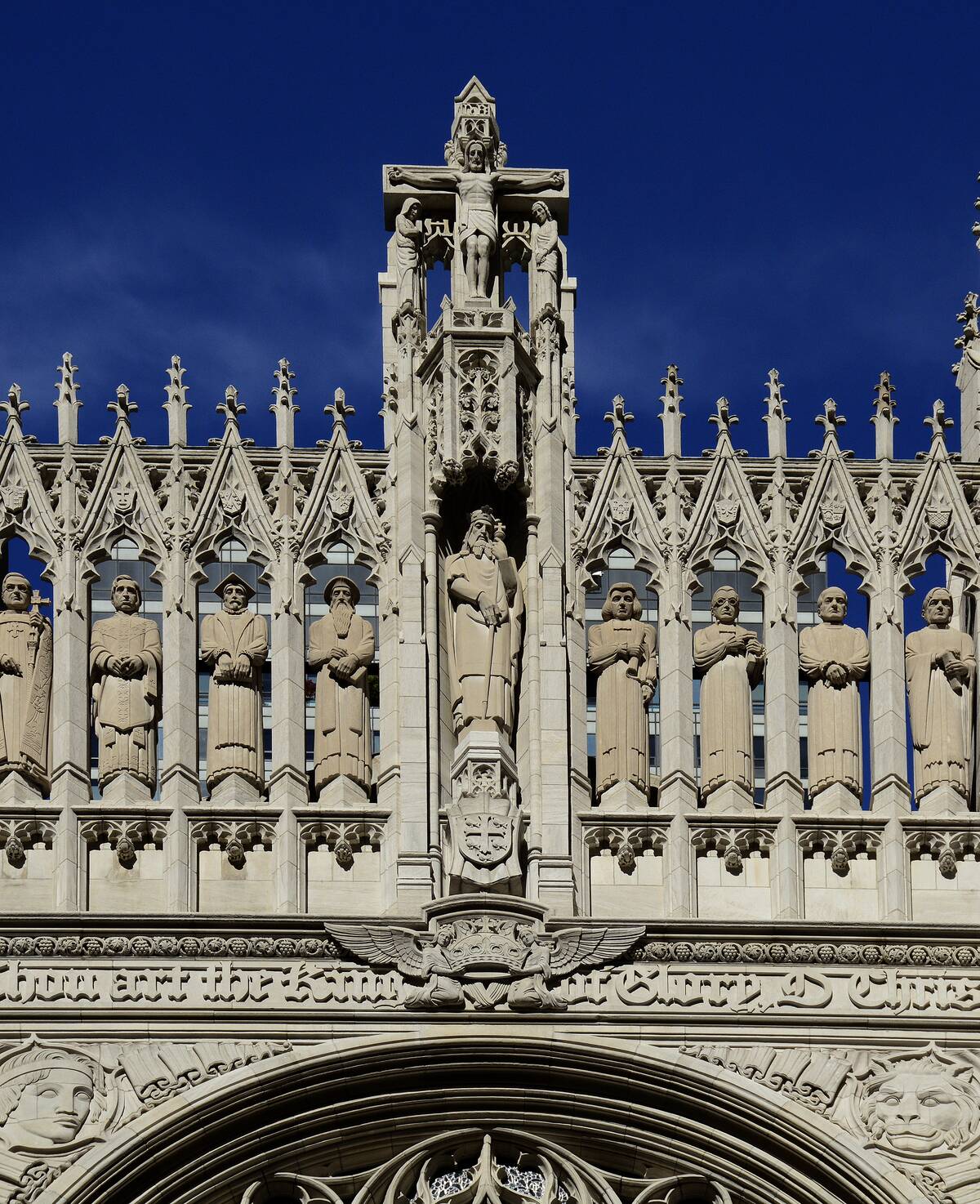
The Gothic Revival movement in the 19th century brought a renewed interest in the dramatic and ornate elements of Gothic architecture. This revival influenced the design of numerous buildings, from churches to universities.
Today, elements of Gothic Revival can be seen in modern architecture, where designers blend historical styles with contemporary techniques, creating structures that pay homage to the past while embracing present-day innovations.
The Sustainability of Gothic Techniques in Today’s World
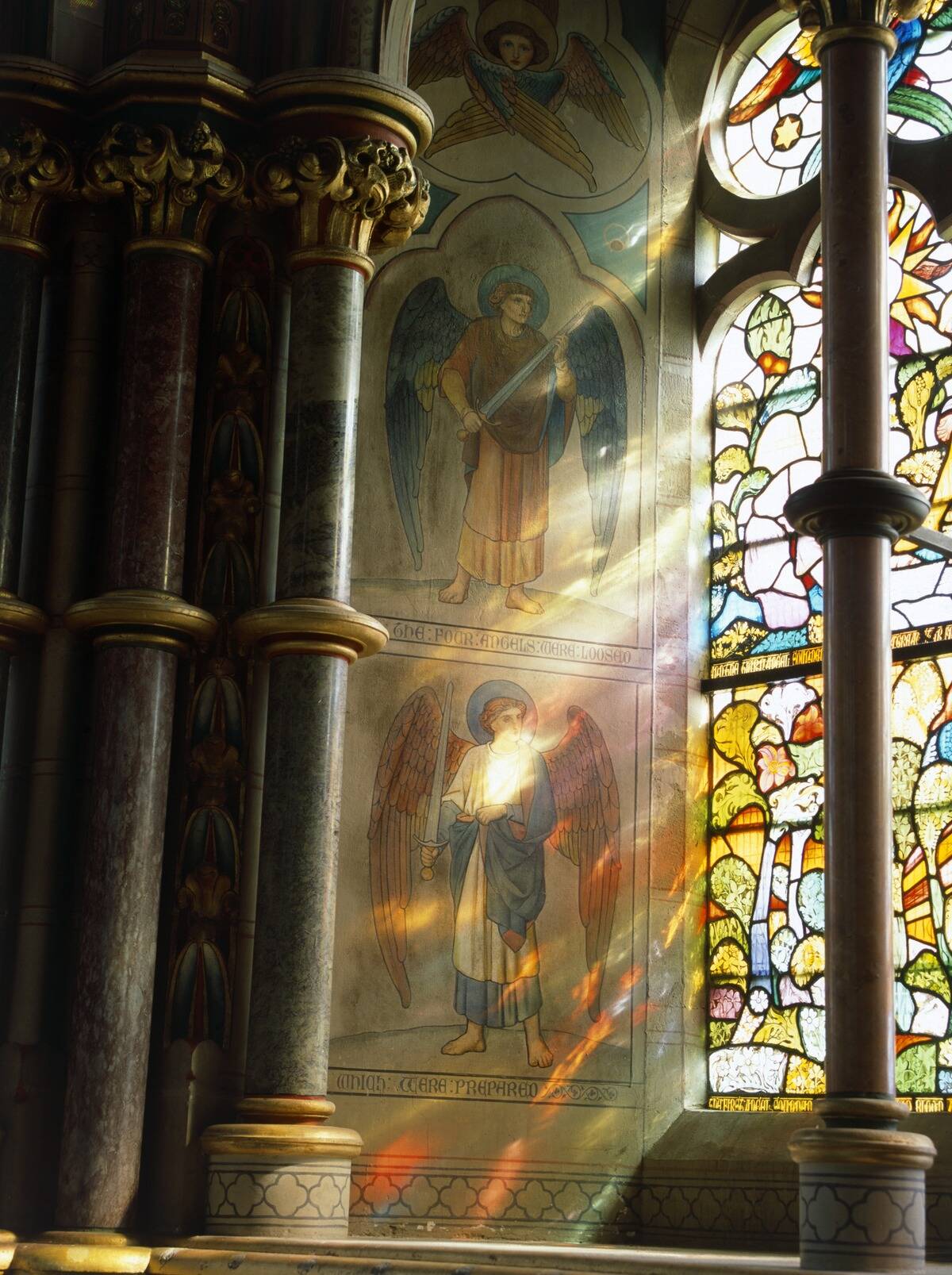
The sustainable techniques of Gothic architecture, such as natural lighting and efficient use of materials, are increasingly relevant in today’s eco-conscious world. The large windows and open spaces of Gothic cathedrals maximized natural light, reducing the need for artificial lighting.
Modern architects draw on these principles to create energy-efficient buildings. The focus on sustainability ensures that these timeless techniques remain relevant, offering solutions for a greener future.