Photos of ancient oaks recording human history
Throughout history, oak trees have stood as silent witnesses to humanity’s unfolding story. These majestic giants have not only provided shelter and resources but have also been deeply embedded in cultural and spiritual practices across civilizations.
Their sturdy presence and longevity make them powerful symbols of endurance and strength. From ancient rites to modern conservation efforts, oaks have maintained a revered position, reflecting the ever-evolving relationship between nature and mankind.
The Symbolism of Oak Trees in Ancient Cultures
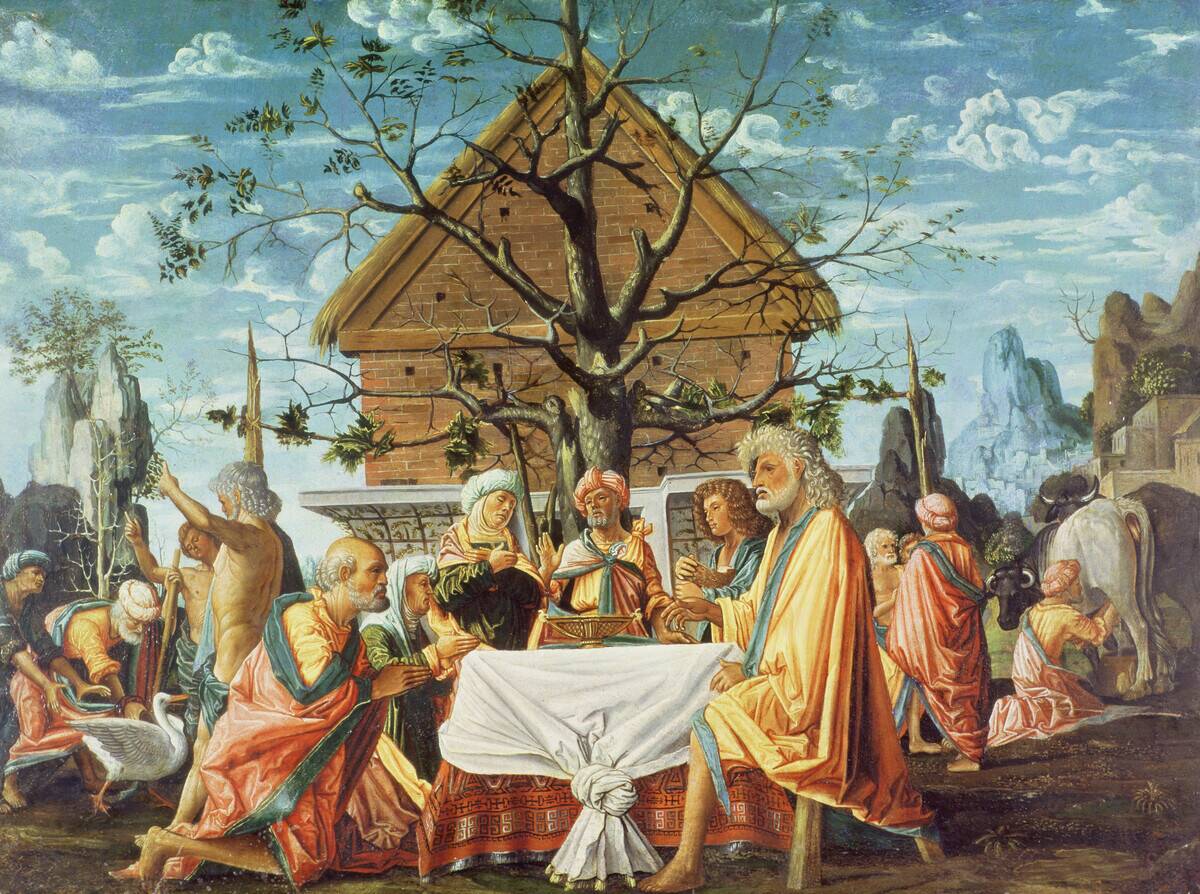
In ancient cultures, oak trees were often seen as vessels of divine power and wisdom. The Greeks associated oaks with Zeus, the king of the gods, believing that messages from the deities were conveyed through the rustling of oak leaves.
Similarly, the Druids of Celtic society revered oak trees as sacred, using them in rituals and as symbols of strength and endurance. These cultural symbols highlight the oak’s perceived connection to the divine and its role in human spirituality.
Oaks in Mythology: From Norse Yggdrasil to Celtic Legends

The Norse mythology features Yggdrasil, the World Tree, often depicted as an immense oak, connecting the heavens, earth, and underworld. This mythical tree signified the universe’s complex interconnections.
In Celtic legends, oaks were central to the belief in the Otherworld, with their branches reaching into mystical realms. These mythological representations illustrate how oaks were seen as cosmic connectors, bridging different worlds and dimensions in ancient narratives.
Medieval Oaks: Witnesses to Knights, Castles, and Kings
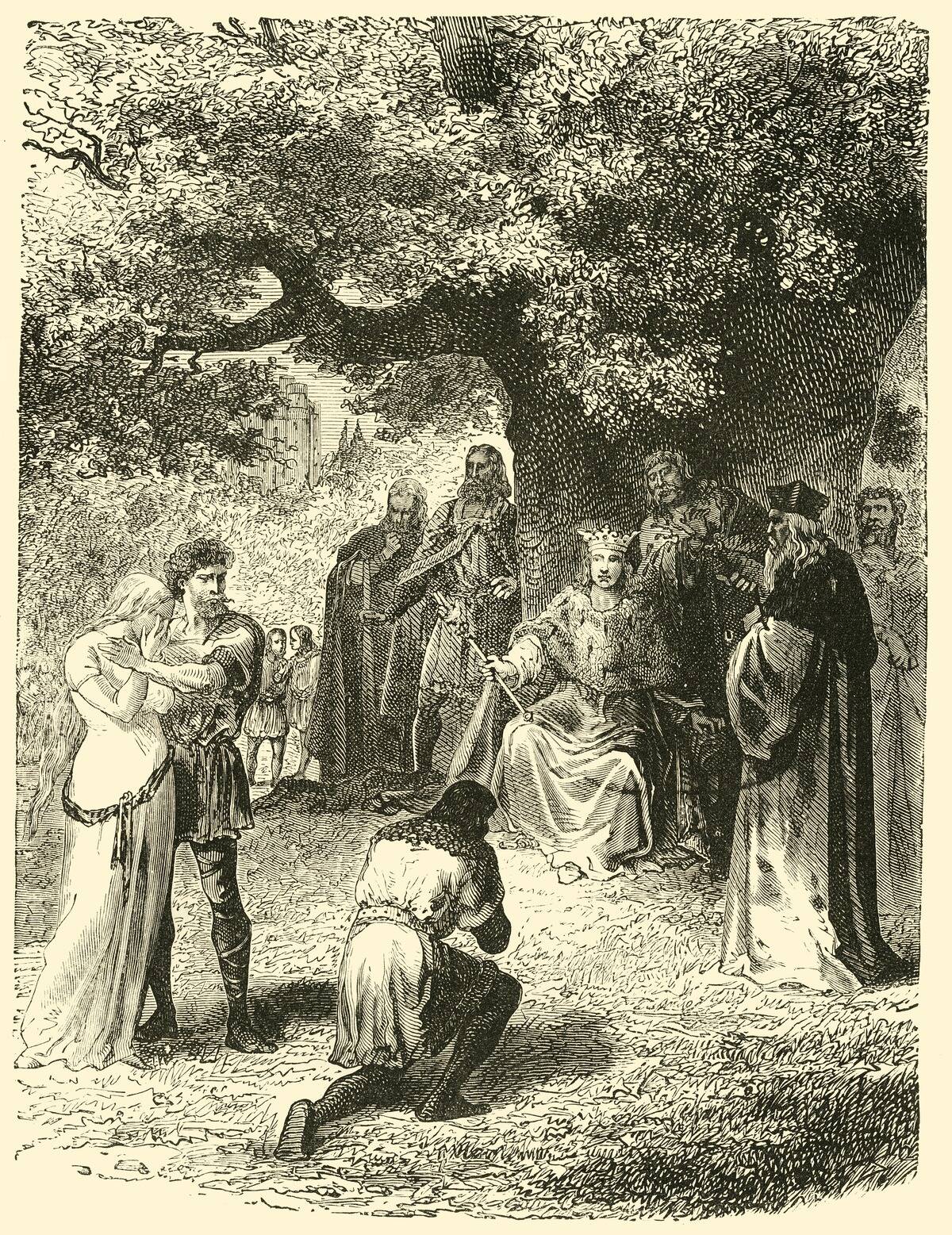
During the medieval period, oak trees were silent witnesses to the lives of knights and the construction of imposing castles. Oaks provided the sturdy timber necessary for building fortifications and ships, essential for defense and exploration.
These trees also served as gathering spots for village councils and local markets, forming the backdrop to community life. The enduring presence of oaks in medieval times underscores their role in both the practical and social fabric of society.
The Role of Oak Trees in Ancient Greek and Roman Empires
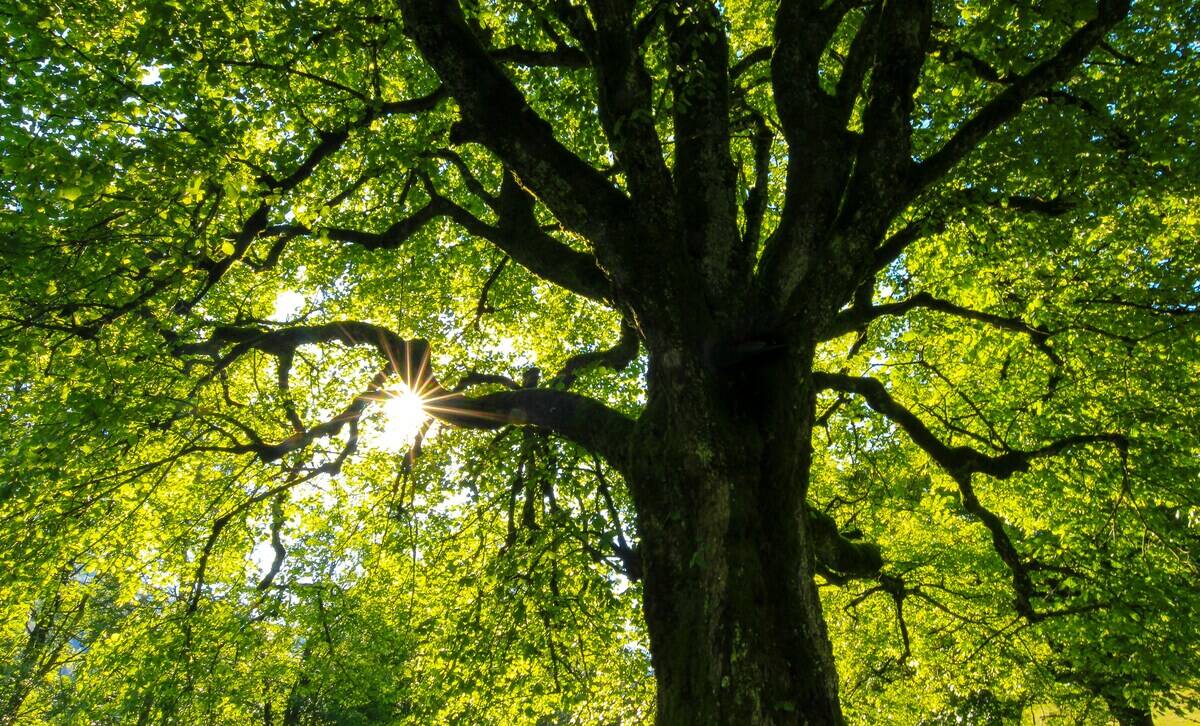
Oak trees played a significant role in the daily and spiritual lives of the Greeks and Romans. Beyond their symbolic associations, oaks provided timber for building ships and structures, crucial to both empires’ expansion and dominance.
The Romans also used oak leaves to craft crowns, known as ‘corona civica,’ awarded to citizens who saved lives in battle. This highlights how oaks were not only symbols of power but also integral to the practical and ceremonial aspects of these ancient societies.
Oaks in the Renaissance: Art, Literature, and Discovery
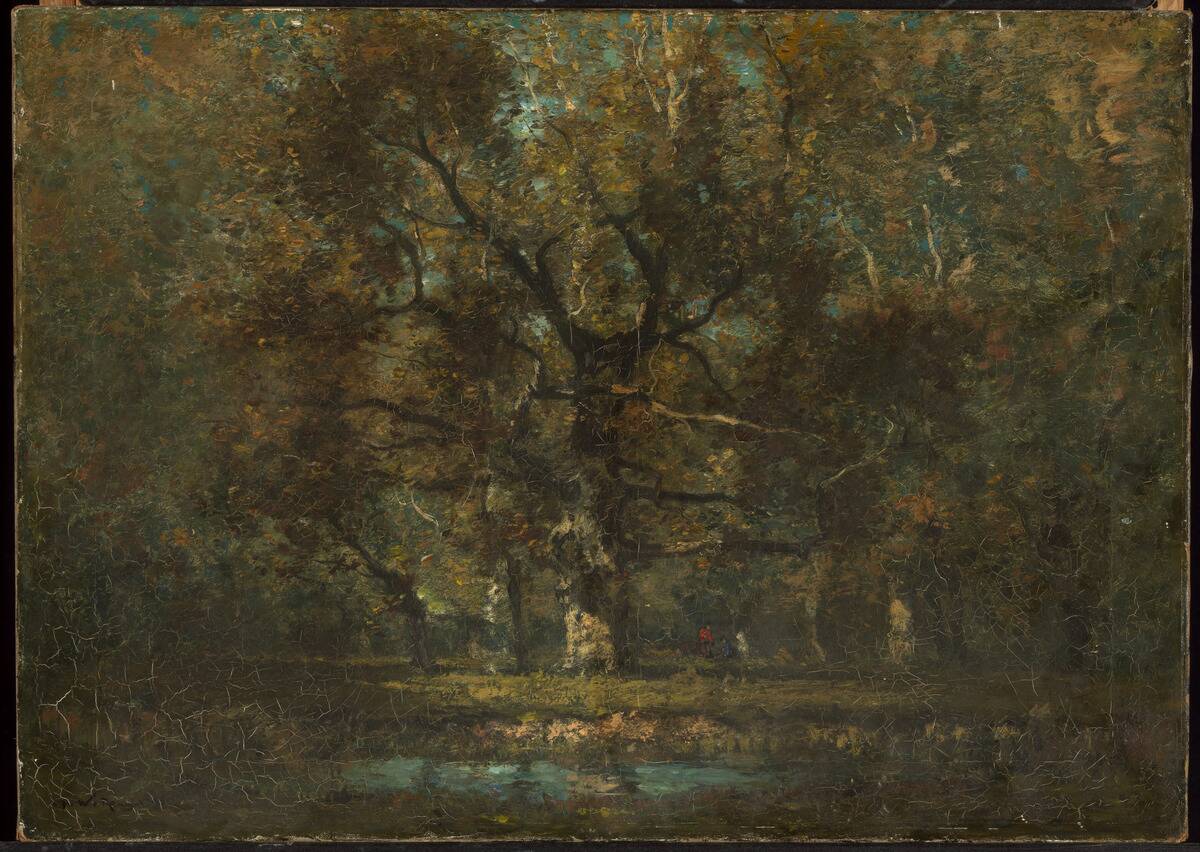
The Renaissance was a time of artistic and intellectual flourishing, and oak trees found their way into the era’s art and literature. Artists like Leonardo da Vinci used oak panels for their paintings, valued for their durability and fine grain.
In literature, oaks symbolized wisdom and strength, appearing in works by poets and playwrights. As explorers embarked on new discoveries, oak timber became essential in shipbuilding, facilitating voyages that expanded the known world.
The Industrial Revolution: Oaks Amidst Rapid Change
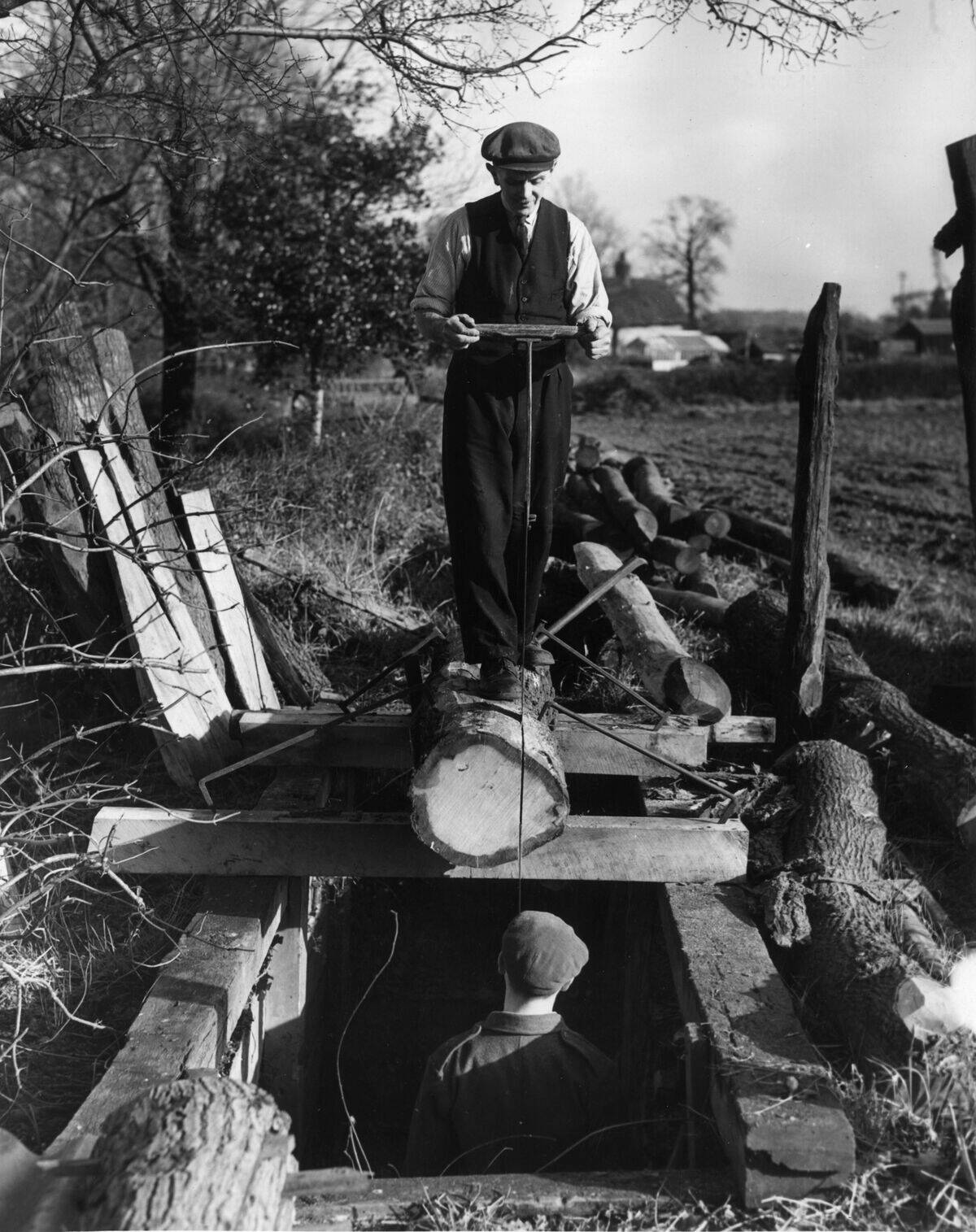
The Industrial Revolution brought rapid technological and societal changes, yet oak trees remained a constant presence. As factories and railways transformed landscapes, oaks continued to provide timber for construction and fuel.
Despite the industrial shift, these trees offered a nostalgic connection to nature and a reminder of the past. Their resilience amidst such transformation highlights the oak’s ability to endure and adapt alongside human progress.
Oak Trees and the Birth of Modern Nations
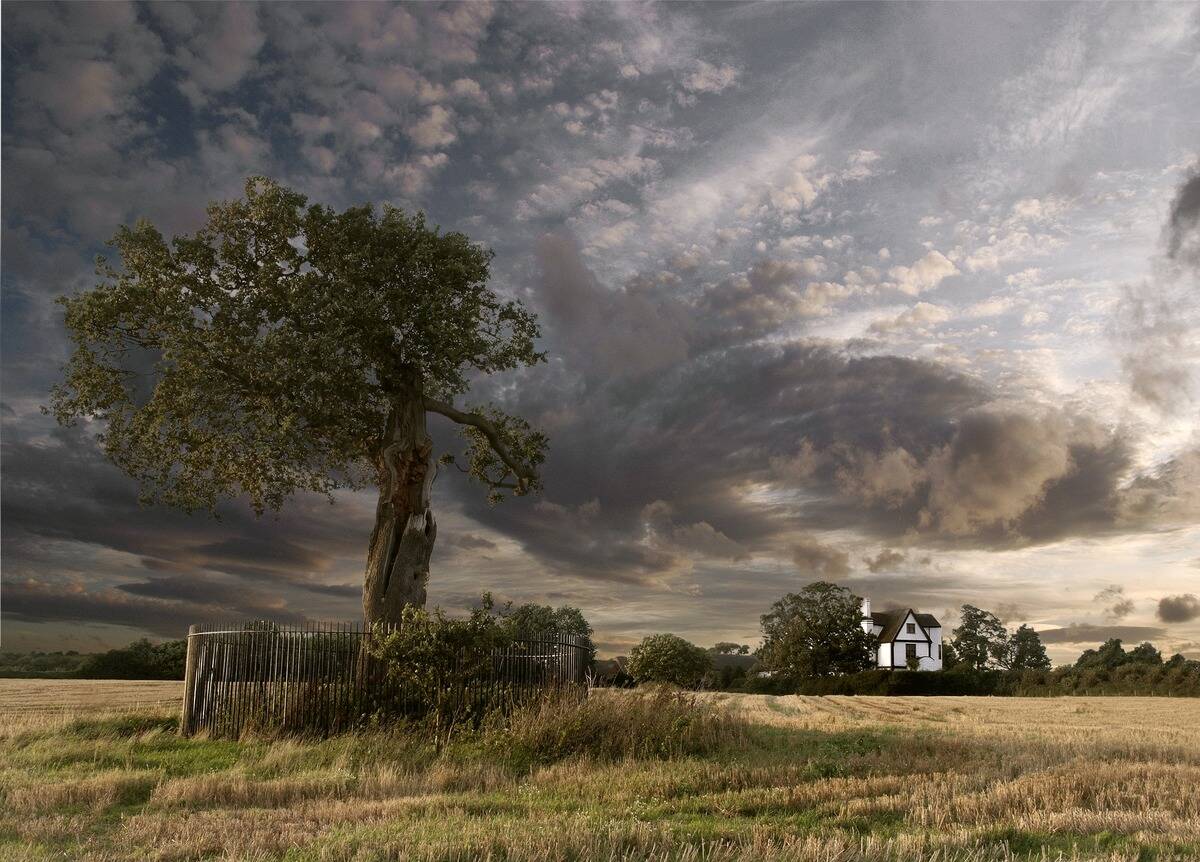
As modern nations emerged, oak trees played pivotal roles in symbolizing national identity and unity. In England, the Royal Oak became a symbol of the monarchy, commemorating Charles II’s escape from capture by hiding in an oak tree.
In America, the Charter Oak in Connecticut became a symbol of resistance against tyranny. These stories emphasize how oaks have been intertwined with the formation of national narratives and the ideals of freedom and resilience.
The Role of Oaks in American History and Folklore
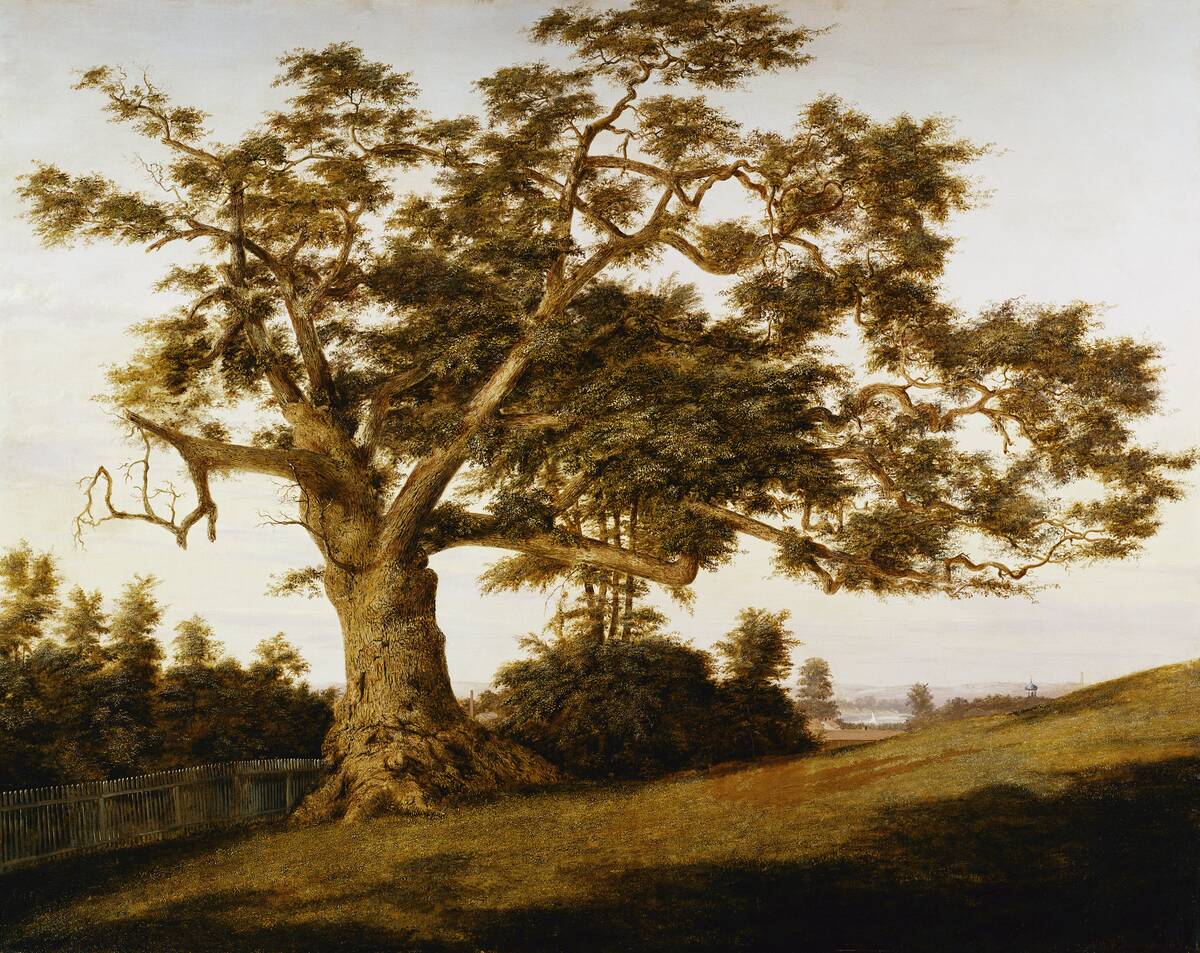
Oak trees have woven their way into the fabric of American history and folklore, from the tales of the mighty Charter Oak to the spreading branches of Andrew Jackson’s Hermitage oak.
These trees have been more than just silent witnesses to history; they have become symbols of strength and perseverance. In American folklore, the oak often represents the frontier spirit and the pioneering courage that shaped the nation, serving as a living testament to the passage of time and the stories of those who have come before.
Oaks in the Age of Technology: From Rural Landscapes to Urban Parks
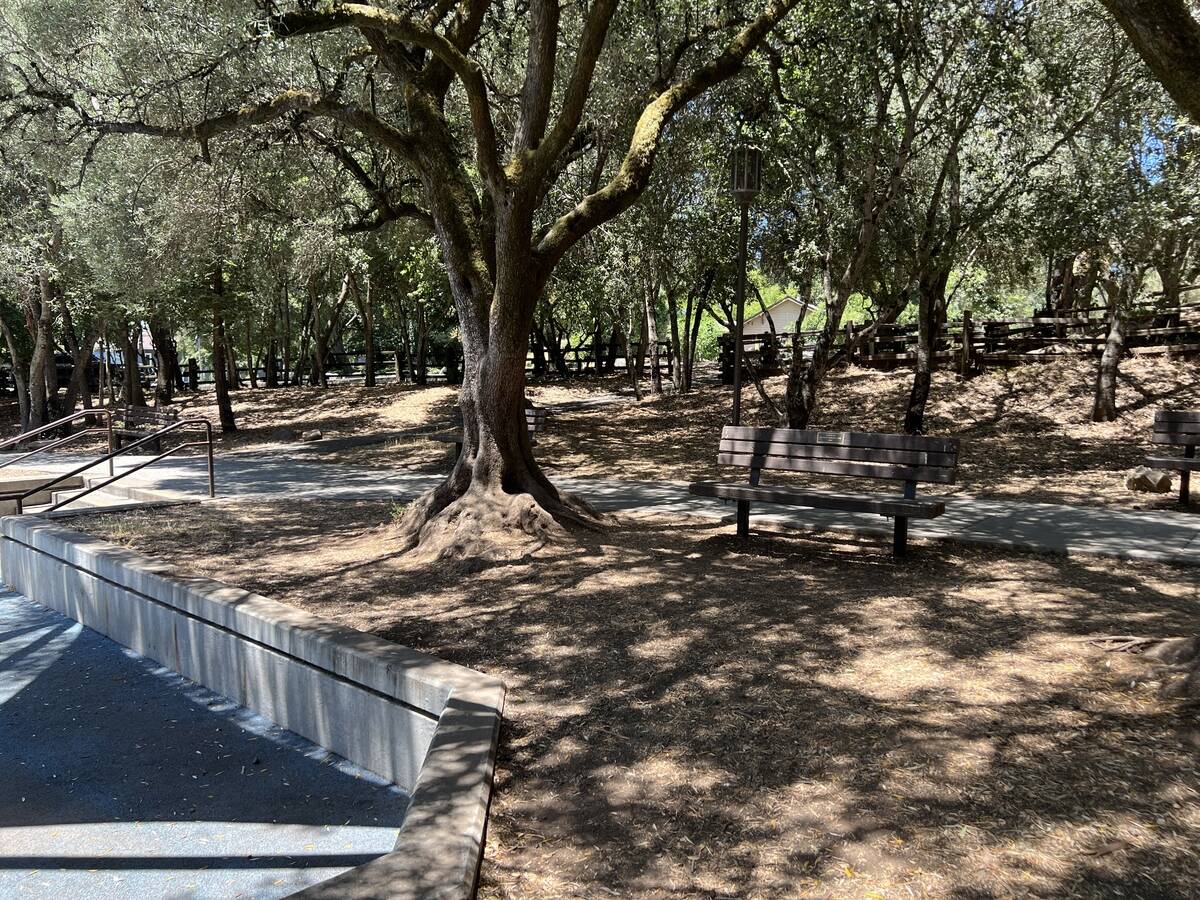
In today’s technological era, oak trees continue to thrive in both rural landscapes and urban parks. As cities expand, urban planners incorporate oaks into green spaces to provide shade and improve air quality.
These trees offer city dwellers a connection to nature, balancing the concrete jungle with pockets of greenery. Oaks also serve as educational tools, teaching urban communities about biodiversity and the importance of conservation in maintaining ecological balance.
The Environmental Importance of Oak Trees Through the Ages
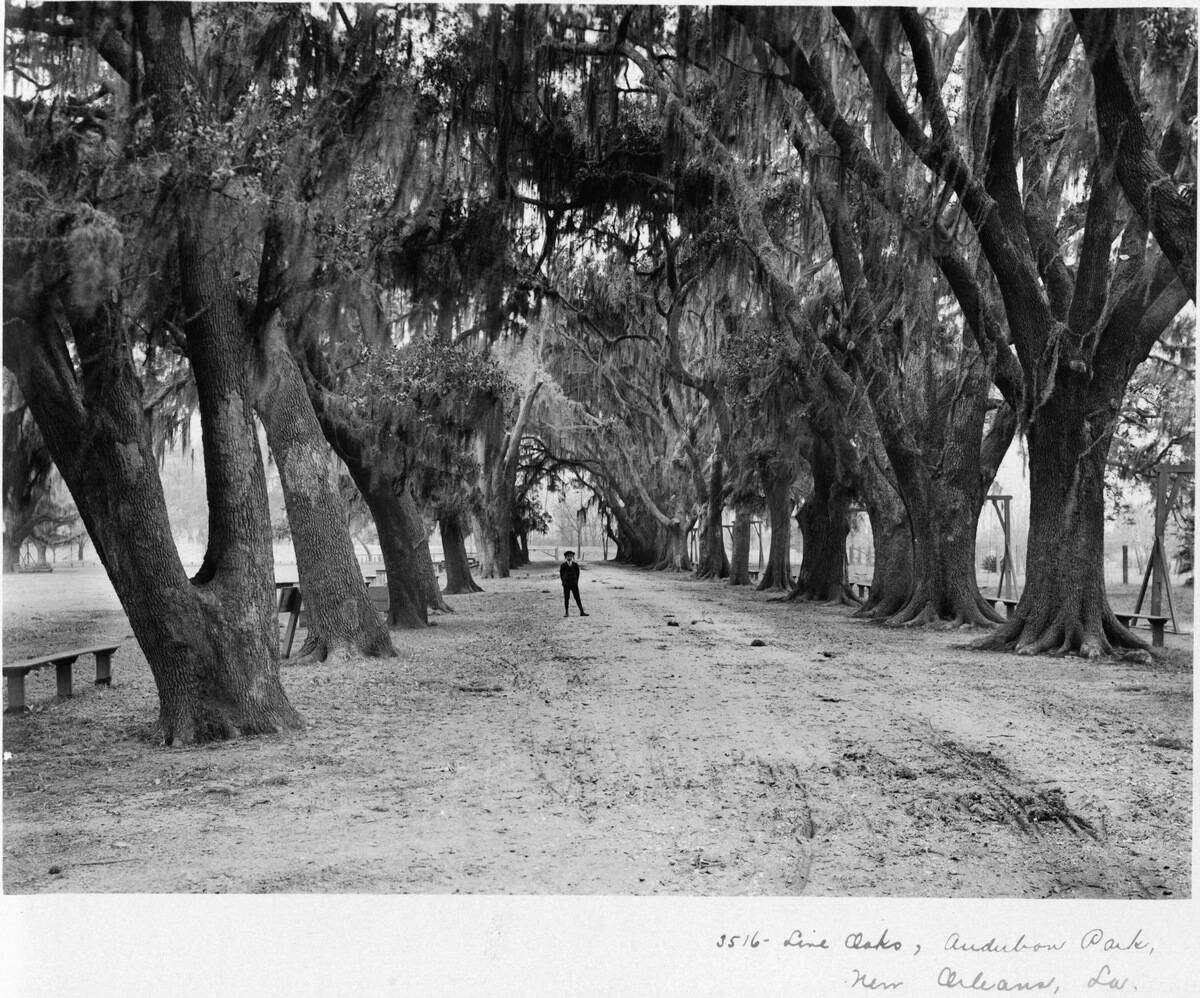
Oak trees have long been vital to environmental health, providing habitats for countless species and contributing to ecosystem stability. Their deep root systems prevent soil erosion, while their canopies offer shelter and food for birds, insects, and mammals.
Oaks also play a crucial role in carbon sequestration, helping to mitigate climate change. Throughout history, their ecological contributions have supported diverse life forms, underscoring the oak’s enduring environmental significance.
Oak Conservation: Efforts to Preserve These Ancient Sentinels
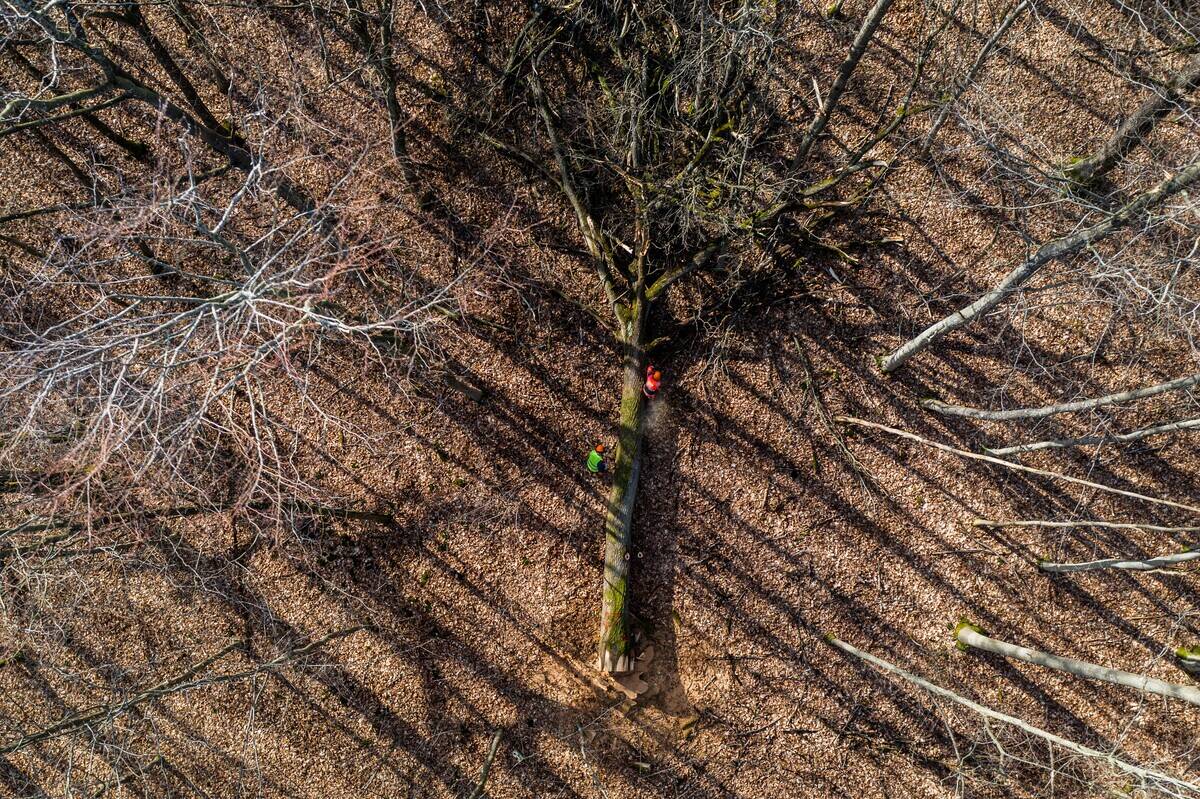
Conservation efforts are crucial to preserving oak trees for future generations. Organizations and communities around the world are working to protect oak habitats and promote sustainable forestry practices.
Initiatives include planting new oaks, restoring degraded ecosystems, and educating the public about the importance of these trees. By safeguarding oaks, we ensure the continuation of their ecological, cultural, and historical legacy, maintaining their role as vital components of our natural heritage.




