Photos of timeless ceremonies influencing modern holidays
Have you ever wondered why we celebrate certain holidays the way we do? The traditions we know and love today have fascinating origins that stretch back through centuries of human history.
From pagan festivals to ancient religious ceremonies, our modern-day celebrations often carry whispers of the past. Let’s embark on a journey to uncover the intriguing roots that shape our holidays, blending the old with the new in festive harmony.
The Ancient Origins of Christmas Traditions
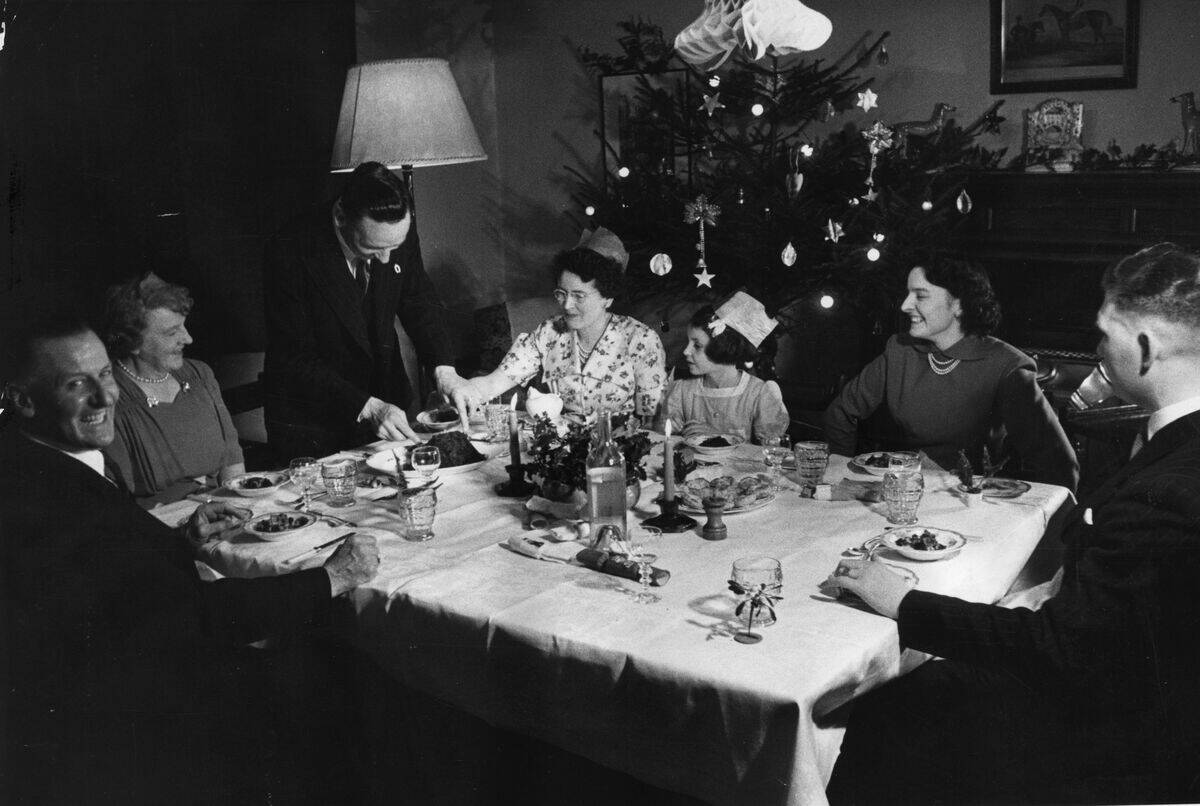
Many of the customs associated with Christmas have their roots in ancient traditions. The practice of decorating trees, for instance, can be traced back to pagan rituals celebrating the winter solstice.
In Germany, people would bring evergreens into their homes as a symbol of life during the darkest days of the year. Over time, this practice evolved into the Christmas tree we know today, adorned with lights and ornaments.
How Saturnalia Shaped Our Winter Festivities
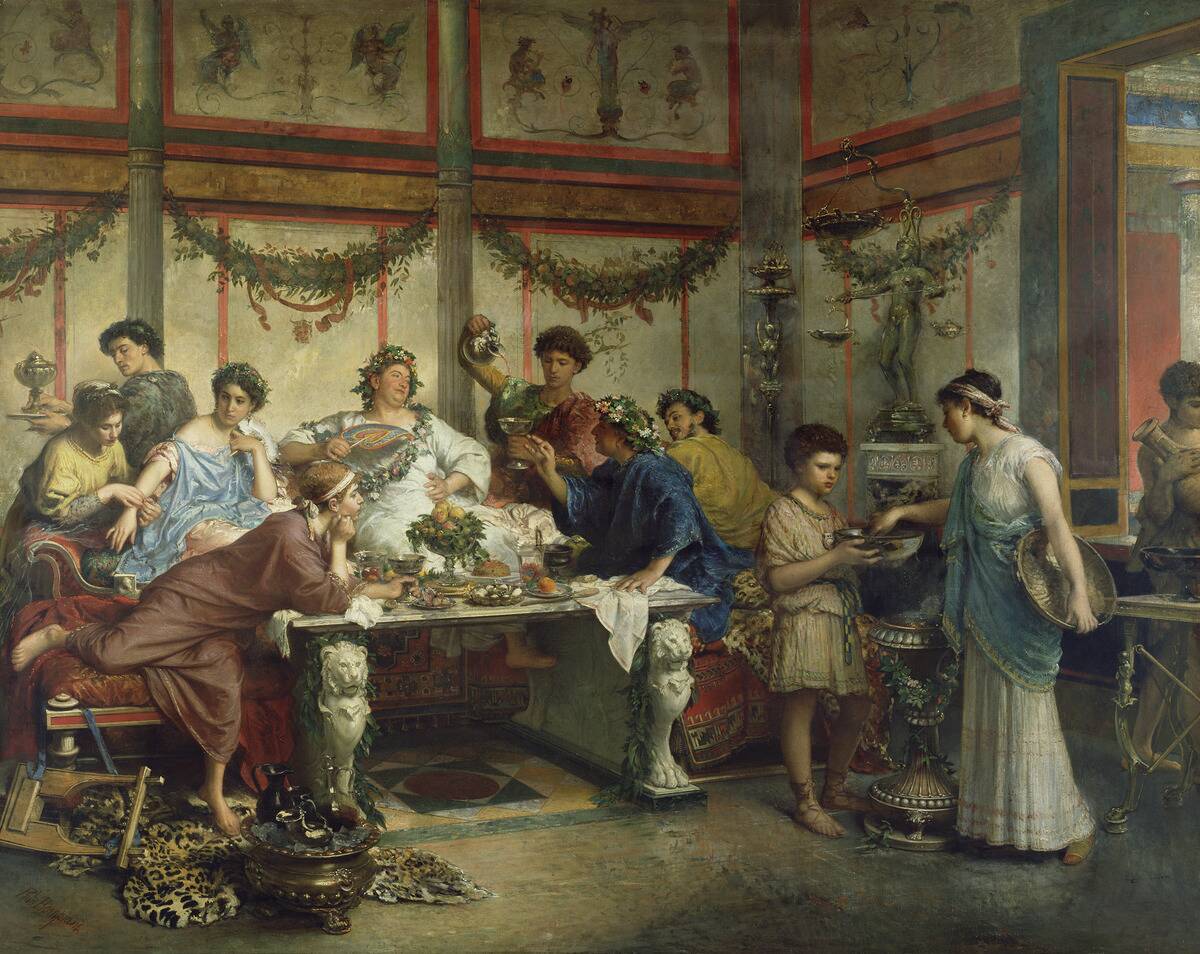
Saturnalia was a lively Roman festival held in honor of Saturn, the god of agriculture. Celebrated in December, it involved feasting, gift-giving, and a temporary reversal of social roles.
Servants were treated to banquets, and people exchanged small presents as tokens of goodwill. These customs likely influenced the shaping of Christmas celebrations, where feasting and generosity remain central themes to this day.
The Lasting Impact of Hanukkah Celebrations
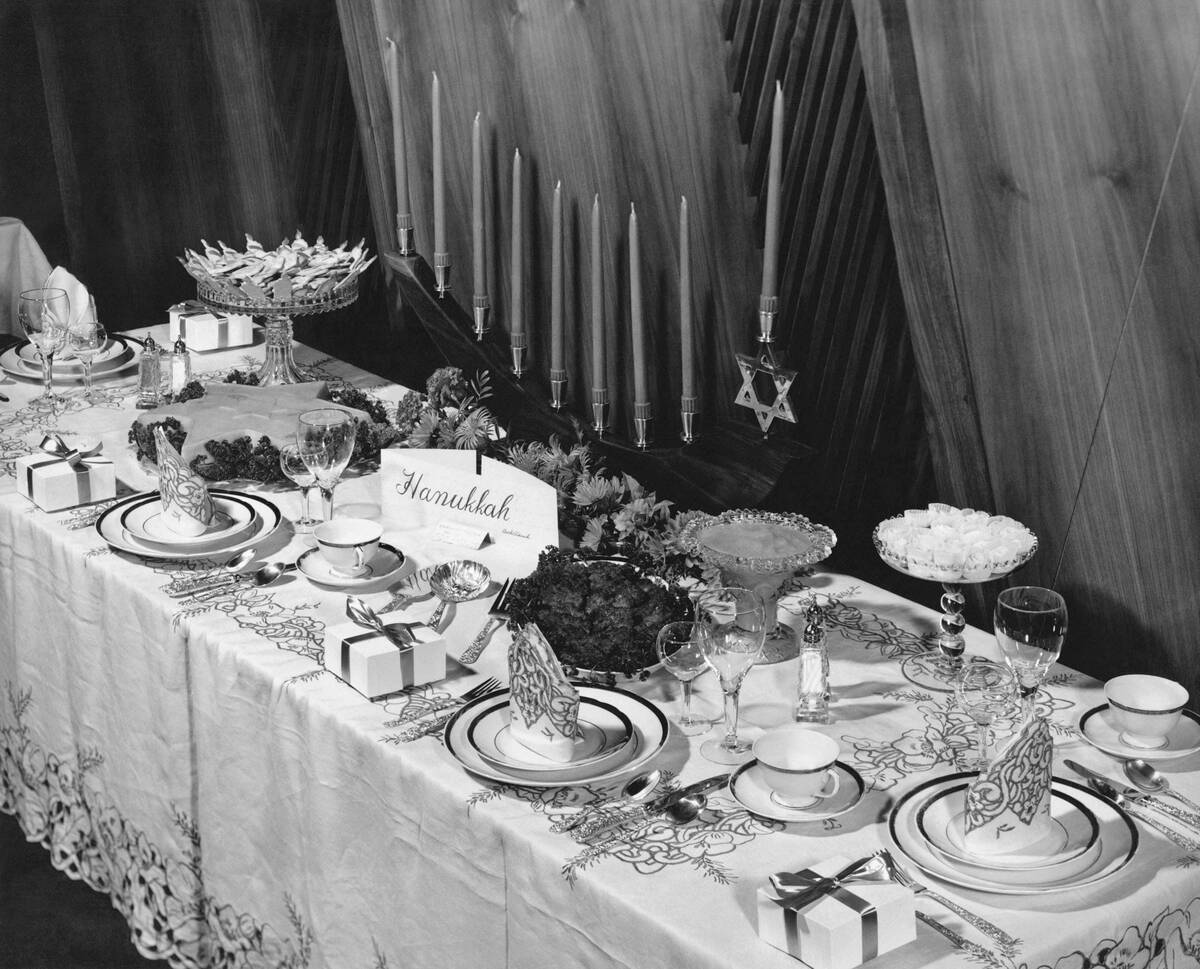
Hanukkah, also known as the Festival of Lights, commemorates the rededication of the Second Temple in Jerusalem. The miracle of the oil, which lasted eight days, is at the heart of this celebration.
Traditionally, families light the menorah, exchange gifts, and enjoy foods fried in oil, like latkes. The enduring spirit of Hanukkah reminds us of resilience, hope, and the importance of light in times of darkness.
Yule: The Pagan Festival Behind Christmas Cheer
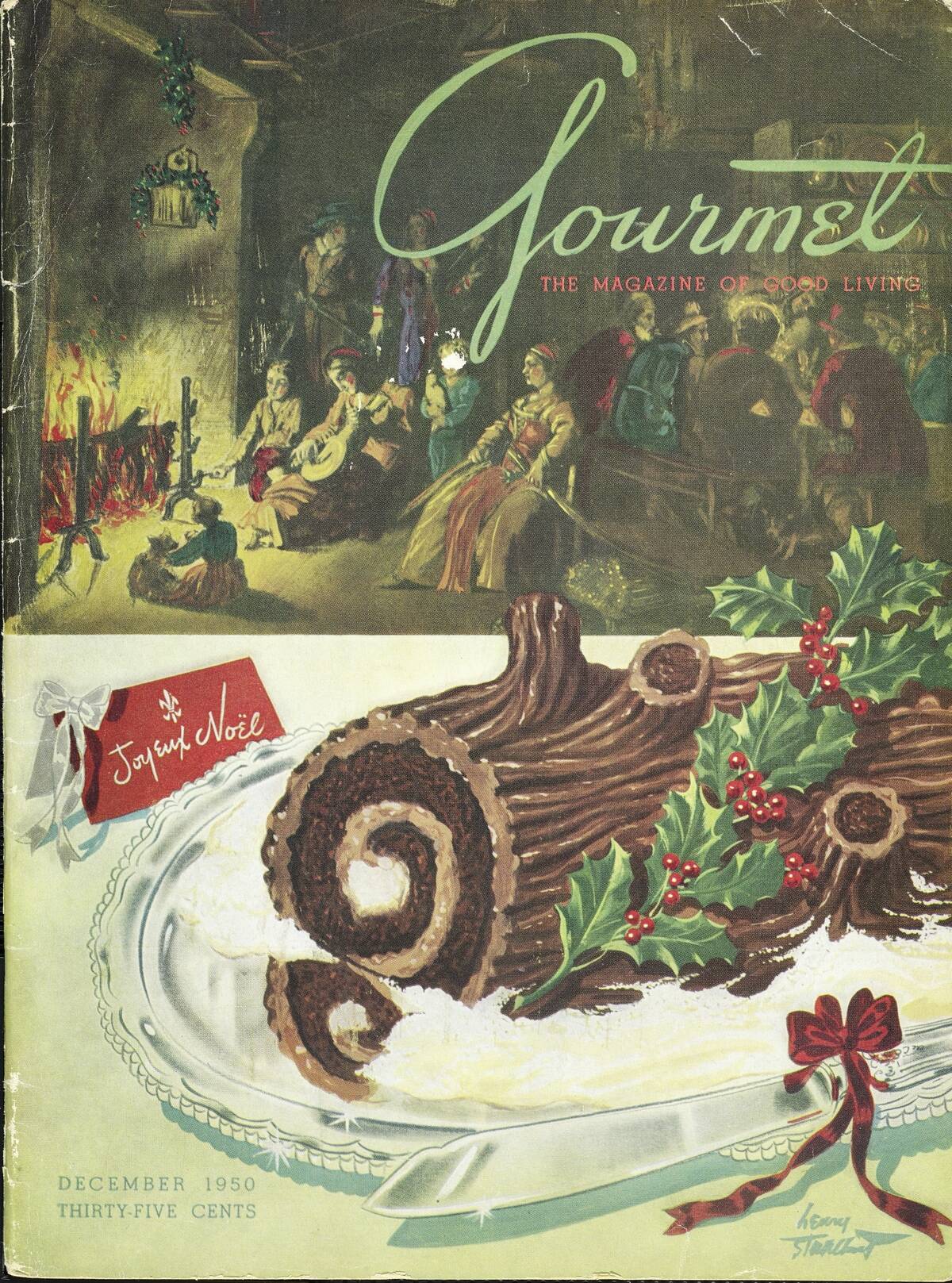
The word ‘Yule’ originates from an old Norse festival celebrating the winter solstice. It was a time of feasting, drinking, and honoring the rebirth of the sun. Yule logs, traditionally burned to bring prosperity, have become a symbol of warmth and comfort.
Today, many Christmas traditions, such as the Yule log cake, can be seen as echoes of this ancient celebration, blending pagan roots with modern festivities.
Easter’s Connection to the Spring Equinox
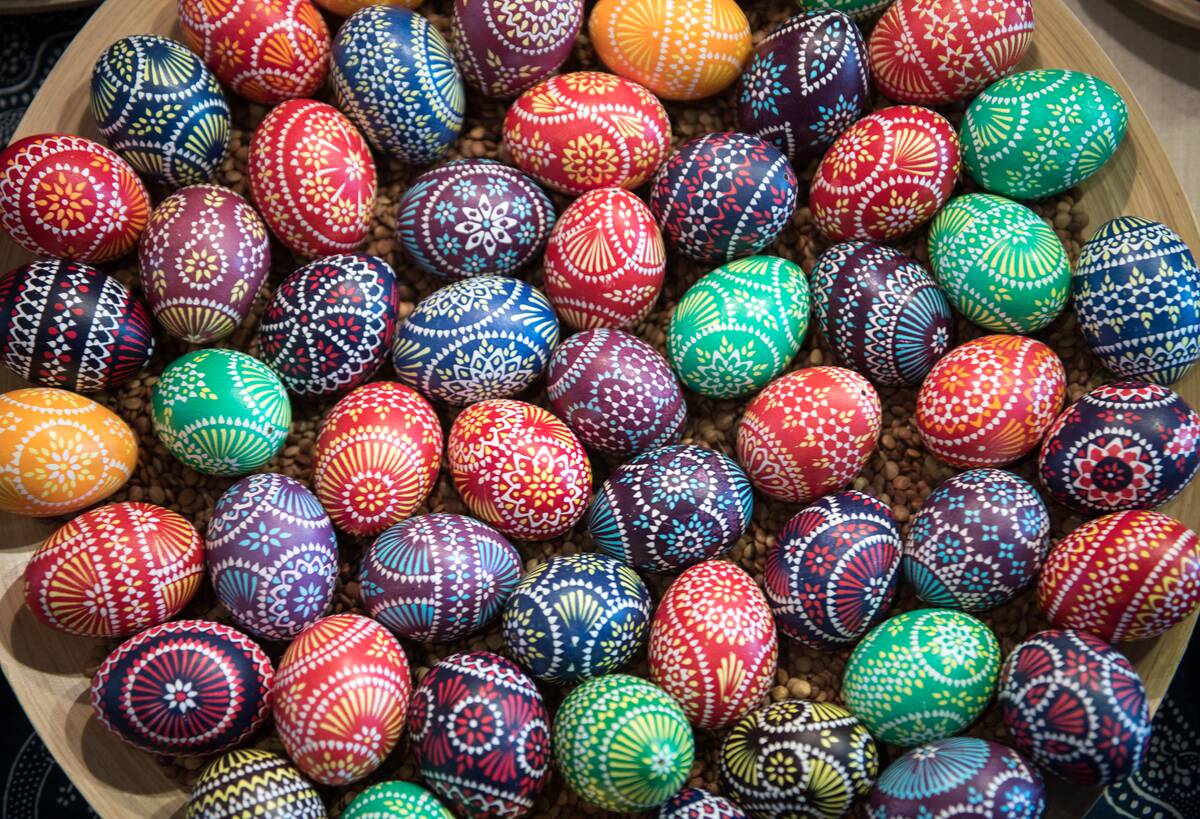
Easter, a celebration of resurrection and renewal, aligns closely with the spring equinox. This time of year has long been associated with rebirth, as the earth awakens from winter’s slumber.
The Easter bunny and egg hunts have origins in pagan symbolism, where hares and eggs represented fertility and new life. Today, Easter embodies a harmonious blend of religious significance and springtime joy.
The Influence of Beltane on May Day Celebrations
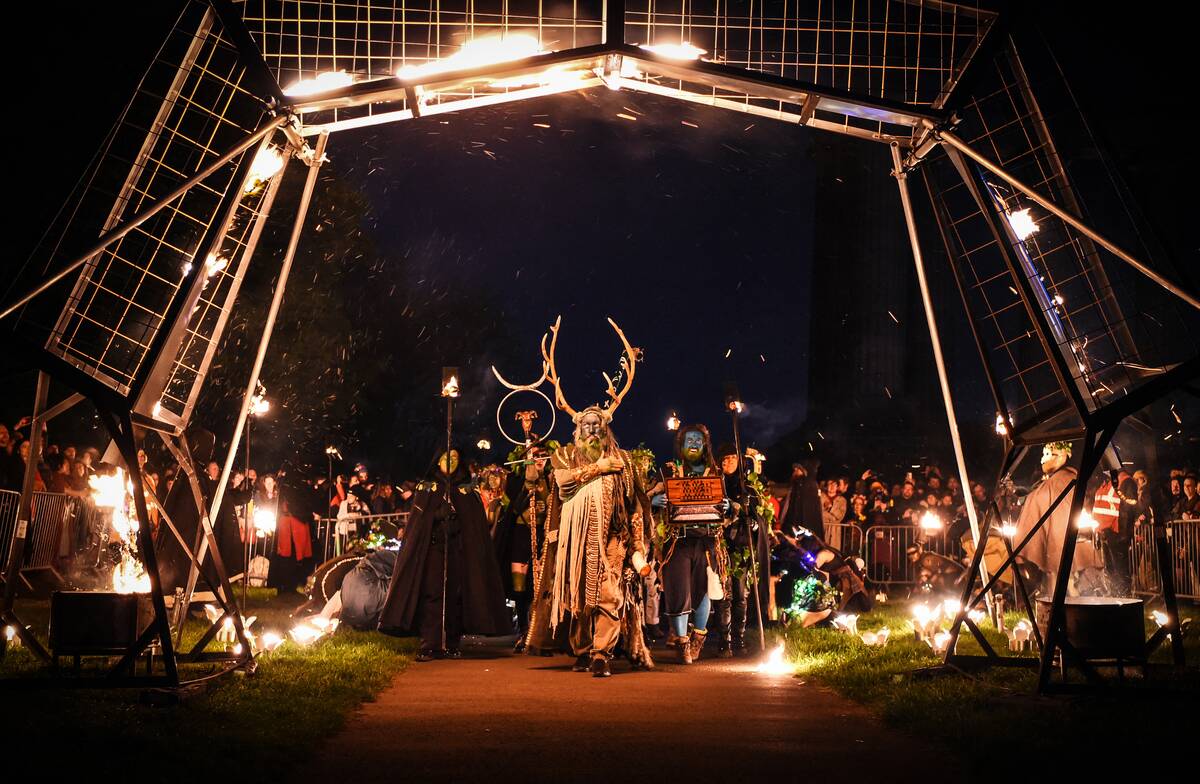
Beltane, an ancient Celtic festival, marks the beginning of summer with bonfires and dancing. This lively celebration aimed to ensure fertility and protect livestock. Elements of Beltane can still be seen in May Day traditions, where maypole dancing and flower crowns bring communities together.
These customs reflect a deep connection to nature and the joy of warmer days, celebrating life’s cycles in a vibrant way.
Halloween’s Spooky Samhain Beginnings
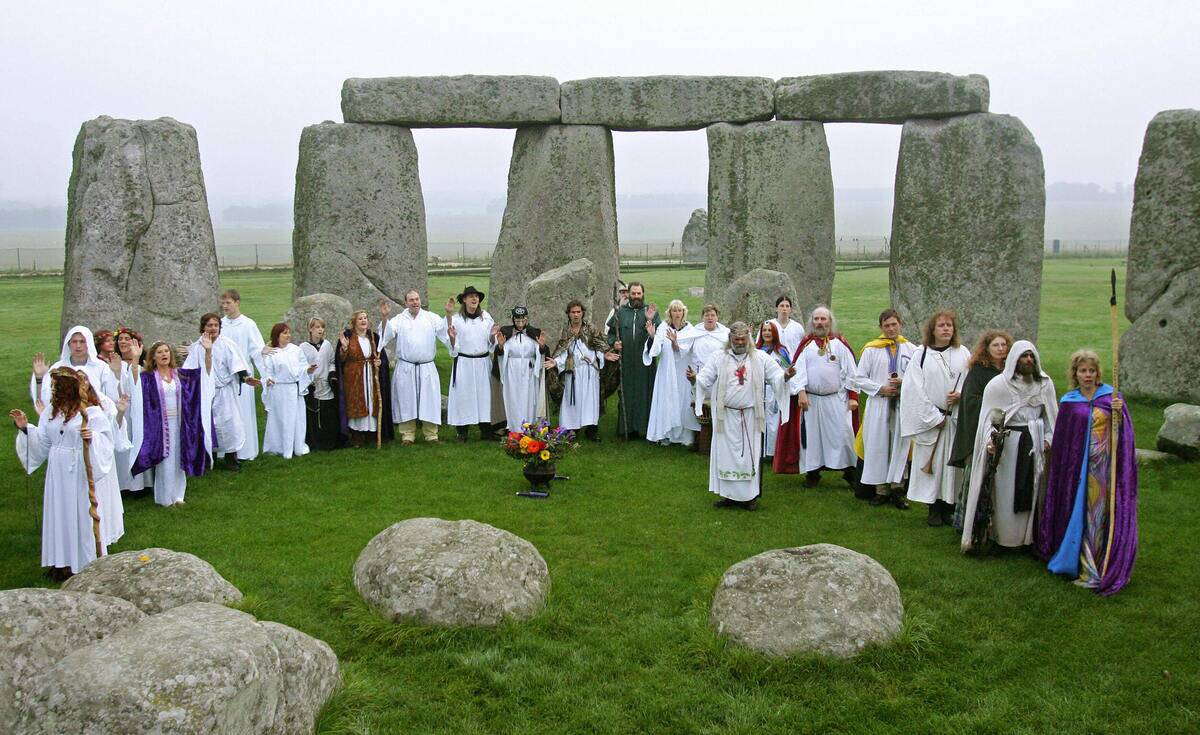
Halloween’s eerie charm can be traced back to Samhain, a Celtic festival marking the end of the harvest season. It was believed that during Samhain, the veil between the living and the dead was thinnest.
To ward off spirits, people lit bonfires and wore costumes. These traditions evolved into the Halloween we know today, where trick-or-treating and ghostly tales bring a delightful spookiness to the autumn night.
The Role of the Roman Festival of Lemuria
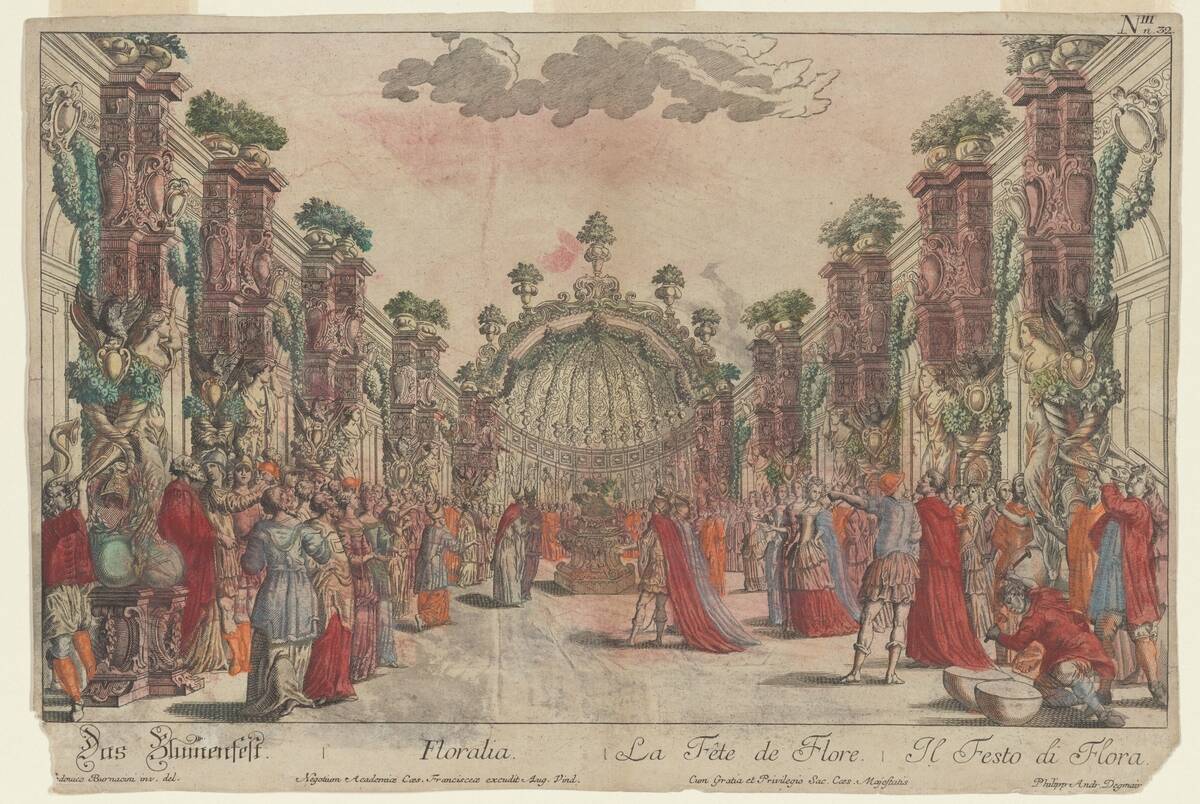
Lemuria was an ancient Roman festival dedicated to appeasing restless spirits. Held in May, it involved rituals to exorcise malevolent ghosts from homes. Offerings of beans and chants were used to cleanse spaces of unwanted spirits.
While Lemuria itself has faded into history, the idea of honoring ancestors and warding off evil has influenced various cultural observances, emphasizing the enduring connection between the living and the spiritual realm.
Thanksgiving: Harvest Festivals Through the Ages
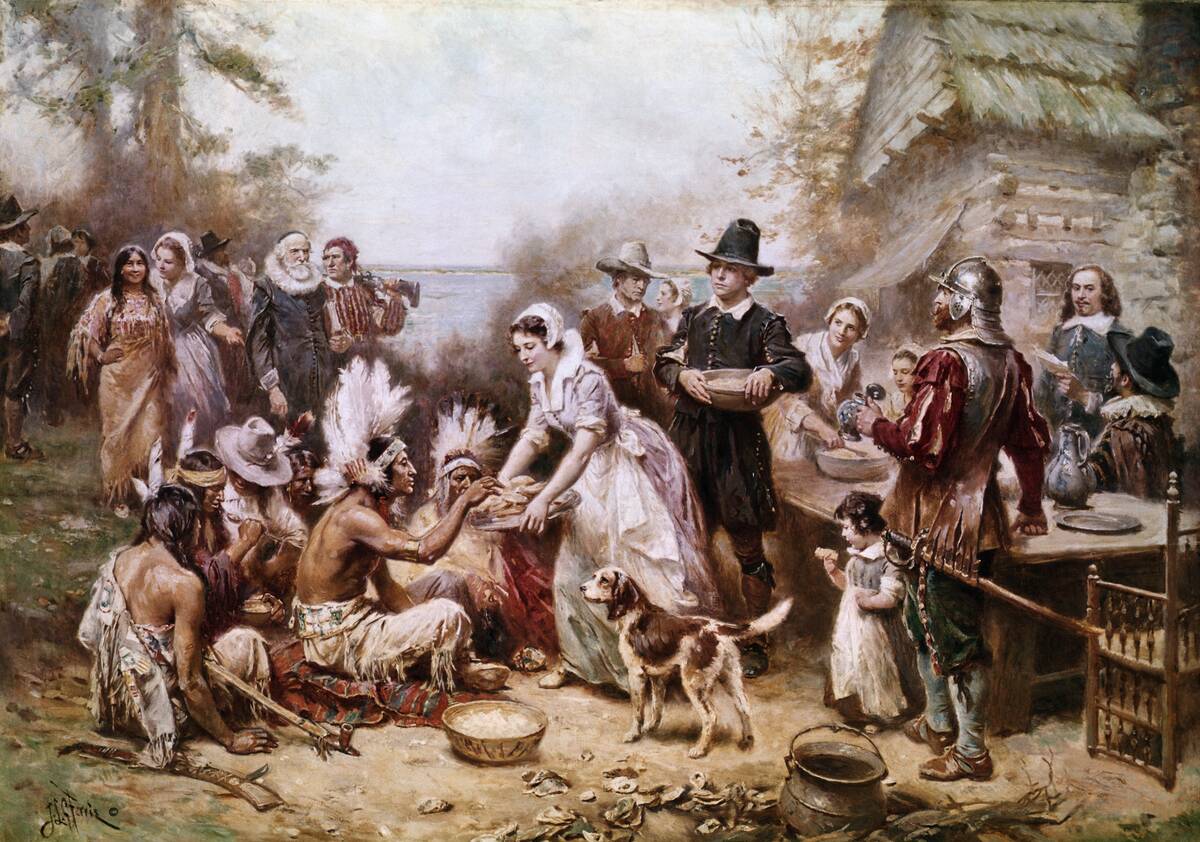
Thanksgiving, as we celebrate it today, is deeply rooted in the tradition of harvest festivals. These celebrations have occurred worldwide as communities gathered to share the bounty of the harvest.
In the United States, the Pilgrims’ 1621 feast with the Wampanoag people is often cited as the first Thanksgiving. While the holiday has evolved, its essence remains the same: expressing gratitude and enjoying the fruits of the earth with loved ones.
The Ancient Roots of New Year’s Eve Traditions

The celebration of New Year’s Eve has its roots in ancient Babylon, where the New Year was marked with an 11-day festival in March. The Romans later shifted the celebration to January, in honor of Janus, the god of beginnings.
Today, we ring in the new year with fireworks, countdowns, and resolutions, continuing a tradition of looking forward with hope and anticipation, just as ancient societies did centuries ago.
Valentine’s Day and the Roman Festival of Lupercalia
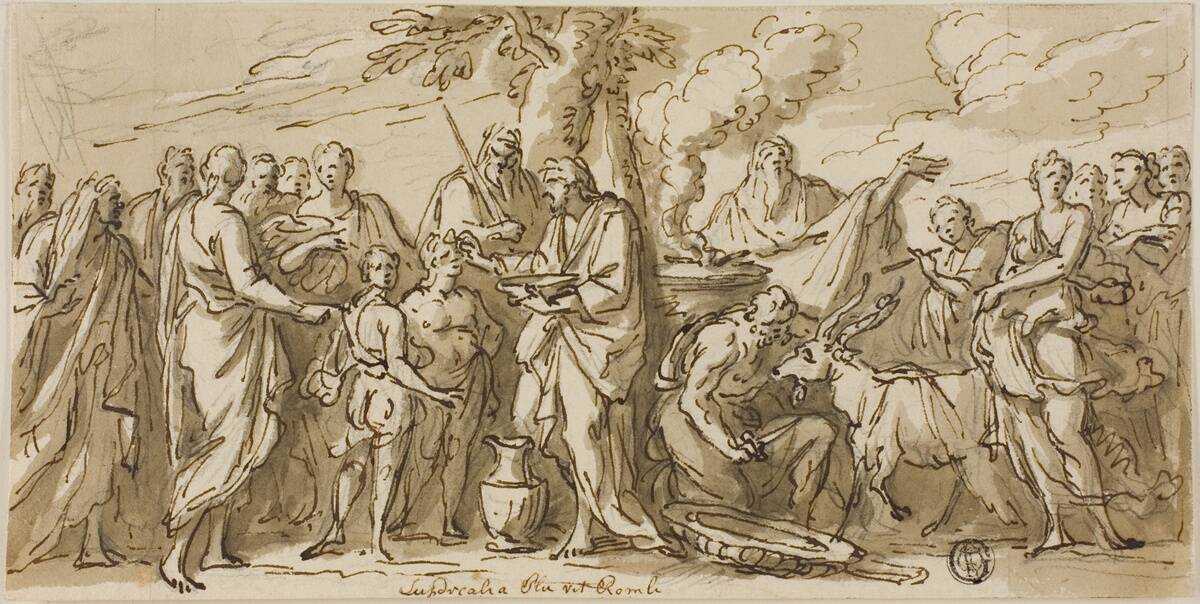
Valentine’s Day, a celebration of love and affection, has intriguing links to Lupercalia, an ancient Roman festival held in February. Lupercalia involved rituals of purification and fertility, with participants exchanging symbolic tokens.
Over time, these customs merged with the story of Saint Valentine, a martyred Roman priest. Today, Valentine’s Day is synonymous with romance, but its ancient roots reveal a blend of pagan and Christian traditions.
The Chinese New Year and Its Ancient Ceremonial Beginnings
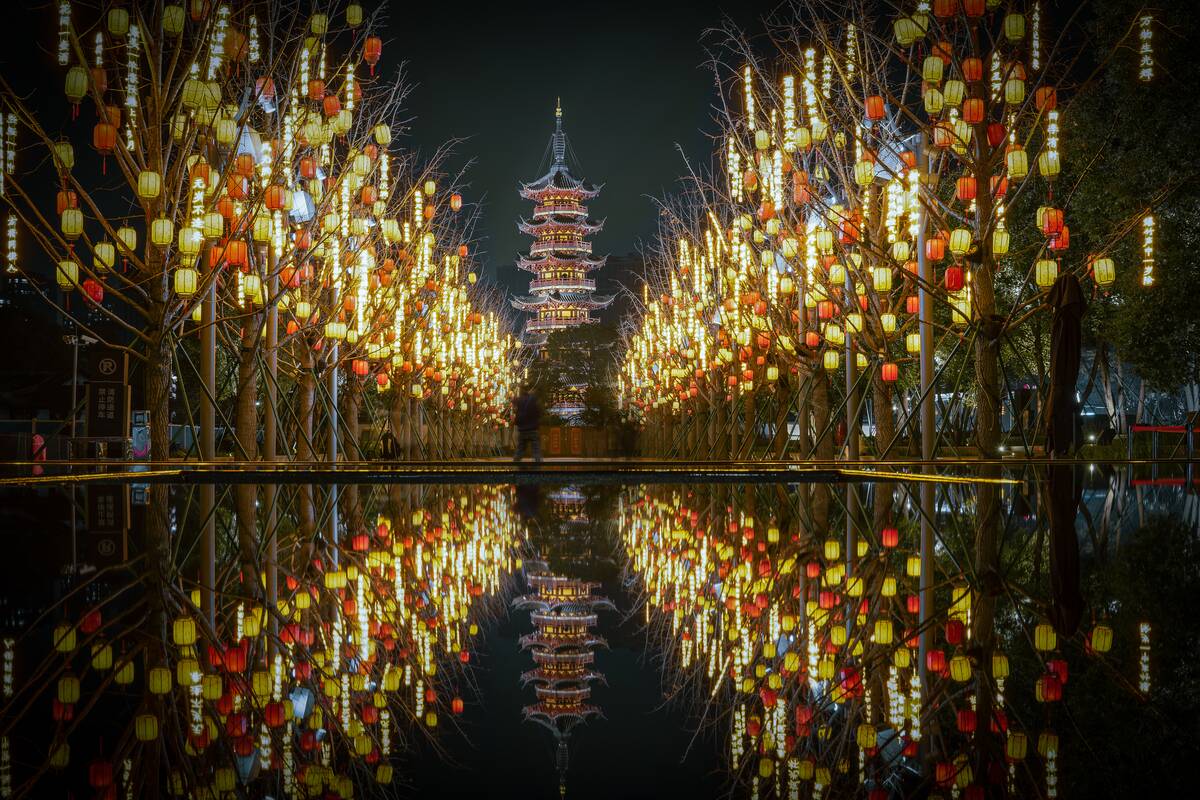
Chinese New Year, also known as the Spring Festival, is steeped in ancient customs. It marks the beginning of the Chinese lunisolar calendar, with celebrations lasting up to 15 days. Traditions like giving red envelopes and dragon dances are designed to bring luck and ward off evil spirits.
This vibrant festival, with its fireworks and family reunions, continues to honor ancient beliefs while embracing the promise of a prosperous new year.
Mardi Gras: A Modern Carnival with Ancient Roots
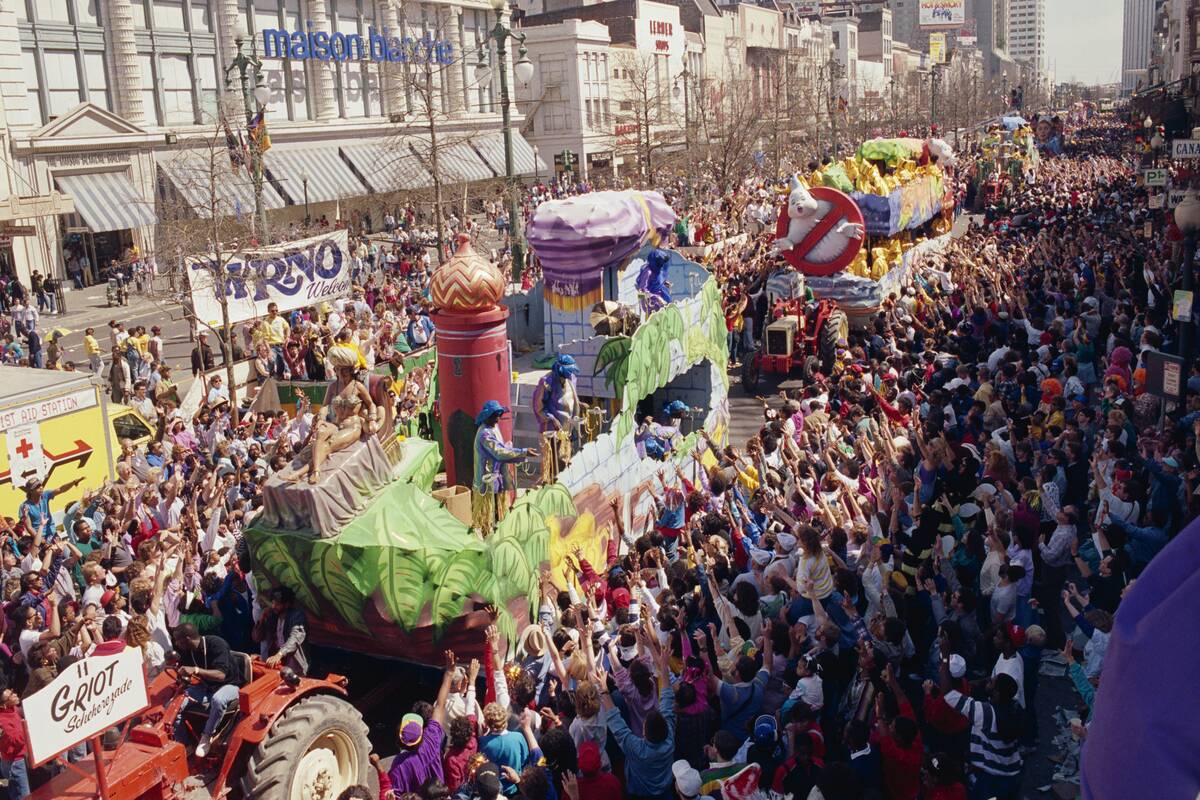
Mardi Gras, known for its vibrant parades and colorful masks, has origins in ancient Roman and medieval European festivals. It marks the last day of Carnival, a period of feasting before Lent.
The tradition of wearing masks and costumes is said to discourage evil spirits and allow people to shed their everyday identities. Today, Mardi Gras maintains these lively customs, blending the past with the present in a celebration of joy and indulgence.
Diwali’s Timeless Celebration of Light
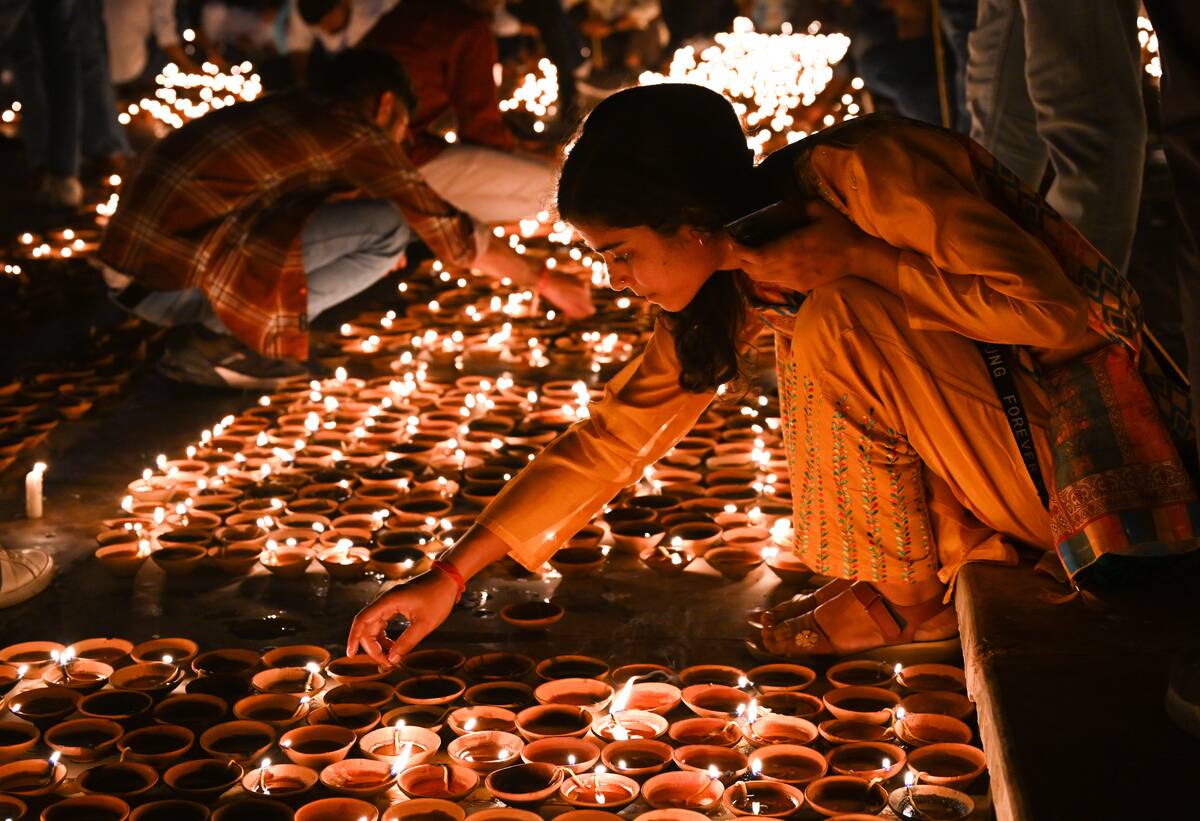
Diwali, the Festival of Lights, is a Hindu celebration symbolizing the triumph of light over darkness. Its origins can be traced back to ancient India, where it commemorated the return of Lord Rama after defeating the demon king Ravana.
Today, Diwali is marked by lighting oil lamps, fireworks, and sharing sweets. This joyous festival continues to illuminate the hearts and homes of millions, reflecting the timeless victory of good over evil.
The Influence of Native American Ceremonies on Modern Festivals
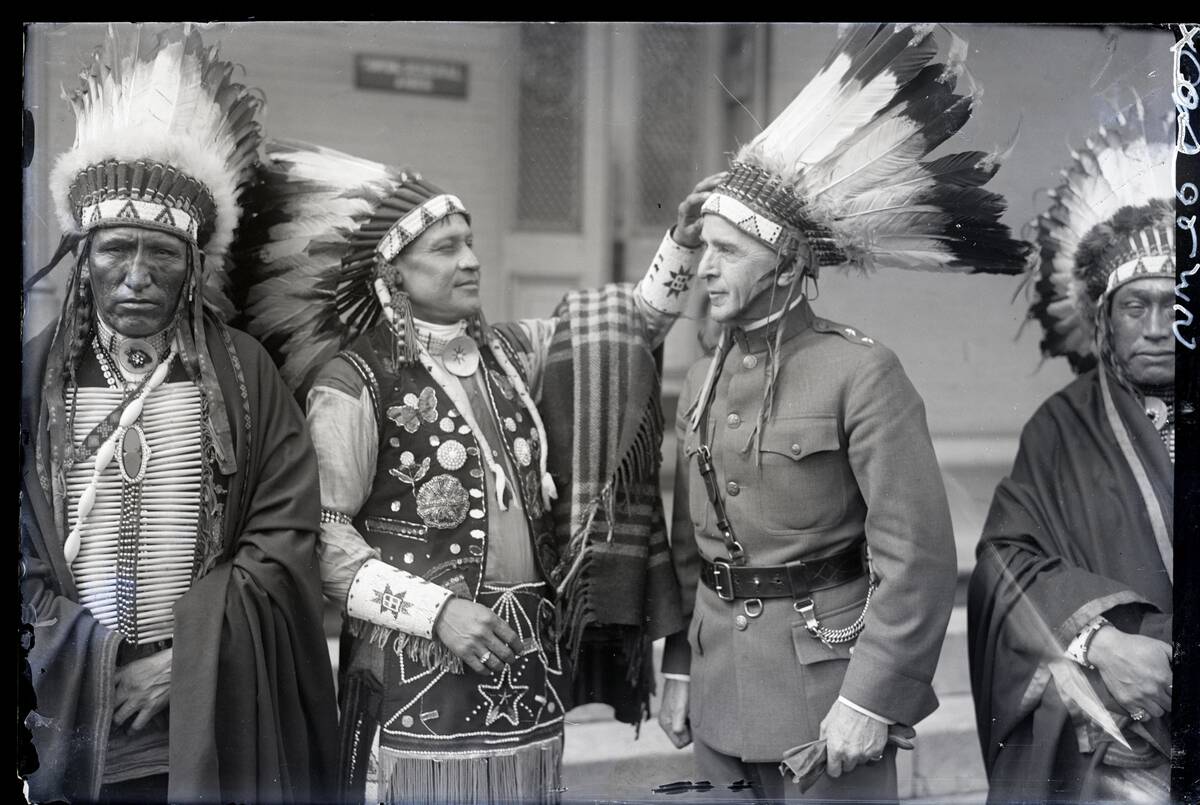
Native American ceremonies, rich in cultural significance, have subtly influenced modern festival practices. Many tribes celebrate the changing seasons with dances, songs, and rituals that honor the earth’s cycles.
These traditions emphasize community, gratitude, and respect for nature. Elements of Native American culture can be seen in various modern festivals, reminding us of the deep-rooted connections between people, land, and celebration.
How Ancient Festivals Inspire Modern Day Parades
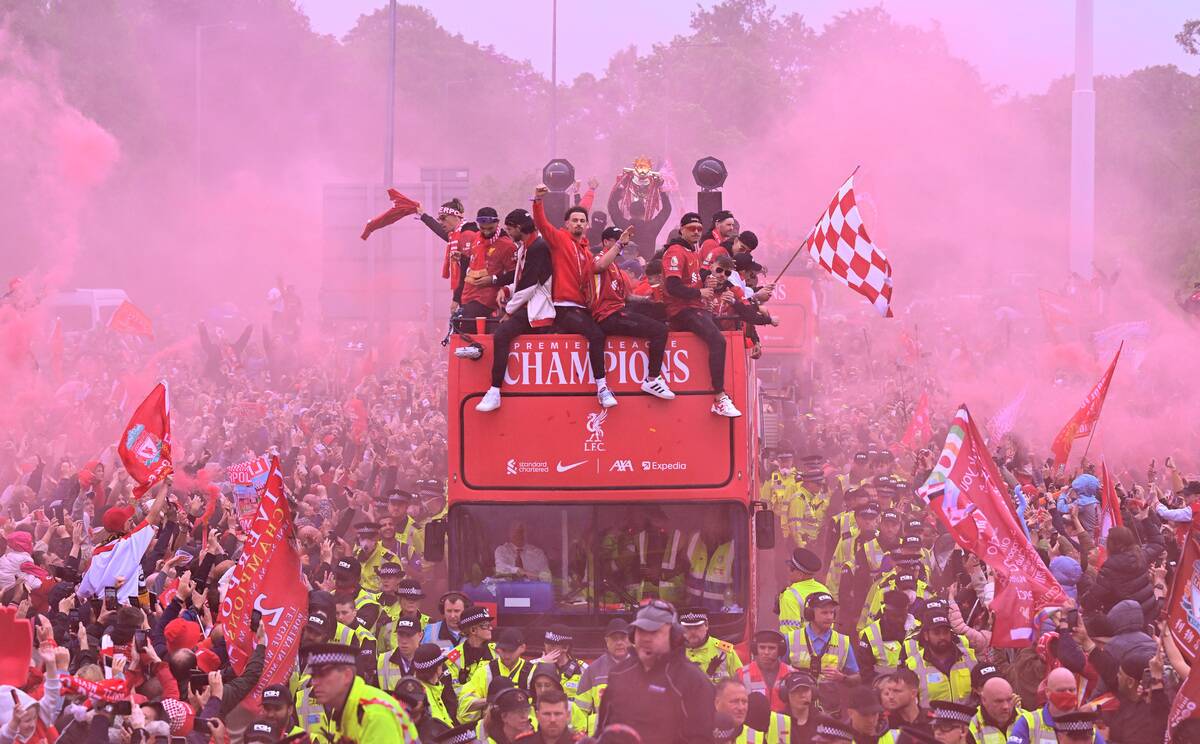
Parades, a staple of many modern celebrations, have ancient origins. They often began as religious processions, honoring deities or significant events. In ancient Greece and Rome, processions were held to celebrate victories or appease the gods.
Today, parades still capture the spirit of collective joy and cultural pride, drawing inspiration from these early traditions. Whether it’s a holiday parade or a local festival, the legacy of these ancient gatherings endures.
The Role of Myths and Legends in Shaping Holiday Traditions
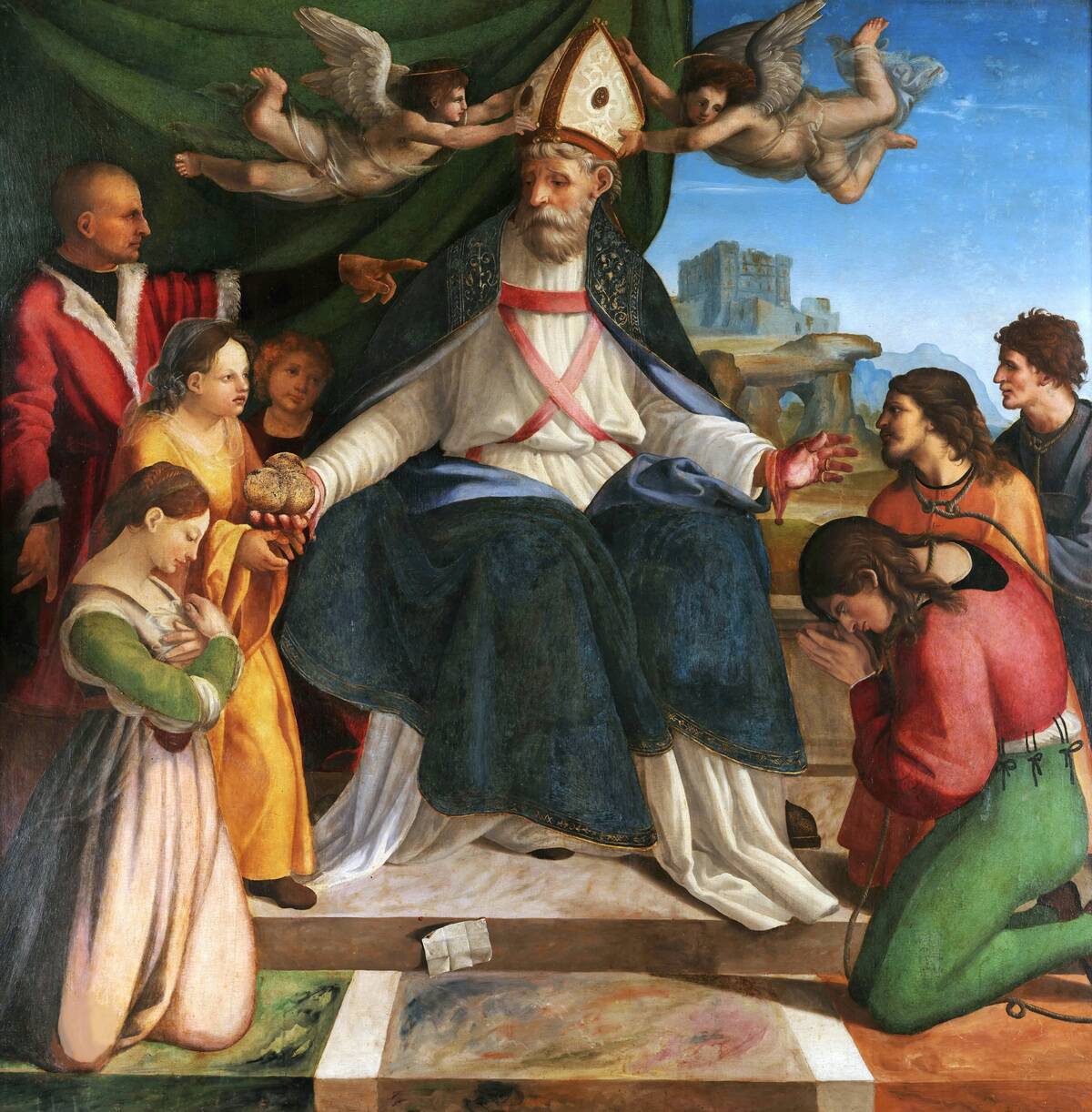
Myths and legends have played a crucial role in shaping our holiday traditions. Stories of gods, heroes, and mythical creatures often underpin the rituals and customs we practice today.
For instance, the legend of Saint Nicholas has evolved into the modern figure of Santa Claus, a beloved character of Christmas lore. These narratives provide a rich tapestry of cultural heritage, infusing our celebrations with mystery and meaning.
The Evolution of Gift-Giving Through the Ages
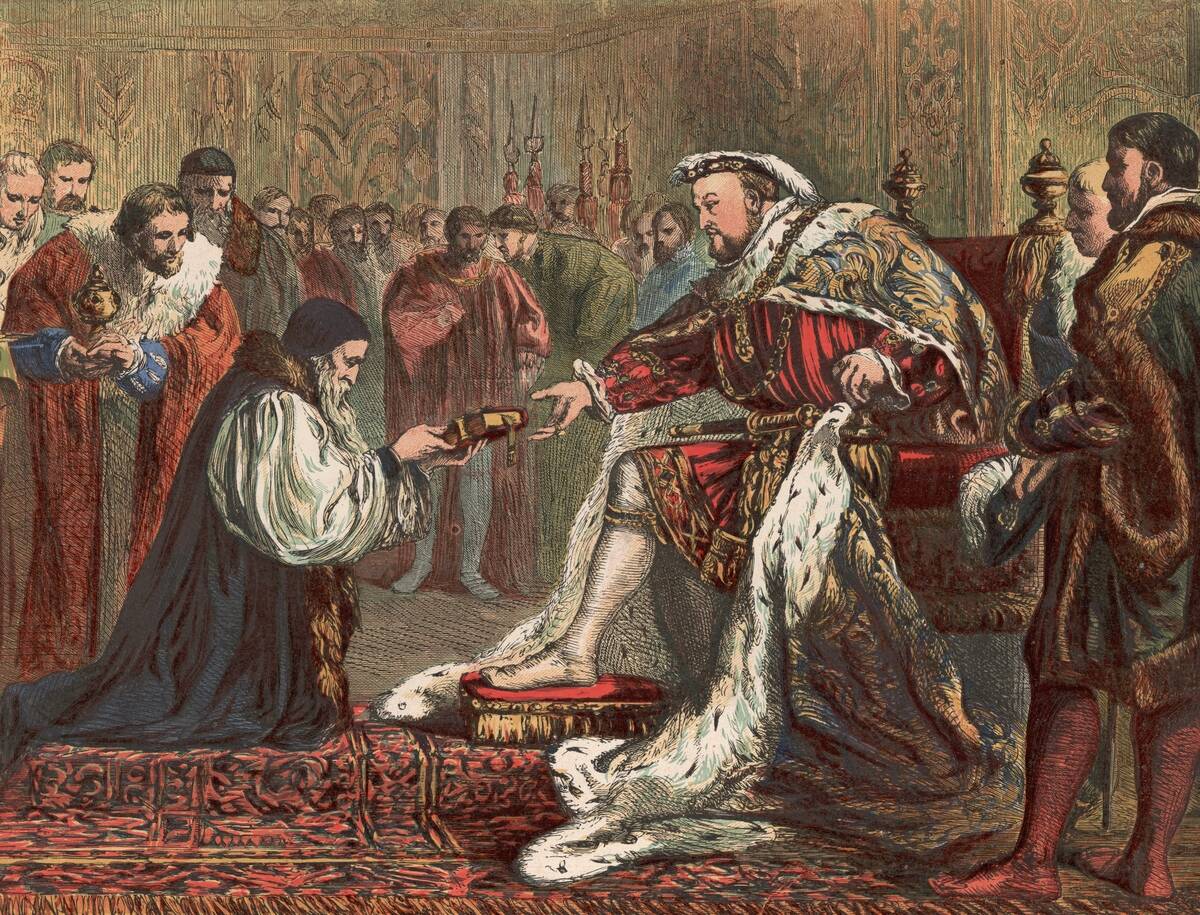
Gift-giving, a cherished aspect of many holidays, has evolved significantly over time. Ancient cultures offered gifts to deities to seek favor or express gratitude. In Roman times, exchanging gifts during Saturnalia was a way to strengthen social bonds.
Today, we give presents to celebrate relationships and spread joy. This enduring tradition reflects a universal desire to connect with others, transcending cultural boundaries and historical eras.
How Ancient Feasts Became Modern Holiday Meals
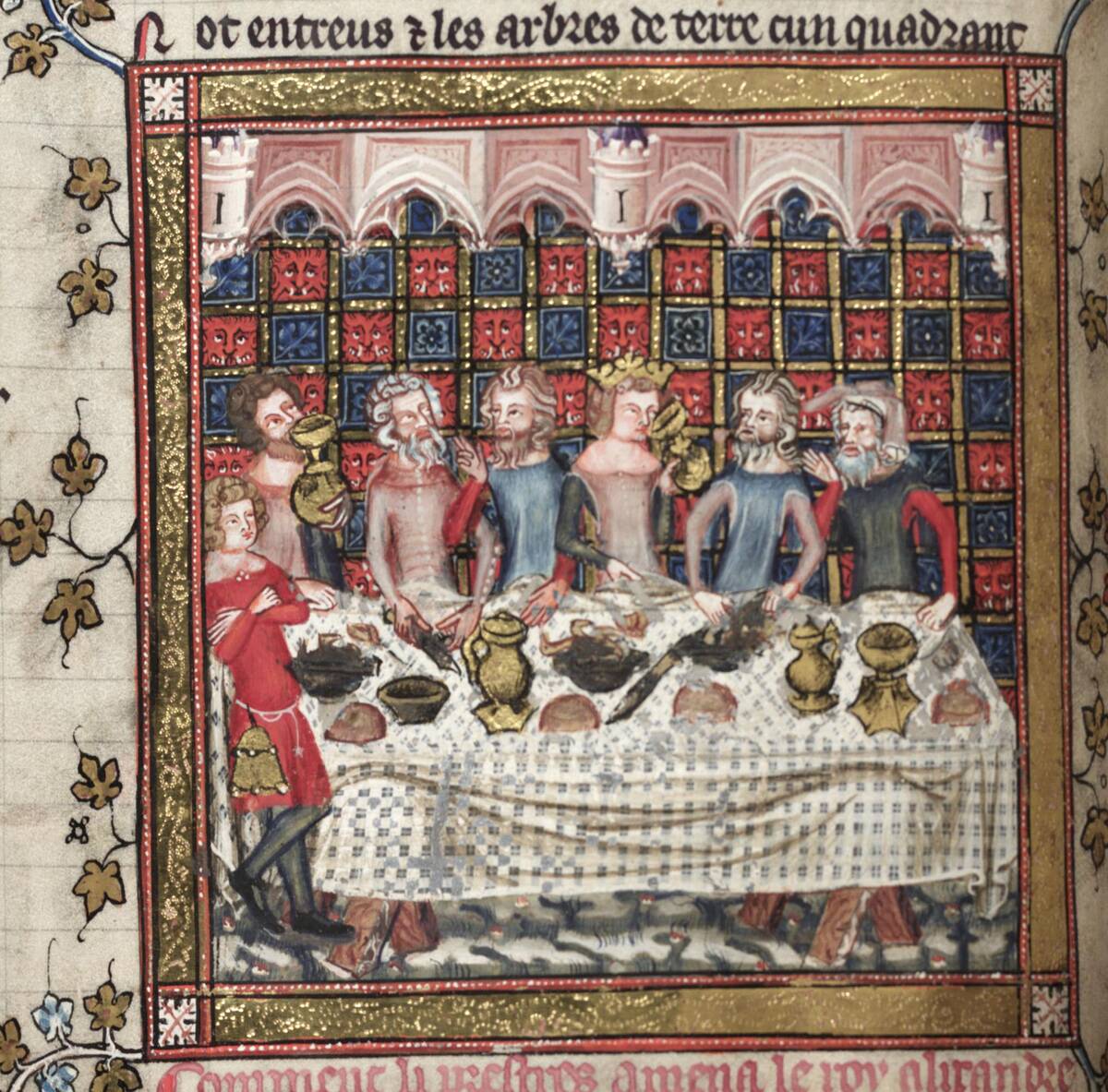
The tradition of feasting during holidays has its roots in ancient celebrations. Feasts were often held to mark significant events or honor deities, bringing communities together in gratitude and joy. In medieval Europe, lavish banquets were common during festivals.
Today, holiday meals remain a centerpiece of celebration, with dishes that often reflect cultural heritage. These gatherings continue to nourish both body and spirit, fostering a sense of togetherness and abundance.




